A gala premiere screening party for King of the Dancehall was well attended on Sunday, September 11th at the Toronto Film Festival.
Star watchers noticed Film star and director Nick Cannon in attendance as well as additional talent from the film including Busta Rhymes, Kreesha Turner and Kimberly Patterson. Adding to the excitement, Kardinal Offishall, Extra’s A.J. Calloway, professional boxers Lennox Lewis and Adonis Stevenson, Drew Dazzle, Louis Gossett Jr. and more, also stopped by EFS for CIROCcocktails and to congratulate the cast.
TORONTO, ON – SEPTEMBER 11: Actress Kreesha Turner attends the “King of the Dancehall” premiere screening party presented by Ciroc during the 2016 Toronto International Film Festival at EFS Lounge on September 11, 2016 in Toronto, Canada. (Photo by Matt Winkelmeyer/Getty Images for Brilliant Consulting )TORONTO, ON – SEPTEMBER 11: An interior view inside the “King of the Dancehall” premiere screening party presented by Ciroc during the 2016 Toronto International Film Festival at EFS Lounge on September 11, 2016 in Toronto, Canada. (Photo by Matt Winkelmeyer/Getty Images for Brilliant Consulting )TORONTO, ON – SEPTEMBER 11: Professional boxers Adonis Stevenson (L) and Lennox Lewis attend the “King of the Dancehall” premiere screening party presented by Ciroc during the 2016 Toronto International Film Festival at EFS Lounge on September 11, 2016 in Toronto, Canada. (Photo by Matt Winkelmeyer/Getty Images for Brilliant Consulting )
Frank Lloyd Wright designed over 1,000 structures (532 were completed) in his 70-years-plus career – mostly homes but also hotels, schools, churches, the Johnson Wax Headquarters and the Guggenheim Museum. This iconic American architect’s final design was the Norman Lykes House in Phoenix in the same year of his death in 1959. It is now for sale priced at USD$3.6 million and profiled at toptenrealestatedeals.com.
The Guggenheim cameo in Men In Black (1min 25secs)
Wright had been working with his apprentice, John Rattenbury, on the Lykes House sketches and had already chosen the building site for the home when he died. Having come full circle from his start in Prairie style, to textile block, to organic and, towards the end, the functional Usonian for the masses, his last designs showed a new interest in circles and curves as he created buildings in the round such as the Guggenheim and the house he built for his son, the David and Gladys Wright home also in Phoenix.
With a site on top of Palm Canyon with views of the valley, Wright began the Lykes design by replicating the curves of the mountainsides, making the home an integral part of its environment and providing big views for its owners and visitors. Though Wright passed away before finishing the working plans, the Lykes hired his apprentice, Rattenbury, to complete the plans according to the details set forth by Wright. The couple loved the completed plans, though it was another seven years before they started construction. When they did, Rattenbury oversaw the build and the home was completed in 1967. In addition to the structure itself, Wright also designed the furniture and built-ins for the home.
In 1994, new owners wanted some updating, so they called back Rattenbury to do the redesign by expanding the master bedroom, converting a workshop into a media room and combining two other bedrooms into a guest room – all without disrupting the overall design. Rather futuristic for its time, the circular and curvilinear design has become a timeless piece of architecture that continues to be copied by today’s designers and builders.
Now for sale and registered with the Frank Lloyd Wright Building Conservancy, the 2,849-square-foot home on one acre of desert plateau has three bedrooms, three bathrooms, the signature large living room fireplace intended to bring families and friends together, a lower-level media room, two home offices with built-ins of desk, cabinet storage and walls of shelving, a distinctive curved kitchen with Wright-designed island and unique under-cabinet windows and timeless stainless-steel counters, contemporary tiled large baths, and a privacy walled crescent pool patio viewed from inside through glass walls. There is also a separate large office in the round with all built-in furnishings encircled by half-moon windows. Views of valley and mountains can be seen from almost every room.
Classic last Wright design before his death, contemporary for today including lots of storage space with furniture and built-ins designed by the famous architect, the Lykes House is now for sale and priced at USD$3.6 million. For the Silo, Terry Walsh.
Dear Reader, it is difficult to deny that a side of art making is fatally concerned with the poetic grace of the gesture – it is expected that a work should exude a cosmic and ineffable air.
Regardless of your medium, I hope this glance into the minds of two established poets from very different walks of life can help dissipate the intimidating mist between process and product, as well as remind you that the transcendent and the familiar are often one in the same.
Global spectator Meena Alexander recognizes that even in the grand art of poetry is a desire to express what cannot be said through its own means. After eight books of poems and a lifetime of travel, Alexander continues to defend her craft as the most ordinary of entities, no more inexplicable than a child’s obvious and impossible sense of language or rhythm.
New York-based Eileen Myles approaches poetry from a reserved and humble perspective, with the intent of striking a tasteful balance between metaphysical grandeur and the habitual rhythm of the everyday.
Myles, a breathing artistic currency, treats poetry as an extension of the self with the potency of a movement and the collective memory of a civilization. Myles proves that common experience and abstract phenomena are synonymous when we step back to look.
If the weight of the world seems so immense that the few strands of creativity cannot unravel, the Mayer Foundation offers emergency funding for New York artists facing economic, residential or medical turbulence. Proposals may be submitted at any time, with over two thousand dollars granted to those with concrete objectives and a levelheaded art plan.
It is easy to forget that behind the polished mirror of history is a messy and cumulative reality. There is little difference between the intelligentsia of years past and the friends sitting at your dining room table. For the Silo, Brainard Carey.
There is general disagreement on whether Indian music can be performed on the harmonium and public interest in the debate is accordingly intense, as the controversially written articles and discussions prove to this day.
The matter has evaded scientific scrutiny until now…….click the following link to learn more about the harmonium in North Indian music: Full Text PDF- The Harmonium in North Indian Musicby Birgit Abels.
I learned about the Hamilton Audio Visual Node (HAVN) a few years ago by doing the rounds during Art Crawl. Since then it’s become obvious they’re hosting some of the most innovative music and visual art in Hamilton. I sat down with Connor Bennett and Chris Ferguson at the beginning of July to learn more about the collective and discover yet another reason to move to Hamilton. Connor and Chris made it pretty clear you don’t need an invitation to join the party. Featured Title Image, The HAVN Storefront on Barton Street Credit: Ariel Bader-Shamai
Timothy: How did HAVN get started?
Connor: Um, a few of us started a band, and we were practising in the basement of a student house and when it came time to leave that house, we wanted a space where we could continue to play, and show art, and we just lucked out, our collaborator and co-founder Amy McIntosh was living above a storefront and…
Chris: …had a good relationship with the landlord and managed to get the downstairs space at a price we could afford.
Connor: That was May, 2012, we opened up just as most of us were graduating from McMaster University.
Timothy: What does it mean to be a node for the arts? Is the storefront a critical component?
Connor: It’s probably not critical, although it’s nice, it’s really nice. I wouldn’t say it’s critical because we don’t do regular gallery hours, where people can just pop in. It is nice to have the storefront space for things like art crawl. We’re off of James Street but it’s still easier to get people out as compared to a studio space.
Aubrey Wilson Quartet in February 2015, Photo Credit: Amy McIntosh
Chris: Back to your question, as to what it means to be a node. Nodes are intersection points, which denotes the collaborative nature, the interdisciplinary nature of what we’re trying to do. And it was chosen for the sake of the acronym [Laughter].
Timothy: So what are your activities?
Chris: You could put it into four categories. We do art shows every art crawl, and occasionally outside of art crawl. We do music shows two to five times a month. And then there’s HAVN Records, our cassette tape little label. There’s also some miscellaneous things that are harder to categorize. We’ve done craft nights where people come out. Or if people in the collective supply an idea and make it happen. For a little while we had a darkroom in the backroom where people could develop photos.
Timothy: What are some of the highlights from the past couple of years?
Chris: It wasn’t something that I was involved with personally but I thought the darkroom was a really cool idea. It’s not something that’s widely available and it was a DIY thing where they obtained all the equipment and brought it all together. Some of it was donated by a like-minded friend from Guelph.
Connor: One of the best concerts I’ve seen recently was hosted by Cem Zafir and his partner Donna Akrey at HAVN, and they had a percussionist by the name of Tatsuya Nakatani come in and everyone in the room was transported to a different world, it was a magical moment. Those happen a lot. We’ve been really lucky with a lot of good music.
Hagface and Zena in August 2015, Photo Credit: Tony Hoang
Chris: What was the name of the show, I think Ariel and Petra did it, with the yarn, it was kind of, performance stuff; would you consider it a successor to the Quanta_1 show, where you and Kearon…
Connor: Yeah, yeah, it’s kind of like that…
Chris: An extension of that idea. Petra and Ariel did it, how would you describe it?
Connor: It was kind of a poetic yarn installation, with figures…
Chris: …and quotations.
Connor: It was great.
Chris: Really well executed. Not something you see a lot of.
Connor: Yeah, there’s lots of highlights.
Chris: We could keep going.
Connor: Once you start thinking about it.
Chris: I really liked our show for Supercrawl last year, which ended up being themed around Cootes Paradise, the Cootes to Escarpment EcoPark System, which is a conservation effort beginning with Cootes Paradise all the way into Burlington to connect some critical natural lands. The show really nailed the peaceful nature of it. Supercrawl is very busy, there’s tonnes of people and then you come to HAVN and it’s peaceful, relaxed.
Connor: Serene.
Chris: Yeah, Judy Major-Girardin, a professor at McMaster that taught a lot of the HAVN crew, was very generous with her time and she’s a big supporter of that initiative, so she put up a gorgeous installation with sound recordings from Georgian Bay. Frogs. Printed cheesecloth. It was stunning.
Corridors, in Support of the Cootes to Escarpment EcoPark System, September 2015, Photo Credit: Ariel Bader-Shamai
Timothy: What are your objectives? What is the need or desire that you are addressing?
Connor: I’d say from the music side of things, it’s a space for outsider music, for music that doesn’t really fit in a club or a bar. It’s a small space, really intimate, so even if ten people come out it feels like a nice crowd.
Chris: Yeah, It could just be a touring band who might have trouble booking a show at a bigger venue, because they wouldn’t attract a bigger crowd.
Connor: We know a lot of people who are booking shows in Hamilton and we’re filling a bit of a void since they’re not booking these types of shows. Like free jazz, for example, there’s no venues that are booking free jazz but we will gladly and enthusiastically book a free-jazz show.
Boyhood and Holzkopf in July 2015, Photo Credit: Tony Hoang
Timothy: How did you determine the scope of your practice?
Connor: Time determined that. When I started out with HAVN I was working a lot more with Kearon on the visual arts and installation projects and with time my interests and time investments moved more towards the music. It’s a natural evolution within the group, that we’ve settled into our roles based on our interests.
Timothy: Were those interests present from the beginning, or have they been nurtured over time?
Connor: One of the reasons why this has worked out for so long is that everyone has been really passionate about creativity, and art in general, and open to all art forms. That’s been the crux of why we’ve been around for so long, and putting on shows that are successful.
Timothy: What is your current relationship with institutional structures like the university and the gallery?
Connor: Well, quite a few professors from McMaster have shown art in our space. Judy and Dr. McQueen had a show recently. Other galleries? We have good relationships with other galleries, in particular, the Factory Media Centre, because we’ve done a lot of media art, not only that, we’ve shown a lot of art there, and both Amy McIntosh and Aaron Hutchinson have been on the board there. Amy’s been involved since the beginning.
Timothy: You position yourself as an alternative, though.
Chris: It’s not an adversarial relationship, like ‘that stuff is no good.’
Connor: We just don’t want to replicate things that are being done elsewhere. I’m sure we do it all the time. But the intention is to fill a void, take a risk.
Timothy: What are the benefits and limitations associated with your present configuration?
Connor: We’ve had trouble finding grants that apply to us. That’s one challenge because we operate with no inflow of money, so it’s just tough to make it work sometimes. That’s one of the limitations.
Chris: Sometimes I wonder if we put more time into the grants whether we would begin to take a different path. Like, having gallery hours wouldn’t be a bad thing, but it would be different than what we do now, and it would mean that we would be travelling down a more traditional path.
Timothy: Can you speak of the benefits and effects of HAVN, for yourselves and the broader community?
Connor: It’s such a useful space for us as artists and musicians, that’s kind of priceless.
Chris: It’s great to have a spot that you’re part of.
The Celestial Offerings Show in December 2015, Photo Credit: Petra Matar
Connor: Ideally we’re providing a space that’s inclusive, and open, where people feel comfortable. But if I was new to Hamilton and I went to HAVN I could understand feeling intimidated because there’s all these people who know each other already.
Chris: I think it’s always hard, because you establish your audience, and your friends, and you want people to have a stake in the space, that they’re part of it, that they’re not just attending shows, but that they’re part of the community too. But you have to balance that with being open and having new people feel that they can be part of it.
Timothy: So do you have any words of advice to people who might want to start a collective?
Chris: If I had any advice it would be pretty cheesy.
Connor: I don’t know. [Laughter]
Chris: The real trick is having the right group of people.
Connor: Get lucky.
Chris: Yeah, we couldn’t have made this happen in a bigger city where the rents are more expensive.
Many people are currently looking at Montreal condos for sale, as the present boom in the property market makes it an ideal investment. As these developments continue, Montreal is also becoming more and more attractive to employees, tourists, homeowners, and investors alike.
Planning to buy a condo and make money from it? Check out these tips:
Assess your surroundings.
First, check your location and what that means for your rental property. Are you near offices? Are you in a family-friendly suburb? Are there other rental properties nearby? How much are they renting it out for? Check out the city government website for said information which can help you better estimate the possible return.
Pick a target market.
Who are you renting out your condo to? This will dictate where you’ll advertise it and how much you’ll rent it out for. Try to pick a target market that’s not particularly saturated, especially considering the area where your condo is located.
Force appreciation of your condo’s value.
Before you rent it out, you can actually force appreciation on its value by negotiating lower maintenance rates. If you can increase the efficiency of utilities like water and electricity, this will lower operating costs and increase value – making it more desirable to possible tenants.
Prepare your condo for renting out.
You have to remember that you’ll also have competition, as you’re not the only rental property available. Depending on who you’re targeting, you should make it appealing and furnish it appropriately. By doing so, you’re making it the preferred choice of consumers.
Put it out in the market.
Even if your condo is ready for renting out, that doesn’t mean you’ll automatically have tenants. You’ll need to advertise that the property available, and using the right channels is also key.
Make all agreements clear.
Be very clear about your rental agreements. Is it a month-to-month contract or are you looking at something more long-term, like an annual lease? Who pays for the utilities? Who pays for the condo fees? Make sure the agreement between you and tenants is very clear to avoid future conflict.
Rent out unused garage space.
Most condos come with a garage space, and you don’t necessarily have to include this in your rental package especially if your condo is in the city and your tenants don’t have a car anyway. You can always rent out the garage space as a lot of people are simply looking for a dependable parking space where they can park when going to work. .
Rent out unused street parking space.
If your condo comes with street parking space, you can also rent this out separately to other tenants in the building.
Consider other schemes.
Open your mind to other schemes for rental, like a weekday-only rental or short-term contracts. This is more likely to happen if your condo is located in a dense area like downtown Montreal, where you have office workers and tourists as well.
Rent it out as office space.
If your condo is the studio type, you don’t have to make it residential. You can also rent it out as office space for professionals.
Ontario is offering a new and convenient way to buy alcohol products by introducing online sales through LCBO.com.
Order beer with your iphone & open it when it is delivered with your iphone case!
Starting today, LCBO consumers can buy online up to 5,000 different products from across Canada and 85 other countries. Customers can choose to have their order sent to an LCBO store of their choosing for pick up, free of charge, or choose to have it delivered directly to their home, anywhere in Ontario.
Ontario beverage alcohol producers will have access to greater “virtual” shelf space, which increases their reach to consumers who may not always have access to their product in their local store. This is the government’s latest step to expand options for buying alcohol, including the sale of beer in grocery stores last December, cider this June and the arrival of wine this fall.
Today’s e-commerce launch strengthens LCBO’s ability to generate revenue for Ontarians and continue to fund key public services such as health care and education.
Ontario is expanding access responsibly. In partnership with Canada Post, the LCBO will ensure that online orders are only handled by and delivered to adults of legal drinking age. Ontario is also developing a comprehensive alcohol policy to support the safe and responsible consumption of alcohol.
Supporting more choice and convenience for consumers, while improving opportunities for businesses, is part of the government’s economic plan to build Ontario up and deliver on its number-one priority to grow the economy and create jobs. The four-part plan includes helping more people get and create the jobs of the future by expanding access to high-quality college and university education. The plan is making the largest infrastructure investment in hospitals, schools, roads, bridges and transit in Ontario’s history and is investing in a low-carbon economy driven by innovative, high-growth, export-oriented businesses. The plan is also helping working Ontarians achieve a more secure retirement.
QUOTES
“This exciting launch of LCBO.com gives consumers greater choice and convenience while increasing opportunities for Ontario’s dynamic beverage alcohol producers. LCBO’s new e-commerce platform will continue to maintain a high standard of socially responsible distribution, while helping Ontario’s wine, beer and spirits businesses grow and create good, well-paying jobs in communities throughout Ontario.” — Charles Sousa, Minister of Finance
George Soleas
“Online shopping at LCBO.com enables us to offer a convenient customer experience in a changing marketplace. This e-commerce platform draws on our local and international supplier relationships and buying power, efficient supply chain and extensive store network– bringing our customers across Ontario better access to a world of products. This new virtual LCBO store is a natural extension of our in store shopping experience.— George Soleas, President and CEO, LCBO
QUICK FACTS
§ Up to 5,000 individual products are now available online, including exclusives beyond the LCBO’s current catalogue. The total could grow to more than 16,000 over time.
§ Consumers can have Canada Post deliver products securely and responsibly directly to their home anywhere in Ontario for $12 per order plus tax. They can also have them shipped free for pickup at any of the LCBO’s 655 stores. A $50 minimum applies to online orders.
§ The LCBO had another record year in 2015–16, with sales of $5.57 billion, up 6.8 per cent year over year. It paid a dividend of $1.935 billion to Ontario, an increase of $130 million.
§ Ontario Premier Kathleen Wynne, Québec Premier Philippe Couillard and British Columbia Premier Christy Clark recently committed to greater choice, convenience and expanded access to wines produced in their provinces through online ordering.
§ The Premier’s Advisory Council on Government Assets stated in its final report that it strongly supports the LCBO’s e-commerce launch because it will improve consumer choice.
L’Ontario lance un service de vente en ligne via LCBO.com
Des produits du Canada et de 85 autres pays au bout des doigts du consommateur
NOUVELLES
L’Ontario offre un moyen nouveau et pratique d’acheter des produits alcoolisés en offrant un service de vente en ligne via LCBO.com.
À compter d’aujourd’hui, les clients de la LCBO pourront acheter en ligne jusqu’à 5 000 produits du Canada et de 85 autres pays. Ils pourront faire livrer leur commande à un magasin de la LCBO sans frais, ou encore directement à leur domicile n’importe où en Ontario.
Les producteurs ontariens de produits alcoolisés auront accès à des rayons « virtuels » plus vastes, ce qui leur permettra d’atteindre des consommateurs qui ne trouvent pas toujours leurs produits dans le magasin de leur quartier. Il s’agit de la toute dernière mesure prise par le gouvernement pour élargir les options en matière d’achat de produits alcoolisés, qui comprennent la vente dans les épiceries de bière depuis décembre dernier, de cidre depuis ce mois de juin et de vin à compter de l’automne prochain.
Le lancement du service de vente en ligne renforce la capacité de la LCBO de générer des revenus pour la population de l’Ontario et de continuer à financer les services publics clés, dont les soins de santé et l’éducation.
L’Ontario élargit l’accès de façon responsable. La LCBO s’associe à Postes Canada pour s’assurer que les commandes en ligne sont traitées et livrées par des adultes en âge légal de boire. De plus, l’Ontario établit une politique détaillée en matière d’alcool pour appuyer la consommation sûre et responsable d’alcool.
Offrir plus de choix et de commodité aux consommateurs, tout en améliorant les possibilités pour les entreprises fait partie du plan économique du gouvernement, qui vise à favoriser l’essor de l’Ontario et à concrétiser sa principale priorité, à savoir stimuler l’économie et créer des emplois. Ce plan en quatre volets consiste notamment à aider plus de gens à obtenir et à créer les emplois de l’avenir en élargissant l’accès à des études collégiales et universitaires de haute qualité. De plus, le plan permet le plus important investissement de l’histoire de l’Ontario dans l’infrastructure des hôpitaux, des écoles, des routes, des ponts et des transports en commun et investit dans une économie sobre en carbone guidée par des entreprises innovatrices, à forte croissance et axées sur l’exportation. Enfin, le plan aide la population ontarienne active à bénéficier d’une retraite plus sure.
CITATION
« Le lancement de LCBO.com est un événement réjouissant qui donne aux consommateurs plus de choix et de commodité tout en accroissant les possibilités pour les producteurs dynamiques de boissons alcoolisées de notre province. La nouvelle plateforme de vente en ligne de la LCBO maintiendra une norme élevée de distribution socialement responsable, tout en aidant les producteurs ontariens de vin, de bière et de spiritueux à prendre de l’expansion et à créer de bons emplois bien rémunérés dans toute la province. »
— Charles Sousa, ministre des Finances
« LCBO.com nous permet d’offrir aux consommateurs un service de vente en ligne pratique sur un marché en évolution. Cette plateforme tire parti des relations que nous entretenons avec nos fournisseurs locaux et internationaux, de notre pouvoir d’achat, de notre chaîne d’approvisionnement efficace et de notre vaste réseau de magasins, afin d’offrir aux consommateurs ontariens un meilleur accès à une myriade de produits. Ce nouveau magasin virtuel de la LCBO est un prolongement naturel de l’expérience que nous offrons dans nos magasins. »
— George Soleas, président-directeur général, LCBO
EN BREF
· Jusqu’à 5 000 produits individuels sont maintenant offerts en ligne, y compris des articles exclusifs ne figurant pas dans le catalogue actuel de la LCBO. À terme, le total pourrait atteindre plus de 16 000 produits.
· Les consommateurs peuvent faire se livrer les produits de façon fiable et responsable par Postes Canada directement à leur domicile, n’importe où en Ontario, au coût de 12 $ la commande plus la taxe. Ils peuvent aussi recevoir leur commande sans frais dans l’un des 655 magasins de la LCBO. Un minimum de 50 $ s’applique aux commandes en ligne.
· 2015-2016 a été une nouvelle année record pour la LCBO qui a enregistré des ventes de 5,57 milliards de dollars, soit une augmentation de 6,8 % d’une année sur l’autre. Elle a versé un dividende de 1,935 milliard de dollars à l’Ontario, ce qui représente une hausse de 130 millions de dollars.
· Kathleen Wynne, première ministre de l’Ontario, Philippe Couillard, premier ministre du Québec, et Christy Clark, première ministre de la Colombie-Britannique, se sont récemment engagés à offrir plus de choix et de commodité ainsi qu’un meilleur accès aux vins produits dans leurs provinces grâce au service de commande en ligne.
· Dans son rapport final, le Conseil consultatif de la première ministre pour la gestion des biens provinciaux a indiqué qu’il appuyait vivement le lancement du service de vente en ligne de la LCBO parce qu’il offrira plus de choix au consommateur.
POUR EN SAVOIR PLUS
§ Communiqué et document d’information de la LCBO concernant le service de vente en ligne
§ Engagement de la LCBO envers un service de vente au détail et une consommation responsables
§ Programmes de l’Ontario favorisant la consommation responsable d’alcool
I really like this album, there’s some great soundscapes but also a sparseness and edge of tension at times. The production is excellent allowing sounds to evolve and grow. Fact: you will find a variety of recorded sounds that combine with layers of noise and drone elements and this results in the expected elements of experimental but yet retains a solid coherence.
Ohms Per Swamp Cubed
This song uses field recordings and subtle noise / drone elements, it has a stripped back feel but this is done very effectively.
Melancholic Transistor
This also sounds like another field recording and has excellently layered noise / drone sounds and a subtle emerging lead which adds a great tension. My Role…
A great spoken recording, although I’m not sure where it was taken from. There’s effective layering of sounds again, and there are looping elements and bass and percussion sounds. Take note of the processing of the vocals towards the end because this is excellent too.
Laminated Numbers
The processed vocals have an ethereal, spooky feel. Again- more layering of sounds, butfor this time there’s an Eastern feel to the background sounds and the song captures the mood of a “half-heard” conversation. All of these different elements are combined really well. We Interrupt This Broadcast
The striking percussive sounds heard here are layered logically against a recording of a public news report that warns of an impending nuclear strike. There’s a effective tension to this song. Drone #4
Opens with a string type sound layered over a field recording and a warble like sound that serves to remind the listener of hand-tuning an old radio while searching for a clear station or trying to remove static caused by radio wave interference. Overall, a nice bit of tension to this song. Lo Fi Left Over Laminated Loops
This song has a big atmospheric opening, slowly evolving sounds and dense layering. Sophisticated Babble
A slowly revealed opening and then sounds panned really well create a broad stereo spectrum. This track has a sparse feel and yet the recorded vocals are richly layered. There is a sense and feel of being a removed outsider listening in from afar. Radio Waving
Strong combinations of radio recordings and noise, the layered percussive rhythm works especially well and provides a contrast to the harsher radio sounds.
There’s lots to consider here. For the Silo, Mike Fuchs. Yellow Salamand’r 4 on facebook
Ontario is building almost 500 electric vehicle EV charging stations at over 250 convenient locations across the province to help reduce greenhouse gas pollution and fight climate change.
The province is working with 24 public- and private-sector partners to create an unprecedented network of public charging electric vehicle stations in cities, along highways, at workplaces and at various public places across Ontario. This includes over 200 Level 3 and nearly 300 Level 2 charging stations. The entire network will be in service by March 31, 2017.
The province’s $20-million investment under Ontario’s Green Investment Fund will expand charging infrastructure across the province and will help address “range anxiety,” a common concern of consumers regarding the distance electric vehicles can travel compared to traditional vehicles. Building a more robust network of public chargers across Ontario allows electric vehicle owners to plan longer trips knowing that charging stations are as readily available as gas stations. With the new network of stations, electric vehicle drivers will be able to travel confidently from Windsor to Ottawa or from Toronto to North Bay and within and around major urban centres.
The $325-million Green Investment Fund, an initial investment in Ontario’s new five-year Climate Change Action Plan, is already strengthening the economy, creating good jobs and driving innovation while fighting climate change — a strong signal of what Ontarians can expect from the plan and proceeds from the province’s cap and trade program. These investments will help secure a healthy, clean and prosperous low-carbon future and transform the way we live, move, work and adapt to our environment while ensuring strong, sustainable communities.
Investing in climate action is part of the government’s economic plan to build Ontario up and deliver on its number-one priority to grow the economy and create jobs. The four-part plan includes helping more people get and create the jobs of the future by expanding access to high-quality college and university education. The plan is making the largest infrastructure investment in hospitals, schools, roads, bridges and transit in Ontario’s history and is investing in a low-carbon economy driven by innovative, high-growth, export-oriented businesses. The plan is also helping working Ontarians achieve a more secure retirement.
QUOTES
“By investing in charging infrastructure that is fast, reliable and affordable, we are encouraging more Ontarians to purchase electric vehicles, reducing greenhouse gas pollution and keeping our air clean.”
— Steven Del Duca, Minister of Transportation
“Transportation is one of the single biggest contributors to climate change. Supporting more charging stations across the province will help to reduce greenhouse gas pollution by making it more convenient for drivers of electric vehicles to get around.”
— Glen Murray, Minister of the Environment and Climate Change
QUICK FACTS
An interactive map of the EVCO network of stations will be easily accessible on
Ontario 511. Station location data will also be posted on Ontario’s Open Data Catalogue to allow software developers and other interested parties to use the data in their mobile application or digital product development.
Ontario’s Climate Change Action Plan is providing people and businesses with tools and incentives to accelerate the use of clean technology that exists today.
A shift to low- and zero-emission vehicles is vital to the fight against climate change and achieving Ontario’s greenhouse gas pollution reduction target of 80 per cent below 1990 levels by 2050.
Green Investment Fund projects include: more electric vehicle charging stations; energy retrofits for single-family homes and affordable housing; support for Indigenous communities, industry and small and medium-sized businesses, and helping local organizations fight climate change.
Greenhouse gases from cars account for more emissions than those from industries such as iron, steel, cement, and chemicals combined.
There are nearly 7,000 electric vehicles currently on the road in Ontario.
Over 200 applications to the Electric Vehicle Charger Ontario program were received between Dec. 21, 2015 and Feb. 12, 2016, totalling more than $165 million in grant requests.
The province is investing nearly $20 million from Ontario’s Green Investment Fund to build almost 500 electric vehicle (EV) charging stations at over 250 locations in Ontario by March 31, 2017.
City/Town
Number of Chargers
Location of Chargers
Central Region
Level 2: 223
Level 3: 84
Barrie
Level 2: 0
Level 3: 1
McDonald’s – 446 Bayfield St.
Beamsville
Level 2: 0
Level 3: 1
Tim Horton’s – 5005 Ontario St.
Beaverton
Level 2: 0
Level 3: 1
McDonald’s – 84 Beaverton Ave.
Bolton
Level 2: 0
Level 3: 1
Albion Bolton Community Centre – 150 Queen St. South
Bradford
Level 2: 0
Level 3: 1
Tim Horton’s – 440 Holland St. West
Brampton
Level 2: 6
Level 3: 0
Soccer Centre Recreation Facility – 1495 Sandalwood Pkwy. East
Heart Lake Conservation Area – 10818 Heart Lake Rd.
Claireville Conservation Area – 8180 Hwy 50
Burlington
Level 2: 1
Level 3: 2
IKEA – 1065 Plains Rd. East
Appleby Crossing – 2435 Appleby Line
Caledon
Level 2: 3
Level 3: 1
Albion Hills Conservation Area Chalet – 16500 Regional Rd.
Albion Hills Conservation Area Beach Parking – 16500 Regional Rd.
Glen Haffy Conservation Area – 19245 Airport Rd.
Margaret Dunn Library – 20 Snelcrest Dr.
Collingwood
Level 2: 0
Level 3: 2
McDonald’s – 285 First St.
Tim Horton’s – 4 High St.
Elmvale
Level 2: 0
Level 3: 1
Tim Horton’s – 68 Yonge St. South
Fort Erie
Level 2: 0
Level 3: 2
McDonald’s – 325 Garrison Rd.
Tim Horton’s – 1167 Garrison Rd.
Goodwood
Level 2: 1
Level 3: 0
Claremont Field Centre – 4290 Westney Rd. North
Hamilton
Level 2: 1
Level 3: 2
Centre on Barton – 1275 Barton St. East
Tim Horton’s – 1470 ON-6
Tim Horton’s – 473 Concession St.
Keswick
Level 2: 1
Level 3: 1
Glenwoods Centre – 443 The Queensway South
Markham
Level 2: 10
Level 3: 2
123 Commerce Valley Dr. West
125 Commerce Valley Dr. West
50 Minthorn Blvd.
140 Allstate Pkwy.
Armadale Crossing – 7690-7770 Markham Rd.
80 Allstate Parkway
Midhurst
Level 2: 0
Level 3: 1
Simcoe County Museum – 1151 Highway 26
Midland
Level 2: 0
Level 3: 1
Tim Horton’s – 16815 ON-12
Milton
Level 2: 1
Level 3: 1
Campbellville Country Court Plaza – 35 Crawford Cres.
Mississauga
Level 2: 58
Level 3: 20
80 Courtneypark Dr.
5800 Explorer Dr.
Meadowvale Corporate Centre – 6880 Financial Dr.
5750 Explorer Dr.
2085 Hurontario St.
4701/4715 Tahoe Blvd.
Indian Line Campground – 7625 Finch Ave. West
Pearson International Airport – 6301 Silver Dart Dr.
Pearson International Airport – 8 Network Rd.
Pearson International Airport – 3111 Convair Dr.
Hilton Mississauga – 6750 Mississusauga Rd.
2630 Skymark Ave.
Novo-nordisk – 2680 Skymark Ave.
Airway Centre – 5935 Airport Rd.
30 Eglinton Ave. West
Newmarket
Level 2: 0
Level 3: 1
McDonald’s – 1100 Davic Dr.
Niagara Falls
Level 2: 0
Level 3: 1
Tim Horton’s – 8089 Portage Rd.
Oakville
Level 2: 0
Level 3: 2
Tim Horton’s – 228 Wyecroft Rd.
Orangeville
Level 2: 0
Level 3: 1
McDonald’s – 23 Broadway Ave.
Orillia
Level 2: 0
Level 3: 2
McDonald’s – 320 Memorial Ave.
Tim Horton’s – 25 Colborne St. East
Oshawa
Level 2: 0
Level 3: 2
Best Western Oshawa – 559 Bloor St. West
Pickering
Level 2: 1
Level 3: 1
Petticoat Creek Conservation Area – 1100 Whites Rd.
Richmond Hill
Level 2: 9
Level 3: 0
30 Leek Cres.
38 Leek Cres.
95 Mural St.
1725 16th Ave.
Swan Lake Centre – 1229 Bethesda Sideroad
St Catharines
Level 2: 0
Level 3: 1
Tim Horton’s – 170 4th Ave. South
Stayner
Level 2: 0
Level 3: 1
Clearview Joint Emergency Services Operations Centre – 6993 ON-26
Stouffville
Level 2: 1
Level 3: 0
Bruce’s Mill Conservation Area – 3291 Stouffville Rd.
Toronto
Level 2: 121
Level 3: 25
IKEA Etobicoke – 1475 The Queensway
IKEA North York – 15 Provost Dr.
St. Joseph’s Health Centre – 30 The Queensway
Royal Bank Plaza – 200 Bay St.
University Centre – 383 University Ave.
5775 Yonge St.
Lucliff Place – 700 Bay St.
York Mills Centre – 4325 Yonge St.
MaRS Centre – 661 University Ave.
Yorkville Village – 87 Avenue Rd.
Madison Centre – 4950 Yonge St.
Citibank – 123 Front St.
110 Yonge St.
525 University Ave.
175 Bloor St.
Metro Centre – 200 Wellington St.
Airport Marriott – 901 Dixon Rd.
Maple Leaf Square – 15 York St.
Air Canada Centre – 50 Bay St.
Air Miles Tower – 438 University Ave.
720 Bay St.
655 Bay St.
5001 Yonge St.
Adelaide Place – 181 University Ave.
2075 Kennedy Rd.
Dynamic Funds Tower – 1 Adelaide St. East
Atria – 2235 Sheppard Ave. East
30 Adelaide St. East
Commerce West – 401 and 405 The West Mall
SNC-Lavalin – 304 The East Mall
Burnhamthorpe Square – 10-20 Four Seasons Place
Morneau Shepall – 895 Don Mills Rd.
145 King St. West
150 King St. West
Sun Life Centre – 200 King St. West
Manulife Centre – 55 Bloor St. West
Bloor Islington Place – 3250 Bloor St. West
33 Bloor St. West
Scotiabank Plaza – 40 King St. West
115 Gordon Baker Rd.
Foresters – 789 Don Mills Rd.
277 Wellington St. West
Glen Rouge Conservation Area – 7450 Kingston Rd.
Milliken Crossing – 5631 – 5671 Steeles Ave. East
Black Creek Pioneer Village – 1000 Murray Ross Parkway
Humber River Hospital – 1235 Wilson Ave.
Tottenham
Level 2: 1
Level 3: 1
Tottenham Mall – 55 Queen St. South
Vaughan
Level 2: 4
Level 3: 3
TRCA Head Office – 101 Exchange Ave.
Joint Operations Centre – 2800 Rutherford Rd.
IKEA – 200 Interchange Way
Vineland Station
Level 2: 0
Level 3: 1
Tim Horton’s – 3335 North Service Rd.
Washago
Level 2: 0
Level 3: 1
Washago Carpool Lot – HWY 11/169
Whitby
Level 2: 1
Level 3: 0
Taunton Gardens – 320 Taunton Rd. East
Woodbridge
Level 2: 3
Level 3: 0
Boyd Conservation Area – 8739 Islington Ave.
Kortright Centre – 9550 Pine Valley Dr.
East Region
Level 2: 17
Level 3: 49
Arnprior
Level 2: 0
Level 3: 3
Tim Horton’s – 201 Madawaska Blvd.
Metro/Food Basics – 375 Daniel St. South
McDonald’s – 16 Baskin Dr. West
Bancroft
Level 2: 0
Level 3: 1
Tim Horton’s – 234 Hastings St. North
Barrhaven
Level 2: 2
Level 3: 0
Ottawa Park and Ride – 3347 Fallowfield Rd.
Belleville
Level 2: 0
Level 3: 1
Tim Horton’s – 218 Bell Blvd.
Brockville
Level 2: 0
Level 3: 2
McDonald’s – 2454 Parkdale Ave.
Tim Horton’s – 77 William St.
Campbellford
Level 2: 0
Level 3: 1
Tim Horton’s – 148 Grand Rd.
Carleton Place
Level 2: 0
Level 3: 1
Tim Horton’s – 144 Franktown Rd.
Casselman
Level 2: 0
Level 3: 1
Metro/Food Basics – 21 Richer Close
Cornwall
Level 2: 0
Level 3: 3
Tim Horton’s – 81 Tollgate Rd. West
McDonald’s – 1301 Brookdale Ave.
St. Hubert – 705 Brookdale Ave.
Deep River
Level 2: 0
Level 3: 1
Tim Horton’s – 33235 Hwy 17
Embrun
Level 2: 2
Level 3: 0
Embrun Arena – 8 Blais St.
Fenelon Falls
Level 2: 0
Level 3: 1
Tim Horton’s – 23 Lindsay St.
Gloucester
Level 2: 0
Level 3: 1
St. Hubert – 2484 Boulevard St. Joseph
Hawkesbury
Level 2: 0
Level 3: 2
St. Hubert – 456 County Rd. 17
Tim Horton’s – 418 Main St. East
Johnstown
Level 2: 0
Level 3: 1
Gas Bar – 2618 CR-2
Kanata
Level 2: 1
Level 3: 1
Ottawa Park and Ride – 130 Earl Grey Dr.
Kemptville
Level 2: 0
Level 3: 1
TSC Stores – 2966 County Rd. 43
Kingston
Level 2: 0
Level 3: 1
Tim Horton’s – 681 Princess St.
Lindsay
Level 2: 0
Level 3: 2
Lindsay Recreation Complex – 133 Adelaide St. South
Tim Horton’s – 85 Mt Hope St.
Madoc
Level 2: 0
Level 3: 2
McDonald’s – 14118 Hwy 62
Tim Horton’s – 14121 ON-7
Manotick
Level 2: 0
Level 3: 1
Tim Horton’s – 989 River Rd.
Napanee
Level 2: 0
Level 3: 1
Tim Horton’s – 478 Centre St. North
Nepean
Level 2: 2
Level 3: 0
Ben Franklin Place – 101 Centrepointe Dr.
Newcastle
Level 2: 0
Level 3: 1
Tim Horton’s – 361 King Ave. East
Ottawa
Level 2: 3
Level 3: 8
McDonald’s – 670 Bronson Ave.
City of Ottawa Fire Administration Building – 1445 Carling Ave.
St. Hubert – 4010 Riverside Dr.
Ottawa Public Parking Lot – 687 Somerset
IKEA – 2685 Iris St.
Pembroke
Level 2: 0
Level 3: 2
McDonald’s – 805 Pembroke St. East
Tim Horton’s – 11 Robinson Ln.
Perth
Level 2: 0
Level 3: 1
McDonald’s – 35 Dufferin St.
Peterborough
Level 2: 7
Level 3: 4
Tim Horton’s – 1527 Water St.
Lansdowne Place Mall – 645 Lansdowne St.
Norwood Town Hall – 2357 County Rd. 45
King Street Parking Garage – 200 King St.
Memorial Centre Arena – 151 Lansdowne St. West
Riverview Park Zoo – 1230 Water St.
Downtown Lakefield Public Parking – 39 Queen St.
Picton
Level 2: 0
Level 3: 1
Downtown Picton Public Parking – 55 King St.
Port Hope
Level 2: 0
Level 3: 1
McDonald’s – 175 Rose Glen Rd. North
Port Perry
Level 2: 0
Level 3: 1
McDonald’s – 14500 Simcoe St.
Rockland
Level 2: 0
Level 3: 2
Metro/Food Basics – 9071 County Rd. 17
Tim Horton’s – 2875 Laporte St.
Northeast Region
Level 2: 1
Level 3: 24
Azilda
Level 2: 0
Level 3: 1
Tim Horton’s – 514 Notre Dame St. East
Burk’s Falls
Level 2: 0
Level 3: 1
Tim Horton’s – 27 Commercial Dr.
Elliot Lake
Level 2: 0
Level 3: 2
McDonald’s – 269 King’s Hwy 108
Tim Horton’s – 261 ON-108
Espanola
Level 2: 0
Level 3: 1
Tim Horton’s – 701 Centre St.
Gravenhurst
Level 2: 0
Level 3: 2
McDonald’s – 1105 Bethuine Dr.
Tim Horton’s – 150 Talisman Dr.
Huntsville
Level 2: 0
Level 3: 1
Tim Horton’s – 44 ON-60
Kapuskasing
Level 2: 0
Level 3: 2
McDonald’s – 240 Government Rd.
Tim Horton’s – 8 Government Rd. East
Kirkland Lake
Level 2: 0
Level 3: 2
McDonald’s – 155 Government Rd. West
Tim Horton’s – 175 Government Rd. West
New Liskeard
Level 2: 0
Level 3: 2
McDonald’s – 883350 Hwy 65 West
Tim Horton’s – 883307 ON-65
North Bay
Level 2: 0
Level 3: 2
McDonald’s – 999 McKeown Ave.
Tim Horton’s – 114 Drury St.
Parry Sound
Level 2: 0
Level 3: 1
McDonald’s – 118 Bowes St.
Port Severn
Level 2: 1
Level 3: 1
Jag’s Petro Canada – 41 Lone Pine Rd.
Sault Ste. Marie
Level 2: 0
Level 3: 2
McDonald’s – 673 Trunk Rd.
Tim Horton’s – 223 Second Line West
Sudbury
Level 2: 0
Level 3: 1
McDonald’s – 914 Newgate Ave.
South Porcupine
Level 2: 0
Level 3: 1
Tim Horton’s – 4556 ON-101
Timmins
Level 2: 0
Level 3: 1
McDonald’s – 520-522 Algonquin Blvd. East
Wawa
Level 2: 0
Level 3: 1
Tim Horton’s – 92 Mission Rd.
Northwest Region
Level 2: 0
Level 3: 7
Dryden
Level 2: 0
Level 3: 2
McDonald’s – 520 Government St.
Tim Horton’s – 655 Government St.
Fort Frances
Level 2: 0
Level 3: 2
McDonald’s – 831 Kings Highway
Tim Horton’s – 525 Hwy 11 West
Kenora
Level 2: 0
Level 3: 1
McDonald’s – 900 Highway 17 East
Thunder Bay
Level 2: 0
Level 3: 2
McDonald’s – 770 Memorial Ave.
Tim Horton’s – 121 East Ave.
West Region
Level 2: 33
Level 3: 47
Amherstburg
Level 2: 0
Level 3: 1
The Libro Centre – 3295 Meloche Rd.
Arthur
Level 2: 1
Level 3: 2
Arthur Library and Medical Centre – 110 Charles St. East
Arthur Sports Complex – 158 Domville St.
Brantford
Level 2: 0
Level 3: 2
McDonald’s – 73 King George Rd.
Tim Horton’s – 1290 Colborne St. East
Cambridge
Level 2: 0
Level 3: 1
McDonald’s – 416 Hespeler Rd.
Cayuga
Level 2: 0
Level 3: 1
Tim Horton’s – 51 Talbot St.
Chatham
Level 2: 0
Level 3: 2
McDonald’s – 710 Richmond St.
Tim Horton’s – 33 3rd St.
Clifford
Level 2: 1
Level 3: 1
Clifford Community Complex – 2 Brown St. South
Clinton
Level 2: 0
Level 3: 1
Tim Horton’s – 300 Ontario St.
Drumbo
Level 2: 1
Level 3: 1
Mister Steak Highway Travel Plaza – 80667 Oxford Rd. 29
Essex
Level 2: 0
Level 3: 4
Essex Centre Sports Complex – 60 Fairview Ave. West
Colechester Harbour – 100 Jackson St.
Exeter
Level 2: 1
Level 3: 1
153 Main St. North
Goderich
Level 2: 0
Level 3: 1
McDonald’s – 354 Bayfield Rd.
Guelph
Level 2: 1
Level 3: 3
Social Services Building – 138 Wyndham St. North
Puslinch Library – 29 Brock Rd. South
N Hanlon Park Mall – 218 Silvercreek Pkwy.
Hanover
Level 2: 0
Level 3: 2
McDonald’s – 800 10th St.
Tim Horton’s – 639 10th St.
Harriston
Level 2: 0
Level 3: 1
Tim Horton’s – 182 Elora St.
Ingersoll
Level 2: 2
Level 3: 1
Downtown Ingersoll Public Parking – 16 King St.
Innisfil
Level 2: 0
Level 3: 1
Tim Horton’s – 940 Innisfil Beach Rd.
Kitchener
Level 2: 8
Level 3: 0
50 Queen St. North
55 King St. West
Leamington
Level 2: 0
Level 3: 1
McDonald’s – 214 Talbot St.
London
Level 2: 6
Level 3: 1
Wellington Commons – 1210 Wellington Rd. South
Tim Horton’s – 146 Clarke Rd.
City Centre – 380 Wellington St.
Meaford
Level 2: 0
Level 3: 1
Tim Horton’s – 291 Sykes St. South
Mount Forest
Level 2: 1
Level 3: 1
Mount Forest Sports Complex – 850 Princess St.
Owen Sound
Level 2: 0
Level 3: 1
McDonald’s – 1015 10th St. West
Port Colborne
Level 2: 0
Level 3: 1
Tim Horton’s – 429 Main St. West
Port Dover
Level 2: 0
Level 3: 1
Tim Horton’s – 1 St Andrew St.
Port Elgin
Level 2: 0
Level 3: 1
McDonald’s – 278 Goderich St.
Sarnia
Level 2: 0
Level 3: 1
Tim Horton’s – 1399 Colborne Rd.
Simcoe
Level 2: 0
Level 3: 1
McDonald’s – 77 Queensway East
Southampton
Level 2: 1
Level 3: 0
Saugeen First Nation Gas Bar – 43 Cameron Dr.
Stratford
Level 2: 0
Level 3: 1
McDonald’s – 1040 Ontario St.
Strathroy
Level 2: 0
Level 3: 1
McDonald’s – 269 Caradoc St. South
Tillsonburg
Level 2: 0
Level 3: 2
Tim Horton’s – 401 Simcoe St.
Wallaceburg
Level 2: 0
Level 3: 1
Tim Horton’s – 848 Dufferin Ave.
Wasaga Beach
Level 2: 0
Level 3: 1
McDonald’s – 1275 Mosley St.
Waterloo
Level 2: 7
Level 3: 0
Northland Business Centre – 60 Northland Rd.
Waterloo Corporate Campus – 180 Northfield Dr. West / 595 Parkside Dr.
Welland
Level 2: 1
Level 3: 1
Fitch Street Plaza – 200 Fitch St
Wiarton
Level 2: 0
Level 3: 1
Tim Horton’s – 445 Berford St.
Windsor
Level 2: 0
Level 3: 1
Tim Horton’s – 80 Park St. East
Wingham
Level 2: 0
Level 3: 1
Tim Horton’s – 33 Josephine St.
Woodstock
Level 2: 2
Level 3: 1
Quality Inn – 580 Bruin Blvd.
Some of the above noted locations may be subject to change prior to March 31, 2017.
Level 2 charging stations use a 240 volt system (similar to a clothes dryer plug) and can fully charge a vehicle from zero per cent charge in about four to six hours.
Level 3 charging stations (also known as Direct Current Fast Chargers or DCFC) use a 480 volt system and can charge a vehicle to 80 per cent in about 30 minutes. These stations allow EV drivers to charge their vehicles about eight times faster than Level 2 charging stations, and permit them to travel further than ever before.
Joy Junction is three decades old. It is hard to believe the shelter I founded is 30 this year, and that I’ve spent more than half my life at what has obviously now become a lifetime calling. Looking back, it seems just like a short time ago that I came up the driveway of our 52-acre property wanting to reach out to homeless families with food, shelter and the love of Jesus Christ.
We’re currently sheltering as many as 300 people nightly, and providing more than 16,000 meals each month from a fully licensed kitchen. Born in England, I emigrated to the U.S. in 1978 with $50.00 in my pocket and a one way ticket. I ended up homeless in mid 1981 and early 1982, and in that same year “landed” in Santa Fe. It was there where God brought some amazing people into my life, who encouraged me and helped me begin my first ministry. My calling to work with the homeless began to emerge. In 1986, I left Santa Fe, took a few months off and moved to Albuquerque. There I ended up starting Joy Junction, never envisioning the scope of what it would become.
The vision I had was for a refuge where the entire family unit could stay together at one of the most difficult times in their lives. I wanted to ensure that husbands and wives had the support of each other, and could provide more support for each other and their kids than they might otherwise be able to if split up. I had no idea what adventures, struggles and trials would lie ahead.
Jeremy Reynalds, Ph.D. Founder and CEO Joy Junction Inc.
The full story is told in my book “From Destitute to Ph.D.,” but here are some of the highlights. The shelter grew quickly in the following four years, but quite often, unmanaged and fast growth can be the downfall of an organization of any kind, whether a ministry or not. Our bills were exceeding our income and we nearly folded. Due to God’s grace we stayed afloat. During those first years, I also worked a part time job to put food on my own family’s table, taught a regular Bible study at the shelter and tried to get the word about what we were trying to do. In 1991, I felt it was time I went back to school. I tried a couple of summer classes at the University of New Mexico, and earned a bachelor’s degree with a focus on journalism in 1996 and a master’s degree in communication in 1998. Along the way I also enjoyed a number of internships at various media in Albuquerque, as well as hosting a couple of radio shows.
Looking back, I can see how all these media experiences helped me better promote Joy Junction and the plight of the homeless. I have a deep appreciation for our local media. It is sad that reporters are routinely vilified and criticized but rarely praised. In 1999, I was accepted to do a Ph.D. intercultural education at Biola University in Los Angeles. I graduated in 2006, and my doctoral dissertation dealt with the way the media portray America’s homeless culture. In ( about) 1999, I also met a fellow Brit by the name of Dan Wooding, the founder of a very unique news service dealing with the plight of persecuted Christians as well as aspects of popular culture. I have written for the ASSIST News Service ever since then, and have traveled to a number of countries internationally reporting for them.
In my post Ph.D. years, the shelter continued to grow in budget and services offered. In 2009, due to the generosity of a local businessman, we added a mobile feeding unit we dubbed the Lifeline of Hope. It operates seven days a week 365 days a year, providing food, water and toiletries to people who can afford either a meal or a place to stay-but not both In late 2006 I went through a divorce and was single for a number of years. In March 2015, I got married to my wife Elma. She is the love of my life, and shares the same passion as me for helping feed the hungry and house the homeless. Elma has quickly become an integral part of Joy Junction and is loved by guests and staff alike.
The future for Joy Junction is looking bright, with numerous renovations in 2015 occurring at our aging property. For the comfort of our guests we upgraded the air conditioning at our main building, replaced windows, and put in a new driveway to help make visiting our facility a much less “bumpy” experience. In addition, we have demolished an old and unused chapel on our property to prepare the way for much needed new construction. With the Lord as my guide and my wife at my side, I look forward to the next three decades helping the disenfranchised, marginalized, homeless and hungry. I hope you will consider joining us. For the Silo, Jeremy Reynalds and Joy Junction. (www.joyjunction.org)
Okay I admit it, newspapers are dead. But maybe in China they aren’t. Or are. Because in a local bargain shop I discovered a cache of wastebaskets in three different sizes made entirely out of newspapers: Chinese newspapers to be exact. And that started me thinking.
It seems probable that in China, or somewhere near there, an active recycling program is taking place. Instead of shredding or burning them for landfill, some sort of manufacturing facility is turning clean, bright and seemingly unread newspapers into functional everyday objects. Does this mean that the newspaper industry is suffering in China? Is there a surplus of printed newspapers? Are more Chinese people getting their news from digital media than print? Who can say. My phone calls to the Chinese embassy consulate in Toronto about these pressing issues were not returned.
The irony of wastebaskets made out of, well, waste, is not (ahem) wasted on me.
These products are powerful “green” metaphors produced in one of the most polluting nations on the planet. The industrialization of China is full steam ahead and damn the torpedoes. Consumer goods? They want everything we have, so it’s hard to claim any moral high ground. Anyway, there is an environmental statement here, intended or not. I’m just not sure what it is.
On the other hand, they are just really fun and handy wastebaskets that feel great when you pick them up by their long, soft handles. I kind of want one.
Supplemental:
In Jennifer Baichwal’s film Manufacturing Landscapes, about Canadian photographer Edward Burtynsky, we learn there are whole towns in China dedicated to breaking down and “smelting” the useable metals out of discarded electronics. When you choose to buy a new DVD player because it’s cheaper than repairing your old one, this is likely where your old one goes. Apparently you can smell these towns a mile off. The Chinese government sure knows a thing or two about recycling. But what would it cost to do this kind of metal recovery safely? What would it cost to make baskets out of the millions of unread, discarded and obsolete print newspapers in Canada?
How do you take in and digest a weekend of UFO lectures when multiple talks happen simultaneously in multiple locations? That was the challenge I faced at the well attended Brant Cosmic UFO Expo. You see, the programming ran deep [click here to learn more] and I felt a certain allegiance to those speakers best representing an open-minded but scientific and factual approach to the UFO phenomena. For the record, UFO’s are becoming less and less a fringe new age topic. Recently, Presidential candidate Hillary Clinton has made several interesting comments about her position on UFO’s (or using the modern term: UAP’s- unidentified aerial phenomena). Should she be elected she has stated that #disclosure will be forthcoming and if UAP’s are indeed real and do not hold a national security threat all information will be publicly revealed. Still think UFO’s are fringe? I didn’t think so. For the Silo, Jarrod Barker.
Outside the various lecture locations there were interesting vendors and organizations such as FIGU Landesgruppe Canada who displayed a sick compendium of Ancient Symbols from all over the world
The Calvine UFO photo! (Well not the actual photo- but a reconstruction that Nick helped create based on the original photo that used to be on his office wall)
Speaking with the lovely Elizabeth April about Past Life Exploration and her process of painting “inter-dimensional self-portraits
The province has appointed the Honourable Hugh Segal to provide advice on the design and implementation of a Basic Income Pilot in Ontario, as announced in the 2016 Budget.
Basic income, or guaranteed annual income, is a payment to eligible families or individuals that ensures a minimum level of income. Ontario will design and implement a pilot program to test the growing view that a basic income could help deliver income support more efficiently, while improving health, employment and housing outcomes for Ontarians.
As Special Advisor on Basic Income, Mr. Segal will draw on his expertise in Canadian and international models of basic income and consult with thought leaders to help Ontario design a pilot.
Mr. Segal will deliver a discussion paper to the province by the fall to help inform the design and implementation of the pilot, on a pro bono basis. The discussion paper will include advice about potential criteria for selecting target populations and/or locations, delivery models and advice about how the province could evaluate the results of the Basic Income Pilot. Ontario will undertake further engagement with experts, communities and other stakeholders as it moves towards design and implementation.
Supporting Ontarians through a Basic Income Pilot is part of the government’s economic plan to build Ontario up and deliver on its number-one priority to grow the economy and create jobs. The four-part plan includes investing in talent and skills, including helping more people get and create the jobs of the future by expanding access to high-quality college and university education. The plan is making the largest investment in public infrastructure in Ontario’s history and investing in a low-carbon economy driven by innovative, high-growth, export-oriented businesses. The plan is also helping working Ontarians achieve a more secure retirement.
QUOTES
“Ontario is taking a leading role in piloting a modern Basic Income, and we are thrilled that the Honourable Hugh Segal will be lending us his considerable expertise in this regard. We want to ensure that we are developing a thoughtful, evidence-based approach to test the idea of a Basic Income, and we look forward to Mr. Segal’s advice as we begin this work.”
— Dr. Helena Jaczek, Minister of Community and Social Services
“I am delighted to be working with the government to help lay the groundwork for a Basic Income Pilot in Ontario. The potential for a Basic Income to transform income security in Ontario and across the country is tremendous, and I look forward to contributing to this bold initiative.”
— The Honourable Hugh Segal
QUICK FACTS
Finland, Netherlands and Kenya are all looking at developing pilot projects that test the idea of a basic or annual guaranteed income.
MINCOME in 1975-78 tested the idea of a guaranteed annual income in Dauphin, Manitoba.
Send us your thoughts via smart device and computer videocamera-[vidrack align="center"]
L’Ontario va de l’avant avec le Projet pilote portant sur le revenu de base
La province nomme Hugh Segal conseiller special
La province a nommé l’honorable Hugh Segal pour lui donner des conseils sur la conception et la mise en œuvre d’un Projet pilote portant sur le revenu de base en Ontario, tel qu’annoncé dans le budget de 2016.
Le revenu de base, ou revenu annuel garanti, représente un paiement versé aux familles ou aux particuliers admissibles. Il garantit un niveau de revenu minimum. L’Ontario concevra et mettra en œuvre un programme pilote pour confirmer l’hypothèse voulant qu’un revenu minimum contribue à accorder un soutien du revenu de façon plus efficace, tout en améliorant les résultats en matière de santé, d’emploi et de logement pour les Ontariens et les Ontariennes.
En tant que conseiller spécial pour le revenu de base, M. Segal fera appel à sa connaissance des modèles de revenu de base canadiens et internationaux et consultera des dirigeants pour aider l’Ontario à concevoir un projet pilote.
Segal remettra un document de discussion à la province d’ici à l’automne sur lequel l’élaboration et la mise en œuvre du projet pilote reposeront et ce, de façon bénévole. Le document de discussion inclura des conseils sur les critères éventuels de sélection des groupes cibles et/ou des lieux, des modèles de prestation et des conseils sur le mode d’évaluation par la province des résultats du Projet pilote portant sur le revenu de base. L’Ontario entamera un dialogue supplémentaire avec des spécialistes, des communautés et d’autres intervenants dans le cadre de l’élaboration et de la mise en œuvre de ce projet pilote.
Offrir un soutien aux Ontariens et aux Ontariennes grâce à un Projet pilote portant sur le revenu de base s’inscrit dans le plan économique du gouvernement, qui vise à favoriser l’essor de l’Ontario et à concrétiser sa principale priorité, à savoir stimuler l’économie et créer des emplois. Ce plan en quatre volets consiste à investir dans les talents et les compétences, tout en aidant plus de gens à obtenir et à créer les emplois de l’avenir en élargissant l’accès à des études collégiales et universitaires de haute qualité. De plus, le plan fait le plus important investissement dans l’infrastructure publique de l’histoire de l’Ontario et investit dans une économie sobre en carbone guidée par des entreprises innovatrices, à forte croissance et axées sur l’exportation. Enfin, le plan aide la population ontarienne active à bénéficier d’une retraite plus sure.
CITATIONS
« L’Ontario adopte un rôle de chef de file pour introduire sous forme de projet pilote un revenu de base moderne. Nous sommes ravis que l’honorable Hugh Segal mette son expertise considérable à notre service. Nous voulons nous assurer d’élaborer une approche réfléchie, fondée sur des données probantes, pour tester le concept de revenu de base. Nous comptons sur les conseils de M. Segal dans le cadre du lancement de ces travaux. »
— Dre Helena Jaczek, ministre des Services sociaux et communautaires
« Je suis ravi de collaborer avec le gouvernement pour jeter les bases d’un Projet pilote portant sur le revenu de base en Ontario. Le revenu de base pourrait transformer radicalement la sécurité du revenu en Ontario et dans tout le pays. Je suis heureux de contribuer à cette initiative audacieuse. »
— L’honorable Hugh Segal
FAITS EN BREF
La Finlande, les Pays-Bas et le Kenya songent tous à concevoir des projets pilotes qui testeront la notion de revenu de base ou de revenu annuel garanti.
MINCOME a testé en 1975-1978 l’idée d’un revenu annuel garanti à Dauphin, au Manitoba.
Without him, you would not have known how to change a flat tire, nor the difference between a socket wrench and a ratchet wrench. His insights on sports led you to your favorite team. He’s always been there with a helping hand and now with the approach of Father’s Day on Sunday, June 19th, take the time to give back to him. What’s the best way to do that? Here’s the “etiquette skinny!”
"The best Evil Son" ;)
Author Sharon Schweitzer
Sharon Schweitzer, an international etiquette expert, author and founder of Protocol & Etiquette Worldwide, says stay ahead of the curve, mail those cards and plan now. Spoil the amazing man that has guided you through your life.
Sharon’s tips:
Plan a Memory: Father’s Day is a time to set aside everything else and devote the day to your dear dad. If you are not a golfer but your dad is, take some time to share his favorite pastime. Go on a hike, a brewery tour, concert, camping trip or lunch at his favorite restaurant. Celebrate everything your dad has taught you, and also create something new and memorable with him on this very special day.
Share the Day: Sometimes we need to share Father’s Day with Dad and also brothers, uncles, godfathers, grandfathers, stepfathers and others. Host a celebration for your loved ones for maximum time with your favorite people. Mother’s Day is famous for brunch. On Father’s day host a BBQ, cookout or inclusive celebration.
Remember Father Figures: For some, Father’s Day is difficult as fathers have passed or may have been absent. Consider using this time as an opportunity to show appreciation for the male mentors in your life. A father figure is more than biological, and can be a role model, leader or inspirational man who helped shape your world.
Share Your Time & Express Gratitude: A national survey of the average North American’s major life regrets highlighted that one of the biggest regrets is not spending more time with parents. Use this day to express how much your father has meant to you over the years. Communicate your gratitude, care and love during this time with him.
Dr Evil and Scotty Evil.
Gift-Giving: Gifts for dads can range greatly depending on your father’s interests. Consider the three P’s to guide your gift giving: Practical, Personalized, and Perfect.
Practical Gifts: Is he practical? Go for the gift that won’t get tossed in a closet or re-gifted. Talk to your dad about his needs or communicate with family members. Contribute toward a group gift he will truly love, for example: Business and casual clothing, restaurant gift certificates to his favorite place and hobby accessories (paints and art supplies, how-to books).
Personalized Gifts: Go the extra mile to highlight his name, family crest or favorite team. For example: An engraved Watch, personalized beer growler, glassware or flask and sports team wine stoppers.
Perfect Gifts: Find the gift that quintessentially represents your dad or his future goals. Where does he want to go? What’s on his list? A perfect gift for your father: New sports equipment like a golf club, fishing rod, or tennis racket; a fly-fishing or deep-sea trip he wants; or concert tickets to his favorite band.
As part of your Father’s Day, please consider these tips from Sharon. For the Silo, Bruce Serbin.
An abandoned United States Navy Information Operations Command spy town with 80 homes and amenities such as bowling alley and football field is going to auction and featured this week by our friends at TopTenRealEstateDeals.com.
View from just outside the main gate.
“United States Spy Town Auction”
It’s not the first time that an entire American town has gone on the auction block, but it might be the most unusual. Sugar Grove Station, West Virginia was originally a United States Navy military base to support part of the National Security Agency’s surveillance operation. Though the array of giant parabolic dishes that continue to track location and content of international telecommunications activity is still in operation and not part of the sale, they are completely obscured from view behind thick forest on their ridgetop one mile distant. When it became unnecessary to house related analytical staff at the base, it was retired in the fall of 2015 and put up for auction to the highest bidder over $1 million.
Lincoln Housing homes looking very inconspicuous.
Built between 1960 and 2014, the fenced and gated rural town has private full-service utilities to support as many as 500 people on over 120 acres. Included are 80 homes on tree-lined residential streets in like-new condition, a swimming pool, bowling alley, youth daycare center, community center with fireplace which was designed to function as a restaurant with bar, a gym, full-sized indoor basketball court, tennis and racquetball courts, a football field, large playground with kiddie pool, and twelve guest cabins for visitors. There are also several large buildings for multiple use as well as a four-section hobby building for working on cars, woodworking shop and other creative pursuits. For community safety, a police station and fire station are already in place.
Sugar Grove is surrounded by the George Washington and Jefferson National Forests between the Allegheny Mountains and the south fork of the Potomac River. It is located within a 13,000-square-mile area known as the National Radio Quiet Zone, so cell phones, WiFi and any equipment operating on radio frequencies are restricted from use. The Quiet Zone was established in 1958 by Congress so as not to interfere with the operation of the nearby parabolic dishes or the National Radio Astronomy Observatory 30 miles away.
Interior of dorm housing unit. Note the security desk.
Former U.S. Navy base, Sugar Grove Station, perfect as a corporate retreat, academic campus, corporate training center or left to one’s imagination is up for auction by the U.S. General Services Administration with a minimum bid of $1 million. Auction ending date not yet determined. For the Silo, Terry Walsh.
“The Countess of Beverly Hills Mansions” Before Paris Hilton and Kim Kardashian, socialite Dorothy Taylor may have been the first Hollywood celebrity who wasn’t in the entertainment business. She was the ultimate party host and frequent 1930’s scandal rag fodder. Her lovers included Gary Cooper, Bugsy Siegel, George Raft and an Italian count.
Dorothy’s trip to celebrity fame began after she inherited $12 million in 1916, the equivalent of about $275 million today. The first thing she did with her money was divorce her British aviator husband, Claude Grahame-White, and embark on a long party in Europe’s best circles. In 1923, she married Italian Count Carlo Dentice di Frasso, many years her senior. On the outskirts of Rome, the new countess acquired and restored one of Europe’s most famous homes, Villa Madama, that had been designed in the sixteenth century by Raphael. It was later used by Benito Mussolini during World War II for National Fascist Party functions.
While residing in the villa, actor Gary Cooper was doing a movie in Rome and became quite ill. Dorothy took him in and during his recuperation began an intense affair with him under her husband’s nose. Since she and the count were at that point leading separate lives, Dorothy went on with the affair and moved to Hollywood where she purchased a mansion in Beverly Hills. Making friends of some of Hollywood’s most important stars through her Cooper connections, Dorothy called in the best decorators and landscapers and created a luxurious estate that was classic Art Deco filmdom glamour. Dorothy and Cooper eventually went their own ways but remained distant friends. She was always known as the woman who taught Gary Cooper how to dress, making him the most elegant man in Hollywood.
Through her new Hollywood friends, Dorothy eventually rented her mansion to Marlene Dietrich and headed off to search for sunken treasure on the studio-owned schooner, Metha Nelson; Captain Bligh’s ship in the 1935 movie “Mutiny on the Bounty.” Also on the ship was American gangster Bugsy Siegel. Although the trip turned into a disaster when the schooner was tossed violently by 70 mile-per-hour gale winds that split the main mast and destroyed the sails, it was the start of a new affair with Bugsy. She always rejected gossip of her association with Bugsy, instead referring to him as Benjamin to her friends.
In 1947, Dorothy sold the Beverly Hills house to MGM pianist Jose Iturbi, who lived there until he died in 1980. In 1954, Dorothy died of heart failure in a train compartment while she was traveling with George Raft from Las Vegas to Los Angeles after attending one of Dietrich’s performances.
Hand painted murals & mirrored verre églomisé panels.
Once again for sale, the beautifully preserved Spanish Revival estate hasn’t changed much since its heyday in the 1930s when it was featured in “House and Garden.” At approximately 8,000 square feet, it has four bedrooms and five baths on 1.12 acres. The home was built for entertaining with large public rooms and although it looks like wallpaper, the walls are covered in hand-painted murals. In the dining room, the walls are mirrored verre églomisé panels that depict towering palms. There is also a two-bedroom guest house and pool nestled within the mature landscaped grounds. The asking price is USD $26.9 million. Dimitri Velis of Hilton and Hyland in Beverly Hills is the listing agent. For the Silo, Terry Walsh.
As a young child living in rural Newfoundland on the outskirts of Grand Falls, Osie woke up screaming every night from her terrible UFO nightmares.
She believes she was abducted as a child – and is still being abducted today – by aliens, who have been doing medical procedures to her for her entire life.
At this summer’s Alien Cosmic Expo, June 24-26, in Brantford, Ontario, at Best Western Brant Park Inn- Osie will discuss how her life dramatically changed only a few years ago when she discovered she not only had psychic powers but how becoming a medium paved the way for her understanding what was happening to her during her nightmare.
Osie revealed her story for the first time as one of the Experiencers interviewed in Brantford author Bob Mitchell’s book, “What if? Close Encounters of the Unusual Kind.”
Interestingly, Josie never had any interest in UFOs or aliens until her nightmares returned in 2015 and she began having very vivid out of body experiences that led to horrific encounters with other worldly beings.
Initially, she never saw the beings although she could hear them telepathically and knew they were around her.
“I saw shadows, outlines and they’re above me,” she explained. “I know they were doing stuff to me because I was screaming.
“There was so much pain. I didn’t hear any sounds. All I know is that I didn’t want to be there. I felt as if I was passing out and coming to again.”
Osie will also be on hand at ACE for Friday’s Experiencer Day where ticket holders can wander and ask questions of several invited guests.
How many of you have ever seen a UFO or encountered an alien being and never had the courage to tell anybody about the incredible experience?
What if you’ve been abducted? Who do you talk to? Can you trust even your family or closest friend with your darkest secret?
You’re not alone.
Take a read of this excerpt from “Forbidden Knowledge-Revelations of a multi-dimensional time traveler” co-written by Experiencer Jason Quitt and Brantford author Bob Mitchell.
Jason often had a difficult time keeping these topics bottled inside of him. One night his father noticed he was distressed about something.
“Unable to hold it in anymore I burst out in tears and emotion,” Jason said.
Jason told him what had been happening to him and how he was able to have out of body experiences.
“I also told him about the beings,” Jason said. “He was stunned. He tried to calm me down. But he really didn’t say too much to me.”
But his father begged him to see a psychiatrist.
“I flatly refused and was actually quite hurt and insulted by this suggestion,” Jason said. “But looking back I see how from his perspective why he wanted this for me.”
A few days later Jason was back at his father’s house and was using his computer when he noticed his father had bookmarked many pages dealing with schizophrenia.
“I knew then that I couldn’t share these experiences again with people who didn’t have a solid background in this subject,” Jason said.
“It really made me think of how Experiencers are treated in this society. I can only imagine an Experiencer sharing their story with their parents and the next thing they know they’re on heavy medication and told something is wrong with them or that the devil is influencing them.”
Indeed, you’re not alone.
People throughout the world are struggling with this dilemma every moment of their lives.
But on Friday, June 24 at the opening day of the Alien Cosmic Expo in Brantford, Ontario you’ll be able to unburden yourself to people, who know exactly what you have and are continuing to go through.
Several Experiencers, including a few who will be telling their story on stage throughout the weekend will be participating in “Experiencer Day.”
It’s your chance to share your stories with them and ask the questions you have been seeking answers for in safe and comfortable surroundings without fear of being ridiculed or judged.
“When I read that passage from “Forbidden Knowledge” it really struck a nerve with me,” said Jo-Anne Eadie, organizer of the Alien Cosmic Expo. “I actually became very emotional. I understood what Experiencers must be going through.
“It’s why a feel so strongly that we need to able to talk about these events in a safe environment such as Experience Day.”
Confirmed Experiencers so far include Joanna L Ross, Sherry Wilde, Grant Cameron, Janet Lessin and Dr. Sasha Lessin, Barry Strohm, Osie, and Elizabeth April.
The cost for Friday’s “Experiencer Day” is $99 and includes a special Friday night dinner featuring Travis Walton, one of the most recognized abductees in the world. You’ll also watch a screening of his documentary “Travis: The True Story of Travis Walton” – a documentary by Onwinges Productions.
Walton is also expected to make an appearance during the day at the Experiencer event.
The cost for just attending Friday night’s dinner and show is $45.00 + tax
Barry Strohm has learned the history of humanity from a unique source – the spirit of an alien named Mou.
On Friday, June 25, Strohm will be among the Experiencers on hand for Experiencer Day as the Alien Cosmic Expo opens its weekend run in Brantford, Ontario.
As an author and channeler, Strohm had been communicating and receiving information from Mou and he will reveal what he has learned during his lecture on Sunday, June 26. His incredible experience is told in his book “Aliens Among Us,” which those attending ACE will also be able to purchase. In his book, Strohm takes readers on a journey that explores humanity’s past and present connection to other worldly species. Strohm, owner of Golden Lane Antique Gallery in New Oxford, Pa (one of the most haunted places in the U.S.) has discovered that aliens are able to communicate through psychic channeling and explain many of Earth’s mysteries, including what really happened at Roswell, Rendlesham Forest, Biblical alien references and how extraterrestrials have and continue to influence mankind. His wife Connie has also been abducted and the alien spirit connected to Barry has explained why and what happened during her encounter.
Strohm has also met a Reptilian. He is also known for making predictions about future events, Perhaps he will make some while at ACE.
——————————————————————————————————————————————–
This acclaimed 3 day event will be jam-packed with international researchers, authors and lecturers including Stanton Friedman, Richard Dolan, the Honorable Paul Hellyer, Grant Cameron and many more. To view the full line-up and to make note of all events please visit our friends atAlien Cosmic Expo.
Building a better and more cohesive environment through collaboration
Washington, D.C. – “Meditate the Vote – the Real Conversation” is the brainchild of the globally broadcast America Meditating Radio Show. In the midst of the election fever and the buzz that follows it, it is even more important that the citizenry is brought together to converse on mutual issues to create a better and more cohesive understanding of ways of moving the country forward and making the world a better place. Can getting into our Zen zone help Americans to decide who they vote for or what they do regardless of who enters office?
The #MeditatetheVote grassroots campaign to bring respect, compassion and a peaceful dialog to our election process, intends to create an avenue where people from diverse backgrounds can express their views via various means of social media including Twitter, Facebook, and YouTube and gatherings in homes and other venues. This campaign, supported by an alliance of friends, thought leaders and organizations from around the country, will be launched on the 1st of May, coinciding with the start of National Meditation Month and will continue leading up to Election Day on the 8th of November, 2016.
Our goal is simple. Meditate the Vote simply asks folks to amplify the quality of conversation using the Meditate the Vote questions to stimulate more inclusivity and partnership in the country as we lead up to Election Day on November 8th. Meditate the Vote does not endorse any candidate or political party. It is a movement to socially engage all folks into a higher and more cohesive way of working together as a people and a country.
The internet and social media platforms will be used in spreading the word with participants making videos saying “I, Meditate the Vote” and why, as well as sharing feedback from their conversations using Meditate the Vote questions.
There is also the Pause for Peace App available for users of Android and iOS devices to allow for constant communication, meditations and videos, and for listening to the America Meditating Radio Show featuring various prominent thought leaders sharing methods for personal development. For the Silo, Antonia Silvera.
About America Meditating
America Meditating was launched in June 2012, as a nationwide initiative to promote unity and peace as everyone is encouraged to pause for moments throughout the day to reflect within and create an environment where love, respect, and trust reign.
It subsequently resulted in the birth of the popular America Meditating Radio Show hosted by teacher and motivational speaker, Sister Jenna. The program is available across the globe on numerous platforms including Blog Talk Radio, iTunes, Stitcher, Aha Radio, Speaker, the Pause for Peace App, and the Player.FM App.
Supplemental: The David Lynch Foundation was established to ensure that any child in America who wants to learn and practice the Transcendental Meditation program can do so.
The Holocaust was a time of devastation, hate and corruption and is considered one of the most terrible events in human history.
While the horror and mass extermination of more than six million Jews is known as fact around the world, it is more than just history to Arthur Weisze— it is his most vivid and harrowing memory.
“The most appropriate tribute that we can pay to the victims of the Holocaust is to never let the world forget that it happened,” says Danna Horwood, Executive Director at Margaret’s Legacy. “Education is a vital tool to ensure it is not forgotten and to remind generations why we cannot allow history to repeat itself.”
Margaret’s Legacy is an umbrella agency that seeks to provide Holocaust education through tools such as the documentary ‘Margaret and Arthur’s Story’. This thirty-five minute film chronicles Margaret and Arthur Weiszes’ experiences during WWII, their escape from Hungary to Canada and their new life in Hamilton, Ontario—told through the eyes of Arthur and Weisz’s descendants.
In an effort to give younger audiences a better understanding of what happened during the Holocaust and its lingering effects, the documentary addresses the themes of courage, survival and love, and educates youth about the need for tolerance and kindness in the world.
Image: Europe-Israel.com
“As we approach Yom HaShoah, Holocaust Remembrance Day, [Full name is Yom Hashoah Ve-Hagevurah CP] it is important to listen to the stories of those who lived and experienced this tragic time,” adds Danna. “It will become harder as time goes by, to learn from first-hand experiences and to truly feel the impact that the Holocaust had on six-million Jews and their families.”
Danna Horwood and her youngest daughter Jamie Rose (both descendants of Margaret and Arthur Weisz) will present to community members at the Hamilton Hebrew Academy on May 5th. Margaret and Arthur’s Story’ will also be screened. For the Silo, Lauren Dam
Margaret’s Legacy is an umbrella agency that seeks to provide holocaust education through tools such as the documentary ‘Margaret and Arthur’s Story’. Using their harrowing, yet inspirational story as a backdrop, Margaret and Arthur’s Story is a documentary produced specifically for young viewers to educate them about the Holocaust, its impact and why we cannot allow history to repeat itself.
Is the Alien(s) franchise overdue for an official day of recognition and fan celebration? I think so. Fans of the original 1979 movie and the sequels and prequel that followed are a loyal bunch. They spend money on toys, posters, t-shirts, Blue-ray box sets and some like me, shelled out big bucks in 1987 for a pair of Reebok’s Bugstomper shoes. That’s dedicated fandom.
Perhaps I’m splitting hairs here. There’s a good chance that the re-issue shoes might be slightly different than the original Bugstompers. Images and an official 20th century fox poster being used to promote the re-issues show the Alien character Ripley in a pair of very noticeable “high top” Reebok Bugstompers. Back in the day, only “mid top” shoes were available.
What else besides shoes?
Beginning at midnight and lasting 24 hours, 4/26 (an homage to the planet LV-426) will be filled with product launches, nationwide screenings and a Twitter trivia contest that will give away ALIEN merch every 42.6 minutes. Now you know what that twitter hashtag #AlienDay426 is all about: make April 26 the de-facto fan day for the Alien franchise. CP
Did you know?
The most sought after Alien collectible is the 1979 Kenner 18″ Alien doll– a fine likeness of H.R. Giger’s design. Originally pulled from toy store shelves due to frightening parents and children alike.
UPDATED- Aliens | July 2016 Comic Con Full Panel (James Cameron, Sigourney Weaver, Bill Paxton)
Click me! New Music created from early sci-fi soundtracks.
OCCUPY BLACK ROCK! THE METAPOLITICS OF BURNING MAN by MARK VAN PROYEN
As annual journalistic rituals go, the annual Time Magazine “Person of the Year” has been the most enduring barometer of the spirit of the moment of its announcement. For close to a century, the banner was “Man of the Year,” but after Corazon Aquino and Queen Elizabeth smiled at the world from the front cover of that influential publication, gender neutrality became the preferred modality. In 1982 “the computer” received the coveted award, so gender went out the window altogether. But the 2011 award was given to “the protestor,” and the representative image was a masked face of an angry-eyed anonymous person.
TOP Black Rock City from above Photo: AJPN Anthony Peterson BOTTOM Black Rock City seen from Old Razorback Mountain Photo: Peretz Partensky
This image followed a long year of public demonstrations that started at Cairo’s Tafir Square in late January 2011, spread to the shores of Tripoli and then moved on to Damascus. In September 2011, it arrived in New York’s Zucotti Park, a tiny sliver of public space surrounded on all sides by the world’s most prominent financial institutions. According to the surging multitudes that participated in what would come to be known as Occupy Wall Street, those institutions were evil, and needed to be called into account.It took the major media a full ten days to report the story of the occupation of that little park, although the story had already been thoroughly distributed via social media networks. The movement’s rhetoric was ingeniously crafted for those modes of distribution, and usually took the form of declarative slogans. These proclaimed that the protestors represented the 99 per cent of the American population that would no longer stand for being fleeced by irresponsible government tax policies, a lack of regulation of the financial markets and a vast system of political bribes routinely called “campaign contributions.” Conservative commentators squealed “Class War!” in comic disregard of an OWS placard reminding its readers “they call it class war when we fight back!” From the OWS point of view, that war had been ongoing since Ronald Reagan’s first term in office. When the major media did get around to picking up the story, “What do they want?” or “What are their demands?” were published everywhere, as if the protestors were unintelligible in their calls for economic justice and political fair play. OWS did not give in to the “demand for demands” and this is crucially important, because their movement never was nor is now a conventional exercise in political advocacy. It is much better to describe it as a case of spontaneous socio-cultural upheaval intended to reshape contemporary political priorities into a more ethical form. In an America where an uber- wealthy minority has garnered a proportionally larger piece of the economic pie for decades, one might have anticipated that the protesters would have adopted a more conventional form of utopian rhetoric. But theirs was decidedly pragmatist. They pointed at real problems that could and should be solved in a political practice governed by simple sanity. One sign read, “I don’t mind you being rich. I mind you buying my government out from under me.” The sign referred to the draconian political atmosphere created when the Supreme Court voted five to four to overturn the McCain/Feingold Campaign Reform Act in the now infamous Citizens United vs Federal Election Commission decision of 2010. 3
The real issue at stake in the Occupy Movement’s actions is the control that money exerts over the political process. The movement reveals the plutocratic Achilles heel of neoliberal corporatism’s claim that it is more democratic than its chief rivals in model government. I call these rivals “state capitalism” and “theocratic tribalism,” and intend them to be non-euphemistic names for what are conventionally called socialism and religion-based social organization. Because of its distinctly modern emphasis on upholding the prerogatives of individual political actors, neoliberal corporatism is easy to sell as the ideology of choice for free thinkers. But, as history shows, free thinking never stays free for long, because it too has to live in a marketplace of encouragements and discouragements governed by instrumental rationales that are epiphenomenal to the formation and protection of wealth. In other words, those who have the gold set the standards, regardless of any vision of or obligation to social fair play. This insures that instrumental reason will always protect itself from any utopian vision so that in the realms of conventional discourse, we are always given an “intelligentsia” that functions as the public face of bureaucracy and policy. However “oppositional” its posture of hidden loyalty might be, it will nonetheless always end up fleeing from the Socratic mandate that philosophical thinking helps its aspirants to actually live better. From the point of view of the Occupy movement, that mandate desperately needs to be returned to the core of any thinking that seeks to establish anything resembling a political priority.
When I refer to model forms of governmentality, I am not pointing to any operational political entity, any and all of which are circumstantial admixtures of the three models of neo-liberalism, state capitalism and tribal theocracy all achieving legibility much in the same way that tertiary colors do through the mixture of the primary hues of red, yellow and blue. For example, social democracy is really a blend of neo-liberal corporatism and state capitalism. Another example reminds us that there will always be a black market of goods and subversive ideology working in the shadows of any state capitalist system, or for that matter, within any theocratic tribe. Any system configured around any of these three model forms will also contain latent aspects of one or both of the others, arranged into dominant and subordinate formations. These are always in a perpetual state of change and reconsolidation.
They are also always in a state of subtle redefinition, and the factors that shape these redefinitions can sometimes come from surprising vectors. The Occupy Wall Street movement is one such example, surprising in that it refuses to operate according to the rules of normative political advocacy. Whereas the extremely conservative Tea Party rallies held during the previous year were examples of a durable tradition of anti-government American populism, the OWS movement is representative of an equally durable anti-bank populism that has a long-standing place in American history reaching back to early colonial laws against debtors’ prisons. Even though the two groups blamed different entities for the economic misery that swept the land after the 2008 financial crisis, there is an important difference: in an act of support for the second amendment, Tea Party activists often brought guns to their rallies. The only firearms seen at Occupy Wall Street (and its more contentious sister event, Occupy Oakland) were in the hands of over-zealous law enforcement officers. Occupy Wall Street events are significantly more complicated animals than their Tea Party predecessors. The movement has gone far out of its way not to be co-opted by the mass media or any collection of candidates for public office. Conversely, the Tea Party groups were all too happy to be ventriloquized by Rupert Murdoch’s Fox News affiliates. OWS had a justifiable concern that any such affiliation would inevitably lead to the seven stages of political futility: cooptation, division, dilution, pacification, neutralization, disappointment and betrayal. Because of these concerns, what one sees coming out of the Occupy movement is not an exercise of politics defined by the normal terms and conditions of any conventional political science. Rather, it operates as an example of what Alain Badiou has called a Metapolitics, that is, a strategic restaging of the ethical grounds by which political matters are imagined, understood, debated and acted upon. According to Badiou, Metapolitics is a form of “Resistance by Logic.” 4
No group, no class, no social configuration or mental objective was behind the Resistance… there was nothing in the course of this sequence which could have been described in terms of objective groups, be they ‘workers’ or ‘philosophers’…. Let us say that this resistance, proceeding by logic, is not an opinion. Rather, it is a logical rupture with dominant and circulating opinions…. For the contemporary philosophical situation is one where, on the ruins on the doctrine of classes and class consciousness, attempts are made on all sides to restore the primacy of morality. 5
It is particularly interesting to look at Badiou’s metapolitical thesis in light of his larger project to transform the most basic grounds of philosophical inquiry so as to place greater emphasis on ethics. He is well known for proposing a change in the basic categories of philosophy (metaphysics, ethics, logic and epistemology), seeking to restage them as the interdependent “truth procedures” of “art, love, politics and science.” 6
His metapolitical restaging of the truth procedure of political science can be understood to be of a piece with his postulation of an ethical “inaesthetics.” This seeks to deny the meditative subject/object relationship of contemplation with something suffused with “immanence and singularity,” leading to a “transfiguration of the given.” The Occupy Wall Street movement has followed suit on this score, fashioning itself as an immanent and singular metapolitical gesture that has embraced a unique resistance by logic that was and still is a vigorous disruption of logic. It has accomplished this by staging a theatrical moment that calls attention to the withering state of the commons, that being the place of democratic co-existence and rational debate where all citizens can freely enter and exist regardless of their inability to rent media time. And let there be no mistake: in the second decade of the twenty-first century, social media has become the new commons, needing only a shared event to galvanize its attention to the point of putting a wide-ranging discourse about political priorities into play on a vast and unregulated scale. Occupy Wall Street is one such event, one whose time has clearly come. But the model for this kind of actual/virtual exercise in reformulating a common space into a rhetorical congregation had been established two decades earlier in a very different public location that also galvanized a vast virtual community. It too was a brilliantly conceived exercise in a metapolitical “resistance by logic.” That space was and still is the vast Black Rock Desert, a dry lakebed in northwestern Nevada that is administered by the Federal Bureau of Land Management.
Karen on Eileen and George, from Crude Awakening PHOTO: ROGER MINKOW M.D.
The event was and still is Burning Man. Since the early beginnings of the Internet, many observers have postulated that there was revolutionary potential in its ability to widely and instantaneously distribute unmediated information. Some have proclaimed it to be the new commons, this in recognition of how the forces of neoliberal corporatism have turned the old commons into shopping malls of various kinds, those being places where the subtle doctrine of “pay to play” began to slowly displace all other opportunities for political participation. Burning Man was the first major instance of an organized recognition of this new communal possibility of the digital revolution, and the first to act upon it at any meaningful scale. It did so by “occupying” a piece of public land in a wilderness area, and then configuring itself as a kind of free city where monetary exchange and corporate advertising would not be allowed. Participation, collaboration and self-reliance were upheld as paramount civic virtues, and art was defined and welcomed as the product of any “radical free expression” that any person could devise, regardless of any lack of previous experience or education. When web-browsing software first became available in 1994, Burning Man was already nine years old, and had already been using email networks and virtual bulletin boards to distribute its messages to a growing audience. The emergence of such communications technologies were a natural fit for the event, and even to this day, it has never paid for any advertising beyond the printing and mailing of its own promotional materials. That was the same year that the mass media initially came out to report on the event. The following year, the population doubled, making it clear that a tax on participants was needed to cover necessary costs for staging the event on a much larger sale. Admission tickets were sold, and federal rules were re-written so that the federal Bureau of Land Management could charge the organizers of Burning Man a hefty fee to use the space. Soon after that, much more money was spent in legal fees to support litigation that should have never have come to any court’s attention, if constitutional guarantees of rights to free assembly and self-expression were deemed worthy of any respect. But they weren’t, because it was difficult to convince certain political operators that the self-expressive thing that had engendered Burning Man’s free assembly of pilgrims had anything to do with art. From their point of view, what was happening at an increasingly large scale every year in the Black Rock Desert on Labor Day weekend was much more frightening, in that its almost complete lack of artistic supervision portended something akin to a mass participation Satanic ritual.7 It also threatened to unmask the lie that art had become.
I
From the perspective of an art world populated by museum curators, globe trotting art collectors and the toney gallerists working the crowds at international art fairs, Burning Man represents a kind of Special Olympics for Art. To give credence to this view, all any nay-sayer would have to do is attend the event and take in its many starry-eyed unicorns and countless geodesic domes built in service to obscure comic-book deities fashioned from disfigured mannequins. If our nay-sayer were guided by courage and in search of additional evidence to support her initial observation, the next logical destination would be the large indoor exhibition space called the Café, which is usually decorated by the work of a great many amateur photographers and collage artists working on heavy doses of misinformed spiritual pretense and undeserved self-esteem. And yet, as revealing as the Café environment might be, it still pales in comparison to the best place to witness Burning Man’s culture of unfettered creativity, that being the array of unmapped theme camps located away from the Esplanade that separates the event’s semi-circular camping area from the mile-wide no-camping zone at its core. Here, one is liable to find a vast assortment of incomprehensible do-it-yourself efforts at representational makeshiftery, often times manifested in things that look more like distorted family entertainments than the objects of any conventional art history. Looking like the mutant offspring of a theme park and a slum conceived in the prop closet of George and Mike Kuchar’s Studio 8 Production Company, 8 these provisional amalgamations of such materials such as fluorescent fabric and solar powered lava lamps oftentimes seem to allegoricize the traumas and contradictions of a consumer culture blindly addicted to the debt-driven circulation of pseudo-goods and non-services; all saying something troublingly oblique about an America that is amusing itself to death in the age of Walmart.
The real value of Burning Man lies in how it reverses this model. It does so by simply allowing its participants to amuse themselves back to life through their participation in a week of collective catharsis. Fortunately for our dyspeptic pilgrim, the artistic offerings of Burning Man get bathed in a seemingly endless sea of electro-luminescent blinky lights when nightfall arrives, and her attention will then most likely be diverted by an omnipresent soundscape of pulsating techno music punctuated by the explosive flashings of propane fireballs surging into the sky. To this, add the lumbering peregrinations of large, slow moving vehicles that appear as grotesque carnival rides taken from a Dada-themed amusement park, and the picture of a vastly absurd semiotic entity comes close to completion, a relational esthetics
gesamtkunskwerk 9 that is metaphorically and geographically located at the exact half-way point between San Francisco’s Mission District and Robert Smithson’s Spiral Jetty protruding from the north shore of the Great Salt Lake. It is equal parts game space and refugee camp, and as such, it presents itself as a gargantuan omni-participatory rejoinder to the regulation of subjectivity embedded in the cognitive illusions bred by normative market-defined existence. And for this reason, the ensemble experience of participating in Burning Man provides a much-needed transfiguration of everyday assumptions about what passes for cultural nourishment. Its chief lesson lies in the way that it demonstrates how well a do-it-yourself social economy can work if and when it reframes itself in the terms of a do-it-with-others ethos, and this represents a profound political revelation as well as its chief metapolitical legacy to be later taken up by the Occupy Wall Street movement.
Rather than calling this vast entity by its proper name of Black Rock City, lets give it a more descriptive moniker: the living model of an alternative version of contemporary culture based on advancing an ethical glocalism as the highest of priorities. And then let us note that, in theatrically performing itself as such a model, it also forms itself into a fun house mirror reflection of the absurdities of twenty-first century existence, all-the-while organizing itself as a temporary corrective for many of that century’s social and political shortcomings, especially those pointed toward systematically excluding people from social participation for no good reason. At Burning Man, the stranger is always welcome, and there are always opportunities for any given participant to do things that she never imagined herself to be doing. And in so doing, she oftentimes learns a great deal about the roles that she plays in her everyday life, in turn allowing her to imagine and act upon other roles that might lead her to a better world, at least for herself and maybe for others. Yes, Burning Man does feature a great deal of so-called “New Age” art made by people who might best be called hippies, and yes, almost all of that art is at best a guileless exercise in naïve cluelessness that is scripted not so much by any “radical free expression” as it is by the simplistic recirculation of pop cultural cliché. At worst, it is something on a par with toenail fungus, but even that can be strangely entertaining when contrasted with the vastness of the desert. Indeed, accounting for maybe two- or three-dozen notable exceptions during the past decade, we would have to concede that almost all of the art at Burning Man is as bad as its detractors say that it is. But in admitting this fact, another obvious question comes to the fore: in the great scheme of things, how important is it whether any of it is bad or good? And following from this, another obvious set of questions: who or what are the entities that are empowered to decide on any such differentiation? What values do they represent? What is masked by the authoritative proclamation of said values? And again: why does any of it matter?
Turnabout being fair play, it now becomes obligatory to imagine what an everyburner might make of the current world of contemporary art, resplendent as it is when ensconced within opulent museum architecture and festooned with price tags that are the monetary equivalent of real estate when it is not. It is undeniable that those environments are the sites of a kind of authoritative coldness designed to intimidate the viewer into a kind of passive submission to the historical authority of those things that are beheld within them. It is also undeniable that the large majority of those snobjects contain very little that conveys the kind of truthful generosity that might reward the attention of the serious viewer who is not party to the vested interests that have been influence-peddled into the visible existence of their environment’s adoration.
And so, our everyburner would no doubt ask: given the sorry state of the world, why all the fuss? Presumably, money is part of the equation, although it is difficult for the uninitiated to see exactly how it plays out through the elaborate web of private, corporate and public support that buoy any given museum’s orchestration of the importance effect. As Paul Werner succinctly put it in 2005: “The illusion that art museums could be run for profit like everything else was derived from the notion museums themselves had worked so hard to foster: that art and capital were all one and circulated in the same manner.”10
Werner goes on to quote former Metropolitan Museum director Phillipe de Montebello’s statement that “It is the judicious exercise of the museum’s authority that makes possible the state of pure reverie that an unencumbered esthetic experience can inspire,”11 and then goes on to state that “by the same logic, the absence of ‘a state of reverie’ interferes with ‘the judicious exercise of authority.’” Werner drives this point home when he writes “What Brecht wrote of the Nazis then now applies to cultural apparatus of the twenty-first century: they want to turn the People into an audience. Same policy, different means.”12
Once again, we are reminded of the truism stating that propaganda works best when those who are being manipulated believe that they are acting on their own free will. How you might ask, and the answer is obvious: in the way of the translation of a certain class of objects—let’s call them symbolic commodities—into a certain class of equities. It is easy to suppose that said equity is simply gained from the fortuitous position that any given investor might take amid the normal value/worth fluctuation of the commodity in question. But works of art are not commodities in same way as are barrels of crude oil or tons of copper, nor is it a form of reserve currency as are ounces of gold or silver. The commodity value of a given work of art is instead a function of its status as a reliquary representation of its own myth status, and that is something that continues to be manufactured long after said work of art leaves the studio of the artist who created it. Ultimately, it is the museum that confirms the mythic status of the objects that it chooses to display and collect, creating a fortuitous feedback loop that points to how the world of contemporary art has been transformed into a rather perverse epiphenomena of the financial services industry.
Here is how the normative art economy actually works. Artist a) makes a work of art b) and shows it at the gallery of dealer c), who gets it written about by critic d) and then sells it to collector e) for f) amount of money. Collector e) hangs on to artwork while the reputation of artist a) rises by way others repeating the same machinations described in the aforementioned equation, and then, at a fortuitous moment, she either sells said artwork for profit f)+x , or more normally donates said artwork to museum g), for which she receives donor recognition h), which represents the fair market value that museum g) places on artwork b).
Because the work has been accepted into museum g)’s collection, its fair market value automatically rises, so that donor recognition h) is actually worth much more that the original purchase price f) of work of art b). And it is donor recognition h) that collector e) sends to the tax collector as a claim for a tax deductable charitable contribution that reduces collector e)’ s overall tax burden by a significant sum of money (yes, the federal government does support the arts!). The value added portion of this equation lies in how much greater a sum of money donor recognition h) represents in relation to original cost of artwork b), and in many cases that sum is ten or 20 or 100 times the original investment. Thus the economy of art is laid bare, and it can rightfully be called a speculative marketplace in objects that might represent a significantly enhanced tax-deductability that can be exercised at some future juncture, all assuming that museum g) is interested in acquiring work of art b) at any point in time. This means that work of art b) has to fit in with what museum g) considers to be a worthwhile esthetic experience, based in part on its own vested interest in perpetuating its ability to exercise such consideration. Werner gets that particular point right when he states that “if the Guggenheim, or any other museum, had actually covered its expenses through admissions, that would have harmed its true function: The manufacture of exclusiveness.”13
But, even though money is a major part of the equation, it by no means is all of it. It is worth noting that Werner’s remarks about the museum world point to a specific historical moment, and that moment was defined by the aftermath of the politically motivated reformulation of the National Endowment for the Arts that took place between 1989 and 1994. After that reformulation (which effectively ended government support for the arts in the United States), both the world of the museum and the larger world of contemporary art were momentarily recast as perverse sub-functions of the entertainment industry, with a reigning style called “Pop Surrealism”14
This coming to the fore as the stylistic marker for the art of that brief and bygone moment, and indeed, a perfectly useful and legitimate term that could accurately describe much of the art that one might find at any given iteration of Burning Man. In fact, it is a far more accurate term than the more common ascription pointing to it as new form of “outsider art.” This is so because at that particular moment, there was a major lack of clarity about what was inside or outside of anything other than what financially motivated turnstiles might keep in a state of separation, and in the wake of the cessation of government funding, an increase in audience size became an necessary institutional mandate. Thus, we had an art style that “took its inspiration from popular culture,” meaning that it was trying and failing to be popular culture, rather than the kind of critical comment on it that we saw with 1960s Pop Art. Part-and-parcel with the 1990s embrace of Pop Surrealism as an audience development strategy was another related trend called Postart spectacle, which transformed whole museums into elaborately staged pseudo-operas of the type made famous by Matthew Barney, Paul McCarthy and Martin Kippenberger—artists who all infused Pop Surrealist esthetics with the theme park ambience of an arena rock concert. Finally, it is worth noting that the rhetorical pendent that was hung around the neck of this esthetic shift toward popular entertainment was something called “art writing.” It did not come from the traditional world of art historically trained art critics, but instead issued from a new hybrid discourse that proclaimed itself to be something called “visual studies,” which in many cases was little more than culturally sensitive entertainment reporting—“celebrity porn journalism” to use a deservedly uncharitable term. Its most characteristic feature was a shameless willingness to be used as a tool for institutional audience development.
Nonetheless, in the art world, all of this was brief and transitional, because the focus would again shift in dramatic form after the 9/11 terrorist attacks, making Pop Surrealism suddenly look very anachronistic. Very soon thereafter, Globalism became the new buzzword for a suddenly robust emphasis on a transnational art hailing from under-recognized parts of the world. Presumably, Globalism represented an impetus toward encouraging the embrace of art as an instrument of national liberation, or failing that particular pretense, as a focal point for the kind of cultural lubrication that might politically facilitate desirable access to the labor, natural resources and markets of the developing economies so dearly prized by neoliberal corporatism. It might also represent a politically motivated usage of art as an instrument of pacification, that is, as an administrative technology for deflecting the potential for actual conflict into the containable realm of symbolic conflict. The visible shape that this newly globalized art took on was not manifested in any particular form of artistic cultural production, but instead, was revealed as a relatively new form of cultural presentation called the Mega-Exhibition. These were exemplified by such time-honored extravaganzi as Documenta and the Venice Biennial, but also by a metastasizing host of newer entries into the global mega-exhibition fray, held in such cities as Istanbul and Taipei. These are giant affairs that operate under the guidance of an elite class of internationally renown curatorial directors, and in addition to operating as certification mechanisms for the investability of the art contained by them, they also function as major engines of cultural tourism and transnational ideological propaganda that have been used to enrich the coffers of their host cities. It is also worth thinking about how other imperatives might be in play. As Okwui Enwezor has written, globalism embodies a new vision of global totality and a concept of modernity that dissolves the old paradigm of the nation-state and the ideology of the ‘center,’ each giving way to a dispersed regime of rules based on networks, circuits, flows, interconnection. Those rhizomatic movements are said to operate on the logic of horizontality, whose disciplinary, spatial, and temporal orders enable the mobility of knowledge, information, culture, capital, and exchange, and are no longer based on domination and control… globalism was part of the maturation of a certain kind of liberal ideal, which in its combination of democratic regimes of governance and free market capitalism was prematurely announced as the end of history.15
These attributes are all pointed at the imagination of “a truly unified world system whereby all systems of modern rationalism would finally be properly fused.”16
Of course, the inquiring mind will ask, to what end? And more importantly, to whose end? Of course, answers to these questions are never made clear, perhaps because they cannot be made clear. But it is worth pointing out that the impetus toward the aforementioned fusion is a very different thing than the impetus toward cultural diversity, and it is also interesting to note that among the many topics of cultural identity that have surfaced during the heyday of the global mega-exhibition, the debt obligations of post-colonial nation states is one that almost never comes up. That is because the thing instigating and benefiting from the aforementioned fusion is a global, trans-national banking system that has learned how to use both art and nation states as tools for its own purposes. That much said, we can go on to productively note Burning Man is also a mega-exhibition, but in many ways it is also an anti-mega-exhibition, especially in the ways that it prefigured, mirrored and satirized the “the rhizomatic logics of horizontality, interconnection and dispersal” that have become de rigueur themes in twenty-first century art. III
Electrical Suit sketch by Dr. Austin Richards AKA Dr. Megavolt
For all of Burning Man’s claims of being a place apart from the default world that it pretends to leave behind, it nonetheless does seem that the event sustains an oblique relationship to that world. During the technologically addled 1990s, Burning Man seemed to be prophetically far ahead of the cultural environment surrounding it. The chief reason for this was its far-reaching imagination of the ways that new technology could recast how social relations might be reconfigured in critical relation to what Naomi Klein would later call “Disaster Capitalism.”17
In those days, the presiding spirit of Burning Man was not any getting back to the mythical garden that so captured the imagination of the Woodstock generation so much as it was a celebration of various kinds of real and imagined love taking place amongst the post-apocalyptic ruins of rampant military adventurism and financial and ecological unsustainability. But in 2001, the specter of real apocalypse became traumatically evident when the 9/11 terrorist attacks ushered in an unfunded war wedded to the draconian trappings of the National Security State. Suddenly, the world caught up with Burning Man’s parsing of the utopian and dystopian themes of technologically-assisted social capitalism, making them seem redundantly similar to the mass media narratives about a brave new cyber-economy as well as the emergence of other forms of Postart spectacle that had come into prominence in the art world. The fact that Burning Man had become the putative darling of a kind of trivializing mass-media condescension did not help, and over time the event become more-and-more indistinguishable from the “wild and crazy” caricatures that were heaped upon it. By 2007, the event had clearly become a victim of its own clichés of flagrant silliness, mired in a repetitious cycle of nostalgia for the exuberant 1990s. Soon after that, that the world would pass it by, because in 2008, the story would take another turn, a downturn to be exact. The financial crisis that exploded in October of that year once again recalibrated the larger terrain of cultural understanding, and the urgency of that moment began to make Burning Man look every bit as indulgent and frivolous as it did the institutional art world. Soon thereafter, a new concern for the politics of social justice had come into the foreground, eclipsing the themes of alternative identity and self-sustaining community-of-desire that were such prominent features of the event during its 1990s heyday. It was time to pass the metapolitical torch of the do-it-with-others ethos so that a very different fire might be lit with the aid of a few well-placed Falstaffian pitchforks.
Returning to Badiou, we read that the ethical understanding of justice is something quite specific. It is based on the following injunction: “to examine political statements and their proscriptions, and draw from them their egalitarian kernel of universal signification.”18
If Burning Man has done nothing else, it has certainly created an Archimedean ground from which such an examination might proceed, much more successfully than anything that happened in the institutional art world during the same time period. Following from this recognition, we might then ask how the metapolitical kernel of Burning Man was passed to Zucotti Park, as if, in an age of social media, the assertion and exertion of any influence on anything can somehow be supposed to not be operable until proven otherwise. We know that one of the key instigators of the OWS movement was Micah White, the Berkeley-based co-editor of the Vancouver-based journal Adbusters , therefore a Bay Area connection is easily made, although it is not clear if White was in any way influenced by Burning Man. Because there is a very large contingent of Burning Man participants that hail from New York City, one could easily suppose that their experience of the event might have had something to do with the encampment at Zucotti, especially since Occupy Wall Street initially took place just ten days after the conclusion of the 2011 Burning Man event. But there is one important kernel of indisputable influence that clearly stands out, and that is Bill Talen, who is better known in his performance guise of Reverend Billy of the Church of Stop Shopping, a New York-based performance group that has extensively toured the United States and is the subject of two widely circulated documentary films. What makes Talen’s performances so timely for this discussion is his evocation of the tropes of a theocratic tribalism that are severed from the politics of hate and fear, all enacted in service to the kind of communitarianism and pleas for justice that earmarked the earliest Christian communities of the second century. Obviously, those same values are in short supply among so-called evangelical churches populated by legions of CINOs (Christians-in-Name-Only), reminding us of how deeply perverted the gospel message has become in twenty-first century America. The fact that the more organized churches proclaiming allegiance to the gospels have been outdone on this score by a performance artist should be cause for concern, outrage and cruel mockery. Starting in 2002, the 30-member band and gospel choir of the Church of Stop Shopping has regularly performed at Burning Man, putting on a rousing revival show that is a stunningly convincing mimic of similar services consecrated to “the old time religion” a la Elmer Gantry, only at Burning Man, it was comically staged under the shadow of an 40-foot-tall effigy that echos the real old old old time religion of Neolithic cult worship.
At the forefront of the Church’s performance is Talen’s character named Reverend Billy, who preaches in passionate, Elvis Presley-inflected voice about the evils of consumerism and the tragic human cost of debt-driven consumption, backed up by a gospel chorus and small orchestra featuring a church organ. The chorus sings songs about the virtues of an economic democracy that is described as a promised land, and the mood is always persuasively festive, even joyous.
Talen’s passionate and eloquent sermons come across like rhapsodic poems made from the many fragments of Occupy Wall Street signage, and in fact, Talen did perform (sans choir) at the 17 September 2011 beginning of OWS, just a few days after returning to New York from Burning Man. Subsequently, he performed with the choir at Zucotti Park on several other days, to audiences that grew ever larger during the month of October. These were rousing and inspirational shows that galvanized the attention of ever-growing crowds in a way that gave them a coherent group identity, meaning that, for a few brief moments, the Occupy protesters found themselves attending a church of their own politically inclusive revelation, which allowed them to see themselves as being a part of something much larger than themselves.
As always, Talen’s performances were a brilliant obversion of the pernicious role that religion has come to play in American politics, where so-called “values” candidates have been using church affiliation for decades as the preferred excuse for supporting candidates and policies that embody the hateful opposite of Christian morality. Such ethically duplicitous rhetoric also has a metapolitical name, and that name is Neoconservatism when practiced by Americans who identify with Judeo-Christian tradition, and fundamentalism when practiced by others. Either way, the word “fundamental” applies in all of its many nuances, especially the one that highlights its definitional opposition to enlightened sophistication. Essentially, Neoconservatism is a subtle theologicization of the neoliberal doctrine that defines the subject along the secular lines of economic self-interest, but it deviates from that doctrine in that it assumes that self-serving moral edicts are required when the economic interests of cultural Others begins to gain too quickly in relation to the economic self-interest of the culturally entitled.
Talen’s Reverend Billy performances are so entertaining and well executed that it is easy to miss the seriousness of the metapolitical critique embodied in them. Certainly, they provide a thoughtful and dramatic critique of the empathy deficit disorder that is bred by neoliberal corporatism, and they command and entice their audiences to insist on ethical correctives. As for the relation of his work to his experience of Burning Man, Talen himself has a clear vision of the similarity between Burning Man and the OWS movement. He writes:Burning Man and Occupy Wall Street share this: we discovered that living together is a performance with long-range power. How we live—people watch and learn. Then they live back at us and we change too. We experience the decisions of how to live as drama, and (we found out) as protest—more than traditional theater which rarely has electrical charge these days. For years we were the butt of journalist jokes, calling us refried 60s protesters—angry people carrying signs and chanting. All that was wiped away by the glorious arrival of Occupy, which was the simple notion of living together in public, in a park under the scrapers of Wall. Sharing food, stories, making media, figuring out laws, discussing health, feeding each other—LIVING TOGETHER is the devastating protest form of our day. Burning Man’s fascination—you see it around the world—flows from living together under arid desert conditions for a week. BM also chucks the conventional stage and finds a new charged theater in sashaying in outrageous costumes and nakedness in front of 50,000 people who are doing the same thing back at you. Burning Man is great theater—leaves Broadway in its playa dust. And Wall Street guys are there too—wearing fluorescent underwear while they check out a 100-foot-long chandelier. How change comes to the world from these two forms of theatrical living— stay tuned! It has begun.” To this I can only say Amen.
notes- *apologies for layout issues, text spaces have been modified to allow for full citation listings.
1.
Alain Badiou,
Metapolitics
(1998), translated by Jason Barker, London: Verso Books, 2005, p. 19.
2.
Jean Tingley, “On Statics,” (text from a leaflet dropped near Dusseldorf in 1959. Recorded in
The Diary of Anaïs Nin, Volume VI
, edited by Gunther Stuhlman, New York: Harcourt, Brace and Jovanovich, 1966 p. 284.
3.
See Adam Schiff, “The Supreme Court Still Thinks That Coroporations Are People,” (July 18, 2012)
, translated by Norman Maderaz, State University of New York Press, 1999. Further references to Baudiou’s ideas are extracted from this source, unless otherwise cited.
7.
Claims of Burning Man being a socially dangerous satanic ritual were made on the 18 May 1998 broadcast of Pat Robertson’s 700 Club program on the
Christian Broadcast Network
.
8.
George Kuchar (1942–2011) and Mike Kuchar (b.1942) were San Francisco-based underground filmmakers whose low budget works used and misused exaggerated gender clichés to satirize the most preposterous aspects of conventional “sinematic” exposition. George Kuchar’s most well known film was titled
Hold Me While I’m Naked
, 1966, while Mike Kuchar is best known for his 1966 film titled
Sins of the Fleshapoids.
In 1997, they collaborated on a book of comic reminiscences titled
Reflections from a Cinematic Cesspool
(San Francisco: Zanja Press). Here we might note a persistent albeit unconfirmed rumor that San Francisco’s long-running stage play titled
Beach Blanket Babylon
was originally indebted in some way to the George Kuchar esthetic. In Jennifer Kroot’s 2009 documentary film titled
It Came From Kuchar,
it was revealed that Bill Griffith’s comic character named
Zippy the Pinhead
was modeled on George Kuchar.
9.
Gesamtkunskwerk
literally means “total work of art.” It was coined by Richard Wagner to describe his view opera production as a synthesis of all of the arts. See his
The Artwork of the Future
(1849, translated by William Ashton Ellis) at http://users.belgacom.net/wagnerlibrary/prose/wagartfut.htm. “Relational Esthetics” was a term originally coined by Nicholas Bourriard in 1986 as a way of calling attention to certain artistic practices that were/ are less concerned about the creation of a final product than they are about the social processes of inclusion and participation leading up to it. Bourriaud defined the approach simply as “a set of artistic practices which take as their theoretical and practical point of departure the whole of human relations and their social context, rather than an independent and private space.” (p. 113). See Nicholas Bourriard,
Relational Esthetics , Dijon, France: Les Presses du Reel , 2002. For a critique of Bourriard’s thesis, see Claire Bishop, “Antagonism and Relational Aesthetics,”
October 110, Fall 2004. Bishop points out that “The curators promoting this ‘laboratory’ paradigm—including Maria Lind, Hans Ulrich Obrist, Barbara van der Linden, Hou Hanru, and Nicolas Bourriaud—have to a large extent been encouraged to adopt this curatorial modus operandi as a direct reaction to the type of art produced in the 1990s: work that is open-ended, interactive, and resistant to closure, often appearing to be ‘work-in-progress’ rather than a completed object. Such work seems to derive from a creative misreading of poststructuralist theory: rather than the interpretations of a work of art being open to continual reassessment, the work of art itself is argued to be in perpetual flux. There are many problems with this idea, not least of which is the difficulty of discerning a work whose identity is willfully unstable. Another problem is the ease with which the ‘laboratory’ becomes marketable as a space of leisure and entertainment. Venues such as the Baltic in Gateshead, the Kunstverein Munich, and the Palais de Tokyo (in Paris) have used metaphors like ‘laboratory,’ ‘construction site,’ and ‘art factory’ to differentiate themselves from bureaucracy-encumbered collection-based museums; their dedicated project spaces create a buzz of creativity and the aura of being at the vanguard of contemporary production. One could argue that in this context, project-based works-in-progress and artists-in-residence begin to dovetail with an‘experience economy,’ the marketing strategy that seeks to replace goods and services with scripted and staged personal experiences. Yet, what the viewer is supposed to garner from such an ‘experience’ of creativity, which is essentially institutionalized studio activity, is often unclear.” (p. 52) Bishop goes on to quote Bourriard: “It seems more pressing to invent possible relations with our neighbors in the present than to bet on happier tomorrows” (p. 54;
Relational Esthetics,p. 45), Then she adds “This DIY, microtopian ethos is what Bourriaud perceives to be the core political significance of relational aesthetics.” (p.54). It is worth noting that there has never been much difference between Bourriard’s assertion of “Relational Aesthetics” art practices and Allan Kaprow’s much older advocacy of Happenings, the first principle of which being “the line between the Happenings and daily life should be kept as fluid as possible,” so that “the reciprocation between the handmade and the ready-made will be at its maximum power.” (Allan Kaprow, “The Happenings are Dead: Long Live the Happenings!” (1966) in Jeff Kelly ed., The Blurring of Art and Life: The Collected Writings of Allan Kaprow , Berkeley: University of California Press, 1996, p. 62). The key point lies in how both Relational Esthetics and the earlier Happenings resurrect the tenants of Lukasian social realism by substituting real-time face-to-face encounters for the older tropes of representing and/or narrating ideas of “class consciousness.” More recently, similar activities have again rebranded themselves as “Social Practice Art,” as a way of emphasizing more specific political ambitions. See Nato Thompson, Living as Form: Socially Engaged Art from 1991 to 2011,
Cambridge, MA. MIT Press, 2012. But even here, the obvious equation of institutionally supported “social practice art” with inefficacious postures of mild political concern (scented with the bad faith of loyal opposition) are never directly addressed. An important early instance of a Relational Esthetics artwork was San Francisco-based artist Tom Marioni’s Drinking Beer with Friends is the Highest Form of Art
, a weekly relational esthetics performance that has been ongoing since the mid-1970s. Clearly, San Francisco-based Burning Man is far and away the largest and most complex example. Neither was mentioned in Bourriard’s famous book.
10.
Paul Werner,
Museums, Inc.
, Chicago: Prickly Paradigm Press, 2005, p. 9.
11.
Ibid., p. 15.
12.
Ibid
.,
p. 58.
13.
Ibid
.,
p. 41.
14.
Pop Surrealism was the name of a 1998 exhibition organized by Richard Klein, Ingrid Schaffner and Dominique Nahas held at the Aldrich Museum in Ridgefield Connecticut. It contained the work of artists such as Peter Saul, Mike Kelly, Paul McCarthy, Lisa Yuskavage, Ed “Big Daddy” Roth, John Currin and Robt. Williams, and could be said to have reprised and expanded upon an earlier exhibition titled Helter
Skelter that was organized in 1992 by Paul Schimmel at the Museum of Contemporary Art in Los Angeles. The monthly publication Juxtapose (founded by Williams in 1994) has done much to promote many of the artists associated with the Pop Surrealism movement, but the publication’s claim that the movement originated in southern California is erroneous. The real historical sources of the Pop Surrealism movement is found in the earlier work of Bay Area-based artists such as Peter Saul and George Kuchar, as well as the underground comics movement that was based in the same area during the middle 1960s. Chicago artists of the early 1970s such as Jim Nutt, Gladys Nielson and Karl Wirsum were also important early influences. The most important aspect of the Pop Surrealism movement lied in its embrace of a populist turn in art that was responsive to circumstances related to the political controversies surrounding government funding for the arts. In 1998, the National Endowment for the Arts published the findings of a multi-year research project that concluded that the arts were widely perceived to be irrelevant and elitist. The project was called American Canvas
. See Gary O. Larson,
American Canvas: An Arts Legacy for Our Communities
, Washing ton D.C.: US Government Printing Office, 1998.
15.
Okwui Enwezor, “Mega-Exhibitions and the Antinomies of a Transnational Global Form,” in Andreas Huyssen ed.,
Other Cities, Other Worlds: Urban Imaginaries in Globalizing Art
, Duke University Press, 2008, pp. 148–149.
16.
Ibid
.,
p. 149. In an anonymous introductory remark made in the online journal
Italian Greyhound , we read that “Enwezor uses as an illustration of the serious and thoughtfully considered nature of righteous internationalists in fomenting new representations in academic programs and curated collections by pointing to a think tank he participated in 1997 in Italy whose members came from Brazil, Turkey, Cuba, Australia, South Africa, and Thailand, amid other countries. These panelists endeavored to recode the complex dialectics between globalization and the long process of modernization towards market basked-economies on the course of which much of the developing world was set since the early days of decolonization. Enwezor reports that this group drew and reached no conclusions other than to continue meeting at subsequent retreats and biennale exhibitions.” The same anonymous interlocutor also summarizes a response formulated by art critic George Baker to Enwezor’s essay that takes exception to its optimistic assessment of the equalizing nature of enormous international art fairs, arguing that “the only valid definition of globalization is one that must include an acknowledgement of the invasiveness of multinational corporations.” Baker defiantly asks “who and where is the audience for mega-exhibitions?” echoing Enwezor’s use of the words “spectatorship” and “spectacle.” The roving biennale, Baker says, “creates a traveling fair for global elites, excluding both artists and the local populations where such exhibits take place.” Baker dismisses Enwezor’s Trauma and Nation model concepts, claiming instead that “shows such as Documenta existed for years merely as a forum for exported American art and views of art.” Baker further argues “mega-exhibits are in fact created, like the Olympics, with the intent of defining, promulgating, and delineating American culture.” Baker asks “why it is that biennials,” (which are, he says, “essentially the same showcasing of many of the same works repeated in different time zones”) “are the new model for counter-hegemonic spectatorship?” (See the summary provided at athttp://italiangreyhounds.org/errata/2007/06/13/“mega-exhibitions-and-the-antimonies-of-a-transnational-global-form”-by-okwui-enwezor-vs-“the-globalization-of-the-false-a-response-to-okwui-enwezor”-by-george-baker/)
17.
See Naomi Klein,
The Shock Doctrine: The Rise of Disaster Capitalism,
New York: Henry Holt &Co., 2007.
18.
Badiou, Op. Cit., p. 17.
19.
Bill Talen, Email correspondence with the author, 7 April 2012.
This article discusses an approach to teaching linear improvisation to beginning jazz guitarists through the function of voice leading in harmonic progressions. The guitar student may gain a clear understanding of improvising melodies by establishing clear visual and aural relationships between the chordal and melodic textures.
Three dominant 7th chord voicings are introduced and applied to a twelve bar blues progression in F major. After learning the rhythm guitar accompaniment, single note guide tones consisting of the flat 7th and 3rd chord tones of each dominant seventh chord are extracted from the chord voicings and applied in a melodic texture following chromatic voice leading principles within the harmonic progression.
Musicality within the exercises is increased by the addition of a series of rhythmic variations that are applied to the guide-tone lines. Continuing with the concept, full dominant seventh arpeggios are introduced in order to expand the available note choices as a way to build a solid foundation for improvising within harmonic progressions prior to using diatonic scales. By Daniel Andersen from the Journal: Revista de la Lista Electrónica Europea de Música en la Educación Click here to read the full article. *Picture: Jazz Guitar legend Herb Ellis
The finishing touches are now being applied to the sixth episode produced by the fans behind Star Trek Continues, and we look forward to a debut screening in May at MegaCon in Orlando. This week, we’re launching another crowdfunding campaign to produce more episodes, which will bring to 10 the number of episodes in our web series. Support us here: https://www.indiegogo.com/projects/star-trek-continues#/ Episode VI — “Come Not Between the Dragons” — is an action-packed, dramatic story that deals with deeply personal issues. It guest stars Gigi Edgley of Farscape fame. And Episode VII — featuring the return of Erin Gray and other surprise guest stars — will, with the help of this campaign, be released in the fall.
Vic Mignogna as Kirk.
Between free viewings on Vimeo and YouTube, our five finished episodes have had more than four million views! And we’re pleased to be recognized with nearly a dozen accolades and awards, and even recognition from The Wall Street Journal, which calls Star Trek Continues “the flagship of the fan film fleet.” First and foremost, Star Trek Continues respectfully and graciously thanks CBS, the holder of the copyright to Star Trek. CBS’ understanding of the passion fans have for Star Trek is second-to-none, and we’re grateful to have the opportunity to pay tribute with our fan-based non-profit web series.
We are in no way affiliated with, nor endorsed by, CBS or Paramount Pictures. This latest campaign is already off to a strong start. And it’s the third time we’ve appealed for support in this way. Late in 2013, our first effort raised enough money to produce episodes 2,3, and 4. Last January, we launched a second crowdfunding campaign to continue our journey and produce two more episodes and build the enormous Engineering set. And that’s precisely what we did. STC’s track record speaks for itself. As deeply committed stewards of our precious fans’ donations, we do what we promise we will do. So many of our previous donors tell us they can’t wait to support us again. One needs only watch an episode to see these generous donations at work. We seek no return other than the joy of paying tribute to TOS — both in the creation of these episodes, and in the privilege of sharing them with beloved fans. All money raised goes to hard costs related to the development, filming, and post-production of these stories, such as:
Set construction, maintenance and materials
Studio rental and maintenance
Monthly utilities costs
Equipment rental
Prop production and replication
Wardrobe production and maintenance
Make-up equipment and supplies
Cast and crew travel, lodging, and food during the shoots
Post-production costs, hard drives, online data storage, etc.
Fundraising costs.
So if you believe in what we’re doing and you’d like to help, now is the time to donate to keep a good thing going.And we’ve got an exciting array of perks for contributors – including a selection of screen-used costumes.
https://www.indiegogo.com/projects/star-trek-continues#/Find STC on Instagram! We are very pleased to announce that now you can follow Star Trek Continues on Instagram! We will be posting never before seen production stills, behind the scenes photos, crew features, concept art from our designers, and more! You can find us there @trekcontinues, and also on Tumblr at stcontinues. Thank you so much for all of your support and enthusiasm. Please continue to follow, like, share, and tell your friends! https://www.instagram.com/trekcontinues/http://stcontinues.tumblr.com/
Trek Prop Fans Relish a Visit to Stage Nine One of the ingredients that makes Star Trek Continues look authentic is attention to detail, and in particular the sets and props designed to look like they came from the soundstages in the 1960’s. The production relies on the skills of dedicated propmakers and fans who donate use of their treasures for our episodes. In December, prop collectors got a chance to tour the Enterprise – including the new Engineering Room – during a private visit to Stage Nine in southern Georgia.
Space.com staff artist Karl Tate came down from New York. His reaction to walking standing sets was typical. “I’ve been aboard the USS Enterprise. That’s all I can say. When you’re walking down that corridor, and the stage lights are lit, and all you see is Enterprise…I’m there,” Tate says. “It’s truly an achievement and I look forward to what Star Trek Continues comes up with next!” The one-day event was filled with special presentations on prop-making, and an opportunity for prop fans to show off their collections and hand-made treasures.
“Many of us have bucket lists, things we want to complete or do in this lifetime. I’ve had such a list since I was a kid. One of the items on my list, one I never thought possible, was to go back in time and see the Star Trek sets at Desilu Studios. Impossible, right? Well, after visiting the Star TrekContinues sets I was able to cross one more item off my bucket list,” explains Larry Chalkey from Virginia. “As I walked the corridors of the Enterprise, I imagined what it must have been like to be there in 1966. What it must have felt like to make the show we all love. This was truly an amazing experience and one I will always treasure.” By Vic Mignogna for The Silo.
Both Celine Dion and Puff Daddy have vastly reduced the prices on their mansion homes, featured this week at TopTenRealEstateDeals.com.
“Celine Drops Price on Florida Water Park Home” Grammy Award-winning Canadian singer Celine Dion and her manager husband, René Angélil, built their dream Florida home on Jupiter Island in 2010. The location offered the privacy the hard working couple wanted to relax with their children and friends and they designed an estate around a series of water features and outdoor sports activities that, along with pristine beachfront, took full advantage of the Florida sunshine and Atlantic Ocean breezes. But even for celebrities who seem to have achieved it all, life can throw curve balls.
For Sale -Now Reduced! Celine Dion’s Florida home.
Though René had successfully fully recovered from a bout of throat cancer in 1999, it reoccurred in 2013 when he had surgery for another malignant throat tumor. Dion announced in 2014 that she would suspend her performances indefinitely due to her husband’s worsening health. In August of 2015, she resumed her Las Vegas residency at Caesar’s Palace, but lost René to cancer in January 2016 and her brother only two days later. The couple and their three children had made the Las Vegas bedroom community of Henderson their home while Dion was performing at Caesar’s Palace. She returned to the stage on February 23rd for the first time since René’s death and paid tribute to his memory and their life together in her first performance.
Their Bahamian-inspired Florida oceanfront estate was first put up for sale in 2013, the year that René was re-diagnosed, for $72.5 million. Over a period of time with no buyer interest, the price was cut to $62.5 million and recently reduced to $45.5 million.
Among many five-star features, the 5.5-acre beachfront property’s centerpiece is the 500,000 gallon water park highlighted by a slow-current lazy river connecting two pools, bridges and a twisting water slide. There is also another pool located beachside. The two-story, 10,000-square-foot main residence has five bedrooms with a second-level wraparound terrace with ocean views and multiple main level terraces. The luxurious master suite walk-in closet has automated carousels for quick access to shoes and clothing at the touch of a finger. The open-plan main level is light and airy in keeping with the subtropical climate. There are also two separate four-bedroom guest houses, tennis house, simulated golf range, pool house and beach house. Celine’s Jupiter neighbors include Michael Jordan and Tiger Woods, and Palm Beach is just a few miles down the road.
Now settled in Nevada at least until the end of her Caesar’s Palace residency in 2019, Celine has stepped up her effort to sell her resort estate by engaging a new brokerage and lowering the asking price. Fenton Lang Bruner & Associates in Jupiter Island holds the listing.
“Puff Daddy’s New Jersey Mansion” Whether called Puff Daddy, Puffy, P. Diddy, or his real name Sean Combs, the Grammy-winning rapper, actor and businessman is frequently in the news, whether for his recordings, his charity or his clothing line. Most recently, he has signed on as Pharrell Williams’ team adviser for season ten of “The Voice.” Listed as number one by “Forbes” as the wealthiest hip hop artist of 2015 with an estimated net worth of $735 million, Sean has reduced the price on his New Jersey mansion several times, now at $7.89 million.
For Sale- Now Reduced!- Puff Daddy’s NJ home.
Combs purchased his elaborate 3.25 acre estate in Alpine in 2004 for $6 million. Built in 1999, the home has all the glamour and amenities expected in the home of one of America’s most popular celebrities. The 8,000-square-foot home has six bedrooms, six baths, foyer with double staircase and expansive formal rooms with walls of glass filling the interior with light. The basement is the activity heart of the home with its own kitchen, wet bar, home theater, an aquarium and another bedroom with full bath. There is also an indoor basketball/racquetball court and a fully equipped gym with full bath. Outside is a swimming pool with waterfall, putting green, a lighted tennis court and a six-car attached garage. Originally, Sean put the property on the market in 2011 at $13.5 million. Without a buyer, he pulled it from the market and relisted it again in 2015 at $8.5 million. Again with no buyer, he has once again dropped the price to $7.89 million. The listing agency is Sotheby’s International in Alpine, New Jersey. For the Silo, Terry Walsh.
For the next month, North Americans will be celebrating and honoring women and their journey throughout history. But it’s also important to look at what’s in store for the future. Right now, more than 9 million women own a business in the U.S.A. alone. It’s all part of a change in tide as women gain more power in the workplace. But this shift has not come easy.
I should know. While I earned millions in the male-dominated industry of RV sales, my climb to the top has been tough. At my first owner’s meeting, they told me to “go home and bake cookies.” Instead, I pushed forward to outsell and out-service all the competition. I decided to stay at the office and build an empire, while paying someone to bake cookies for me.
The “good ole boys” network in the RV industry conspired to keep me out. But I learned to operate in a man’s world, carving out my path to success. Like other women, I have rewritten the rules and redefined the business climate, proving that any woman can succeed in any industry, regardless of gender boundaries.
My life story reads like a bestseller, complete with plot twists and shady characters. I’m a single mother who never completed high school. Early on in my career, a trusted father-figure mentor betrayed me, and on top of that, I was stabbed 21 times and left for dead—a steady dose of stress that should have put me out of commission before my 30th birthday.
While my drive and passion have helped me move forward, there were women in our history that broke down barriers for us all. Look at Lillian Vernon, the CEO of a mail-order empire. Or Debbi Fields, who went home, baked cookies, and made millions.
It was very early on in my life that was met with major hurdles, and many female entrepreneurs in American history will tell you the same. It was “sink or swim, and sinking wasn’t an option. What will keep you going is an inner drive, an inner hunger to prove to yourself and others that anything is possible. Yes, you will encounter many obstacles, but you can always find a way to move around the obstacle. And that’s the key to success.
My advice to any woman out there looking to succeed in business is to maintain your passion. . If you’re just starting out in the workforce, your mentality should be “work to LEARN,” not “work to EARN.” That way, you can get everything you need to be successful in a business of your own.
Remember that failing at one venture can help you become a millionaire, and don’t be afraid to leave your comfort zone. Becoming an unstoppable entrepreneur is all about doing things differently and finding those untapped areas of opportunity. Look at Oprah Winfrey, a media maven who constantly finds new endeavors to strengthen her brand.
Similarly, I have found ways to not only sustain, but also grow my business while my competitors are shutting their doors. Instead of solely relying on RV sales, I started to examine ancillary revenue sources, including an RV rental business, creating an in-house interior design team, and offering customized RVs for every industry, including mobile hair salons and spas, boutiques, and even chiropractor’s offices.
Right now in America, it is an amazing time for women to grow and expand professionally. We must appreciate our new opportunities, and never be afraid to find our entrepreneurial spirit. This Women’s History Month, let’s appreciate the past and charge into the future. For the Silo, Gigi Stetler -author Unstoppable! Surviving is Just the Beginning.
Six Nations Polytechnic Aboriginal Institute to Offer Standalone Languages Degree Program
Ontario Helping to Expand Post-secondary Options for Indigenous Students
NEWS
February 8, 2016
Ontario is helping to improve access to culturally appropriate postsecondary education and training opportunities for Indigenous learners by making it possible for Six Nations Polytechnic, an Aboriginal Institute, to offer a standalone degree program.
For the first time, the province will make it possible for an Aboriginal Institute, an organization that is run and governed by Indigenous communities, to offer a standalone degree program. As of January 2016, students at Six Nations Polytechnic Aboriginal Institute in Ohsweken can obtain a Bachelor of Arts degree in Ogwehoweh (Cayuga and Mohawk) Languages.
This degree will help promote and protect Ogwehoweh languages and make it possible for students to complete their degree at one institution, closer to home. It also will help students build on their linguistic skills and cultural knowledge as well as expand their opportunities to participate in the labour market. This standalone degree also supports the recommendations of the Truth and Reconciliation Commission, which called for postsecondary institutions to create degree programs in Indigenous languages.
Investing in the talent and skills of First Nation, Métis, and Inuit learners is one of many steps on Ontario’s journey of healing and reconciliation with Indigenous peoples. It reflects the government’s commitment to work with Indigenous partners, creating a better future for everyone in the province.
QUOTES
“Our government has made a clear commitment to learn from the past, build on our success stories, and increase our efforts to help Indigenous learners get the education and training they need. Six Nations Polytechnic is committed to creating an Indigenous environment that is grounded in culture and community, language, research, and academic quality, and this new degree program will help improve Indigenous learners’ access to, participation in, and completion of postsecondary education and training programs in Ontario.”
— Reza Moridi, Minister of Training Colleges and Universities
“I want to thank Six Nations Polytechnic for the leadership and guidance they have provided. Today’s announcement provides a tangible illustration of Ontario’s journey along the path of reconciliation. We will continue to rely on Indigenous partners as we chart a way forward that will produce tangible results.”
— David Zimmer, Minister of Aboriginal Affairs
“Language preservation and protection are at the core values of Six Nations Polytechnic. That’s why we have always had the intention of having our Ogwehoweh Language Diploma Program become a language degree program.”
— Rebecca Jamieson, President Six Nations Polytechnic
“Congratulations to Rebecca and her entire team. They have worked tirelessly to bring about the expansion of Six Nations Polytechnic programming. Education is the cornerstone of the future successes of our local Indigenous students.”
— Dave Levac, Member of Provincial Parliament, Brant
QUICK FACTS
Aboriginal Institutes provide opportunities for students to start and complete postsecondary education credentials in a culturally appropriate and safe learning environments close to home and are completely run and governed by Indigenous communities.
The Ogwehoweh (Cayuga and Mohawk) Languages degree builds on the strong foundation of the current language diploma program offered in partnership with McMaster University.
Six Nations Polytechnic is an Aboriginal postsecondary education and training institute located in Ohsweken, a community on Six Nations of the Grand River Territory near Brantford, Ontario.
Six Nations Polytechnic applied for and was granted consent to offer a Bachelor of Arts degree in Ogwehoweh (Cayuga and Mohawk) Languages.
Ontario provides $1.5 million in annual funding through the Aboriginal Student Bursary Fund to help Indigenous learners with financial needs participate in postsecondary education and training.
In June 2015 the province committed stable funding of Indigenous postsecondary education totaling $97 million over three years, including an additional $5 million to support the sustainability of Ontario’s nine Indigenous-owned and operated postsecondary education and training institutes located throughout the province. In 2013-14, about 16,036 self-identified Indigenous learners attended college and university in Ontario, an increase of about nine per cent or 1,472 learners since 2009-10.
Offre d’un programme indépendant menant à un diplôme à l’institut autochtone Six Nations Polytechnic
L’Ontario contribue à accroître les options d’études postsecondaires des étudiants autochtones
NOUVELLES
Le 8 février 2016
L’Ontario contribue à améliorer l’accès des apprenantes et apprenants autochtones à des possibilités de formation et à des études postsecondaires adaptées à leur culture en permettant à la Six Nations Polytechnic, un institut autochtone, d’offrir un programme d’études indépendant menant à un diplôme.
Pour la première fois, la province accepte qu’un institut autochtone offre un tel programme d’études indépendant. Les instituts autochtones sont des établissements exploités et gérés par des communautés autochtones. À compter de janvier 2016, les étudiants de la Six Nations Polytechnic peuvent recevoir un baccalauréat ès arts dans les langues ogwehoweh (cayuga et mohawk).
Ce baccalauréat contribuera à promouvoir l’usage des langues ogwehoweh et à les protéger. Il permettra également aux étudiants de faire leurs études dans un seul établissement, plus près de chez eux. Ils pourront approfondir leurs compétences linguistiques et leurs connaissances culturelles, en s’ouvrant à davantage de possibilités d’intégrer le marché du travail. En outre, l’offre de ce programme indépendant menant à un diplôme répond à la recommandation de la Commission de vérité et réconciliation voulant que les établissements d’enseignement postsecondaire créent des programmes d’études en langues autochtones.
Investir dans le talent et les compétences des apprenantes et apprenants métis, inuits et des Premières Nations constitue l’une des nombreuses étapes que l’Ontario devra franchir tout au long du processus de guérison et de réconciliation. Cela reflète aussi l’engagement du gouvernement à collaborer avec ses partenaires autochtones et à bâtir un avenir meilleur pour tous les habitants de la province.
CITATIONS
« Il est indéniable que le gouvernement s’est engagé à tirer des leçons du passé, à amplifier ses réussites et à redoubler d’efforts pour aider les apprenants autochtones à entreprendre les études et la formation dont ils ont besoin. La Six Nations Polytechnic s’engage à créer un environnement propice à l’apprentissage des autochtones dont les fondements sont la culture, la communauté, la langue, la recherche et la qualité des programmes. Ce nouveau baccalauréat améliorera l’accès à l’éducation postsecondaire des apprenants autochtones en Ontario et contribuera à l’accroissement du nombre d’étudiants autochtones détenteurs d’accréditations ou de diplômes. »
— Reza Moridi, ministre de la Formation et des Collèges et Universités
« Je souhaite remercier la Six Nations Polytechnic pour le leadership dont elle a fait preuve et pour l’orientation qu’elle a su donner. L’annonce d’aujourd’hui illustre parfaitement le processus de réconciliation entrepris par l’Ontario et nous continuerons de collaborer avec nos partenaires autochtones en vue d’arriver à des résultats concrets. »
— David Zimmer, ministre des Affaires autochtones
« La préservation des langues autochtones est au cœur des valeurs de la Six Nations Polytechnic. C’est d’ailleurs pourquoi nous voulions depuis longtemps que notre programme en langues Ogwehoweh mène à un grade universitaire. »
— Rebecca Jamieson, rectrice, Six Nations Polytechnic
« Toutes mes félicitations à Rebecca Jamieson et à son équipe. En effet, la diversification des programmes offerts à la Six Nations Polytechnic est un travail de longue haleine. Nous savons que l’éducation est la pierre angulaire sur laquelle repose le succès des étudiants autochtones de la région. »
— Dave Levac, député provincial de Brant
FAITS EN BREF
Grâce aux instituts autochtones, les étudiants peuvent commencer et terminer leur éducation postsecondaire dans un milieu d’apprentissage près de chez eux qui est à la fois sécuritaire et culturellement adapté. Les instituts autochtones sont exploités et gérés par des communautés autochtones.
Le programme d’études en langues ogwehoweh (cayuga et mohawk) a comme base solide le programme de langues qui est actuellement offert en partenariat avec l’Université McMaster.
La Six Nations Polytechnic est un institut d’enseignement postsecondaire et de formation autochtone situé à Ohsweken, dans le territoire des Six Nations de la rivière Grand, près de Brantford, en Ontario.
La Six Nations Polytechnic a reçu l’autorisation d’offrir un programme de baccalauréat ès arts en langues ogwehoweh (cayuga et mohawk).
L’Ontario octroie 1,5 million de dollars par an par l’entremise du Fonds des bourses pour les étudiantes et étudiants autochtones. Ce fonds aide les apprenants autochtones ayant des besoins financiers à accéder à la formation ou aux études postsecondaires.
En juin 2015, la province a pris l’engagement de fournir un financement stable de 97 millions de dollars sur trois ans pour appuyer l’éducation postsecondaire des Autochtones. Cet investissement comprend un financement supplémentaire de 5 millions de dollars consacrés à la viabilité des neuf instituts d’enseignement et de formation postsecondaires de l’Ontario exploités et gérés par des communautés autochtones. En 2013‑2014, environ 16 036 apprenants auto-identifiés comme Autochtones ont fréquenté un collège ou une université en Ontario, ce qui représente une augmentation d’environ 9 %, ou de 1 472 personnes, depuis 2009‑2010.


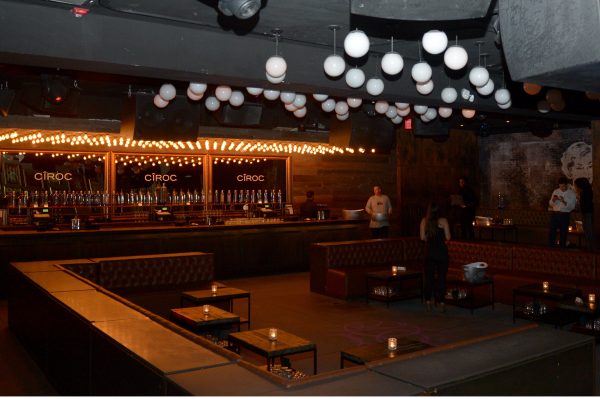
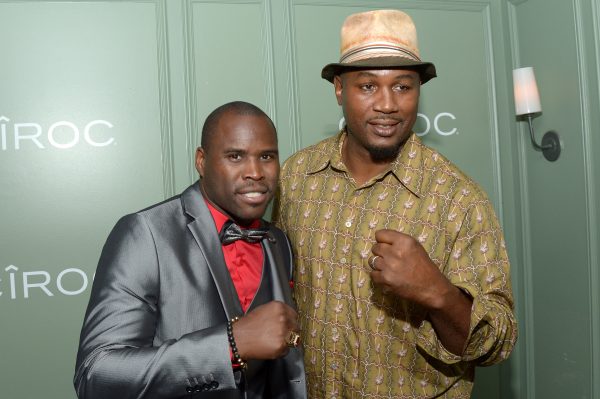

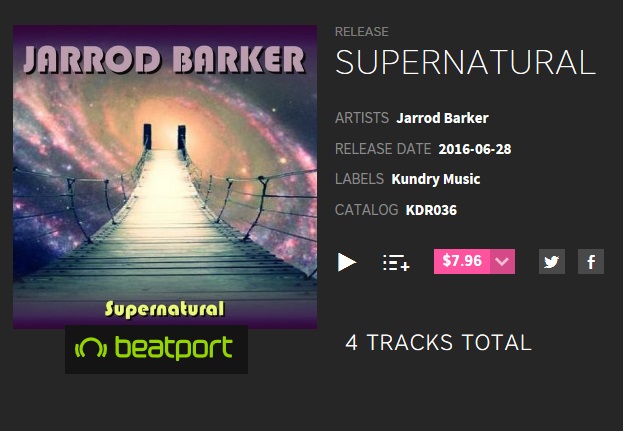
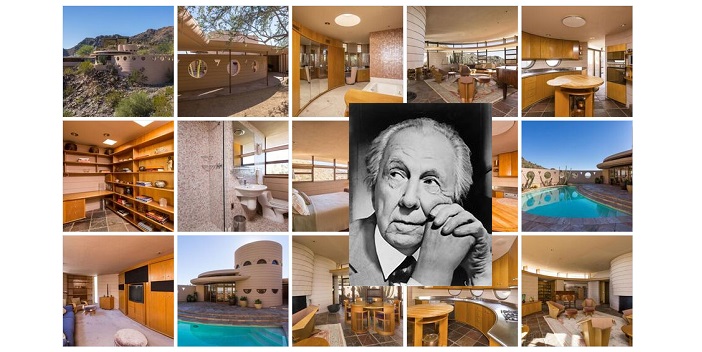
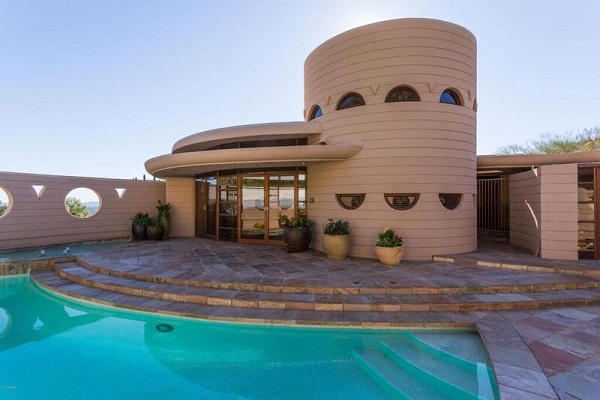 With a site on top of Palm Canyon with views of the valley, Wright began the Lykes design by replicating the curves of the mountainsides, making the home an integral part of its environment and providing big views for its owners and visitors. Though Wright passed away before finishing the working plans, the Lykes hired his apprentice, Rattenbury, to complete the plans according to the details set forth by Wright. The couple loved the completed plans, though it was another seven years before they started construction. When they did, Rattenbury oversaw the build and the home was completed in 1967. In addition to the structure itself, Wright also designed the furniture and built-ins for the home.
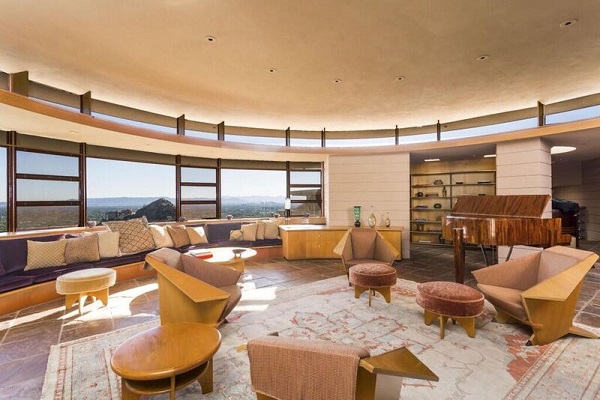 Now for sale and registered with the Frank Lloyd Wright Building Conservancy, the 2,849-square-foot home on one acre of desert plateau has three bedrooms, three bathrooms, the signature large living room fireplace intended to bring families and friends together, a lower-level media room, two home offices with built-ins of desk, cabinet storage and walls of shelving, a distinctive curved kitchen with Wright-designed island and unique under-cabinet windows and timeless stainless-steel counters, contemporary tiled large baths, and a privacy walled crescent pool patio viewed from inside through glass walls. There is also a separate large office in the round with all built-in furnishings encircled by half-moon windows. Views of valley and mountains can be seen from almost every room.
  Classic last Wright design before his death, contemporary for today including lots of storage space with furniture and built-ins designed by the famous architect, the Lykes House is now for sale and priced at USD$3.6 million. For the Silo, Terry Walsh.
 Regardless of your medium, I hope this glance into the minds of two established poets from very different walks of life can help dissipate the intimidating mist between process and product, as well as remind you that the transcendent and the familiar are often one in the same.
 Global spectator
  Myles, a breathing artistic currency, treats poetry as an extension of the self with the potency of a movement and the collective memory of a civilization. Myles proves that common experience and abstract phenomena are synonymous when we step back to look.
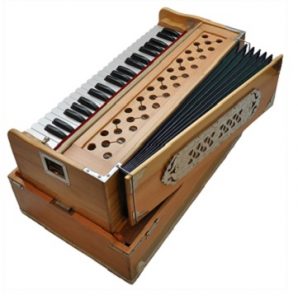 The matter has evaded scientific scrutiny until now…….click the following link to learn more about the harmonium in North Indian music: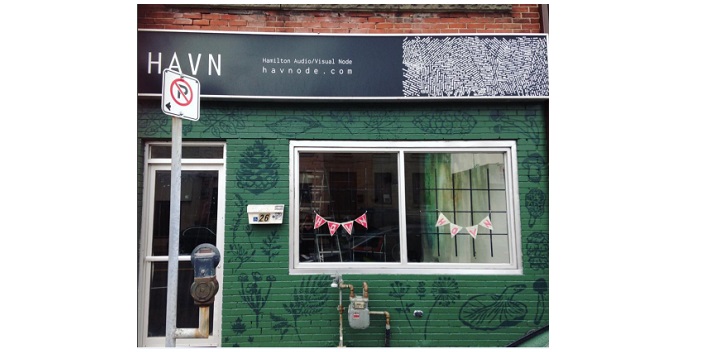
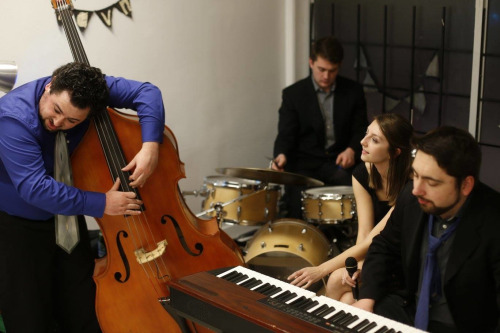
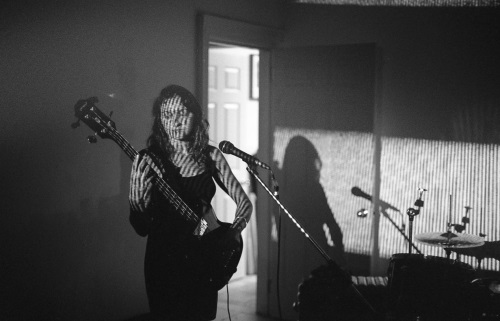
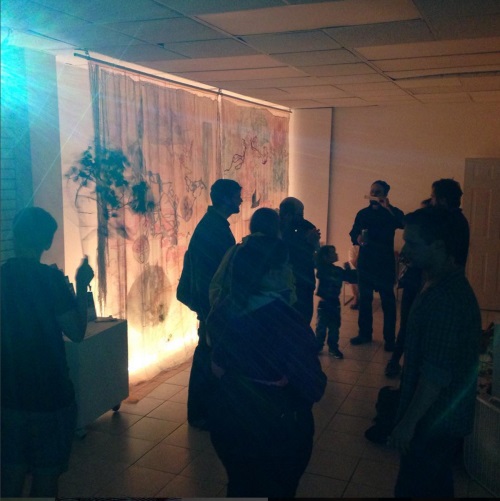
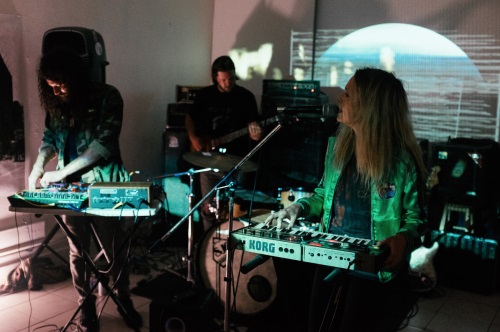
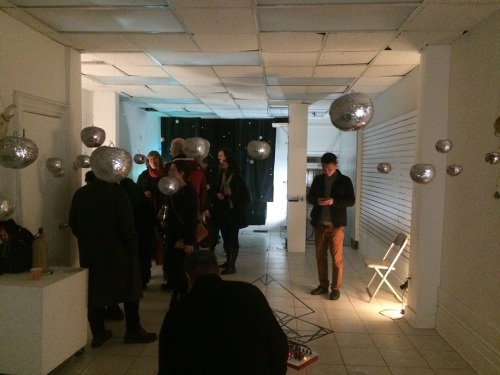






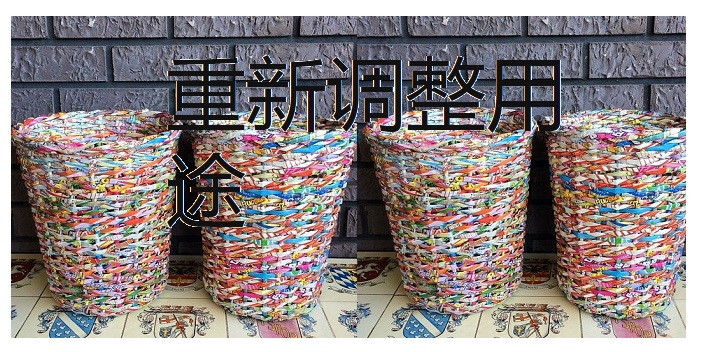

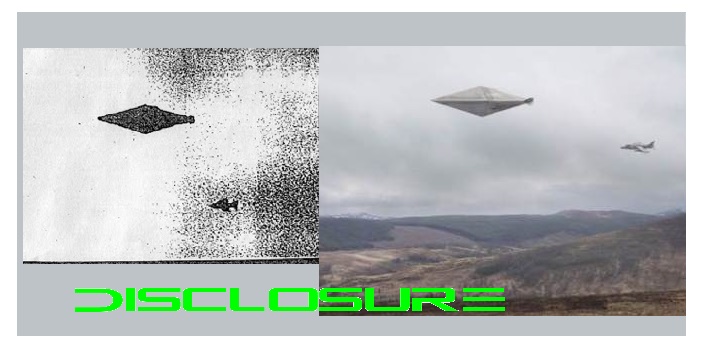
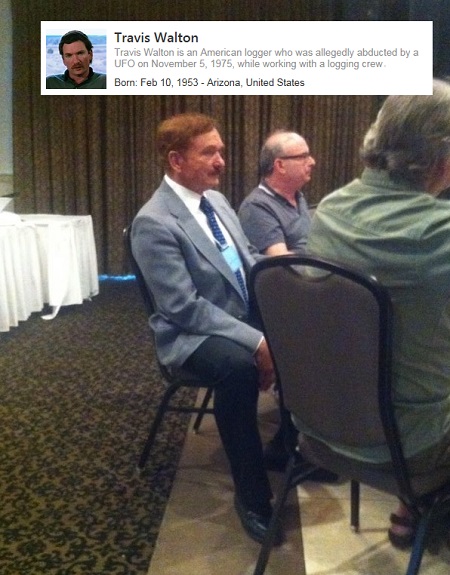

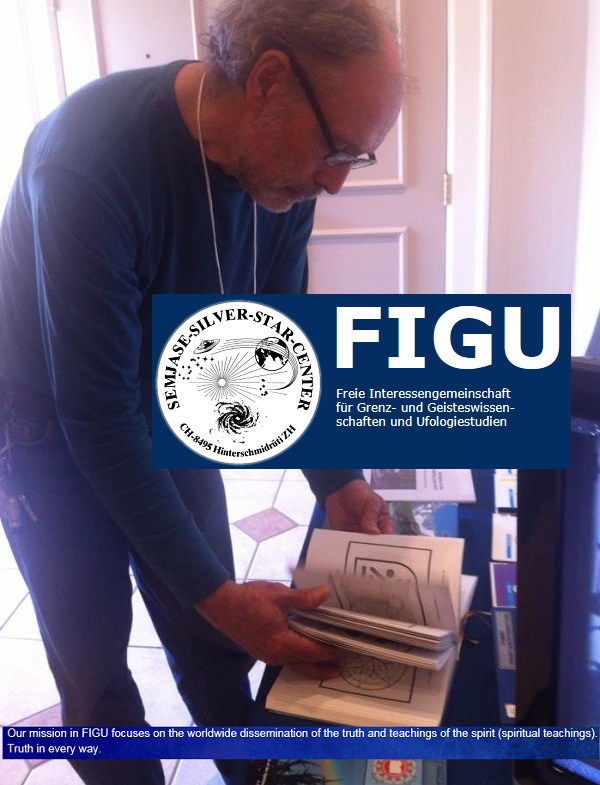
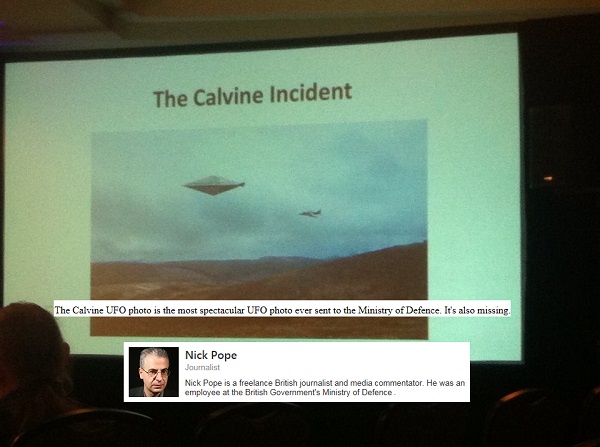
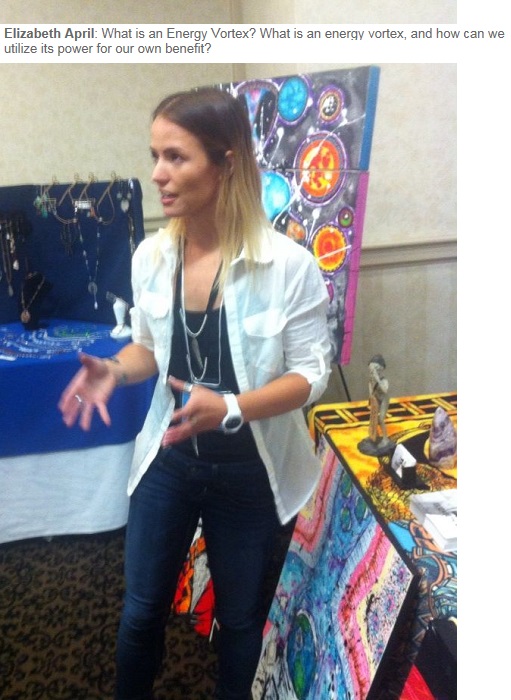
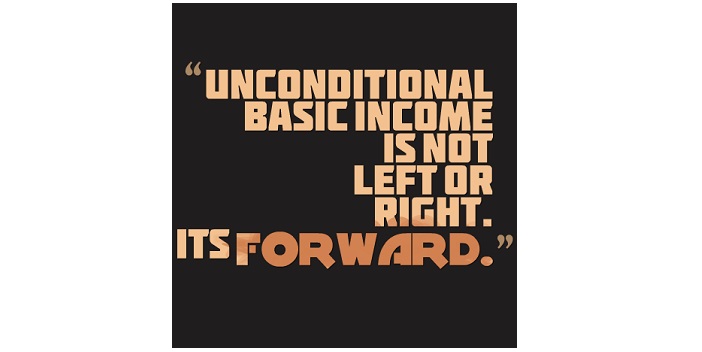
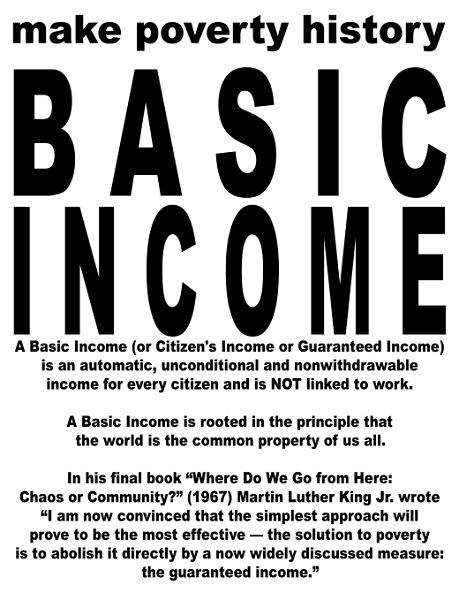 Basic income, or guaranteed annual income, is a payment to eligible families or individuals that ensures a minimum level of income. Ontario will design and implement a pilot program to test the growing view that a basic income could help deliver income support more efficiently, while improving health, employment and housing outcomes for Ontarians.
 “Ontario is taking a leading role in piloting a modern Basic Income, and we are thrilled that the Honourable Hugh Segal will be lending us his considerable expertise in this regard. We want to ensure that we are developing a thoughtful, evidence-based approach to test the idea of a Basic Income, and we look forward to Mr. Segal’s advice as we begin this work.”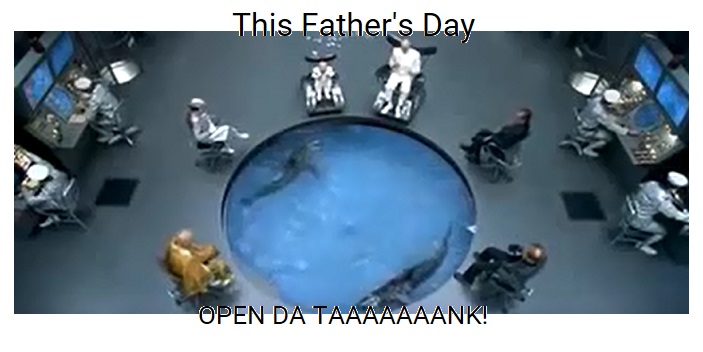

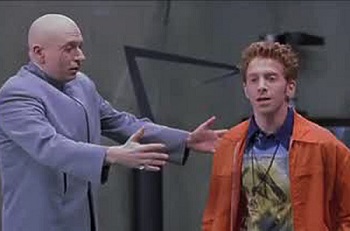
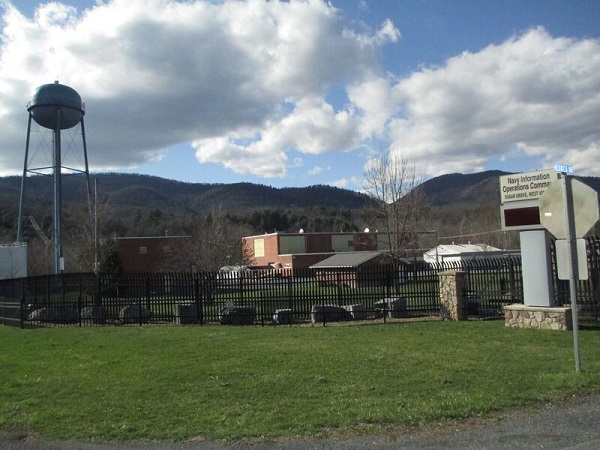
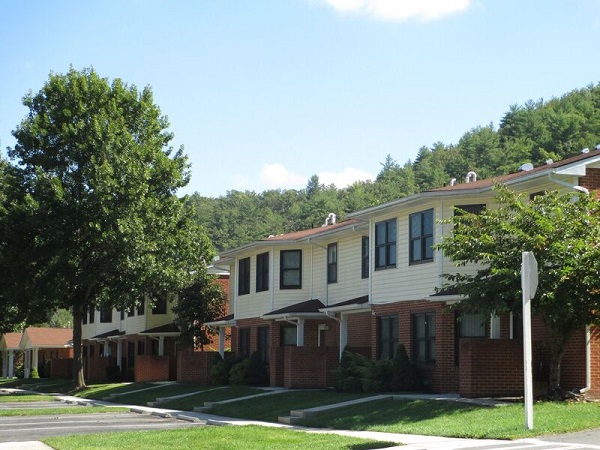
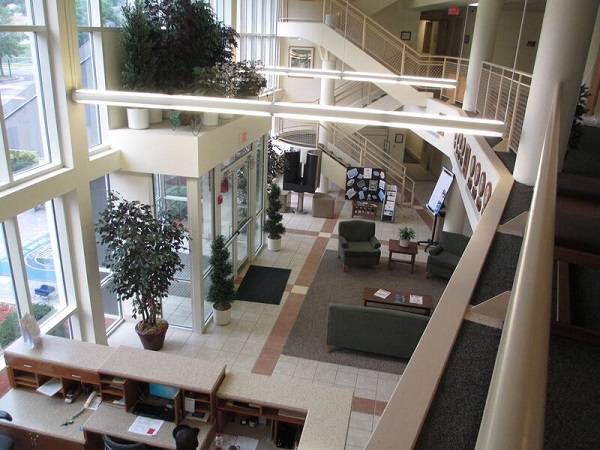
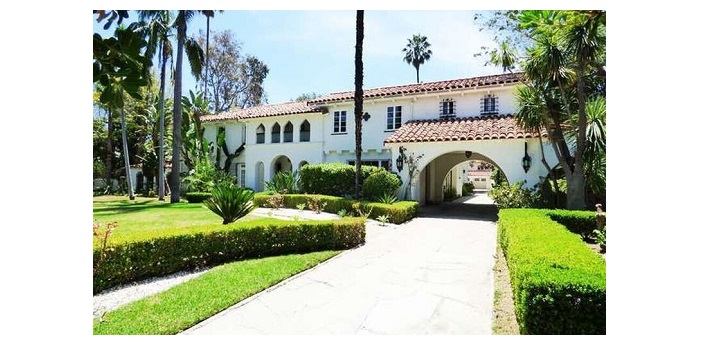
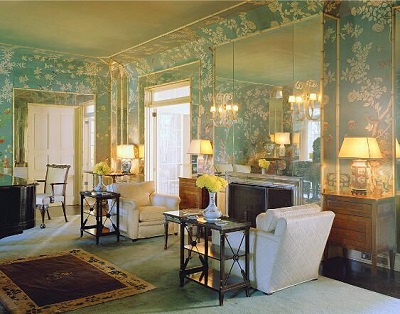 Dorothy’s trip to celebrity fame began after she inherited $12 million in 1916, the equivalent of about $275 million today. The first thing she did with her money was divorce her British aviator husband, Claude Grahame-White, and embark on a long party in Europe’s best circles. In 1923, she married Italian Count Carlo Dentice di Frasso, many years her senior. On the outskirts of Rome, the new countess acquired and restored one of Europe’s most famous homes,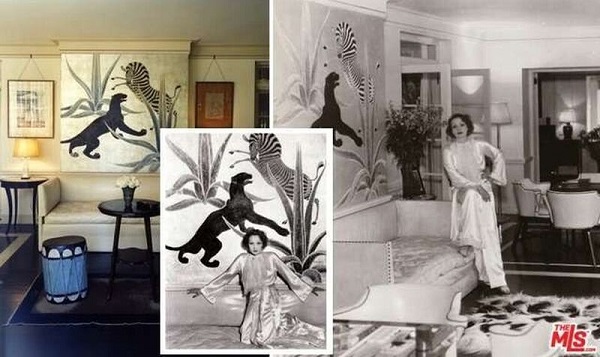
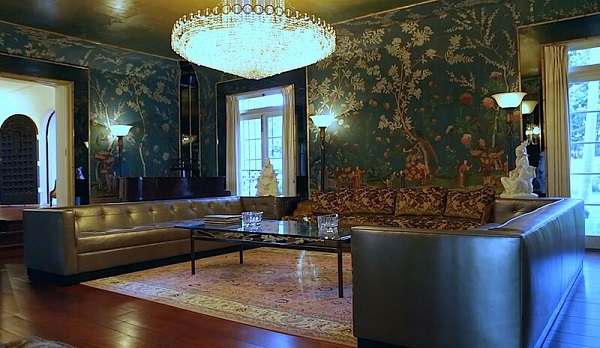




 Building a better and more cohesive environment through collaboration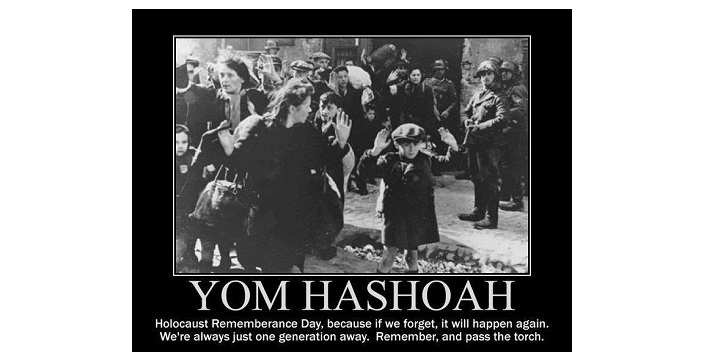
 The Holocaust was a time of devastation, hate and corruption and is considered one of the most terrible events in human history.

 Is the Alien(s) franchise overdue for an official day of recognition and fan celebration? I think so. Fans of the original 1979 movie and the sequels and prequel that followed are a loyal bunch. They spend money on toys, posters, t-shirts, Blue-ray box sets and some like me, shelled out big bucks in 1987 for a pair of Reebok’s Bugstomper shoes. That’s dedicated fandom.
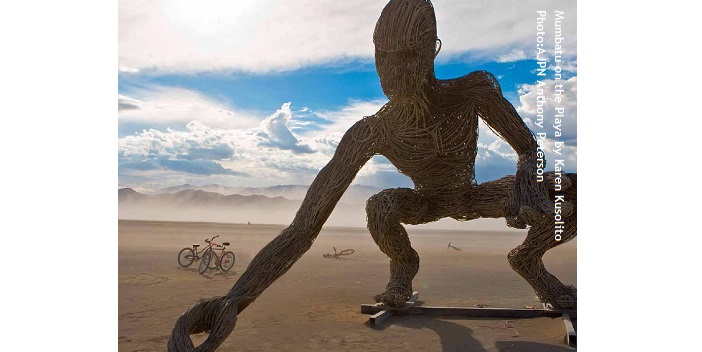
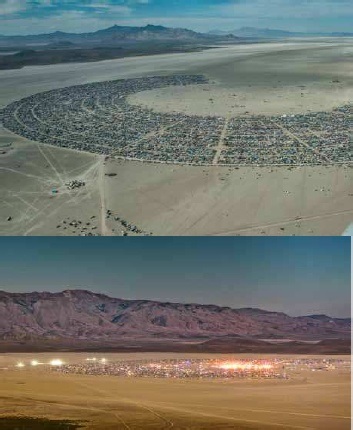
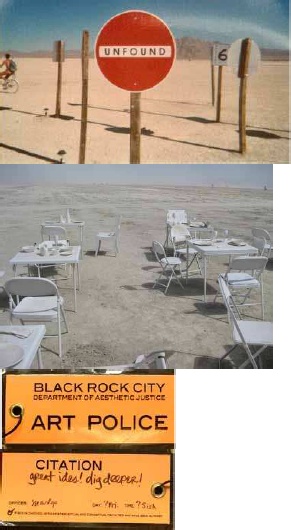
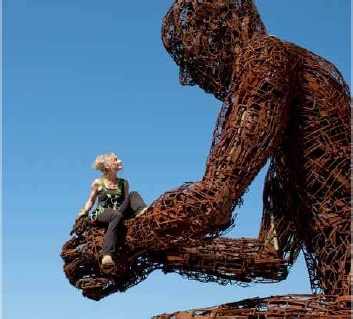
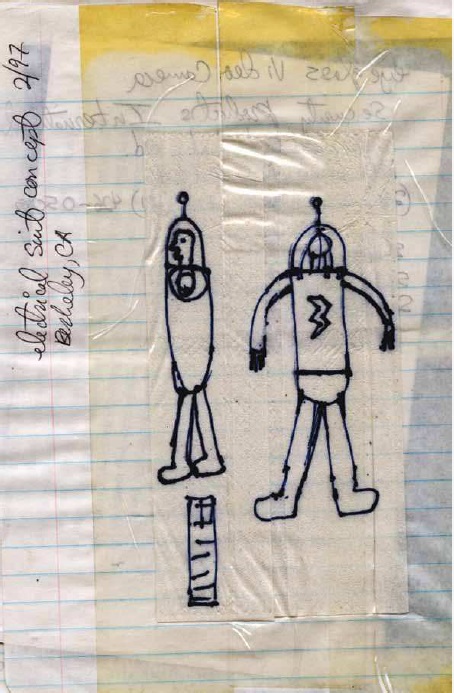


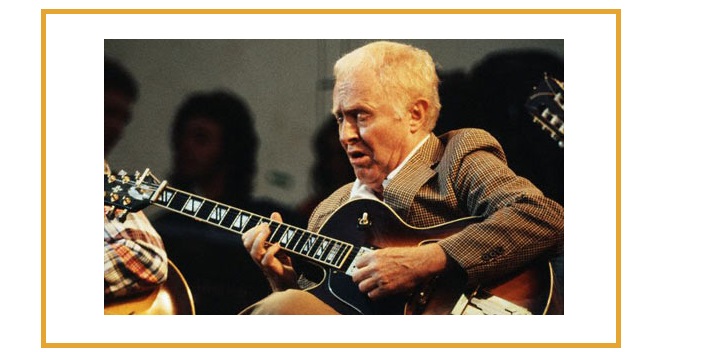


 https://www.indiegogo.com/projects/star-trek-continues#/
 Space.com staff artist Karl Tate came down from New York. His reaction to walking standing sets was typical. “I’ve been aboard the USS Enterprise. That’s all I can say. When you’re walking down that corridor, and the stage lights are lit, and all you see is Enterprise…I’m there,” Tate says. “It’s truly an achievement and I look forward to what Star Trek Continues comes up with next!” The one-day event was filled with special presentations on prop-making, and an opportunity for prop fans to show off their collections and hand-made treasures.

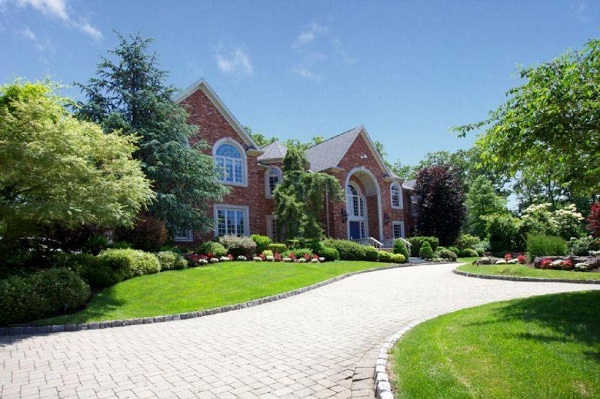

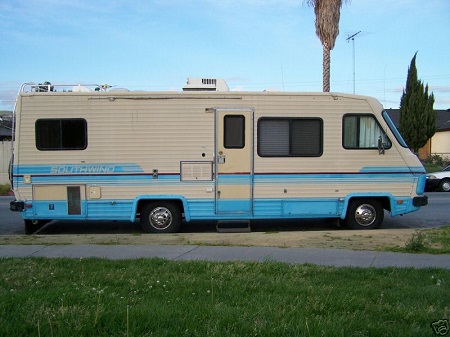 The “good ole boys” network in the RV industry conspired to keep me out. But I learned to operate in a man’s world, carving out my path to success. Like other women, I have rewritten the rules and redefined the business climate, proving that any woman can succeed in any industry, regardless of gender boundaries.