The Art of Clairtone: The Making of a Design Icon, 1958-1971 is a fully illustrated stylish look back at the stereo story behind a Canadian design icon. This handsome hardcover is by Nina Munk and Rachel Gotlieb and is available on Amazon.
For an entire decade, in the 1960s, Clairtone Sound Corporation captured the spirit of the times: sophisticated, cosmopolitan, liberated. From its modern oiled-walnut and teak stereos to its minimalist logos and promotional materials, Clairtone produced a powerful and enduring body of design work. Founded in 1958 by two young Canadians, Peter Munk and David Gilmour, Clairtone quickly became known for its iconic designs and masterful advertising campaigns.
Its acclaimed Project G stereo, with its space-age styling, epitomized the Swinging Sixties. Famously, Hugh Hefner owned a Project G. So did Frank Sinatra.
Oscar Peterson affirmed that his music sounded as good on a G as it did “live”. In 1967, suggesting how deeply Clairtone’s G series had come to be identified with popular culture, the G2 appeared in The Graduate with Dustin Hoffman and Anne Bancroft.
With 250 illustrations, including previously unpublished drawings, rare film stills, confidential memorandums, and original photography, The Art of Clairtone is a candid and in-depth look at the company’s skyrocketing success — and sensational collapse.
Through the recollections of those who knew Clairtone best, from its founders to its designers, engineers, and salesmen, and with comments from Karim Rashid, Douglas Coupland, Tyler Brûlé, and Bruce Mau, among others, this elegant book, published on the 50th anniversary of Clairtone’s launch, celebrates an iconoclastic company that once seemed to represent the promise of Canada. For the Silo, Jarrod Barker.
Our friends at kommandostore talk about the Cold War on their site so often, it’s become one of their defining aesthetics…..and that’s a good thing- read on!
Grand armies and weapons are arguably less than half of the story.
Many of the cold war ‘battles’ from the 1950s through the 1990s took place in the minds and on the wrists of millions of people. Some might say they certainly still do…
Rogue media campaigns, protests & activism, black ops — they defined the hottest parts of the Cold War. But what if we told you that the watch you were wearing was just as important? The Soviet Union sure thought so…
Having gotten sucked into the almost endless lore rabbithole of watches, the first thing that kommandostore sought to bring back from obscurity was the Elektronika 55B — the soviet union’s most popular digital watch that went the way of… well, the Soviet Union… When it collapsed in ’91.
Above all else, there’s one story about this watch that truly stands on its own, a story that will make you realize that there is much more to this little watch that jovially plays chiptune soviet music…
It involves two of the most powerful men in the world, Leonid Brezhnev and Henry Kissinger convening and comparing their new digital watches.
Ok, they weren’t really wearing the watches in that photo, but such an encounter really did happen between the two gentlemen in the early 70s, one that subtly let the United States know that the Soviets were right on the US’s tail for semiconductor technology.
On a somewhat-routine visit to Moscow, US Secretary of State Henry Kissinger wore a Pulsar P2 Watch — one of the very first digital watches. Known for it’s striking red LED display and appearance on the wrist of none other than James bond.
It also carried a hefty price tag, with the 21k gold edition costing enough to buy you a car in today’s money.
You tell us, is $1800 usd/ $2,526 cad in today’s money worth it for one of the two base models?
The meeting was with Leonid Brezhnev, General Secretary of the Soviet Union. He remarked that he did indeed like Kissinger’s watch, being a man of taste.
Then he told Kissinger that the USSR had already developed a prototype using the very same technology.
Kissinger was reportedly astonished — and was presented with a functioning Soviet-Made digital wristwatch, the Elektronika B6-02. Featuring CMOS circuits, it was blocky, brutalist, and affordable enough for practically anyone to buy when it officially launched.
The whole Elektronika series carried this statement — the latest fancy tech of the west is cool, but when it’s done the soviet way, for way cheaper, it’s not a luxury to be worn by only the elites.
It didn’t take a horology enthusiast to buy and wear this watch. It’s Kalashnikov-esque ubiquity meant it was worn by everyone from party members to coal miners.
Sure, in 1969 we brought a luxury-watch masterpiece, the Omega Speedmaster, to the Moon before the Soviets were able to. But as a tool of propaganda, the USSR might have had us beat, and the Elektronika 5 appeared in space several more times…
We found it intriguing and somewhat disheartening that Elektronika, what seemed to be the people’s choice, was snuffed out much in the same time period as the Soviet union.
In a world full of Casios & Timexes, who can’t help but succumb to the charm of the plucky Elektronika, so why not give it the wrist time it deserves…because it is now available once again and this time in a near perfect reproduction right down to the packaging.
A 1:1 functional replica of the original Elektronika with 4 new Slav-approved “Melody” alarms. Sanctioned to the second-hand market (pun intended), thankfully kommandostore thought that the watch deserved a proper revival after its unceremonious disappearance following the collapse of the USSR.
Just like the original, it’s an affordable and reliable piece with just enough fun to get even the most uptight horologists asking you questions. But unlike the OGs, the sad truth of capitalism is that we’re slaves to supply and demand. They are running out fast, and even though there are plans to quickly continue production, there may be a slight gap. So, if you’re interested, this is kind of a last call.
Click the following link to place your order while supplies last.
Star Wars:The Arcade Game (ColecoVision, 1984) Game Cartridge – Early Concept & Film Screening Logo
Star Wars was an important movie for many reasons beyond the success it achieved as a motion picture. The Star Wars phenom had been born.
Not only did we see the almost immediate impact it would have on motion picture technology, or computer camera controlled stop motion animation, but it wrote the playbook on movie merchandising. Merchandising that included arcade games and home video games. Converting a state of the art Vector graphic arcade game into a home system was a challenge for all systems except for when it came to the ahead-of-its-time Coleco Vision. More on this later….
Had to pay for movie adaptation comic to be created
It’s hard to believe that a movie we have ‘only ever known to enjoy’ the runaway success it has now didn’t have that success so assured early on. That it really came down to one man, first LFL marketer Charles Lippincott – who barely managed to get a toy deal done with Kenner (after MEGO turned him down), and who had to pay (via Fox/Alan Lad Jr.) for the first 5 issues in order for Marvel to agree to draw and write the comic book series, and have the first issue ready before the movie would hit theaters in 1977.
By the time this video game was made by Parker Bros. for the Coleco Vision game console, Star Wars had become a movie merchandising juggernaut, and it was now time to not only refashion the same thrill late 70’s kids experienced through toys, comics and trading cards, but to open up their imagination by reinterpreting iconic ships like the X-Wing and TIE Fighters in pitched battle in a video game format to be played on on their own TV screens at home.
In 1984, Coleco Vision released this Star Wars arcade game.
And to anyone remembering the vibe and nostalgia of growing-up in those early days of video games and the arcade experience, it’s an image that’s been burned into your brain. However, what you might not realize is that this arcade conversion cartridge utilized a very early logo that was used on the first movie poster. It was part of early concepts logos that Ralph McQuarrie had come up with for use in the very early screenings of the movie. The cone-top of this original early Star Wars logo evokes the iconic opening crawl of the film, which was completely unknown to audiences in 1977. Don Perri, the person who came up with the conceptual design, was influenced by the 1939 film Union Pacific’s opening credits.
Label Variant
There are collectors of early arcade games, there are collectors of early Star Wars cartridges and video games, and then there are collectors who just buy any of the early logos used on merchandise. Because of the label, this cart has great cross-collector appeal, and while I haven’t tested it for some time (used to play it with my oldest, who is now off to college), here is a screenshot I took when we played it on our home projector. I have decided to pass this beauty on and so it is for sale and I am happy to tell you more about this totally awesome cartridge.
Before I started collecting art, I dipped my toe in the water by buying prints and art posters (the latter still has a soft spot in my heart). One thing that often gets overlooked when collecting works on paper in the pursuit of affordable art is just how expensive framing is. Now, when given a choice between a painting on canvas or paper, I’ll sometimes choose the former to avoid the cost of framing.
Polish Rocky Poster
Polish Back to the Future poster.
Years and years ago, on a trip to Cincinnati for the FotoFocus Biennial, I picked up this Polish theatre poster for a production of Who Killed Virginia Woolf. I love the history of Polish film posters, which have a distinct style that circumvented strict rules of the Stalinist regime around art making (you can read more about the history of that here). I love the weirdness and darkness of the posters, and with this particular poster, I love(d) the deeply pigmented pink.
Now I present my biggest art mistake:
The poster four years ago:
Hi, Raffi
And the poster now:
I’m sure being directly beside a window doesn’t help matters
All the pink pigment is gone. Remember when Kim Kardashian wore Marilyn Monroe’s dress to the Met Gala and everyone was furious that she ruined something archival? That’s basically how I feel.
Lesson Learned: Go for the more expensive glass or acrylic option!
I emailed Mitch Robertson at Superframe, a top-of-the-line frame shop in Toronto, to ask about how I could have prevented this. His first response was to express disbelief: Were they really the same poster? Yes, unfortunately, it is.
He followed up with an in-depth breakdown of why the glass, specifically the UV protection, is important to consider when framing:
For art or anything that is light sensitive, the type of glass or acrylic used is one of the most important decisions in framing. The sun and any source of UV light can bleach or shift the colours in a print or photograph in particular and warm colours like red are the most susceptible.
To prevent this, clients should choose a glass or acrylic with a high UV filter. Standard glass and acrylic typically block around 50% of UV light. Conservation options block 99% of UV light but look much like regular glass. Finally, low reflection glass and acrylics offer a much better viewing experience and offer 92 to 99% UV protection.
There is a price difference between the three levels so deciding which option is right for you can depend on budget as well as the location the art will hang as well as how vulnerable the art is to UV light. A reputable framer should have a range of options available and can explain the pros and cons for each.
While the glazing is a very important part of the decision for protecting your new art, other factors such as how the art is hinged and the quality of matboard and backing will also affect the art over time and can lead to discoloration if the materials and hinging methods are not to museum standards.
Mitch’s response demonstrated something I came to learn the hard way: it’s not the time to cut costs when choosing the type of UV glass. A sidenote is I’ve also had polaroids fade after framing in store-bought frames, so if there are family photos that are important, the same lesson applies.
I then started thinking about a conversation I had in 2021 with Monique Palma Whittaker, an art conservator who works between Toronto and Italy. We discussed the importance of collectors being stewards of artworks, propelling them into the future for the next generation. This conversation has always stuck with me because it answers a question I think about often: What is the purpose of art collecting? The answer might be as simple as taking care of art for our lifetime, so that it can exist into the future. It’s a question of maintaining history!
When collecting, it’s not just about the cost of the artwork, but the cost to properly take care of it for its lifespan. If that price is too high, whether it be framing or a properly temperature-controlled room, then it’s better to collect something you can holistically afford to take care of. For the Silo, Tatum Dooley.
Vintage mid-century modern homes are as popular today as they were when built in the 1950s and ’60s. Arts & Architecture magazine’s post-war Case Study Houses, for example, rarely come up for sale, and when they do, are usually snapped up by aficionados almost as quickly as the listing goes into print. Case Study House #16 is now for sale and priced at $5.4 million usd/ $7.4 million cad.
When World War II ended and the American troops were returning home, it was the start of the baby boom and a monumental housing shortage. Well-known architects in the country were asked to design simple, affordable homes that could be built en masse.
The magazine Arts & Architecture put out a challenge to architects that included Richard Neutra, Raphael Soriano, Craig Ellwood and Ray Eames. The Case Study Houses were numbered 1 through 28, and two apartments were included. They were built from 1945 sporadically through 1966. Thirteen were never built, and from the ones that were, at least three were later demolished. A couple of them have been renovated rather than restored, and the rest are lived in and cared for today.
NUMBER 16
Number 16 was the first of three Case Study Houses designed by Craig Ellwood. Completed in 1953 in Bel Air, the house was innovative in its use of exposed steel-structural framing and floor-to-ceiling glass walls to optimize the views and open to the grounds, making it feel twice the size.
Ellwood was actually an engineer rather than an architect, and placed a lot of emphasis on the stability of the structure using steel, glass, and concrete built on a slab. The 1,664-square-foot home with two bedrooms and two baths is just as contemporary today as when it was built. The living room has a dramatic stone fireplace set into the glass wall that extends beyond it into a terraced area. Set into mature landscaping, the house appears to rest on a cushion of greenery.
The historic Case Study House #16 is for sale in Bel Air, Los Angeles, California. Priced at $5.4 million usd/ $7.4 million cad, the listing agent is Veronika Sznajder with Crosby Doe Associates. For the Silo, Bob Walsh/ toptenrealestatedeals.com
It’s cold and snowy out there. Damn cold and snowy weather, so why not warm up with a Cider Buttered Rum made with Chic Choc Spiced Rum?
Chic Choc Spiced Rum, made in Canada, is produced with six indigenous spices, creating a fresh take on rum that features a spicy bouquet with nuances of sugar cane and cinnamon, complemented by a subtle peppery tone.
SPOTLIGHT: The Casio SK series keyboards, carries great nostalgia for many of us who grew up in the 80s and 90s.
My friend got one for his birthday, and after spending an entire day at his place sampling burps, coughs and farts, I knew I was destined to become an electronic musician. If this is your story too- let us know below in the comments section.
The SK line’s distinctive design and sound evoke memories of early bedroom-made electronic music and hip-hop production, making it a sought-after collector’s item. The SK sound quality is characterized by its lo-fi charm. Everything sampled into it sounds like crap, but in a good way!
There’s a thriving community of musicians and collectors who appreciate the SK-2 , SK-5, SK-8 et al for their historical significance and cultural impact.
Used prominently on my 2008 release of AUDIOCOSM by Jarrod Barker, the SK-8 was used as a sampling beat box and also one or two of its famous presets were used in a loop to create swirling matrices of sound on a number of tracks. I found this keyboard in a thrift store in 2007 buried in the children’s electronic toys. It was $2.99 CAD and even had the battery cover. This fortuitous discovery was the spark that led to the writing and recording (on a boat no less!) of AUDIOCOSM.
The rare white version of the SK-10.
At their absolute basic, the SK line are fun keyboards and a great introduction tool to lo-fi sampling. But there is much more.
After recording a short audio sample (recorded either via the built in monophonic microphone or by plugging in an audio source using the 1/8″ female jack) you can choose from various envelopes (settings that affect how the sound starts, how long it sounds and how it ends) and also select whether to reverse or loop samples. These toy synthesizers are a treat when connected via guitar effects pedals. A good outboard effect can transform these keyboards into something much more powerful and believable. If that isn’t enough you can explore the factory preset sounds some of which sound more realistic than others but all have usefulness in the correct setting.
Most SK’s have a decent enough piano, vibraphone, flute, trumpet and clarinet sounds. There are also built-in speakers that are loud enough for mobile use such as camping or beach hang outs and of course the SK’s run on batteries. They also have line out feature which bypasses the onboard speakers allowing you to record them into your favorite DAW or standalone recording machine….an analog 4 track is a great bedfellow.
The Mod community and the SK (circuit bending)
Due to it’s relative affordability (used prices have continued to rise in the past 10 years) the SK series of keyboards have been embraced by electronic musician modifiers. Their basic construction and ease of internal access makes modifying them a lot of fun. The creativity of modders seems to be endless- everything from MIDI control to individual audio outputs to real time control of sound chips using dip switches or rotary controls.
Join that thriving community by buying this one from our friend at Tone Tweakers today! For the Silo, Jarrod Barker.
A few months ago, In the heat of the summer this year, our friends at Kommando embarked on a journey to once again remake a South African Legend back in its home country. Today is one of their favorite days in the journey from being handcrafted in the original shops that made them in the Bush war, to being delivered to Canada and the USA. The boots have completed production and are being loaded up in South Africa & shipped to their warehouse.Due to the nature of the production of these boots taking a little while (and being worth every second) it’s now time to reserve yours ahead of the inevitable rush. It just occurred to me that there’s some of you who might not be familiar with these legendary boots. Fear not- read on….. Why do they say these new production boots are “Rare” so often? Truth be told, it’s not “Rare” in the traditional surplus collectible sense… but rare in terms of making it to market. Manufacturing pretty much anything in South Africa has been turbulent at best.The OG tan ‘Half Combat’ variant with their iconic ‘anti-track’ sole. Post-pandemic Inflation, rising materials costs, and an ongoing collapse of the power grid* in South Africa all makes these boots harder and harder to make. *The business that makes boots for kommando literally had to install solar panels at their facility so they could continue working through the rolling “load shedding” blackouts (Eco-Friendly Waxis anyone?) so production has slowed down to a once-a-year type of thing. But even then, every pair of boots sold is crucial to keeping the doors of these bootmakers open to future orders. In South Africa’s case of “why aren’t they using nuclear power again?”, due to horrific mismanagement, the nuclear facilities fell into disrepair and have mostly been replaced with greenhouse-gas emitting, inefficient coal plants that have resulted in economically devastating effects on their power grid. Go figure.
Waxis are among dozens of different types of desert boots and even South African desert boots, too. But believe us when we say they’re unlike anything else you’ll put on your feet. We’re the only place on the internet you’ll find the one true Waxis imported directly from South Africa to the USA. Especially the kind with that insane looking, flat-as-a-pancake-in-Florida anti-tracking sole…(more on that later) Regular imports of ‘half combat’ and ‘full combat’ boots keep this little slice of history alive, along with the same family business who made them during the Bush and Border Wars.
On the fence? Check out the nearly 500 reviews they’ve all gotten over the years. TL;DR, as long as you follow the size guide, it’s hard to go wrong with Waxis on your feet. But backing up once again, what’s a Waxi anyways? Why make them with super flat soles? Why would you wear a leather boot in arid climates anyways?The Short answer is that Waxis are a deceptively lightweight piece of footwear originally developed for the most elite special forces in all of Africa. They feature a wide toe box, a retro-style buckled upper, and the weirdest optional outsole you’ve ever seen…Take A Hike Through History 🥾“What if I want the long answer, Ivan?”😏Well, in that case, Let’s start from the top…LACE UP.Let’s start with the boot-camp basics: ‘Half combat’ Waxis were the brainchild of the SADF’s “Recces”, whom desired footwear capable of supreme athleticism & mobility. They’re breathable, lightweight, and flexible like a pair of tennis shoes, but with the robust leather of a proper combat boot. But that’s only the tip of the iceberg. A “Grey’s Scout” in the Rhodesian Army pictured riding on horseback patrol with his standard-issue boots. No Gasoline, no problem apparently.
The Rhodesian bush War saw a lot of boots on the ground action. We have an entire write-up you can read here on exactly what lead up to the Rhodesian Bush War. It’s just about the furthest thing from a clear-cut conflict that there is, and we do our best to give you the most accurate background possible. During the logistical nightmare that was their counter-insurgency, Rhodies used whatever equipment they could get their hands on. And an important piece was their trademark double-buckled combat boots, made by none other than “Bata”, the country’s specialists in footwear of all kinds. The lace guard’s design was passed down by WW2 combat boot forefathers, which worked pretty great in the terrain & ecology European soldiers saw.But Sub-Saharan Africa is much, much harsher.
The terrain in South Africa, Angola, and Namibia proved extremely challenging for the SADF, and all their equipment had to be built to hold up to it. From Sand dunes to rocky mountainsides, whatever you wore was put through the gauntlet. Africa’s savannahs and deserts made for an entirely different kind of warfare, so entirely different equipment was needed to match.
Rhodesian Selous Scouts and SADF Recces were almost always on the move, frequently rucking marathons. With so much ground to cover, mobility was their top priority. Traditional leather boots were too hot, too stiff, and too heavy. Many soldiers resorted to wearing hi-top trainer shoes made primarily by “Bata” nicknamed “takkies.” A Rhodesian “Selous Scout” With his trusty takkies. From the dirt on his legs and the mismatching socks you can tell it was probably an eventful patrol.
A cartoony guide about Rhodesian footwear. You can see the double-buckled army boots and takkies made by ‘Bata’ — another piece of South African footwear Kommando brought back late last year…Takkies tend to do the trick in a pinch. Kommando are working with Bata directly to continue making these legends to their original specs and bring them to Canada and the USA. Both the hi-tops and low-tops are seen all over historical photos of Rhodesian Light Infantrymen, and they have an entire historical rabbit hole on their own if you want to read more… about the Hockey Sneakers.
South African Bata ‘Takkie’ Hockey Sneakers “It Works In A Pinch” just wasn’t enough for the South Africans, who faced dire odds in their border conflicts. The trusty “Takkies” more than delivered on mobility, but they were essentially Converse high-tops from the 60’s. Soles delaminated, laces tore, and uppers ripped clean open. Soldiers needed an intermediate solution. A flexible, breathable boot that ran like a sneaker, but was durable enough for war. The answer to that? — The Waxi Boot. Made of thin leather, the Waxi Boot was flexible and fast. But unlike takkies, it offered more protection and a truly rugged outsole. …A boot that takes everything you know about stiff & stuffy combat boots and throws it right out the window.It was an instant hit with the Recces. They did inform the design after all.
A SADF group is seen discussing an operation, with the two lads in front notably sporting tan anti-track Waxi Boots. Judging by the frustrated fellow on the right, this photo was likely candid. The Waxi’s extra-wide toe box was another important departure from orthodox combat boots. Feet naturally swell over the course of long hikes, and extra room in front prevents chafing, discomfort, and assists airflow.
Looks can be deceiving. From this angle, you can really see the width of the Waxi. I’m not joking when I say the toe box is quite roomy! Make sure to check the sizing chart before you place an order with Kommando🧐
Another famed feature of these boots is the optional flat ‘anti-track’ sole — Like the rest of the boot’s design, that feature came from a very specific set of needs. The open terrain, soft soil, and exposed ground of the African Bush is a tracker’s dream. The Recces needed a way to conceal troop movement. Originally a popular field modification, the anti-track sole was created by sanding the tread off boots and sneakers. The original iterations were crude and unreliable. But you can see how the Waxi boot filled a perfect “happy medium” between custom-sole jungle boots and sanded down sneakers.
This shoddy field modification had severe downsides. Original rudimentary anti-track shoes only lasted a few sorties before the soles wore through completely. And many wearers disliked the ergonomics of a ‘heel-less’ boot. Eventually word got back to our manufacturer, and custom molds were made.
This allowed the sneakily-soled boot to be produced and fielded in much greater numbers. An early example of one of the one-off Anti-Track Boots the Recces commissioned. These weren’t ever produced in large numbers, and aren’t quite up to par with Waxis. The factory anti-track sole uses a gummy low-durometer* rubber to increase traction and incorporates a sloping ‘heel rise’ for comfort.*The easiest way to define durometer is the “softness” of the rubber. Low durometer, softer rubber is stickier and still allows for normal use without the world becoming a slip-n-slide. Not recommended for winter, but still grippy enough in the other 3 seasons. While certainly not as popular as the ‘lugged’ logger-style sole, all Waxis have the option of anti-track soles if you’re feeling adventurous…Order your Boots 👣 With all the weirdness that puts these apart, what really makes these more special than the typical combat boot is the love & passion that goes into them. These come all the way from South Africa, made by one of the original businesses who made them back in the bush war, keeping this narrow slice of history alive and well. And the more time goes on, the harder it is for us to get these made for you. The indefinite future of Waxis makes them all the more “rare”. Now’s your last shot at getting them with a little bit off the top and without the extra cortisol rush to your monkey DNA when everyone’s trying to get a pair on “Ready To Ship” day. With just a little bit of transit time to wait now, I promise they’ll be worth it. (just read the hundreds of reviews)
Clive Smith – recording artist, composer, performer, sound designer
You might have heard him on the soundtrack for the ’80’s cult film Liquid Sky. You might have come across his name on a whole lot of session-work and collaborations. Clive Smith, often credited as the ’Fairlight Programmer’. And you can see him below on the legendary 1983 Sesame Street-episode, in which Herbie Hancock is demonstrating the Fairlight. But that’s just the tip of the iceberg…
Whether it is your typically structured mainstream music, or the more textured, experimental kind: Clive Smith morphs fluently between both realms. “I’ve always been interested in texture, as well as in structural music composition.” He started out as a trumpet player in high school, is a trained musician and has taught himself to play guitar, bass-guitar and keyboards. “Those sparked to me a lot more. The trumpet, it never really sat with me as well as the ’rock instruments’. But occasionally, I pick up the trumpet to keep my lips in shape, or to play it on some album. When I went to university, i took a multimedia-course, which was basically visual arts and sonic arts.
There was a VCS3, the ’Putney’, and I really fell in love with synths and the ability to create and craft your own sounds; to manipulate them. I was always interested in electronic sounds. Prior to the synths, I used tape. My father had an expensive tape recorder. I used to have lots of fun with it, recording all sorts of sounds, noises, trying to play it backwards.” He reckoned how John Lennon discovered that by accident. “I was very interested in those kind of things. “
Becoming the Fairlight expert
Clive came fresh out of college with a degree in musical composition. But… What to do next? ”One of my professors started this non profit organisation called Public Acces Synthesizer Studios. I started out as the associate director and later, I became director. In 1980, there was an Audio Engineering Society convention in New York City. There was this Australian company called Fairlight, showing this instrument; it was probably one of the first times it was shown in the US. Back then, it was just called the Fairlight CMI, for there were no Series II, IIx, etcetera yet. I was amazed by it. It took a little bit of doing, but the following year, we had one at PASS, on loan to us.
I fully immersed myself in it, trying to learn as much about it as I possibly could. The great thing was, there were no specific rules on how to use the instrument. I took lots of time sampling and creating my own sounds and I thoroughly enjoyed the fact that there weren’t any boundaries someone else already had defined. That was extremely satisfying. ”
“As soon as I learned everything about the Fairlight, this Russian director, Slava Tsukerman, came in at PASS, as he wanted to create the soundtrack of what later would become Liquid Sky. He realized he couldn’t operate this computer himself, so he initially hired Brenda Hutchinson, who started working on the project with him. She was called away for a job on the West coast. So I took over and did the remaining two third of the project. I think there were three or four different types of classical pieces that the director came to us with.’ They programmed that into the Fairlight. You might call that a hell of a job.
Clive: ‘It was very much like old-fashioned computer programming, using a code for every note, every change, like velocity or note durations.” At that time, there was only the Series 1. So, no easy peasy sequencing, using Page R, which was introduced into the Series II, in 1982. ”There were two types of recording. The first one was non-real time, using Musical Composition Language. The second method was called Page 9. It recorded in real time, but there were no visuals; you couldn’t really see what you were doing on the screen. When you made a mistake, you had to start all over again.”
Quick and dirty
“Slava isn’t a musician himself. But he did have musical ideas and a clear vision of what he had in mind for the soundtrack. He’d just tap a rhythm, or hum a melody, moving his arms in a particular way, saying: “I want this for that scene.” And I would just play around with some ideas. When there was something he liked he said: “OK, let’s record this.” We’d immediately be recording the ideas, right when they were fresh. Often, I wanted to do it again, for I thought it was too sloppy. I wanted to go back, perfecting it. But then he‘d say: “No, I like it. Let’s make it quick and dirty.” He liked the sort of clunkiness; the marriage between the computer high tech and the punk approach.
I had sampled lots of different percussive sounds. Some wooden, metal and glass wind chimes. I put them all together, and I think that’s what we ended up using for the creature sounds. They weren’t specifically made for the movie. I played it to Slava, he liked it. They fitted with his vision for the movie. So they ended up being part of the alien sounds.
Brenda had seen some of the footage. When I started working on it, I never saw any footage. So it was only his verbal description of things. So in a way, I wasn’t influenced at all by visuals. I was strictly translating what he was conveying to me. It wasn’t until the actual premiere that I saw how it all worked together. And it worked very well. Me and Brenda, we got the credits for composing, but it was his vision. He was coming across with moods. I only matched with what he was doing. And if he would have let me be alone with it, it would never have turned out that way.”
Rocking it on Sesame Street
Because of Liquid Sky, the US branche of the Fairlight company asked if he would work for them. He left PASS and became one of their consultants, from 1983 ’till about 1989. Clive: ”That was incredibly great. I had access to the equipment, I promoted their product doing demos, and I was doing session work on the side.” So, how did he end up with Herbie Hancock on Sesame Street? Clive: ”Alexander Williams, he did sort of what I was doing, on the West Coast. When Herbie Hancock purchased his Fairlight, he had Will training him on how to use the machine. When he wanted to capture his ideas, in a session, on the fly, Will was able to help him out with the technical side.
When Herbie visited the East Coast, I kind of did the same thing for him. Will and I knew each other, and it turned out Herbie and I had some mutual friends. So, that worked out nicely. I think, if I remember correctly, Herbie didn’t travel with his Fairlight, so he used mine for the Sesame Street-session. The show went pretty much as shown; the children were very excited about this new technology. Just like the kids are today. We didn’t do anything different. That clip was pretty much the entire take.
People were always very curious about it. And It’s very inviting; something that looked like a ‘60’s tv-screen, a bit of a retro sci-fi-look, a huge white keyboard, playing melodies with barking dogs… It looked accessible, more ‘friendly’ and less intimidating than a modular synth with patch chords, knobs and sliders.”
An early 1979 model Fairlight CMI.
“I’m really glad I got the opportunity to work with Herbie Hancock. Up until then, I never realised what an amazing musician he is. It was great to see the ideas running in his brain, coming out. Always, his first ideas were immediately great. Watching him listening to a musical piece he’d never heard before and then, coming up with this great keyboard part. Very enlightening to see. And he’s a very nice, very friendly down to earth kinda person.
You know, formally trained musicians often want to play tunes on a synth using their keyboard technique. Herbie, he was very open to coming up with interesting sounds, being Interested in things that had some internal movement on the things he was playing. I think, that’s what we have in common: having this split personality between being a trained musician, using structured forms, and being able to work with textures, creating sounds, the approach a non-musician might have. The more creative approach by just going in and thinking: ’What would i like to happen?’.
Big bam boom
In 1984, I bought my own IIx; that’s when the session work really took off. In ‘86, the series III was released and I was able to purchase one fairly early in its existence. There are certain things that are unique to the IIx, but I could do so much more on the III. It expanded on the things I wanted to do. I started using them both.” And so, he was moving around New York, carrying around two fairly heavy machines. ”I was doing a lot of session work in New York, mostly in the avant-garde music scene. I was either playing in progressive rock bands, avant-garde rock bands or free jazz and noise bands. And all of a sudden, I was called in to do sessions with very mainstream artists. There was this buzz going ‘round about the Fairlight. People were looking for that extra spice to add to their music. So, I was hired to make a few noises on the track.” Laughing: ”It felt a bit like being the odd one out.”
In 1984, he was asked to work on the Hall & Oates-record Big Bam Boom. “They were listening a lot to Sgt. Pepper’s. They wanted to take a different approach. They didn’t want to emulate The Beatles, but it was the whole idea that they needed to break out of their old approach and treat the studio in a different way, instead of archiving and capturing what they did playing live. That was essentially what it was. That’s why they brought in the Fairlight. They didn’t know exactly what it did, or what they thought it would do. But they might have thought it could be the ingredient pushing them into a new era. Of course, they did the pop music that they were known for, but in a slightly different way and I think it was successful. Their new approach did work out for them.”
“They didn’t have all the songs written yet; just some words, some of the choruses were done. A lot of things were formed in the studio. The way I worked with them was a little unorthodox. Next to the control room, in the Electric Ladyland studios, there’s the vocal booth. They took the door off that separated the booth from the control room. And they’d have me set up with the Fairlight and some speakers, letting me hear the same play-back the producer, Bob Clearmountain, was hearing.
They had me playing along with the music and every now and then they’d listen to what was coming out on my channel; what I was coming up with. When they liked it, they decided to put that on the record. I’d put something in, or Robbie Kilgore, the other keyboard player they hired. That’s how we worked for about three months. It was done very professionally, almost like a regular nine-to-five job. At 10 am, we’d come in, we’d have a short lunch break, and around 6 pm we were usually out of there. No drinking or drugs were allowed in the studio; they were very disciplined, especially Daryl. It was a very instructive experience and it got me a lot of jobs at sessions. It was a great opportunity.“
Programmer? Keyboard player?
On album credits, guys like Clive were often referred to as ’Fairlight programmer’. Which makes you think: didn’t he play some decent notes at all on all these records? Clive: “They didn’t know what to make of it, so they called it Programmer. Which was fine with me. The lesser known music I worked on was where I got to play more. On some of those, I even play the guitar. People brought me in as the Fairlight programmer, but then they learned I play keyboards and guitar as well. So often, they’d ask: ’Oh, you play guitar? Bring yours tomorrow!’ and they’d let me lay down a couple of tracks as well.
Right before the final days of the series III had arrived, before the original Fairlight company went down, I had a midi guitar. I used to bring it to sessions, so I could play the Fairlight from the midi guitar. That was great, because I was able to do things I couldn’t do on the regular keyboard. Especially when it comes to bending pitches in a particular way; that sort of thing. Each string could have a different sound to it. So with the midi guitar, in a way, you had six keyboards with different sounds attached to each string. Sometimes you ended up with some very wonderful things. I’ve used that on the more obscure records, because people were more open to try different things than they were on mainstream recordings.”
Shaping and creating
Over the past few years, Clive has worked on many, many projects, providing music, or musical textures for a dozen tv-shows, doing session work, being a sound designer for Korg… And today, he’s working on a variety of interesting collaborations. ”There’s always something going on.vAt the moment, I’m doing sounds for PARMA. They approached me, because they liked a particular piece I’ve made in the past. So they asked if I had any more material like that. I’m actually working on that at the moment. I’ve finished about 25 minutes of music for it. And it will probably be 50 minutes, so I’m halfway through.
It’s fairly textural material, but tonal at the same time. Recently, I’ve become very interested in this composer Arvo Pärt who’s been around for a long time, but I became familiar with his work just recently. Some of the things I was touching on are similar to what he’s been doing for years. It inspired me to go further down this particular path. It almost felt as if we were aligned in some way. So, that’s the direction this particular suite of pieces is going to.’
“I’ve always been interested in texture. There is something about texture in the visual realm as well as in the sonic realm that I love. Getting inside of a sound, reconstructing it. With the textured soundscapes, I feel it’s communicating more directly with your subconscious. That’s the impact of art and music combining. It reaches you in ways that are difficult to articulate. it’s just… telling you a specific story.”
One of the other things he’s been working on, is archiving some of his older Works. “I recently uncovered some recordings from the early days of the Fairlight, and I also recovered some old tapes. I’m trying to transfer them into ProTools, before I lose acces to it, not being able to play these things back. I discovered some unfinished things that I made. I might revisit them. I work on those things which strike me the most at that time, in between the session work I do.”
There’s no time like the present
Of course, there’s just one question left: does he still use his Fairlights? Clive: ”Unfortunately, my Series III is not completely operational right now. But I will probably be able to use it again very soon. My IIx on the other hand is completely functional. That is, everything except for the light pen. But, I don’t really need the light pen anyway.
Even today, when I purchase new hardware or software, it always comes down to: does it excite and inspire me in some way? Just because it’s new doesn’t mean it’s great. It has to surprise me. But, the other way around: I do have some vintage guitars and I like them. Not because they’re vintage, it’s because I have built a relationship with them over time.
I don’t want to be locked into a specific time-period. So, to me, it’s not about a specific age or about nostalgia. Having said that: the Fairlight grabbed me in a way that no other instrument did before that. And I do still love them.”
One of 150 Miura SVs (Sprinto Veloce) built from 1971-1973
One of just 96 late-production “split-sump” Miura P400 SVs, and one of a mere 76 examples completed during the final year of production
German delivery example originally equipped with rare factory air conditioning
Retains its matching-numbers engine benefitting from a rebuild by Top Motors Salvioli of Nonantola Modena, Italy and Team CJ Works of Austin, TX
Recipient of a meticulous restoration by ex-Lamborghini factory workers and original Lamborghini parts suppliers, overseen by legendary Lamborghini test driver Valentino Balboni
Well documented example of the groundbreaking Miura in its most desirable SV specification
Chassis No. 5048 Engine No. 30735 Body No. 835
Few cars deserve to be mentioned in the same breath as the all-conquering Ford GT40, yet the Lamborghini Miura is just such a car.
Months before the mid-engined Ford would topple Ferrari at the 1966 24 Hours of Le Mans in one of the most famous 1-2-3 finishes in motorsport history, precocious Lamborghini engineers Giampaolo Dallara and Paolo Stanzani set out to implement the radical mid-engined architecture into a road-going chassis. The unclothed P400 was presented at the 1965 Turin Auto Show with a massive Giotto Bizzarrini-designed V12 mounted transversely in the middle, appearing again just a year later at Geneva with coachwork that, to this day, is viewed by many as Bertone’s crowning achievement. The pen of 25-year-old Marcello Gandini was responsible for the Miura’s dramatic shape, which stunned attendees of the 1966 Geneva Motor Show with its impossibly low stance, voluptuous rear quarters, bulging air intakes, and distinctive “eyelash” headlights. Just as Ford had outclassed Ferrari with the ingenious packaging of the GT40, the Prancing Horse was caught flat-footed yet again when the P400 Miura went on sale in 1967, waiting until 1971 to respond with its own mid-engined 365 GT4 BB.
The disgruntled former Ferrari owner Ferruccio Lamborghini had achieved his quest of building a more outlandish and capable sports car than Enzo Ferrari.
In 1971, the industry-disrupting Miura reached its final and most developed iteration – the Sprinto Veloce, or SV. A mere 150 examples of the much-improved Miura P400 SV were produced between 1971 and 1973, characterized by their lack of headlight lashes and the addition of flared rear wheel arches to accommodate a five-inch-wider rear track. Less immediately apparent were its extensive chassis stiffening measures and its redesigned rear suspension architecture, which consisted of a conventional lower A-arm replacing the inverted A-arm and trailing link arrangement of the P400 and P400 S. Lastly, the SV received an additional 40 horsepower through altered cam timing and the use of four Weber 40 IDL30 triple carburetors, helping it achieve a production car record top speed in excess of 180 miles per hour.
The final and most significant improvement to the Miura during its production run came in the form of a split-sump lubrication system which alleviated oil starvation under hard cornering while also allowing for the use of different types of oil for the engine and transaxle. This particular Miura P400 SV, chassis number 5048, is one of just 96 late-production examples factory equipped with a split-sump system. A left-hand-drive, German delivery example, chassis 5048 was built by Marchesi & C. in Modena and dispatched to Bertone in Turin where it was clothed in body number 835 and finished in Giallo Fly (Fly Yellow). According to Bertone records sourced under previous ownership, this is one of only 19 Miura P400 SVs originally finished in vibrant Giallo Fly, and even fewer specified with a Nero leather interior featuring desirable contrasting beige cloth seat inserts, a Voxson stereo with an eight-track player, and exceedingly rare factory air conditioning. The car was sent from Bertone to Lamborghini in Sant’Agata for completion in May 1972 – making it one of 76 Miuras built during the final year of production – before joining its first German owner, Fischer Schulze, on 10 June 1972.
The Miura is understood to have remained in continental Europe until its recorded history resumes in 1983, when the car was imported to the United States via JFK International Airport by New York-based collector Stan Zagorski.
After a short time in Zagorski’s collection, the Lamborghini was relocated to the West Coast with Len Renwick of Fullerton, California, where it joined his collection of important classics including his Miura P400. While in Renwick’s care, the SV’s original engine was treated to a rebuild and its original Bertone coachwork was refinished in red with gold rocker panels and matching gold wheels. In 1990, chassis 5048 was shipped overseas yet again, this time to Kanagawa, Japan with new owner Tomohiro Utski. The SV remained in the island nation for the next 17 years, seeing only moderate use, until passing in 2007 to SPS Automotive in Hong Kong. Shortly thereafter, the highly original Lamborghini was purchased by an English collector based in Western Australia, who saw fit to conduct a comprehensive cosmetic and mechanical restoration to factory specifications. The monumental undertaking, which is said to have exceeded £130,000/ $225,100 CAD, encompassed a bare metal repaint in its original shade of Giallo Fly, retrimming the interior with correct beige cloth seat inserts, servicing the engine and transaxle, recharging the factory air conditioning system, and overhauling various mechanical systems in need of attention.
Tragically, while newly under the ownership of noted English collector Jon Hunt, chassis 5048 caught fire in the streets of London in 2013 shortly after leaving the shops of H.R. Owen following a recent service. All of the original Bertone body panels save for the passenger’s-side rear quarter, as well as the original engine were deemed salvageable and subsequently shipped to Italy by 2015 for a total restoration. According to a letter on file from legendary Lamborghini test driver and supervisor of the restoration, Valentino Balboni, chassis 5048 was entrusted to many of the same Lamborghini experts and official suppliers who manufactured the Miura at the time of its production in May 1972! This included S.C.N. Carrozzai of Nonantola Modena, an official Lamborghini supplier, responsible for repairing the Bertone coachwork and renewing it in period-correct Argento (Silver). The major mechanicals, including the engine, transaxle, brakes, and suspension, were all salvaged and carefully rebuilt by Top Motors Salvioli of Nonantola Modena, led by ex-Lamborghini Service Department Head Orazio Salvioli. Even the wiring harness – a highly specialized component – was sourced from Christian Gatti, son of William Gatti, Lamborghini’s original wiring supplier. And finally, the interior was trimmed in period-correct blue leather by Bruno Paratelli of Interni Auto Barbieri & Bussolai in Ferrara, the original upholsterer of Lamborghini interiors since 1972.
Rarely is this level of care and attention lavished by ex-Lamborghini factory workers and original parts suppliers on a restoration, never mind being overseen and fine-tuned by the very same test driver who would have driven the car prior to its delivery to its original German owner. Following its completion, the car was briefly in the custody of Joe Macari Classics before joining its current U.S.-based owner, a prominent collector and restorer of significant European sports cars. Under current ownership, there is a further $106,734.10 USD/ $146,162 CAD worth of invoices on file from work performed by Team CJ Works in Austin, TX.
As a matching-numbers, split-sump, factory air conditioning car, this exceptionally rare final-year example of the ultimate Miura variant would be a landmark acquisition for the dedicated collector of groundbreaking Italian sports cars.
In this, our new high tech world, a lot of people may think I’ve gone decidedly crazy.
I’ve always wanted the man cave ‘aka’ cinema room to have a nostalgic feel to it. I started collecting videos at the tender aged of 11. All my friends growing up called me videoboy lol because I was the go-to-guy to get films from on vhs videotape but one format that always intrigued me was laserdisc.
A Little History
LaserDisc (often abbreviated as LD) is a home video format and the first commercial optical disc storage medium, initially licensed, sold and marketed as MCA DiscoVision in North America in 1978. No one can say for sure if the disco craze at that time was responsible for its early name or if it was simply a play on the word ‘disc’. Whatever the reason, the early DiscoVisions have distinct cover designs which make them quite collectible and they have a certain unique retro-funk all of their own.
Although the format was capable of offering higher-quality video and audio than its consumer rivals- VHS and Betamax videotape, LaserDisc never managed to gain widespread use in North America, largely due to high costs for the players and video titles themselves and the inability to record TV programs. It was not a popular format in Europe and Australia when first released but was popular in the 1990s. By contrast, the format was strongly embraced in Japan and in the more affluent regions of Southeast Asia, such as Hong Kong, Singapore and Malaysia, and was the prevalent rental video medium in Hong Kong during the 1990s. Its superior video and audio quality made it a popular choice among videophiles and film enthusiasts during its lifespan. The technologies and concepts behind LaserDisc were the foundation for later optical disc formats including Compact Disc (CD), DVD and Blu-ray (BD).
A Little Boasting
LaserDisc had a number of advantages over VHS (and Beta) videotape. It featured a sharper picture with a horizontal resolution of 425 TVL lines for NTSC and 440 TVL lines for PAL discs, while VHS featured only 240 TVL lines in NTSC (VHS HQ offered 260). It could handle analog and digital audio where VHS was mostly analog only (VHS did have PCM audio in professional applications but was uncommon), and the NTSC discs could store multiple audio tracks. This allowed for extras such as director’s commentary tracks and other features to be added onto a film, creating “Special Edition” releases that would not have been possible with VHS. Disc access was random and chapter based, like the DVD format, meaning that one could jump to any point on a given disc very quickly. By comparison, VHS would require tedious rewinding and fast-forwarding to get to specific points.
Please be kind! Rewind!
LaserDiscs were initially cheaper than videocassettes to manufacture, because they lacked the moving parts and plastic outer shell that are necessary for VHS tapes to work, and the duplication process was much simpler. A VHS cassette has at least 14 parts including the actual tape while LaserDisc has one part with five or six layers. A disc can be stamped out in a matter of seconds whereas duplicating videotape required a complex bulk tape duplication mechanism and was a time-consuming process. However, by the end of the 1980s, average disc-pressing prices were over $5 USD per two-sided disc, due to the large amount of plastic material and the costly glass-mastering process needed to make the metal stamper mechanisms. Due to the larger volume of demand, videocassettes quickly became much cheaper to duplicate, costing as little as $1 USD by the beginning of the 1990s.
LaserDiscs potentially had a much longer lifespan than videocassettes. Because the discs were read optically instead of magnetically, no physical contact needs to be made between the player and the disc, except for the player’s clamp that holds the disc at its center as it is spun and read. As a result, playback would not wear the information-bearing part of the discs, and properly manufactured LDs would theoretically last beyond one’s lifetime. By contrast, a VHS tape held all of its picture and sound information on the tape in a magnetic coating which is in contact with the spinning heads on the head drum, causing progressive wear with each use (though later in VHS’s lifespan, engineering improvements allowed tapes to be made and played back without contact). Also, the tape was thin and delicate, and it was easy for a player mechanism, especially on a low quality or malfunctioning model, to mishandle the tape and damage it by creasing it, frilling (stretching) its edges, or even breaking it.
My NTSC/PAL hybrid player.
LaserDisc players also had several advantages of VHS and other format playback machines. Some models, such as my Pioneer CLD-1850 are able to playback both NTSC movies and PAL movies. Since I live in the UK- this means that I can buy Laserdiscs from America or Japan (or anywhere in the world that uses NTSC video) and they will play in my machine. Try doing that with VHS or DVD. Another important innovation for Laserdisc was the fact that it was the very first home video format to offer Dolby Digital Surround Sound- often referred to as AC-3 on Laserdisc jackets and hardware. Many fans of Laserdisc are still enjoying this feature because some movies such as the Alien AC-3 LD were released with their original cinema surround mix on the AC-3 Laserdisc and those mixes are unavailable on today’s modern formats such as Blu-ray or UHD Blu-ray. Many early LD players can even be modified to turn them into AC-3 LD players.
The Death And Re-birth Of Laserdisc
By the time of the advent of the DVD, LaserDisc had declined considerably in popularity, so the two formats never directly competed with each other. In fact, combination LD/DVD players were introduced into the marketplace and continue to be quite popular with collectors as these players tend to be flagship models with advanced features such as digital 3D comb filters and digital frame memory and effects. It’s too bad that I couldn’t afford the format at the time , and I really don’t know why I’ve decided to pull the trigger now as Jez would put it lol.
Prices on the used market are still quite high on these combi players but other machines are affordable and the LD’s themselves can usually be found at affordable prices with exceptions for the ultra rare and more obscure releases. I can’t say exactly
Some of my LD collection.
what has me so excited again about Laserdisc and why I’m back in the hunt but I really like the way the discs are packaged in big vinyl like slips, they look so cool. The artwork has totally sucked me in. I’ve started my journey, but I don’t know where it will end. And of course that journey has to begin with Schwarzenegger LD’S. “Get to da choppa! Hurry!”
As we get older we get wiser. It’s just part of the deal. We have all heard the expression that knowledge is power, but power can also be corrupting. Sometimes, it’s good to get a reminder that as smart or as knowledgeable as we think we might be there is always something new to learn.
I had one of those moments recently when I looked closely at a computer called the “Super Brain” that has been sitting out at a computer museum. I had never really spent much time with this machine but when I did I found out that it had a “Here Is” key. It’s enough to make you do a double-take. At first I thought it was a joke.
The most common keyboard joke in existence is the one about the “Any” key. Back in the days when computers ran text only operating environments (like DOS) it was common practice to put a message such as “Press Any Key To Continue” while waiting for the user to finish reading. The joke is that some people would literally spend time looking on their keyboard for a key marked “Any” rather than just literally pressing any key on the keyboard.
I had to do research on this key and discover what it is used for. It turns out that it is used for radio teletype identification. The key transmits a code 22 characters long that identifies to another teletype machine just which machine is sending a message. In other words, this old computer has a key that means only something in the context of a technology that is even older than itself.
Speaking of bizarre keyboards- what do you think of the layout on this vintage example of Orange Computers Inc keyboard? Makes me sort of hungry for starburst candy. A teletype (or more accurately a teleprinter) in case you don’t know or don’t remember is an electromechanical typewriter that can be used to send messages from point to point. They were used at the beginning of the twentieth century for many purposes ranging from spreading news to stock information and more. Variants were (and still are) used as telecommunications for the deaf and the aviation industry still have them around in small numbers.
The joy for me was that the day I discovered the “Here Is” key was a great reminder of how wonderful it is to learn something new. It’s almost self proclaiming (if only it were a “Here It Is!” key) and now, most likely, you too have learned something new today. For the Silo, Syd Bolton.
Attract attention to your feet with these two new VENUS additions to the 2568’s collection.
Are you a shoe junky? If you are, you might take a special interest in 2568’s men’s and women’s new footwear line.
These shoes are comfortable classics with a twist: moccasins, loafers and boots, ballet and pointy flats, in unexpected materials and pattern featuring distinctive fabrics and leathers. Unique details also include colorful laces and decorative tassel bows. 2568 Shoes http://2568shoes.com are inspired by Guatemalan creativity found in garments, handbags and small leather goods.
Fun,bold and funky colour patterns. The Venus line from 2568 Shoes.
The Venus loafers and Vanessa flats come in five different patterns with colors ranging from dark blues and blacks to reds and oranges. The colorful fabrics can make any outfit and can easily transition throughout the seasons.
The Vanessa line from 2568
Sizes range from 8.5 to 12. Price points range from $79 [USD] and up, and for every shoe purchase, 2568 will send a free Guatemalan friendship bracelet. About the owners: Lorenzo Castellon is the Manufacturing/Business Manager and Jamie Lawenda is the Creative Director. The couple met on a job interview and thirty years later are married, have a child and own a sourcing and shoe Design Company.
Another Vanessa example
At first they created shoes and boots for other brands, including Sendra, a Goodyear welted high-end line of leather boots made in Spain. The couple continues to design and sell Sendra in the US.
The SAMOSA boot has a decidely Guatemalan influence. #goodlooking #boot
Cross-border shopper alert! The Venus loafers and Vanessa flats can be purchased at PiperLime, ThomShoes, ShoeInn and FreePeople. The Newman is available in four other colors: patent leather black and red, silver snakeskin embossed leather, and white leather.
Summer has arrived and with that mind, here is a new and interesting fashion find from our friends at Amazon.com.
The Sweaty Rocks clothing line is composed of high-tech performance fabrics, that feel luxurious and look amazing, and make their activewear clothing a must-have.
“I found the fit to be more generous. It looked great on the model.. on me. This dress is extremely flattering and the lightweight material drapes beautifully on your body making you feel so feminine. ” Kerry Delgado
“It is a must have in every closet. You can wear it with anything! Some of them are very bulky. This one is cut right to give you a nice fitted shape. This one fits right and looks great. The material is soft and shiny It has extra buckles on the sides to give you that badass biker look and it zips all the way up. This one is not only a great quality but also great price.” Nancy Brewer
“It’s the tiny town of Defoy. Only a gravel road from the main highway, but about a half a mile down there is the wonderful “antiques dump” of Rene Boudin and his freres.” photos: P. Ross
By the winter of 1982, we had been going to the Harbourfront Antique market every Sunday for about a year, and were making a pretty good living selling things we had bought at local auctions and garage sales. Then one day, I read in the excellent and entertaining “bible” of Antique dealing “The Furniture Doctor” by George Grotz , that the village of Defoy, Quebec was mecca for the antique picker.
To quote “there’s a wonderful secret wholesale place up in the province of Quebec. It’s the tiny town of Defoy. Only a gravel road from the main highway, but about a half a mile down there is the wonderful “antiques dump” of Rene Boudin and his freres. And here under enormous sheds you will find literally acres of antique furniture, chests, and tables piled three to five pieces high”.
“…it wasn’t hard to find because it was near town, and his name was painted boldly on the barn.”
The book had been out quite awhile so there was no telling if this situation still existed, so I asked the old guys at the market if they knew of such a place. I got several reports of it’s glory days, followed by “of course that was years ago and nobody goes anymore. That being said they also all encouraged me to give it a go, and gave me “leads” as to who may still be active. We gathered up our courage, our baby, and what cash we had, and set off.
That first twelve hour drive felt like an eternity. It was a tired crew who pulled in late afternoon to a tiny motel in Victoriaville, Quebec.
Our first move was to look up Marcel Gosselin in the phone book because he was one of our most promising leads. To our delight he was listed, and he answered and told us where and how to come the next morning. It wasn’t hard to find because it was near town, and his name was painted boldly on the barn. Marcel greeted us warmly and proceeded to lead us to his main barn. There, behind the red and white cross doors was the biggest pile of dining chairs I had ever seen. About thirty feet across it reached to the top of the barn.
Through the hatch work of legs I could see tantalizing glimpses of a cupboard and some chests. Then he took us upstairs where in a loft he had sorted hundreds of chairs in sets of four, six, or more. Some were painted and some varnished. It was $45cdn each for simple painted chairs, $65cdn each for nicer pressbacks and/or varnished ones. We got a couple of sets knowing we would get about $150cdn-$250cdn each for these when refinished., Next I asked him about that cupboard I had seen in the giant pile downstairs. He told me all about it including the age, condition and reasonable price of $250cdn and told me he would extricate it and have it ready for my next trip if I wanted it.
I said I did, and then he didn’t even want a deposit.
“That’s not the way we do it down here. Your word is good enough, until it isn’t” Marcel (R) Phil (L)
“That’s not the way we do it down here. Your word is good enough, until it isn’t. I liked him immediately and knew he was a man I would enjoy doing business with.
Next he took us to the garage attached to his 100 year old frame house. The downstairs was filled with every kind of “smalls” including small boxes, glassware, pottery, antique clothing, folk art, etc, etc; and the tiny, about to collapse, upstairs loft was filled with hundreds of pottery washsets. There were some beauties, and this was a hot item at the time in Toronto. Prices ranged from $45cdn-$75cdn per set. We bought 8 of the nicest sets knowing we would get between $145cdn to $375cdn back home.
This was getting truly exciting.
We spent a terrific four hours or so with Marcel that first day and pulled away from his place, with half our money spent, and half our truck full of interesting, excellent quality, and reasonably priced stuff, not to mention the overwhelming sense of warmth, excitement and wonderment of that first glimpse into a Quebec picker’s life. We were hooked, and we knew it was the first of many more trips to see Marcel. For the Silo,Phil Ross.
Featured image courtesy of tourismecentreduquebec.com
Berlin’s vibrant art scene just got a little more exciting with the opening of Selina Berlin Mitte, the latest property from skyrocketing hospitality company, Selina. Dubbed an ‘art-forward’ hotel, Selina Berlin Mitte boasts a guest concept that revolves around art and music, offering visitors a memorable cultural experience to feel like a local.
Located in the heart of Berlin’s Mitte district, Selina Berlin Mitte offers guests an eclectic mix of accommodations, including standard, suite, shared, and hybrid options.
I was offered one of the suites, and I literally felt like I had relocated to my very own apartment in Berlin, stocked with a kitchen, fridge, modern shower and bathroom, couch, vintage record player and expansive views of the city. Perfectly situated for exploring the city, the hotel is steps away from some of Berlin’s best design stores and boutiques, galleries, restaurants, shops, and bars.
If you are looking to socialize, Selina Berlin Mitte features a rooftop co-working and bar area, plus a restaurant with contemporary Israeli and Mediterranean cuisine called HOWM, a grab-and-go dining option available 24 hours, and even a communal kitchen.
If you grab a drink at the hotel rooftop, you will be surrounded by lounge seating, fun board games, and a 360-view of the city, including Berlin’s iconic TV Tower. Selina goers can meet up for a “welcome drink,” rooftop yoga classes and meditation sessions. If you are searching for activities on the property, you can choose from workshops, live music, DJ sets, art exhibits, and lectures.
Sprawled along the hotel walls are carefully curated artworks by Berliners and international artists, with installations highlighting mixed media– reclaimed wood, mirrors, and vintage art objects. Using earthy and hip furniture, Selina has an industrial feel that opens your eyes to innovation and connection. Common areas are filled with murals, while in-room art combines classical Berlin prints and artworks. Large-scale artistic works are woven throughout the reception area, rooftop, corridors, and suite rooms.
On a mission to keep digital nomads connected, enabling them to travel and work without borders, Selina has plans to open 10-15 hotels in 2023, catering to millennials and Gen Z travelers.
On April 14-16, Selina Berlin Mitte celebrated its opening with the “Welcome to the Hau(E)” event, a 3-day experience showcasing curated local programming, food pop-ups, wellness activities, live music DJs, and a local artisan market.
Selina Berlin Mitte is the “IT” hotel, where art and music lovers unite into a cultural melting pot. Book a stay and indulge in the avant-garde, art-centric German capital, and all it has to offer. For the Silo, Kat Fleischmann.
For more information or to book a stay at Selina Berlin Mitte, visit www.selina.com.
To commemorate the company’s 60th anniversary, Audio-Technica released a limited-edition Sound Burger portable turntable this past November – four decades after its original debut. A-T never imagined the overwhelming response the release would generate.
That limited-edition AT-SB2022 retro red Sound Burger sold out in a matter of days worldwide – faster than anyone projected.
The Sound Burger will return in spring 2023.
Inspired by the response and acknowledging the loud chorus of fans who were not able to purchase the limited-edition model (but were still hungry for Sound Burgers), the company has announced that the Sound Burger will return in the spring of 2023.
“The response to the 60th anniversary limited-edition model of the Sound Burger portable turntable was nothing less than extraordinary,” said Gary Boss, Director of Marketing. “We heard loud and clear the frustration of those who hoped to buy one of these turntables but were unable to do so. While the new model coming in the spring will not feature the 60th anniversary numbered badge, color and packaging of the limited-edition version, it will be more widely accessible. We hope Sound Burger fans will be just as excited about this new model and that it will inspire the next generation of analog enthusiasts.”
Love at first listen, the Sound Burger is an affordable entry-level machine in terms of both features and price. For those who are new to vinyl records, it is a doorway to a deeper knowledge of analog music.
Thanks to its Bluetooth® connection and compact, lightweight design, the Sound Burger is the perfect partner for parties, picnics, or condensed living spaces. It easily connects to Bluetooth headphones or speakers for up to 12 hours of wireless record listening.
The Sound Burger offers high-quality sound reproduction with a belt-drive system that plays 33-1/3 and 45 RPM records. To achieve both portability and stability, the tonearm employs a dynamic balance system in which stylus pressure is applied via a spring. In addition, a high-precision DC motor maintains stable rotation. Accessories include a 45 RPM adapter, RCA audio cable (3.5 mm male to dual RCA male), and USB cable for charging (USB Type-A / USB Type-C™). The stylus on the Sound Burger can be upgraded with the higher quality ATN3600L (sold separately).
Since 1793, when the Town of York, the second capital of Upper Canada, was founded, Toronto has been an important economic and political hub.
The first governor of the Town of York, John Graves Simcoe, believed that this town would become a powerful industrial metropolis, and when Toronto became one of the top financial centres in the world, his dreams came true. Toronto, as the fifth most populous city in North America, is evaluated by experts and economists from the Economist Intelligence Unit as one of the world’s most livable cities.
Iconic Prince Edward Viaduct by E. Burke
The provincial capital of Ontario is dominates many sectors, including business services, finance, telecommunications, media, arts, film, music, television, software production, tourism, medical research, and engineering. There’s no doubt that Toronto is one of the fastest developing and growing cities in North America. We should remember and appreciate the most significant people in our city’s history who contributed to this prosperity.
Toronto is a perfect example of how the life and spirit of every city in the world is defined and influenced by its architecture.
Each part of Toronto has its own unique atmosphere that reflects its cosmopolitanism. The architecture of Toronto preserves various styles from different eras and centuries. Nevertheless, there were several architects whose work and designs significantly shaped the look of Toronto as we know it today. Let’s take a closer look at the work of the most significant Torontonian architects.
Edmund Burke (1850-1919) Early Years Burke was born in Toronto on October 31st, 1850 as the eldest child of lumber merchant and builder William Burke and his wife, Sarah Langley. Edmund Burke finished his studies at Upper Canada College and started to work as an architectural apprentice under the guidance of his uncle, Henry Langley, who was very distinguished among the first generation of architects who were taught in Canada. Back then, Burke was a twenty-year-old man with considerable skill and an open mind who was eager to learn as much as possible from his uncle. A great deal of knowledge about traditional styles was passed from Langley on to his young nephew. Langley’s influence can be recognized in the conservative undertones of Burke’s works. In 1872, he entered a partnership with his uncle. This year marked the formal beginning of his rich and successful career. His own business was set up in 1892, and in first years on his own, he worked on two important architectural projects: the Jarvis Street Baptist Church and McMaster Hall (now the Royal Conservatory of Music) on Bloor Street.
Members of the Toronto Architectural Guild meeting at Edmund Burke’s summer home in 1888. Burke is circled in red. Photo: archives.gov.on.ca
This was the first time that he was truly independent and could express himself without any limitations, making this a period of crucial importance for understanding Burke’s work. Gilbert Scott, one of the most notable figures in British architecture, was his biggest influence in his early works. However, Burke was able to brilliantly combine his progressive and innovative sensibilities with traditional architectural styles. Angela Carr, Assistant Professor of Art History at Carleton University, wrote in her study, Toronto Architect Edmund Burke: Redefining Canadian Architecture, that “Burke’s work developed consistently through a variety of building types in all periods, accommodating technological advances almost as rapidly as these appeared and expressing the new aesthetic of a changing society.“
Burke, Horwood, and White Burke, after two years as a sole practitioner, established a partnership together with J.C.B. Horwood, and they were later joined by Murray White. All three of them were former students of Henry Langley. Their firm, which designed a vast number of churches across Canada, many luxurious mansions for wealthy citizens of Ontario, and many commercial buildings, was one of the most successful architectural companies in the country. The firm combined different historical styles with new techniques and new materials such as glazed terra cotta, early iron, reinforced concrete frames, and forms of fire protection.
Edmund Burke was eager to seek a new innovative solution that would encourage the modernization of technology. He shared his knowledge with his colleagues by giving lectures and issuing publications. His biographer noted that Burke “presided over the transformation of the architect from the craftsman to consulting professional.“ Burke is responsible for bringing to the practice of architecture in Canada the new vocabularies and technologies used in that era in the United States. He worked with American models, a type of plan than became standard across the country in the last two decades of the 19th century, when he was working on the Jarvis Baptist Church from 1874 to 1875. Moreover, he was responsible for introducing the “curtain-wall“ construction to Canada when designing the Robert Simpson store in 1894, which, in the following decades, inspired many architects of retail department stores across the country.
St. Luke’s United Church Toronto
It is worth noting that Burke was also active in urban planning activities for the City of Toronto and that he also was a part of several committees established by the Ontario Association of Architects and Toronto’s Guild of Civic Art. He is the author of the Prince Edward Viaduct, also known as the Bloor Viaduct, which he designed together with the city engineer’s office. Moreover, he participated and worked on projects improving the city’s traffic flow.
Burke’s Work in Professional Architectural Societies Edmund Burke was one of the leading figures responsible for the recognition of the architectural profession and for having a substantial influence on Torontonian architecture in the 19th century. Burke played a major role in codifying standards of practice and education in the field of architecture, which ensured basic rules and and proper working conditions for architects as well as protection from unqualified practitioners.
The ever-growing competition from the United States was the main reason for the establishment of innovative learning programs, the introducing of modern technologies, and the formation of professional architectural organizations. Burke was responsible for the establishment of the Ontario Association of Architects in 1889, which he later led as its president in 1984 and 1905 to 1907. Furthermore, he was one of the three founding members of the Royal Architecture Institute of Canada. His support of quality education was an important aspect of his contribution to Canadian architecture. He noted that “if we train our students thoroughly and see that no one but first class men are permitted to enter the profession, I think the rest will take care of itself.“
Edmund Burke devoted his life to architecture and introduced a new way of combining the newest trends with traditional styles. The last years of his life were dedicated to public and professional service. The face of Toronto continued to be shaped by his works and ideas through the works of his colleagues and students for many years.
“Few men of the present generation of architects have so widely held the respect and esteem of their confrères, or been more closely identified with the building progress of the country. Practicing continuously for a period of over forty years, during the time when Canada was passing from its more backwards state to the present great strides of nationhood, his efforts stand out prominently in the modern character of Canadian architectural work.“ Obituary of E.Burke, Construction (January 1919)
Notable Buildings Designed by Edmund Burke Jarvis Street Baptist Church (1878) – Jarvis Street Prince Edward Viaduct, also known as the Bloor Viaduct (1881) Trinity-St. Paul’s United Church (1887–1889) – Bloor Street, west of Spadina Avenue Owens Art Gallery (1893) – Mount Allison University, New Brunswick St. Luke’s United Church (1874) – Sherbourne Street and Carlton Street Beverley Street Baptist Church (1886) – 72 Beverley Street Robert Simpson’s Department Store Building (1908) – 176 Yonge Street [*perhaps the building Burke is most famous for CP] St. Andrew’s Evangelical Lutheran Church (1878) – 383 Jarvis Street McMaster Hall, now The Royal Conservatory of Music (1881) – 273 Bloor Street West
Burke worked on several buildings and projects outside of Ontario including the design and construction of Owens Art Gallery in New Brunswick
The author’s sister utilizes her mullet dress by “showing off a little leg-party in the front, and keepin’ them guessing with a little train-business in the back.” photo: H. Richards
“Business in the front, party in the back.”
We’ve all heard the mullet mantra. However, I’m pretty sure mullets were only cool for a short period in the 80’s, and that was still only true if you were in a rock or heavy metal garage band. Once the mullets-are-acceptable-period passed, they were never a socially acceptable hairstyle again.
For whatever reason, over the past few years the fashion gods have decided to bring back the mullet, only this time, in a way-cool form. Yep, I’m talking about the mullet shirt, skirt and dress. Instead of a poor choice hairdo, the mullet can now be worn as an article of clothing. And in further ‘good’ news, “mullet wear” is surprisingly figure flattering for all body types, since it can be worn in such a variety of forms.
1973 early mullets for Linda and Paul McCartney in this Japanese TV special.
Mullet shirts are typically bo-ho style, sometimes with a flowy batwing sleeve, and give you a comfortable look that pairs perfectly with a mid-rise or high-rise pant (which are also coming back in style in every colour known to the human race).
You can also find mullet shirts that are more tailored with a collar, or in the form of a sweater that is longer in the front, and both are work-appropriate looks. Just remember, if you are wearing a loose-fitting top, make sure your bottoms fit well in a straight leg or skinny leg style.
For the younger crowd looking for some extra summer-loving fun, you can also take advantage of mullet crop tops by covering most of your belly with a high-waisted pant, skirt or shorts, and let just a hint of your midriff show, this way you can wear crop tops without showing your whole stomach and saving yourself from potentially looking trashy, like the aforementioned hairstyle. Or, if you’re out on the beach with friends and simply want to make a poutine run, go ahead and rock the crop top however you like. You will find yourself feeling vivaciously vintage, ready for a beach day, relaxing on the weekend or for a fun night out, depending on your choice of footwear and accessories.
But the mullet fun doesn’t stop there!
You will also be seeing skirts and dresses that attest to the mullet mantra, only reversed: Show off a little leg-party in the front, and keep them guessing with a little train-business in the back. Mullet skirts and dresses will give your outfit a unique, fashion-forward twist, and allow for a little behind modesty, yet are still playful and fun. The potential styles are endless, from maxi-mullet dresses for a beachy vay-cay, as well as high-waisted skirts that you can tuck a fitted shirt into and be ready for work. All of these styles will be available to you in a rainbow of bright colors, pastels, floral, and graphic prints. As fashion expert, Carson Kressley says, “If you look like a bag of Skittles, you’re doing it right.”
The moral of this story is, fashion repeats itself, trends come and go, and come back again.
The best part of the cycle is when a style comes back in a new, more polished form. Mullet madness is indeed back again, and you can leave the scissors behind. For the Silo, Hannah Richards.
As a technology writer for the Silo, I am always focusing and thinking about the evolution of technology. I write about how computers and video games have changed over the years, but of course, many other things change around us and the one I have been thinking about a lot lately is shopping. ( Consumers Distributing may be back, the relaunch namesake follows us on Twitter )
CD had some serious PPMP’s (Portable Personal Music Players)- notice how the colour and graphic schemes are totally late 80’s/early 90’s?
When I was a kid, I remember getting the Consumers Distributing catalog and taking it into my room to read thoroughly. Of course, I tended to go directly to the toys section and more specifically I looked at the video games and computers. I dreamed about the day I would own some of these items, and I patiently saved my pennies from my job as a paper route carrier. Life can be tough when you are 12.
Started in 1957, Consumers Distributing tried to save costs for consumers by creating a warehouse like environment that allowed them to operate in smaller locations.
Customers would typically shop through a catalog (which they could take home or use in-store) and fill out a request form. This form was taken to the counter where a customer service representative would go fetch your item(s) and ring up the sale.
At its peak the chain would grow to 243 outlets in Canada and 217 in the United States. By 1996, however, the customers were fading as frustration grew with items being out of stock (or, more accurately, the customer perception was that items were always out of stock). In 2006, the company appeared to emerge from bankruptcy protection but little has been done to revive the stores to the way they once were.
Nothing says vintage or captures the ‘aura’ of shopping in a Consumers Distributing store quite like a polaroid.
Even though the end of the chain could be considered a failure, the evolution of the concept continues to this day. Stores like Home Depot and Costco operate in a warehouse-like environment, there are just no catalogs.
Canadian retail giant Hudson’s Bay Company also thought it was a pretty good idea since they purchased and ran a competitive chain of stores called “Shop-Rite” that were open from 1972 to 1982.
.At its peak, Shop-Rite had 65 stores in Ontario before conceding defeat to Consumers. It wasn’t the competition that was really the problem, it was the concept.
With the recent closing of the retail operations of Blockbuster and Rogers Video, we are seeing another step in the evolutionary process. Decades from now, people will probably think it was quite strange to obtain our movies from a retail store because everything will be digitally beamed into our homes and the physical disks and tapes we use now will be completely gone.
My friend Dave Thielking is a lot like me and he remembers the days when we were kids flipping through those catalogs.
So when he obtained some old catalogs I knew we could work together to put them online and share with our other friends who remember the old days of shopping and the great toys and items we wanted to save our pennies for. The result is a new website called the Consumers Distributing Archive and you can find it at http://www.cdarchive.ca.
We are never going to be able to stop evolution – of any kind – but it doesn’t mean we have to like it, or that we can’t go back to the way things were even just for an afternoon or two. For the Silo, Syd Bolton.
SCOTTSDALE, Ariz. – Barrett-Jackson is revving up for the automotive event of 2022 when it returns to WestWorld of Scottsdale, January 22-30, to celebrate 50 years of The World’s Greatest Collector Car Auctions.
The annual Scottsdale Auction has hosted some of the most electrifying moments in collector car history over the last five decades.
January’s Scottsdale Auction will both celebrate those milestones and deliver an action-packed automotive lifestyle event filled with an incredible collector car docket, the latest vehicles from top automakers, symposiums on a variety of automotive-related topics, and hundreds of exhibits and displays. Among the collector cars set to cross the block with No Reserve is an extremely rare 2015 Porsche 918 Spyder, one of only 918 of the hybrid hypercars produced worldwide.
“We’re preparing to host the world’s most exciting automotive lifestyle event in January to celebrate 50 years of ‘The World’s Greatest Collector Car Auctions,'” said Craig Jackson, chairman and CEO of Barrett-Jackson. “When my father Russ and his business partner, Tom Barrett, set out to raise money for the Scottsdale library with a local car show, they had no idea the impact they would have on the collector hobby over the next five decades. We’re proud of our heritage and the role we’ve played in the collector car hobby over the last half-century, and we can’t wait to continue this legacy in 2022, beginning with our flagship Scottsdale Auction.”
The 2015 Porsche 918 Spyder set to cross the block in January is considered to be among the “Holy Trinity” of hypercars and is one of the final 918s delivered that year.
Painted in white with a red leather interior, it’s powered by a naturally aspirated 4.6-liter V8 engine paired to Porsche’s 7-speed PDK dual-clutch transmission. Capable of 0-60 in 2.2 seconds, the 918 produces 887 horsepower with 282 horsepower coming from two electric motors. It has a carbon-fiber monocoque chassis, rides on Magnesium wheels and has just over 300 actual miles.
Another highly anticipated vehicle is the ultimate Pro-Touring muscle car: a 1967 Ford Mustang Eleanor Tribute Edition owned by seven-time Major League Baseball All Star and three-time World Series champion Buster Posey. Capable of producing 828 horsepower routed to the rear wheels through a 4-speed automatic Bowler Performance Transmission, this Mustang features custom parts, modern technology and design throughout. Selling with No Reserve, this vehicle comes with several items adding to its provenance, including an Eleanor Tribute Edition Certificate of Authenticity, a box full of memorabilia and the build appraisal book with receipts and images.
“We’re going to kick off 2022 with one of our greatest events to date filled with prized collectible vehicles that are destined to be remembered,” said Steve Davis, president of Barrett-Jackson.
“Over the years we’ve built a collector car family that is truly the heart of this hobby. I can’t think of a better way to speed into our next 50 years than with an amazing celebration this January.”
In addition to rare hypercars and customs, Barrett-Jackson’s diverse Scottsdale docket will include a 1965 Shelby Cobra 427 Super Snake that is one of only three continuation Super Snakes authorized by Shelby. Also selling with No Reserve, this one-owner car, CSX4404, is powered by a 427ci V8 engine with twin Paxton superchargers mated to a 4-speed manual transmission. This Cobra comes complete with its Build Sheet and the original Shelby Automobiles, Inc., MSO signed by Carroll himself, as well as his signature on the dashboard.
About The Barrett-Jackson Auction Company
Established in 1971 and headquartered in Scottsdale, Arizona, Barrett-Jackson, The World’s Greatest Collector Car Auctions, is the leader in collector car auctions and automotive lifestyle events, which include authentic automobilia auctions and the sale of private collections. Welcoming over 500,000 attendees per year, Barrett-Jackson produces live collector car auctions in Scottsdale, Arizona; Palm Beach, Florida; Las Vegas, Nevada and Houston, Texas where thousands of the most sought-after, unique and valuable automobiles cross the block in front of a global audience. With broadcast partner A+E Networks, Barrett-Jackson features live television coverage of their events on FYI and The HISTORY Channel, as well as all the cars, all the time via their produced livestream on Barrett-Jackson.com. Barrett-Jackson also endorses a one-of-a-kind collector car insurance for collector vehicles and other valued belongings.
TV content used to be delivered from a long distance transmitter and received by a roof antenna on your house. The antenna had to be manually or automatically positioned whenever you wanted to watch distant channels. Work was involved. Mystery was involved. Finding something to watch was satisfying.
I’m often asked what I think about the original Star Wars series versus the “new stuff”. A debate that continues to rear its ugly head again ever since Episode VII was released back in December 2015 . I think, for me, I’ve determined what the problem is and why those of us who grew up with Darth, Luke, Han and Leia have a hard time with the newer movies when the younger generation just loves them.
The ‘rabbit ears’: two metal rods sticking up from the television set. The rods could be rotated, pulled apart, shortened and lengthened etc. to fine tune a distant channel.
The Empire Strikes Back was released in 1980. I was an impressionable nine year-old. Although I had seen the original Star Wars, it didn’t resonate with me as much as Empire did. When May 21 of that year hit, my life it would seem was changed forever. After seeing the film, it was all I could do to stop thinking about it and what I had seen. The cliffhanger ending was killing me and yet I seemed okay with the fact that I was going to have to wait three more years to find out what happened to Han (no spoilers here in case somehow you have somehow missed Return of the Jedi).
That summer I saw the movie 13 times. The world was a different place. I took the bus by myself downtown to the beautiful Capitol Theatre (now the even more beautiful Sanderson Centre in Brantford). There was no internet (at least, not that mere mortals could access). I got excited by the occasional mention of the Star Wars universe on the television and I wouldn’t even get a VCR for four more years so the idea of being able to watch the movie “on demand” was not even a thought in my young mind. Instead, I had to rely on my mind through my memories and imagination.
For me, getting the action figures from the movies and being able to recreate scenes from the film helped bring me back to my happy place inside the Star Wars universe. We couldn’t afford to get all the playsets and ships, so I built a lot of them out of cardboard. I used my creative side to paint them like I remembered them in the movies and as soon as I could I ordered the photo books from the school book service so that I could go back there. When the movie eventually made it onto television, a VCR-less me compromised by recording the audio of the film onto cassette. I could then listen (and listen I did) to the movie with my eyes closed and pictured it all in my mind.
If I told this story to a nine year-old today, I would get strange looks. “Dude, why wouldn’t you just watch it on Netflix or look it up on your iPad?” It just wasn’t possible. I was so desperate for a connection to the universe I even cut out the black and white mini-movie poster that was printed into the newspaper with the local theatre listings and posted it on my bedroom wall. Yes, that’s honestly how it was.
Today, I feel like the instant access we have to everything “on demand” somehow diminishes our connections to content. I am pretty sure good movies have been made after the 80s, but I would be hard pressed to find one that hasn’t held such a close connection with me. Not only is there instant access to so much of the content we get today that there is, in fact, more content out there than I can possibly keep up with. This got me to thinking, how do others deal with content overload?
In my case the biggest problem I have is video games. With over 15,000 to choose from I am rarely bored. However, I have needed to come up with a system to keep track of everything I want to play. In my vast game collection there are surely a ton of stinkers, but there are also some amazing games from the 80s, 90s, and early 2000s that I have missed. Heck, I’ve missed a lot of the games that made the most critically acclaimed lists in the past few years. So I had to come up with a system.
How easy is it to have access to thousands of movies? Netflix can be streamed anytime to your I-phone.
What I do now is maintain a list on Dropbox.com that I can access anywhere. It’s called “Games I need to play.txt” (notice the “need” and not “want”). It has two sub-sections: “Started and Never Finished” and “Games to Play”. I don’t really like leaving games unfinished and so when I look at this list I am reminded of what I need to finish up (as I am often playing more than one game at a time) and then for my larger list I prioritize it with what should be next “on deck”. The list is dynamic, changing as I remember what I want to play or come across things of influence from my colleagues. I also have to admit sometimes I choose to play shorter games so that I can get through them and feel more “accomplished”. The site www.howlongtobeat.com is an amazing resource for this sort of thing.
When I asked my friends how they deal with content overload I got some interesting feedback. One of them, John, actually has an algorithm for dealing with his backlog of books. John shared it with me and it goes something like this:
1. I always have one serious and one fun book on the go and which I put on top of the night stand along with my reading glasses. Sometime I cheat and have two of each kind on the go.
2. I keep a pile of books I want to read someday in my night stand.
3. If I get bored with a book, I trade it with one in my night stand.
4. When I finish a book, I choose another from inside my night stand.
5. If I get tempted by a new book I buy it. If it will not fit in my night stand, then I discard the book that interests. Same goes for books that I’m given.
6. I do have a book shelf at work and one at home for books that I want to keep for later reference. If they get too full, I discard things of least interest.
7. I discard books by giving them to someone, donation to a charity or yard sale.
That’s pretty organized. It’s a little more efficient than how I deal with movies I have yet to watch. Presently, the ones that are on the shelf (Blu-ray or DVD) get “pulled out” a little bit so I can see them clearly among all of my other movies. Since they are all in alphabetical order I don’t want to just pull them out randomly and create a new pile.
A friend shared with me a good way to deal with television content. Just PVR or DVR all the content and then watch as you can. I tried this, but filled up my hard drive so I had to go out and buy an external drive. That drive is now dangerously full. There was some good advice in there, however. “What I do is record all the episodes of a TV show and then when it’s all done I go on a watching marathon and binge on the content for an entire day or two. If it’s a new series and I find out it has been cancelled before I even watch it, I delete all of the content and that way I’m not investing in a show that will ultimately let me down with no additional content.”
Algorithms, mechanisms, processes and lists all to deal with an over abundant amount of content. It’s a wonder there is any room left in our brains to remember or think about what we consumed last week, let alone last year. Yet I find myself looking forward to more content in an ADHD kind of way, I can’t seem to get enough. This is, ultimately, why there will never be anything better in my life than the original Star Wars and other films of the 80s (Raiders of the Lost Ark, Ghostbusters, Stripes, Uncle Buck, Back to the Future). At the end of the day, I’m okay with it because there is always something good and interesting around the corner, even if I have to implement a system to manage it all. There are definitely worse things in life. For the Silo, Syd Bolton.
Thursday, 26 July, 2018 (Sydney, Macquarie Shopping Centre) – Timezone Australia was excited today to introduce the first arcade edition of the Xbox cult favourite videogame Halo to Australia. Halo: Fireteam Raven blew arcade gamer’s minds when Timezone Macquarie Centre became the first Australian venue to boast this state-of-the-art multiplayer gaming experience. Timezone stores in Melbourne, the Gold Coast and Perth will follow hot on Macquarie’s heels, with the game debuting there next month in August.
Timezone also offered fans the chance to participate in an online social media challenge Halo as part of this Australian first gaming launch. The winner, Trent John Webb (age 23) from NSW’s Central Coast, won a years worth of Timezone Power Play credit for his online entry.
“I am so happy about this incredible experience. I have been a big fan of Halo since i was young and to see if brought to the arcade has been really exciting. My girlfriend and I are ecstatic to come back to Timezone each week to play this game!” – Trent says.
The largest Australian Halo cosplay community 405th Australian Regiment joined in on the celebrations, showcasing unique and realistic costume designs spanning from different chapters in the Halo multiverse.
“Bringing the arcade game version of Halo to Timezone Macquarie Centre gives the game’s dedicated fan base a chance to play like never before. Timezone is thrilled to introduce this first-in-Australia experience to fans as part of Timezone’s 40th birthday celebrations,” says Kane Fong, General Manager of Timezone Australia.
Halo’s console-based playing experience is now brought to life in an immersive multiplayer platform, which enables four players to either play cooperatively, or compete against each other. It’s Halo, but more: this latest installment’s physical structure boasts a colossal 130-inch widescreen, 4K game play and 5.1 surround sound. It adds a tangible element to the much-loved franchise, allowing individuals the opportunity to play right alongside Master Chief in the battle to ward off the enemy forces of the Covenant and the Flood infestation. For the Silo, Adrian Falk.
Halo: Fireteam Raven was created and fine-tuned by 343 Industries over several years and is set in the timeframe of 2001’s Halo: Combat Evolved game. Players will take on the roles of the Fireteam Raven – an elite group of Orbital Drop Shock Troopers.
You’ll not only able to battle it out with your friends, competing against them for the highest score – you can scan a QRC code with your phone to upload your stats and progress to your Halo Waypoint account. Exactly what you’d expect from a true 2018 arcade game experience!
One of the early (but not earliest) analog modular Moog synthesizers.
Original vinyl recordings of popular music provide a rich source of data to supplement other historical research. Vintage recordings and associated liner notes provide details about the chronologic, geographic, biographic, and artistic elements that contribute to an understanding of music, music technology, and popular culture of the time.
Information derived from a study of vinyl music recordings can fortify and supplement their forms of research in popular culture, artists, and music.
[Did you know that many early recordings of the Moog synthesizer went uncredited? The Beatles used a modular Moog synthesizer for featured tracks on their Abbey Road LP]
Dr. Robert “Bob” Moog- designer and architect of mainstream synthesizers.
We’re EBTH- Everything But The House- the largest and most trusted digital marketplace for shipping estate sales, but we started small, in front yards and tag sales. Our founders,-Brian Graves and Jacquie Denny, met while working in the Cincinnati auction and antiques world. While they loved uncovering the potential of pieces waiting inside their clients’ homes, they couldn’t help feeling like the traditional estate sale formats made it difficult for families to earn fair market value for their belongings. Not to mention the fact that design lovers and deal-hunters were limited to shopping for home furnishings and decor in their areas alone.
EBTH founders, Brian and Jacquie.
They also realized they liked helping people and they liked working together and so naturally, EBTH was born, and its online auctions let fans from Ohio to Anchorage in on a well-kept secret: that there were thousands of one-of-a-kind treasures waiting in the America’s best homes and now, at their fingertips.
Eight years later, EVERYTHING BUT THE HOUSE ( CEO Andy Nielsen , CBO Mandana Dayani ) sells furniture, jewelry, art coins, cars, collectibles, and more in over 27 US cities and counting. We’re bigger, but no less committed to giving buyers access to incredible homes around the country, fueled by the sellers who inspire us every day. We feel lucky to be at the center of a community that celebrates the rare, historical, weird, and wonderful.
Warning- mature themes and language use in this article. For the record, I think Poltergeist is every bit as much a Tobe Hooper joint as it is a Spielberg flick. Maybe he didn’t deal with the actors as much and maybe he wasn’t involved in the post-production process, but there’s enough here visually for me to point out similar types of shots and lighting and camera movements in stuff like LIFEFORCE — not to mention a particular kind of coked-up hysteria that occasionally rears its long-haired sweaty-toothed head in pretty much all his films.
Mainly, I want to bring up that scene where visiting paranormal investigator Marty looks at himself in the mirror and…well, you know (or don’t know, which is why I don’t want to spoil it). What really bugged me before that part was Marty raiding the kitchen for some late night eats at the Freeling house; he grabs a leftover chicken drumstick, and that I can understand. But then he pulls out a big raw steak from the fridge and puts a pan on the stove, which made me think What Fucking Balls On This Guy.
Steak has been, is, and always will be expensive. It’s one thing to jack some cheaper stuff from someone else’s fridge, but goddamn steak?! And then to put that steak on the kitchen counter without a paper towel, foil, plate, nothing underneath it! Just plop that raw bloody steak anywhere, chief.
(And not a single hand was washed.)
It’s inconsiderate, is what I’m saying. I bet Marty didn’t even put the steak back in the fridge after his freakout either, the fuck. He deserved what he got.
They’re here.
Craig T. Nelson stars as Steve Freeling, the main protagonist, who lives with his wife, Diane, and their three children, Dana, Robbie, and Carol Anne, in Southern California where he sells houses for the company that built the neighborhood. It starts with just a few odd occurrences, such as broken dishes and furniture moving around by itself. However, a tree comes alive and takes Robbie through his bedroom window, and Carol Anne is abducted by ghosts. Realizing that something evil haunts his home, Steve calls in a team of parapsychologists led by Dr. Lesh to investigate, hoping to get Carol Anne back, so he can remove his family from the house before it’s too late.
The cast and crew of STAR TREK CONTINUES finished principal photography on our series a few months ago, and we are working at warp speed to put all of the finishing touches on Episodes 9, 10, and 11 – which will complete our salute to The Original Series.
And while we are all sad to see STAR TREK CONTINUES come to a close, we have committed to our supporters that these last three chapters in our story will be finished and released this year. That means three more upcoming premieres of the continuing voyages of the Starship Enterprise.
Episode Nine is in sound design and will have a debut screening at the end of July at Florida Supercon in Ft Lauderdale. We’re so honored to announce some very familiar names in guest starring roles for Episode 9, including John de Lancie and Anne Lockhart.
Of course, John needs no introduction. His character will be among the first to appear on our Planet Set (constructed with support from our crowdfunding campaign).
Anne Lockhart may be best known to science fiction fans for her role as “Sheba” on the original Battlestar Galactica, but she has also been in hundreds of other productions and commercials – including a recurring role in Chicago Fire on NBC. (And, of course, her Mom was June Lockhart, the matriarch of Lost in Space!)
John de Lancie, Chuck Huber (McCoy) and I will each be guests at Florida Supercon. So we hope you might plan a trip to Fort Lauderdale to enjoy the world premiere screening of “What Ships Are For,” at the end of July. Details about the screening will be on the Supercon website.
Finally, our remaining episodes constitute an exciting two-part story that will not only finish out our series, but bring an exciting and satisfying conclusion to the original five year mission of the Enterprise. Episode Ten is set to premiere at Salt Lake Comic Con (the weekend of September 21) and Episode Eleven will have its debut screening at New York Comic Con October 6.
Keep this comm channel open for more info about our final installments. And again, thank you to all of you for your enthusiasm and support for this “love letter to Star Trek”. John De Lancie Beaming In To STAR TREK CONTINUES
With Episode 9, STAR TREK CONTINUES adds another feather to its cap — versatile actor, comedian, singer, director, and producer John de Lancie. Well-known to fans for his strong Trek background, de Lancie met STAR TREK CONTINUES founder Vic Mignogna on the convention circuit, and Mignogna offered him a role in the production.
“Vic asked me if I’d be interested in appearing in STAR TREK CONTINUES, and he told me a little bit about the show. I asked him to let me read the script, and I was immediately impressed with it. It’s definitely classic STAR TREK, because it’s a secular moral story and one that I think is particularly poignant in our current times. I believe the material is the most important thing, and this is really good material.” Episode 9 is penned by Kipleigh Brown, who appears as Lt. Smith in the series.
De Lancie says he’s “also very sympathetic to people who put together their own projects. I know how much work it is. And in this case, Vic has his hands in every element of the production. It was an easy choice to say yes because I knew I could be somewhat helpful in a modest sort of way. And I knew I would be acting in an interesting story.”
Strange New Worlds
De Lancie said he didn’t really have any preconceptions about STAR TREK CONTINUES, since he had not seen any of the series’ episodes.
“I have to say legitimately that I was really impressed,” once he joined the production crew on set in southern Georgia. “There is a lot of attention to detail, and a lot of love went in to all of this.”
He said that he was surprised and “got chills” as he walked the halls of the Enterprise.
“I had the feeling that I was on a historic set, even if it is a facsimile of the original. These were the identical colors to what was used in the 1960’s, when they were trying to sell color TVs. And the other thing that struck me is that these sets have a certain 1960’s look, from the gadgets to the crew quarters. This had the same look of all the shows that I used to watch as a kid.”
Growing up in the 1950’s, de Lancie said that he didn’t watch that much television, and in fact his parents had taken the TV away. “I had a real problem with reading, so my parents just took the TV out of the house.” De Lancie’s escape was Saturday afternoon science fiction movies at the theater.
For Episode 9, de Lancie is careful not to reveal any plot details when describing his character, except to say that there are elements of the character that are revealed as the story unfolds.
“He is a character not unlike many of us. He has recognizable human traits and deep-seated prejudices.”
De Lancie came prepared for his role, just as he is for any acting assignment, and spoke his first lines on the Planet Set that had just been dressed into a lush forest environment.
Convention Capers
A frequent guest at conventions throughout the world, de Lancie had just returned from FedCon in Germany when he spoke to STAR TREK CONTINUES.
“I really do enjoy meeting the fans at the conventions. I enjoy being up on stage and answering the questions. And I enjoy having drinks later with the actors. But what is becoming wearisome is the travel – especially if you go overseas. It takes your body about three days to adjust to a new time zone, and then the event is over and you’re heading back the other way.”
Travel has certainly been on his agenda of late for another reason, since the entire de Lancie family recently returned from a big journey.
“My wife was in Burma, teaching. So I went with her. Then we went to Vietnam, and then our kids joined us in Japan and the whole family took a boat trip. I was back for a couple of days, did a convention in Phoenix, and then it was off to Bonn, Germany,” for FedCon.
Ponies, Dragons, and Video Games
The busy actor has another fan base, far different from those who appreciate his Trek credentials. For the past six years, de Lancie has been the voice of a dragon named Discord on the cartoon series My Little Pony: Friendship is Magic.
“Yes, there are conventions for My Little Pony. But it’s a very different fan base. I like particularly talking with the little kids. They have a hard time imagining that they’re looking at someone their grandfather’s age who plays a mischievous dragon. It’s also an unusual fan base, in the adult world. I did a documentary about that. I like the show very much, because it also has a sort of secular morality attached to it. You don’t need to have a religious text to be the source of a moral lesson. There are a lot of unusual people involved with My Little Pony. I talk to a lot of people in the military who just like looking at something bright, happy, and upbeat,” de Lancie says.
In addition to the My Little Pony TV series, de Lancie has also voiced his character for a Pony video game. And he’s worked as a voice actor for games like World of Warcraft, StarCraft 2, and others.
“While I don’t play video games, I was asked a few years ago to do voices for one. I’ve watched my kids over the years play a lot of games. I’m a big history buff, so one thing I really liked about the game Assassin’s Creed was the fun way they went back in time with very detailed representations of Florence and Constantinople.
“I like the fact that doing video games keeps me current in the minds of people who are 20 years old,” he adds. Guest Star Anne Lockhart Comes Full Circle with STAR TREK CONTINUES
An actress and voiceover artist with literally hundreds of credits to her name, veteran performer Anne Lockhart will be a guest star in Episode 9, which will have a debut screening in late July.
Lockhart is best known to science fiction fans for her groundbreaking role as Sheba in the original Battlestar Galactica in 1978. Now her travels take her to another science fiction universe. An invitation to join the cast came from STAR TREK CONTINUES creator Vic Mignogna.
“I’ve known Vic for a couple of years. He called me one day and said that he had an idea to talk about regarding STAR TREK CONTINUES, which was a guest starring role in an upcoming episode. And I asked him what took him so long! It’s such an honor to be in an episode, because I’m a fan. I love the whole look and the concept of it. And the fact that I got asked to be part of that universe is amazing,” Lockhart says. “I was there before I’d even read the script!”
Lockhart loved working with fellow guest star John de Lancie on the episode, and it was actually the second time that both had worked together.
“We did the first two-hour episode of EMERGENCY, a long time ago. I don’t think he remembered being in that one with me. He played a doctor, and I was his patient – rescued from a burning building. I remembered him because he was so dear. Working with John is joyful. There are so many actors who just show up and do it in their sleep. But not him.”
Lockhart has built an impressive resume over several decades of TV, film, and commercial work. Her first series was Lassie in the late 1950’s, as a child actress. Years later, Glen Larson, the creator of Battlestar Galactica approached Lockhart about a role in proposed series.
“The role of Sheba was written for me. I knew Glen Larson because I had done episodes of the The Hardy Boys for him. He sent me the barebones pilot script for Battlestar Galactica. And basically it was about a bunch of guys and a girl who came in every few pages and said ‘don’t forget your laser gun.’ I turned it down,” Lockhart explains. She was recovering from a fire that had burned down her house and was living with her mom (TV actress June Lockhart) at the time.
“Glen said he could always rewrite the character, and the script went through several re-writes.” Lockhart loved the revised script and came aboard the Battlestar.
“Jane Seymour didn’t want to do a series. So they killed her character. The character of Sheba was so strong and so wonderful to play – and it was nothing like the original script. I ended up with a better character.”
Being in space was nothing new to the Lockhart family. Lockhart’s real mom played Maureen Robinson on Lost in Space, the mother to a family traveling the stars. Some days, Anne and her sister were dropped off at the 20th Century Fox lot to wait for their mom to finish her work and do homework in her dressing room.
“I remember one day there was a chunk of time when Billy Mumy (who played Will Robinson) had nothing to do. We just took off and wandered the Fox lot for two hours, exploring the sets of shows like Peyton Place. And then we finally wandered back. My mom was panicked. And so was Billy’s mom,” Lockhart laughs as she recalls the memory.
Currently, Lockhart stays busy with the recurring role of a dispatcher on Chicago Fire, a role that she has to reprise at the drop of a hat. “There are some times when they’ll call me over the weekend and say that I have to be in Los Angeles on Tuesday.”
She worked out the schedule to come to southern Georgia and the new planet set of STAR TREK CONTINUES for her role in Episode 9.
“We worked our tails off. Vic shot over twenty pages in three days. That’s just insane. But that shows how good he is. It shows how good the crew is. I was just so overwhelmed with the commitment and the people who were there volunteering their time, just out of love. It was really a wonderful experience.”
Like William Shatner, Anne Lockhart has a fancy for horses and has raised thousands of dollars of the years with rodeos benefitting autistic children. And she serves on the board of directors for the Thousand Oaks, California Kingsmen Shakespeare Company.
“It’s been several years since I’ve appeared on stage with Kingsmen. It was started by my friend Lane Davies, and literally it started with a dirt stage and two lights. Now it’s one of the premiere Shakespeare companies in the country. My children have grown up performing with me. It was so cool to go there, thrown down your blanket, and see Shakespeare presented in a very contemporary way. We did Julius Caesar, but set in a city like New York. It was like The Godfather. We did The Merry Wives of Windsor as if it was the swinging London scene of the 1960’s. It’s not just a bunch of people in togas,” says Lockhart.
While she has seen some rough cuts of the episode, Lockhart says she’s looking forward to the public release of Episode 9.
“This was kind of like a dream come true for me. Being part of the STAR TREK universe is something I’ve looked forward to doing. I adored STAR TREK. And Lost in Space, to be honest, kind of became a comic book. STAR TREK was always just my favorite.”
For the Silo, Vic Mignogna -Captain of STAR TREK CONTINUES
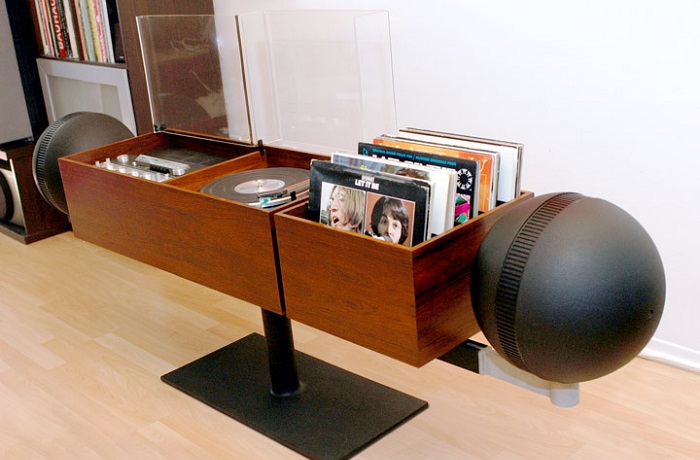


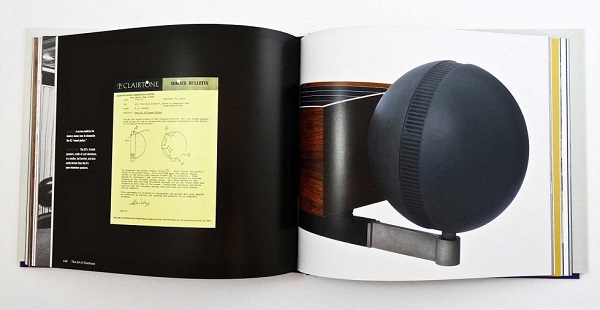

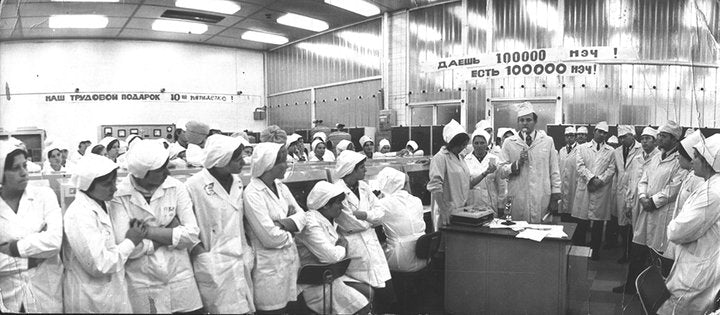
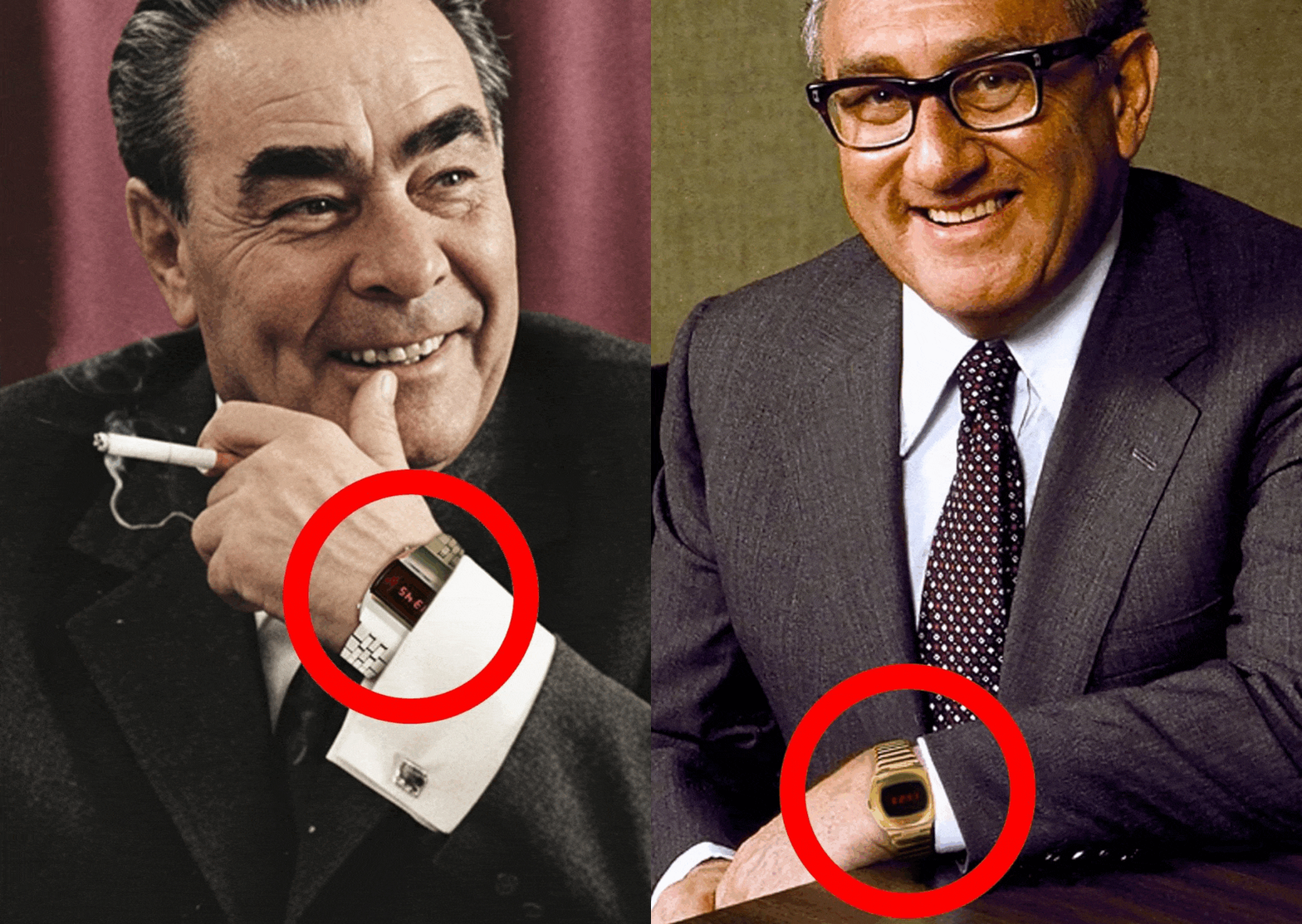
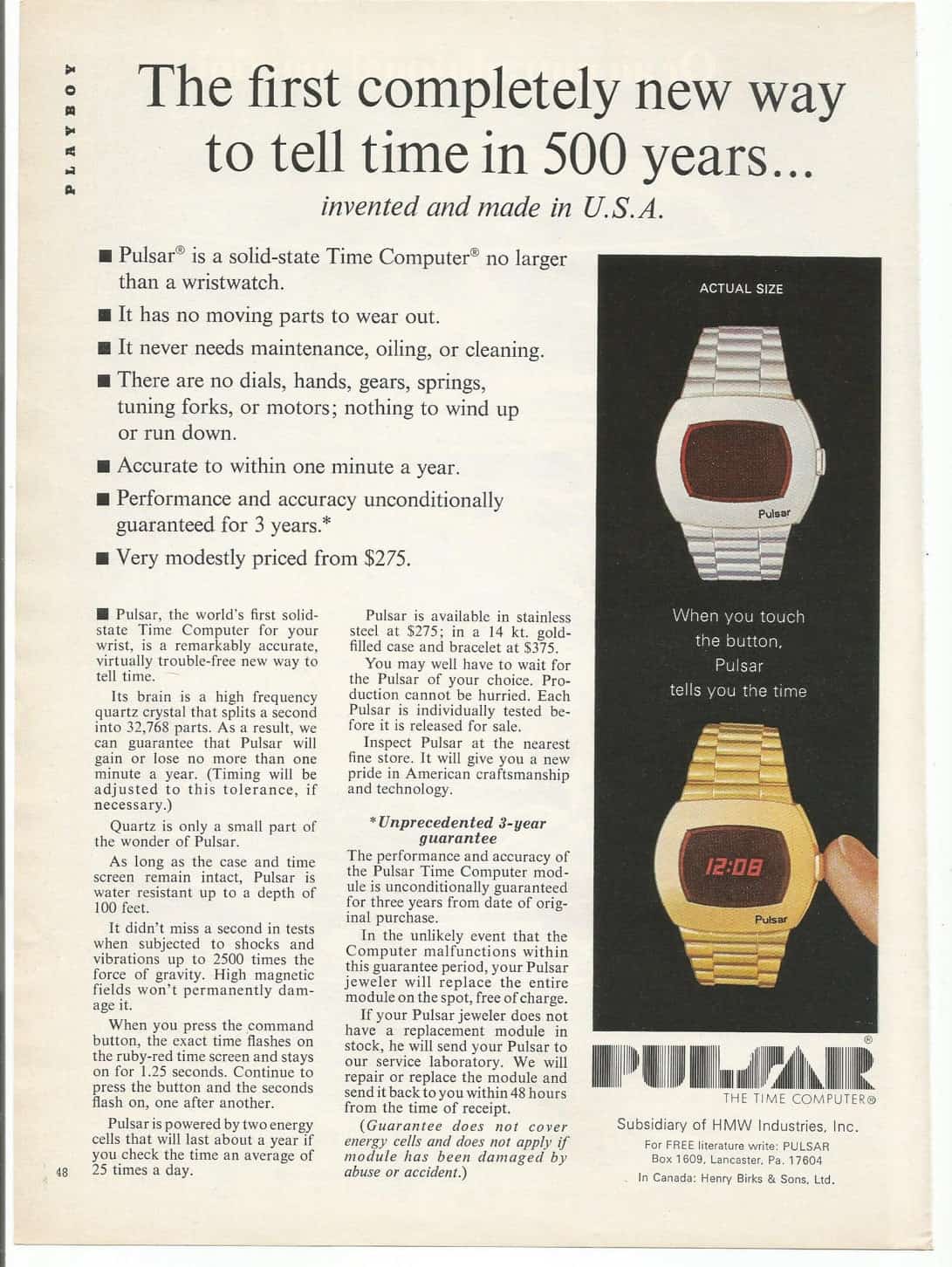
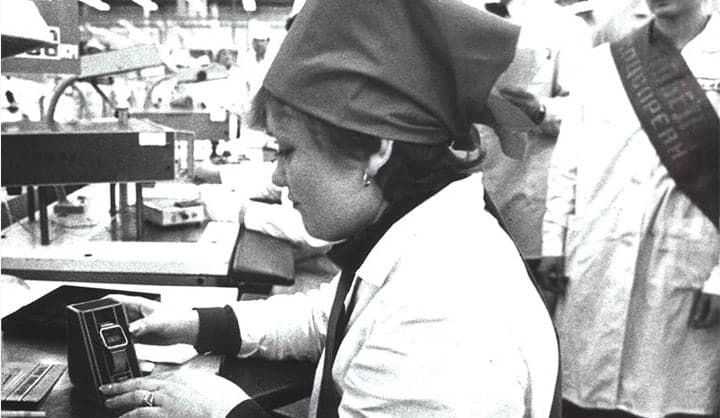
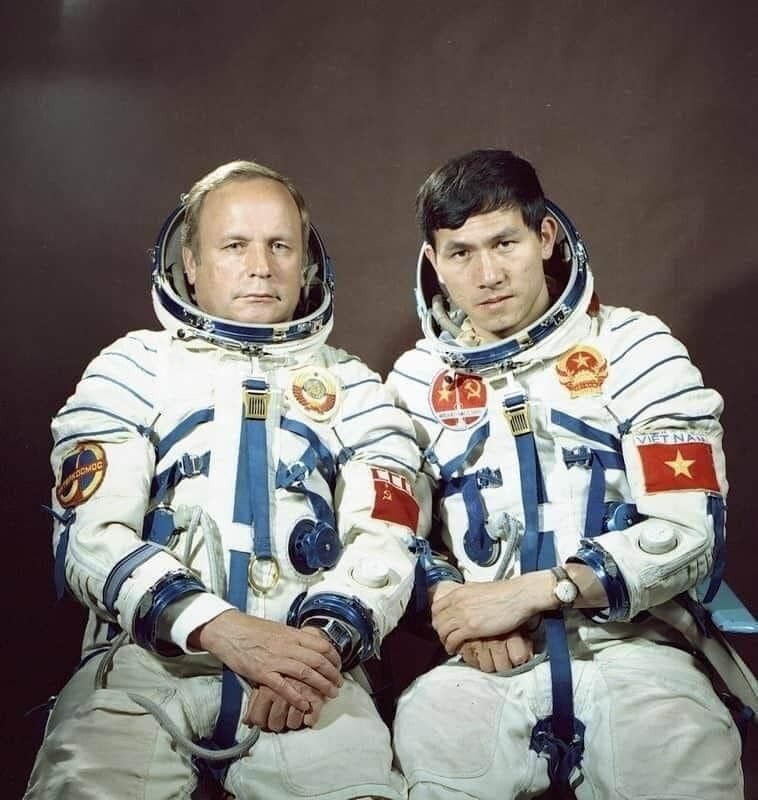
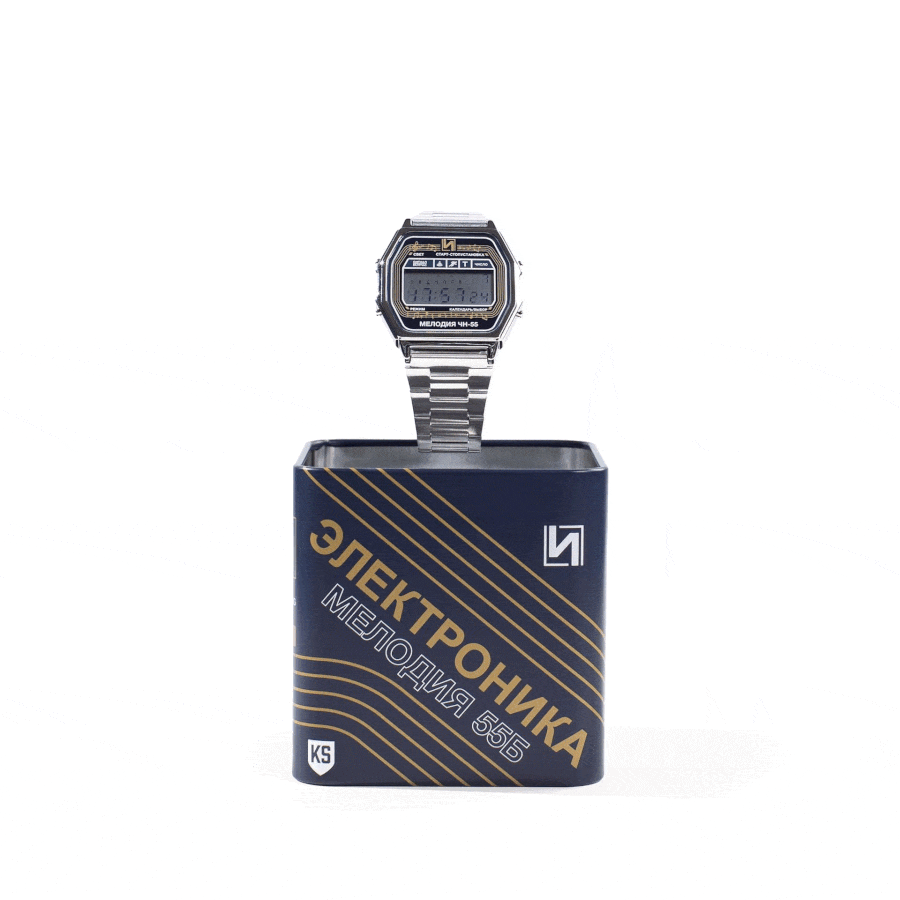
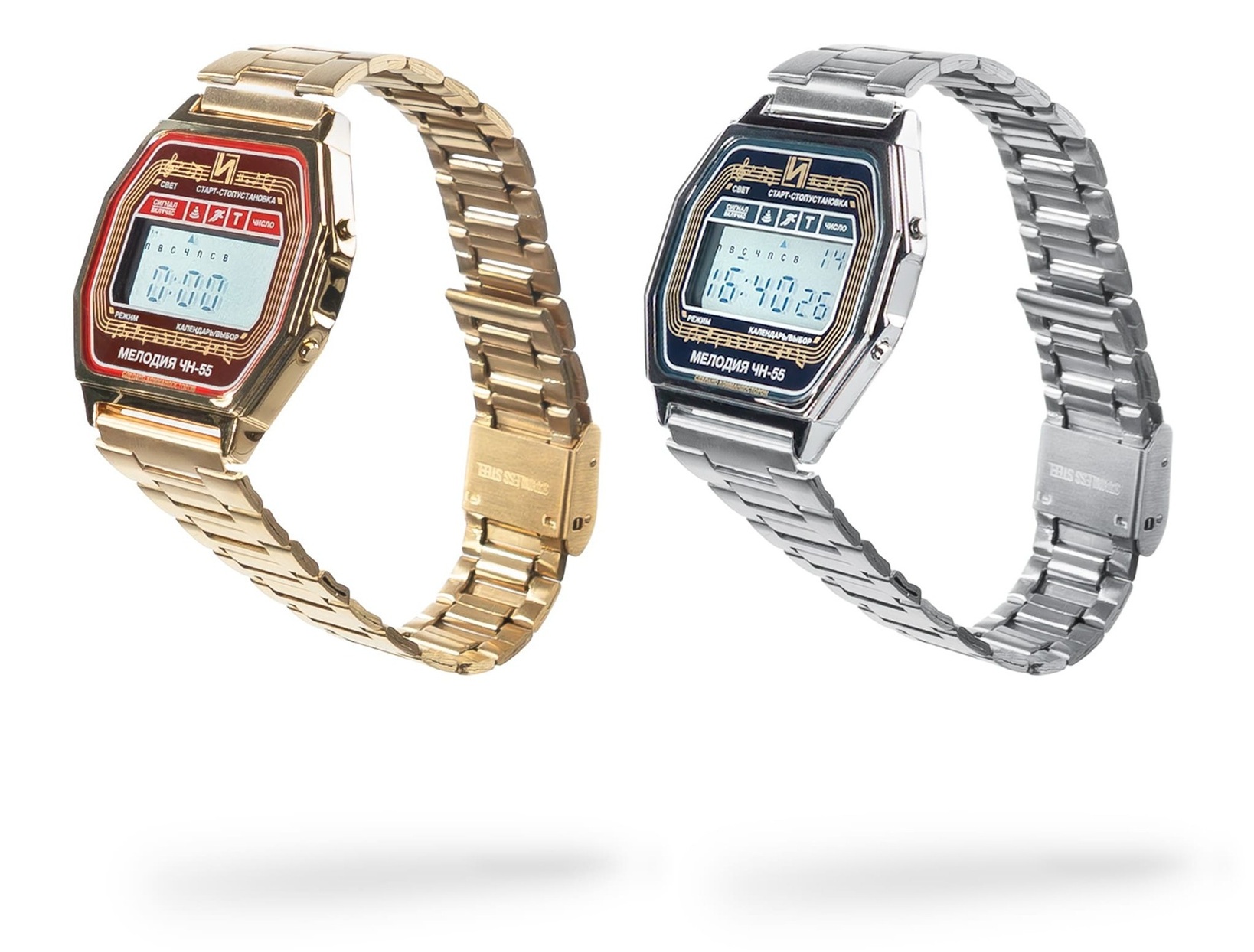
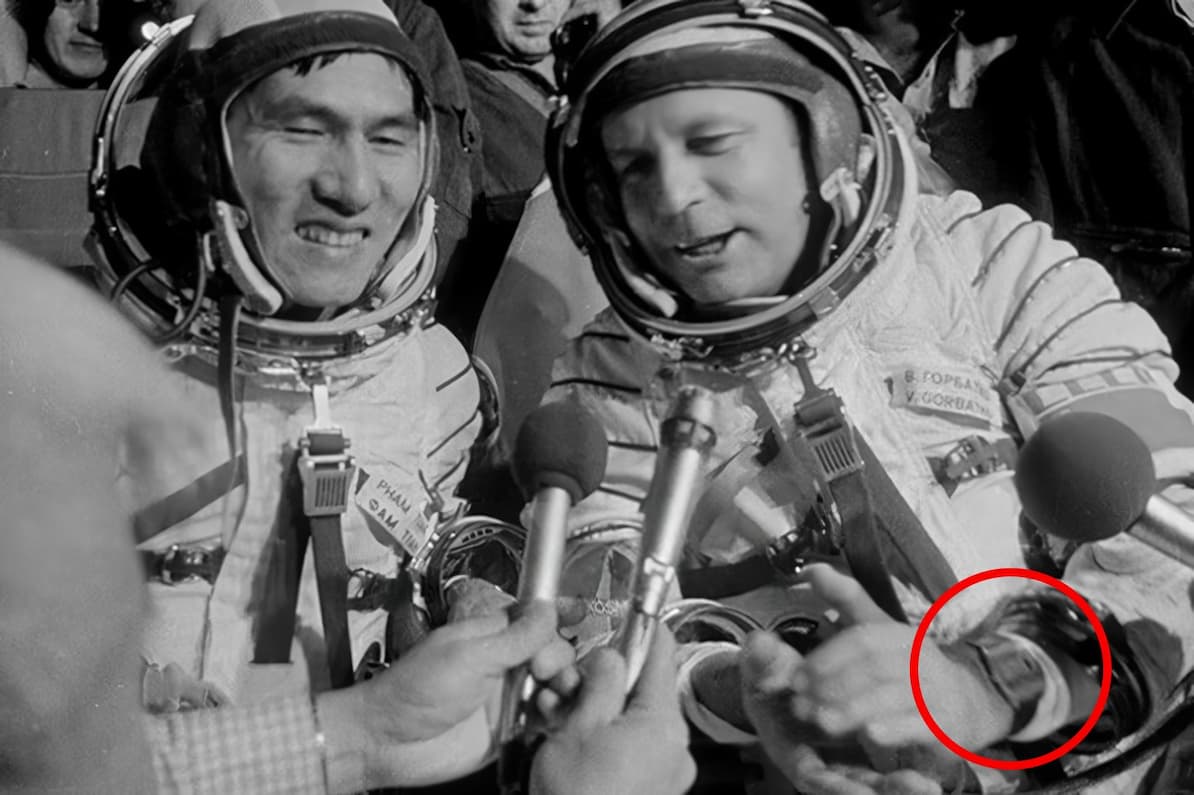

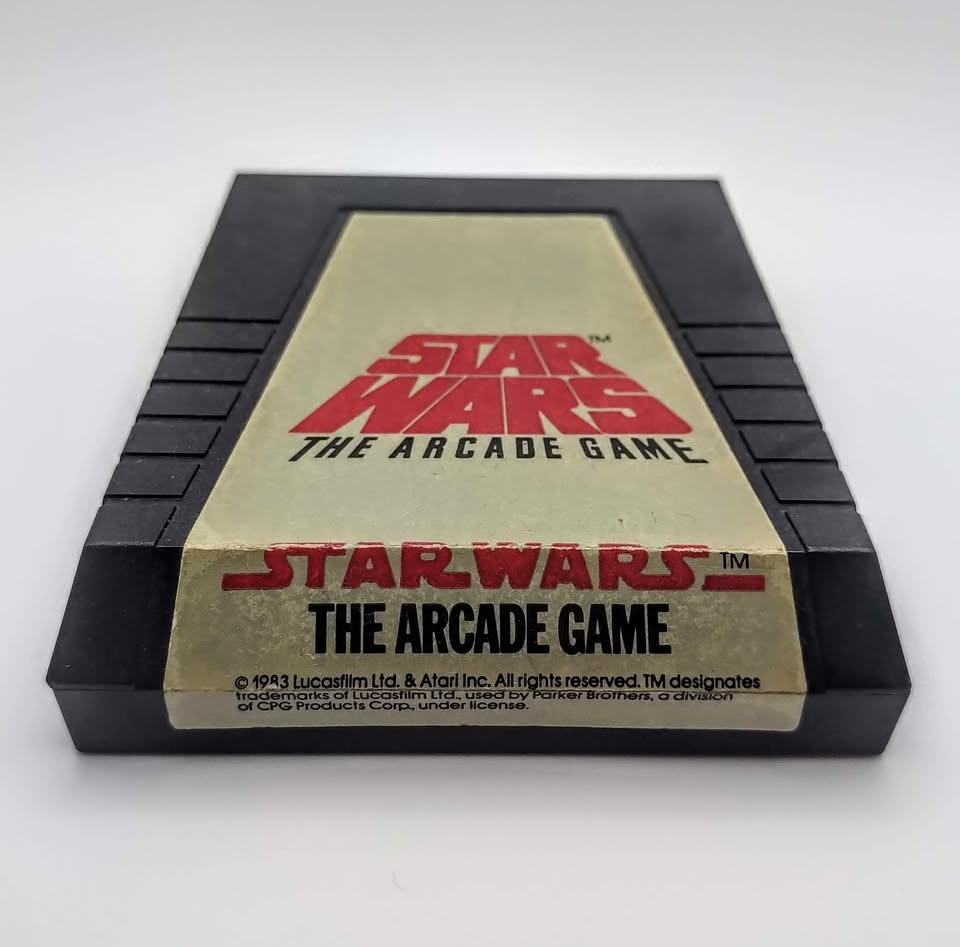
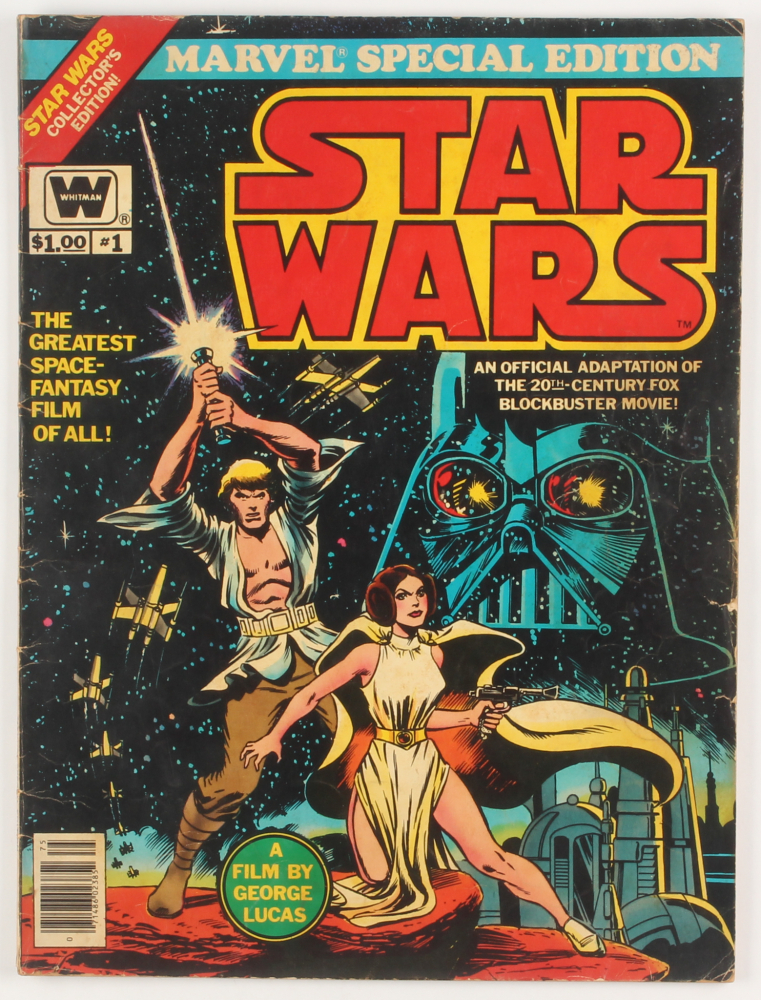
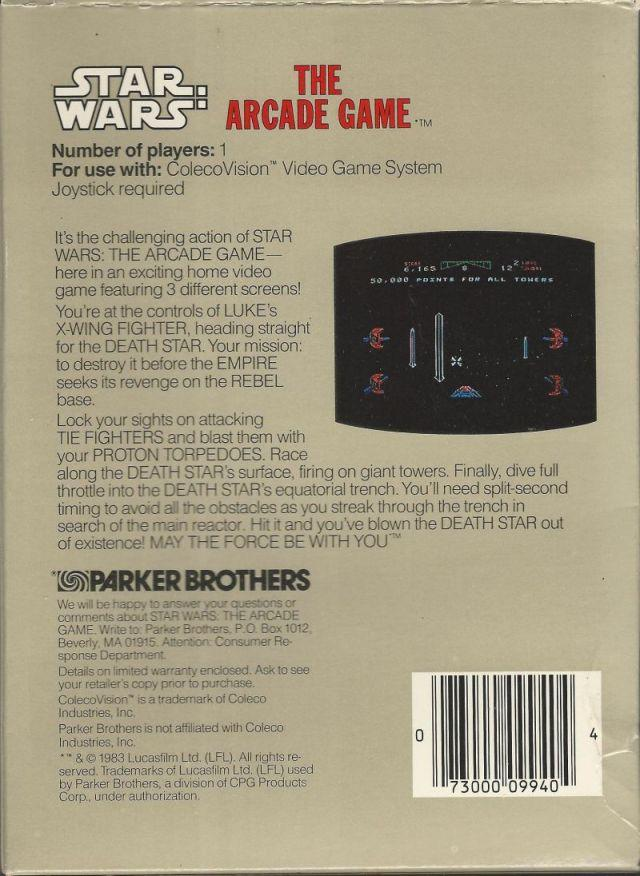
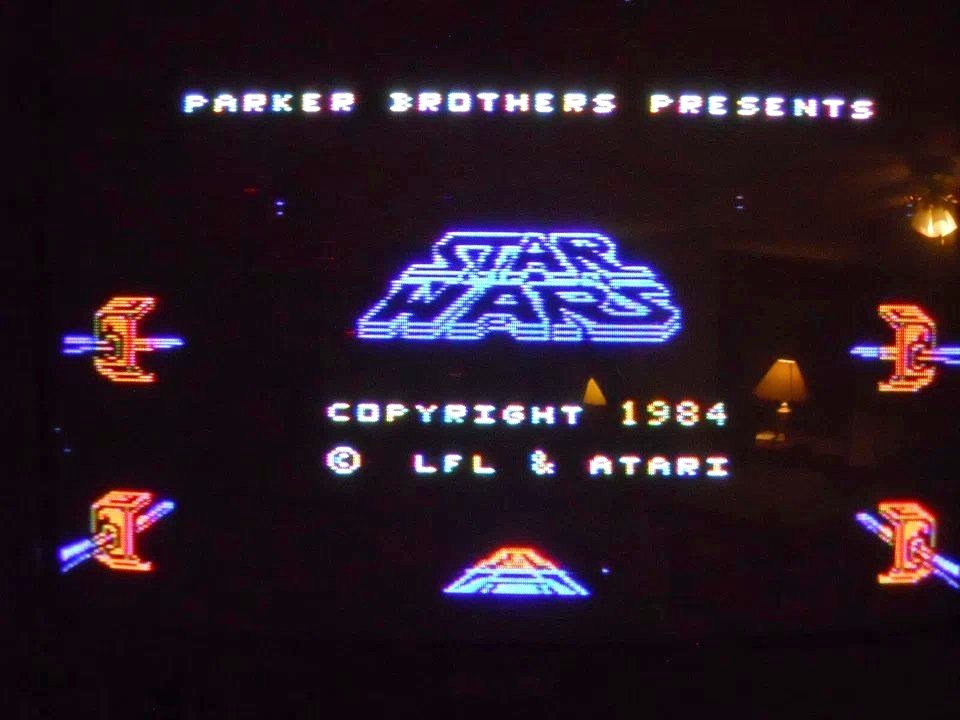

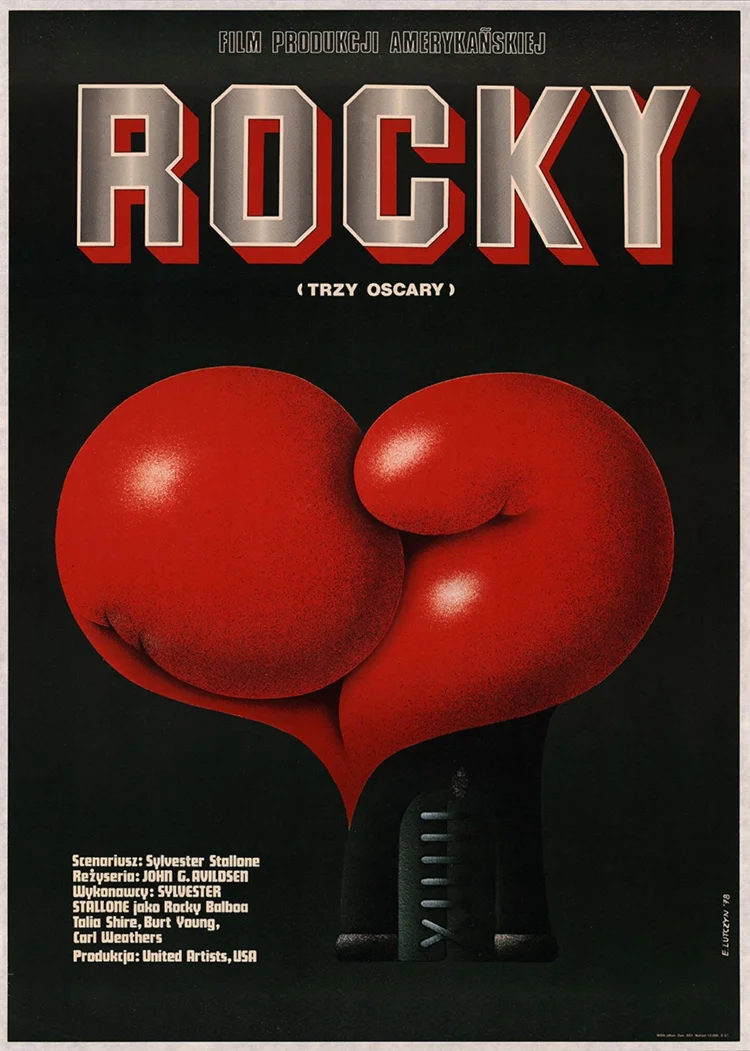
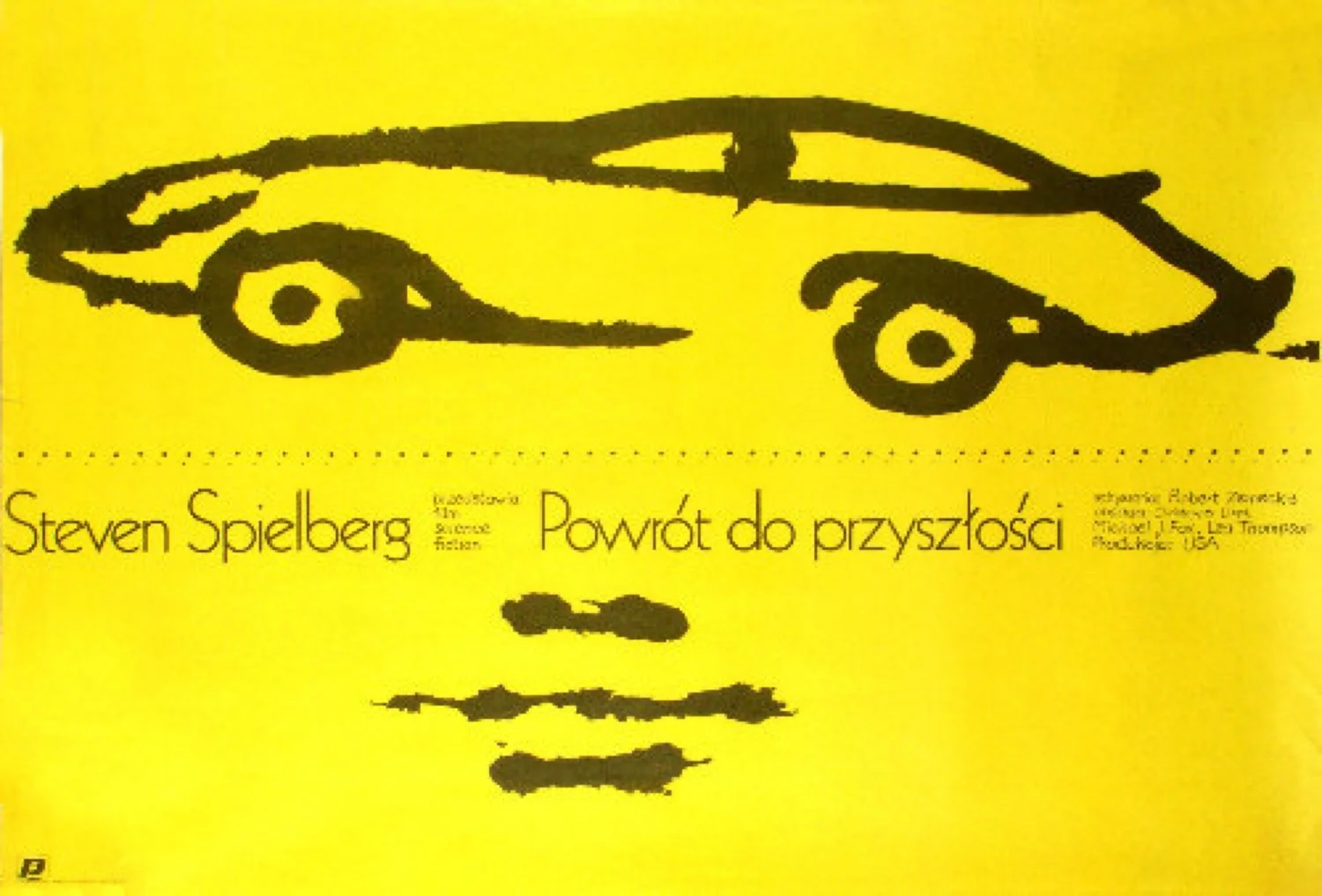
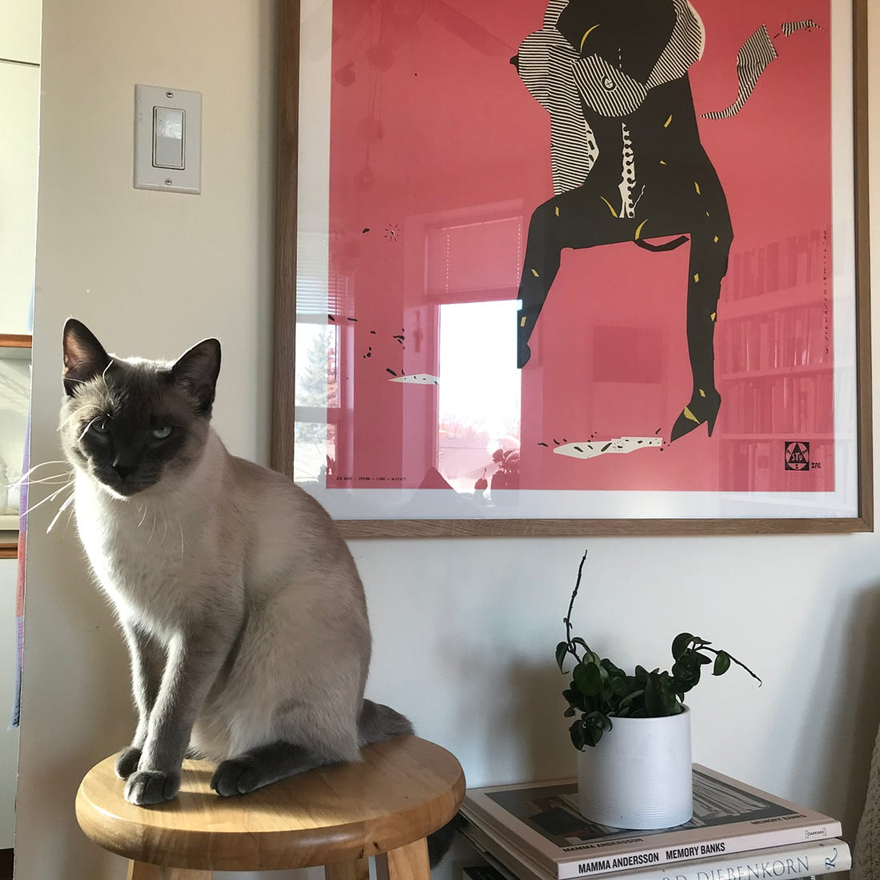
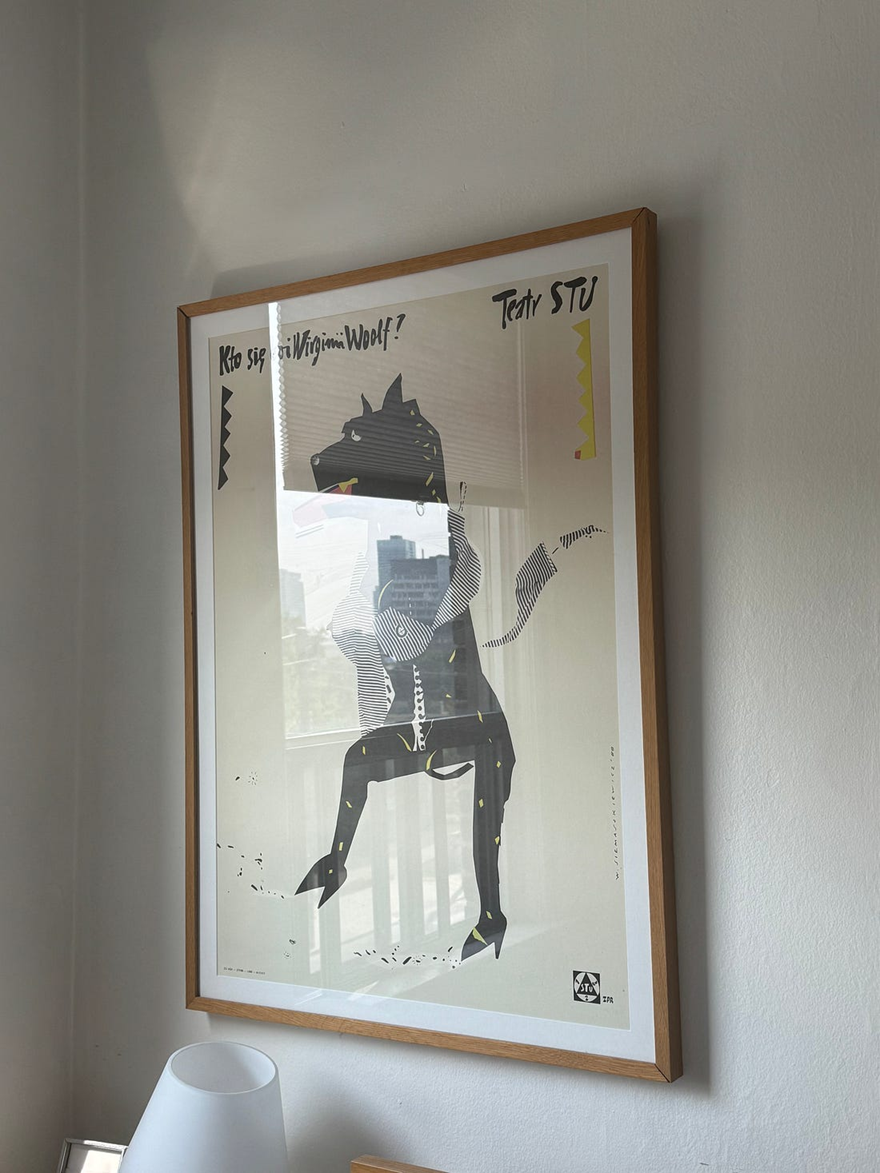

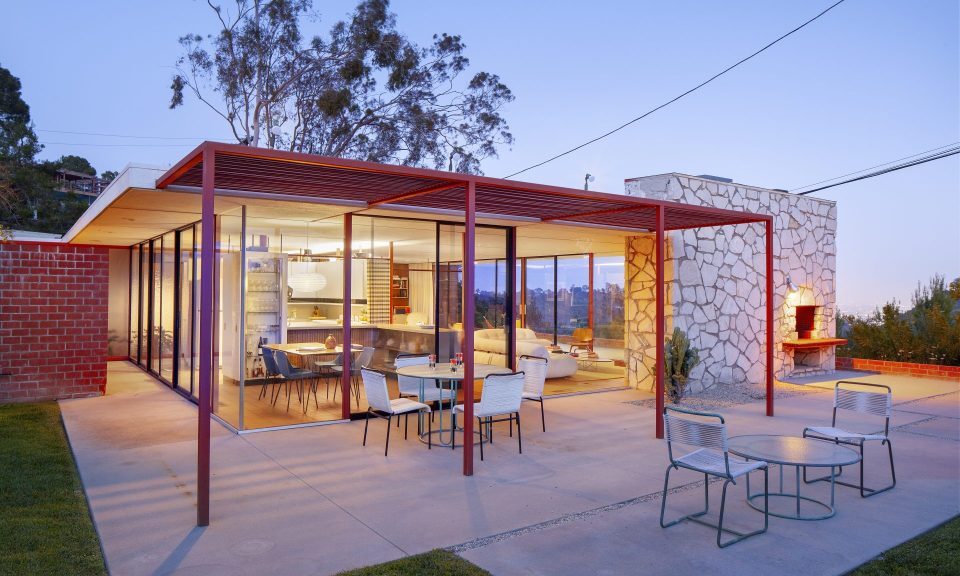
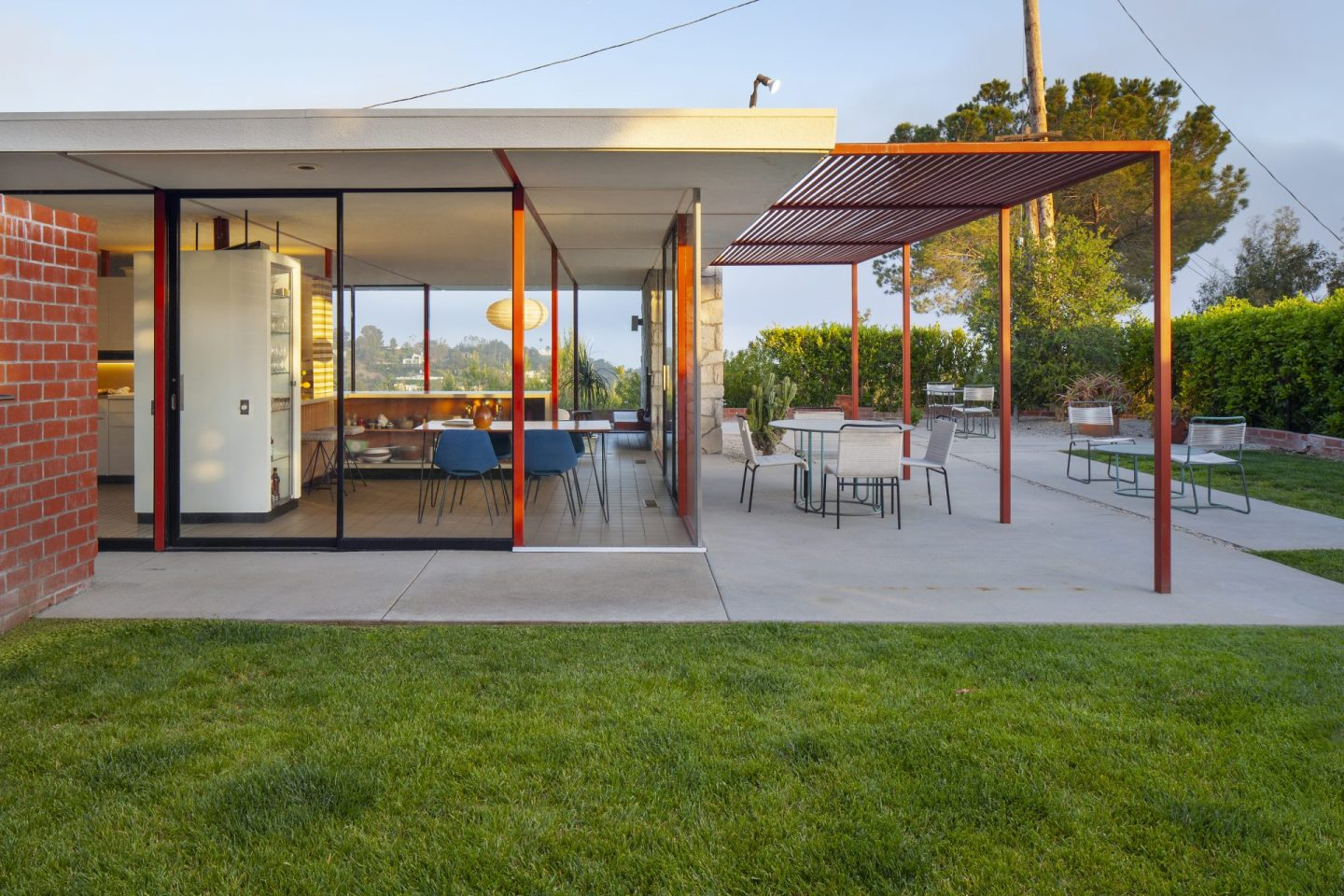
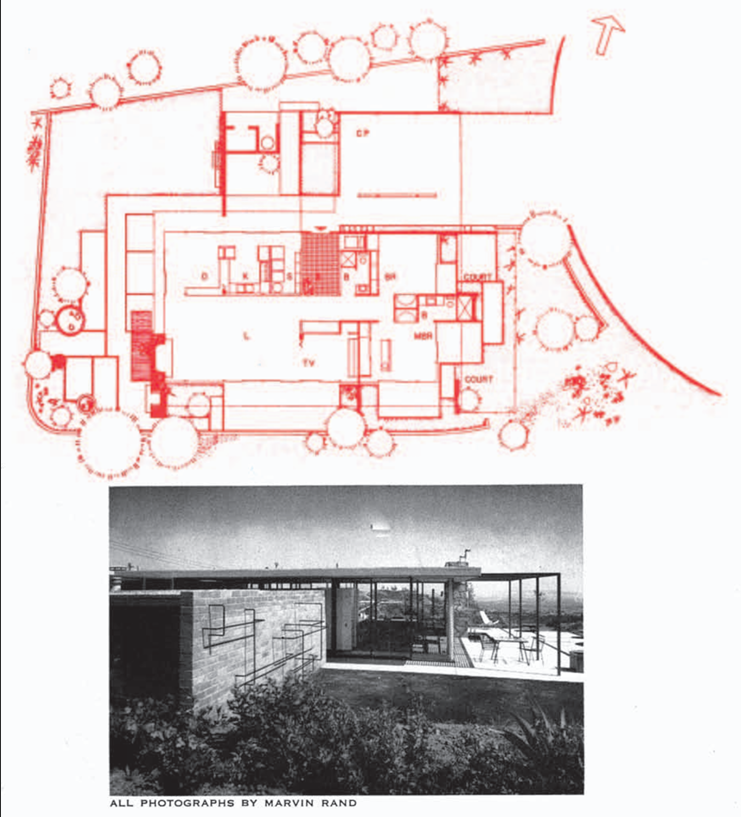
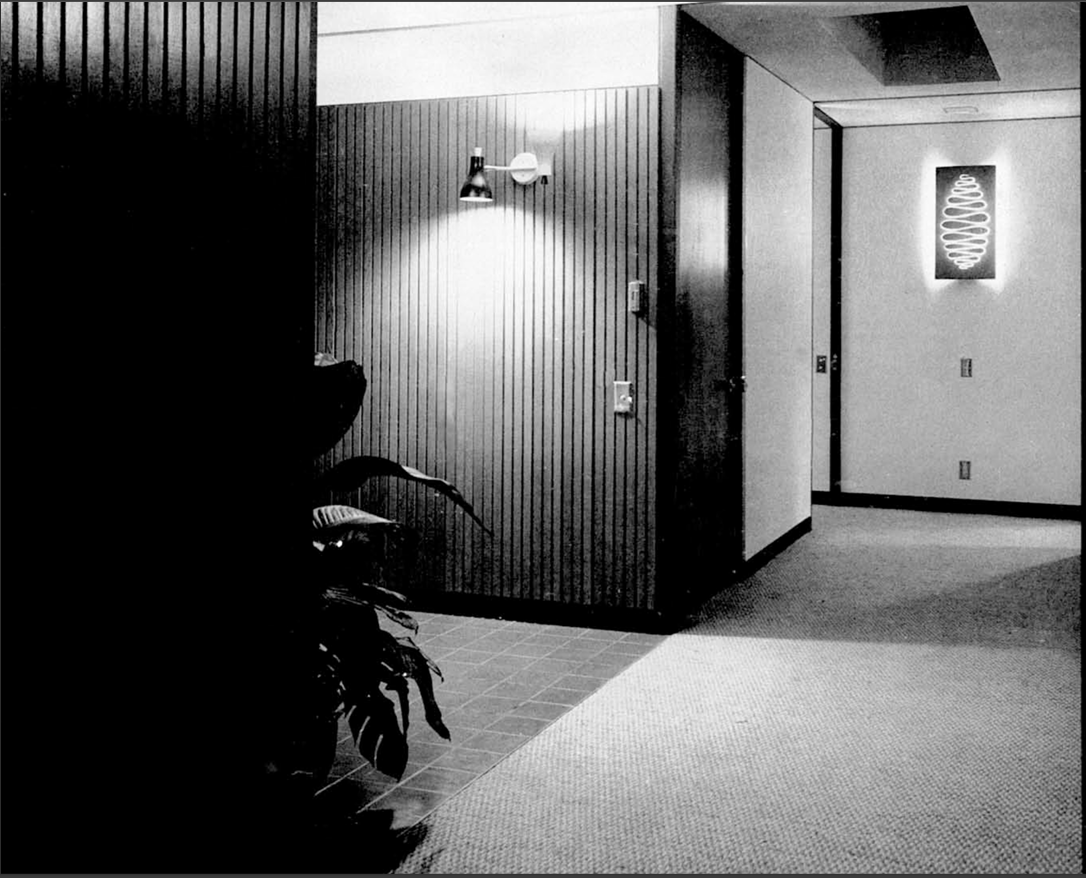
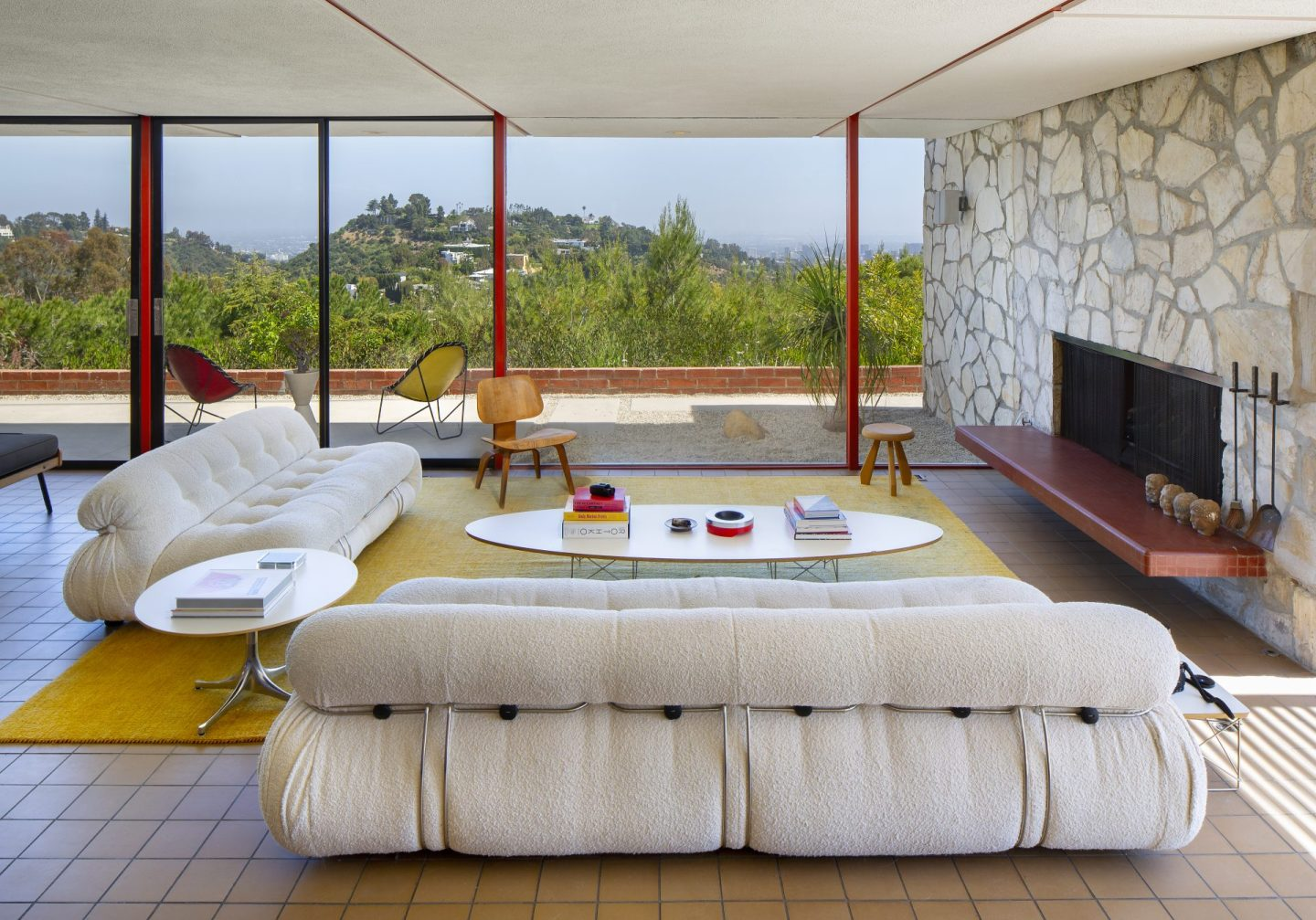

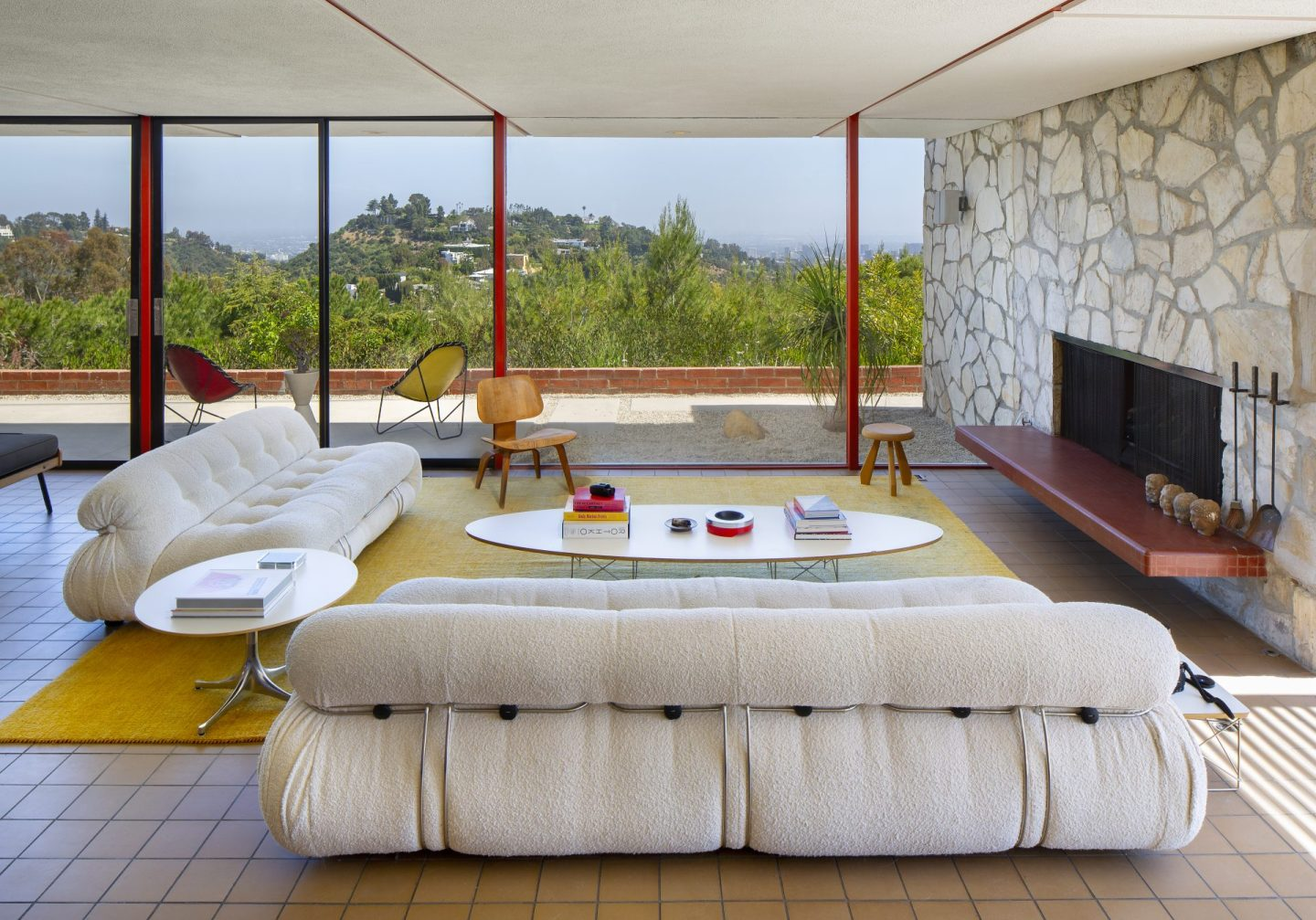




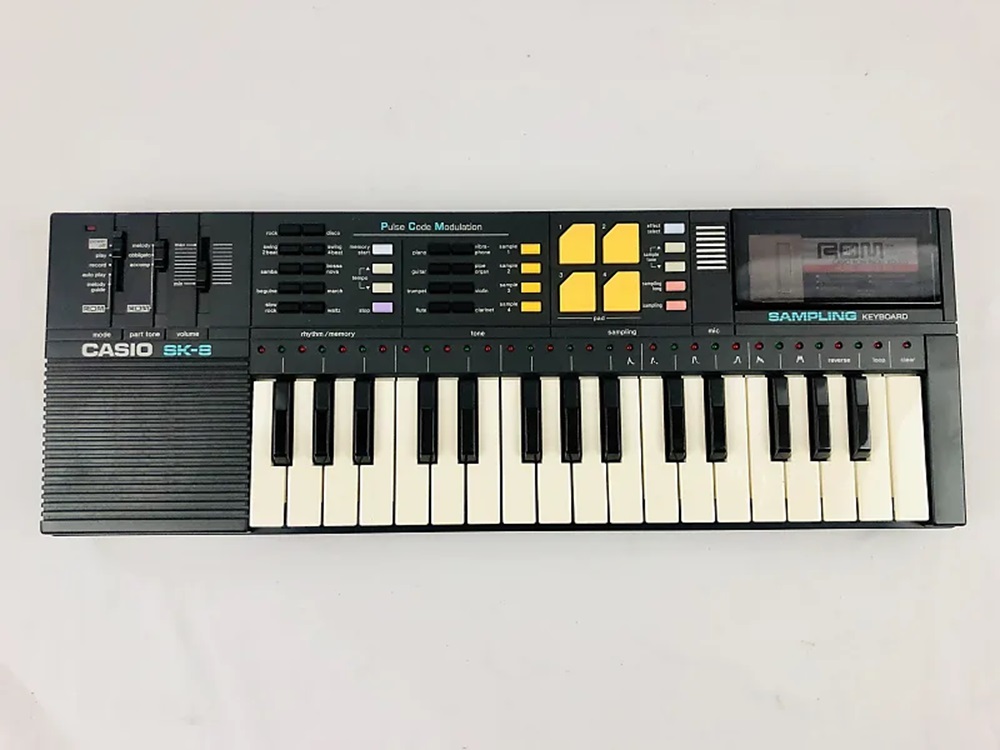
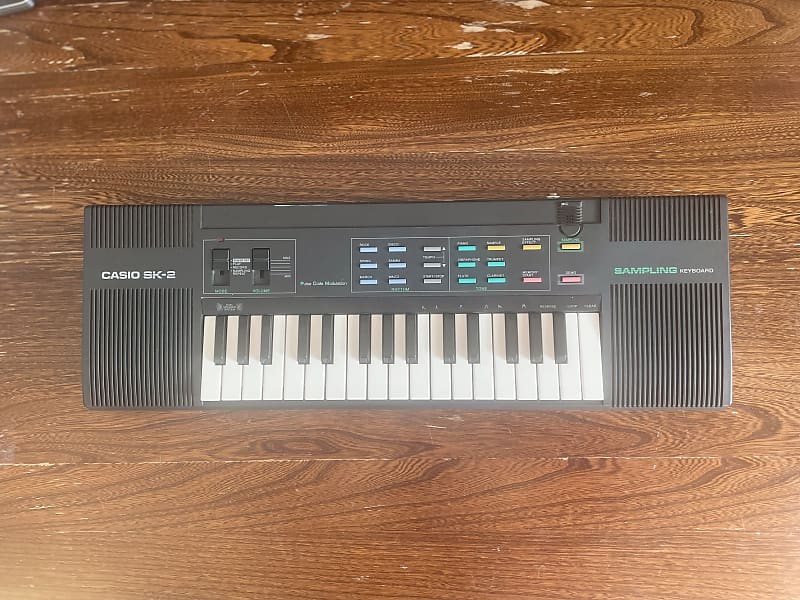
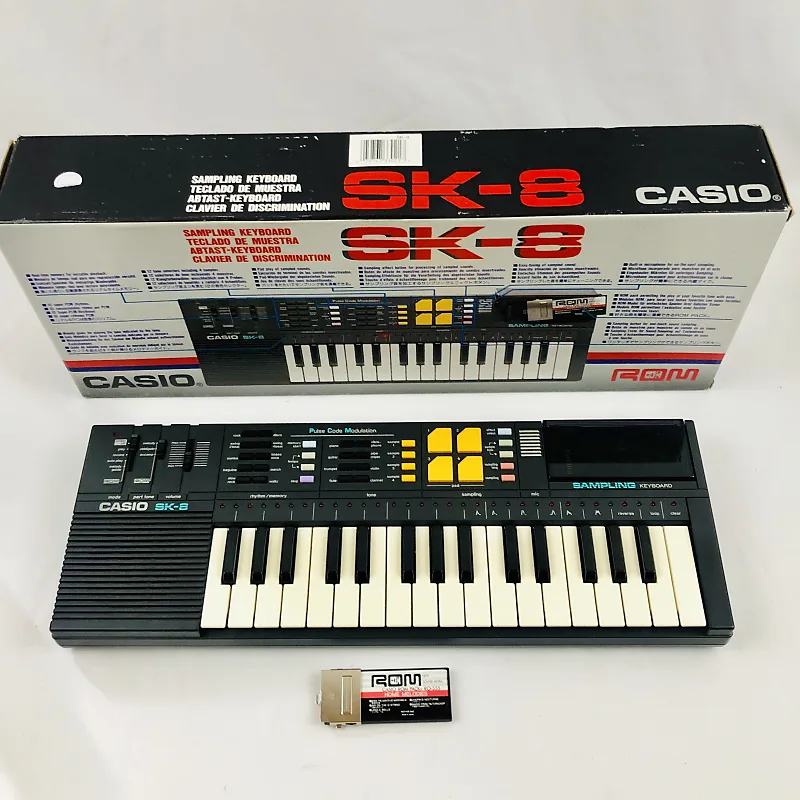
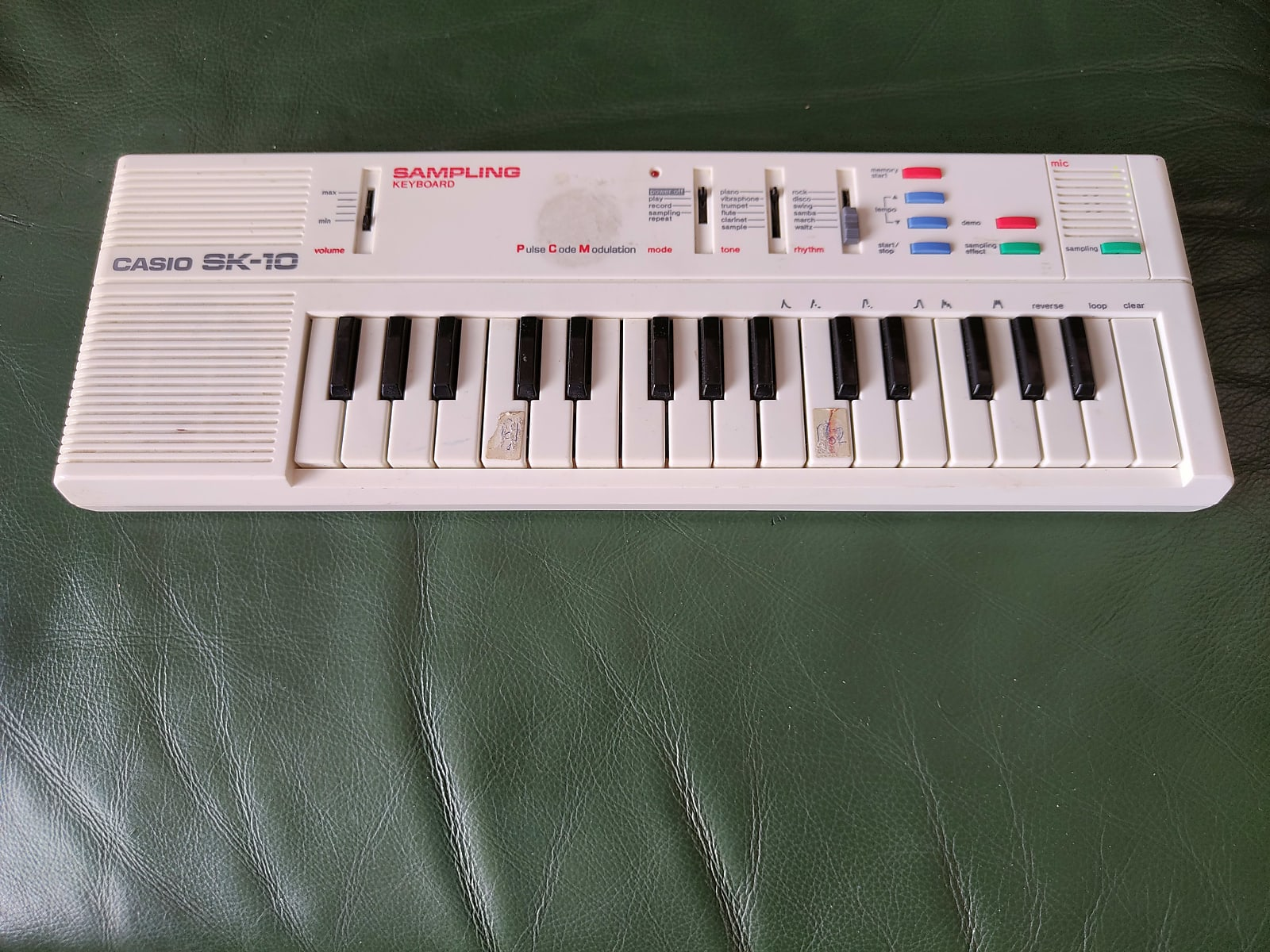

 Due to the nature of the production of these boots taking a little while (and being worth every second) it’s now time to reserve yours ahead of the inevitable rush. It just occurred to me that there’s some of you who might not be familiar with these legendary boots. Fear not- read on…..



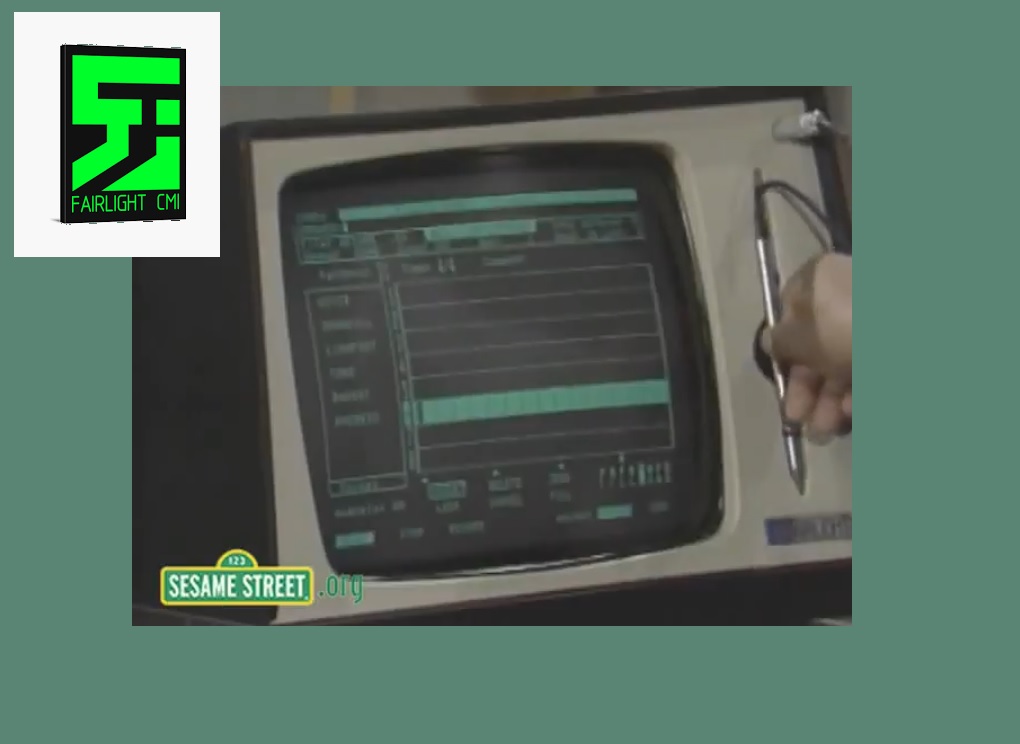
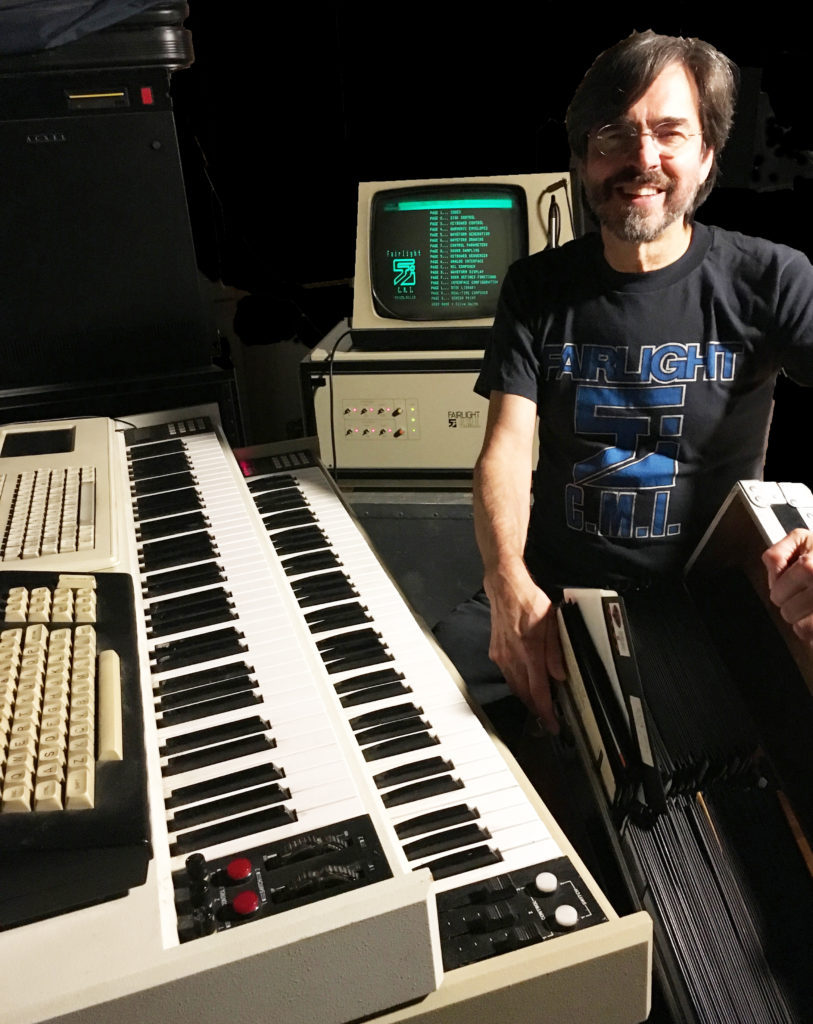
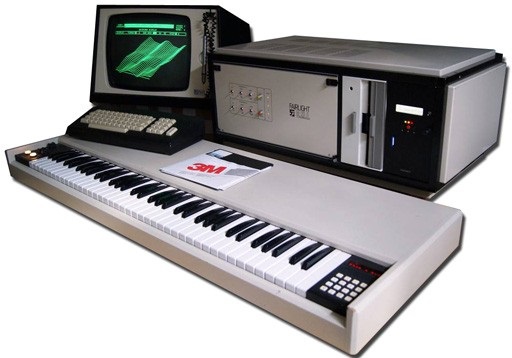











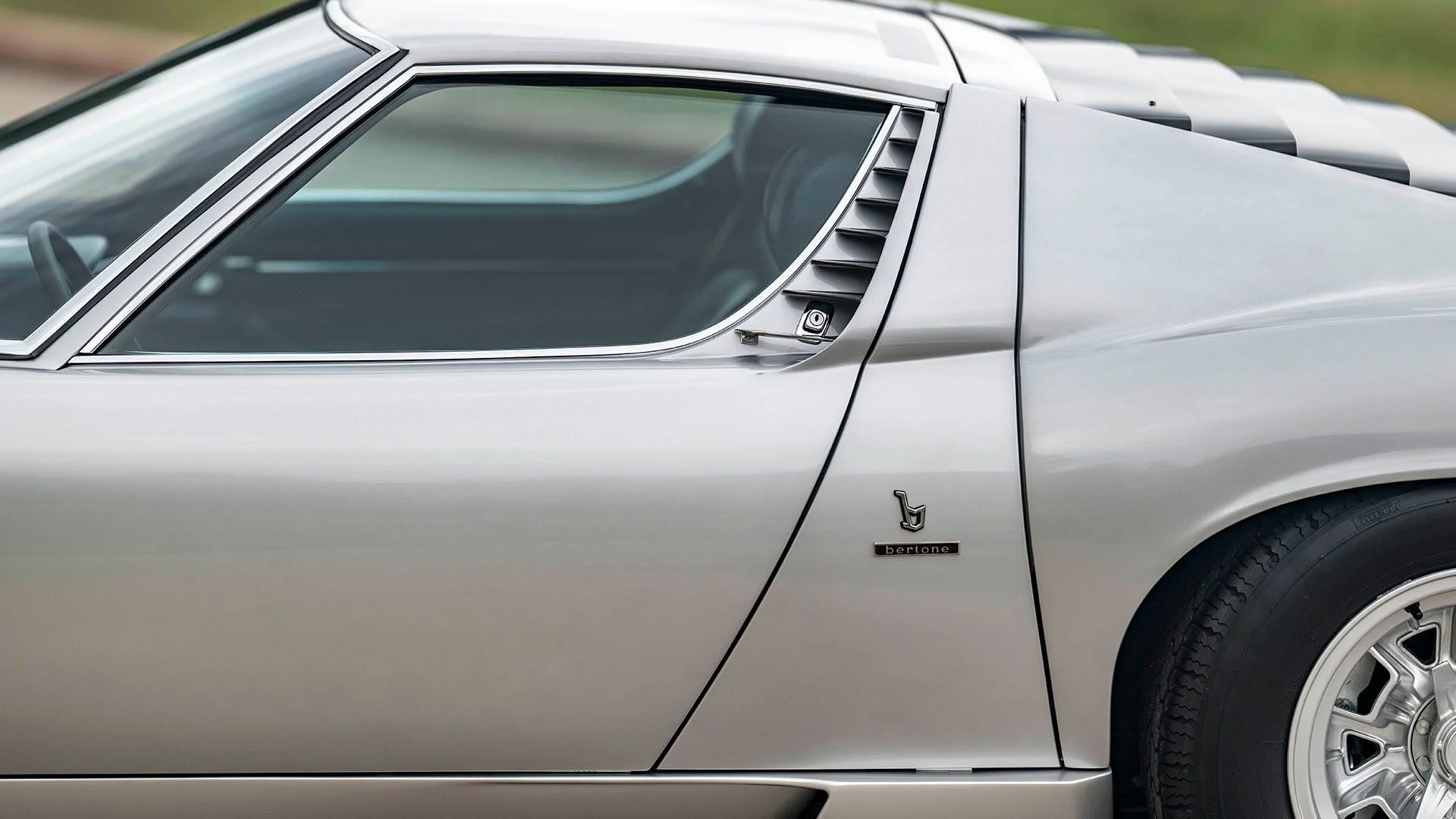






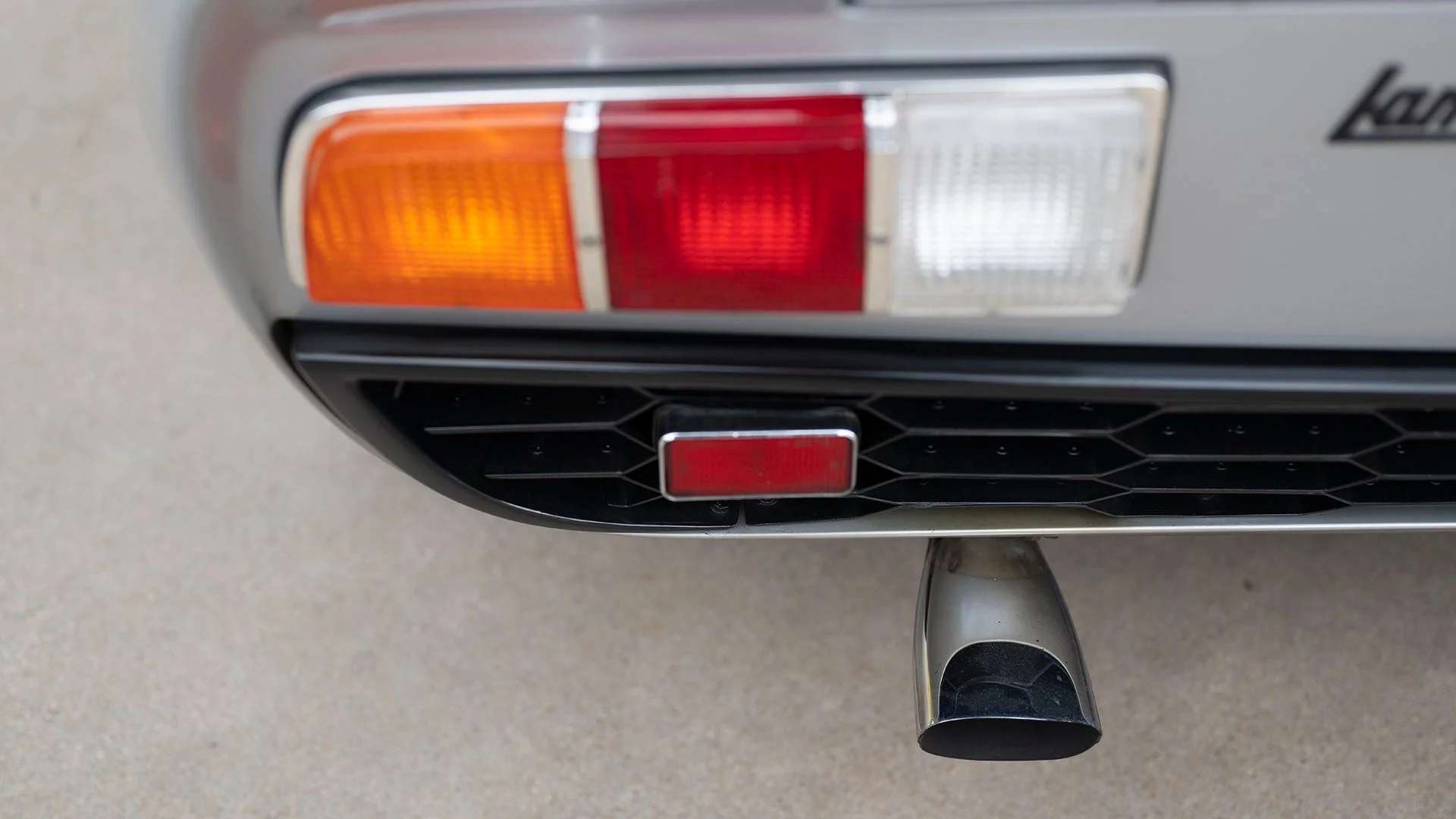





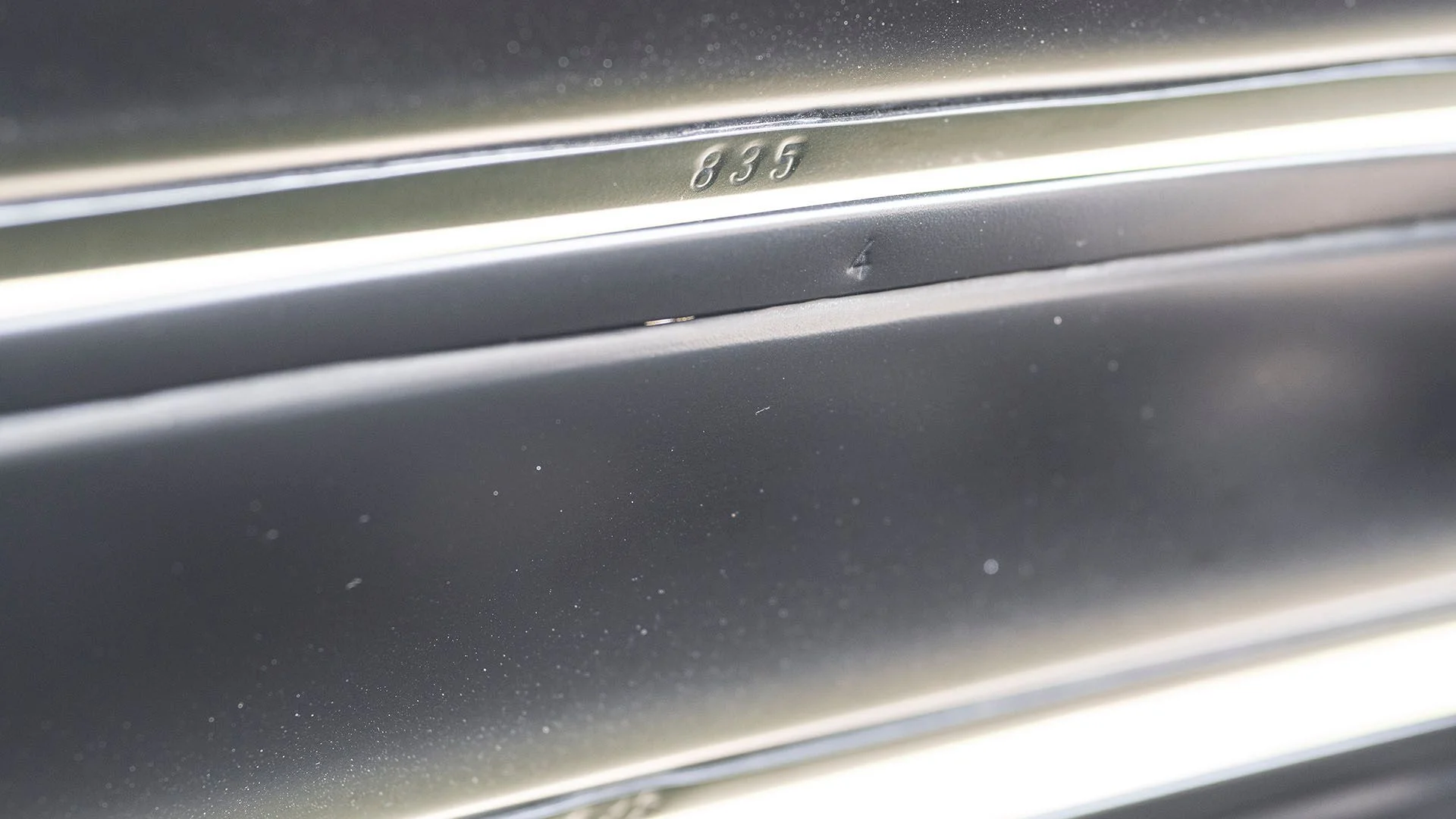


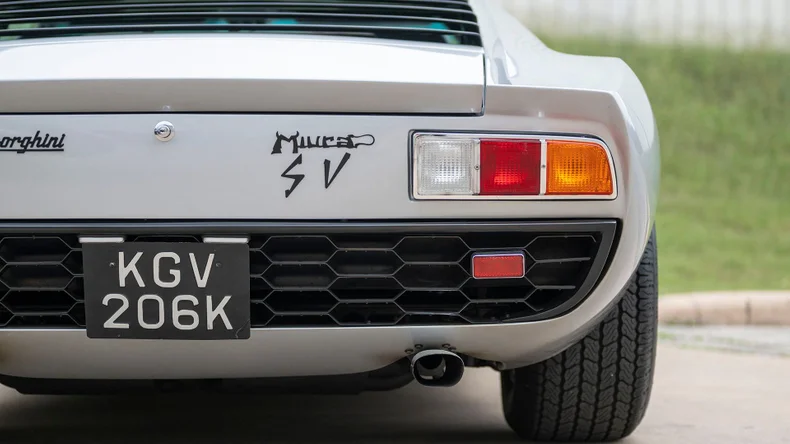


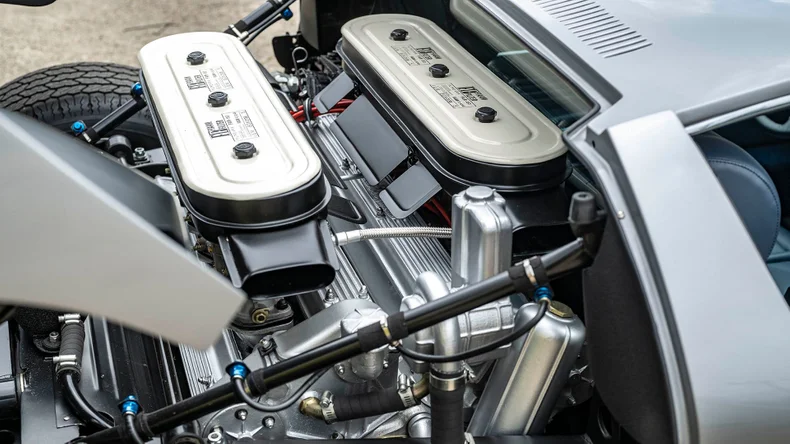


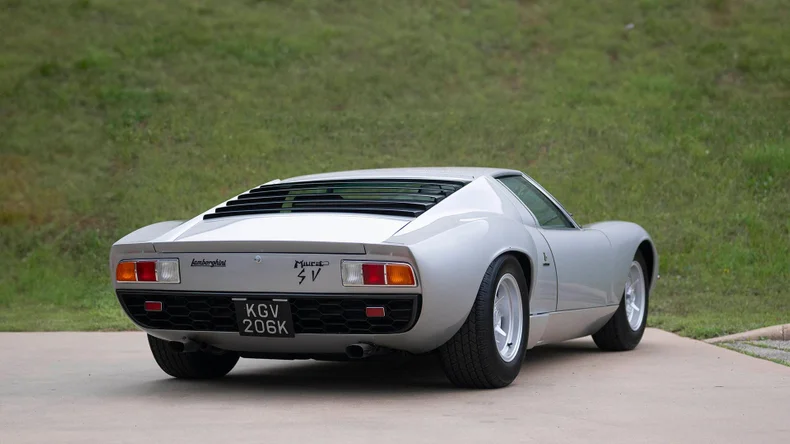


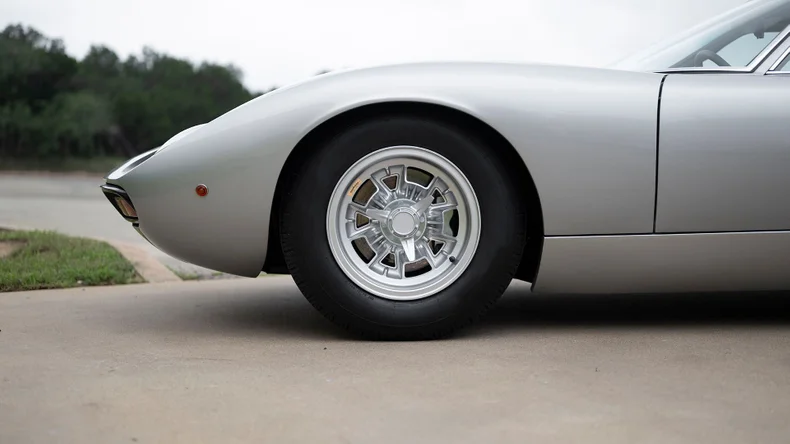








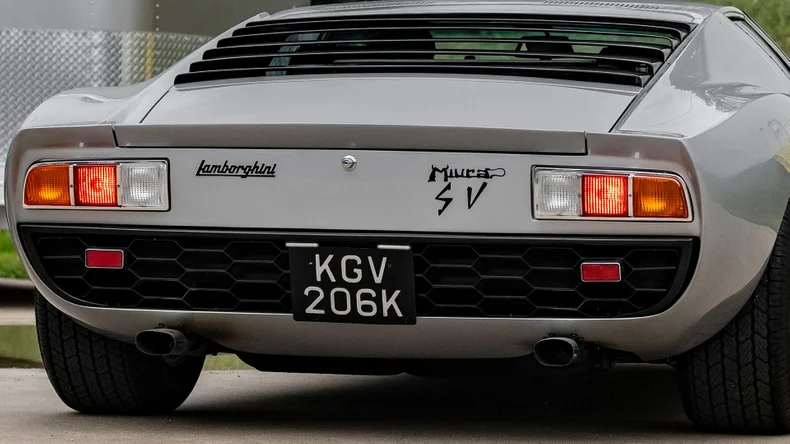


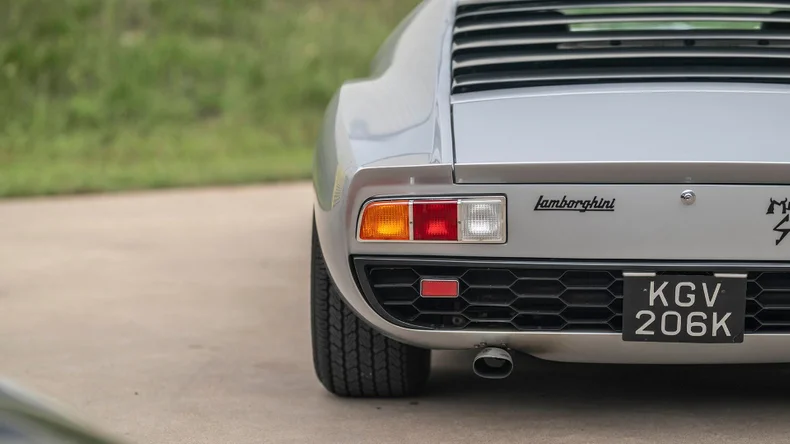



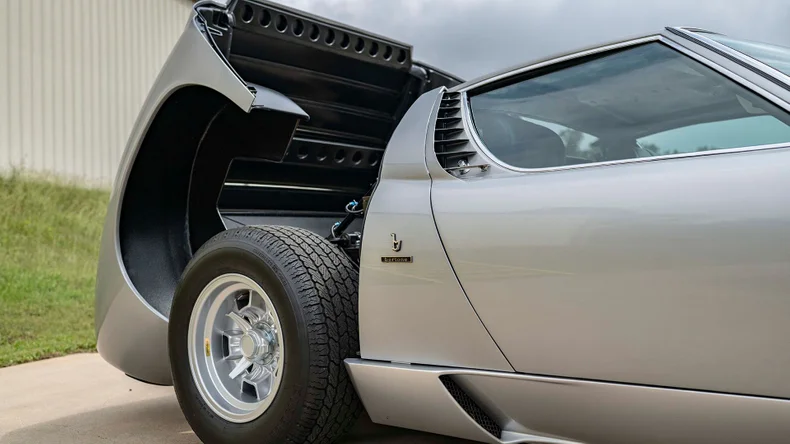


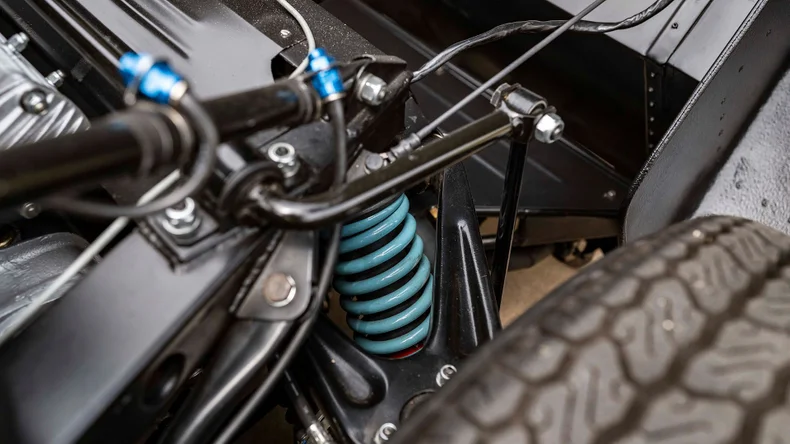


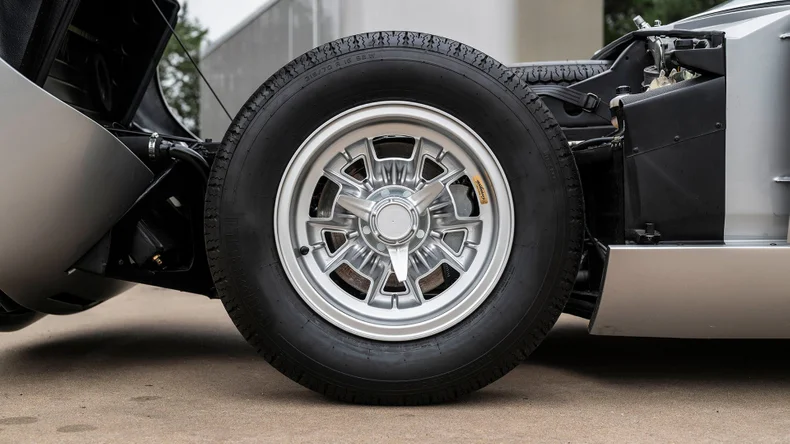


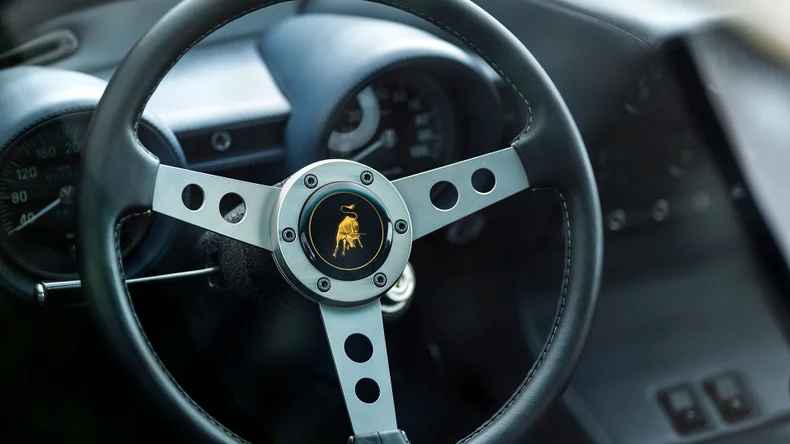


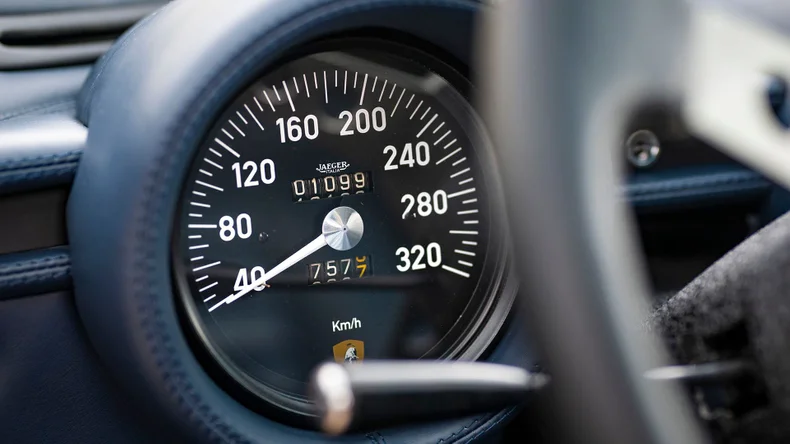


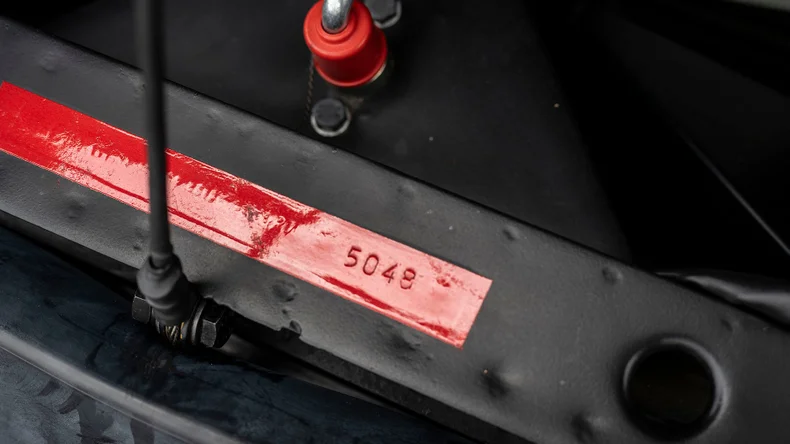
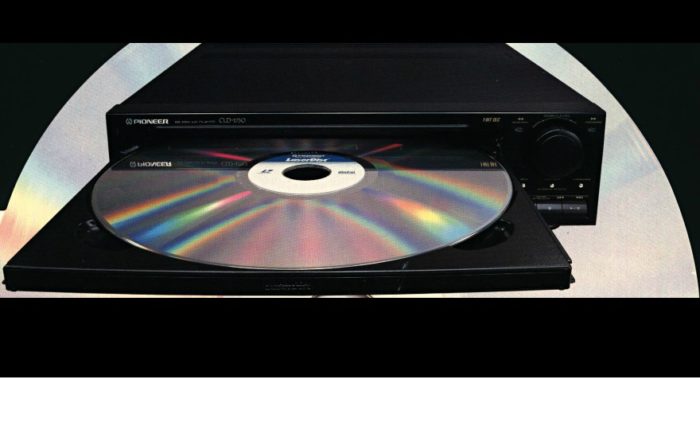
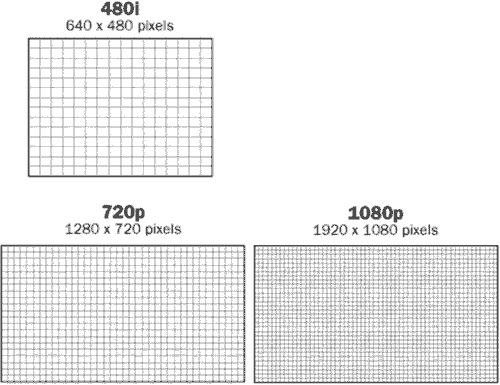 This allowed for extras such as director’s commentary tracks and other features to be added onto a film, creating “Special Edition” releases that would not have been possible with VHS. Disc access was random and chapter based, like the DVD format, meaning that one could jump to any point on a given disc very quickly. By comparison, VHS would require tedious rewinding and fast-forwarding to get to specific points.
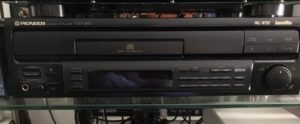
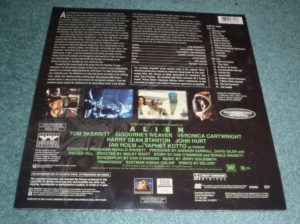 Another important innovation for Laserdisc was the fact that it was the very first home video format to offer Dolby Digital Surround Sound- often referred to as AC-3 on Laserdisc jackets and hardware. Many fans of Laserdisc are still enjoying this feature because some movies such as the Alien AC-3 LD were released with their original cinema surround mix on the AC-3 Laserdisc and those mixes are unavailable on today’s modern formats such as Blu-ray or UHD Blu-ray. Many early LD players can even be modified to turn them into AC-3 LD players.
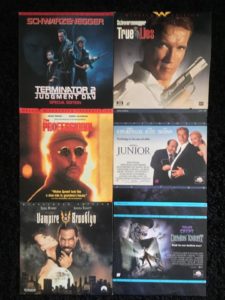

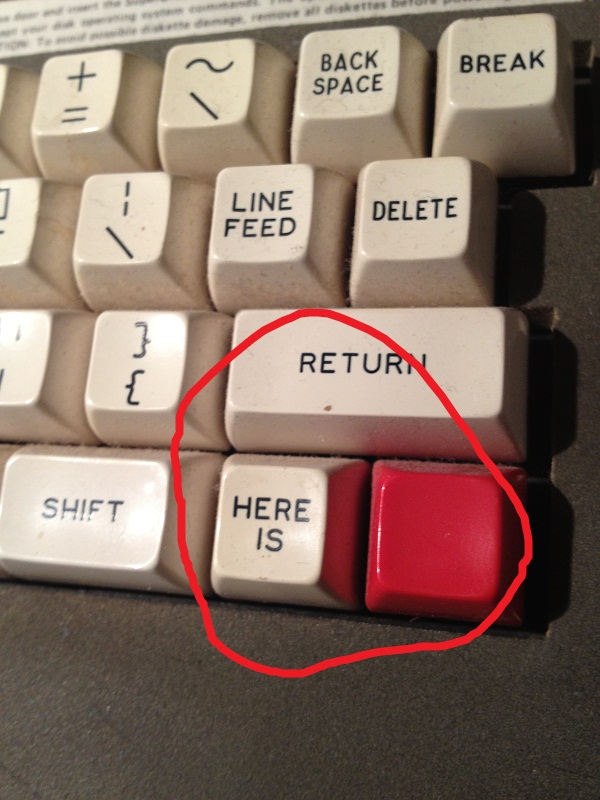
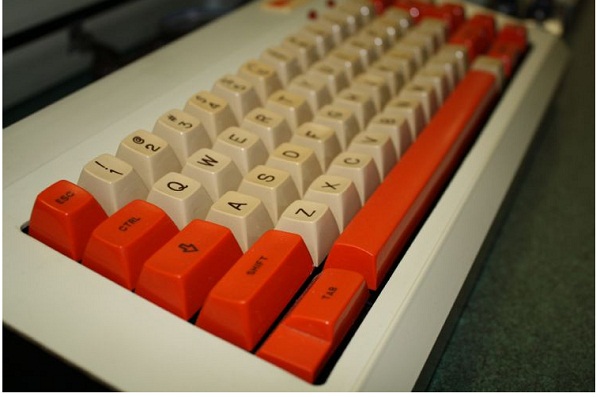









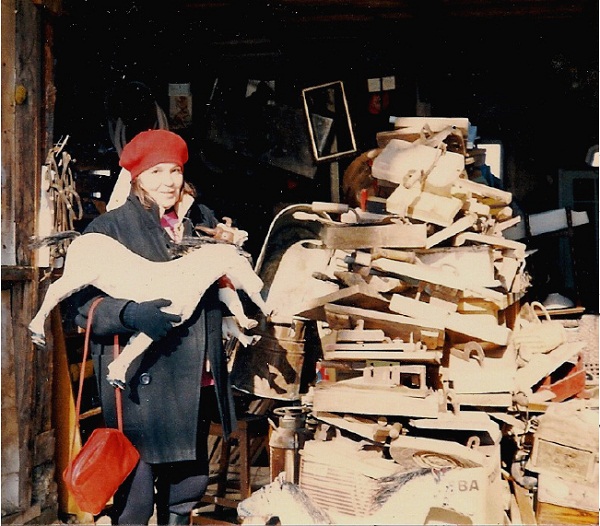
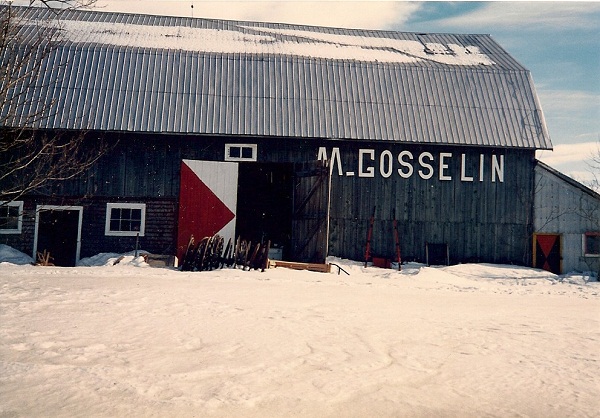
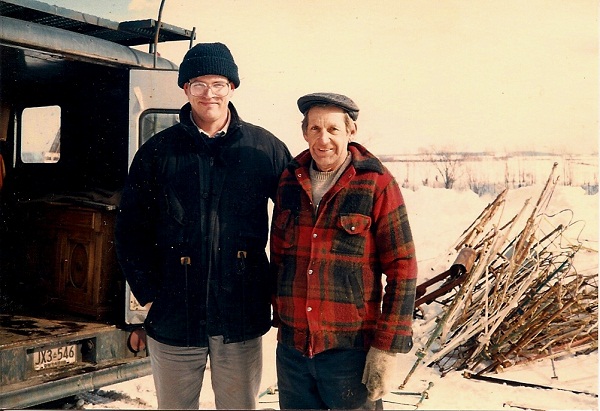
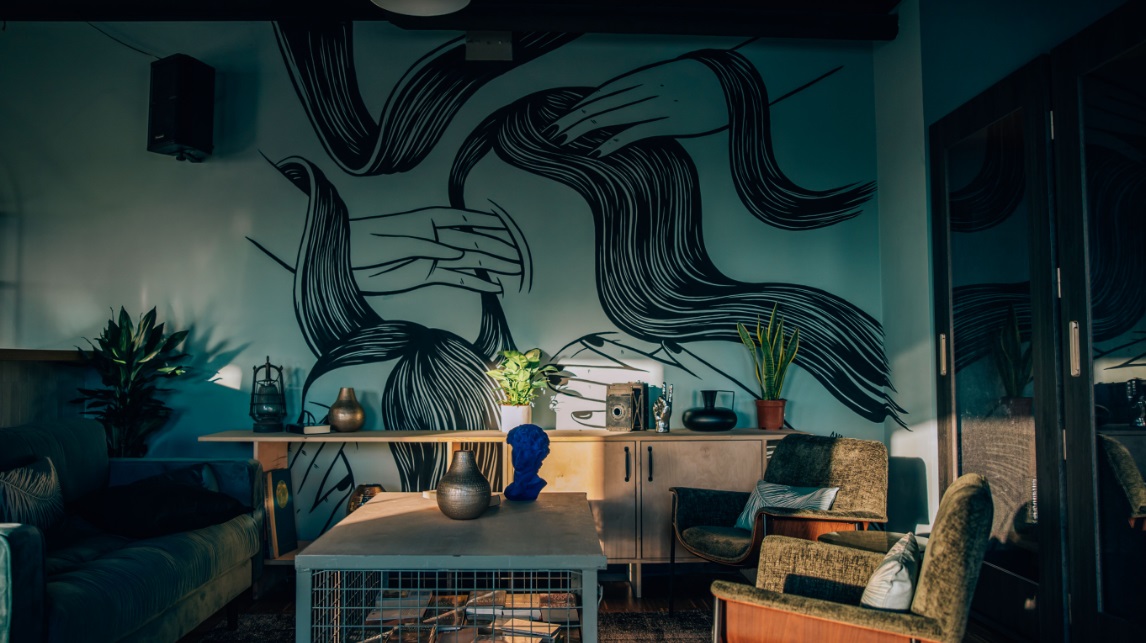
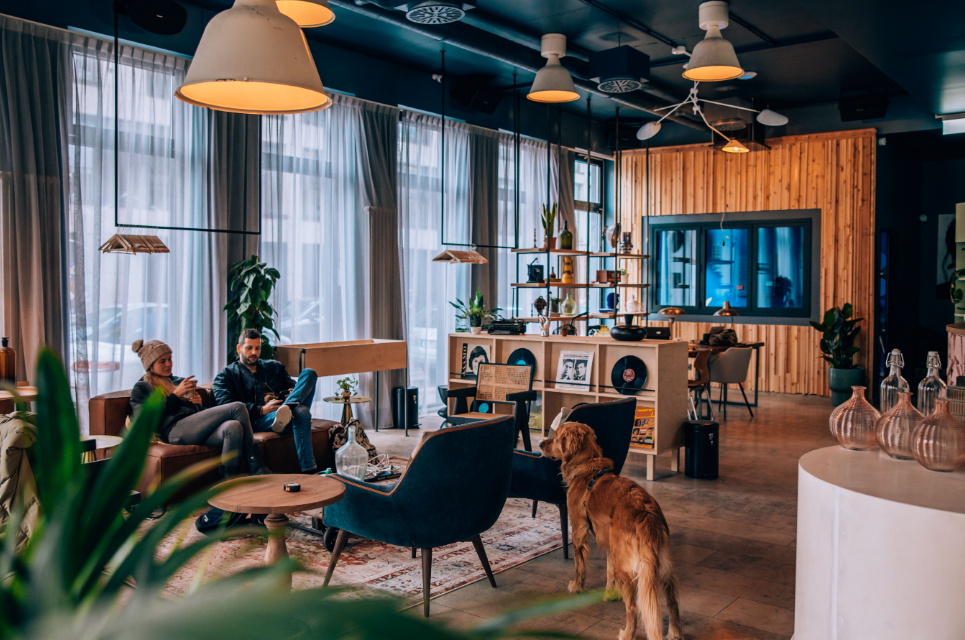

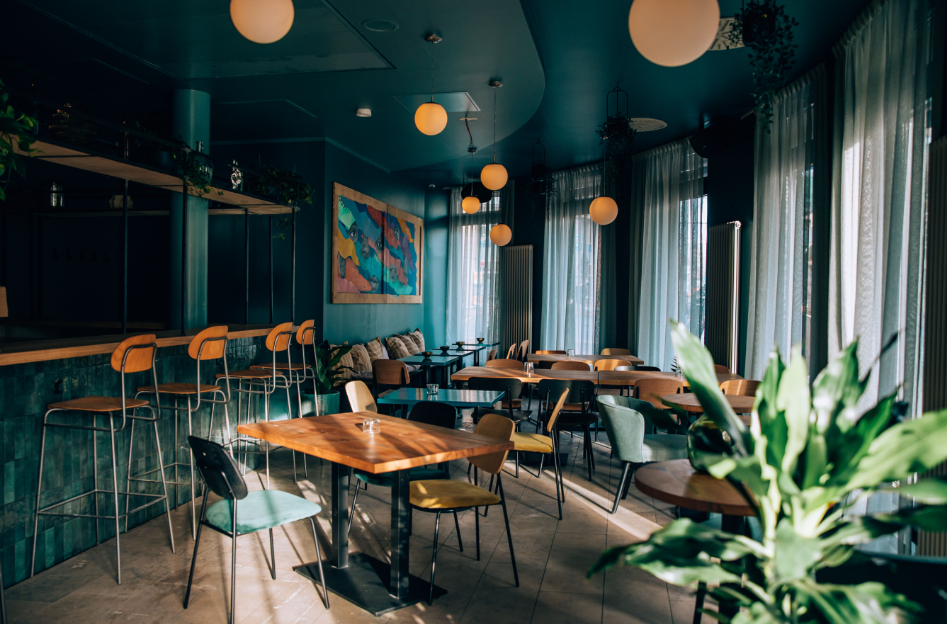
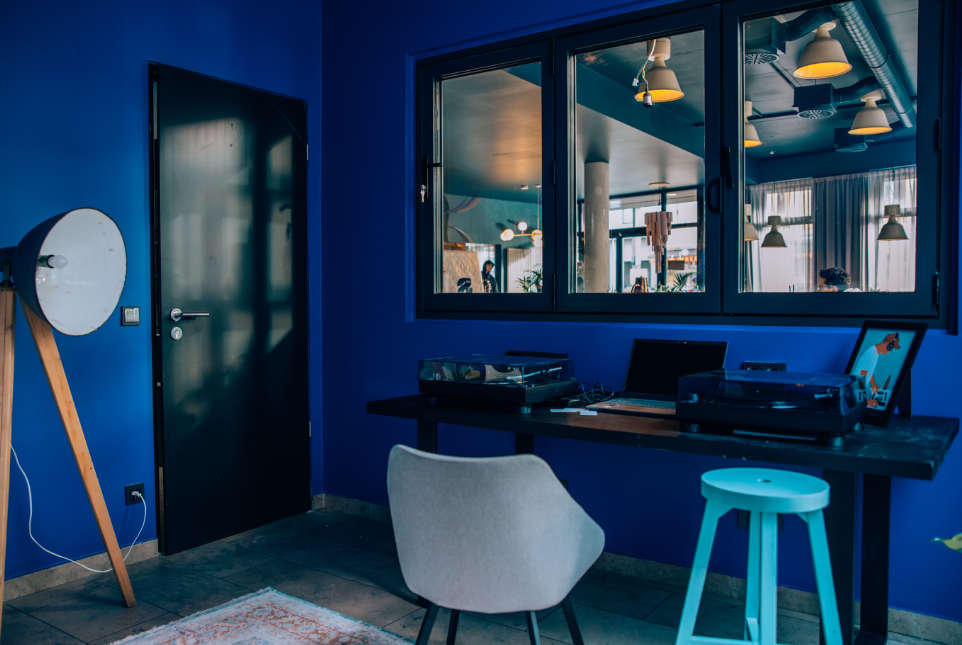


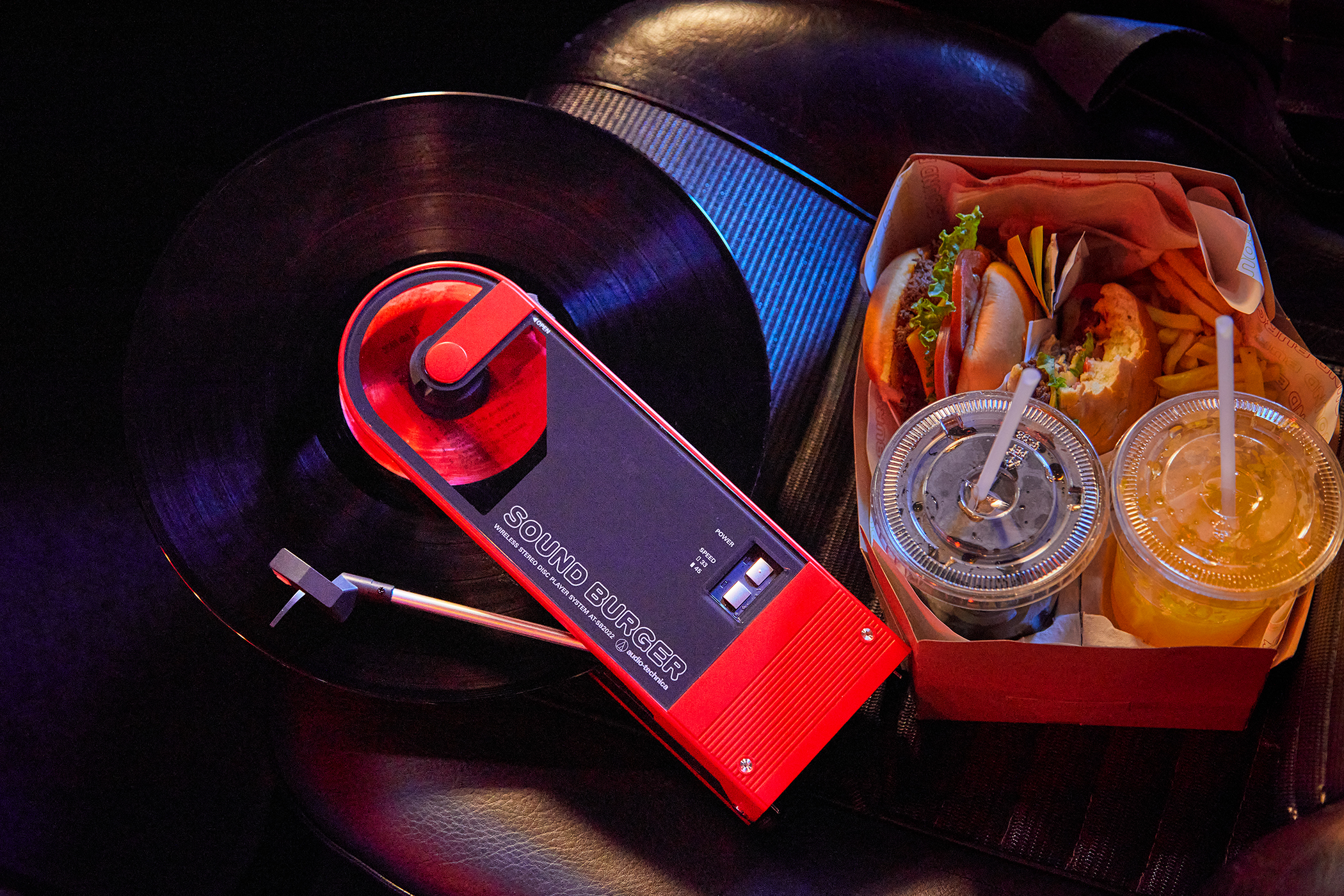
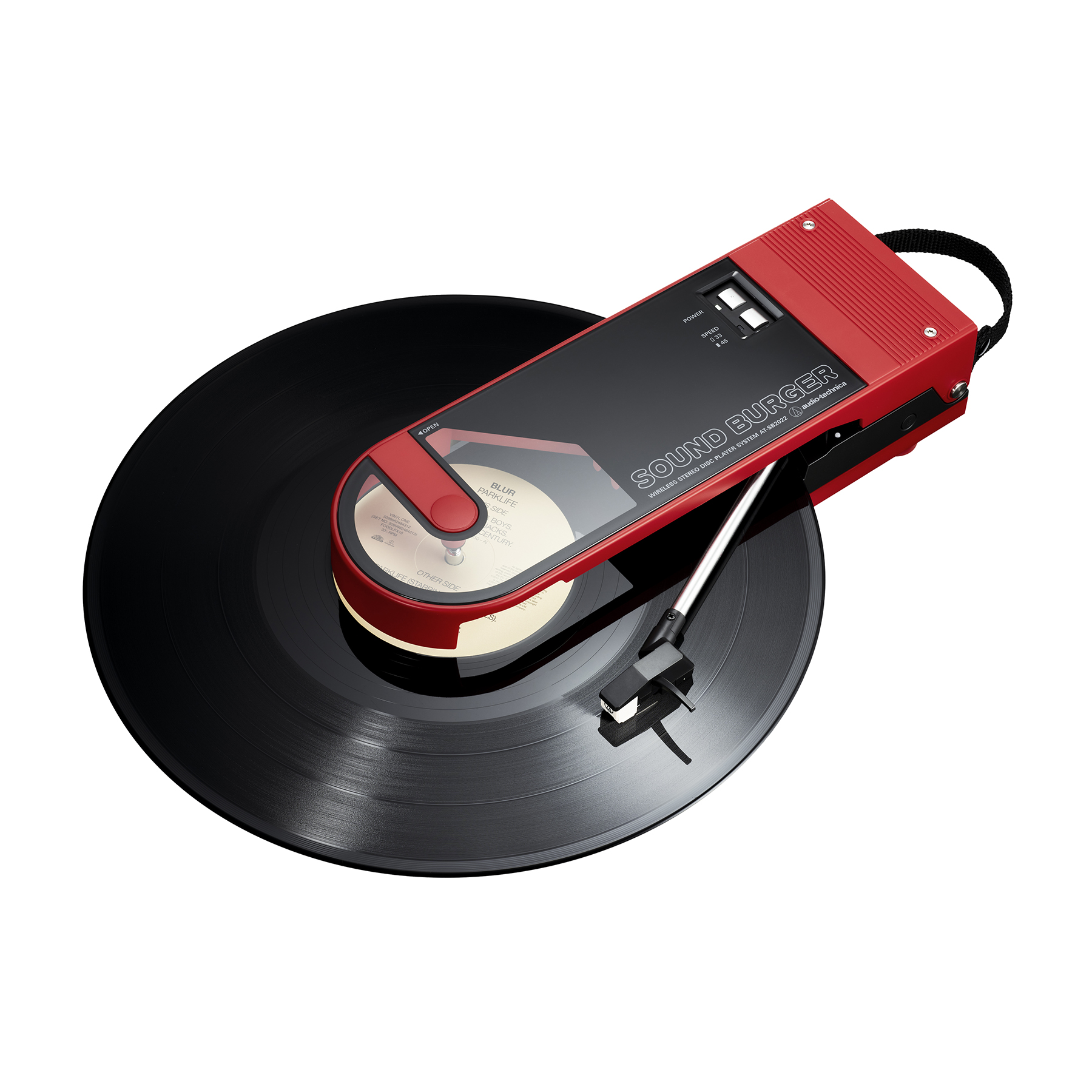

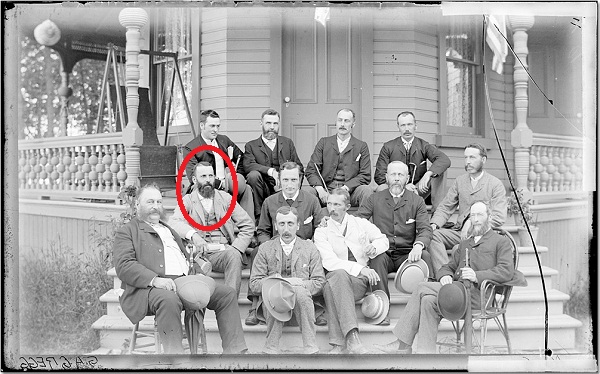
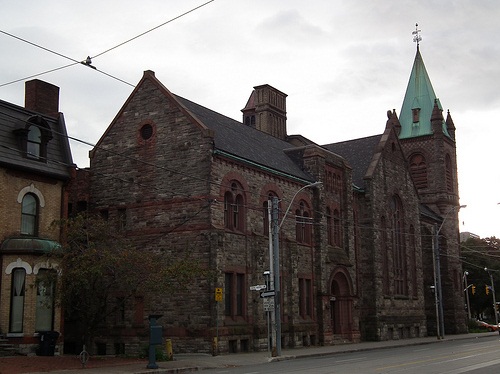
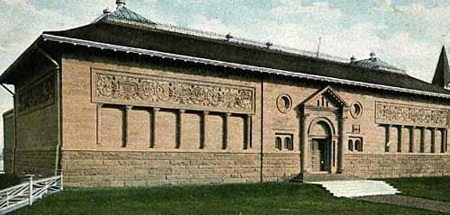
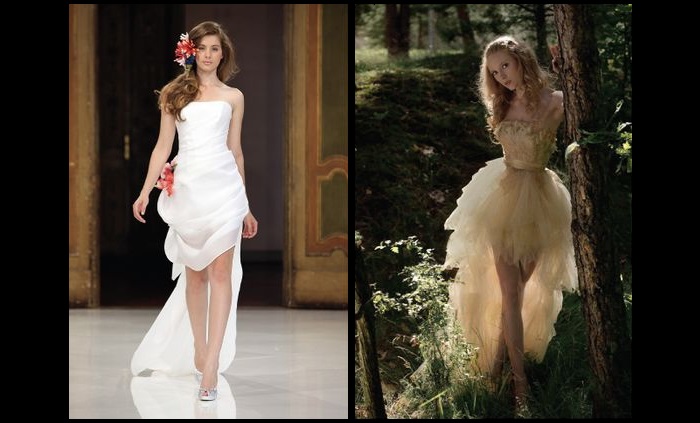
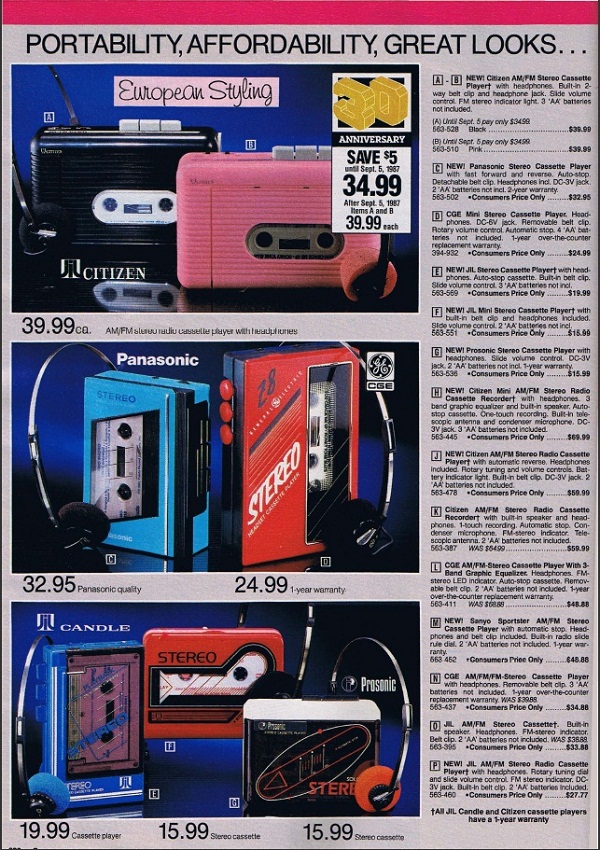





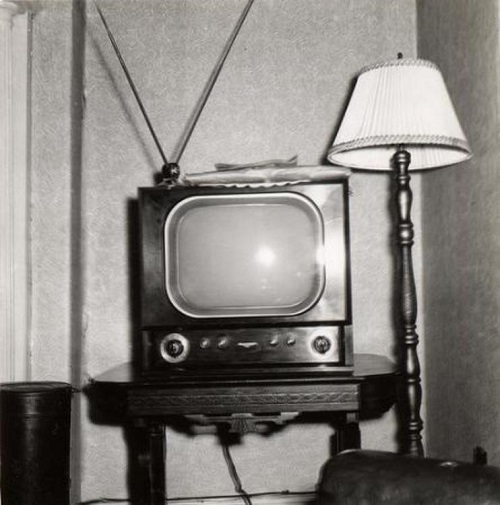
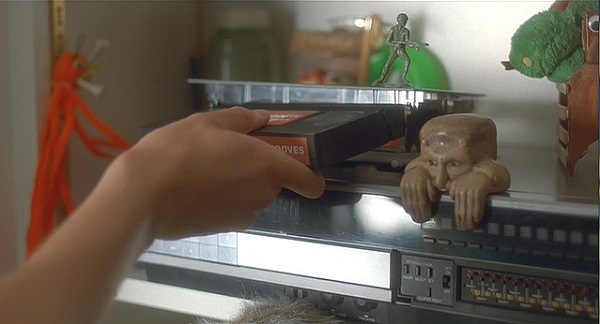





 We’re EBTH- Everything But The House- the largest and most trusted digital marketplace for shipping estate sales, but we started small, in front yards and tag sales. Our founders,-Brian Graves and Jacquie Denny, met while working in the Cincinnati auction and antiques world. While they loved uncovering the potential of pieces waiting inside their clients’ homes, they couldn’t help feeling like the traditional estate sale formats made it difficult for families to earn fair market value for their belongings. Not to mention the fact that design lovers and deal-hunters were limited to shopping for home furnishings and decor in their areas alone.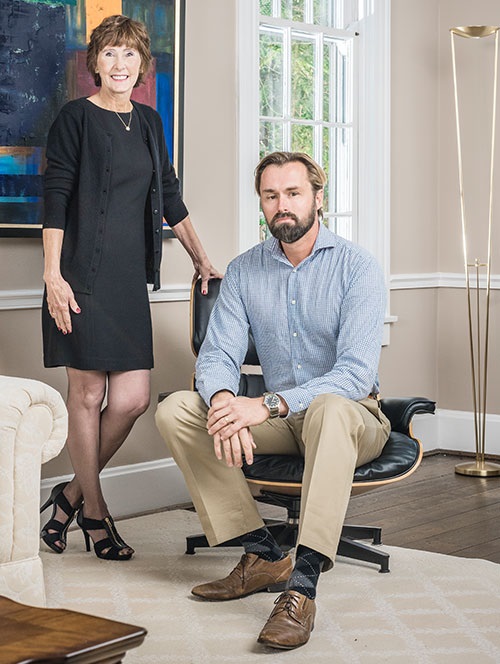


 Steak has been, is, and always will be expensive. It’s one thing to jack some cheaper stuff from someone else’s fridge, but goddamn steak?! And then to put that steak on the kitchen counter without a paper towel, foil, plate, nothing underneath it! Just plop that raw bloody steak anywhere, chief.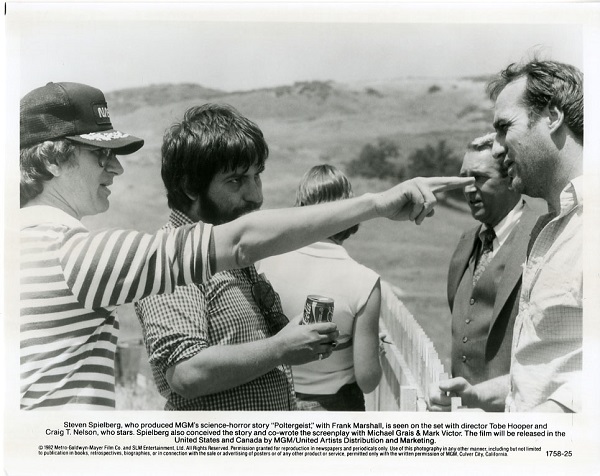



 For the Silo, Vic Mignogna -Captain of STAR TREK CONTINUES