A 6 MINUTE READ by Noelani Kirschner for The Silo.
After the signing of the Declaration of Independence in July 1776, Founding Father Benjamin Franklin sailed from Philadelphia to Paris to enlist France’s support for the American Revolution. The journey Franklin began that October — the first official U.S. diplomatic trip — would eventually lead to an alliance with France that helped the United States win its independence from Britain.
“From the beginning, diplomacy was central to securing American independence and would continue to shape the security and prosperity of the growing United States,” according to the National Museum of American Diplomacy , which reopened after renovations on October 1.
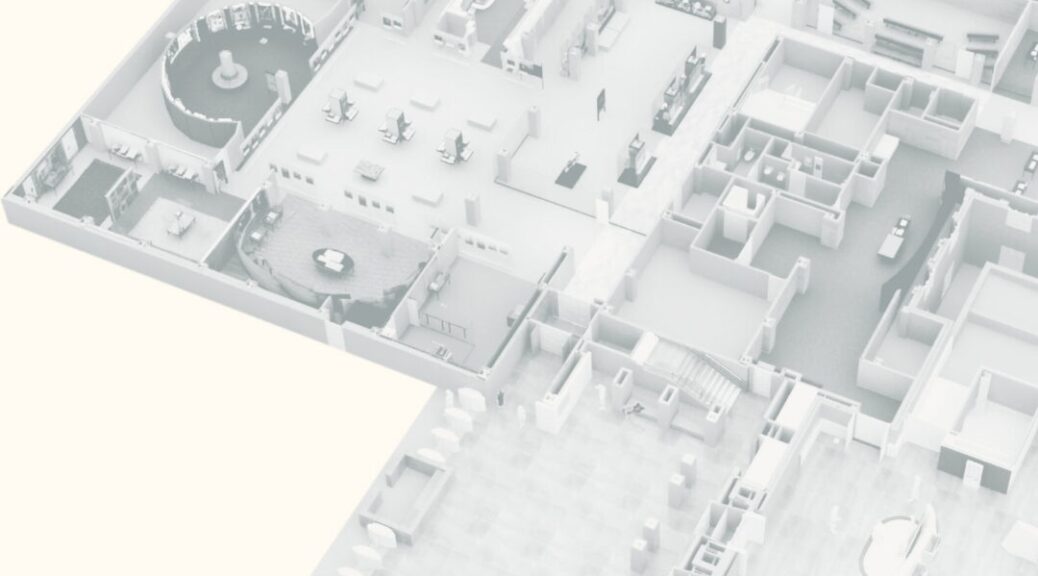
Located at the Department of State in Washington, the museum tells the story of how U.S. foreign policy helped shape America and the world. “It’s about helping our young people understand that their government works for you,” says Lauren Fischer, the museum’s acting director.

250 years of diplomacy
The museum’s permanent collection includes flags of other nations and exhibits on past U.S. secretaries of state. A digital map shows the world through the eyes of a U.S. diplomat — divided into six geographic regions — a nod to the scope of American diplomacy.
The museum reopens with a new exhibition, Among the Powers of the Earth , which runs through summer 2027 and showcases 30 objects from U.S. diplomatic missions since the country’s founding. Featured items include a smallsword worn by U.S. diplomats in the 18th century, the original signature page of the 1783 Treaty of Paris, which is on loan from the National Archives and Records Administration until early January 2027, and a copy of the Declaration of Independence, commissioned in 1823 in advance of the 50th anniversary of America’s founding.
Negotiated by Franklin, John Adams and John Jay, the Treaty of Paris ended the American Revolution and “codified the intention stated in the 1776 Declaration to place the United States equally ‘among the powers of the Earth,’” says Alison Mann, the museum’s historian and head curator. The 1823 copy of the Declaration of Independence was among those created from a copperplate engraving that President John Quincy Adams, the sixth U.S. president and a former secretary of state, commissioned to preserve the Founders’ words for future generations.

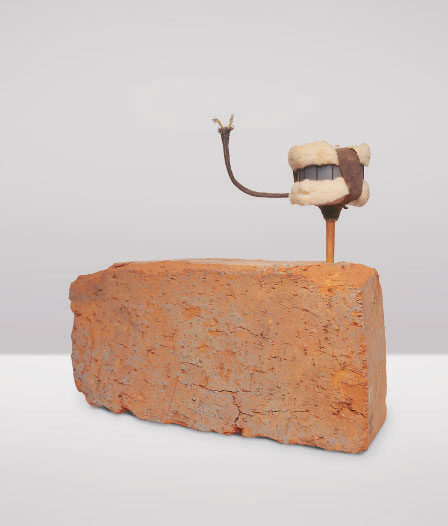
Bugged Brick from U.S. Embassy Moscow
Soviet Unionc. 1960
Throughout the Cold War, the United States and the Soviet Union engaged in espionage against one another in the hope of gathering information that could give them some sort of advantage in the relationship, or if a direct military confrontation ever occurred. Efforts to eavesdrop inside secure embassies, or on diplomatic personnel in general, were one such effort. This unusual looking device protruding from a brick is an electronic “bug”—essentially a microphone that could transmit conversations remotely. It was found in the U.S. Embassy in Moscow in the 1960s by Diplomatic Security personnel conducting a search for such devices. The narrow “stick” protruding from the electronics (the end with the wire) was a hollow tube that could covertly protrude through a very narrow hole drilled through a brick. The sound would travel through the hollow tube and into the electronics, which allowed them to be transmitted.
- Source/Credit:Transfer from the Bureau of Diplomatic Security, Department of State
- Accession Number:2019.0008.01.01-.02
- Created:c. 1960
- Acquired:2019
Teaching the next generation
The exhibit’s online resources examine how the Founding Fathers’ carefully chosen words maximized the Declaration of Independence’s global influence, making it a model for the founding documents of other countries, including Ireland.
The museum’s interactive displays, public outreach and online resources offer insight into how diplomacy works. Online simulations featuring real-world scenarios, from nuclear nonproliferation to wildlife trafficking, allow students to see how, as Mann says, “Diplomacy makes the impossible seem possible.”
“No other museum brings diplomatic history to the forefront in its exhibits, and no other institution is solely dedicated to collecting items of American diplomacy and the stories of the men and women who practice diplomacy,” says Fischer.
The National Museum of American Diplomacy is open on Tuesdays and Thursdays. See here for details on the reopening and visitation.