Tag Archives: Life for Relief and Development

As Screen Time Rises, the Value of Books Endures

Michigan-Based Humanitarian Organization, Life for Relief and Development (LIFE), Helps Put a Book in Every Child’s Hand at Ontario School

Centuries after books first became humanity’s primary means of preserving knowledge, they continue to offer something technology alone cannot: the space to reflect, question, imagine, and think deeply. As our world is increasingly shaped by instant answers, AI-generated content, endless notifications, and shrinking attention spans, the ability to engage with long-form content and complex ideas may be more valuable than ever.

Reading researchers have repeatedly found that reading on paper often leads to stronger comprehension and retention than reading the same material digitally, particularly when students engage with longer and more complex texts. Recent systematic reviews likewise suggest that print reading supports deeper engagement and comprehension, particularly when students are working with longer or more cognitively demanding texts.

As concerns grow over academic achievement, rising screen time, and the increasing use of artificial intelligence by students, educators across North America are confronting difficult questions about how to prepare the next generation for the future.

Life for Relief and Development (LIFE) is a U.S.-based humanitarian organization that has served vulnerable communities in more than 60 countries for over three decades. They believe that books and educational support are among the most valuable tools we can give future generations.

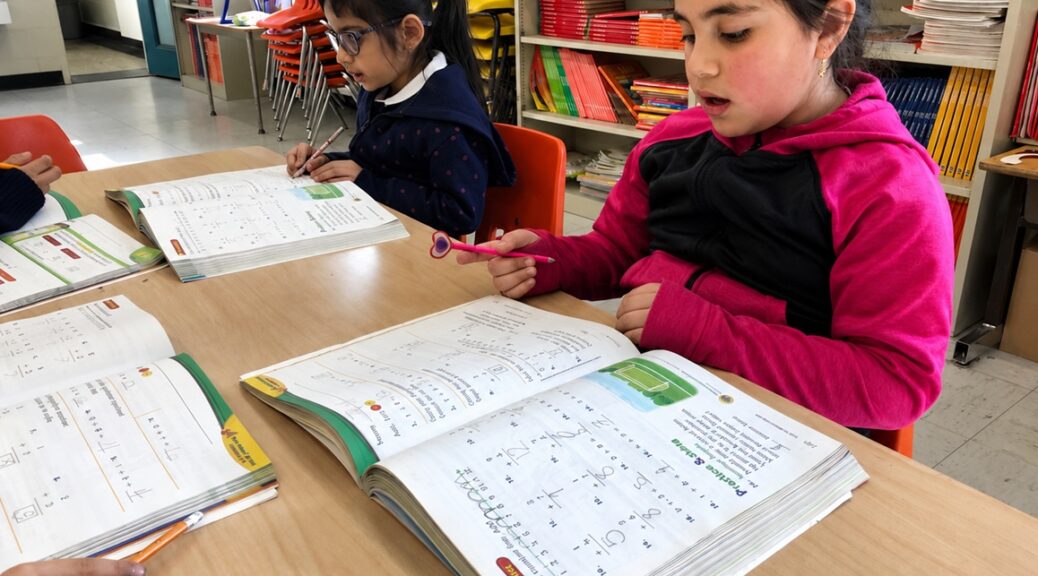
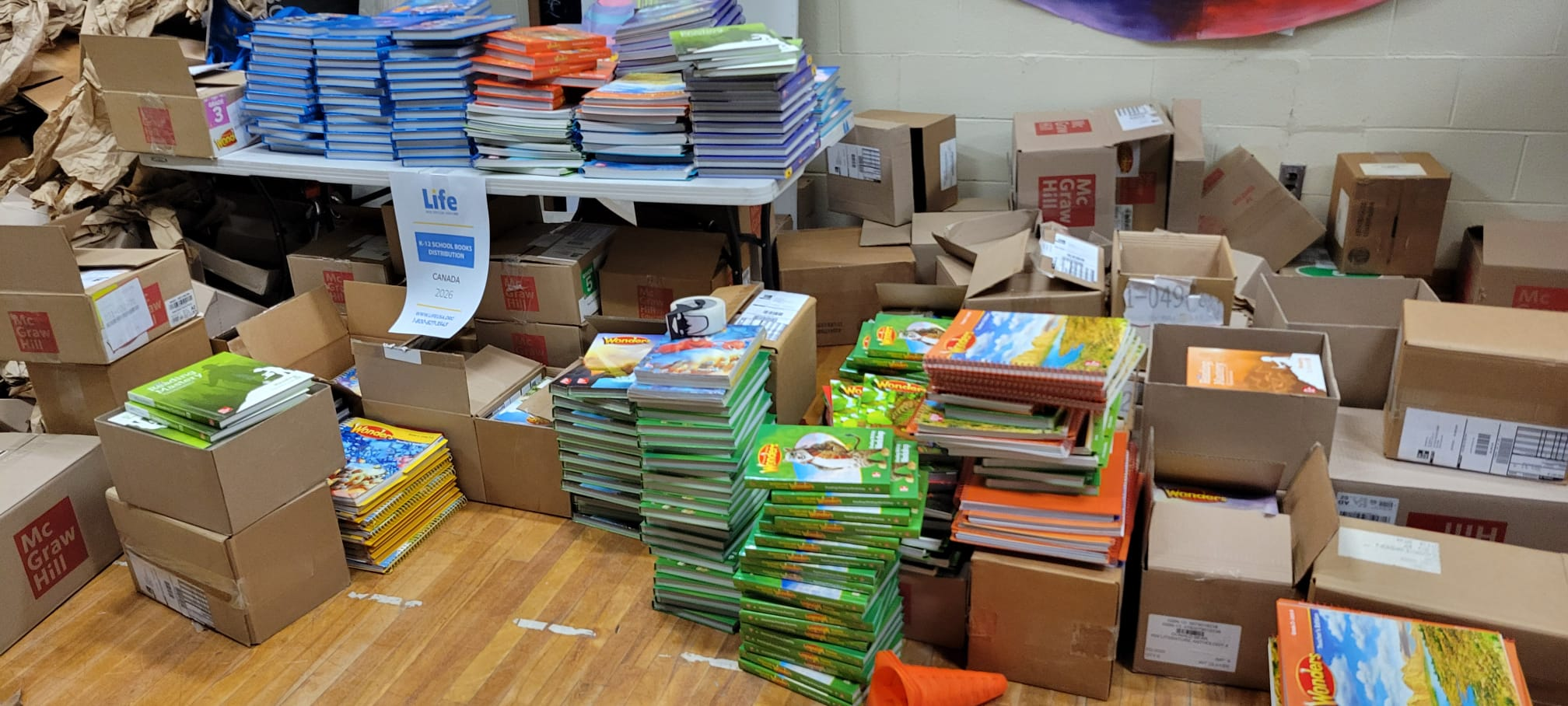
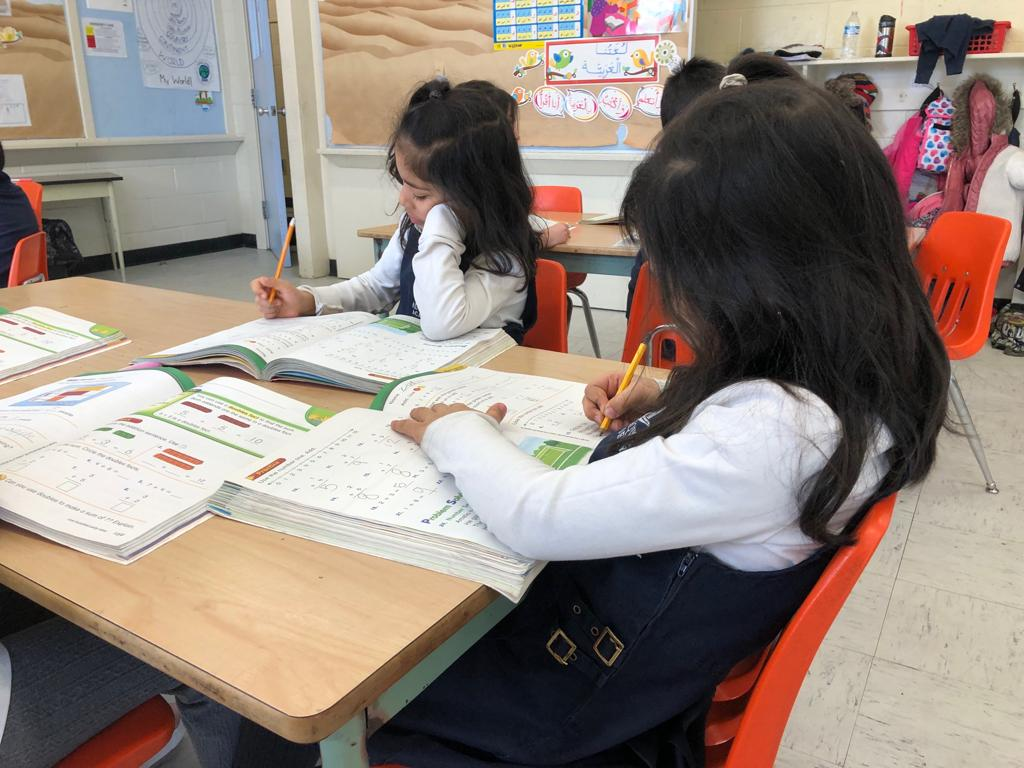
LIFE recently delivered thousands of educational resources to Al-Taqwa School in London, Ontario. The shipment included reading and writing materials, literature anthologies, teacher editions, and textbooks for students from kindergarten through Grade 8.

According to Neil, principal of Al-Taqwa School, the school first received educational books through LIFE more than a decade ago. Those resources served students for years before a new shipment arrived. Beginning in 2016, LIFE also provided school furniture to support the school’s growing educational needs, helping create learning spaces where students could learn, collaborate, and thrive.

The longevity of those earlier donations speaks not only to the quality of the resources but also to the enduring value of educational investments that continue benefiting students long after they are delivered.

When the newest shipment arrived, teachers immediately recognized the difference it would make. For years, educators often relied on shared resources, photocopies, and creative workarounds to stretch classroom materials. The arrival of additional books meant students could finally have direct access to the materials they needed.

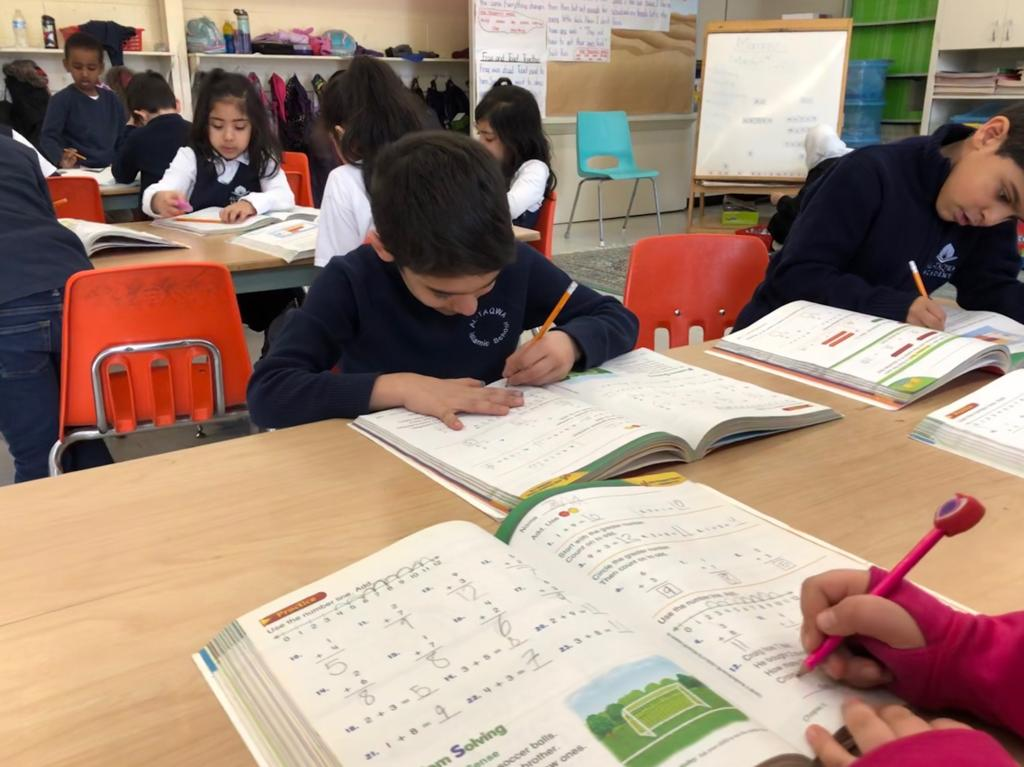
According to Neil, the new shipment meant there was finally “a book in every child’s hand.”

That statement carries added significance at a time when screens occupy an increasingly large role in children’s lives. Canadian health guidelines recommend no more than two hours of recreational screen time per day for school-aged children and youth, yet studies consistently show many exceed that amount by several hours. Researchers have linked excessive screen use to lower academic performance, reduced attention spans, poorer sleep quality, and decreased reading engagement.

Technology undoubtedly has a place in modern education. Digital tools provide access to information, research opportunities, and new ways of learning. However, what we are seeing in many schools is the complete replacement of books with items like Chromebooks and other screen-based devices.

The arrival of new classroom books from LIFE allowed teachers at Al-Taqwa to spend less time on screens, managing textbook shortages, and more time focusing on instruction, mentorship, and student growth.

Al-Taqwa School is concerned not only with what students learn but also with who they become. School leaders emphasize character, responsibility, leadership, and personal development alongside academic achievement. Quality educational resources support those goals by helping teachers create classroom experiences that foster curiosity, intellectual engagement, and a lifelong appreciation for learning.

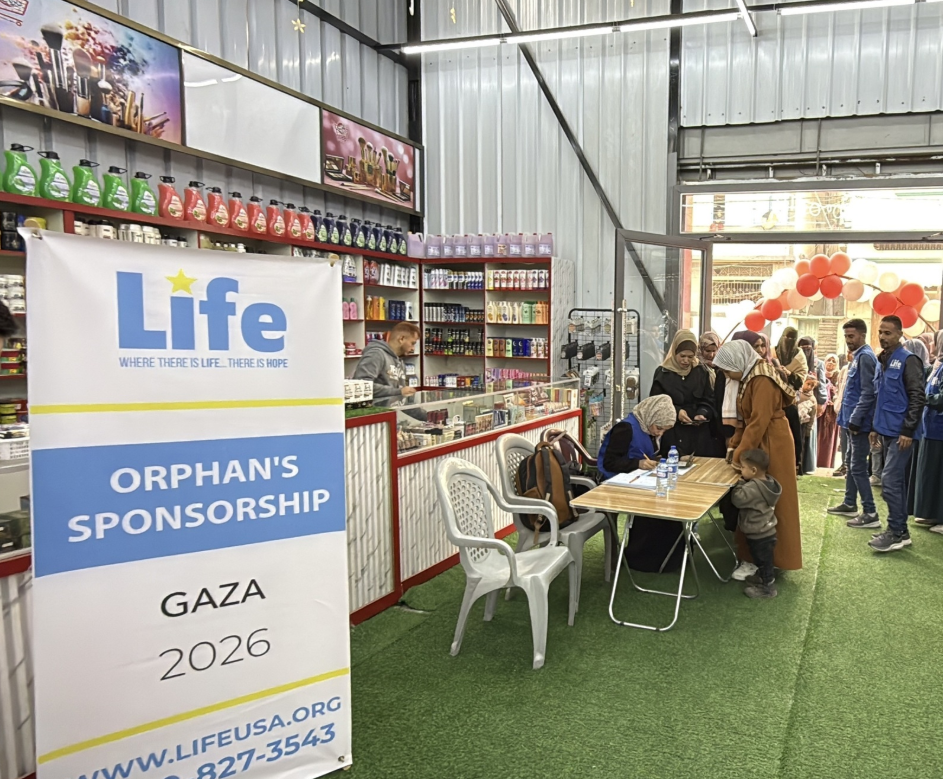
Life for Relief and Development (LIFE) holds the philosophy that knowledge creates opportunity. The organization’s educational initiatives extend far beyond Ontario. In communities around the world, LIFE supports education through large book shipments, scholarships, educational supplies, building schools, and learning opportunities that help children continue their studies despite poverty, conflict, or displacement. In Gaza, for example, LIFE has supported educational spaces that have helped nearly 1,000 children continue learning despite the ongoing humanitarian crisis.

“Education is one of the greatest investments we can make in the future,” said Dr. Hany Saqr, President and CEO of LIFE. “When we place quality educational resources in the hands of children, we are doing more than supporting their studies. We are helping cultivate future leaders, innovators, educators, and problem-solvers who will shape the communities and world they inherit.”

The partnership between LIFE and Al-Taqwa School reflects Dr. Saqr’s sentiment. The first books delivered through LIFE served students for more than a decade before a new generation of resources arrived. Today, those latest materials will help another generation of learners build knowledge, develop confidence, and engage more fully with their education.

Every book placed in a student’s hands represents another opportunity to learn, imagine, question, and think for themselves about the world around them. Those opportunities ultimately shape our collective future. No matter how many technological advancements we witness, books will continue to remain among the most enduring tools for cultivating knowledge, curiosity, and critical thought.

For the Silo, Angela Joyce.

Life on social media.

Life for Relief & Development at 51st ICNA Convention: Leveraging the Conference to Improve Gaza Shelter Tents & Build New Partnerships

  • Connecting donors with the urgent humanitarian needs of displaced families living in tents across Gaza.

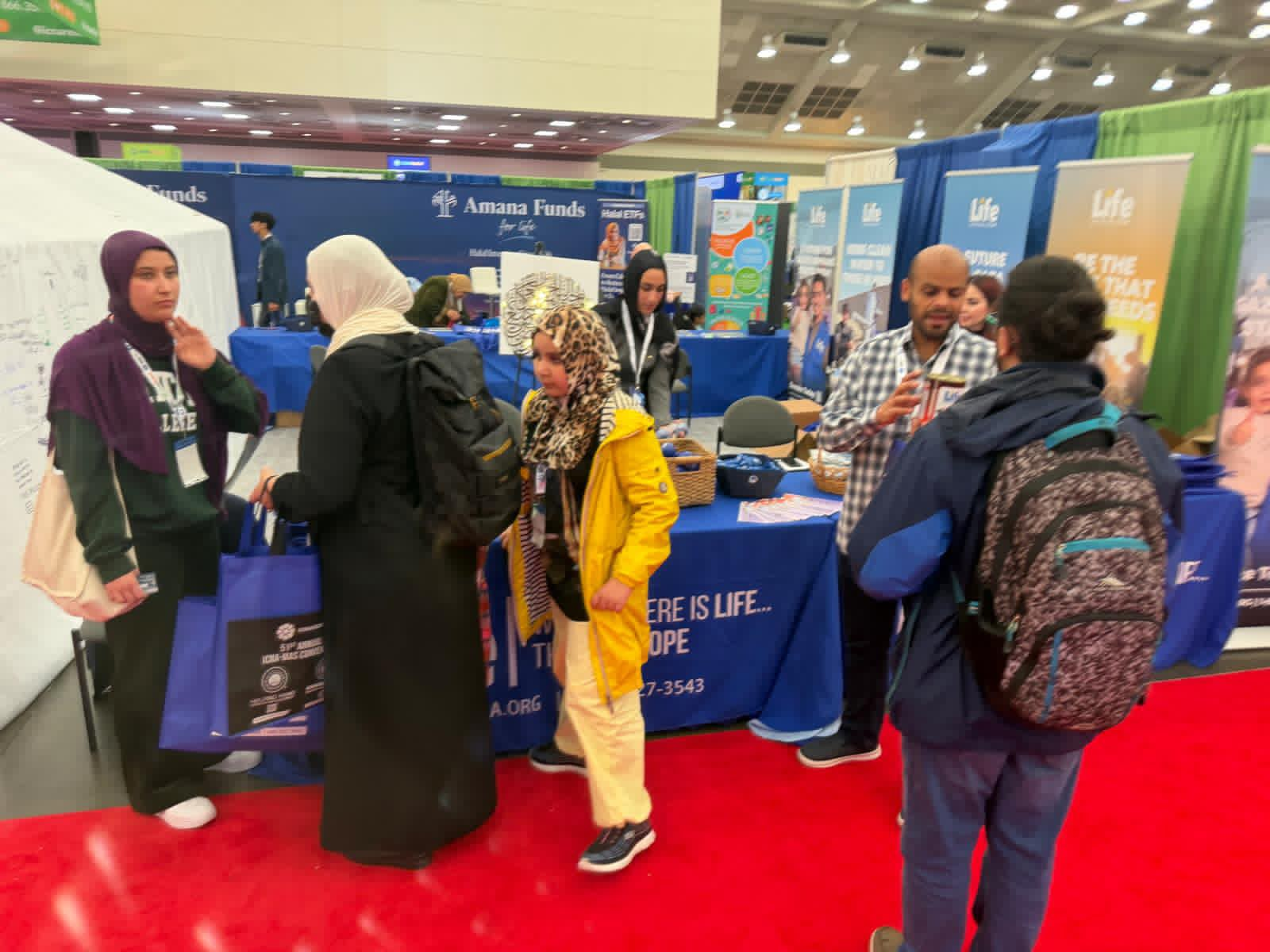
The city of Baltimore, Maryland, recently hosted the 51st annual convention of the Islamic Circle of North America (ICNA) in collaboration with the Muslim American Society (MAS), attracting nearly 25,000 attendees from around the world. This year’s convention expanded significantly, featuring a large exhibition hall that brought together hundreds of exhibitors, sponsors, community organizations, and charitable institutions.

Humanitarian and relief organizations, particularly those supporting displaced families living in Gaza’s tent camps, played a central role throughout the event. Beyond showcasing their projects, the convention serves as one of the largest annual platforms in North America for fundraising, partnership development, and direct engagement with Muslim communities.

A Platform Connecting Humanitarian Action with Community Engagement

Speaking about Life for Relief and Development’s participation in the convention, Vicki Roob, Director of International Programs, emphasized that the event is among the most significant annual Islamic gatherings in the United States and North America. It serves as a strategic platform that brings together humanitarian, charitable, and community-focused initiatives while providing valuable opportunities for direct engagement with diverse segments of American and Muslim communities.

Roob explained that the organization’s participation reflects its commitment to maintaining a strong presence at events that unite thousands of individuals passionate about humanitarian and charitable work. Each year, the convention attracts tens of thousands of attendees from across the United States and Canada, including community leaders, activists, volunteers, donors, charitable organizations, and humanitarian agencies. This environment offers a valuable opportunity to showcase Life’s mission, programs, and global humanitarian projects.

She added that visitors demonstrated significant interest in global humanitarian issues, particularly communities affected by conflict, disasters, and the ongoing displacement crisis in Gaza. This provided an important opportunity to highlight the growing needs of vulnerable populations and mobilize additional support for those most affected.

Life: A Trusted Bridge Between Donors and Those in Need

Omar Mamdouh, Director of Executive Projects, explained that the organization used the convention to spotlight a wide range of humanitarian programs and initiatives, including food security projects, assistance for vulnerable families, orphan sponsorship programs, and water, health, and education initiatives. Special attention was also given to Life’s emergency relief efforts in countries facing escalating humanitarian crises, particularly its support for displaced families living in Gaza’s tent camps and the delivery of humanitarian aid throughout the Gaza Strip.

Mamdouh noted that one of the convention’s most important benefits is the opportunity to connect directly with donors and demonstrate the impact of their contributions. The organization provided attendees with a comprehensive overview of living conditions inside Gaza’s displacement camps, including the severe shortages of essential supplies, the challenges faced by displaced children, the effects of extreme weather conditions, and the broader housing and shelter crisis affecting families throughout the region.

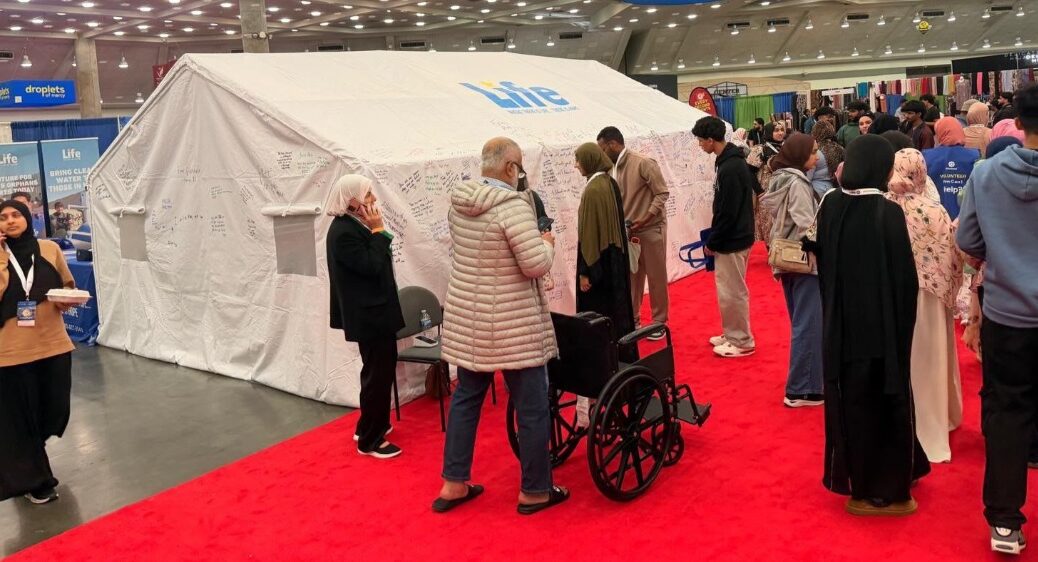
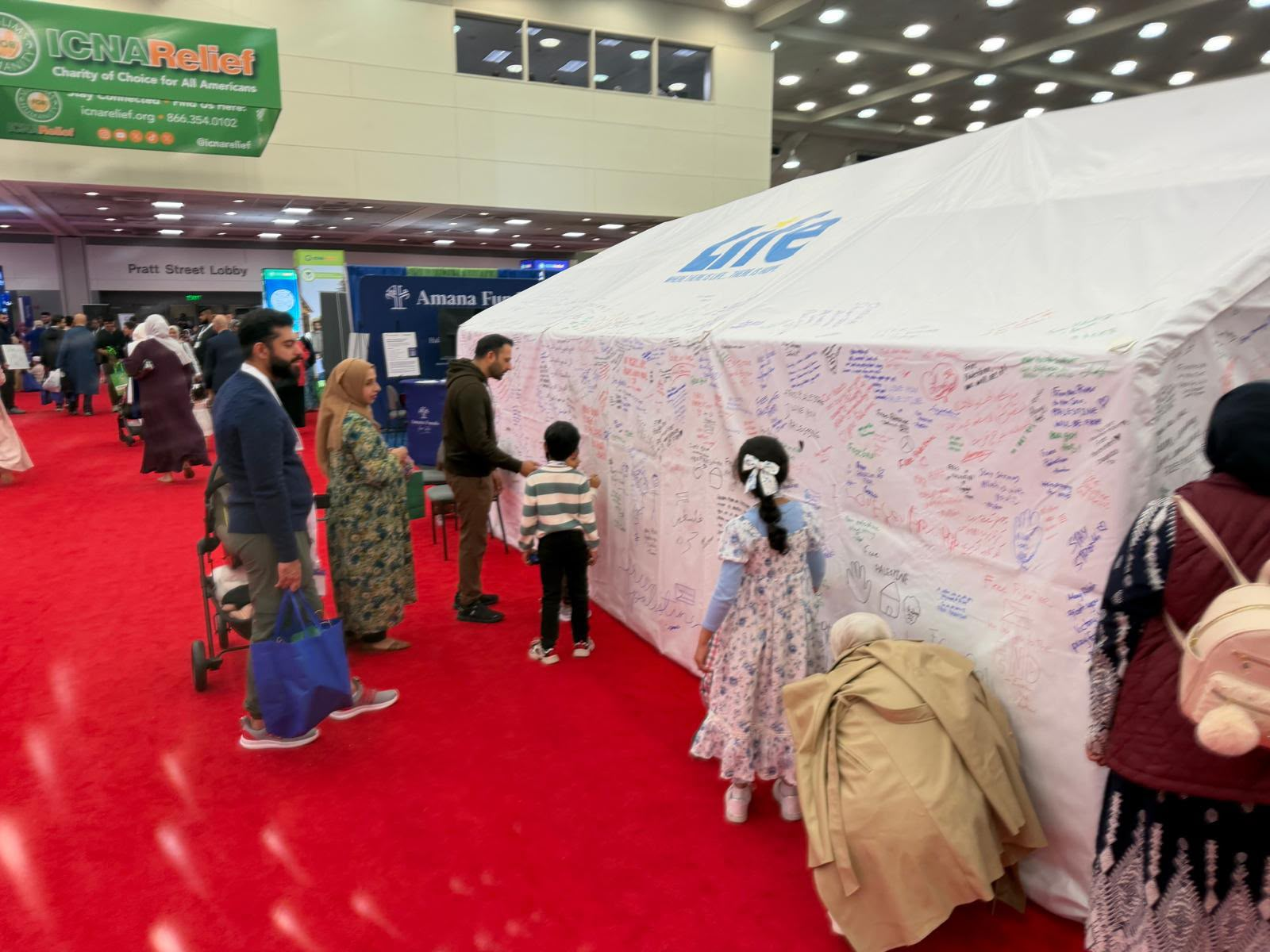
To help donors better understand these realities, Life displayed one of its newly developed shelter tents used in Gaza. Whereas previous tents measured 4 by 4 meters, the updated model measures 4 by 6 meters and includes a dedicated bathroom space to provide greater privacy, particularly for women. Visitors were also shown a model of daily life inside the tents, along with improvements and modifications made in response to feedback from displaced residents.

The exhibition further highlighted Life’s humanitarian projects around the world, its partnerships with universities to raise awareness about global humanitarian challenges, and samples of food assistance, including canned meat products distributed to beneficiaries.

Mamdouh emphasized that face-to-face engagement with donors provides an invaluable opportunity to share success stories and demonstrate tangible results made possible through their generosity, strengthening public confidence in sustainable and organized humanitarian work.

Engaging Youth and Channeling Their Efforts Toward Good

According to Khalil Meek, Director of Development, the convention also serves as an important platform for promoting a culture of giving and volunteerism. Life actively seeks to recruit new volunteers and involve them in its humanitarian mission while introducing young people and families to opportunities for community engagement and charitable service both within the United States and internationally.

He further noted that participation in the convention enables the organization to establish partnerships and collaborative relationships with other humanitarian and charitable organizations, facilitating the exchange of expertise and best practices that ultimately enhance the effectiveness and reach of humanitarian programs and joint initiatives.

Life’s Gaza Tents Featured in Al Jazeera Coverage

The organization’s activities during the convention received coverage from Al Jazeera, as Life’s exhibition booth attracted significant interest and engagement from participants. Many visitors took part in solidarity activities and wrote messages of support expressing compassion for communities affected by humanitarian crises.

Palestine maintained a strong presence throughout the convention. Participants were invited to write messages of solidarity on a tent that is scheduled to be sent to Gaza through Life for Relief and Development. This initiative builds upon the organization’s shelter support projects launched since the beginning of the war, including nine displacement camps established across northern, central, and southern Gaza.

These camps feature durable, standards-compliant tents that have provided shelter for approximately 46,000 displaced individuals. Designed for easy assembly and relocation to accommodate repeated displacement, the tents are also fire-resistant, helping protect civilian lives. Each tent is equipped with bedding and blankets, while every camp includes a medical clinic, sanitation facilities, solar energy systems, and insulation materials designed to protect residents from winter rains and extreme summer heat.

Life: Ranked Among the World’s Leading Humanitarian Organizations

Life for Relief and Development has been operating in more than 60 countries for over 33 years through a network of 16 international offices. The organization holds Special Consultative Status with the United Nations Economic and Social Council (ECOSOC).

According to Charity Navigator, Life ranks third globally among leading humanitarian organizations, fifth among organizations supporting displaced Palestinians, and fifth among organizations combating poverty worldwide. The organization also received a perfect 100% rating for 2026. In addition, it has been recognized by the United States Agency for International Development (USAID) and named by Impactful Ninja as one of the leading humanitarian organizations in the United States.

Life for Relief and Development was also awarded the Dubai Humanitarian Award for Best Partnership in recognition of its Gaza shelter camp initiative.

For the Silo, Tasneem Elridi.
For more information:
https://lifeusa.org/#social-media

Global Inflation Pushes Millions of Vulnerable Families Deeper Into Hunger and Economic Crisis

Life for Relief and Development calls for increased global support as rising living costs and food insecurity intensify humanitarian needs worldwide

World’s Most Vulnerable Is An Increasing Demographic

As the costs of food, fuel, housing, healthcare, and necessities continue to climb across the globe. Humanitarian organizations are warning that the world’s most vulnerable populations are facing increasingly devastating consequences. In 2024, more than 295 million people across 53 countries experienced acute hunger, marking the sixth consecutive year global food insecurity has worsened. That number has since risen to 343 million. Families already living in poverty are now being pushed further into crisis, forced to make impossible decisions between food, medicine, education, and shelter.

Surging Inflation


According to international economic and humanitarian reports, surging inflation, supply chain disruptions, ongoing conflicts, climate-related disasters, and economic instability have significantly increased the cost of living worldwide. While these rising pressures are affecting households everywhere, the burden falls disproportionately on low-income communities and developing nations, where millions are already struggling to meet basic daily needs.

Life for Relief and Development (LIFE), a global humanitarian organization dedicated to providing aid regardless of race, gender, religion, or cultural background, is witnessing firsthand the growing impact economic pressures have on crisis-affected communities across the Middle East, Africa, Asia, Eastern Europe, and beyond.

Limited Resources


“In many of the communities we serve, families were already surviving on very limited resources,” said Dr. Hany Saqr, CEO of LIFE. “Now, with food prices soaring and essential goods becoming increasingly unaffordable, many parents are struggling simply to feed their children. What may feel like inflation in one part of the world can become a matter of survival in another.”

LIFE’s humanitarian teams continue to respond through emergency food assistance, orphan support programs, healthcare initiatives, clean water projects, seasonal aid distributions, and long-term development efforts aimed at helping families regain stability and self-sufficiency. Working in more than 60 countries, LIFE has helped deliver $667 million usd/ $922.4 million cad in humanitarian assistance over the past three decades, supporting vulnerable communities affected by conflict, hunger, displacement, poverty, and disaster.

“Humanitarian aid is no longer just about responding to emergencies after they happen,” Dr. Saqr added. “For millions of families, assistance is what prevents a difficult situation from becoming a catastrophe.”

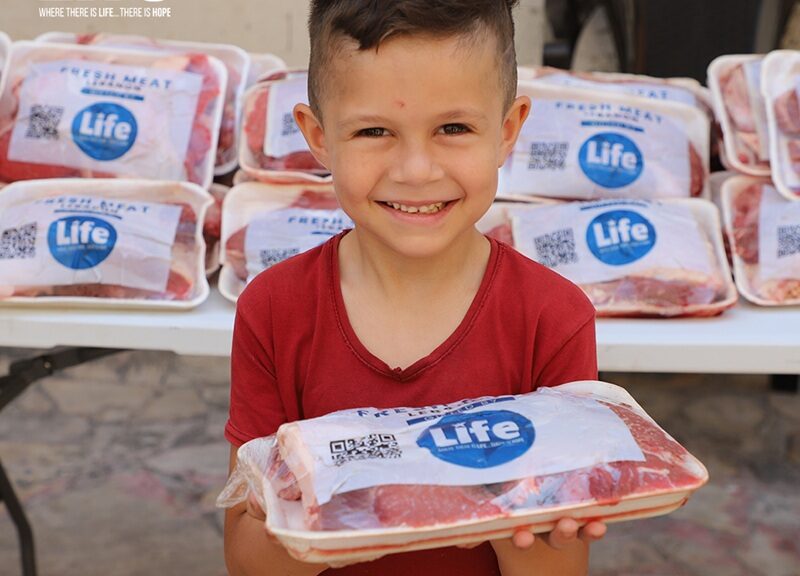
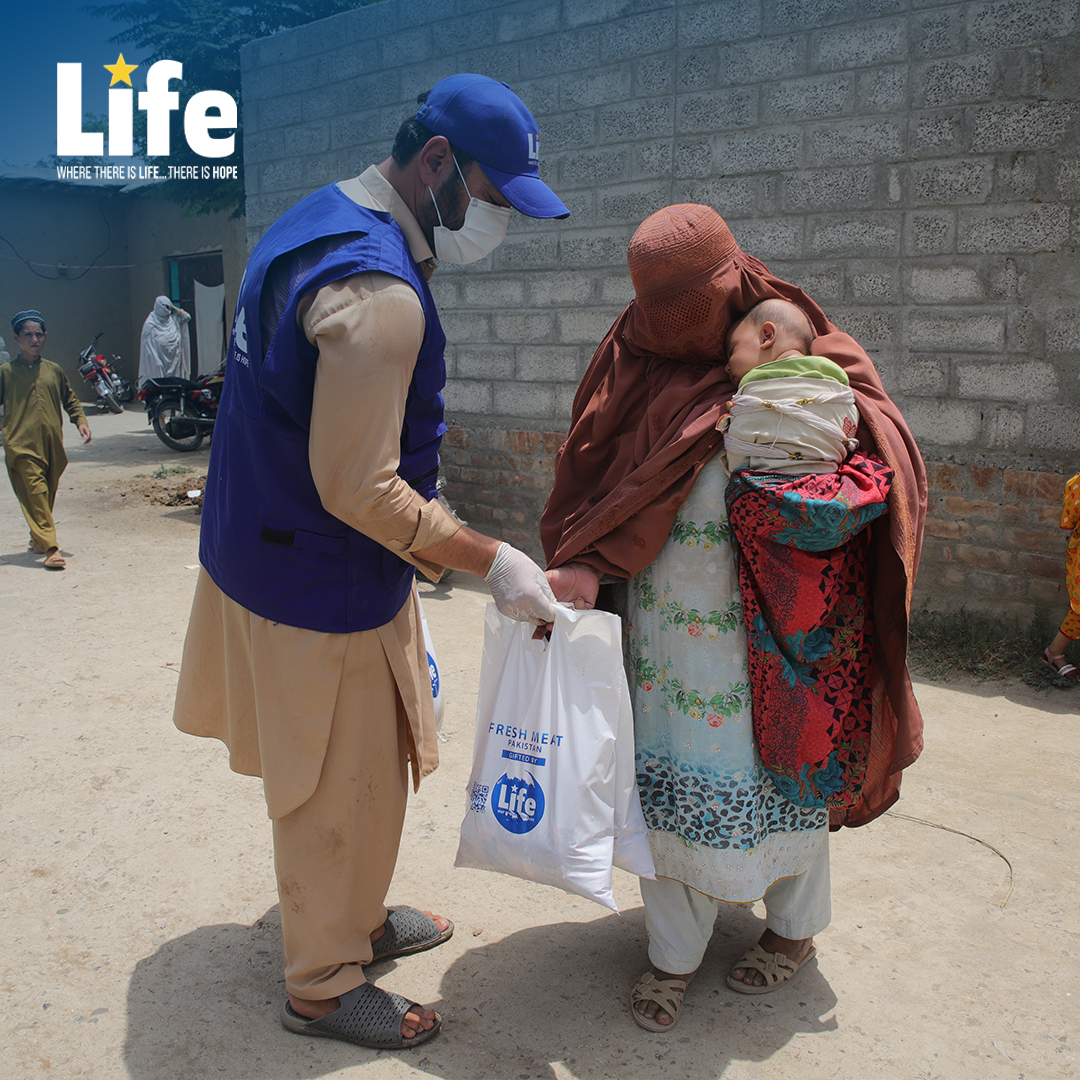
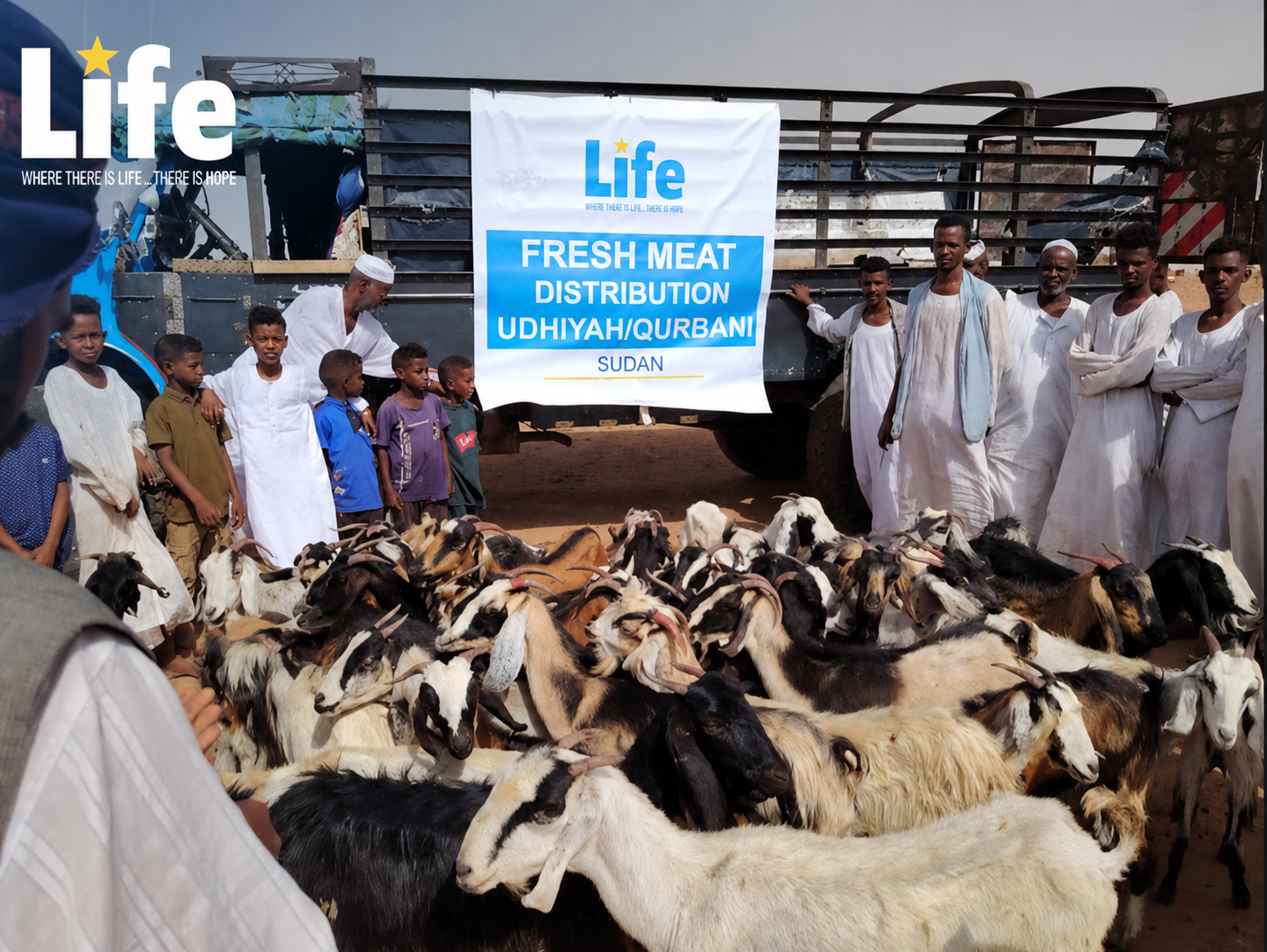
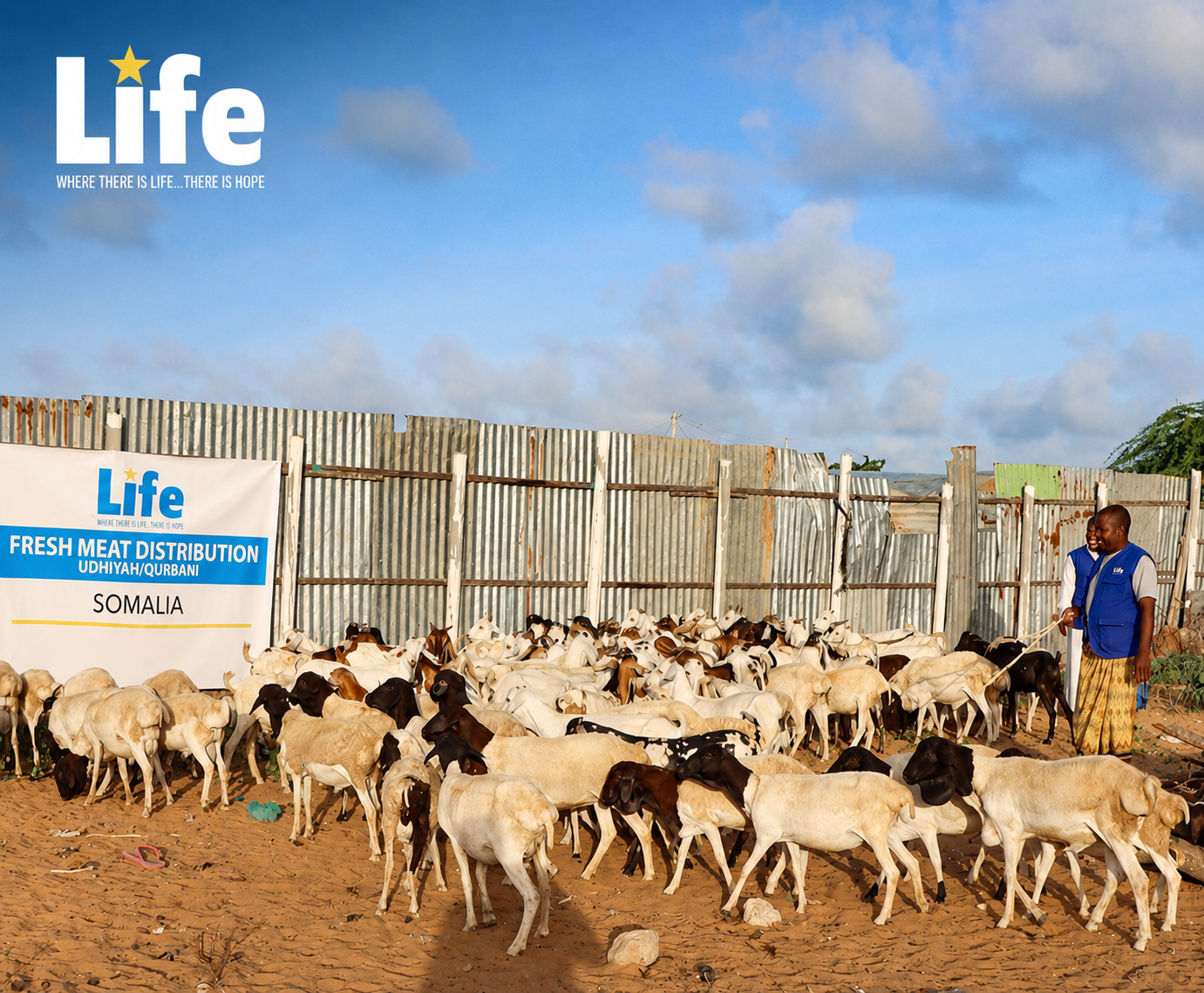
In addition to its ongoing humanitarian initiatives, LIFE will perform Udhiyah/Qurbani distributions this year in 32 countries. Through the annual program, fresh meat will be distributed to families experiencing difficulty during Eid al-Adha. Last year, the initiative helped combat food insecurity for nearly 200,000 people worldwide, including families in Gaza who received canned meat distributions due to ongoing access restrictions. LIFE says the program not only helps provide nutritious meals but also allows vulnerable families to participate in Eid with dignity.

Growing Challenges


As the world continues to face growing economic and humanitarian challenges, compassion, shared responsibility, and collective action can play a significant role in shaping a more just and hopeful future. Life for Relief and Development believes that meaningful change begins when people choose not to turn away from suffering but instead work together to help create a more humane, equitable, and sustainable world while opening pathways toward greater stability and opportunity for future generations.

More information:

https://linktr.ee/LIFEUSA

https://donate.lifeusa.org/donorportal/udhiyah