Life for Relief and Development Intensifies Emergency Humanitarian Efforts to Support Thousands of Children Who Have Lost Their Families
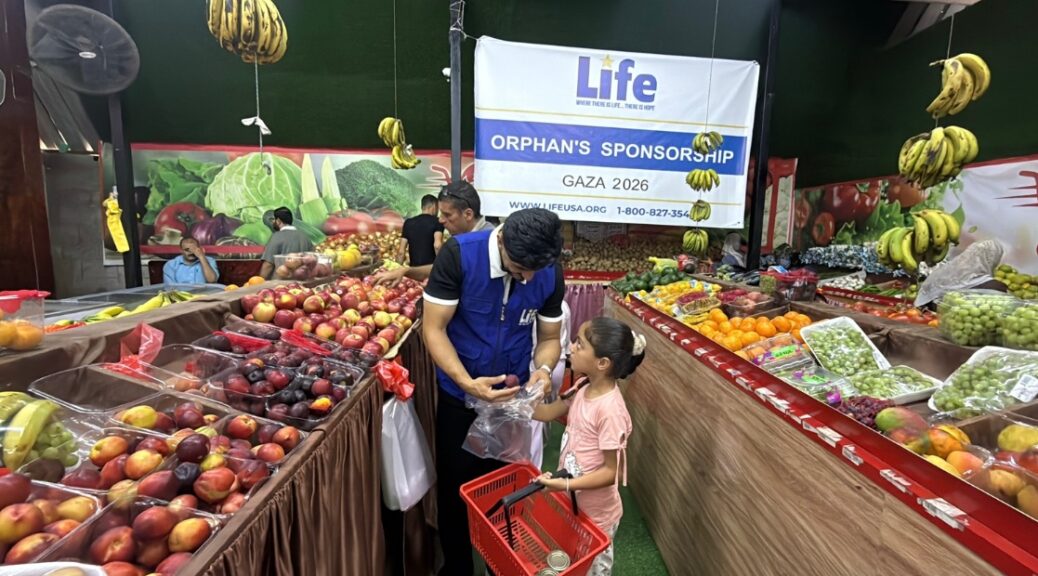
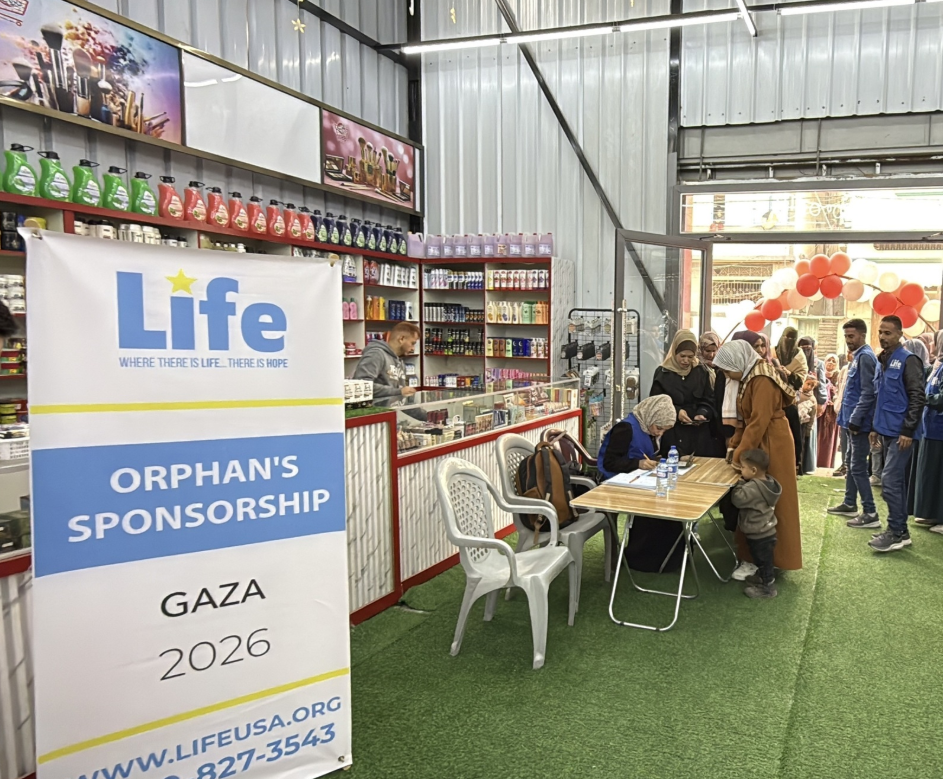
In an unprecedented initiative, Life for Relief and Development has launched a global humanitarian campaign to secure sponsors for 60,000 orphans in the Gaza Strip, aiming to support children who have lost one or both parents as a result of the war. The campaign seeks to provide their essential needs, including food, healthcare, education, and psychosocial support, amid the severe humanitarian conditions they continue to endure.
According to UNICEF, more than 64,000 children have suffered injuries or permanent disabilities since the outbreak of the war. Meanwhile, approximately 800,000 children are living in displacement, and nearly one million children require mental health and psychosocial support after being exposed to traumatic war-related experiences.
An Orphan Without Shelter, Water, or Food
We spoke with Dr. Abdulwahab Alawna, Regional Office Director for the Middle East at Life for Relief and Development, who described the scale of the campaign:
“Supporting orphan sponsorships in Gaza today is no longer simply about providing financial assistance to a child who has lost his or her parents. It is a long-term humanitarian commitment to children who have endured hardships and painful experiences far beyond their years.
These children need more than life’s basic necessities. They also need to regain a sense of safety and stability and to know that someone stands beside them and believes they deserve a better future. In light of the immense loss of parents, the destruction of homes and schools, repeated displacement, and extremely difficult living conditions, sponsoring a child in Gaza has become one of the most effective ways to ensure that child continues to receive essential support while being protected from further deprivation.
Sustained sponsorship does more than help children overcome their current crisis—it gives them a genuine opportunity to learn, grow, and build a more stable and dignified future.”
Spreading the Suffering of Gaza’s Children Is a Shared Responsibility
Vicki Roob, Director of Domestic Programs at Life for Relief and Development, added:
“We encourage everyone to help spread awareness of this campaign through social media and to speak about the suffering of Gaza’s orphans, whose hardship extends far beyond the loss of their families and sense of security.
Today, nearly 1.1 million children struggle to access safe drinking water, exposing them to increased risks of dehydration, diarrhea, respiratory infections, and skin diseases. At the same time, children are experiencing severe levels of food insecurity, placing them at heightened risk of malnutrition and its long-term consequences for their growth and overall health.
Hundreds of thousands of children have also been deprived of regular education after schools and educational infrastructure sustained widespread damage.
Malnutrition poses a serious threat to children’s health and development. Its effects are not limited to the present; they can continue throughout later stages of life, leading to stunted growth, weakened immune systems, increased vulnerability to disease, and impaired physical and cognitive development that may persist well into adulthood.”
Children with Disabilities in Gaza Need Comprehensive Support
The needs of children with disabilities in Gaza are even greater, as they face tremendous difficulties accessing the essential services they require, including assistive devices, medical treatment, rehabilitation services, healthcare, psychological support, and opportunities for education.
Life for Relief and Development is working to intensify its efforts to help rebuild these children’s lives and enable them to regain their abilities and opportunities for the future.
Many of these children have endured horrific experiences, including the loss of parents and siblings, the destruction of their homes, repeated displacement, witnessing death and severe injuries, living under constant fear, losing their schools, friends, and daily routines that once provided stability and security, and being forced to survive in unsafe conditions.
This crisis is far more than a collection of statistics. It reflects the reality of an entire generation that has been orphaned and deprived of the most basic elements of a safe childhood. Through this campaign, we strive to ensure that every child feels they are not alone—that someone stands beside them and believes in their right to live with dignity, hope, and the opportunity for a better future.
13,500 Orphans Supported in 22 Countries Worldwide
Abdullah Al-Zaqzouq, Director of the Orphan Sponsorship Program at Life for Relief and Development, said:
“Life launched its Orphan Sponsorship Program more than 30 years ago. Since then, the organization has been committed to providing comprehensive support to every registered orphan throughout the sponsorship period. This support includes food assistance, clothing, educational support, healthcare services, school supplies, and holiday gifts for hundreds of orphanages and foster families.
Our work is guided by the belief that sponsoring a child is one of the most effective and compassionate ways to empower vulnerable children and communities while helping them break the cycle of poverty.
Our vision for Gaza’s orphans in the coming period is to provide comprehensive and sustainable support that addresses their urgent humanitarian needs while also promoting their long-term growth and development.
Although the organization is expected to place greater emphasis on Gaza because of the unprecedented humanitarian emergency there, Life’s commitment to orphans in every country where it operates remains unchanged. We are determined to ensure that expanding our efforts in one region will never come at the expense of children in other parts of the world.”
Specialized Humanitarian and Development Programs for Repeated Displacement
Life for Relief and Development also seeks to strengthen its comprehensive orphan care strategy by integrating emergency humanitarian response with long-term sustainable development across all of its programs and operational areas.
The organization recognizes the close connection between the circumstances of orphans, refugees, and internally displaced persons around the world. Many orphaned children are also refugees or internally displaced because of armed conflicts, natural disasters, or economic instability.
For this reason, Life adopts a comprehensive approach that addresses the unique needs of orphaned children within the broader context of displacement and forced migration. Its programs provide integrated support in education, mental health and psychosocial care, family tracing and reunification, and child protection services, while working closely with local and international partners to ensure continuity, coordination, and long-term effectiveness of care.
The Greatest Beneficiary of Sponsoring an Orphan Is the Sponsor
Angela Joyce, one of the participants in the campaign, said:
“Donating to orphan sponsorship and charitable causes does not only provide donors with a sense of fulfillment—it may also contribute to increasing their income and wealth. This aligns with Brooks’ research and reinforces the idea that generosity can produce measurable financial benefits.
Neuroscientists have found that the brain releases dopamine when people engage in acts of generosity, reinforcing positive emotions and encouraging continued giving.
Research conducted by Harvard Business School indicates that individuals who are more generous are 43% more likely to describe themselves as ‘very happy’ compared with those who do not donate.
In addition, a study published in the Journal of Economic Psychology found that people involved in charitable activities tend to build broader social networks. These relationships often develop into opportunities for economic growth and career advancement, as people naturally prefer to work with and support individuals they trust and whose generosity they value.”
For the Silo, Tasneem Elridi.