Tag Archives: The Met

The Met to Present a Major Exhibition Dedicated to the Careers of Lee Krasner and Jackson Pollock

Featuring over 120 works from more than 80 U.S. and international lenders, this exhibition marks the first major New York presentation of either artist’s work in over two decades—and their first at The Met.

Exhibition Dates: October 4, 2026–January 31, 2027
Exhibition Location: The Met Fifth Avenue, Gallery 899, The Tisch Galleries


(New York, February, 2026)—Krasner and Pollock: Past Continuous at The Metropolitan Museum of Artis a major exhibition that charts the full arc of the careers of Lee Krasner (1908–1984) and Jackson Pollock (1912–1956) in parallel, examining the distinct yet connected practices of these artistic peers and life partners. On view October 4, 2026, through January 31, 2027, it marks the first major New York presentation devoted to either artist in more than 20 years, introducing their work to a new generation while reassessing their enduring impacts on modern and contemporary art.

A meeting of two great artists


Krasner and Pollock were emerging artists in New York when they met on the occasion of being included in a 1942 exhibition organized by the artist John Graham. They married in 1945 and moved to Springs, Long Island, where they remained entwined personally, artistically, and professionally until Pollock’s death in 1956. Pollock’s life’s work had secured his legacy, while the nearly three decades that Krasner survived him marked some of the most transformative years of her career. Drawing its subtitle, Past Continuous, from a 1976 painting by Krasner, the exhibition traces parallel lives and practices, first forged by lived experience and then shadowed by memory. It foregrounds the range and art historical significance of Krasner’s work while offering a sustained examination of Pollock’s rich and complex practice.
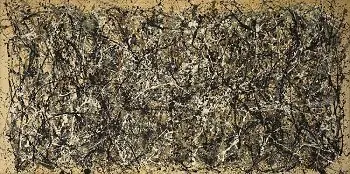
Number 31. 1950. Jackson Pollock

Outstanding philanthropy


The exhibition is made possible by Kenneth C. Griffin and Griffin Catalyst, Marina Kellen French, and the Barrie A. and Deedee Wigmore Foundation.
Additional support is provided Trevor and Alexis Traina, the Aaron I. Fleischman and Lin Lougheed Fund, The Huo Family Foundation, and Joyce Kwok.
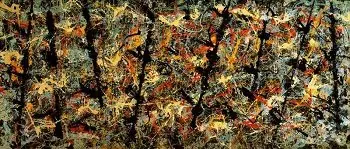
Number 11. 1952. Jackson Pollock

A novel way of reexamining modern art


“With its distinctive premise and scope, Krasner and Pollock: Past Continuous exemplifies The Met’s commitment to reexamining modern art through rigorous scholarship and fresh perspectives,” said Max Hollein, Marina Kellen French Director and Chief Executive Officer of The Metropolitan Museum of Art. “By considering each artist on their own terms while also foregrounding their consequential relationship, the exhibition situates Krasner’s and Pollock’s work within a broader cultural and artistic context—an approach central to the mission of The Met’s Department of Modern and Contemporary Art and to the vision of the forthcoming Oscar L. Tang and H.M. Agnes Hsu-Tang Wing, opening in 2030. This project affirms Krasner and Pollock not only as defining figures of their moment, but as artists whose work continues to shape and inspire future generations.”

What makes an artist revolutionary?


Krasner and Pollock: Past Continuous begins with the fundamental premise that these artists are equals, partners in life, giants in the history of art, and revolutionaries who defined what abstraction could be,” said David Breslin, Leonard A. Lauder Curator in Charge, Department of Modern and Contemporary Art, The Met. “Each found a partner who would insist on the primacy of art over life; and they both aspired to an art that was forged out of historical connections but that also promised freedom and radical possibility in a world forever changed by war. The exhibition concerns entwined lives but is also about how different artistic directions come from shared terrain.”

Krasner and Pollock: Past Continuous approaches these artists not as a single story, but as two practices unfolding in proximity over time,” said Brinda Kumar, Associate Curator, Department of Modern and Contemporary Art, The Met. “The exhibition examines how Krasner and Pollock shared a commitment to testing the possibilities of abstraction—through shifts in scale, material, and form—and how those investigations continued to evolve along distinct trajectories.”

Krasner and Pollock: Past Continuous follows each artist’s life and work.

The exhibition highlights their differences as much as their interrelation, with some galleries that place the artists together and others where they are presented independently. Krasner and Pollock were shaped by their distinct upbringings and formative trainings. Krasner adopted and negotiated the tenets of the European avant-garde, particularly Pablo Picasso, Henri Matisse, and Piet Mondrian. Her training under Hans Hofmann was key to her development. Pollock’s network of broad influences included Thomas Hart Benton and American Regionalism, Mexican mural traditions, Surrealism, and even his own family of artists.

Their early paths unfold as complementary divergences, tracing distinct strands of American modernism that would ultimately converge in the rupture known as Abstract Expressionism. For Pollock, his breakthrough was the “drip” technique, a radical mode of painting that flourished in a condensed but prolific period from 1946 to 1951. Krasner’s varied practice was typified by ceaseless explorations of abstraction, often cued by her abiding interest in the possibilities of nature and color. This manifested in bold collages, gestural canvases and vividly hued hard-edge painting. Historically, Pollock’s reputation has eclipsed Krasner’s. LIFE Magazine asked in 1949 if Pollock was “the greatest living painter in the United States.” His early death and posthumous media attention further amplified his fame and eclipsed critical appraisal of Krasner’s contributions. Today, both artists’ practices are rightly recognized as key to the innovations of art from the mid-20th century onwards. This exhibition continues and amplifies this reevaluation.

Rarely loaned works
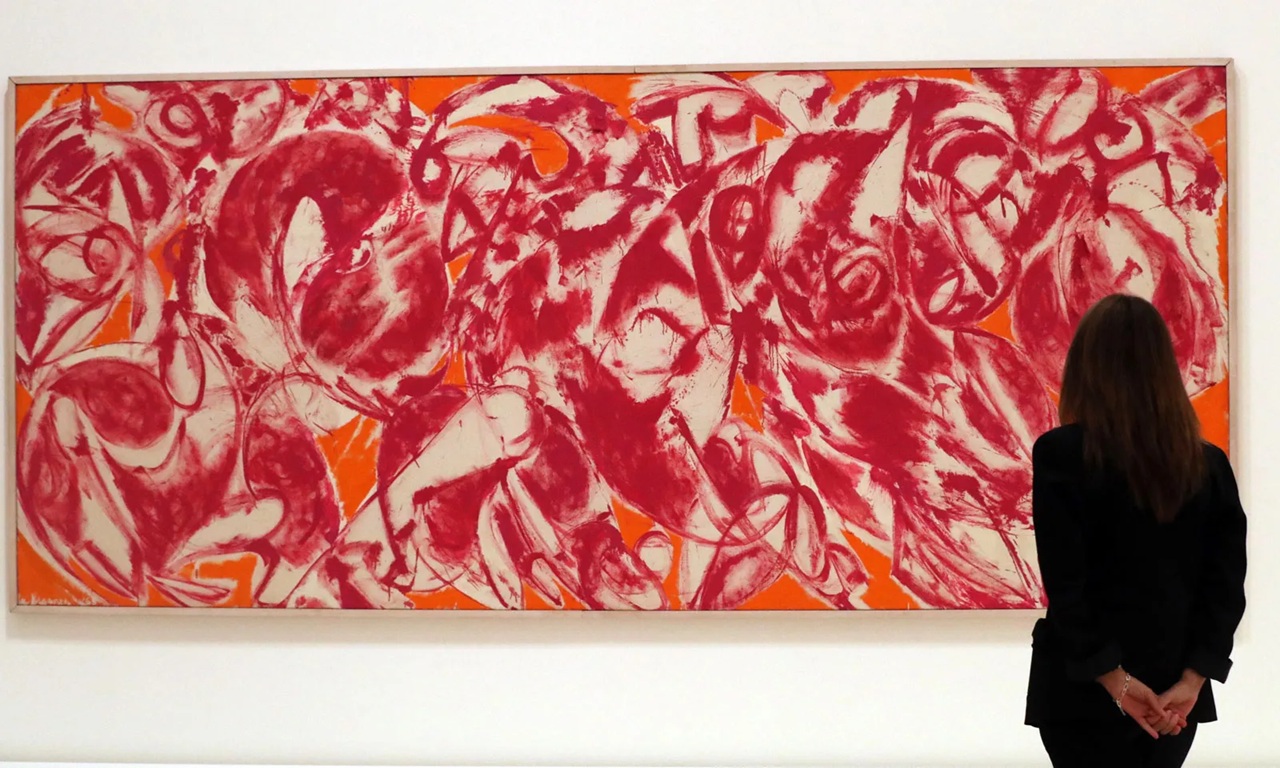
Combat. 1965. Lee Krasner


The exhibition draws on The Met collection and rarely loaned works from more than 80 U.S. and international lenders, bringing together over 120 paintings, works on paper, and ephemera to reconsider Krasner’s and Pollock’s careers—both on their own terms and in dynamic relation to each another and their shared artistic context. Major institutional lenders include Peggy Guggenheim Collection, MoMA, the Whitney Museum of American Art, Tate, National Gallery of Art, National Gallery of Victoria, Centre Pompidou, Buffalo AKG Art Museum, Dallas Museum of Art, The Art Institute of Chicago, and SFMoMA. The exhibition will also include several rarely seen works from important private collections.

Organized into 12 chapters that span each artist’s career and are punctuated by defining moments, Krasner and Pollock: Past Continuous unfolds from the 1930s through the postwar years to the end of their respective lives, moving between moments of convergence and difference. The exhibition’s design, informed in part by historic spaces and installations, enhances moments of exchange—across time and practices—while allowing for discrete encounters with works by each artist, from Krasner’s Little Images series and Pollock’s drip paintings of the late 1940s to his monumental canvases in the 1950s and Krasner’s Umber and Earth Green series. The exhibition charts ongoing dialogues—Pollock’s late return to earlier motifs in the mid-1950s and Krasner’s extended engagement through the 1960s and 1970s with artists such as Klee, Picasso, Mondrian, and Matisse. This presentation will reveal two artists in constant negotiation with each other, themselves, and the cultural, political, and aesthetic stakes of their time.

A constellation of landmark works anchor the exhibition’s exploration of both artists’ practices, including Lee Krasner’s Composition (1949), The Seasons (1957), The Eye is the First Circle (1960), and Combat (1965), along with Jackson Pollock’s Stenographic Figure (1942), Guardians of the Secret (1943), Number 1, 1950 (Lavender Mist) (1950), and The Deep (1953). Two earlier exhibitions, Krasner/Pollock: A Working Relationship (co-organized by Guild Hall and Grey Art Gallery, 1981) and Lee Krasner-Jackson Pollock: Kunstlerpaare Kunstlerfreunde (Kunstmuseum Bern, 1989–90), concentrated on the approximately 15-year overlap in the artists lives, from 1941, when they met, until Pollock’s death in 1956. Krasner and Pollock: Past Continuous is the first exhibition to consider both artists’ practices, in their full chronological sweep, together.

The Met has long been significant for both Krasner and Pollock.

Pollock first exhibited a painting at The Met in 1943 in an exhibition in support of World War II. By the end of the decade, he would be among the artists—The Irascibles—who mounted a notable critique of the Museum’s then-prevailing attitude to contemporary art. However, a short while after Pollock’s death, The Met acquired the landmark painting Autumn Rhythm (Number 30) (1950). The Met’s collection of works by Lee Krasner—from her earliest self-portraits to her late magnificent Rising Green (1972)—includes important gifts to the Museum by the artist during her lifetime. The Met was notably also the venue for Krasner’s memorial service in 1984. Krasner and Pollock: Past Continuous builds on this history, marking the Museum’s first major exhibition devoted to either artist. A focused survey, the exhibition traces the arcs of their artistic developments, offering fresh perspectives on two of the most influential figures of 20th-century art.

The exhibition also reflects The Met’s commitment to showcasing artists whose work continues to shape how art is made and understood today. Krasner’s and Pollock’s contributions to modernism and their serious engagement with the possibilities of painting continues to be significant for the work of contemporary artists. In advance of the opening of the Tang Wing for Modern and Contemporary Art, opening in 2030, Krasner and Pollock: Past Continuous models a curatorial approach that reexamines canonical narratives and connects 20th-century innovations to the concerns of today’s artists and audiences.
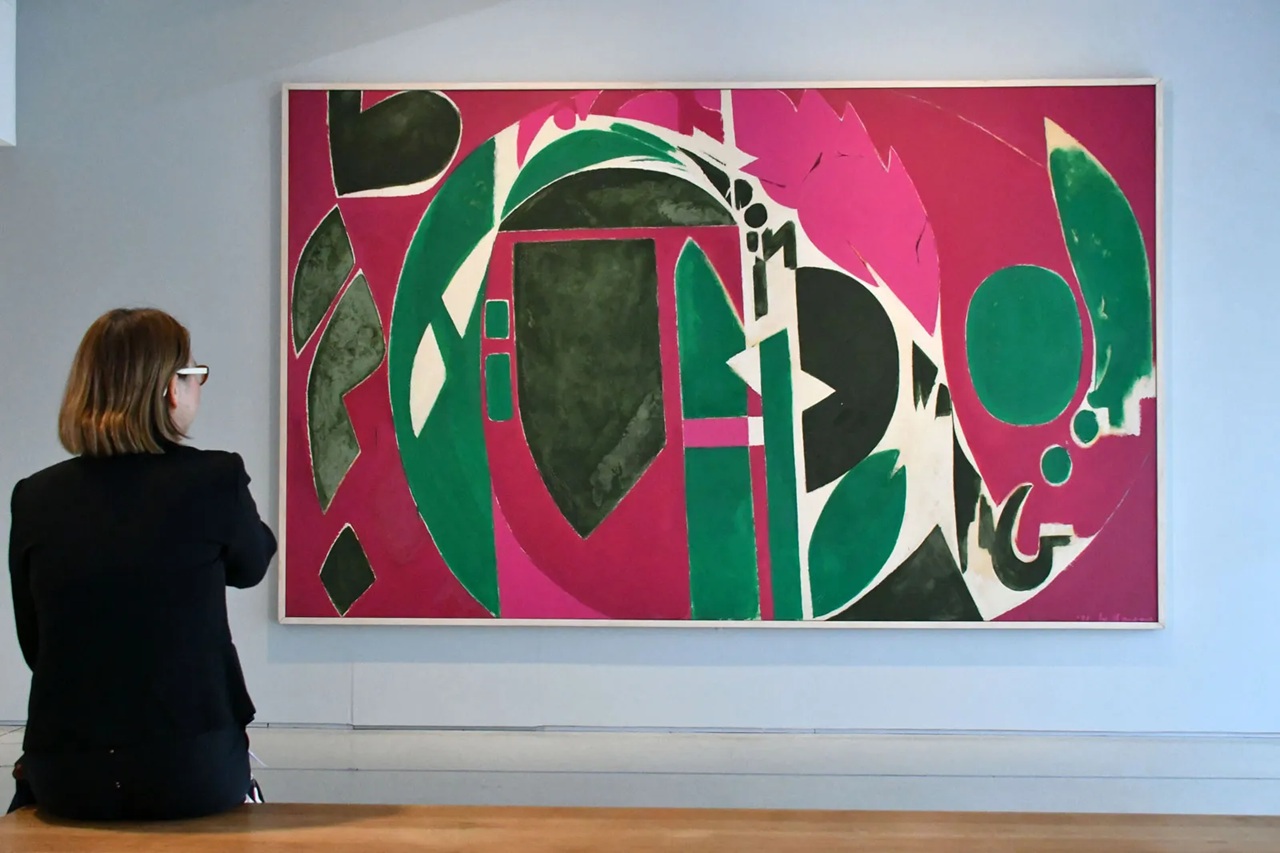
Palingenesis. 1971. Lee Krasner

Exhibition Catalogue


The exhibition’s accompanying catalogue, Krasner and Pollock: Past Continuous, expands the project’s central themes through newly commissioned texts. Featured essays by the exhibition’s curators as well as Johanna Fateman, Prudence Peiffer, and Matthew Holman consider a range of topics, including Krasner and Pollock’s intertwined creative lives as an artist couple, their strategies of abstraction in the 1950s, and the transatlantic reception of their work, while artist Amy Sillman offers a contemporary painter’s perspective on artistic breakthrough and legacy. The volume also includes an illustrated, interwoven chronology as well as reflections by leading contemporary artists, underscoring the enduring resonance of Krasner’s and Pollock’s work across generations.

The catalogue is made possible by the Pollock-Krasner Foundation.

Additional support is provided by the Aaron I. Fleischman and Lin Lougheed Fund, The Robert David Lion Gardiner Foundation, Karen and Sam Seymour, the Wyeth Foundation for American Art, Suzanne Deal Booth, and Kelly Williams and Andrew Forsyth.

For the Silo,  Julie Niemi.

Credits and Related Content
Krasner and Pollock: Past Continuous is curated by David Breslin, Leonard A. Lauder Curator in Charge, and Brinda Kumar, Associate Curator, with the assistance of CJ Salapare, Research Associate, all of the Department of Modern and Contemporary Art, The Met.

The Met will host a variety of exhibition-related programs, to be announced at a later date.

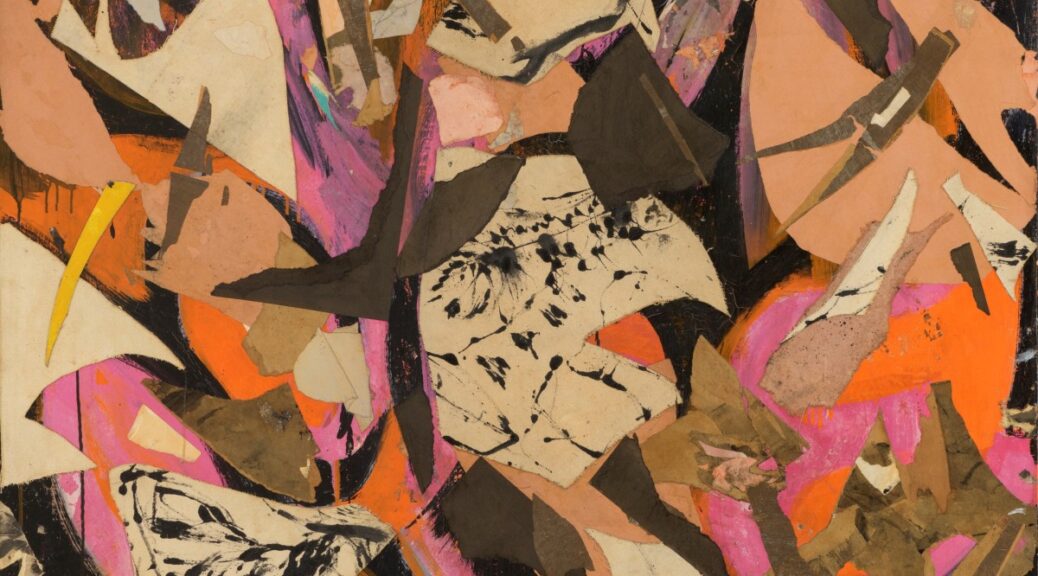
Featured Image: Lee Krasner (American, 1908–1984), Bald Eagle, 1955, Oil, paper, and canvas collage on linen, 77 × 51 1/2 in. (195.6 × 130.8 cm), ASOM Collection © 2026 Pollock-Krasner Foundation / Artists Rights Society (ARS), New York
George Washington: North America’s Earliest Fashion Influencer

George Washington standing next to horse (National Gallery of Art)
A print of George Washington by Valentine Green. (National Gallery of Art)

George Washington, who as a general led America to independence from Britain and who went on to serve as the first U.S. president, also nurtured a lifelong interest in men’s fashion.

Washington recognized his attire sent a signal about America’s standing in the world, according to Suited to Lead: The Lives of Six Presidents Through Fashion , an online exhibit of the White House Historical Association. (The exhibit also explores the fashions of presidents John Quincy Adams, Abraham Lincoln, Theodore Roosevelt, Harry S. Truman and Jimmy Carter.)

Washington “thought deeply about what his choices conveyed to the public,” says Fiona Hibbard, a graduate student in New York University’s Costume Studies program. Hibbard curated the exhibit while an intern at the society in 2025.
“Washington was interested in projecting an image of authority, unity and American identity,” she says.

The exhibit highlights how Washington’s sartorial choices conveyed leadership and created an early-American aesthetic that endured for generations.

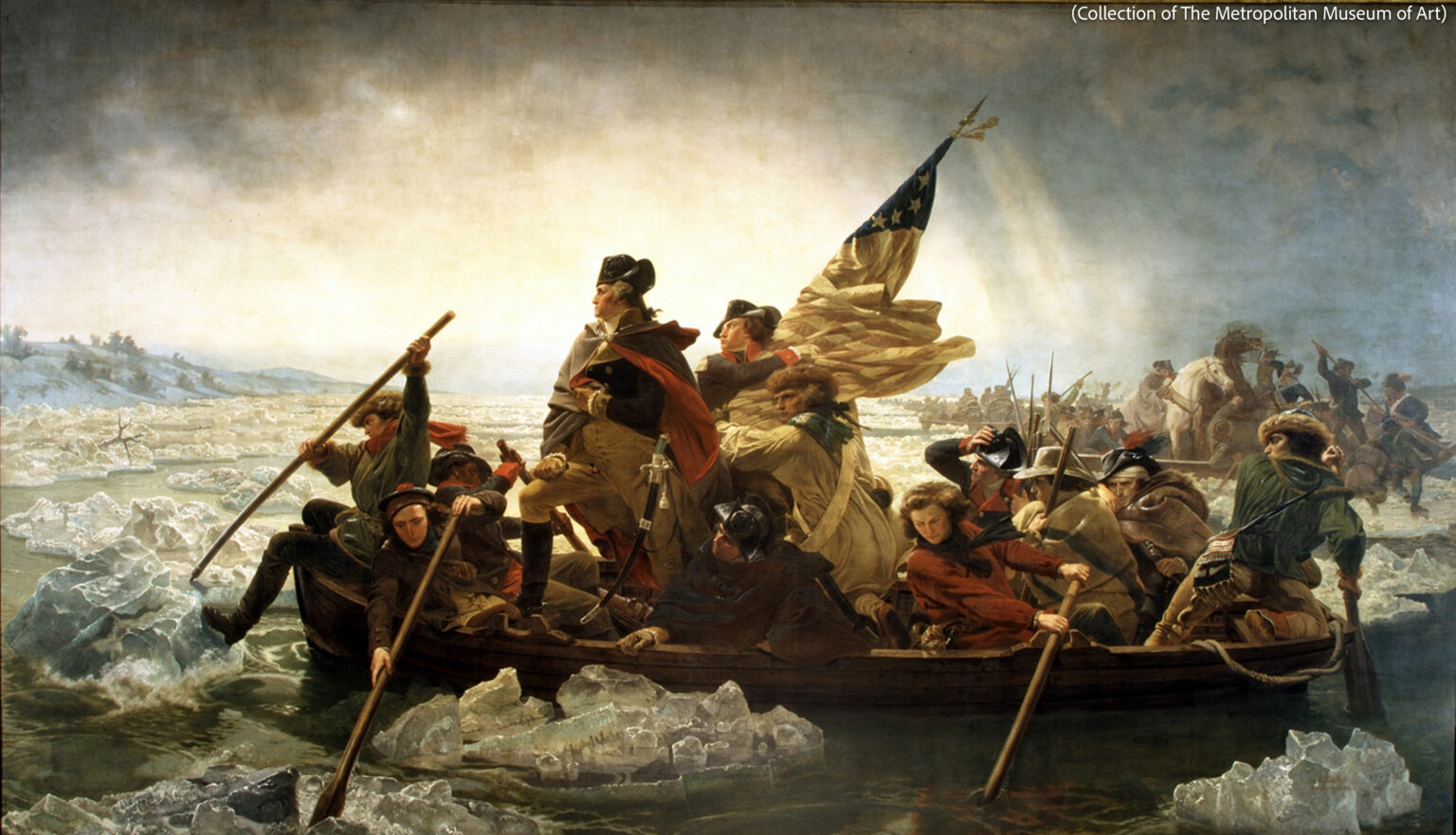
Washington chose blue for the uniforms of the Continental Army to present colonial militias as unified and to clearly differentiate the fighters from British soldiers, known as “redcoats.”

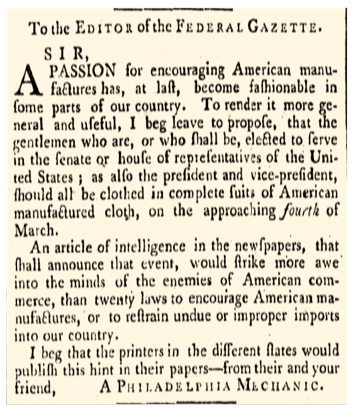
Federal Gazette, January 7, 1789

As a military commander and later as president, Washington appeared in portraits wearing a blue coat trimmed in yellow, with matching waistcoat and breeches.

Emanuel Leutze’s 1851 painting “Washington Crossing the Delaware” (Collection of The Metropolitan Museum of Art)

Blue and yellow remained the colors of the United States Army until the Civil War in the 1860s.

Washington also adapted military uniforms to better suit soldiers to their environment by replacing breeches, which only came to the knee, with full-length trousers that better protected the soldiers’ legs as they climbed or scrambled on difficult terrain.

Washington supported American manufacturers, Hibbard says, “something most Americans can relate to and take pride in.”

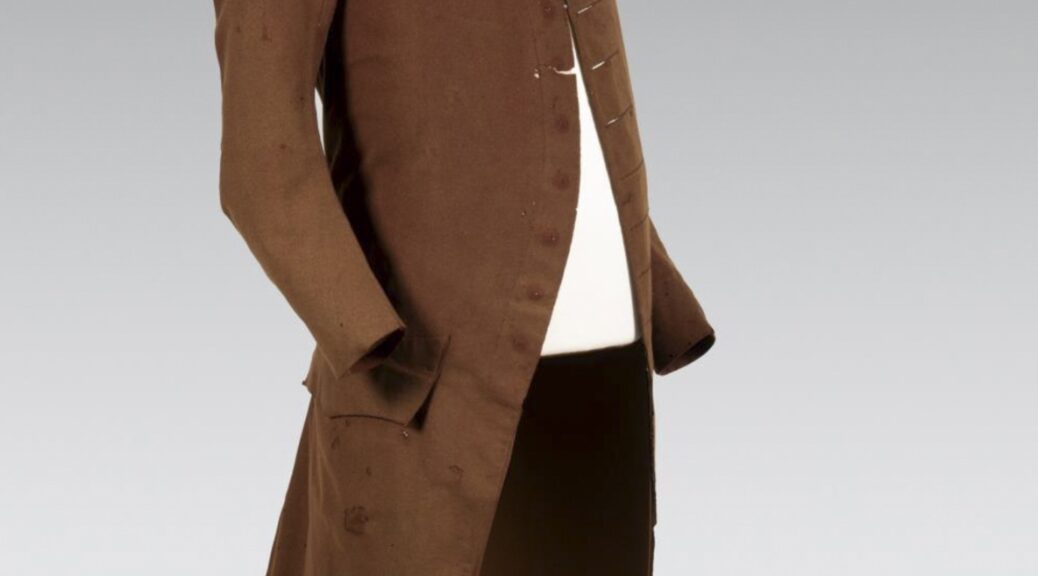
Before being sworn in as the country’s first president, he ordered high-quality American wool from a Connecticut manufacturer for his brown inaugural suit . He had deliberately avoided using British-imported fabric, according to the Mount Vernon Ladies’ Association, which runs Washington’s Virginia estate. Though commonly known as “London Brown,” Washington’s fabric became known as “Congress Brown,” a nod to the new country’s representative form of government.

“George Washington’s inaugural suit was more than attire — it was a statement of national identity,” the association says.

Left: Illustration of George Washington's inauguration (Library of Congress) Right: Washington's inaugural coat (Courtesy of the Mount Vernon Ladies' Association)
Washington wore American-made wool for his April 30, 1789, inauguration as the first U.S. president. (Library of Congress, Courtesy of the Mount Vernon Ladies’ Association)

For the Silo, Lauren Monsen/ Share America.

Met Exhibit Will Feature Connections Of Human Body & Musical Instruments

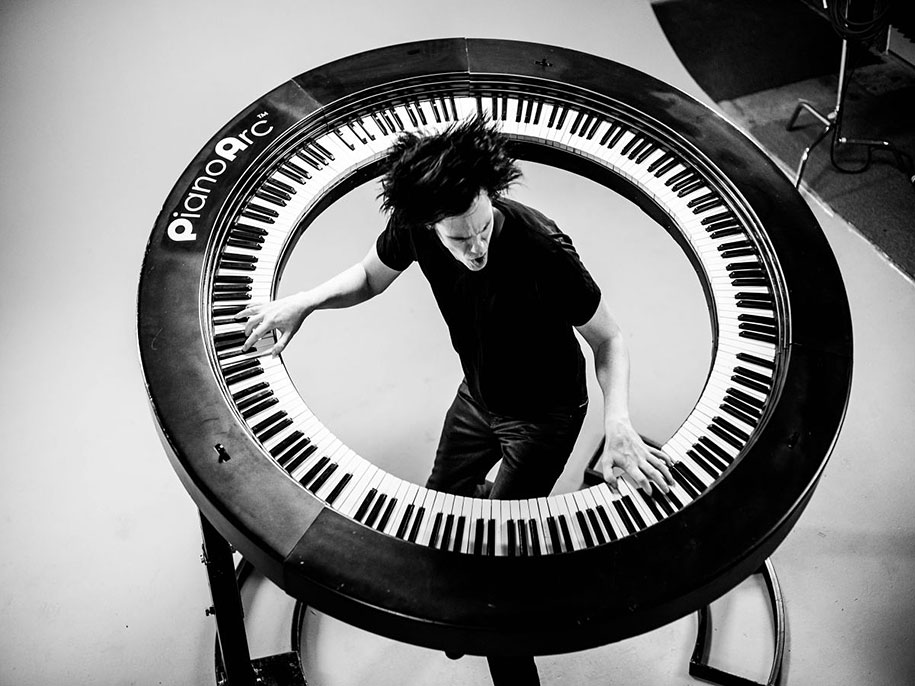
Brockett Parsons, keyboardist for Lady Gaga with his PianoArc.

Max Rebo and his circular keyboard. Star Wars Return of the Jedi. 1983

The exhibition will feature an interactive space for visitors to make music through body movement, as well as immersive elements, live performances, and workshops
Exhibition Dates:  June 7 –Sept 27, 2026
Location: The Met Fifth Avenue, Gallery 199


(New York, January, 2026)—From clapping hands and tapping feet to beatboxing and whistling, the human body is a musical instrument. In turn, instruments often draw their form and decoration from the body. Musical Bodies, which opens on June 7 at The Metropolitan Museum of Art, will explore the multifaceted relationship between musical instruments and the human body. This is the first major exhibition to address this theme and will bring together some 130 works from around the world and across time, including musical instruments, paintings, sculptures, and drawings from The Met collection along with important international loans.

 “Musical instruments, which represent an important part of the Met’s collection, have long been recognized and celebrated as dynamic tools for creative expression, and also as works of art in their own right,” said Max Hollein, The Met’s Marina Kellen French Director and CEO. “This multisensory exhibition is the first to explore—through remarkable instruments, objects, and works of art—the fascinating ways in which sound, musical objects and the human form have been in conversation for millennia. Including outstanding instruments, powerful performances and immersive in-gallery experiences, Musical Bodies is a show that will resonate, fascinate and inspire.”

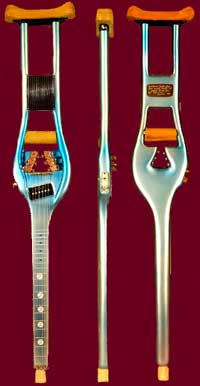
Barbara Mandrell’s Mosrite Crutch Guitar

Patrons Support

The exhibition is made possible by Barbara Tober, the Diane W. and James E. Burke Fund, the William Randolph Hearst Foundation, and the Gail and Parker Gilbert Fund.

Additional support is provided by Anonymous, The Dancing Tides Foundation, and the Vanguard Council.

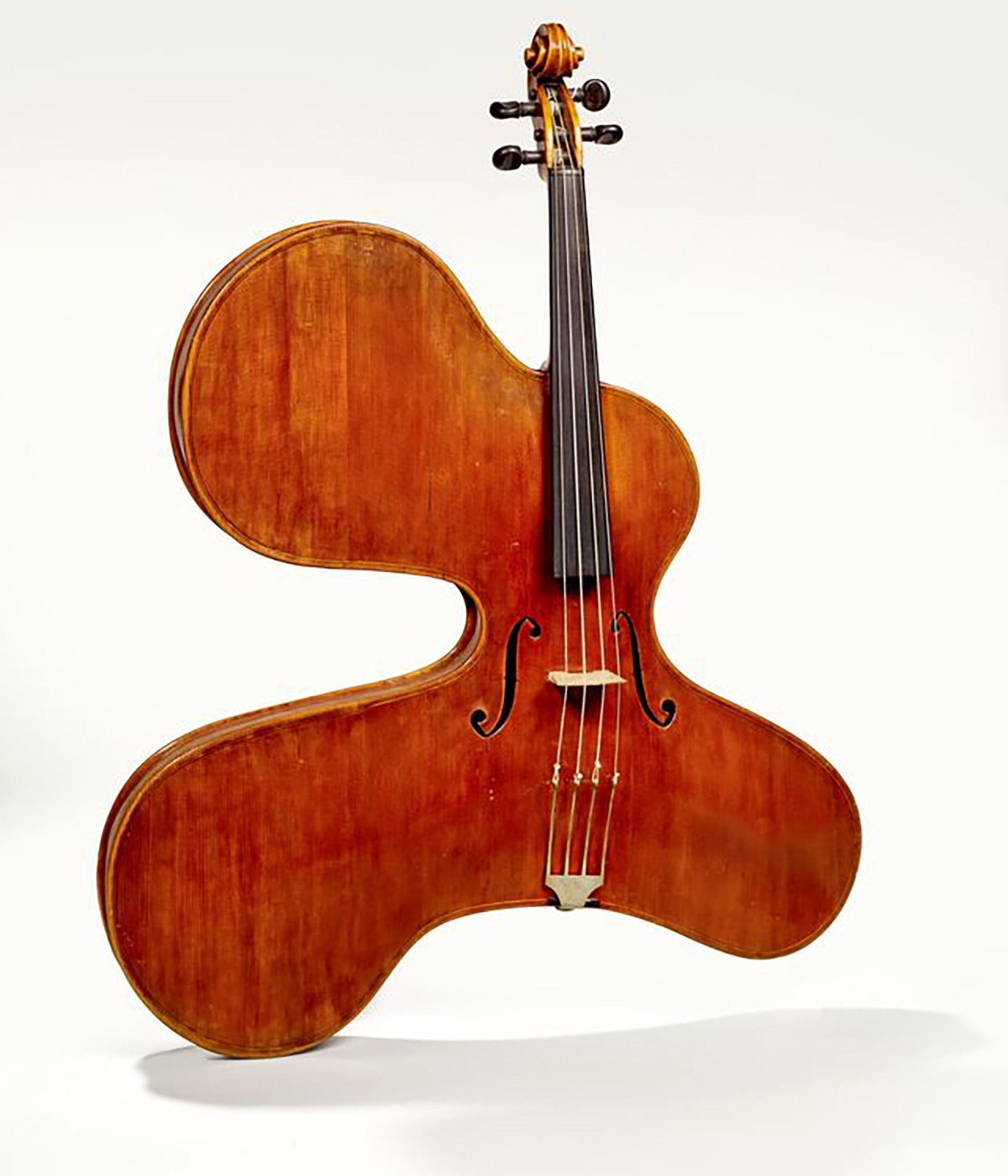
Encompassing 4,000 years of music history and art, Musical Bodies will feature a range of objects from across the visual arts, literature, religion, pop culture, and mythology. This includes ancient Egyptian rattles, paintings by Titian and Degas, instrument-inspired apparel, and one of Prince’s most notable guitars. The ways in which the boundaries between body and instrument have been artfully blurred will be explored through visionary works such as Nam June Paik’s TV Cello; the PianoArc circular keyboard designed in collaboration with Brockett Parsons, keyboardist for Lady Gaga; and a steel guitar in the form of a crutch that was made for country music singer and songwriter Barbara Mandrell while she was recovering from an automobile crash.


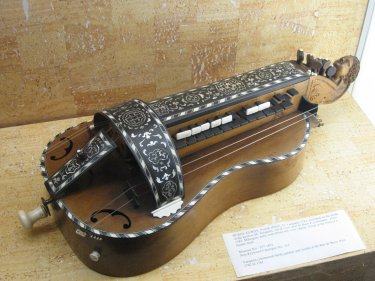
Musical Bodies will include prominent works from across 10 of The Met’s curatorial departments, including over 50 instruments from the Department of Musical Instruments as well as ancient works from Egypt, 19th-century masterpieces from European Paintings, and 20th -century works from the Department of Modern and Contemporary Art. The exhibition will also feature significant loans from collectors and institutions such as the Musée de la musique (Paris), the National Music Museum (Vermillion, South Dakota), and the Royal College of Music (London). One of the earliest surviving bowed string instruments, a rare figural lira da braccio from the Kunsthistorisches Museum (Vienna), and a lavish hurdy gurdy from the Victoria & Albert Museum (London) will be shown in the United States for the first time.

Musical Bodies first formed in my mind as a deceptively simple question: Why are so many instruments shaped and decorated like the human body?” said Bradley Strauchen-Scherer, Curator in the Department of Musical Instruments at The Met.”The quest for an answer has become an exploration of humanity through the lens of instruments and music. We find ourselves represented in these instruments because, for much of our history, music has been central to who we are and what we do. I hope this exhibition will reconnect all of us with our innate musicality and shared heritage of harmony.”

Through six thematic sections, the exhibition will illuminate the relationship between the body and musical instruments and how they serve as channels for self-exploration and expressions of culture and belief systems. Musical Bodies will also reveal how instruments are used to stand in for the body to address topics that are traditionally considered taboo, such as sex and death.

Musical Bodies was conceived as an experiential exhibition. An innovative interactive will enable visitors to create music through intuitive movements and explore the blurred boundaries between body and instrument. Large-scale projections will display newly commissioned footage of beatboxing, body percussion, tap dancing, and more by such acclaimed New York–based and international artists as tap dancer Savion Glover, Beatbox House, and whistler Molly Lewis. Special activations throughout the run of the exhibition will take place in the gallery and include musical performances from an array of artists as well as workshops that activate the body as an instrument. More details will be announced at a later date.

Credits and Related Content

Musical Bodies is conceived and organized by Bradley Strauchen-Scherer, Curator in the Department of Musical Instruments at The Met, assisted by Ava Valentino, Research Assistant in the Department of Musical Instruments.

A fully illustrated catalogue will accompany the exhibition and will be available for purchase from The Met Store.

The catalogue is made possible by the Mary C. and James W. Fosburgh Publications Fund.

The Met will host a variety of exhibition-related educational and public programs, including a Creative Convening, Artists on Artworks and Met Expert talks in the galleries, a music workshop, and more. Details will be announced.

Musical Bodies will be on view during the presentation of the exhibition Costume Art (May 10, 2026–January 10, 2027), which will examine the centrality of the dressed body in fashion and art. The two shows will provide visitors with distinct and engaging explorations of the body’s relationship to artistic expression.

Featured image– Thomas Zach, Violino Harpa Forma Maxima, 1874. Wood (spruce, maple, ebony), metal strings. Collections Musée de la musique / Cliché Claude Germain, 2020. Cité de la musique-Philharmonie de Paris

For the Silo, Jarrod Barker.

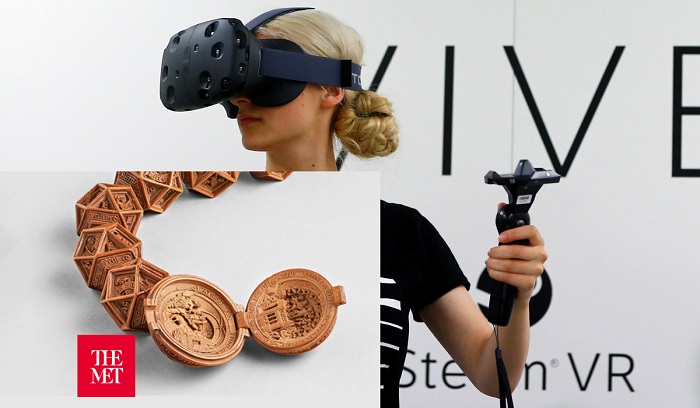
The Met & Other Galleries Offer Remote Viewing Via Oculus Virtual Reality

The Metropolitan Museum of Art Launches New Immersive Virtual Reality and Online Feature with Iconic Works from Its Collection
The Temple of Dendur and works from the Arts of Oceania galleries have been transformed for virtual reality (VR) experience and on the web

The Met’s new features, created in collaboration with the platform Atopia, introduce a new way for cultural institutions around the world to build their own VR and online exhibitions(New York, November, 2025)— The Metropolitan Museum of Art has launched two new virtual reality (VR) featuresDendur Decoded and Oceania: A New Horizon of Space and Time, that explore the Museum’s beloved Temple of Dendur and monumental works from the Oceanic art collection in the newly reopening Michael C. Rockefeller Wing—such as the Ceremonial House Ceiling from the Kwoma people of Papua New Guinea, the Asmat bisj poles, and Atingting kon(slit gongs) from Vanuatu—in 3D. The experiences will allow global audiences to view these treasured galleries and works using a personal VR headset or on The Met’s website. Designed in collaboration with Atopia, a platform for immersive art and culture, The Met’s virtual experiences introduce a new way for art institutions to create and publish their own VR and web features, providing more digital access to VR innovations across the museum field.

The Met’s first VR experiences, Dendur Decoded and Oceania: A New Horizon of Space and Time were developed in close consultation with Met curators. They feature original, innovative storytelling and high-resolution 3D scans created by The Met’s Imaging team. This experience allows virtual visitors to delve into artworks through movement, sound, interaction, and play. From stepping inside the Temple of Dendur to bringing the 17-foot bisj poles to eye level, these virtual experiences offer a singular opportunity to explore these iconic works.

“The Met collection is enjoyed by millions of visitors a year, and by exploring the vast possibilities of virtual spaces, we can offer unparalleled cultural experiences to audiences no matter where they are located,” said Max Hollein, The Met’s Marina Kellen French Director and CEO. “These two new VR and web features foreground compelling storytelling and curatorial scholarship, and they provide immersive, participatory access to some of The Met’s remarkable works of art.”

Annabell Vacano, founder of Atopia, said, “Until now, immersive exhibitions were bespoke and expensive. We created Atopia so museums of all sizes could design, publish, and scale interactive storytelling so their collections can be accessed from anywhere in the world. The Met has been an incredible partner in designing Atopia’s storytelling tools, and it’s been an honor to work with their world-class teams.”

Dendur Decoded
The Dendur DecodedVR and web experience is organized as a vividly detailed adventure arranged in four “acts” and includes over 150 newly presented pieces of content, including materials (images and video) from archives at The Met and UNESCO. The content was created in collaboration with Isabel Stünkel, Curator, Department of Egyptian Art, and Erin Peters, Assistant Professor, Art History & Visual Culture at Appalachian State University; with support from Diana Craig Patch, Lila Acheson Wallace Curator in Charge of Egyptian Art, and Janice Kamrin, Curator in Egyptian Art at The Met.

It begins with “Act I: Explore Dendur,” which introduces the Temple and helps visitors learn how to read aspects of the temple’s decoration, and continues with “Act II: Dendur in Nubia,” presenting a 3D and 360-degree film about the Temple of Dendur’s original location along the West bank of the Nile River and how it was dismantled as part of the international UNESCO Campaign to Save the Monuments of Nubia to protect it from being submerged beneath Lake Nasser and then awarded to the United States in 1967. “Act III: Reconstructing Dendur” invites visitors to virtually rebuild part of the temple and learn how The Met reassembled it in New York in a new gallery that was opened to the public on September 27, 1978. “Act IV: Reflection” showcases past MetLiveArts performances and the ways in which contemporary artists have been inspired by the Temple. There is also an optional opportunity to leave a personal contemplation or observation through a voice note.
Oceania: A New Horizon of Space and Time
Oceania: A New Horizon of Space and Time celebrates the dazzling Oceanic works in the Museum’s newly reopened Michael C. Rockefeller Wing. Fifteen objects are contextualized with sound, story, and a spatial design inspired by an outdoor environment that evokes the Pacific Islands. Within the space, these objects are accompanied by illuminating content such as immersive original audio and Pacific storytelling, archival imagery, 360-degree video, and high-resolution 3D models. Featuring works from across The Met collection of Oceanic art, highlights in the VR and web experience include The Met’s impressive Ceremonial House Ceiling, which evokes the polychrome interior of a men’s ceremonial house in the Sepik River region of Papua New Guinea five soaring upright spirit poles (bisj) from the Asmat people of Western New Guinea; and the 14-foot-tall Atingting kon (slit gong) from Vanuatu.

In this exploratory environment there is a lush virtual gallery populated by the 3D-scanned objects and immersive soundscapes. Examples include the Sawos Ancestor Figure, which invites close looking through a compelling audio story about a battle in which the ancestral figure came to life, paired with an interactive 3D model. The Ceremonial House Ceiling includes a game where visitors discover motifs across the 270 pangal (painted panels), including crocodiles, insects, and cassowaries. The Body Mask, created by an Asmat artist, includes contemporary photography by Joshua Irwandi, a documentary photographer based in Jakarta, Indonesia, showing how these masks are made and worn by the Asmat people of southwest New Guinea. For the Silo, Jarrod Barker.

Developed along with Maia Nuku, The Met’s Evelyn A. J. Hall and John A. Friede Curator for Arts of Oceania, and Sylvia Cockburn, Senior Research Associate for Arts of Oceania, the experience will be animated with voices from across the Pacific Islands, including a greeting by Michael Mel (PhD, performance artist, lecturer, curator, and teacher and currently Senior Lecturer and Head of Expressive Arts Department at the University of Goroka), and a concluding sunset ceremony by Che Wilson (Ngāti Rangi-Whanganui, Tūwharetoa, Mōkai Pātea, Ngāti Apa, Ngā Raurua), a Māori leader with a career that spans cultural advocacy, governance, and leadership.

VR and Online Innovations for the Cultural Sector
For The Met’s virtual experiences, the Museum’s Emerging Technology and Digital department worked collaboratively with Atopia to develop a feature that will enable museums of all sizes to design and publish similar immersive exhibitions in-house. Through a “no-code” editor available on the platform, museum curators and designers can drag and drop images, 3D scans, and didactic information from their collections into virtual spaces. These can then be launched on the platform, becoming instantly available on the web and in VR.

Access and Availability
The two immersive exhibitions are available now for free on The Met’s website and on Meta Quest 2/3/3s Audio across the experience is closed caption.

Atopia is compatible with both standard web browsers on a desktop and laptop and on personal VR headsets. It also supports both individual and invite-only multiplayer visits.

Related Programs
These VR and web features will also be activated through several events, including Met Expert Talks. These talks include the opportunity for Museum visitors to interact with the virtual experiences on headsets provided by The Met for a deeper and more contextualized viewing. There will also be VR pop-ups at Teens Take The Met on May 15, 2026, as well as during an upcoming Teen Friday Career Labs, where teens can hear directly from the VR creative team. For homebound audiences unable to visit the new Arts of Oceania galleries in person, special Collection Tours will be offered for Oceania: A New Horizon of Space and Time via headsets provided by the Museum. More details and VR events at The Met will be announced.

Credits 
Dendur Decoded and Oceania: A New Horizon of Space and Time were created with a cross-disciplinary team from across The Met, led by Brett Renfer, Senior Project Manager of Emerging Technologies, along with Curatorial, Education, Imaging, and Digital.

This project is made possible by the Director’s Fund.

About The Metropolitan Museum of Art
The Met presents art from around the world and across time for everyone to experience and enjoy. The Museum lives in two iconic sites in New York City—The Met Fifth Avenue and The Met Cloisters. Millions of people also take part in The Met experience online. Since it was founded in 1870, The Met has always aspired to be more than a treasury of rare and beautiful objects. Every day, art comes alive in the Museum’s galleries and through its exhibitions and events, revealing both new ideas and unexpected connections across time and across cultures. Discover more at metmuseum.org.
About Atopia
Atopia is a new way to experience culture online. From any web browser or VR headset, audiences can step inside immersive exhibitions designed by leading museums worldwide. Our no-code platform empowers cultural institutions to create and share virtual experiences at scale—bringing exhibitions to global audiences beyond physical walls. Our mission: to open access to culture everywhere. Discover more at https://atopia.space

Man Ray: When Objects Dream Now At The Met

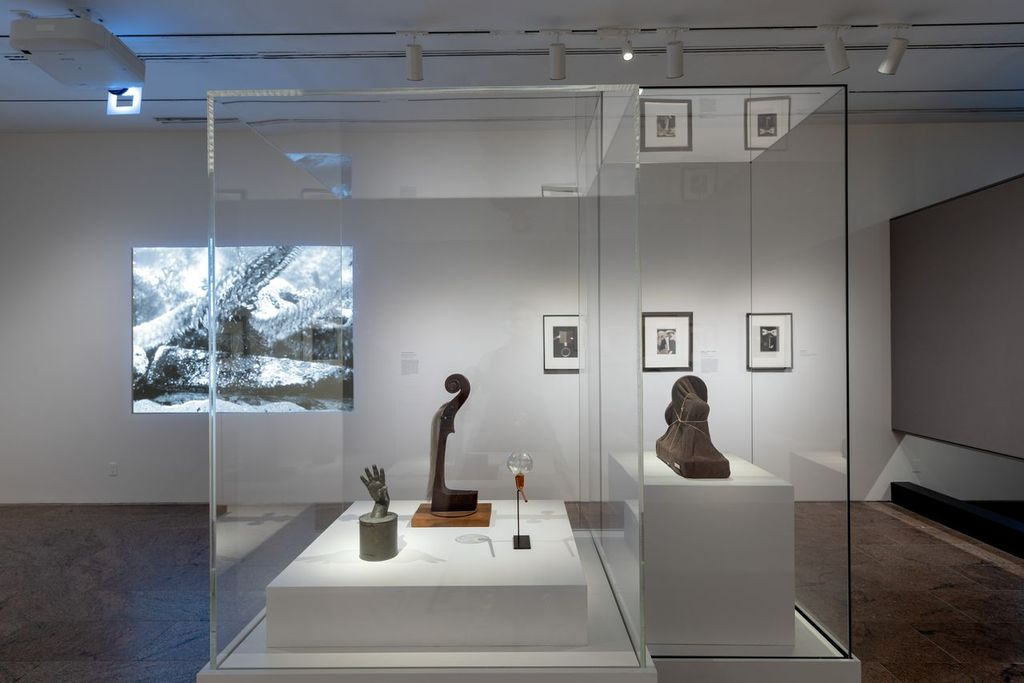
Installation view of Man Ray: When Objects Dream, on view September 14,2025–February 1, 2026at The Metropolitan Museum of Art. Photo by Anna-Marie Kellen, Courtesy of our friends at The Met.

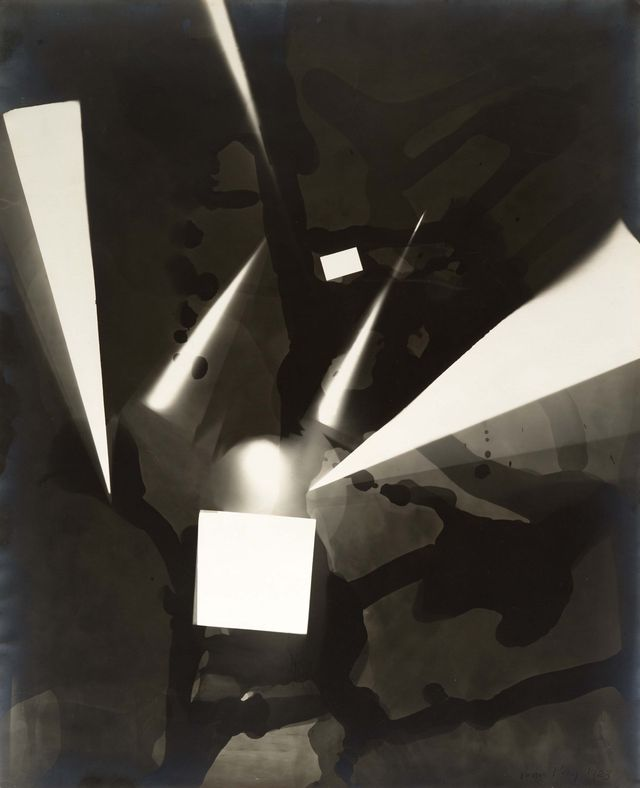
American artist Man Ray (1890–1976) was a visionary known for his radical experiments that pushed the limits of photography, painting, sculpture, and film. In the winter of 1921, he pioneered the rayograph, a new twist on a technique used to make photographs without a camera. By placing objects on or near a sheet of light-sensitive paper, which he exposed to light and developed, Man Ray turned recognizable subjects into wonderfully mysterious compositions.

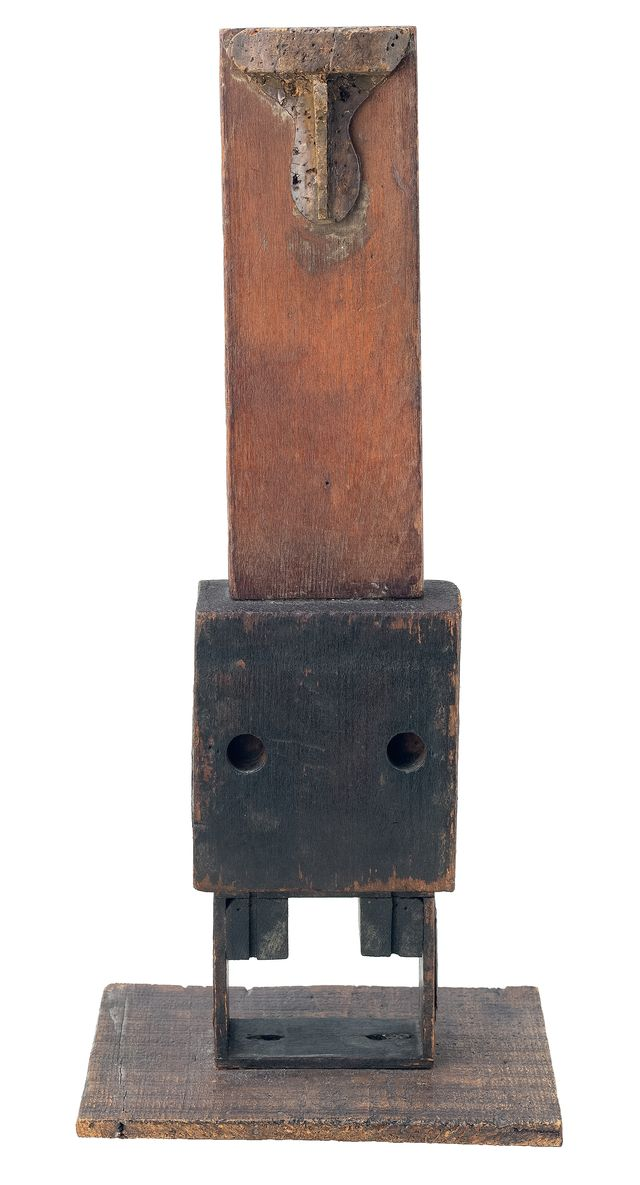
By itself. 1918. Man Ray (American, 1890–1976)By Itself I1918Wood,iron, and cork17 1/4 × 7 11/16 × 7 5/16 in. (43.8 × 19.5 × 18.6 cm)LWL–Museum für Kunst und Kultur, Münster, Germany© Man Ray 2015 Trust / Artists Rights Society (ARS), NY /ADAGP, Paris 2025

Introduced in the period between Dada and Surrealism, the rayographs’ transformative, magical qualities led the poet Tristan Tzara to describe them as capturing the moments “when objects dream.”

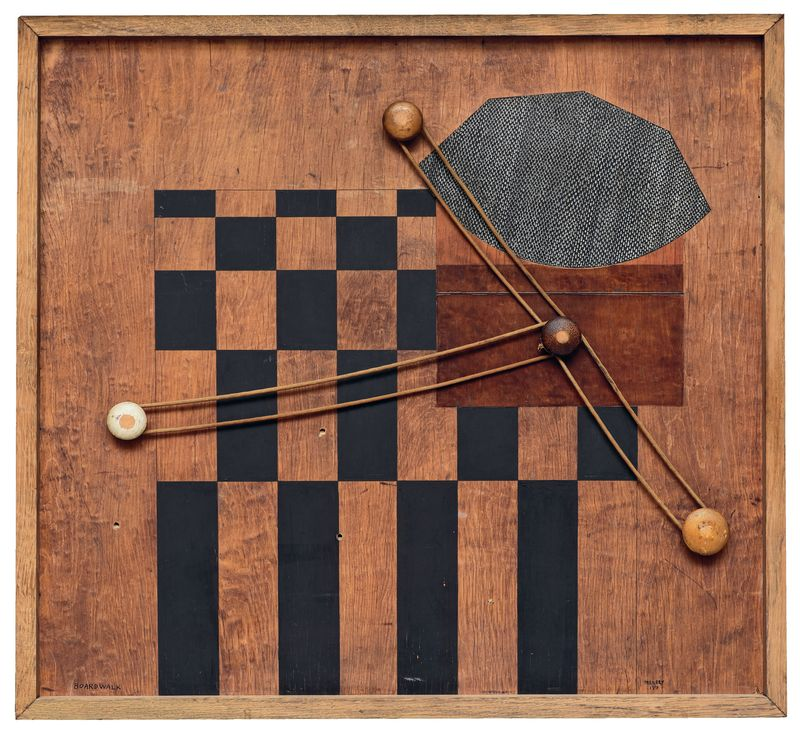
Boardwalk. 1917. Man Ray (American, 1890–1976) Boardwalk1917Oil, wood handles, and yarn on wood 26 9/16 × 29 × 15/16 in. (67.4 × 73.6 × 2.4 cm)Staatsgalerie Stuttgart, acquired 1973 with Lotto Funds© Man Ray 2015 Trust / Artists Rights Society (ARS), NY /ADAGP, Paris 2025

The exhibition will be the first to situate this signature accomplishment in relation to Man Ray’s larger body of work of the 1910s and 1920s. Drawing from the collections of The Met and more than 50 U.S. and international lenders, the exhibition will feature approximately 60 rayographs and 100 paintings, objects, prints, drawings, films, and photographs—including some of the artist’s most iconic works—to highlight the central role of the rayograph in Man Ray’s boundary-breaking practice.

Rayograph. 1923-1928 Man Ray (American, 1890–1976)Rayograph1923–28Gelatin silver print19 5/16 x 15 11/16 in. (49 x 39.8 cm)The Metropolitan Museum of Art, New York, Gilman Collection,Purchase, The Horace W. Goldsmith Foundation Gift, throughJoyce and Robert Menschel, 2005 (2005.100.140)Image © The Metropolitan Museum of Art, photo by MarkMorosse© Man Ray 2015 Trust / Artists Rights Society (ARS), NY /ADAGP, Paris 2025

“Before my eyes an image began to form, not quite a simple silhouette of the objects as in a straight photograph, but distorted and refracted … In the morning I examined the results, pinning a couple of the Rayographs—as I decided to call them—on the wall. They looked startlingly new and mysterious.” — Man Ray

September 14, 2025–February 1, 2026Upcoming at The Met Fifth Avenue in Gallery 199 Free with Museum admission Accessibility information 

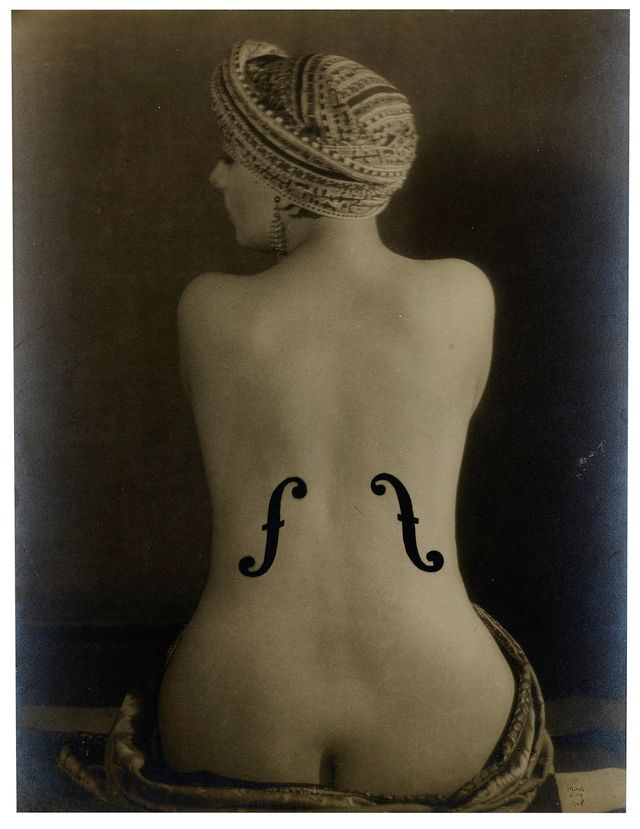
Le violon d’Ingres 1924. Man Ray (American, 1890–1976)Le violon d’Ingres1924Gelatin silver print19 1/8 × 14 3/4 in. (48.5 × 37.5 cm)The Metropolitan Museum ofArt, New York, Bluff Collection,Promised Gift of John A. PritzkerPhoto by Ian Reeves© Man Ray 2015 Trust /Artists Rights Society (ARS), NY /ADAGP, Paris 2025

The exhibition is made possible by the Barrie A. and Deedee Wigmore Foundation.

Major funding is provided by Linda Macklowe, the Horace W. Goldsmith Foundation, The Daniel and Estrellita Brodsky Foundation, The International Council of The Metropolitan Museum of Art, Andrea Krantz and Harvey Sawikin, and Schiaparelli.

Additional support is provided by the Vanguard Council.

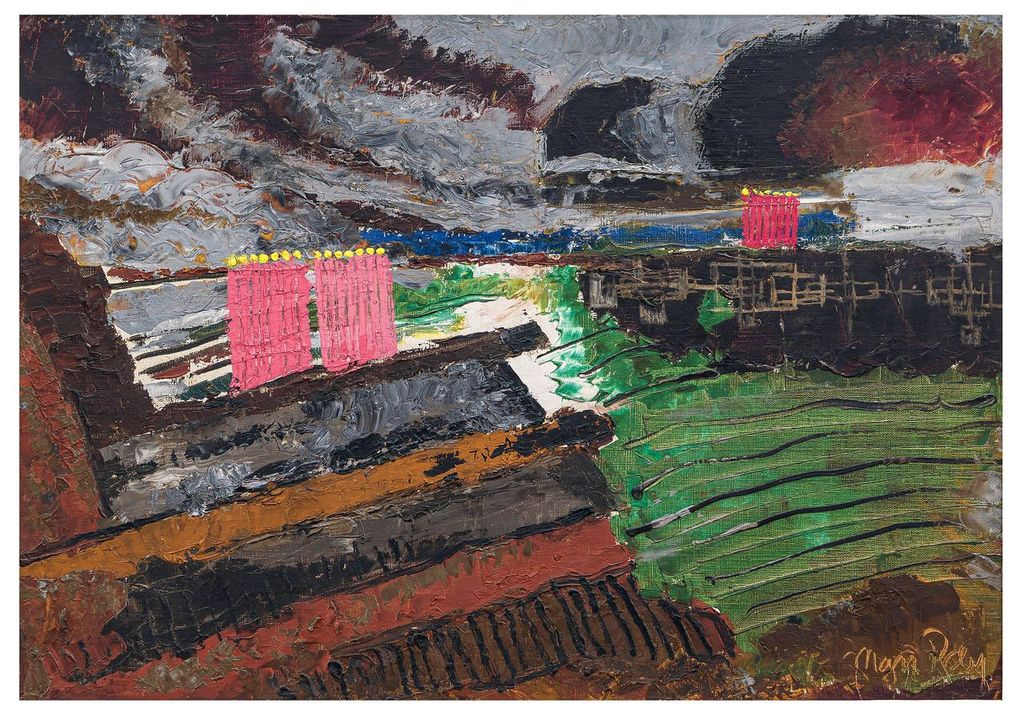
Swedish Landscape. 1926. Man Ray (American, 1890–1976)Paysage suédois(Swedish Landscape)1926Oil on canvas18 × 25 1/2 in. (45.7 × 64.8 cm)The Mayor Gallery, London Photo courtesy of The Mayor Gallery, London© Man Ray 2015 Trust / Artists Rights Society (ARS), NY /ADAGP, Paris 2025

Related programs are a part of the Bluff Collaborative for Research on Dada and Surrealism at The Met.

The catalogue is made possible by the Mellon Foundation.

Additional support is provided by James Park, the Carol Shuster-Polakoff Family Foundation, and Sharon Wee and Tracy Fu.

Exhibition Catalog

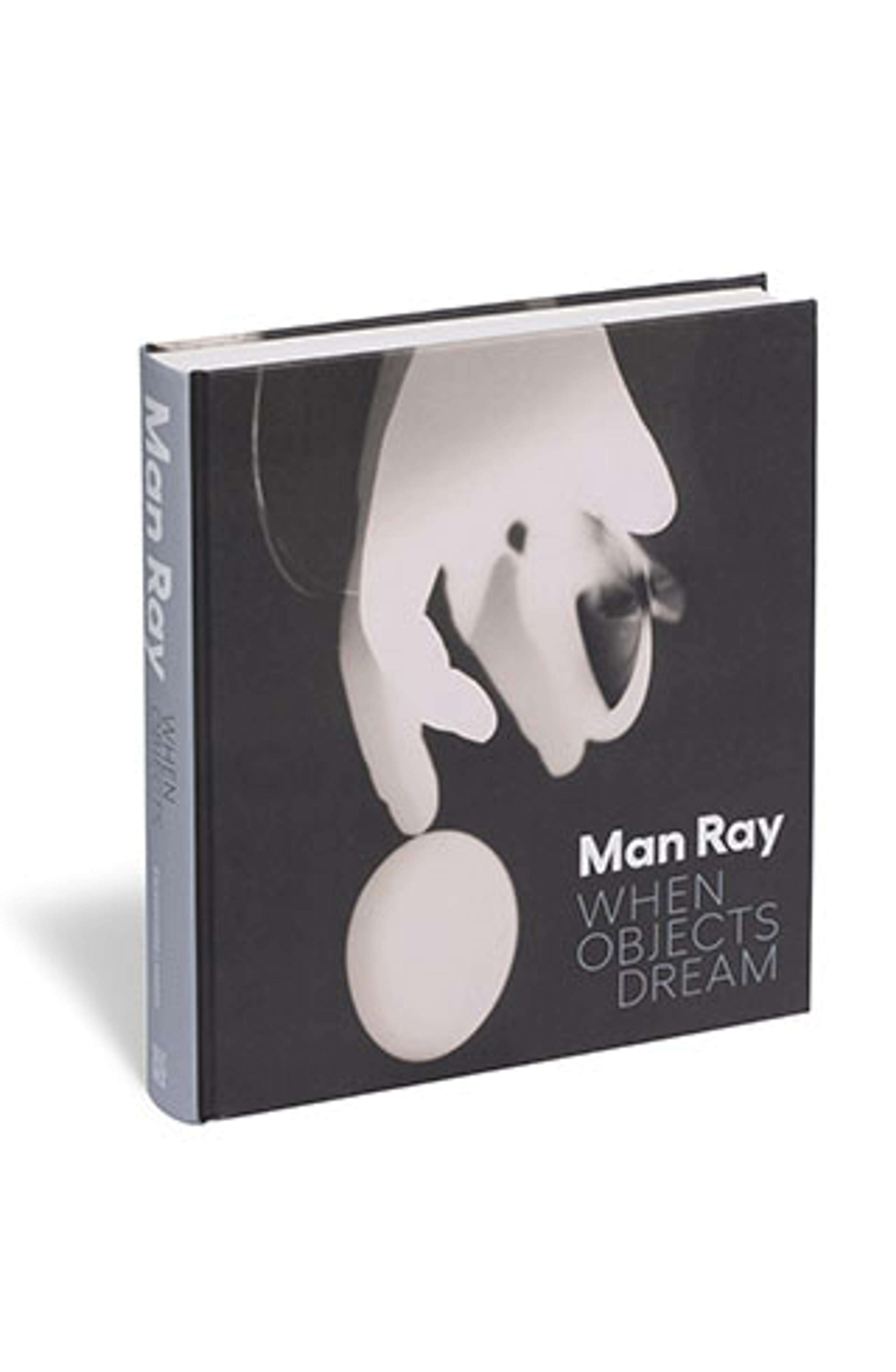
Man Ray: When Objects Dream

This volume is the first in-depth study of Man Ray’s groundbreaking rayographs of the 1920s and their interconnections with his Dada and Surrealist works.

Buy now

Book cover titled "When Objects Dream" by Man Ray. Features a black and white surrealist image of a hand holding a sphere, conveying mystery and intrigue.

For the Silo, Jarrod Barker.

Met Receives 500 Guitars From Golden Age of American Guitar Making

The Met Receives Landmark Gift of More Than 500 of the Finest Guitars from the Golden Age of American Guitar Making With this collection, the Museum will become an epicenter for the celebration and study of this iconic instrument
(New York, May, 2025)—The Metropolitan Museum of Art announced today that it has received a landmark gift of more than 500 of the finest guitars from the golden age of American guitar making, spanning the years 1920 to 1970. This new collection of the most important guitars, anchored by a major gift from collector Dirk Ziff, will showcase the profound impact this celebrated instrument has had on popular music, culture, society, politics, and religion in America—and then resonated around the world. The collection displays the diversity of the guitar in all its forms—including electric, acoustic, archtop, bass, resonator, and lap steel—as well as related stringed instruments and amplifiers.

“This is truly a trailblazing and transformative gift, positioning the Museum to be the epicenter for the appreciation and study of the American guitar,” said Max Hollein, The Met’s Marina Kellen French Director and Chief Executive Officer. “We are immensely grateful to Dirk and his longtime advisor, Perry Margouleff, for their extraordinary commitment to assembling this world-class, one-of-a-kind collection over the course of decades. The guitar has been of singular importance to popular music of the past century and was used by musicians across geographic, racial, and economic backgrounds. This seminal American object of our time has had a profound impact on global culture, art, and society. These guitars are examples of outstanding artistry and craftsmanship as well as visually powerful tools of expression and distinction. This gift celebrates the innovators, inventors, and manufacturers who created many different forms of the guitar to meet the needs of individual musicians, while also telling the stories of American music through the 20th century.”

The collection includes a wide range of iconic examples, such as: Leo Fender’s first guitar, made in 1948; a Gibson 1955 J-50 acoustic guitar used by Delta blues musician Mississippi John Hurt; the 1941 Epiphone “Clunker,” an experimental prototype modified by Les Paul that was used in recordings and broadcasts by guitarist and vocalist Mary Ford and that is one of several guitars from Les Paul’s personal collection; the 1959 sunburst Les Paul guitar used by Keith Richards during The Rolling Stones’ first appearance on The Ed Sullivan Show in 1964, which ignited interest in this legendary model; the “Futura” guitar owned by blues guitarist Ponty Gonzalez around 1956 that led the Gibson company to create the futuristic Explorer model in 1958; and the Martin OM-45 guitar made by the C. F. Martin guitar company in 1930 that was the primary instrument of cowboy musician Roy Rogers. Some of the guitars included in this gift were featured in The Met’s widely popular and well-received special exhibition Play It Loud: Instruments of Rock & Roll (2019).

The donors and The Met have agreed that these carefully preserved instruments must remain alive and accessible. Almost all continue to be in prime playable condition and will be used frequently for special performances, recordings, and educational programs, including study by contemporary guitar builders. A number of the guitars will be on temporary display in the current Musical Instruments galleries prior to going on view in the new gallery dedicated to celebrating the American guitar.

Mr. Ziff said, “Since embarking on this journey with Perry in 1987, our objective has been to assemble a comprehensive collection of American guitars, many of them historic and culturally significant, and preserve them for the benefit of future generations. We always saw ourselves as custodians, not owners. It is genuinely thrilling to see our vision validated at the greatest cultural institution in the world.  As someone who grew up in New York City and has been going to The Met since childhood, I am honored to help play a role in broadening the Museum’s reach and impact by making these great instruments accessible to legions of guitar lovers from all over the world.”

The collection exemplifies the visual design history of the guitar in the 20th century and how the instrument’s aesthetics evolved from small “parlor” guitars with Victorian-era decoration, to art deco–inspired archtop guitars, to the mid-century designs of the electric guitar informed by the major influence of the automobile and the fascination with the television age and space exploration—hence the legendary 1950s Fender model names “Telecaster” and “Stratocaster.” The collection is a celebration of industrial art, demonstrating innovative engineering, outstanding craftsmanship, and timeless 20th-century design aesthetics that, in many cases, remain entirely unchanged since their introduction and are as modern and relevant today as when they were first conceived. To this day, they remain the aspirational working instruments of choice for the finest guitar players around the world.

Jayson Kerr Dobney, Frederick P. Rose Curator in Charge of the Department of Musical Instruments at The Met said, “This is not just a once-in-lifetime gift; it is a once-in-a-century opportunity for the Museum—a visionary, comprehensive collection of American guitars, unparalleled in both its breadth and variety. The guitar was the driving force of 20th-century popular music. It changed culture and it changed the world. Now that Dirk and Perry have entrusted us with this amazing collection, we will work to create a unique and immersive permanent experience for our visitors that showcases these instruments and tells the powerful story of their evolution.”

The Met’s collection of musical instruments—which demonstrates the technical and social importance of instruments while also presenting them, with their visual and tonal beauty, as art objects themselves—includes approximately 5,000 examples from 300 BC to the present, representing six continents and the Pacific Islands. The Department of Musical Instruments currently has an outstanding collection of European guitars from the 17th to the 19th century and includes a famed collection of classical guitars.


STATEMENT FROM JIMMY PAGE

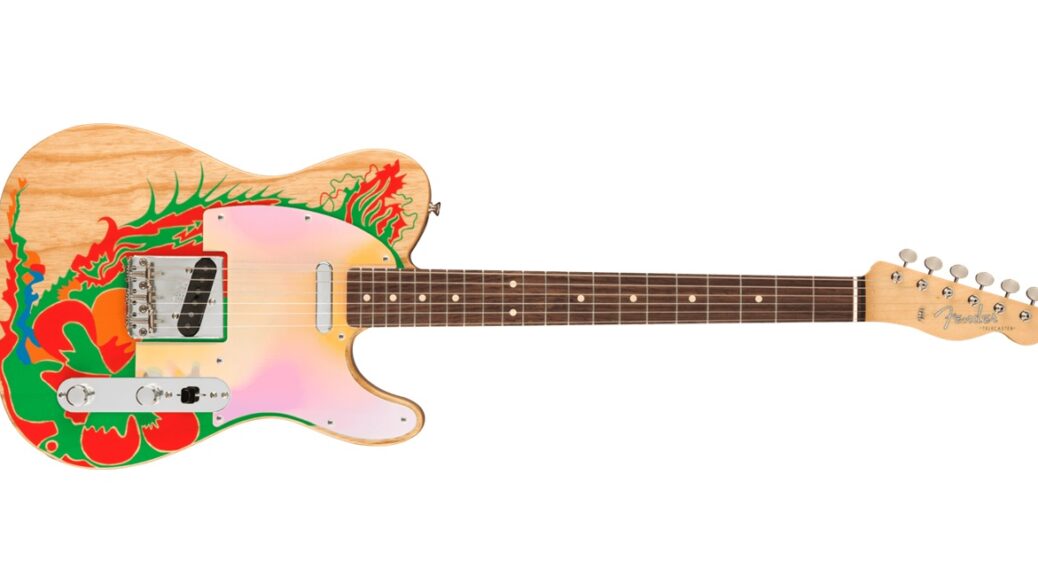
“When it first came on the horizon that The Metropolitan Museum of Art would have a feature exhibit celebrating the instruments of Rock & Roll, I was more than happy to loan a number of my most important guitars, amplifiers, effects, and even costumes. I was particularly excited to display my Telecaster—which I had hand-painted myself. As a student in art college, I never would have imagined that one of my paintings would find its way into one of the most prestigious art museums in the world!

My hope was that, by loaning my instruments, others would join in this celebration and lend their instruments as well. As it turned out, everyone was inspired and loaned an incredible array of musical instruments for this exhibition, which would become known as Play It Loud: Instruments of Rock & Roll.

The exhibit exceeded everyone’s expectations in terms of attendance as people traveled from around the world to enjoy this unique experience. This was a true win-win situation for everybody, including the guitars in general.

As a result of this incredible exhibition, I have now been made aware that The Met is building a permanent gallery to celebrate the American guitar. To know that there is so much passion behind this project is thrilling. I would like to take my hat off to the people who have been behind this—and to The Met for its dedication to construct something that is going to be of such great importance for generations to come. An inspirational arena for people old and young alike.

I am most curious to see how the young people are going to expand the guitar in the future. This gallery will truly be an epicenter and inspiration for the celebration of the guitar.”
For the Silo, Meryl Cates, Ann Bailis.

Featured image– Jimmy Page reproduction via Fender of his original hand painted Telecaster.

Canadian Doc Producer Gifts The Met Key Inuit Prints

The Metropolitan Museum of Art to Receive Major Gift of Relief Prints by renowned Inuit printmakers from René Balcer and Carolyn Hsu-Balcer.

(New York, March, 2025)—The Metropolitan Museum of Art announced today the landmark gift of the René Balcer and Carolyn Hsu-Balcer Inuit Print Collection, which features over 500 relief prints by renowned Inuit printmakers from multiple regions across Nunavut and Nunavik, the semiautonomous Arctic homeland of Canada’s Inuit population. This important collection, gifted to The Met by René Balcer and Carolyn Hsu-Balcer, is among the strongest examples of Inuit graphic art in the United States. With works ranging from the mid-1940s to the present day, it includes major works by some of the most influential Indigenous women artists in history and will significantly enhance The Met’s collections of Inuit objects. The Balcer Collection represents diverse Inuit printmaking methods, including sealskin and paper stencils; monoprints; and carved stone, or stone-cuts, on paper, and features imagery of birds, animals, Inuit peoples, transformative figures, dreams, cosmologies, and hunting scenes.

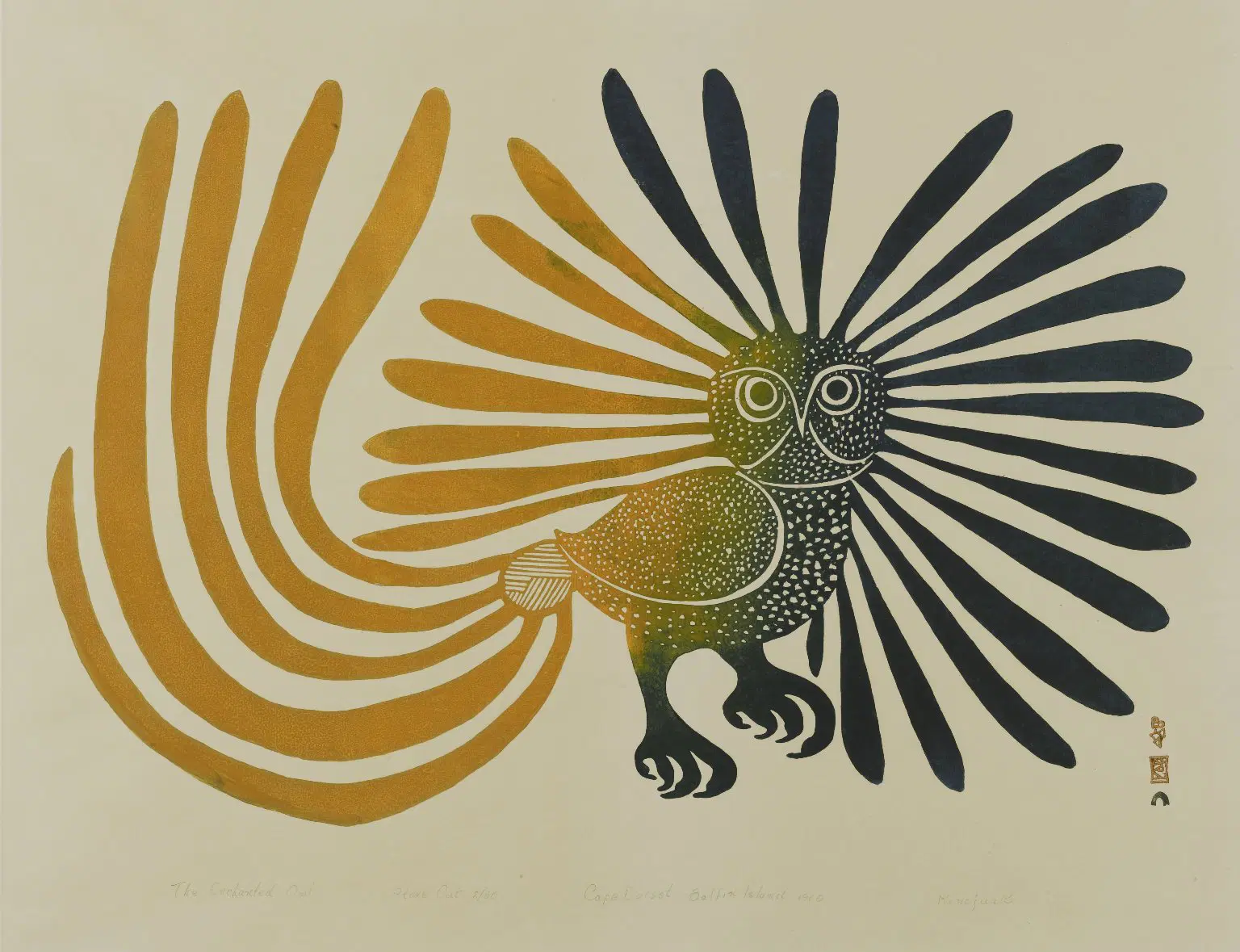
Kenojuak Ashevak’s drawings and prints feature fantastical creatures and bold colors and forms. This captivating image of an arctic owl was among the first prints produced by the West Baffin Eskimo Cooperative. It quickly became a Canadian icon, and in 1970 the print was chosen for the country’s commemorative stamp.

Kenojuak Ashevak Inuit, 1927–2013. The Enchanted Owl, 1960. Stone cut on paper, Sheet: 21 1/8 x 26 in. (53.7 x 66 cm). Brooklyn Museum, Gift of George Klauber, 1998.122. © artist or artist’s estate (Photo: Brooklyn Museum, 1998.122_PS1.jpg)


“We are deeply grateful to René Balcer and Carolyn Hsu-Balcer for this extraordinary gift, which is a leading collection of Inuit masterworks in a U.S. museum,” said Max Hollein, The Met’s Marina Kellen French Director and Chief Executive Officer. “Mr. and Mrs. Balcer’s dedication to the support of Inuit artists is evident in this magnificent and comprehensive collection that celebrates the remarkable artistry of Native and Indigenous individuals and communities, and we are thrilled to be able to share these prints with visitors in our American Wing galleries.”

René Balcer began collecting Inuit art in Montreal, Canada, in the late 1970s. The René Balcer and Carolyn Hsu-Balcer Inuit Print Collection highlights the famous artists’ collective and printmaking studio at Baffin Island’s Cape Dorset, the source of Inuit printmaking that was established in the 1950s. The original artists working at Cape Dorset collectively identified as the West Baffin Eskimo Co-operative, and in 1960 they released their first official catalogued collection of 41 prints to great critical acclaim. The René Balcer and Carolyn Hsu-Balcer Inuit Print Collection includes some of the most celebrated Inuit artists associated with the collective, such as Jessie Oonark (1906–1985) and Kenojuak Ashevak (1927–2013), whose print The Enchanted Owl (1960) was featured on a commemorative Canadian postal stamp in 1970 and was on view in The Met exhibition A Decade on Paper: Recent Acquisitions, 20142024(August 26, 2024–February 23, 2025). Looking ahead, select works in the Balcer Collection will be included as part of ongoing annual rotations in the Art of Native America installation in the Museum’s American Wing.

“This is an aesthetically and culturally significant gift, and it has been an absolute pleasure to work with René Balcer and Carolyn Hsu-Balcer in our mutual goal to more strongly represent Inuit artists in The Met collection,” said Patricia Marroquin Norby (P’ urhépecha), Associate Curator of Native American Art in the American Wing. “The arrival of this beautifully curated collection aligns with our departmental vision to prioritize previously underrepresented artists and the presence, voices, and experiences of peoples and communities who have contributed greatly to our cultural and national identities. We look forward to collaborating with Inuit communities and individual artists to highlight these works in our galleries and programming.”

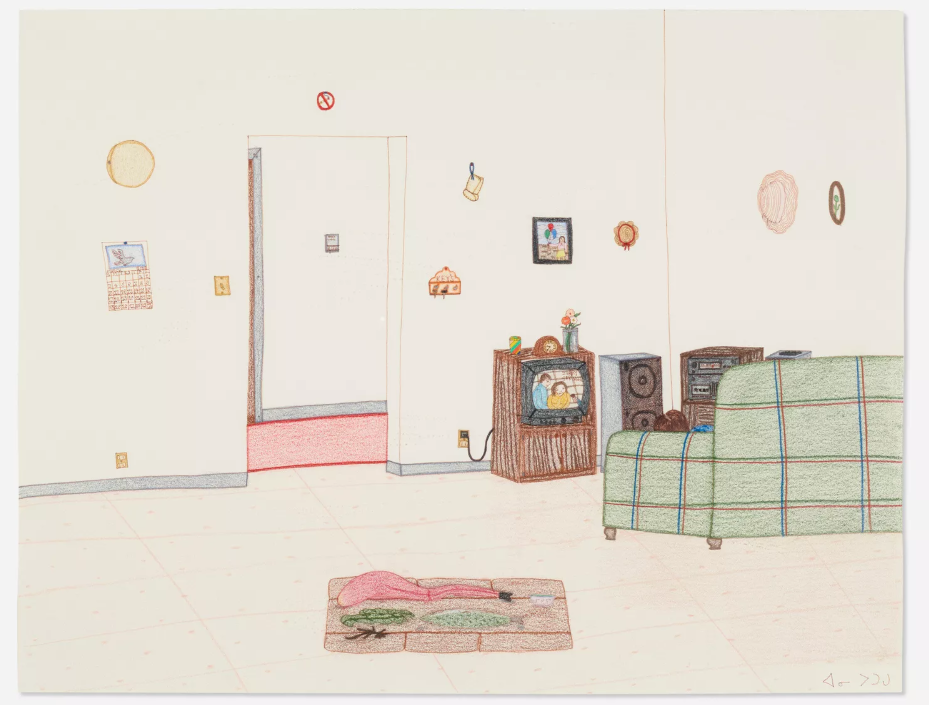
René Balcer and Carolyn Hsu-Balcer said, “One of the greatest challenges the Inuit face vis-à-vis the southern world is invisibility. At best, the Inuit and their brethren in the Circumpolar region are an abstraction to the rest of the world, glimpsed mostly through the distorted lens of pop history. At worst, the reaction the Inuit get when meeting non-Indigenous people is, ‘Oh, I thought you all died off years ago.’ It is our modest hope that this collection will demonstrate that the Inuit and their culture are very much alive and very much engaged in the modern world (to wit, see the following image of Annie Pootoogook’s Watching Jerry Springer from 2003). My wife, Carolyn, and I are very grateful to The Met for accepting the collection and committing its vast resources and reach to showcase to the world the creative brilliance, wisdom, and humor of Inuit artists.”


About René Balcer and Carolyn Hsu-Balcer

René Balcer is an Emmy-winning writer, producer, and creator of critically acclaimed TV series and documentaries. René’s engagement with the Canadian North began as a teenager working in lumber mills, hydro projects, and construction on airstrips in remote communities, often alongside First Nations and Inuit coworkers.

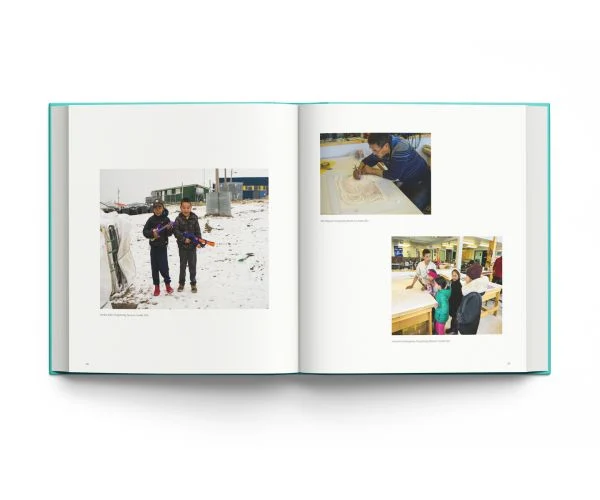
Among other artistic endeavors across North America and Asia, René and Carolyn recently organized and participated in a multiyear artist’s residency with Chinese artist Wu Jian’an and Inuit artists at the Uqqurmiut Centre for Arts and Crafts in Pangnirtung, Nunavut, and with renowned artists Shuvinai Ashoona, Ningiukulu Teevee, and Qavavau Manumie at Kinngait Studios (Cape Dorset). René’s poignant photographs of the Arctic have been featured in gallery exhibitions in New York and appear in his recently published portfolio, Seeing As (ACC Art Books UK). For the Silo, Meryl Cates/ The Metropolitan Museum of Art.
(above) Sample pages from Rene’s “Seeing As” Artbook

About The Met

The Metropolitan Museum of Art was founded in 1870 by a group of American citizens—businessmen and financiers as well as leading artists and thinkers of the day—who wanted to create a museum to bring art and art education to the American people. Today, The Met displays tens of thousands of objects covering 5,000 years of art from around the world for everyone to experience and enjoy. The Museum lives in two iconic sites in New York City—The Met Fifth Avenue and The Met Cloisters. Millions of people also take part in The Met experience online. Since its founding, The Met has always aspired to be more than a treasury of rare and beautiful objects. Every day, art comes alive in the Museum’s galleries and through its exhibitions and events, revealing both new ideas and unexpected connections across time and across cultures.
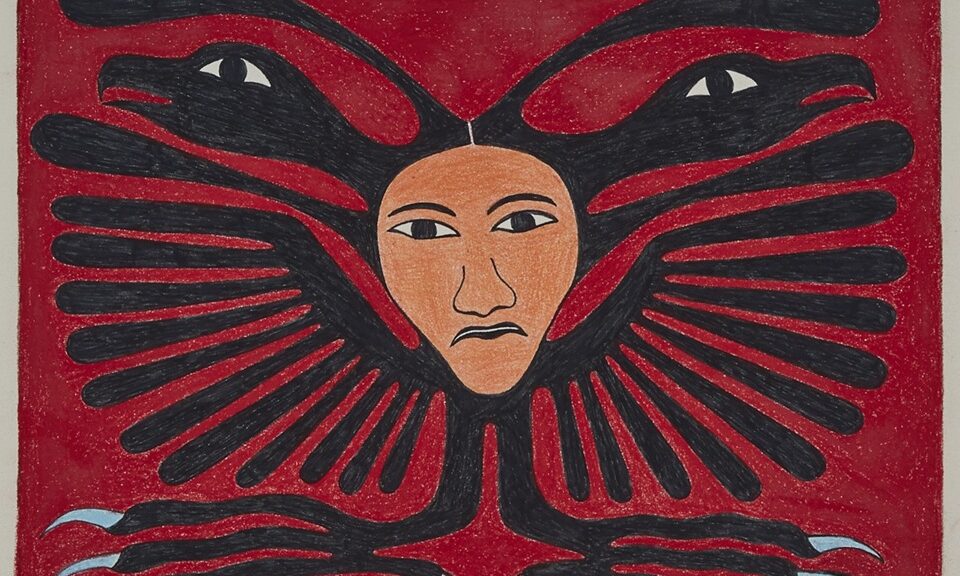
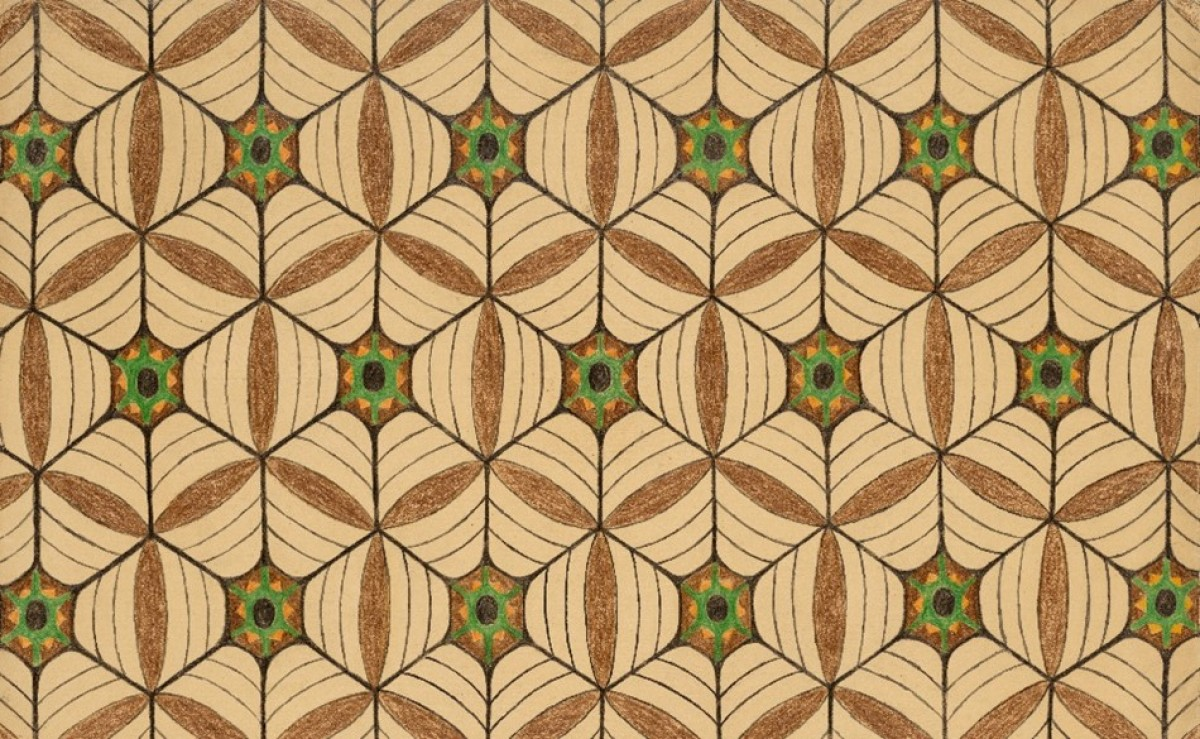
Feature Image: Kenojuak Ashevak. “Untitled (red woman/birds/wings/feet),”Drawing, pencil and ink 10x14in, 25.4×35.6 cm. Waddington, 9/18/20. René Balcer and Carolyn Hsu-Balcer Collection, Gift of René Balcer and Carolyn Hsu-Balcer, 2024
Kenojuak Ashevak. “Untitled (red woman/birds/wings/feet),”Drawing, pencil and ink 10x14in, 25.4×35.6 cm. Waddington, 9/18/20. René Balcer and Carolyn Hsu-Balcer Collection, Gift of René Balcer and Carolyn Hsu-Balcer, 2024

Mandalas- Buddhist Art Of Tibet Coming To The Met

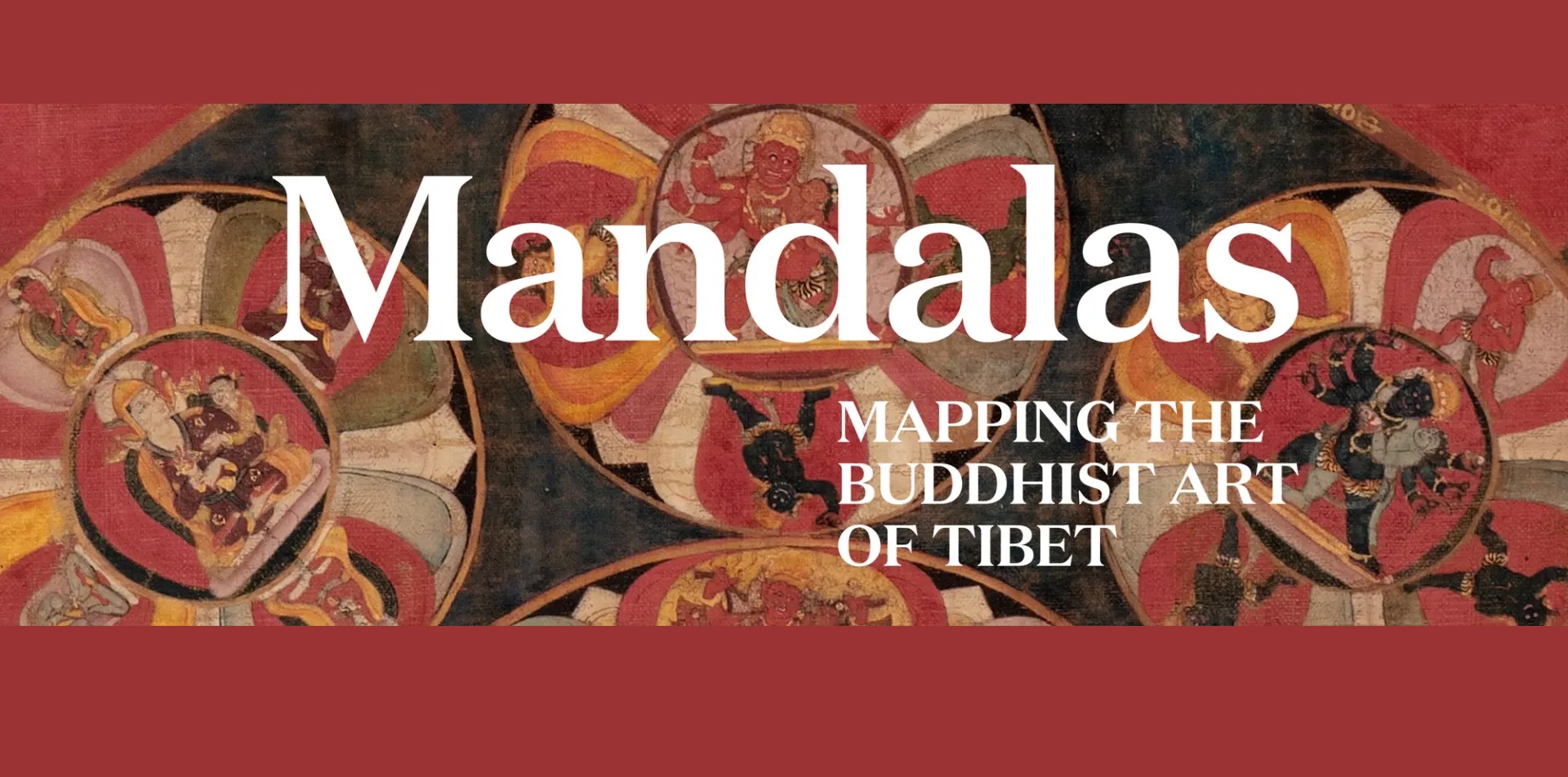
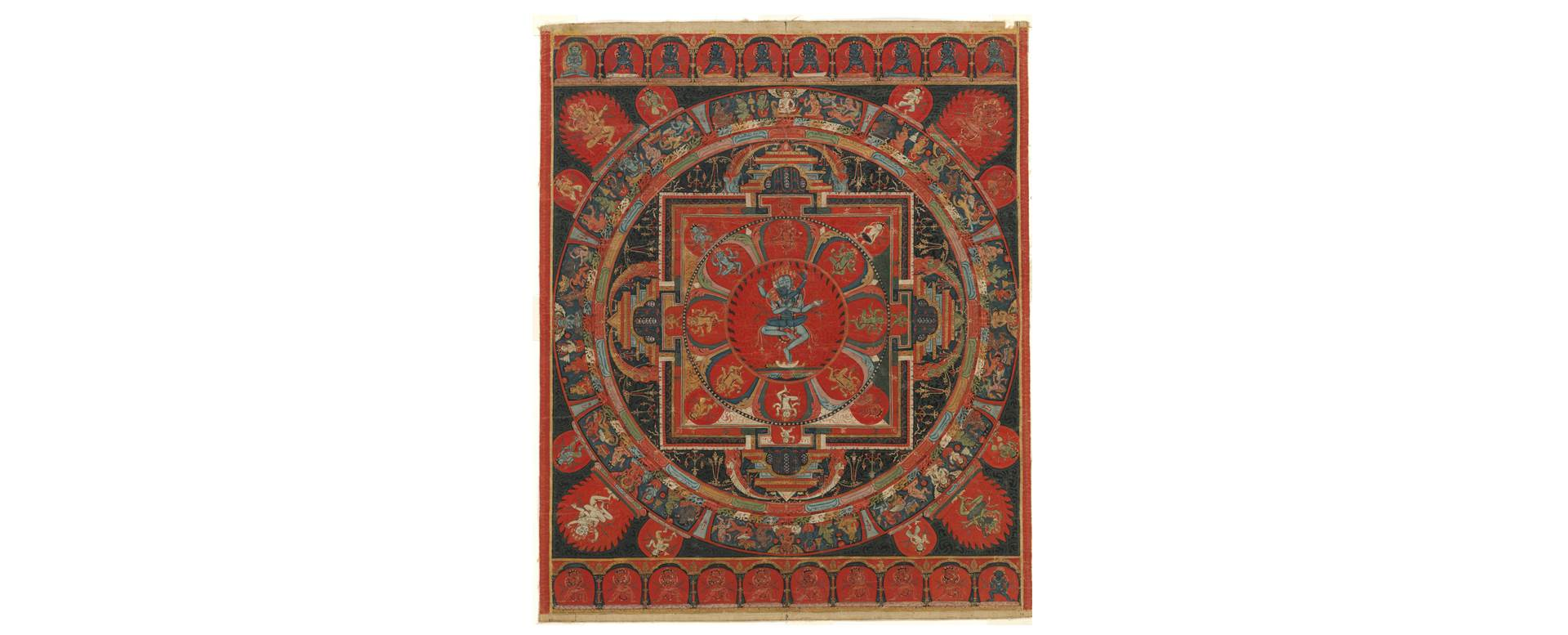
A mandala is a diagram of the universe—a map of true reality that in Tibet is used to conceptualize a rapid path to enlightenment.

September 19, 2024–January 12, 2025

Upcoming at The Met Fifth Avenue in Galleries 963–965

This exhibition explores the imagery of the Himalayan Buddhist devotional art through over 100 paintings, sculptures, textiles, instruments, and an array of ritual objects, mostly dating between the 12th and 15th centuries.

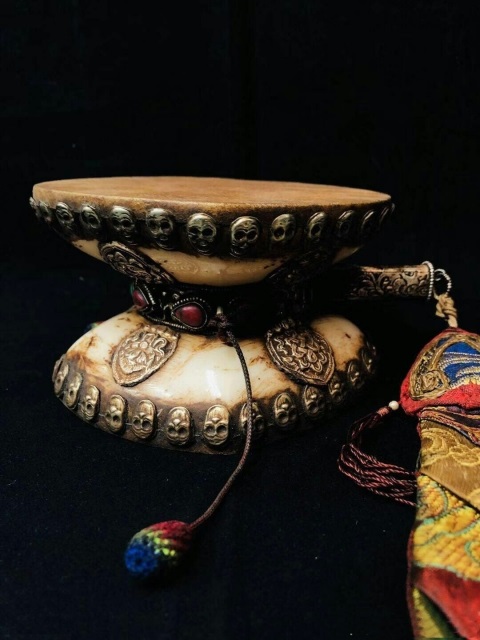
“Tibetan Dharma drum, one of the eight dharma instruments of Tibetan Buddhism, is one of the dharma instruments in Tibetan Buddhism. There are many kinds of dharma instruments, such as big drum, bronze drum, waist drum, crank drum, jie drum and gapala drum. Mainly used in buddhist celebrations, religious festivals, living Buddha sitting on the bed, kaiguang ceremony and other major festive activities. The drum hammer of a crank drum is bent, like a bow.

The drum is about one meter in diameter. When chanting, the lama holds the drum handle in his left hand and hits the accompaniment with a crank drum hammer in his right hand. Kala drum, also known as “zama ru” in Tibetan, is made of wood, ivory and human skulls. The falbala is played with the diamond bell.” rugrabbit.com

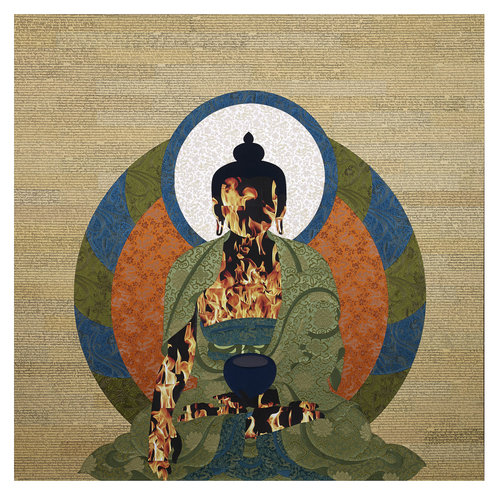
This dazzling visual experience provides a roadmap for understanding Himalayan Buddhist worship through early masterworks, juxtaposed with a newly commissioned contemporary installation by Tibetan artist Tenzing Rigdol.

From emmanuelgallery.org- “Tenzing Rigdol’s imposing buddha silhouettes greet the viewer in their recognizable cross-legged seated positions—a posture often associated with meditation and peace—and with a stunning visual effect enhanced by the use of silks and fire imagery. The work brings vivid colors and interesting patterns to the eye, but the fires seemingly emerging from the bodies of the buddhas are also direct acknowledgements of the 155 Tibetans who have self-immolated since February 27, 2009.
In an ultimate act of sacrifice, these Tibetans set themselves on fire with the hope of bringing attention to the oppression currently faced by their society under the laws of the Chinese government. And yet, the buddhas seem peaceful, even welcoming in their balanced postures, their calming presences perfectly harmonized by an artist well-versed in representing both destruction and construction.

The contradictions on display are meant to challenge the viewer. They are simultaneously safe and subversive: beautiful to look at, devastating to comprehend. They are emblematic of this ambitious imagery created by Tenzing Rigdol, a Tibetan artist who has never set foot in Tibet.”

The Met exhibition is made possible by the Placido Arango Fund and Lilly Endowment Inc.

Additional support is provided by the Florence and Herbert Irving Fund for Asian Art Exhibitions and the E. Rhodes and Leona B. Carpenter Foundation.

Mid Century Native American Artist Mary Sully At The Met

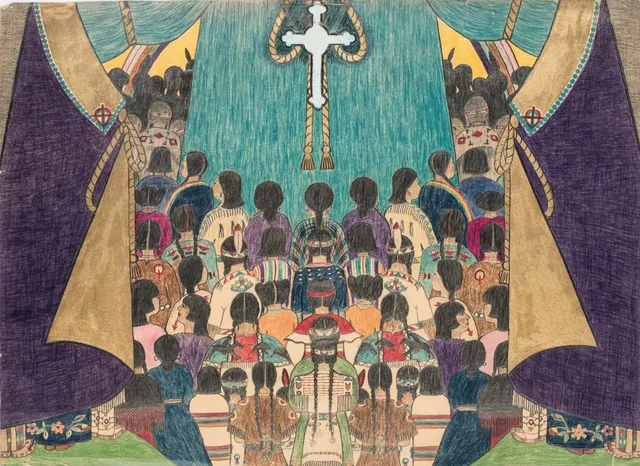
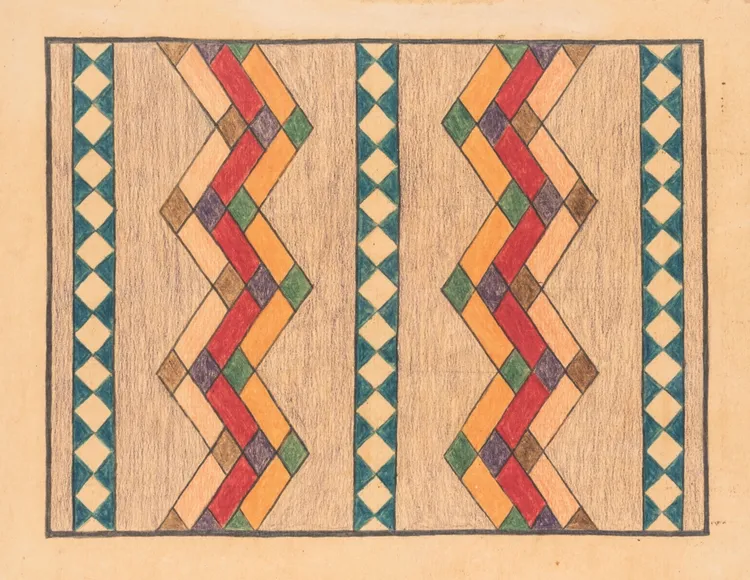
(New York, July, 2024)—This summer, The Metropolitan Museum of Art will present the exhibition Mary Sully: Native Modern, opening July 18, 2024. Born Susan Mabel Deloria on the Standing Rock Reservation in South Dakota, Mary Sully (1896–1963) was a little-known, reclusive Yankton Dakota artist who, between the 1920s and 1940s, produced highly distinctive work informed by her Native American and settler ancestry. The exhibition is part of The American Wing at 100, a series of gallery reinstallations and exhibitions marking the wing’s 2024 centennial.
Image: Mary Sully (Dakota, 1896–1963). Alice (detail), ca. 1920s–40s. The Metropolitan Museum of Art, New York, Purchase, Morris K. Jesup Fund and funds from various donors, 2023

The exhibition is made possible by the Barrie A. and Deedee Wigmore Foundation.

“This compelling exhibition celebrates how Mary Sully’s cultural sensibilities influenced her unconventional body of work,” said Max Hollein, The Met’s Marina Kellen French Director and Chief Executive Officer. “Sully translated her life and experiences into a unique graphic language, culminating in an intensely creative perspective from which to consider Indigenous cultures and imagery.”

This first solo exhibition of Sully’s groundbreaking production highlights recent Met acquisitions and loans from the Mary Sully Foundation, works that call into question traditional notions of Native American and modern art.

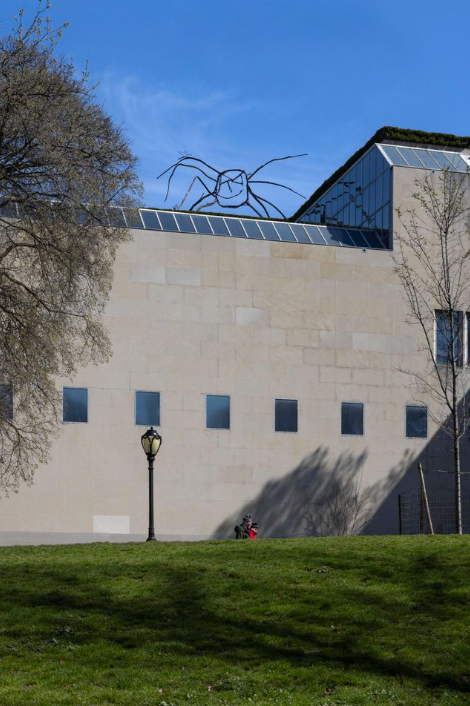
The Met Fifth Avenue. 82nd Street New York, NY, 10028

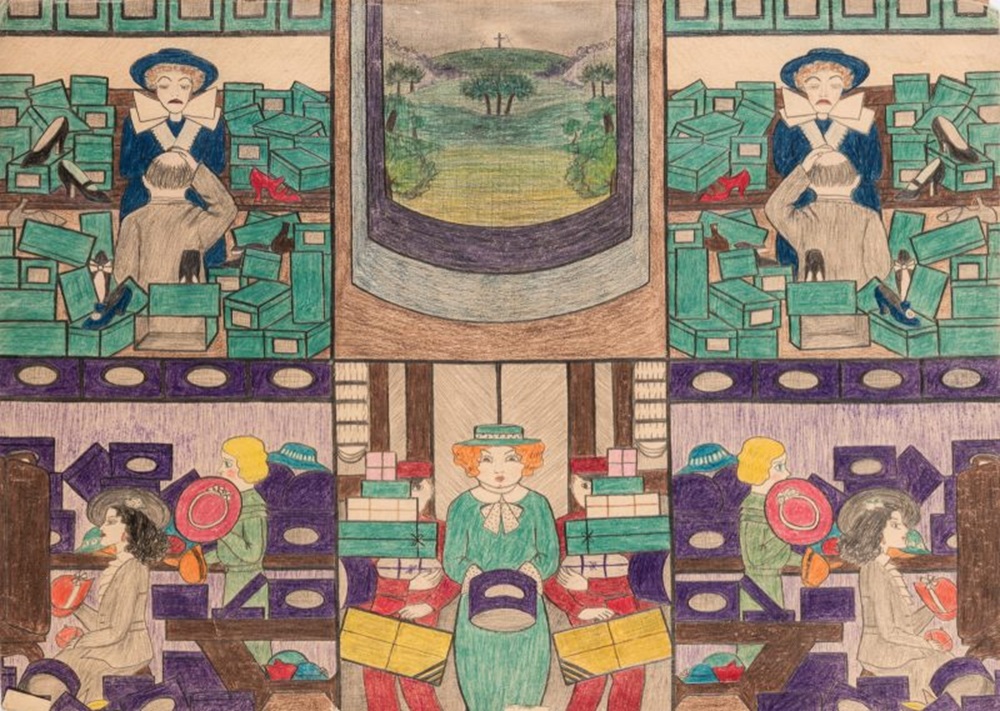
Working without patronage, in near obscurity, and largely self-taught, Sully produced approximately 200 intricately designed and vividly colored drawings in colored pencil, graphite, and ink on paper that captured meaningful aspects of her Dakota community mixed with visual elements observed from other Native nations and the aesthetics of urban life. Euro-American celebrities from popular culture, politics, and religion inspired some of her most striking works, which she called “personality prints”—abstract portraits arranged as vertical triptychs.
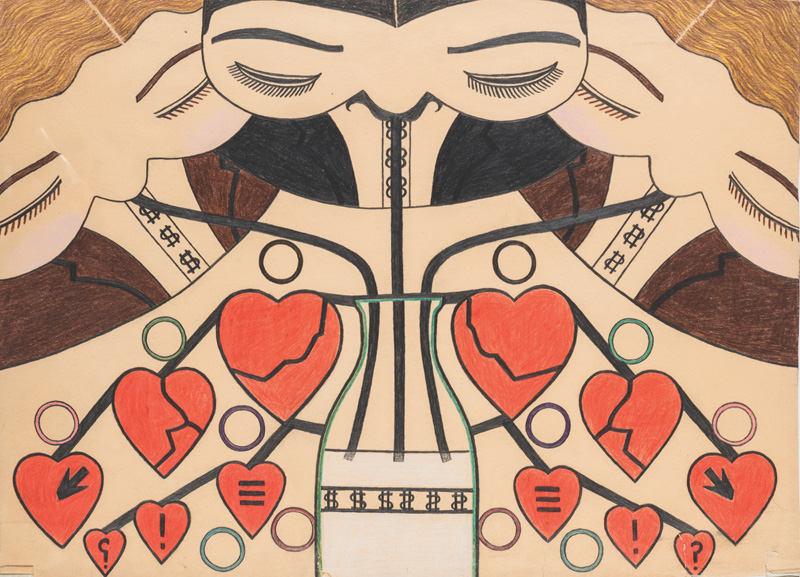
Panel from Titled Husbands in the USA by Mary Sully (1896–1963), 1927–1945. Colored pencil on paper, 12 7/8  by 18 inches. None of Sully’s pieces are dated, but it is estimated that they were all created between 1927 and 1945. Except as noted, all objects illustrated are in the collection of Philip J. Deloria. via themagazineantiques.com

Featuring 25 rarely seen Sully compositions—primarily her “personality prints”—as well as archival family material and other Native American items from The Met collection, the exhibition offers a fresh and nuanced lens through which to consider American art and life in the early 20th century. 

Sylvia Yount, Lawrence A. Fleischman Curator in Charge of the American Wing, said: “We’re thrilled to present Mary Sully: Native Modern as a special feature of the department’s 100th anniversary in 2024. Born of particular Native and Euro-American cultural entanglements, Sully’s work is highly relevant and resonant for the American Wing, The Met’s historic department of a broadly defined American art by diverse makers, with a deepening concentration of work by women and artists of color.”

Portion of Mary Sully’s The Indian Church (around 1938-45)Collection of Philip J. Deloria

Bottom of Sully’s The Indian Church (c. 1938-45)© Collection of Philip J. Deloria via theartnewspaper.com

About Mary Sully

As a great-granddaughter of the successful 19th-century portraitist Thomas Sully (1783–1872), Susan Deloria expressly adopted the name of her mother, Mary Sully (1858–1916), daughter of Alfred Sully (1820–1879) and the Dakota woman Susan Pehandutawin (dates unknown), an artist in her own right. Deloria grew up in a distinguished family of Dakota leaders. Her sister Ella Cara Deloria (1889–1971), with whom she primarily lived, was a linguistic ethnographer trained by the esteemed Columbia University anthropologist Franz Boas. Her nephew, Vine Deloria, Jr. (1933–2005), was an author, theologian, historian, and activist for Native American rights. And her great-nephew, historian Philip J. Deloria, is the author of Becoming Mary Sully: Toward an American Indian Abstract (University of Washington Press, 2019), the only scholarly investigation of her art and life.

Related Presentation in Art of Native America Installation

In late June, the American Wing unveiled a new rotation of works by Native American artists focusing on intergenerational knowledge and their critical role as knowledge keepers. These include recent acquisitions by contemporary basket makers Jeremy Frey (Passamaquoddy) and Theresa Secord (Penobscot), in addition to painter Rabbett Strickland (Red Cliff Ojibwe).

Credits and Related Content

Mary Sully: Native Modern is curated by Patricia Marroquin Norby (P’urhépecha), Associate Curator of Native American Art, and Sylvia Yount, Lawrence A. Fleischman Curator in Charge of the American Wing.

The exhibition is conceived in partnership with the Mary Sully Foundation and the Minneapolis Institute of Art.

Featured imageMary Sully, “Good Friday” From Philip J. Deloria, “Becoming Mary Sully; Toward an American Indian abstract” (Seattle, University of Washington Press: 2019) ISBN 978-0-295-74504-6. Courtesy University of Washington Press.

The Met Roof Garden Commission-Petrit Halilaj

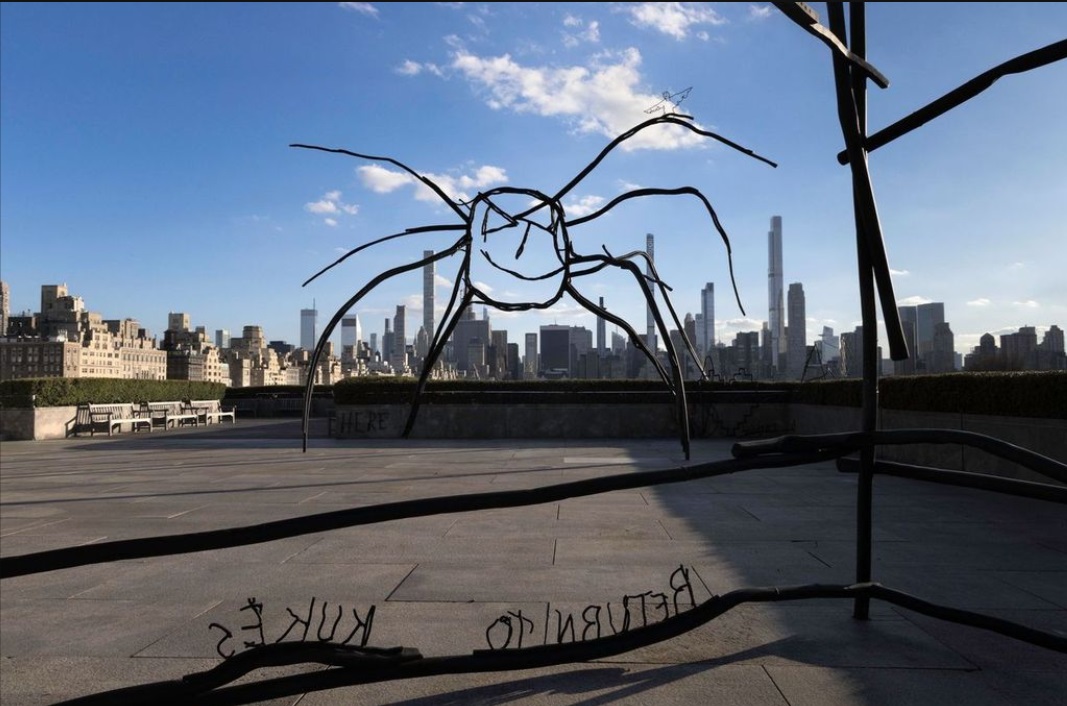
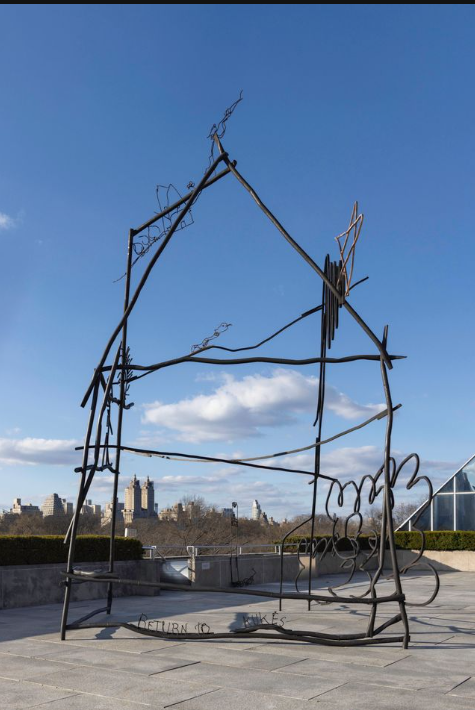
Abetare Petrit Halilaj (born Kosovo, 1986) is known for immersive installations that express a desire to alter the course of personal and collective histories, creating complex artistic worlds that claim space for freedom, intimacy, and identity. Halilaj was inspired by children’s doodles, drawings, and scribblings found on desks at the school he attended in Runik, Kosovo.

For The Met commission, he expanded his research to other schools in Albania and countries from the former Yugoslavia, which are now undergoing significant cultural and sociopolitical change. Furtive drawings from kids’ desks have been enlarged into three-dimensional metal sculptures, each retaining the trace of the original. Together, they bring to public view the collective memory and imaginative power of generations of students whose lives were marked by traumatic conflicts and territorial divisions.

Kosovo experienced the last of a series of wars in the Balkan region in the 1990s, during which many children were denied access to education on ideological grounds. Abetare borrows its title from the book the artist and his peers used to learn the alphabet at school, each letter linked to a lesson in pictures and text. In Abetare, culturally specific references to different political ideologies, religions, and local heroes coexist with more universal symbols and playful nods to pop culture, art history, and sports.

Spread around The Iris and B. Gerald Cantor Roof Garden, the “drawings in space” merge with the surrounding architecture and landscape to create a multi vocal scenography with an open-ended narrative. A celebration of the shared impulse for personal expression and mark making, Abetare is an opportunity for discovery and an invitation to expand our capacity to imagine transformative futures. For the Silo, Alexandra Kozlakowski.

#CantorRoof #MetPetritHalilaj Exhibition Dates: running now until–October 27,2024 Exhibition Location: The Met Fifth Avenue The Iris and B. Gerald Cantor Roof Garden, Gallery 926

The Met Acquires Monumental Tiffany Window

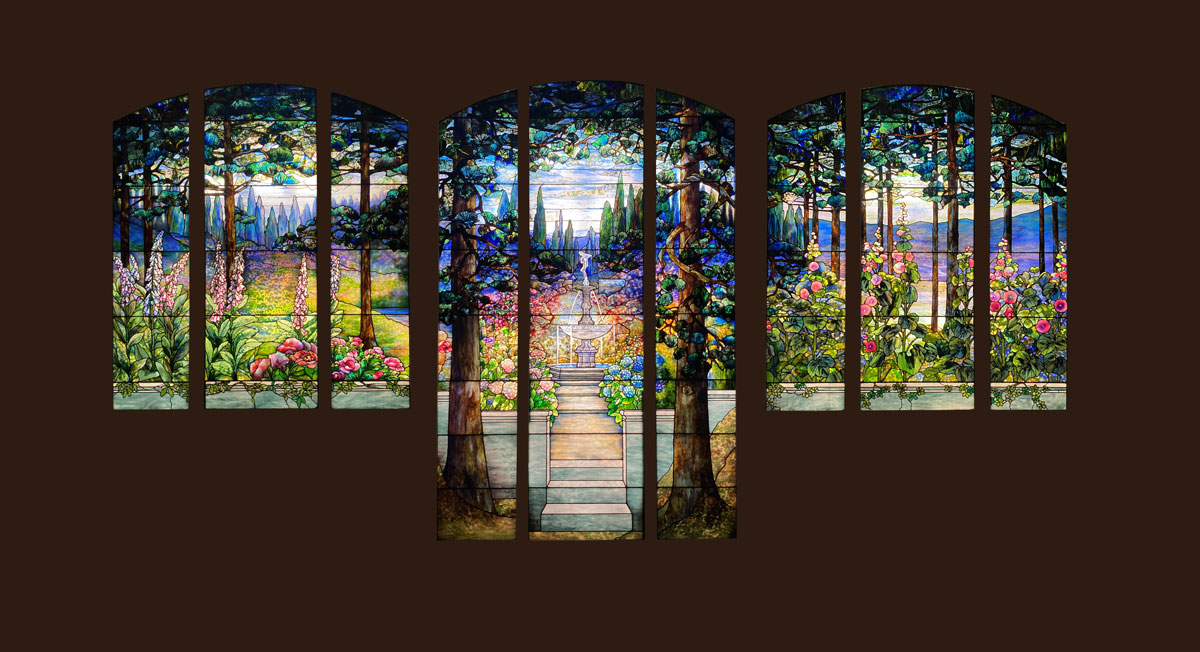
(New York, December, 2023)—The Metropolitan Museum of Art has announced the acquisition of a monumental Tiffany three-part window, Garden Landscape. The window—over ten feet wide and nearly seven feet tall—was designed by Agnes Northrop in the studios of Louis Comfort Tiffany, the attribution of which is based on a signed design drawing for the center panel that resides in The Met collection.

As part of the Museum’s American Wing 100th anniversary, the window will be installed in the Charles Engelhard Court in November 2024. The window will be dramatically framed by the columns from Laurelton Hall, Tiffany’s Long Island country estate.

The acquisition is made possible by Alan Gerry Gift; 2023 Benefit Fund; Louis V. Bell, Harris Brisbane Dick, Fletcher, and Rogers Funds and Joseph Pulitzer Bequest; funds and gifts from various donors, by exchange; Ronald S. Kane Bequest, in memory of Berry B. Tracy; Lila Acheson Wallace, several members of The Chairman’s Council, The Erving and Joyce Wolf Foundation, Martha J. Fleischman, Elizabeth J. and Paul De Rosa, Women and the Critical Eye, Mr. and Mrs. Richard Lockwood Chilton Jr., Cheryl and Blair Effron, The Felicia Fund, Julie and James Alexandre, Elizabeth and Richard Miller, Anonymous, John and Margaret Ruttenberg, and The Gerald H. Ruttenberg Foundation Gifts.

Max Hollein, The Met’s Marina Kellen French Director and CEO, said: “This stunning work of art is an extraordinary example of the transformational creativity of Agnes Northrop and Tiffany Studios. Magnificent in concept and execution and more than grand in size, it deepens the American Wing’s Tiffany holdings and will enhance the already stunning Engelhard Court with a powerful, immersive viewing experience.”

Sylvia Yount, Lawrence A. Fleischman Curator in Charge of the American Wing at The Met, said: “Northrop’s remarkable environmental work further strengthens our representation of women artists in the American Wing and allows us to share broader stories of early-20th-century culture with our visitors.”

The window was originally commissioned by Sarah Cochran, Pittsburgh businesswoman and philanthropist, for Linden Hall, the grand Tudor-Revival estate she had built in 1912 in Dawson, Pennsylvania. She personally requested the subject of the window, which represents a lush landscape and garden suggestive of her own at the estate. Placed on the stair landing of the house, the window enticed the viewer up marble steps and offered a long vista through tall, majestic pines flanking a central fountain amidst profuse flowers—pink and blue hydrangeas, poppies, and nasturtiums. The two side panels depict, on the left, foxglove and peonies, and on the right, hollyhocks, exquisitely rendered in glass. These were subjects favored by Northrop and American Impressionist painters.

Northrop was one of the most important designers in Tiffany’s employ and his preeminent woman designer. In a field dominated by men, Northrop established herself as one of the leading designers of windows, and was recognized for her work by winning a prestigious award at the Exposition Universelle in Paris in 1900. She helps shed light on the critical and often unrecognized role played by women in the art of Louis Comfort Tiffany. Northrop and Tiffany pioneered new landscape and garden subject matter for stained glass, and the window reveals Northrop’s careful observations of nature and her gift for translating it into glass.

Alice Cooney Frelinghuysen, Anthony W. and Lulu C. Wang Curator of American Decorative Arts, said: “This extraordinary evocation of a garden landscape is Northrop’s masterpiece. Made during the height of Louis Tiffany’s career, it was conceived, commissioned, and crafted by women. Featuring flowers in bloom from spring through summer, seen in the enigmatic light of approaching twilight, the window presents a luxuriant garden perennially in bloom.”

Tiffany’s opalescent glass shares a zeitgeist with American Impressionism, merging imagery with chromatic light. Northrop exploited the varied textures, lush colors, and light effects that were only possible with Tiffany’s special Favrile glass made at his furnaces in Corona, Queens, utilizing especially innovative and unusual techniques, some unique in a stained-glass window. The ingenious selection of the glass as well as the cutting of the glass into often thousands of pieces of almost impossible shapes was done by Tiffany’s skilled artisans, who were also largely women. Tiffany deemed the Linden Hall window of such note that he put it on public view in his New York showroom before shipping it to Cochran’s Pennsylvania home.
Featured image: Image: Three-part Garden Landscape window for Linden Hall, Designed by Agnes F. Northrop (1857–1953), Tiffany Studios (1902–32), New York, 1912. Leaded Favrile glass. 124 × 82 inches; 88 3/4 × 81 5/8 inches; 88 3/4 × 81 5/8 inches; center panel: 124 × 82 in. (315 × 208.3 cm); side panels: 88 3/4 × 81 5/8 in. (225.4 × 207.3 cm)

New York Metropolitan Museum of Art Announces 2023 Exhibitions

(New York, June, 2023)—The Metropolitan Museum of Art announced today its upcoming summer and fall exhibitions along with new live arts performances and summer initiatives, including the return of the bike valet program, ongoing date night offerings, and more.

“The stories we tell at The Metropolitan Museum of Art are ever expanding,” said Max Hollein, Marina Kellen French Director of The Met. “Through groundbreaking exhibitions, compelling displays, and powerful performances and programs, this upcoming season is sure to delight, inspire, and engage audiences from near and far.”

Highlights of The Met’s summer exhibitions include: Grounded in Clay: The Spirit of Pueblo Pottery(opening July 14), a presentation of Pueblo Indian pottery and the first community-curated Native American exhibition in the history of The Met;Tree & Serpent: Early Buddhist Art in India, 200 BCE–400 CE (opening July 21), featuring never before publicly exhibited masterpieces that trace the aesthetic impact of the religion on Indian art; Art for the Millions: American Culture and Politics in the 1930s(opening September 7), surveying how artists searched for cultural identity during a decade of political and social upheaval in the United States; The Facade Commission: Nairy Baghramian, Scratching the Back(opening September 7), the fourth in a series of contemporary commissions for The Met’s facade and the artist’s first public installation in New York City; and Picasso: A Cubist Commission in Brooklyn (opening September 14), a focused exhibition dedicated to a captivating, but lesser-known chapter of the artist’s Cubist period. It will bring together for the first time six paintings linked to Picasso’s unrealized decorative commission for the Brooklyn residence of artist, collector, and critic Hamilton Easter Field (1873–1922).

Fall season highlights include: Manet/Degas (opening September 24), the first major exhibition examining one of the most significant artistic dialogues in the genesis of modern art; The Great Hall Commission: Jacolby Satterwhite, A Metta Prayer(opening October 2) an immersive multi-channel video installation and a series of performances that will transform the Museum’s iconic Great Hall; Vertigo of Color: Matisse, Derain, and the Origins of Fauvism (opening October 13), exploring how the artists manipulated and experimented with color to create a new artistic vocabulary; Proof: Maxime Du Camp’s Photographs of the Eastern Mediterranean (opening October 23), the first exhibition to focus on The Met’s rare collection of photographs made by Du Camp in advance of his landmark 1852 book, Egypte, Nubie, Palestine et Syrie; and Lineages: Korean Art at The Met (opening November 7), which will celebrate the 25th anniversary of the Museum’s Arts of Korea gallery with a collection of works tracing the history of Korean art.

Additionally, Africa & Byzantium (opening November 19), a major exhibition of nearly 200 works that explores the tradition of Byzantine art and culture in Africa from the 4th through the 15th century and beyond, will be presented at The Met Fifth Avenue through March 3, 2024, and feature many international loans being exhibited in the United States for the first time.

On November 20, 45 galleries dedicated to European Paintings, 1300–1800 will reopen, following the completion of an extensive skylights renovation project that began in 2018. The major reinstallation will highlight fresh narratives and dialogues among more than 700 works of art from the Museum’s world-famous holdings.

The 2023–24 season of MetLiveArts will include music, dance, and theatricalized culinary experiences that will invite deeper connections and make powerful observations about relevant cultural narratives as well as the Museum itself.

Upcoming public programs include Short Films for Short Nights, screenings of early video art accompanied by live music (July 7-9); the grand opening of the 81st Street Studio, a new children’s library and multipurpose active learning center (opening September 9); and the return of MetFest, the Museum’s community-wide block party (October 21).

The Museum also announced a continuing tradition of the summer season: the return of its popular bike valet program, which will be offered on Saturdays, Sundays, and select holidays through Labor Day (September 4). Guests visiting the Museum, regardless of transportation method, have the opportunity to experience The Met’s current blockbuster exhibition program, including Karl Lagerfeld: A Line of Beauty(through July 16), with extended viewing hours until 9 p.m. on Sundays, and Van Gogh’s Cypresses (through August 27).

Why Artists Require Space Not Only To Work But To Imagine

Casting Seeds

Eiko Otake performing at Bartram’s Garden on the Schuylkill River.

“The purpose of art is washing the dust of daily life off our souls.” – Pablo Picasso

Art is an imperative. Without it we can never truly examine our own circumstances or those of the people with whom we inhabit our small planet. Left unviewed, art languishes. Left without art to view, so does humankind. There are many who recognize the gift to the world that every artist has to offer. There are many who endeavor to do whatever they can to ensure those gifts are received by a grateful public. To stifle the artist’s voice is to silently say I care little about the fate of the minds of the masses. Art is essential. It is what fills the space between the rest of the din, making sense of a chaotic universe.

Bill Arnold splits his time between New York and Western Massachusetts. Since 1974 he has had a studio in Western MA and an apartment in NY. Arnold prefers to keep a foot in both worlds. Florence, MA is a small town near Northampton where there is plenty of space and the space is affordable. New York on the other hand is extremely restrictive in that a very small amount of space is prohibitively expensive. Artists require space not only to work, Arnold says, but space for their imaginations, “space to conjure.”

And so he maintains his Western MA studio.

The work he has done in that studio over the years has been varied and prolific. Arnold has endeavored, and often succeeded in getting his work into public venues including museums. He finds it thrilling to see his work in commercial venues. The first time he experienced this was in the 1970’s when he put roughly 1,000 photographs in 25 Boston city buses. There was no indication on the outside of each bus whether there were photographs on board so passengers didn’t know which buses were galleries inside. Because of the nature of the venue, more people saw that project than visited the Met, according to Arnold. In order to fund the project, he approached multiple museums getting them to agree to fund the cost of materials for the show provided he put on exhibitions in each city where the museums were located.

Arnold was both an exhibiting artist and a curator for this project. The project was well received, with weary commuters sometimes voicing their appreciation. From there, Arnold went on to do other bus shows. The format went viral long before viral was a thing. For another show, Arnold gave images to members of the audience who then organically began sharing the images with each other. Throughout his career, Arnold has turned traditional notions of exhibition on their heads. With the advent of digital advertising, the cost of printing has plummeted. Arnold uses this to his advantage. In 2018 he printed 10,000 newspaper inserts for the Daily Hampshire Gazette. As a student photographer, Arnold was encouraged to have a camera with him at all times. To this day he follows this practice. Arnold has photographed the same spot on his travels from NYC to MA for many years.

He intends to exhibit many photographs of the same place at the Bergen Street Station. Photography is accessible to everyone, Arnold says. Because anyone can make a photograph, anyone can also view a photograph and take something away. A series of photographs depicting old cars elicited stories from viewers of all kinds about cars they remembered and loved. To hear more about Bill Arnold’s thoughts on work and life, listen to the whole interview here.

Harry Philbrick left his position as director of the museum at the Pennsylvania Academy of the Fine Arts about two years ago. He then launched his own project called Philadelphia Contemporary. The nonprofit does pop-up exhibitions and performances throughout the city. The goal is to ultimately build a permanent space where the nonprofit can become a non-collecting, collaborative space. Prior to his position at Pennslyvania Academy of the fine Arts, Philbrick was director of the Aldrich. It was there that the idea for Philadelphia Contemporary began to percolate. He began exploring the notion of partnerships. Specifically long-term, sustainable partnerships that would allow the museum a broader reach. Upon relocating to Philadelphia, Philbrick realized there was a gap in the cultural ecosystem in that there was no large scale independent contemporary art museum. Philadelphia also seemed primed for Philbrick’s model in that the cultural environment is “unusually collegial.”

The first project was a partnership with Headlong Dance.

The project was titled The Quiet Circus in which the dancers took part in a year long residency on a pier. Each week dance pieces encouraged members of the public to join in. From there Philbrick and his small team created River Charrettes, a series of four pieces also set among the changing landscape of river banks. River Charrettes was an appropriate opening for Philadelphia Contemporary. The project embodied the idea of many people from different places coming together. Since then there have been readings and other events. At the moment there are many large scale projects in the works. An expanded staff has allowed for grander visions. The process of growth has been very deliberate, carefully adhering to the founding vision of the project.

Funding for Philadelphia Contemporary comes from many places. In order to run the organization, pay staff, and plan for the future, Philbrick has had to map out a plan from all he has learned over his years in the art world. Seed capital came from individual funders who believed strongly in the mission. More recently, Philadelphia-based foundations have come on board. For Philbrick, the key to his project is pushing forward the model for a nonprofit contemporary art space. Moving forward the same model applies, starting with individual funders and moving from there to foundational support. To hear more about Philadelphia Contemporary and arts organization funding, listen to the whole interview here.

A Few Words to Keep in your Pocket: Speak your art loudly. Do not settle for its slow demise. Bring it into the light, find allies, give your gifts to the world.  For the Silo, Brainard Carey.
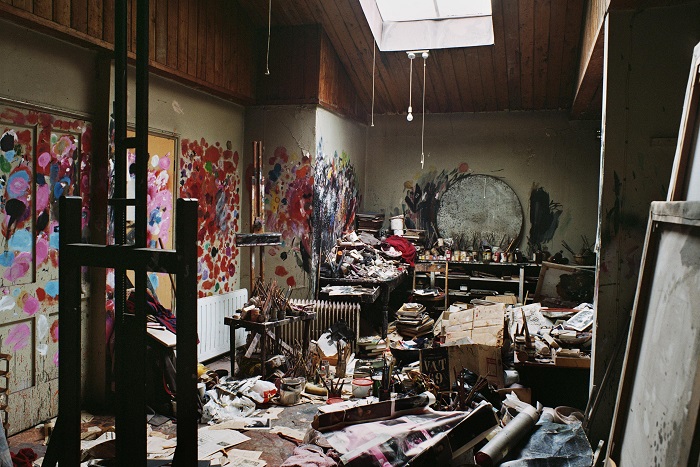
Featured image- Francis Bacon’s London studio- in its relocated home in Dublin, Ireland.

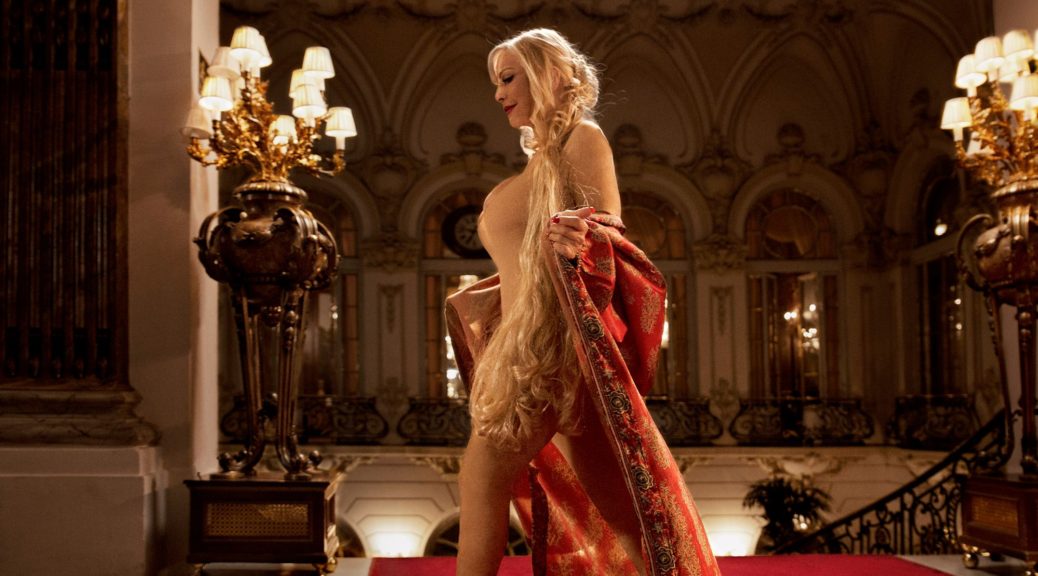
Pornhub launches guide to famous museum erotic art

Unbeknownst to many, some of the world’s best pornography doesn’t exist on Pornhub. Rather, it exists in famous museums around the world: The Louvre (France), The MET (New York City), The Prado (Spain), The Uffizi Gallery (Italy), The National Gallery (UK) and Musee d’Orsay (France), to name a few.

And with museums finally reopening around the world as pandemic restrictions are being lifted, Pornhub wanted to do its part to encourage people to enjoy every stroke of erotic art.

Pornhub is launching “Classic Nudes” to provide museum-goers with an interactive oral history of some of the most renowned erotic art in some of the world’s most famous museums. Pornhub is encouraging people to ditch those boring self-tour recordings and enjoy every single brushstroke of these erotic masterpieces with Pornhub Brand Ambassador Asa Akira.

New York – July, 2021 – Pornhub, the premier online destination for adult entertainment, today announced the launch of “Classic Nudes,” an interactive guide to discover and learn more about erotic art in some of the world’s most famous fine art museums – The Louvre (France), The MET (New York City), The Prado (Spain), The Uffizi Gallery (Italy), The National Gallery (UK) and the Musee d’Orsay (France). With museums finally reopening around the world as pandemic restrictions are being lifted, Pornhub wanted to do its part in stimulating the public to visit, explore and fall back in love (or lust) with these cultural institutions.

The public can tour each of the 6 museums  – either in person or at home – via the Classic Nudes mobile website. The online portal guides visitors past the SFW masterpieces and gets right to the good stuff: representations of the naked body in all its artistic glory. Simply visit the Classic Nudes website on your device, select your museum, follow the map, locate the artwork, and listen, read, or watch along to its curated content.

Hungarian-Italian artist and porn legend Cicciolina stars in the promotional video for Classic Nudes.  Pornhub Brand Ambassador Asa Akira serves as orator for the campaign providing an oral history of 30 erotic art pieces in this curated collection, while Pornhub amateur couple, “MySweetApple” brings 6 iconic artwork to life.

“There’s a treasure trove of erotic art around the world – depicting nudes, orgies, and more – that’s not available on Pornhub. These pre-Internet art pieces are currently sitting in museums, which we are now finally able to start visiting again as covid restrictions are starting to lift ,” said Asa Akira, Pornhub Brand Ambassador. “So as people start to head back to  The Louvre or The MET, they can simply open Classic Nudes, and I’ll be their guide. Time to ditch those boring self-tour recordings and enjoy every single brushstroke of these erotic masterpieces with me.”

Classic Nudes follows previous artistic endeavors from Pornhub including the recently launched “Remastured,” an initiative that used modern A.I technology and machine learning to restore century-old erotic films into titillating technicolor.

Previously, the company commissioned contemporary art gallery Maccarone Los Angeles to present a feminist art show entitled ‘The Pleasure Principle,’ a pan-generational, sexually-charged exhibition of female artists whose work centers the erotic and disrupts the processes of content-cleansing that code certain images as profane, abject, or pornographic. Pornhub also hosted the online premier of SHAKEDOWN, the critically-acclaimed documentary art film centered around the Black lesbian stripper scene in early oughts Los Angeles by filmmaker and vanguard artist Leilah Weinraub. 

Pornhub’s “Classic Nudes” campaign is a collaborative initiative with creative agency Officer & Gentleman.

For more information about Classic Nudes, please visit http://www.phclassicnudes.com/

About Pornhub:

Founded in 2007, Pornhub is the leading free, ad-supported adult video streaming website, offering viewers the opportunity to upload and share their own videos. With over 3 million videos and over 130 million visitors a day, Pornhub truly is the best adult site in the world. Pornhub has built the largest dedicated membership base in the adult community, averaging over 76 million monthly active members, offering viewers a fun and sophisticated social experience directly insite, complete with messaging, photos, achievement badges, and much more.

US Premiere of Small Wonders: The VR Experience At Metropolitan Museum Of Art

Walking through 500-year-old artOnce I put the VR headset and headphones on, it truly felt like I was transported to another world. You could walk through the levels of sculpture and detail in the bead, which was a frieze of heaven on top, purgatory in the middle, and hell below it. There were easily 20 fully carved objects – humans, demons, and animals – in the five centimeter bead, with multiple layers of objects on top of one another to create a three-dimensional image. I was astounded to be able to see, as close as I wanted to get, the bead in all its detail.”— Stefan Palios,betakit

The Canadian Film Centre’s Media Lab (CFC Media Lab), Seneca’s School of Creative Arts and Animation, and the Art Gallery of Ontario (AGO) are pleased to announce their groundbreaking virtual reality (VR) collaboration, Small Wonders: The VR Experience. It will screen for a special four-day limited-run as part of The Metropolitan Museum of Art’s new exhibition, Small Wonders: Gothic Boxwood Miniatures, February 22-27, 2017 at The Met Cloisters (99 Margaret Corbin Drive, Fort Tryon Park, New York, NY 10040).

From February 24 to 27 during public hours, visitors can don a VR headset and explore a 3D rendering of a miniature boxwood carving from the AGO’s collection. The experience is free with general admission, reservations required, and marks a significant first for The Met Cloisters—the integrated use of VR to enhance the exhibition experience.

The exhibition Small Wonders: Gothic Boxwood Miniatures, which runs through May 21st, brings together for the first time some 50 rare boxwood carvings from museums and private collections across Europe and North America. The exhibition offers new insight into the methods of production and cultural significance of these awe-inspiring works of art. Small enough to fit in the palm of the hand, these tiny masterpieces depict complex scenes with elegance and precision. Without fail, they inspire viewers to ask how a person could have possibly made them, a question that can only be answered today and a challenge perfect for VR technology.

“Much of the success of new VR will hinge upon the quality of experiences being created. Everyone is searching for that sublime encounter one can only have in VR. With the boxwood miniatures and their high-resolution scans, we have found the perfect, transcendent landscape to explore in this medium,” says Ana Serrano, Chief Digital Officer, CFC, and Producer, Small Wonders: The VR Experience.

The AGO, CFC Media Lab and Seneca’s School of Creative Arts and Animation partnered to create Small Wonders: The VR Experience. Using one of the AGO’s micro-computed topography (micro-CT) scans of the miniatures, the creative and technical team led by interactive artist and designer, Priam Givord, developed an experience specifically for the HTC Vive platform. Viewers can explore the intricate carvings of the prayer bead from various angles and in detail otherwise inaccessible to the human eye. The soundtrack, Treasures of Devotion: Spiritual Songs in Northern Europe 1500-1540, echoes the ambience of the wider show. The result: VR enriches the contemplative and immersive experience.

Barbara Drake Boehm, the Paul and Jill Ruddock Senior Curator for The Met Cloisters said: “At first glance, the VR experience might seem anomalous in the medieval ambiance of The Met Cloisters. But, thanks to the efforts of the CFC Media Lab, Seneca and the AGO, VR opens a portal through which our visitors can tumble into a tiny world, and sense the meditative power that these centuries-old works of art were intended to convey.”

Small Wonders: The VR Experience was created by Lisa Ellis, Conservator of Sculpture and Decorative Arts (AGO); VR Creative and Technical Director Priam Givord (Interactive Artist/Designer); VR Producers Ana Serrano (CFC Media Lab) and Mark Jones (Seneca College); VR Technical Team Craig Alguire, Morgan Young (Quantum Capture) and Tyrone Melkitoy (Mobius Interactive); Composer/Vocalist Anne Azema, Artistic Director (The Boston Camerata); Narrator Gillian McIntyre; and Micro-CT Scanner Andrew Nelson, Associate Professor of Anthropology, Sustainable Archaeology (Western University).

The exhibition continues at The Met Cloisters through May 21, 2017, but the VR experience will only run during public hours, February 24–27. To learn more about the Small Wonders exhibition and to plan your visit, go to: http://www.metmuseum.org/exhibitions/listings/2017/small-wonders

At The Met Cloisters, Small Wonders: Gothic Boxwood Miniatures is made possible by the Michel David-Weill Fund. It was organized by the Art Gallery of Ontario, Toronto; The Metropolitan Museum of Art, New York; and the Rijksmuseum, Amsterdam.

Social Media

Canadian Film Centre (CFC)
@cfccreates.comfacebook.com/cfccreates CFC Media Lab (CFC Media Lab)
@cfcmedialabfacebook.com/cfcmedialab
Seneca College
@senecacommsfacebook.com/senecacollegeArt Gallery of Ontario (AGO)
@AGOTorontofacebook.com/AGOToronto

The Metropolitan Museum of Art
@metmuseum | facebook.com/metmuseum

About CFC

The Canadian Film Centre (CFC) is a charitable organization whose mission is to invest in and inspire the next generation of world-class Canadian content creators and entrepreneurs in the screen-based entertainment industry. A significant economic and cultural driver in Canada and beyond, CFC delivers a range of multi-disciplinary programs and initiatives in film, television, music, screen acting, and digital media, which provides industry collaborations, strategic partnerships, and business and marketplace opportunities for talent and participants. For more information, visit  cfccreates.com.

About CFC Media Lab

The Canadian Film Centre’s Media Lab (CFC Media Lab) is an internationally acclaimed digital media think tank and award-winning production facility. It provides a unique research, training and production environment for digital media content developers and practitioners, as well as acceleration programs and services for digital entertainment start-ups and related SMEs. The Silo founder and Digital Editor Jarrod Barker and contributor Arthur Maughan are graduates and fellows of the CFC Media Lab. Program participants have emerged as leaders in the world of digital media, producing groundbreaking projects and innovative, sustainable companies for the digital and virtual age. CFC Media Lab is funded in part by the Federal Economic Development Agency for Southern Ontario. For more information, visit  cfccreates.com.

About Seneca

With campuses in Toronto, York Region and Peterborough, Seneca offers degrees, diplomas, certificates and graduate programs renowned for their quality and respected by employers. It is one of the largest comprehensive colleges in Canada, offering nearly 300 full-time, part-time and online programs. Combining the highest academic standards with work-integrated and applied learning, expert teaching faculty and the latest technology ensure Seneca graduates are career-ready. Find out more at  senecacollege.ca.

About AGO

With a collection of more than 90,000 works of art, the Art Gallery of Ontario is among the most distinguished art museums in North America. From the vast body of Group of Seven and signature Canadian works to the African art gallery, from the cutting-edge contemporary art to Peter Paul Rubens’s masterpiece The Massacre of The Innocents, the AGO offers an incredible art experience with each visit. In 2002, Ken Thomson’s generous gift of 2,000 remarkable works of Canadian and European art inspired Transformation AGO, an innovative architectural expansion by world-renowned architect Frank Gehry that in 2008 resulted in one of the most critically acclaimed architectural achievements in North America. Highlights include Galleria Italia, a gleaming showcase of wood and glass running the length of an entire city block, and the often-photographed spiral staircase, beckoning visitors to explore. The AGO has an active membership program offering great value, and the AGO’s Weston Family Learning Centre offers engaging art and creative programs for children, families, youth and adults. Visit ago.net to learn more.

About The Metropolitan Museum of Art

The Met presents over 5,000 years of art from around the world for everyone to experience and enjoy. The Museum lives in three iconic sites in New York City— The Met Fifth Avenue, The Met Breuer, and The Met Cloisters. Millions of people also take part in The Met experience online. Since it was founded in 1870, The Met has always aspired to be more than a treasury of rare and beautiful objects. Every day, art comes alive in the Museum’s galleries and through its exhibitions and events, revealing both new ideas and unexpected connections across time and across cultures.

The Met presents over 5,000 years of art from around the world for everyone to experience and enjoy. The Museum lives in three iconic sites in New York City— The Met Fifth Avenue, The Met Breuer, and The Met Cloisters. Millions of people also take part in The Met experience online. Since it was founded in 1870, The Met has always aspired to be more than a treasury of rare and beautiful objects. Every day, art comes alive in the Museum’s galleries and through its exhibitions and events, revealing both new ideas and unexpected connections across time and across cultures.

Poetic Grace Gesture Is Needed In All Art Work

Dear Reader, it is difficult to deny that a side of art making is fatally concerned with the poetic grace of the gesture – it is expected that a work should exude a cosmic and ineffable air.

Metropolitan Museum Of Art Curator Denise LeidyRegardless of your medium, I hope this glance into the minds of two established poets from very different walks of life can help dissipate the intimidating mist between process and product, as well as remind you that the transcendent and the familiar are often one in the same.
Meena Alexander PoetGlobal spectator Meena Alexander recognizes that even in the grand art of poetry is a desire to express what cannot be said through its own means. After eight books of poems and a lifetime of travel, Alexander continues to defend her craft as the most ordinary of entities, no more inexplicable than a child’s obvious and impossible sense of language or rhythm.

New York-based Eileen Myles approaches poetry from a reserved and humble perspective, with the intent of striking a tasteful balance between metaphysical grandeur and the habitual rhythm of the everyday.

Eileen MylesMyles, a breathing artistic currency, treats poetry as an extension of the self with the potency of a movement and the collective memory of a civilization. Myles proves that common experience and abstract phenomena are synonymous when we step back to look.

If the weight of the world seems so immense that the few strands of creativity cannot unravel, the Mayer Foundation offers emergency funding for New York artists facing economic, residential or medical turbulence. Proposals may be submitted at any time, with over two thousand dollars granted to those with concrete objectives and a levelheaded art plan.

It is easy to forget that behind the polished mirror of history is a messy and cumulative reality. There is little difference between the intelligentsia of years past and the friends sitting at your dining room table. For the Silo, Brainard Carey.  

Supplemental-