LIFE Expands Emergency Relief Efforts as Displacement Nears One Million Amid Worsening Humanitarian Crisis
According to Lebanese statistics for this month, more than 2,167 people have been killed, including 178 children and 262 women, in addition to over 7,061 injured, among them more than 600 injured children and 1,000 women, reflecting a clear and significant increase in the number of civilian casualties.
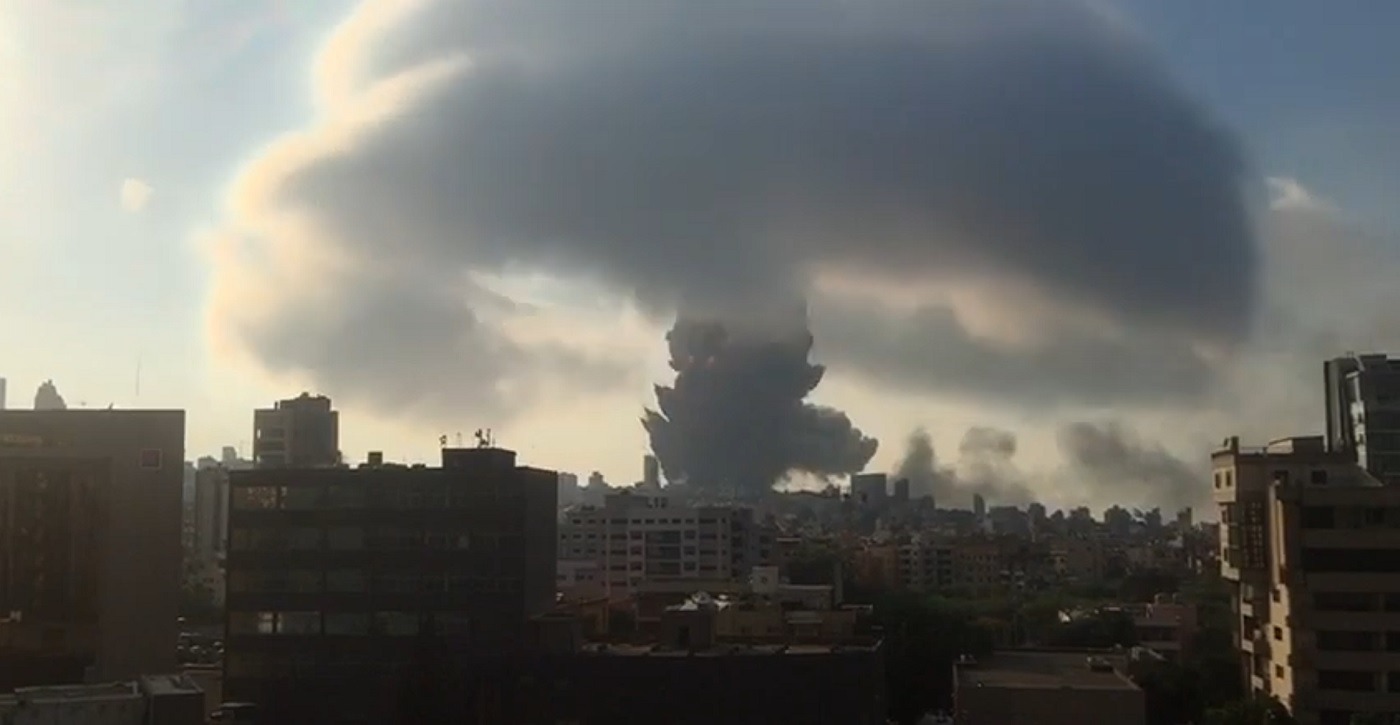
This escalation has led to the displacement of more than 1.2 million people within Lebanon, including approximately 370,000 displaced children, representing nearly 20% of the country’s population. Families have fled southern regions and the southern suburbs of, Mount Lebanon, and northern Lebanon, creating enormous pressure on cities and areas considered relatively safer, such as Beirut, Sidon, and Tripoli.
Displacement Crisis in Lebanon Leaves Over a Million Without Shelters
Many displaced people are currently living in schools, shelters, and unprepared buildings amid a severe shortage of humanitarian assistance, while other families have taken refuge in improvised structures or even in vehicles due to the significant lack of available accommodation. Additionally, the most vulnerable groups, such as the elderly, people with disabilities, and refugees, face further difficulties in accessing shelter and assistance, in a context marked by attacks on civilian areas and residential homes, damage to infrastructure, and the shelling of ambulances and humanitarian aid facilities.
At the same time, the healthcare sector is under extreme pressure, with the risk that essential medicines and medical supplies—such as insulin, antibiotics, and surgical equipment—may soon run out due to the rising number of injured individuals and the growing demand for medical services. This is compounded by the shortage of fuel needed to operate electricity generators, a result of the chronic power crisis, which threatens hospitals’ ability to continue functioning, especially amid the severe shortage of life-saving medications.
The best meal Charity Initiative
On the living conditions front, the food crisis is worsening significantly, as hundreds of thousands of people face difficulties securing their basic needs due to rising prices, declining purchasing power, and the continued collapse of the local currency. Moreover, international aid has declined due to funding shortages, leading to increased poverty levels and food insecurity, along with water shortages and rising fuel prices, further intensifying the suffering of both residents and displaced populations.
Amid all these developments, the Lebanese economy continues to deteriorate, with rising unemployment rates and the suspension of numerous commercial and economic activities, pushing more families into poverty and increasing reliance on humanitarian aid. Meanwhile, international warnings are growing about the possibility of further deterioration in the coming months if military escalation continues and international support declines.
Life for Relief and Development has initiated an emergency response program in Lebanon, alongside its ongoing “Khair Wajbah” (Best Meal) campaign aimed at strengthening food security. The organization first began its humanitarian work in Lebanon in 2006, following the outbreak of war, when approximately a quarter of the population was displaced internally. During that period, and amid the widespread use of landmines and cluster munitions, Life concentrated its efforts on providing urgent relief and temporary shelter for affected families.
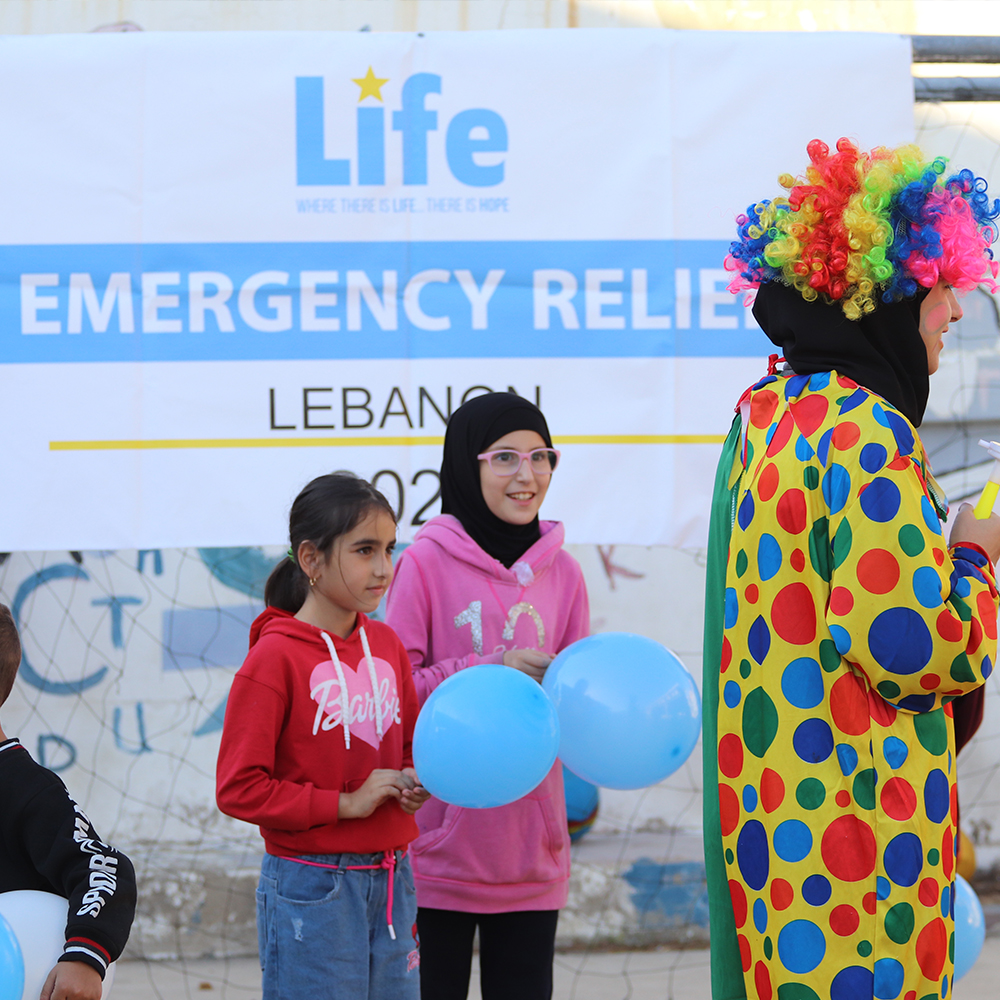
Education, Psychosocial Support, and Orphan Care
Samer Kassab, Coordinator of Life’s office in northern Lebanon, states:
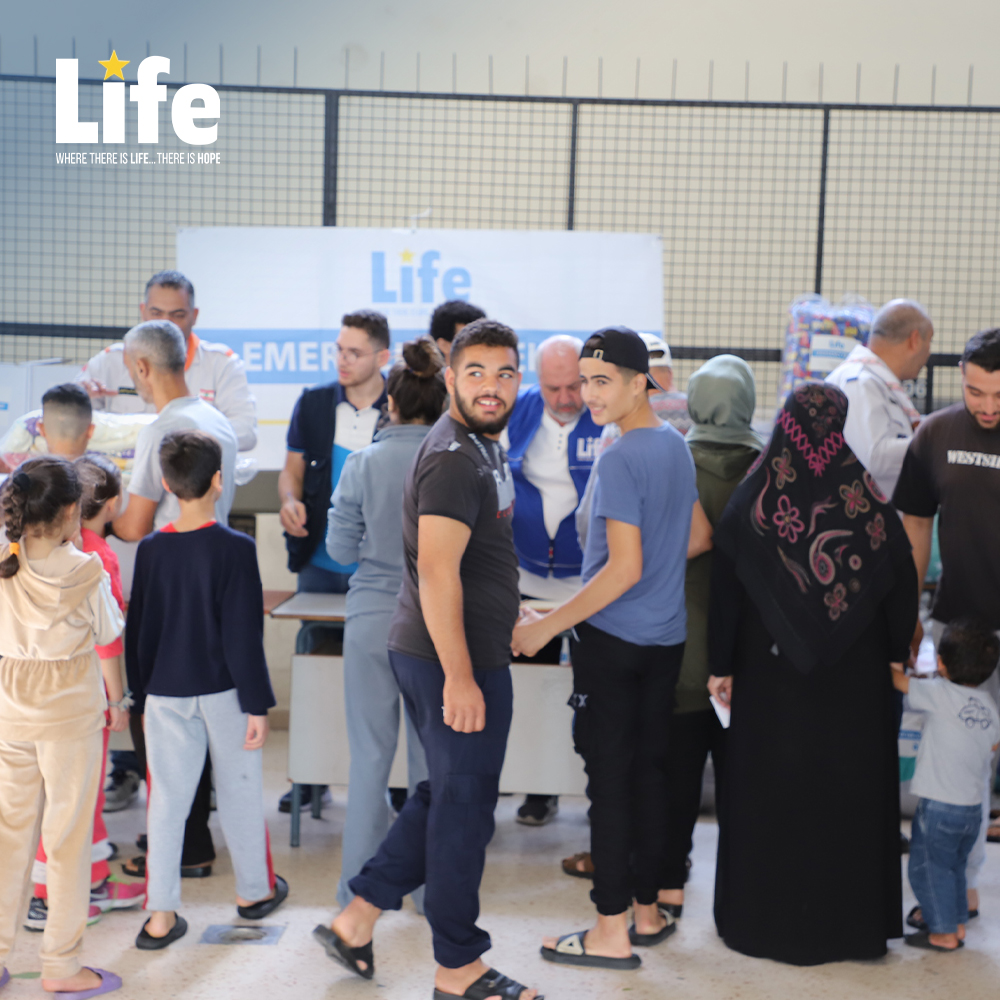
“For emergency relief, Life distributed comprehensive food baskets—each containing around 20 kilograms of essential staples—to 525 families in southern Lebanon (Tyre), including displaced households in Palestinian camps, as well as another 525 families in Tripoli and Akkar. The team also organized a collective iftar for 200 families and delivered hot meals to 400 displaced households.
At the end of Ramadan and during Eid, the ‘Khair Wajbah’ initiative provided meals to 1,222 families across northern Lebanon. In parallel, Life organized an orphan-focused event where monthly financial support and Eid clothing were distributed, along with meals, gifts, sweets, and toys, contributing to both material relief and psychological well-being for children and their families.
Seasonal assistance programs were also implemented, including the distribution of winter clothing and essential supplies to vulnerable camp residents to ensure protection during harsh weather conditions.”
In addition, the organization has supported Lebanon’s education sector by facilitating the return of primary and middle school students to classrooms, rehabilitating damaged schools, and offering scholarships for university students—helping invest in long-term educational development for future generations.
Integrated Support for Vulnerable Populations
Engineer Mohammed Al-Sharif, Coordinator of Life’s Lebanon office, outlines recent humanitarian conditions:
“Our programs currently reach more than 103,000 displaced individuals across the country, 70% of whom are women and children. Over half of children under two years old are experiencing severe food deprivation, while nearly 80% of families require urgent humanitarian assistance.”
Approximately 1.17 million people are facing acute food insecurity, including 55,000 in emergency-level conditions. Camps and shelters continue to suffer from shortages of clean water, adequate nutrition, and sanitation services, significantly increasing the risk of disease outbreaks. The situation has further deteriorated due to expired medications, ongoing power outages, and fuel shortages.
Over the past three years, Life has strengthened its healthcare response by supplying hospitals with medicines, medical equipment, ambulances, and emergency relief materials, while also implementing sustained programs for displaced communities and refugees. Special attention has also been directed toward elderly individuals and people with disabilities.
Strengthening the Health Sector: A Core Priority
He further adds:
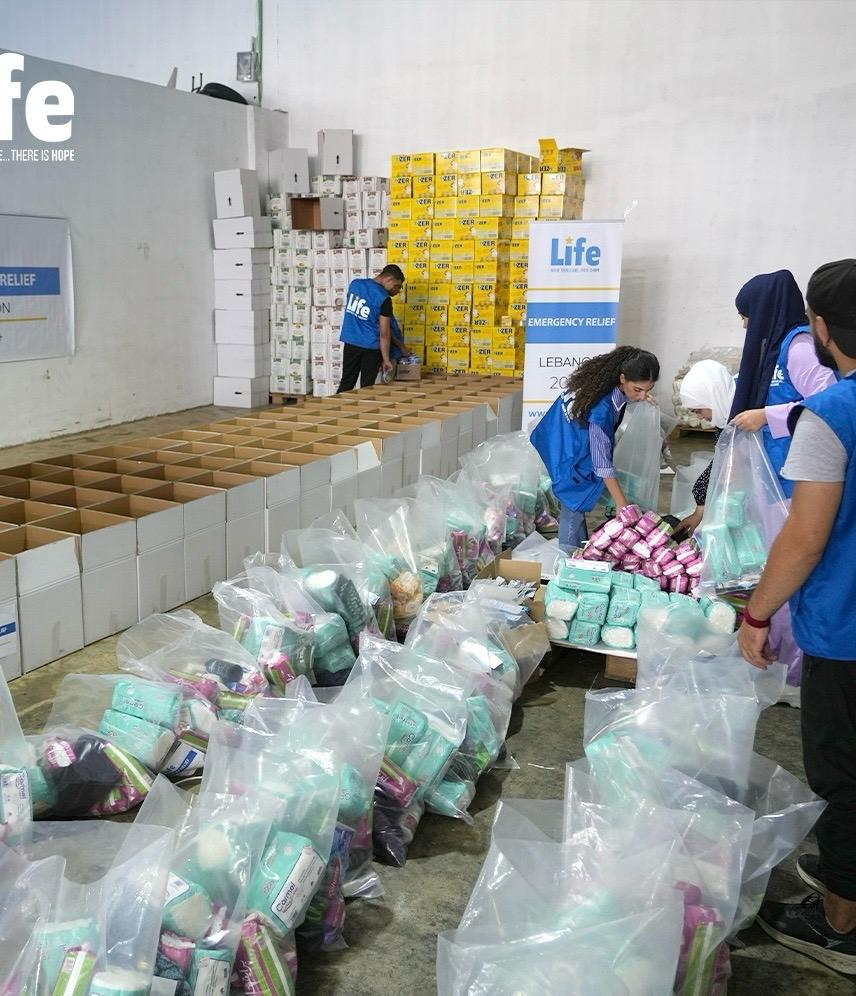
“As part of this month’s emergency response, Life has assisted 2,400 families by distributing ready-to-eat food packages, hot meals, emergency shelter kits (including mattresses and blankets), multipurpose cash assistance, hygiene kits, dignity kits for women, and essential supplies for children such as milk and diapers. Access to mobile medical services has also been ensured.”
Over the past year, Life has provided comprehensive medical support to six major hospitals across Lebanon, supplying essential medications, medical equipment, operating room tools, and emergency response materials.
The organization has also delivered medical equipment to L’Ecoute NGO in the southern suburbs of Beirut, which serves people with disabilities, and to Arcenciel in Beirut, supporting marginalized communities. Additional equipment was supplied to medical laboratories and to the Asile Maronite des Vieillards center in Mount Lebanon.”
For the Silo, Tasneem Elridi.
For More Information:
linktr.ee/LIFEUSA
https://www.lifeusa.org/lebanon-emergency-relief
Featured image- Mohammad Yassine/L’Orient-Le Jour