Tag Archives: design

What Interior Design Is All About

Maybe you watch all the TV shows, follow the blogs, and read all the magazines (or perhaps just look at the pretty pictures) and still wonder what Interior Design really is, what a Designer does, and if you would benefit from working with one?  If so, then read on because here’s the nitty gritty on Interior Design and the passionate Designers working within it.

Interior Design is about providing “creative design solutions for interior environments and its clients.  It is the combination of technical and analytical skills with an aesthetic vision to achieve spaces that are functional, support the health, safety and well-being of users, enhance the quality of life of the occupants, and are visually attractive.

Balancing Factors

Interior Design can cover a variety of disciplines, including residential, corporate/workplace, retail, healthcare, hospitality, public, and institutional design.  Designers pay special attention to function, space planning, ergonomics, lighting, and of course the “pretty” surface elements such as colours and fabrics.  Interior Designers can be thought of as an “interior architect” and are skilled in the aspects of spatial planning, preparing technical drawings and documents, and can help design and renovate interiors from drawing up the initial floor plans to placing the last decorative accent.

How does an Interior Designer gets to be a certified professional? 

 It begins with 3-4 years of schooling, followed by a minimum of 2-3 years of work experience, and then certified by rigorous examinations facilitated by the professional bodies of ARIDO and IDC.  Designers are required to carry liability insurance, participate in ongoing professional development programs, and uphold a professional code of ethics and standards to maintain their credentials.

Interior Designers can be hired for remodels, renovations, redecorating, and new build projects.   They often work with architects, trades, and other design professionals to achieve the clients’ goals while following safety standards and building codes.  Designers are often involved with planning from the very beginning but can be brought in at any stage of the design and construction process.

The cost of hiring an Interior Designer may seem prohibitive for those on a tight budget, but the benefits are advantageous.

Those who don’t have the time or desire to plan, shop, select, and oversee their project will ultimately profit from hiring an expert.  An Interior Designer can prevent clients from making costly mistakes; whether it is with project management, decision-making, or providing savings on products and materials purchased.  Designers bring with them an array of professional contacts for trades, suppliers, custom fabricators, and favorite stores.  Regardless of the project size and needs, clients often have the option to choose from a variety of services to suit their budget.

interior design banner

If you are considering hiring an Interior Designer know what you want by determining your needs beforehand, and define your style through design and architecture magazine clippings.  You can find a Designer through word of mouth, web-based research, professional associations, or trade magazines.

Most of all- have fun.

Interview them to review their portfolio, determine that your personalities mesh, discuss your project scope as well as the designer’s fees and process.  Most important of all, have fun with the process – your interiors will thank you, and you will have made an investment into the enjoyment and functionality of your space. For the Silo, Ramee Cyr/ R Design Studio.

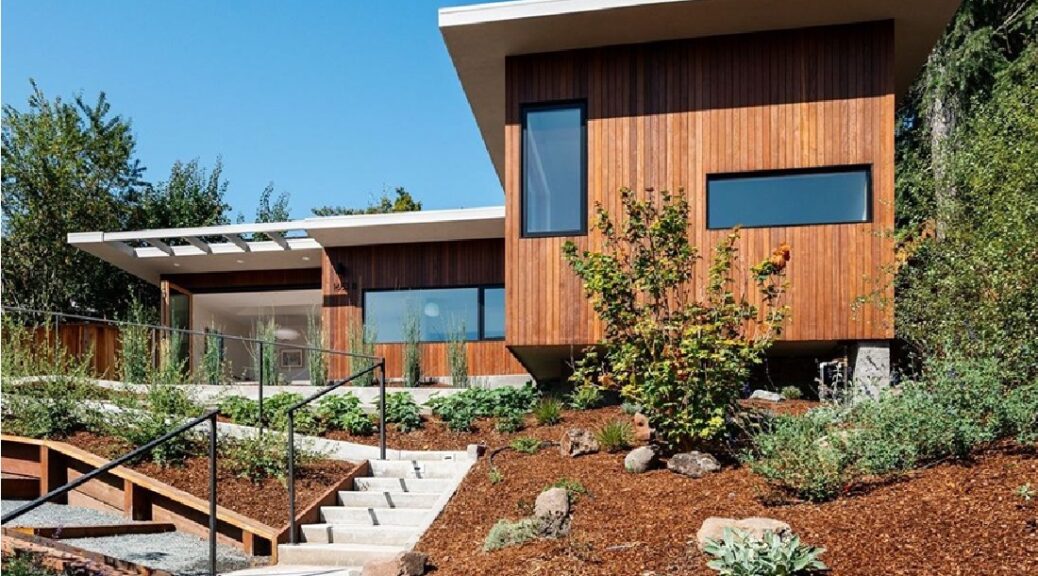
Featured image- Colwood house is a perfect mid-century nod to a modern Canada home designed by Erica Colpitts Interior Design.

Residential Reinvention In North America

Maximizing Property Potential Via Popular Home Expansions 

maxadd1.png

For many homeowners, the need for more space arrives long before the desire to move. Growing families, remote work, multigenerational living, and changing lifestyles are pushing homeowners to rethink how their existing homes can evolve. Home additions have become one of the most practical ways to gain space, improve comfort, and increase property value without starting over in a new location. Yet deciding which type of addition makes sense requires a clear understanding of costs, construction complexity, and long term return on investment.

Across the United States as in Canada, home addition costs vary widely depending on region, labor availability, building codes, and design choices. In America, the average cost of a home addition often exceeds the commonly cited figure of $51,000 usd/ $70,000 cad, especially for projects involving plumbing, structural changes, or second story construction. Per square foot costs typically range from roughly $100 usd/ $137 cad to $500 usd/ $684 cad, depending on the type of addition and level of finish. Understanding these ranges helps homeowners plan realistically and avoid budget shock midway through construction.

A dry addition or a wet addition?  

One of the most important distinctions in home additions is whether a project is considered a dry addition or a wet addition. Dry additions include spaces such as bedrooms, living rooms, offices, or sunrooms that do not require plumbing. These additions are generally less expensive because they avoid water lines, drains, and complex waterproofing requirements. Wet additions include kitchens, bathrooms, and laundry rooms, which add cost due to plumbing work, additional permits, and stricter building code requirements. Knowing which category your project falls into is one of the most reliable ways to estimate overall expense early in the planning process.
maxadd2.png

Room additions, often called bump outs, are among the most approachable projects for homeowners looking to add space without a full-scale renovation. These additions typically extend an existing room by a few feet to create more usable square footage. Nationally, bump outs often cost between $250 usd/ $342 cad and $500 usd/ $685 cad per square foot, depending on size and finish. While smaller in scope, they can dramatically improve daily living by relieving cramped layouts and improving functionality.

Adding a second story

Second story additions represent one of the most transformative but also most expensive home addition options. By building upward rather than outward, homeowners can double their living space without sacrificing yard area. These projects often range from $300 usd/ $410 cad to $500 usd/ $685 cad per square foot and require extensive structural reinforcement. Foundations, load bearing walls, and framing may need upgrades to support the added weight. Plumbing, electrical systems, and roofing are also typically impacted. While the upfront cost is significant, second story additions can deliver substantial long term value, particularly for homeowners committed to staying in place for many years.

Sunrooms offer a different kind of expansion, focusing on light, comfort, and connection to the outdoors. These spaces are often used as family rooms, dining areas, or quiet retreats. Costs typically fall between $200 usd/ $274 cad and $400 usd/ $547 cad per square foot, with total project budgets ranging from $40,000 usd/ $55,000 cad to $90,000 usd/ $123,000 cad or more. Three season sunrooms tend to be less expensive, while fully insulated, climate controlled spaces cost more but offer year round usability. Energy efficiency requirements and insulation quality play a major role in pricing.

maxadd3.png

The most cost effective way to add livable space

Garage conversions are one of the most cost-effective ways to add livable space because they utilize an existing structure. Nationally, these projects often range from $120 to $200 per square foot, with total costs commonly between $20,000 usd/ $27,300 cad and $50,000 usd/ $68,400 cad. Conversions typically involve insulation, drywall, flooring, electrical upgrades, and heating or cooling systems. Adding a bathroom increases both cost and value, but requires plumbing work and additional permits. For homeowners seeking flexibility without major exterior changes, garage conversions often deliver strong value.

Over the garage additions combine vertical expansion with efficient land use. These projects create new living space above an existing garage and commonly cost between $250 usd/ $340 cad and $400 usd/ $550 cad per square foot. Structural reinforcement is often required, and design integration with the main house is critical. When executed well, over the garage additions add bedrooms, guest suites, or home offices without reducing yard space, making them appealing in many suburban and urban settings.

ADU- aka the accessory dwelling unit

Accessory dwelling units have become increasingly popular as homeowners look for rental income opportunities or space for extended family. ADU costs vary widely but often fall between $100,000 usd/ $137,000 cad and $300,000 usd/ $410,400 cad depending on size, design, and site conditions. Well planned ADUs can generate significant returns through rental income while increasing overall property value. In many markets, returns between 50 and 80 percent are possible when long term income and appreciation are considered together.

The most complex home improvement

maxadd4.png

Kitchen expansions and additions are among the most complex home improvement projects. Building a new kitchen or expanding an existing one typically ranges from $50,000 usd/ $68,400 cad to $150,000 usd/ $205,200 cad or more. These projects involve plumbing, gas lines, electrical systems, ventilation, and often structural changes. High quality finishes, appliances, and cabinetry can significantly increase costs, but kitchens consistently rank among the highest value improvements for resale.

Expensive to be sure

Bathroom additions and expansions also carry meaningful costs but deliver strong returns. Adding a new bathroom often ranges from $30,000 usd/ $41,000 cad to $75,000 usd / $102,600 caddepending on size and plumbing complexity. Expanding an existing bathroom typically costs less but still requires careful planning around waterproofing, ventilation, and fixture selection. Bathrooms add both daily convenience and resale appeal, particularly in homes with limited existing bath space.

What type of addition should you choose?

Choosing the right type of home addition requires balancing personal lifestyle needs with financial considerations. Homeowners should assess how they use their space today, how that use may change in the future, and which additions offer the greatest functional improvement. Equally important is considering how future buyers might perceive the added space. Additions that align with common buyer preferences tend to deliver stronger returns.

maxadd5.png

Successful home additions are built on careful planning. Hidden costs such as permit fees, utility upgrades, and structural repairs can emerge once construction begins. Understanding local building requirements, maintaining detailed budgets, and setting aside contingency funds are critical steps. Consulting experienced professionals early in the process helps homeowners avoid delays, unexpected expenses, and design mistakes that can be costly to correct later.

It’s not just about square footage

Ultimately, home additions are not just about adding square footage. They are about adapting a home to better serve the people who live there. When thoughtfully planned, an addition can improve daily life, increase long term property value, and allow homeowners to remain in communities they love. With clear expectations, realistic budgets, and informed decision making, home additions can be one of the most rewarding investments a homeowner makes. For the Silo, Jon Grishpul/ Greatbuildz.com.

Raketa “Russian Code Qatar Edition” Counterclockwise Wristwatch

In the beat of the Universe

The “Russian Code”, one of Raketa’s most emblematic models with a counterclockwise movement, is now launched in a version that dedicated to the all cities and countries where Raketa is present in the world. The first exclusive edition of 50 numbered watches is dedicated to Qatar where Raketa is represented by the prestigious retail store “Blue Salon”. 

The Raketa brand (meaning “space rocket” in Russian) was created in 1961 in honour of the first manned spaceflight by the Soviet cosmonaut Yuri Gagarin. For 65 years, the Raketa Watch Factory has been accompanying space exploration by engineering watches for cosmonauts and drawing continual inspiration from the space. In 2026, the brand will mark this anniversary date with a collection of exclusive space‑themed watch models and collaborations.

The beautiful three-layered dial of the Raketa “Russian Code – Qatar Edition” displays the night sky that was over Qatar on the day it received its independence — September 3, 1971. Depending on the lighting, the blue disk structure emits bright rays of light, bringing to life the constellations printed on the dial.

Behind the elegant design lies the revolutionary concept that time should move in harmony with the natural counterclockwise movement of the planets in our Solar System. Therefore, just like the planets around the Sun, the hands of this model rotate in a counterclockwise direction around the dial. To emphasize this idea, a red circle symbolizing a planet at the tip of the second hand, moves counterclockwise above the applied blue coated numerals. 

This edition limited to 50 pieces is available:

▸ In Russia: exclusively in all of Raketa’s channels of sales (online and offline stores) in very limited quantities.
▸ Outside Russia: exclusively at Raketa’s partner and the leading luxury brand store in Qatar: Blue Salon.

Blue Salon

Suhaim Bin Hamad Street, Doha

Email for ordering information: [email protected] 

Specifications

Factory:Raketa Watch Factory (Saint-Petersburg)
Movement: 
Calibre:2615 CR
Functions:Automatic with reverse direction of hands
Number of jewels:24
Testing positions:4
Average rate (s/d):-10+20
Average running time (h):40
Frequency/hour:18.000 / 2.5Hz
Bi-directional automatic winding:Yes
Stopper of self-winding unit activated during manual winding:Yes
Decoration:Nanocoating
Neva waves
Print
Case: 
Material:Stainless steel
Diameter:39,5 mm
Front glass:Sapphire 
Back glass:Mineral 
Crown:Synthetic ruby stone ​​inside the crown
Water resistance:5 ATM
Hands:Superluminova
Strap/bracelet: 
Material:Genuine leather 
Width:22 mm
Sex:Unisex

For the Silo, Jarrod Barker.

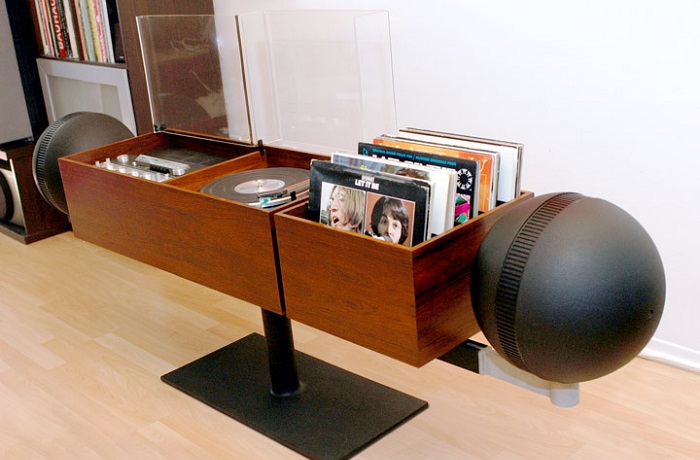
Clairtone Canada Stereo Equipment Was Design Icon

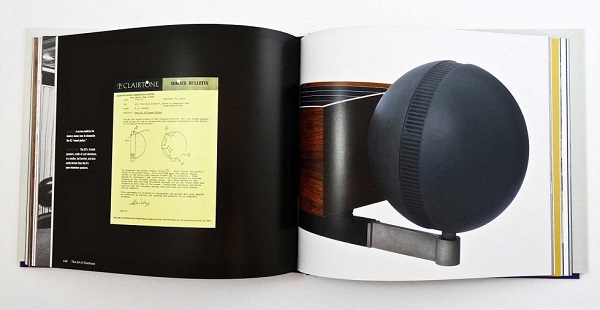
The Art of Clairtone: The Making of a Design Icon, 1958-1971 is a fully illustrated stylish look back at the stereo story behind a Canadian design icon. This handsome hardcover is by Nina Munk and Rachel Gotlieb and is available on Amazon.Exhibit marks 50 years since first Clairtone stereo produced in ...

At its peak in the 1960s, Clairtone Sound Corporation was one of the most admired companies in the field of electronics. Founded by Peter Munk and David Gilmour in Toronto, Canada, Clairtone made the wildly modern Project G hi-fi system and, later, the G-TV. 

For an entire decade, in the 1960s, Clairtone Sound Corporation captured the spirit of the times: sophisticated, cosmopolitan, liberated. From its modern oiled-walnut and teak stereos to its minimalist logos and promotional materials, Clairtone produced a powerful and enduring body of design work. Founded in 1958 by two young Canadians, Peter Munk and David Gilmour, Clairtone quickly became known for its iconic designs and masterful advertising campaigns.

Its acclaimed Project G stereo, with its space-age styling, epitomized the Swinging Sixties. Famously, Hugh Hefner owned a Project G. So did Frank Sinatra.

Oscar Peterson affirmed that his music sounded as good on a G as it did “live”. In 1967, suggesting how deeply Clairtone’s G series had come to be identified with popular culture, the G2 appeared in The Graduate with Dustin Hoffman and Anne Bancroft.

With 250 illustrations, including previously unpublished drawings, rare film stills, confidential memorandums, and original photography, The Art of Clairtone is a candid and in-depth look at the company’s skyrocketing success — and sensational collapse.

Through the recollections of those who knew Clairtone best, from its founders to its designers, engineers, and salesmen, and with comments from Karim Rashid, Douglas Coupland, Tyler Brûlé, and Bruce Mau, among others, this elegant book, published on the 50th anniversary of Clairtone’s launch, celebrates an iconoclastic company that once seemed to represent the promise of Canada. For the Silo, Jarrod Barker. 

A peak inside this gorgeous book- CP

  • Hardcover: 176 pages
  • Publisher: McClelland & Stewart
  • Language: English
  • ISBN-10: 0771065078
  • ISBN-13: 978-0771065071

LA’s Famous Atomic Age Stahl House For Sale

LA’s Stahl House – Most Famous US Modern Home Since Fallingwater – Lists $25 Million usd/ $34.3 Million cad

In 1945, Arts and Architecture magazine commissioned major architects to create the Case Study Homes, an experiment in architectural design intended as a creative solution to the impending post-war housing boom. Constructed from industrial materials, these homes would help to define the mid-century modern movement, none more so than Case Study House #22, known as the Stahl House.

The Pierre Koenig masterpiece is cantilevered over a Hollywood hillside, which had been deemed unbuildable by previous architects. The home was immortalized by renowned photographer Julius Shulman in an image that shows two women in white party dresses lounging in the living room that seems to float above the glittering city.

It is perhaps the most famous modern-style US home and architectural photograph since Frank Lloyd Wright’s 1930s Fallingwater. A true cultural landmark, the home is a City of Los Angeles Historic-Cultural Monument and listed on the National Register of Historic Places. 

Owned by the Stahl family since its inception, this one-of-a-kind icon of modern design has hit the market for the first time.

Representing the optimism of the atomic age, the Stahl House features the steel-and-glass construction so emblematic of the modern movement. Its legendary glass walls were created from the largest glass panels commercially available when it was built between 1958 and 1960. They offer sweeping 270-degree views of Los Angeles. A picture window in the primary bathroom frames the Hollywood Sign. 

An airy open floor plan connects the living spaces in the 2,200-square-foot home, anchored by a central fireplace with natural stone details. Blonde wood enhances the charming kitchen, which features a spacious island with counter seating that ingeniously tucks away when not in use. The concrete floors sport radiant heating for ultimate comfort. Sliding doors open onto the gorgeous pool deck with an expansive swimming pool and more awesome views. Situated at the end of a gated drive, the property offers a rare combination of discretion, security, and serenity high above the city. Since 2007, the house has offered public tours, and the family seeks not just a buyer but a custodian who will honor the house’s history, respect its architectural purity, and ensure its preservation for generations to come. 

Located in the Hollywood Hills, the house is about a mile from the legendary Sunset Strip, the epicenter of LA’s rock-and-roll scene in the 1960s and still home to top-notch venues for music, comedy and food. The neighborhood is very popular with celebrities, with A-listers like Leonardo DiCaprio, Keanu Reeves, Halle Berry and Taylor Swift owning homes in the hills. The Stahl House is a celebrity in its own right, having been featured in numerous films and TV shows, including ColumboNurse Betty and Galaxy Quest For the Silo, Jarrod Barker.

Tim Allen playing Jason Nesmith in 1999 Galaxy Quest – The Stahl house

The listing is held by William Baker of the Agency Beverly Hills.

Photo Credit: Cameron Carothers; Original Photos by Julius Shulman, courtesy of The Getty Museum

European Lunar Rover Mona Luna Completes First Driving Tests

MONA LUNA at Luna · Design: Sacha Lakic ©Venturi Space/Romero
Toulouse, December 2025 — Five months after being unveiled at the Paris Air Show, the European lunar rover MONA LUNA has successfully completed a test campaign at the European Space Agency’s (ESA) LUNA centre in Cologne, Germany. A key outcome: the vehicle shows remarkable adaptability to loose soil, slopes, and obstacles.

The first outing of the European lunar rover MONA LUNA reflects the collective work of Venturi Space’s three sites. Monaco, Switzerland and France worked hand‑in‑hand to design, develop, assemble and test the rover.

Weighing 750 kg (extendable to 1,000 kg), MONA LUNA will serve two primary objectives: to explore the lunar surface and to test critical technologies for sustainable lunar mobility. Thanks to its four wheel‑drive and four‑wheel steering system, along with passive‑damping suspension, MONA LUNA climbed and descended slopes of up to 33 degrees, exceeding initial expectations. The first results confirm the rover’s potential: The contact area of the hyper‑deformable wheels is exceptional, both on loose soil and rolling terrain.

This confirms the findings of intensive tests carried out at NASA between 2022 and 2025,Traction exceeds forecasts, Large rocky obstacles are crossed effortlessly, Dynamic stability on slopes meets programme requirements, The onboard electronic systems demonstrated excellent operational performance. Designed to support the ambitions of the European Space Agency (ESA) and France’s Centre National d’Études Spatiales (CNES), MONA LUNA already incorporates technologies that will operate on the Moon next summer — but on board another rover: FLIP. This vehicle will be equipped with the same hyper‑deformable wheels, batteries, heating systems and temperature sensors as the European rover. FLIP is developed by the North American company Venturi Astrolab, Venturi Space’s strategic partner. FLIP will also benefit from another innovative technology developed by Venturi Space: the mechanical system enabling the rover to exit the lunar lander.

Another shared feature between MONA LUNA and FLIP is their bodywork, designed by Sacha Lakic.In parallel with the MONA LUNA development programme, Venturi Space continues to expand its industrial ecosystem and will lay the first stone of its flagship facility next spring: a site of more than 10,000 m² in Toulouse, just steps away from the Centre National d’Études Spatiales (CNES). It is here that, in the first half of 2028, 150 engineers will work on the design and manufacturing of MONA LUNA, in close collaboration with the Swiss and Monegasque entities responsible for the hyper‑deformable wheels, heating systems, cryogenic materials, the rover‑lander egress system, and the high‑performance batteries.

Quotes
Daniel Neuenschwander, Director of Human and Robotic Exploration at the ESA:
“I was truly impressed by the way MONA LUNA handled LUNA’s challenging terrain. Watching its wheels deform and adapt to the regolith, slopes and rocks… it is remarkable. If MONA LUNA were to be selected for one of our missions, it would be a tremendous opportunity for Europe.”

Gildo Pastor, President of Venturi Space:
“Seeing MONA LUNA operate on the legendary LUNA site is a profound source of pride. This rover demonstrates the performance of our wheels, our suspension systems, our electronics… and therefore the quality of the work achieved by all our teams in Toulouse, Monaco and Switzerland. We know we have only completed 1% of the journey that, I hope, will take us to the Moon.”

Dr. Antonio Delfino, Director of Space Affairs at Venturi Space:
“These driving tests were primarily dedicated to locomotion. We wanted to understand how MONA LUNA behaves on loose soil, on slopes and when facing significant obstacles. The results exceed our expectations. The ability of these wheels to ‘float’ on the surface is essential to avoid becoming bogged down in lunar regolith.”

For the Silo, Jarrod Barker.

These Award Winning Tiny Homes Draw Attention As Sector Gains

The tiny home sector is big on innovation as exemplified by a new crop of amazing Accessory Dwelling Unit (ADU) designs across the U.S. and Canada showcasing state-of-the-art architectural and interior features, thoughtful layouts and stunning aesthetics that redefine what’s possible in small-space living. Maxable—North America’s leading  provider of resources for building guest houses, casitas, in-law suites, granny flats, pool houses and other ADUs—has officially named the the #1 best ADU of 2025 and other of the ’10 Best’ for the year based on a mix of criteria: visual appeal, use of space, creativity and functionality. Multiple photos for each are showcased online demonstrating the extreme ingenuity of each build.

Every year, Maxable’s ‘Best ADU of the Year’ competition celebrates the most innovative and impressive tiny home projects from across North America. Accessory dwelling units (ADUs) that don’t just look great, but solve real challenges of space, budget, and lifestyle. And the Top 10 have just been named! “If there’s one thing we’ve learned this year, it’s that accessory dwelling units ADUs aren’t going anywhere,” says Maxable CEO Paul Dashevsky. “In fact, they’re chugging along at full force as new regulations make their mark, homeowners are letting their creativity bloom, and designers are pushing the limits of what’s possible in small-space living.”

Here is the #1 winner and other of the top 10 best ADUs that have earned their keys in 2025.
______________________________________________________


#1 Best ADU of 2025:

Ashby ADU, Piedmont, CA

Designer: Tuan Le Design

Builder: Atelier19AD6

Size: 800 sq ft, 2 bed, 1 bath

Built on a steep slope, the project faced challenges with utility coordination, subcontractors, supply chain delays, and neighbor considerations, yet the team navigated every obstacle to deliver a standout result. The unit is fully electric, with a heat pump, water heater, and solar panels, making it efficient and environmentally conscious. Skylights and floor-to-ceiling four-panel sliding glass doors fill the interior with natural light, creating a bright, airy atmosphere. The modern design continues on the exterior with sleek wood paneling that complements the contemporary interior. The result is a stylish, functional ADU that maximizes both the views and the livable space

 
Other Top 10 Best ADUs of 2025


Chamomile Cottage, Arlington, MA

1-adu.jpg

Modular Design and Build: Backyard ADUs

Size: 567 sq ft, 1 bed, 1 bath

If a cozy cup of tea was an ADU, we think it’d look like this! Designed to bring an aging father closer to his family and young grandchildren, this modular build balances warmth, accessibility, and beautiful design. As one of the first detached ADUs completed under Massachusetts’ new ADU law, it also marks a milestone for backyard living in the state. Built with collaboration between Backyard ADUs and a homeowner with impeccable design taste, the result is both functional and heartfelt. Chevron wood flooring, warm olive walls, and a charming fireplace make the space feel like home from the moment you step inside. Skylights fill the rooms with natural light, while the ADA-compliant bathroom ensures comfort and safety for years to come.

Alora ADU, San Diego, CA

2-adu.jpg

Designer: Ruland Design Group

Builder: Glann Fick, Coastline Construction

Size: 1,000 sq ft, 2 bed, 2 bath duplex

This project is a beautiful example of how ADUs can bring generations together while adding long-term value to a property. The homeowners created not one, but two attached backyard homes. One was designed for an aging mother, and the other for rental income to support the family. Together, the units make space for four generations to stay close while still maintaining privacy and independence. Both ADUs were designed with light, openness, and connection to the outdoors in mind. High ceilings and clerestory windows fill the interiors with natural light, while large sliding glass doors open to private patios for easy indoor-outdoor living. Each space feels modern and welcoming, complete with well-appointed kitchens and roomy islands perfect for family meals or morning coffee. It’s a true example of multigenerational living done right.

Copperline ADU, San Diego, CA

3-adu.jpg

Designer and Builder: SnapADU

Size: 980 sq ft, 2 bed, 2 bath

This Spanish-style ADU in Rancho Santa Fe was designed to blend seamlessly with the community’s strict architectural standards. The homeowner, a roofing contractor, personally installed the boosted tile roof to match the main home, turning HOA requirements into an opportunity to create a timeless retreat. Today, the ADU serves as a private space for family and guests. Every element, from hand-textured stucco to arched porch openings and copper gutters, was carefully chosen to mirror the primary residence. Inside, faux wood ceiling beams add warmth to the great room, while custom shelving and professional-grade appliances enhance the kitchen. Each bedroom features an ensuite bath and walk-in closet, with a back entrance leading to a mudroom and laundry area.

Brick House ADU, Denver, CO

4-adu.jpg

Designer and Builder: ADU4U

Size: 938 sq ft, 1 bed, 1.5 bath

This ADU project breathes new life into an old, historic building, while preserving its authentic character and respecting its roots. Building a modern structure within an 138 year old structure was an innovative solution to achieve this. In historic Curtis Park, Denver’s oldest neighborhood, an 1886 brick carriage house stands as a testament to the passage of time. The building sits inside the boundaries of Denver’s historic Curtis Park, so all exterior design and material selections had to be approved through the city’s Landmark Commission.

ADU4U turned this once-unlivable structure into a cozy, modern home while preserving its historic charm. To bring it up to today’s safety standards, the team strengthened the old brick with a new steel frame and carefully reused original materials throughout the interior. The hayloft door became the powder room door, and the old floor joists were turned into a beautiful kitchen peninsula. Now, this light-filled ADU perfectly balances historic character with modern comfort. It’s truly a shining example of how old buildings can be reimagined for today’s living.

Longview ADU, Washington D.C.

5-adu.jpg

Designer: Ileana Schinder

Builder: J Cabido Designs

This project is a creative transformation of an abandoned garage and storage space into a bright and efficient one-bedroom ADU. By keeping the original structure’s footprint, the design team minimized both construction costs and the visual impact on the surrounding property. Every detail was planned with sustainability in mind. From upgraded insulation to energy-efficient mini splits and an energy recovery ventilator, the ADU meets Washington DC’s strict environmental standards while maintaining year-round comfort. Restoring the building’s existing openings allowed natural light to flood the interior, creating a warm and inviting space that feels much larger than its footprint. The result is a thoughtful blend of preservation, sustainability, and smart design, breathing new life into what was once an overlooked structure.

Sagebrush ADU, Menlo Park, CA

6-adu.jpg

Designer: Inspired ADUs

Builder: Integrum Construction

This ADU is a masterclass in craftsmanship and timeless design. Every detail, from the cedar shake siding to the copper flashings, was carefully chosen to mirror the main home and create a seamless, cohesive look. Instead of competing with the original architecture, it enhances it, feeling like it has always been part of the property. Natural materials play a starring role here. The cedar and copper will continue to age beautifully, adding warmth and character over time. Inside, handmade tile, custom cabinetry, and a cozy loft make the space feel elevated yet inviting. Every inch was designed with intention, balancing function, beauty, and authenticity. This ADU proves that small-scale construction can be both refined and enduring.

Brushstroke ADU, Newcastle, CA

8-adu.jpg

Designer and Builder: A+ Construction ADU Builders

Size: 1,198 sq ft + 800 sq ft deck, 3 bed, 2 baths

The client didn’t want to separate three generations of their family, so they built a second home in their backyard. This ADU allows their parents to live independently with their own routines and art studio, while staying just steps from family dinners, grandkid hugs, and everyday life together. At 1,200 sq. ft., the ADU includes three bedrooms, two bathrooms, and a large open living area. The layout prioritizes comfort, easy movement, and aging-in-place, with wide circulation paths, direct deck access from the primary bedroom, and plenty of natural light. A dedicated art studio with custom cabinetry and large windows supports the grandmother’s creative routine. The best feature? An 800 sq. ft. covered deck and carefully chosen exterior finishes. All of these details make the ADU feel integrated with the main home, creating a thoughtful, functional, and long-term living space for the whole family.

Alcove ADU, Los Angeles, CA

9-adu.jpg

Designer: Homeowner

Builder: Doobek Brothers

Size: 593 sq ft, 1 bed, 1 bath

What started as a retrofit for a carport turned into a fully functional ADU, making smart use of limited space while navigating strict city codes. Because the property sits on a hillside, any addition beyond the existing roofline would have required expensive drainage to the street, so the design works entirely within the original footprint. The interior feels calm and spacious thanks to thoughtful layout, finishes, and furniture. A double wall between the kitchen and bathroom cleverly hides appliances while providing storage for cleaning supplies, making the space feel open and uncluttered. Temperature and sound insulation reduce energy costs for both units, making it highly efficient. Windows were sized to align with the upstairs unit, creating visual harmony. With parking right outside and a potential deck planned for the upper unit, this ADU demonstrates how careful design can turn code restrictions into a livable home.

Elevare ADU, San Diego, CA

10-adu.jpg

Designer: Sergio Perlata

Builder: HM Construction

Size: 479 sq ft, 1 bed, 1 bath

This daring ADU was built on top of the homeowner’s existing house to preserve the garage while creating a luxurious, functional space. What started as a bold idea and labor of love resulted in a retreat that balances comfort, style, and modern California living. The design maximizes natural light, features high-end finishes, and offers seamless indoor-outdoor flow. Privacy for the main house was carefully considered, and practical choices like spa-like micro-cement in the bathroom create a durable, low-maintenance, and rental-friendly space. More than just a guest house, this ADU is a thoughtfully crafted space that inspires relaxation and connection.

For the Silo, Jarrod Barker.

Supplemental- ANC Brantford, Ontario, Canada

The Watches Of James Bond 007

Shaken not stirred

Keeping time is important. Without watches society would not have been able to develop in the same way that it has. Imagine trying to coordinate an activity with someone else based solely on the height of the Sun. Good luck with that or what if the famous watch wearing James Bond was forced to use a wrist mounted sundial? Ick.

This Pulsar is my favorite. 

What Does Watch Type and Style Say?

There is an old expression that goes something like this: “If you can tell a lot about a woman by the shoes she wears, then you can tell a lot about a man by the watch he wears.” That being said, let’s see how the evolution of a certain British Secret Agent has affected his watch choices over time. Take a look at this info graphic courtesy of our friends at watches2u that catalogs the changes in 007 James Bond’s watch design and styling throughout the film series. Which one is your favorite?

A History Of James Bond Watches WEB

10 Coolest Porsche Headlights- Don’t You Agree?

10. Porsche 911 (996, 1998–2004) — The Controversial “Fried Egg” Design

Initially divisive, the 996’s integrated headlamp clusters (combining main, high, and indicator lights under one cover) represented Porsche’s first major step into modern production efficiency. The “Fried Egg headlight” design was so controversial that when introduced, many car purchasers (especially those owning the first generation Porsche Boxster 986) modified the headlights with window tint to “hide the yolk”!

Regardless of how acceptance was split, the design was sensible and borrowed from the 911 GT1 race car, this setup improved aerodynamics and manufacturing simplicity. Over time, enthusiasts have come to appreciate its boldness, and we’re going as far as naming it in our top 10 list of the coolest Porsche headlights ever!

9. Porsche 911 RSR (2017–Present) — The Perfect Fusion of Heritage and Function

The 911 RSR’s headlights combine classic round symmetry with cutting-edge LED tech and aerodynamic sculpting. The signature four-point LEDs maintain Porsche’s unmistakable night-time identity. In endurance racing, where function dominates, the RSR’s lights prove that beauty and performance can coexist perfectly.

8. Porsche 917K (1970) — Racing Eyes Built for Le Mans

The 917K’s headlights weren’t just for show; they were shaped by necessity. With their low, wide fairings and Plexiglas covers, the lights became a critical aerodynamic component at speeds exceeding 220 mph. Their integrated look and teardrop housing gave the car a menacing, purposeful face that influenced Porsche’s endurance racers for decades.

7. Porsche 918 Spyder (2013–2015) — Laser Precision and Modern Drama

A leap into the hybrid era, the 918 Spyder’s four-point LED headlights introduced a motif that defined Porsche design for the next decade. Their sharp-edged housings and distinctive daytime running light pattern made them unmistakable, even in the dark. They also pioneered Porsche’s adaptive light technology, blending form, function, and digital precision.

6. Porsche 993 (1993–1998) — The Last of the Classic Round Lamps

The 993 introduced a new, sloped front end with headlights that followed the hood line, a significant break from tradition. The design, though controversial at launch, ultimately modernized the 911’s appearance and improved aerodynamics. Its flush, oval lenses became icons of the 1990s Porsche aesthetic and marked the final air-cooled era’s visual identity.

5. Porsche 911 (964) — Classic Form Meets Modern Function

The 964 retained the round 911 lights but subtly reshaped them to fit new, smoother bodywork. They were slightly more upright and used improved reflectors and halogen elements for better illumination. This generation is often overlooked, but its headlights mark the bridge between old-school air-cooled charm and modern Porsche precision.

4. Porsche 356 (1948–1965) — The Blueprint for Porsche’s “Eyes”

The 356 established the signature oval headlight shape that became Porsche’s visual identity for decades. Mounted high and slightly reclined, the chrome-rimmed lenses gave the car a friendly yet purposeful look. Though rooted in postwar simplicity, their integrated design flowed seamlessly with the rounded fenders, a foundational cue that carried into every 911 thereafter.

3. Porsche 959 (1986–1988) — Aerodynamic Function in a Supercar Form

The 959’s headlights were a turning point for Porsche’s design language. They maintained the classic round outline but were deeply recessed into the front fenders for aerodynamic efficiency. Flush glass covers gave the car a sleek, cohesive face that previewed Porsche’s shift toward modern integration and minimal drag. Beneath the surface, their lighting performance outclassed most of the era’s supercars.

2. Porsche Mission R Concept (2021) — The Future in Plain Sight

With its slim, vertically stacked LED units framed by a minimalist housing, the Mission R’s headlights reimagined Porsche’s “four-point” look for the electric age. They were both expressive and efficient, incorporating cooling ducts and DRL elements into a single sculptural assembly. The design hints at the next generation of motorsport and production cars from Porsche.

1. Porsche Carrera GT (2003–2007) — Pure Function, Clean Form

The Carrera GT’s headlights embodied Porsche’s design minimalism at its finest. With visible projector lenses under a clear polycarbonate cover, they echoed the look of endurance racers while maintaining a sculptural, lightweight appearance. The compact design allowed for large air channels around them, aiding cooling and aerodynamics, beauty born from engineering.

For The Silo, Verdad Gallardo/Rennlist.com

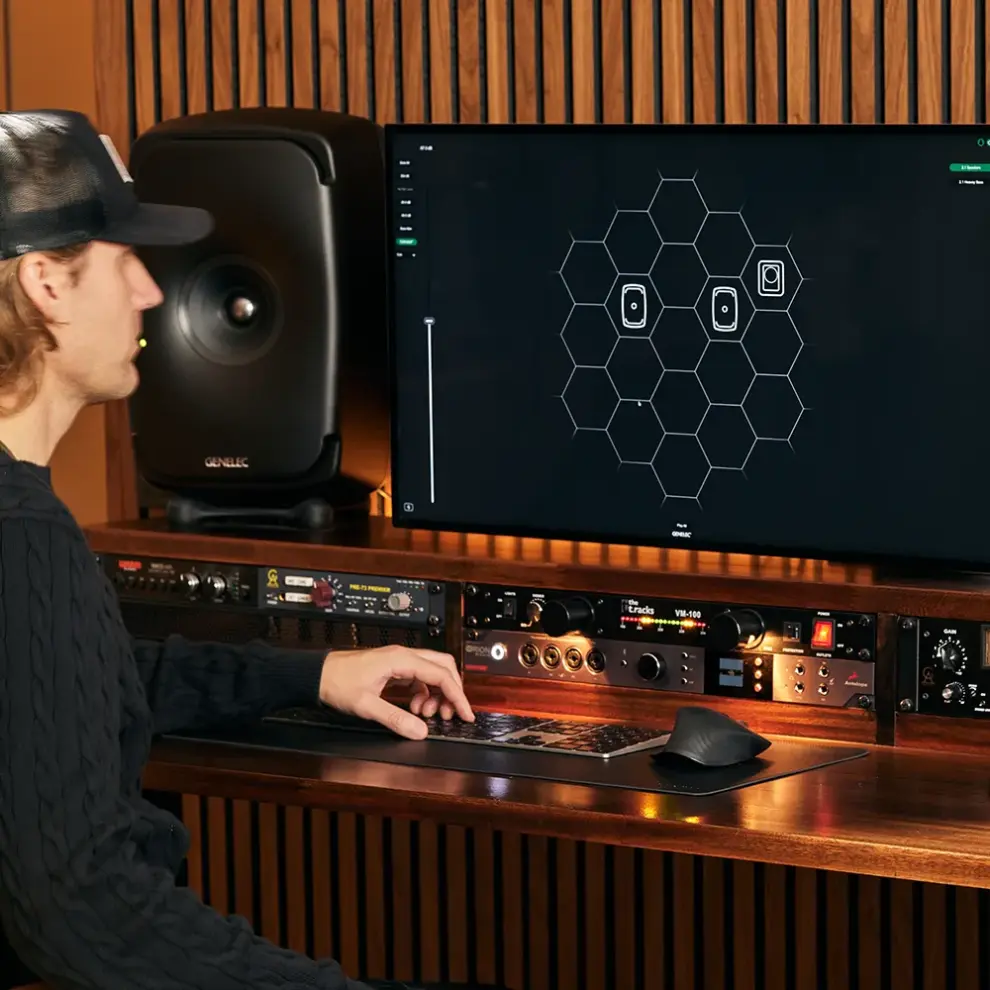
The Audience Bellare Loudspeaker Is Extraordinary

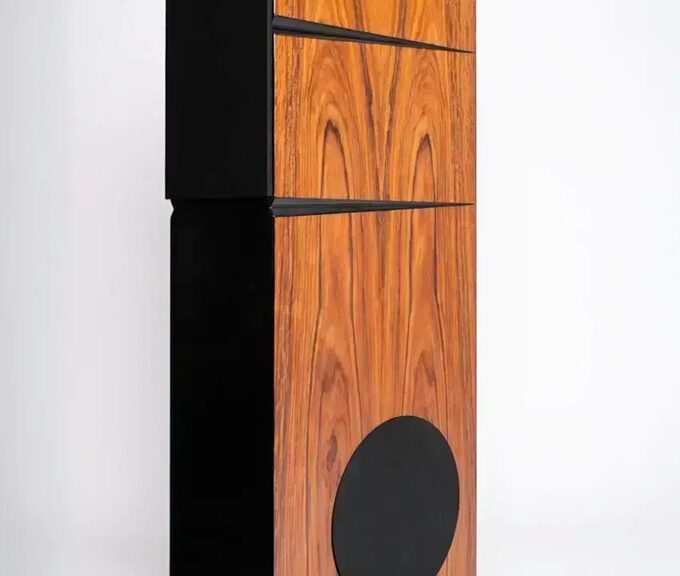
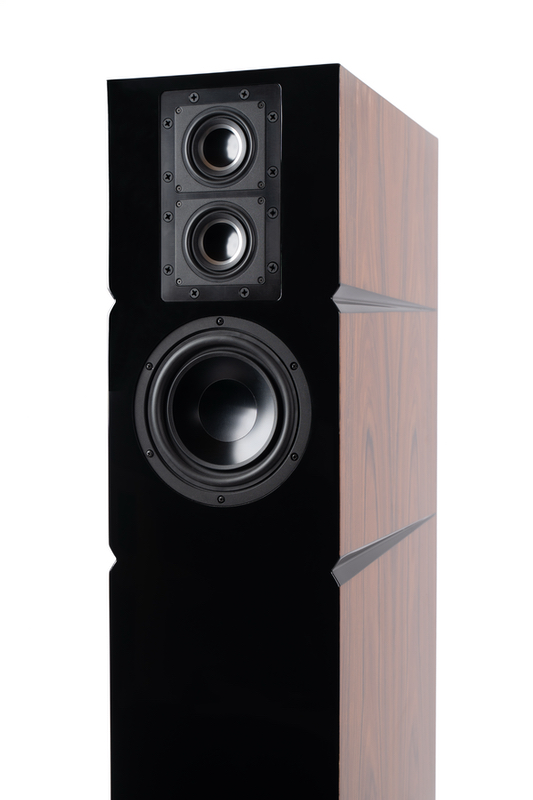
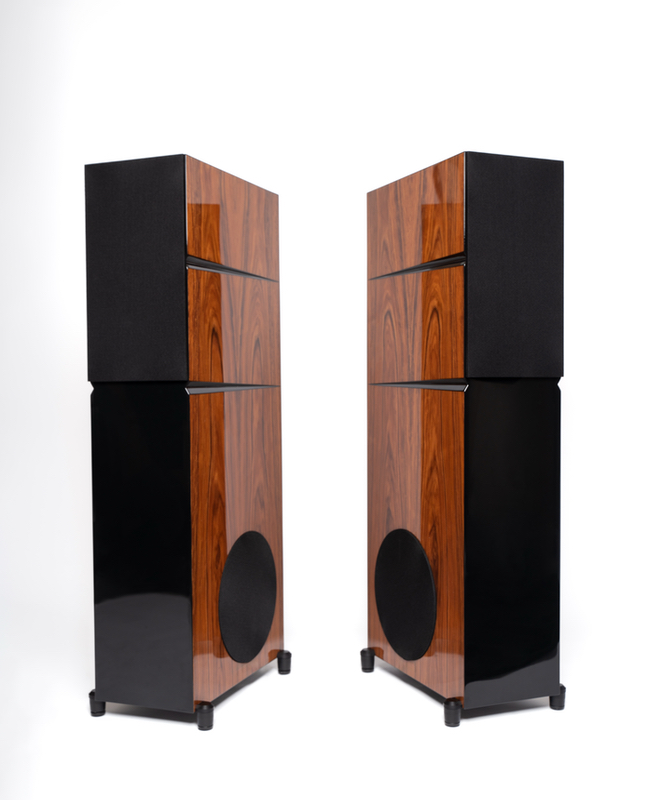
San Marcos, California, October, 2025 – In one of the most significant product introductions in the company’s history, Audience will debut its extraordinary Bellare loudspeaker at two US events: T.H.E. Show New York and Capital Audiofest 2025. As stunning in appearance as it is to listen to, the new Bellare full-range speaker incorporates a number of proprietary technologies including the company’s full-range driver approach to deliver a never-before-achievable level of musical realism.

The Bellare (Italian/Latin for “beautiful”) will be featured at T.H.E. Show New York 2025 at the Hilton Hasbrouck Heights/Meadowlands, Hasbrouck Heights, New Jersey (October 24 – 26, 2025), and at Capital Audiofest at the Hilton Hotel Rockville, Rockville, Maryland (November 14 – 16, 2025). It will be demonstrated as part of a complete high-end system including an all-new Audience equipment rack, and Audience cables and power conditioners (see complete equipment list at the end of this press release).

No need for the usual crossover requirement

At the heart of Bellare’s extraordinary performance is its use of multiple identical 3-inch wideband high-resolution drivers that cover the entire frequency spectrum from 120 Hz through the midrange and treble – eliminating the need for a crossover or different types of drivers for the midrange and high frequencies. This results in remarkable sonic coherence, tonal purity, and imaging, with excellent dispersion. There are no phase anomalies, discontinuities in frequency range, or disruptive changes in radiation pattern.

Bass Is Handled Separately

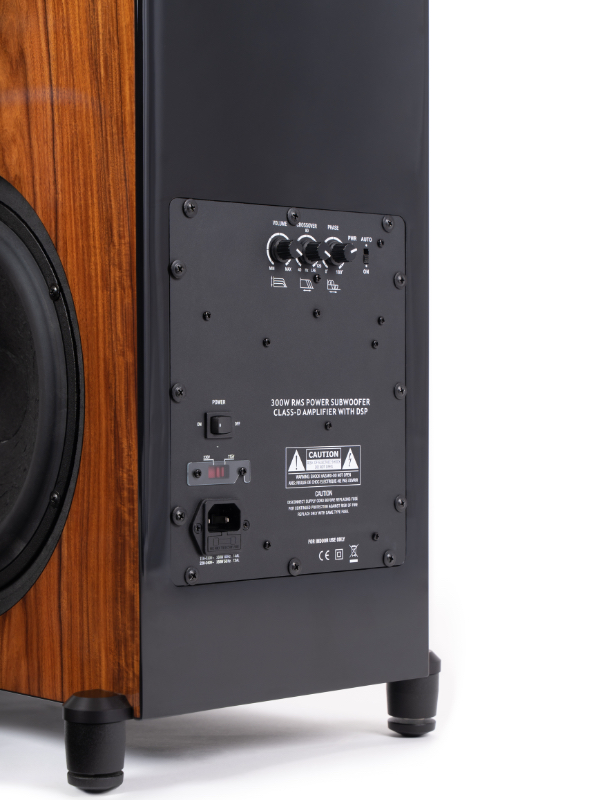
The bass below 120 Hz is handled by Bellare’s built-in 300-watt active bass module with DSP that offers remote control of its volume, and automatic room correction. The inclusion of this built-in bass unit enables Bellare to be used with even lower-powered amplifiers such as Class A or single-ended tube amplifiers, since they are only driving the midrange and high frequencies.

The result is a loudspeaker that offers a seamless, natural musical presentation with remarkable spaciousness, presence, dynamic impact and tonal truthfulness. The Bellare achieves a level of sonic realism undreamed of until now. It is one of the finest loudspeakers ever produced by Audience – or anyone.

The Audience Bellare loudspeaker will be available in March 2026 at a suggested US retail price of $36,000 per pair/ $50,374 CAD (at today’s conversion rate).

Key Audience Bellare Loudspeaker Features:

  • Identical 3-inch drivers provide seamless performance above 120 Hz
  • Crossover-less design (above 120 Hz) preserves coherence, phase integrity, tonal purity and an ideal radiation pattern
  • Built-in 300-watt bass module powers the woofer and mid-woofer
  • DSP offers remote control of its volume, and active room correction
  • Frequency response: -3 dB at 28 Hz and 22 kHz
  • 105 dB continuous output without driver compression
  • Smooth impedance with minimal phase shift for effortless amplifier control
  • 88 dB sensitivity. Very easy to drive thanks to its well-behaved impedance curve and integrated bass augmentation system
  • Nominal impedance of 9.5 ohms and does not drop below 8.5 ohms
  • Exceptionally smooth phase response

List of Components to be Used in T.H.E. Show New York and Capital Audiofest Demonstration Systems:

  • Audience ClairAudient Bellare Loudspeakers
  • Audience equipment rack (price TBA)
  • Atma-Sphere MP-1 vacuum tube balanced line stage ($7,850 usd/ $10,985 cad)
  • Atma-Sphere Class D monoblock amplifiers ($6,100/pair usd/ $8,535 cad)
  • Exemplar Audio eXpression DUAL ES9028PRO DAC with outboard power supply ($5,500 usd/ $7,696 cad)
  • SONY UBPX – 1100ES disc player ($700 usd/ $979 cad)
  • Audience Adept Response aR6-T4 6-outlet reference power conditioner ($6,900 usd/ $9,655 cad) with optional FrontRow Reserve HP powerChord ($7,600 usd/ $10,634 cad)
  • Audience Forte V8 8-outlet power strip w/Forte F3 power cord ($980 usd/ $1,371 cad)
  • Full loom of Audience frontRow Reserve interconnects, speaker cables, and power cords.

Audience
800-565-4390 (US and Canada)

About Audience

Audience was formed in November 1997 by John McDonald and the late Richard Smith, as a design and production company focused on building the best possible audio and video equipment. To pass the Audience test, each product must truly make a significant contribution to the reproduction of audio and/or video. Audience offers loudspeakers, electronics, cables, power conditioners, high-resolution capacitors and the Auric Illuminator optical disk resolution enhancement.

Audience’s commitment is to develop the very best products possible, and the company is committed to unexcelled customer service and product support. All Audience cables have an unconditional lifetime warranty and power conditioners have a ten-year warranty. For more information visit www.audience-av.com.

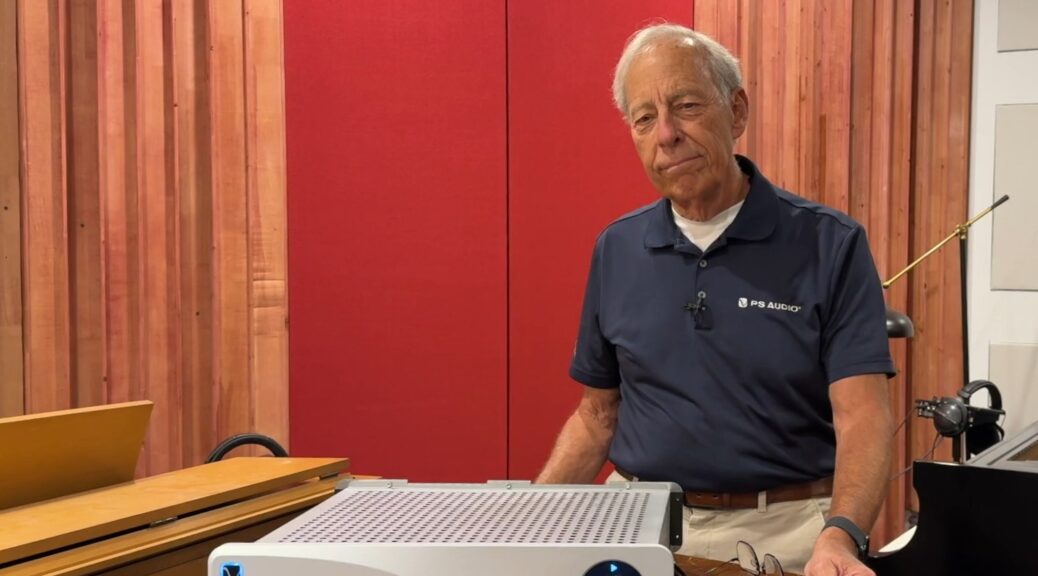
This Transport Reveals Hidden Sonic Details In Compact Discs And SACD

CDs played through the PMG Signature SACD Transport come closer than ever to high-resolution PCM and DSD, uncovering new layers of dimensionality, soundstage, depth, and musicality previously unobtainable in other optical readers or server-based audio systems. 

What is a Transport?

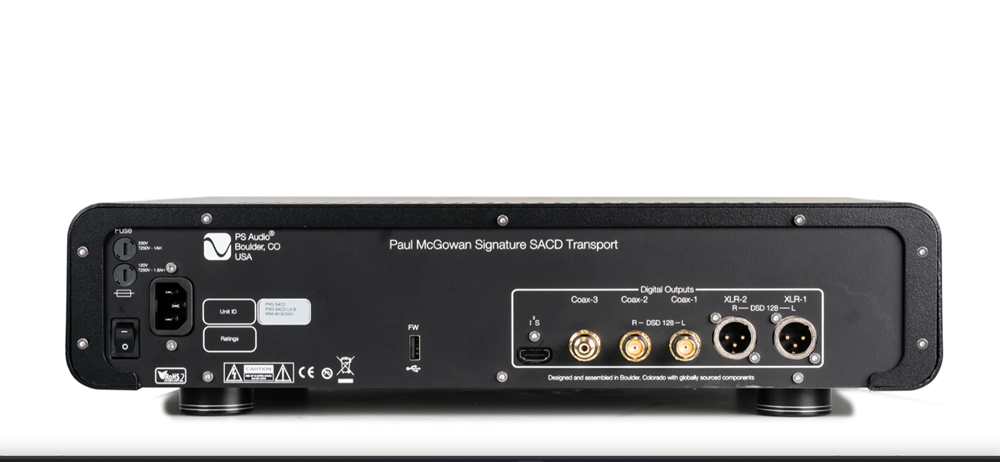
Like its predecessor (the PerfectWave SACD Transport) the PMG Signature opens the long-restricted DSD layer of SACD to PS Audio DACs. The PMG will deliver the raw DSD layer of copyright-protected SACD directly into your PS Audio DAC through I²S. This means that you’ll uncover the wealth of audio’s finest digital medium, DSD, and hear exactly what the mastering engineers who created these discs have enjoyed all along. Hear what you’ve been missing with the PMG Signature SACD Transport.

PMG Signature SACD Transport

Locked inside your CD and SACD collection is a treasure trove of music you’ve never truly heard. How do we know? Because PMG, like you, know every note of our reference discs—and we were stunned when we heard them through the new PMG Signature SACD Transport. This isn’t just another player. It’s the finest optical disc transport we’ve built in 43 years, and for the first time in our history, our founder has signed his name to it.

The PMG Signature SACD Transport is an engineering triumph, designed to extract every nuance and detail from your CDs and SACDs with unmatched precision. With galvanically isolated outputs and ultra-low jitter design, it breathes new life into your CD collection when paired with any DAC. And when connected via I²S, it unlocks the raw DSD layer of your SACDs—delivering what was once hidden to external DACs. This is not nostalgia. This is revelation. The PMG Signature SACD Transport is the ultimate disc playback system—worthy of the name, and the legacy.

For the Silo, Paul McGowan.

Joe Rogan’s RSR Revamped Porsche 911

A Collector Expands His Fleet

Joe Rogan’s car collection already includes a SharkWerks 997 GT3 RS, a 964 RS America, and a 993 Gunther Werks 911. Now, the comedian and podcast host has taken delivery of a custom-built Porsche 911 RSR tribute from The RSR Project. Nicknamed Silver 2, the car is designed to echo Porsche’s early motorsport roots while offering upgraded performance for modern driving.

The Build Process

The project began with a galvanized 1985 Carrera tub, which was stripped down and reworked with steel flares and fiberglass panels to achieve the classic long-hood RSR profile. The body was finished in a glossy silver paint that recalls bare metal and paired with period touches such as a ducktail spoiler, fiberglass bumpers, and 15-inch Braid Fuchs wheels wrapped in Michelin TB15 vintage tires

Power and Engineering

Founder Richard Schickman led the build, which included a complete mechanical overhaul. Rogan’s car is powered by a 3.5-liter flat-six producing 310 horsepower, equipped with twin-plug heads, GT3 intake plenum, Clewett Engineering throttle bodies, Elgin cams, Lucas injectors, and Bosch ignition components. The motor is controlled by an Emtron SL ECU and paired with a fully rebuilt transmission. Suspension and braking systems were also refreshed to meet both performance and reliability standards.

“Our goal with every build is to honor Porsche’s motorsport heritage while elevating performance to meet modern expectations,” Schickman explained.

Precision Rebuild Standards

Every RSR Project car undergoes a full teardown. Engines are disassembled, magnafluxed, and sonic cleaned, while rotating components are balanced to within a gram. Cylinder heads are resurfaced, valve guides replaced, and transmissions rebuilt with new synchros and seals. The result, according to the company, is a drivetrain that looks factory-new but performs with modern precision and durability.

Interior Details

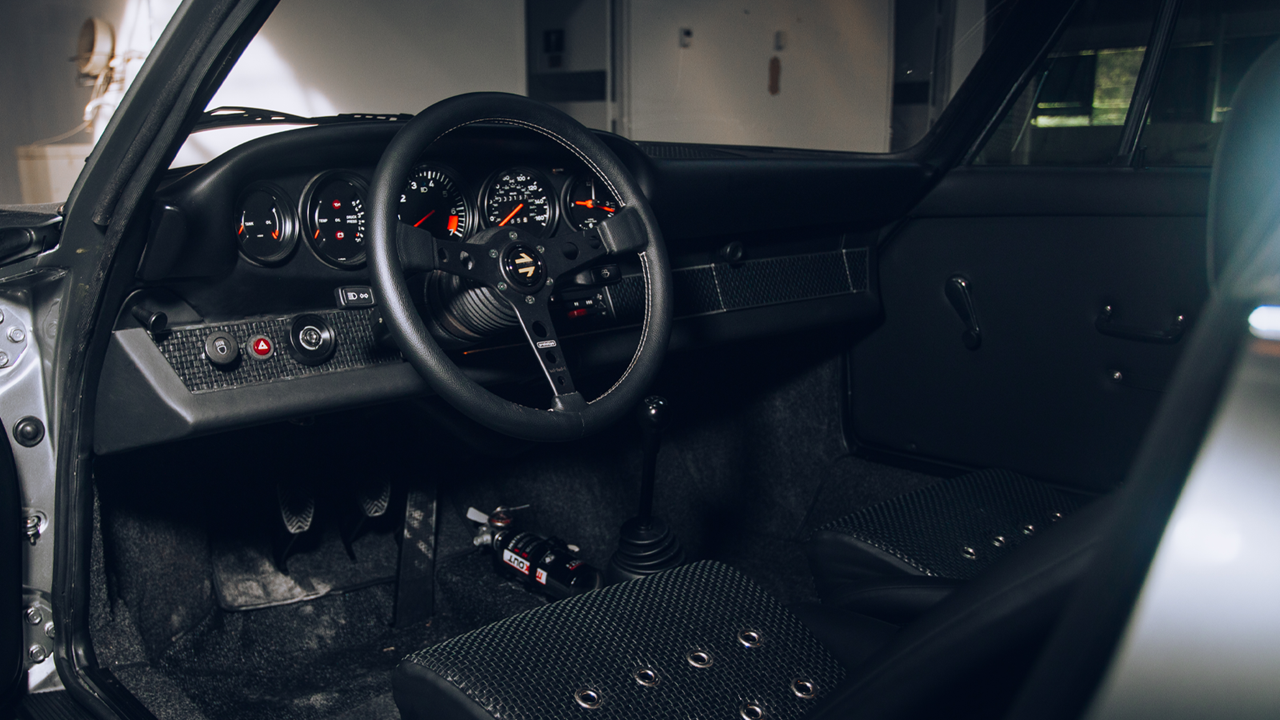
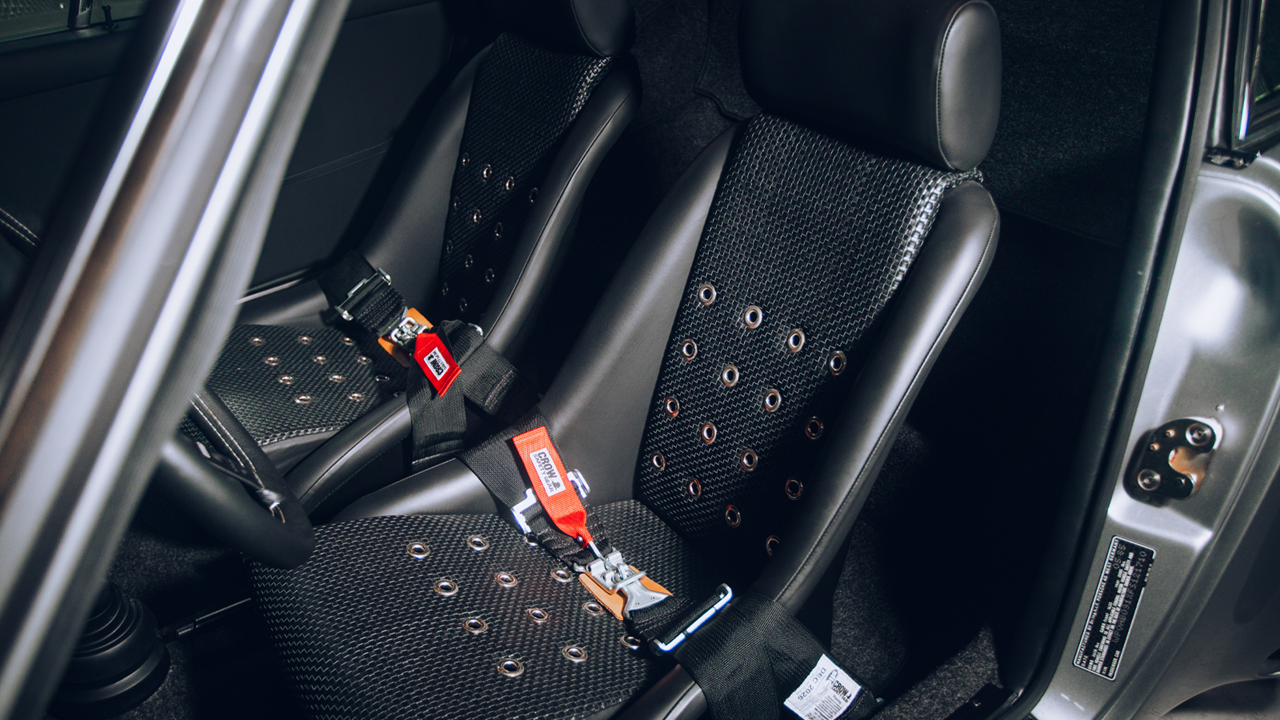
The interior follows the same philosophy of heritage blended with bespoke craftsmanship. Rogan’s build features black fixed-shell bucket seats trimmed in woven leather with nickel grommets, a nod to 1960s GT40s. The dashboard was replaced with a Porsche Classic unit, paired with RS-style door panels, lightweight Perlon carpeting, and a Momo Prototipo steering wheel. The minimalist approach is reinforced by details like pull straps, a radio block-off plate, and a Wevo short shifter.

Rogan declined extras like a sound system, opting instead for a stripped-down cabin that celebrates Porsche’s racing DNA. The only modern concession is an electric air conditioning system.

Road-Proven Performance

The RSR Project emphasizes that its cars are built for driving, not static display. Rogan’s Porsche underwent more than 700 miles of testing before delivery to ensure reliability and fine-tuned performance. As Schickman noted, “Every RSR we create is built to be driven and enjoyed thoroughly.”

Time and Cost of an RSR Build

Building a Porsche to this level is a significant undertaking. Each project typically requires 12 to 18 months to complete, with prices starting at $375,000 usd/ $516,750 cad (at time of posting). Clients can select additional options such as upgraded engines, modernized braking systems, and electric air conditioning. Earlier in the year, the company also unveiled RSR Project No. 21, a Signal Orange homage to the 1973 Rennsport Rennwagen.

This article via our friends at rennlist.com

Tornado Mini Fireplace Sustainably Modern

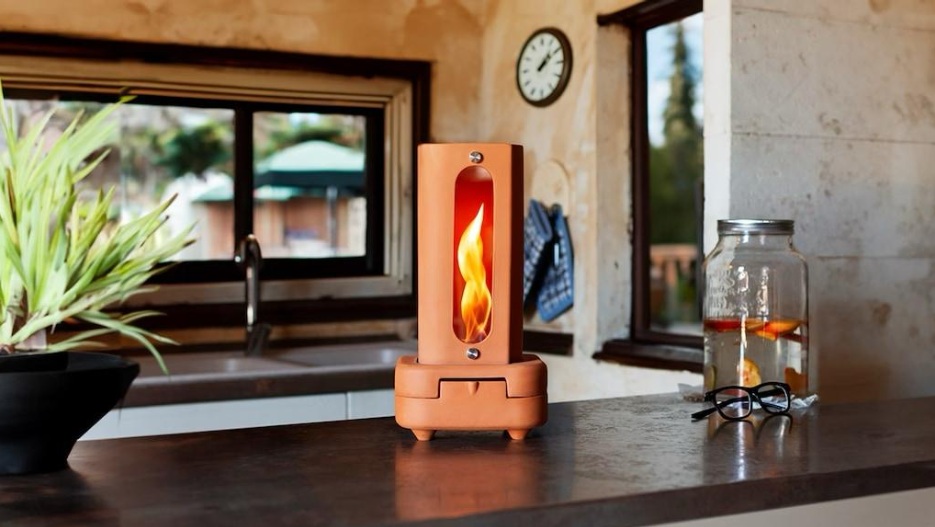
 Egloo, an Italian design studio known for eco-friendly home innovations. has just introduced ‘Tornado’, their latest bioethanol fireplace that combines sustainable design with modern functionality.

Tornado Highlights:
• Innovative Design: hypnotic spinning flame in a sleek ceramic body, a unique centerpiece for any space.
• Eco-Friendly: runs on clean-burning bioethanol, requiring no chimney or electricity.
• Made in Italy: handcrafted in premium terracotta by skilled artisans.

Tornado will intrigue design-conscious and sustainability-minded people. Its blend of innovation, style, and eco-friendly functionality represents Egloo’s commitment to redefining home comfort in a greener way.

🔥 500% more heat

🌀 Spinning Flame Design

🍃 Bioethanol Powered

🇮🇹 Italian Craftsmanship

🏡 Indoor/Outdoor Versatility

👃 Aromatic Diffuser

🖼 Decor Statement Piece

🔒 Safe Operation

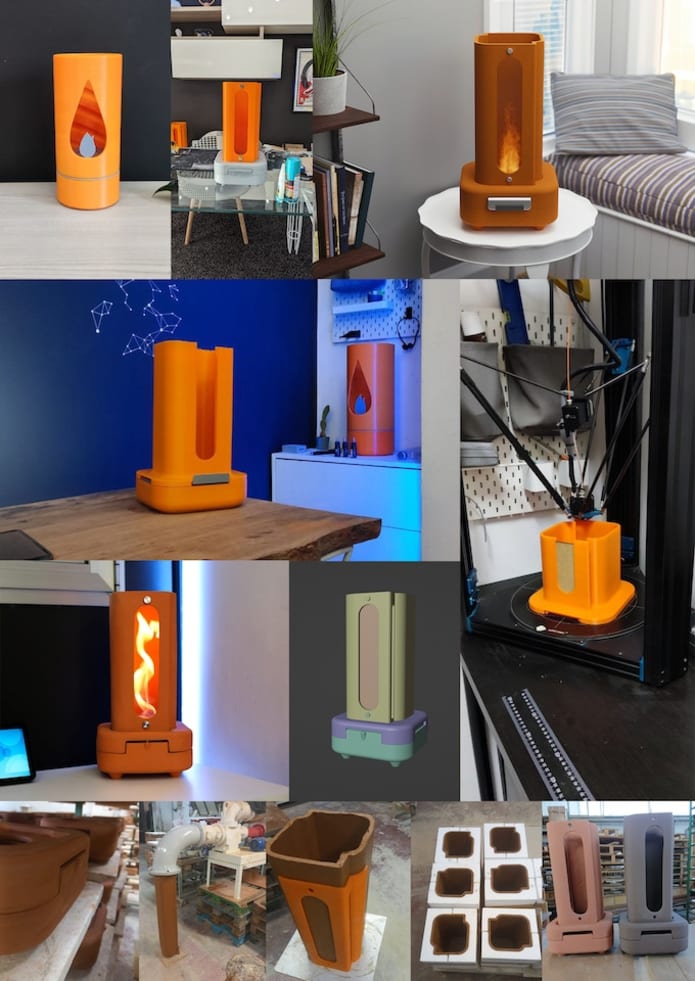
The design process commenced with identifying a dual objective: an efficient, eco-friendly heater that’s also a visual masterpiece. To bring this vision to life, Igloo leveraged the most advanced design tools available: 3D modeling allowed them to visualize and perfect every curve and contour, while 3D printing facilitated rapid prototyping and iterative refinement.

Specialist thermodynamics software was employed to ensure that when combined with terracotta, the bioethanol-fueled flame wasn’t just mesmerizing but also 500% more potent than conventional heaters. The result is Tornado, a testament to how traditional materials can be elevated through modern design methodologies.

Learn more. For the Silo, Jarrod Barker.

Coming To Streaming & Disc- Eileen Gray & The House By The Sea

She designed a sanctuary for herself.
Unfortunately, it turned out to be a modern masterpiece.

E.1027
Eileen Gray and the House by the Sea
Streaming & DVD Launch September 9, 2025!
Coming to Amazon, Apple & Kanopy
 
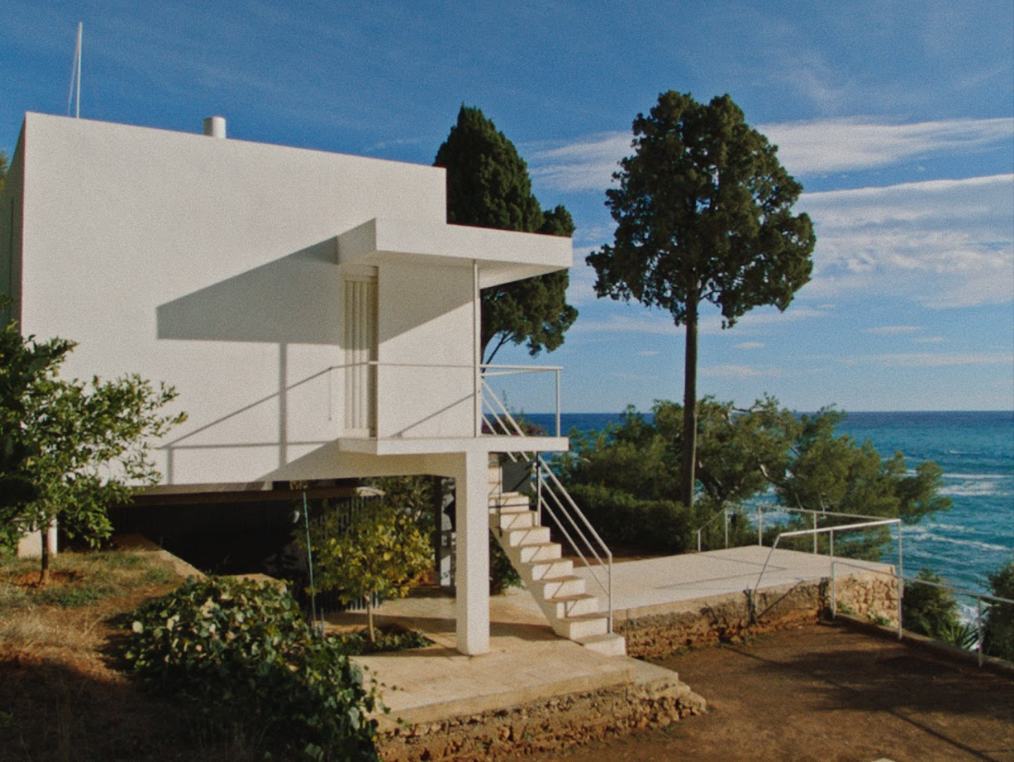
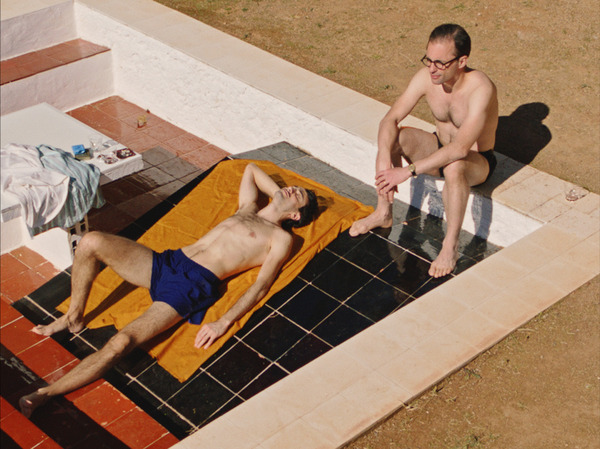
In 1929, Irish designer Eileen Gray created E.1027 on the sun-soaked Côte d’Azur – a bold and hidden gem of avant-garde architecture. This striking house was meant to be a personal refuge.

But when the legendary architect Le Corbusier stumbled upon it, fascination turned to obsession. He covered its walls with his murals, completely disregarding Gray’s wishes and her vision. His defiant act ignited a battle for creative control, with Gray demanding restitution for the destruction of her work. He ignored her wishes and instead built his famous Cabanon house directly behind E.1027.

E.1027 – Eileen Gray and the House By the Sea is an unusual hybrid docu-fiction film that tells a story about the power of one woman’s creative expression and a man’s desire to control it.
“A unique and uniquely satisfying experience…a bold movie because it takes a deep dive on characters and a house that may not widely known, at least for American audiences. There is nothing quite like it.”
– John Soltes, Hollywood Soapbox
A story of passion, craft, and betrayal…aesthetically beautiful and a great summer watch.” – Fiona Rae, Film Threat
“Shot on location at E.1027, this feature-documentary hybrid matches the sleekness of its setting – its serenity, its surface poetry, its fragments of grace.” – Barlo Perry, ParisLA
“Eileen Gray was a creative genius and the first woman to conquer the world of architecture at a time when men controlled it all. This new film reflects on Gray’s impressive career and her stunning modernist house on the Cote d’Azur.” – Meredith Taylor, Finito World

“The directors put architecture in dialogue with cinema in order to bring to life the sensibility of a woman who was a visionary yet is too rarely celebrated. Elegant and well thought-out, the film uses the cinematic medium to enrich a discourse.” – Giorgia Del Don, Cineuropa

“Based on the memoirs of Eileen Gray, this meticulously crafted docu-drama, where poetry slips into frames, angles and tones, almost feels like a hallucination.” – Maroussia Dubreuil, Le Monde
A First Run Features / Architecture & Design Film Festival Release
E.1027 – Eileen Gray and the House By the Sea

Written & Directed by Beatrice Minger
Co-Directed by Christoph Schaub
With Natalie Radmall-Quirke, Axel Moustache & Charles Morillon
90 minutes, color, 2024 | English & French w/English subtitles

Streaming & physical media disc Launch Date: September 9, 2025
Streaming Platforms: Amazon, Apple & Kanopy
DVD SRP: $19.95 usd| DVD UPC: 7-20229-91843-5

For the Silo, Kelly Hargraves/ First Run Features.

Legendary Sneakers Worn For Combat

What is with the connection between running shoes and combat? Comfort and stealth? Style and speed? Whatever the case it is time to take a look at another “fighting sneaker”. The Cheetah is made in Pakistan by long-lived footwear juggernaut Servis.  A sneaker so intrinsically tied to wartime Afghanistan, it’s been the subject of controversy ever since a few western stores started stocking them on their shelves, our friends at kommandostore includedWith it’s looks that embody a time capsule of 2000s shoe design, and its ties to legitimate warfighting in Afghanistan, it’s cemented a legendary status on our store. 
 Outside of Afghanistan, these runners went viral for their apparent association with insurgency – but inside Afghanistan, as one NYT article reports, they’re a “status symbol worn by warfighters” including the Afghan security forces that also took a liking to them. But tales of internal squabbles and “forever wars” aside, we’re inclined to agree: You’d never guess it based on the design of the shoes alone, but the men who wore them earned them their status as shoes you can literally trust to go to war with. 
 But reputation only brings a pair of shoes so far — any sneakerhead among you is going to want to look for finer details. And Alhamdulilah, you’ll be pleased. Being made in Pakistan instead of China, you really don’t see the common corners cut. The materials are nice, the outsole surprisingly durable. It’s no wonder that like many throughout history, Afghan warfighters on all sides wore cheetahs as a lighter, nimbler alternative to heavy boots. 
 And of course they love how they look too. Looking fresher than pre-creased Jordans never had such a close vicinity to the country of Jordan…

For the Silo, Jarrod Barker.

Buckminster Fuller’s Fascinating Unbuilt Buildings

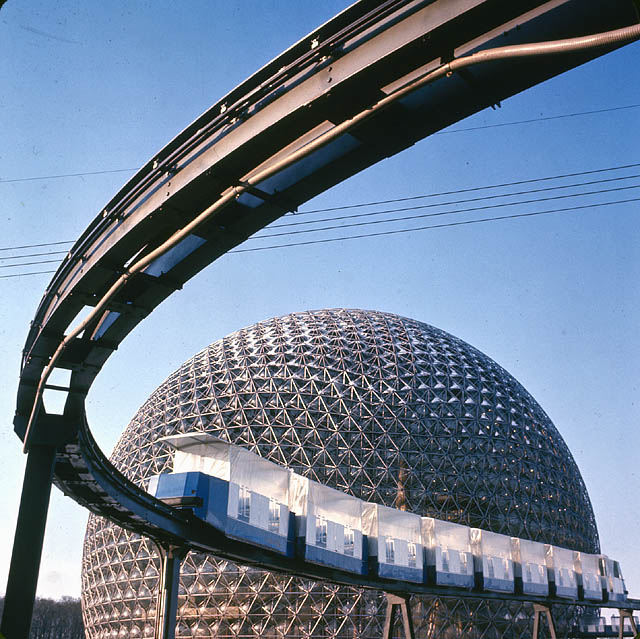
Buckminster was a genius and his geodesic dome buildings were not only revolutionary in their construction but were also incredibly unique and memorable. Perhaps your grandparents attended Expo67 in Montreal (you guessed it, waaay back in 1967) and visited the United States Pavilion- read this snippet for a time capsule account:

“The United States exhibit, entitled Creative America, is designed to illustrate technological and esthetic inventiveness in the U.S.A.A huge transparent geodesic “bubble” contains a multi-level system of exhibit platforms interconnected by escalators, and walkways. The platforms support a variety of exhibit components specially selected or designed for the new environment created by the structure. Situated on Ile Sainte-Hélène close to the Métro station from which there is Minirail connection with the Expo-Express, the bubble is 20 stories high and has a spherical diameter of 250 feet .By day, the bubble glistens as the sun highlights the structure and, by night, the bubble “glows” from interior lighting. The interior exhibits reflect different aspects of the United States and include folk art, cinema and fine arts displays, as well as a space exhibit which is reached by a 125 foot escalator and a simulated lunar landscape supporting full scale lunar vehicles. A 300-seat theatre features a 3-screen color film showing the games children play.”

Photo- National Archives of Canada

If you think that was pretty amazing check out some of Buckminster’s buildings that unfortunately didn’t make it past the planning stage.

Fascinating Unbuilt Buildings

Fabulous  Mid-Century Modern Home Hits The Market

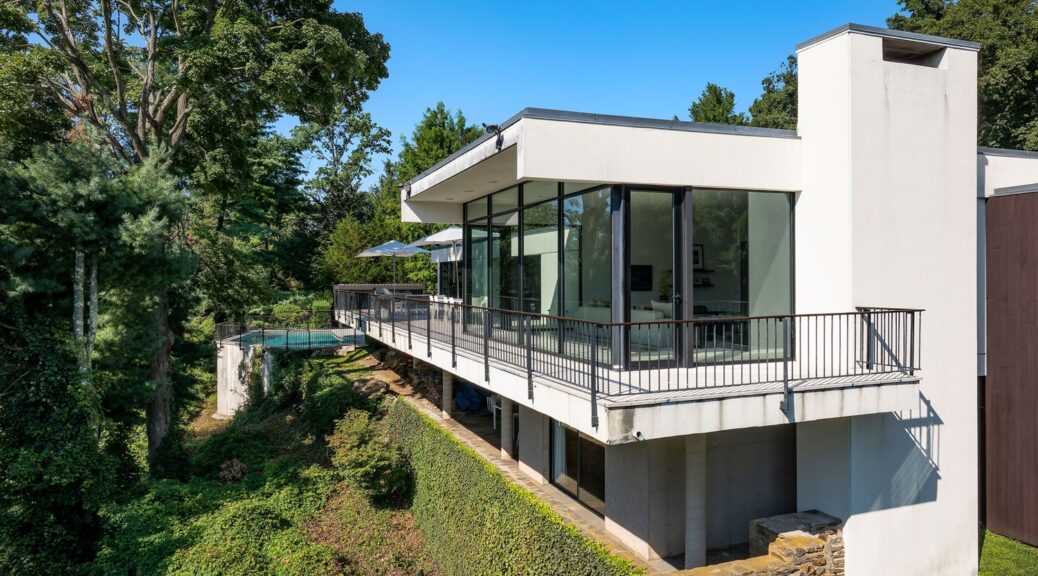
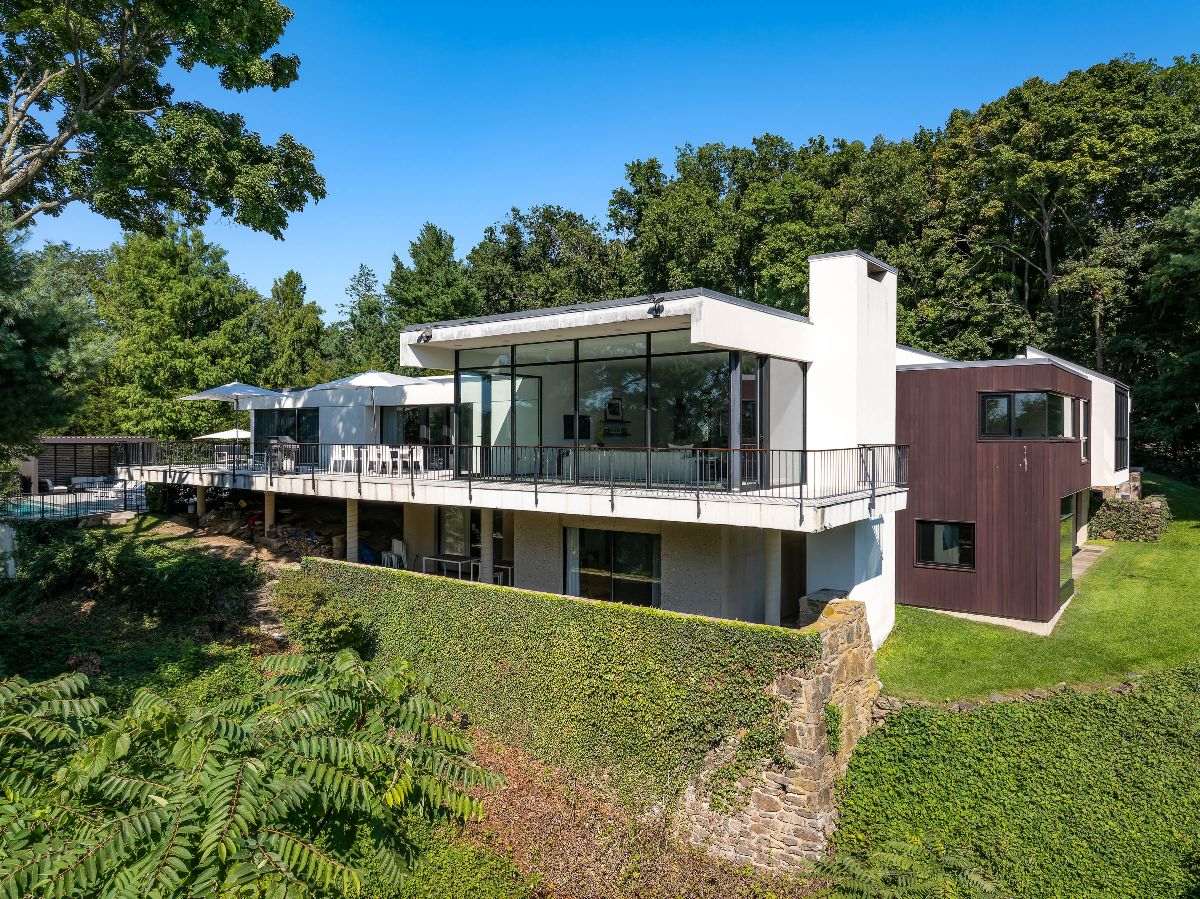
Yale School of Architecture’s Dean, Deborah Berke, is an accomplished and decorated architect. The founder of the TenBerke firm, she is responsible for such notable projects as the Residential Colleges at Princeton University, the Cummins Indy Distribution Headquarters, the Rockefeller Arts Center at SUNY Fredonia, the Yale School of Art in New Haven, Connecticut, and the 21c Museum Hotels across the South and Midwest. She is the winner of the Topaz Medallion, the highest honor for architectural education, the Berkeley-Rupp Prize at the University of California at Berkeley, which is given to an architect who has advanced the position of women in the profession, and the AIA Gold Medal Award for a lasting impact on the theory and practice of architecture. In 2014, the venerable architect completed a bespoke renovation of a stunning mid-century-modern home in Rye, NY, winning the 2015 Hudson Valley Design Award. That home has now hit the market for $4.95 million usd/ $6.89 million cad.

Originally built in 1969 by notable architect Milton Klein, the 6,500-square-foot residence is a classic California-style modern with the walls of glass, steel-frame construction, stark lines, and an open floor plan characteristic of the coveted aesthetic. As described in her book, House Rules: An Architect’s Guide to Modern Life, Berke was primarily inspired by nature in her home renovation, a philosophy in keeping with the ethos of the modern design movement. She chose materials like warm mahogany to act as a deep contrast to the concrete and stucco features. 

The Inimitable Mezger Engine

Take it from our friends at rennlist, Porsche has built some truly remarkable engines over the years. The air-cooled 911/83 engine that powered the 1973 911 2.7L Carrera RS is just one example. But if you were asked to go on and list the ten all-time greatest Porsche engines there is a good chance the list would be dominated by various Mezger engines.

The 12-cylinder found in the Le Mans-winning Porsche 917? That’s a Mezger. The 3.6L flat six in the 996 GT3? That’s a Mezger. The 4.0L in the 997 GT3 RS 4.0? That’s a Mezger.

How about going all the way back to the original 901/911 engine? Yup, that’s a Mezger.

But what is a Mezger engine, and why are they so special? That is what we are going to discuss here today. We have come up with 9 reasons why the Mezger engine is so special. And there is no other place to begin the discussion than the legendary man behind these engines, Hans Mezger.

1. Hans Mezger

A single slide can in no way capture all that the legendary Hans Mezger accomplished. He joined Porsche back in October of 1956. He loved Porsche sports cars, but his first job was working on diesel engine development. In 1960, he began to work on the type 753 flat-eight engine for Porsche’s first Formula 1 car. Soon after he designed the 6-cylinder boxer engine for the 901/911. He was then promoted to the head of race car design. He was responsible for the 917 and the 12-cylinder engine that powered it to Porsche’s first Le Mans victory in 1970. He then was responsible for the turbocharged 917/10 and 917/30 cars that dominated Can Am. He designed and developed the six-cylinder turbo engines for the Type 935 and 936 race cars.

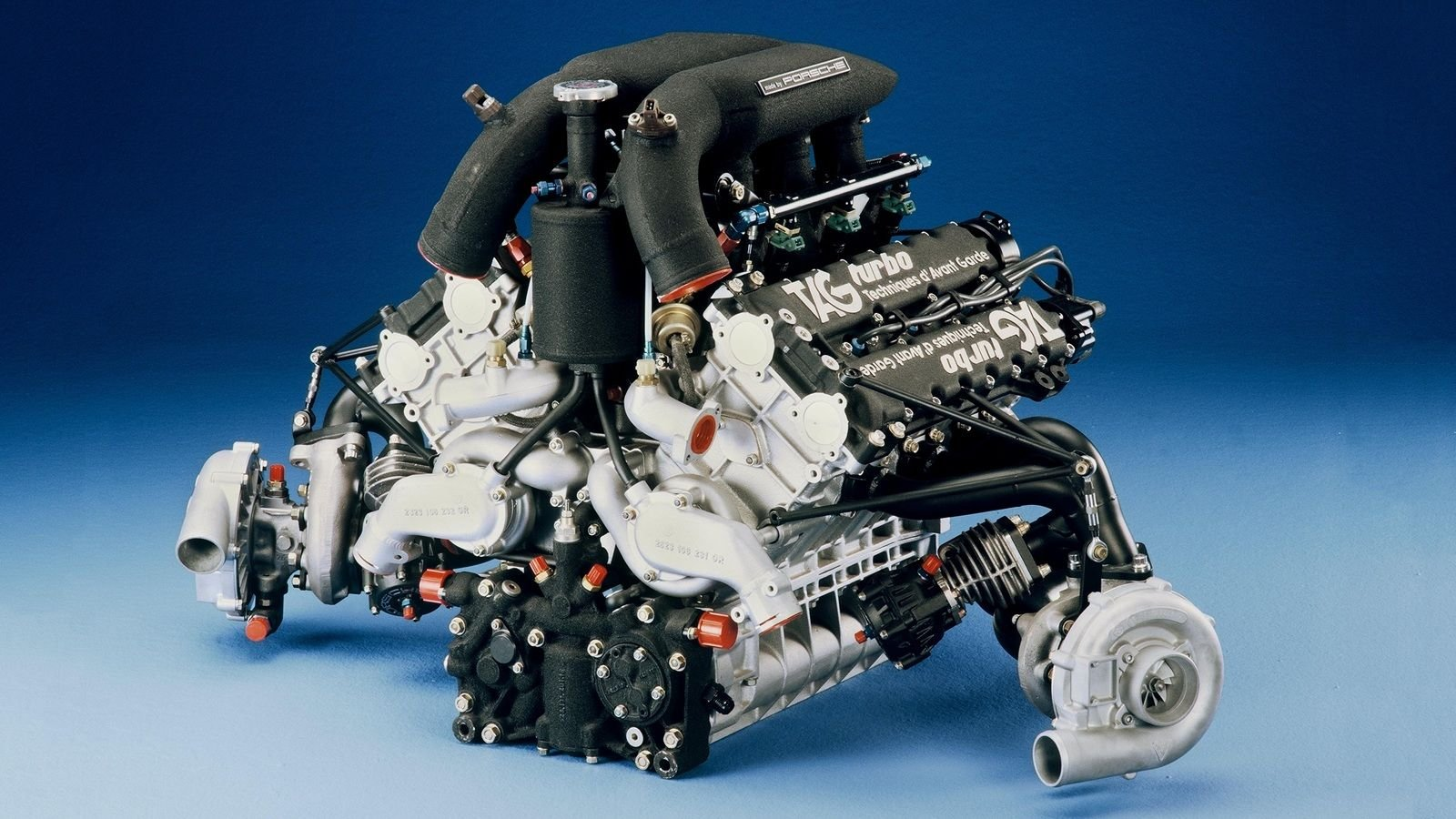
Mezger designed the 1.5L V6 engine known as the TAG Turbo that powered the McLaren Formula 1 cars to championships in 1984, 1985 and 1986. His engines would eventually be found in the most performance-oriented Porsche road cars such as the 996 GT3, GT2 and Turbo. Mezger remained closely connected with the Porsche brand until he passed away on June 10, 2020, at the age of 90.

2. Motorsport Pedigree

Mezger built engines for the most demanding races in the world. His engines that were put into Porsche road cars have the same engineering approach. These engines are designed for long-term high performance. They are essentially overbuilt for road use. These engines were not designed to meet a certain price point. They were designed to provide the best performance. There were no corners cut with any Mezger engine.

3. Birth of the GT3

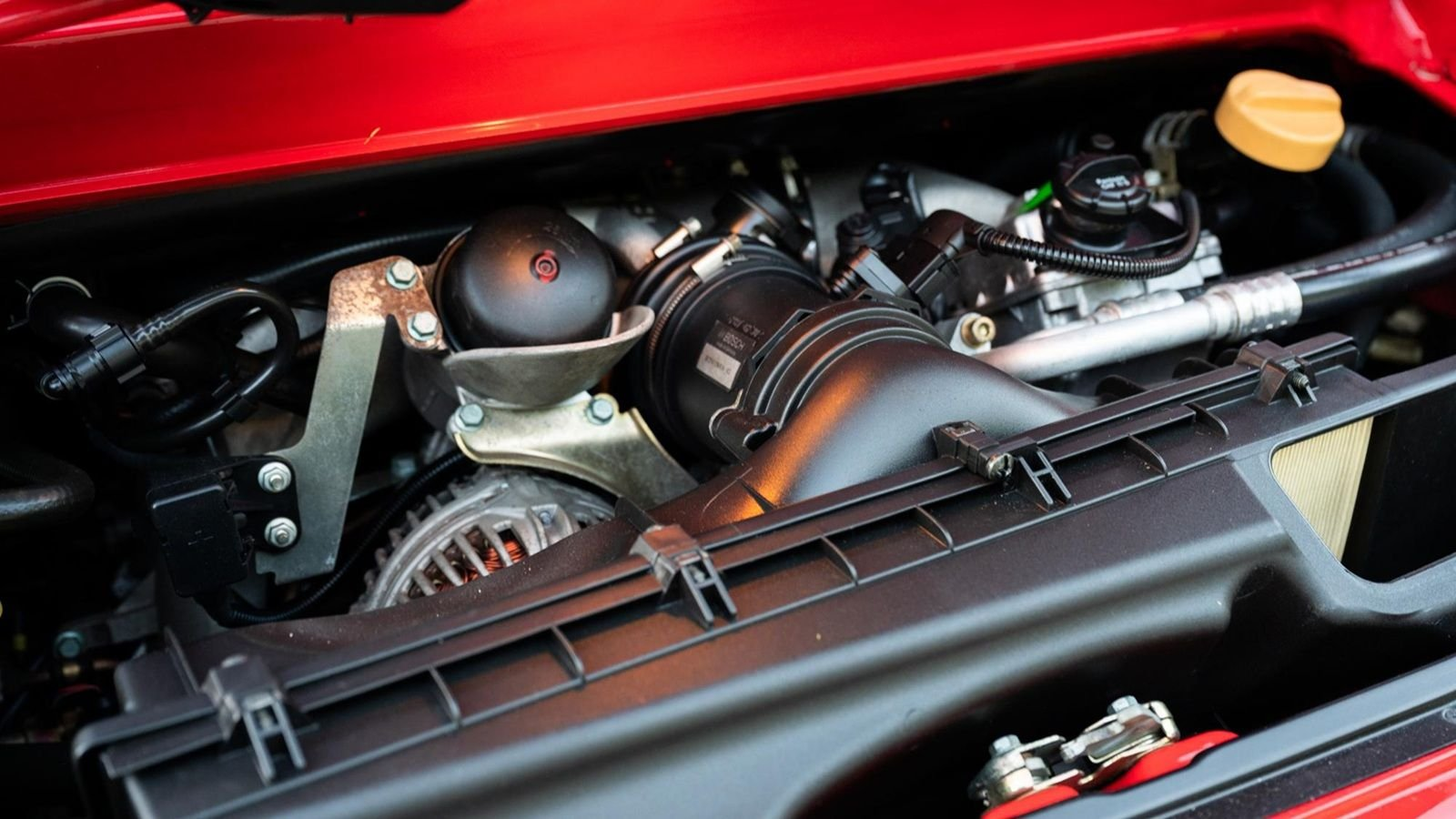
Many people view the 911 GT3 models as the pinnacle of the 911 range. One of the main reasons why is because of the track-focused, high-revving flat-six engine out back. It all started with the M96.79 engine found in the 996 GT3. The European market got the GT3 a few years before us and had the M96.76 engine, but the point is the same. The GT3 legend began in large part because of the incredible engine that powered it. This dry sump engine could rev to 8,200 rpm all day long. The engine was derived from the Porsche 911 GT1-9,8 which happened to win a little race called the 24 Hours of Le Mans. The street version of this engine is nearly bulletproof,f and the GT3 legend was born.

4. Turbocharged Versions

If the GT3 was just not powerful enough for you, Porsche had a solution. The GT2 and Turbo also used Mezger engines, but with a pair of turbochargers. They are not as high-revving as the normally aspirated units, but they offer more power and a lot more torque. And these engines are just as reliable.

5. Reliability

The Mezger engines are not just more powerful but also more reliable. The knock on the M96 and M97 engine series has long been the IMS bearing. But the Mezger versions don’t have the same design. Instead, they use plain bearings that are pressure-fed engine oil for lubrication. These bearings don’t fail. That alone makes the Mezger significantly more reliable.

6. Sound

Even if these engines were not more durable and powerful, people would buy them for their sound alone. It is not just their high-revving nature in naturally aspirated form. But the design of the engine itself, with features such as dual timing chains that give these engines a more characterful sound. They are more gravely and “motorsporty” sounding than the non-Mezger engines.

7. Power Upgrades

These engines were overbuilt and as such, are typically able to comfortably handle more power if you want to modify them. The turbo versions can easily be tuned to reliably make more power. Of course, every engine has its limitations, but the Mezger engine is robust enough to make more power without hurting reliability.

8. The 997 GT3 RS 4.0

Many people consider the 997 GT3 RS 4.0 to be the best Porsche 911 road car of all time. It just so happens to be equipped with the last Mezger engine. A 4.0L jewel making nearly 500 naturally aspirated horsepower. The engine revs to 8,500 rpm and has more character in it than an entire truckload of new 992.2 Carreras. The 4.0L marked the end of an era. It is the last and possibly the best road-going Mezger engine ever produced.

9. Rarity and Desirability

Not every Porsche got a Mezger engine. Technically, all the air-cooled 911s have a Mezger-designed engine, but they have been out of production for over a quarter of a century now. Only a small percentage of water-cooled Porsche engines were a Mezger design. And Porsche is not building any more of them. So, what is out there today is all that will ever be out there. These engines are found in the most desirable Porsche models, and these cars are collectible today and will continue to be collectible for the foreseeable future. If you buy a Porsche with a Mezger engine today, the chances are good that it will be worth the same or even more tomorrow. For the Silo, Joe Kucinski.

Images: Porsche

>>Join the conversation about the Mezgar engine right here via our friends at Rennlist.com.

Hip Hop Jewelry Like A Rose Gold Jesus With Brown Ice

It's 2013 and "moto's and escapade's" might not be synonymous with Rap Kings (and Queens) these days- but Rose Gold bling is making a comeback. CP

Hip-Hop is a culture, it’s a lifestyle, it’s an artistic expression and yes, it’s jewelry.

Since its inception Hip-Hop has always been edgy, outside the box, and ready to make a statement at all times; not just musically, but also in a fashion sense.

Rose gold, also known as red gold or pink gold made a big comeback in the world of Hip-Hop a few years ago but did you know Rose gold was popular at the beginning of the nineteenth century in Russia, formerly giving it the name “Russian gold”?  This term is no longer used. This type of gold is also often used in making musical instruments.

Christian Jennings is one of the top flute players in the world- she chooses to play a customized flute made out of Rose Gold. CP
Christian Jennings is one of the top flute players in the world- she chooses to play a customized flute made out of Rose Gold.

Companies such as King Ice are selling Hip-Hop inspired Rose gold jewelry, stating that it is reappearing due to artists such as Rick Ross and Kanye West being seen wearing items made from this gold and copper alloy.

Drake can even be seen with an extremely expensive Rose gold watch on the cover of his Grammy award winning sophomore album Take Care .

If you need a bit more convincing about the resurgence of rose gold bling in the hip-hop community- check out this cover from Drake's new album Take Care.

Whether you’re a “Hip-Hop head”, an occasional listener, or never venture into that world at all, Rose gold is becoming a statement piece and doesn’t seem to be disappearing anytime in the near future. For the Silo, Brent Flicks.

Is A New Kitchen Faucet On Your Christmas List?

Pfister faucets

TORONTO – Practical gifts are back on the up trending list for homeowners both new and seasoned. Whether modernizing an old style kitchen or just looking for an ergonomic water saver, there are literally hundreds of choices available over a wide range of price points.

Selecting the perfect faucet for your kitchen may seem slightly daunting, but with a clear idea in mind, it’s easy to find the right one that will go with the flow.

“Installing the right kitchen faucet that fits your kitchen’s style is the final touch that will completely tie the room together,” said Mark Wallace, Senior Group Marketing Manager of Spectrum Brands – Hardware & Home Improvement. “People always notice a unique looking faucet when they enter a kitchen and depending on the model it can act as a true statement piece for the room. When considering a new faucet, the right one shouldn’t just provide function but should also reflect your overall kitchen style.”

To help you find the faucet that best matches your style, Pfister created a quick guide of the five most popular kitchens and what faucet you should consider to best match that style:

Country – White painted wood trim and butcher-block counter tops give the country style kitchen a charming and cozy feeling. Match the Pfister Glenfield with this style and watch it blend into the farmhouse vibe.

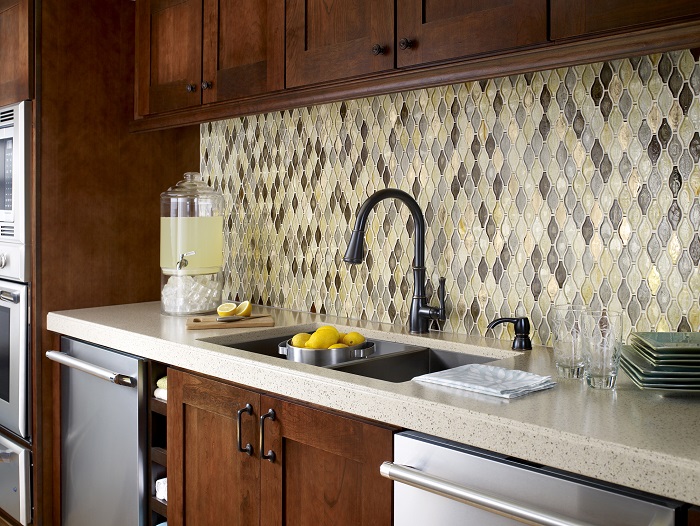
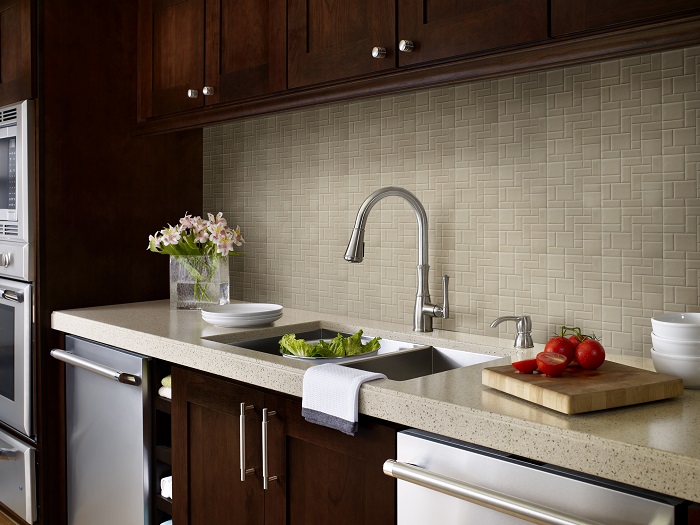
Modern – Clean lines, stark colors and stone accents make up the modern style kitchen. Make a statement with the Pfister Vosa featuring a simple and refined beauty – a perfect fit for the modern kitchen that has modern fixtures and modern lighting.

This gorgeous Pfister Tisbury single control Bronze kitchen faucet retails for around $450.00 cad. 

Wonderful contours and finish on this Pfister faucet.
Note the wonderful contours and finish on this Pfister faucet.

Rustic – Weathered cupboards, antique kitchen tables and exposed brick make up the increasingly popular rustic style kitchen. At home in front of a backsplash of colorful tiles or looking out a window, the Pfister Ashfield has an old-school design that will work in any rustic styled kitchen.

European – Functional and sleek, the European style kitchen is clean from its black tile floors to the exposed wood beams above. Go for the Pfister Fullerton, a sleek and angular faucet that will complement the room’s Scandinavian influence.

Traditional – Hanging bronze pots, a mix of wood and stone and sunlight streaming through large windows make this the most popular room of the house for a reason. A classic choice, such as the Pfister Wheaton looks right in a traditional kitchen, providing a functional and stylish option.

"Classic" chromed-silver finish.
“Classic” chromed-silver finish.

Desert Modernism 2025 Exhibition at Scottsdale Ferrari Art Week


DECEMBER, 2024Scottsdale, Ariz. Diné Artist, Dealer, Curator and Antiques Roadshow Appraiser Tony Abeyta to Curate Special Exhibition, “Desert Modernism,” at Scottsdale Ferrari Art Week Exhibition to Showcase Rare Works by Fritz Scholder, Charles Loloma, Lloyd Kiva New, Frank Lloyd Wright, Phillip Curtis and Paolo Soleri.


 Scottsdale Ferrari Art Week Fair is pleased to announce that Diné artist, dealer, curator and Antiques Roadshow Appraiser, Tony Abeyta, will curate a special exhibition, “Desert Modernism,” which will show the convergence and progression of Phoenix artists of Native, Anglo and Hispanic descent, from approximately 1930-1980. The exhibition will feature rare and hard-to-find works by artists, architects and designers such as Fritz Scholder, Charles Loloma, Lloyd Kiva New, Frank Lloyd Wright, Phillip Curtis and Paolo Soleri.

Abeyta is also serving as an Advisory Committee member for the Fair. The Scottsdale Ferrari Art Week Fair is a unique event at the historical and cultural crossroads of the American Southwest. Set in one of the country’s fastest-growing cities with an ascendent contemporary Indigenous culture, the fair will showcase over a hundred leading international galleries at Westworld, March 20-23, 2025.”We are absolutely thrilled to have Tony participate in Scottsdale Art Week,” says Trey Brennen, co-owner of the inaugural Fair.


“We are set to become the leading art fair in the West and that requires a strong Indigenous representation among our dealers and curators. Tony approaches art and art history with a deep understanding of the region and the contemporary work being produced at this moment. He has worked at many of the major museums in the area and has a wonderful reputation across the Southwest.”About his curation of a special for sale exhibition at the inaugural Fair, Abeyta says, “This has given me a chance to do a deep dive into one of my favorite subjects, the evolution of Modernism through the disparate art communities that converged in the Phoenix/Scottsdale area in the middle portions of the twentieth century. I’ve long been fascinated by the work Native artists were doing in the area and I want to show how they worked, showed and created alongside great artists such as Frank Lloyd Wright, Phillip Curtis and Paolo Soleri.”


Preston Singletary, “A Canoe Entered a Dream” – courtesy of Blue Rain Gallery

As a curator, Abeyta co-organized the exhibition New Terrains: Contemporary Native Art which was held at Phillips Auctions January 5-23, 2024. The watershed selling exhibition explored the influences of modernism, post-war and pop influences on work by 50 contemporary Indigenous artists including Fritz Scholder, Preston Singletary, TC Cannon, Cara Romero, Diego Romero, Jaune Quick-to-See-Smith, Virgil Ortiz, Jamie Okuma, Kent Monkman, Michael Kabotie, Oscar Howe, Allan Houser, Cannupa Hanska Luger and others.

The recently closed show, Abeyta\ To’Hajiilee K’e’, at the Wheelwright Museum in Santa Fe, featured the paintings of Tony and his father, Narciso Abeyta (Ha-So-De), and the ceramic works of his sisters, Pablita and Elizabeth. Abeyta is represented by Owings Gallery in Santa Fe, New Mexico. For more information, please visit www.scottsdaleartweek.com. For the Silo, Jennifer Parks-Sturgeon.


About Scottsdale Ferrari Art Week             Scottsdale Art Week (SAW) is situated at the historical and cultural crossroads of the American Southwest. It is a reflection of today’s more dynamic and contemporary community, but is rooted in our unique landscape and history. Visionary art figures from Georgia O’Keeffe to Max Ernst and James Turrell were so inspired by the local landscape that they either settled here or created monumental land art. Today the art of the Indigenous Navajo, Apache and Hopi tribes who first occupied this land to Spanish colonialism and centuries of settlement is recognized alongside them. SAW is an exciting combination of historical American Art, contemporary art and design, with a special focus on contemporary art from Indigenous and Latinx, who often blur the lines between what constitutes art and design.

About ASU, SAW Gala Benefit Partner ASU Art Museum centers art and artists in the service of community well-being and social good. The Museum is a learning-centered teaching institution, providing interdisciplinary learning opportunities for students from across the university ranging from the sciences, humanities, journalism, sociology and schools of arts and design. A teaching museum, much like a teaching hospital, is responsible for training the next generation of arts professionals and are the frontrunners in research in art history and museum studies while delivering the highest possible level of artistic standards through collection teaching, exhibition making, research and audience engagement. The museum is different from other non-profit art museums in the region because of its unique ability to leverage the resources of the largest public research university in the country for community good. ASUAM fulfills ASU’s Design Principles by serving as a bridge connecting the breadth and scope of scholarly research and learning to the experience, knowledge and needs of our local communities, thereby co-creating and creating arts and culture opportunities available for all.

Article featured image- Horseworld, 1989 by Snellen Johnson (gift of Howard E. Kleim).
This bronze sculpture, signaling the entrance to Westworld, shows a group of three horses which represent an Arabian, Thoroughbred, and a Quarter Horse each representing a different behavior: the Quarter Horse is cutting, the Thoroughbred is racing, and the Arabian is showing.
Snell Johnson, a self-taught artist and his sculptures are known world-wide including the MGM Lion in Las Vegas and Caesar in Johannesburg, South Africa.

With over 100 galleries displaying a curated selection of fine art and design, guests will also enjoy cultural performances, fashion shows, pop-up displays and immersive experience throughout each day.

Fashion

Daily fashion shows will be produced by Phoenix Fashion Week. All clothing is provided by select Phoenix Fashion Week designers and boutiques.

“Our ultimate mission is to garner global exposure to Arizona’s fashion industry, and this event is the perfect way to do so,” said Brian Hill, Executive Director of Phoenix Fashion Week. “It’s a great, innovative way to find emerging models while showcasing top brands and fashion in Arizona.”

For more information on Phoenix Fashion Week, visit phoenixfashionweek.com

Luxury Cars

From utility to showpiece, cars are a unique art form. Guests can celebrate clean lines and smooth curves while enjoying our extensive display of luxury and collector automobiles. Enjoy a special Ferrari showcase onsite at the event. Check out their entire inventory here >

Performances

Set in one of the country’s fastest growing cities with an ascendant contemporary Indigenous art culture, the fair will showcase over a hundred leading galleries at the scenic Westworld alongside cultural performances, sculptural installations, and innovative programming including collaborations with institutions, galleries, artists, and prominent collectors.

Special Events

Guests looking to explore the best the city has to offer can attend their choice of multiple off-site events during the week. From guided tours to VIP invite-only receptions. There is something for everyone at the event and throughout this great city.

7 Most Expensive Electric Cars In The World Include Batmobile Inspired Dark Knight

While EVs are known mainly as environmentally friendly offerings, this list proves not all things with electric motors on four wheels are created equal.

1a. Automobili Pininfarina B95: $4.7 Million usd/ $6.67 Million cad

Topping the list is the Pininfarina B95, the world’s most expensive electric car at $4.7 million usd. Limited to just 10 units, the B95 blends breathtaking performance with unmatched luxury. With a top speed of 186 mph and acceleration from 0 to 62 mph in under two seconds, it’s as fast as it is exclusive. Crafted for collectors, the B95 epitomizes automotive luxury in the EV era.

1b. Automobili Pininfarina Battista B95 Dark Knight $4.2 Million usd/ $5.94 Million cad

Celebrating 85 years of Batman, this hypercar is meticulously crafted as the ultimate inspiration for Bruce Wayne’s conquest against darkness. The Battista Dark Knight emerges blending superhero mystique with high-performance luxury. Dark Knight transforms the elegant, pure-electric Battista into its most formidable version yet, Furiosa. Featuring never-previously-seen bespoke enhancements and aggressive styling, it showcases the pinnacle of Automobili Pininfarina’s dynamic design and craftsmanship.


Most Expensive Electric Vehicles In the World

2. Aspark Owl: $3.1 Million usd/ $4.4 Million cad

Hailing from the Land of the Rising Sun, the Aspark Owl takes electric speed to another level with a claimed top speed of 260 mph and a 0-60 mph time of 1.72 seconds. Its all-carbon-fiber body minimizes weight while maximizing aerodynamics. Limited to 50 units, the Owl’s exclusivity matches its $3.1 million usd price tag. A recent evolution of the model reached a record-breaking 272 mph, solidifying its place as one of the fastest EVs ever.

Most Expensive Electric Vehicles In the World

3. NIO EP9: $3 Million usd/ $4.25 Million cad

China’s NIO EP9 stands out with its focus on aerodynamics and track performance. With an active rear wing and 5,395 pounds of downforce at 150 mph, the EP9 excels on the racetrack. Its four motors enable a 0-124 mph sprint in just 7.1 seconds, and its innovative battery-swapping system adds convenience. Limited to 50 units, the EP9 costs $3 million usd and showcases NIO’s technical expertise.

Most Expensive Electric Vehicles In the World

4.Lotus Evija: $2.3 Million usd/ $3.25 Million cad

The Lotus Evija aims to redefine what an electric hypercar can achieve, delivering 1,973 horsepower from its four motors. Its lightweight design, with a curb weight of just 3,704 pounds, emphasizes performance, while a range of 250 miles ensures practicality. A special Fittipaldi edition pays homage to Lotus’s racing legacy, featuring even greater power and exclusivity. At $2.3 million, the Evija remains a pinnacle of British engineering.

Most Expensive Electric Vehicles In the World

5. Pininfarina Battista: $2.25 Million usd/ $3.18 Million cad

We mentioned the Batman version above already but the ‘base model’ Automobili Pininfarina’s Battista is an electrified masterpiece, blending exquisite design with awe-inspiring performance. With a combined output of 1,900 horsepower from four motors, the Battista rockets from 0 to 62 mph in just 1.86 seconds. Its 120 kWh battery allows fast charging to 80% in 25 minutes, and its carbon fiber construction optimizes agility. Priced at $2.25 million, this Italian creation is limited to 150 units.

Most Expensive Electric Vehicles In the World

6. Rimac Nevera: $2.2 Million usd/ $3.11 Million cad

Croatia’s Rimac Nevera has rewritten the record books, claiming the title of the world’s fastest EV with a top speed of 258 mph. Its four motors generate 1,813 horsepower, enabling blistering acceleration and exceptional handling. With only 150 units produced, each priced at $2.2 million, the Nevera is a true collector’s item. A special Time Attack variant, priced at over $3 million usd , adds even more exclusivity to an already rare hypercar.

Most Expensive Electric Vehicles In the World

7. Deus Vayanne: $2 Million usd/ $2.83 Million cad

The Deus Vayanne debuted at the 2022 New York Auto Show, boasting a staggering 2,243 horsepower thanks to its tri-motor setup. Designed in Austria, produced in Italy, and electrified in the UK, this hypercar achieves a balance of power and elegance. Its unique infinity-loop-inspired grille complements an interior lined with sustainable materials. With a range of 310 miles and a limited production run of 99 units, the Vayanne offers exclusivity at $2 million.

Most Expensive Electric Vehicles In the World

For the Silo, Verdad Gallardo.

Puma Sneakers Celebrate 50 Years Of Porsche Andial

Time goes by – fast. And even faster in the world of Porsche performance. Making it no surprise that 2025 already marks the 50th anniversary of one of the most renowned chapters in the history of Porsche performance tuning: ANDIAL. A legacy, founded in California in 1975 by three passionate minds. Sustained for 50 years by its countless fans all over the world. In celebration of this remarkable anniversary, Porsche and PUMA present a special limited-edition ANDIAL collection.

The synergy between the three founders was instrumental to ANDIAL’s success. Arnold Wagner brought the expertise in parts and office. Dieter Inzenhofer delivered mechanical engineering precision. And Alwin Springer contributed his extensive knowledge of technology and systems. With their united vision, they shaped the brand. With their combined names, they formed the acronym: ANDIAL.

The ANDIAL heritage lives on beyond outstanding performance – with its iconic design. PUMA and Porsche have transferred the memorable ANDIAL colors and liveries from the road to street style. With a unique pair of sneakers, available in two different colors. A timeless tribute to the best-times, driven by ANDIAL race cars. If that’s not enough, check out the limited edition t-shirt, trucker cap and detailed car model.

Watercolorist Designs Large Scale Homes That Integrate With Surroundings

Beverly Hills Artist, Energy Guru & Landscape Designer Also Does Dreamy Homes!

Beverly Hills-based architect Brian Tichenor is a man of many talents, widely recognized for original, artful building designs that integrate large-scale residences and their surrounding landscapes. A graduate of UCLA, Tichenor is a member of the architecture faculty at rival school University of Southern California. Some of his most notable projects include the new LA Times Headquarters and Nantworks, a campus of DNA sequencing and R&D labs on reclaimed oil fields in the north Baldwin Hills that use methane capture, solar infrastructure, and co-generation to achieve energy self-sufficiency.

The Artist

In the art world, Tichenor’s colorful watercolors are found in the homes of many art collectors. And Brian has completed more than 100 gardens throughout the world. With his wife, fellow architect Raun Thorp, he is the author of Outside In: The Houses and Gardens of Tichenor & Thorp, published by Vendome Press in 2017.

A ten-acre estate in Alamo, thoughtfully designed by Tichenor, has been listed for sale at $17.75 million usd/ $24.4 million cad.

Known as Lark Ridge Estate, the property includes Tichenor’s trademark landscaping featuring Mediterranean-style gardens, a lion’s-head fountain with Emperador dark marble surround, a dark plaster pool, and an octagon-shaped spa, complemented by the property’s stunning views of Mt. Diablo and the surrounding valley.

Three houses sit on the grounds, protected by private gates. The 9,812-square-foot main house includes six bedrooms and nine bathrooms. The two-story mansion is the classic Mediterranean with a red-tile roof.  Exquisitely designed for indoor-outdoor living, the floor plan offers grand-scale entertaining spaces, casual living areas, sitting rooms, private bedroom retreats, enormous walk-in closets, spa-like bathrooms, dual-executive-office spaces, a gym, and a media room.

French doors, extensive use of Venetian gold from Italian artisans, antique fireplaces, rock crystal chandeliers, and custom onyx-and-marble countertops impart an air of decadent luxury. Each room is unique, with truly stunning wall coverings, including parchment and gold-leafed wallpaper in the executive office, pearlized Venetian plaster walls in the master suite,  custom hand-painted grass-cloth walls in the family room, and a fireplace from New York’s Plaza Hotel. Miele appliances, state-of-the-art AV & security systems, motorized shades, and a computerized lighting system offer the ultimate in high-tech living.

The 917-square-foot carriage house provides a one-bedroom/one-bathroom guest home with a full kitchen and laundry room over an impressive nine-car secondary garage. The 718-square-foot tennis house offers a similar one-bedroom/one-bathroom layout with a kitchenette. Perfect for entertaining, the tennis house opens onto the full-sized lighted tennis court with a basketball hoop and the entertainment deck with a two-way fireplace. An outdoor kitchen and bar, ample poolside lounging areas, and resort-inspired amenities are sure to charm even the most discerning guests.

Located 28 miles south of San Francisco, Alamo is a suburban community known for its bucolic feel and relaxed atmosphere, close enough to San Francisco and Silicon Valley for a comfortable commute but secluded from the hustle and bustle of the city. Lark Ridge Estate sits just above the Iron Horse Regional trail, beloved by walkers, runners and cyclists. Numerous parks and wilderness areas surround the community, which has not yet been heavily developed. Celebrities who call Alamo home include Olympic gold medalist Kristi Yamaguchi, MLB record-setter Mark McGwire, and Oakland Raiders owner Marc Davis. 

The listing is held by Dana Green of Dana Green Team of Compass, Lafayette, California.

Photos:  Courtesy of Compass

Source: larkridgeestate.com

Porsche Rarities Coming To Auction

Broad Arrow Auctions has released the complete digital catalog for its upcoming inaugural Chattanooga Auction, set for 12 October 2024 at the Chattanooga Convention Center in Tennessee and we have it here for you to drool over (see below).

Among the 90+ collector cars on offer at the single-day sale are no less than 15 variations of the 911 model, including such rarities as the 1984 Porsche 911 SC RS Gruppe B “Evolutionsserie”, the vertible “missing link” in any Carrera RS collection.

Friday, October 11 9:00 am – 5:00 pm ET
Saturday, October 12 9:00 am – 1:00 pm ETAuction
Saturday, October 12 1:00 pm ET

Drool Time

1984 Porsche 911 SC RS Gruppe B “Evolutionsserie”Lot 180
Estimate: $2,600,000 – $3,500,000 USD/ $3,528,000 CAD- $4,750,000 CAD

Looking for something less German? View all lots- click here.

Featured image-

2019 Porsche 911 Speedster Heritage Design Package Lot 140
Estimate: $375,000 – $425,000 USD/ $509,000 CAD- $577,000 CAD

Ultimate Integrated Amplifier Has It All

Boulder, Colorado, September, 2024 – PS Audio now offers its Stellar Strata MK2 integrated amplifier, with updated features including a moving-magnet/moving coil phono stage, a built-in improved high-resolution DAC, a Class A analog preamp stage, a headphone output, 150 watts of output power, and more.


Paul McGowan, PS Audio CEO noted, “The Stellar Strata MK2 significantly improves upon the original Strata concept of providing a superb-sounding, versatile high-end integrated amplifier. Designing the Strata MK2 gave us the opportunity to implement our latest technical advancements in an all-in-one audio component that offers exceptional sound, has an attractive, compact design, and is easy to use.”

Analog enthusiasts can now enjoy the benefits of superior vinyl playback, thanks to the PS Audio’s Stellar Strata MK2’s new moving magnet/moving coil phono stage. Two stereo pairs of MM and MC RCA phono inputs are provided, plus two RCA and XLR line-level inputs. The Strata MK2 features fully balanced analog preamplifier circuitry.

It’s equally flexible in accommodating digital sources.

The Strata MK2’s built-in DAC can deliver up to 384kHz digital audio (depending on the source), with native DSD capability up to DSD256. The Strata MK2 includes one optical and two coaxial digital inputs, plus asynchronous USB and two I2S inputs. For headphone listeners, the Strata MK2 offers a top-quality Class A headphone amplifier.

The DAC utilizes PS Audio’s exclusive Digital Lens technology to deliver extraordinary sound quality from any digital source. All digital signals are fed in native mode into the DAC’s proprietary Digital Lens, which recognizes the sample rate, re-clocks the data, reduces jitter, and applies other processing.

The Stellar Strata MK2 is fully balanced from input to output, for extremely transparent, detailed sound quality and ultra-quiet operation. Its Class A preamplifier stage features PS Audio’s exclusive analog Gain Cell variable-gain volume circuitry, which eliminates the sonic degradation that can be caused by conventional volume controls.

A high-current, Class D hybrid output stage with exceptional linearity delivers 150 watts of power (into 4 ohms), to ensure that the most delicate musical details are faithfully conveyed, as well as the most complex orchestral crescendos.

Also available in black.

The PS Audio Stellar Strata MK2 offers a number of additional performance and convenience features. It’s digital filter for PCM sources allows the listener to choose between three settings, to tailor the response to personal preferences and program sources. The Strata MK2 also provides balance and phase controls (the latter for digital sources), input trim for each source, a headphone volume trim control, a USB port for potential future firmware upgrades, and a trigger output.

The PS Audio Stellar Strata MK2 integrated amplifier is currently available in a choice of silver or black finish at a US manufacturer’s suggested retail price of $3,499 usd/ $4,727 cad. Only available via official dealers near you. For the Silo, Frank Doris.

Stellar Strata MK2 Features at a Glance:

Class A balanced analog Gain Cell preamplifier
Moving magnet/moving coil phono stage
Full-function DAC to accommodate up to 384kHz digital audio and native DSD up to DSD256
Three single-ended and balanced analog inputs; moving magnet and moving coil phono inputs; digital inputs including two coaxial, two I2S, optical, and USB (asynchronous to 384kHz)
Digital Lens technology Digital Lens re-clocks incoming data to reduce jitter and provide additional sonic advantages
150 watts per channel into 4 ohms, 100 watts into 8 ohms; high-current Class A hybrid output stage
Built-in Class A headphone amplifier
5- 15-volt trigger output for connection to other A/V system components
21 lbs., 17″ wide by 2.8″ high by 13.5″ deep

Canadian Numi Transformative Bamboo Undergarments

It may only be the start of September but we Canadians know that the days are indeed growing shorter.

As we approach Fall and Winter (sorry!) and the weather starts becoming cooler, one of the best ways to layer is using Numi’s bamboo undergarments and basics under your clothing.

“Originally on the market as Nudy Patooti, this brand launched in 2013 and quickly changed its name to better reflect their customer base. Focusing on sustainability, peace, and kindness, Numi works with women for women. Each detail of design is done to make life easier for the working gal.

Founded by Michelle Shemilt, this company was born out of necessity. As a former equity trader, Shemilt was tired of losing her work clothes to sweat and deodorant stains that affected every top. Rather than shell out the money for constant dry cleaning, Shemilt went to work on a solution to benefit not only her but other working women who suffered the same issue.  

Alongside a pro-woman mission, this brand also works for the world. Sustainability is a core goal for the company that works solely in eco-friendly fabrics and practices, Numi wants to leave a mark on their customers, but not the planet.” honestbrandreviews.com

The secret to layering, even in Fall and Winter, is to look stylish, not bulky.

Because their innovative collection consists of ultra-soft bamboo, you can seamlessly layer your fall fashions and holiday outfits in a multitude of ways. If that isn’t enough their transformative undergarments wick away sweat before it becomes an embarrassing stain or damages your clothes. 

Each piece is made with high tech fabric that absorbs perspiration and protects your outfit to keep you feeling fresh as you go between any kind of event such as from the office to holiday parties.  A Numi undergarment will get your favorite clothes back into regular wardrobe rotation while offering perks such as extending the life of your clothes, creating less laundry, lowering drying cleaning costs, and helping to regulate your body temperature.

Undergarments feature patented Sweat-Secret Technology, a high performance fabric in the underarm area to absorb moisture to help you stay dry and comfortable and your clothes clean.

Numi’s basic tees and tanks are also super comfortable essentials for layering, loungewear and sleepwear, and are perfect pieces to have in your wardrobe as the weather gets colder.

Both lightweight and stylish, their garments and undergarments will keep your body feeling fresh and fabulous underneath everything from your weekend sweaters to work silk blouses to holiday party dresses.

Transformative Highlights

  • Keep clothes clean and like new longer
  • Prevent embarrassing sweat stains from ruining an outfit (and your day)
  • Comfortably smooth the figure without being constrictive
  • Patented fabric technology absorbs and whisks away moisture from the body
  • Organic bamboo regulates body temperature, keeping you cooler when warm and warmer when cool (perfect for fall layering!)
  • Save money by not having to dry clean as often and save time by reducing laundry
  •  Eco-friendly: made of organic bamboo and sustainably manufactured in Canada

Great for all shapes and sizes.

Fitted and ultra-soft, you can choose from a variety of classic feminine styles to keep you comfortable and worry-free during the weekends, in the office, or anytime! For the Silo, Katie Guest.

The Best Theater Sound System In Finland

— Kino Piispanristi integrates Genelec’s famous “The Ones” loudspeaker range along with the latest Dolby Surround technology to deliver premium audio quality — the best to be found (and heard) in Finland.

NATICK, MA, August, 2024 —Kino Piispanristi is a full-service 286-seat independent movie theater close to Turku, Finland. The venue is a long-time passion project of Henry Erkkilä, a movie lover who wanted to create a modern cinema that transcends tradition when it comes to audio-visual technology. Kino Piispanristi cinema strives to continually deliver a superior experience, so its luxury new premium screen features a Genelec sound system comprising the brand’s unmatched smart active studio loudspeakers and subwoofers.

Genelec “The Ones”

Erkkilä discovered his love for the film industry as a young boy. His father had a film projector that he travelled around Sweden with, bringing the latest screen favorites to audiences in his home country. Prior to the screening, Erkkilä would be tasked with dropping off advertisements in the local area, showcasing the movie on offer that evening and encouraging people to attend.

Inspired by his father, he set up his very own touring movie theater concept in 1998, but it wasn’t until 2017 that Erkkilä finally opened his first permanent space. Kino Piispanristi began with two theaters, but now the cinema boasts five screens, as well as additional venues in Turku, Salo and Laitila.

“We strive to offer all the perks of a modern cinema without being a faceless corporation,” begins Erkkilä.

A look at some of the Genelec’s installed in Kino Premium.

“We react to trends quickly and make moves boldly so that our customers can walk in and out feeling happy. Having the greatest theater sound system in Finland is an excellent way to help us light up people’s faces!”

Kino Piispanristi’s newest screen is a premium, more intimate space with exceptional picture quality and a 7.1 audio system based around Genelec’s “The Ones” family of coaxial three-way studio loudspeakers – which deliver extended frequency response, controlled directivity and fatigue-free listening. Three 8361s – the flagship of The Ones range – are deployed for LCR, with six of the more compact 8341s in the surround positions, complemented by two 7380 subwoofers for clean, controlled LF performance.

“For our premium space theater, sound is everything.”

“Theater technology, be it projectors, screens, audio or seats, is constantly evolving and unless you’re among the frontrunners, you might get left behind,” Erkkilä explains. “Genelec is widely known and admired as a wonderful example of Finnish engineering and design. As a local business, we try to emphasize the importance of using locally sourced products, and Genelec’s quality is unmatched. This was a pilot project for us and we’re looking into expanding our other spaces – since it’s been such a hit. We charge a few Euros extra for the premium screen, but the movie experience is so good that our customers still see it as excellent value.”

GLM Space calibration software at work.

Usually found powering the world’s most notable music, broadcast and film studios, Genelec’s studio loudspeakers are now being specified for an increasing number of high-end residential and boutique commercial cinemas around the world – thereby allowing customers to experience the same kind of sonic detail and clarity as the movie creators themselves.

The Ones models provide optimized performance by intelligently adapting to the acoustics of the room, achieved by a combination of GLM space calibration software and internal DSP within each loudspeaker and subwoofer. “GLM calibration allowed us to achieve a better balance with the lower and higher voices on screen,” explains Erkkilä. “Without it, it’s likely that the room would’ve changed the natural feel of the audio. It gave us full control over the system.”

PDF brochure on how Genelec used this cinema for a product case study.

GLM offers precise calibration of each loudspeaker’s in-room frequency response, playback level and distance delay, minimizing unwanted room influences and ensuring the best possible audio quality. In addition to the Genelec system, Kino Piispanristi uses Dolby Cinema processors which bring a natural feel to film soundscapes – immersing the audience in the true excitement of cinema.

“Our expertise in cinema and Genelec’s legacy in sound was the perfect match, and the collaboration was even more meaningful because of the local connection,” concludes Erkkilä. “The Ones loudspeaker series has completely transformed the cinema, and now we can offer audiences everything that the big players can – and more. The cinema is a result of a lot of hard work and dedication, and the Genelec system feels like the icing on the cake. It’s reinvented what we show on the screen.”