Tag Archives: Verdad Gallardo

The 7 Strangest Porsche Factory Options Ever Offered

From rear wipers on supercars to color-matched air vents and factory ski bags, these are the strangest things you could legitimately spec from Stuttgart.

Rear Window Wiper on the Porsche 911 Turbo

A rear wiper makes sense on a hatchback. On a high-speed, whale-tailed 911 Turbo built for Autobahn runs? Less obvious. Yet since the air-cooled era, buyers have been able to specify a rear window wiper, even on performance-focused variants. In rainy climates, the sloped rear glass of a 911 collects spray quickly, so the option had genuine utility. But visually, the tiny arm perched beneath a towering rear spoiler looks like an afterthought.

356 B Carrera 2 – Rear Windshield Wiper (1968)

It remains one of those details that signals a car was ordered by someone who actually planned to drive it year-round.

Factory Fire Extinguisher in Road Cars

For years, Porsche has offered a factory-mounted fire extinguisher as an option in road-going 911s and Boxsters. Mounted ahead of the passenger seat, it is easily accessible and neatly integrated. For track-day regulars, it made sense. For daily drivers? It was an unusual but confidence-inspiring addition. It’s one of the few strange options that actually reinforces Porsche’s motorsport roots.

PCCB (Porsche Ceramic Composite Brakes) With Yellow Calipers, Even on Non-GT Models

Carbon-ceramic brakes make sense on track-focused cars. But Porsche has allowed buyers to spec its signature yellow calipers on surprisingly comfort-oriented models. The Porsche Cayenne Turbo, for example, could be ordered with massive ceramic brakes designed to withstand extreme heat. In practice, most owners would never approach their limits. It’s less strange technically than contextually: supercar-level hardware fitted to a luxury SUV primarily used for commuting.

The Refrigerator Compartment in the Porsche Panamera

That’s not a portal into an alternate ice-age universe…

When Porsche entered the luxury sedan market, it committed fully. Early Panamera models could be equipped with a refrigerated compartment integrated into the rear center console. This wasn’t a cooler tossed into the trunk; it was a built-in chilled storage unit meant for executive passengers. It signaled Porsche’s attempt to compete directly with high-end German sedans on comfort and prestige. In a brand historically defined by lightweight engineering, a factory mini-fridge feels wonderfully out of character.

Porsche Ski Bag

The good folks at Stuttgart figured owners of Porsches are likely going to need to transport their favorite ski equipment to their favorite slopes in their favorite car. So instead of sending them off to figure out which aftermarket ski bag is best for their particular application, the manufacturer provided the options to purchase a tailor-made ski bag for the specific Porsche vehicle.

The bag itself is well-made, fitted with proper mounting points, and tailored to the interior. It isn’t a generic accessory; it’s a deliberate acknowledgment that some Porsche owners genuinely planned to drive to the mountains.

Carbon Fiber Windshield Wiper Blades

In a move that sounds like caricature but is genuinely real, Porsche now offers lightweight carbon-fiber windshield wipers as a factory option on certain 911 models, including the 2026 Turbo S. These wipers are roughly 50 % lighter than the standard steel units, reducing un-sprung mass and adding a subtle performance benefit while visibly signaling that no surface was too small for carbon fiber.

For about $1,300 usd/ $1,773 cad, the option can be ordered through Porsche Exclusive Manufaktur alongside other carbon elements like roofs, exterior trim, or interior accents. Functionally, they work exactly like normal wipers, clearing rain and debris, but serve as a statement piece: a small detail that underlines how deeply Porsche’s customization programs can go.

For the Silo, Verdad Gallardo, Author at Rennlist.

Featured image- Sonderwunsch Program converted 1968 911 with external ‘obstacle’ framework and extended exhaust to enable river crossings.
10 Coolest Porsche Headlights- Don’t You Agree?

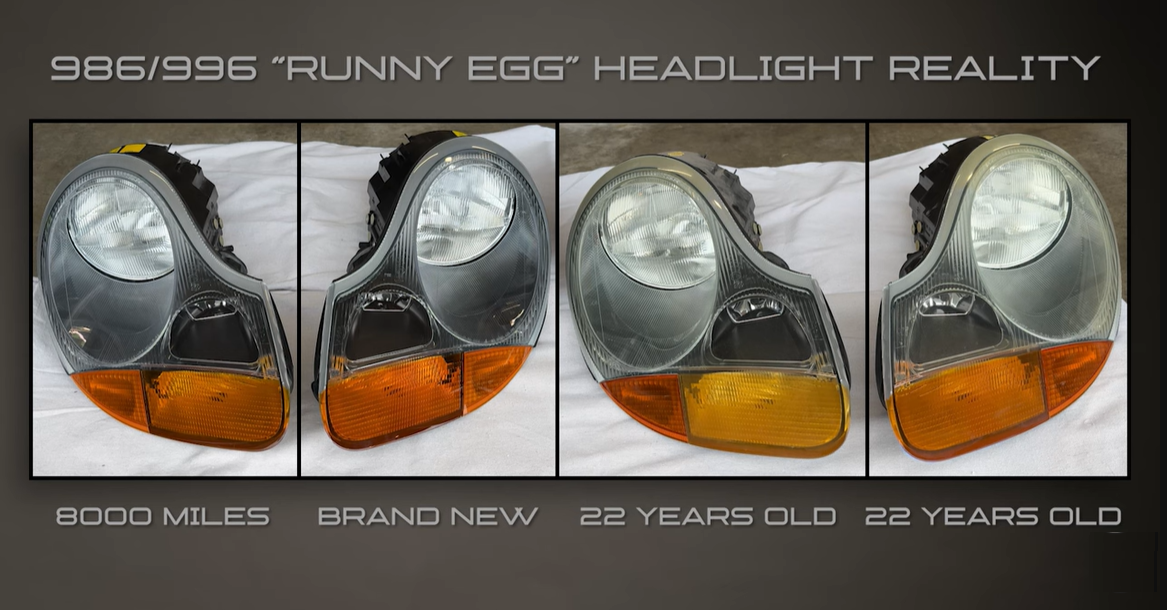
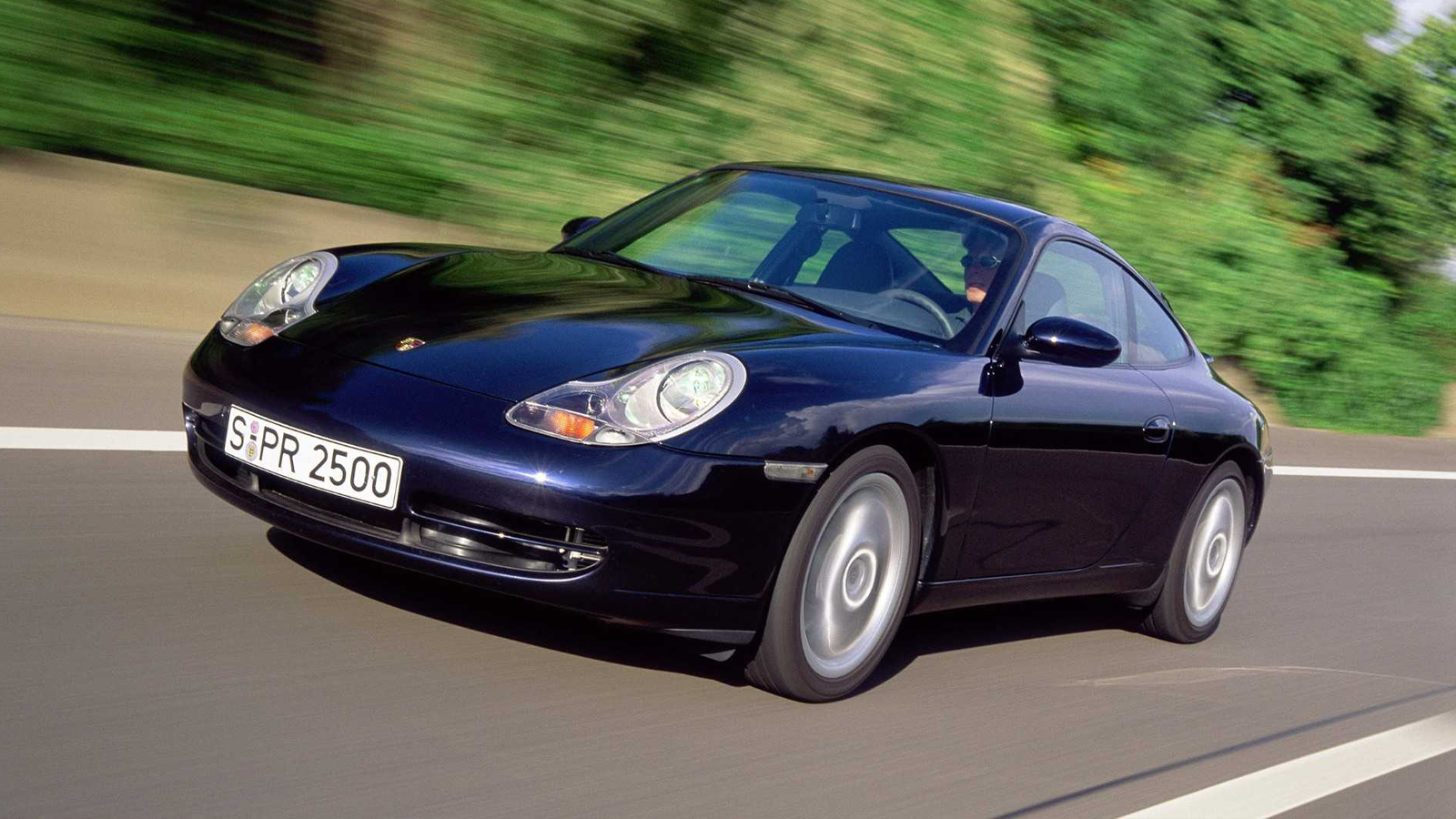
10. Porsche 911 (996, 1998–2004) — The Controversial “Fried Egg” Design

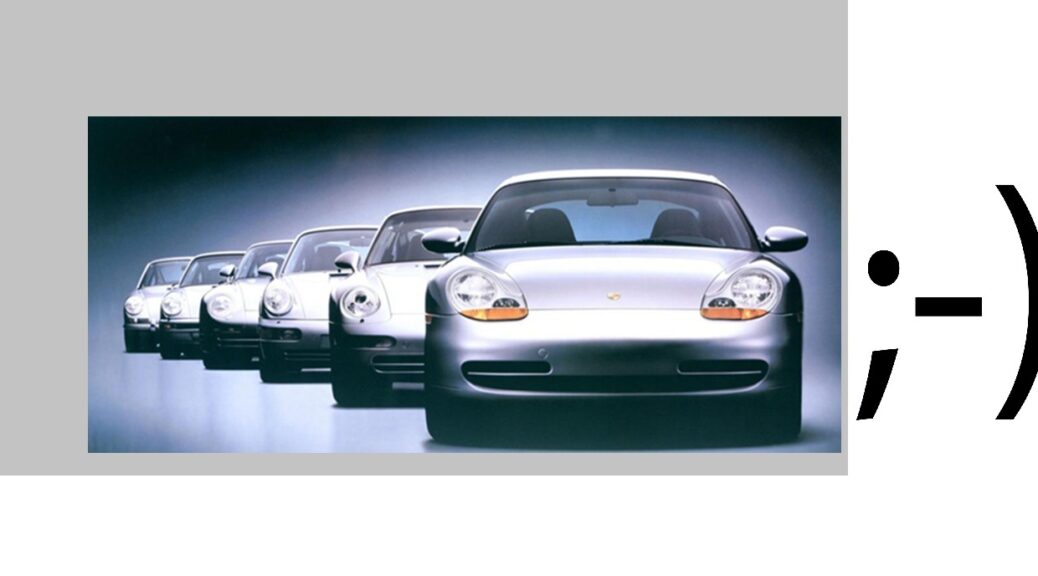
Initially divisive, the 996’s integrated headlamp clusters (combining main, high, and indicator lights under one cover) represented Porsche’s first major step into modern production efficiency. The “Fried Egg headlight” design was so controversial that when introduced, many car purchasers (especially those owning the first generation Porsche Boxster 986) modified the headlights with window tint to “hide the yolk”!

Regardless of how acceptance was split, the design was sensible and borrowed from the 911 GT1 race car, this setup improved aerodynamics and manufacturing simplicity. Over time, enthusiasts have come to appreciate its boldness, and we’re going as far as naming it in our top 10 list of the coolest Porsche headlights ever!

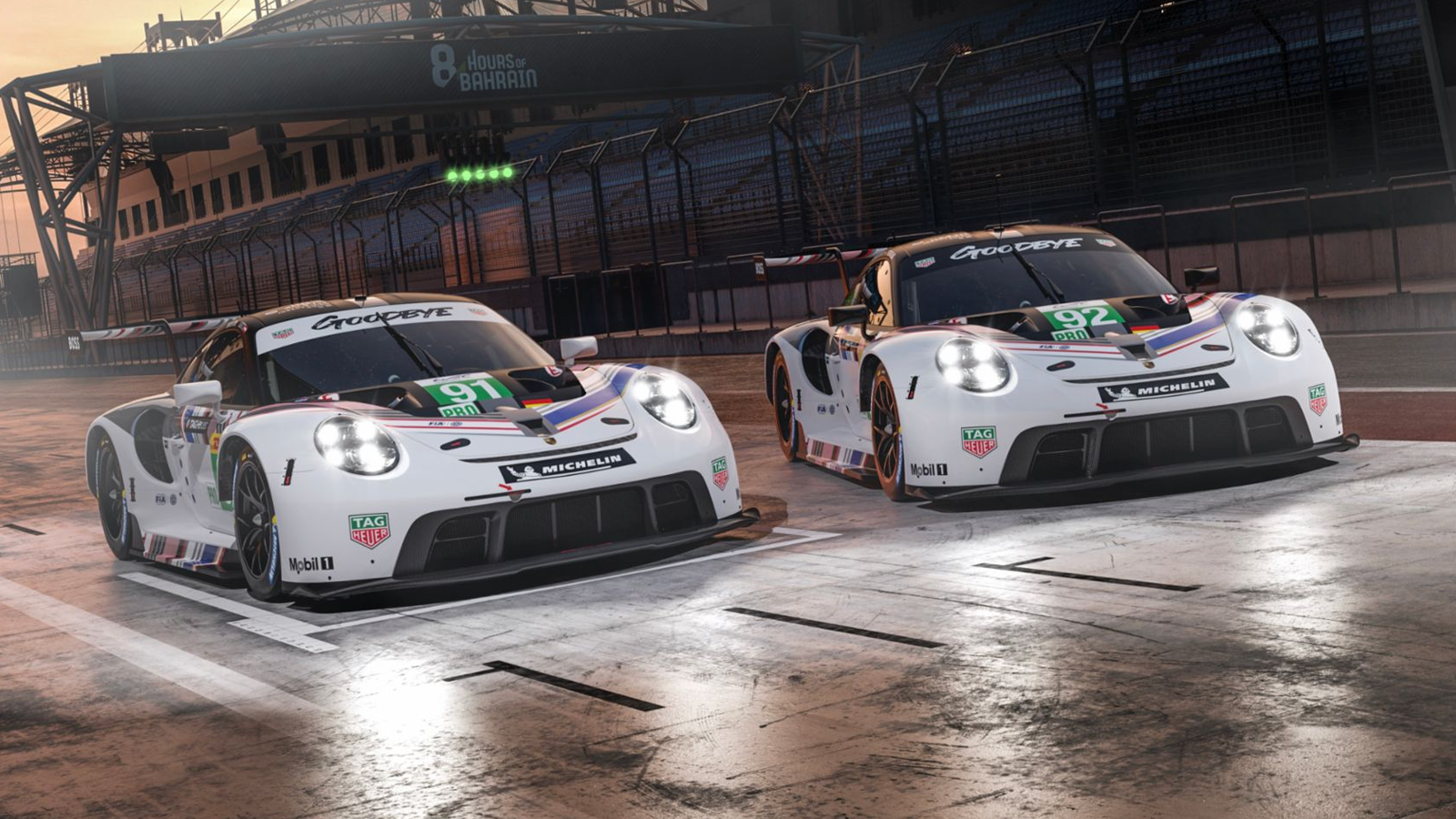
9. Porsche 911 RSR (2017–Present) — The Perfect Fusion of Heritage and Function

The 911 RSR’s headlights combine classic round symmetry with cutting-edge LED tech and aerodynamic sculpting. The signature four-point LEDs maintain Porsche’s unmistakable night-time identity. In endurance racing, where function dominates, the RSR’s lights prove that beauty and performance can coexist perfectly.

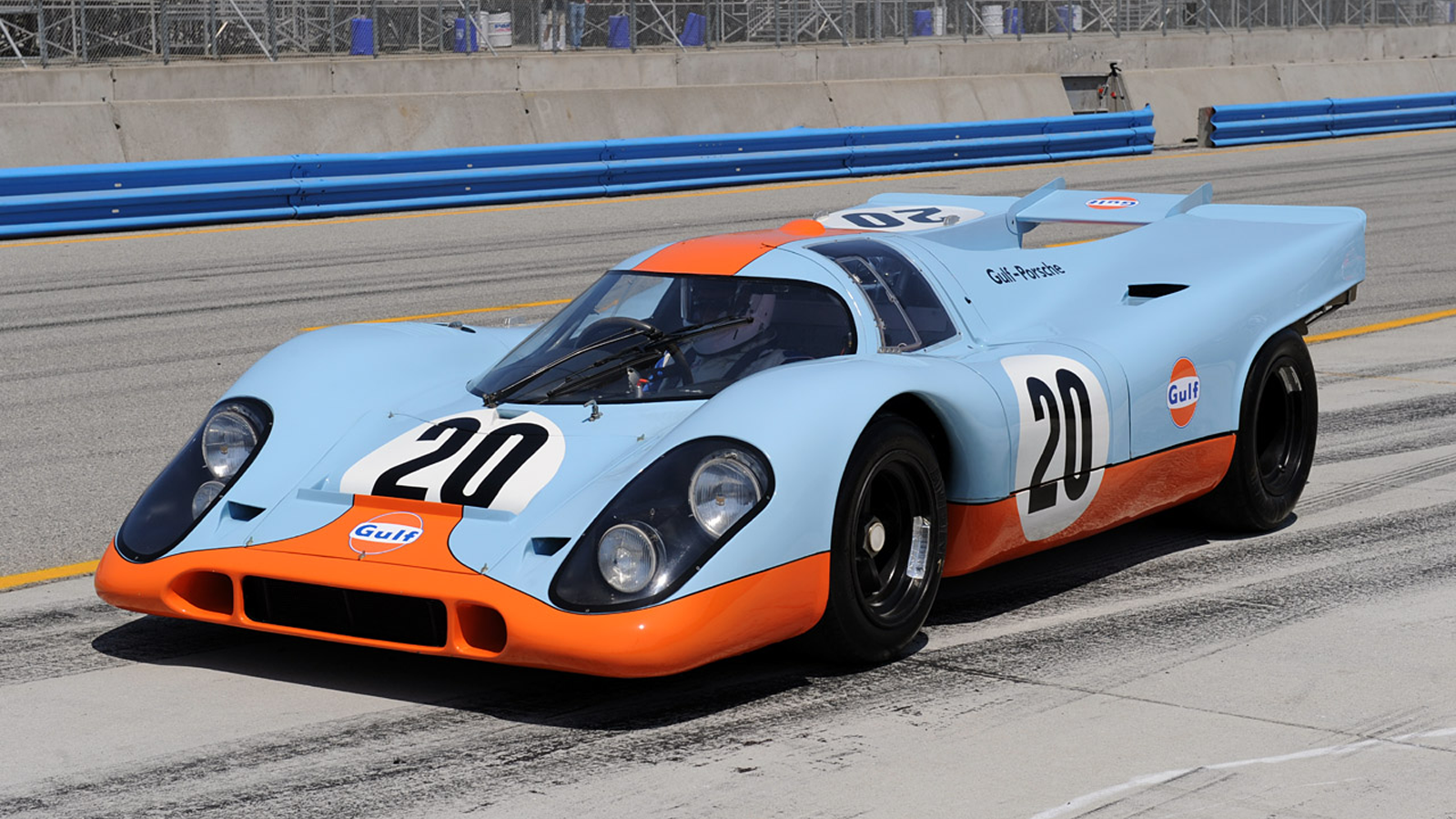
8. Porsche 917K (1970) — Racing Eyes Built for Le Mans

The 917K’s headlights weren’t just for show; they were shaped by necessity. With their low, wide fairings and Plexiglas covers, the lights became a critical aerodynamic component at speeds exceeding 220 mph. Their integrated look and teardrop housing gave the car a menacing, purposeful face that influenced Porsche’s endurance racers for decades.

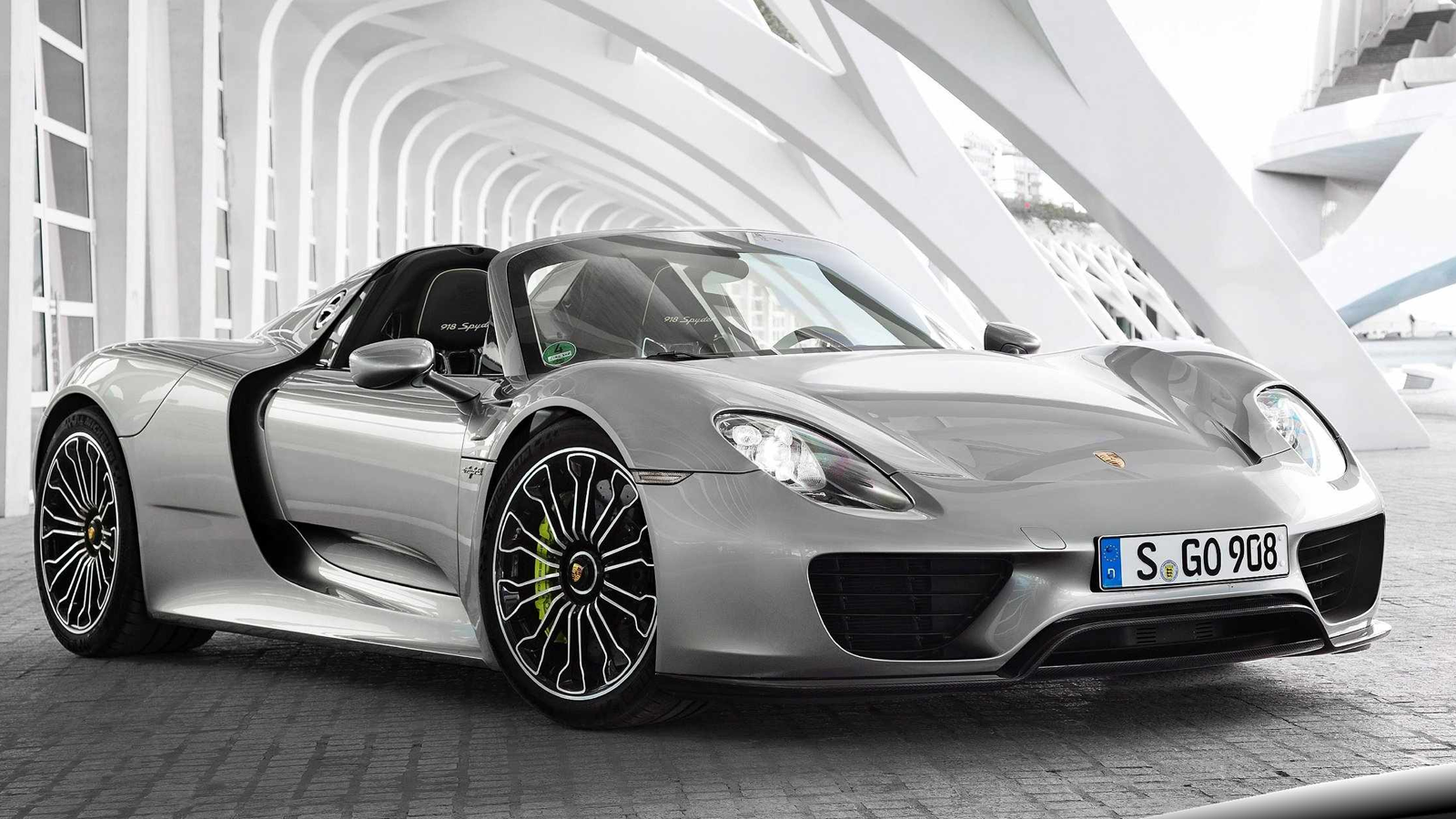
7. Porsche 918 Spyder (2013–2015) — Laser Precision and Modern Drama

A leap into the hybrid era, the 918 Spyder’s four-point LED headlights introduced a motif that defined Porsche design for the next decade. Their sharp-edged housings and distinctive daytime running light pattern made them unmistakable, even in the dark. They also pioneered Porsche’s adaptive light technology, blending form, function, and digital precision.

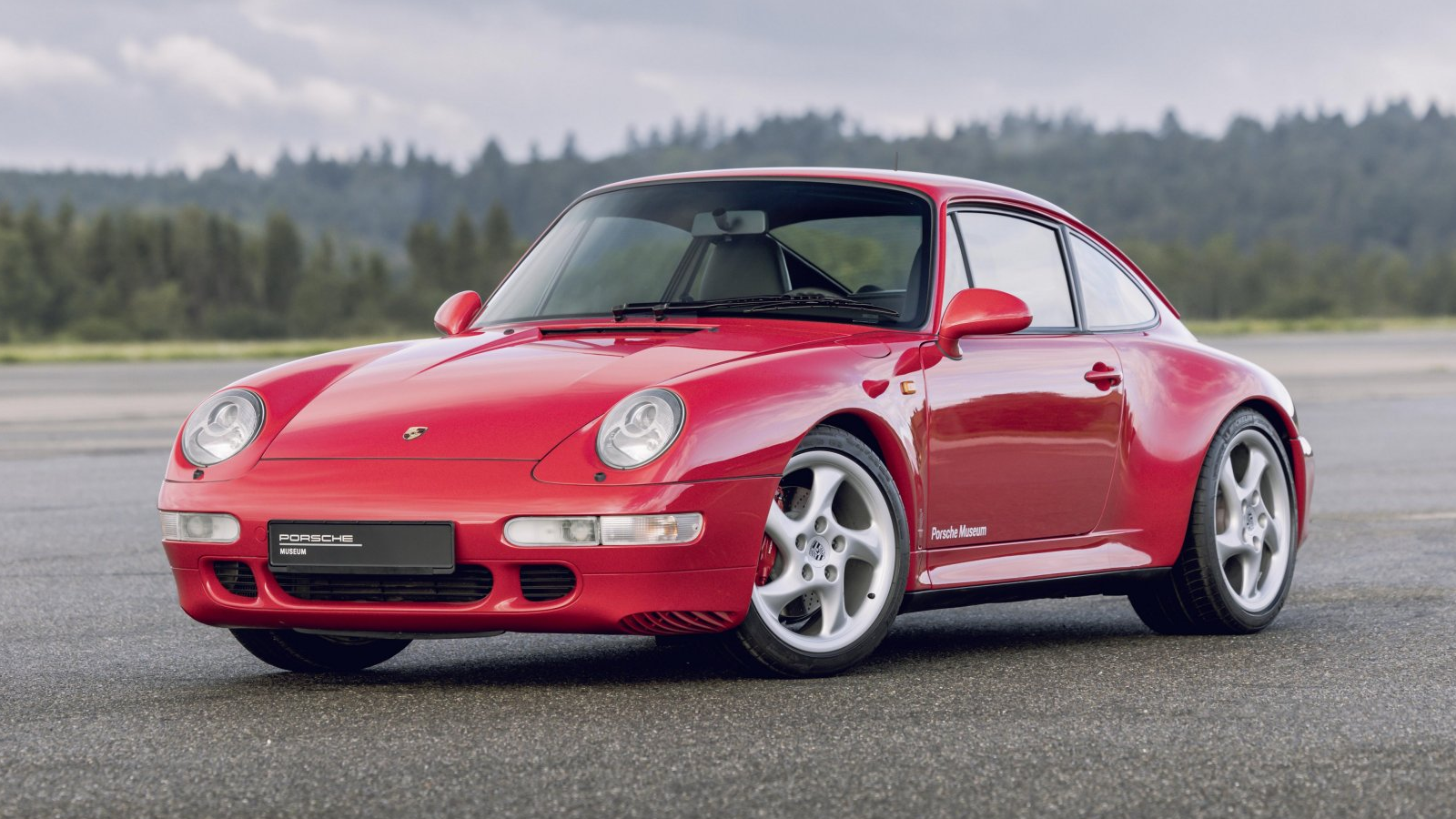
6. Porsche 993 (1993–1998) — The Last of the Classic Round Lamps

The 993 introduced a new, sloped front end with headlights that followed the hood line, a significant break from tradition. The design, though controversial at launch, ultimately modernized the 911’s appearance and improved aerodynamics. Its flush, oval lenses became icons of the 1990s Porsche aesthetic and marked the final air-cooled era’s visual identity.

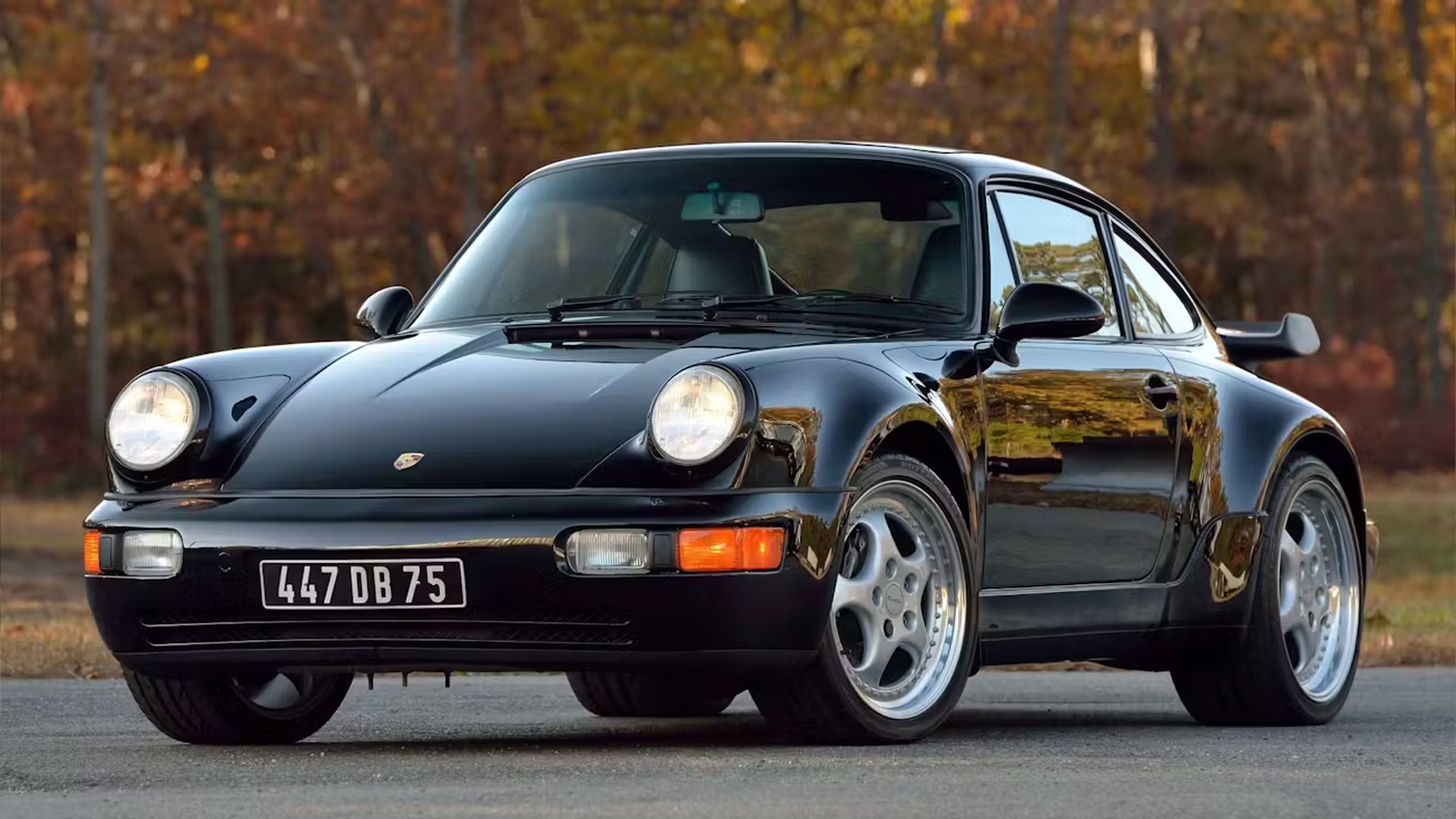
5. Porsche 911 (964) — Classic Form Meets Modern Function

The 964 retained the round 911 lights but subtly reshaped them to fit new, smoother bodywork. They were slightly more upright and used improved reflectors and halogen elements for better illumination. This generation is often overlooked, but its headlights mark the bridge between old-school air-cooled charm and modern Porsche precision.

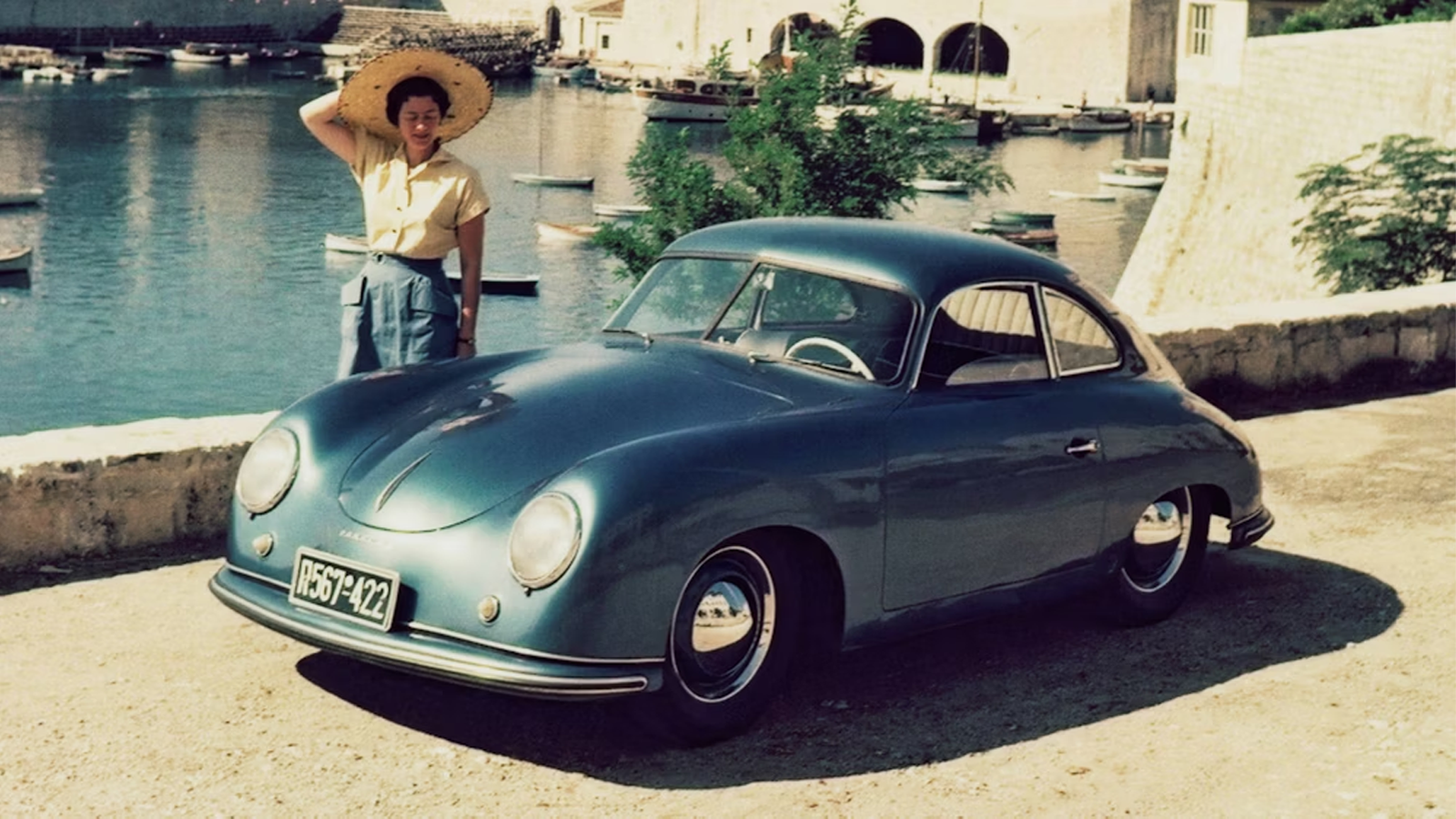
4. Porsche 356 (1948–1965) — The Blueprint for Porsche’s “Eyes”

The 356 established the signature oval headlight shape that became Porsche’s visual identity for decades. Mounted high and slightly reclined, the chrome-rimmed lenses gave the car a friendly yet purposeful look. Though rooted in postwar simplicity, their integrated design flowed seamlessly with the rounded fenders, a foundational cue that carried into every 911 thereafter.

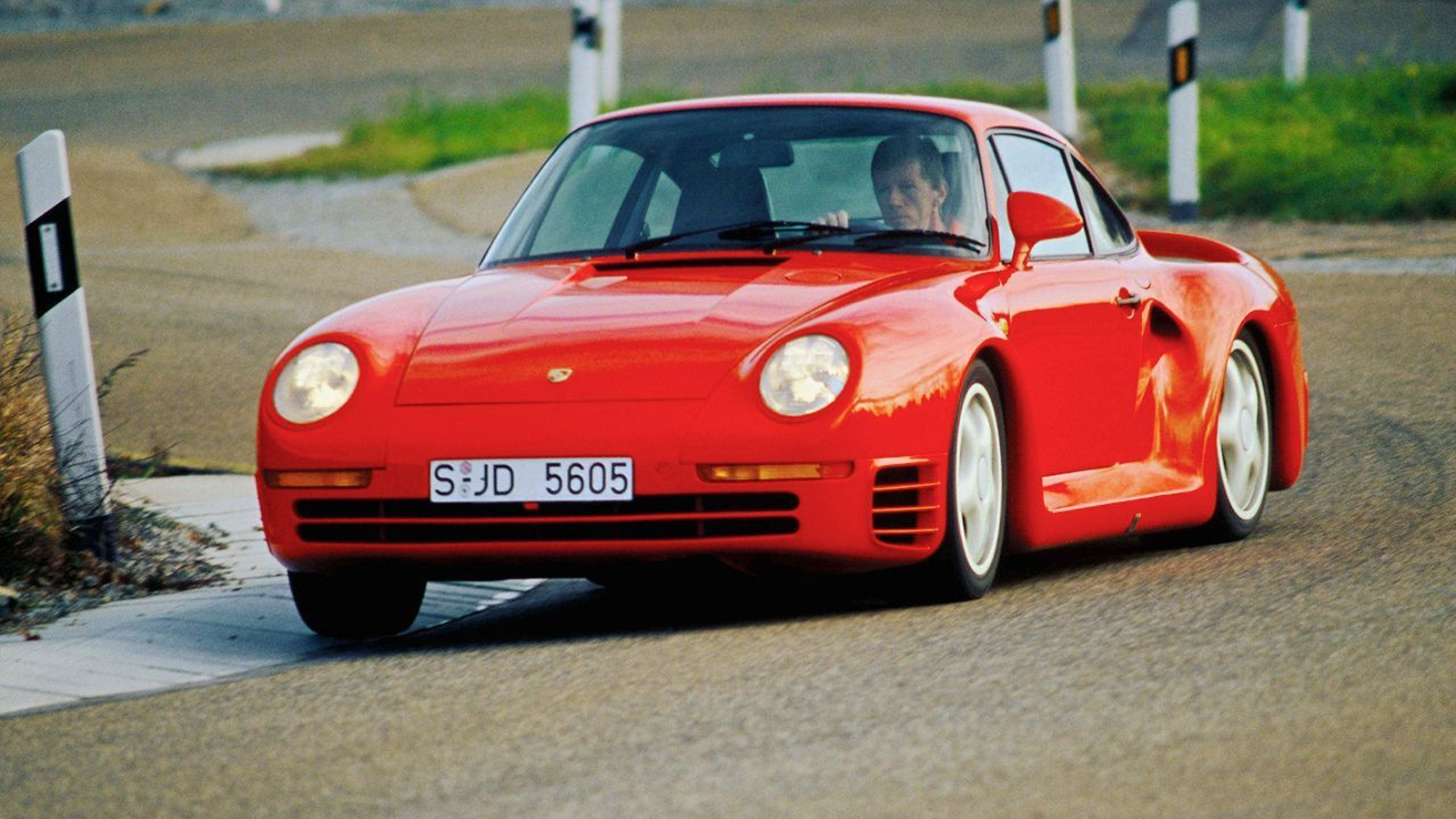
3. Porsche 959 (1986–1988) — Aerodynamic Function in a Supercar Form

The 959’s headlights were a turning point for Porsche’s design language. They maintained the classic round outline but were deeply recessed into the front fenders for aerodynamic efficiency. Flush glass covers gave the car a sleek, cohesive face that previewed Porsche’s shift toward modern integration and minimal drag. Beneath the surface, their lighting performance outclassed most of the era’s supercars.

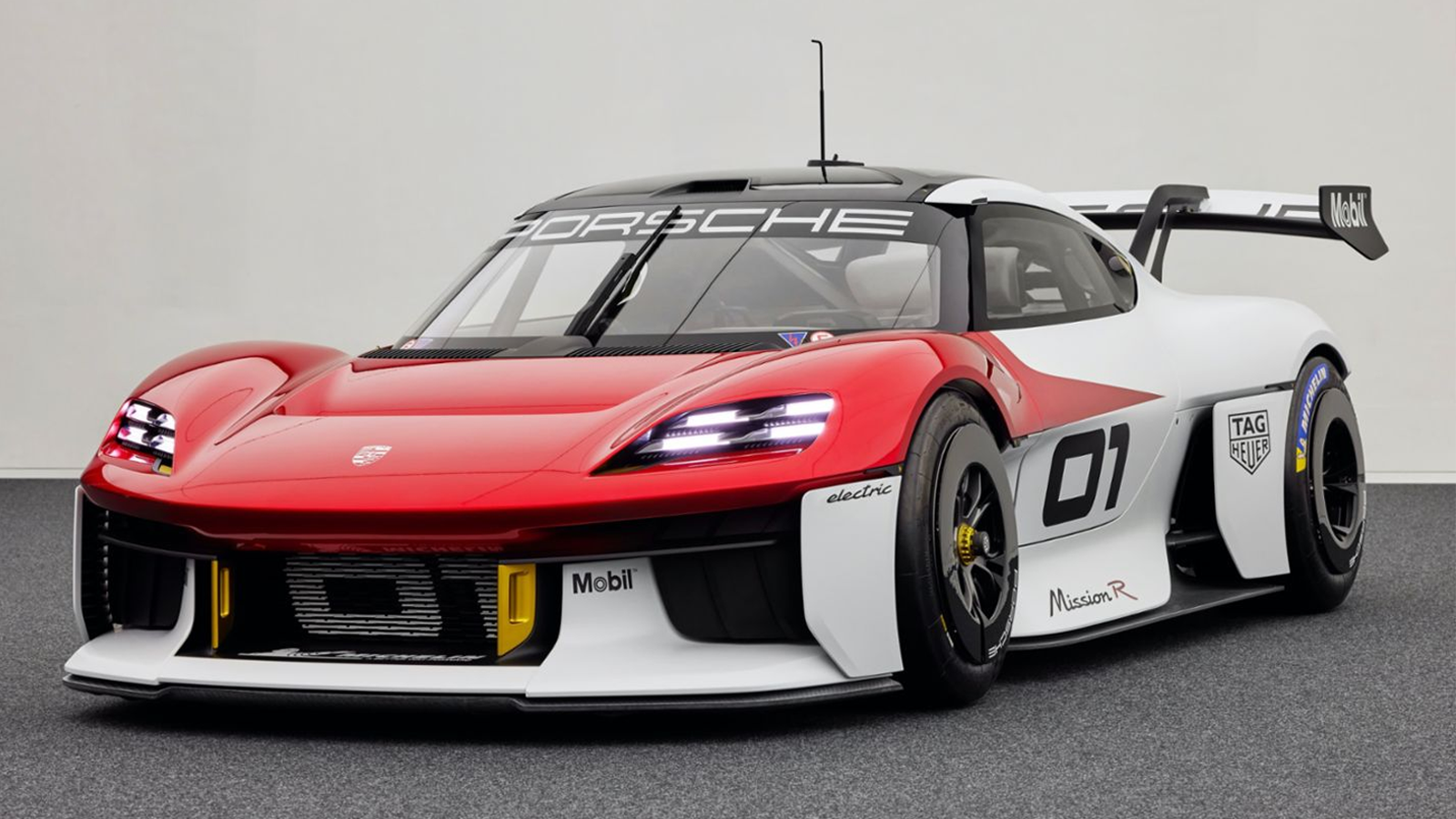
2. Porsche Mission R Concept (2021) — The Future in Plain Sight

With its slim, vertically stacked LED units framed by a minimalist housing, the Mission R’s headlights reimagined Porsche’s “four-point” look for the electric age. They were both expressive and efficient, incorporating cooling ducts and DRL elements into a single sculptural assembly. The design hints at the next generation of motorsport and production cars from Porsche.

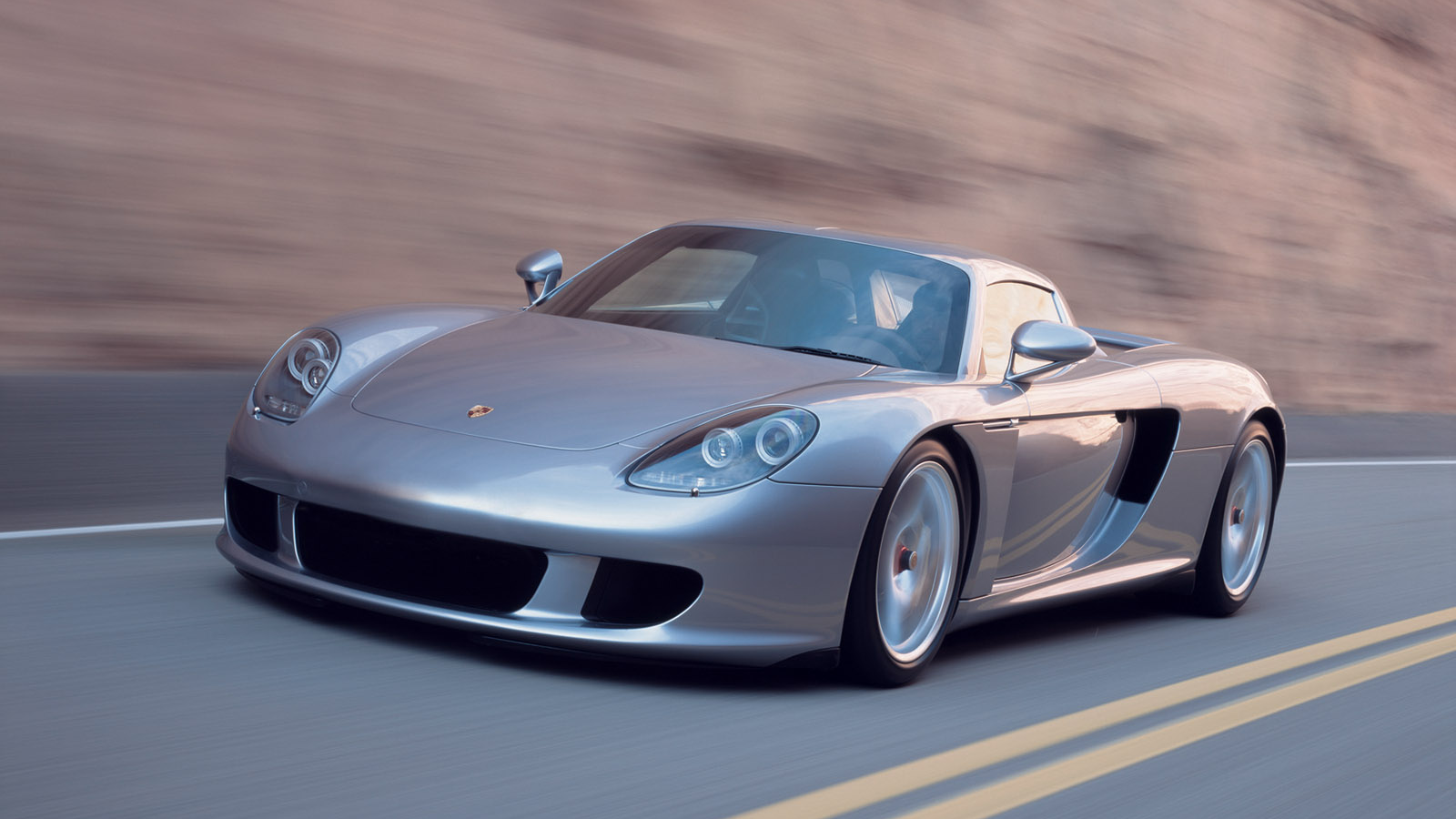
1. Porsche Carrera GT (2003–2007) — Pure Function, Clean Form

The Carrera GT’s headlights embodied Porsche’s design minimalism at its finest. With visible projector lenses under a clear polycarbonate cover, they echoed the look of endurance racers while maintaining a sculptural, lightweight appearance. The compact design allowed for large air channels around them, aiding cooling and aerodynamics, beauty born from engineering.

For The Silo, Verdad Gallardo/Rennlist.com