An interesting new trend is on the rise—colouring in a Bible.
What was once frowned upon, is now encouraged. This new trend is called Bible journaling. Bible journaling is the act of doodling in one’s Bible, as a way to creatively express one’s faith. However, some people choose to illustrate outside their Bible; as for some, doodling on the Bible itself is still prohibited.
Over the past few years, the movement has grown significantly with many online groups, forums, Facebook communities, blogs, and church groups creating groups where people share their Bible journal artwork, offer techniques, and provide a supportive boost.
People even discuss where to get Bibles with the largest margins so that there is room for their designs, creating an interesting demand on publishers and retailers.
Complete Guide to Bible Journaling: Creative Techniques to Express Your Faith (Fox Chapel Publishing), by designer, inspirational speaker, and author of the best-selling Zenspirations® book series Joanne Fink, was created in response to this amazing trend.
The book features the works of top Bible journalers, offers drawing tips, the best tools to use, and even offers traceable vellum sheets to use on your own Bible. For the Silo, Elizabeth Martins.
California’s San Francisco Bay area is the United States’ most expensive real estate market, with a median home-sale price of USD$1.3 million (CAD$1.7 million). Toronto and the GTA (Greater Toronto Area) is Canada’s most expensive real estate market, with a median home-sale price of CAD$1.3 million (USD just under $1 million).
Unlike its southern neighbor Los Angeles, the pricey San Francisco mansions belong not to movie and TV stars but to the movers and shakers of the technology industry. The Bay Area boasts the country’s highest concentration of tech companies and tech jobs, earning the region the nickname “Silicon Valley” after the material used to make computer chips.
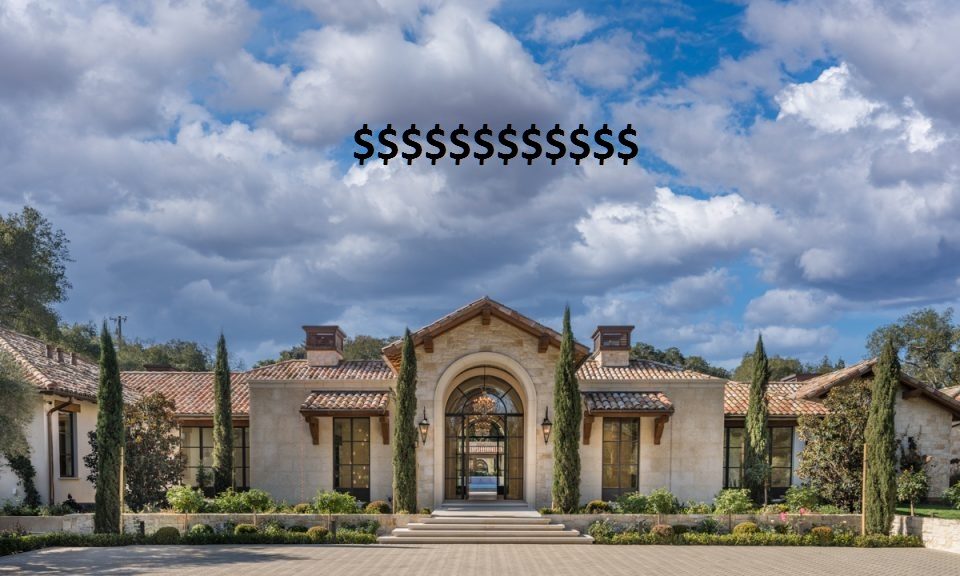
A home in San Francisco’s Pacific Heights neighborhood sold for USD$43.5 million (CAD$55.8 million) in 2021, which is the current record for the area’s biggest sticker price, but a new listing in the ultra-exclusive town of Woodside aims to shatter that record. Styled like an Italian villa, the spectacular compound has been listed for USD$110 million (CAD$141 million).
65 foot pool.
Sitting on over three acres of some of the most sought-after real estate in the world, the grounds feature a 65-foot pool with spa, an entertainment zone with an outdoor kitchen and fire pit, landscaped gardens that include fountains, a vineyard with more than forty olive trees and a rose garden with over one hundred roses as well as a private hiking trail. Nestled behind high-tech gates, the compound offers a 14,000-square-foot main home as well as a separate executive office and conference center, a fitness center/massage/hair salon building, and a two-bedroom guesthouse.
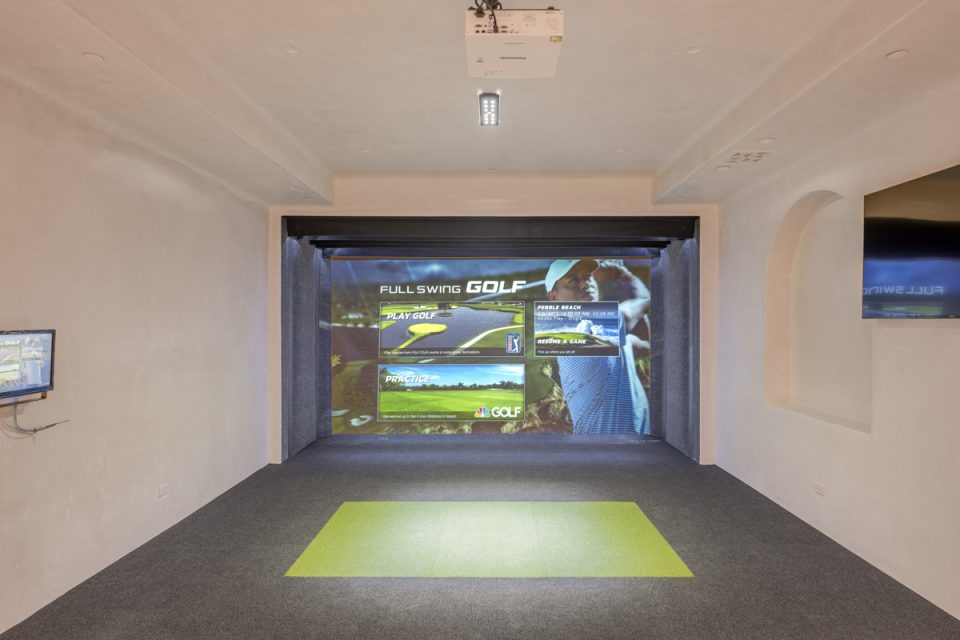
Golf simulator? Check.
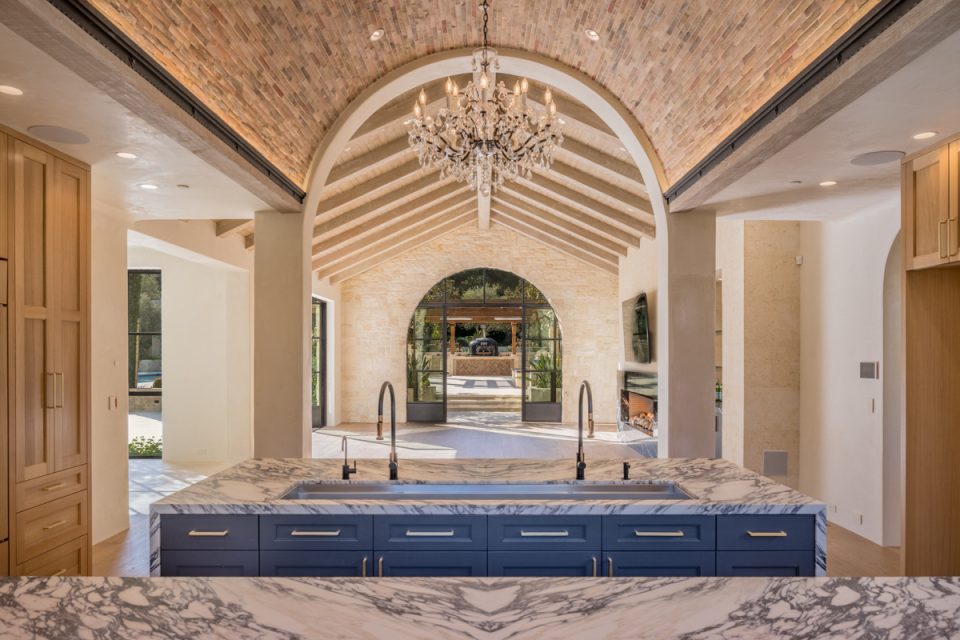
Retractable glass walls, French oak floors, and hand plastering on every surface complement rare Italian marbles inside the luxurious mansion. Crystal chandeliers and marble fireplaces feature throughout. The enormous main kitchen features two waterfall-wrapped islands, marble counters, top-of-the-line Wolf and Sub-Zero appliances, and custom-built-steel-and-glass cabinetry, while a separate chef’s kitchen offers extensive storage space plus a BlueStar range with two ovens.
Master suite.
The primary suite is a work of art featuring a barrel-vaulted foyer with leather-front and glass-display cabinets that conceal a refrigerator and Miele laundry and a cathedral-beamed ceiling with chandelier. The sectionalized wardrobe room is couture-worthy. A two-sided Davinci fireplace is shared with the bathroom, which also has heated limestone floors and a marble bath for two. Each additional bedroom includes a customized walk-in closet, outside entrance, and en-suite marble bath.
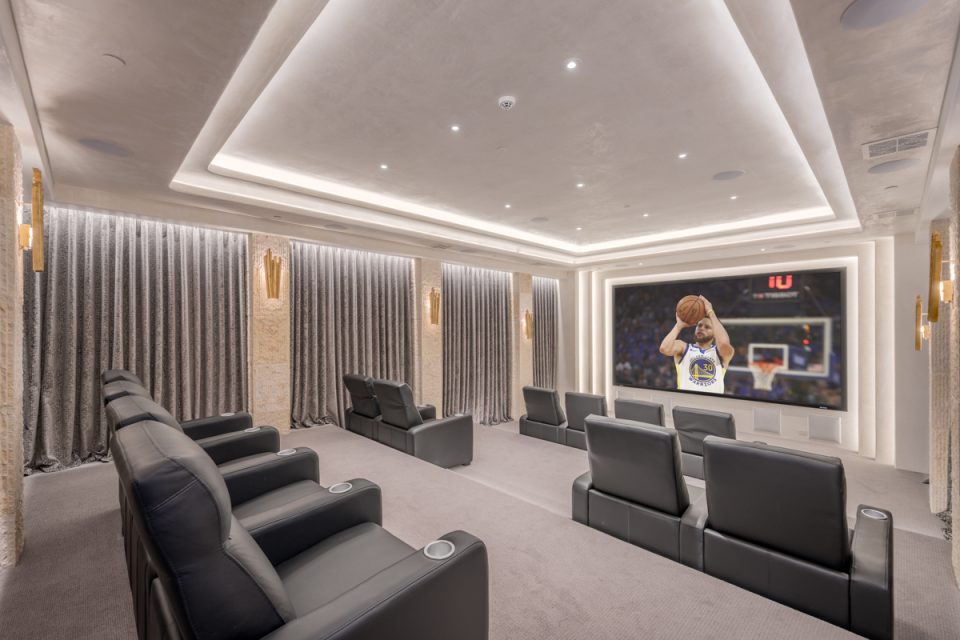
Designed for the high-tech lifestyle, the home is controlled by state-of-the-art automated systems that take care of every need for comfort, convenience, and security from behind the scenes. The home’s fantastic amenities include an Atmos Dolby screening room, a golf simulator, indoor-and-outdoor lounges, and an epic wine salon for 6,000 bottles.
Woodside is a small town with only 5,000 residents and a median home price above USD$5 million (CAD$6.4 million). Most residents are tech investors and innovators. Larry Ellison, founder of Oracle Corporation and the world’s tenth-richest man, lives down the street from the villa in a 23-acre, Japanese-themed estate.
Known as an equestrian community, Woodside retains a rural residential character despite being only a short commute to Silicon Valley and Stanford University.
The town is ringed with nature preserves, including the Purisima Open Space and Skaggs Point. Options for entertainment include the Michelin-starred Village Pub and Bucks of Woodside, a famed hotspot for Silicon Valley’s most powerful, where many important venture capital deals have been signed. The real estate listing is held by Scott Danser of Compass. For the Silo, Genelle Brown/Top Ten Real Estate Deals dot com.
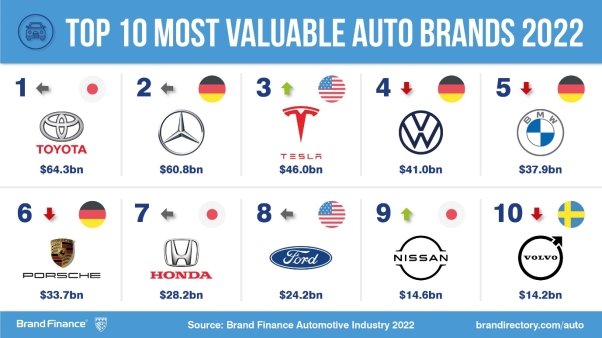
Tesla has been the fastest growing automobile brand over the course of the pandemic with astounding brand value growth of 271% in the last two years, according to the latest report by leading brand valuation consultancy Brand Finance. Tesla’s impressive growth continued this year with its brand value up by 44% to US$46.0 billion ( CAD$58.55 billion) which saw it move from 6th to 3rd in the Brand Finance Automobile 100 2022 ranking.
Tesla was the only brand in the Top 10 of the ranking to see significant growth this year.
Every year, Brand Finance puts 5,000 of the biggest brands to the test, and publishes nearly 100 reports, ranking brands across all sectors and countries. The report ranks the world’s top 100 most valuable and strongest automobile brands, the top 20 auto component brands, the top 15 tire brands and the top 10 car rental service brands.
Musk at Tesla event in China.
Tesla’s CEO, Elon Musk, has played a huge part in the growth of the brand with his charismatic, and at times controversial, behaviour keeping it firmly in the limelight. Tesla’s transformation into a household name has seen other brands try to connect themselves to the brand to benefit from the Tesla effect.
2021 saw Tesla increase its footprint in China, to ensure it continues to compete in the booming Chinese market.
It opened a new research and development centre, its first outside of America, in addition to a data centre at its Gigafactory in Shanghai. The brand also built a second delivery centre in the city, which incorporates sales, test driving and delivery of Tesla vehicles. Looking to this year 2022, Tesla announced it would launch no new models this year due to the global chip shortage, as doing so would reduce its overall output. Instead, the brand will focus on its full self-driving software as well as scaling up its production capabilities.
Electric revolution sees Chinese brands surge
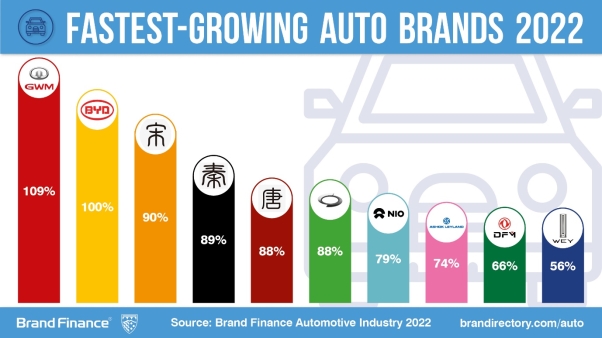
Chinese brands account for eight of the top 10 fastest-growing brands in the ranking . The increasing popularity and adoption of electric vehicles in China has been a key driver behind the impressive growth for these brands, with China accounting for most electric vehicles sold globally. Several Chinese brands are looking to capitalise on the momentum by expanding their global footprints, with several of these brands launching in Europe in 2021.
While Tesla has seen the fastest growth over the past two years of the COVID-19 pandemic, Great Wall is the fastest-growing brand in the ranking this year, with its brand value increasing by an impressive 109% to US$2.6 billion (CAD$3.3 billion). As well as launching in Europe last year, Great Wall announced it will be launching nine electric vehicle models in Thailand over the next three years, where demand is expected to grow considerably. Great Wall plans to use Thailand as a base to launch its expansion into the ASEAN region. The auto marque’s CEO, Jianjun Wei, was also the top ranked automobile CEO in the Brand index, which ranks the world’s top 250 Chief Executives according to how well they manage and grow their company’s brand, and placed 3rd overall across all industries.
The BYD EA1 Dolphin.
BYD was the second fastest-growing brand in the automotive ranking with its brand value doubling to US$6.4 billion (CAD$8.15 billion), an increase which saw it overtake Haval (brand value up 55% to US$6.1 billion or CAD$7.76 billion) to become China’s most valuable car brand. BYD, which specialises in electric vehicles, saw sales accelerating 232% in 2021 with 603,783 models sold – making it the best-selling new energy vehicle manufacturer in China for the ninth year.
Joining Great Wall and BYD in the Top 10 fastest-growing brands is Song (brand value up 90% to US$1.7 billion or CAD$2.16 billion), Qin (up 89% to US$475 million or CAD$604 million), Tang (up 88% to US$630 million or CAD$802 million), NIO (up 79% to US$2.6 billion or CAD$3.3 billion), Dongfeng (up 67% to US$1.4 billion or CAN$1.78 billion), and WEY (up 56% to US$613 million or CAN$780 million).
Toyota holds on to pole position as most valuable automobile brand
Although Chinese auto brands have seen impressive growth, Japan’s Toyota has held on to the top spot in the Brand ranking with a brand value of US$64.3 billion (CAN$81.9 billion).
Whilst the Japanese brand wasn’t immune to the global chip shortage that ravaged the industry, Toyota was better placed than most to weather the storm thanks to its contingency stockpiling.
The foresight allowed the brand to keep production levels high when others faltered and resulted in Toyota outselling General Motors in North America in Q1 2021 – the first time any brand has outsold General Motors in the region since 1998. Toyota remains the world’s top-selling automaker, the only manufacturer selling over 10 million vehicles globally.
Toyota was one of the early adopters of hybrid technology, with its Prius model dominating the hybrid segment for years, but it has fallen behind in the increasingly competitive electric vehicle arena in recent years. To regain ground, last year it announced it would be investing US$35 billion (CAD$44.6 billion) in electric vehicles, focusing on both battery technology and car development. The investment forms part of Toyota’s ambition to sell 3.5 million electric vehicles a year by 2030.
Fellow Japanese brands Honda (brand value US$28.2 billion or CAD$35.9 billion)and Nissan (US$14.6 billion or CAD$18.6 billion) join Toyota in the Top 10 of the ranking, though both brands saw a 10% decrease in brand value this year. Honda held onto its position in 7th, and despite the loss in brand value Nissan actually climbed two spots from 11th to 9th, as it fared better than Sweden’s Volvo (down 20% to US$14.2 billion or CAD$18 billion) and Germany’s Audi (down 20% to US$13.8 billion or CAD$17.6 billion).
Mercedes-Benz remains most valuable European brand
Sitting behind Toyota, Mercedes-Benz remains the second most valuable brand in the ranking, and the most valuable European brand, with a 4% increase in brand value year-on-year to US$60.7 billion (CAD$77.3 billion). Amid challenging market conditions due to the pandemic and an industrywide semiconductor shortage, the brand prioritized electromobility and has seen great results from it. The German automobile giant confirmed that their electric vehicles sales saw a 90% increase this year.
In 2021, Mercedes-Benz launched the sixth generation of the C-class series with a new interior design and is planning to implement autonomous driving features. At the same time, an industry-wide trend to make a transition to electric vehicles and a sustainable approach to production and distribution is on the rise.
2022 Mercedes C class.
A key development to strengthen the Mercedes-Benz brand is the rebrand of Daimler AG to Mercedes-Benz Group AG. The focus of the rebrand is to enhance passenger cars and vans in the luxury segment. The strategic move to rebrand was to fulfil the brand’s objective to focus on financial and mobility services by offering insurance and rental subscriptions and digital fleet management systems.
Other German brands did not fare so well in the ranking this year, with Volkswagen (brand value down 13% to US$41.0 billion or CAD$52 billion), BMW (brand value down 6% to US$37.9 billion or CAD$48.2 billion), and Audi (brand value down 20% to US$13.8 billion or CAD$17.6 billion) all seeing losses in brand value. With lockdowns, network contractions in production and the ongoing semiconductor shortage, the industry has been faced with many challenges. Apart from sector wide disruptions, the German automakers who were reliant on diesel-powered vehicles have had to deal with regulatory challenges and the transition to electric mobility and electric production methods, resulting in rolling back on production to meet industry trends.
Porsche most valuable among luxury and premium, but Ferrari strongest across the whole table
Porsche is the most valuable luxury and premium automobile brand in the world with a brand value of US$33.7 billion (CAD$42.9 billion). The automobile giant celebrated the 50th anniversary of the iconic Porsche Design with a limited-edition sale of 750 cars to pay tribute to the iconic design by Ferdinand Alexander Porsche.
The brand’s aim to transform into an agile company has led to leveraging digital transformation by enhancing online sales. To adapt to new formats of sale in the automobile sector, Porsche has invested in e-commerce for 100 markets globally to adopt an omnichannel strategy to connect digital services and retail sales.
While Porsche is the most valuable brand in the luxury and premium segment, Ferrari was named the strongest automobile brand in the world with a Brand Strength Index (BSI) score of 90.9 out of 100 and a corresponding AAA+ rating. Apart from calculating brand value, Brand Finance also determines the relative strength of brands through a balanced scorecard of metrics evaluating marketing investment, stakeholder equity, and business performance. Certified by ISO 20671, Brand Finance’s assessment of stakeholder equity incorporates original market research data from over 100,000 respondents in more than 35 countries and across nearly 30 sectors.
2021 was Ferrari’s best-ever year in terms of sales, with the company paying bonuses to all employees as a result, and the projected growth for 2022 remains high. The automotive brand’s historic pursuit of controlled growth has helped to preserve its exclusivity within its sector, however, last year Ferrari expanded its target market to a younger demographic by launching a new high-end fashion line. The aim of creating a brand that can cater to Italian luxury lifestyle in the high-end category will help expand and strengthen its brand portfolio into new avenues, whilst enhancing brand awareness amongst the younger generation.
Denso most valuable auto components brand
Car sales picked up following the loosening of lockdown restrictions, and auto component brands saw demand rise in turn. It has been far from clear sailing for the industry with the global chip shortage disrupting production, but the overall outlook is positive, evidenced by the vast majority of brands seeing good growth.
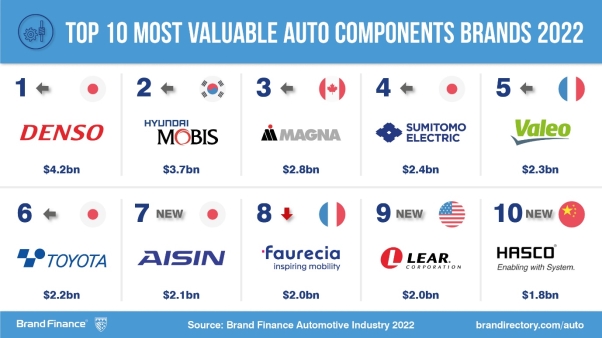
Denso has retained the title of most valuable auto components brand in the world for the 5th consecutive year, with brand value up 12% to US$4.2 billion (CAD$5.4 billion). The brand continued to play its part in combatting the COVID-19 pandemic, creating respirator components in collaboration with Ford, as well as hosting over 50 vaccination clinics for employees across North America. Looking forward, the ever-increasing adoption of hybrid and electric vehicles is good news for Denso, which has over two decades worth of experience in the manufacturing of hybrid car parts.
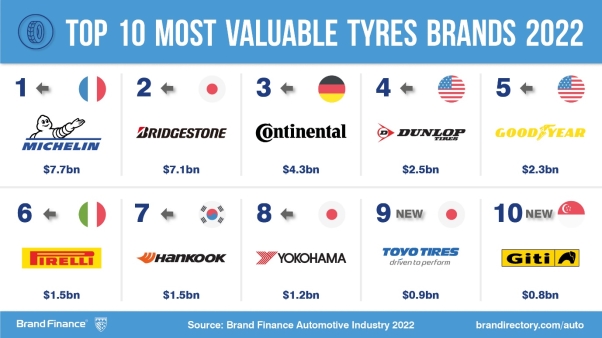
Michelin most valuable and strongest tyres brand
As the world opened back up and travel increased throughout 2021 the tyre sector regained traction, with almost every brand in the ranking now more valuable than they were pre-pandemic.
Michelin has retained the title of the world’s most valuable and strongest tires brand, with a brand value of US$7.7 billion (CAD$9.8 billion) and a brand strength index score of 85.8 out of 100.
Despite continued disruption within the industry, Michelin saw a 15.6% year-on-year increase in consolidated sales in the first nine months of 2021 and exceeded expectations in the third quarter of the year thanks to a rebound in demand for tires for agricultural machinery. The brand also announced an extension of its partnership with the MotoGP World Championship, remaining the exclusive tire supplier for the competition until 2026.
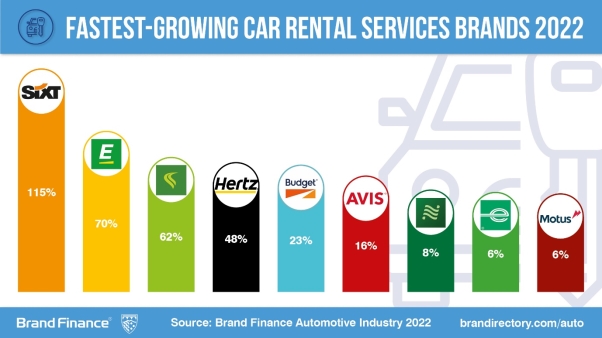
SIXT is fastest-growing car rental services brand
The car rental brands have gained momentum in 2021 after a steep decline in brand value at the start of the pandemic. As the demand for vehicle hires increases, brands in this industry are presented with the opportunity to innovate and capture a high market share.
SIXT is the world’s fastest-growing car rental brand of 2022 with a 115% increase in brand value over the year to US$1.3 billion (CAN$1.7 billion), according to the Brand Finance ranking. This year’s increase is the continuation of an impressive growth trend for SIXT, which has seen its brand value increase 265% over the past five years. The brand has built a strong international growth strategy, expanding rapidly in the United States and entering new markets, such as Australia.
Enterprise has retained the position of the world’s most valuable car rental brand with a brand value of US$7.1 billion (CAN$9 billion) with a 6% increase in brand value over the year. Despite COVID-induced travel restrictions, the brand has performed well by launching new mobility hubs and undertaking fleet electrification, but it remains below its pre-pandemic brand value of US$7.4 billion (CAD$9.4 billion). For the Silo, James Haggis.
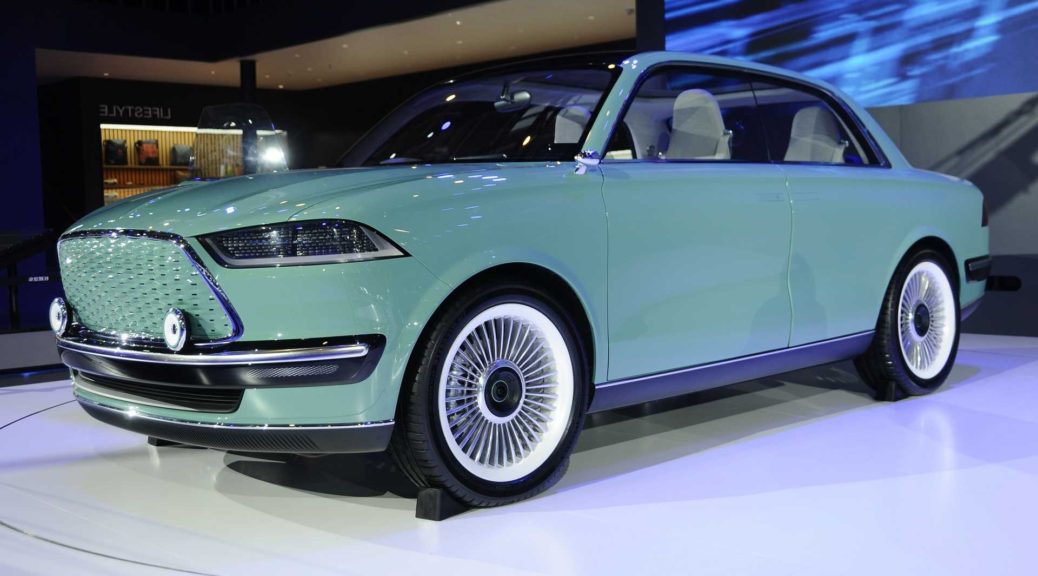
Featured image: Great Wall Ora Concept Electric Car Made In China
As a technology writer for the Silo, I am always focusing and thinking about the evolution of technology. I write about how computers and video games have changed over the years, but of course, many other things change around us and the one I have been thinking about a lot lately is shopping. ( Consumers Distributing may be back, the relaunch namesake follows us on Twitter )
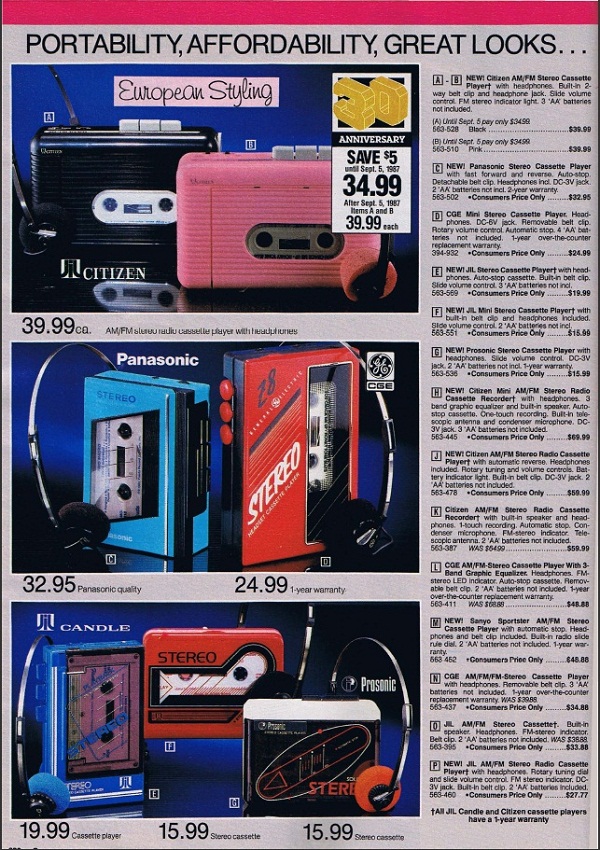
CD had some serious PPMP’s (Portable Personal Music Players)- notice how the colour and graphic schemes are totally late 80’s/early 90’s?
When I was a kid, I remember getting the Consumers Distributing catalog and taking it into my room to read thoroughly. Of course, I tended to go directly to the toys section and more specifically I looked at the video games and computers. I dreamed about the day I would own some of these items, and I patiently saved my pennies from my job as a paper route carrier. Life can be tough when you are 12.
Started in 1957, Consumers Distributing tried to save costs for consumers by creating a warehouse like environment that allowed them to operate in smaller locations.
Customers would typically shop through a catalog (which they could take home or use in-store) and fill out a request form. This form was taken to the counter where a customer service representative would go fetch your item(s) and ring up the sale.
At its peak the chain would grow to 243 outlets in Canada and 217 in the United States. By 1996, however, the customers were fading as frustration grew with items being out of stock (or, more accurately, the customer perception was that items were always out of stock). In 2006, the company appeared to emerge from bankruptcy protection but little has been done to revive the stores to the way they once were.
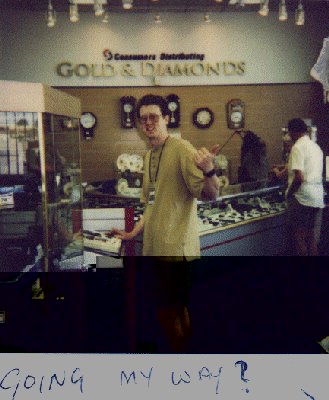
Nothing says vintage or captures the ‘aura’ of shopping in a Consumers Distributing store quite like a polaroid.
Even though the end of the chain could be considered a failure, the evolution of the concept continues to this day. Stores like Home Depot and Costco operate in a warehouse-like environment, there are just no catalogs.
Canadian retail giant Hudson’s Bay Company also thought it was a pretty good idea since they purchased and ran a competitive chain of stores called “Shop-Rite” that were open from 1972 to 1982.
.At its peak, Shop-Rite had 65 stores in Ontario before conceding defeat to Consumers. It wasn’t the competition that was really the problem, it was the concept.
With the recent closing of the retail operations of Blockbuster and Rogers Video, we are seeing another step in the evolutionary process. Decades from now, people will probably think it was quite strange to obtain our movies from a retail store because everything will be digitally beamed into our homes and the physical disks and tapes we use now will be completely gone.
My friend Dave Thielking is a lot like me and he remembers the days when we were kids flipping through those catalogs.
So when he obtained some old catalogs I knew we could work together to put them online and share with our other friends who remember the old days of shopping and the great toys and items we wanted to save our pennies for. The result is a new website called the Consumers Distributing Archive and you can find it at http://www.cdarchive.ca.
We are never going to be able to stop evolution – of any kind – but it doesn’t mean we have to like it, or that we can’t go back to the way things were even just for an afternoon or two. For the Silo, Syd Bolton.
Mobile apps using ‘metaverse’ in their description surge fivefold in 3months
Various mobile application developers are increasingly aligning their products with the growing metaverse concept after Facebook popularized the term following the company’s rebranding to Meta. Although metaverse is a work in progress, several appsol are associating with the concept in their descriptions.
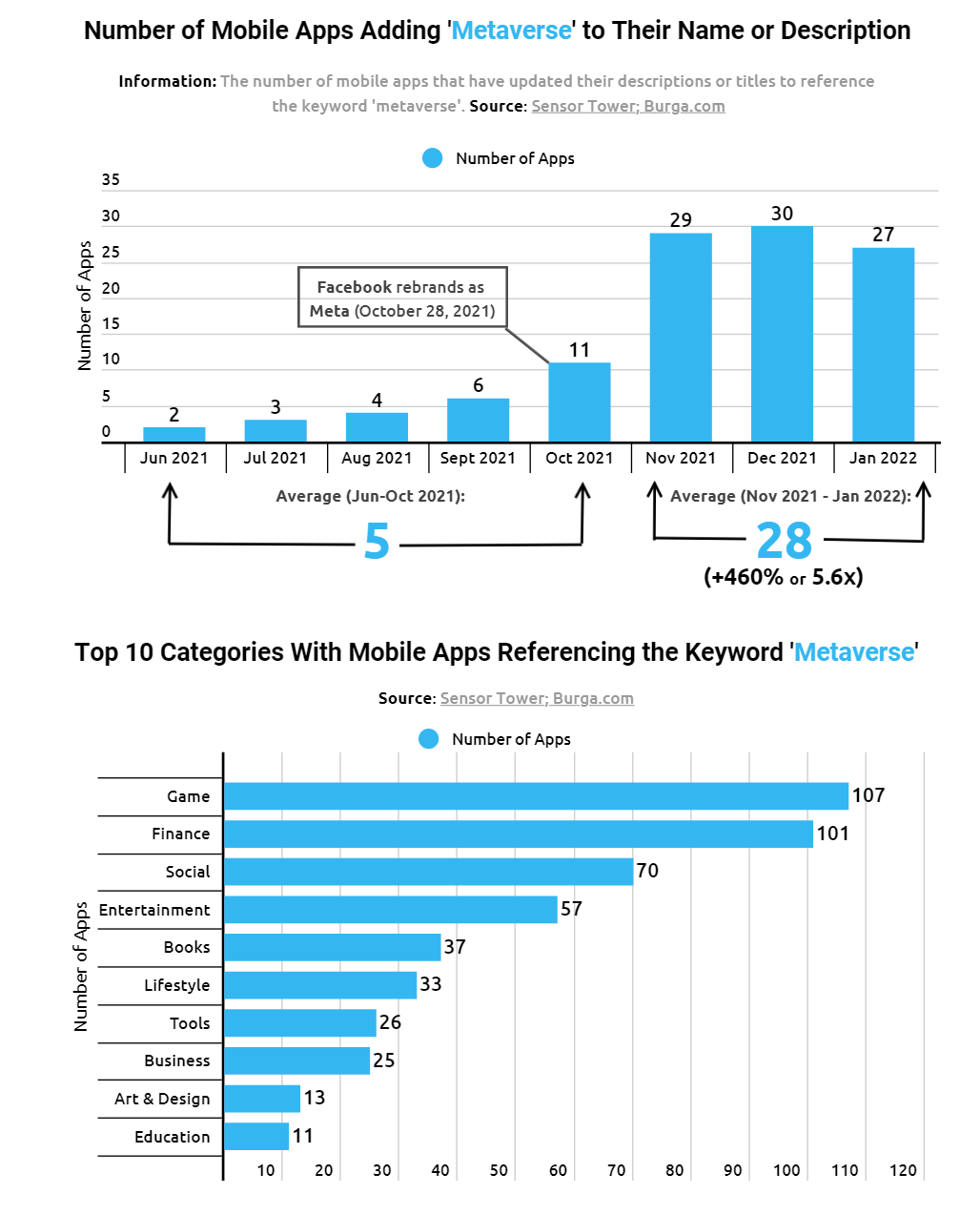
Data presented by Burga indicates that between November 2021 and January 2022, a monthly average of 28 mobile applications added metaverse to their description, a fivefold growth or 460% spike from the five average recorded between June 2021 and October 2021. The highest number was registered in December 2021 at 30.
Elsewhere, games with 107 applications lead in the number of app categories referencing the ‘metaverse’ keyword. Finance ranks second at 101, followed by social at 70. In the tenth slot, there is education with 11 apps. Data on mobile apps referencing metaverse is provided by mobile intelligence platform Sensor Tower.
Why app developers are focusing on metaverse
Mobile phone applications adding metaverse to their description were seemingly triggered by Facebook’s rebranding to Meta in October 2021. Most companies and applications have followed suit after the social media giant also announced that it plans to invest heavily in the metaverse. The apps are aligned with the metaverse even as players in the sector explore industry standards.
Generally, the metaverse concept is a network of virtual worlds focused on social connection as a hypothetical iteration of the Internet as a single, universal virtual world supported by virtual and augmented reality headsets.
Although the metaverse is still gaining ground, app developers are using the concept as a critical marketing tool as different sectors await the actual technical requirements for the metaverse to emerge. It can be argued that the applications are working towards having an edge once the technology’s full potential is realized.
A significant share of the metaverse will likely be enabled by apps, which explains developers’ decision to associate with the virtual concept. Notably, apps in the metaverse are touted to potentially harness the most critical features of smartphones, wearables, headsets, and IoT.
Furthermore, virtual interactions offer enticing financial opportunities for businesses and could potentially open new revenue streams for companies diving into this new venture. At this point, with the shift towards a digital life, the opportunities offered by the metaverse are limitless.
Why gaming apps are leading the metaverse
It is no surprise that the gaming apps are leading in adding metaverse to their description. Notably, games have long been associated with VR and AR technology which is at the core of the metaverse. Game engines are likely to be foundational technologies and a critical building block for creating virtual world applications.
In this line, some of the big players in the tech space led by Microsoft are increasing their involvement in the metaverse. According to the company, the metaverse is all about creating games, a key driver for its acquisition of video game company Activision Blizzard. Additionally, gaming platform Roblox has long been viewed as the metaverse frontrunner.
Besides games, the metaverse is also expected to have several implications for different industries. Metaverse technologies have found practical applications among sectors like finance. For instance, VR and AR can be deployed in finance in data visualization, which can aid in analyzing financial risks providing more precise services to customers.
Although app developers are getting ready for metaverse, realizing the concept on a large scale might be extensive. For instance, access to high-speed Internet and the cost of reliable VR hardware remains a challenge.
Additionally, the high scale of interoperability required to build various aspects of the metaverse is yet to be achieved. In this line, tech companies will have to partner with other entities on factors such as metaverse laws. For the Silo, Gytis Gelzinis/BURGA.
Salk researchers pinpoint a sound-sensitive mammalian protein that lets them activate brain, heart or other cells with ultrasound
LA JOLLA—Salk scientists have engineered mammalian cells to be activated using ultrasound. The method, which the team used to activate human cells in a dish and brain cells inside living mice, paves the way toward non-invasive versions of deep brain stimulation, pacemakers and insulin pumps.
The findings were published in Nature Communications on February 9, 2022.” Going wireless is the future for just about everything,” says senior author Sreekanth Chalasani, an associate professor in Salk’s Molecular Neurobiology Laboratory. “We already know that ultrasound is safe, and that it can go through bone, muscle and other tissues, making it the ultimate tool for manipulating cells deep in the body.” About a decade ago, Chalasani pioneered the idea of using ultrasonic waves to stimulate specific groups of genetically marked cells, and coined the term “sonogenetics” to describe it.
In 2015, his group showed that, in the roundworm Caenorhabditis elegans, a protein called TRP-4 makes cells sensitive to low-frequency ultrasound. When the researchers added TRP-4 to C. elegans neurons that didn’t usually have it, they could activate these cells with a burst of ultrasound—the same sound waves used in medical sonograms. When the researchers tried adding TRP-4 to mammalian cells, however, the protein was not able to make the cells respond to ultrasound. A few mammalian proteins were reported to be ultrasound-sensitive, but none seemed ideal for clinical use.
So Chalasani and his colleagues set out to search for a new mammalian protein that made cells highly ultrasound sensitive at 7 MHz, considered an optimal and safe frequency.” Our approach was different than previous screens because we set out to look for ultrasound-sensitive channels in a comprehensive way,” says Yusuf Tufail, a former project scientist at Salk and a co-first author of the new paper.
The researchers added hundreds of different proteins, one at a time, to a common human research cell line (HEK), which does not usually respond to ultrasound. Then, they put each cell culture under a setup that let them monitor changes to the cells upon ultrasound stimulation. After screening proteins for more than a year, and working their way through nearly 300 candidates, the scientists finally found one that made the HEK cells sensitive to the 7 MHz ultrasound frequency.
TRPA1, a channel protein, was known to let cells respond to the presence of noxious compounds and to activate a range of cells in the human body, including brain and heart cells.
But Chalasani’s team discovered that the channel also opened in response to ultrasound in HEK cells. “We were really surprised,” says co-first author of the paper Marc Duque, a Salk exchange student. “TRPA1 has been well-studied in the literature but hasn’t been described as a classical mechanosensitive protein that you’d expect to respond to ultrasound.” To test whether the channel could activate other cell types in response to ultrasound, the team used a gene therapy approach to add the genes for human TRPA1 to a specific group of neurons in the brains of living mice.
When they then administered ultrasound to the mice, only the neurons with the TRPA1 genes were activated.Clinicians treating conditions including Parkinson’s disease and epilepsy currently use deep brain stimulation, which involves surgically implanting electrodes in the brain, to activate certain subsets of neurons.
Chalasani says that sonogenetics could one day replace this approach—the next step would be developing a gene therapy delivery method that can cross the blood-brain barrier, something that is already being studied. Perhaps sooner, he says, sonogenetics could be used to activate cells in the heart, as a kind of pacemaker that requires no implantation.
“Gene delivery techniques already exist for getting a new gene—such as TRPA1—into the human heart,” Chalasani says. “If we can then use an external ultrasound device to activate those cells, that could really revolutionize pacemakers.”For now, his team is carrying out more basic work on exactly how TRPA1 senses ultrasound.
“In order to make this finding more useful for future research and clinical applications, we hope to determine exactly what parts of TRPA1 contribute to its ultrasound sensitivity and tweak them to enhance this sensitivity,” says Corinne Lee-Kubli, a co-first author of the paper and former postdoctoral fellow at Salk.
They also plan to carry out another screen for ultrasound sensitive proteins—this time looking for proteins that can inhibit, or shut off, a cell’s activity in response to ultrasound.
The other authors of the paper were Uri Magaram, Janki Patel, Ahana Chakraborty, Jose Mendoza Lopez, Eric Edsinger, Rani Shiao and Connor Weiss of Salk; and Aditya Vasan and James Friend of UC San Diego.
The work was supported by the National Institutes of Health (R01MH111534, R01NS115591), Brain Research Foundation, Kavli Institute of Brain and Mind, Life Sciences Research Foundation, W.M. Keck Foundation (SERF), and the Waitt Advanced Biophotonics and GT3 Cores (which receive funding through NCI CCSG P30014195 and NINDSR24).
About the Salk Institute for Biological Studies: Every cure has a starting point. The Salk Institute embodies Jonas Salk’s mission to dare to make dreams into reality. Its internationally renowned and award-winning scientists explore the very foundations of life, seeking new understandings in neuroscience, genetics, immunology, plant biology and more. The Institute is an independent nonprofit organization and architectural landmark: small by choice, intimate by nature and fearless in the face of any challenge. Be it cancer or Alzheimer’s, aging or diabetes, Salk is where cures begin.
Featured image: Neurons (magenta) in the mouse brain. The Chalasani lab made specific neurons express TRPA1 (white), so they can be activated by ultrasound.
Despite a fluctuating legal status since 1892 when the first Criminal Code of Canadawas established, Canadians have remained firmly welded to the idea of a bet. Whether it is a matter of sports betting or the more calculative games provided by casinos, and more recently over the internet, Canadians, it seems, love to gamble.
What it is in the Canadian national psyche that drives this appetite is far from clear.
Those reports that have dealt with the question have tended to look at the administrative and legislative conditions that have enabled the industry to establish itself, rather than asking the more fundamental question of where the appetite for this form of recreation stems from.
There is no doubt that the way the gambling industry in Canada is managed at a state level has meant that local pockets of gambling activity have been allowed to flourish. Smith points to the way that two Criminal Code of Canada amendments (1969 and 1985) were ‘pivotal’ in enabling the expansion of the industry. The first was because it decriminalized lotteries and casinos and the second because it allowed electronic gambling devices whilst also allowing provinces to operate and regulate the industry within their territories. In essence, because there was no one-size-fits-all brake on the industry it was allowed to extend into all those areas where it was not explicitly barred.
Against that historical backdrop the emergence of the internet and the de-territorialised markets it has allowed to develop have seen the Canadian appetite for gambling further supplied.
Such is the extent of the market that European based providers, such as Bet365, the UK’s leading online provider, are going out of their way to woo Canadian punters. Specialist sports books focusing on Canadian sports as well as a long list of games and pursuits that are already well-established across North America – not least poker and blackjack – mean that what these providers are offering is a perfect fit for the Canadian market.
There is a sense that with the US gambling industry seemingly at a tipping point in terms of the full deregulation of online gambling, these global providers are doing everything they can to achieve a presence and a profile on the continent. The basic thinking is that something akin to a gold rush is set to take place once the US marketplace truly opens up, and that rolling out into the US market will be easier from Canada than from Europe.
If this makes it sound as though the Canadian gambling market is somehow merely a stepping stone that is far from the case. Canada’s gambling market is itself measured in the billions of dollars and it is an entirely viable proposition on its own merits.
Of course, what it is that makes Canadians so happy to gamble remains an open question.
. Amidst such a diverse and heterogeneous population is it possible that enjoying a gamble in one form or another is one of the things that unites us as a nation? For the Silo, Jarrod Barker.
This post is dedicated to geeks who want to let their passions shine through their decor.
The graphic below gives cool examples of accessories that you can introduce into your home to give people an idea of the geekier side of your life. Some are subtle, like the equation bookshelf, while others are more in your face, such as the giant rubrics cube coffee tables. What all of these share is how they have incorporated elements considered to be ‘geeky’ into stylish decor. A personal favourite is the wall that has apparently been repaired by Lego bricks. We assume that this isn’t actually the case, but if we were buying a property with that in we’d certainly want a thorough survey done.
Whatever style of decoration you prefer, if you’re looking to add something a little fun and a tad geeky to your home then this piece will help give you some great ideas. Friends of the Silo, Terry’s Fabrics.
Eiko Otake performing at Bartram’s Garden on the Schuylkill River.
“The purpose of art is washing the dust of daily life off our souls.” – Pablo Picasso
Art is an imperative. Without it we can never truly examine our own circumstances or those of the people with whom we inhabit our small planet. Left unviewed, art languishes. Left without art to view, so does humankind. There are many who recognize the gift to the world that every artist has to offer. There are many who endeavor to do whatever they can to ensure those gifts are received by a grateful public. To stifle the artist’s voice is to silently say I care little about the fate of the minds of the masses. Art is essential. It is what fills the space between the rest of the din, making sense of a chaotic universe.
Bill Arnold splits his time between New York and Western Massachusetts. Since 1974 he has had a studio in Western MA and an apartment in NY. Arnold prefers to keep a foot in both worlds. Florence, MA is a small town near Northampton where there is plenty of space and the space is affordable. New York on the other hand is extremely restrictive in that a very small amount of space is prohibitively expensive. Artists require space not only to work, Arnold says, but space for their imaginations, “space to conjure.”
And so he maintains his Western MA studio.
The work he has done in that studio over the years has been varied and prolific. Arnold has endeavored, and often succeeded in getting his work into public venues including museums. He finds it thrilling to see his work in commercial venues. The first time he experienced this was in the 1970’s when he put roughly 1,000 photographs in 25 Boston city buses. There was no indication on the outside of each bus whether there were photographs on board so passengers didn’t know which buses were galleries inside. Because of the nature of the venue, more people saw that project than visited the Met, according to Arnold. In order to fund the project, he approached multiple museums getting them to agree to fund the cost of materials for the show provided he put on exhibitions in each city where the museums were located.
Arnold was both an exhibiting artist and a curator for this project. The project was well received, with weary commuters sometimes voicing their appreciation. From there, Arnold went on to do other bus shows. The format went viral long before viral was a thing. For another show, Arnold gave images to members of the audience who then organically began sharing the images with each other. Throughout his career, Arnold has turned traditional notions of exhibition on their heads. With the advent of digital advertising, the cost of printing has plummeted. Arnold uses this to his advantage. In 2018 he printed 10,000 newspaper inserts for the Daily Hampshire Gazette. As a student photographer, Arnold was encouraged to have a camera with him at all times. To this day he follows this practice. Arnold has photographed the same spot on his travels from NYC to MA for many years.
He intends to exhibit many photographs of the same place at the Bergen Street Station. Photography is accessible to everyone, Arnold says. Because anyone can make a photograph, anyone can also view a photograph and take something away. A series of photographs depicting old cars elicited stories from viewers of all kinds about cars they remembered and loved. To hear more about Bill Arnold’s thoughts on work and life, listen to the whole interview here.
Harry Philbrick left his position as director of the museum at the Pennsylvania Academy of the Fine Arts about two years ago. He then launched his own project called Philadelphia Contemporary. The nonprofit does pop-up exhibitions and performances throughout the city. The goal is to ultimately build a permanent space where the nonprofit can become a non-collecting, collaborative space. Prior to his position at Pennslyvania Academy of the fine Arts, Philbrick was director of the Aldrich. It was there that the idea for Philadelphia Contemporary began to percolate. He began exploring the notion of partnerships. Specifically long-term, sustainable partnerships that would allow the museum a broader reach. Upon relocating to Philadelphia, Philbrick realized there was a gap in the cultural ecosystem in that there was no large scale independent contemporary art museum. Philadelphia also seemed primed for Philbrick’s model in that the cultural environment is “unusually collegial.”
The first project was a partnership with Headlong Dance.
The project was titled The Quiet Circus in which the dancers took part in a year long residency on a pier. Each week dance pieces encouraged members of the public to join in. From there Philbrick and his small team created River Charrettes, a series of four pieces also set among the changing landscape of river banks. River Charrettes was an appropriate opening for Philadelphia Contemporary. The project embodied the idea of many people from different places coming together. Since then there have been readings and other events. At the moment there are many large scale projects in the works. An expanded staff has allowed for grander visions. The process of growth has been very deliberate, carefully adhering to the founding vision of the project.
Funding for Philadelphia Contemporary comes from many places. In order to run the organization, pay staff, and plan for the future, Philbrick has had to map out a plan from all he has learned over his years in the art world. Seed capital came from individual funders who believed strongly in the mission. More recently, Philadelphia-based foundations have come on board. For Philbrick, the key to his project is pushing forward the model for a nonprofit contemporary art space. Moving forward the same model applies, starting with individual funders and moving from there to foundational support. To hear more about Philadelphia Contemporary and arts organization funding, listen to the whole interview here.
A Few Words to Keep in your Pocket: Speak your art loudly. Do not settle for its slow demise. Bring it into the light, find allies, give your gifts to the world. For the Silo, Brainard Carey. Featured image- Francis Bacon’s London studio- in its relocated home in Dublin, Ireland.
(LAS VEGAS) — Bettors could place $1 billion usd in wagers on Super Bowl LVI at legal online and retail sportsbooks across the country, according to projections by PlayUSA, which provides news and analysis of the U.S. gaming industry. If sportsbooks reach those estimates it would roughly double last year’s estimated Super Bowl handle of more than $500 million, a product of the continued proliferation of legal sports betting.
“$1 billion usd in legal wagering on a single game would be an impressive milestone for the industry,” said Dustin Gouker, lead analyst for PlayUSA.
“It would have seemed impossible just a few years ago to reach such heights, but with the expansion of sports betting over the last year it is inevitable that legal wagering will soar.”
The Super Bowl is the most-wagered-on single sporting event in the U.S. In 2021, the American Gaming Association estimated that Americans & North Americans bet $4.3 billion usd on Super Bowl LV, both legally and illegally. PlayUSA estimates that more than $500 million usd was wagered at legal online or retail sportsbooks for last year’s game between the Kansas City Chiefs and the Tampa Bay Buccaneers, still a small chunk of the more than $50 billion usd in legal wagers placed across the country throughout 2021.
When the Los Angeles Rams and Cincinnati Bengals meet for the Super Bowl on Feb. 13, sports betting in some form will be legal in 30 states and Washington D.C. Those jurisdictions represent more than 166.9 million people, according to the U.S. Census Bureau estimates for 2021. By contrast, 120 million people lived in 21 legal sports betting jurisdictions for last year’s Super Bowl.
For this year’s game:
Sports betting is legal in at least some form in Arizona, Arkansas, Colorado, Connecticut, Delaware, Illinois, Indiana, Iowa, Louisiana, Maryland, Michigan, Mississippi, Montana, Nevada, New Hampshire, New Jersey, New Mexico, New York, North Carolina, North Dakota, Oregon, Pennsylvania, Rhode Island, South Dakota, Tennessee, Virginia, Washington, Washington D.C., West Virginia, Wisconsin, and Wyoming.
New York, which was limited to retail sportsbooks last year, launched online betting in early January. New York is already on pace to shatter the U.S. record for monthly handle, which New Jersey set in October with $1.3 billion usd in bets.
Arizona, Connecticut, Louisiana, Maryland, North Carolina, North Dakota, South Dakota, Washington, Wisconsin, and Wyoming did not offer any form of legal sports betting for last year’s Super Bowl.
Even with legal sports betting in 30 states and Washington, D.C., no team from a state with legal sportsbooks has ever played in the Super Bowl. That will continue this year as Ohio awaits launch sometime over the next year and California lawmakers debate legalization.
“The sports betting landscape has changed dramatically since last year’s game,” said Eric Ramsey, data analyst for PlayUSA. “More than half of all Americans now live in a legal jurisdiction, and even well-established markets such as New Jersey and Nevada have grown significantly over the last year as mobile betting gains in popularity.”
PlayUSA projects that Nevada, which was the second-largest market in 2021 and historically the top Super Bowl market, will produce the largest Super Bowl handle with $175 million usd. New York could generate $160 million usd. If those estimates come to fruition, that would be more betting volume than every legal sportsbook in the U.S. combined to tally for the 2019 game.
New Jersey ($130 million usd), Illinois ($75 million usd), Pennsylvania ($70 million usd), Arizona ($55 million usd), Michigan ($45 million usd), Indiana ($40 million usd), Colorado ($35 million usd) Louisiana ($35 million usd), Virginia ($35 million usd), and Tennessee ($30 million usd) will follow Nevada and New York, according to PlayUSA estimates.
“Americans & North Americans have become increasingly comfortable with online betting in general and the less conventional bets it facilitates, such as in-game wagering,” Ramsey said. “This should really help boost Super Bowl betting, which for years has enticed bettors with fun prop bets and other unconventional wagers. The big difference this year is those types of bets are easier than ever to make in more places than ever before.” For The Silo, Zack Hall.