Tag Archives: Gaza Strip

Call for Strengthening Humanitarian Partnerships and Developing Faster, More Sustainable Responses- LIFE

Life for Relief and Development at the Dubai International Humanitarian Aid & Development Conference:

The Dubai International Humanitarian Aid & Development Conference (DIHAD 2026) concluded its activities at the Dubai World Trade Centre under the theme “Humanity in Transition: Shaping the Future of Humanitarian Work.” The conference brought together numerous humanitarian institutions, relief organizations, government entities, and experts from around the world to discuss the growing challenges facing communities affected by wars, disasters, and escalating humanitarian crises, particularly in the Middle East.

The current edition of the conference was held at a time when the global humanitarian system is undergoing rapid transformations due to the increasing complexity of crises, growing humanitarian needs, and changing operational environments. This requires humanitarian institutions and organizations to rethink traditional response mechanisms and develop models that are more flexible, innovative, and sustainable.

21,000 Participants from 165 Countries

Life for Relief and Development was among the prominent participants. Khalil Meek, Chief Development and Resource Development Officer at the organization, emphasized that the conference focuses on anticipating the future of humanitarian action amid the increasing number of wars, conflicts, climate-related disasters, economic crises, displacement, technological developments, and funding gaps. The conference aims to exchange expertise, build partnerships, and develop practical and sustainable solutions to support the poorest and most vulnerable populations.

He added: “Life was among more than 21,000 participants and visitors from 165 countries, alongside more than 1,000 entities, partners, and organizations working in the humanitarian sector. There were also 320 speakers who participated in more than 260 sessions and workshops, alongside the International Red Cross and Red Crescent Movement, academic and research institutions, the private sector, charitable and donor organizations, financial institutions, development banks, and media outlets.”

The conference represents a platform that brings together decision-makers, experts, implementers, funders, and entities equipped with innovation and technology tools. This enables the development of more integrated responses to humanitarian crises and creates opportunities for humanitarian organizations to communicate, exchange expertise, and explore opportunities for cooperation and partnership.

“Life”: Being at the Heart of the Field and Responding Rapidly
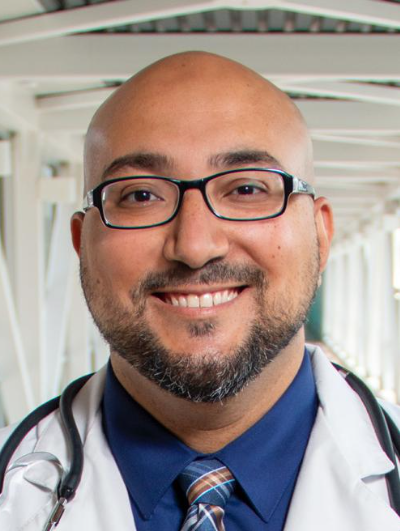
Dr. Abdul Wahab Alawneh, Regional Director for the Middle East at Life, added that the future of humanitarian action, based on Life’s field experience and 33 years of work on the ground, requires continuous development.

He said: “We presented our proposals on the role of leadership, innovation, and partnerships in advancing humanitarian action and making it more adaptable to the rapid changes taking place around the world. We focused on how to turn ideas into practical realities, strengthen implementation and operational efficiency, measure results, and transform the ideas and commitments presented during the conference into practical solutions that create a genuine and sustainable impact on communities in need.”

“At a time when humanitarian organizations are increasingly required to develop tools to anticipate needs, prepare for crises at an early stage, improve resource management, and reach affected populations more quickly and efficiently, this is precisely what has distinguished Life over the past years through its presence at the heart of events from day one—whether in areas affected by earthquakes and floods, as occurred in Libya, Morocco, and Türkiye, or deep inside conflict zones, as in Gaza and Lebanon. Life has been able to reach remote civilian areas under bombardment where humanitarian assistance had not reached.”

The conference also discussed the importance of developing more proactive humanitarian models, so that responses are not limited to action after a disaster occurs, but also include advance preparedness, strengthening community resilience, and reducing future needs. This means moving from response to preparedness, from isolated efforts to partnerships, and from temporary solutions to sustainable impact.

More Effective Partnerships

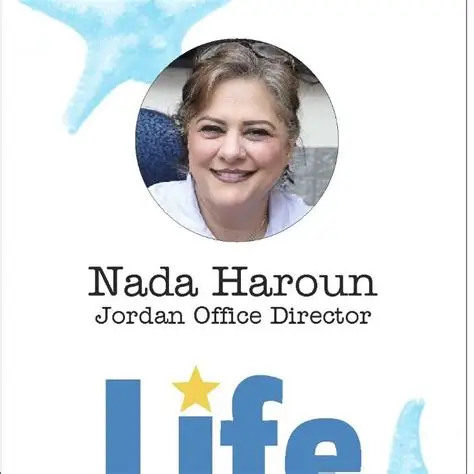
Nada Haroun, Director of Life’s office in Jordan, added:

“Our presence here is not merely attendance; it is a representation of a mission, a team, and work that we believe in and consider important. Advancing humanitarian action is no longer the responsibility of a single organization or country. Rather, it is a collective responsibility that requires continuous international cooperation, more effective partnerships, more sustainable funding, and responses that place people, their dignity, and their ability to build a safer future at the heart of humanitarian action.”
“Last year, Life received the Dubai Humanitarian Award for Most Effective Partnership for its shelter-camp project in the Gaza Strip. Therefore, this year, we established a new partnership with the Emirates Red Crescent, which will help strengthen the delivery of assistance and support to vulnerable and most-needy populations.”

Transparency: A Safe Bridge Between Donors and Those in Need

She continued:

“The conference addressed the issue of donation transparency by strengthening the regulation of charitable work, reinforcing donor trust, and ensuring that donations reach their intended beneficiaries through approved channels. These are also principles that have distinguished Life and contributed to its ranking third globally among leading humanitarian aid organizations and fifth among the best organizations working in Palestine and addressing poverty. This enabled Life to receive a 100% rating from Charity Navigator, in addition to being accredited by the United States Agency for International Development (USAID) and being selected among the top humanitarian organizations in the United States by Impactful Ninja, with expenditures reaching $666 million usd.”

These principles are becoming increasingly important as digital platforms expand their use for collecting donations and launching humanitarian campaigns. Transparency and verification of organizations managing donations have therefore become essential to protecting donors and ensuring that resources are directed to the beneficiaries who need them most.

For the Silo, Tasneem Elridi/LIFEUSA
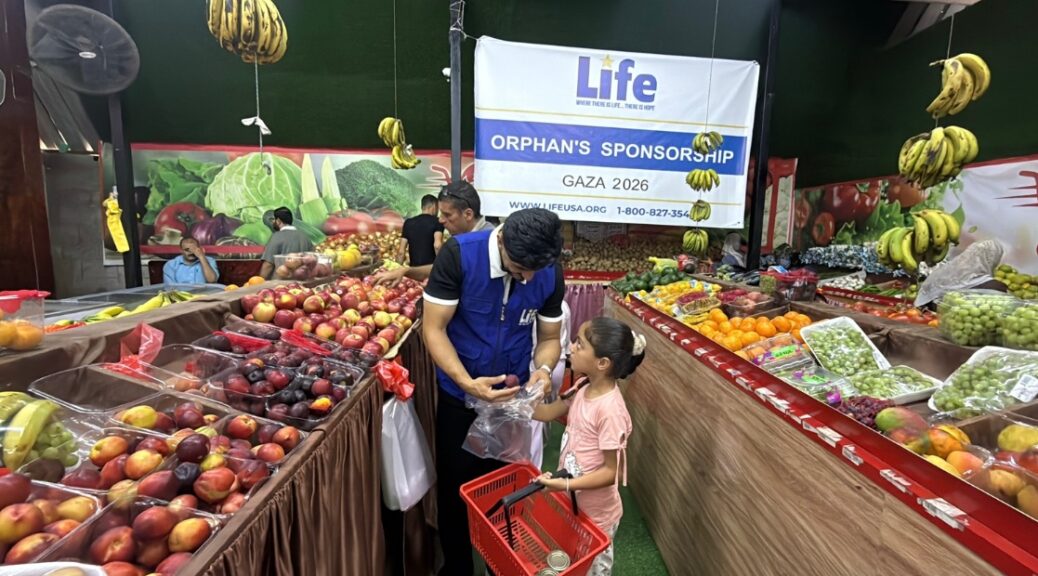
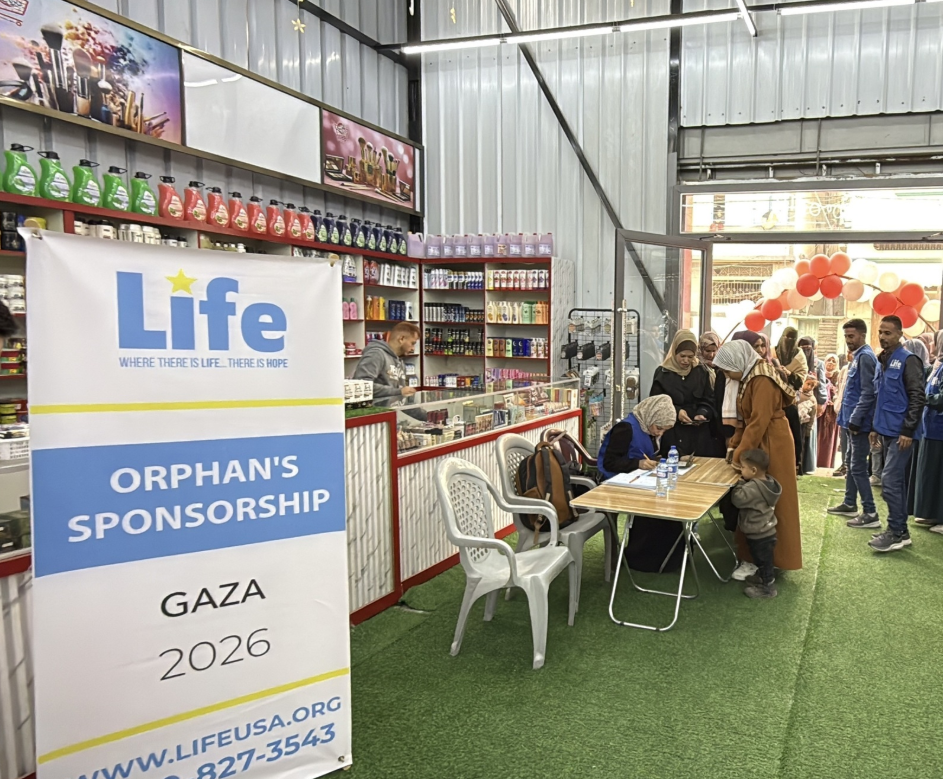
Global Campaign To Sponsor Gaza Orphans

Life for Relief and Development Intensifies Emergency Humanitarian Efforts to Support Thousands of Children Who Have Lost Their Families

In an unprecedented initiative, Life for Relief and Development has launched a global humanitarian campaign to secure sponsors for 60,000 orphans in the Gaza Strip, aiming to support children who have lost one or both parents as a result of the war. The campaign seeks to provide their essential needs, including food, healthcare, education, and psychosocial support, amid the severe humanitarian conditions they continue to endure.

According to UNICEF, more than 64,000 children have suffered injuries or permanent disabilities since the outbreak of the war. Meanwhile, approximately 800,000 children are living in displacement, and nearly one million children require mental health and psychosocial support after being exposed to traumatic war-related experiences.

An Orphan Without Shelter, Water, or Food

We spoke with Dr. Abdulwahab Alawna, Regional Office Director for the Middle East at Life for Relief and Development, who described the scale of the campaign:

“Supporting orphan sponsorships in Gaza today is no longer simply about providing financial assistance to a child who has lost his or her parents. It is a long-term humanitarian commitment to children who have endured hardships and painful experiences far beyond their years.

These children need more than life’s basic necessities. They also need to regain a sense of safety and stability and to know that someone stands beside them and believes they deserve a better future. In light of the immense loss of parents, the destruction of homes and schools, repeated displacement, and extremely difficult living conditions, sponsoring a child in Gaza has become one of the most effective ways to ensure that child continues to receive essential support while being protected from further deprivation.

Sustained sponsorship does more than help children overcome their current crisis—it gives them a genuine opportunity to learn, grow, and build a more stable and dignified future.”

Spreading the Suffering of Gaza’s Children Is a Shared Responsibility

Vicki Roob, Director of Domestic Programs at Life for Relief and Development, added:

“We encourage everyone to help spread awareness of this campaign through social media and to speak about the suffering of Gaza’s orphans, whose hardship extends far beyond the loss of their families and sense of security.

Today, nearly 1.1 million children struggle to access safe drinking water, exposing them to increased risks of dehydration, diarrhea, respiratory infections, and skin diseases. At the same time, children are experiencing severe levels of food insecurity, placing them at heightened risk of malnutrition and its long-term consequences for their growth and overall health.

Hundreds of thousands of children have also been deprived of regular education after schools and educational infrastructure sustained widespread damage.

Malnutrition poses a serious threat to children’s health and development. Its effects are not limited to the present; they can continue throughout later stages of life, leading to stunted growth, weakened immune systems, increased vulnerability to disease, and impaired physical and cognitive development that may persist well into adulthood.”

Children with Disabilities in Gaza Need Comprehensive Support

The needs of children with disabilities in Gaza are even greater, as they face tremendous difficulties accessing the essential services they require, including assistive devices, medical treatment, rehabilitation services, healthcare, psychological support, and opportunities for education.

Life for Relief and Development is working to intensify its efforts to help rebuild these children’s lives and enable them to regain their abilities and opportunities for the future.

Many of these children have endured horrific experiences, including the loss of parents and siblings, the destruction of their homes, repeated displacement, witnessing death and severe injuries, living under constant fear, losing their schools, friends, and daily routines that once provided stability and security, and being forced to survive in unsafe conditions.

This crisis is far more than a collection of statistics. It reflects the reality of an entire generation that has been orphaned and deprived of the most basic elements of a safe childhood. Through this campaign, we strive to ensure that every child feels they are not alone—that someone stands beside them and believes in their right to live with dignity, hope, and the opportunity for a better future.

13,500 Orphans Supported in 22 Countries Worldwide

Abdullah Al-Zaqzouq, Director of the Orphan Sponsorship Program at Life for Relief and Development, said:

“Life launched its Orphan Sponsorship Program more than 30 years ago. Since then, the organization has been committed to providing comprehensive support to every registered orphan throughout the sponsorship period. This support includes food assistance, clothing, educational support, healthcare services, school supplies, and holiday gifts for hundreds of orphanages and foster families.

Our work is guided by the belief that sponsoring a child is one of the most effective and compassionate ways to empower vulnerable children and communities while helping them break the cycle of poverty.

Our vision for Gaza’s orphans in the coming period is to provide comprehensive and sustainable support that addresses their urgent humanitarian needs while also promoting their long-term growth and development.

Although the organization is expected to place greater emphasis on Gaza because of the unprecedented humanitarian emergency there, Life’s commitment to orphans in every country where it operates remains unchanged. We are determined to ensure that expanding our efforts in one region will never come at the expense of children in other parts of the world.”

Specialized Humanitarian and Development Programs for Repeated Displacement

Life for Relief and Development also seeks to strengthen its comprehensive orphan care strategy by integrating emergency humanitarian response with long-term sustainable development across all of its programs and operational areas.

The organization recognizes the close connection between the circumstances of orphans, refugees, and internally displaced persons around the world. Many orphaned children are also refugees or internally displaced because of armed conflicts, natural disasters, or economic instability.

For this reason, Life adopts a comprehensive approach that addresses the unique needs of orphaned children within the broader context of displacement and forced migration. Its programs provide integrated support in education, mental health and psychosocial care, family tracing and reunification, and child protection services, while working closely with local and international partners to ensure continuity, coordination, and long-term effectiveness of care.

The Greatest Beneficiary of Sponsoring an Orphan Is the Sponsor

Angela Joyce, one of the participants in the campaign, said:

“Donating to orphan sponsorship and charitable causes does not only provide donors with a sense of fulfillment—it may also contribute to increasing their income and wealth. This aligns with Brooks’ research and reinforces the idea that generosity can produce measurable financial benefits.

Neuroscientists have found that the brain releases dopamine when people engage in acts of generosity, reinforcing positive emotions and encouraging continued giving.

Research conducted by Harvard Business School indicates that individuals who are more generous are 43% more likely to describe themselves as ‘very happy’ compared with those who do not donate.

In addition, a study published in the Journal of Economic Psychology found that people involved in charitable activities tend to build broader social networks. These relationships often develop into opportunities for economic growth and career advancement, as people naturally prefer to work with and support individuals they trust and whose generosity they value.”

For the Silo, Tasneem Elridi.

https://donate.lifeusa.org/donorportal/all-orphans-list

https://lifeusa.org/#social-media