Michigan-Based Humanitarian Organization, Life for Relief and Development (LIFE), Helps Put a Book in Every Child’s Hand at Ontario School
Centuries after books first became humanity’s primary means of preserving knowledge, they continue to offer something technology alone cannot: the space to reflect, question, imagine, and think deeply. As our world is increasingly shaped by instant answers, AI-generated content, endless notifications, and shrinking attention spans, the ability to engage with long-form content and complex ideas may be more valuable than ever.
Reading researchers have repeatedly found that reading on paper often leads to stronger comprehension and retention than reading the same material digitally, particularly when students engage with longer and more complex texts. Recent systematic reviews likewise suggest that print reading supports deeper engagement and comprehension, particularly when students are working with longer or more cognitively demanding texts.
As concerns grow over academic achievement, rising screen time, and the increasing use of artificial intelligence by students, educators across North America are confronting difficult questions about how to prepare the next generation for the future.
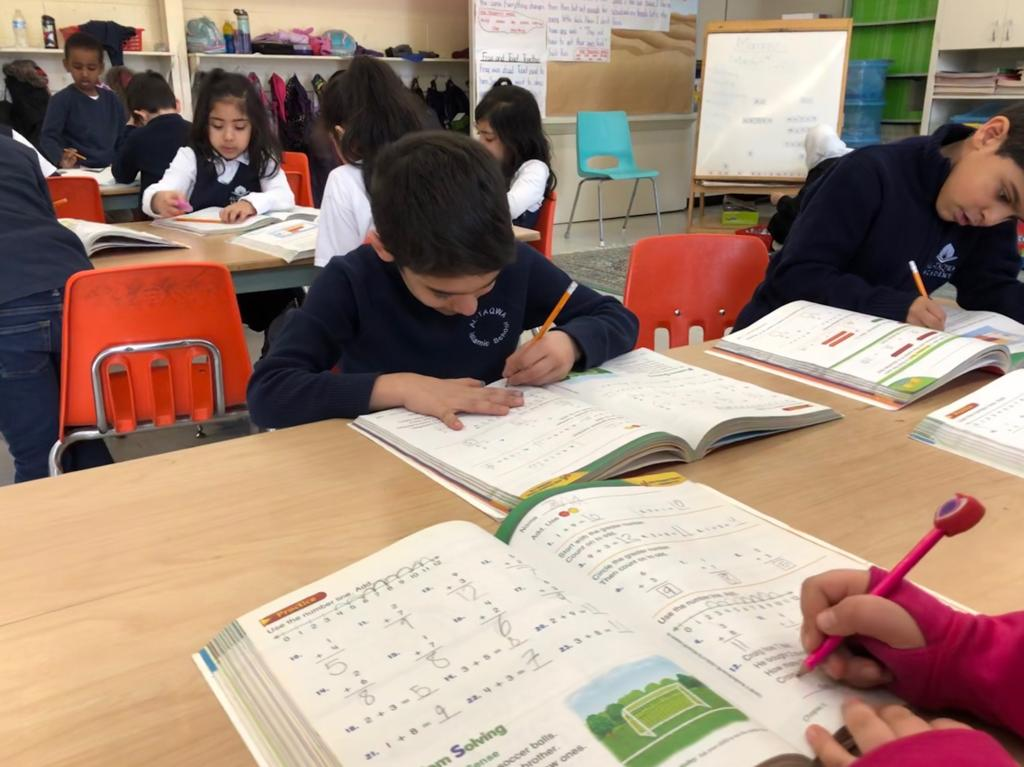
Life for Relief and Development (LIFE) is a U.S.-based humanitarian organization that has served vulnerable communities in more than 60 countries for over three decades. They believe that books and educational support are among the most valuable tools we can give future generations.
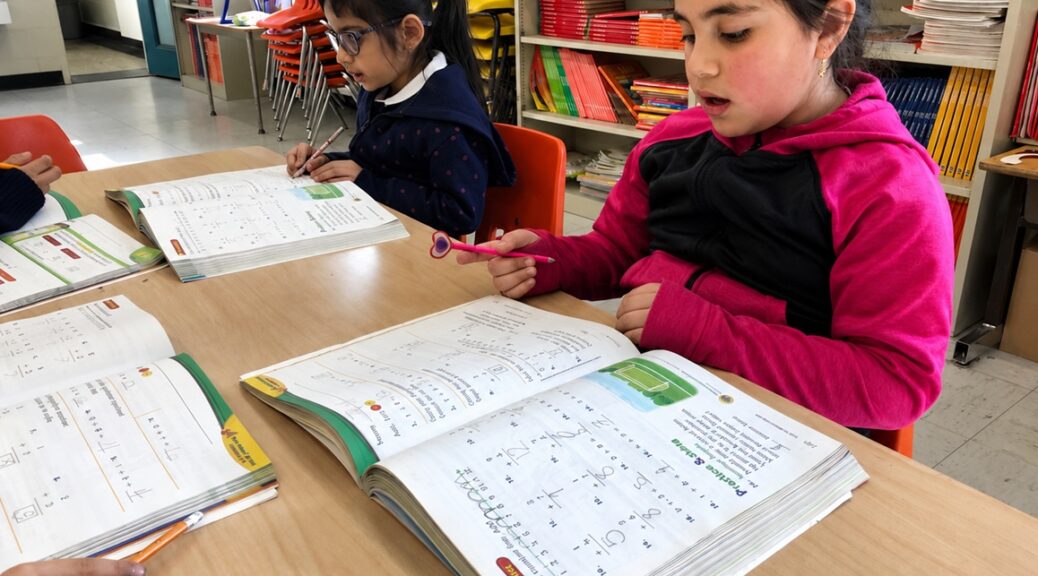
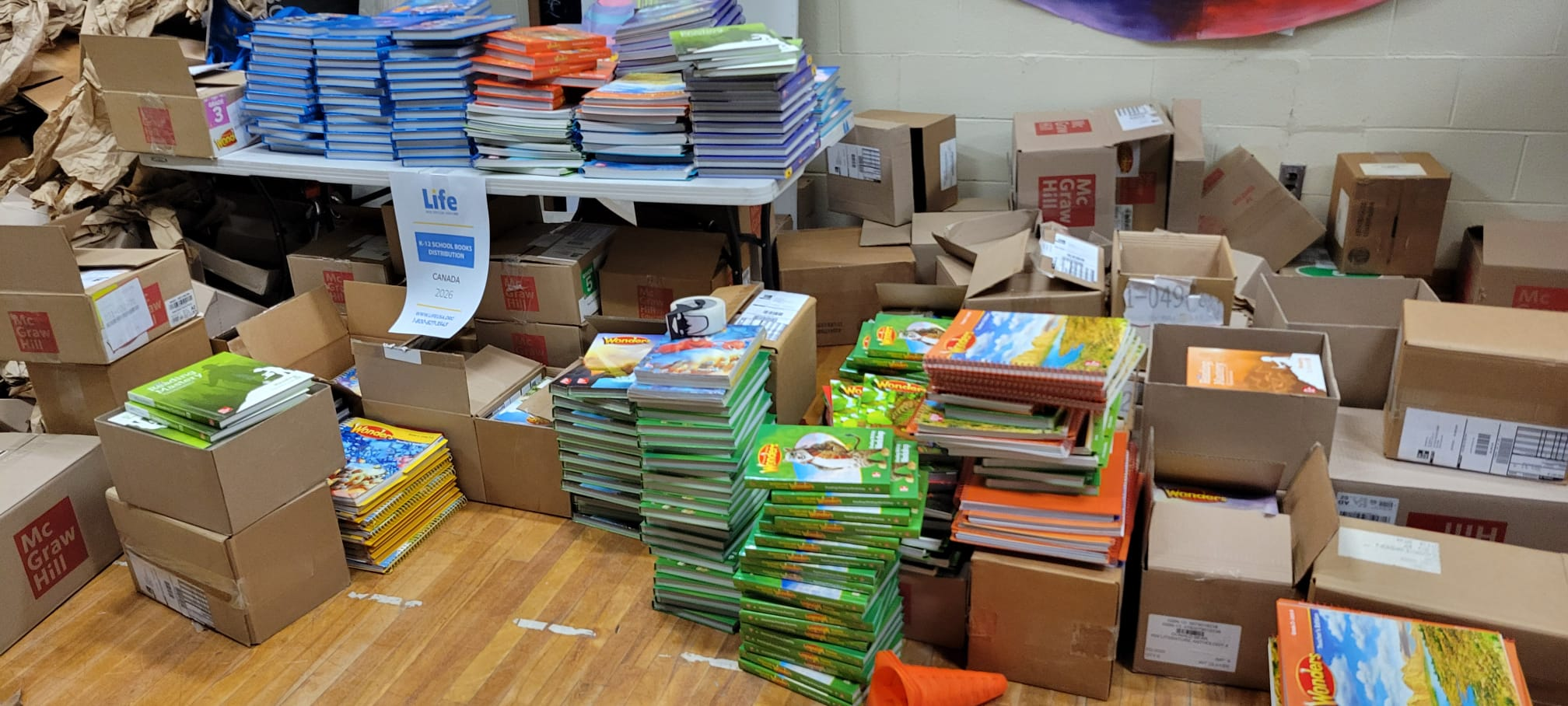
LIFE recently delivered thousands of educational resources to Al-Taqwa School in London, Ontario. The shipment included reading and writing materials, literature anthologies, teacher editions, and textbooks for students from kindergarten through Grade 8.
According to Neil, principal of Al-Taqwa School, the school first received educational books through LIFE more than a decade ago. Those resources served students for years before a new shipment arrived. Beginning in 2016, LIFE also provided school furniture to support the school’s growing educational needs, helping create learning spaces where students could learn, collaborate, and thrive.
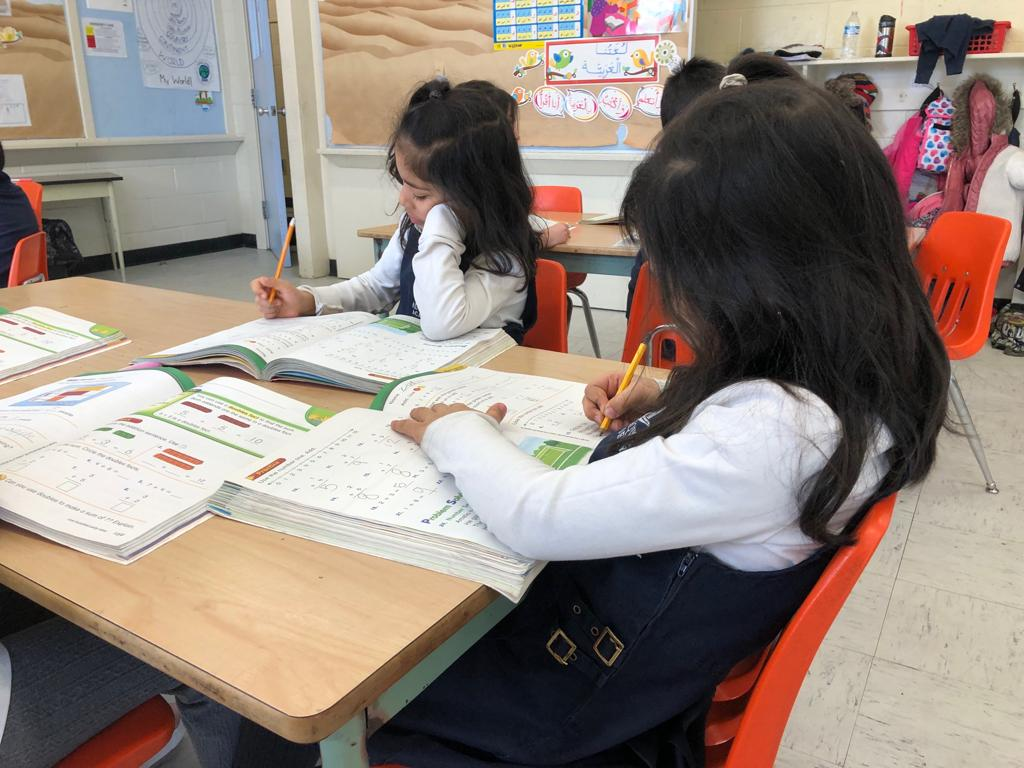
The longevity of those earlier donations speaks not only to the quality of the resources but also to the enduring value of educational investments that continue benefiting students long after they are delivered.
When the newest shipment arrived, teachers immediately recognized the difference it would make. For years, educators often relied on shared resources, photocopies, and creative workarounds to stretch classroom materials. The arrival of additional books meant students could finally have direct access to the materials they needed.
According to Neil, the new shipment meant there was finally “a book in every child’s hand.”
That statement carries added significance at a time when screens occupy an increasingly large role in children’s lives. Canadian health guidelines recommend no more than two hours of recreational screen time per day for school-aged children and youth, yet studies consistently show many exceed that amount by several hours. Researchers have linked excessive screen use to lower academic performance, reduced attention spans, poorer sleep quality, and decreased reading engagement.
Technology undoubtedly has a place in modern education. Digital tools provide access to information, research opportunities, and new ways of learning. However, what we are seeing in many schools is the complete replacement of books with items like Chromebooks and other screen-based devices.
The arrival of new classroom books from LIFE allowed teachers at Al-Taqwa to spend less time on screens, managing textbook shortages, and more time focusing on instruction, mentorship, and student growth.
Al-Taqwa School is concerned not only with what students learn but also with who they become. School leaders emphasize character, responsibility, leadership, and personal development alongside academic achievement. Quality educational resources support those goals by helping teachers create classroom experiences that foster curiosity, intellectual engagement, and a lifelong appreciation for learning.
Life for Relief and Development (LIFE) holds the philosophy that knowledge creates opportunity. The organization’s educational initiatives extend far beyond Ontario. In communities around the world, LIFE supports education through large book shipments, scholarships, educational supplies, building schools, and learning opportunities that help children continue their studies despite poverty, conflict, or displacement. In Gaza, for example, LIFE has supported educational spaces that have helped nearly 1,000 children continue learning despite the ongoing humanitarian crisis.
“Education is one of the greatest investments we can make in the future,” said Dr. Hany Saqr, President and CEO of LIFE. “When we place quality educational resources in the hands of children, we are doing more than supporting their studies. We are helping cultivate future leaders, innovators, educators, and problem-solvers who will shape the communities and world they inherit.”
The partnership between LIFE and Al-Taqwa School reflects Dr. Saqr’s sentiment. The first books delivered through LIFE served students for more than a decade before a new generation of resources arrived. Today, those latest materials will help another generation of learners build knowledge, develop confidence, and engage more fully with their education.
Every book placed in a student’s hands represents another opportunity to learn, imagine, question, and think for themselves about the world around them. Those opportunities ultimately shape our collective future. No matter how many technological advancements we witness, books will continue to remain among the most enduring tools for cultivating knowledge, curiosity, and critical thought.
For the Silo, Angela Joyce.
Life on social media.