

For The Silo, Jarrod Barker.
For The Silo, Jarrod Barker.

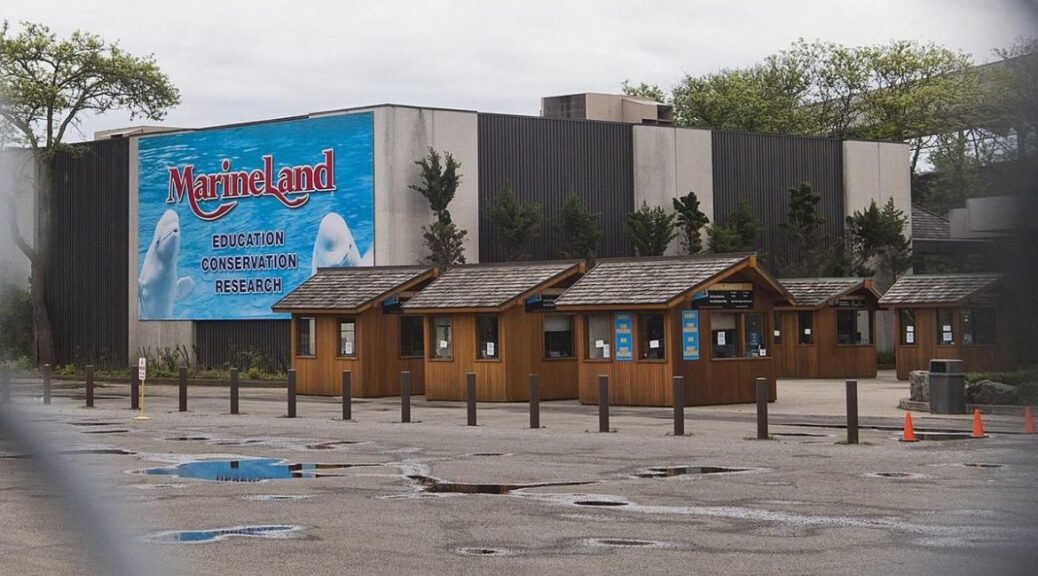
NIAGRA FALLS, Ontario (June, 2025) — In Defense of Animals joins concerned organizations and activists in urging the Canadian government to protect the remaining animals at Marineland Canada as the beleaguered park officially announced the sale of its rides. The organization is calling for transfer permits to be denied that would send them to similar substandard facilities where they would continue to be bred and exploited for entertainment.

Shocking new footage captured this month by TideBreakers has exposed many marine animals languishing in rapidly deteriorating tanks as the park is demolished around them, intensifying concerns for their safety and wellbeing.
Marineland has faced widespread scrutiny and multiple investigations for failing to provide adequate care for the animals confined there. Since 2019, 18 belugas, one orca, and one dolphin have died. Dozens of marine and land animals remain trapped in the now for-sale park, including31 belugas, four dolphins, three seals and two sea lions.
Marineland Canada has long been a focus of national and international criticism for its treatment of marine mammals, particularly its population of beluga whales and orca Kiska, who passed away in 2023 after decades in solitary confinement. A series of government investigations, public protests, and evolving legislation have steadily increased pressure on the park to shut down.
For the past couple of years Marineland Canada has been seeking new ownership. Earlier this year, Marineland was permitted to split the park into four parcels to secure mortgages intended to fund the relocation of the marine animals. However, there are no safeguards requiring the animals to be moved to appropriate facilities. One potential destination reportedly under consideration for the belugas is Chimelong Ocean Kingdom in Zhuhai, China — a facility criticized for its poor conditions and animal exploitation.
Such a transfer would violate both the spirit and intent of Canada’s federal Ending the Captivity of Whales and Dolphins Act (Bill S-203), which prohibits cetacean captivity and breeding.
“The possible permanent closure of Marineland represents a turning point for how we treat animals,” said Hannah Williams, Cetacean Consultant for In Defense of Animals. “However, the government must step in to ensure these animals are properly cared for and prevent permits from being granted that would consign them to somewhere even worse. In Defense of Animals is calling on the Canadian government to ensure all remaining marine mammals at Marineland Canada are transferred to sanctuaries — not another marine park where they will suffer continued exploitation.”
For the Silo, Hannah Williams.
We will be learning an ancient method known as the Four Steps, which can be applied to five different goals: financial independence for the rest of our life; great personal and professional relationships; vibrant health and energy; a clear, happy, and focused mind—and most importantly, how we can use all these to find out why we came into this world, and how we can live a life of great purpose and meaning.
Geshe Michael Roach is a Princeton University graduate who spent 25 years in a Tibetan monastery and is the first American to be awarded the degree of Geshe, or Master of Buddhism. He utilized his monastery training to help build a major New York corporation which reached $250 million usd in annual sales, and was sold to super-investor Warren Buffett in 2009.
We are not affiliated to Michael Roach in anyway. We are helping to spread his message to make this world a better place. Please share with your friends if you find this helpful.
The Diamond Sutra – printed May 11 AD 868
“The Diamond That Cuts Through Illusion”
A new translation In English by Alex Johnson
Read by Chris Johnys.
For The Silo, Jarrod Barker.

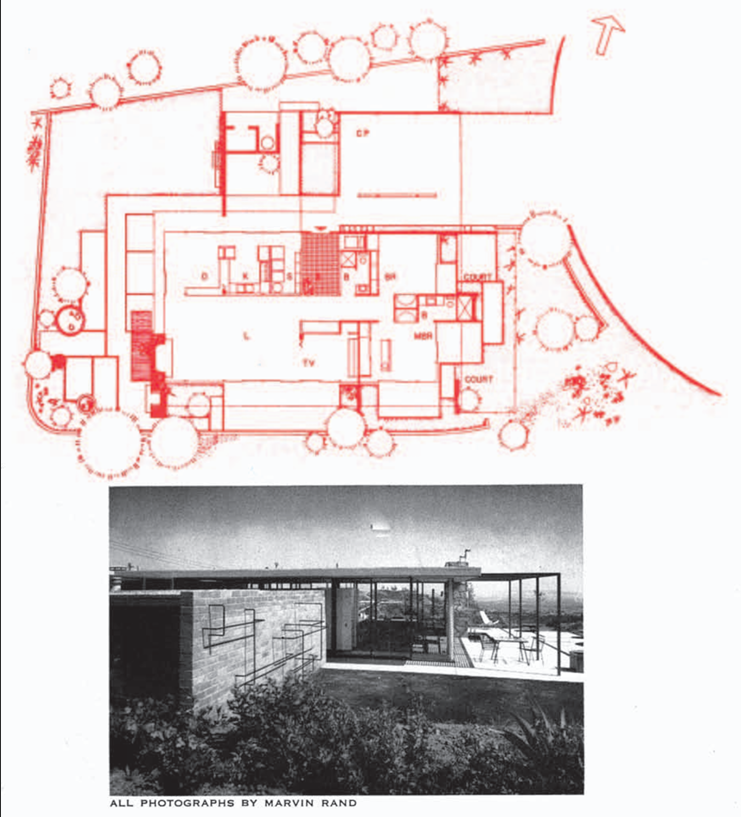
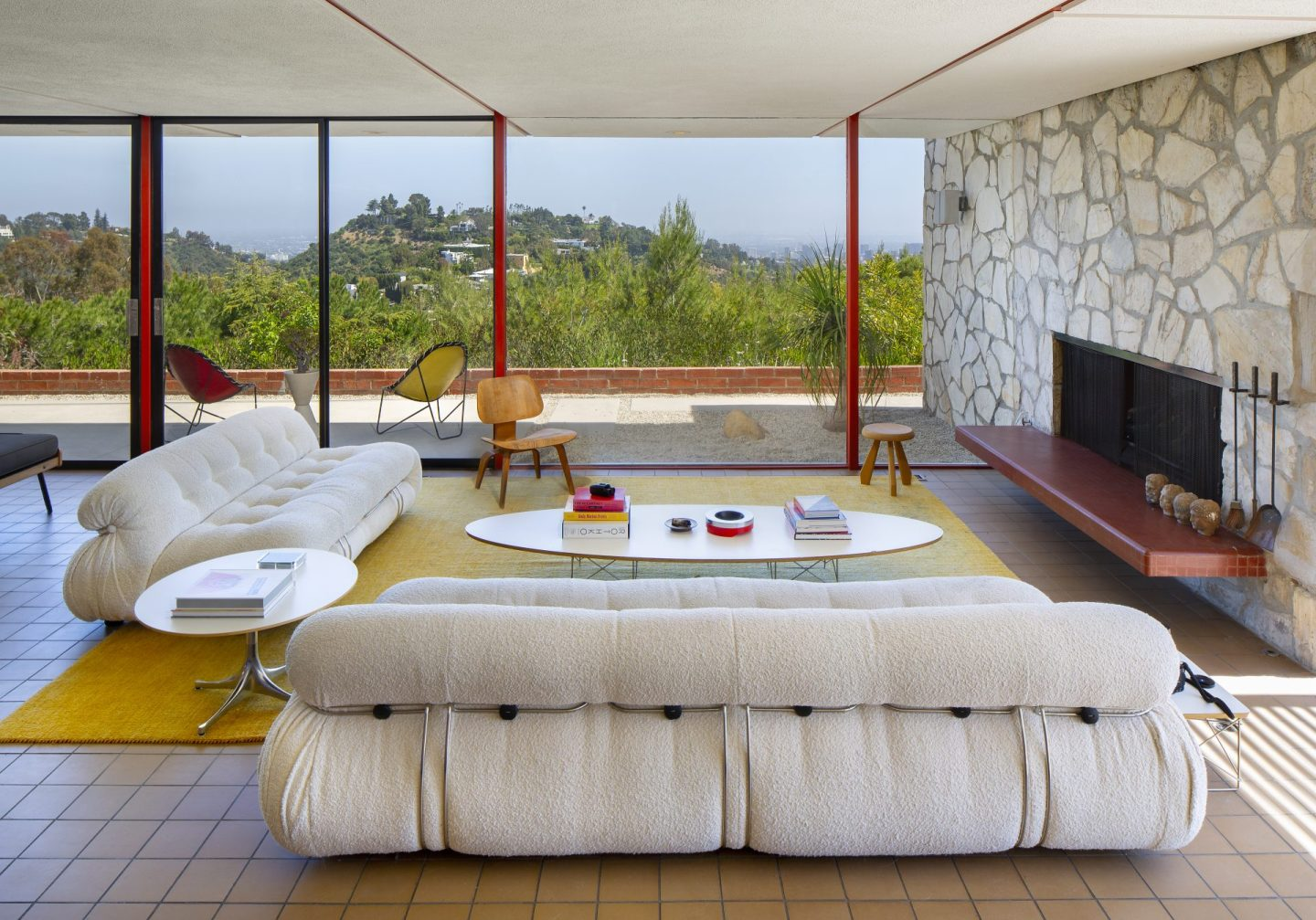
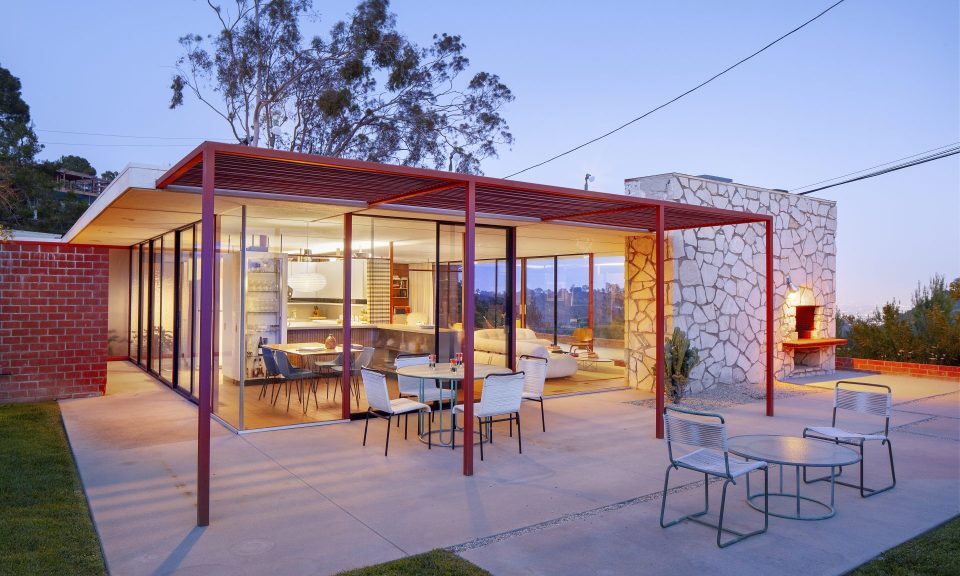
Number 16 was the first of three Case Study Houses designed by Craig Ellwood. Completed in 1953 in Bel Air, the house was innovative in its use of exposed steel-structural framing and floor-to-ceiling glass walls to optimize the views and open to the grounds, making it feel twice the size.

Ellwood was actually an engineer rather than an architect, and placed a lot of emphasis on the stability of the structure using steel, glass, and concrete built on a slab. The 1,664-square-foot home with two bedrooms and two baths is just as contemporary today as when it was built. The living room has a dramatic stone fireplace set into the glass wall that extends beyond it into a terraced area. Set into mature landscaping, the house appears to rest on a cushion of greenery.
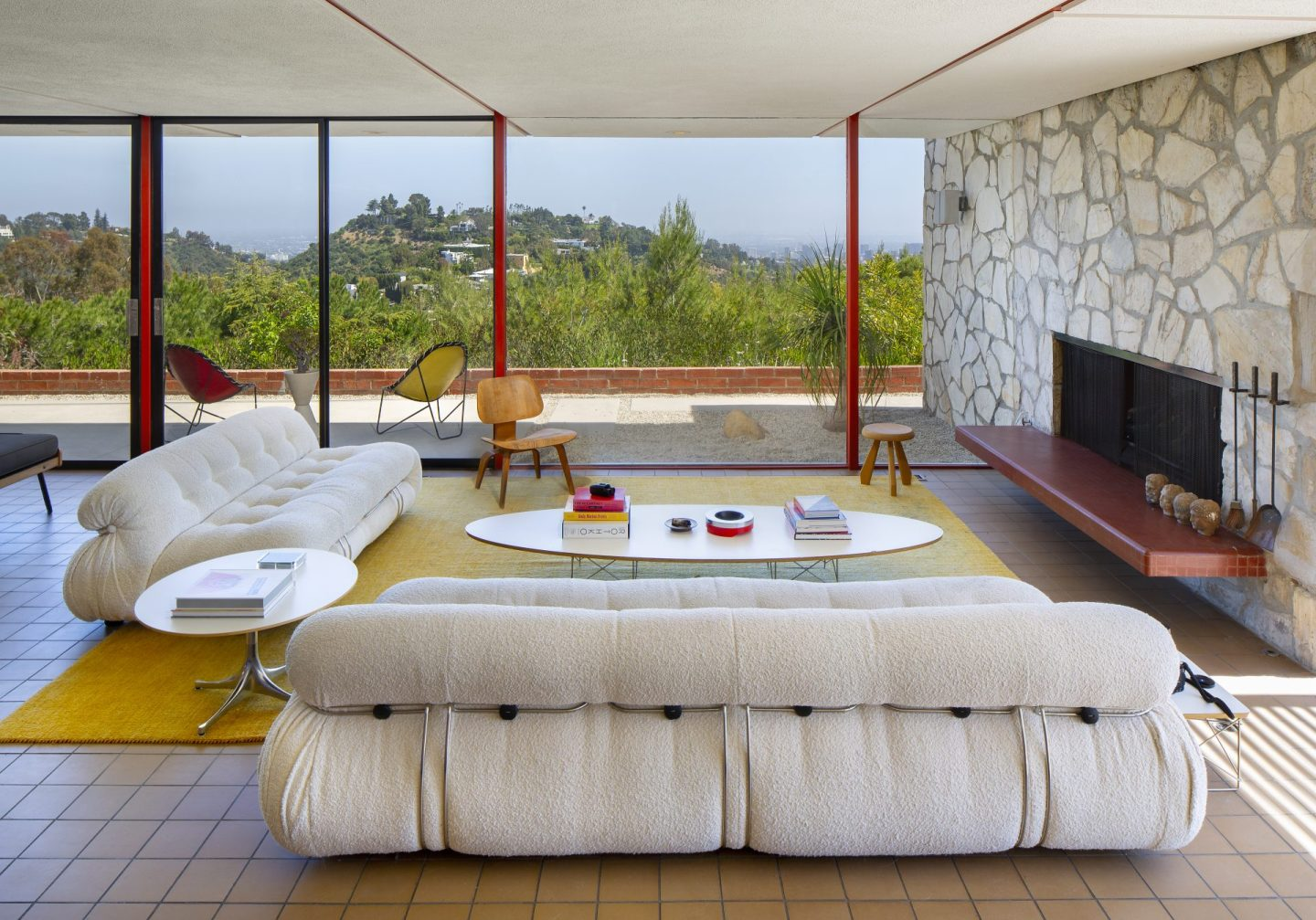

The historic Case Study House #16 is for sale in Bel Air, Los Angeles, California. Priced at $5.4 million usd/ $7.4 million cad, the listing agent is Veronika Sznajder with Crosby Doe Associates. For the Silo, Bob Walsh/ toptenrealestatedeals.com
Summer, and thus driving season, is currently in full swing for much of Canada. Most of us that have them are trying to drive our classics every chance we get. Here are some vital reminders to heed if your vintage ride gets called up into everyday action.
Where I live is currently in the beautiful pocket of time where the mornings are cool yet bright and the sun only really gets hot in the middle of the afternoon. All of my cars love this weather, and I love driving just that little bit more. So I’m trying to drive as much as I can, and if you are doing the same, here are a handful of reminders for the times your vintage ride gets called up into more routine service.
Before we dive in though, it’s worth mentioning that old cars were once new cars. Someone drove and treated my Chevrolet Corvair the way I currently behave while behind the wheel of my wife’s Jeep Renegade—a daily driver. Traffic 30, 40, or even 90 years ago was radically different than traffic today, and many of our common-sense habits have shifted meaning to the point that what makes total sense for you in your old car will look insane to a common road user. While old cars require an additional amount of care and attention to be used regularly, driving your car is the best thing you can do for it. Don’t be scared of using the car exactly how it was intended.

It’s easy to get lured into driving like those around you, but be careful. Without notice, you’ll find yourself tailgating at the same distance as the modern cars, and when that line of cars taps the brakes, suddenly the concept of 5-mph bumpers doesn’t seem so comical.
Vintage brakes can be made to work very well with a bit of care and attention, but even I have to admit vintage designs and materials just cannot compare to modern brakes—that is before even mentioning driver assist systems like anti-lock braking or emergency braking. Give yourself plenty of room.

Modern cars have spoiled us with the ability to drive thousands of miles without opening the hood. Regardless of how you feel about the separation between driver and mechanic over time, driving your vintage car on more than just a couple weekends a month requires staying on top of topping of fluids.
Old engines can and often do consume oil at a rate much higher than modern engines. Add in even just a small leak and suddenly the bottom of the dipstick is bone dry and before long, so is the oil pickup. Engine oil also helps cool an engine, so keeping oil topped up helps for multiple reasons beyond just proper lubrication. Also keep an eye on brake fluid and coolant.
Modern car gauges are “normalized,” meaning that they often will be basically stationary while driving despite slight fluctuation in the pressures, temperatures, and levels they monitor. On older cars, a coolant temp gauge might rise slightly when caught at a long stoplight, but it might not actually be a cause for concern. Most automotive engines operate best when coolant temps are between 180 and 210 degrees Fahrenheit. Modern gauges will be stationary for that entire range, but an old-school mechanical gauge will transmit everything. This means coolant temp could drop slightly when you turn on the heater, or increase some with long periods of idling or while an air conditioner is cycling.

Even in great condition, aging cars can and do break down. Think through what common failures might occur with your car and formulate a plan for how you will handle the situation. This can mean packing a tool kit, re-upping your roadside assistance membership, or choosing routes and times of day that will help ensure you have a smooth trip. Some vintage cars will have zero trouble in modern traffic, but if yours tends to overheat or get cranky sitting still, make sure that you scout an escape route, should you get snarled in traffic. Being stuck on the side of the road is infinitely better than being stuck in the middle of the road. Trust me. There are a few roads around town that I avoid in my vintage cars due to the lack of shoulder or safe place to veer off. Paranoid? Maybe a little, but I don’t want to get hit while sitting on the side of the road.

Modern tires are downright amazing and often go underappreciated. Since vintage cars get less mileage than their modern counterparts, a lot more people are willing to drive on older or poor-condition tires, sometimes out of pure ignorance or from lack of inspection. Tread depth and age are big considerations, but if you’re running modern reproductions of older tire designs, there is also the way those tires handle water. Siping and water control have a huge impact on handling and braking. You might have brand-new tires, but if the design is 50 years old, they are going to handle that way. Again, not a bad thing, but something to adjust to. For the Silo, Kyle Smith.

NOTE THIS ARTICLE CONTAINS MATURE THEMES AND IS INTENDED FOR ADULTS ONLY
As Canada braces for another scorching summer with record-breaking temperatures, there’s one burning question on many couples’ minds: how do you keep the spark alive when it’s already too hot to move?
Our friends at LELO, the world’s leading intimate wellness brand, has just released a timely and refreshingly practical guide: “Guide to Sex During the Canadian Heatwave” – featuring ten clever tips to turn sweltering weather into an opportunity for sensual exploration.

When the temperatures rise, so does the passion, but getting hot and sweaty in the middle of a heatwave isn’t always as fun as it sounds. Sticky sheets, dehydration, and exhaustion can all dampen your steamy plans. But fear not! LELO has the ultimate 10 step guide to keeping things sizzling without overheating.


For the Silo, Emilie Melloni-Quémar.

LELO is not just a sex toy brand; it’s a self-care movement aimed at those who know that satisfaction transcends gender, sexual orientation, race, and age. We’re offering the experience of ecstasy without shame, the pleasure of discovering all the wonders of one’s body, thus facilitating our customers with confidence, that leads to a fulfilled intimate life. LELOi AB is the Swedish company behind LELO, where offices extend from Stockholm to San Jose, from Sydney to Shanghai.
It may be hard for you to believe, but a very passionate group of game players are still contesting video game records, new and old, and vying to become champion in their particular game of skill in order to be immortalized in the on-line video game record bible “Twin Galaxies”.
Maybe it’s time to limber up those fingers and go for the record. Every great wrestling match is predicated on a simple concept that holds for the ages: A ‘babyface’ (good guy’) with a seemingly overwhelming challenge vs. a ‘heel’ (bad guy), who has the cards stacked, usually unfairly, in his favor. As humans, we have an innate need to create an emotional investment in our favorite character, which in turn makes the outcome of the contest be something that we care about seeing.





That tried and true formula is fully rendered in a great documentary that I regularly watch called “The King of Kong: Fistful of Quarters”. Instead of wrestlers though, we’re dealing with elite-level, arcade-version Donkey Kong players facing off for the world record. As well, and unlike a wrestling match, our outcome is not predetermined and this reality adds oh-so deliciously to the drama as it unfolds.
Now, bring in the chief combatants in our story: social pushover Steve Wiebe, a stuck in second place, life-long loser that just can’t seem to get a break in life vs. chicken-wing sauce kingpin Billy Mitchell; he of the hypnotizing mullet and Charlie Sheen-type zeal.
Watch how Wiebe finds great difficulty becoming accepted into the ranks of high level players even though his skill and scores are right up there with the best of the best. Billy Mitchell and his team of disciples manage to cheapen and disrespect Wiebe throughout, holding him back, and in turn making the viewer desperate for a little ass-kicking payback. Can Wiebe come through? The answer will surprise you. The climax is better than any made for Hollywood movie, and will keep you on the edge of your seats.
It doesn’t matter if you like video games or not, the emotional pull of this story cannot be denied, and I guarantee that you will dig it. “King of Kong” gets my five silo rating. There’s the full movie up above but the DVD has some great extras that get right to the root of some true video game nerd-dom. For the Silo, John McIntosh.
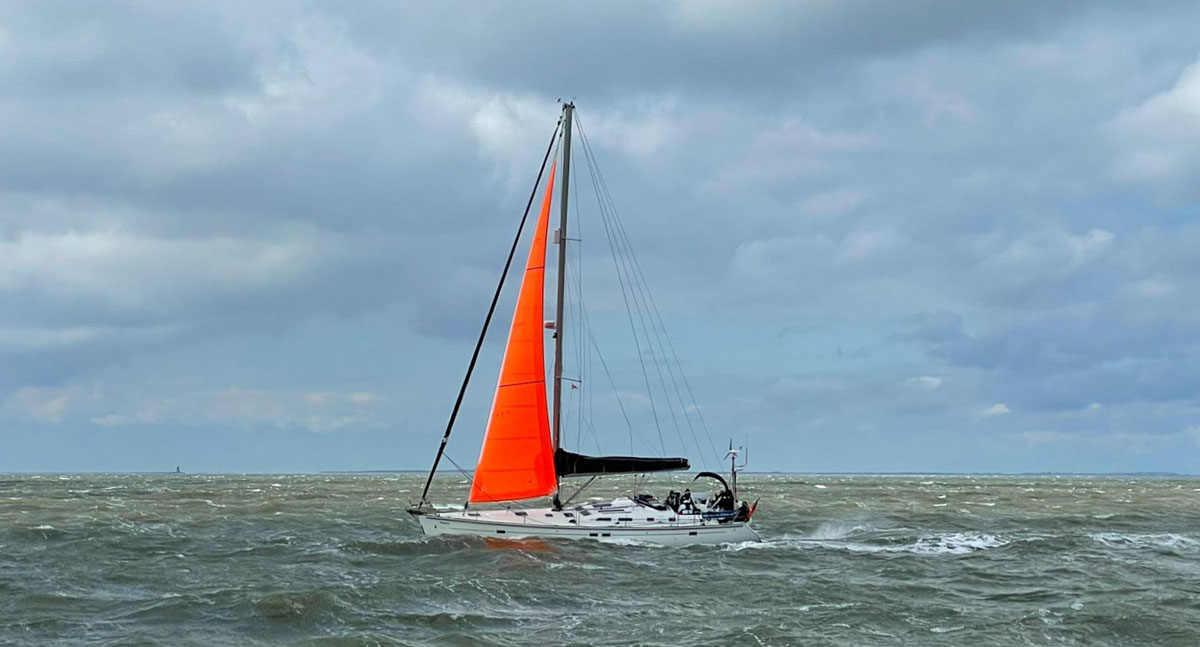
How well will you be spotted at sea by other ships, in rough and nasty weather? As Rolly Tasker Sails are making sails for some of the world’s most ardent ocean sailors, this was a natural question to ask. Three highly experienced ocean adventurers give a unique insight into their thoughts on orange sails. The one thing they have in common? Serious ocean sailing and sails by Rolly Tasker Sails!

André Freibote from Germany is sailing a Beneteau Oceanis 473 out of Bremerhaven on professional offshore sail training trips across the North Sea and out into the North Atlantic Ocean – in fact, he very nearly met up with Eric Aanderaa in Iceland in the 2024 summer! See his website “Segelpartner Nordsee” for more information on his cruising schedule and how you can join (in German language).
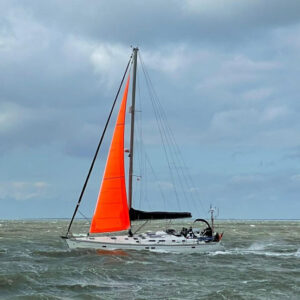
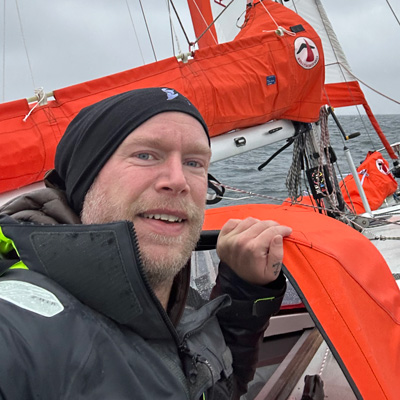
Eric of course also offered his thoughts and needs no further introduction other than himself being Mr. No Bullshit Just Sailing. The crazy guy from Norway who sails from Haugesund out into the northern ocean no matter the weather or the season, on his Contessa 35, becoming a YouTube sailing star in the process.
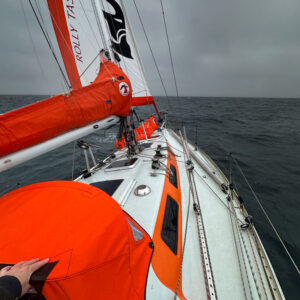
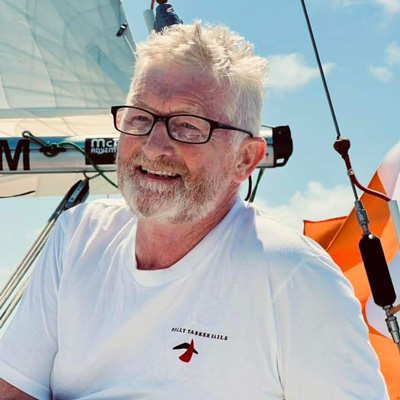
The vastly experienced professional seaman and sailor Pat Lawless from Ireland, who is currently preparing his Saltram Saga 36 to compete, for the second time, in the non-stop, single-handed around-the-world retro “Golden Globe” race (GGR) that will start in 2026. Needless to say, he will again put his trust into Rolly Tasker Sails. Find out more about Pat on his website.
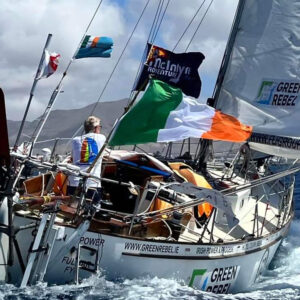
“Orange colours stand out from sea and sky far away. It will definitely make it easier for other traffic to spot you. It will also make it much easier to find you in a distress situation”, says Eric. “In all cases orange is the most visible colour of them all, I believe.” Pat is yet looking at colour choices for his new sails for the GGR: “I have been thinking about safety orange sails for a while. The Notice of Race for the Golden Globe Race says all the sails have to be the same colour with safety yellow or orange at the top of the mainsail. That means that all the sails can be safety orange or yellow. I know from using an orange storm jib and having a bright orange spray dodger that it’s easy on the eyes. Probably better than White. Am I brave enough to go all orange sails?” Finally, André is quite clear on the subject: “The situation will arise when you just can’t be orange enough at sea!”
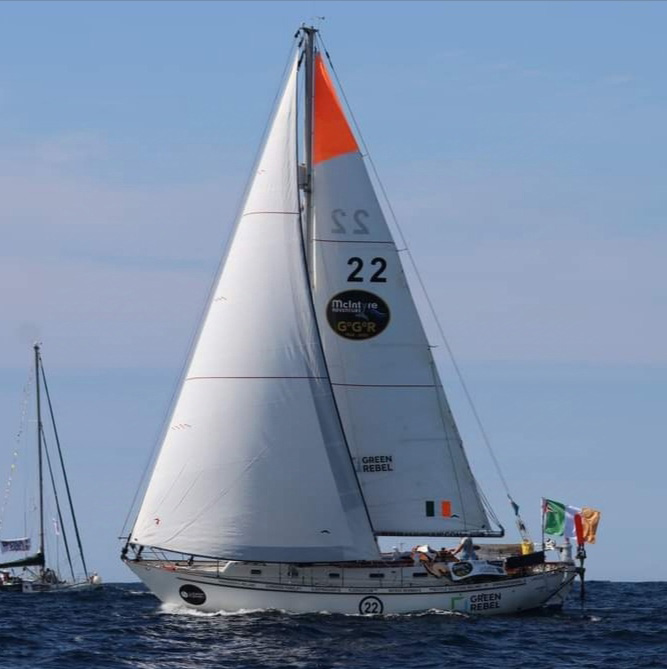
“AIS is actually clear in the information, giving name, call sign, course, speed and so on. However, if a sailing yacht is detected by radar in poor visibility, the lookout on a commercial vessel should be diligent. Here on the North Sea, we have already received radio messages along the lines of: “Fantastic, how well we can see you, sailing yacht Polaris!” It is imperative, so it seems, to be seen by eye and not only rely on radar or AIS, although all commercial ships and some fishing vessels receive and send AIS signals and rely mostly on AIS and radar for their lookout. However, visual contact also is extremely important.
Pat confirms this: “In the Golden Globe Race we don’t have a plotter or other modern equipment. We do have an AIS transmitter, and active radar reflector. Any ships I spoke to while at sea all said that they saw me a long way off, no problem.”
Eric says: “I like to have at least the top part orange, as its the highest point on the boat, letting the sails easily be spotted in between big wavetops.”
André: “The upper area of the mainsail and all the sails on the cutter stay are completely orange. Since the cutter stay is on a furling system, the UV protection of the sails is also in orange to ensure better visibility even when furled.”
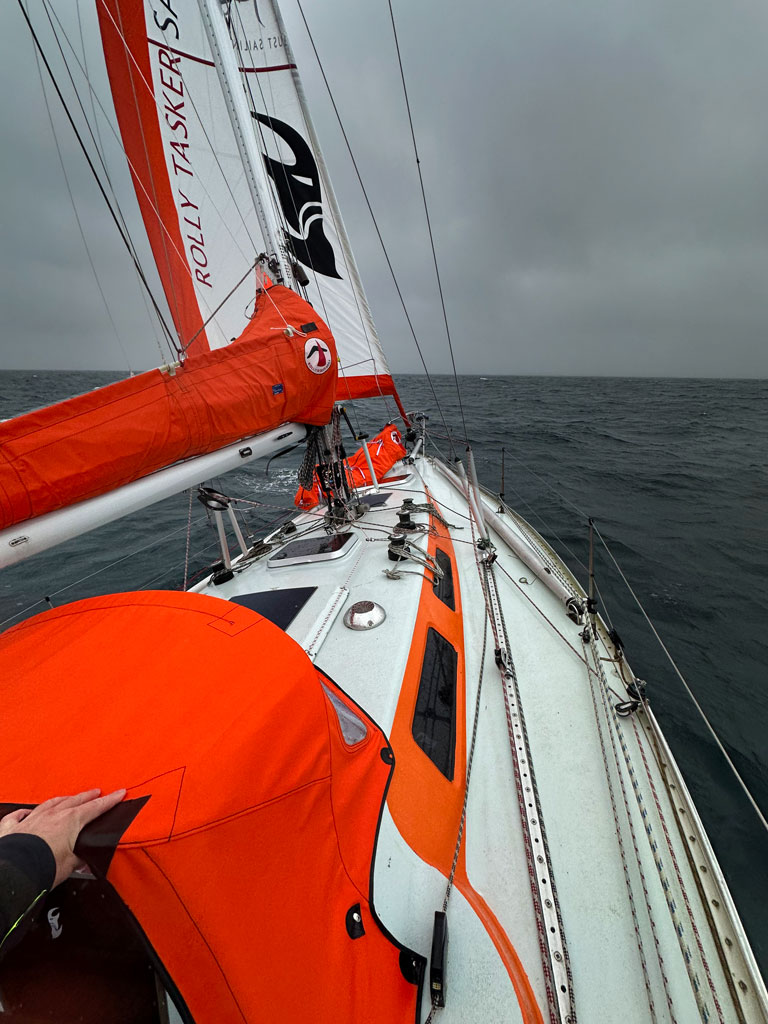
Eric: “I have painted the sides of the rooftop in orange, changed my blue sprayhood to orange and changed the cutter sail-bag to orange. This way the boat will be much more visible.”
Pat also plans to brighten up his boat in a similar way: “In storms the hull is so important. I will put an orange stripe over the white about 150mm just under the gunnel and the same on the top of the cabin sides. This should stand out with the white underneath it. I had about 3sq meters of safety orange on the deck in the GGR 2022. This will be freshened up when I apply the stripes. Apart from that, the Saltram Saga 36 is a good dry boat. I don’t use dodgers on the lifelines. In the Southern Ocean they are wind pollution in the wrong place and sometimes block areas of sight. My spray dodger will be safety orange. But in storms, it will be folded down.”
André, on the other hand, seems happy for now with his orange sails: “At the moment I am not planning to change any other parts on board to orange. However, I could see my lazy bag for the mainsail in orange.”

Eric has taken this potential problem into account: “The sails in orange are not quite as intense as the bright signal colour painted on deck. Still, the sails will be visible from far away.” André believes that this will not be an issue at all: “Never too bright!”
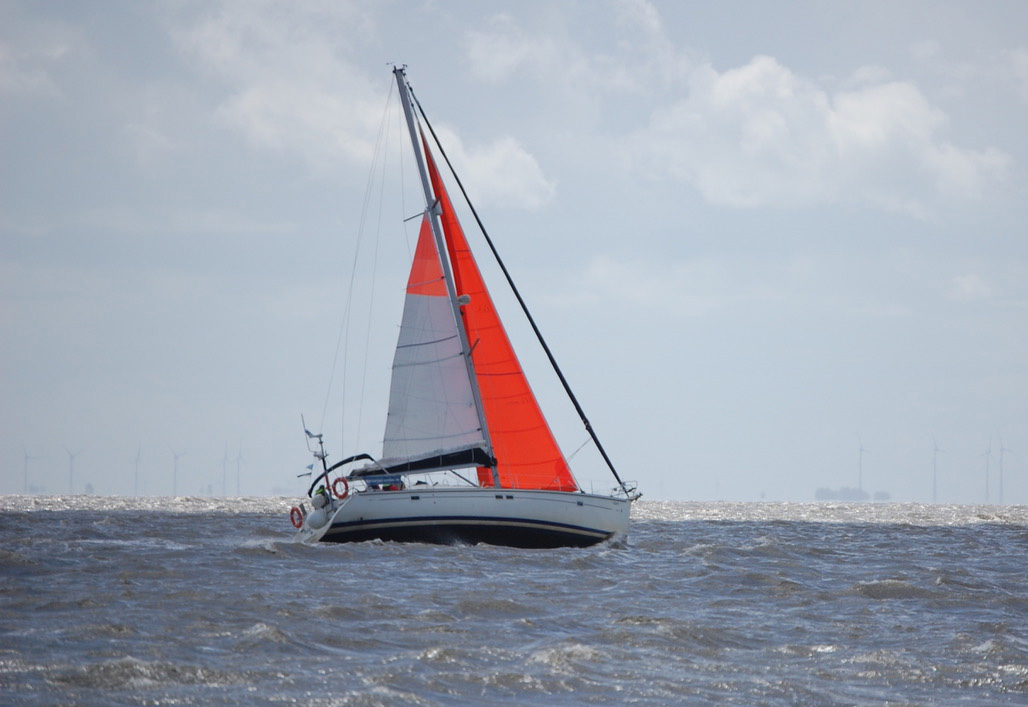
How orange would you dress up your boat for ocean sailing or offshore passages? Pat is still in the decision-making process: “My quandary is mainly about the colour of the sails. I need to make a decision early in 2025. While sailing in the longest, loneliest, sporting event in the world, I need to be seen as easy as possible. The sails are the biggest area of the boat most of the time.” But will he really have all sails completely in orange? At Rolly Tasker Sails, we offer suitable sail-cloth in “Storm Orange”. However, if you want to go for specific types of sail fabric, the solution will probably come down to having orange sail tops or patches.
It’s always good to see also the other perspective, so we spoke to a commercial Captain, Master Mariner Reemt Remmers, about visibility of yachts at sea. He fully confirms the fact that orange sails are a true safety factor for yachts at sea, especially in rough weather with limited visibility. Which is when, according to him, there will often be an extra lookout on the bridge.

Orange, incidentally, is also the signal colour for ship’s lifeboats. Obviously not without reason. And if a ship’s officer from the bridge spots an orange object somewhere out there, this officer will then instantly be on full alert. AIS, on the other hand, is just as important. There will be times in ship’s routine when only one officer will be on the bridge who will rely on AIS and radar. Obviously, also at night, these technologies are essential to remain visible.
Between these two, Reemt Remmers also confirms that yachts are often easier to spot and identify on AIS rather than by radar. In heavy seas especially, the radar signal response from a yacht can be quite weak and might not be noticed by the watch-keeping officer. An AIS signal, on the other hand, will be clearly seen and also contains all essential information about the type of boat and her movements in a clear and precise way. For the Silo, Sven Cornelius.
Inuit artist Shuvinai Ashoona, recently received the King Charles Award III Coronation Medal for her long-standing contributions to the arts, which has brought international attention to Canada’s northern landscapes and contemporary Inuit art.

She is the first Inuit artist from West Baffin Cooperative to receive the prestigious award, and adds to her international acclaim as one of Canada’s preeminent visual artists. She previously was awarded a Governor General Award in Visual and Media Arts in 2024 and the prestigious Gershon Iskowitz Prize in 2018

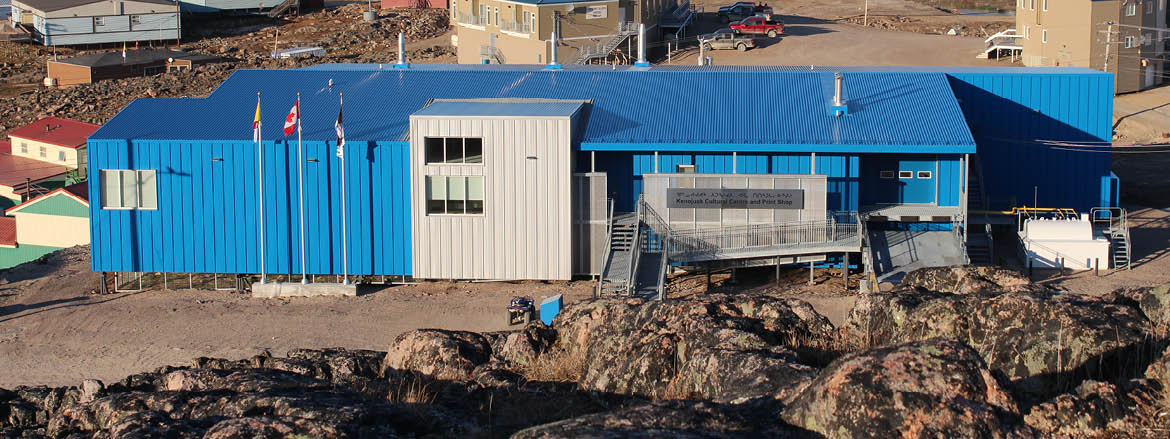
West Baffin Cooperative. Established in 1959.
“It’s something like a strange thing to get an award from the King of England,” said Shuvinai Ashoona, who works from her home studio in Kinngait, Nunavut. “He probably hasn’t seen my drawings, but I hope that someday, he’ll get to know what my art is all about.”

Photo: William Ritchie
Never content to follow rules and expectations, Ashoona’s unconventional artistic vision has successfully challenged and revolutionized how the public perceives Inuit art and contemporary Indigenous art more generally, helping to create a new space for expression and artistic freedom.

SHUVINAI ASHOONA
UNTITLED,2009
Graphite,Coloured Pencil
56 x 76 cm
Her artwork has been showcased across Canada and around the world including at the National Gallery of Canada, the Institute of Contemporary Art Miami, and the 59th International Art Exhibition, also known as the Venice Biennale. In September 2025, Ashoona’s artwork will be featured in Brazil at the 36th São Paulo Biennial. For the Silo, Paul Clarke.


| Topanga Canyon’s One of a Kind “Egg House” |
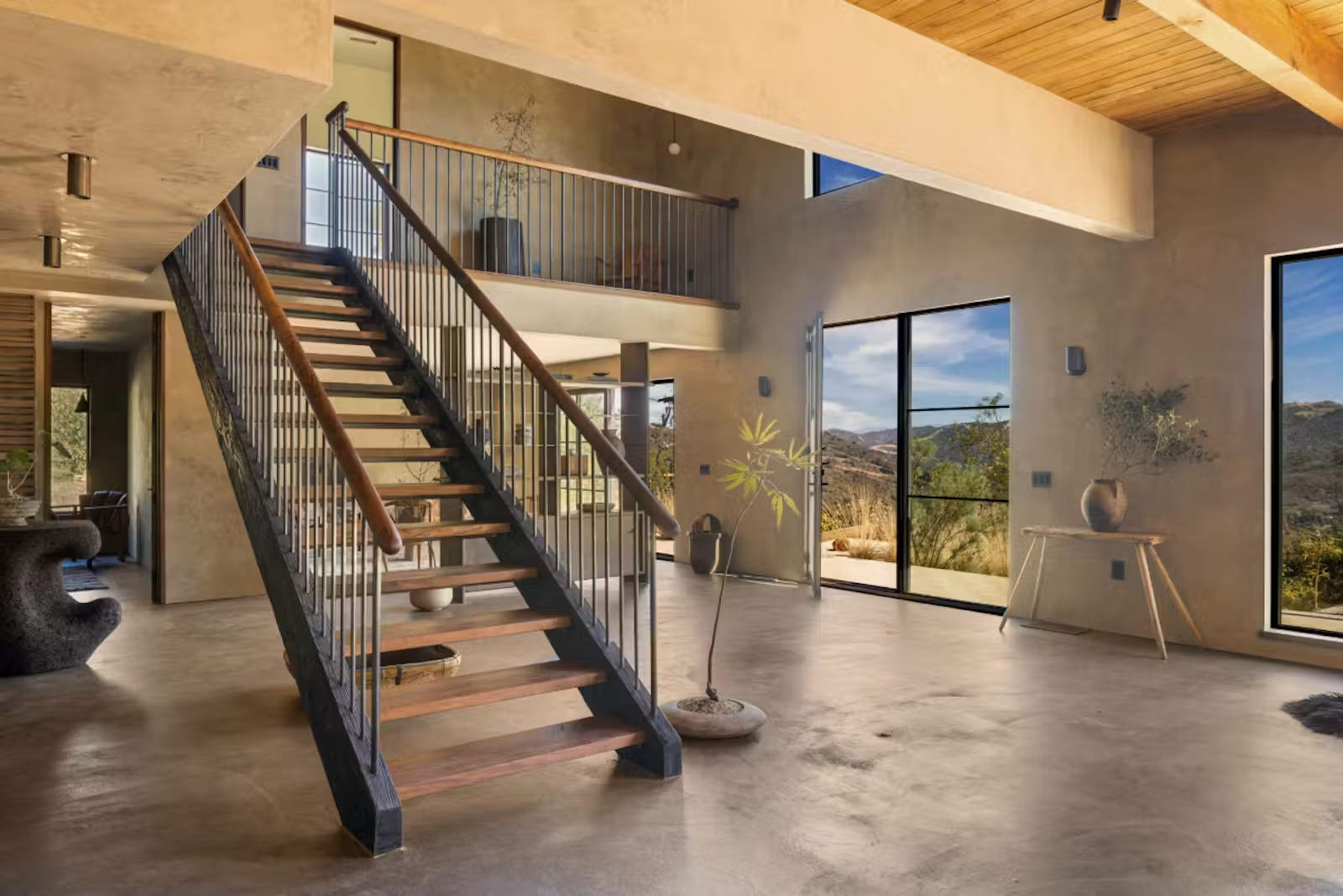
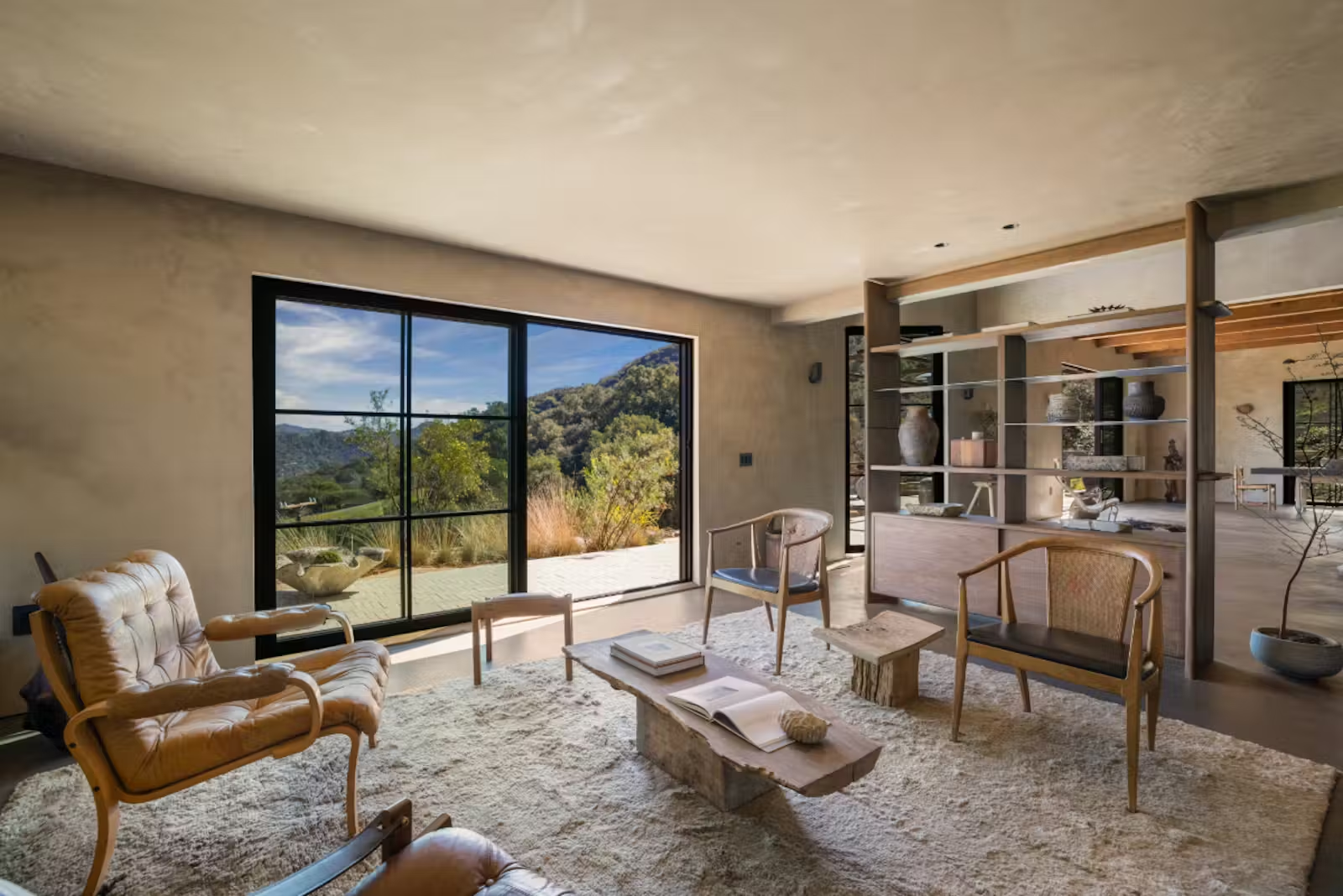
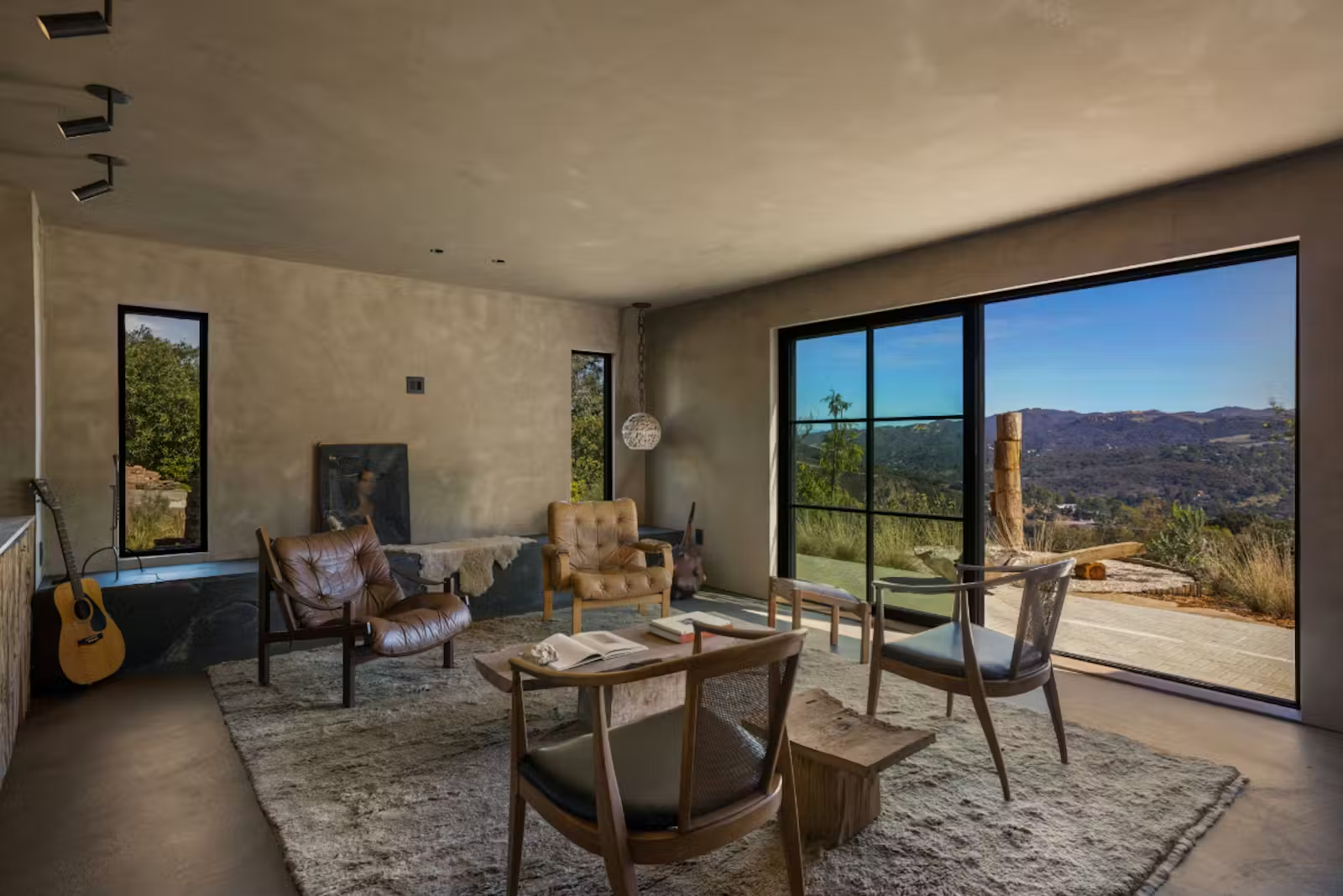
| Topanga Canyon is one of LA’s most unique neighborhoods. Nestled in the Santa Monica mountains, the tight-knit community is known for its spectacular nature and Bohemian vibes. During the 1960s and 70s, the neighborhood was a haven for rock stars, including Canada’s own Neil Young and Joni Mitchell along with Jim Morrison, several members of The Eagles, and even country legend Linda Ronstadt among its talented residents. R&B superstar Marvin Gaye described Topanga as “a place where I can create my masterpiece,” and numerous artists agreed. Local venue The Topanga Corral hosted some of the all-time greats and inspired The Doors’ hit “Roadhouse Blues.” Simultaneously accessible and remote, the region remains a sanctuary for artists of all kinds. The opportunity to own a piece of this special neighborhood presents itself with the listing of Topanga Canyon’s “Egg House” for $4.995 million usd/ $6.790 million cad. This sculptural masterpiece of brutalism and organic design proudly sits at 225 Powderhorn Ranch Road. Designed and built by artist couple Chad Hagerman and Allison Ochmanek of Rascal Makers, the home is inspired by the concept of the embryo – the origin of life, potential, and transformation. Combining brutalist architecture with organic materials, the bespoke home offers a serene aesthetic with touches of Japanese minimalism. The home is a true statement piece, with handcrafted plaster walls, stone floors, artisan fixtures, and thoughtful details throughout. With four beds and five baths, the stunning home offers 3,350 square feet of living space. |
For The Silo, Jarrod Barker.
A Silo Travel spotlight. The Art of Escape: Inside the Enduring Miami Beach Property Where Vintage Glamour Meets Contemporary Luxury
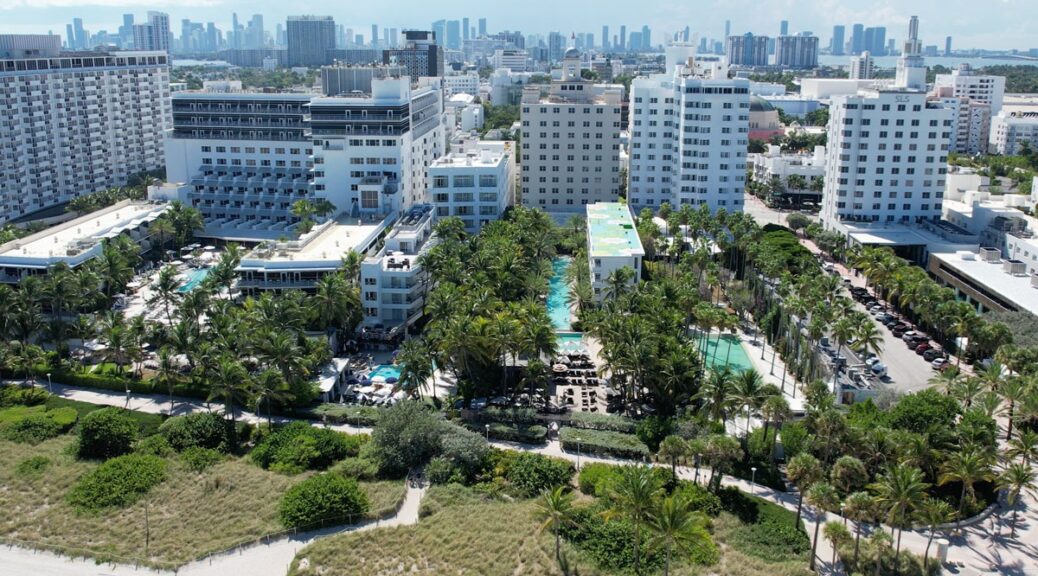
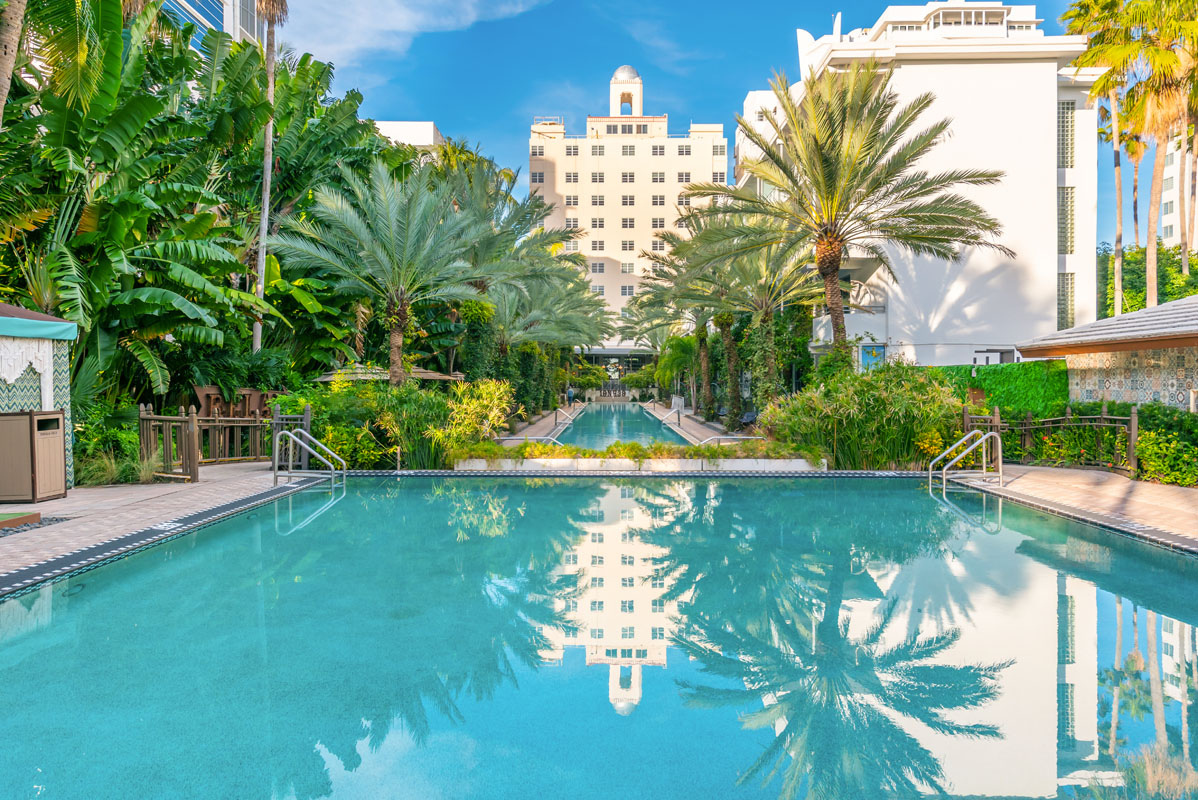
Those looking for a SoFlo escape exuding art, culture and timeless sophistication need look no further than the National Hotel Miami Beach, where the city’s vintage glamour meets contemporary coastal luxury. Perfectly situated in South Beach’s iconic Art Deco district, this adults-only, pet-friendly, oceanfront retreat offers a distinctly cinematic experience—from its sweeping palm-lined pathways to Miami Beach’s longest infinity-edge pool.
Whether unwinding in a newly redesigned ocean view suite or indulging in craft martinis and natural wines at the hotel’s Spanish tapas restaurant, Mareva1939, guests are immersed in a sensory celebration of both past and present. It’s the quintessential backdrop for a Miami Beach escape—and the perfect setting for a candid, deep-dive conversation with Stephane Mercier, Managing Director at The National Hotel Miami Beach, who shares insight into what makes the National Hotel such a standout destination.
MK: The National Hotel is known for its strong commitment to art. Can you describe the philosophy behind incorporating artwork into the guest experience—both in the copious common spaces and guestrooms and suites?
SM: The National’s philosophy behind incorporating artwork into the guest experience is deeply rooted in its iconic Miami Beach Art Deco hotel identity. We want guests to feel immersed in a unique, sophisticated revival of a golden age of Miami Beach, while enjoying contemporary hospitality. Designed by renowned architect Roy France, credited with creating the Miami Beach skyline with his string of Art Deco and streamlined towers, the hotel remains a testament to his visionary work.
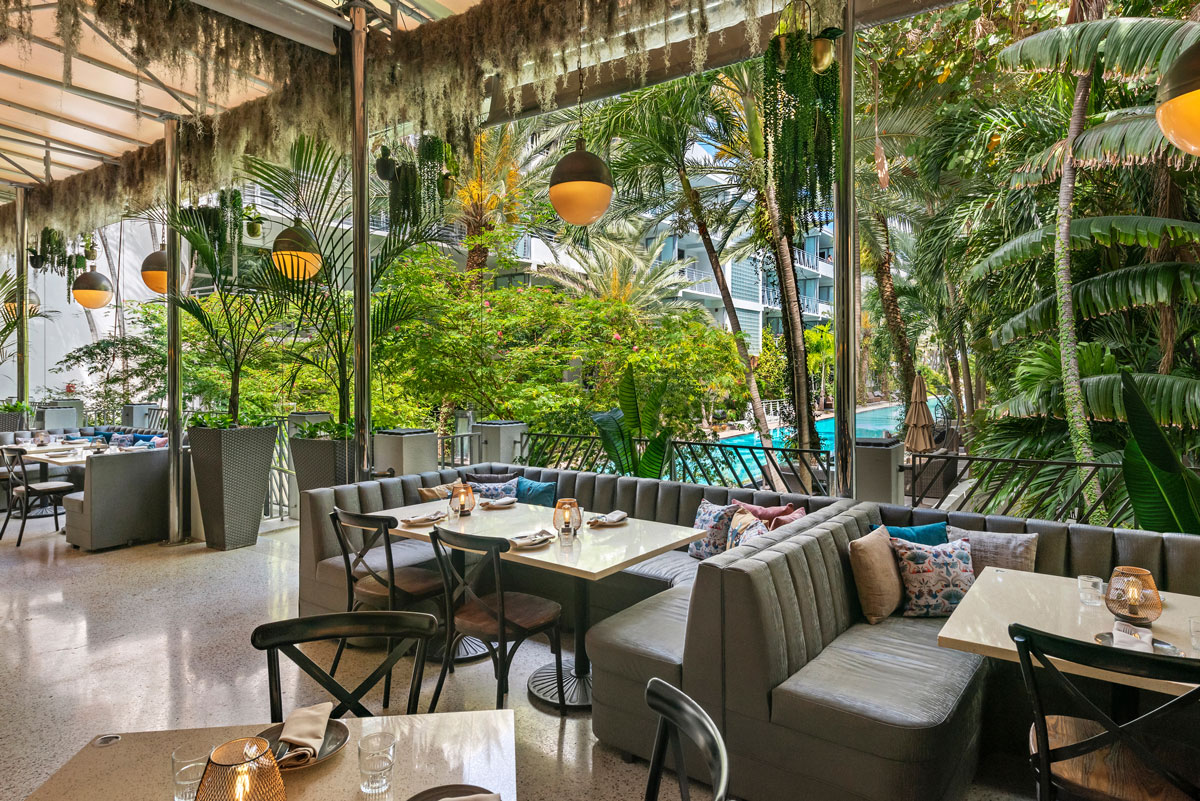
Though renovated to offer the modern, yet sophisticated, classic look and feel experienced by guests today, the hotel continues to stay true to France’s philosophy and artful design. Signature architectural elements, including corner windows, original terrazzo floors, chrome wall sconces and era-inspired details, preserve the National Hotel’s timeless elegance, seamlessly blending classic style with contemporary luxury.
MK: What about the property gives it overarching appeal in the luxury travel sector?
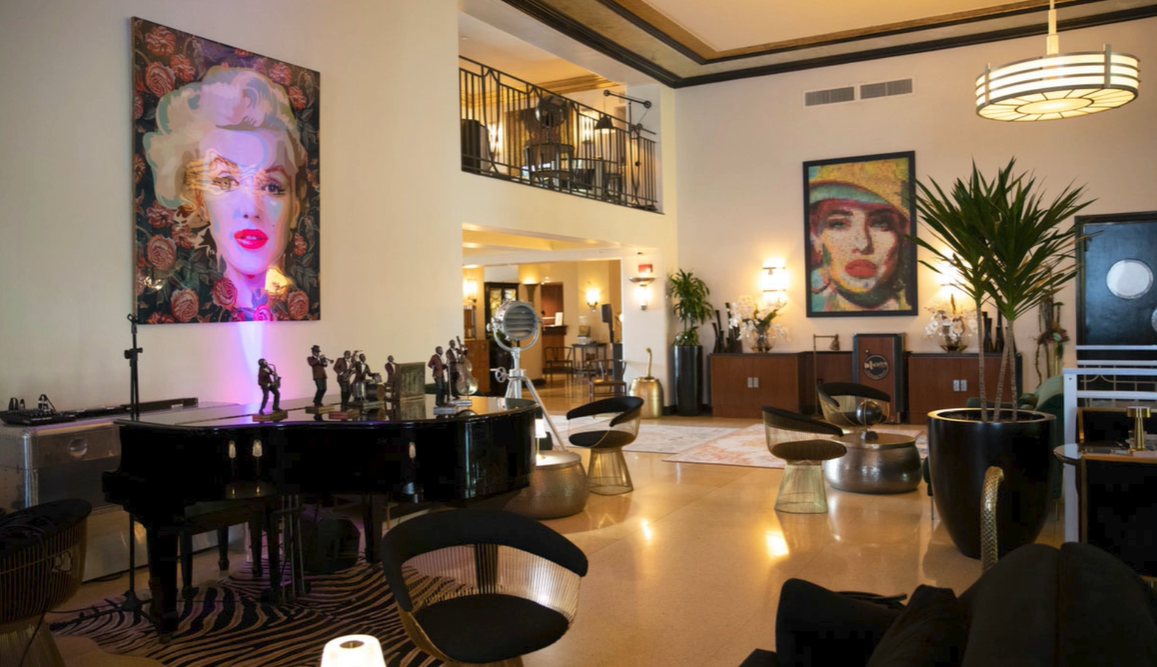
SM: The National Hotel is one of the few South Beach properties that remains true to the iconic Art Deco era, preserving its timeless elegance and charm, and is the only beachfront, adults-only hotel in the destination, promising an elevated experience for a discerning set of travelers. Guests can be assured that the amenities and atmosphere onsite cater to adults that value culture, history and curated experiences. Since its opening in the 1940s, Bar 1939 has embodied the hotel’s rich history, capturing the glamour and sophistication of the period. This luxurious open space features suede lounge chairs, copper cobras emerging from side tables, flooring embedded with hundreds of shiny coins and a grand piano. Guests and locals alike can enjoy our vibrant cultural happenings onsite, including live music on Saturdays, seasonal highlights—including holiday celebrations and New Year’s—and musical collaborations like the Musimelange chamber music series, occurring now through May 19. Solidifying the vintage feel of the Art Deco era is the show-stopping bar, a monumental slab of ornately carved hardwood flanked by elaborate stools.
While design throughout the hotel pays homage to the property’s history, the exclusive Artist Collection Suite embodies the uniqueness found at the National Hotel Miami Beach. Designed by world-renowned artist Elizabeth Fatone, the accommodation features one-of-a-kind, hand-painted murals and Art Deco-inspired furnishings, celebrating the artistic spirit and distinctive character that define the unique experience at the hotel.
MK: How do the art pieces showcased at the hotel enhance the overall ambiance and storytelling of the property?
SM: The hotel’s carefully curated pieces do more than enhance décor, they immerse guests in the timeless elegance of the Art Deco era. From the grand Bar 1939, with its carved hardwood bar and vintage-inspired furnishings, to the Artist Collection Suites featuring the aforementioned Elizabeth Fatone and Renoma Suite, every detail tells a story. Upon arrival, guests can find a sculpture by Carole Feuerman at the property’s entrance, colorful murals by the pool and revolving art present across the hotel throughout the year. Each artistic touch reinforces the hotel’s rich history, ensuring a seamless blend of past and present.
MK: How does the property’s distinctive style, both in architecture and décor, influence the guest experience?
SM: The National Hotel’s Art Deco architecture and décor offer a modernized tribute to the classic Miami Beach style. Miami Beach holds the appeal of having an artful combination of heritage and modernity. Art Deco hotels sprung forth from this intrigue and the National Hotel Miami Beach has solidified its place in the region’s history by achieving, and long maintaining, a sense of artful timelessness with modern appeal. On a year-round rotating basis, local and famed artist showcases or classics can be found in the hotel’s lobby, restaurants and additional common spaces. The hotel also works with local art and design communities to support and be included in Art Deco history tours. This seamless fusion of history, artistry and elegance not only enhances the ambiance, but also invites guests to become part of the hotel’s timeless legacy.
MK: Are there any architectural elements or décor pieces that are original to the hotel?
SM: The hotel has maintained its traditional foundation including corner windows, original terrazzo floors, chrome wall sconces and preserved the original check-in desk that is now on display for guests to enjoy during their stay. In front of the long pool, guests can see the mosaic Girl With The White Glove and the Compass, two pieces exclusive to the property.
MK: The National Hotel has a fascinating and storied history. Can you share some of the most intriguing or lesser-known anecdotes about its past?
SM: Since its inception, the hotel has drawn sun-loving socialites and celebrities, from the glamorous 1950s crowd, to the South Beach revivalists of the 1970s, to modern-day travelers looking for a boutique, sophisticated stay along the beach. Designed by Roy France, the National Hotel’s timeless Art Deco style and its striking 14-story tower are a testament to his influence in shaping the Miami Beach skyline. A Midwest native, France relocated to Miami Beach after a trip to Florida with his wife in 1931. The hotel remains true to France’s vision, maintaining its Art Deco charm while seamlessly integrating modern style and elevated amenities, services and culinary highlights.
MK: Can you describe the unique features and amenities of the ocean-view and other premium-level suites at the National Hotel?
SM: Ranging from the city vie rooms to our penthouse suite, guests can find roomy accommodations and relaxed luxe amenities with stunning views of the blue ocean and our infinity pool. Favorite features in our upper room categories include radios, slippers and a robe beginning in our cabana rooms and suites; balconies in our Cabana rooms; bold, fun murals in our Artist Collection Suites designed by Elizabeth Fatone; and the tri-level space of our Penthouse Suite.
MK: The property’s Mareva1939 on-site restaurant has become a standout feature of the National Hotel. What inspired its culinary concept and name?
SM: Mareva1939, the National Hotel’s signature, award-winning Spanish tapas-style restaurant, was inspired by the year the hotel began welcoming guests. The restaurant’s culinary concept was designed to take guests through a gastronomic journey to Spain, offering a curated menu that blends traditional dishes with a modern, locally driven Miami Beach twist. The family-style menu encourages a convivial atmosphere, keeping the Spanish culture alive by inviting guests to connect around the table. To elevate the meal, the restaurant offers an extensive selection of organic, natural wines and handcrafted cocktails, thoughtfully paired to enhance the flavors of each dish. The creative culinary team ensures that dining remains exciting year-round with seasonal menus for holidays, local events and the hotel’s participation in Miami’s celebrated Miami Spice program. As an extension of Mareva1939, the Martini Bar takes guests back to the hotel’s opening era with original 1939 design elements, a specialty cocktail menu and live music over the weekends, offering an intimate and elevated space for unwinding.
MK: How does the menu reflect—or complement—the hotel’s overall brand and history?
SM: The culinary experience at Mareva1939 takes inspiration from the hotel’s artistic history in the plating and ingredients from the coastal setting, infusing Spanish traditions and tropical influences.
MK: The property features bars reminiscent of a speakeasy that are a draw for guests and even city locals. To what do you attribute the appeal?
SM: Their nostalgic charm and intimate ambiance, which transport guests and locals into this Art Deco era. The rich, vintage design elements paired with expertly crafted cocktails create a sophisticated setting that encourages relaxation and socialization. The hotel’s Bar 1939 and Martini Bar offer classic 1930s-era cocktails alongside modern drink options in a refined setting, with live music on Saturdays. The intimate nature of these bars, combined with their elevated atmosphere, makes them not just a place to enjoy a drink, but an immersive experience that draws both guests and locals looking for a unique, upscale night out.
MK: What are some of the other standout amenities that set the National Hotel apart from other luxury properties in Miami Beach?
SM: The National is adults-only, creating an intimate escape for couples, groups, friends and diners seeking a quieter, more sophisticated experience. The hotel is also pet-friendly and offers amenities for furry friends, so travelers can enjoy their Miami Beach getaway together with their pups.
MK: The expansive pool is a defining feature of the hotel. Can you share more about its design and guest appeal?
SM: The National Hotel’s expansive infinity pool is a standout feature that perfectly complements the hotel’s sophisticated, adults-only atmosphere. Stretching 205 feet, the longest infinity pool in the area offers guests a space to relax and take in breathtaking views, with a design that complements the hotel’s chic Art Deco style, creating a luxurious and serene environment to soak up the year-round sunny weather. Guests can unwind in the comfort of a poolside cabana or lounger, taking full advantage of the idyllic coastal setting. The Aqua Bar & Grill enhances the experience by offering delicious poolside bites and drinks, allowing guests to stay refreshed without leaving the water’s edge. Just steps away, guests can access a prime bit of Miami Beach shoreline.
MK: How does the property balance its legacy as a historic landmark with vintage charm with the needs of modern travelers, and what technology helps facilitate the guest experience?
SM: The hotel incorporates convenient technology solutions to deliver an elevated guest experience, such as providing QR codes on the beach to order food & beverages, Smart TVs in all the rooms, an elevated new fitness center and Apple Pay at all outlets.
MK: As the National Hotel continues to evolve, what future plans or updates can guests look forward to?
SM: The National continues to evolve and adapt its offerings while hosting anticipated annual events among some of Miami Beach’s most vibrant happenings, like South Beach Wine & Food Festival, Miami Swim Week and Art Basel. Guests can continue to spend these exciting occasions at The National, while looking forward to continuous and more experiential events and activations that speak to the history of the hotel and the story of The National.
MK: How do you see the hotel’s role in the Miami Beach hospitality scene developing in the coming years?
SM: As an original Art Deco hotel and mainstay of the city’s cultural landscape, The National will continue to embody the classic Miami Beach experience merged with an independent approach, adults-only atmosphere and arts-focused cultural calendar. Guests know to expect an intimate hospitality experience marked by authentic, historic features not found in newer developments.
MK: Are there any famous guests or notable events in the hotel’s history that stand out as particularly memorable?
SM: Mariah Carey performed at The National during the 2005 MTV Video Music Awards. Another legendary artist, Whitney Houston, filmed her ‘Heartbreak Hotel’ music video onsite. The hotel has also played host to international artists during Art Basel each year.
As Mercier reminds us, the magic of the National Hotel Miami Beach lies in its ability to blend nostalgia and novelty, creating a stay that’s both storied and stylish. Whether it’s lounging by the shimmering infinity pool, savoring curated culinary experiences, or exploring the pulse of South Beach just steps away, every element is designed to transport guests to a timeless version of Miami. For travelers seeking both serenity and sophistication in the heart of the city’s most iconic neighborhood, the National remains an unforgettable destination—elegantly redefined.
For the Silo, Merilee Kern. More from Merilee- https://www.thesilo.ca/?s=merilee+kern
Merilee Kern, MBA is an internationally-regarded brand strategist and analyst who reports on cultural shifts and trends as well as noteworthy industry change makers, movers, shakers and innovators across all categories, both B2C and B2B. This includes field experts and thought leaders, brands, products, services, destinations and events. As Founder, Executive Editor and Producer of “The Luxe List,” Merilee is a prolific business, lifestyle, travel, dining and leisure industry voice of authority and tastemaker. She keeps her finger on the pulse of the marketplace in search of new and innovative must-haves and exemplary experiences at all price points, from the affordable to the extreme. Her work reaches multi-millions worldwide via broadcast TV (her own shows and copious others on which she appears) as well as a myriad of print and online publications. Connect with her at www.TheLuxeList.com / Instagram www.Instagram.com/MerileeKern / Twitter www.Twitter.com/MerileeKern / Facebook www.Facebook.com/MerileeKernOfficial / LinkedIN www.LinkedIn.com/in/MerileeKern.
***Some or all of the accommodations(s), experience(s), item(s) and/or service(s) detailed above may have been provided or arranged at no cost to accommodate if this is review editorial, but all opinions expressed are entirely those of Merilee Kern and have not been influenced in any way.***

Why are so many people still struggling with brain fog, chronic fatigue, low energy, impaired memory, diminished focus, high stress and ADHD symptoms—even despite years of trying treatments for many? Neurotologist Dr. Kendal Stewart believes it’s because we’re too often treating symptoms, not causes. He’s spent the last 25 years addressing that with science-backed ways to help people at every age improve how they feel and function, both immediately and long-term. As an authority in everyday brain health, Dr. Kendal Stewart helps individuals optimize focus, memory, resilience and other brain health concerns by transforming complex neurological science into simple, actionable lifestyle-based strategies.

Dr. Stewart has spoken at length and has written many editorials to discuss real-world habits, tactics and solutions to reduce brain fog, feel more energized, support focus, maintain emotional balance, and preserve cognitive health as one ages. A variety of related topics that include:

About the Expert
Dr. Stewart is a board-certified neurotologist and nationally recognized expert in neuroimmune disorders—including genetic abnormalities, chronic pain, ADD/ADHD and autism spectrum conditions. With advanced training in both surgery and cellular science, he’s made it his life’s work to uncover root causes and tailor individualized solutions through genetic testing, functional medicine, and integrative care. His approach emphasizes prevention as much as treatment, using lifestyle, nutrition, and nervous system support as daily fuel for better brain function. Through his work, he provides practical tools to regulate stress, stabilize energy and boost mental clarity.

He’s also a sought-after keynote speaker, inventor, and founder of multiple healthcare innovations, including GX Sciences, SensoryView, and Neurobiologix—a company dedicated to improving individual well-being by developing cutting-edge nutritional supplements rooted in the science of nutrigenomics. Dr. Stewart brings not only clinical authority but also an empowering, real-world lens—helping families, patients, and professionals better understand and improve nervous system and immune function. For the Silo, Karen Hayhurst.
Just over two decades ago in a small theater in Yelm, Washington a little film called What The Bleep Do We Know?!? screened to its first audiences and the term “I Create My Reality” was thrust into the collective consciousness. One of the themes explored is the idea that individuals have the power to create their own reality through their thoughts and intentions. This concept is illustrated through Amanda’s experiences and supported by discussions on the nature of consciousness and its potential influence on the physical world.

Since then countless films and books have extolled the wonders of quantum physics and how understanding the nature of reality could change your life, often in just 3 easy steps. I too thought it was easy, heck I made a movie about it! And for a while it was easy, until I realized that I had only scratched the surface of what “it” all means.
For sure, at a party I could rattle off the wonders of quantum this and quantum that, I could throw around words like entanglement and heady concepts like The Copenhagen Theory, I could wow you with the double slit like nobody’s business. But the truth was, it was really all just smoke and mirrors.

What did understanding the workings of the brain mean to my life, in reality, at least this reality, the one where I have kids and bills to pay? I mean it’s fun to dream about other dimensions and my life as electron popping in and out, but in the end I felt as though it was becoming mental masturbation an easy way to escape from the fact that even though I knew I wasn’t really touching that chair, that it is possible I wasn’t even real.

Happiness has nothing to do with quarks and the discovery of the Higgs Boson was not going to bring me ever-lasting peace and joy. That I was going to have to find all on my own.
I began to explore the sacred cows, not only in my life, my beliefs about who I was and what I wanted, but also the sacred cows of spirituality, new thought and yes, quantum physics and how I could take all this knowledge and use it to create the happiness I sought, because after all, that is what we are all after. It is why we ask “why?”. It is why we explore the deepest depths of the quantum foam and so far quantum physics hasn’t found the happiness particle, because it doesn’t exist within the particles out there, it exists within the immeasurable particles within me.
For the Silo, Betsy Chasse.

 Supplemental-

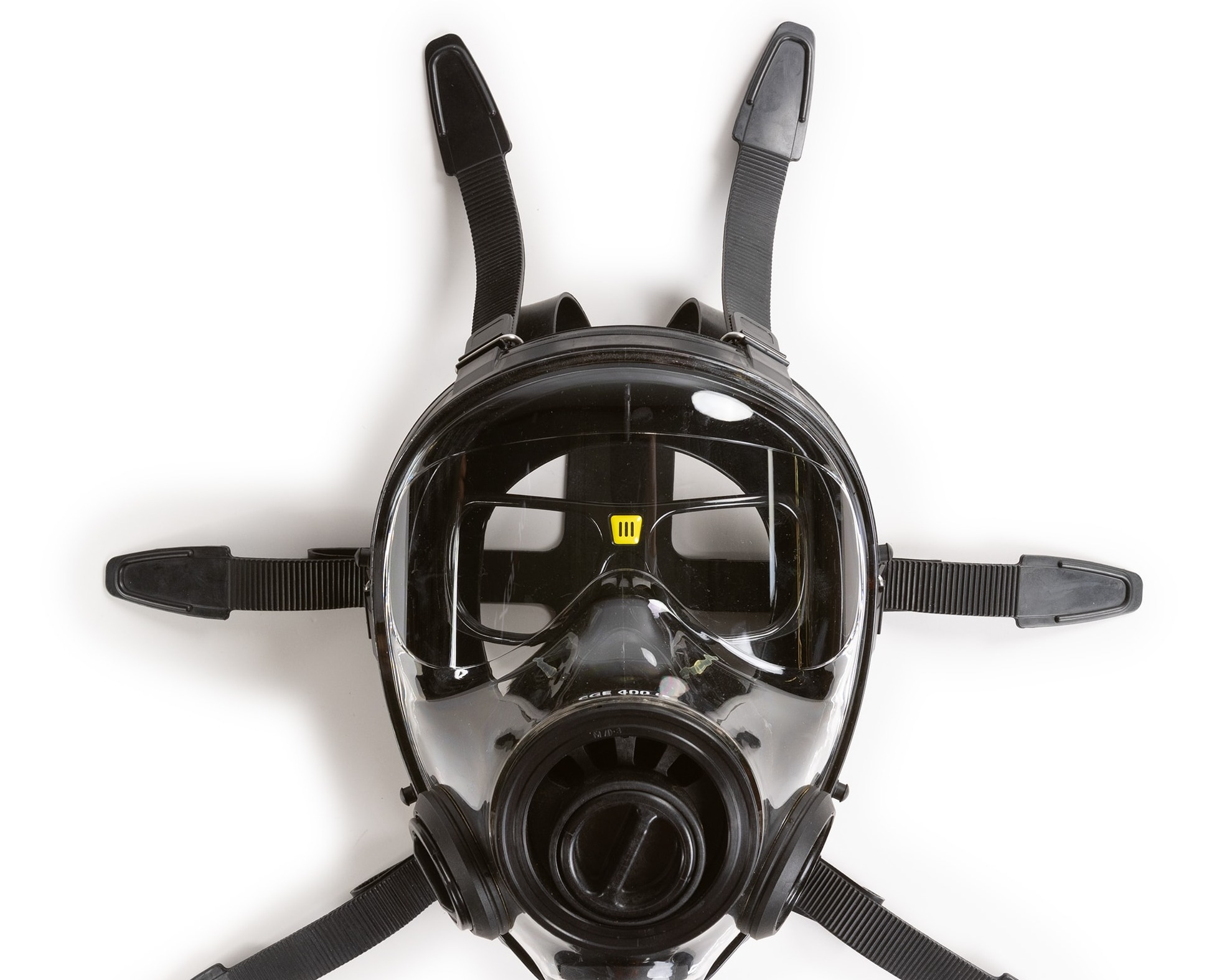
| Sometimes great things can come from unexpected places. When our friends at kommandostore.com were hit up by an Italian scuba diving company for CBRN-Rated Gas Masks a few years back, they were very intrigued. Mestel Safety, under ‘Ocean Reef Group’, makes the “SGE 400-3” — a gas mask that thinks completely outside the box — a favorite all-rounder on the gas mask market. |
| SEE THINGS CLEARER. |
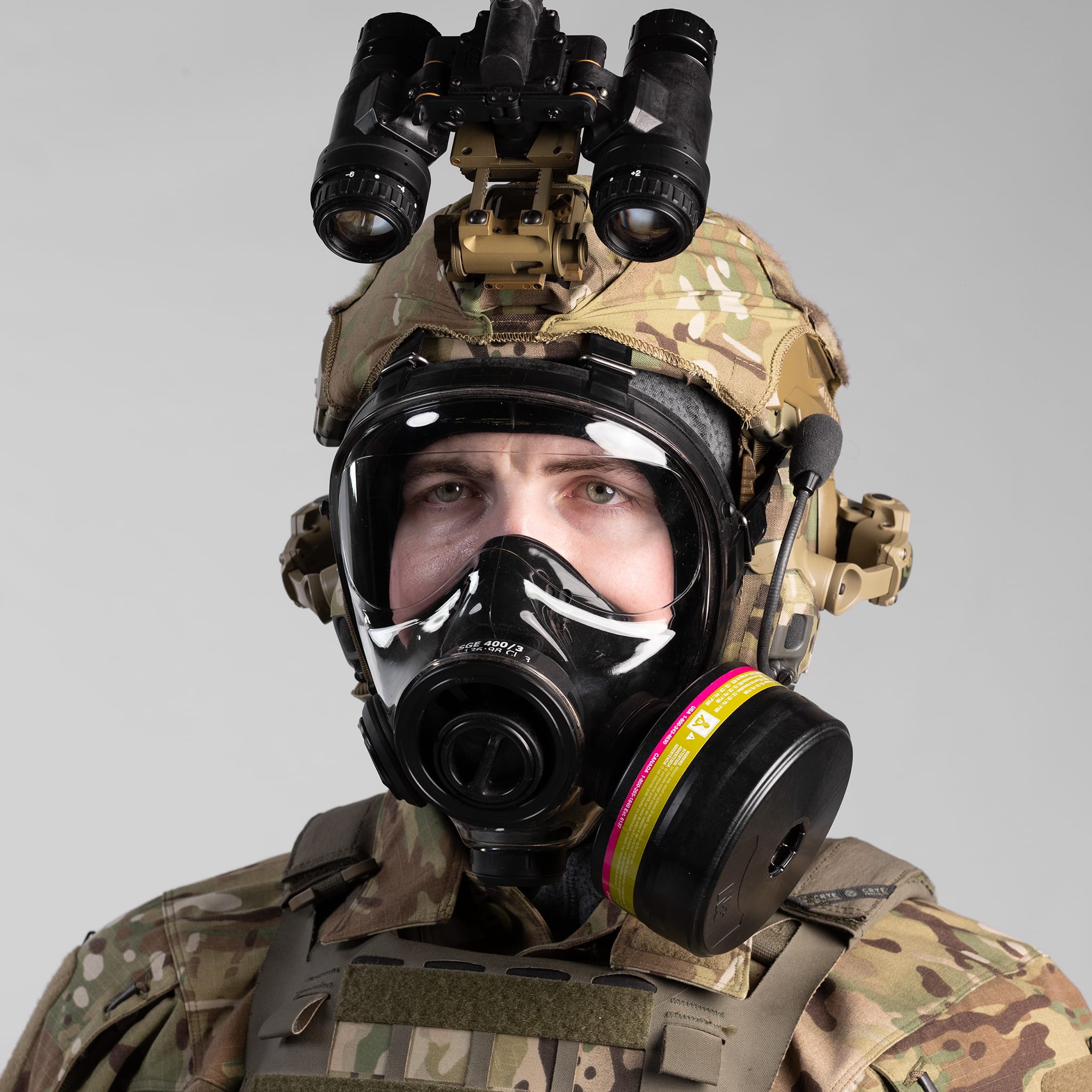
| As usual, kommandostore will be offering the full suite of masks (a CBRN-approved and non-CBRN approved version*), filters, and eyeglass inserts.*More on that later below |

| A look under the sea – how military scuba diving had an important impact on the design of this unorthodox gas mask… |
| UNDER-WATER ORIGINS |
| Ocean Reef Group, Mestel Safety’s parent company, actually specializes in all kinds of equipment for undersea exploration. AndiIt all started with rubber — Giorgio, Ruggero, and Gianni Gamberini worked at a tire repair shop in Genoa, Italy. During their experimentation with rubber compounds at the time, they were approached by pioneer of scuba diving and legend of the Italian Navy, Luigi Ferraro. He wanted to make rubber masks and fins for scuba diving based off his experience. From the successful designs that resulted, a sprawling Italian scuba industry was born. |
  |
Commander Luigi Ferraro pictured in his diving gear. He was part of the “Gamma” sapper group, who performed some of the first major underwater stealth operations in WWII with the aid of very-early SCBA equipment. He would go on to sink 3 enemy ships by himself during a long sabotage operation, becoming one of the few people to have received Italy’s highest Naval honor (the Gold Medal) and live to tell the tale. The gif shows examples of some of the equipment he really used, including a damaged Panerai dive watch, and the aforementioned scuba fins. Quite the backstory. |
| But like all good materials sciences, one of its breakthroughs resulted from a mistake. An “Incorrect” mix of rubber ended up also being the first buoyant rubber compound, incredibly important in the making of flippers.The Gamberini brothers would also pioneer some of the first rubber watch straps, which were a massive upgrade in comfort & security in comparison to leather straps that would degrade in the salty depths. |

| This is about as good as scuba gear got in the 50s and 60s. On this gentleman’s left hand, you can see his dive watch with a stainless steel wrist strap. While still incredibly popular today even amongst avid scuba divers, they weren’t ideal for military use due to their reflectivity. |
| Their company Ocean Reef would go on to pioneer the design of the first ever full-face mask for snorkeling use. It featured an almost entirely transparent facepiece with an incredible field of view, which would “float” in front of the rubber that sealed to your face, reducing felt weight. Sounds like these would be great features on a gas mask, eh? They had the same feeling too… |
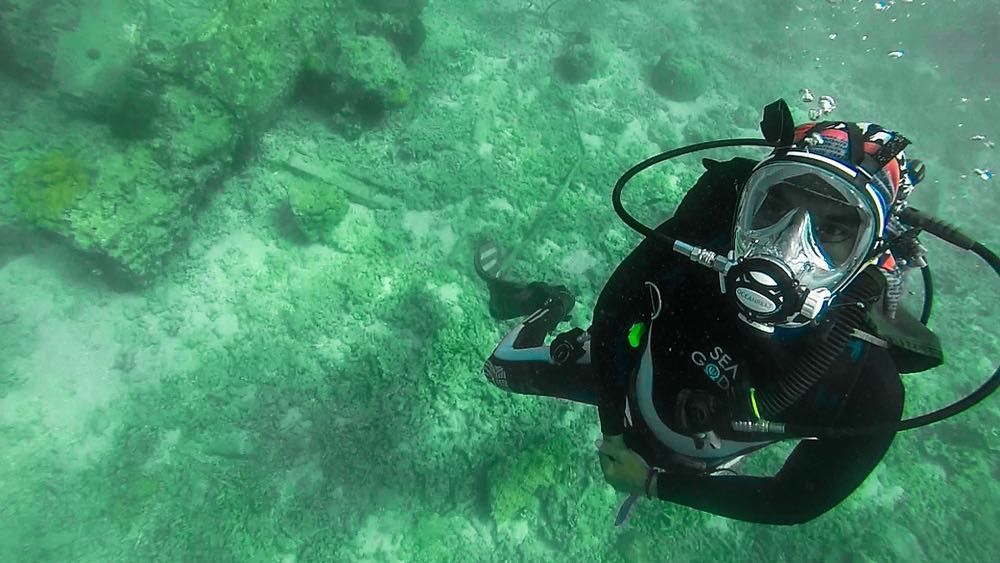
| “Mestel Safety”, their medical & safety division, would use everything they learned with their pedigree in undersea engineering, and the very gas mask we’re presenting today would be born. From the depths of the Mediterranean to a position of respect in military & civil applications, Ocean Reef has come a long way, and they definitely earned their spot amongst the best. |
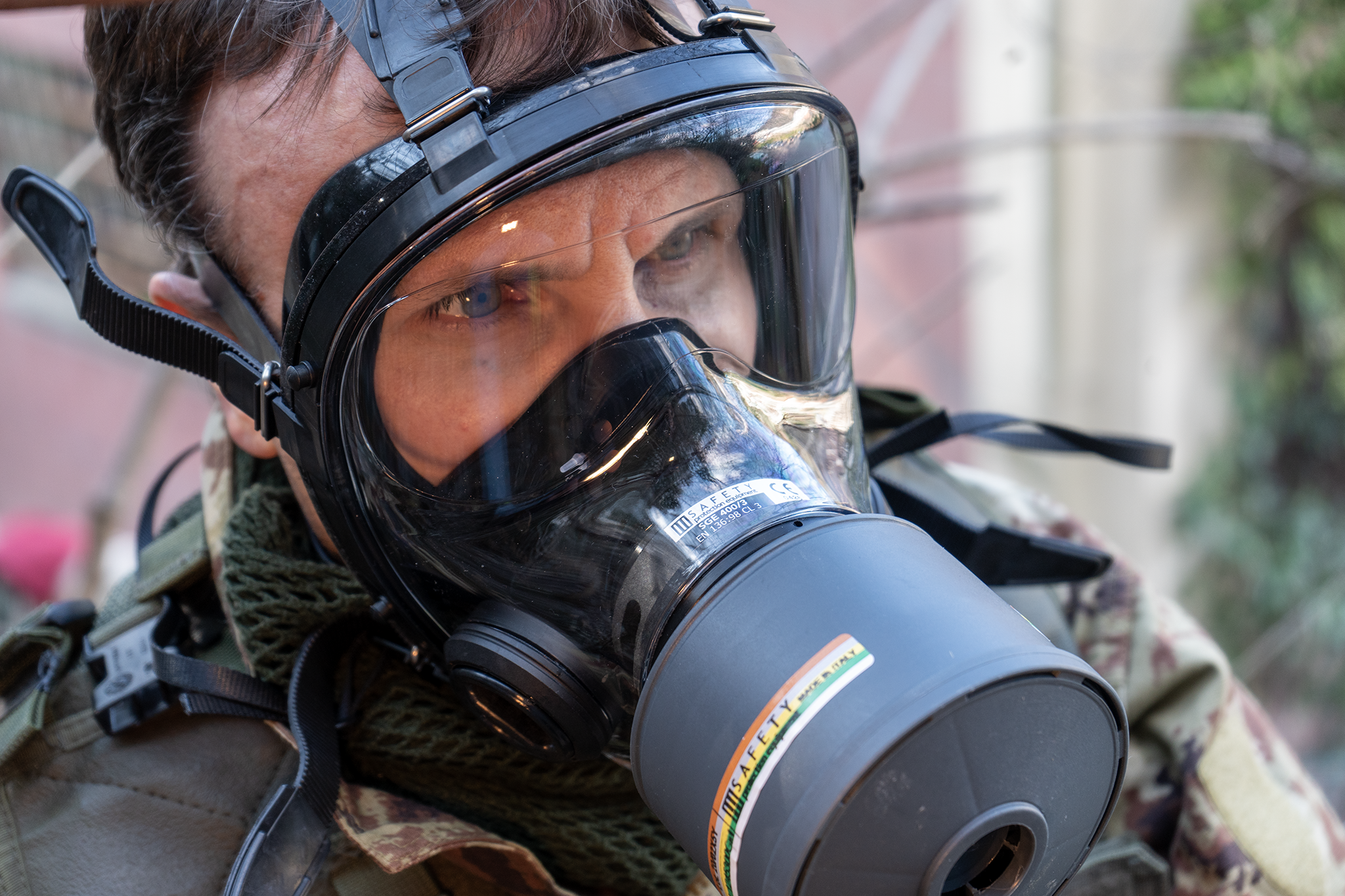
| COMBAT CAPABILITY |
| Don’t be spooked by the unconventional design — these masks are tough as nails.Mestel safety tested their masks by barraging the facepiece with, quote, “6.35mm steel spheres going over 300 mph”. For some reason the specificity makes it sound hilarious, but that’s practically like being shot directly in the face with a BB gun over and over and shrugging it off – not bad one bit. So, rest assured, this thing can probably handle some projectiles from common workshop incidents and Airsoft matches. |
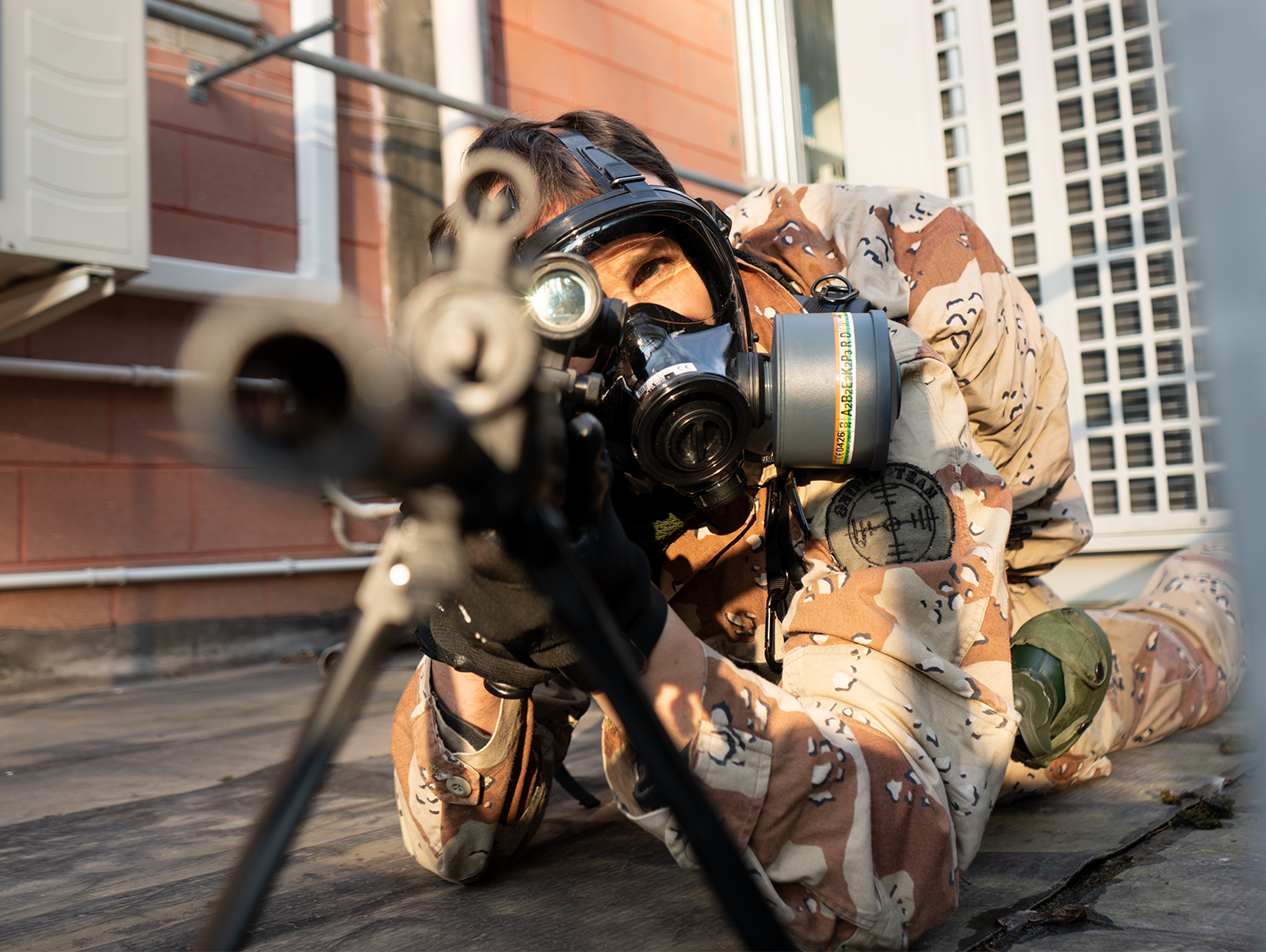
| Probably its most visually obvious feature is, once again, the insane Field of View. It preserves nearly 90% of your vision without significant “warping” and makes it pretty usable with firearms like many mil-contract masks on the market. But when you put on the average military mask, you’ll be stunned at how much you can’t see in comparison. |

| Having a massive split in the mask reduces the ocular overlap for your eyes and does, in fact, impede your vision right away. It’s why masks like the Avon M50 feature a single unified eyepiece instead of the classic two-piece styled masks of the cold war. |
| Lastly, these are comfortable to wear over very long durations thanks to the “floating” facepiece design. It allows the rubber to seal perfectly to the shape of your face, and takes the “felt weight” off of your face and onto the harness, where it should be. |

| We could go on about the cool factor of this mask for a lot longer but if you want to take a closer look at the mask you should investigate the product pages 👇 |
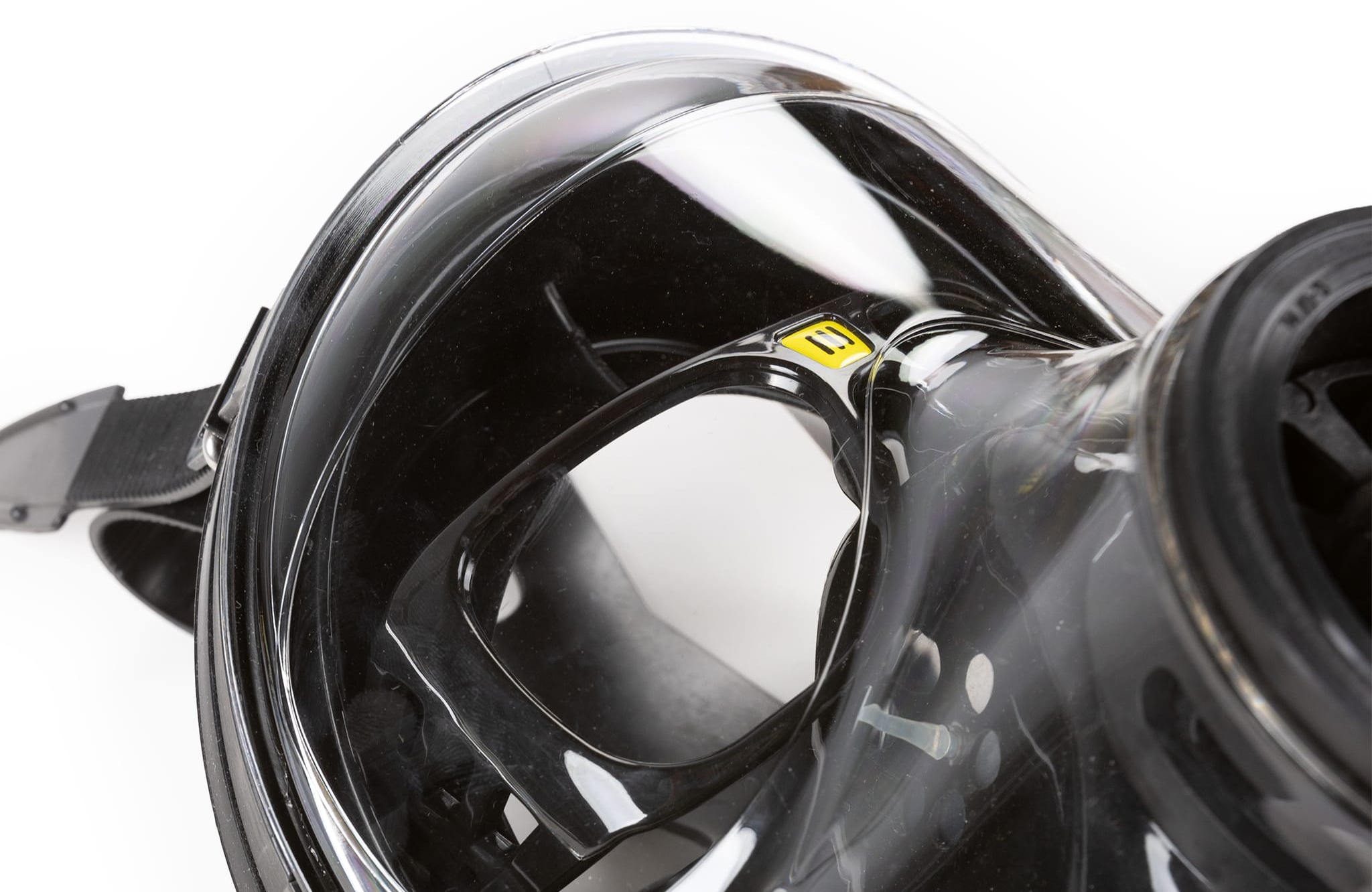
| KNOW THE DIFFERENCE! |
| An important side note on “CBRN” capability: If you’re looking for the model with 90% of the capability at a reduced price, the silicone-rubber based model is what you’re going to want to pick up. So what’s that other 10%? We’ll keep it simple: the butylated rubber, or just “butyl rubber” adds the ‘R’ and ‘N’ protections to CBRN, (Chemical, Biological, Radiological, Nuclear) *. *If you’re actually planning on dealing with those extra threats or the ‘blister agents’ that can also bypass a silicone seal, you’re going to need way, way more than just the mask to protect yourself anyways. Think a full HAZMAT suit with chemical tape, gloves, booties. And that’d only be for an hour or two of exposure to some of these more deadly agents. In addition to having the right equipment, the best plan is to simply GTFO. |

| The TL;DR is that this mask will cover you (literally) in most other incidents where a civilian might want full-face protection, from civil unrest to forest-fire evacuation, and of course common household projects.It’s simple: pick up the ‘BB’ model if you are interested in having the full ‘CBRN’ capability at the cost of slightly reduced comfort.And remember: A gas mask is only as good as the filter you’re breathing through, and we have a plethora of information about the excellent filters we’re also stocking from Mestel. |

| Another cool feature: there’s 3 different positions for filters to be placed to your heart’s desire. |
| One other note: the lack of ‘NIOSH’ approval for these masks is a bit misleading. Since these are European-made masks, they fall under ‘CE’ standards, which work a bit differently than NIOSH approval. An explanation of these standards can be found on kommandostore’s product page. |

| Whether this is your first serious use gas mask with actual pedigree or you’re looking for an affordable alternative to the mil-contract priced (expensive) masks, we’re confident that the SGE 400/3 will be the baby bear’s porridge. Once again, take a look at the product pages — you’ll find everything from sizing info to a free copy of the user’s manual if you’d like to read up. |

For the Silo, Jarrod Barker.