Tag Archives: homeowner

Residential Reinvention In North America

Maximizing Property Potential Via Popular Home Expansions 

maxadd1.png

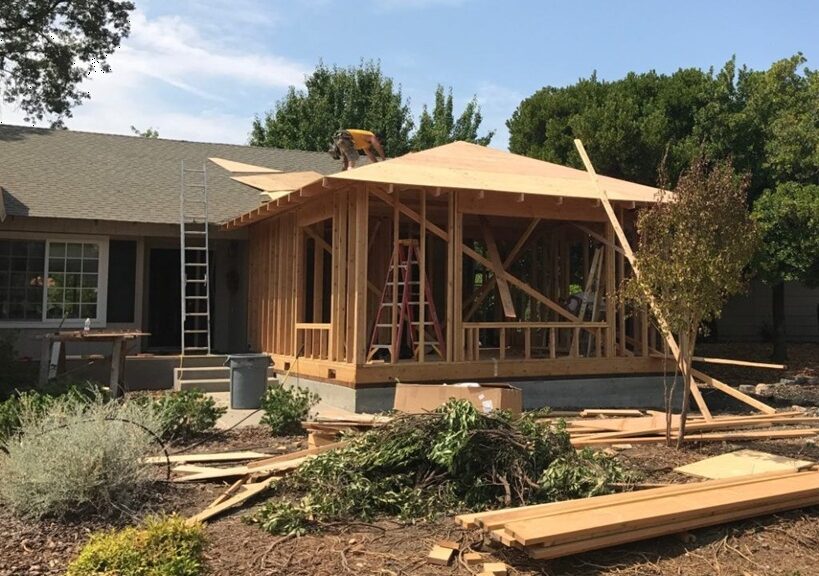
For many homeowners, the need for more space arrives long before the desire to move. Growing families, remote work, multigenerational living, and changing lifestyles are pushing homeowners to rethink how their existing homes can evolve. Home additions have become one of the most practical ways to gain space, improve comfort, and increase property value without starting over in a new location. Yet deciding which type of addition makes sense requires a clear understanding of costs, construction complexity, and long term return on investment.

Across the United States as in Canada, home addition costs vary widely depending on region, labor availability, building codes, and design choices. In America, the average cost of a home addition often exceeds the commonly cited figure of $51,000 usd/ $70,000 cad, especially for projects involving plumbing, structural changes, or second story construction. Per square foot costs typically range from roughly $100 usd/ $137 cad to $500 usd/ $684 cad, depending on the type of addition and level of finish. Understanding these ranges helps homeowners plan realistically and avoid budget shock midway through construction.

A dry addition or a wet addition?  

One of the most important distinctions in home additions is whether a project is considered a dry addition or a wet addition. Dry additions include spaces such as bedrooms, living rooms, offices, or sunrooms that do not require plumbing. These additions are generally less expensive because they avoid water lines, drains, and complex waterproofing requirements. Wet additions include kitchens, bathrooms, and laundry rooms, which add cost due to plumbing work, additional permits, and stricter building code requirements. Knowing which category your project falls into is one of the most reliable ways to estimate overall expense early in the planning process.
maxadd2.png

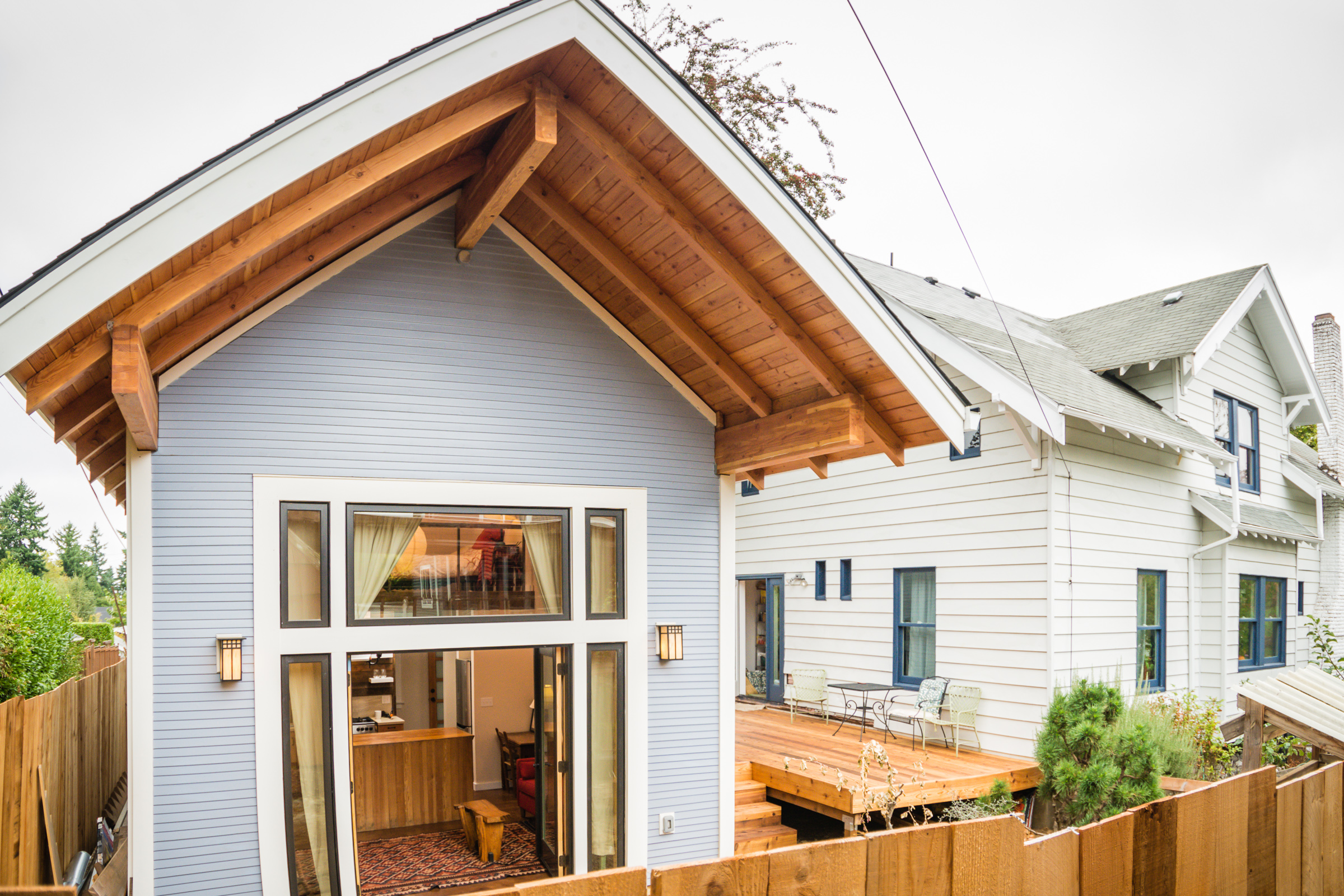
Room additions, often called bump outs, are among the most approachable projects for homeowners looking to add space without a full-scale renovation. These additions typically extend an existing room by a few feet to create more usable square footage. Nationally, bump outs often cost between $250 usd/ $342 cad and $500 usd/ $685 cad per square foot, depending on size and finish. While smaller in scope, they can dramatically improve daily living by relieving cramped layouts and improving functionality.

Adding a second story

Second story additions represent one of the most transformative but also most expensive home addition options. By building upward rather than outward, homeowners can double their living space without sacrificing yard area. These projects often range from $300 usd/ $410 cad to $500 usd/ $685 cad per square foot and require extensive structural reinforcement. Foundations, load bearing walls, and framing may need upgrades to support the added weight. Plumbing, electrical systems, and roofing are also typically impacted. While the upfront cost is significant, second story additions can deliver substantial long term value, particularly for homeowners committed to staying in place for many years.

Sunrooms offer a different kind of expansion, focusing on light, comfort, and connection to the outdoors. These spaces are often used as family rooms, dining areas, or quiet retreats. Costs typically fall between $200 usd/ $274 cad and $400 usd/ $547 cad per square foot, with total project budgets ranging from $40,000 usd/ $55,000 cad to $90,000 usd/ $123,000 cad or more. Three season sunrooms tend to be less expensive, while fully insulated, climate controlled spaces cost more but offer year round usability. Energy efficiency requirements and insulation quality play a major role in pricing.

maxadd3.png

The most cost effective way to add livable space

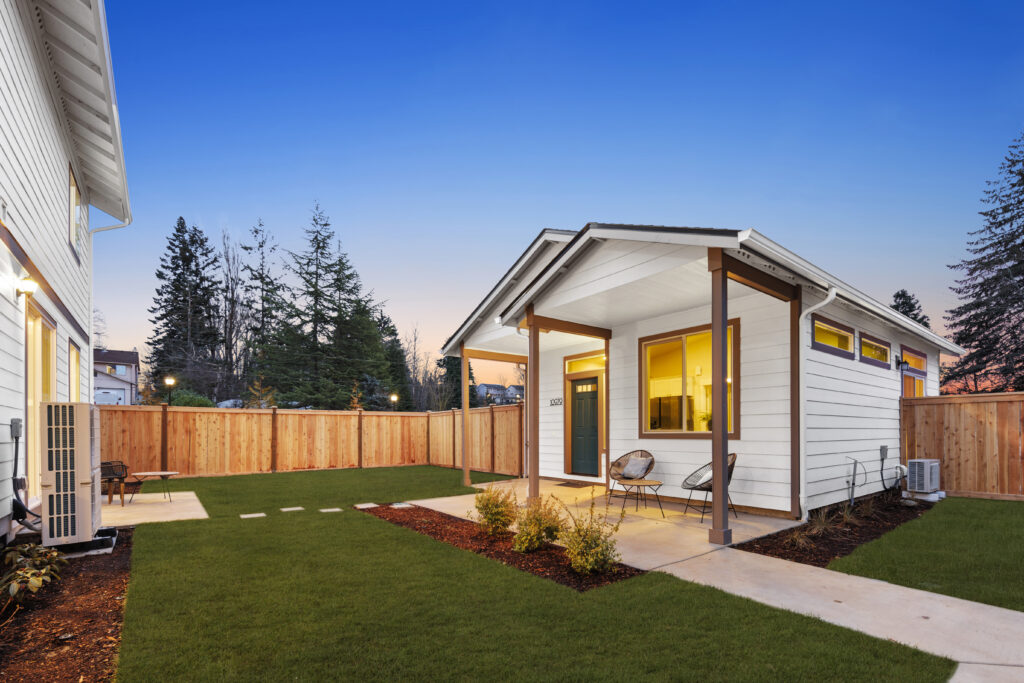
Garage conversions are one of the most cost-effective ways to add livable space because they utilize an existing structure. Nationally, these projects often range from $120 to $200 per square foot, with total costs commonly between $20,000 usd/ $27,300 cad and $50,000 usd/ $68,400 cad. Conversions typically involve insulation, drywall, flooring, electrical upgrades, and heating or cooling systems. Adding a bathroom increases both cost and value, but requires plumbing work and additional permits. For homeowners seeking flexibility without major exterior changes, garage conversions often deliver strong value.

Over the garage additions combine vertical expansion with efficient land use. These projects create new living space above an existing garage and commonly cost between $250 usd/ $340 cad and $400 usd/ $550 cad per square foot. Structural reinforcement is often required, and design integration with the main house is critical. When executed well, over the garage additions add bedrooms, guest suites, or home offices without reducing yard space, making them appealing in many suburban and urban settings.

ADU- aka the accessory dwelling unit
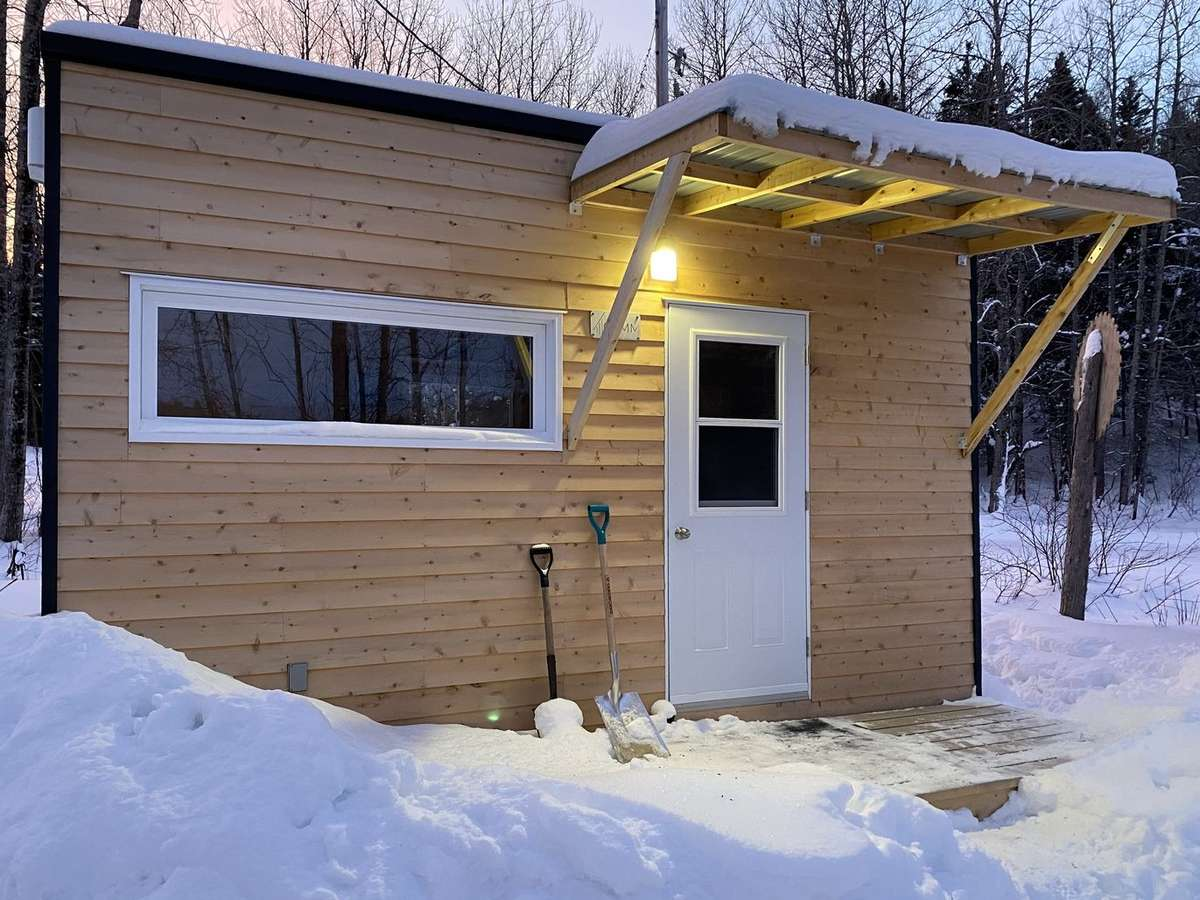
Accessory dwelling units have become increasingly popular as homeowners look for rental income opportunities or space for extended family. ADU costs vary widely but often fall between $100,000 usd/ $137,000 cad and $300,000 usd/ $410,400 cad depending on size, design, and site conditions. Well planned ADUs can generate significant returns through rental income while increasing overall property value. In many markets, returns between 50 and 80 percent are possible when long term income and appreciation are considered together.

The most complex home improvement

maxadd4.png

Kitchen expansions and additions are among the most complex home improvement projects. Building a new kitchen or expanding an existing one typically ranges from $50,000 usd/ $68,400 cad to $150,000 usd/ $205,200 cad or more. These projects involve plumbing, gas lines, electrical systems, ventilation, and often structural changes. High quality finishes, appliances, and cabinetry can significantly increase costs, but kitchens consistently rank among the highest value improvements for resale.

Expensive to be sure

Bathroom additions and expansions also carry meaningful costs but deliver strong returns. Adding a new bathroom often ranges from $30,000 usd/ $41,000 cad to $75,000 usd / $102,600 caddepending on size and plumbing complexity. Expanding an existing bathroom typically costs less but still requires careful planning around waterproofing, ventilation, and fixture selection. Bathrooms add both daily convenience and resale appeal, particularly in homes with limited existing bath space.

What type of addition should you choose?

Choosing the right type of home addition requires balancing personal lifestyle needs with financial considerations. Homeowners should assess how they use their space today, how that use may change in the future, and which additions offer the greatest functional improvement. Equally important is considering how future buyers might perceive the added space. Additions that align with common buyer preferences tend to deliver stronger returns.

maxadd5.png

Successful home additions are built on careful planning. Hidden costs such as permit fees, utility upgrades, and structural repairs can emerge once construction begins. Understanding local building requirements, maintaining detailed budgets, and setting aside contingency funds are critical steps. Consulting experienced professionals early in the process helps homeowners avoid delays, unexpected expenses, and design mistakes that can be costly to correct later.

It’s not just about square footage

Ultimately, home additions are not just about adding square footage. They are about adapting a home to better serve the people who live there. When thoughtfully planned, an addition can improve daily life, increase long term property value, and allow homeowners to remain in communities they love. With clear expectations, realistic budgets, and informed decision making, home additions can be one of the most rewarding investments a homeowner makes. For the Silo, Jon Grishpul/ Greatbuildz.com.

These Award Winning Tiny Homes Draw Attention As Sector Gains

The tiny home sector is big on innovation as exemplified by a new crop of amazing Accessory Dwelling Unit (ADU) designs across the U.S. and Canada showcasing state-of-the-art architectural and interior features, thoughtful layouts and stunning aesthetics that redefine what’s possible in small-space living. Maxable—North America’s leading  provider of resources for building guest houses, casitas, in-law suites, granny flats, pool houses and other ADUs—has officially named the the #1 best ADU of 2025 and other of the ’10 Best’ for the year based on a mix of criteria: visual appeal, use of space, creativity and functionality. Multiple photos for each are showcased online demonstrating the extreme ingenuity of each build.

Every year, Maxable’s ‘Best ADU of the Year’ competition celebrates the most innovative and impressive tiny home projects from across North America. Accessory dwelling units (ADUs) that don’t just look great, but solve real challenges of space, budget, and lifestyle. And the Top 10 have just been named! “If there’s one thing we’ve learned this year, it’s that accessory dwelling units ADUs aren’t going anywhere,” says Maxable CEO Paul Dashevsky. “In fact, they’re chugging along at full force as new regulations make their mark, homeowners are letting their creativity bloom, and designers are pushing the limits of what’s possible in small-space living.”

Here is the #1 winner and other of the top 10 best ADUs that have earned their keys in 2025.
______________________________________________________


#1 Best ADU of 2025:

Ashby ADU, Piedmont, CA

Designer: Tuan Le Design

Builder: Atelier19AD6

Size: 800 sq ft, 2 bed, 1 bath

Built on a steep slope, the project faced challenges with utility coordination, subcontractors, supply chain delays, and neighbor considerations, yet the team navigated every obstacle to deliver a standout result. The unit is fully electric, with a heat pump, water heater, and solar panels, making it efficient and environmentally conscious. Skylights and floor-to-ceiling four-panel sliding glass doors fill the interior with natural light, creating a bright, airy atmosphere. The modern design continues on the exterior with sleek wood paneling that complements the contemporary interior. The result is a stylish, functional ADU that maximizes both the views and the livable space

 
Other Top 10 Best ADUs of 2025


Chamomile Cottage, Arlington, MA

1-adu.jpg

Modular Design and Build: Backyard ADUs

Size: 567 sq ft, 1 bed, 1 bath

If a cozy cup of tea was an ADU, we think it’d look like this! Designed to bring an aging father closer to his family and young grandchildren, this modular build balances warmth, accessibility, and beautiful design. As one of the first detached ADUs completed under Massachusetts’ new ADU law, it also marks a milestone for backyard living in the state. Built with collaboration between Backyard ADUs and a homeowner with impeccable design taste, the result is both functional and heartfelt. Chevron wood flooring, warm olive walls, and a charming fireplace make the space feel like home from the moment you step inside. Skylights fill the rooms with natural light, while the ADA-compliant bathroom ensures comfort and safety for years to come.

Alora ADU, San Diego, CA

2-adu.jpg

Designer: Ruland Design Group

Builder: Glann Fick, Coastline Construction

Size: 1,000 sq ft, 2 bed, 2 bath duplex

This project is a beautiful example of how ADUs can bring generations together while adding long-term value to a property. The homeowners created not one, but two attached backyard homes. One was designed for an aging mother, and the other for rental income to support the family. Together, the units make space for four generations to stay close while still maintaining privacy and independence. Both ADUs were designed with light, openness, and connection to the outdoors in mind. High ceilings and clerestory windows fill the interiors with natural light, while large sliding glass doors open to private patios for easy indoor-outdoor living. Each space feels modern and welcoming, complete with well-appointed kitchens and roomy islands perfect for family meals or morning coffee. It’s a true example of multigenerational living done right.

Copperline ADU, San Diego, CA

3-adu.jpg

Designer and Builder: SnapADU

Size: 980 sq ft, 2 bed, 2 bath

This Spanish-style ADU in Rancho Santa Fe was designed to blend seamlessly with the community’s strict architectural standards. The homeowner, a roofing contractor, personally installed the boosted tile roof to match the main home, turning HOA requirements into an opportunity to create a timeless retreat. Today, the ADU serves as a private space for family and guests. Every element, from hand-textured stucco to arched porch openings and copper gutters, was carefully chosen to mirror the primary residence. Inside, faux wood ceiling beams add warmth to the great room, while custom shelving and professional-grade appliances enhance the kitchen. Each bedroom features an ensuite bath and walk-in closet, with a back entrance leading to a mudroom and laundry area.

Brick House ADU, Denver, CO

4-adu.jpg

Designer and Builder: ADU4U

Size: 938 sq ft, 1 bed, 1.5 bath

This ADU project breathes new life into an old, historic building, while preserving its authentic character and respecting its roots. Building a modern structure within an 138 year old structure was an innovative solution to achieve this. In historic Curtis Park, Denver’s oldest neighborhood, an 1886 brick carriage house stands as a testament to the passage of time. The building sits inside the boundaries of Denver’s historic Curtis Park, so all exterior design and material selections had to be approved through the city’s Landmark Commission.

ADU4U turned this once-unlivable structure into a cozy, modern home while preserving its historic charm. To bring it up to today’s safety standards, the team strengthened the old brick with a new steel frame and carefully reused original materials throughout the interior. The hayloft door became the powder room door, and the old floor joists were turned into a beautiful kitchen peninsula. Now, this light-filled ADU perfectly balances historic character with modern comfort. It’s truly a shining example of how old buildings can be reimagined for today’s living.

Longview ADU, Washington D.C.

5-adu.jpg

Designer: Ileana Schinder

Builder: J Cabido Designs

This project is a creative transformation of an abandoned garage and storage space into a bright and efficient one-bedroom ADU. By keeping the original structure’s footprint, the design team minimized both construction costs and the visual impact on the surrounding property. Every detail was planned with sustainability in mind. From upgraded insulation to energy-efficient mini splits and an energy recovery ventilator, the ADU meets Washington DC’s strict environmental standards while maintaining year-round comfort. Restoring the building’s existing openings allowed natural light to flood the interior, creating a warm and inviting space that feels much larger than its footprint. The result is a thoughtful blend of preservation, sustainability, and smart design, breathing new life into what was once an overlooked structure.

Sagebrush ADU, Menlo Park, CA

6-adu.jpg

Designer: Inspired ADUs

Builder: Integrum Construction

This ADU is a masterclass in craftsmanship and timeless design. Every detail, from the cedar shake siding to the copper flashings, was carefully chosen to mirror the main home and create a seamless, cohesive look. Instead of competing with the original architecture, it enhances it, feeling like it has always been part of the property. Natural materials play a starring role here. The cedar and copper will continue to age beautifully, adding warmth and character over time. Inside, handmade tile, custom cabinetry, and a cozy loft make the space feel elevated yet inviting. Every inch was designed with intention, balancing function, beauty, and authenticity. This ADU proves that small-scale construction can be both refined and enduring.

Brushstroke ADU, Newcastle, CA

8-adu.jpg

Designer and Builder: A+ Construction ADU Builders

Size: 1,198 sq ft + 800 sq ft deck, 3 bed, 2 baths

The client didn’t want to separate three generations of their family, so they built a second home in their backyard. This ADU allows their parents to live independently with their own routines and art studio, while staying just steps from family dinners, grandkid hugs, and everyday life together. At 1,200 sq. ft., the ADU includes three bedrooms, two bathrooms, and a large open living area. The layout prioritizes comfort, easy movement, and aging-in-place, with wide circulation paths, direct deck access from the primary bedroom, and plenty of natural light. A dedicated art studio with custom cabinetry and large windows supports the grandmother’s creative routine. The best feature? An 800 sq. ft. covered deck and carefully chosen exterior finishes. All of these details make the ADU feel integrated with the main home, creating a thoughtful, functional, and long-term living space for the whole family.

Alcove ADU, Los Angeles, CA

9-adu.jpg

Designer: Homeowner

Builder: Doobek Brothers

Size: 593 sq ft, 1 bed, 1 bath

What started as a retrofit for a carport turned into a fully functional ADU, making smart use of limited space while navigating strict city codes. Because the property sits on a hillside, any addition beyond the existing roofline would have required expensive drainage to the street, so the design works entirely within the original footprint. The interior feels calm and spacious thanks to thoughtful layout, finishes, and furniture. A double wall between the kitchen and bathroom cleverly hides appliances while providing storage for cleaning supplies, making the space feel open and uncluttered. Temperature and sound insulation reduce energy costs for both units, making it highly efficient. Windows were sized to align with the upstairs unit, creating visual harmony. With parking right outside and a potential deck planned for the upper unit, this ADU demonstrates how careful design can turn code restrictions into a livable home.

Elevare ADU, San Diego, CA

10-adu.jpg

Designer: Sergio Perlata

Builder: HM Construction

Size: 479 sq ft, 1 bed, 1 bath

This daring ADU was built on top of the homeowner’s existing house to preserve the garage while creating a luxurious, functional space. What started as a bold idea and labor of love resulted in a retreat that balances comfort, style, and modern California living. The design maximizes natural light, features high-end finishes, and offers seamless indoor-outdoor flow. Privacy for the main house was carefully considered, and practical choices like spa-like micro-cement in the bathroom create a durable, low-maintenance, and rental-friendly space. More than just a guest house, this ADU is a thoughtfully crafted space that inspires relaxation and connection.

For the Silo, Jarrod Barker.

Supplemental- ANC Brantford, Ontario, Canada

AI Shows 10 Home Reno Bid Red Flags

Did you know that, every year, home renovation projects are derailed by hidden costs, vague language, and inconsistent contractor bids—pushing 78% of jobs over budget and forcing two-thirds of homeowners into debt? It’s not just homeowners who feel the pain: contractors, property managers, real estate agents, investors, and flippers all struggle to assess and compare bids quickly and accurately.

The problem is that contractor quotes are rarely “apples to apples,” often missing critical details or disguising inflated charges—making it hard to identify true scope, cost, and risk. Now, the free-to-use and industry first BidCompareAI  tool analyzes and compares multiple contractor bids, instantly identifying missing scope items, unrealistic allowances and other red flags before any work begins … often with tens of thousands of dollars on the line. In minutes, the AI generates a clear, line-by-line report that standardizes bids into transparent, actionable insights—helping homeowners avoid costly overruns, while enabling industry pros to quote with confidence, negotiate smarter, close deals faster, and protect ROI. Interest in this innovation raising industry transparency standards?

AI Reveals These Top 10 Home Renovation Bid Red Flags


First-of-its-kind free AI tool turns confusing, inconsistent contractor bids into clear, side-by-side insights—helping homeowners avoid costly overruns and enabling industry pros to quote, negotiate and close with confidence 

female-hands-counting-money-over-blueprints-at.jpg

Renovations are one of the most expensive and stressful decisions a homeowner makes. Yet 78% of projects blow their budgets, and 2 in 3 homeowners go into debt just to pay for them. Why? Because contractor bids are often riddled with hidden costs, vague language, and missing work that leave you paying more than you bargained for. Thankfully, new AI technology is now making these red flags impossible to ignore—saving homeowners thousands before a hammer is even swung. BidCompareAI is the first-ever AI tool that lets homeowners upload multiple bids and get a fast, detailed report comparing scope, pricing, and red flags—no construction expertise needed and no signup or payment required.

“Homeowners have been forced to make major financial decisions based on unclear or incomplete bids,” says GreatBuildz Co-CEO Jon Grishpul. “BidCompareAI adds instant transparency and clarity—saving people from costly mistakes before a project even starts. For contractors, property managers, and real estate professionals, it’s a credibility and efficiency tool that streamlines communication, builds trust and helps win more business.”

BidCompareAI Tight.png

Here are the top 10 red flags often hiding in contractor bids, and how the BidCompareAI tool reveals them instantly:

1. Missing Scope Items — “Surprise” Costs Waiting to Blow Your Budget

Your contractor’s quote doesn’t include demolition, cleanup, or critical tasks? That’s a ticking time bomb. Now, homeowners can catch these omissions so you never get hit with surprise charges.

2. Vague Allowances — The Fine Print That Drains Your Wallet

Ambiguous line items like “fixtures” or “materials” can mean anything. The AI tool flags vague terms so you can demand specifics upfront.

3. Unrealistically Low Bids — Too Good to Be True? Usually Are

Low-ball bids often mean corners will be cut or costs will balloon later. This AI exposes these dangerously low estimates before you get stuck with change orders.

4. Pricing Inconsistencies — Comparing Apples to Oranges?

Quotes come in all formats with wildly different terminology. This advanced technology standardizes and compares them side-by-side, so you’re not left guessing.

5. Hidden Fees — The Black Box of Renovation Budgets

Permits, procurement, and labor fees sometimes get lumped in mysteriously. The AI reveals these “hidden” charges clearly in its summary report.

6. Overlapping or Duplicate Charges — Paying Twice Without Knowing It

Some bids unknowingly charge for the same work twice. The AI delivers a line-by-line analysis that spots these costly errors fast.

7. Unclear Project Timelines — When Delays Lead to Extra Costs

Vague or missing timelines can spiral into costly delays. While timelines aren’t priced, spotting missing info helps you demand accountability.

8. Missing Cleanup and Disposal — Don’t Get Stuck with the Mess

Quotes that don’t include cleanup leave you responsible for hauling debris and disposing of waste. This AI highlights these crucial omissions.

9. Discrepancies in Material Quality — Low-Quality Where You Expected Premium

One bid may specify high-end fixtures while another hides “allowances” that could mean anything. The AI tool flags these differences so you know exactly what you’re paying for.

10. Inconsistent Labor Charges — Watch for Inflated or Unexplained Fees

Labor costs vary widely, and some bids overcharge or include unnecessary markups. This user-friendly technology points out these red flags clearly.

“This is about more than just tech,” added Paul Dashevsky, Co-CEO of GreatBuildz. “It’s about empowering homeowners to feel confident and in control of their renovation projects—and helping contractors better serve their clients.”

Renovations don’t have to be a financial nightmare. As consumer-facing AI tools proliferate across industries, the BidCompareAI innovation demonstrates how artificial intelligence can bring real-world value by making complex, high-stakes decisions—like selecting the right contractor—faster, clearer and far less stressful. For the Silo, Marsha Zorn.

Canada Next? Rise Of Driveway Tiny Houses In America

Accidental Landlords: ADU Owners Disrupt Rental Markets From Driveways

Here in Canada we have been pre-programmed to some extent about the possibility and perhaps inevitability of living in a tiny home- and one that we won’t even own. In some cases, these homes seem to be little more than utility sheds fitted with utilities and small appliances but there are exceptions like this exceptionally designed ADU.

In America, many ADU (Accessory Dwelling Unit) owners didn’t set out to be landlords, but new laws and economic pressures there are turning suburban homeowners into accidental real estate moguls. With situations the same here in Canada and with migrant levels increasing month after month, can we expect to see more and more cities following Ottawa’s lead in tiny home renting? It sure seems like a strong possibility.

Let’s Look At The USA

As state and city-level ADU laws continue to loosen across the U.S., a growing wave of suburban homeowners are becoming first-time landlords, many without ever intending to enter the real estate game. These decentralized landlords are renting out backyard cottages, granny flats and in-law suites, garage conversions and prefab units—quietly changing the economics of their neighborhoods and offering a hyperlocal solution to the housing shortage.


Accidental Landlord Essentials: What to Know Before Renting Out Your ADU

Right after housing family, passive rental income is one of the top reasons people want to build an ADU on their property, and we can definitely see why. Becoming a landlord is a great way to supplement your income and create a healthy nest egg for retirement or savings. But, it’s important to remember that being landlord is still considered a job with responsibilities. There are certain expectations that should be adhered to in order to ensure your tenant(s) are comfortable in your ADU, ensuring prolonged success.

So, what makes the difference between an “okay” landlord and a fantastic landlord with happy tenants? Here are some key things to know before you start renting out your new unit.

What do I need before I rent out my ADU?

Before renting out your ADU, you will need two crucial things: a Certificate of Occupancy and landlord insurance.

Certificate of Occupancy

In the USA, there is an important document called a Certificate of Occupancy, issued by the local building department, confirming that the accessory dwelling unit (ADU) complies with all relevant building codes and regulations and is safe for occupancy. To obtain a Certificate of Occupancy, you will need to schedule an inspection of your ADU to ensure it meets all required standards for habitability, fire safety, and structural integrity.

Once you have obtained the necessary Certificate of Occupancy and ensured compliance with local regulations, you can proceed with renting out your ADU.

Landlord Insurance

It’s also a good idea to consider obtaining landlord insurance to protect your property and assets as a rental property owner. Landlord insurance, also known as rental property insurance, is a type of insurance policy specifically designed to protect property owners who rent out their properties to tenants. Here are some key aspects of landlord insurance:

  1. Property Coverage: This aspect of landlord insurance typically covers the physical structure of the rental property, including the dwelling itself and any structures on the property, such as garages or sheds. It can protect against damage caused by covered perils like fire, vandalism, or natural disasters.
  2. Liability Coverage: Landlord insurance often includes liability coverage, which protects you financially if a tenant or visitor is injured on your rental property and holds you liable. This coverage can help pay for legal fees, medical expenses, and damages if you’re found responsible for an accident or injury.
  3. Loss of Rental Income: If your rental property becomes uninhabitable due to a covered loss, such as fire or storm damage, landlord insurance can provide compensation for the lost rental income during the time it takes to repair or rebuild the property. This coverage can help mitigate the financial impact of a temporary loss of rental income.
  4. Additional Coverages: Depending on the policy and insurer, landlord insurance may offer additional coverages or optional endorsements to address specific risks or circumstances. These could include coverage for landlord liability arising from wrongful eviction or discrimination claims, coverage for theft or vandalism by tenants, or coverage for legal expenses related to evictions.

It’s important to note that in America, landlord insurance is distinct from homeowners insurance, which is intended for owner-occupied properties. Landlord insurance policies are tailored to the unique risks and responsibilities of rental property ownership, providing coverage for situations that may not be addressed by standard homeowners insurance.

Once you have these two things in place, you can move on to establishing the lease terms of your ADU.

What should rental lease terms be for an ADU?

The great thing about owning your own ADU is that you can set any rules you want. All of this should be laid out in a lease so that all parties can have the rules in writing and you can avoid any conflict in the future. Here are just a few things you should think about including in your lease:

  • When is rent due?
  • Is this a long-term lease (1+ years) or month-to-month
  • Do you allow pets? Size, type, and quantity restrictions? Is a deposit and pet rent required?
  • Is smoking allowed?
  • Are utilities included?
  • Is parking included?
  • Will the tenant have access to yard space or other outdoor areas?
  • When do quiet hours begin?

This is just a sample of things you should be thinking about when drafting your lease.

While you do have free reign in placing any rules for your ADU (as long as you don’t violate any laws) you should also think about what will be on people’s checklists in your area. Living close to a college campus for example, will likely attract students looking for short-term housing. Living close to a high population area where parking can be tough, you’ll have tons of rental applications if you offer free parking.

There are plenty of lease agreement templates that you can find online, but make sure you read them carefully and edit as needed to make sure they cover everything you require.

If you’d rather go the easier route, you can always hire a property management company who can draft the lease and collect the signatures for you. We’ll go more into property managers later.

How do you figure out the charge for rent?

There’s no one-size fits all answer to this question. The rent you can charge for your ADU will depend on city, neighborhood, ADU size, amenities, number of bedrooms and more. But, by doing some quick research you can arrive to a baseline number that makes sense for your ADU.

To start, check out similar listings in your area to get a general range of how much rent you can charge for your ADU. Sites like Zillow, Apartments.com, Craigslist, and Trulia are great places to look first. Especially look at going rates in your specific neighborhood. Rental rates can fluctuate heavily from neighborhood to neighborhood within the same city, so you want to make sure you’re not pricing your ADU too high or low for your immediate area.

Next, take your amenities into consideration. A washer and dryer in the unit is a hot commodity that people will be willing to shell out a few extra dollars for.

If you want to add these types of amenities to your unit, make sure you discuss it with your designer so that they can make the space for them in the designs. 

Also, look back at your lease and what you’re offering. Qualities like included utilities, pet friendly, and a month-to-month lease mean you can charge a little bit extra.

Take a look at where your property is located. Units closer to popular locations like a trendy shopping strip or a university call for slightly higher rent whereas ADUs in more suburban or rural areas will benefit from having lower rent.

Once you’ve settled on a final price, consider knocking back a few dollars. Doing this, you’ll attract a larger pool of tenants. The tenant ultimately get approved will feel like they’re getting a great deal and will be more likely to hold on to that rental for longer. It’s a win situation for you too since you won’t have to worry about losing money replacing tenant after tenant that’s searching for a more affordable home.

With your rental rate and lease terms ironed out, you can start advertising your ADU, but it’s critical you adhere to anti-discrimination laws like the Fair Housing Law.

What is the Fair Housing Law?

“The Fair Housing Act protects people from discrimination when they are renting or buying a home, getting a mortgage, seeking housing assistance, or engaging in other housing related activities.” -Hud.gov

This law in America protects individuals from housing discrimination based on the following:

  • Race or ancestry
  • Religion
  • Disability, mental or physical
  • Sex, gender
  • Sexual orientation
  • Gender identity
  • Marital/familial status
  • Source of income (e.g., alimony, child support, Section 8, vouchers, etc)

When Americans are listing their ADU, they should also avoid using terminology like “ideal for a student” or “looking for a couple” as these can be considered discriminatory. Keep listings simple and stick to just mentioning the great features of your ADU.

What’s expected from me as a landlord?

Being a landlord isn’t just kicking back and collecting rent checks. Keep in mind that as a landlord you have a few responsibilities.

You should be the first point of contact for repairs, complaints, upkeep, etc. Accidents are bound to happen. Having a list of reliable professionals that you can contact to fix things around the unit is a smart idea. Here’s just a quick list of professionals you should consider having on your list:

  • Plumber
  • Electrician
  • Gardener
  • Roofer
  • General handyperson
  • Exterminator

If you want to save an extra dollar, you can also teach yourself to do easy beginner level repairs like unclogging drains.

Being easy to reach and quick to act when your tenant needs something fixed is an excellent way to keep your tenant happy and ensure they’ll stick around for the long run.

But, what if you own multiple properties or work full time and can’t be on-call 24/7? That leads us to our next topic.

Do I need to hire a property management company?

If you’re mostly home or have a lot of free time, you can probably handle all of the responsibilities on your own. Otherwise, you’ll want to hire a property manager.

They’ll be in charge of preparing leases and getting them signed, repairs, advertising and finding tenants, collecting and depositing checks, and pretty much everything else.

Property management companies will typically charge 5-10% of your rental revenue for their services, so think carefully before you decide to hire them on. As we mentioned before, if you’re capable of handling the responsibilities on your own, then you’ll probably be able to skip on it.

Can any American rent out their ADU on Airbnb or other short-term rental platforms?

It depends on your local laws. Many cities in America have placed restrictions on short-term rentals (typically stays under 30 days), especially when it comes to ADUs. Some jurisdictions allow it only if the homeowner lives on the property, while others ban it altogether or require a permit. These rules are often different from those that apply to your main home, so it’s important to research carefully. Violating local ordinances could lead to hefty fines.

The main purpose some states have made ADUs so accessible is because the government wants to encourage the development of more long-term housing. So, renting your ADU as a vacation rental defeats the purpose and is often not encouraged.

Defining your goals and what you want to get out of your rental is the first step towards becoming a successful landlord. For the Silo, Paul Dashevsky.

With several decades of experience in the construction and renovation business, Paul Dashevsky is Co-CEO of MaxableSpace.com—the industry-leading ADU property design / build / construction resource website for granny flats, in-law suites, guest houses, casitas and other types of Accessory Dwelling Units. Paul is also Co-CEO of GreatBuildz—a freeservice that matches homeowners with reliable, pre-screened general contractors. He may be reached at www.greatbuildz.com.

No Federal Budget Until Fall? Canada Spending Lots In Meantime

The Fiscal Update the Government Should Have Produced and the Budget Canada Needs

by William B.P. Robson, Don Drummond and Alexandre Laurin

Introduction: No Budget, No Plan

The federal government has said it will not release a budget until the fall. Delaying a budget until the fiscal year is more than half over is never good, but Canada’s current high spending trajectory makes this delay especially bad. The government is making costly commitments without showing us the key numbers: how much more tax it expects to collect; how far its new spending will exceed its revenues; and what the resulting higher deficits imply for interest costs and our debt burden.

To fill in at least some of the information the government should be providing, we present our own fiscal update: the outlook that provides a context for the next federal budget. We then discuss possible measures the next budget could contain to address runaway spending, perpetually high deficits and debt, and vulnerabilities Canada should avoid at a time of severe economic challenge.

A Deteriorating Fiscal Outlook

To calculate the federal government’s bottom line in the current fiscal year, 2025/26, and the three following years, we followed the steps summarized in Table 1 (on page 3):

  1. We started with the Liberal Party’s costing document for its election platform (Liberal Party of Canada 2025). Based on a March 2025 economic scenario from the Parliamentary Budget Office (PBO), it did not reflect the impact of US tariffs or Canada’s countermeasures (PBO 2025).
  2. We updated the economic assumptions based on the Bank of Canada’s April 2025 Monetary Policy Report, using the more optimistic of the two scenarios examined by the Bank, both regarding the severity of tariffs and resulting economic damage (Bank of Canada 2025).
  3. We calculated a revised baseline fiscal projection by including policy initiatives that appear firm – either because of definitive statements, such as the cancellation of the proposed changes to capital gains taxation and the June 2025 plans to first accelerate defence spending to 2 percent of GDP and then gradually increase it to 5 percent by 2035, or because legislation is currently before Parliament, as is the case for cuts to the bottom personal income tax rate, the GST break for first-time homebuyers under Bill C-4,1 and the government’s announcement that it will not proceed with the digital services tax (DST).
  4. We added the spending measures from the Liberal platform’s costing document that were not included in the previous step.
  5. We added platform proposals for increasing revenue from higher fines and penalties and, more significantly, for reducing spending through a review of public sector operations to boost productivity. We show these as a memo item, since the lack of concern about the bottom line evident in the platform and subsequent announcements, and the lack of urgency evident in the government’s decision to delay the budget, makes it reasonable to doubt that these savings will materialize.

The resulting bottom line represents a marked deterioration, as Table 1 shows. As recently as the April 2024 budget, the government projected the deficit to decline to $20 billion by 2028/29.2 With this baseline, and even if the imagined fines and savings were realized in full, the deficit that year would be more than three times that level. Even in this optimistic scenario, the deficit would average $78 billion annually over the four years, and the net debt-to-GDP ratio would remain stable around the elevated level of 2025/26. Excluding the speculative savings, the cumulative deficit would be almost $350 billion over four years – or an annual average of $86 billion – and the net debt-to-GDP ratio would increase to 44 percent. Further, the baseline deficit without any of the non-implemented initiatives in the electoral platform is still elevated at $66 billion per year on average.

These projections include our estimates of the potential impact of the new defence spending commitments made at the recent NATO summit. At that summit in The Hague, Canada joined a pledge to raise defence and security-related spending to 5 percent of GDP by 2035 (3.5 percent for direct military needs and 1.5 percent for security-related investments).

No details on the year-to-year increases have been announced, but countries are expected to submit multi-year roadmaps by mid-2026. Prime Minister Mark Carney also indicated that some of the 1.5 percent for security-related investments – such as critical mineral infrastructure, ports, telecommunications, and cyber – could be counted from existing budget envelopes.

In Table 2, we present a hypothetical scenario where annual defence spending rises gradually from 2 percent of GDP to 5 percent of GDP over 10 years, with half of the spending allocated to depreciable capital assets. Under this scenario, we estimate the increase would add $2.3 billion to the deficit this fiscal year, rising to $11.8 billion in four years. Assuming half of the new spending on security-related investments comes from existing envelopes, the deficit would be $17.8 billion higher in four years. These amounts continue to grow over the 10-year period as the 5 percent target approaches and the stock of amortized capital outlays increases. By year 10, new defence commitments could add a staggering $68.4 billion to the deficit under this scenario.

Separating Operating and Capital Spending is Unhelpful

The large deficits projected in this update cannot be downplayed or disguised by dividing the budget into two new categories – operating and capital – and targeting a balanced operating budget only, as proposed in the election platform. No firm details have been released about what each category will include, but logically, the operating budget will consist of whatever does not fall under the new capital category.

The rationale for introducing a capital budget is unclear. Under Public Sector Accounting Standards, the federal government, like all Canadian governments, uses accrual accounting. So its capital costs are amortized over the useful life of the assets. As a result, the government’s Statement of Operations already shows costs related to capital investments: depreciation (about $7 billion per year) and interest on debt incurred when the outlays occur. As more capital assets are added – such as ports or defence equipment – amortization expenses will rise. But amortization reflects the current consumption of capital assets and should remain part of the bottom line. Excluding it would disconnect the federal budget presentation from the audited financial statements – a serious blow to transparency and accountability.

More troubling is the pledge to recharacterize as capital spending “new incentives that support the formation of private sector capital (e.g., patents, plants, and technology) or which meaningfully raise private sector productivity” (Liberal Party of Canada 2025). Governments like to call many categories of spending “investment.” Would the new classification mean the government would exclude subsidies for housing construction or incentives for first-time homebuyers from the bottom-line target? Would it reclassify other subsidies – for clean technology, artificial intelligence, or training programs, for example – as capital? What qualifies as capital under this framework appears open to subjective interpretation, undermining accountability. Without clear standards audited by independent sources, this approach is ripe for abuse.

And for what purpose? The government appears intent on showcasing how much it is doing for growth. But this does not require a new accounting convention. Their efforts could be highlighted through words and dedicated tables – not by altering the definition of the bottom line.

What Canada Needs in the Next Federal Budget

Notwithstanding rhetoric about transforming Canada’s economy in the face of US trade threats and prioritizing growth, federal fiscal policy and promises do not support the transformation of Canada’s trade relations or promote investment over consumption. Adding $300 billion in federal debt while doing nothing to raise investment and productivity will make Canada more vulnerable, not less. The new 5-percent defence commitment, even if its fiscal impact will be felt mostly in the later years, further highlights the need for difficult tax and spending trade-offs. Given the scale of the new defence commitment, on top of the fiscal challenges created by the old one, it is all the more important for the government to ensure proper accountability.

For that reason, the next federal budget – which should come as soon as possible – should have the following features:

  1. Dropping more costly platform initiatives. Recent developments, including diminished US support for environmental action and related impacts on Canada, suggest that some potential spending items may cost less or be delayed. Still, it seems surreal to contemplate introducing another $28.3 billion in deficit-increasing platform measures this fiscal year, when the projected deficit would already be close to $60 billion. One of the more straightforward options for the government in the 2025 budget is to forgo implementing some of its platform commitments or fund them through existing envelopes. The list is extensive. For example, the platform proposes to allocate over $10 billion to various infrastructure transfer funds, including nation-building initiatives, trade corridors, digital infrastructure, rural transit, critical healthcare, and community development. In addition, more than 64 small-scale platform measures, each costing under $200 million, collectively amount to over $3.1 billion. These areas clearly present opportunities for reallocation or funding within existing envelopes.
  2. Finding deeper savings from existing operating spending. The C.D. Howe Institute’s 2025 Shadow Budget contemplates $97 billion in non-defence direct program expense savings over the budget horizon (Robson, Drummond, and Laurin 2025). Such savings are possible, but not achievable without strong leadership from the very top.
  3. Rely more on less damaging taxes. Canada’s personal income tax rates are already high – the top rate is over 50 percent in most provinces – and our corporate income taxes are uncompetitive, undermining the investment we need to become more productive and raise workers’ wages. Those rates should come down: if the federal government is determined to fund spending that requires higher revenues, the least damaging option is to raise the GST rate, as proposed in the Institute’s Shadow Budget.
  4. Cut federal transfers to provinces and territories. The Institute’s latest Shadow Budget also proposed cuts to transfers that fund programs that are not in the federal government’s jurisdiction (Robson, Drummond, and Laurin 2025). Provinces and territories would not welcome such a move – indeed, many might raise their own consumption taxes in response – but deficit-financed federal transfers are less consistent with fiscal sustainability and accountability than tax-financed ones, and the Canadian federation will be healthier if provinces and territories become more fiscally self-sufficient.

The Need for Clarity and Serious Choices

It is widely accepted that Canada’s economy is at a critical crossroads. So are Canada’s public finances. Beyond the economic drag of high deficits and rising debt, it is unfair to pass these burdens onto the current young and future generations.

The fact that the 2025/26 Main Estimates are before Parliament does not mean that the government has made itself accountable to the legislature for its fiscal plans.3 The Estimates support the appropriation bills through which Parliament authorizes funding for program spending not already provided for in existing legislation. They exclude any forward-looking policy initiatives typically included in a budget. They omit revenues and only account for a subset of expenses. They are prepared on a different basis of accounting than regular budgets and financial statements, making direct comparisons difficult. And they cover only a single fiscal year, making it impossible to assess the medium-term outlook.

The federal government itself should release full economic and fiscal projections to enable a proper national debate. But in their absence, this informal update will have to suffice.

Canada is on a troubling path. We need Parliament and the public to discuss the best way forward – economically and fiscally. The next federal budget should launch us on that path.

The authors extend gratitude to Colin Busby, Jamie Golombek, John Lester, Daniel Schwanen, and several anonymous referees for valuable comments and suggestions. The authors retain responsibility for any errors and the views expressed.

References

Bank of Canada. 2025. Monetary Policy Report. April. Ottawa: Bank of Canada. https://www.bankofcanada.ca/publications/mpr/mpr-2025-04-16/.

Leach, Cynthia, and Salim Zanzana. 2025. “What does greater defence spending mean for Canada’s economy?” RBC Economics. June 13. https://www.rbc.com/en/thought-leadership/economics/featured-insights/what-does-greater-defence-spending-mean-for-canadas-economy/.

Liberal Party of Canada. 2025. Canada Strong: Fiscal and Costing Plan. April. https://liberal.ca/wp-content/uploads/sites/292/2025/04/Canada_Strong_-_Fiscal_and_Costing_Plan.pdf.

Office of the Parliamentary Budget Officer (PBO). 2025. 2025 Election Proposal Costing Baseline. Office of the Parliamentary Budget Officer. March 24. https://www.pbo-dpb.ca/en/additional-analyses–analyses-complementaires/BLOG-2425-011–2025-election-proposal-costing-baseline–cout-mesures-proposees-pendant-campagne-electorale-2025-prevision-reference.

Robson, William B.P., Don Drummond, and Alexandre Laurin. 2025. Putting Canada’s Economy First: The C.D. Howe Institute’s 2025 Shadow Budget. Commentary 679. Toronto: C.D. Howe Institute. March. https://cdhowe.org/publication/putting-canadas-economy-first-the-c-d-howe-institutes-2025-shadow-budget/.

Sourang, Diarra. 2023. Digital Services Tax. Legislative Costing Note. Ottawa: Office of the Parliamentary Budget Officer. October 17. https://www.pbo-dpb.ca/en/publications/LEG-2324-013-S–digital-services-tax–taxe-services-numeriques.

This article courtesy of our friends at www.cdhowe.org The Fiscal Update the Government Should Have Produced and the Budget Canada Needs for The Silo by William B.P. Robson, Don Drummond and Alexandre Laurin.

Canadians Paying More Insurance Premiums That Most Developed Nations

Canadian consumers and businesses pay more than $80 billion a year in property & casualty insurance premiums with an upward trend consistently in excess of our anemic GDP growth rate. The total cost is now more than 3 percent of GDP. … But how does Canada benchmark relative to its global peers?

• Canadians pay higher premiums for property and casualty insurance than citizens in many, if not most, other developed nations. This Commentary uses OECD data and private industry data to compare the national P&C insurance sector’s premiums as a percentage of Gross Domestic Product with its international peers and is an update of the findings of the author’s 2021 edition of this report.

• The Commentary focuses on liability, property and auto insurance to compare costs across nations. Then, it takes a deeper dive into the Canadian data to compare personal property and auto insurance among all provinces and territories.

When it comes to costs for property insurance, the study finds Canada is in the top ranks, paying 1.23 percent of GDP in premiums, almost double the 0.66 percent average of other G7 peers and even higher than the 0.52 percent OECD average. For automobile insurance (which here includes both personal and commercial), Canadians appear to be paying, on average, the highest premiums in the world, relative to GDP.

• Within Canada, inter-provincial benchmarking for personal property insurance shows the higher average premiums paid in Canada – relative to the rest of the developed world – appear to be shared equally by most provinces. However, province-by-province comparisons of personal auto insurance show that there are substantial differences among provinces, with four jurisdictions producing higher-than-average results. Two of the four (Saskatchewan and Manitoba) are government-monopoly jurisdictions – in fact, these are the two highest in terms of costs. The two other outliers (Ontario and Alberta) are served by a competitive private sector, but Alberta has chosen until very recently to maintain a costly tort environment and Ontario mandates particularly generous accident benefits and has experienced a plague of auto theft.

• In the case of automobile insurance, just a handful of provinces need to think harder about how to improve car insurance premiums. But to reduce the cost of living for homeowners, the solutions required must be national in scope and include public/private partnerships to share the rapidly increasing risk-transfer price of natural catastrophe events.

Read the full article by Alister Campbell via this PDF.

How to Remove Popcorn Ceilings? A Step-by-Step Guide for Beginners

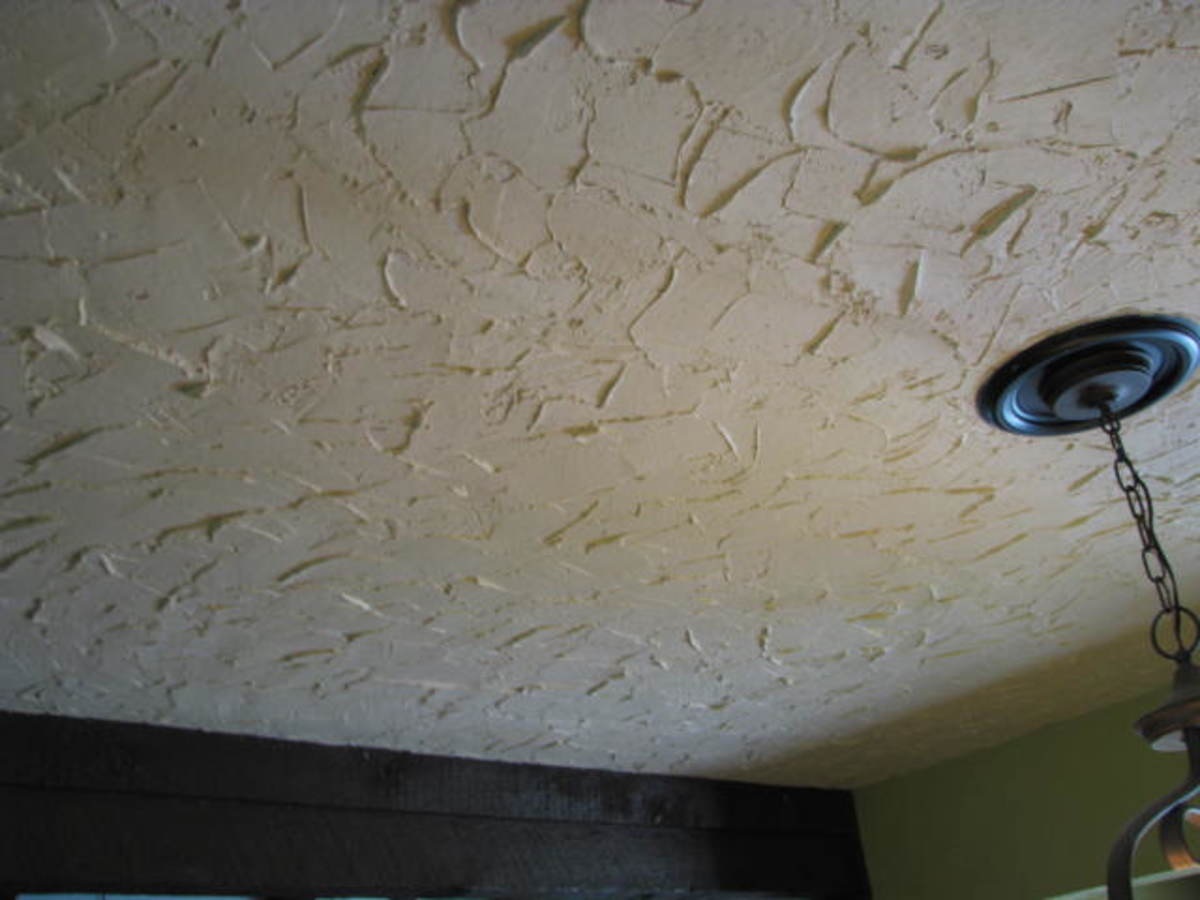
Popcorn ceilings are a well-known finish that resembles a bubble-like textured surface. They were trendy from the late 1960s to the mid-1990s. This is why homeowners who have had difficulty removing carpet and green tiles in the kitchen now want stucco removal.

Steps to Remove Popcorn Ceilings

The most effective way to remove a textured popcorn ceiling is to use a large paint scraper. However, if you do not follow the correct procedure and do not know the nuances, you can end up with a huge mess.

Here are some practical tips that you can use to remove popcorn ceilings from your home:

  1. Determine if your popcorn ceiling contains asbestos. If you built your home before 1980, there is a chance that your popcorn ceiling contains asbestos. This is a dangerous material that can cause serious health problems. To do this, buy a special test kit or hire a professional.
  2. Gather the right tools. To remove a popcorn ceiling, you will need a scraper, an aerosol can, a ladder, and safety equipment (goggles, gloves, and a respirator).
  3. Clear the space. Make sure the room is empty before removing a textured ceiling. Cover large items that you cannot take out with a heavy-duty tarp.
  4. Disconnect ceiling lights. This will reduce the risk of accidental damage. Secure electrical wires with special wire nuts to prevent electric shock while working.
  5. Protect electrical outlets and light fixtures. Cover them with plastic wrap and masking tape. This blockage will prevent water from entering the outlet and reduce the risk of short circuits.
  6. Protect floors, doors, and windows. Cover all surfaces with a heavy tarpaulin mat and secure it with masking tape.
  7. Wet the ceiling. Fill a spray bottle with warm water and a few drops of detergent and spray the ceiling.
  8. Scrape off the popcorn texture. You can use a wide putty knife for this. Use smooth, even movements to remove the material effectively. You can add more water to make the process easier. Wait 24 hours for the ceiling to dry before moving on to the next step.
  9. Apply a sanding coat and sand. This will help you fill in any gaps and provide a smooth surface. Let the mixture dry, and then sand again to remove uneven areas.

After this, you can prime and paint the ceiling as desired.

Finally, you can remove the mat, put the lamps and fans back, remove the socket covers, and arrange the furniture.

Removing the popcorn ceiling is quite problematic. This process requires special tools and skills. The main problem with removing popcorn texture is the colossal mess it creates. Only professionals can remove popcorn ceilings without dust and dirt. If you’re intimidated by cleaning or need more time, hiring professionals is a great way to solve the problem.

How to simplify the process of removing popcorn ceilings?

If you want to simplify removing popcorn ceiling as much as possible, use the services of professionals from Renovated-Home. Experienced craftsmen will help transform your home into the place of your dreams. Renovated-Home craftsmen use leading technologies to remove textured ceilings. The surface is removed without dust and mess.

The Renovated-Home team works in Toronto and provides the highest professional services. Сraftsmens have extensive experience leveling ceilings, so you will not have to wait long. They will perfectly level the surface and clean up everything after themselves, leaving a clean space in your home.

If you have questions about the cost, request a consultation. Managers will contact you and calculate the cost of work individually, considering the area, ceiling height, and the presence of furniture. Get a free consultation right now. For the Silo, Kristina Rigina.

World’s Largest Swapping Network Even Lets You Trade Your House

LOS ANGELES. HomeExchange – the world’s largest home exchange network with over 65,000 active listings in 150 countries – has launched HomeExchange Gold, an extension of its offering that caters to the luxury segment with a set of premium, personalized services.

“HomeExchange has always offered top-notch member support. As exchangers, we have it in our DNA,” said Jim Pickell, President of HomeExchange. “The depth of experience across our regionalized Support Team has been a signature of our commitment to the concept of sharing since we launched 24 years ago. We are excited to push the standard of service even higher, unparalleled in the industry, through HomeExchange Gold. This launch is about offering a Gold level of support to help ensure members find the right fit, not just a five-star home.”

HomeExchange Gold membership is ideal for home exchangers who have multiple homes or are looking for more personalized service through a dedicated Gold Exchange Specialist, reachable by phone, email or chat at anytime, from anywhere. The standard HomeExchange guarantee still holds of unlimited exchanges worldwide with no extra fees.

Even sailboat listings! Like this one in Greece.

HomeExchange Gold premium services include the Gold Exchange Specialist’s real-time assistance in optimizing profiles and listings for maximum exposure; and on-demand, personally curated listings – the best possible options – based on travel preferences like dates and destinations, number of bedrooms required, amenities (pool, beach, wi-fi, car…) and any special needs.

HomeExchange Gold members have a choice between connecting exclusively with fellow Gold members or making their listing visible to the entire community.

“Luxury today is about personalization, on-demand service, flexibility and freedom of choice,” explained Peter Anton, Director of Global Marketing. “HomeExchange Gold aggregates these four components as a first-class facilitator ensuring a great home exchange vacation.”

how home exchange worksThe higher level of service was added in response to demand by the growing segment of owners with second homes seeking to connect with others like them. However, based on the principle of flexibility and freedom of choice, all HomeExchange members will continue to be able to choose between traditional membership or upgrade to the more personalized level of service through HomeExchange Gold.


“We are very excited to launch this inclusive offer of premium services, available to all in our current community, as well as future members. Travelers have different needs and we now have different levels of service to enhance their home exchange experience,” concluded Anton. For the Silo, Alexandra Origet du Cluzea

At the time of writing, “HomeExchangeGold” annual membership is $560 Cdn and regular “HomeExchangeRegular” annual membership is $170 Cdn.

About HomeExchange

Founded by Ed Kushins, a pioneer of the “collaborative consumption” movement, HomeExchange has facilitated over one million home swaps since 1992. It was featured in 2006 in the cult movie “The Holiday” starring Cameron Diaz, Kate Winslet and Jude Law. In 2015, 65,000 HomeExchange members made 130,000 home swaps across 150 countries.  HomeExchange makes it easy to plan and enjoy a home exchange vacation and offers travelers a memorable, authentic experience. It was voted in November 2015 “Best Site for Booking Your Stay” by readers of USA TODAY and 10Best.

Should You Take Out a Second Mortgage?

With housing prices cooling off a bit but still generally soaring in cities across Canada, many homeowners are asking themselves how they can cash in on the market without actually having to sell their property. For many, a second mortgage will be the ideal way to do so.  

Second mortgages are one of the perfect mortgage solutions for homeowners who want to tap into their home equity to get lump-sum cash payments at low rates of interest. If you want to know if a second mortgage is right for you, here are three questions you should ask yourself. 

1. How Much Home Equity Do I Have? 

Before you start approaching mortgage brokers about a second mortgage, it’s a good idea to do some calculations around home equity, as the amount of money available to you through a second mortgage is determined by how much home equity you have.  

Fortunately, home equity is easy to calculate: simply subtract your existing mortgage from the current market value of your property. The difference is your home equity — the amount of your home value that you own outright.  

If you don’t know how much your home is worth, you can use a free calculator like this one to get a general estimate based on the going rate for properties in your neighbourhood. 

2. Should I Get a Home Equity Loan or Refinance? 

Generally speaking, there are two ways a homeowner can cash out a percentage of their equity: through refinancing or through a second mortgage. Both can be good ways to unlock capital, but which option you go for will depend in part on your financial situation. 

  • Refinancing: When you refinance your home, you replace an existing mortgage loan with a new mortgage loan. This new loan can be negotiated to include a cash payout based on your home equity, and while cashing out will likely extend the time it takes to pay off your mortgage, you will still only be dealing with a single mortgage loan.  
  • Second Mortgage: A second mortgage is an additional mortgage loan taken on against your home equity. Because it is an additional loan, it will usually come at a higher interest rate. 

In Canada, most mortgages are refinanced every five years, but they can also be refinanced more frequently. But if you already have a low interest rate on your existing mortgage and rates are increasing, a second mortgage may be the cheapest way to turn equity into cash. 

3. Will this Loan Save Me Money? 

A second mortgage can be a powerful financial tool, but it isn’t free money: you will still need to pay it back with interest, so you should be careful about how you use it.  

Taking out a second mortgage to consolidate debt, or to build an addition on your house, are smart investments because they put your money to work by reducing your interest payments or enhancing the value of your property. This puts you in a better financial position than you would have been if you didn’t borrow the money.  

Doing a cost/benefit analysis and working out how much money borrowing against home equity will save you is the key to making a strategic decision. 

Given how much real estate values have gone up over the past few years, figuring out how you can use your newfound wealth to improve your financial situation is essential for good money management. If you want to know more about whether a second mortgage is right for you, get in touch with a local mortgage broker to explore interest rates and options.  

Feautured image: Precondo CA Via Unsplash/ Silo Content Production

How to Use Your Home Equity to Deal with Unexpected Housing Costs

If you don’t have any available savings, your home equity can provide an immediate source of funds. 

Even the most responsible homeowners can find themselves faced with an unexpected home emergency repair or maintenance issue without the cash on hand to deal with it. If this is you, you are not alone. There are solutions available that can help you tap into your home equity to fund those projects without having to take out an expensive loan with the bank. 

Consider a Home Equity Line of Credit (HELOC) 

A Home Equity Line of Credit enables homeowners to access up to 85% of the value of their home for what they need. If you have owned your home for a number of years, then you have built up equity that can be used as collateral.  

A Home Equity Line of Credit is designed specifically to help homeowners cover these unexpected costs without worrying about their level of savings or credit score. Taking out a HELOC is a fast and convenient borrowing option because you can access the funds you need, pay it off and borrow again if needed. 

To calculate your home equity, simply follow this equation: 

The value of your property – the balance remaining on your mortgage = your home equity 

In many cases, you will pay less to borrow against your home equity than if you were to get an unsecured loan or line of credit. When you choose to work with a mortgage broker instead of the bank, you can get access to more lending options and at a lower interest rate.  

Take Out a Second Mortgage 

Many homeowners are aware of HELOCs but haven’t considered that second mortgages are also an available option. Essentially, a second mortgage functions as an additional mortgage loan. Both mortgages will need to eventually be paid off but because they normally come with much lower interest rates than unsecured loans, they can be an appealing option to borrow much needed funds. 

With the value of Ontario homes increasing due to the booming real estate market, many homeowners are using this opportunity to access the value of their home.  

You can use your second mortgage for anything as long as you continue to make your repayments. So, if you have a home maintenance or renovation project in mind, then it’s a good idea to consider a second mortgage now instead of waiting until it becomes an emergency situation. 

Work with a Trusted Mortgage Broker 

A mortgage broker acts as the intermediary between the financial institution offering the loan and the individual seeking the loan to buy real estate. The mortgage broker works with both parties to ensure the loan gets approved. The main benefit of working with an experienced mortgage broker is that he or she can work with a wide variety of lenders to find the best terms and rates. 

For those who are self-employed or don’t have stellar credit, working with a mortgage broker is advantageous because they are experienced at working with complex situations. This is especially critical for anyone who requires fast funding and has been turned down for a loan by the bank. 

A mortgage broker like Burke Financial specializes in handing challenging applications and works with people who have varying needs and circumstances.  

Regardless of whatever life problem you are facing, a mortgage broker can help you explore your options and find a solution to your problem so you can get back to other life tasks. For the Silo by our friends at Burke Financial.

Little Known Facts About Modern Sewer Repair Technologies

When dealing with damage to your house or municipal sewage system, you may have numerous concerns regarding your repair choices and preventive actions you may take to avoid future damage. Going through your repair choices and acting against sewage damage may be a lot easier with expert assistance.

Any pipe repair expert like pomplumbing.ca will tell you that there are methods available that offer long-lasting, reliable repairs without causing damage to your property or interfering with municipal traffic. We have taken the first of these repair measures for you in this article by presenting some little-known facts regarding contemporary sewage repair. 

1.) Modern Line Replacement is Extremely Effective

When we speak with homeowners about broken water lines or other severe plumbing problems that may arise under a number of conditions, we often discover that they are astonished to learn that repairs can be finished in only one day. What makes this possible?

By removing the need for significant work and physical digging, trenchless technologies enable plumbing experts to replace whole water lines in a matter of hours. Using sophisticated underground procedures, these experts can completely replace your water line pipes in a fraction of the time that conventional methods need. 

2.) Trenchless Alternatives Maintain Your Lawn

Trenchless experts may patch in or repair underground portions of broken pipe without digging the pipe out using epoxy Perma-liner solutions. The experts construct tiny, non-intrusive entrance ports and line these solutions along the walls of existing pipes using air pressure.

Specialists then cure the pipe to the interior walls using a long air bladder, resulting in a fully repaired pipe in a matter of hours. This avoids the need for costly pipe digging, or “trenching,” while still delivering high-quality water line replacements.

3.) Water Line Replacement Is Affordably Priced For Any Budget

The absence of digging, the smooth installation procedure, and the minimal overhead expenses all add up to one major advantage for homeowners: substantial savings. Trenchless line replacement makes sense not just from a practical perspective, but also from a budgetary one.

The effectiveness of trenchless replacement leads to significant savings in labor expenses, just as minimum grass digging reduces the need for costly landscaping. Trenchless restorations make sense in both the short and long term since the new pipe sections will last at least 50 years. 

Burst Pipes Causing Flood and Water Damage: The Facts – ServiceMaster of  Lethbridge

4.) A burst pipe may cause an existing water line to expand.

Pipe bursting, a water line replacement method, may potentially enhance the flow and efficiency of your current water lines. A replacement pipe is attached to a pointed bursting head and fed through badly damaged pipe sections in this manner. The bursting head actually bursts through the existing pipe, clearing the material away with its expanding, conical form.

This method clears the way for the larger (and more efficient) replacement pipe. It is a “two birds with one stone” line replacement method that addresses a broken pipe emergency while also improving general performance for decades to come.

5.) Trenchless Replacement is more secure than the alternative

Because trenchless water line replacements remove the need for significant digging, workers are less likely to uncover dangerous subterranean gasses, guaranteeing the safety of both the workers and your family.

Subterranean mold and asbestos are always a significant worry when it comes to trenching replacement techniques. Fortunately, with trenchless treatments, the worry of inadvertently coming across a hazardous mold concentration is a thing of the past. 

6.) Unrivaled Lifespan of Trenchless Water Lines

One of the most important things homeowners should know about trenchless water line replacement, as we said briefly earlier in this article, is how long the improvements can be anticipated to endure. While you may believe that Perma-liner, PVC replacement options are less dependable than other materials, this is a clear misunderstanding.

Homeowners should anticipate their new pipes to endure at least 50 years, if not much longer. Not only are these new pipes simple to install, but they also provide the peace of mind that homeowners want in their plumbing. 

How to Deal With Burst Water Pipes

7.) These Solutions Are Capable of Repairing Any Type of Damage

Before replacing your water line, trenchless plumbing experts will inspect it using snaking video technology to determine the amount and kind of damage. However, this is not the expert deciding whether or not they can repair your pipe; rather, it is for assessment reasons.

In fact, trenchless methods may repair damage from any cause or kind of damage. Trenchless replacements may address your line repair requirements whether they are caused by corrosion, root incursion, shifting soil, or fracture. 

8.) Trenchless technologies shield you against larger, more costly repairs.

Many people underestimate the usefulness of trenchless repair techniques as preventive measures when dealing with water line problems. The sooner you act, like with any other kind of house damage and repair job, the better.

Responding promptly to water line damage and finding creative trenchless repairs early on may save you from far more costly and extensive upgrades later on. When homeowners take action and treat their water line issues seriously, they will be able to obtain the repairs they need at much more suitable and inexpensive times. For the Silo, John Brooks.

What Single People Need to Do Before Buying A Home

The usual route to home ownership tends to start with meeting a special someone. When you’re a couple and you want to begin a life together, it makes more sense to get a new home for yourself. You may plan to get a roomier home for the two of you, and especially if kids are part of your plan in the foreseeable future.

What if you’re single? That doesn’t mean that you can’t get a house in Montreal, or a condo in NDG (Notre-Dame-de-Grâce) or anywhere else in Canada. Here are some tips that can help if you’re single and determined to buy your own home:

  1. Get your finances in order. This is the first and most important rule, as money will always be an issue for you especially since you don’t have a partner to share the expenses. It can be problematic to get a mortgage when you’re single since you’re less likely to repay a loan than two people together who both work for a living. So, pay off your credit card debts, raise your credit score, finish paying for your car, and have enough money to put down 20% of the house price as down payment.
  2. Have lots of money in the bank. What if you lose your job right after moving into your own home? You’ll need money for all your expenses while you search for a new job. You need some money in your bank account that’s equal to three to six times your monthly wages. Keep in mind that as a homeowner you have to pay for your home’s upkeep along with home insurance and property taxes. 
  3. Make sure to account for all your possible expenses. First-time owners are often unpleasantly surprised when they encounter expenses that they don’t normally deal with when they were apartment tenants. Home ownership can be very costly, especially when you have to remodel your home. It’s also difficult to estimate what you’d have to spend, especially when you have a backyard to maintain.
  4. See if a condo makes more sense for you. In general, a condo unit makes a lot more sense than an actual house if you’re still single. A condo will probably be located closer to where you work. It’ll also be located right in the middle of the city you’re in, so entertainment establishments are conveniently nearer. A condo building can have amenities that you’ll appreciate when they’re nearby, such as a gym or a salon. It also provides you with more social opportunities to meet new people so that you’re no longer single (if that’s what you want, of course).
  5. Be conscious about security. Security is another reason why condos work best for singles as they usually have guards in the lobby to keep out strangers. If you’re living in your own house, you may want to put in a strong lock on your doors and perhaps on your gate. You should make friends with your neighbours, who can call the police when they see strangers in your home when you’re not there. A security camera tied into your smartphone can help as well, though a dog can also be useful.
  6. Look for houses with a friend. Couples have the advantage of having someone to discuss their home options so that they’re more certain of their choices. If you’re looking for possible homes to buy, make sure you call a friend to come along. They can help you think logically so your emotions don’t get the best of you.

Of course, one “side effect” of having your own home when you’re single is that you generally become more attractive to potential partners. Just make sure you buy the right home when you can actually afford it, so you can actually enjoy your new status as a homeowner. For the Silo, Dimitry Karloff. 

10 Ways You Can Make Money from Your Condo

Many people are currently looking at Montreal condos for sale, as the present boom in the property market makes it an ideal investment. As these developments continue, Montreal is also becoming more and more attractive to employees, tourists, homeowners, and investors alike.

Planning to buy a condo and make money from it? Check out these tips:

  1. Assess your surroundings.

First, check your location and what that means for your rental property. Are you near offices? Are you in a family-friendly suburb? Are there other rental properties nearby? How much are they renting it out for? Check out the city government website for said information which can help you better estimate the possible return.

  1. Pick a target market.

Who are you renting out your condo to? This will dictate where you’ll advertise it and how much you’ll rent it out for. Try to pick a target market that’s not particularly saturated, especially considering the area where your condo is located.

  1. Force appreciation of your condo’s value.

Before you rent it out, you can actually force appreciation on its value by negotiating lower maintenance rates. If you can increase the efficiency of utilities like water and electricity, this will lower operating costs and increase value – making it more desirable to possible tenants.

  1. Prepare your condo for renting out.

You have to remember that you’ll also have competition, as you’re not the only rental property available. Depending on who you’re targeting, you should make it appealing and furnish it appropriately. By doing so, you’re making it the preferred choice of consumers.

  1. Put it out in the market.

Even if your condo is ready for renting out, that doesn’t mean you’ll automatically have tenants. You’ll need to advertise that the property available, and using the right channels is also key.

  1. Make all agreements clear.

Be very clear about your rental agreements. Is it a month-to-month contract or are you looking at something more long-term, like an annual lease? Who pays for the utilities? Who pays for the condo fees? Make sure the agreement between you and tenants is very clear to avoid future conflict.

  1. Rent out unused garage space.

Most condos come with a garage space, and you don’t necessarily have to include this in your rental package especially if your condo is in the city and your tenants don’t have a car anyway. You can always rent out the garage space as a lot of people are simply looking for a dependable parking space where they can park when going to work. .

  1. Rent out unused street parking space.

If your condo comes with street parking space, you can also rent this out separately to other tenants in the building.

  1. Consider other schemes.

Open your mind to other schemes for rental, like a weekday-only rental or short-term contracts. This is more likely to happen if your condo is located in a dense area like downtown Montreal, where you have office workers and tourists as well.

  1. Rent it out as office space.

If your condo is the studio type, you don’t have to make it residential. You can also rent it out as office space for professionals.