Tag Archives: Property

Residential Reinvention In North America

Maximizing Property Potential Via Popular Home Expansions 

maxadd1.png

For many homeowners, the need for more space arrives long before the desire to move. Growing families, remote work, multigenerational living, and changing lifestyles are pushing homeowners to rethink how their existing homes can evolve. Home additions have become one of the most practical ways to gain space, improve comfort, and increase property value without starting over in a new location. Yet deciding which type of addition makes sense requires a clear understanding of costs, construction complexity, and long term return on investment.

Across the United States as in Canada, home addition costs vary widely depending on region, labor availability, building codes, and design choices. In America, the average cost of a home addition often exceeds the commonly cited figure of $51,000 usd/ $70,000 cad, especially for projects involving plumbing, structural changes, or second story construction. Per square foot costs typically range from roughly $100 usd/ $137 cad to $500 usd/ $684 cad, depending on the type of addition and level of finish. Understanding these ranges helps homeowners plan realistically and avoid budget shock midway through construction.

A dry addition or a wet addition?  

One of the most important distinctions in home additions is whether a project is considered a dry addition or a wet addition. Dry additions include spaces such as bedrooms, living rooms, offices, or sunrooms that do not require plumbing. These additions are generally less expensive because they avoid water lines, drains, and complex waterproofing requirements. Wet additions include kitchens, bathrooms, and laundry rooms, which add cost due to plumbing work, additional permits, and stricter building code requirements. Knowing which category your project falls into is one of the most reliable ways to estimate overall expense early in the planning process.
maxadd2.png

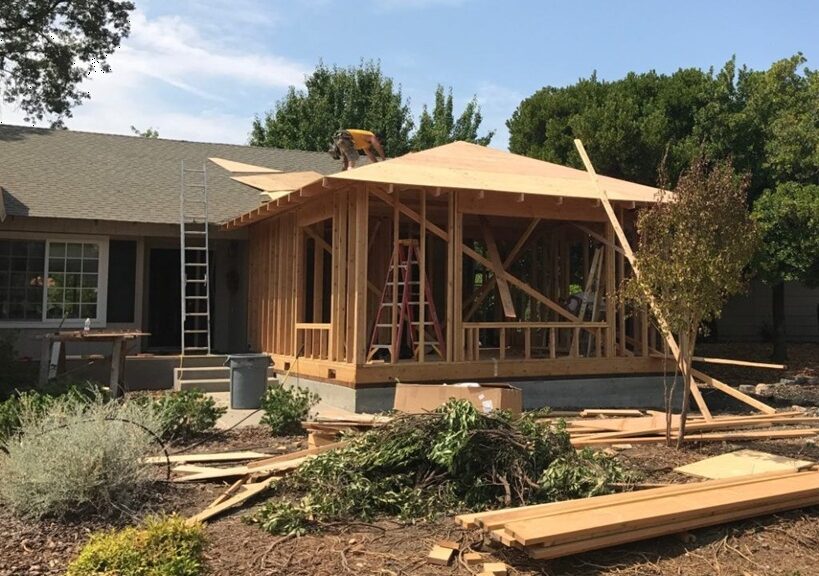
Room additions, often called bump outs, are among the most approachable projects for homeowners looking to add space without a full-scale renovation. These additions typically extend an existing room by a few feet to create more usable square footage. Nationally, bump outs often cost between $250 usd/ $342 cad and $500 usd/ $685 cad per square foot, depending on size and finish. While smaller in scope, they can dramatically improve daily living by relieving cramped layouts and improving functionality.

Adding a second story

Second story additions represent one of the most transformative but also most expensive home addition options. By building upward rather than outward, homeowners can double their living space without sacrificing yard area. These projects often range from $300 usd/ $410 cad to $500 usd/ $685 cad per square foot and require extensive structural reinforcement. Foundations, load bearing walls, and framing may need upgrades to support the added weight. Plumbing, electrical systems, and roofing are also typically impacted. While the upfront cost is significant, second story additions can deliver substantial long term value, particularly for homeowners committed to staying in place for many years.

Sunrooms offer a different kind of expansion, focusing on light, comfort, and connection to the outdoors. These spaces are often used as family rooms, dining areas, or quiet retreats. Costs typically fall between $200 usd/ $274 cad and $400 usd/ $547 cad per square foot, with total project budgets ranging from $40,000 usd/ $55,000 cad to $90,000 usd/ $123,000 cad or more. Three season sunrooms tend to be less expensive, while fully insulated, climate controlled spaces cost more but offer year round usability. Energy efficiency requirements and insulation quality play a major role in pricing.

maxadd3.png

The most cost effective way to add livable space

Garage conversions are one of the most cost-effective ways to add livable space because they utilize an existing structure. Nationally, these projects often range from $120 to $200 per square foot, with total costs commonly between $20,000 usd/ $27,300 cad and $50,000 usd/ $68,400 cad. Conversions typically involve insulation, drywall, flooring, electrical upgrades, and heating or cooling systems. Adding a bathroom increases both cost and value, but requires plumbing work and additional permits. For homeowners seeking flexibility without major exterior changes, garage conversions often deliver strong value.

Over the garage additions combine vertical expansion with efficient land use. These projects create new living space above an existing garage and commonly cost between $250 usd/ $340 cad and $400 usd/ $550 cad per square foot. Structural reinforcement is often required, and design integration with the main house is critical. When executed well, over the garage additions add bedrooms, guest suites, or home offices without reducing yard space, making them appealing in many suburban and urban settings.

ADU- aka the accessory dwelling unit
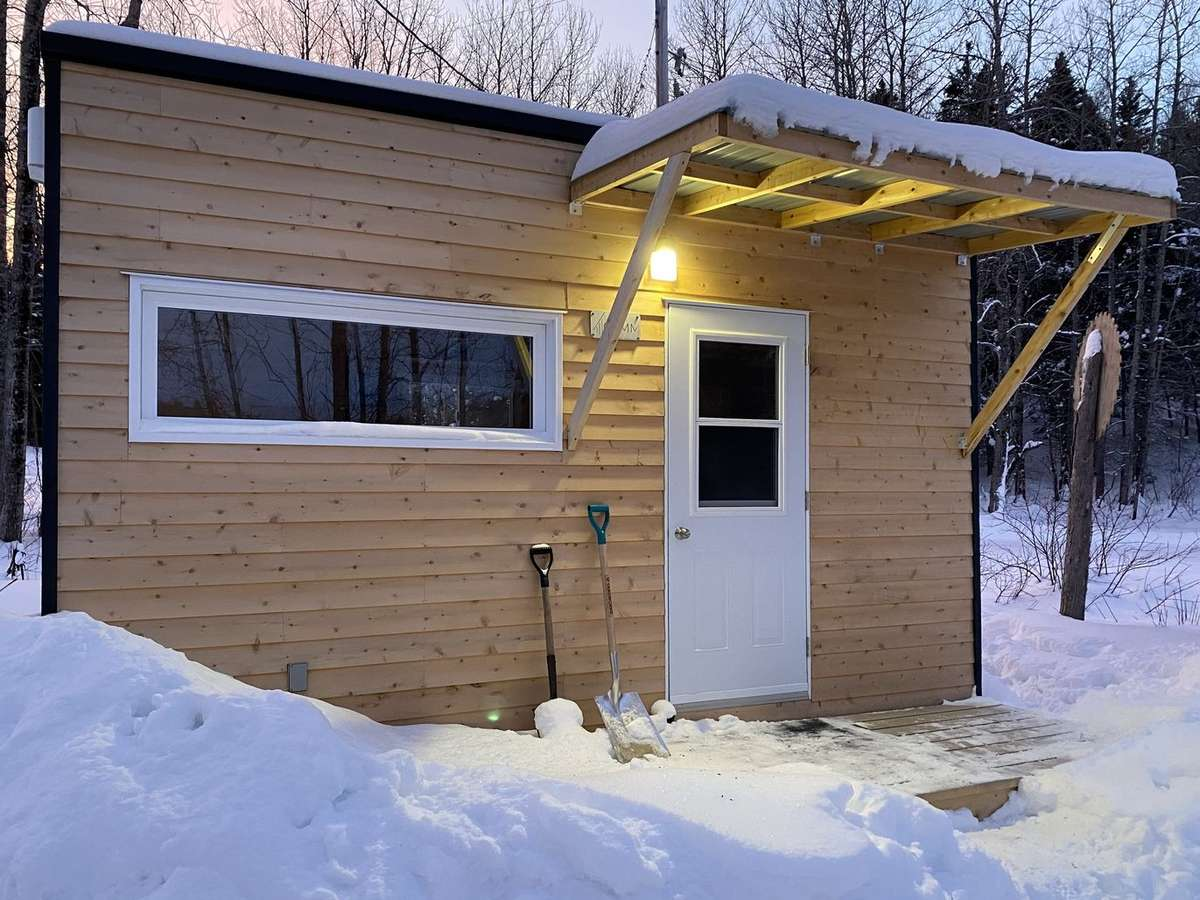
Accessory dwelling units have become increasingly popular as homeowners look for rental income opportunities or space for extended family. ADU costs vary widely but often fall between $100,000 usd/ $137,000 cad and $300,000 usd/ $410,400 cad depending on size, design, and site conditions. Well planned ADUs can generate significant returns through rental income while increasing overall property value. In many markets, returns between 50 and 80 percent are possible when long term income and appreciation are considered together.

The most complex home improvement

maxadd4.png

Kitchen expansions and additions are among the most complex home improvement projects. Building a new kitchen or expanding an existing one typically ranges from $50,000 usd/ $68,400 cad to $150,000 usd/ $205,200 cad or more. These projects involve plumbing, gas lines, electrical systems, ventilation, and often structural changes. High quality finishes, appliances, and cabinetry can significantly increase costs, but kitchens consistently rank among the highest value improvements for resale.

Expensive to be sure

Bathroom additions and expansions also carry meaningful costs but deliver strong returns. Adding a new bathroom often ranges from $30,000 usd/ $41,000 cad to $75,000 usd / $102,600 caddepending on size and plumbing complexity. Expanding an existing bathroom typically costs less but still requires careful planning around waterproofing, ventilation, and fixture selection. Bathrooms add both daily convenience and resale appeal, particularly in homes with limited existing bath space.

What type of addition should you choose?

Choosing the right type of home addition requires balancing personal lifestyle needs with financial considerations. Homeowners should assess how they use their space today, how that use may change in the future, and which additions offer the greatest functional improvement. Equally important is considering how future buyers might perceive the added space. Additions that align with common buyer preferences tend to deliver stronger returns.

maxadd5.png

Successful home additions are built on careful planning. Hidden costs such as permit fees, utility upgrades, and structural repairs can emerge once construction begins. Understanding local building requirements, maintaining detailed budgets, and setting aside contingency funds are critical steps. Consulting experienced professionals early in the process helps homeowners avoid delays, unexpected expenses, and design mistakes that can be costly to correct later.

It’s not just about square footage

Ultimately, home additions are not just about adding square footage. They are about adapting a home to better serve the people who live there. When thoughtfully planned, an addition can improve daily life, increase long term property value, and allow homeowners to remain in communities they love. With clear expectations, realistic budgets, and informed decision making, home additions can be one of the most rewarding investments a homeowner makes. For the Silo, Jon Grishpul/ Greatbuildz.com.

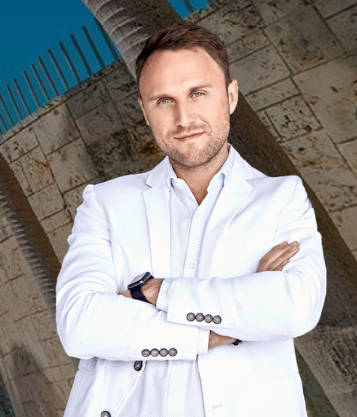
When To Accept First Offer On Your House: Insights From Denis Smykalov

When selling a house, one of the most challenging decisions is determining whether to accept the first offer and move on or wait for a better one to come along. According to Denis Smykalov, founder and broker of Wolsen Real Estate, there are several factors to consider when deciding whether to accept the first offer.

Mr. Smykalov believes that the quality of the offer goes beyond the price tag.

Denis Smykalov

A strong offer could entail fewer contingencies or a flexible closing date. If a buyer is pre-approved for a mortgage and is not asking for many contingencies, it may be in the seller’s best interest to accept the initial offer.

The current real estate market can also play a significant role in deciding whether to accept the first offer. It may be wise to accept a reasonable offer in a buyer’s market to avoid the property staying on the market for an extended period. On the other hand, in a seller’s market, where demand outpaces supply, sellers may receive offers that meet or exceed the asking price. If the buyer has strong financing, it could be a good idea to accept the first offer.

Speed is also a significant factor in determining whether to accept a first offer.

If the seller needs to move quickly or has already purchased another home, accepting the first offer might be the best option. In these cases, a bird in the hand is often worth two in the bush.

Feedback from a real estate agent is also essential in making a decision. A good agent understands the market and can advise whether the initial offer is competitive based on the current conditions.

Lastly, if the seller believes they have priced their home correctly and the first offer aligns with their expectations, it may be a good idea to accept it. Ultimately, only the seller can determine what offer price they are comfortable with. If the first offer meets that threshold, it could be a good time to make a deal.

It is essential to remember that each selling situation is unique, and these guidelines only provide a starting point. Sellers should always consult a real estate professional who understands their specific situation and the local market conditions.

In conclusion, accepting the first offer is a decision that requires careful consideration.

Denis Smykalov’s insights provide valuable guidance in determining whether the initial offer is the best option. With extensive experience in the industry, Mr. Smykalov’s expertise can help sellers make informed decisions when it comes to selling their home. For the Silo, Katherine Fleischman.

More about Denis:

Denis Smykalov built his career in the real estate industry over the last nine years by following his passion for being innovative, people and bringing the two together in the ideal environment. Achieving this goal so young, Smykalov decided to open an office in Sunny Isles Beach and became the owner of Wolsen Real Estate.

With business on the rise, at one point there were 65 agents. Now there are 25 agents, a marketing department, social media department sales department and 3 assistants that have successfully helped bring in almost 80 million dollars in sales this year. His most notable accomplishments with Wolsen Real Estate were two crypto transactions. One was a resale at Marina Blue for $465,000, pre-construction at Waldorf Astoria for over $2.5 million as well as a villa sale on Hibiscus Island for $19 million.

Yankee Candle Founder’s Estate: “like having Disneyland in the backyard”

Michael Kittredge started making candles as a teenager and selling them to friends and family. One of his first products was a Christmas candle he made for his mother on the family stove out of his melted crayons and a wick from a shoelace. Within a few years, he had opened his first Yankee Candle Shop in his hometown of South Hadley, Massachusetts. The business expanded to become the wildly successful Yankee Candle Company whos candles are sold all over America.

In a 1986 interview with New England Business, Mr. Kittredge recalled that a visiting machinery salesman from Germany had declared him crazy for not investing in automation at his plant in Deerfield. “Then,” Mr. Kittredge said, “I went out to my Porsche and got my tennis racket to go out and play on my tennis courts, and I said, ’Yeah, I’m crazy. What are you driving?’” The Wall Street Journal
A long time guitarist, Michael Kittredge switched to the drums after having a stroke. He died in 2019 at the age of 67.

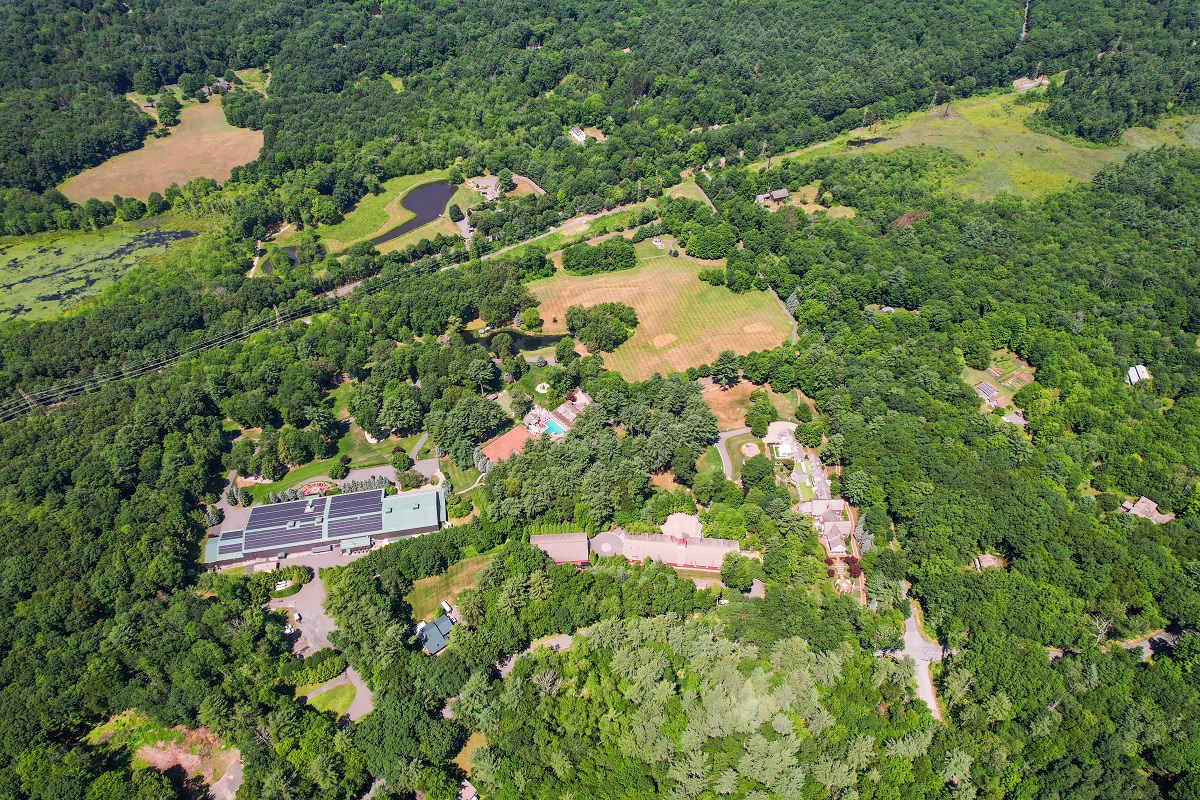
Kittredge cashed out in 1998, selling 90% of his company for $500 million USD/ $683 million CAD. He used the money to jet around the world, collect luxury sports cars, drink $20,000 USD/ $27,000 CAD bottles of wine, and construct a fantastic compound on over 60 acres of parkland in idyllic Western Massachusetts. With the entrepreneur’s passing in 2019, the estate his son described as “like having Disneyland in the backyard” has been listed for $23 million USD/ $31.4 million CAD .

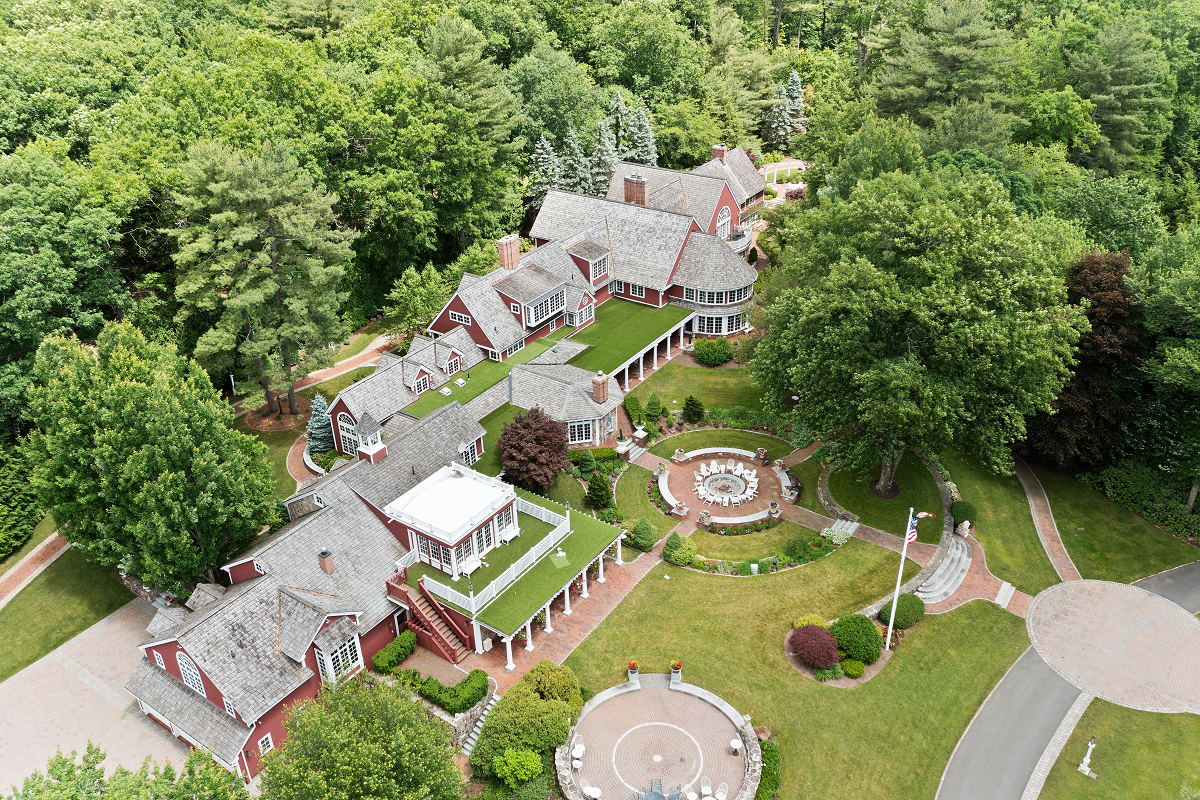
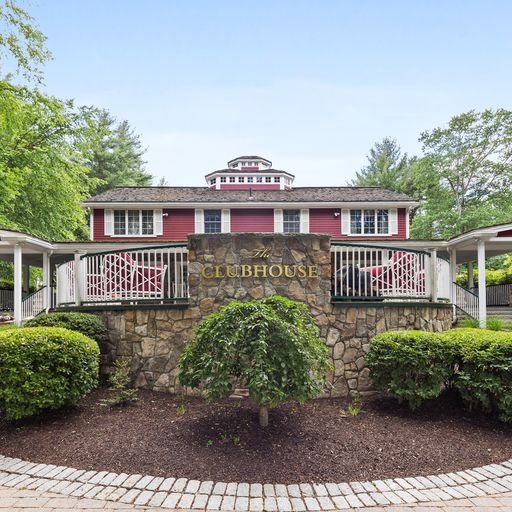
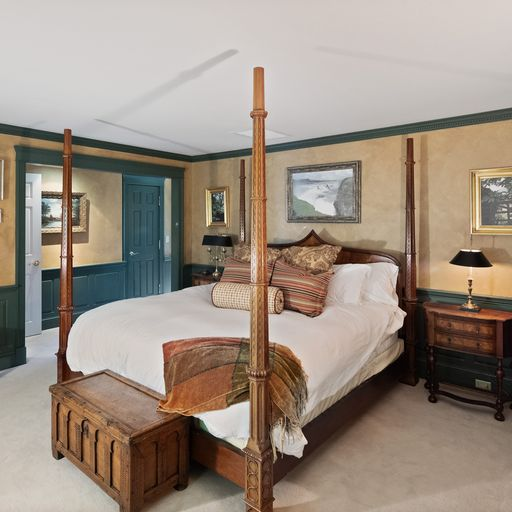
Generous with friends, family, and employees, Kittredge designed his compound to entertain his guests in the utmost luxury. Sparing no expense, the eight Colonial-style structures on the property were constructed with the finest materials from all over the world. The main house includes five bedrooms, six full bathrooms and five half baths, and over 25,0000 square feet of living space.

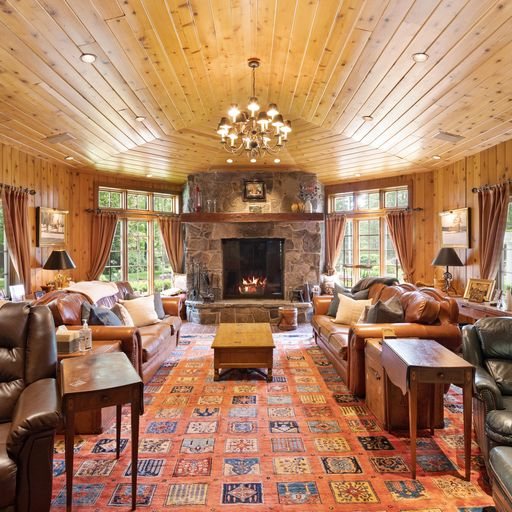
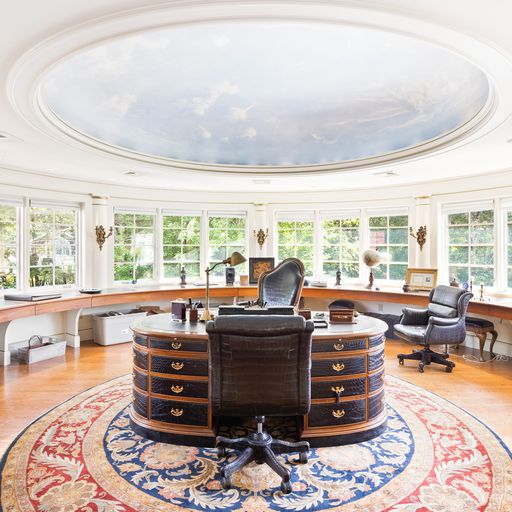
The home features 11 fireplaces spread across multiple levels, a solarium, an oval office with glass walls, a pine-paneled living room with built-ins, and a stunning two-story great room with a balcony and an atrium-like ceiling. Two commercial-grade kitchens, one with five islands, and a wine grotto allow for large-scale entertaining.

The 9 hole golf course is just beyond….

Meandering paths on the property wander past ponds, fountains, waterfalls, and gardens to connect the main home with the estate’s many amenities. Several guest homes and staff quarters bring the bedroom total up to sixteen.

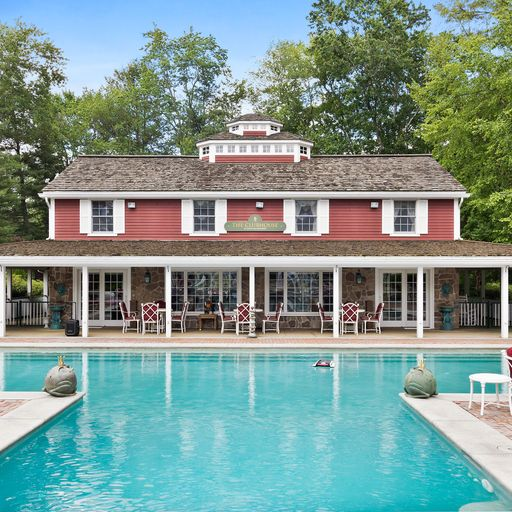
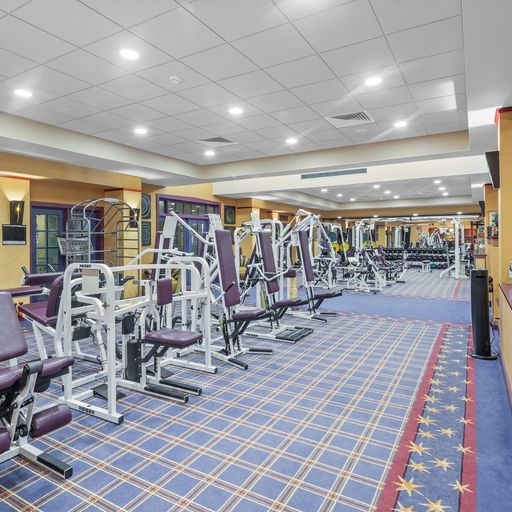
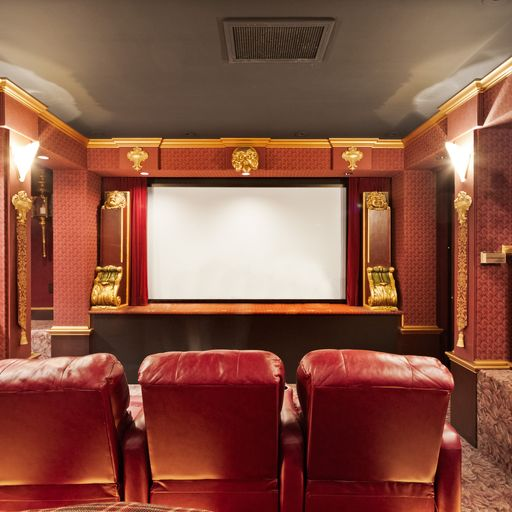
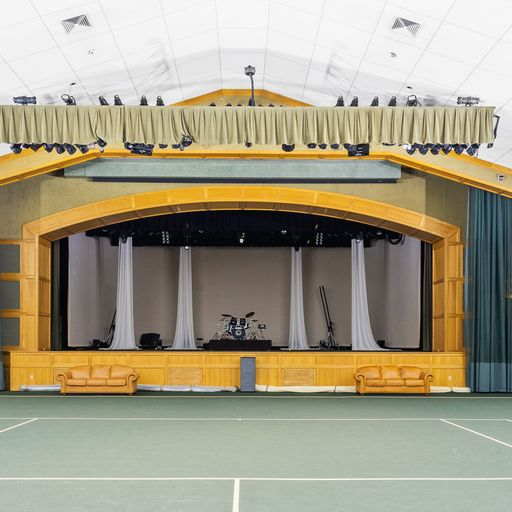
Three tennis courts, a T-shaped pool with expansive deck and fully equipped cabana, and a nine-hole golf course offer hours of athletic fun. For relaxation, the compound includes an epic 55,000-square-foot spa complex complete with multiple gyms and massage areas, saunas, a steam room, and an indoor tennis court with stadium seating.

The state-of-the-art, 4,000-square-foot outdoor stage has hosted such bands as Hall & Oates, The Doobie Brothers, KC and The Sunshine Band, and Eric Burdon & The Animals. A two-story arcade features pinball, slots, arcade games, and a three-lane bowling alley.

Two huge garages offer plenty of space for high-end toys while a full-sized auditorium offers another venue for concerts and shows. A truly spectacular indoor water park, modeled after the Bellagio in Las Vegas, with palm trees, water slides, and pools, completes the one-of-a-kind entertainment pavilion.

A sleepy town with less than 2,000 residents founded in 1750, Leverett, Massachusetts is best known for the Buddhist monument New England Peace Pagoda, historic churches, and a scenic chasm called Rattlesnake Gutter. It is close to the five-college area of Amherst, Hampshire, Smith, Mt. Holyoke, and the University of Massachusetts.

The listing is held by Johnny Hatem Jr. of The Sarkis Team at Douglas Elliman. For the Silo by Terry Walsh /TopTenRealEstateDeals.com

Families That Fight Over Inheritance

The recently deceased don’t always ingratiate themselves with their survivors when it comes time to read the will.

“People want to control things from the grave, not just throw a bunch of money in a beneficiary’s lap,” says family wealth guru John Pankauski, author of the new book, “Pankauski’s Trustee’s Guide: 10 Steps to Family Trustee Excellence.”

It’s their money so that’s their right.Fighting Over Money

But family members aren’t always crazy about how the deceased divided up the money or, if the inheritance was put into a trust, the restrictions that are placed on how the money is spent.

And often ill feelings among family members can bubble to the surface when money is at stake.

“I deal with sibling rivalries, petty jealousies and childhood grudges played out by adults who are decades older, but no more mature,” says Pankauski, founder of the Pankauski Law Firm (www.pankauskilawfirm.com), which specializes in trust and estate law. “It makes me think that part of my job is to be a wealth psychologist.”

Often, an inheritance isn’t doled out immediately. Instead, it’s placed in a trust with a trustee to oversee it, making decisions on when and how to distribute the money based on the terms of the trust.

In many situations, that works out fine. But in seriously dysfunctional families, that can make a bad situation borderline intolerable.

Sense Of Entitlement

Pankauski says any number of factors can lead to family feuds or general disgruntlement over an inheritance. Here are just a few:

•  Sense of entitlement. Many beneficiaries have a misplaced sense of entitlement to an inheritance. They just expect that mom or dad will leave them money or property. In their minds, it’s what they have coming to them. “The truth is, you can dispose of your property any way you want,” Pankauski says. “There is no right to an inheritance and just about anyone can be disinherited.”

So if people want to leave their money in a trust for a family pet, or bequeath everything to a neighbor, a mistress or a charity, they have every right to do so, assuming they are competent and know what they are doing. “It’s their money,” Pankauski says. “They can do with it as they wish.” Other than dealing with a spouse, there are almost no restrictions.

•  The audacity of the trust. Family members often become frustrated and angry when they realize they inherited money, but it’s in a trust and there are strings attached.  “The beneficiaries view trusts as handcuffs on their money,” Pankauski says. “A trust takes all those family members’ personal feelings and emotions, all that baggage, and adds money to create a financial stew into which the beneficiaries are thrown.”

Often, because beneficiaries don’t like it that a trustee gets to make decisions on when and how they get a portion of their inheritance, family members will seek counsel and try to “bust the trust.”

•  An implied accusation of financial irresponsibility. At some point it may begin to dawn on beneficiaries that one reason the inheritance was placed in a trust is that the deceased didn’t view them as responsible with money. “That may seem insulting, but it doesn’t have to be,” Pankauski says. “Many would argue that most people are irresponsible with money, particularly a large sum of inherited money that appears out of the blue, much like winning a lottery.”
Sometimes at least a portion of the family animosity might be avoided by better planning when the will is being written and the trust created.
“When beneficiaries don’t get along,” Pankauski says, “it may make more sense to cut their financial ties by either creating multiple separate shares within the trust or creating separate trusts altogether.”

For the Silo, John Pankauski, LLP.


Celebrity Homes: Andy Warhol Home Sold For $50 Million USD

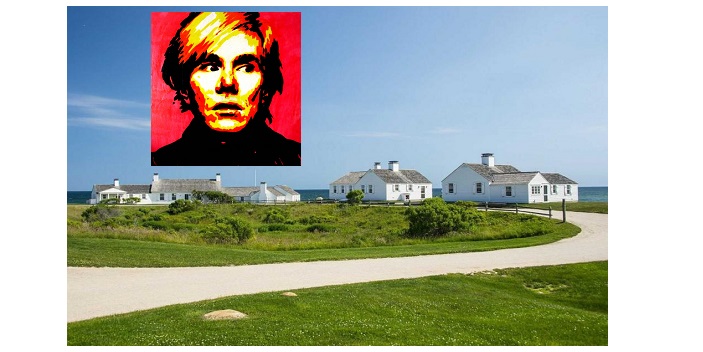
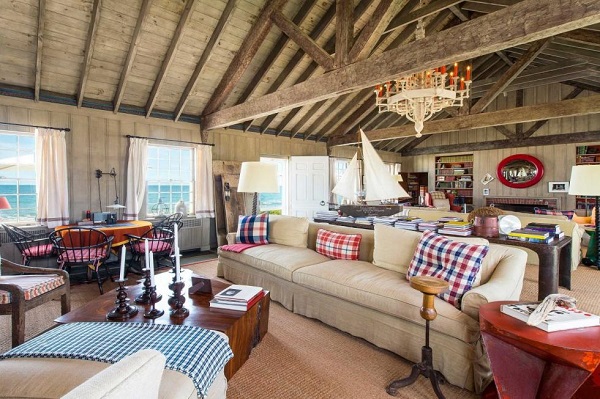
Warhol Home InteriorsMontauk, New York was celebrating its biggest estate sale ever after the closing on the 5.7-acre beachfront estate at $50 million USD that pop artist Andy Warhol bought in 1972 for $225,000 USD.

The most recent owner of the compound was CEO of J. Crew, Mickey Drexler, who bought it in 2007 for $27 million USD. He listed it in 2015 for $85 millionUSD that included a 24-acre horse farm and equine center, which the buyer, Adam Lindemann, opted out of the purchase. Lindemann is the founder of the Venus Over Manhattan Gallery and a major collector of Warhol’s works making the property’s history especially significant for him.

Warhol’s first gig out of art school was as a fashion illustrator for several of the top women’s magazines. With the money acquired from his illustrations, he purchased a large loft on New York’s West Side and opened the Factory, where he turned toward creating industrial art. It wasn’t long before the Factory and Andy were attracting like-minded modernists from hippies to wannabe journalists and actors to drag queens and drug addicts. It was the start of New York’s avant-garde scene where Warhol held court. In addition to his painting, he branched out into music, film and journalism where he met Paul Morrissey who became the director of some of Warhol’s early films.

Warhol Interior Large1

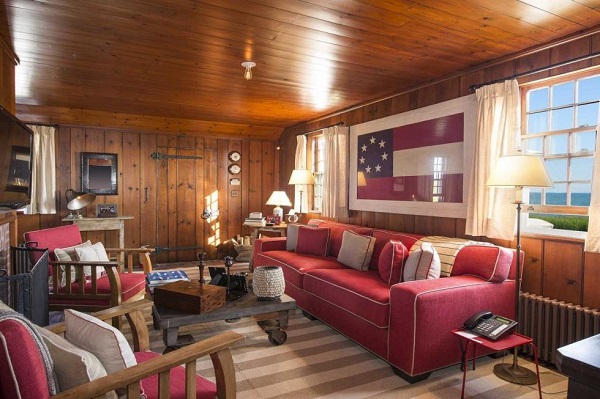
In 1972 when Warhol’s popularity and success were peaking, he and Morrissey decided to invest in property in the Hamptons and purchased the family fishing camp of the Church family of Arm & Hammer Baking Soda fame. The estate includes a 3,800-square-foot main house and five cottages completely hidden from public view with wide beaches and ocean views. Totaling almost 15,000 square feet with nine bedrooms and twelve baths, Drexler had it all meticulously restored by architect Thierry Despont.

Warhol’s stream of celebrity guests and renters put Montauk on the international map. Frequent guests included Liza Minnelli, Liz Taylor, John Lennon, Mick Jagger, Jackie Kennedy and Lee Radziwill. The parties were legendary and stories of happy days idled away on the Hamptons’ beach are recounted in many celebrity biographies.

Warhol Interior Large2

Even though the Warhol home sale set a record at $50 million USD, his most famous paintings such as “Eight Elvises” and “Silver Car Crash” have sold for $100 million USD and higher. The listing agent was Paul Brennan of Douglas Elliman Real Estate in Montauk, New York. Visit here for more information.

Supplemental– David Bowie as Andy Warhol in Basquiat

Who Owns Which Celebrity Mansion? Take The Quiz And Find Out

This piece quizzes you by presenting the interior of some of the most lavish celebrity homes and asking which celebrity owns the property.

Look closely and think before making your choices- there are clues hidden…..somewhere.


ALIPH Allocates USD 10 Million For Cultural Heritage Protection In 12 Conflict Countries

Geneva, December 2019 

The International alliance for the protection of heritage in conflict areas (ALIPH) said on Tuesday it has allocated another USD 10 million to support 20 projects that safeguard cultural heritage in 12 countries struggling to recover from conflict, particularly in the Middle East and Africa.

Cultural heritage has been targeted in recent years by armed conflicts; its rehabilitation is now essential for social and cultural reconstruction efforts in affected countries.

ALIPH is the only global fund dedicated to the protection of cultural heritage in conflict areas. To this end, the foundation finances preventive measures, emergency interventions and concrete post-conflict rehabilitation projects all around the world.

Created in response to the massive destruction of cultural heritage in the Middle East and the Sahel region, its offices opened in Geneva in September 2018. These 20 new projects will bring this young organization’s total number of supported projects to 43, for a financing envelope of more than USD 17 million to date.

“Through these interventions, we reaffirm our commitment to help preserve mankind’s collective history and to assist those living in countries affected by conflict in building a renewed sense of hope, community and dignity”, said Dr. Thomas S. Kaplan, Chair of ALIPH Foundation Board. 

This new funding announcement deepens ALIPH’s engagement in three areas of intervention: protecting monuments and sites, safeguarding museums and their collections, and documenting and interconnecting heritage.

The Alliance will also fund, for the first time, an intangible heritage project in Afghanistan to safeguard decorative tile making, carpet weaving and Tambor making. “ALIPH’s support will allow our team to protect, safeguard, and document our priceless heritage which has been gravely weakened by decades of conflict across Afghanistan,” said Hamid Hemat, Cultural Heritage Senior Specialist and Project Manager, at the NGO Turquoise Mountain.

Image result for Hamid Hemat,
Hamid Hemat

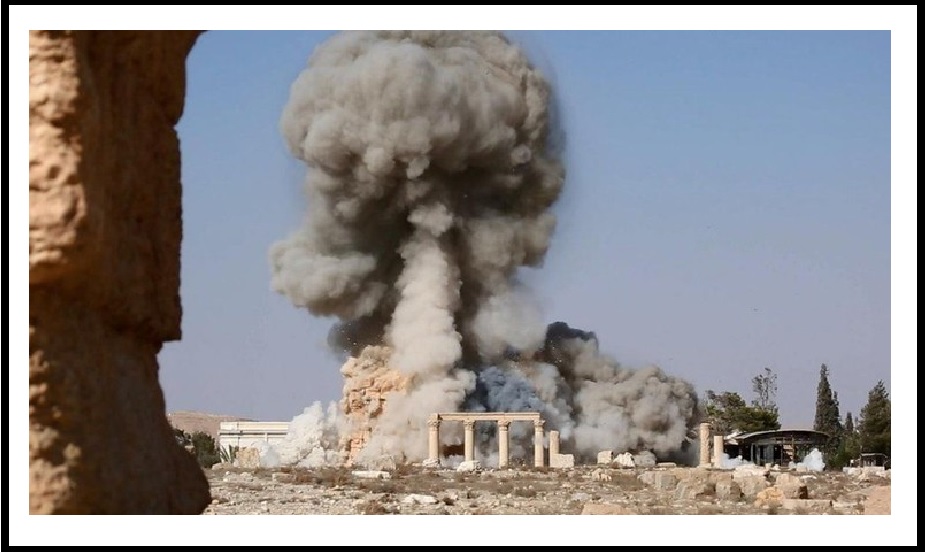
This funding cycle will expand ALIPH’s presence from 7 to 12 countries: Afghanistan, Eritrea, Georgia, Iraq, Lebanon, Libya, Palestine, Peru, Somalia, Sudan, Yemen and a project in Denmark to digitize documents on the heritage of Palmyra, Syria. The depth and scope of these projects is possible only because of the strong support of its Member States and private donors.

ALIPH’s ongoing projects have already achieved several milestones, in particular the long-term initiative “Mosul Mosaic” (Iraq) that aims to rehabilitate sites representative of the cultural and religious diversity of the Old City. For instance, the Mosul Museum has now been stabilized, part of its collections safely stored, and its overall rehabilitation action plan finalized. The next step has just been approved by ALIPH, which aims to restore the collections, build capacities and pave the way for the building’s reconstruction.

Two emergency grants in Africa have also concluded: in Mali, staff were trained at the Al-Aqib Library in Timbuktu to restore 3,000 manuscripts, and in Abidjan, the protection of the collection of the Musée des Civilisation de Côte d’Ivoire has been reinforced. “This excellent project is the first of its kind in West Africa. Indeed, thanks to ALIPH’s generous support, the collections of the Museum are now well protected,” said Museum Director, Dr. Silvie Memel-Kassi.

Dr. Silvie Memel-Kassi

Download Factsheet about the projects

About ALIPH

The International alliance for the protection of heritage in conflict areas (ALIPH) provides concrete support for the protection and reconstruction of cultural heritage in conflict zones and post-conflict situations. The Alliance was founded in March 2017 in response to the massive destruction of outstanding, often ancient, cultural heritage in recent years. Operating under Swiss law, this Geneva-based foundation, also has the status of an international organization.

ALIPH financially supports associations, foundations, academic, cultural and heritage institutions, and international organizations working to preserve cultural heritage in the face of imminent conflict or to intervene for its rehabilitation. Its three areas of intervention are: preventive protection to limit the risks of destruction, emergency measures to ensure the security of heritage, and post-conflict actions to enable local populations to once again enjoy their cultural heritage.

ALIPH selects projects through regular calls—the next call will be open from 15 January-16 March. Emergency relief funding can also be applied for on a rolling basis. More information available at: www.aliph-foundation.orgFor the Silo, Sandra Bialystok Aliph Communication and Partnerships Officer.

Ontario Lawyer Book Outlines Path To Successful Divorce

Noted family lawyer Russell Alexander has written a book outlining the path to a successful divorce, taking readers step-by-step through the process from finding a lawyer to handling post- litigation issues. This one of the few books that touches exclusively on Ontario divorce law.

“It made me realize how much hunger there is for information on how divorces work,” said Alexander. “No one ever expects to get a divorce, so it’s not a subject that people spend much time learning about until they are facing one. It can be hard to catch up at such a stressful time.”

In 300+ pages, Alexander’s book, “The Path to a Successful Divorce,” aims to give readers a solid grounding on the key questions about family law that they’ll face as they go through a divorce, including whether they’ll need a separation agreement first, how courts view adultery and why representing yourself is a bad idea.

Using his knowledge of Canadian case law, Alexander also peppered the book with interesting anecdotes about real divorces that illustrate how some of these issues play out, such as a father who sent abusive text messages and a couple who were married in front of 500 people but never obtained a marriage license.

“Every divorce is unique,” Alexander said. “But there are principles that underlie the process that you need to understand before you move forward in a divorce. This is one case where what you don’t know can hurt you. Hopefully this book will help readers avoid that problem.”

The book is now available for purchase on Amazon Kindle and will be available in print on Amazon and on the firm’ s website later this spring. For more details, contact:  [email protected]

Russell Alexander Family Lawyers is committed to practicing exclusively in the area of family law in Ontario dealing with all aspects, including separation and divorce, child custody and access, spousal support, child support, and division of family property. A team of lawyers provide guidance from start to finish, helping clients identify and understand the legal issues as well as the options and opportunities available through the transition. The firm has offices in Lindsay, Whitby, and Markham, Ontario. For the Silo, Alison Beckwith .