ALUULA Composites, super-strong, lightweight polyethylene material is now being used to develop expandable habitats for NASA’s astronauts to live safely and comfortably on the moon for the 2027 planned landing.
This small company on Canada’s west coast is playing a big role to help astronauts return and orbit the moon in 2026.
Artemis II crew members (from left) CSA (Canadian Space Agency) astronaut Jeremy Hansen, and NASA astronauts Christina Koch, Victor Glover, and Reid Wiseman walk out of Astronaut Crew Quarters inside the Neil Armstrong Operations and Checkout Building to the Artemis crew transportation vehicles prior to traveling to Launch Pad 39B as part of an integrated ground systems test at Kennedy Space Center in Florida photo: NASA
ALUULA Composites recently signed an agreement with Max Space, an American company, to use its innovative composite material to build space habitats on the moon. The company’s ultra-high-molecular-weight polyethylene (UHMWPE) laminate will be used to create a large living and working area for NASA’s astronauts when they return to the moon in September 2026.
The innovative material was selected because it has eight times the strength-to-weight ratio of steel and is extremely durable, which is ideal for space travel.
The Max Space team with their new expandable space habitat. photo: Max Space
The first Max Space inflatable space habitat is slated to launch with SpaceX in 2026. The Max Space inflatables can be delivered into space in very small packages and then unfolded and expanded to create a much larger work space. For the Silo, Paul Clarke.
Ontario Government Strips 106 Species at Risk of all Provincial Recognition
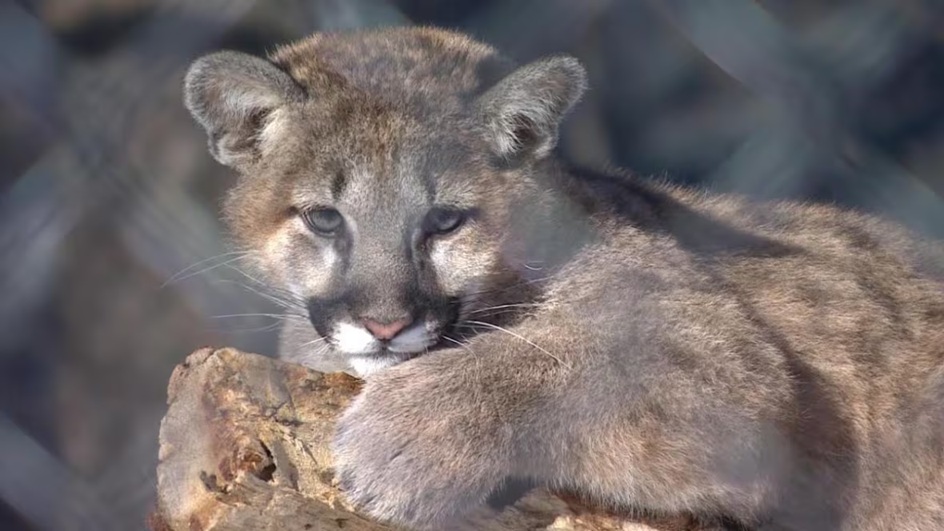
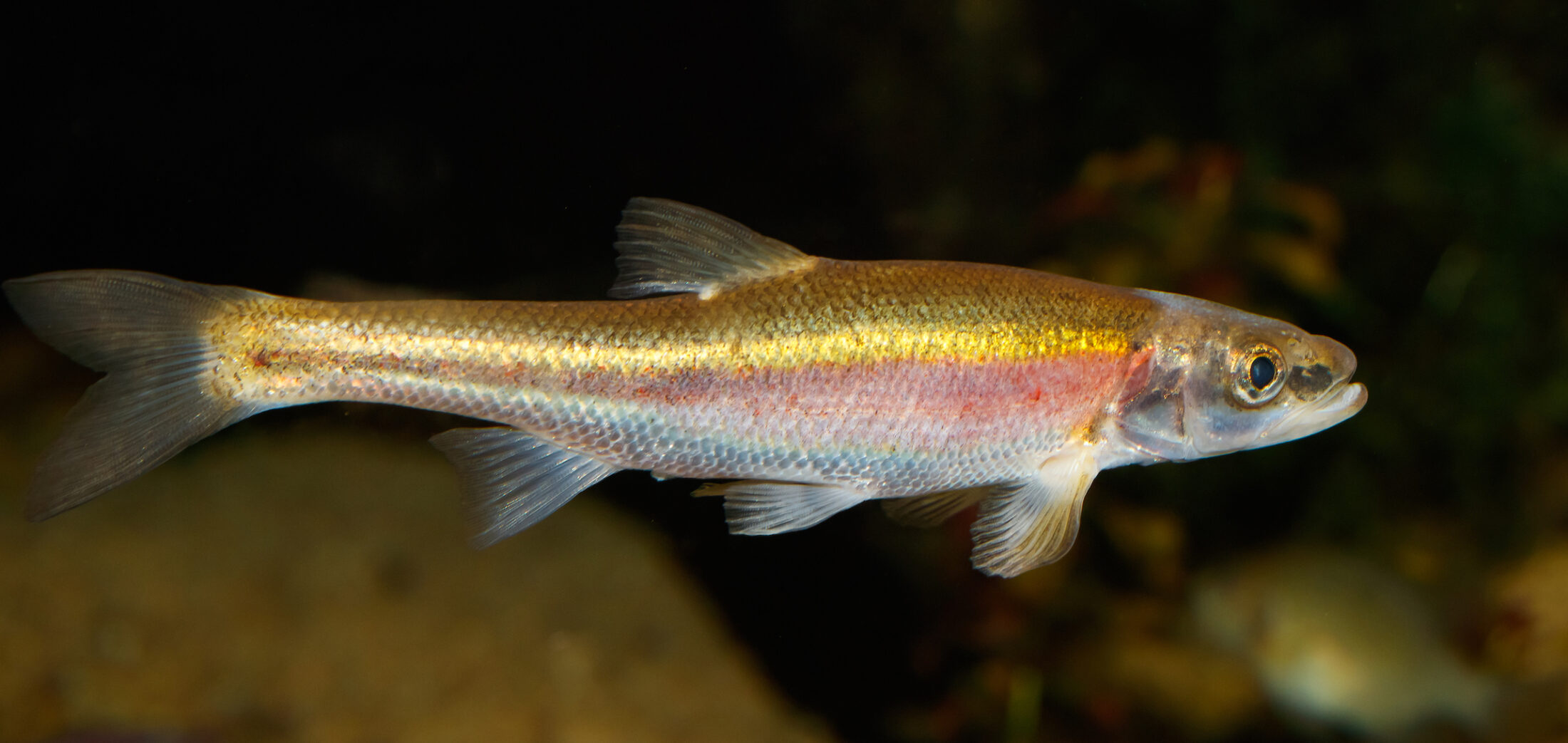
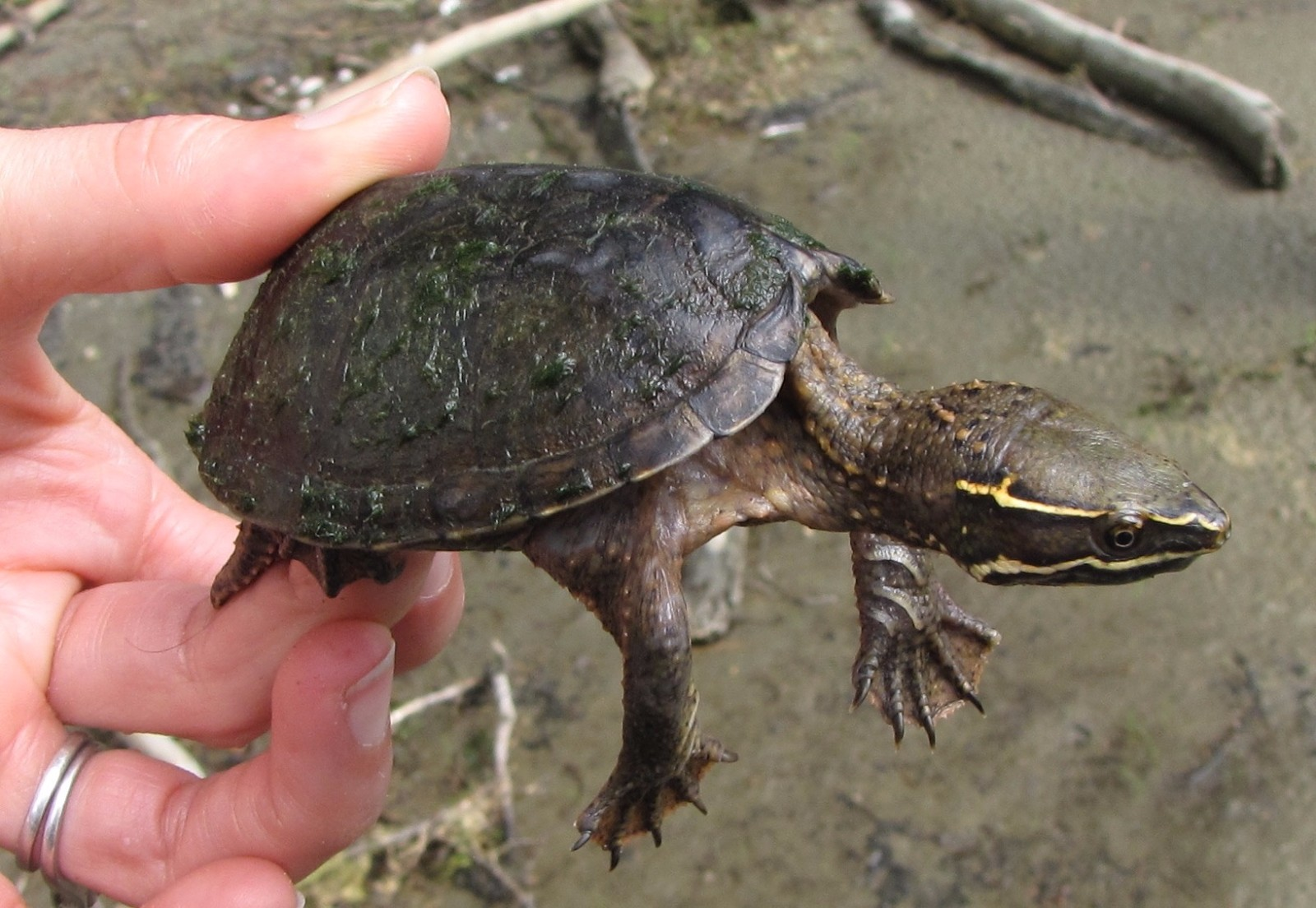
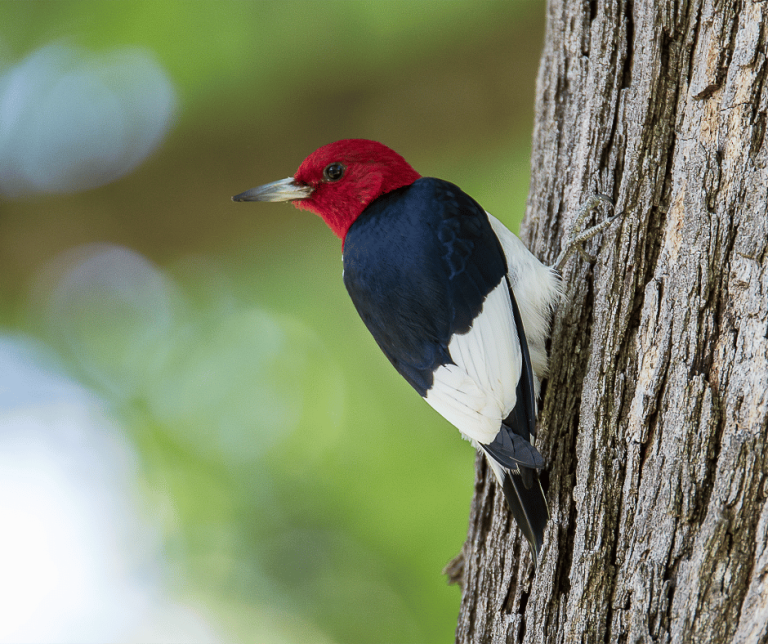
Late last week, it was announced that the Ontario government will cease to recognize more than 106 different species at risk, ranging from the Eastern Mole, Eastern Musk Turtle and Cougars, to the endangered Red Side Dace and Red-Headed Woodpecker. This is directly related to the passing of Bill 5 six months ago.
Do you disagree with this decision?
There’s still time to make comments on the amendments to the Species Conservation Act, 2025 on the Environmental Registry of Ontario. The commenting period is open until November 16.
Statement from Phil Pothen, Counsel and Ontario Environment Program Manager, and Rebecca Kolarich, Water Program Manager
Toronto | Traditional territories of the Mississaugas of the Credit, the Anishinaabeg, the Haudenosaunee, and the Wendat – Nearly 4 months after Progressive Conservative MPPs forced approval of a law that will repeal Ontario’s Endangered Species Act, the Ontario government is confirming experts’ gravest warnings about what it will mean for at-risk plants and wildlife. The Ontario government has announced that once the law comes into force, it will cease even to recognize more than 106 different species at risk, ranging from the Eastern Mole, Eastern Musk Turtle and Cougars, to the endangered Redside Dace, and Red-headed Woodpecker.
This decision should light a fire under the federal government to strictly enforce the existing federal Species at Risk Act and existing habitat protection orders in Ontario, but also to expand and broaden federal protections and monitoring. Federal protections will now be the only real protection for many habitats. In particular, because the Ontario government will remove all provincial recognition of endangered and threatened birds and fish, the government of Canada should issue emergency protection orders that extend to all species and habitats previously protected provincial habitat regulations and the Ontario Species at Risk list.
The Ontario government also intends to remove all recognition of species that are currently recognized as being of “special concern” and monitored due to their susceptibility to identified threats. This means that federal agencies will step up their monitoring of these species’ federal jurisdiction.
Premier Ford has shown a pattern of constantly prioritizing his developer friends and unnecessary projects over wildlife and nature. The federal government must not do the same. Now more than ever, it is crucial that the federal government uphold and enforce the appropriate federal laws and deny the approval of permits that would allow harmful development projects to destroy critical habitat. For the Silo, Tim Gray/Environmental Defence.
ABOUT ENVIRONMENTAL DEFENCE (environmentaldefence.ca): Environmental Defence is a leading Canadian environmental advocacy organization that works with government, industry and individuals to defend clean water, a safe climate and healthy communities.
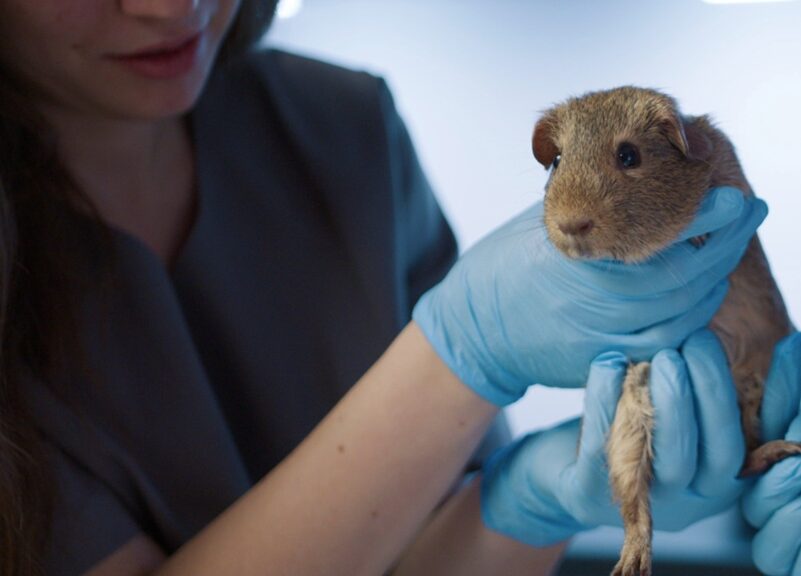
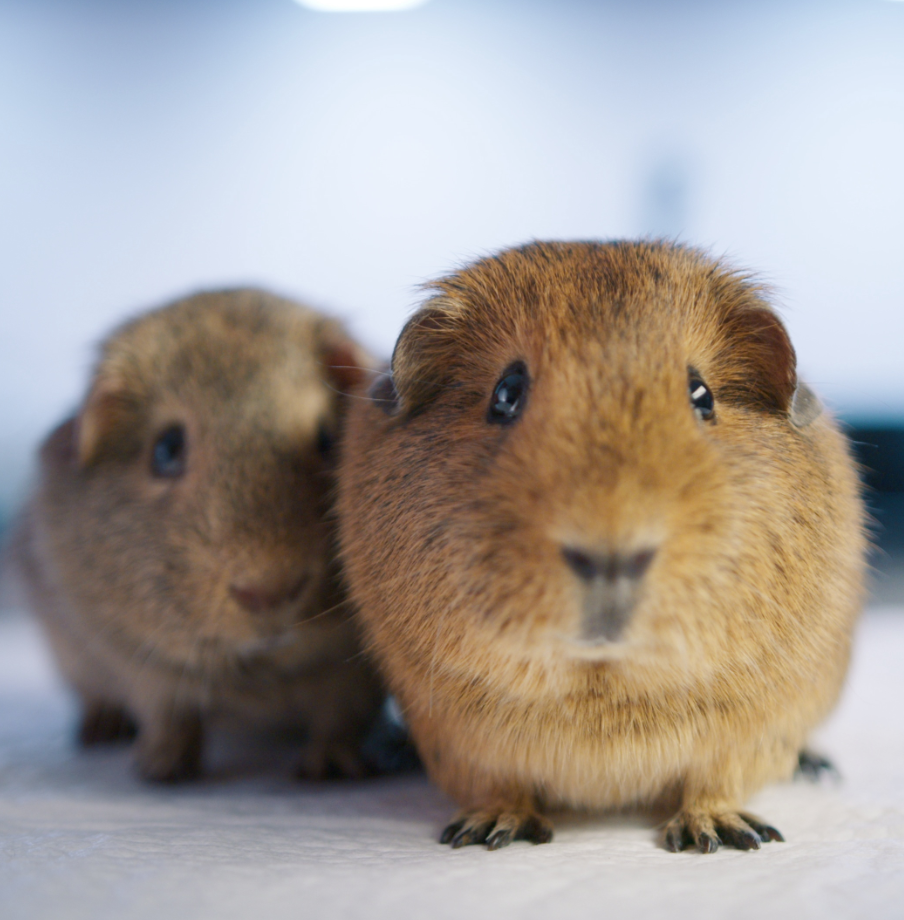
The decidedly disturbing headlines around small pets like guinea pigs and rabbits underscore an escalating ‘disposable pet’ mentality, with certain factors exacerbating the problem. Case in point, this guinea pig rescue in Nova Scotia, Canada.
With the holidays looming, shelters are bracing for yet another spike in guinea pig surrenders in particular. Industry sources speculate there may be tens of millions of guinea pigs worldwide, yet shelter data point to troubling trends with some shelters seeing numbers more than triple since the pandemic. One facility reportedly took in over 650 guinea pigs in a single year! Sadly, this species is all too often treated as disposable.
Surveys show that roughly 7 million U.S. households own “small animals” like guinea pigs and roughly another 1 million Canadian households. The holiday season, when guinea pigs are frequently purchased as gifts, intensifies problematic ownership as many families underestimate the care required … only to relinquish these pets weeks or months later.
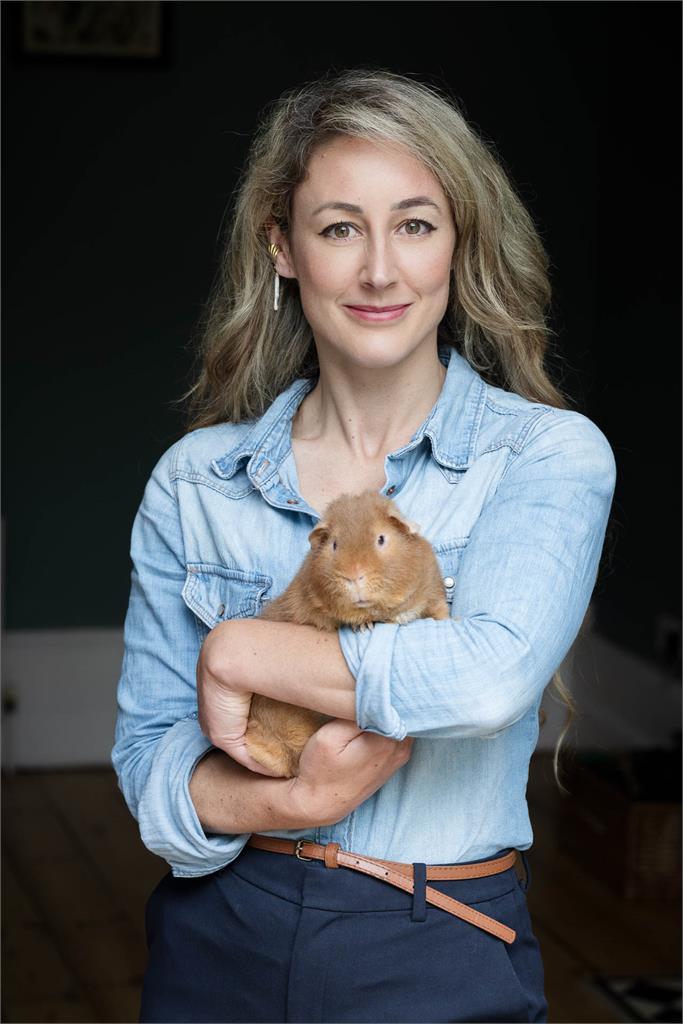
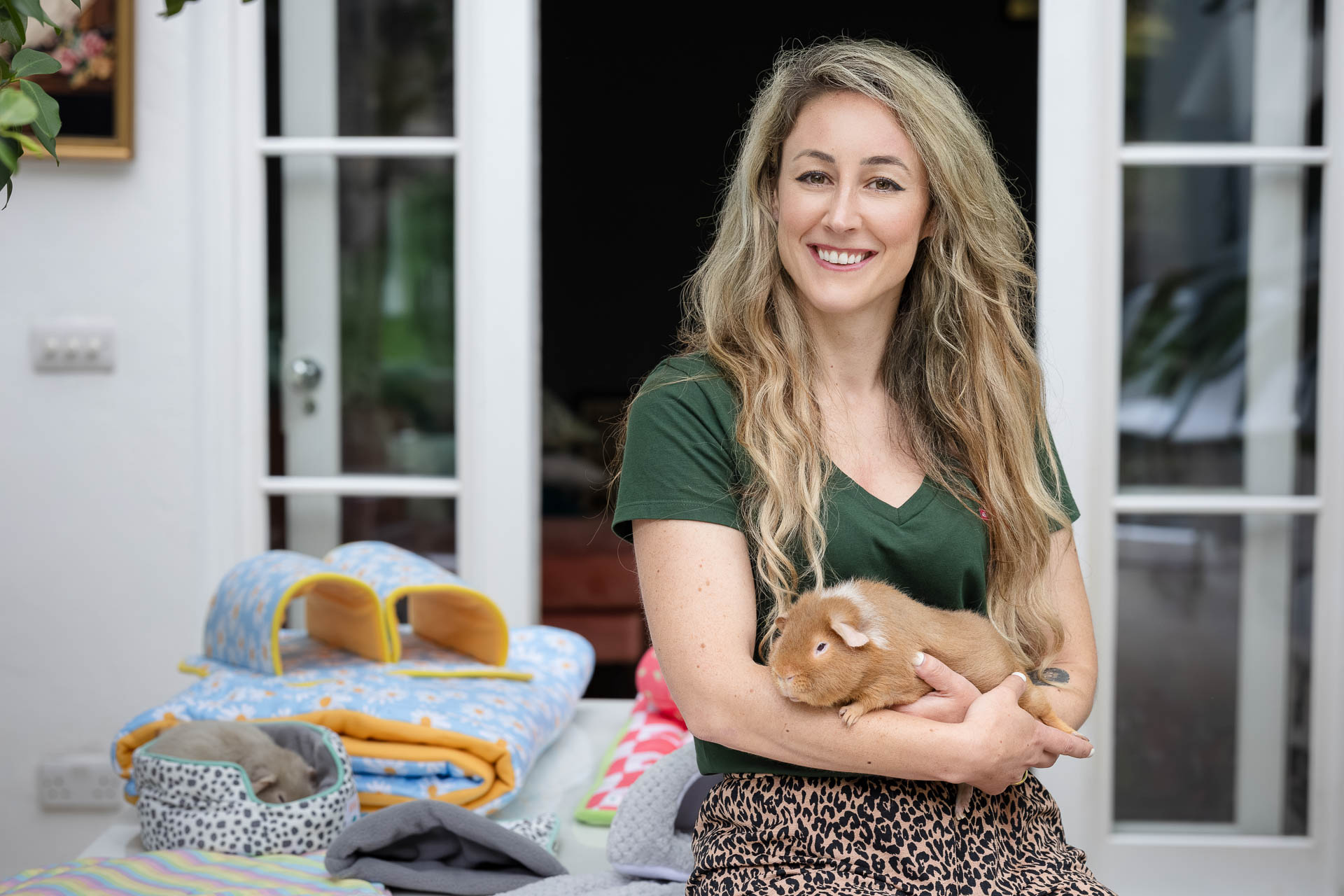
Clementine Schouteden, CEO of Kavee—the world’s leading guinea pig habitat brand, points out the following key issues:
Families should use a checklist to decide if they are truly ready for a small pet like a guinea pig or rabbit
Note the hidden costs and long-term commitments families often overlook before bringing home a guinea pig or rabbit
There are emotional and developmental benefits guinea pigs and rabbits can bring to children when cared for responsibly
Rising surrenders are straining shelters already overwhelmed with cats and dogs
Reach out to shelters and advocacy groups for recommendations on reducing post-holiday pet abandonment
Be aware that guinea pigs require larger, safer enclosures than most pet stores provide
Better guinea pig housing, enrichment, and education can prevent health issues and neglect
Common health problems are often tied to poor diets or improper housing—now how to spot them early
Consider simple changes that can make homes safer and more enriching for guinea pigs and rabbits
Be a proud part of the growing movement to elevate small pet care standards to the same level as cats and dogs
Market Trends
The small pet category may be niche, but the market data tells a compelling story.
The U.S. pet industry overall is projected to hit $157 billion usd/ $218.6 billion cad in 2025, up from $151.9 billion usd/ $211.5 billion cad in 2024, with $33.3 billion usd/ $46.4 billion cad of that dedicated to supplies, habitats, bedding, and related essentials (APPA). Within that, ~7.7 million North American households own small animals such as guinea pigs, rabbits, and hamsters (Forbes), representing a sizable and under-served customer base. Globally, the rodent pet accessories market is valued at $1.2 billion usd/ $1.7 billion cad in 2024 and forecasted to double to $2.5 billion usd/ $5.2 billion cad by 2033 (Verified Market Reports), while the guinea pig cage market alone is worth $455 million usd/ $633.6 million cad today and on track to reach $715 million usd/ $995.7 million cad by 2033 (Growth Market Reports). Complementary comfort products like cuddle cups are also on the rise, already a $134.7 million usd/ $187.6 million cad global market growing at a 7.4% CAGR.
Add to this the growing concerns in shelters and rescues about guinea pig welfare (HumanePro), and the momentum is clear: consumers, advocates, and regulators alike are demanding safer, higher-quality, and more enriching products. The fact that species-specific U.S. data for guinea pig habitats and accessories is still sparse only underscores the opportunity for Kavee to lead with content, education, and product innovation—filling a gap that few others have recognized, let alone acted on. For the Silo, Merilee Kern.
Schouteden’s journey is a masterclass in spotting underserved markets and scaling with vision. Below, she shares how a single decision transformed her entrepreneurship path, how her eCommerce brand is reshaping an overlooked corner of the pet industry and what’s next for small pet care innovation.
MK: Clementine, let’s start at the beginning. What inspired you to create Kavee? CS: It really began with my own guinea pigs. In March 2015, I adopted Bagpipe, a long-haired Peruvian and Livingstone, a short-haired Agouti. Later, Efendi joined the family. I couldn’t bring myself to put them in a tiny pet shop cage as it just didn’t feel right. Instead, I had a friend build a large wooden cage and I set up play areas in my flat so they could explore. Watching them thrive in a spacious environment showed me how much better life could be for small pets.
MK: What sets Kavee products apart from traditional cages? CS: We’ve always designed for the animals first. Our C&C cages are modular, easy to clean and expandable. We encourage pet parents to go larger than outdated minimums. For example, while many guidelines say a 2×3 cage is fine for two guinea pigs, at Kavee we recommend 2×4 for sows and 2×5 for boars, since they need more room to coexist peacefully. Our fleece liners, accessories and enrichment toys also bring comfort, safety and playfulness into their habitats.
MK: Kavee has grown from a startup to an international brand. What has that journey looked like? CS: In the early days, it was just me packaging orders on weekends while still working full-time as a consultant. Within six months, demand grew and I partnered with an “impact employment” group to provide jobs for people with disabilities. That freed me to scale the business. By 2018, I left consulting to run Kavee full-time. Since then, we’ve expanded into four online stores, grown a passionate team and provided spacious homes for over 50,000 guinea pigs.
MK: Beyond products, you’ve built a strong educational and advocacy component. Why is that important?
CS: Kavee is not just about selling supplies; it’s about changing perceptions of small pets. Too often they’re seen as “starter pets” for kids, but they’re intelligent and sensitive. Through blogs, social media and the Kavee Rescue initiative, we provide guidance on diet, grooming, habitat design and more. Our team even answers customer questions about gardening for guinea pigs! That level of community engagement makes a real difference.
MK: What role does sustainability and ethical business play in Kavee’s mission? CS: It’s at the core of what we do. Our products are designed to last, reducing waste. We carefully source safe, durable materials and we support inclusive hiring practices. Since 2023, our Kavee Rescue partnership has been another way to give back. Ultimately, if I wouldn’t use it with my own pets, it doesn’t go to market.
MK: Looking ahead, where do you see Kavee and small pet care evolving? CS: The future lies in rethinking standards. Minimum cage guidelines are outdated and pets deserve larger, more enriching spaces. I also see small pets becoming mainstream companions for professionals and singles, not just families. At Kavee, we’ll continue innovating, expanding product ranges and advocating for animal welfare globally.
MK: What were the biggest challenges you faced as a female founder in the pet care industry? CS: Breaking into a space that historically overlooked small pets was challenging enough, but as a female founder, I also had to fight to be taken seriously. Early on, suppliers and partners often assumed this was just a “side project.” Proving the demand, scaling internationally and building a team showed that Kavee was not just a niche brand but a movement.
MK: Was there a moment when you realized Kavee had truly “made it”?
CS: Yes. When I saw our first international orders come in, especially from the U.S., it hit me that we were filling a huge gap worldwide. Another milestone was when customers started sending photos of their piggies “popcorning” in our cages. Knowing our products were directly improving lives was the moment I felt Kavee had arrived.
MK: How do you balance innovation with customer feedback?
CS: We listen closely to our community. Many of our product upgrades, such as folding coroplast bases or fleece liners with new absorbent layers, came directly from customer suggestions. I believe true innovation happens when you combine design expertise with real-world feedback from the pawrents using the products daily.
MK: What advice would you give aspiring entrepreneurs who want to turn a passion into a business?
CS: Start small, test your idea and don’t be afraid of imperfect beginnings. Kavee began with one cage model and a very simple website. What made the difference was consistency, passion and being deeply connected to my “why,” which is improving small pet welfare. If you keep that clarity, growth will follow.
MK: As a female founder, what role do you think women play in shaping the future of entrepreneurship?
CS: Women bring unique perspectives to business, often blending empathy with innovation. In my case, it was about seeing the overlooked needs of small pets that weren’t being met and creating meaningful solutions. I believe more women in leadership will mean more industries reimagined with compassion, creativity and long-term impact at the core.
MK: How do you use your platform to inspire or empower other women in business?
CS: I make it a point to be visible and open about the realities of building a company from scratch. Sharing the challenges as well as the successes helps other women see that it is possible to turn a passion into a thriving business. I also mentor aspiring entrepreneurs, especially women, because representation and encouragement can be the push someone needs to take that first step.
MK: Looking back, what’s the most rewarding part of building Kavee?CS: Without a doubt, it is knowing we have improved the lives of thousands of animals. Every time I hear a story about a guinea pig who went from lethargic in a tiny cage to playful and thriving in a Kavee habitat, it reminds me why this journey matters. That impact is priceless.
From rescuing mice and birds as a child in rural France to transforming the global small pet industry, Clementine has proven that passion paired with innovation can create lasting change. Through Kavee, she’s redefined what it means to care for guinea pigs and rabbits. In the process she’s raising standards, fostering community and inspiring pawrents to think bigger.
In Clementine’s words: “Quite simply, if your piggies aren’t running around in their cage, something isn’t right.”
Thanks to her efforts, thousands of piggies—and the humans who love them—are finally getting it right.
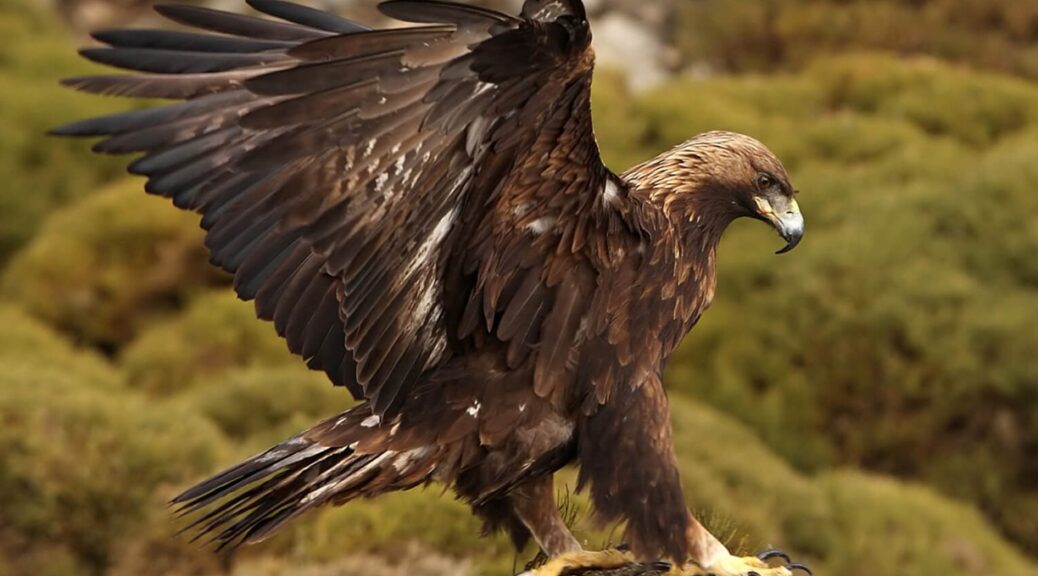
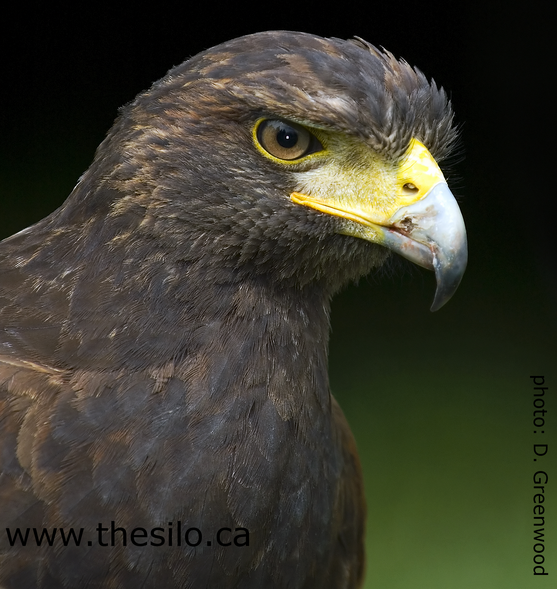
The Golden Eagle is one of the best known and largest birds of prey in North America. The adult birds are dark brown in color with golden-brown feathers on the back of their head, neck and upper wings.
Golden Eagles use their strength, agility and powerful talons to snatch up prey including mice, rabbits, squirrels and even fox and young deer.
They are very swift and can reach speeds over 240 km per hour while diving in on their target. <240 km/h is about 150 mp/h- the top cruising speed of the American Commuter Acela- 1 express train by the way. Watch the video below and note at the 1m 8s mark as the Acela passes the station at about the same speed that the Golden Eagle achieves in a dive. Wow!
Golden eagles usually mate for life.
They build huge nests in high places including cliffs, trees, or even telephone poles and may return to this same nest for several breeding years.
The Golden Eagle is listed under Ontario’s Endangered Species Act, 2007, which protects it from being killed, harmed, possessed, collected or sold, and protects the habitat from damage or destruction. For the Silo, Dixie Greenwood.
This is just a first step- The law protecting other Provincial Parks is also in the government’s cross-hairs
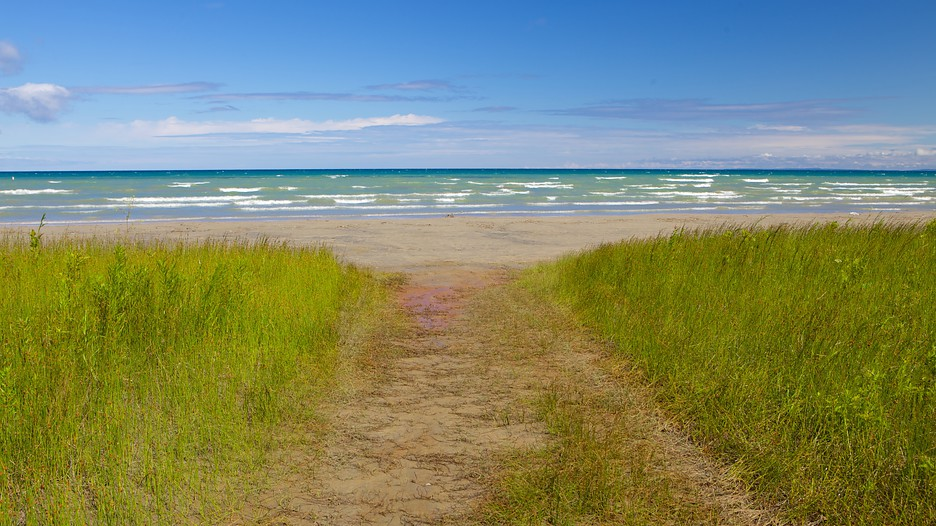
Toronto, Ontario Canada | Traditional territories of the Mississaugas of the Credit, the Anishinaabeg, the Haudenosaunee, and the Wendat – The Ontario government is proposing to sell key parts of Ontario’s second most-visited Provincial Park (2023 data) for a development scheme. The area on the chopping block includes roughly 60% of the Park’s celebrated Georgian Bay shoreline lands and critical habitat of the endangered piping plover. These sensitive areas rely on the Provincial Park’s protections to safely coexist with beachgoers and other recreational users.
Possibly even more concerning, the government is targeting the Provincial Parks and Conservation Reserves Act (PPCRA) that protects all of Ontario Parks and Conservation Reserves.
The PPCRA currently requires that elected MPPs approve any significant removal of provincial park land. Rather than simply complying with that requirement and obtaining that approval for Wasaga Beach Provincial Park, the government is proposing currently unspecified “legislative amendments” to the PPCRA itself. The government notice says the amendments are “to remove” land. Because of this, Environmental Defence is concerned that the Provincial government intends to weaken the process requirements for removing Park or Conservation Reserve lands seeing as the current law would not itself need to be changed if its process requirements, including a Legislative Assembly vote on the park area changes, are followed.
“Provincial Parks belong to the people of Ontario and are meant to be protected forever. It is appalling that the current government is trying to give away big parts of one of our most popular parks, and make changes to the legislation that protects all of our Provincial Parks ” said Tim Gray, Executive Director of Environmental Defence. “These beachfront lands on Georgian Bay are worth millions of dollars and are owned by the people of Ontario. They should never be a part of a tourism development”.
Background
Ecological values in the The Wasaga Beach Provincial Park lands to be lost include:
Known piping plover habitat, which is listed as endangered under both the federal Species at Risk Act and the provincial Endangered Species Act.
Mature sand dunes, which provide important ecological and stabilizing functions including providing a protective buffer against high water, wind and storm events for private or adjacent lands, which is an important role as the climate changes.
Significant vegetation communities and provincially significant wetlands.
“The Point” located in Beach Area 1 which is one of those targeted to be removed is designated as a provincially significant earth science Area of Natural and Scientific Interest (ANSI)
Transferring ownership of Wasaga Beach Provincial Park lands is not required to support beach-related tourism re-development plans in the Town of Wasaga Beach. On the contrary, it is thanks to the active protection of the Recovery Program at Wasaga Beach Provincial Park that piping plovers and their habitat can coexist with a thriving beach destination.
Hundreds of thousands of Ontarians enjoy the beaches each year, The Provincial Park and Conservation Reserves land disposition is regulated under Sections 9(3) and 9(4) of the Provincial Parks and Conservation Reserves Act. Section 9(4) specifies that “The Lieutenant Governor in Council may not order the disposition of an area of a provincial park or conservation reserve that is 50 hectares or more or 1 per cent or more of the total area of the provincial park or conservation reserve, unless,
(a) the Minister first reports on the proposed disposition to the Assembly;
(b) the Minister tables the proposed new boundaries of the provincial park or conservation reserve with the Assembly; and
(c) the Assembly endorses the proposed new boundaries of the provincial park or conservation reserve. 2006, c. 12, s. 9 (4).”
Wasaga Beach Provincial Park land removal and proposed amendments to Provincial Parks and Conservation Reserves Act, EBR posting: https://ero.ontario.ca/notice/025-0694
This press release was re-issued to address the following issues:
The ERO posting from the Province of Ontario includes a general map without calculations of the areas proposed for land disposition in the Wasaga Beach Provincial Park. EDC’s third party GIS consultant included the lakebed abutting the beaches in the original calculations found in EDC’s media statement. Those figures have now been corrected to recognize that under the current provincial proposal the lakebed would not be transferred to the Town of Wasaga Beach.
To clarify that the Provincial government has not yet released for review draft wording or a clear description of its proposed changes to the PPCRA and that it is EDC’s opinion that these changes will be focused on making this and future park land removals easier by weakening transparency and the necessity of a Legislative vote on future boundary changes.
The park land is to be sold for an undisclosed sum, not given away as described in our original release.
ABOUT ENVIRONMENTAL DEFENCE (environmentaldefence.ca): Environmental Defence is a leading Canadian environmental advocacy organization that works with government, industry and individuals to defend clean water, a safe climate and healthy communities.
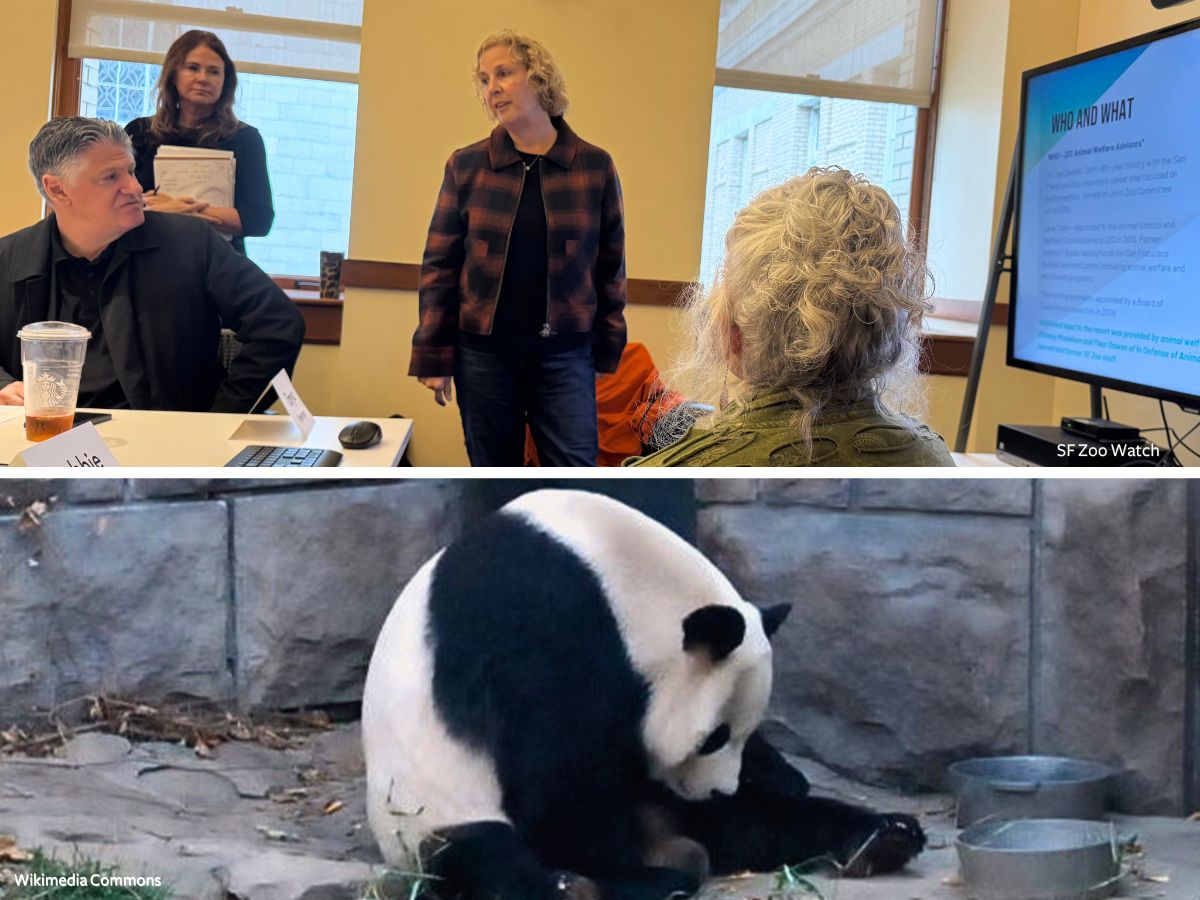
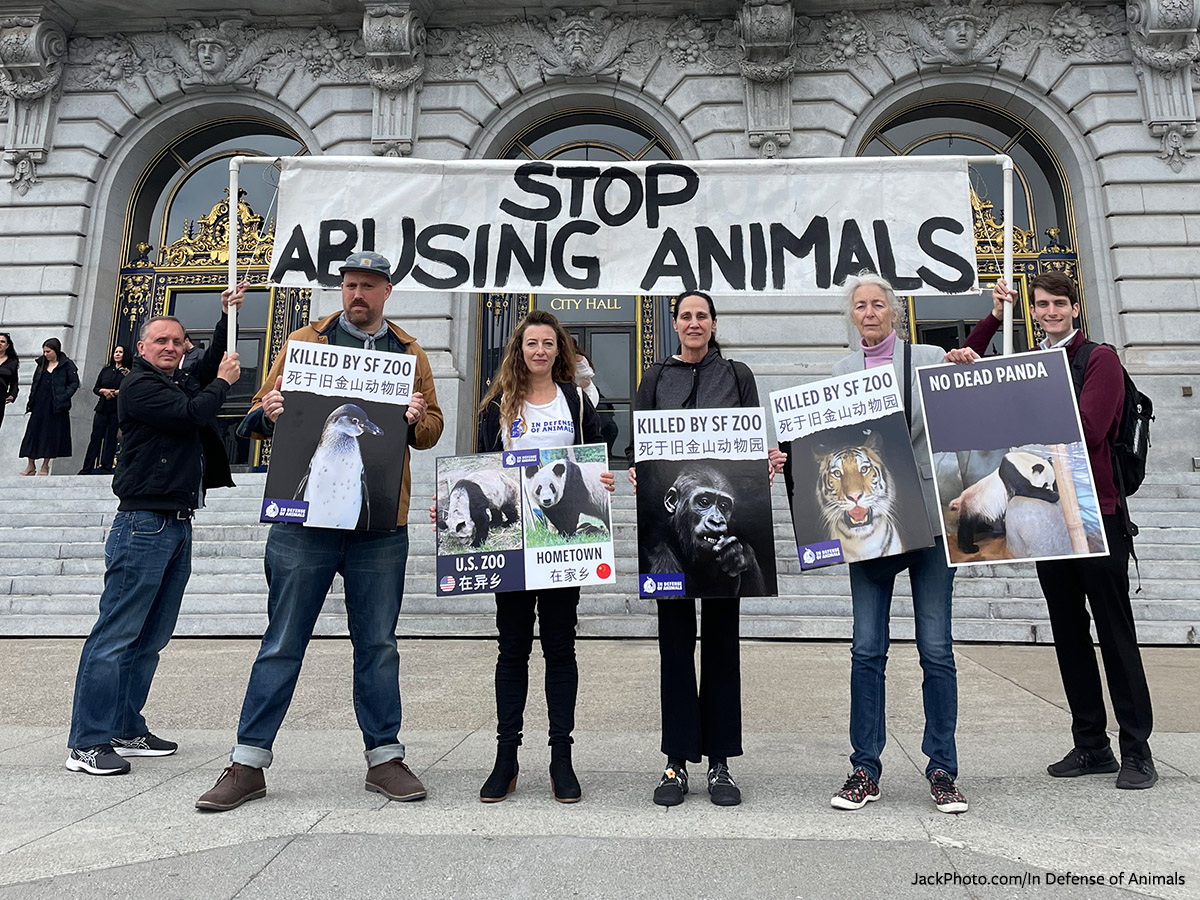
SAN FRANCISCO (November, 2024) — A report “daylighting” serious animal welfare, management and infrastructure failings at San Francisco Zoo was presented yesterday by the San Francisco Joint Zoo/Recreation and Parks Committee Animal Welfare Advisors, Jane Tobin and Joseph Spinelli DVM. The report contains a “complete list of habitat and welfare issues as well as facilities recommendations,” and critiques unsafe infrastructure, mismanagement, and misplaced priorities, while offering actionable solutions to address the zoo’s deep-rooted issues.
Tobin explained, “This is an opportunity for people to understand, like, where are we with the state of the zoo? Having an audit like this does definitely daylight a lot of issues.” Tobin raised a variety of “habitat issues, oversight issues, acquisition plan issues,” and urged the zoo to prioritize habitat updates and genuinely engage with public concerns, reminding it of its duty to respond to public records requests and update its “really out of date” Memorandum of Understanding, last updated in 1993.
The report, which was prepared in consultation with current and former zoo staff, the San Francisco Animal Commission and animal welfare organizations including In Defense of Animals, SF Zoo Watch and Panda Voices, details “many of the Zoo’s enclosures are extremely outdated and fail to meet the criteria outlined above from an animal welfare perspective” with some exhibits approaching 100 years old. Tobin shared in the meeting, “It has been a really long time since we’ve seen any infrastructure updates, habitat construction, renovations, and short or long-term plans, and I think that you might ask the questions, well, how does that impact animal welfare? A great deal.”
Report co-author Dr. Spinelli has a long history with San Francisco Zoo and has served as an animal welfare advisor on the Joint Zoo Committee since 2009. He said, “For the future, I haven’t heard of a strategic plan for improving the quality of the spaces for the animals.”
Tobin drew attention to many animals in temporary habitats “well beyond their deadline,” citing one case in which animals have been without a permanent enclosure for six years. She said, “Animals should have a permanent habitat ready upon arrival and a financial impact analysis report would be wonderful so that the committee can fully understand with that acquisition what impact it would have on the care of the current animal inhabitants and the existing strategic plan.”
Concerning highly-controversial plans to acquire giant pandas, the report states, “The arrival of the giant pandas would make the already poor situation of the current animals living at the zoo even worse, diverting attention and resources away from doing basic repairs and building exhibits for other animals.”
Report Highlights:
Update the MOU: Modernize the 1993 agreement to include robust animal welfare standards and appoint non-voting advisors, such as veterinarians and animal welfare experts, to ensure ethical oversight.
Reject the Panda Plan: Halt the multi-million dollar panda exhibit and focus resources on improving the welfare of current animals and fixing infrastructure.
Infrastructure Overhaul: Redesign outdated enclosures to meet modern ethical and safety standards.
Transition the Zoo: Implement a rescue and rehabilitation model instead of trading and breeding programs.
Establish Oversight: Create an independent commission focused on animal welfare with robust authority.
The zoo audit follows a San Francisco Chronicle investigation and series of articles exposing zoo mismanagement, as well as a catalog of current concerns raised by animal advocates including the zoo’s reckless plans to import giant pandas from China by 2025. An In Defense of Animals’ alert exposing the issues at the zoo and urging the cancellation of the panda plans has gained over 14,000 supporters.
“We are grateful for the recommendations report from the Joint Zoo/Recreation and Parks committee animal welfare advisors which illustrates extreme issues that must be fixed at San Francisco Zoo,” said Brittany Michelson, Campaign Specialist for Captive Animals at In Defense of Animals. “These recommendations should be taken seriously and implemented immediately.”
Justin Barker of SF Zoo Watch said, “I think we need to get real about the zoo. 97% of the union staff don’t have confidence in the management, yet you stood by the CEO. We have major infrastructure issues. Stop painting the rosiest picture.”
Interjections from angry docents during the meeting were quelled by Commissioner Larry Mazzola who admitted, “communication is important and it might have been lacking until today.”
However, after the meeting, several zoo docents hurled verbal abuse at Barker. They brandished a photo of the zoo’s langur exhibit, one of the poorest habitats cited in the report, calling out, “You are complaining about this? How dare you!”
They also made public comments in the meeting urging all concerned to “move on” and suggested incidents were isolated to the deadly tiger escape 15 years ago. The audit is the latest of a mountain of evidence exposing current failings from zoo staff, media, and animal welfare organizations. The committee heard today how two additional animals were reported to have died last month from unsafe conditions — a penguin who died with a mold-caused infection, and a pelican who is presumed to have died from predation owing to an unsafe enclosure.
Notable zoo safety incidents include:
2007 – The escape of Siberian tiger Tatiana, who killed a visitor before being shot
2011 The theft of squirrel monkey Banana Sam
2014 – The crushing of baby lowland gorilla Kabibe by a hydraulic door malfunction
2020 – The theft of endangered lemur Maki
2020 – The deaths of two wallaroos and a red kangaroo who were killed when a predator entered their unsafe enclosure
2023 – The death of Handy Harry, a young penguin struck and killed by a guillotine door
2023 – The near-death of a keeper when a grizzly bear chased her owing to a door malfunction
2024 – The death of a sacred ibis due to unsafe, filthy conditions in the birdhouse by aspergillosis — an infection caused by mold
2024 – Two further deaths of a penguin and pelican possibly caused by mold and predation in October
These incidents represent only a fraction of the zoo’s long history of neglect and unsafe conditions. A significant number of keepers have resigned, citing management’s negligence towards both animal and staff safety.
San Francisco is grappling with an $800 million usd/ $1.12 billion cad budget shortfall that has already led to deep cuts in public services like health and education. Amid this crisis, the zoo’s plan to acquire pandas — estimated to cost $70 million usd/ $98 million cad over 10 years — is financially irresponsible. While private fundraising might cover initial construction, long-term care for pandas requires significant ongoing resources, including specialized facilities, experienced staff, and regular flights to supply fresh bamboo.
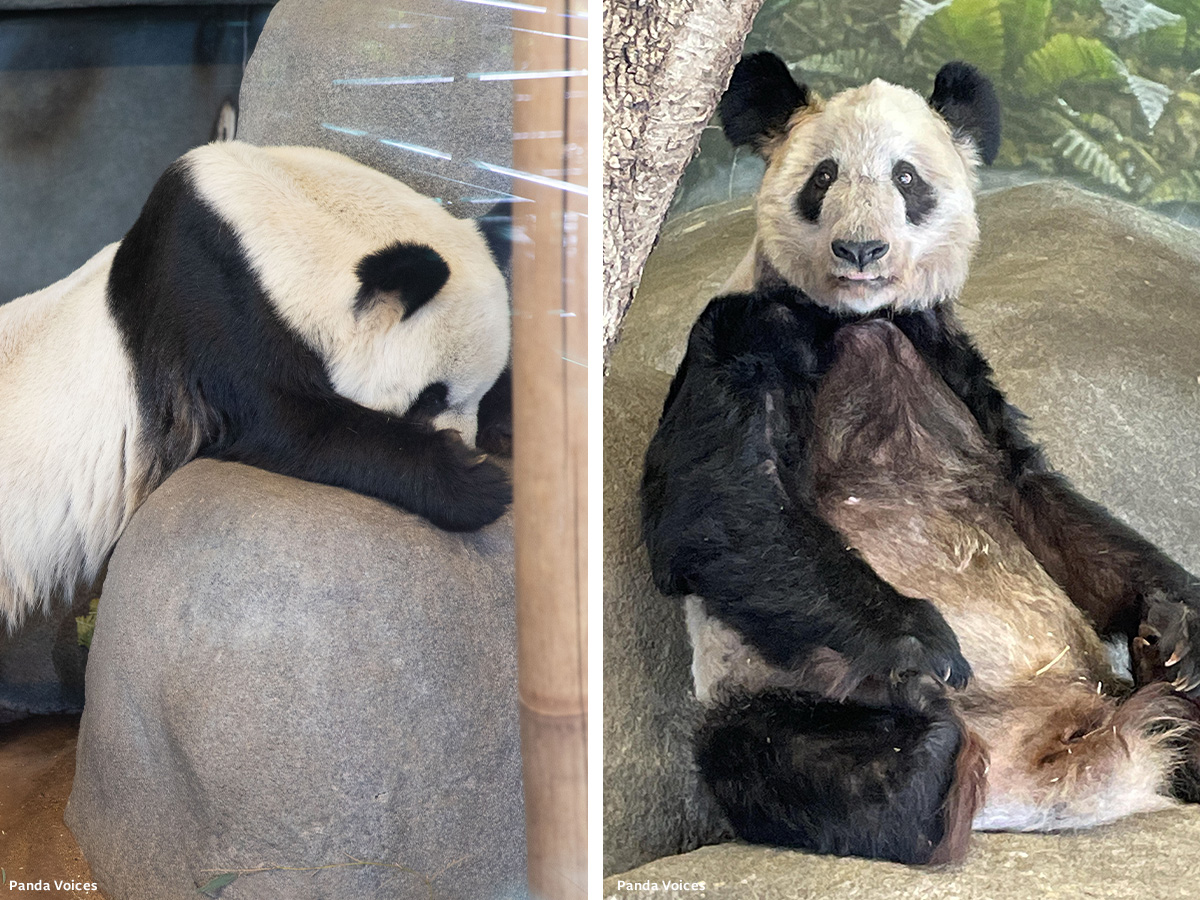
If the zoo incurs expenses that far exceed the revenue generated from panda exhibitions as has happened at other zoos hosting pandas — most recently in Finland and previously in Scotland — the mounting costs may lead to a shortage of bamboo supply and poor bamboo quality, compromising the welfare of the pandas, as happened at the Memphis Zoo which led to pandas’ ill health and death.
Adding to these concerns, the proposed habitat — rumored to be a repurposed big cat exhibit near predators — is severely unsuitable for pandas, who are highly sensitive to noise and smell. This plan exemplifies the zoo’s misplaced priorities, diverting attention and resources from fixing crumbling infrastructure and addressing the welfare of its current inhabitants.
Members of the public are encouraged to sign the alert urging decision-makers to halt the panda plan: https://idausa.org/sfpanda
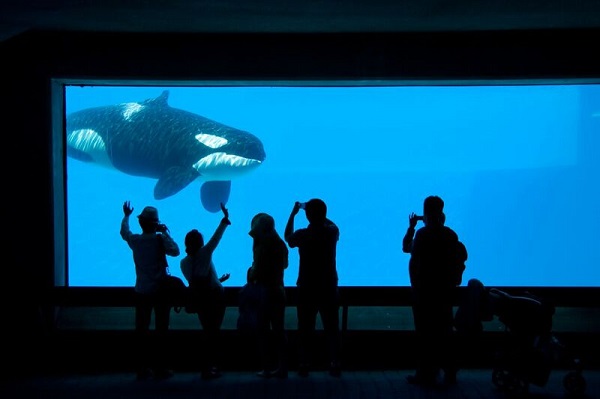
International animal protection organization, In Defense of Animals, today released its list of the Ten Worst Tanks for Dolphins and Whales in North America, with Ontario’s Marineland shamed as the worst aquarium in Canada, and second overall.
The facility is listed as having the ‘starkest contrast’ between a ‘solitary orca and beluga whale hoarding’ while Canada’s Vancouver Aquarium appears in ninth place. The Ten Worst Tanks list exposes and represents the misery and suffering of the oceans’ most intelligent and complex mammals in captivity. Whales and dolphins are subject to astonishing rates of premature death, captivity-related injuries, forced removal of babies from mothers, and solitary isolation. Many are confined to swimming endless circles in cramped tanks, deprived of healthy social groups, and forced to endure invasive reproduction techniques, polluted water, dangerous transport, and brutal exploitation of their sociable natures through “swim” and “petting” programs.
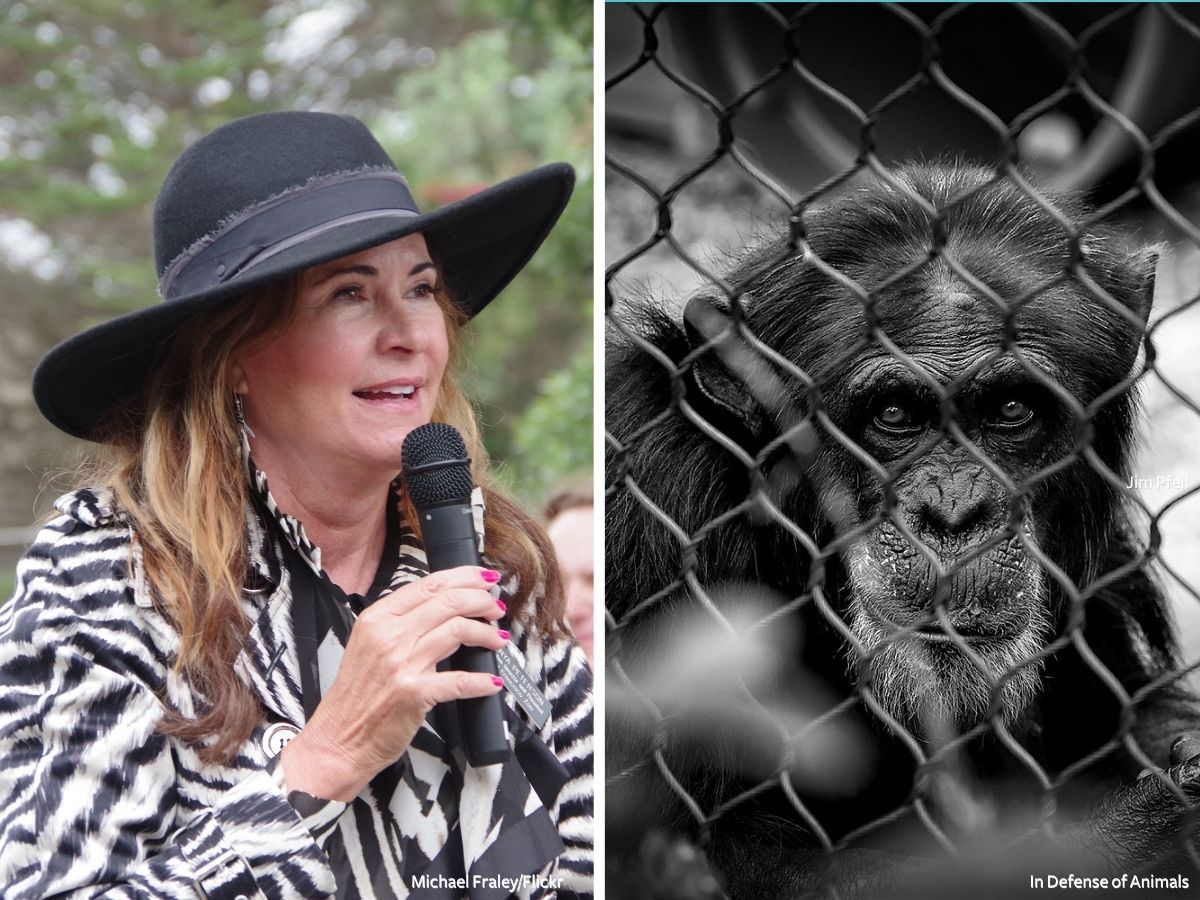
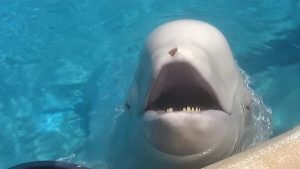
The list was selected from over 60 facilities from southern Canada to Mexico where almost 1,000 whales and dolphins are held captive for public display. “Forcing an orca to live in solitary confinement while hoarding so many beluga whales is Marineland’s tragic dichotomy, and a horrific example of cetacean captivity. It plumbs the depths in its exploitation of intelligent and sensitive animals,” said In Defense of Animals President, Dr. Marilyn Kroplick. “Even with the most modern technology, veterinary care, and infrastructure, cetaceans still suffer intensely in captivity and exhibit surprisingly high mortality rates.Please help protect dolphins and whales in the wild where they belong, by pledging to never visit facilities that imprison them.”
40+ yr old Orca “Kiska” has been in solitary confinement since 2011. photo: Natalie Lucier
Marineland’s Shame: Marineland holds Canada’s last captive orca, 40 or so year-old Kiska, who was ripped away from her family and native Icelandic waters when she was a baby. Kiska has outlived at least seventeen other orcas with whom she has shared the tank over the years. She has also been used to breed for new exhibits, enduring the death of every last one of her five children at Marineland, none of whom lived longer than six years. One of them, Kanuck, was apparently separated from her prematurely and “stored” in a warehouse, where he died at age four. Since 2011, Kiska has been kept in solitary confinement, which has no doubt caused great suffering for this highly social and intelligent cetacean. The last orca Kiska knew was a male named Ikaika, who was “loaned” to Marineland by SeaWorld for breeding in 2006.
SeaWorld became “concerned about Ikaika’s physical and psychological health” and stated that Marineland was “not meeting its obligations in veterinary care, husbandry, or training.” Citing these concerns, SeaWorld successfully sued Marineland in 2011 for Ikaika’s return, leaving Kiska alone once more. Kiska’s physical and psychological condition appears to be poor. Observers point to her severely worn down teeth from self-injurious and compulsive gnawing, dorsal fin deterioration, signs of being underweight, and intermittent bleeding from her tail as indicators of greatly compromised health. Behaviorally, Kiska exhibits lethargy, self-isolation in a tiny medical pool adjacent to the main pool, and repetitive stereotyped behaviors; strong indications of severe psychological distress, depression, and despondency. Kiska is not the only animal suffering at Marineland.
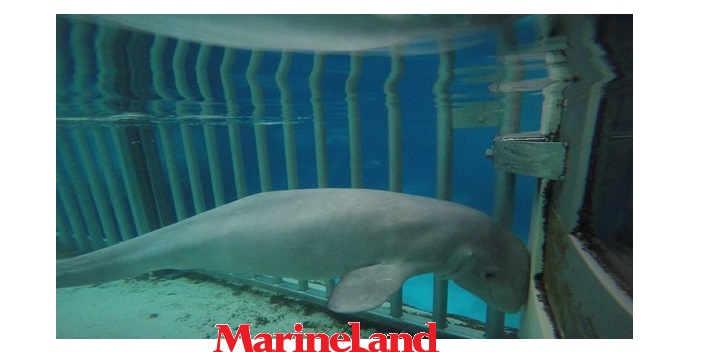
CEO John Holer has also amassed approximately 46 beluga whales, five bottlenose dolphins, 28 black bears and approximately 500 fallow deer. An undercover investigation by Last Chance for Animals in 2015 reportedly exposed belugas suffering from a litany of physical ailments, including eye abnormalities, hypersalivation, regurgitation, and a condition in some of the females causing them to rub chronically against the tank until blood was visible in the water. Lacerations and deep teeth-rake marks indicating inescapable stress-related aggression from other belugas were also noted on many of the belugas. We are also concerned about signs of severe eye irritation perhaps caused by chemically-treated water.
Later in 2015, the Ontario Society for the Prevention of Cruelty to Animals (OSPCA) made a non-public finding that questioned some of Last Chance for Animals’ claims of abuses at Marineland. But Julie Woodyer of Zoocheck has filed a new complaint with the Ontario Society for the Prevention of Cruelty to Animals documenting continued violations of the Captive Animal Care Standards at Marineland.
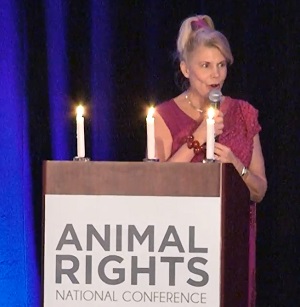
In Defense of Animals President, Dr. Marilyn Kroplick.
We urge the Ontario Society for the Prevention of Cruelty to Animals to act urgently to enforce minimum standards at Marineland. Belugas have certainly not evolved for millions of years to be packed into a tank – and orcas are among the most social and family-oriented species on the planet.
10 WORST TANKS: 1. SeaWorld, San Antonio, Texas; San Diego, California; Orlando, Florida 2. Marineland, Niagara Falls, Ontario, Canada 3. Puerto Aventuras Dolphin Discovery, Mayan Riviera, Quinta Roo, Mexico 4. Georgia Aquarium, Atlanta, Georgia 5. Miami Seaquarium, Miami, Florida 6. Six Flags Mexico, Mexico City, Mexico 7. Institute for Marine Mammal Studies, Gulfport, Mississippi and Unnamed new facility planned by same owner also in Gulfport, Mississippi 8. Mirage Hotel, Las Vegas, Nevada 9. Vancouver Aquarium, Vancouver, British Columbia, Canada 10. Shedd Aquarium, Chicago, Illinois
Honorable Mention: National Aquarium, Baltimore, Maryland
The Ten Worst Tanks list was produced over the past year by multiple cetacean experts and scientists to represent the myriad horrors faced by cetaceans in captivity. Facilities were examined and investigated in-person; through review of government records, veterinary records, and death reports; and via image and data documentation. For more information please visit: www.idausa.org/10WorstTanks
In Defense of Animals is an international animal protection organization located in San Rafael, Calif. dedicated to protecting animals’ rights, welfare, and habitats through education, outreach, and our hands-on rescue facilities in India, Africa, and rural Mississippi. For the Silo, Toni Frohoff, Ph.D.
The Grand River watershed was 85 per cent forest 200 years ago. However, tree cover dropped to just five per cent by 1900 as land was cleared for farming and urban areas. Today, the tree cover has rebounded to about 19 per cent. Environment Canada suggests a healthy watershed needs a tree cover of about 30 per cent.
New forests are rising on old farm fields in Mapleton Township in an effort to improve water quality in streams feeding Conestogo Lake reservoir. About 70,000 trees are being planted this year and next on two parcels of land totalling 40 hectares (100 acres) on the north side of the reservoir.
The GRCA is planting a variety of species that are native to the area, including spruce, tamarack, white pine, bur oak, silver maple and cottonwood. In addition to the new forests, the GRCA will also do some reshaping of the landscape to create some seasonal wetlands that will also help improve water quality and provide additional habitat.
As the trees grow in coming years, the areas will quickly become home to a variety of animals, such as deer and wild turkeys. Later, as the forests mature, it’s expected that several bird species including scarlet tanagers, ovenbirds and great horned owls will take up residence. A 12 hectare parcel near Wellington Road 10 and Concession Road Five has been planted this year. The second parcel of 28 hectares is near Concession Road 5 and Sideroad 15. About 18 hectares has been planted this year and the rest will be planted in 2015. The land was acquired by the GRCA when it built the reservoir in the 1950s. It has been leased to farmers since then.
These two parcels of land were prone to erosion which sent a lot of sediment down the streams into the reservoir, explained Ron Wu-Winter, watershed forester with the GRCA. In addition, the sediment also carried nutrients – phosphorous and nitrates – which are found in manure and commercial fertilizers. The nutrients would spur algae and plant growth in the reservoir, resulting in lower water quality.
The northwestern part of the Grand River watershed contains some of the best farmland in Ontario. As a result, the forest cover is some of the lowest in the watershed. Forest cover is estimated at 15 per cent or less. A healthy watershed should have forest cover of about 30 per cent. Trees help raise water quality in several ways. They soak up nutrients in the soil, so reduce the volume that runs off the surface into a watercourse. Trees along a stream shade it, keeping it cooler in summer which is good for some coldwater fish species.
The total cost of the project is about $150,000. About $50,000 was contributed by the Grand River Conservation Foundation. It is also supported by the Trees Ontario Foundation which is contributing $65,000. For the Silo, Dave Schultz.
Tree Facts
* Across the entire watershed, the GRCA will plant about 400,000 trees this year, including 95,000 on its own land and 300,000 in partnership with private land owners.
* The GRCA operates a nursery near Burford, in Brant County, where it grows more than 150,000 trees a years from 60 different species.
* Since it was created in 1934, the GRCA has planted more than 27 million trees on both private land and its own land.
* The Grand River watershed was 85 per cent forest 200 years ago. However, tree cover dropped to just five per cent by 1900 as land was cleared for farming and urban areas. Today, the tree cover has rebounded to about 19 per cent. Environment Canada suggests a healthy watershed needs a tree cover of about 30 per cent.
* To learn more about the GRCA’s tree planting program, go to the Tree Planting section of the GRCA website. The GRCA helps private landowners develop planting plans, plant the trees and find grants to offset costs.






 The list was selected from over 60 facilities from southern Canada to Mexico where almost 1,000 whales and dolphins are held captive for public display. “Forcing an orca to live in solitary confinement while hoarding so many beluga whales is Marineland’s tragic dichotomy, and a horrific example of cetacean captivity. It plumbs the depths in its exploitation of intelligent and sensitive animals,” said In Defense of Animals President, Dr. Marilyn Kroplick. “Even with the most modern technology, veterinary care, and infrastructure, cetaceans still suffer intensely in captivity and exhibit surprisingly high mortality rates.Please help protect dolphins and whales in the wild where they belong, by pledging to never visit facilities that imprison them.”