Tag Archives: flood

World’s First Pet Evacuation App

67% of households are home to pets— cats, dogs, and fishes (American Pet Products Association). 

According to a report, 67% of Canadians feel they live in low to moderate risk areas for natural disasters. In actuality for example, British Columbia is at risk for an earthquake up to magnitude 9.0. In comparison in 2011 it was a mag 9.0 in Japan that created the devastating tsunami.

Why do we ignore the greatest threats to our pets well being, vulnerability to wildfires, floods, tornadoes, and other disasters?

Enter PHaR (Pet Help & Rescue app): the world’s first pet evacuation app.
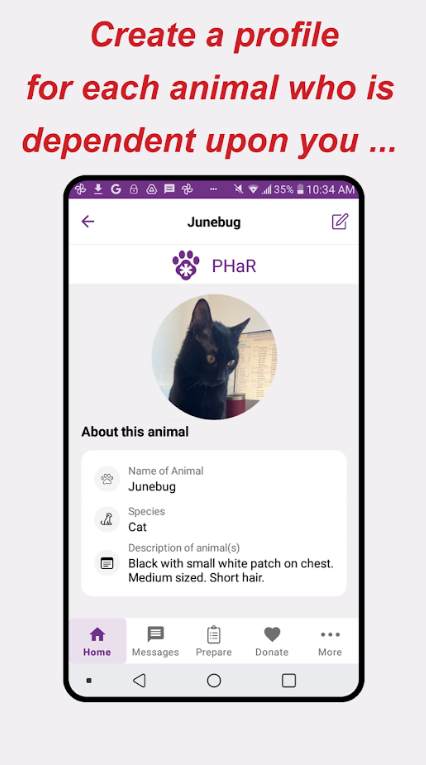
Using a tight neighbors network, when disasters strike, activate the app, for a dedicated channel to arrange the rescue of your beloved animal companion.

Dave Crawford, Executive Director and Co-Founder of Animal Help Now, helped write the country’s first state legislative bill to double fines for traffic infractions in wildlife crossing zones; spearheaded RMAD’s nationwide boycott of Nalgene water bottles; stopped a multinational organization from building a Plexiglas zoo at Rocky Mountain National Park; and produced the country’s first video exposing conditions inside intensive egg facilities.
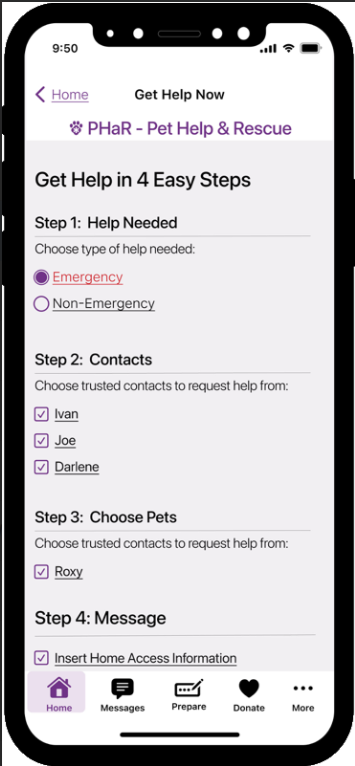
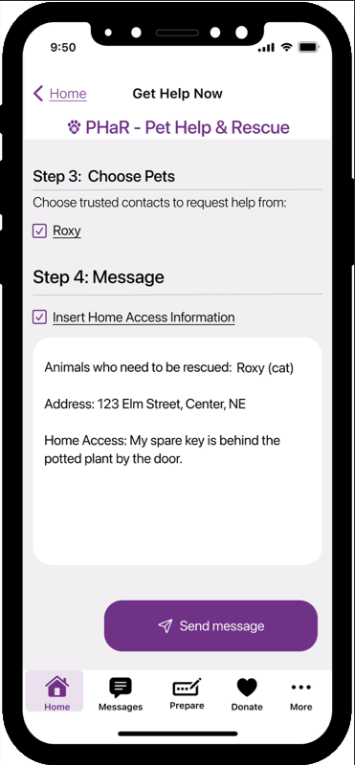
Crawford says, “PHaR was produced following the Marshall fire (Boulder County, CO; December 30, 2021), which took the lives of an estimated 1,000 dogs, cats and other pets.

Studies show – as did David’s personal experience in the Marshall Fire – that when disasters strike and you’re not home, your neighbors are your best bet to have your pets evacuated. PHaR is the only app of its kind. Not only in Canada and the United States, but in the entire world.”
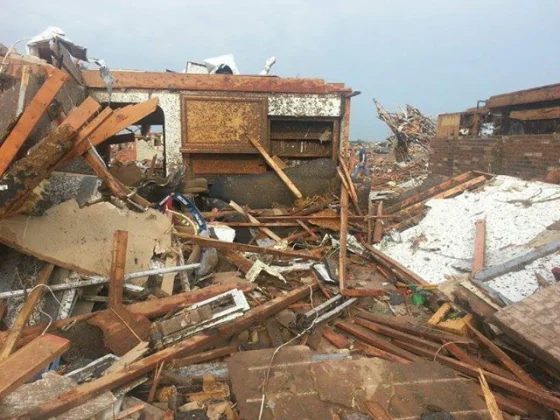
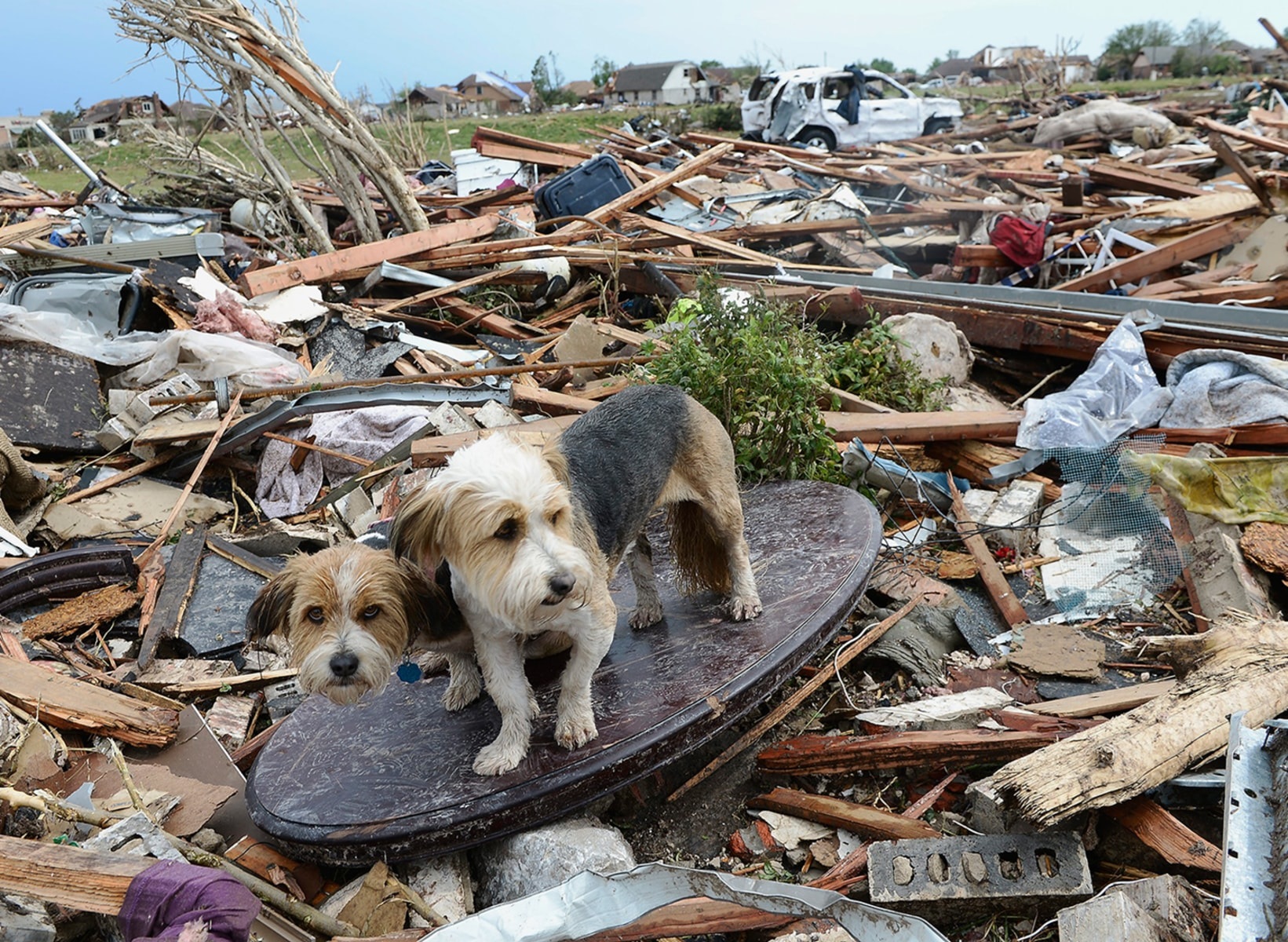
A view of the destruction post tornado Moore, Oklahoma.

With this animal-focused tech nonprofit app, record and then, when needed, provide to your trusted contacts all the info they need to evacuate your beloved pets, including where their go-bag is, where their meds are, where they hide when scared, and how to get into your home. 

For more info, visit www.AHNow.org www.PHaR.org @animalhelpnow @animalhelpnowapp (IG) @pethelpandrescue

More about the non profit 

Animal Help Now, a nonprofit which operates its namesake wildlife emergency app, created PHaR. The 30-month effort started a week after the Marshall fire and culminated in the nationwide release on July 5, 2024.

Animal Help Now is a volunteer-based nonprofit with a budget under $200,000 USD/ $276,000 CAD. Creating PHaR was possible only because of public support and the dedication, perseverance and hard work of the organization’s mission-driven volunteers.
More about David:

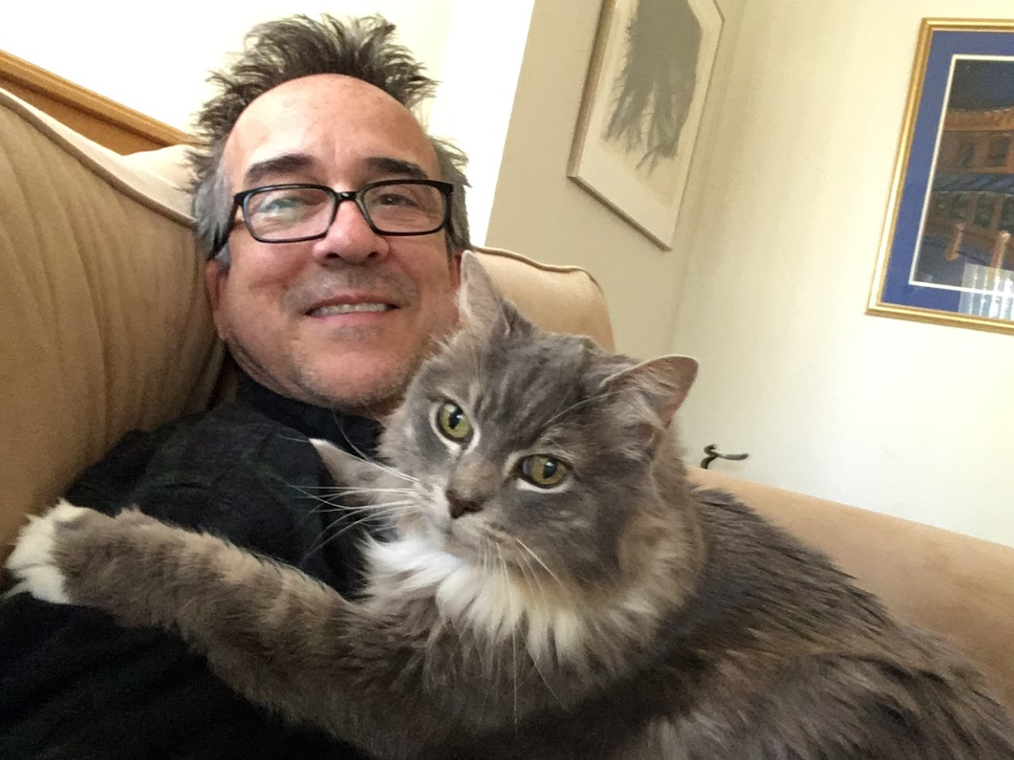
David Crawford is co-founder and executive director of Animal Help Now. Dave has a Bachelor’s Degree in Computer Science and Mass Communication. He has been working on animal issues since 1989. He is co-founder and former long-time executive director of Rocky Mountain Animal Defense (RMAD). In that role, Dave led one of the most respected and effective regional animal advocacy organizations in the country; he produced the country’s first video exposing conditions inside intensive egg facilities; and he led the successful effort to stop a multinational organization from building a Plexiglas zoo at the Estes Park entrance to Rocky Mountain National Park. RMAD also convened the first national conference on prairie dogs – the 2001 Prairie Dog Summit – and was central to the founding of the Prairie Dog Coalition. For the Silo, Kat Fleischman.
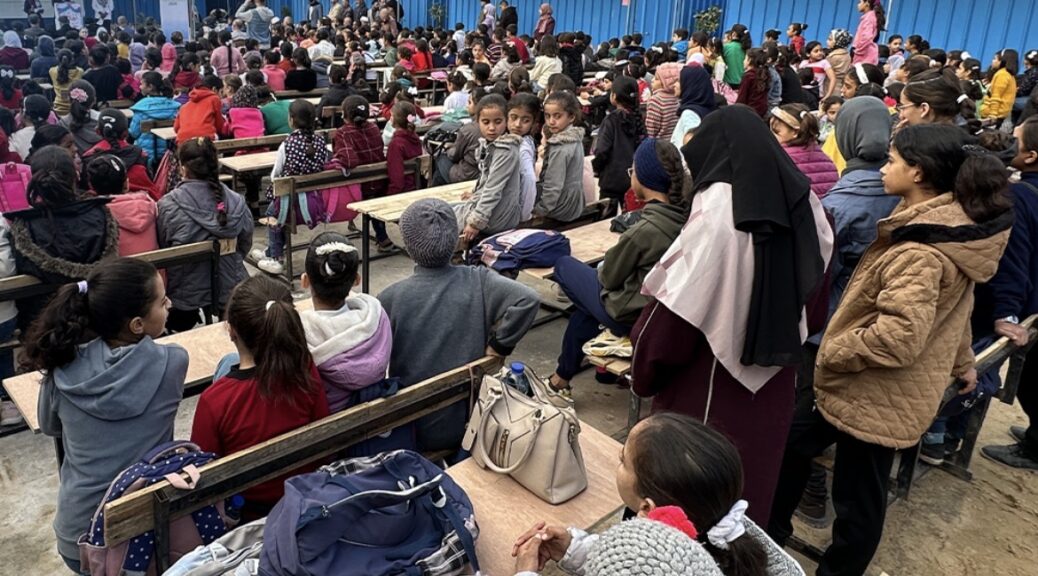

Life For Relief And Development Ranks Third Globally Among Humanitarian Orgs

According to Charity Navigator  2025

Amid escalating crises in the Middle East and the developing world, Life for Relief and Development (LIFE) has been recognized as the third-best global humanitarian organization by Charity Navigator. The organization also secured fifth place for its humanitarian work in Palestine, and fifth place worldwide in the fight against poverty. These achievements earned LIFE a 100% rating, an endorsement from the U.S. Agency for International Development (USAID), as well as recognition by Impactful Ninja as one of the top humanitarian organizations in North America. LIFE was further honored with the Humanitarian Partnership Award for its collaborative initiatives.

Sustainable Programs and Comprehensive Seasonal Projects 

Vicki Roob, Administrative Director at LIFE, explained that the organization was founded more than 33 years ago in the United States and works across more than 60 countries through 14 international offices.

Over the years, LIFE has distributed more than $624 million usd/ $859 million cad in humanitarian aid, supporting programs in food security, clean water, temporary shelter, healthcare, education, community development, family assistance, refugee support, and emergency relief during wars and natural disasters. Currently, the organization supports more than 13,100 orphans worldwide, providing essential care, nutrition, housing, and education, while also organizing annual Global Orphan Festivals filled with games, gifts, and entertainment to ensure children feel valued and supported.

Tent Camps That Saved Thousands of Lives in Conflict Zones

According to Dr. Abdulwahab Alawneh, Regional Director for Jordan and Palestine, LIFE implemented its “LIFE Organized Camps” project in Gaza, establishing nine camps across the north, center, and south of the Strip. Built with fire-resistant and durable materials, these camps provided shelter for 46,000 displaced people, featuring easily dismantled tents to accommodate recurring displacement. Each tent was equipped with bedding and essentials, alongside medical facilities, solar panels serving 7,000 individuals, and protective insulation for 3,000 residents against extreme weather. Clay ovens benefited 3,500 people, while 23 sanitation units were constructed.so LIFE Assisted 1.3 million Displaced People in general in GAZA.

Adding: “we’ve been proactively preparing to facilitate the delivery of urgent relief—shelter, food, water, medicine, and personal necessities—into Gaza. Our team on the ground has already begun implementing LIFE’s ninth camp project after tents arrived and installation began. We are now working to shelter 15,000 newly displaced families still exposed to the cold as winter approaches.

These are waterproof, cold- and humidity-resistant tents that also provide insulation against heat in summer. Made from PVC material, they have protected more than 29,000 families from fires during nighttime bombings in past years.

Using all borders to Gaza

We faced tough challenges but managed them through our extensive experience. We are not newcomers to Gaza’s relief field. We worked through approval requirements for specific items—like tent specifications—while some organizations struggled to get their tents through the crossings. Tents vary in size and function: family tents, medical point tents, hospital tents, and educational tents.

We are now awaiting approval for mobile housing units. However, shelter items like mattresses and blankets have been entering through Egypt on LIFE’s trucks without obstacles, while food parcels are transported through Jordan.

“For food items previously restricted for NGOs, we purchase them at discounted rates from local traders and distribute them to those most in need. We spared no effort to reach them—using animals or walking long distances on foot when necessary.

We also supply water—each truck carries 15,000 liters per camp, enough for 500 families for a week—alongside baby formula, infant supplies, medical kits, and medicines. We ensure field monitoring of activities, including eight camps already constructed, and we share updates regularly on social media in multiple languages.”

Emergency Relief and Orphan Care at the Forefront

In the past year alone, LIFE allocated approximately $1.1 million usd/ $1.51 million cad in emergency relief to families displaced by conflicts and natural disasters, including earthquake survivors in Afghanistan, Morocco, Nepal, Syria, and Turkey; war-displaced populations in Gaza, Sudan, Syria, and Lebanon; wildfire victims in Bangladesh; flood-affected communities in Afghanistan and Libya; and cyclone-hit regions in Myanmar.

Additionally, $6.4 million usd/ $8.81 million cad was invested in healthcare programs and medical supplies, $4.5 million usd/ $6.2 million cad in educational projects, and $2.1 million usd/ $2.89 million cad in in-kind aid shipments. Orphan support remained a priority, with more than $3.8 million usd/ $5.23 million cad dedicated to orphan sponsorship, education, and healthcare.

Seasonal projects also played a significant role: nearly $1.7 million usd/ $2.34 million cad was spent on Ramadan and Eid initiatives, with more than 11 million meals distributed across 36 countries during Ramadan alone. Over 272,620 individuals in 38 countries benefited from Qurbani (sacrifice) distributions. LIFE also allocated $1.4 million usd/ $1.93 million cad toward emergency food relief and constructed 122 water wells worldwide.

For the Silo, Tasneem Elridi.

Canada Banks Fueling Canada Climate Crisis

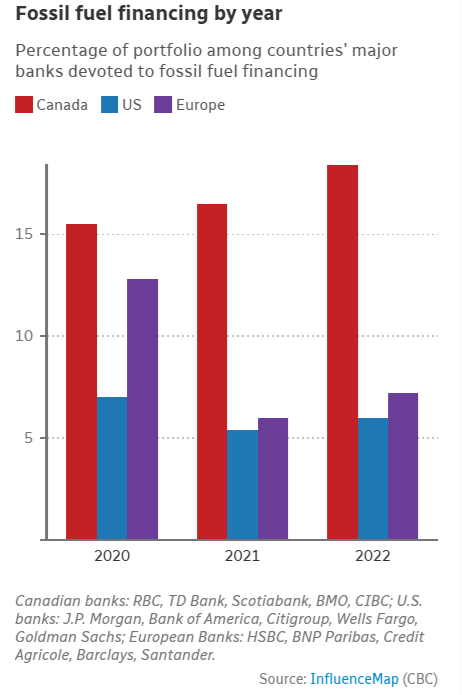
Did you know that Canada’s five biggest banks are among the 20 largest fossil fuel financiers in the world?

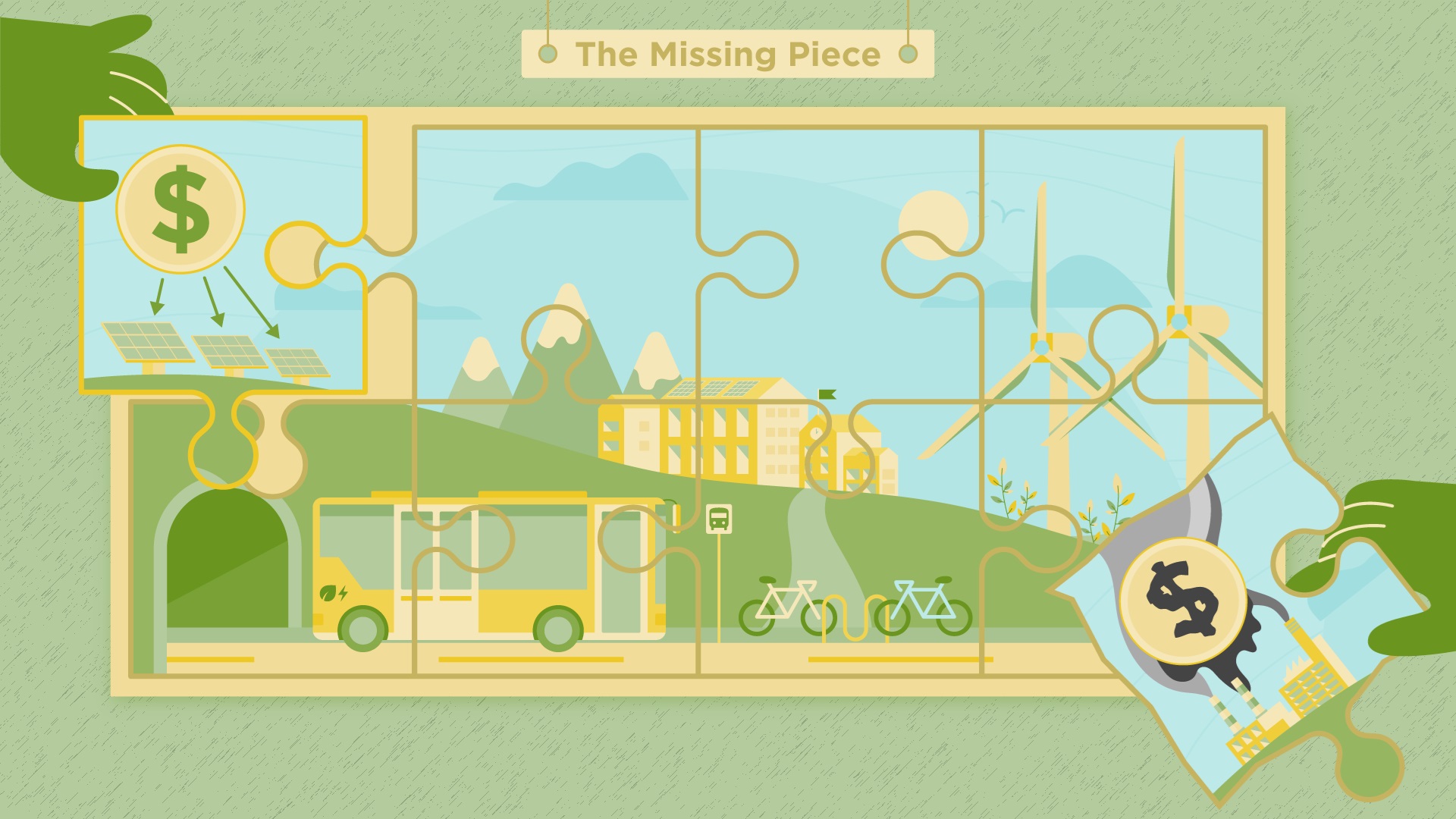
Since the Paris Agreement was signed in 2015, they have invested over $900 billion into the fossil fuel industry. This means that your hard-earned dollars are being invested in projects that make it impossible to meet Canada’s climate targets. While not well known, the financial sector is the missing piece in ensuring a climate-safe future.

Last week, the CEOs of Canada’s top 5 banks were in Ottawa testifying about their role in the climate crisis. Environmental Defence was on the front line of this critical moment. We were invited to testify in this important study and use our expertise to advise policy solutions to align our financial system with climate action.

Won’t you help us keep the heat on the banks to take responsibility for their role in the climate crisis?

Canada can only keep a safer climate if finance aligns with climate action, and new rules from the government would help make that happen. And, we are creating public awareness of the issue and mobilizing Canadians to speak up by writing letters and attending rallies- increasing the pressure on the federal government to take action.

At a time when climate-fueled disasters (such as wildfires, droughts and floods) are rising, it’s ludicrous that Canadian banks are allowed to fund oil and gas industries at a rate of over $100 billion per year. We will be watching future proceedings closely. And, we will continue to push the federal government to ensure that Canadian banks are helping, not hindering our climate goals. For The Silo, Alex Walker. Program Manager, Climate Finance for Environmental Defence.

Surviving Hurricane Sandy

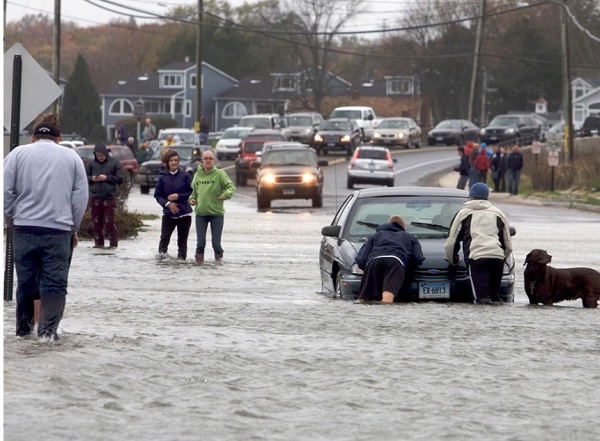
Pedestrians come to the aid of a motorist stuck on a flooded-out road along the shoreline area of Milford, Connecticut ahead of Hurricane Sandy October 29, 2012. The storm began battering the U.S. East Coast on Monday with fierce winds and driving rain, as the monster storm shut down transportation, shuttered businesses and sent thousands scrambling for higher ground. photo: REUTERS/Michelle McLoughlin

Dear Silo- I live in Jackson, N.J., about 10 miles inland, and did not get the devastating storm surge from Hurricane Sandy. And yet, I have never experienced such a catastrophic weather event.
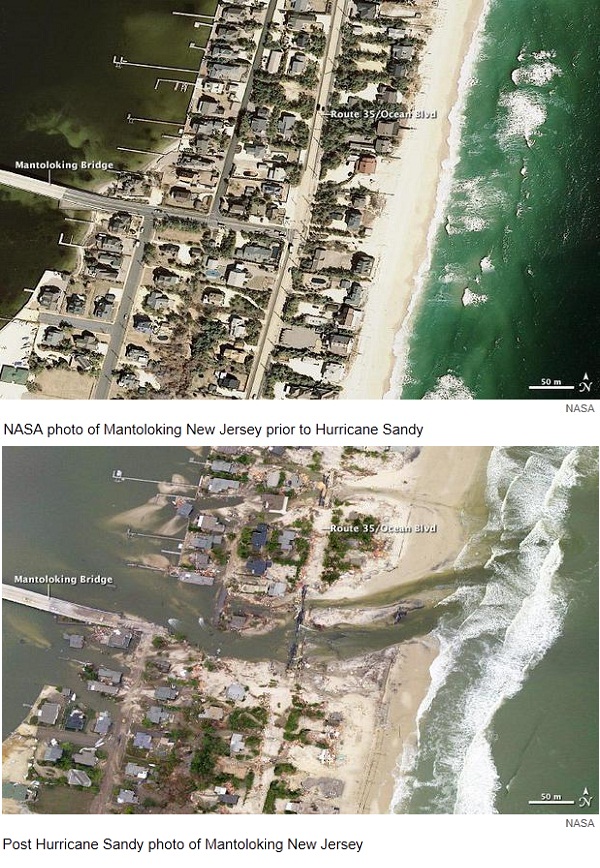
High winds brought down thousands of trees, taking out power lines and crashing into homes. The destruction here is something I never imagined I would see.

images courtesy: NASA imaging

The Mantoloking Bridge, where the sea came into the bay, is where I crab all summer. It’s now crumpled in the water, surrounded by flooded homes. It’s heartbreaking to see images of the place you love destroyed.

Since most homes did not have power or internet immediately after the storm, we did not get to see the images of ravaged iconic Jersey Shore towns like Seaside Heights, Point Pleasant, Manasquan, Mantoloking, Atlantic City and Asbury Park. Local residents are shocked at the extent of the devastation revealed in newspaper photos. Entire shore towns are gone; there is nothing left.

People are starting to lose it by the day; they’ve never gone so long without power. People in New York are eating from Dumpsters. The lines for gas, if you can find it, are miles long. A few more days like this and I worry civilization will start to break down.

Thankfully, my family is OK. I’m nutty about preparation, so we have everything we need. It is so important to be prepared for disaster.

Since I had a generator and plenty of fuel, the loss of power was tolerable. I was able to run my refrigerator and freezer, charge my cell phone and iPad, light my house and watch DVDs on the flat screen. The biggest complaint from those without generators has been boredom.

My 4G iPad was a lifesaver. I was able to tune into local radio stations and keep up with the news; view pictures and videos of the
devastation; and play games to pass the time.

Water is worth its weight in gold during a crisis, you can never have too much. Canned food, candles, flashlights and batteries are other must-have prep items.

It is very difficult to get gasoline as many stations have no power or have not had any gas delivered. There are mile-long lines at the stations that do have power and gas. The traffic around them is incredible — it’s a wild scene!

Why did so many people have so little gas that they would line up for hours to fill their tank? Because they did not prepare for the major disaster that had been forecast for the greater part of a week. My three cars are all full because I filled up BEFORE the storm.

The Jersey Shore will come back, but it will take a very long time. I feel a profound sadness seeing the beautiful shore destroyed and witnessing the suffering of those who have lost everything.

Please use this tragedy to prepare your family for disaster natural or man made. The best investment you can make is a generator. Buy one BEFORE a crisis hits.  Louis Scatigna