Lockheed Martin continues refining its technology solution for Space Fence, a program that revamps the way the U.S. Air Force & U.S. Space Force identifies and tracks objects in space. The U.S. Air Force selected Lockheed Martin in 2015 to build a $USD 914 million / CAD $1.25 billion Space Fence Radar to Safeguard Space Resources.
Lockheed Martin’s Space Fence solution, an advanced ground-based radar system, enhances the way the U.S. detects catalogs and measures more than 200,000 orbiting objects and tracks over 25,000 orbiting objects. With better timeliness and improved surveillance coverage, the system protects space assets against potential crashes that can intensify the debris problem in space.
“Space Fence locates and track space objects with more precision than ever before to help the Air Force transform space situational awareness from being reactive to predictive.”
Lockheed Martin delivered up to two advanced S-Band phased array radars for the Space Fence program. The Space Fence radar system greatly improves Space Situational Awareness of the existing Space Surveillance Network.
There is a lot to track and growing space debris every year.Construction of the new Space Fence system on Kwajalein Atoll in the Marshall Islands began in February 2015 to meet the program’s 2018 initial operational capability goal. With more than 400 operational S-band arrays deployed worldwide, Lockheed Martin is a leader in S-band radar operation. The Lockheed Martin led team, which includes General Dynamics and AMEC, has decades of collective experience in space-related programs.
Headquartered in Bethesda, Maryland, Lockheed Martin is a global security and aerospace company that employs approximately 113,000 people worldwide and is principally engaged in the research, design, development, manufacture, integration and sustainment of advanced technology systems, products and services.
On 16 December 2002, US President George W. Bush signed National Security Presidential Directive which outlined a plan to begin deployment of operational ballistic missile defense systems by 2004.
The following day the US formally requested from the UK and Denmark use of facilities in RAF Fylingdales, England and Thule, Greenland respectively, as a part of the NMD Program.
The administration continued to push the program, despite highly publicized but not unexpected trial-and-error technical failures during development and over the objections of some scientists who opposed it. The projected cost of the program for the years 2004 to 2009 was 53 billion US dollars/ 72.2 billion CAD dollars, making it the largest single line in The Pentagon’s budget. For the Silo, George Filer.
Back in the 1980s the cyberpunk genre envisioned a world of societal breakdown where technologically modified humans are controlled by mega-corporations watching their every move… or 2026 as it’s otherwise known. So as science fiction becomes modern day reality, our friends at Vollebak are giving you a chance to stick it to the mega-corporations, and dress a bit like Ryan Gosling in Drive at the same time.
Ever since brothers Nick and Steve Tidball started Vollebak they’ve been working on advanced material science to solve for things like disease resistance, climate change, space travel and resource scarcity. And next up is the electromagnetic spectrum.
Mars And The Hulk Have Something To Do With This Design
While Gamma rays might have turned Bruce Banner into The Hulk, in reality radiation and human beings don’t go well together. And as we enter an era of cybersecurity breaches, geopolitical instability, the first manned missions to Mars (after Elon settles down on the Moon first) , and cosmic radiation exposure, it’s going to present an increased threat.
So this is cool- this Electromagnetic Shielding Bomber is built with the same electromagnetic shielding technology used for the Mars Rover. Long before the Curiosity Rover was sent to Mars to search for signs of life, it had to be tested here on Earth. So NASA created an electromagnetic shielding tent that was designed to completely block out external electromagnetic radiation during testing… like someone sending a text, turning the microwave on, or chatting with the James Webb telescope.
Shields The Waves
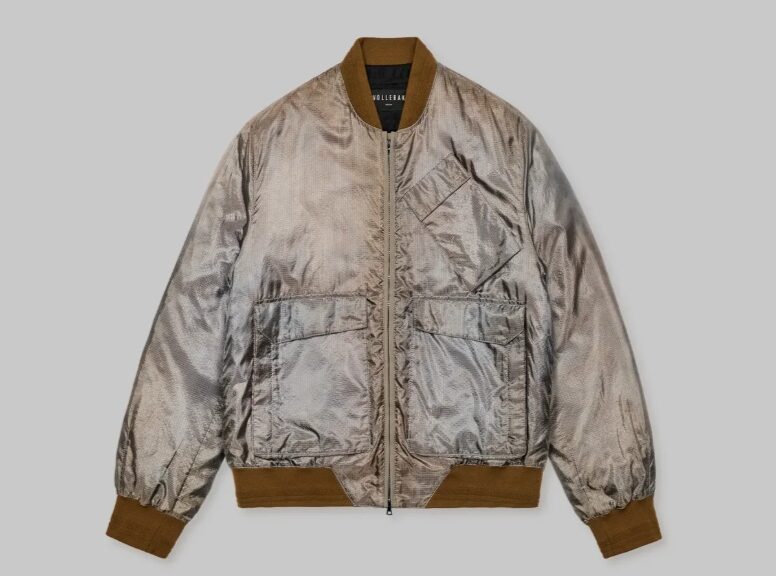
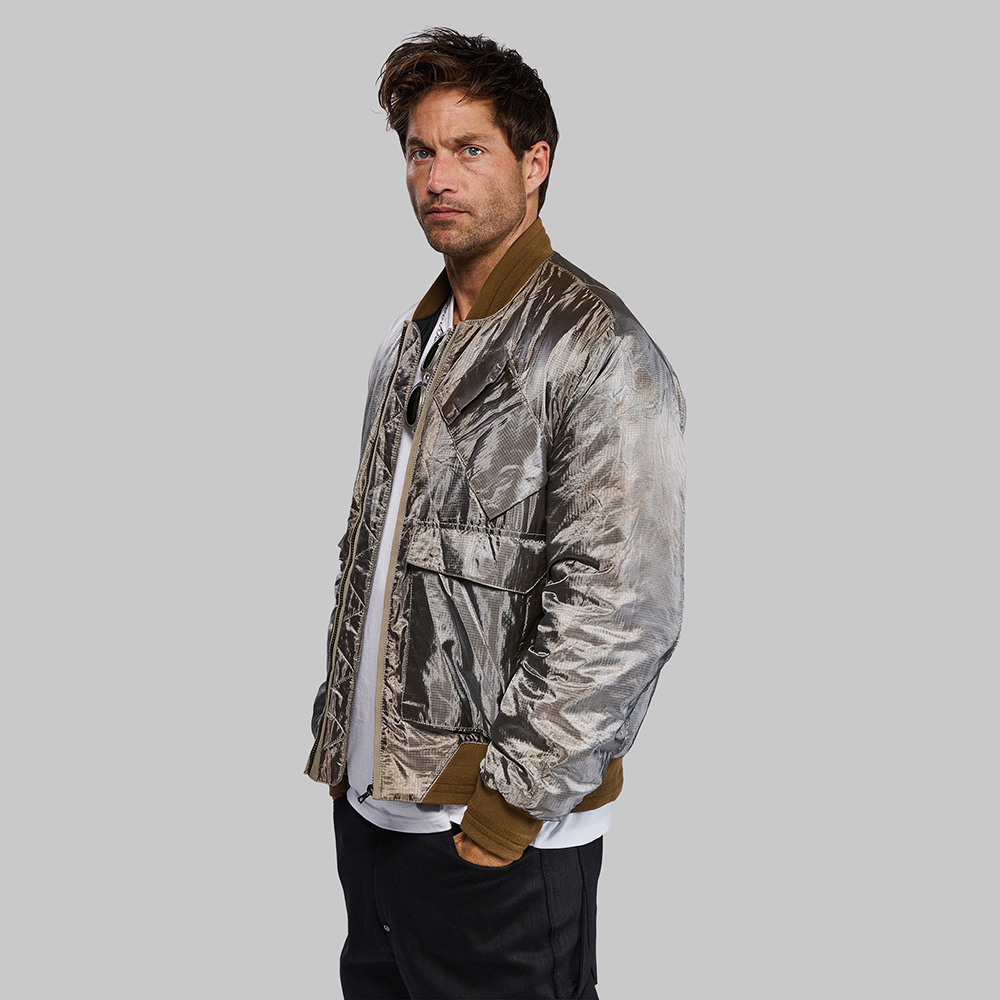
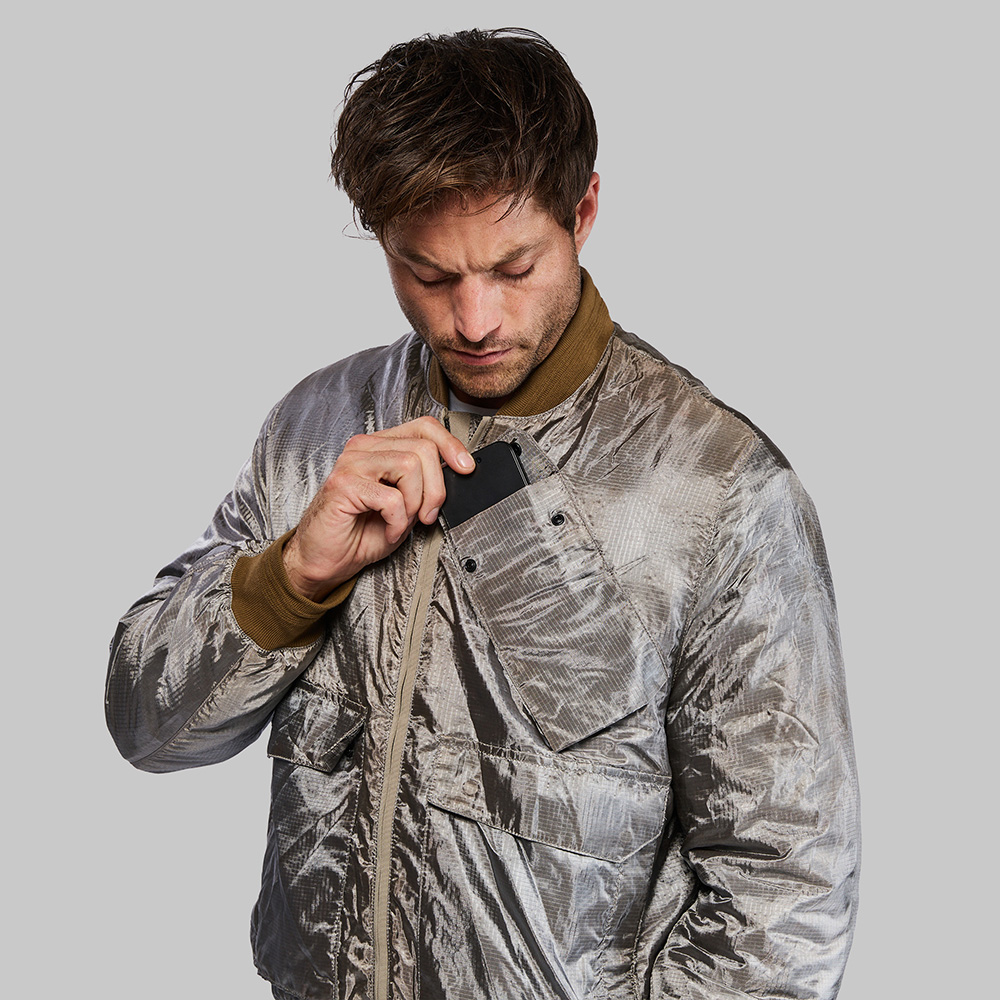
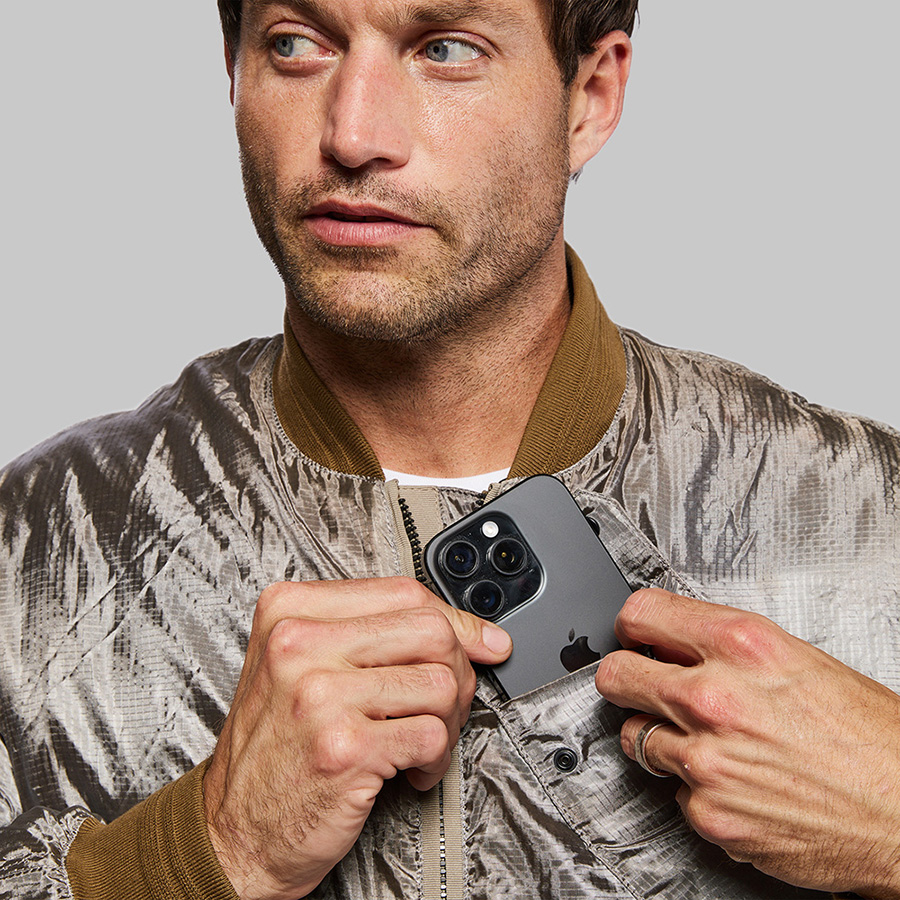
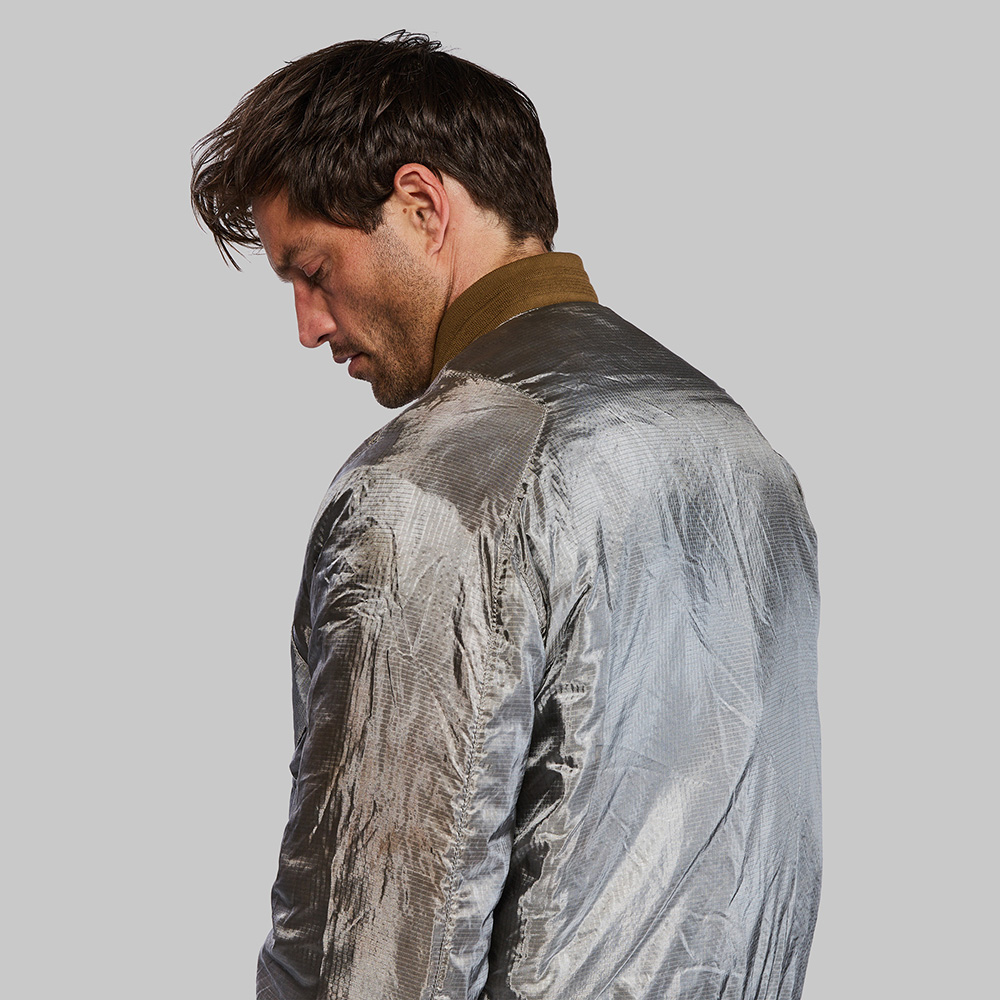
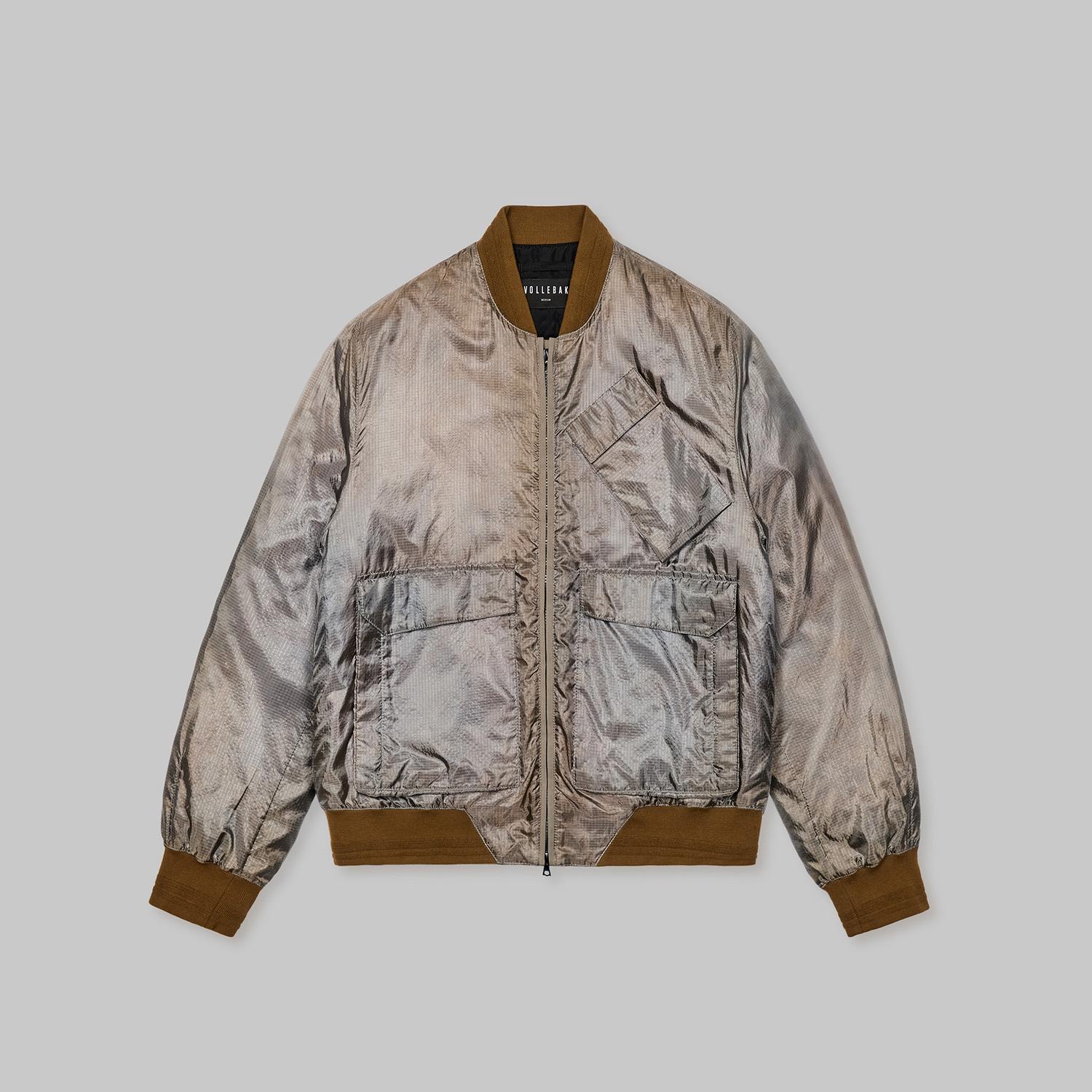
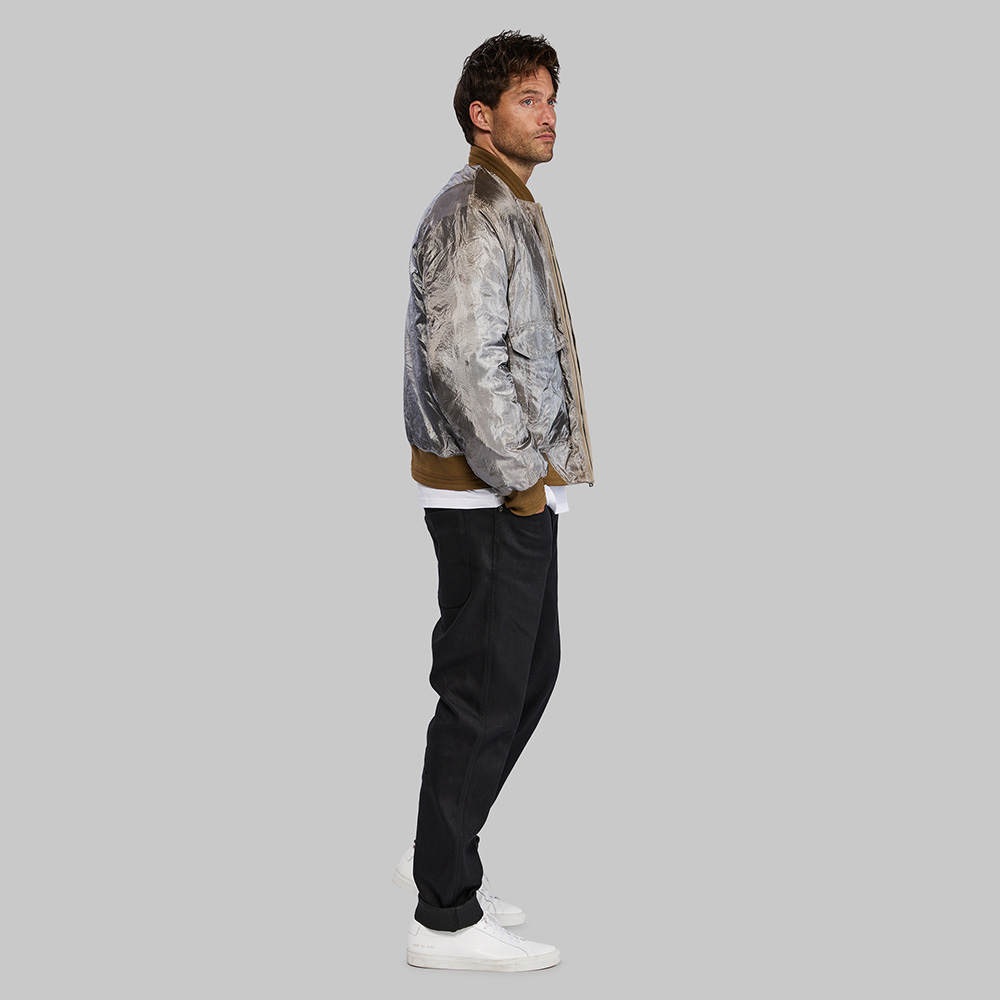
We’ve now taken that technology and converted it into our first Electromagnetic Shielding Bomber. It’s embedded with pure silver that blocks radio waves and microwaves in the 0.2GHz to 14GHz frequency range – which includes WiFi, Bluetooth, Ku-band satellites and radar systems. It also comes with a phone shielding pocket that works like a Faraday cage – blocking access to your devices, regardless of whether they’re switched on or off. Conceptually it’s like making a pocket that’s entirely watertight… just for electromagnetic energy instead. So you shouldn’t be tracked, hacked, or even called. While the outside of the jacket offers space-age protection, its shape, cut and aesthetics come from the jet-age, and are based on the original MA-1 flight jacket.
Don’t worry, we will get to the jacket- but first the story starts in 1836 in Victorian England. And it you weren’t there you didn’t miss anything. It included a grumpy-looking queen, bad weather, a lot of sexual repression, and rich people throwing buckets of human waste out of their windows.
On the plus side it also had a bunch of scientists running around like kids on acid. One of them was Michael Faraday – Victorian England’s answer to David Blaine.
Over the last 190 years the Faraday cage has gone from a crazy Victorian scientist sitting inside an electrical storm, to critical black-ops architecture, to a wildly experimental jacket that looks like it’s emerged from a craft in Dune.
A Faraday cage at the US Bureau of Standards (now NIST) used to protect delicate measuring instruments from electromagnetic fields.
Now Michael was a showman. But instead of freezing himself in ice, or suspending himself in a glass box, his trick was making super abstract physics feel tangible. And his greatest stunt of all was standing inside an electrical storm. In front of a packed out theatre at the Royal Institution in Mayfair, Faraday lined a large wooden box with metal foil, hit it with discharges from high voltage electrical machines… then calmly stepped inside. Sparks crackled across the outside of the enclosure. Blue light crawled over the metal skin. Faraday meanwhile stood there in silence. Like the final boss. While the energy simply flowed around him.
It might have looked like he’d built his own supersized coffin – complete with all the necessary equipment to kill him – but it turned out Faraday understood equations as well as he understood spectacle.
Made from approx. 50% copper
Blocks electromagnetic waves from 0.2GHz to 14GHz
Eight-pocket defensive storage system with shielding flaps
By the time he stepped into his foil-lined cube, he’d already spent years dismantling older ideas of electricity.
A Faraday cage isn’t a wall. It’s a detour. When an electromagnetic field hits a conductive enclosure, the free electrons inside it immediately start to flow, redistributing themselves across the surface until the field inside is cancelled out. Build the right shape from the right material, and electricity behaves like water flowing around a rock.
It’s one of the simplest demonstrations of how matter tells fields what they are allowed to do. The impact of Faraday’s experiment quickly escaped the lecture hall – because the Faraday cage didn’t just deflect static charge, but whole regions of the radio frequency and microwave spectrum.
The principle was applied in bunkers, test chambers and secure rooms. Then in spacecraft, data centres, radar installations and intelligence facilities, where even a stray spike of interference can crash systems or corrupt data. Today our Faraday Cage Jacket is a descendant not only of that wooden box, but everything that followed in its footsteps. It’s the same physics. Just shrunk. Softened. And wearable. And you can join the waiting list here.
We designed it from scratch, using the principles of clothing and electromagnetic infrastructure at the same time.
And this is what transforms it from a pure physics experiment, to an object that looks like it’s just emerged from a craft in Dune. Most of us spend our lives today inside a semi-permanent yet completely invisible electromagnetic fog: radio waves from antennas. Microwaves from routers. Radar from aircraft. Signals bouncing between satellites, phones, vehicles and buildings.
So the first Faraday Cage Jacket treats that electromagnetic energy the same way someone climbing Everest would treat cold weather – as something you can defend against, and insulate yourself from. It blocks electromagnetic waves across the 0.2–14GHz range. This includes all the unseen wiring of the digital age: WiFi at 2.4GHz and 5GHz. Bluetooth at around 2.4GHz. Mobile networks. As well as higher-frequency Ku-band satellite and radar systems. In lab testing the material reaches shielding effectiveness figures of up to 92 dB – for reference this is the kind of level normally associated with secure infrastructure and electromagnetic test laboratories.
Every seam and every opening affects how energy moves across the jacket.
So the job of the design is to manage those electromagnetic fields.
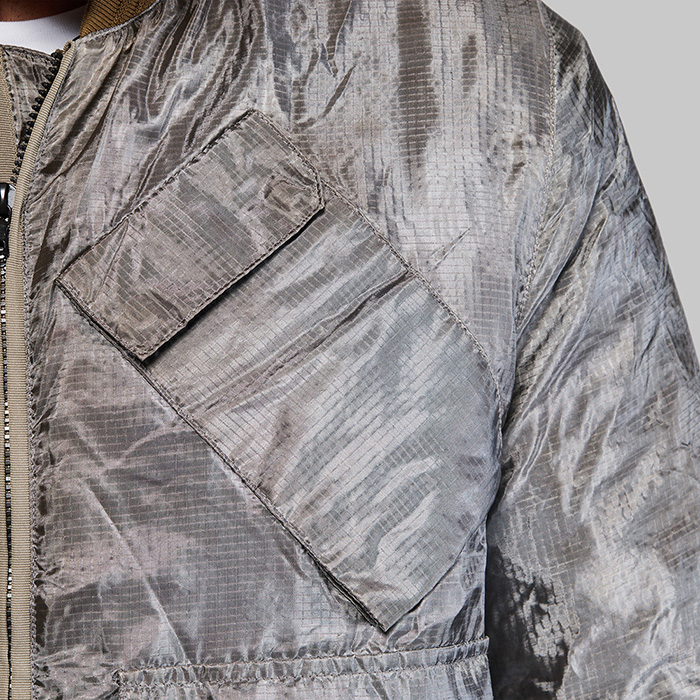
And that’s why the jacket is built from large, faceted spaceship-style panels and snap-down flaps. Overlapping sections create layered shielding zones and add 10 – 20 dB more attenuation. Each overlap is another place for energy to be redirected – another chance to keep it moving around the body instead of through it.
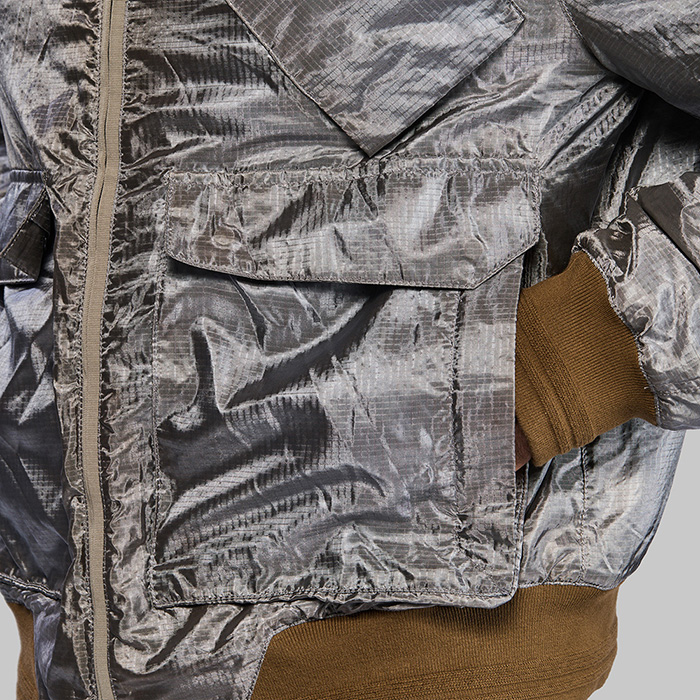
The jacket’s eight pockets are designed the same way. Instead of flat bags stitched onto a shell, they’re three-dimensional, origami-like bellows pockets that form enclosed volumes that behave less like pockets and more like small rooms – put a device inside one of these pockets and it’s almost impossible to track, hack or even call. So if you’re looking to shield yourself from the dystopian conditions our future digital overlords set – whether that’s surveillance, space radiation, or select parts of the electromagnetic spectrum – the Faraday Cage Jacket belongs in your future.
Technical Details
Outer material: Shieldex® Kiel + 30 non-woven shielding textile
Material composition: 48% copper, 46.5% polyamide, protective acrylic coating
Textile normally used to shield rooms and electronic environments
Shielding effectiveness: up to 92 dB in lab testing
Blocks electromagnetic waves from 0.2GHz to 14GHz
Thermally and electrically conductive
Naturally antimicrobial
Eight pockets including double-entry origami bellows pockets
Snap-down pocket flaps to add additional shielding
Part spaceship, part shop, the first Vollebak Spaceshop launched in Copenhagen in June. Before it heads off to service nearby galaxies, our friends at Vollebak are sending it on a world tour of Earth first.
Over the last year our friends at Volleback have partnered with sonic powerhouse Bang & Olufsen and Saga Space Architects to build their first prototype interstellar delivery vehicle …the Vollebak Spaceshop.
The craft itself is over 1,000kg of precision engineering that offers a glimpse into a future of interplanetary kit deliveries between Earth, the Moon and Mars. It was designed with SAGA Space Architects whose work includes lunar habitats for the European Space Agency, and lighting systems to help astronauts sleep on the International Space Station. And it’s fitted with Bang & Olufsen’s iconic Beolab 5 and Beosound 2 speakers.
If you missed launch night it involved space-based clothing, Earth-based alcohol, and the sound of the Spaceshop flexing its 120 decibels of muscle with ‘Intergalactic’ by the Beastie Boys. As soon as the next destination has been selected they’ll let you know. And while you’re waiting they have 4 pieces of space-ready cargo available for testing.
It includes their Martian Aerogel Jackets which are built from the Jet Propulsion Laboratory’s hypersonic deep space parachutes that landed the last Rover on Mars – and the same aerogel that stopped it freezing in the vacuum of space, and burning up on entry. They have their awesome Full Metal Jackets engineered from 11 kilometres of disease-resistant copper that were hailed by WIRED as “the virus-killing coat of the future,” and they’ve built to explore how humans could avoid taking diseases from Earth up into space.
You’ll also find electromagnetic Shielding Suits embedded with pure silver that block WiFi, Bluetooth, Ku-band satellites and radar systems, and deflect mid and long wave infrared radiation so they can’t be seen on infrared cameras. And last up they have the world’s first Anodised Jacket. Built with metallic insulation originally engineered by NASA to stop their spacecraft freezing in space, each jacket is fused with a near-invisible layer of metal from a galvanic bath that makes you appear cold or even invisible to infrared cameras.
35 years ago, a mysterious and strikingly beautiful aircraft touched down on a dusty airfield in the Nevada desert. Can you imagine what kind of advanced aircrafts are being developed now?
The F-117 Nighthawk
Since its public reveal decades ago (consider that development started in the 1970’s on this amazing machine), the Nighthawk served with quiet distinction through the latter half of the Cold War, the first Gulf War, a kerfuffle in Yugoslavia (bet you don’t remember that one) , and the invasion of Iraq in 2003. Despite and official ‘retirement’ in 2008, the F-117 still gets spotted in the skies over Nevada where it is rumored to serve as an ‘aggressor aircraft’, helping to train pilots.
What’s the F-117 about?
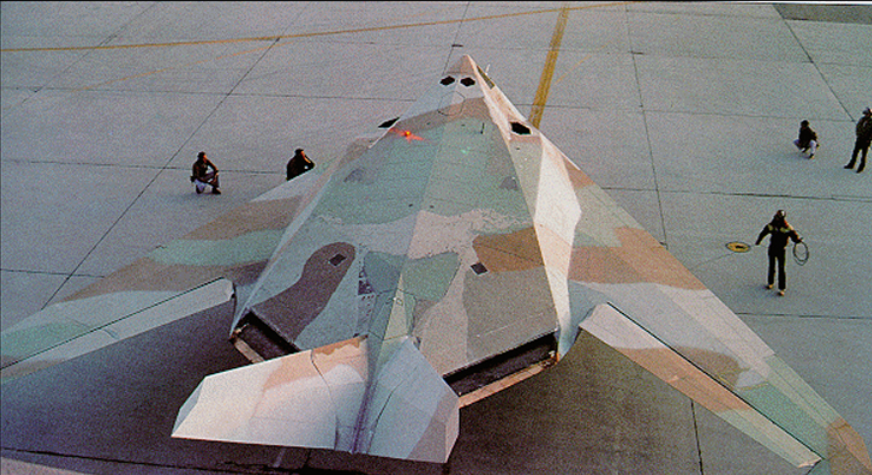
With it’s cyberpunk like profile and stunning angles, the F-117 Nighthawk instantly captured the public’s imagination and birthed a lot of UFO /UAP stories, especially in the late 1980’s and early 1990’s when it’s unusual shape confused expectations of what an aircraft could and should look like. A radical departure from the retro-aerodynamic curves of traditional aircraft design, the F-117’s odd shape serves a singular purpose.
Stealth.
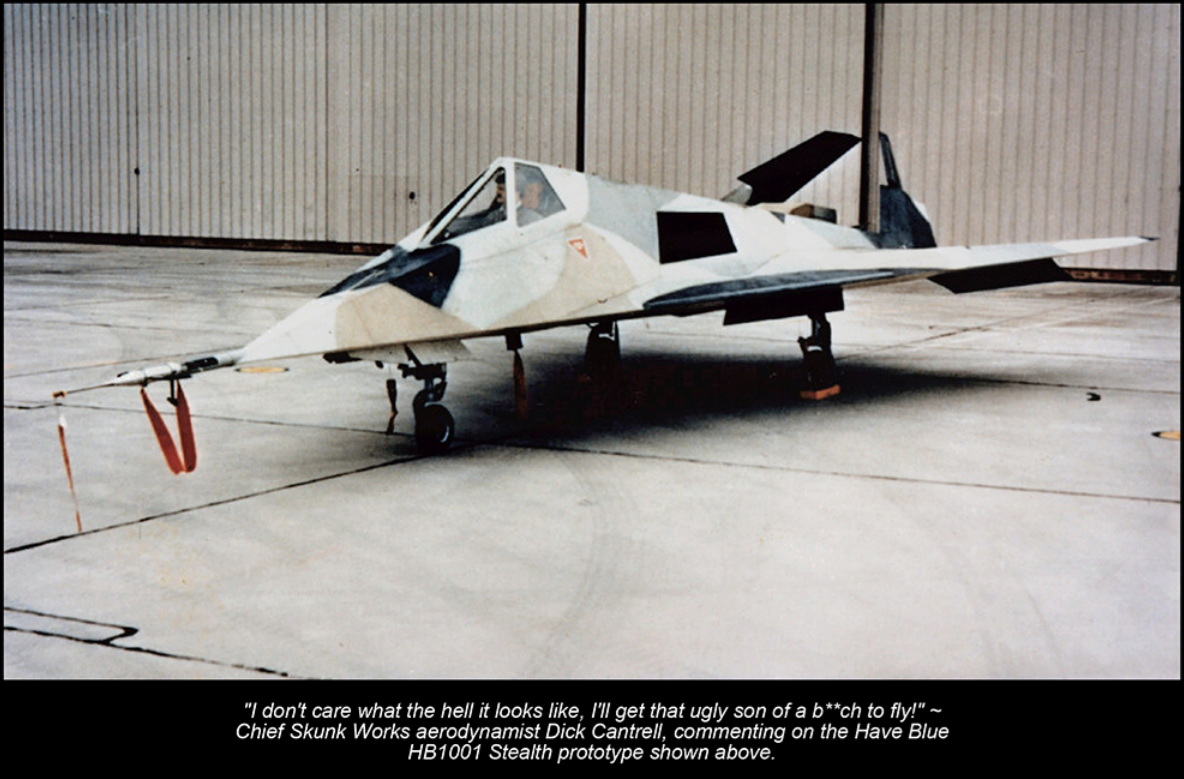
The Nighthawk was conceived by Lockheed’s Skunk Works, a secretive development team responsible for some of the most capable aircraft of the 20th century. Designed to slip through deep Soviet territory, the Nighthawk incorporated radical new technology to achieve an incredibly small radar and thermal signature. Hard edges, radar-absorbing coatings, a unique twin-tail, and special endinge cowlings reduced the aircraft to the size of a sparrow on Soviet radar. The Nighthawk was deemed fully operational in the early 1980’s and nearly a decade her pilots and crew flight night sorties in complete secrecy. Seven years later, the USAF and the Department of Defense decided the Nighthawk would work better as a deterrent if the world knew about it and it’s capabilities.
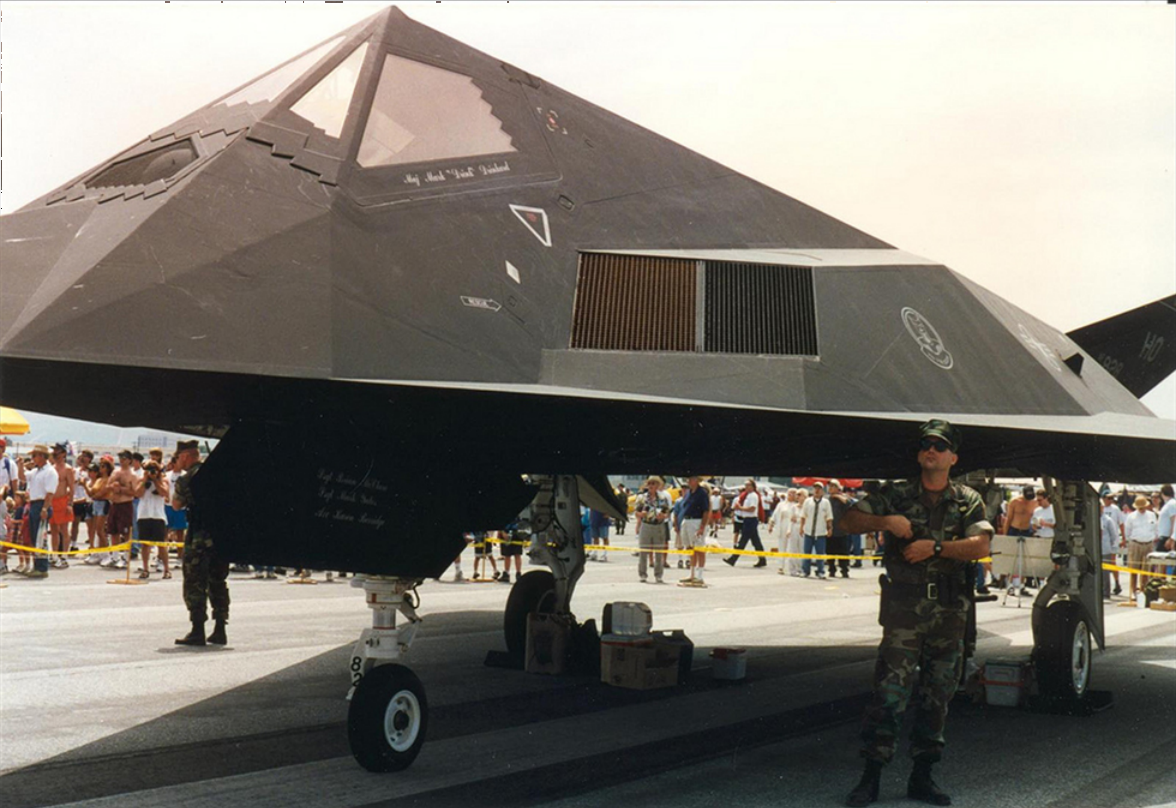
Plans were made to reveal the aircraft to the world at Nellis AFB on April 21, 1990. Those of us who saw this event live on television will always remember the shock and awe inspiring gasp it created- nothing like it had ever been seen before and it surely looked like something from a science fiction novel or movie. On a hot spring day, a flight of two F-117s landed in front of thousands of cheering spectators, kicking off one of the most memorable air shows in US history. After opening the show, the F-117s sat quietly on the tarmac surrounded by an entourage of armed airmen and curious onlookers. Although little was said about the new “stealth fighters”- blimps, fighter jets, and mock dog fights continued the day’s entertainment in style.
Even with talks of ‘spending prioritization’ and ‘doctrinal appropriateness’, the Nighthawk has endured, in it’s own special way, for nearly 40 years. Everything about the F-117 that made it great in the 1980’s still captivates us today. It’s razor-sharp edges, futuristic technology, and it’s family tree of stealthy cousins (foreign and domestic). Here is hoping many more years of this little black triangle up in the sky… via our friends at kommandostore.com
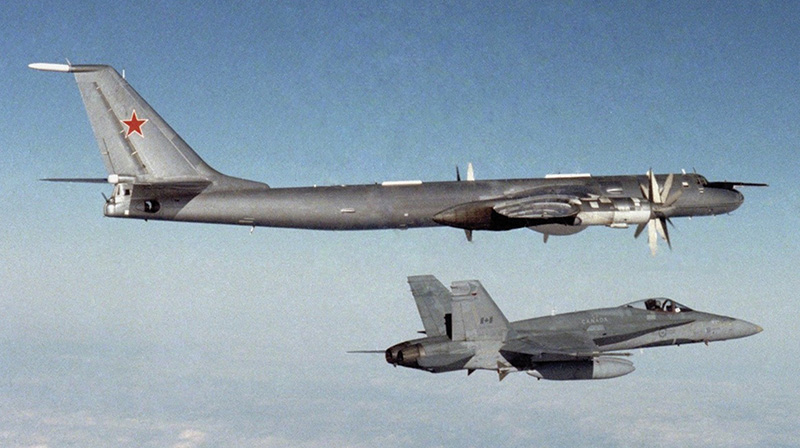
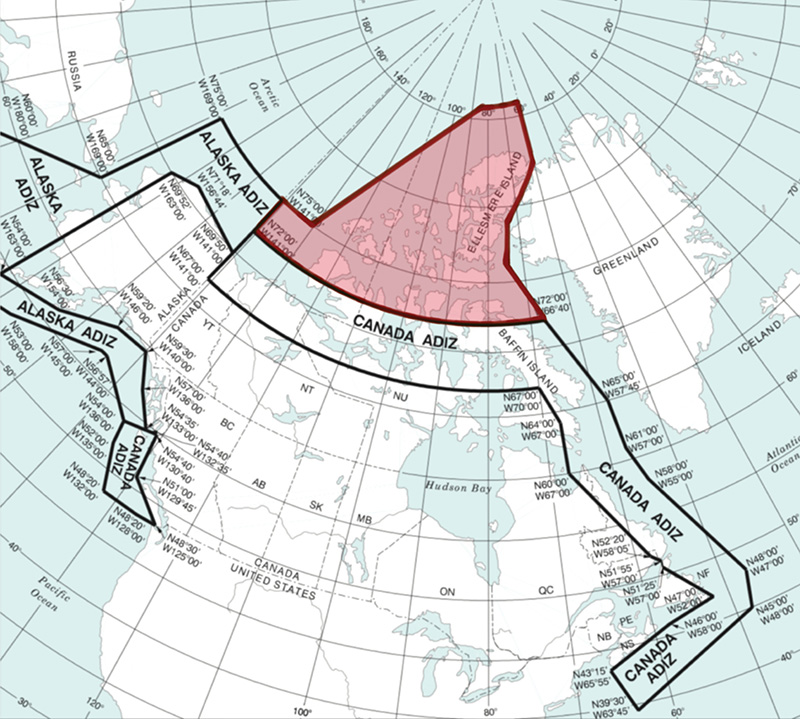
Many people are surprised to learn that for seventy-five years and counting, Russian aircraft regularly enter Canada territory. For example, on September 11, 2022, the North American Aerospace Defense Command (NORAD) detected, tracked and positively identified two Russian maritime patrol aircraft entering and operating within the Alaskan and Canadian Air Defense Identification Zones (ADIZ).
photo: DND
NORAD and USNORTHCOM are Canadian and the American bi-national military commands charged with three missions in the defense of North America: aerospace warning, aerospace control, and maritime warning.
The Russian aircraft remained in international airspace and did not enter American nor Canadian sovereign airspace.
Contrary to how you may feel about it, Russian activity in the North American ADIZ (Air Defense Identification Zone) is not seen as a threat nor is the activity seen as provocative. NORAD tracks and positively identifies foreign military aircraft that enter the ADIZ, and routinely monitors foreign aircraft movements and as required, escorts them from the ADIZ.
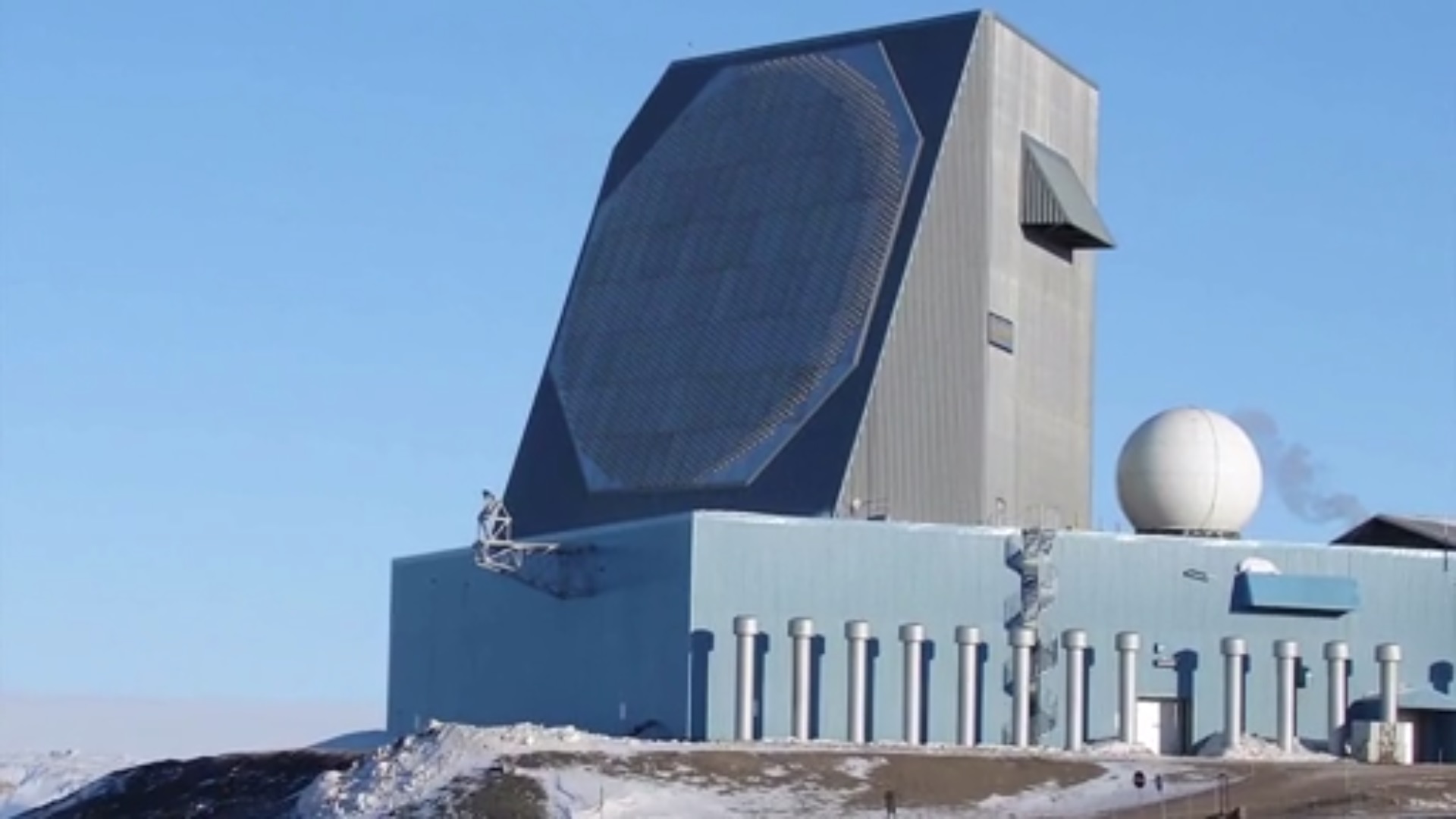
THULE AIR BASE, Greenland —Thule’s ballistic missile early warning radar
The radar is operated by the 12th Space Warning Squadron, a geographically-separated unit of the 21st Space Wing. This upgrade completes another step toward a fully-operational missile defense system for the United States and Canada and friends and allies.
NORAD employs a layered defense network of satellites, ground-based radars, airborne radar and fighter aircraft to track and identify aircraft and inform appropriate actions. We remain ready to employ a number of response options in the defense of North America and Arctic sovereignty.
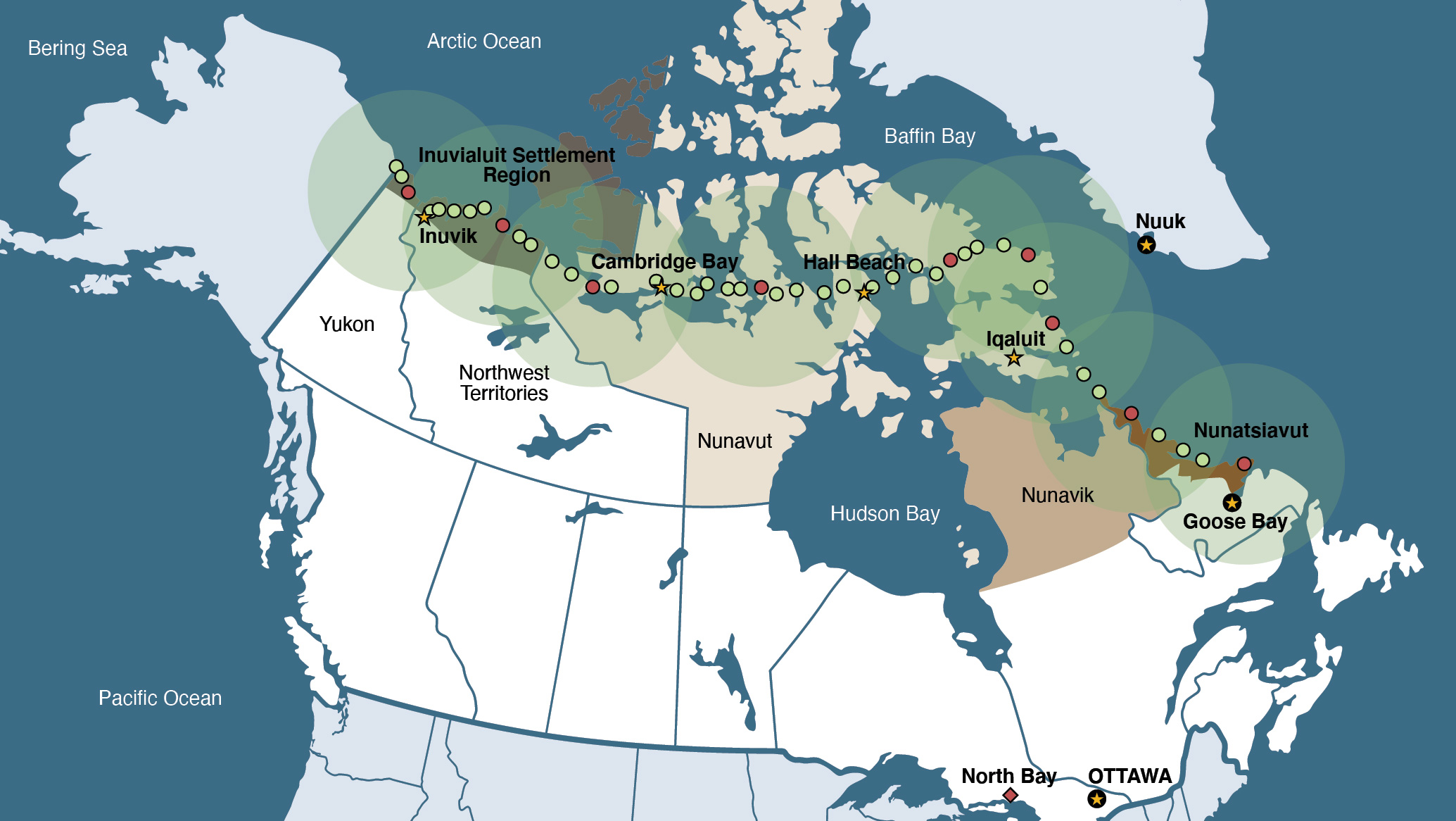
Canada’s North Warning System Radar Sites. image:cbc
Aside from Thule Air Base, Greenland, and other Alaskan air bases, defensive operations are also based out of Canadian Forces Station Alert, Nunavut; Whitehorse, Yukon; Yellowknife, Northwest Territories; 17 Wing/Canadian Forces Base Winnipeg, Manitoba; 22 Wing North Bay, Ontario and 5 Wing Goose Bay, Newfoundland and Labrador.
The expanded Canadian Air Defence Identification Zone (CADIZ).
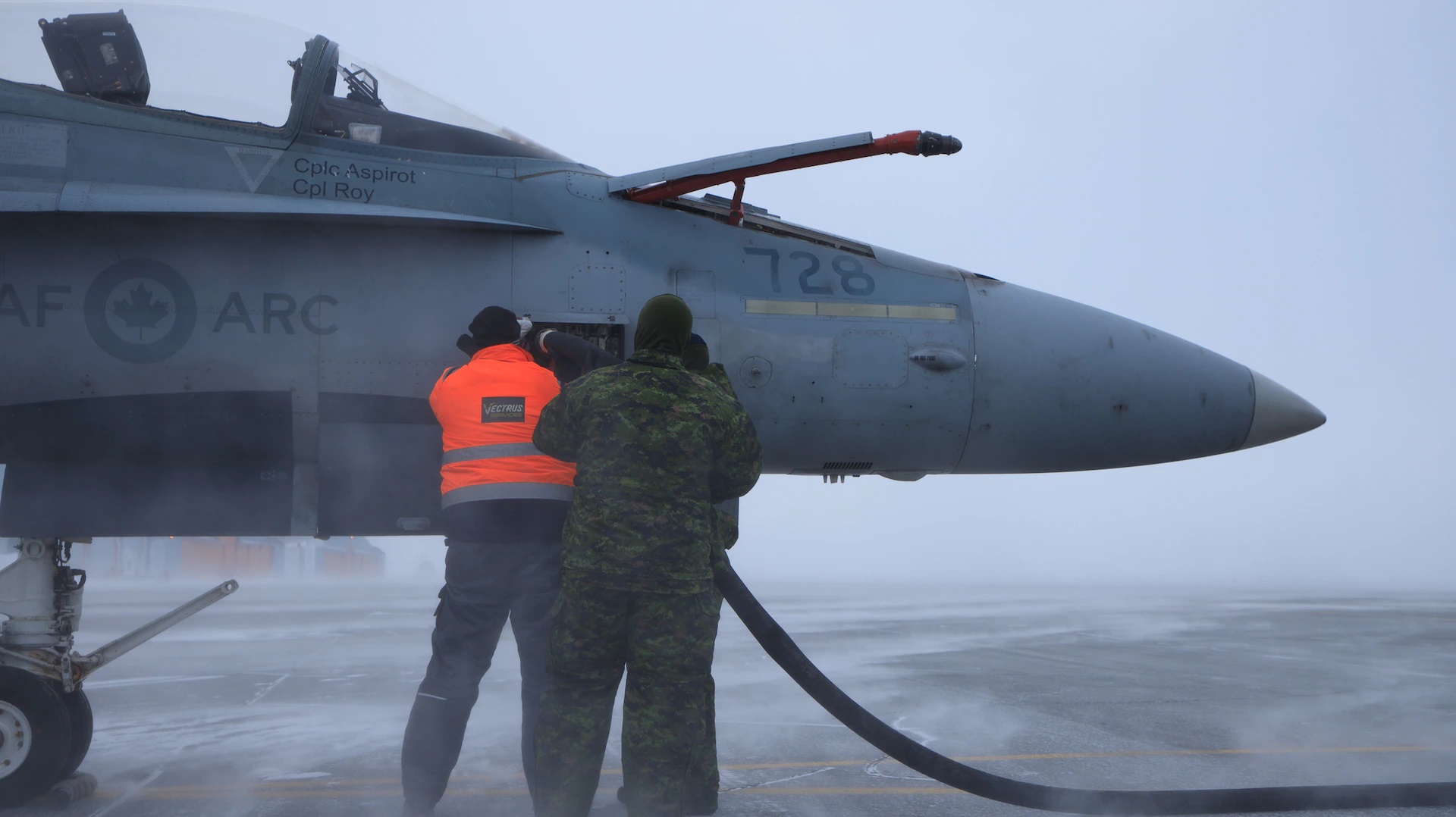
Another operation saw Canadian CF-18 fighters operating from northern airfields to intercept aircraft role-playing as threats. Fighter aircraft were supported by Royal Canadian Air Force and United States Air Force KC-135 air-to-air refuelers.
The monitoring and control of North American airspace remains a primary mission focus area for NORAD. The command maintains robust air defense capabilities to execute the airspace mission over the continental U.S., Alaska and Canada.
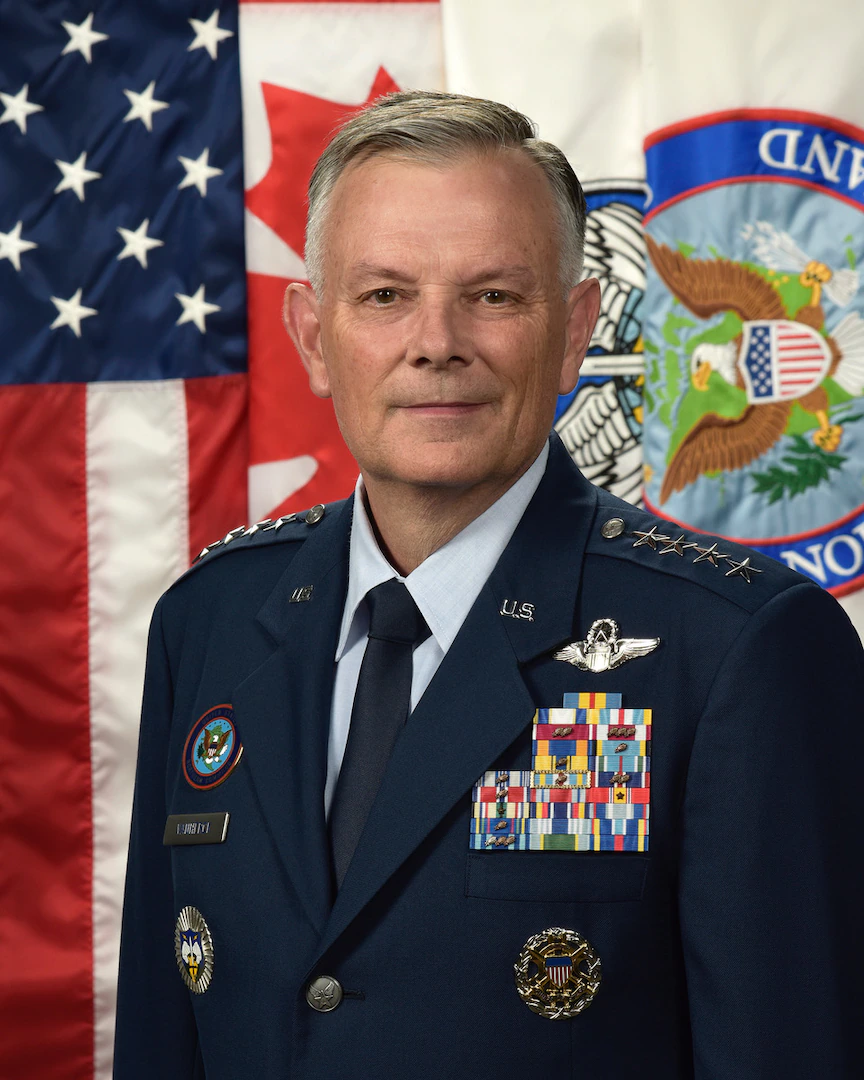
General Glen VanHerck
“Exercising in the Arctic allows us to demonstrate our resiliency and advance our operational capabilities that are critical for integrated deterrence and layered defense,” said General Glen VanHerck, NORAD/USNORTHCOM commander. “The men and women of NORAD, in Canada and the United States, remain steadfast in our sacred obligation of deterring threats, and if required, defending North America.”
Ontario First to Test Automated Vehicles on Roads in Canada
Province Supports Innovation in Transportation Technology
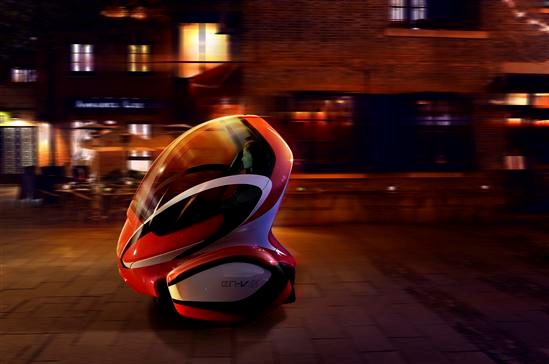
You should take auto-driving cars seriously- every major Auto manufacturer is venturing forward with concepts such as this one from General Motors- the GM EN-V
Ontario is launching a new pilot to allow for the testing of automated vehicles on Ontario roads.
Automated vehicles are driverless or self-driving vehicles that are capable of detecting the surrounding environment using artificial intelligence, sensors and global positioning system coordinates. Automated and connected vehicle technologies have the potential to help improve fuel efficiency as well as reduce traffic congestion, greenhouse gas emissions and driver distraction.
Beginning on January 1, 2016, Ontario will lead Canada as the first province to test automated vehicles and related technology on-road. Currently there are nearly 100 companies and institutions involved in the connected vehicle and automated vehicle industry in the province. The pilot will enable those companies to conduct research and development in Ontario rather than in competing jurisdictions, as well as support opportunities to bring automated vehicles to market.
The province is also pledging an additional $500,000 in funding to the Ontario Centres of Excellence Connected Vehicle/Automated Vehicle Program, in addition to the $2.45 million in funding recently provided. The program brings academic institutions and business together to promote and encourage innovative transportation technology.
Ensuring Ontario’s place as a world leader in the auto, transportation, information and communications technology sectors are part of the government’s plan to build Ontario up. The four-part plan includes investing in people’s talents and skills, making the largest investment in public infrastructure in Ontario’s history, creating a dynamic, innovative environment where business thrives, and building a secure retirement savings plan.
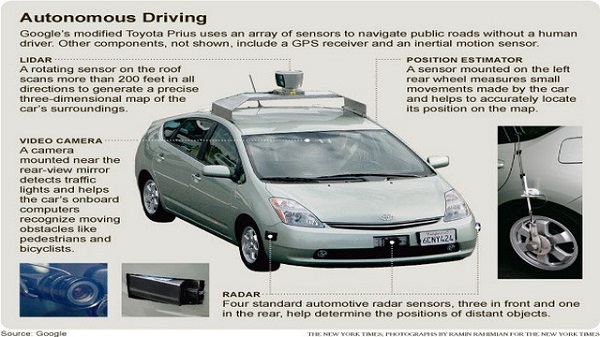
Not all concepts are futuristic looking such as Google’s modded Prius. We’re betting Ontario will test more conservatively styled auto-drivers such as this one. CP image: New York Times
QUOTE
“In the world of transportation, Ontario has the opportunity to show leadership on automated technology. Today, Ontario is making its claim in the global marketplace by taking the next steps in automated vehicle innovation. The automated vehicle pilot will ensure that the province’s roads remain safe without creating burdens that stifle investment and innovation in Ontario’s dynamic business environment.”
— Steven Del Duca, Minister of Transportation
“Ontario is a global leader in developing and manufacturing the next generation of vehicles.
This new pilot program will build on our success, and help Ontario lead the development of automated and connected car technologies. In this highly competitive global economy, investing in people’s talents and skills to create the next generation of innovative technologies is good for business, and can help lead to the easier movement of goods and services across the province.”
— Brad Duguid, Minister of Economic Development, Employment and Infrastructure
QUICK FACTS
Information about applying for the pilot will be available online from the Ministry of Transportation in late November.
Who wouldn’t want to ride/drive Chevrolet’s FNR concept car?
Disponible en français: L’Ontario est la première province à mettre à l’essai les véhicules automatisés La province encourage l’innovation dans les technologies des transports
L’Ontario lance un projet pilote en vue de la mise à l’essai de véhicules automatisés sur ses routes.
Les véhicules automatisés sont des véhicules sans chauffeur ou autoconduits qui peuvent détecter l’environnement avoisinant grâce à l’intelligence artificielle, aux capteurs et aux coordonnées fournies par le système de positionnement global. Les technologies relatives aux véhicules automatisés et connectés ont le potentiel d’améliorer le rendement du carburant et de réduire la congestion routière, les émissions de gaz à effet de serre et la distraction au volant.
Dès le 1er janvier 2016, l’Ontario sera le premier lieu au Canada à mettre à l’essai les véhicules automatisés et les technologies connexes sur la route. Près d’une centaine d’entreprises et d’établissements œuvrent actuellement dans le secteur des véhicules connectés et automatisés dans la province. Le projet pilote permettra à ces entreprises de mener des activités de recherche et de développement en Ontario plutôt que dans les territoires concurrents, en plus de créer des possibilités qui favoriseront l’introduction des véhicules automatisés sur le marché.
La province s’engage aussi à injecter 500 000 $ de plus dans le Programme de recherche sur les véhicules connectés et autonomes par l’intermédiaire des Centres d’excellence de l’Ontario, outre le financement de 2,45 millions de dollars récemment alloué. Ce programme réunit des établissements universitaires et des entreprises en vue de promouvoir les technologies de transport novatrices et d’encourager leur utilisation.
S’assurer de faire de l’Ontario un chef de file mondial dans les secteurs de l’automobile, du transport et des technologies de l’information et des communications s’inscrit dans le plan du gouvernement visant à renforcer la province. Ce plan comprend quatre volets : investir dans les talents et les compétences de la population, faire le plus important investissement dans l’infrastructure publique de l’histoire de l’Ontario, créer un environnement dynamique et novateur où les entreprises prospèrent, et établir un régime d’épargne-retraite sûr. CITATIONS
« L’Ontario a l’occasion de montrer l’exemple par le recours à la technologie automatisée dans le domaine des transports. L’Ontario marque aujourd’hui le marché mondial de son empreinte en franchissant une nouvelle étape pour stimuler l’innovation dans l’automatisation des véhicules. Le projet pilote sur les véhicules automatisés sera mis en œuvre de façon à s’assurer que les routes de la province restent sûres sans créer des fardeaux qui étoufferaient l’investissement et l’innovation dans le dynamique environnement commercial de l’Ontario. »— Steven Del Duca, ministre des Transports
« L’Ontario est un chef de file mondial dans la conception et la fabrication de la prochaine génération de véhicules. Ce nouveau projet pilote misera sur notre succès et aidera la province à prendre les devants dans le développement des technologies des véhicules automatisés et connectés. Dans cette économie mondiale hautement concurrentielle, le fait d’investir dans les talents et les compétences de la population afin de créer la prochaine génération de technologies innovatrices est bon pour les affaires et peut faciliter un mouvement plus fluide des biens et des services dans l’ensemble de la province. »— Brad Duguid, ministre du Développement économique, de l’Emploi et de l’Infrastructure FAITS EN BREF
Le ministère des Transports offrira de l’information en ligne sur la présentation de demandes dans le cadre du projet pilote à la fin novembre.

Lockheed Martin Space Fence Tracks Over 25,000 Orbiting Objects
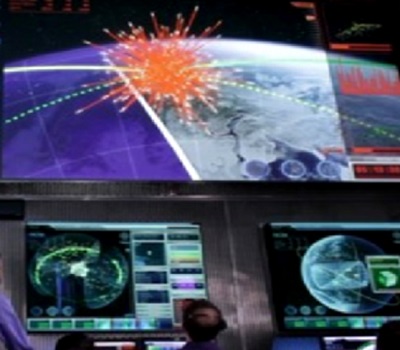 Lockheed Martin Space Fence Tracks Over 25,000 Orbiting Objects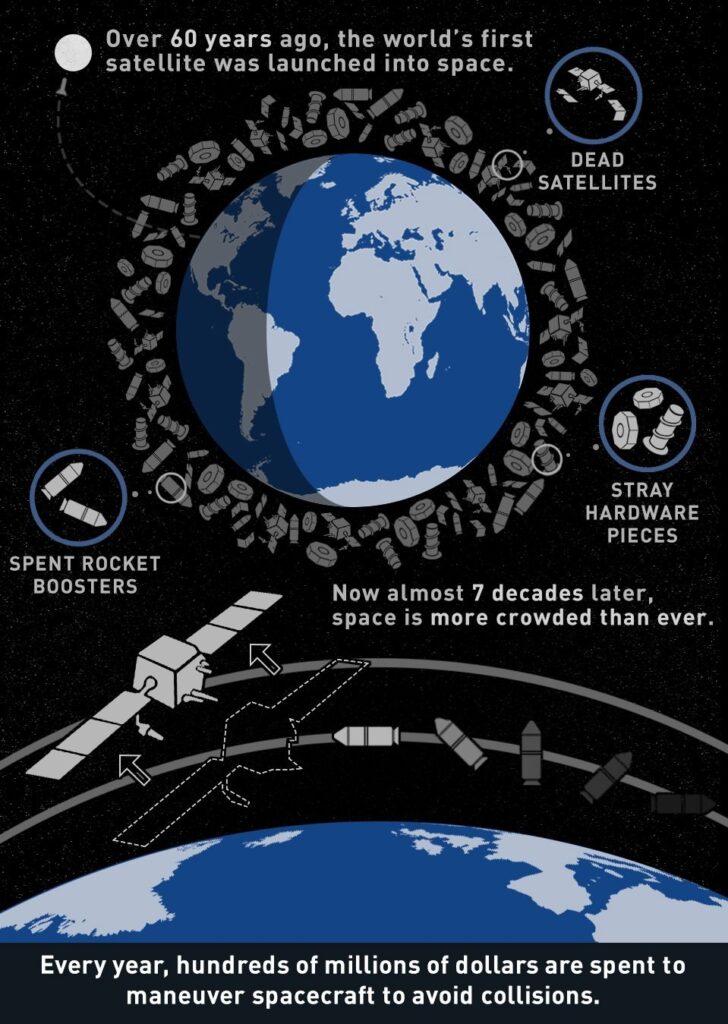
![That's a LOT to track! [CP]](https://www.thesilo.ca/wp-content/uploads/2015/06/SpaceFenceMain.jpg)