Did you know that the majority of Ontario Wasaga beaches are no longer protected, including critical piping plover habitat? That’s because the Ontario government recently removed Wasaga’s beaches from the Provincial Park and are giving them to the municipality despite fierce opposition from Ontarians, including many of you.
Wasaga’s beaches are the birthplace of 70 percent of all Ontario-fledged piping plovers that have survived to adulthood since the species returned to Ontario in 2007. This irreplaceable habitat is now at immediate risk from destructive mechanical beach and sand dune raking planned by the Town Council for as soon as this spring.
Emergency Order
Although Wasaga’s beaches are no longer in a Provincial Park, there is still a way to protect the piping plover. The Federal government can and should issue an Emergency Order under the Species at Risk Act to protect this endangered shorebird from the destruction of the places where it eats and raises its young.
While this solution seems obvious, ensuring the Federal government does the right thing is not guaranteed. That’s why we urgently need your help. We want to launch a comprehensive public awareness campaign to mobilize Ontarians to push the federal government to fulfill its responsibility and protect Wasaga’s critical piping plover habitat. Will you help us?
Mechanical Raking Of Beaches
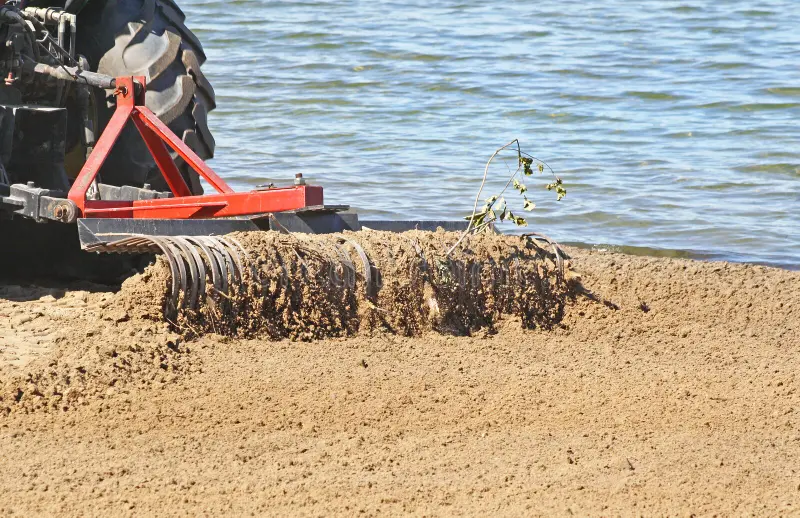
Time is running out. The Town of Wasaga Beach has already purchased mechanical raking equipment and announced a development plan that would bring beach clearing and raking to known piping plover nesting and feeding sites.
Mechanical beach raking destroys the natural debris piping plovers need to nest, forage, and hide from predators. Evidence from other Ontario beaches shows that once raking occurs, plovers often fail to return. With only three other active breeding sites left in Ontario, the loss of Wasaga would be catastrophic.
Environmental Defence has successfully fought and saved the homes of this bird before. After years of advocacy, we stopped the illegal bulldozing of piping plover habitat at Saugeen Beach (formerly known as Sauble Beach), and we will use our experience to fight the habitat destruction now threatening Wasaga. We know that only the immediate action of the federal government stands between the loss and the survival of the endangered piping plover on Wasaga’s beaches. The time for action is now.
Tourism Balance Can Be Established
The Town of Wasaga Beach is, and can continue to be, both a thriving home for endangered piping plovers and a world-class tourism destination. Together, we must demand that the federal government issue an Emergency Act under the Species at Risk Act and prevent the irreversible loss of Wasaga’s piping plover habitat. We hope we can count on your support by clicking here.
A Silo Travel spotlight. The Art of Escape: Inside the Enduring Miami Beach Property Where Vintage Glamour Meets Contemporary Luxury
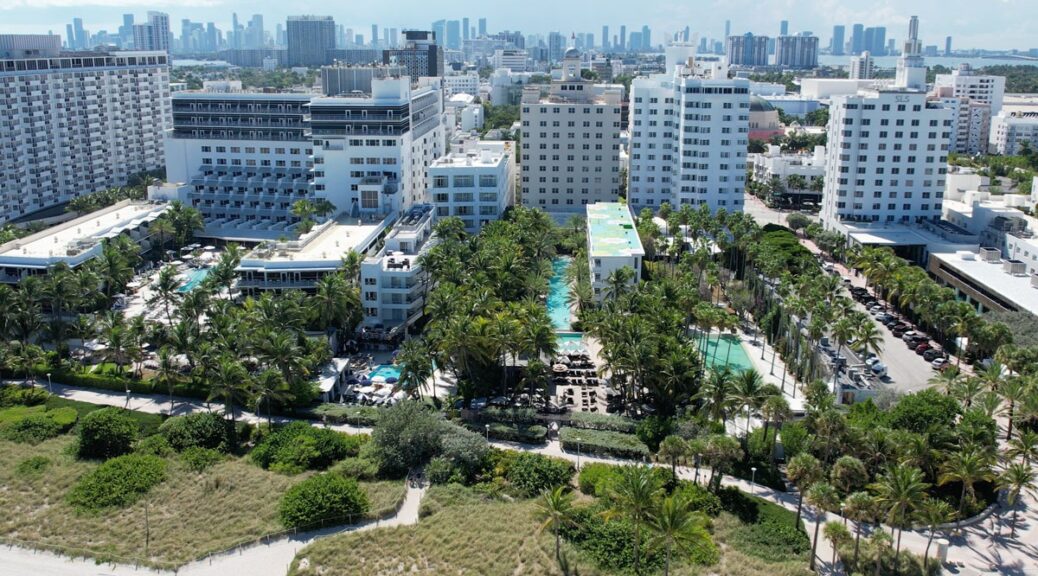
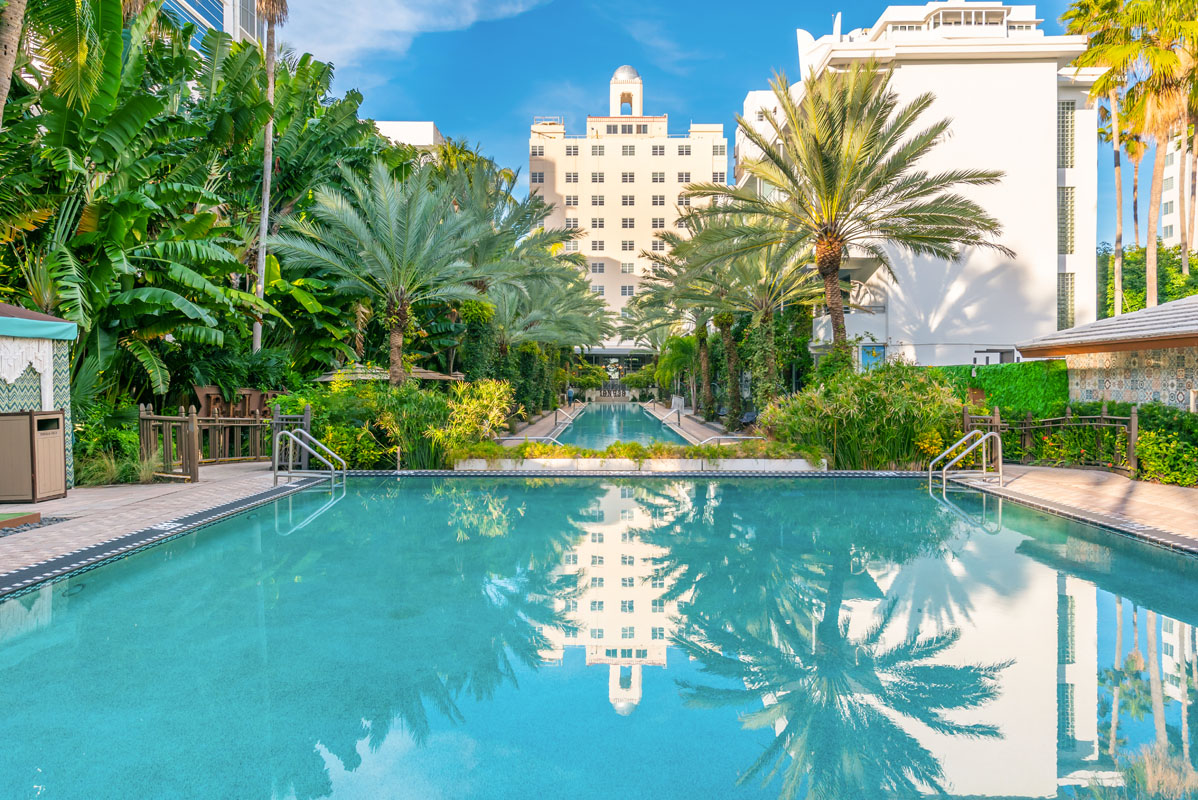
Those looking for a SoFlo escape exuding art, culture and timeless sophistication need look no further than the National Hotel Miami Beach, where the city’s vintage glamour meets contemporary coastal luxury. Perfectly situated in South Beach’s iconic Art Deco district, this adults-only, pet-friendly, oceanfront retreat offers a distinctly cinematic experience—from its sweeping palm-lined pathways to Miami Beach’s longest infinity-edge pool.
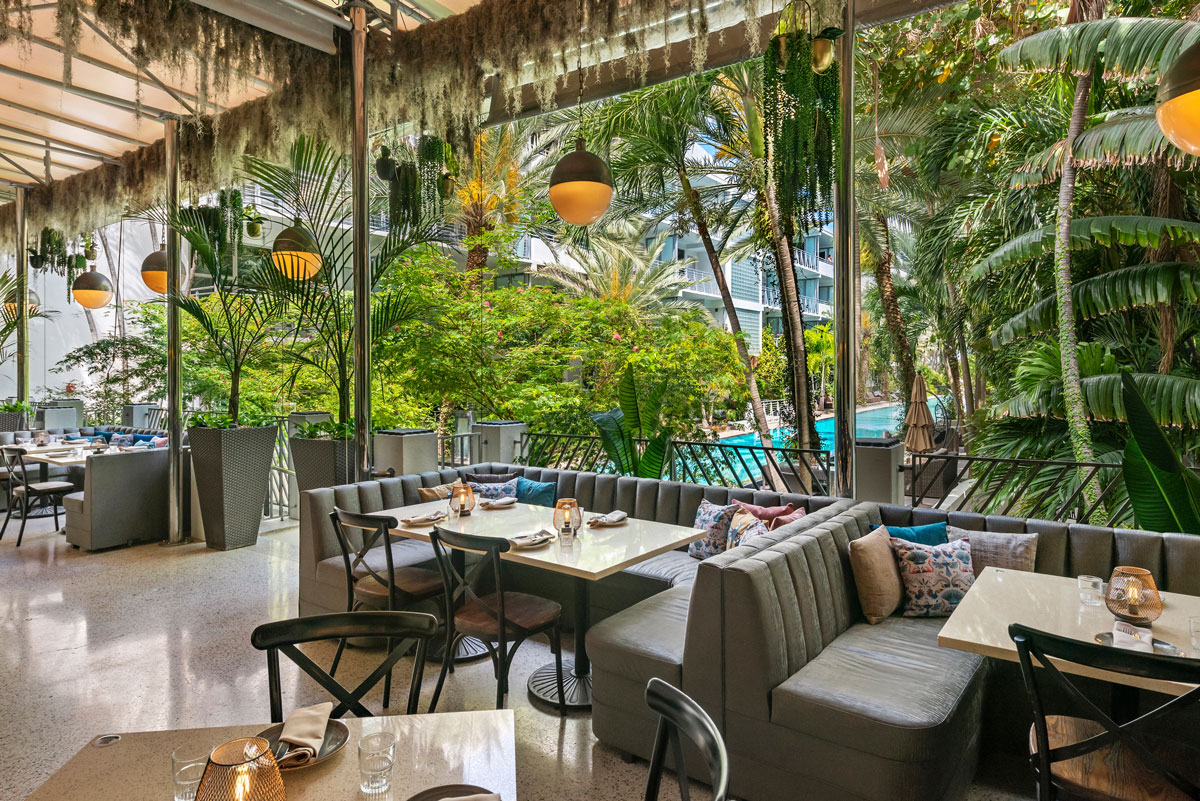
Whether unwinding in a newly redesigned ocean view suite or indulging in craft martinis and natural wines at the hotel’s Spanish tapas restaurant, Mareva1939, guests are immersed in a sensory celebration of both past and present. It’s the quintessential backdrop for a Miami Beach escape—and the perfect setting for a candid, deep-dive conversation with Stephane Mercier, Managing Director at The National Hotel Miami Beach, who shares insight into what makes the National Hotel such a standout destination.
MK: The National Hotel is known for its strong commitment to art. Can you describe the philosophy behind incorporating artwork into the guest experience—both in the copious common spaces and guestrooms and suites?
SM: The National’s philosophy behind incorporating artwork into the guest experience is deeply rooted in its iconic Miami Beach Art Deco hotel identity. We want guests to feel immersed in a unique, sophisticated revival of a golden age of Miami Beach, while enjoying contemporary hospitality. Designed by renowned architect Roy France, credited with creating the Miami Beach skyline with his string of Art Deco and streamlined towers, the hotel remains a testament to his visionary work.
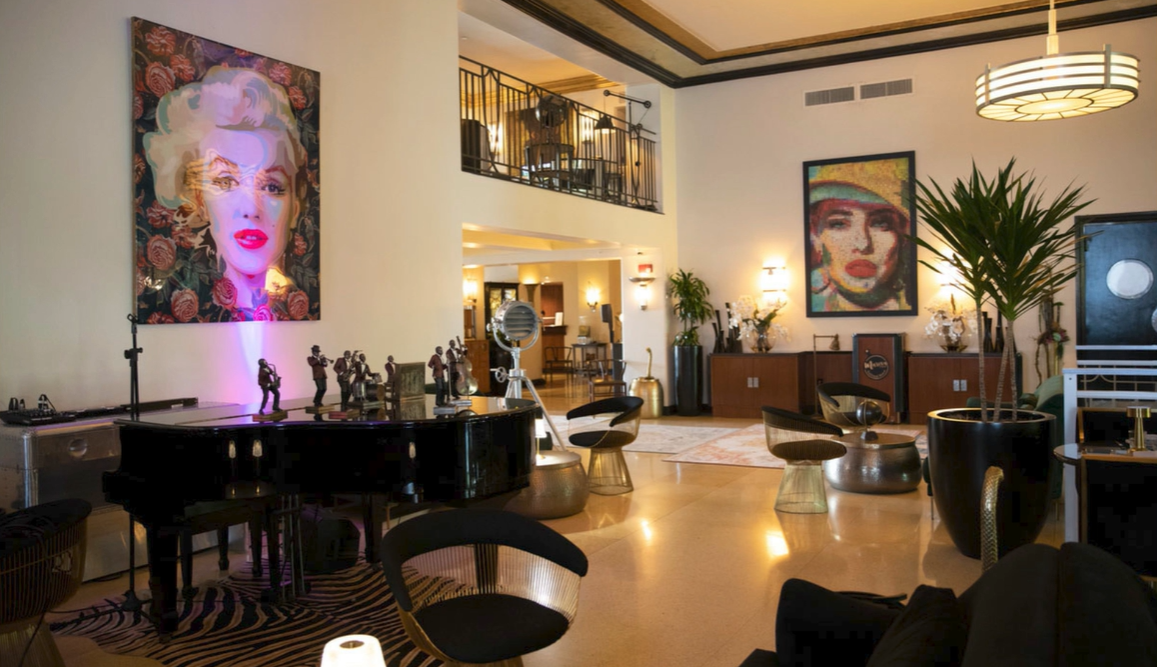
Though renovated to offer the modern, yet sophisticated, classic look and feel experienced by guests today, the hotel continues to stay true to France’s philosophy and artful design. Signature architectural elements, including corner windows, original terrazzo floors, chrome wall sconces and era-inspired details, preserve the National Hotel’s timeless elegance, seamlessly blending classic style with contemporary luxury.
MK: What about the property gives it overarching appeal in the luxury travel sector?
SM: The National Hotel is one of the few South Beach properties that remains true to the iconic Art Deco era, preserving its timeless elegance and charm, and is the only beachfront, adults-only hotel in the destination, promising an elevated experience for a discerning set of travelers. Guests can be assured that the amenities and atmosphere onsite cater to adults that value culture, history and curated experiences. Since its opening in the 1940s, Bar 1939 has embodied the hotel’s rich history, capturing the glamour and sophistication of the period. This luxurious open space features suede lounge chairs, copper cobras emerging from side tables, flooring embedded with hundreds of shiny coins and a grand piano. Guests and locals alike can enjoy our vibrant cultural happenings onsite, including live music on Saturdays, seasonal highlights—including holiday celebrations and New Year’s—and musical collaborations like the Musimelange chamber music series, occurring now through May 19. Solidifying the vintage feel of the Art Deco era is the show-stopping bar, a monumental slab of ornately carved hardwood flanked by elaborate stools.
While design throughout the hotel pays homage to the property’s history, the exclusive Artist Collection Suite embodies the uniqueness found at the National Hotel Miami Beach. Designed by world-renowned artist Elizabeth Fatone, the accommodation features one-of-a-kind, hand-painted murals and Art Deco-inspired furnishings, celebrating the artistic spirit and distinctive character that define the unique experience at the hotel.
MK: How do the art pieces showcased at the hotel enhance the overall ambiance and storytelling of the property? SM: The hotel’s carefully curated pieces do more than enhance décor, they immerse guests in the timeless elegance of the Art Deco era. From the grand Bar 1939, with its carved hardwood bar and vintage-inspired furnishings, to the Artist Collection Suites featuring the aforementioned Elizabeth Fatone and Renoma Suite, every detail tells a story. Upon arrival, guests can find a sculpture by Carole Feuerman at the property’s entrance, colorful murals by the pool and revolving art present across the hotel throughout the year. Each artistic touch reinforces the hotel’s rich history, ensuring a seamless blend of past and present. MK: How does the property’s distinctive style, both in architecture and décor, influence the guest experience? SM: The National Hotel’s Art Deco architecture and décor offer a modernized tribute to the classic Miami Beach style. Miami Beach holds the appeal of having an artful combination of heritage and modernity. Art Deco hotels sprung forth from this intrigue and the National Hotel Miami Beach has solidified its place in the region’s history by achieving, and long maintaining, a sense of artful timelessness with modern appeal. On a year-round rotating basis, local and famed artist showcases or classics can be found in the hotel’s lobby, restaurants and additional common spaces. The hotel also works with local art and design communities to support and be included in Art Deco history tours. This seamless fusion of history, artistry and elegance not only enhances the ambiance, but also invites guests to become part of the hotel’s timeless legacy. MK: Are there any architectural elements or décor pieces that are original to the hotel? SM: The hotel has maintained its traditional foundation including corner windows, original terrazzo floors, chrome wall sconces and preserved the original check-in desk that is now on display for guests to enjoy during their stay. In front of the long pool, guests can see the mosaic Girl With The White Glove and the Compass, two pieces exclusive to the property. MK: The National Hotel has a fascinating and storied history. Can you share some of the most intriguing or lesser-known anecdotes about its past? SM: Since its inception, the hotel has drawn sun-loving socialites and celebrities, from the glamorous 1950s crowd, to the South Beach revivalists of the 1970s, to modern-day travelers looking for a boutique, sophisticated stay along the beach. Designed by Roy France, the National Hotel’s timeless Art Deco style and its striking 14-story tower are a testament to his influence in shaping the Miami Beach skyline. A Midwest native, France relocated to Miami Beach after a trip to Florida with his wife in 1931. The hotel remains true to France’s vision, maintaining its Art Deco charm while seamlessly integrating modern style and elevated amenities, services and culinary highlights. MK: Can you describe the unique features and amenities of the ocean-view and other premium-level suites at the National Hotel? SM: Ranging from the city vie rooms to our penthouse suite, guests can find roomy accommodations and relaxed luxe amenities with stunning views of the blue ocean and our infinity pool. Favorite features in our upper room categories include radios, slippers and a robe beginning in our cabana rooms and suites; balconies in our Cabana rooms; bold, fun murals in our Artist Collection Suites designed by Elizabeth Fatone; and the tri-level space of our Penthouse Suite.
MK: The property’s Mareva1939 on-site restaurant has become a standout feature of the National Hotel. What inspired its culinary concept and name? SM: Mareva1939, the National Hotel’s signature, award-winning Spanish tapas-style restaurant, was inspired by the year the hotel began welcoming guests. The restaurant’s culinary concept was designed to take guests through a gastronomic journey to Spain, offering a curated menu that blends traditional dishes with a modern, locally driven Miami Beach twist. The family-style menu encourages a convivial atmosphere, keeping the Spanish culture alive by inviting guests to connect around the table. To elevate the meal, the restaurant offers an extensive selection of organic, natural wines and handcrafted cocktails, thoughtfully paired to enhance the flavors of each dish. The creative culinary team ensures that dining remains exciting year-round with seasonal menus for holidays, local events and the hotel’s participation in Miami’s celebrated Miami Spice program. As an extension of Mareva1939, the Martini Bar takes guests back to the hotel’s opening era with original 1939 design elements, a specialty cocktail menu and live music over the weekends, offering an intimate and elevated space for unwinding. MK: How does the menu reflect—or complement—the hotel’s overall brand and history? SM: The culinary experience at Mareva1939 takes inspiration from the hotel’s artistic history in the plating and ingredients from the coastal setting, infusing Spanish traditions and tropical influences. MK: The property features bars reminiscent of a speakeasy that are a draw for guests and even city locals. To what do you attribute the appeal? SM: Their nostalgic charm and intimate ambiance, which transport guests and locals into this Art Deco era. The rich, vintage design elements paired with expertly crafted cocktails create a sophisticated setting that encourages relaxation and socialization. The hotel’s Bar 1939 and Martini Bar offer classic 1930s-era cocktails alongside modern drink options in a refined setting, with live music on Saturdays. The intimate nature of these bars, combined with their elevated atmosphere, makes them not just a place to enjoy a drink, but an immersive experience that draws both guests and locals looking for a unique, upscale night out. MK: What are some of the other standout amenities that set the National Hotel apart from other luxury properties in Miami Beach? SM: The National is adults-only, creating an intimate escape for couples, groups, friends and diners seeking a quieter, more sophisticated experience. The hotel is also pet-friendly and offers amenities for furry friends, so travelers can enjoy their Miami Beach getaway together with their pups. MK: The expansive pool is a defining feature of the hotel. Can you share more about its design and guest appeal? SM: The National Hotel’s expansive infinity pool is a standout feature that perfectly complements the hotel’s sophisticated, adults-only atmosphere. Stretching 205 feet, the longest infinity pool in the area offers guests a space to relax and take in breathtaking views, with a design that complements the hotel’s chic Art Deco style, creating a luxurious and serene environment to soak up the year-round sunny weather. Guests can unwind in the comfort of a poolside cabana or lounger, taking full advantage of the idyllic coastal setting. The Aqua Bar & Grill enhances the experience by offering delicious poolside bites and drinks, allowing guests to stay refreshed without leaving the water’s edge. Just steps away, guests can access a prime bit of Miami Beach shoreline. MK: How does the property balance its legacy as a historic landmark with vintage charm with the needs of modern travelers, and what technology helps facilitate the guest experience? SM: The hotel incorporates convenient technology solutions to deliver an elevated guest experience, such as providing QR codes on the beach to order food & beverages, Smart TVs in all the rooms, an elevated new fitness center and Apple Pay at all outlets. MK: As the National Hotel continues to evolve, what future plans or updates can guests look forward to? SM: The National continues to evolve and adapt its offerings while hosting anticipated annual events among some of Miami Beach’s most vibrant happenings, like South Beach Wine & Food Festival, Miami Swim Week and Art Basel. Guests can continue to spend these exciting occasions at The National, while looking forward to continuous and more experiential events and activations that speak to the history of the hotel and the story of The National. MK: How do you see the hotel’s role in the Miami Beach hospitality scene developing in the coming years? SM: As an original Art Deco hotel and mainstay of the city’s cultural landscape, The National will continue to embody the classic Miami Beach experience merged with an independent approach, adults-only atmosphere and arts-focused cultural calendar. Guests know to expect an intimate hospitality experience marked by authentic, historic features not found in newer developments. MK: Are there any famous guests or notable events in the hotel’s history that stand out as particularly memorable? SM: Mariah Carey performed at The National during the 2005 MTV Video Music Awards. Another legendary artist, Whitney Houston, filmed her ‘Heartbreak Hotel’ music video onsite. The hotel has also played host to international artists during Art Basel each year. As Mercier reminds us, the magic of the National Hotel Miami Beach lies in its ability to blend nostalgia and novelty, creating a stay that’s both storied and stylish. Whether it’s lounging by the shimmering infinity pool, savoring curated culinary experiences, or exploring the pulse of South Beach just steps away, every element is designed to transport guests to a timeless version of Miami. For travelers seeking both serenity and sophistication in the heart of the city’s most iconic neighborhood, the National remains an unforgettable destination—elegantly redefined.
Merilee Kern, MBA is an internationally-regarded brand strategist and analyst who reports on cultural shifts and trends as well as noteworthy industry change makers, movers, shakers and innovators across all categories, both B2C and B2B. This includes field experts and thought leaders, brands, products, services, destinations and events. As Founder, Executive Editor and Producer of “The Luxe List,” Merilee is a prolific business, lifestyle, travel, dining and leisure industry voice of authority and tastemaker. She keeps her finger on the pulse of the marketplace in search of new and innovative must-haves and exemplary experiences at all price points, from the affordable to the extreme. Her work reaches multi-millions worldwide via broadcast TV (her own shows and copious others on which she appears) as well as a myriad of print and online publications. Connect with her at www.TheLuxeList.com / Instagram www.Instagram.com/MerileeKern / Twitter www.Twitter.com/MerileeKern / Facebook www.Facebook.com/MerileeKernOfficial / LinkedIN www.LinkedIn.com/in/MerileeKern.
***Some or all of the accommodations(s), experience(s), item(s) and/or service(s) detailed above may have been provided or arranged at no cost to accommodate if this is review editorial, but all opinions expressed are entirely those of Merilee Kern and have not been influenced in any way.***
Preventing, Minimizing and Repairing Damage from Exposure
I hope you didn’t pack away the sunblock with your swimsuit and other summer accessories because believe it or not, the winter’s sun is just as dangerous as summer’s, says Adam J. Scheiner, M.D, an eyelid and facial cosmetic surgeon who’s been featured on The Dr. Oz Show, The Howard Stern Show and The Doctors. In fact, in certain wintry conditions the sun is actually more dangerous. Read on….
“The snow reflects the glare of the sun – and the damaging UV rays,” he says. “People who like skiing and snowboarding in the mountains are getting 4 to 5 percent more UV damage for every 1,000 feet they ascend above sea level.”
The winter sun sits much lower than the summer sun and one reason why it’s harmful rays are a threat.
And then there are all those holiday cruises and escapes to warm-weather climates where beaches are packed year-round. “It’s not OK to lie baking in the sun for hours, even if it’s just one week out of the winter, while you’re enjoying your tropical getaway.” Dr. Scheiner says.
No matter how comfortable or cool the temperature feels, don’t be fooled.
Adam Scheiner
“Just a few years ago, in 2020, the United States surgeon general predicted 9,000 people would die from melanoma. Those deaths were all preventable,” Dr. Scheiner says.
“And if skin cancer doesn’t scare you, think with your vanity. Sun exposure is the number one cause of wrinkles, discoloration, age spots and festoons, among other disfiguring problems.”
Dr. Scheiner shares tips for preventing, minimizing and repairing sun damage:
• Prevention: You’re not just exposed when you’re skiing, hiking, or taking a beach vacation.
“Anytime you go outside, you’re exposing yourself to damaging UVB and UVA rays, and the result is cumulative. A little bit here and a little there adds up,” Scheiner says.
Simply driving a car can result in serious sun damage. A study published in the Journal of the American Academy of Dermatology found more skin cancers on the left side of patients’ faces – the side exposed while driving – then the right. Scheiner says he’s seen truckers and others who spend years on the road with severe wrinkling on the left side of the face.
“Always wear sunscreen, which protects against UVA and UVB rays. I recommend a Broad Spectrum Sunscreen with an SPF (sun protection factor) of at least 30, preferably higher,” he says. “You can also protect yourself from UVA rays, which cause deeper damage, by applying UV-protective film to your car windows. Also, wear clothes with a UPF (ultraviolet protection factor) rating of at least 30.”
• Minimizing: Good nutrition and topical products can help minimize signs of damage, such as wrinkles and age spots, Dr. Scheiner says.
Eat foods rich in antioxidants — carrots and other yellow and orange fruits and vegetables; spinach and other green leafy vegetables; tomatoes; blueberries; peas and beans; fatty fish, and nuts. An American Society for Clinical Nutrition study found that women ages 40 to 75 who consumed more vitamin C, an antioxidant, had fewer wrinkles.
Use exfoliate creams to remove dead skin cells. Prescription creams including Avita, Avage, Renova and Retin-A have been shown to reduce wrinkles and age spots caused by sun exposure.
• Repairing: Lasers can resurface facial skin by stripping away the outermost layers. Some “non-ablative” lasers also stimulate collagen formation, which helps smooth wrinkles.
“I use RESET® Laser Skin Resurfacing, which reverses the damage and removes many pre-cancers and even active skin cancers,” Scheiner says. “RESET uses an advanced Dual Pulsed Erbium Laser, and my proprietary healing protocol. “
The RESET® treatment Dr. Scheiner has vaporizes the old skin and causes the collagen in the underlying layers to tighten.
The No. 1 best thing you can do for your skin starting today is to start making application of a broad spectrum, UVB/UVA sunscreen part of your daily routine. Apply it to all areas of the skin that can be directly exposed to the sun, the best scenario is preventing sun damage in the first place. For the Silo, Jarrod Barker.
Bringing refined bohemian living to Türkiye’s Aegean coast
Image: Bobo by The Stay
London, England – (June 2024) Bobo by The Stay, the newest of the Stay Hotels, has now opened in Bodrum, Turkey. Perched high above the sparkling Aegean Sea, Bobo offers guests exclusive access to the turquoise waters of Cennet Bay, on the Turkish Riviera.
Bobo was designed by visionary architect Mahmut Anlar and his team at Geo ID.
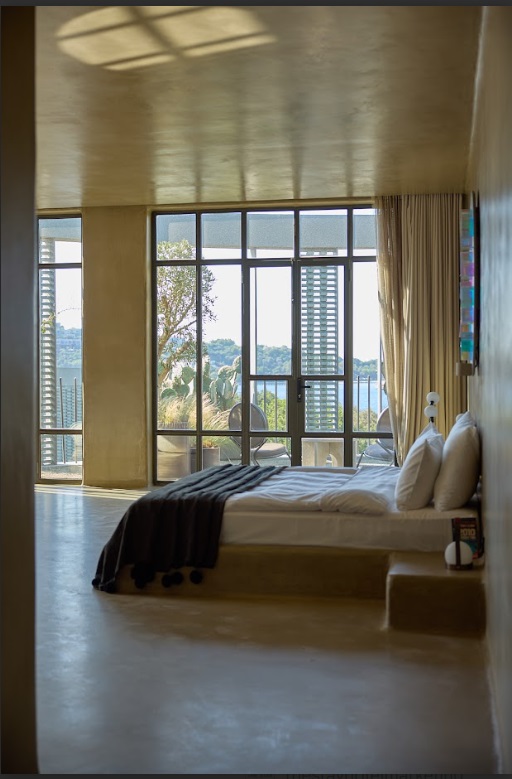
The hotel, tailored for adults, opens with 24 exclusive rooms and suites, each with nature-inspired curved walls and floor-to-ceiling windows allowing breath-taking views of the surrounding coastline and centuries-old olive groves. The hotel’s layout ensures space and privacy for every guest.
True to its name, Bobo has been created to celebrate refined bohemian living, and offers a unique fusion of entertainment, gastronomy, and the arts. Guests can look forward to a vibrant array of cultural and artistic events, including pop-up comedy festivals, guest chefs, and sunset parties throughout the summer. For those who enjoy nightlife, the hotel offers a private nightclub for guests to let their hair down to the beat of international DJs.
Image: Paraliaki Restaurant located in Bobo by The Stay
Bobo brings the flavours of Istanbul’s Bebek Hotel by the Stay to Bodrum, featuring locally sourced dishes, live music, and signature cocktails by the sea.
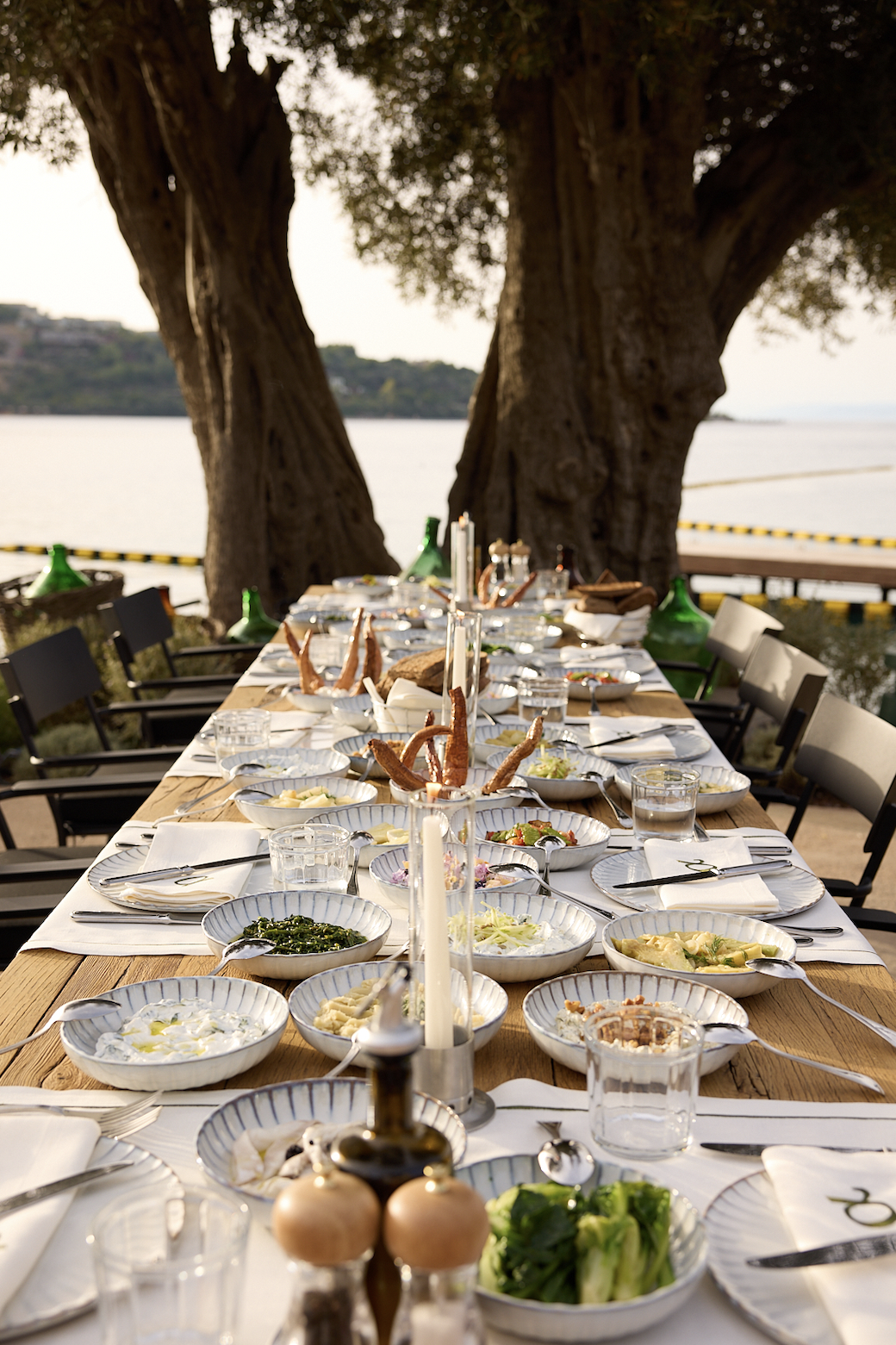
Dragon, famed for its stellar Cantonese and Szechuan cuisine in Istanbul, opens its second restaurant at Bobo, while the Greek-inspired Paraliaki restaurant creates menus focused on fresh seafood. As evening descends, guests are treated to an unforgettable dining experience. With dishes created to celebrate the region’s rich maritime heritage and seating on grass or sand, guests can unwind in a laid-back atmosphere that captures the essence of Bobo living.
The hotel’s private beach club, Bobo Beach, features sun loungers on a secluded stretch of Cennet Bay, creating a perfect spot for relaxing and sampling gourmet dishes by the sea. The hotel also offers an exclusive yacht catering service for those who are exploring the beautiful waters of Cennet Bay. In keeping with the relaxed coastal vibe, there’s an outside gym and holistic Stay Spa with saunas and rejuvenating ice baths overlooking the forested bay. The Bobo Store, a boutique housed in a domed tent, will offer beachwear, artisanal wares from local craftspeople, and Turkish brands that reflect the local Aegean culture.
About The Stay Hotels
The Stay Hotels group is a collection of design-focused, culturally connected properties across Türkiye, including four in Istanbul, one in Alaçatı on the Çeşme Peninsula, and the newest on the Bodrum Peninsula. Each hotel combines modern, stylish design with respect for local heritage, offering intimate stays with attentive service.
In Istanbul, guests can choose from The Stay Nisantasi Boulevard, an art-filled mansion in the Fashion Quarter; The Stay Nisantasi, a sleek retreat in the same area; The Stay Bosphorus, a revamped 19th-century waterside mansion; and the Bebek Hotel by the Stay, a glamorous hotel overlooking the Bosphorus. In Alaçatı, The Stay Warehouse is a beautifully restored former warehouse near the coast. With the opening of Bobo by The Stay, the Stay Hotels adds a coastal retreat with light-filled rooms, cultural events, and pop-up restaurants to its stable of hotels.
May, 2024. UNESCO. On International Day for Biological Diversity, we highlight the remarkable efforts underway to accelerate ecological restoration at St. Mary’s Biosphere Reserve on the island of St. Kitts. Home to thousands of species, this UNESCO-designated site spans vast marine areas, forested ridges, agricultural hills, cloud forests, mangroves, and coral reefs. Despite its rich biodiversity, 32% of the land is degraded, necessitating urgent restoration efforts. St. Mary’s is the first site to benefit from the expertise of volunteer scientists from the UNESCO Earth Network project, aimed at collecting key data, implementing restoration plans, and identifying sustainable livelihood opportunities.
St Mary’s Biosphere Reserve’s main challenges
Like many Caribbean islands, the socio-economic history of St Kitts and Nevis was marked by a heavy dependence on the lucrative sugar trade. Thanks to governmental efforts to diversify the economy since 1970s, the federation turned to tourism development, which brought unprecedented opportunities to improve the livelihood of locals. However, when the tourism industry came to a near standstill between 2020 and 2021, St Kitts and Nevis saw a 14.5% drop in its GDP, followed by another 4.3% contraction in 2021.
In addition, as a Small Developing State (SIDS), it faces a number of natural challenges accentuated in the last decade by climate change, with more frequent and violent natural disasters, including hurricanes and seismic events. The effects of climate change highlight the need to protect tropical forests and promote resilient and biodiversity-friendly agriculture.
What does agriculture have to do with biodiversity conservation?
UNESCO/Joan de la Malla
One of the primary goals of St Mary’s Biosphere Reserve is to conserve biodiversity, particularly one of the most emblematic species of the area, the critically endangered leatherback turtle. It may not seem obvious, but this goal is closely related with sustainable agricultural practices.
As explained by Dr Kimberly Steward (Ross University), leachate and chemicals used in farming end up on the beach and affect nesting zones as well as the algae, food and refuge for the leatherback and other turtle species.
What were the objectives of the UNESCO Earth Network mission to the biosphere reserve?
UNESCO/Joan de la Malla
With the generous support of the Government of Italy, the Earth Network project embarked on a mission to St. Mary’s Biosphere Reserve site to promote and work on ecological restoration. The initiative addressed specific challenges associated with agricultural practices, tools and methods of the St. Mary’s Biosphere Reserve site: cultivation, preservation and monetization of sustainable and biodiversity-led agriculture processes.
Furthermore, an inventory of biodiversity loss, i.e., soil-erosion, tropical forest depletion, diminished mangrove cultivation, extent of fauna and different species of birds, bees and other pollinators etc., was prepated. The mission also analysed potential employment opportunities based on sustainable, biodiversity-friendly agriculture practices and tools, i.e., better use of tropical forests as sources of new fruit and vegetable cultivation, and introducing new seed varieties more tolerant to heat and drought; and examined opportunities for the creation of small enterprises associated with sustainable use of natural resources and biodiversity.
Development of the mission and its first achievements
UNESCO/Joan de la Malla
The mission was conducted in two phases, both led by volunteer expert, Dr. Haydi Berrenstein. The first field mission took place from 20 – 24 February 2023 to collect data, assess the situation and exchange with local experts, as well as to interview local stakeholders.
A second mission took place in August 2023, when the Earth Network volunteer expert and local community members worked together to formulate technical advice towards an ecological restoration plan in line with available good practices and assess the feasibility of a local biodiversity inventory.
Additionally, in August 2023, a plan to improve their practices began to be implemented, through the creation of a Seed Bank, the development of natural fertilizers and a whole Biodiversity Agricultural Reforestation plan. The overall aim is to embrace better use of tropical forests, enhance the cultivation of new fruits and combat soil erosion.
Furthermore, the knowledge generated through the mission was consolidated and included in the UNESCO Biodiversity Portal, which provides real-time data from UNESCO-designated sites, as well as top-notch solutions.
Our planet is incredibly beautiful! On every continent, even on the tiniest island lost in the vast ocean, there are striking places, meeting which leaves a long-lasting memory. Gritty fjords and impregnable cliffs of northern cities, idyllic corners of tropical coasts, clouds on the tops of mountains and flowing rivers in deep canyons, man-made and natural monuments will bring even more positive emotions than generous casino offers. Everyone is sure to find their paradise on earth. And you don’t always have to go far away – often there are places of fabulous beauty right next to us, if you only look around.
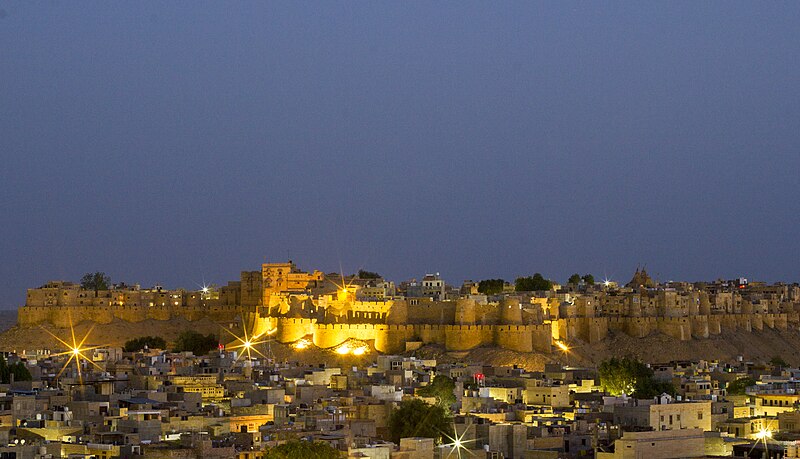
Jaisalmer
The golden city of Jaisalmer is often ignored by travelers because of its remoteness. But once you visit this place, you will not be able to forget it. It is an exotic city in the great desert of Rajasthan. It has incredible architecture, craft shops and of course camel rides in the silent desert.
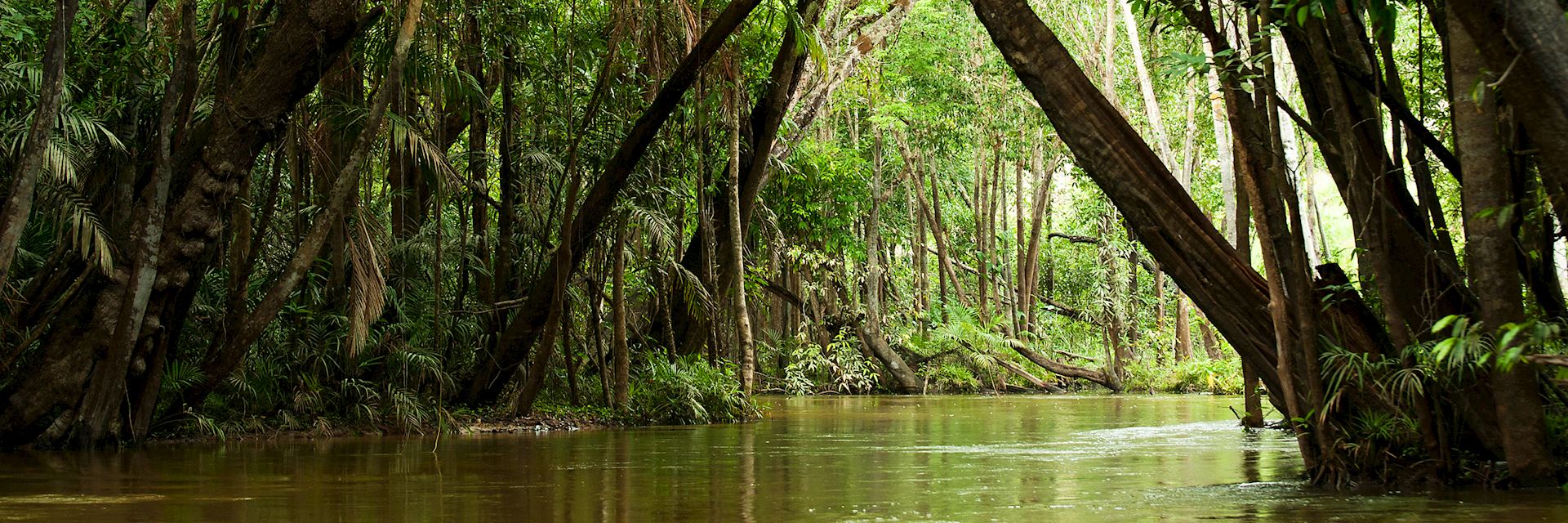
Amazon
The most full-flowing and one of the longest rivers on the planet was named one of the Seven Natural Wonders of the World in 2011. The Amazon and the rainforest along its course are populated by many rare plants, animals and fish, many of which are relict or endangered.
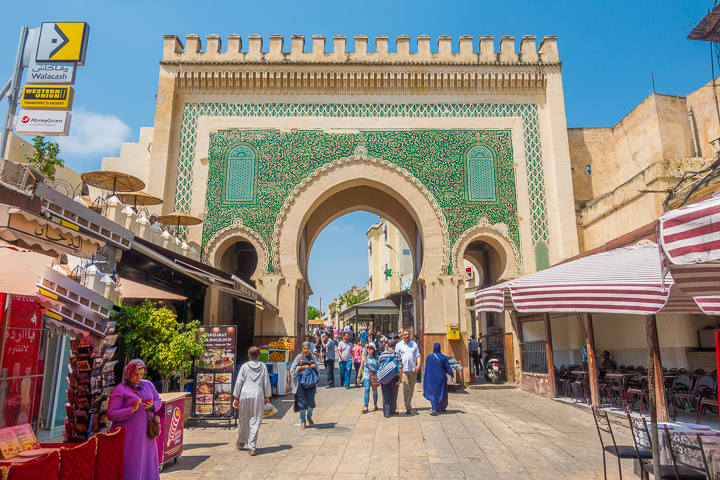
Fez
Morocco is an inexpensive version of an oriental fairy tale. And Fez is the second largest city, home to palaces, old markets, and quaint cafes serving Moroccan mint tea with local pastries.
Schloss Neuschwanstein
When the impregnable Neuschwanstein was built in the south of Germany in the 19th century, it immediately became a magnet for all those seeking peace and security. Its fabulous outline became the prototype of the palace built in Disneyland, where Sleeping Beauty lived, fell asleep and then met her love.
Windhoek
If you have always dreamed of seeing Africa’s “rusty” deserts and animals in their natural environment, now is the time. Unlike other parts of Africa, Namibia has many safaris. It is home to many African animals: giraffes, rhinos, cheetahs and elephants. It’s also a low-cost place.
Antarctica
Antarctica is an amazing continent. It’s the coldest, even though it’s at the South Pole. Relative to the World Ocean, Antarctica is elevated more than other continents, it has the lowest relative humidity, the strongest and longest wind blows and the most significant solar radiation. At first glance, this is a harsh land consisting solely of ice. But it is not! Here you can find algae, mushrooms and even flowers – isn’t it an occasion to see it all with your own eyes!
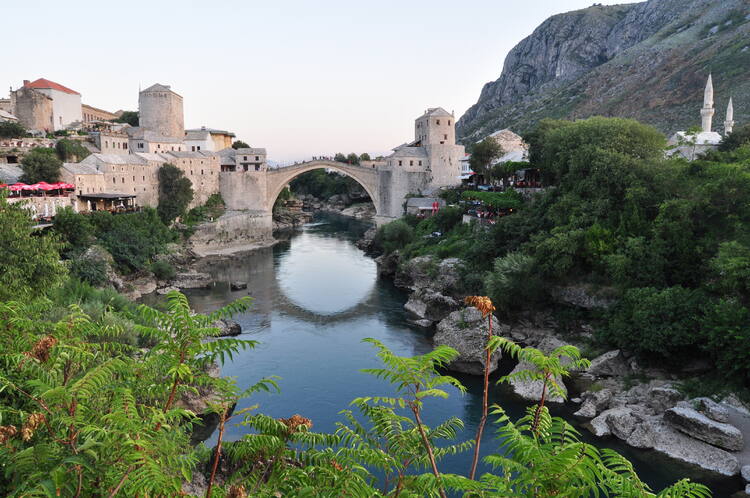
Mostar
Mostar is an ancient city and untouched section of the Ottoman Empire. The place is unique in that it coexists two different cultures (Europe and Asia), two religions (Islam and Christianity), and connects them by a medieval arch bridge (Star Most), the history of which is as unique as the city.
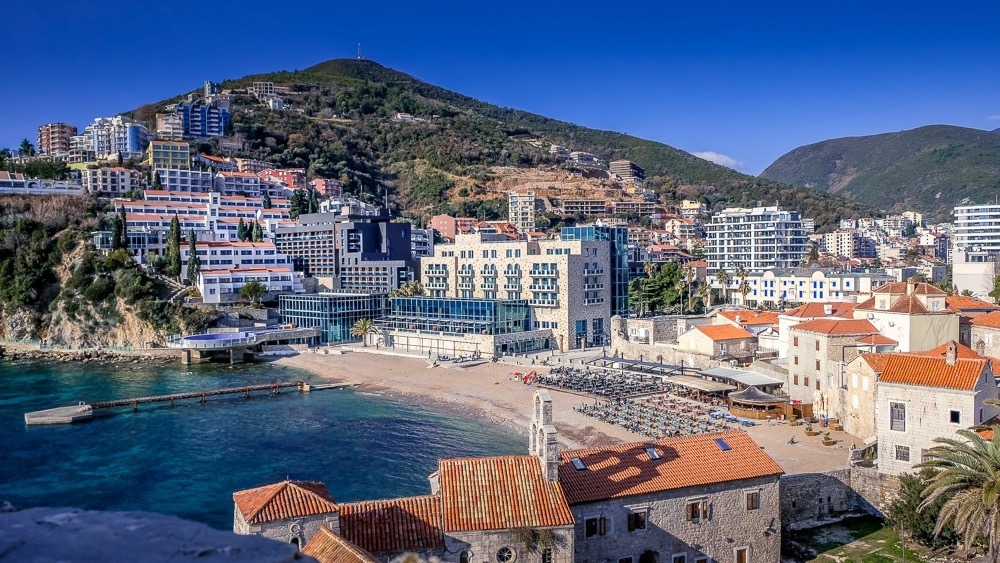
Montenegro
Travelers who decide to come to Montenegro will be greeted by massive mountains, ancient Roman villas, clear waters, and incredible scenery. In addition, there are chic Adriatic beaches in Budva, Becici and on the Island of Sveti Stefan. And also the famous spa resorts of the Bay of Kotor. For the Silo, Batya Gill. Featured image: Jaisalmer India Desert City
Why you shouldn’t dry clean your “Dry Clean Only” clothes
Spilled BBQ sauce on your favourite shirt this weekend? Dry cleaning may be your go-to, but did you know PERC, a toxic chemical that’s been phased out in several jurisdictions around the world, is the most commonly used solvent in Canada? Read two common misconceptions about “Dry Clean Only” clothing labels and tips on how you can clean your linen, silks, and cottons the greener, non-toxic way.
the algae monster is back!
Lake Erie is expected to experience a significant algae bloom this summer.Read our latest blogto learn more about what causes the blooms and what this summer’s algae forecast could mean for the lake and the people who rely on it.
You can also show your support for the lake by taking ourLake Erie Pledge.
Show us how Life’s a Beach for a chance to win
OurBlue Flagprogram is once again hosting the Life’s a Beach Photo Contest. This summer, share with us your best photos of your favourite Canadian beach. You could win $1,000 for new camera gear! Visitblueflag.ca/photocontestto learn more. The deadline to enter is Sept. 1.
AT ENVIRONMENTAL DEFENCE WE CHALLENGE AND INSPIRE CHANGE IN GOVERNMENT, BUSINESS AND PEOPLE TO ENSURE A GREENER, HEALTHIER AND MORE PROSPEROUS LIFE FOR ALL.
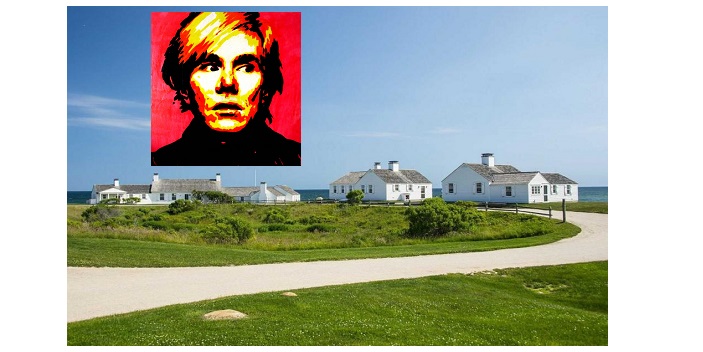
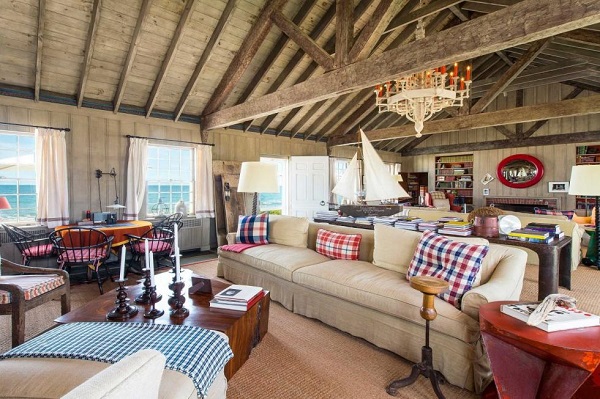
Montauk, New York was celebrating its biggest estate sale ever after the closing on the 5.7-acre beachfront estate at $50 million USD that pop artist Andy Warhol bought in 1972 for $225,000 USD.
The most recent owner of the compound was CEO of J. Crew, Mickey Drexler, who bought it in 2007 for $27 million USD. He listed it in 2015 for $85 millionUSD that included a 24-acre horse farm and equine center, which the buyer, Adam Lindemann, opted out of the purchase. Lindemann is the founder of the Venus Over Manhattan Gallery and a major collector of Warhol’s works making the property’s history especially significant for him.
Warhol’s first gig out of art school was as a fashion illustrator for several of the top women’s magazines. With the money acquired from his illustrations, he purchased a large loft on New York’s West Side and opened the Factory, where he turned toward creating industrial art. It wasn’t long before the Factory and Andy were attracting like-minded modernists from hippies to wannabe journalists and actors to drag queens and drug addicts. It was the start of New York’s avant-garde scene where Warhol held court. In addition to his painting, he branched out into music, film and journalism where he met Paul Morrissey who became the director of some of Warhol’s early films.
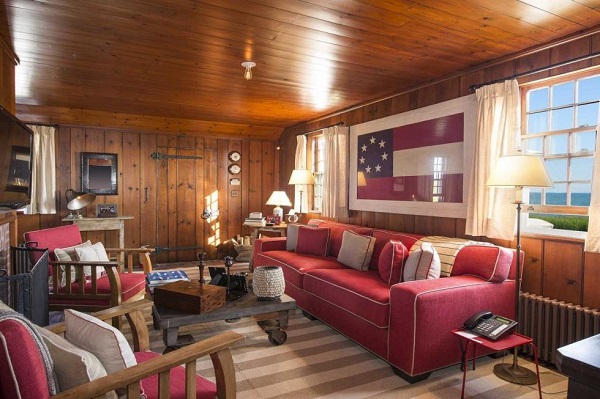
In 1972 when Warhol’s popularity and success were peaking, he and Morrissey decided to invest in property in the Hamptons and purchased the family fishing camp of the Church family of Arm & Hammer Baking Soda fame. The estate includes a 3,800-square-foot main house and five cottages completely hidden from public view with wide beaches and ocean views. Totaling almost 15,000 square feet with nine bedrooms and twelve baths, Drexler had it all meticulously restored by architect Thierry Despont.
Warhol’s stream of celebrity guests and renters put Montauk on the international map. Frequent guests included Liza Minnelli, Liz Taylor, John Lennon, Mick Jagger, Jackie Kennedy and Lee Radziwill. The parties were legendary and stories of happy days idled away on the Hamptons’ beach are recounted in many celebrity biographies.
Even though the Warhol home sale set a record at $50 million USD, his most famous paintings such as “Eight Elvises” and “Silver Car Crash” have sold for $100 million USD and higher. The listing agent was Paul Brennan of Douglas Elliman Real Estate in Montauk, New York. Visit here for more information.
Supplemental– David Bowie as Andy Warhol in Basquiat
More Canadian beaches and
marinas awarded Blue Flags
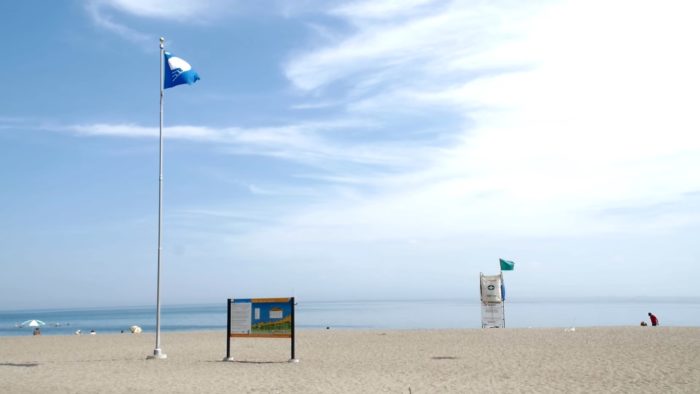
2018 is another record year for Canada’s waterfronts, 27 beaches and nine marinas have been awarded a coveted Blue Flag, including our very first coastal flag at beautiful Aboiteau Beach, NB. The Blue Flag is the internationally recognized symbol of environmental excellence for beaches and marinas. Read on to find the best waterside spots to spend your Victoria Day weekend.
Time for
the Government
to step up on
plastic waste
Only 11 per cent of Canada’s plastic waste is recycled. Let that sink in for a minute. This problem goes way beyond individual changes, we need the Federal Government to step up and take meaningful action before it’s too late. Sign the petition now to ask for a plastic free environment.
Banned chemicals found in products that babies chew, play and nap on
A new study reveals that 86 per cent of tested products sold in Canada contain toxic chemicals, some of which are banned. Baby bibs, blankets and more were found to contain water and stain resistant chemicals linked to hormone disruption, and even cancer. Find out how you can take action.
Tell Canada that all high-carbon projects need an impact assessment
What the frack?! The Canadian government is proposing to exempt fracking and in situ tar sands from the new federal environmental review process. We have until June 1st to fix this – send a letter now to tell the government that ALL high-carbon projects should get an impact assessment.
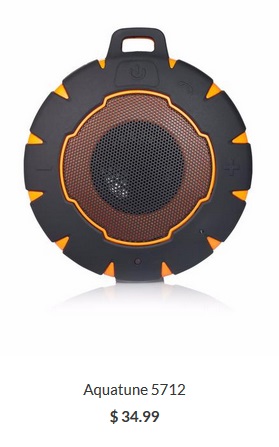
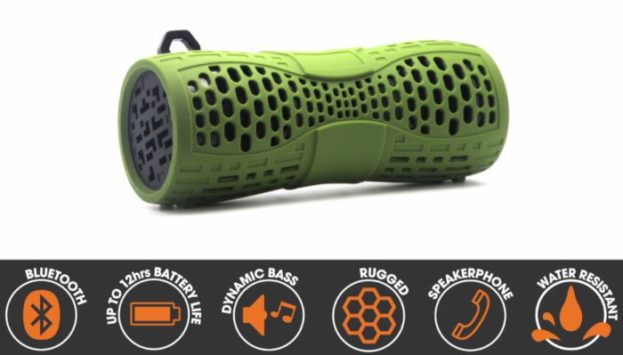
Summer is the prime time for family and friends to gather around the pool and celebrate the warmer weather. And what is a good party without the latest summer hits? Pump up the party with the perfect summer companion; Yatra Aquatune 9612 speaker.
Many speakers are too quiet, don’t have much battery life, and can be damaged in the sun, sand and sea. Leave your worries behind – Yatra has got you covered!
The Yatra Aquatune 9612 is the perfect pool party companion. This 9 watt, high performance speaker perfectly projects your favorite music while providing durable, compact entertainment. The speaker is not only sleek and stylish but also waterproof, weatherproof, shockproof, and dustproof, meaning you won’t have to worry about sand clogging the speakers or damage if it gets tossed in the waves. Fearlessly stream your favorite tunes with Yatra, enjoying the sun, sand and summer with your favorite songs at hand.
The Aquatune 9612 will be the life of the party and every beach day go-to. Jam to your favorite tunes, loud and proud with Yatra.
On a tight budget? The Model 5712 Aquatune is a great option.
To view the full line of Aquatune speakers and other Yatra products please visit www.shopyatra.com.
EDMONTON, AB – May, 2014 – Cold beverages won’t be getting warm anytime soon in the Pelican ProGear™ 20QT Elite Cooler. Perfect for use while fishing, boating, camping or hanging out on the beach, the newest Pelican ProGear Elite Cooler holds up to 21 U.S. liquid quarts (18.9 liters). Additional tailgate and picnic friendly features include a stainless steel lock protector that doubles as a bottle opener, four integrated cup holders in the lid and an extra-wide pickup handle for easy team and individual carrying.
Like all Pelican ProGear Elite Coolers, the 20QT is built tough to exacting military standards and is engineered with rugged polymer
exterior walls. Its extra-thick polyurethane foam core works with secure Press & Pull latches and a freezer-grade o-ring to deliver extreme ice retention.
“The new Pelican ProGear 20QT Elite Cooler now gives tailgaters, golfers and beachgoers another reason to enjoy the fresh air. With Pelican core DNA built in and extreme ice-retention, this cooler is as tough and dependable as Pelican cases used by professionals who work in extreme environments around the globe,” said Stephan Corti, Senior Vice President of Worldwide Sales – Pelican Products, Inc. “It doesn’t matter if it’s an extended fishing trip or hunting adventure, this new portable cooler is designed to protect and keep your food and drinks cold for the duration.”
The cooler is available in either Marine White or Outdoor Tan and has an MSRP of CAD$274.98. Manufactured in the company’s South Deerfield, Massachusetts facility, the Pelican ProGear 20QT Elite Cooler (along with the 35QT, 45QT, 65QT, 95QT, 150QT and 250QT models) can be purchased through their authorized Pelican Dealer network. All Pelican ProGear Elite Coolers are backed by an industry leading lifetime guarantee of excellence.
The Pelican ProGear brand includes rugged, protective consumer products designed to allow users to transport and protect all that they value, regardless of environmental conditions. The line is presented to consumers via www.PelicanProGear.ca.
About Pelican Products
Pelican Products, Inc. is the global leader in design and manufacture of both high-performance protective case solutions and advanced
portable lighting systems. Their products are used by professionals in the most demanding markets including fire safety, law enforcement,
defense / military, aerospace, entertainment, industrial and consumer. Pelican products are designed and built to last a lifetime.
The company operates in 19 countries, with 28 offices and six manufacturing facilities across the globe. For more information,
visit www.Pelican.com or www.behrmancap.com.





























 And what is a good party without the latest summer hits? Pump up the party with the perfect summer companion; Yatra Aquatune 9612 speaker.
 he sun, sand and sea. Leave your worries behind – Yatra has got you covered!