Hong Kong Board Predicts This New Post Covid Tourism Landscape

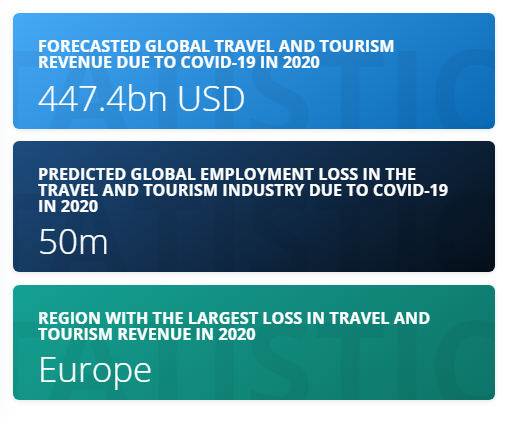
The Hong Kong Tourism Board (HKTB) hosted a web conference on April 24, 2020 to provide the latest updates on tourism development and introduce the HKTB’s strategic framework of recovery plan. HKTB Chairman Dr. YK Pang said that the Covid-19 pandemic has posed unprecedented challenges to Hong Kong tourism and put global tourism to a halt.

He continued, “The tourism landscape will be reshaped. In the post-pandemic world, we will see a shift in preference and behavior among travelers – the public health conditions of destinations, and the hygiene standards of transportation, hotels and other tourism facilities will become a top priority; people will prefer short-haul breaks and shorter itineraries; wellness-themed trips will become a new trend. It is an ideal time for us to review and rethink Hong Kong’s position in the global tourism market and elevate service standards. Together with the travel trade, the HKTB is going to map out the long-term development strategy for our tourism industry.”
source: statista.com

The web conference was attended by close to 1,500 representatives from travel agencies, attractions, hotels, airlines, the retail and dining industries, as well as Meetings, Incentives, Conventions and Exhibitions (MICE) and cruise sectors. Representatives from the HKTB’s worldwide offices also participated in the meeting to provide insights into the latest developments in various market regions:

Mainland Market

  • The Mainland has gradually resumed economic activities and people have returned to work.
  • Given the outbreak’s impact on the economy, consumers will become more price-conscious and pursue value-for-money holidays. After prolonged confinement, visitors will also place greater emphasis on health and nature. When choosing destinations for future trips, they will favor those that pose low risks to health.
  • The Meeting and Incentive market has slowed down as many activities have been postponed or will be held online.

Short-haul and New Markets

  • Domestic travel will be the major preference shortly after the pandemic, and outbound travel will resume soon after.
  • Regional competition will be fiercer than ever, as the tourism authorities and travel trade of various destinations are gearing up for intensive promotions to vie for visitors.
  • In Japan, Korea and Taiwan, the young and middle-aged segments will be the most eager to travel. Green tourism and the outdoors will be favored, while short-haul travel will be preferred due to financial and holiday leave constraints.

Long-haul Markets

  • Currently, governments are focusing on containing the outbreak within the region. A longer time is expected for these markets to recover and outbound travel may resume in the last quarter of this year at the earliest.
  • Ethnic Asian visitors are expected to be the first to visit Hong Kong after the pandemic.
  • Consumer sentiment is comparatively more positive in Canada, France and Germany and outbound travel is expected to recover at a faster rate in these markets.

The HKTB has announced earlier that it will be allocating HK$400 million (US$51.2 million) to support promotions by the trade. HKTB Executive Director Dane Cheng explained that the HKTB has devised a three-phase plan to reinvigorate Hong Kong tourism. The exact timeline will depend on the development of the pandemic.

Phase 1 (Now) – Resilience

  • The HKTB is preparing a recovery plan for Hong Kong tourism.

Phase 2 – Recovery

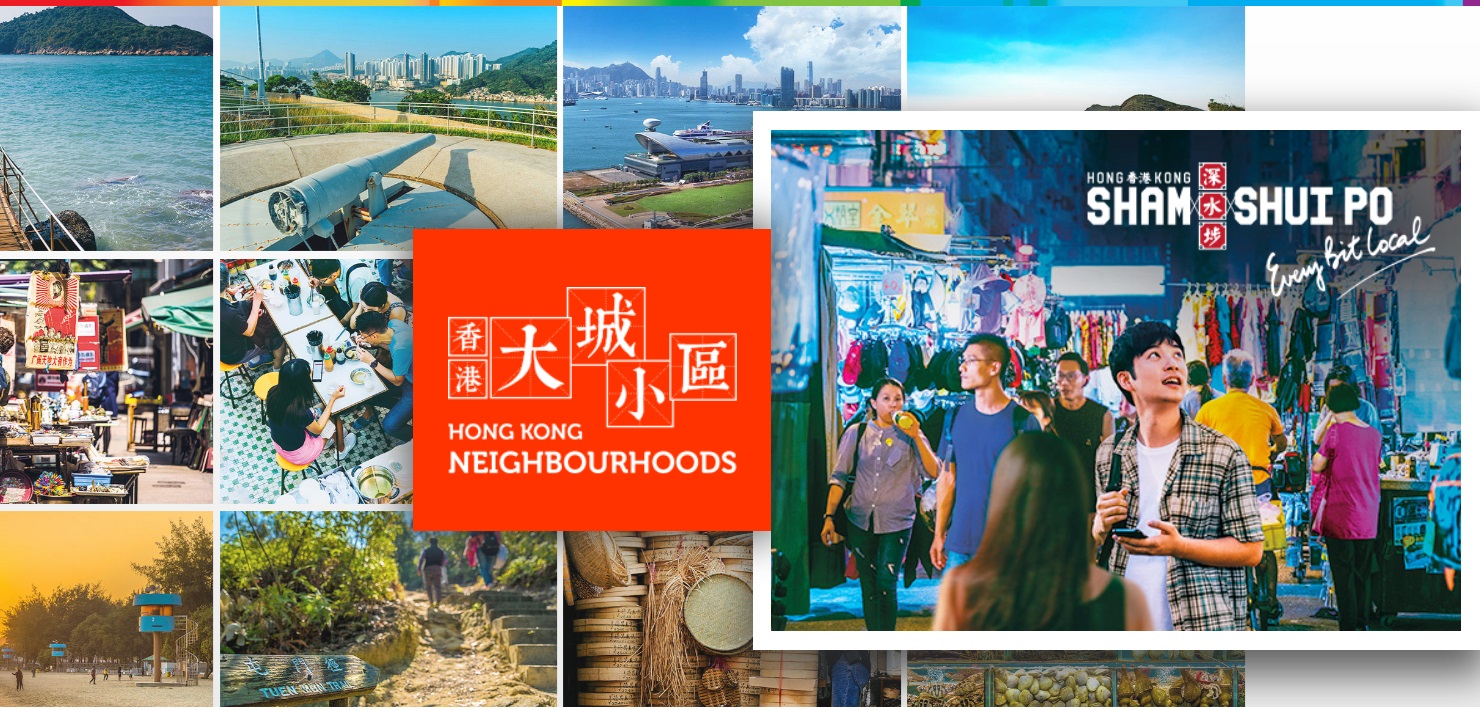
  • When the pandemic shows signs of abating, the HKTB will first focus on local market to promote positive ambiance in Hong Kong by encouraging locals to rediscover different neighborhoods and community cultures in order to send a positive message to visitors and restore their confidence in the city. Meanwhile, the HKTB will launch tactical promotions with the trade in selected markets based on the developments of individual markets to stimulate people’s interest to visit Hong Kong.

Stage 3 – Relaunch

  • Mega events and a new tourism brand campaign will be launched to rebuild Hong Kong’s tourism image.

Digital Habits Is Innovation Platform Founded In Milan Italy

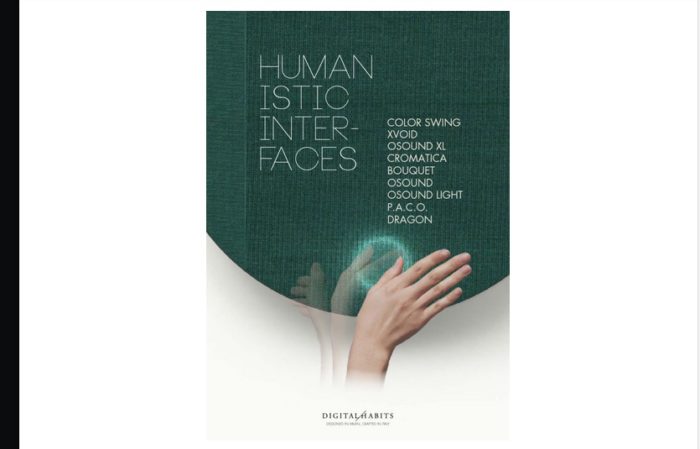
Digital Habits is an extension of the international design studio Habits.

Founded in Milan in 2012, it specializes in connected objects. For example, a few years ago during the 2017 edition of the Superdesign Show by Superstudio, Digital Habits examined in depth the relationship between the user, the context and controls of electronic products.
Since then, they haven’t looked back and their new prototypes go beyond the natural interfaces designed by others in the past. In fact, present multisensory systems now connect gestures, space, attention and feedbacks.

The presented products are control devices designed around humans, their anthropometry, their spaces and their best perceiving or moving abilities; they are not based on technical elements such as the size of the display, the currently available sensors or computational capability. Where need be they engineer and manufacture what does not already exist.

This is cutting edge stuff. 

These devices express a new design Humanism where the user has a central role prevailing to the underlying technology sophistication. This is a different approach from the usual ‘technological one’ where the tendency to standardize components brings also the standardization of user experiences.

Instead, Digital Habits has presented three new projects that have colour as a common thread linking the user experience, the object and the environment:


OSOUND XL: a new Air Gesture Control Bluetooth Loudspeaker, covered by colourful fabrics; Its wide size qualifies OSOUND XL as piece of smart furniture rather than just a well-designed electronic device.


COLOR SWING: an ambient light detection system of the color information of an object surface which is returned as a light feedback to the environment XVOID: a new generation of air gesture interfaces, to control light/colour intensity; for the exhibited project, the presented case is the control of white and coloured light.
Digital Habits has already won several international awards (RedDot Design, Core 77, Expo Award) and received a vast press coverage (selected by CNN as best 10 Technology objects for your home, presented on TED Talks ideas worth spreading, The Telegraph, Mashable, Gizmag, etc.). Digital habits products are available in most exclusive retailers. For the Silo, Jarrod Barker.

US/Canada Poll- Quick Economic Recovery From COVID-19 Unlikely

Many think it’s unlikely the economy will recover quickly once COVID-19 lockdown is over

Most negative about an economic recovery in hard-hit countries except China

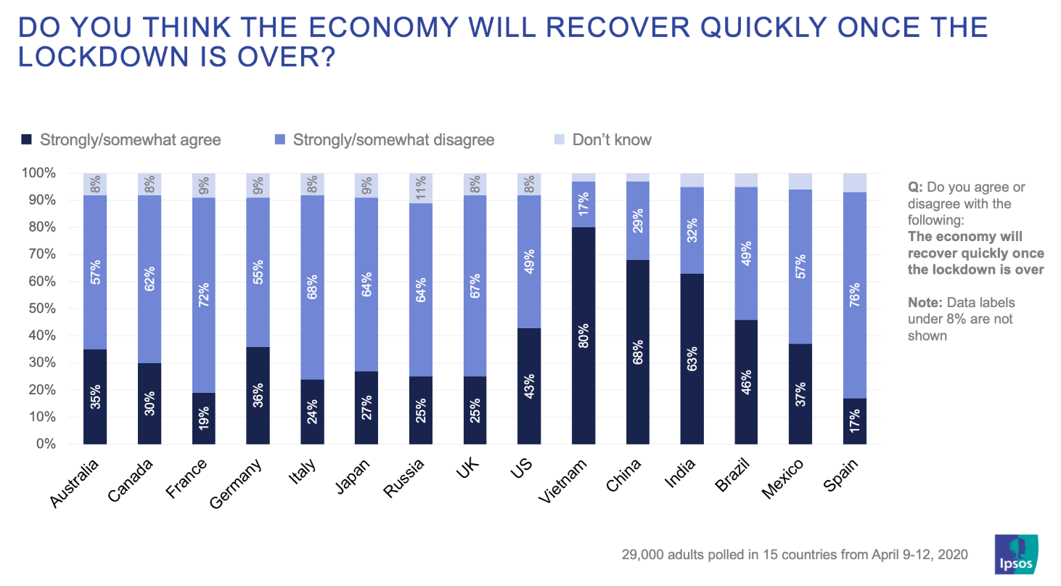
Paris, France April , 2020 — A majority of people in 10 of the 15 countries polled by Ipsos disagree that the economy will recover quickly once the lockdown from the coronavirus pandemic is over – suggesting a lasting impact.

People in Spain (76%), France (72%), Italy (68%), the United Kingdom (67%), Russia and Japan (64%), and Canada (62%) feel most strongly against a quick economic recovery in a survey of nearly 29,000 respondents conducted from April 9 to 12. Those in Vietnam (80%), China (68%) and India (63%) are most likely to say a quick recovery will take place.

At the same time, one of the countries most divided on this question is the world’s largest economy – the United States  ̶  with nearly half of those surveyed (49%) disagreeing on a quick recovery, while 43% think it will happen.

V2, wave 8, pr 2, graph 1.png

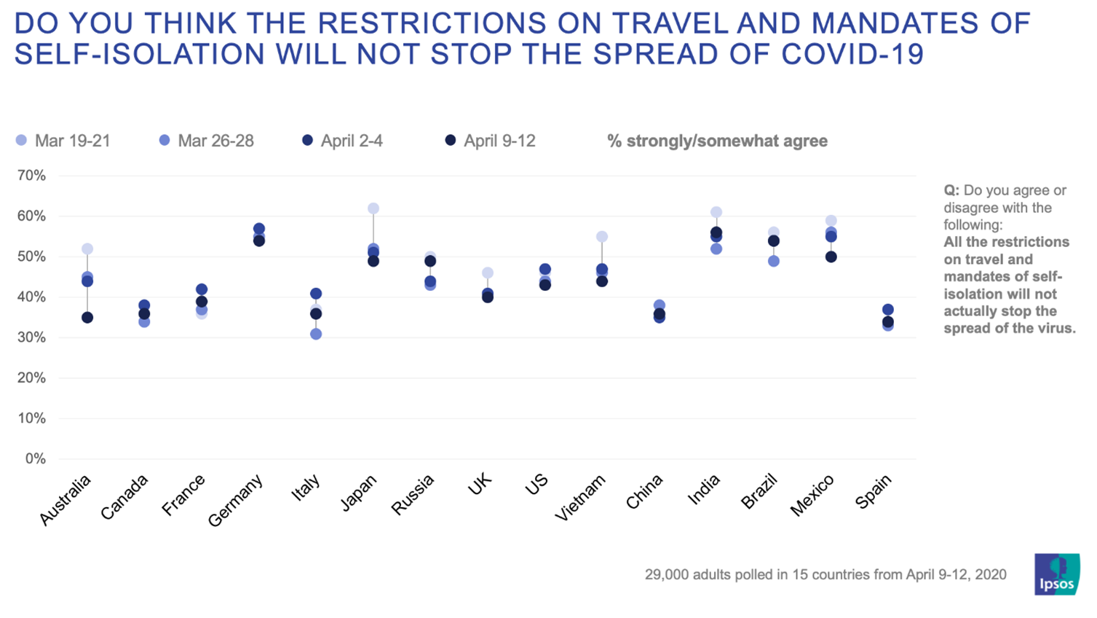
In terms of actions taken, majorities in India (56%), Brazil and Germany (54%) say all of the restrictions on travel and mandates for self-isolation will not stop the spread of COVID-19. That compares with majorities in China (63%), Australia (59%), Italy and Canada (58%), Spain (57%), the U.K., and Vietnam (54%) and France (51%) who think the restrictions do work.

Countries that have the seen the most significant change on this measure since mid-March are the ones where optimism has increased. Australia saw a drop of 17 percentage points in the number of those that agree the measures will not stop the spread of the pandemic, while the number of respondents in Japan fell by 13 points.

V2 wave 8, pr 2, graph 2.png

About the Study

These are the results of an Ipsos survey conducted April 9th to 12th , 2020 on the Global Advisor online platform among 28,000 adults aged 18-74 in Canada and the United States and 16-74 in Australia, Brazil, China, France, Germany, Italy, India, Japan, Mexico, Russia, Vietnam and the United Kingdom. Where available, tracking results from previous studies, conducted through March and selected results from February are referenced by date.

The sample consists of approximately 2,000 individuals in each country with the exception of Vietnam each at 1,000. The samples in Australia, Canada, France, Germany, Italy, Japan, the U.K. and the U.S. can be taken as representative of these countries’ general adult population over age 16 or 18 (as above) and under the age of 75. The sample in Brazil, China, India, Mexico, Russia, and Vietnam is more urban, more educated and/or more affluent than the general population and should be viewed as reflecting the views of the more “connected” segment of the population. The data is weighted so that each market’s sample composition best reflects the demographic profile of the adult population according to the most recent census data. Sample sizes may vary in prior waves. 

Where results do not sum to 100 or the ‘difference’ appears to be +/-1 more/less than the actual, this may be due to rounding, multiple responses or the exclusion of don’t knows or not stated responses. The precision of Ipsos online polls are calculated using a credibility interval with a poll of 1,000 accurate to +/- 3.5 percentage points. For more information on the Ipsos use of credibility intervals, please visit the Ipsos website (www.Ipsos.com).

Ontario Has Extended Declaration Of Covid Emergency To May 12

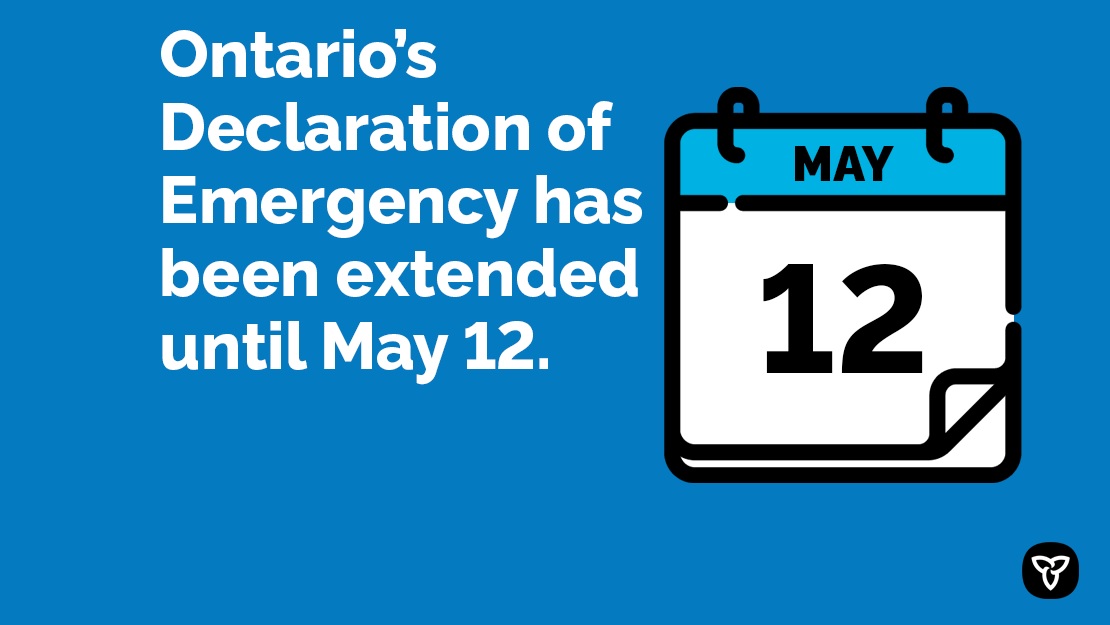
Throughout the world people and their governments are making a myriad of decisions that are risking lives, risking freedoms, and risking livelihoods. To continue to take on the challenges of coronavirus, Ontario has extended its Declaration of Emergency to May 12.

First announced on March 17, these measures under the Emergency Management and Civil Protection Act, mean that non-essential workplaces will remain closed, gatherings will continue to be restricted to five people, price-gouging remains outlawed, and restaurants will be limited to takeout. Students will not be going back to school May 4 and there is no set date for their return.

The legislation also permits Haldimand, Norfolk and all municipalities to extend their own state of emergency – with measures sometimes at odds with the province, and also with varying levels of support. Canada’s proposal to bring in sweeping powers to deal with Covid-19 under the Emergencies Act has been opposed by most of the provinces, including Ontario.

During these times, all levels of government justify restrictions to offer support and every power possible — and justifiably so – to help our health sector fight the spread of corona virus. People understand this disease constitutes a danger of major proportions. However more recently our office is fielding complaints of too many rules lacking common sense, and clarity, and by extension effectiveness. Ultimately deterrents don’t work if people have reason to defy.

There is confusion.

For example, Ontario advises that green spaces in parks, trails, ravines, and conservation areas remain open for walk-through access. However, residents of certain municipalities, including Haldimand-Norfolk are not permitted to use or access any open space, including parks, trails, piers, beaches, community gardens, or other open spaces usually accessible to the public, whether publicly or privately owned. By no means is it time for us to get complacent, but if people perceive new rules to be contradictory, or unfair, or out of proportion to the necessity they are less inclined to comply.

The mandatory closure of non-essential workplaces continues to at least May 12, with the extension of the state of emergency.

As the situation evolves, Premier Ford has been clear that every option is on the table. Businesses and individuals who want to get back to work are contacting my office and we advocate on their behalf with various ministries, and collaborate on suggested options to find a way forward to a healthy economy. We do need to find a path to future economic activity – to normalize, by way of thoughtful and reasonable direction based on analysis of the costs, the risks and the benefits.

While fighting a deadly enemy, we must also be planning for economic recovery – and to that end the Premier has appointed a team to develop a plan for post-pandemic growth and prosperity.

Toby Barrett photo

This new Ontario Jobs and Recovery Committee will focus on getting businesses up and running and getting people back to work. Since January 25 – when I first communicated concerns about coronavirus – my office and I have witnessed the mounting concern and anxiety about this deadly disease. We are now seeing mounting concern, frustration and anger with respect to restrictions and perception of authoritarian overreach – the perception of threats to freedom and threats to making a living. We must find a way forward and I welcome your input. For the Silo, Toby Barrett MPP for Haldimand-Norfolk.

Supplemental

https://news.ontario.ca/opo/en/2020/04/ontario-extends-declaration-of-emergency-to-continue-the-fight-against-covid-19.html

Alt History Graphic Novel Has Russians On The Moon

Real life: In the 1960’s Communist Russia and the United States were in a race to be the first nation to safely land a man on the Moon.

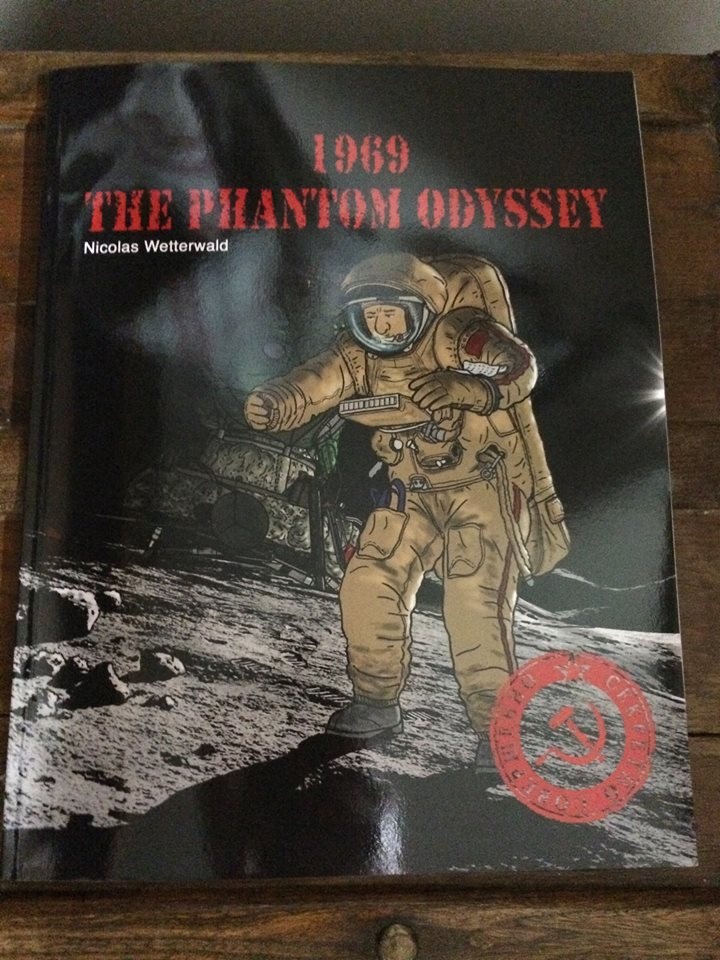
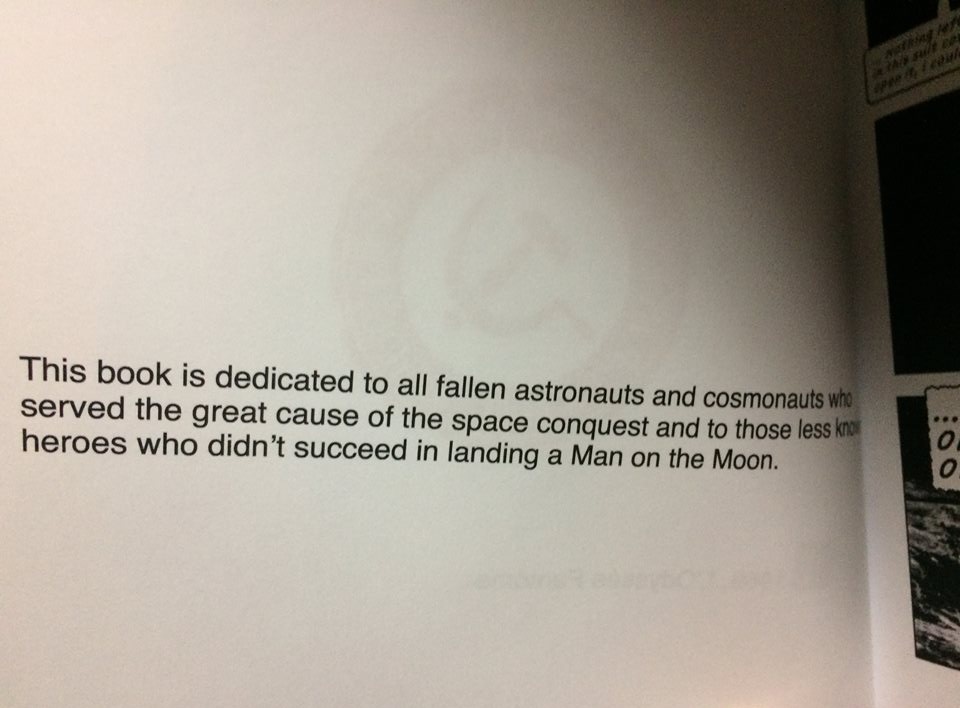
Nicolas Wetterwald’s latest graphic novel mixes the real life with what-if and serves up an enjoying account of an alternate history: one where the USSR beats the Americans and lands a cosmonaut on the Moon. Based in fact as much as imagination, many readers will be surprised to learn just how close the ‘race to the Moon’ was. The Russians bet everything on a mighty N1 rocket that differed from the American Saturn V by relying on a complicated massive ring cluster of thirty engines, each one dependent on the other in order for a successful launch to occur. Development began on the N1 in 1959 and by 1968 US reconnaissance satellite photographs showed that the Russians were (almost) ready to launch.

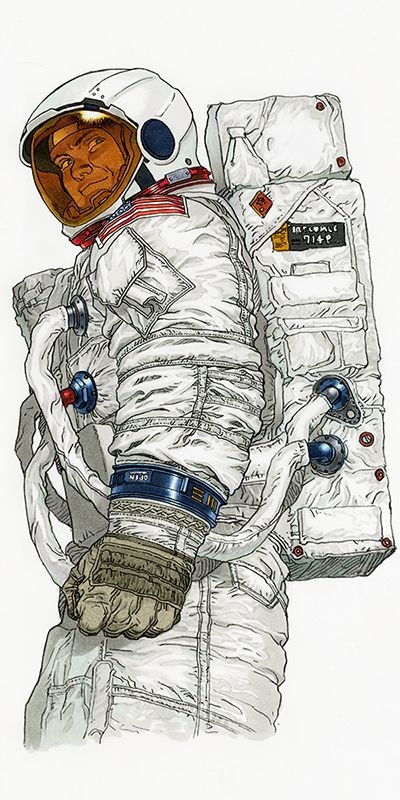
Looking at the book cover there is something warmly familiar about Wetterwald’s drawing style. It took me a minute to place it. There is a strong Jean Giraud (Moebius) influence- especially his spacesuit and futuristic designs from his Heavy Metal magazine panels.

Astronaut by Moebius

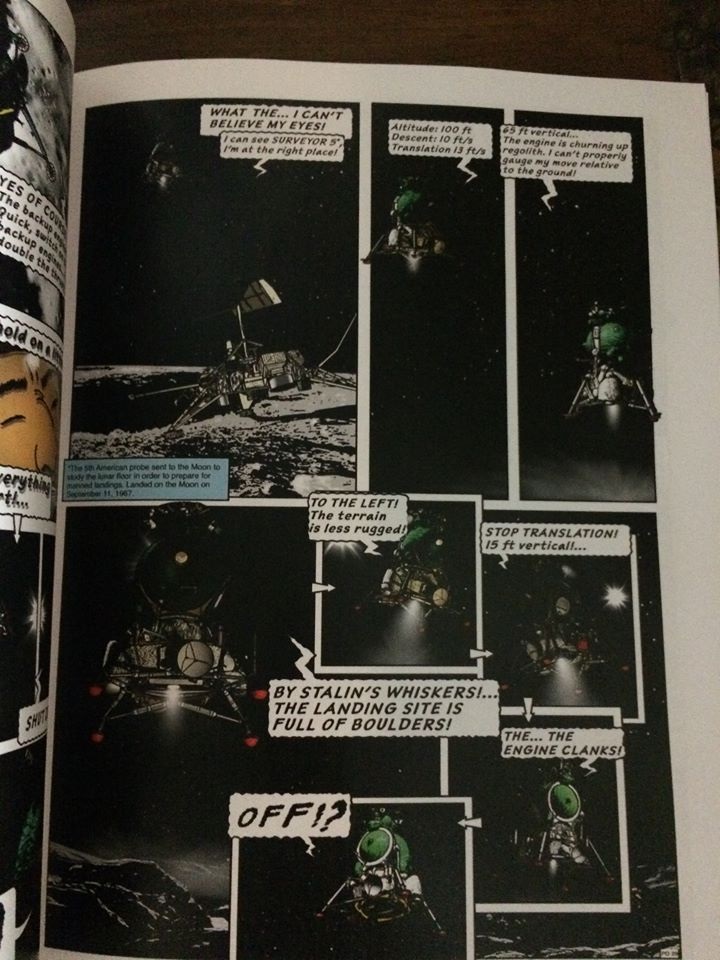
The story begins with a crisis and then a flashback in a fine style of writing that serves the form of graphic novels very well. Text ‘balloons’ are clearly differentiated between characters thoughts and conversations. This creates a fitting lonely mood- unlike the Americans, the Russians planned on sending a single cosmonaut to the Moon surface. There is also an ingenious use of text ‘balloons’ with small lightning like points to signify an electronic transmission or radio transmission. Small details like this create an eerie atmosphere and it is easy to relate to the protagonist.

Don’t be fooled into thinking that this comic is more documentary than entertainment. It has a brisk pace and the setting of Cold War Russia makes for an almost spy like setting. There are adult themes to be enjoyed here too- and this graphic novel is targeted appropriately towards adults.

There is much to like about Nicolas Wetterwald’s 1969 The Phantom Odyssey especially as we find ourselves celebrating the approaching fiftieth anniversary of the successful first landing of man on the Moon. With all the hype and nostalgia around that landmark event the release of this comic book couldn’t have been planned better. Hard copy recommended and available from Amazon ISBN 9781793906069 or try the Kindle edition for only $7.49 USD. For the Silo, Jarrod Barker.

Record-Breaking Global Mobility Grounded By COVID-19 Pandemic

With global travel almost at a standstill, the latest results of the Henley Passport Index offer disturbing insight into the indiscriminate havoc caused by the COVID-19 pandemic. Since its inception in 2006, the index has provided the authoritative annual ranking of global passport strength. Travel freedom has increased dramatically over the period in 2006, a citizen could travel to 58 destinations on average without a visa from the host nation; 14 years later, this number has almost doubled to 107. 

The first ranking of the new decade published in January this year conclusively confirmed that overall, people were the most globally mobile than we had ever been in the history of humankind, with the top-ranking passport (Japan) offering its holders access to a record-breaking 191 destinations without requiring a visa in advance. Just three months later, the picture looks very different indeed.

Australia's Coronavirus Travel Bans Feed Old Fears
The result of the latest travel ban in Australia. Image: jacobinmag.com

Japan’s passport continues to hold the top spot on the Henley Passport Index as we enter the second quarter of 2020, but the reality is that current stringent travel restrictions mean that most non-essential travel for Japanese nationals is heavily curtailed.

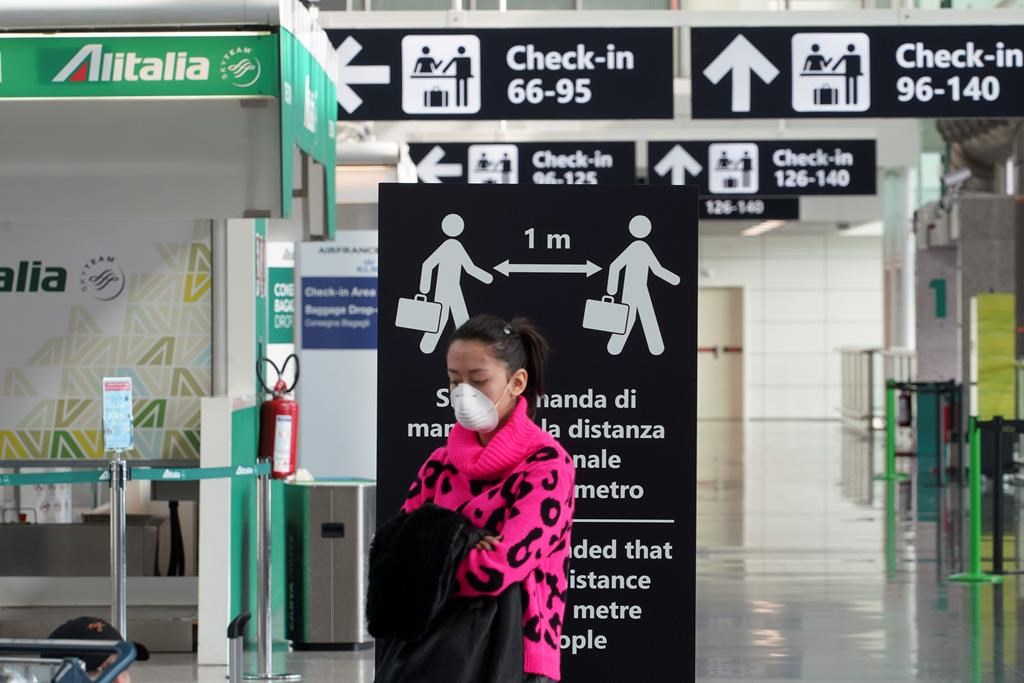
This is true for almost every country of course, as more travel bans are implemented daily, and ever-more stringent coronavirus lockdown regulations are imposed by governments worldwide. With 3.5 billion people, nearly half the global population, presently living in voluntary or mandatory confinement, the latest results from the index — which is based on exclusive data from the International Air Transport Association (IATA) — raise challenging questions about what travel freedom and global mobility really mean, both currently and in a deeply uncertain post-pandemic future.

Dr. Christian H. Kaelin, Chairman of Henley & Partners and the inventor of the passport index concept, points out that in an unprecedented global health emergency such as this, relative passport strength becomes temporarily meaningless. “A Swiss citizen can, in theory, travel to 185 destinations around the world without needing a visa in advance, but the last few weeks have made it apparent that travel freedom is contingent on factors that occasionally can be utterly beyond our control. This is, of course, something that citizens of countries with weak passports in the lower ranks of the index are all too familiar with. As public health concerns and security rightfully take precedence over all else now, even within the otherwise borderless EU, this is an opportunity to reflect on what freedom of movement and citizenship essentially mean for those of us who have perhaps taken them for granted in the past.”

Q&A: New travel ban shakes up airlines, passengers - NEWS 1130
Image: citynews1130.com

The future of international mobility after COVID-19

Commenting on the latest Henley Passport Index, bestselling author and the Founder and Managing Partner of FutureMap, Dr. Parag Khanna, says the combined effect of the COVID-19 pandemic on public health, the global economy, and social behavior could lead to much deeper shifts in our human geography and future distribution around the world. “This may seem ironic given today’s widespread border closures and standstill in global transportation, but as the curtain lifts, people will seek to move from poorly governed and ill-prepared ‘red zones’ to ‘green zones’ or places with better medical care. Alternatively, people may relocate to places where involuntary quarantine, whenever it strikes next, is less torturous.

In the US, both domestic and international migration were surging before the pandemic, with Gen-Xers and millennials shifting to cheaper, second-tier cities in the Sun Belt or abroad to Latin America and Asia in search of an affordable life.

Once quarantines lift and airline prices stand at rock bottom, expect more people across the globe to gather their belongings and buy one-way tickets to countries affordable enough to start fresh.”

This is supported by emerging research and analysis commissioned by Henley & Partners, which suggests that despite freedom of movement currently being restricted as a temporary measure, there is a risk that this will negatively affect international mobility in the long run. Political science researchers Uğur Altundal and Ömer Zarpli of Syracuse University and the University of Pittsburgh, respectively, note that public health concerns have historically been used to justify restricting mobility, but governments usually adopt travel restrictions temporarily, in response to short-term health needs. Until now, health security has not been a significant determinant or requirement when negotiating visa waivers, but Altundal and Zarpli warn that “increasing public health concerns due to the outbreak of COVID-19 may change thisthe quality and level of health security of a country could be a significant consideration for visa waivers in future”. The unprecedented and overwhelming focus on health security and pandemic preparedness we now see may change the face of global mobility forever.

On the other hand, Prof. Simone Bertoli, Professor of Economics at CERDI, Université Clermont Auvergne in France, says that the necessity of international collaboration in fighting the pandemic could ultimately reduce current barriers to international mobility. “Humanity is confronted with a truly global challenge against which no country ­— irrespective of its level of income — can fully protect itself. This pandemic could therefore trigger renewed and more intense international cooperation, something that has (so far) not happened with the other main global challenge that the world is currently facing, namely climate change.”

No Official Travel Ban In The U.S., But Isn't It Time To Self-Ban?

Brexit, travel bans, and changing timelines

The chaos caused by the COVID-19 pandemic has cast further doubt on the timeline for the implementation of the UK’s post-Brexit immigration system, according to Madeleine Sumption, Director of the Migration Observatory at the University of Oxford. The UK, currently in 7th place on the Henley Passport Index, with citizens theoretically able to access 185 destinations without acquiring a visa in advance, was set to end free movement with the EU in January 2021. However, as Sumption says, “The UK can only implement its new immigration system when the post-Brexit ‘transition period’ is over, and if this is extended to give negotiators more time to discuss trade and other issues, we may not be seeing the end of free movement with the EU quite yet.”

In the US, also in 7th place on the Henley Passport Index, the impact of travel bans implemented at the beginning of the year appear to have been compounded by the pandemic, according to Greg Lindsay, Director of Applied Research at NewCities. “For the children of a rising global middle class with more and more options, this pandemic may prove to be the tipping point in terms of choosing educational destinations. When the world gradually recovers with China, South Korea, and Singapore already succeeding in slowing the outbreak through effective quarantines don’t be surprised if the best and brightest take coronavirus responses into consideration when deciding on their future options.”

A unique hedge against volatility in an uncertain future

Commenting on the ever-expanding growth and popularity of the investment migration industry, Dr. Juerg Steffen, CEO of Henley & Partners, says: “We believe that in the post COVID-19 environment, investment migration will take on a dramatically enhanced importance for both individual investors and sovereign states. Acquiring alternative residence or citizenship will act as a hedge against the significant macro-economic volatility that is predicted, creating even more sovereign and societal value across the world.” For the Silo, by Sarah Nicklin.

Supplemental

Global Headlines for Q2 2020: growth in travel freedom over past decade

  • Japan retains its top spot on the Henley Passport Index, with a visa-free/visa-on-arrival score of 191. Over the past decade its travel freedom score has increased by 31 points: in 2010, the country was ranked 6th worldwide, with a visa-free/visa-on-arrival score of 160.
  • Singapore continues to hold onto 2nd place, with a visa-free/visa-on-arrival score of 190. Over the past decade Singapore’s travel freedom score has increased by 35 points: in 2010, the country was ranked 11th worldwide, with a visa-free/visa-on-arrival score of 155.
  • Germany remains in 3rd place, with access to 189 destinations compared to the 161 destinations its passport holders were able to access a decade ago. It shares 3rd position with South Korea, which has increased its travel freedom score by 38 points: in 2010, South Korea was ranked 13th worldwide, with a visa-free/visa-on-arrival score of 151.
  • The UK is currently ranked 7th on the index, with a visa-free/visa-on-arrival score of 185. Over the past decade the UK’s travel freedom score has increased by 19 points: in 2010, the country was ranked 1st worldwide, with a visa-free/visa-on-arrival score of 166.
  • The US is also currently ranked 7th on the index, with a score of 185. Over the past decade, the US’s travel freedom score has increased by 26 points: in 2010, the country was ranked 7th worldwide, with a visa-free/visa-on-arrival score of 159.
  • The UAE has seen the biggest increase in travel freedom over the past 10 years. In 2010, the country was ranked 65th worldwide, with a visa-free/visa-on-arrival score of 64. It is now ranked 18th, with a score of 171  which means the country has added a remarkable 107 visa-free travel destinations over that period. 

How to Navigate Planning Funeral Services In Time Of Fear & Social Distancing

I’ve lost count of the social distancing lockdown days and I hope you are hanging in there. The lockdown has impacted businesses in ways never experienced before. Many are struggling to remain open. Restaurants for example, are no longer able to host and seat customers inside and have had to modify their operation by becoming take out only.

But what about other types of business? What about Funeral Services?

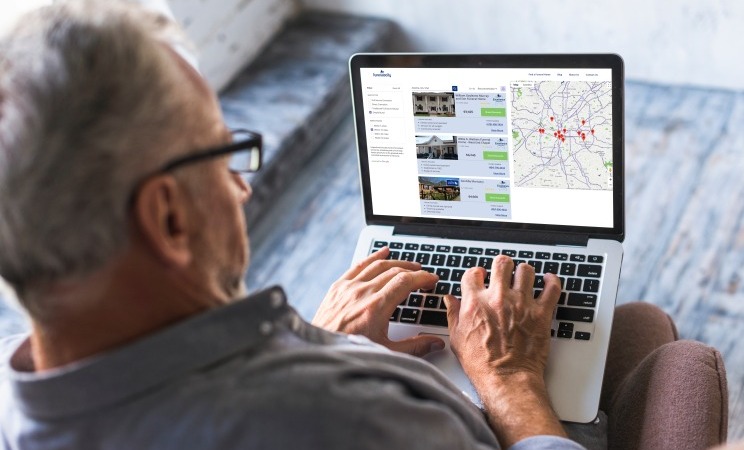
A new website created by former healthcare CEO Ed Michael Reggie has collected prices, locations and contacts for every funeral home in the United States, and is now sharing its institutional knowledge and perspective about this topic and the effects of the coronavirus.

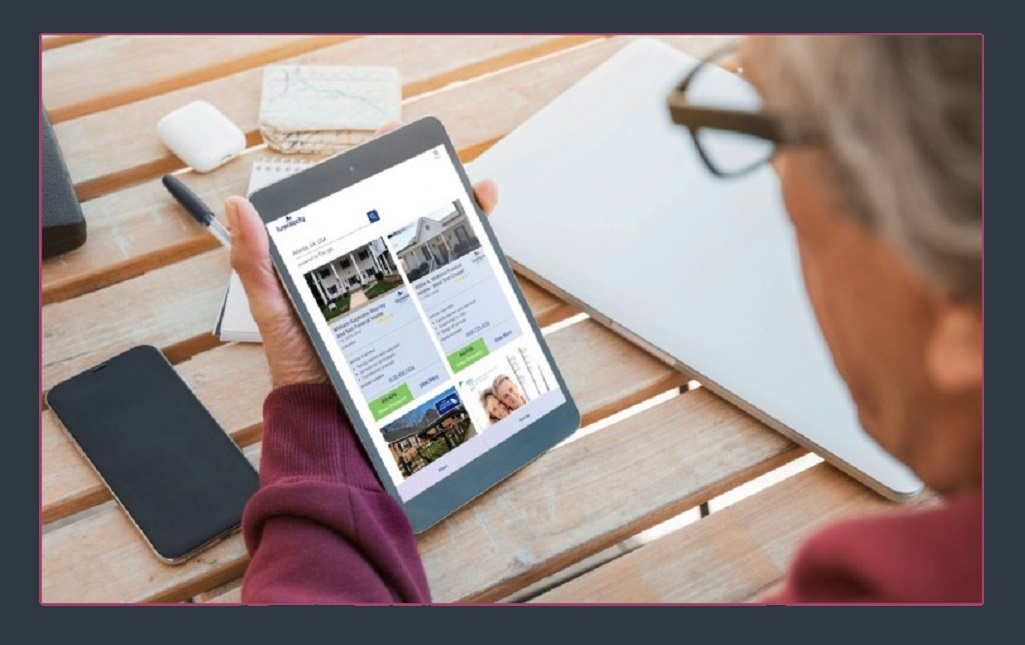
The site, www.funeralocity.com, is a free resource for any consumer looking to bury a loved one. You simply type in a city or zipcode and see every home in that area, their costs and other pertinent information. There are plans in the works to expand this site for Canadians.

In this new climate we find ourselves in, there are pressing questions.

When someone dies during the Corona Crisis what are your first steps?
Funeral directors are often the only ones licensed to handle the logistics of transportation, burial or cremations, etc.

How to have a service when you can’t gather?

As the death toll spikes around the globe from the COVID-19, much of the world’s focus has been on fighting the epidemic, saving lives and keeping people healthy and safe.

Funeralocity

What isn’t being talked about is what happens after someone dies, and how grieving families can say goodbye to their loved ones at a time of social distancing, fear and panic. Funeralocity.com, North America’s only up-to-date price comparison website of funeral providers, is sharing helpful advice and insights into planning a service during such an uncertain time. Its database of 19,000 funeral homes across the US is the largest database in the world, and the site is using that institutional knowledge and expertise to guide families faced with the sudden need to bury or cremate someone who has died from the virus.

“Losing a loved one is the worst possible outcome, but it’s become a sad reality during this unprecedented time”, said Ed Michael Reggie, founder and CEO of Funeralocity.com.

The deaths that have already occurred, and the models that are preparing us for more, have put a great demand for funeral services. However, there are so many circumstances unique to this time and virus and people need to know how to navigate the process. Funeralocity prides itself in providing users the most reliable, trusted information when planning services, and we are sharing what we know with families so they can make better informed decisions.

American Funeral Director: A Conversation with Ed Michael Reggie

The important first step, says Reggie, is finding the right funeral home or cremation provider. Then the planning of a service can take place. Funeral directors are licensed by states to deal with issues related to handling the bodies after death, and whether it’s being stored, embalmed, cremated or prepared for burial.

“Unfortunately, there is greater demand for this now, which is making the process more complicated,” Reggie said. “Some funeral homes and morgues are at capacity, which has put major stress on the business.” Reggie suggests people research funeral homes and cremation providers in their areas and discuss their needs and circumstances. He created Funeralocity for this exact purpose: the site not only includes prices and locations for US funeral homes, but it can connect users to their them.

“Families at a time of loss are deep in shock and grief and having then to find a funeral home can be very stressful,” Reggie said. “We launched our site to make that process easier.”

Another important decision has already been made, sadly: States across the country are restricting public gatherings to less than 10 people, which makes having a traditional ceremony near impossible. This has made virtual funerals more prevalent, and also persuaded people to postpone services until entire families can mourn together safely.

“We need to balance our need to grieve with public safety in mind,” Reggie said. “There have already been reports of people spreading the coronavirus at funeral services. We need to be responsible, and fortunately there are options. Streaming a service is a practical and safe way to say goodbye to a loved one with your whole family participating.” Many funeral homes are offering this option, but the quality will vary and will depend on which platform/ service the funeral home is using.

Using social media is also an option that families should consider. Postings on Facebook, Instagram and other platforms allow people to express condolences without gathering in person. Mourners can post photos, videos and memories, creating more intimate remembrances that people can see from their homes.

Virtual Reality Funerals- “Real Healing”
photos: dailyundertaker.com

There are also numerous platforms that can create memorial websites, virtual photos albums and memory books that memorialize those who have passed digitally, allowing families to share.

Finally, Reggie suggests people consider donating to causes related to the COVID-19 instead of sending flowers, wreaths or food to grieving families. For the Silo, by Morgan Matthews.

How You Feel About Money Affects Your Wealth

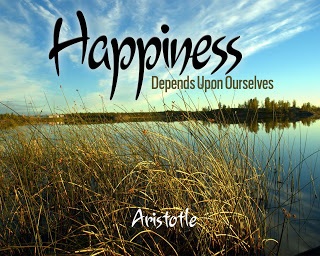
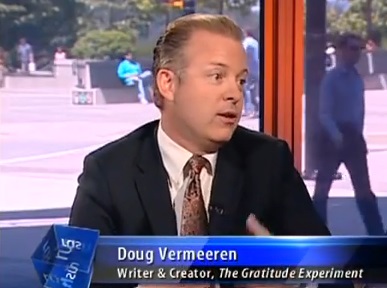
Ah, Aristotle- penchant of ancient greek wisdom. Nicely said, Dude. Although we live in the richest and most advanced society the world has ever known, many of us say we need more money in order to be happy, notes best-selling business book author Doug Vermeeren.

“Even some of those in the top percentile of earners often feel like they don’t have enough money,” says Vermeeren, (www.DouglasVermeeren.com), an international speaker who consults with celebrities, business executives and professional athletes.

“The math is simple: More money does not equal more happiness. It’s our attitude toward money, not the amount, that influences our happiness the most.”

Doug Vermeeren was interviewed earlier this year by Shaw. You can watch this by clicking on the link below at the end of the article. CP

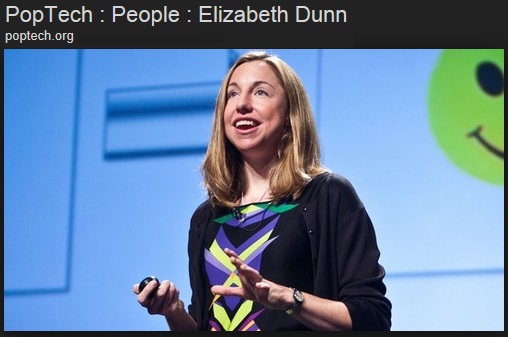
Happiness researchers Elizabeth Dunn and Michael Norton, professors at the Harvard Business School, recently published research indicating that it’s not money that makes people happy, nor the things people buy with it. Rather, it’s the experiences one has that ultimately account for happiness.

“How you experience your money on a day-to-day basis is what matters,” Vermeeren says. “If the software running in your brain is constantly reinforcing the message, ‘it’s not enough,’ then that is likely how you will see yourself and experience your life – as ‘not enough.’ ”

The world’s richest city- is it Tokyo or Dubai? The top ranking seems up for grabs and changes from year to year.

Harvard's Happiness researcher (we're not making this stuff up) Elizabeth Dunn
Harvard’s Happiness researcher  Elizabeth Dunn

Vermeeren reviews the three fallacies of abundance as it relates to happiness:

• We are all entitled to a certain amount of wealth: The feeling that we deserve or are owed a certain amount of wealth will always make us unhappy with whatever we have. While we are entitled to certain human rights, those do not include a winning lottery ticket. In reality, we are not owed any amount of abundance and, in fact, should count ourselves lucky if we’re able to meet our basic needs; many in the world are not. More of us, however, would be happier simply appreciating what we have.

• The result of our labors is money: Money is a means to an end, not an end in itself. This can be a challenge to keep in mind since so much of our lives are spent in the pursuit of money. We work and go to school to support ourselves and our families. We see things we want, and we know we need more money for them. Study after study shows, however, that what really makes us happy is what we do and who we do it with, and not how much money we spend.

• We’ll be happiest when we finally reach our goal: We are happiest when we are progressing toward a goal. When we lose sight of our goal, veer off the path toward our goal, and even achieve our goal, we’re less happy. Rather than setting one goal and deciding you will be happy when you meet it, you’ll be most happy if you continually set goals and relish your journey toward them.

Doug Vermeeren is an internationally renowned public speaker, author, movie producer and director. His life coaching strategies help those from all walks of life, with clients including business executives, celebrities, professional athletes and more. Throughout the last decade, Vermeeren has conducted extensive first hand research into the lives of more than 400 of the world’s top contemporary achievers, making him a sought-after commentator on news outlets including ABC, FOX, CNN and more. He has written three titles contributing to Guerilla Marketing, the best-selling business series in publishing, which is included reading in the Harvard Business School.

His documentaries include the award-winning film, The Opus, which has been published by Random House as a book in 23 countries. Vermeeren’s latest film, The Gratitude Experiment , has received critical acclaim.  For the Silo, Ginny Grimsley. 

Click to view on I-tunes

Human Consciousness & Artificial Intelligence Meet In Designer’s Fabrics

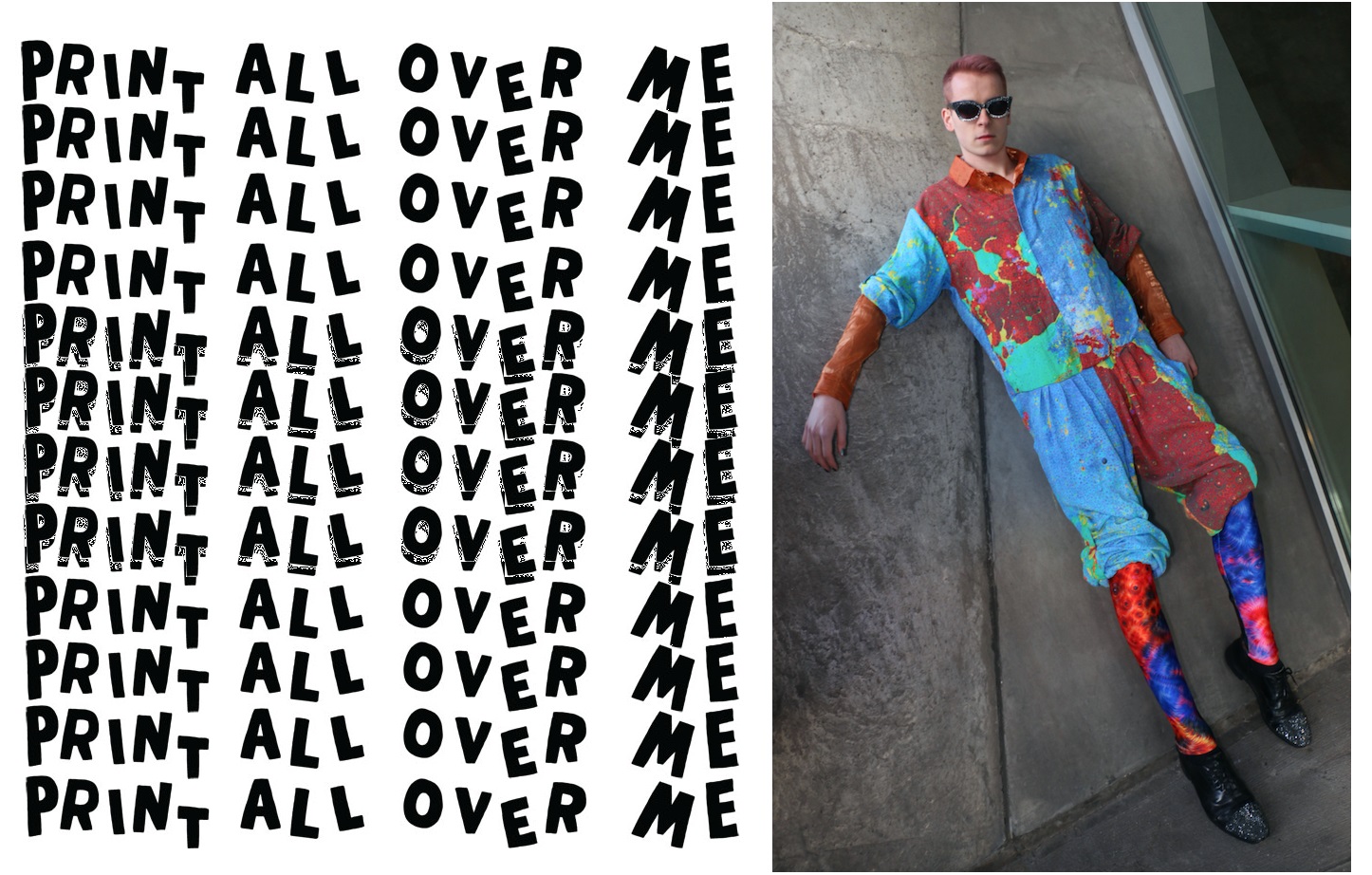
Featured Designer Brian Swift used PAOM to print fabric for his latest collection inspired by the Technological Singularity: a theoretical time in which human consciousness and Artificial Intelligence merge and become a new, unrecognizable species.

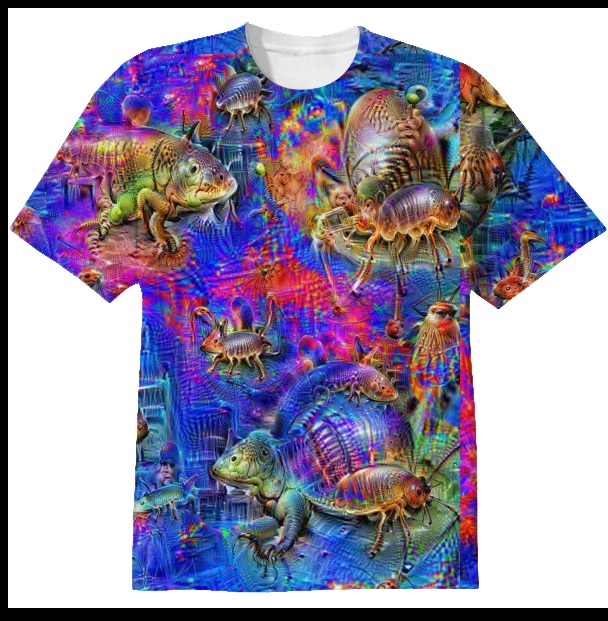
shop the designer PAOMBrian collaborated with a machine learning algorithm to imbibe his photographs with a psychedelic quality. These computer generated compositions were then printed onto fabric and used throughout his latest collection.

brian swift tshirt

For more work check out Brian’s site brianswift.com

print all over me ai fabric brian swiftdesigns

paom smiley face

Supplemental- MONA the world’s first artificial intelligence clothing designer