Tag Archives: novel

Studies Of Ancient Gold Artifacts Weaved Into Novel

Gold! Gold! Gold! aahhhh gold

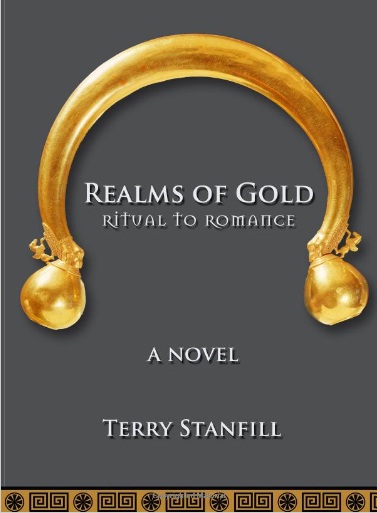
If ever gold was precious, it’s now. “Gold has remained at or near record high prices , even while the value of other commodities falls,” notes art expert Terry Stanfill, author of Realms of Gold: Ritual to Romance , a book that blends factual ancient art and history with modern, fictional romance.

More than two-thirds of the world’s gold demand is for jewelry, she says, of which the United States is the third-largest consumer, behind India and China.

But Stanfill, who studies ancient gold artifacts and weaves them into her newest novel, says we are hardly the first to become enamored of the rare yellow metal.
“The first discoverers of gold were prehistoric, well before the civilizations of the Pharaohs of Egypt and the Sumerians,” she says.
But gold soon attracted the admiration of the rich and royal, and since then, kings and emperors, explorers, pirates, and thieves.

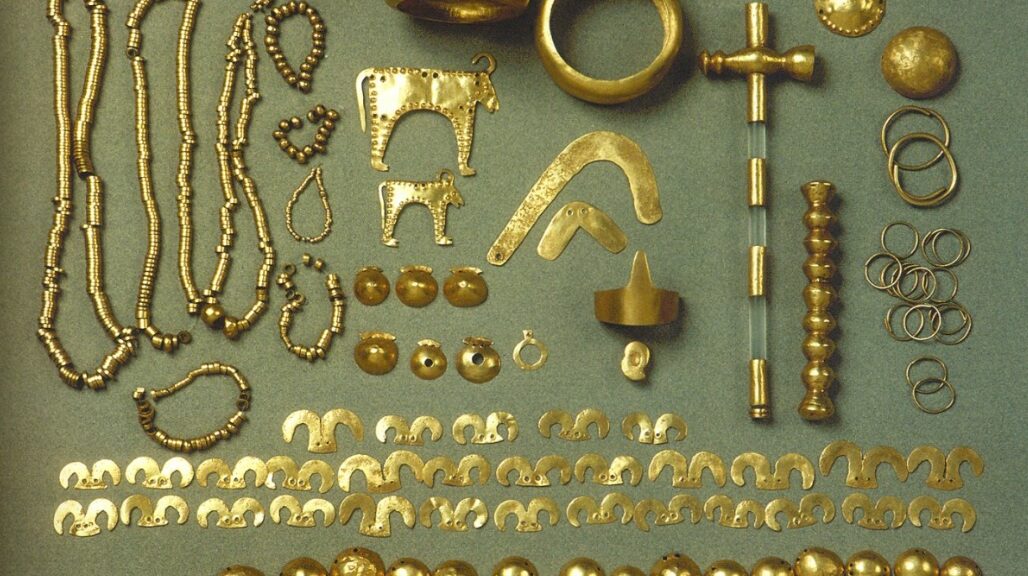
“Gold figures prominently in the art and currency of the ancient European civilizations I research. It’s one of the most enduring metals, by every definition of the word,” Stanfill says. “Because of that, the gold jewelry, shoes, vessels and other artifacts unearthed by archaeologists continue to tell their stories centuries later.”

Stanfill shares some other precious golden nuggets:

• Jason and the Golden Fleece, myth or reality?
Roman historian, Strabo(1st century B.C.) wrote about villages by the Kuban River in the Ukraine, where gold collectors used sheepskins to trap the fine gold particles in the rivers and streams flowing from the Caucasus Mountains. The skins could then be dried and beaten to shake out the gold dust. This practice continued well into the 20th century. It’s very possible Jason and the Argonauts sailed to Colchis, a kingdom on the Black Sea, searching for gold. They most likely heard about this wondrous process from other seafarers and traders.

• Why so popular for so long?
One of the reasons gold has been valued since prehistoric times is, frankly, its beauty. The gleaming yellow metal has a color and brilliance unmatched in the mineral world. Another reason is that the world has precious little of it. In all of history, just less than 364 million pounds have been mined. Only 5.5 million pounds a year are mined now.

• The stuff of classic fashion.
Evidence of ancient art in contemporary architecture, sculpture and other designs is all around us. But nowhere is it as surprising to see as in modern jewelry. Choker-style necklaces made of rigid metal, so popular today, date back to the 8th century B.C. They were a multi-cultural phenomenon, worn in some societies by men and in others by women. For the Celts, they were a symbol of strength and power, and ancient Celts were often identified by the torques they wore not only around their necks but around their waists and wrists (bracelets!)

Even as modern society hoards gold as a hedge against the volatile world economy and watches as the price per ounce rises and dips, Stanfill says the true value, for her, is in its history.

“Some of mankind’s most beautiful artwork – his very best efforts – were created from gold, and they endure today,” she says. “Without gold, we might not know the status of people found in ancient tombs, and we would not have the vast collection of centuries old artworks that we do today.

“The value of gold that never changes is in how it allows the ancients to communicate with us.”
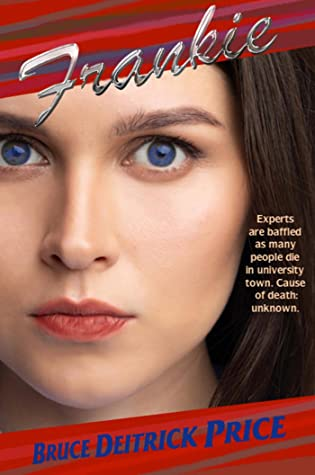
The Sentient AI Future is Here And She’s A Lovely Stranger Named Frankie

Bringing work home can put stress stress on a marriage, especially when that “work” is a beautiful woman who seems too cozy with the husband. But in Bruce Deitrick Price’s genre-busting tragicomedy book “Frankie”, looks are deceiving.

Raymond Mason, an AI genius and college professor, brings Frankie, his latest, most human-like creation, to dinner. Raymond knows his wife will be impressed.

No way! Julia Mason feels competitive and threatened. 
Raymond touches Frankie in a romantic way.

Julia is hostile and drinks too much. She passes out as Professor
Mason runs upstairs to find a gun. An hour later, Julia wakes to find
her husband dead and Frankie gone. Julia, semi-hysterical, races into
the night to find the missing masterpiece.

Simon, a grad school drug dealer, falls in love with Frankie. He
realizes he can build a cult around this spiritually evolved woman.
First, he has to hide her.

For different reasons, many people search frantically for Frankie.
Meanwhile, more unexplained deaths are reported. Panic sweeps  New Jersey. Some experts think that humanity is dealing with
an alien invasion.

A pathologist says he has never seen so many beautiful corpses. Cause of death: unknown.

“Elon Musk believes that AI will destroy us. 

First there will be lots of misunderstandings, confusion, and paranoia,” Price says. “Frankie is a look into the future of AI. The smarter the robots, the more likely that strange, unanticipated things will happen.”

About the Author

Bruce Deitrick Price is a novelist, poet, artist and education
reformer. He wrote his first article about robots around 1990. 

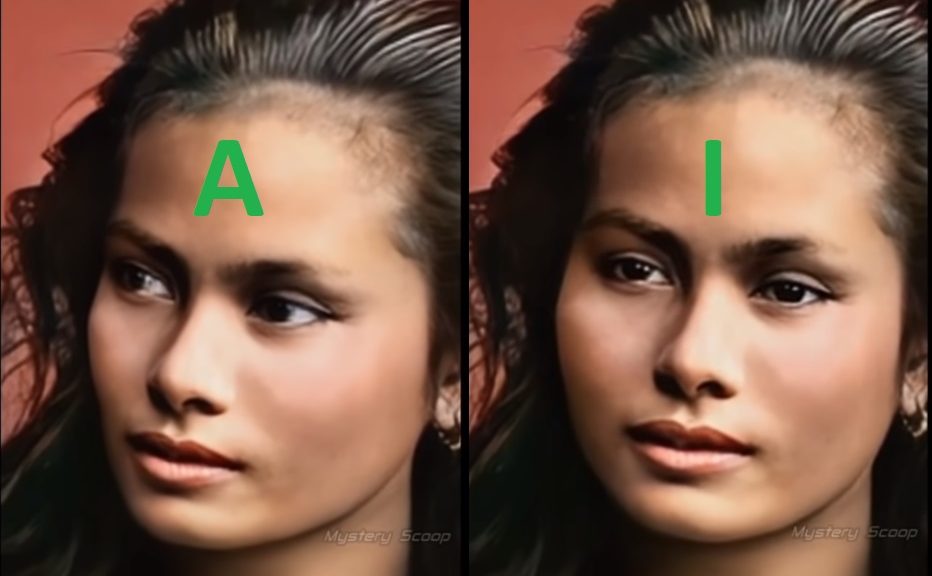
Featured image: Historic “Mona Lisa of the Pacific Islands” photograph Mestiza de Sangley, c. 1875

Alt History Graphic Novel Has Russians On The Moon

Real life: In the 1960’s Communist Russia and the United States were in a race to be the first nation to safely land a man on the Moon.

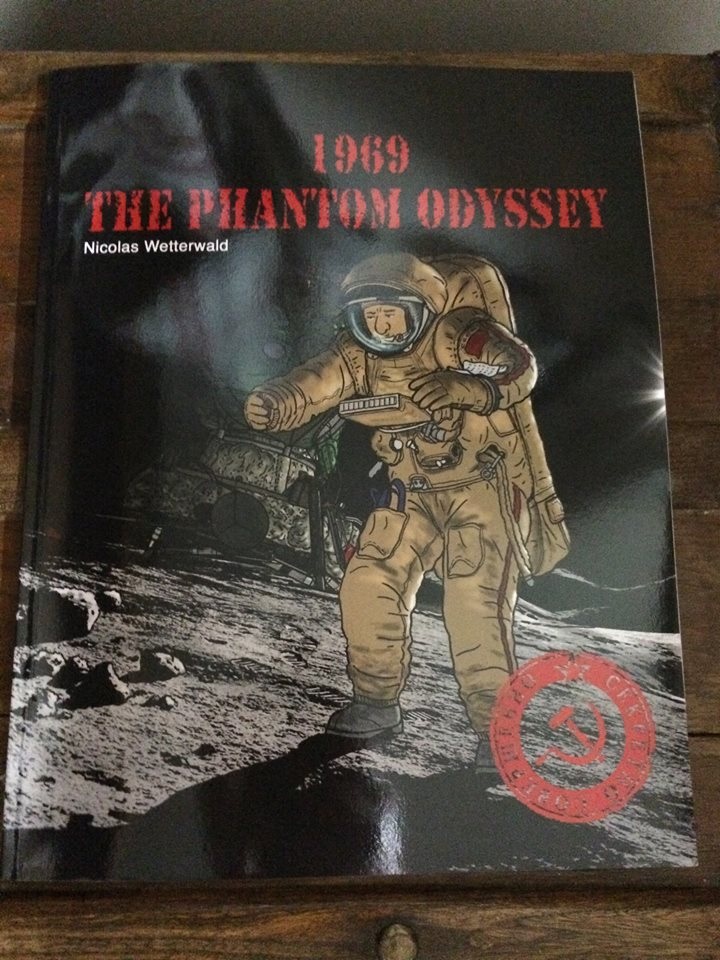
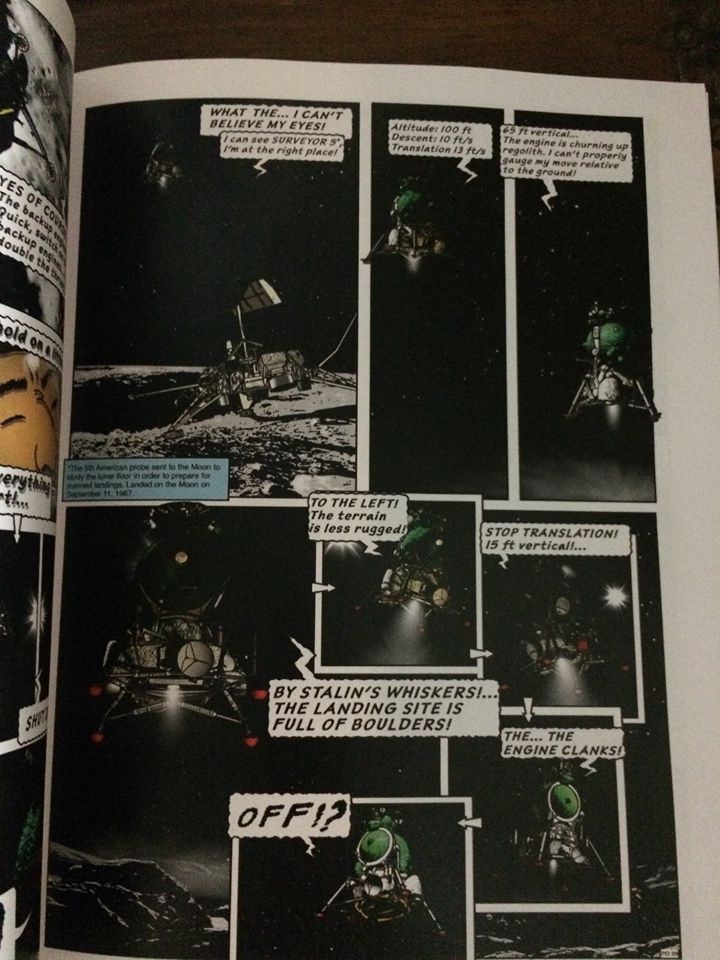
Nicolas Wetterwald’s latest graphic novel mixes the real life with what-if and serves up an enjoying account of an alternate history: one where the USSR beats the Americans and lands a cosmonaut on the Moon. Based in fact as much as imagination, many readers will be surprised to learn just how close the ‘race to the Moon’ was. The Russians bet everything on a mighty N1 rocket that differed from the American Saturn V by relying on a complicated massive ring cluster of thirty engines, each one dependent on the other in order for a successful launch to occur. Development began on the N1 in 1959 and by 1968 US reconnaissance satellite photographs showed that the Russians were (almost) ready to launch.

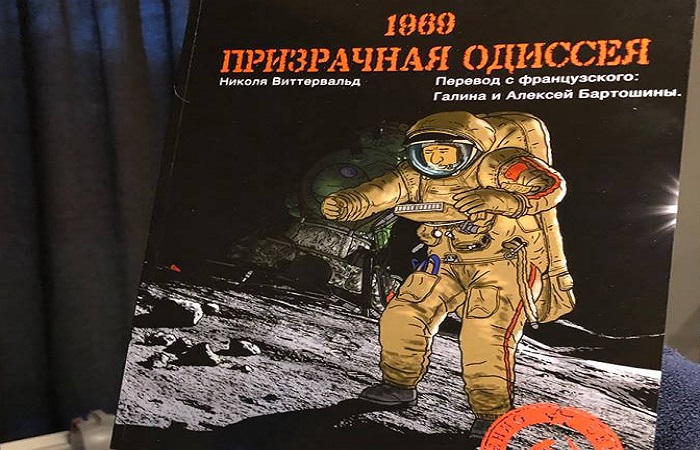
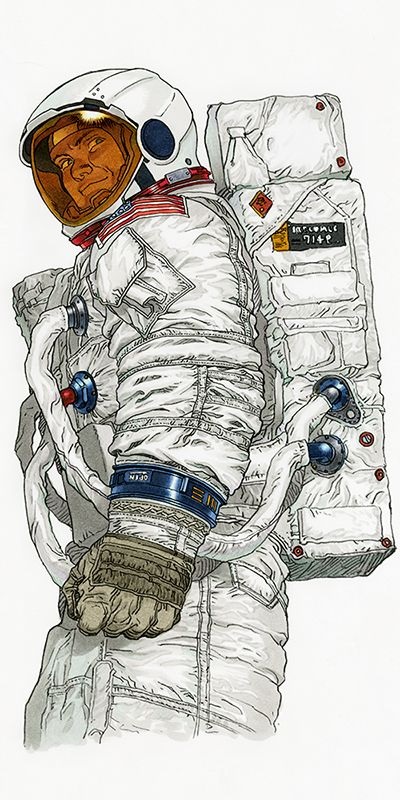
Looking at the book cover there is something warmly familiar about Wetterwald’s drawing style. It took me a minute to place it. There is a strong Jean Giraud (Moebius) influence- especially his spacesuit and futuristic designs from his Heavy Metal magazine panels.

Astronaut by Moebius

The story begins with a crisis and then a flashback in a fine style of writing that serves the form of graphic novels very well. Text ‘balloons’ are clearly differentiated between characters thoughts and conversations. This creates a fitting lonely mood- unlike the Americans, the Russians planned on sending a single cosmonaut to the Moon surface. There is also an ingenious use of text ‘balloons’ with small lightning like points to signify an electronic transmission or radio transmission. Small details like this create an eerie atmosphere and it is easy to relate to the protagonist.

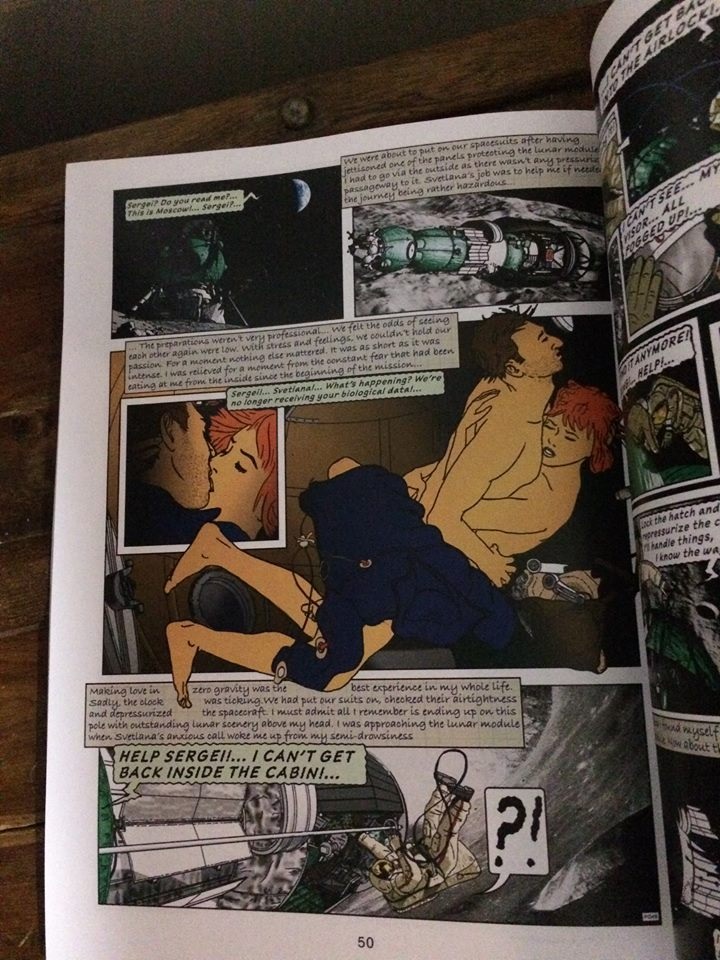
Don’t be fooled into thinking that this comic is more documentary than entertainment. It has a brisk pace and the setting of Cold War Russia makes for an almost spy like setting. There are adult themes to be enjoyed here too- and this graphic novel is targeted appropriately towards adults.

There is much to like about Nicolas Wetterwald’s 1969 The Phantom Odyssey especially as we find ourselves celebrating the approaching fiftieth anniversary of the successful first landing of man on the Moon. With all the hype and nostalgia around that landmark event the release of this comic book couldn’t have been planned better. Hard copy recommended and available from Amazon ISBN 9781793906069 or try the Kindle edition for only $7.49 USD. For the Silo, Jarrod Barker.