Tag Archives: urban

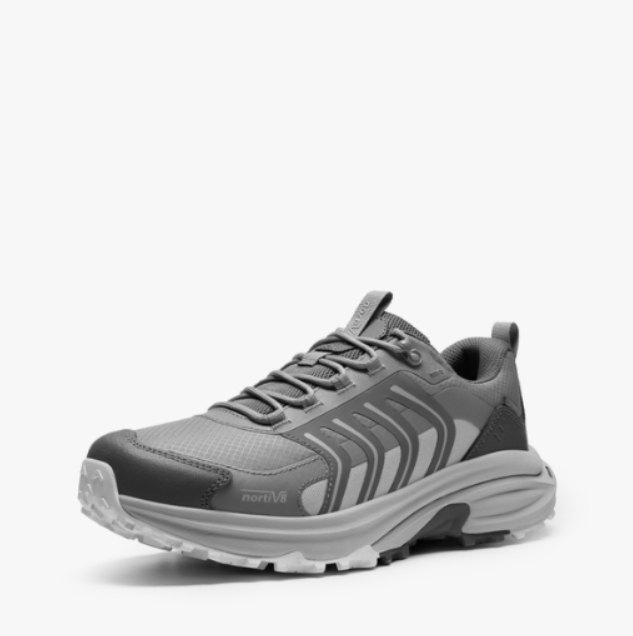
Superb NORTIV8 Hiking Shoes For All Of Us Mortals

Introducing NORTIV 8’s New FieldLite Collection Elevating Hiking Shoes for All

March, 2026, New York, NY – NORTIV 8 announces the debut of
its highly anticipated FieldLite Collection, a new lineup of
performance-driven hiking sneakers and boots for men and women.
Designed to deliver dependable waterproof protection, trail-grade
traction, and everyday versatility, FieldLite redefines accessible
outdoor footwear with  modern style and function.

Withstand Hours Of Steady Rainfall

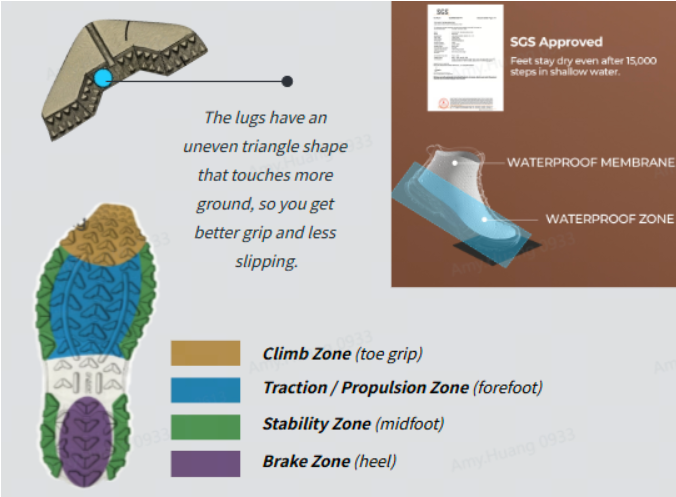
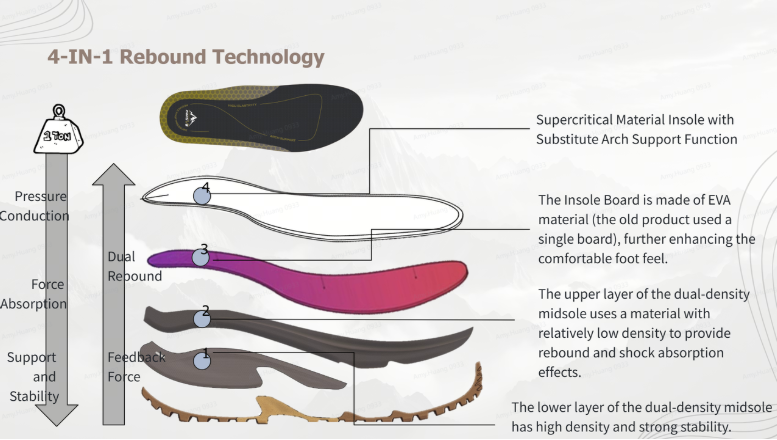
Engineered for unpredictable conditions, each style features waterproof construction tested for over four hours of steady rain and 15,000 cycles of water exposure, ensuring reliable protection in wet environments. A Quick-Grip multi-zone outsole with heel-lock stability delivers traction on both wet and dry surfaces while DualStride cushioning and reinforced toe and heel overlays offer all-day comfort and durability. Finished with a versatile trail-to-street silhouette, the FieldLite Collection seamlessly bridges the gap between fashion-forward footwear and high-performance outdoor boots.

FieldLite Collection

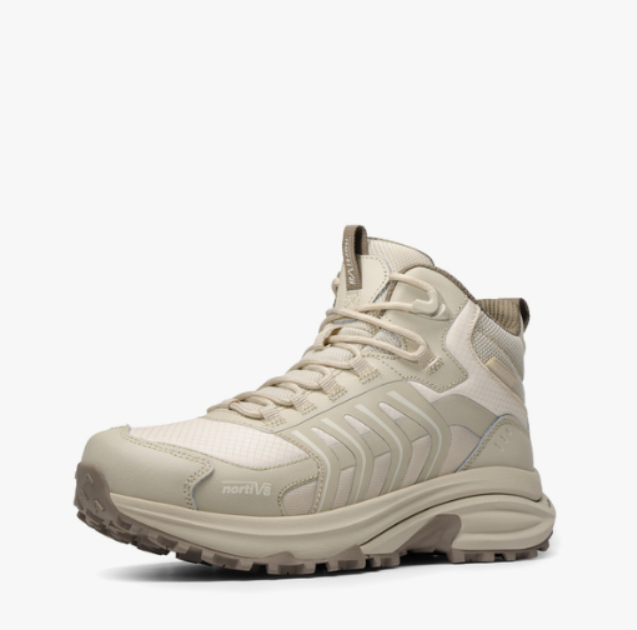
NORTIV 8 Armadillo FieldLite Women’s Khaki $76.99usd/ $105.06 cad

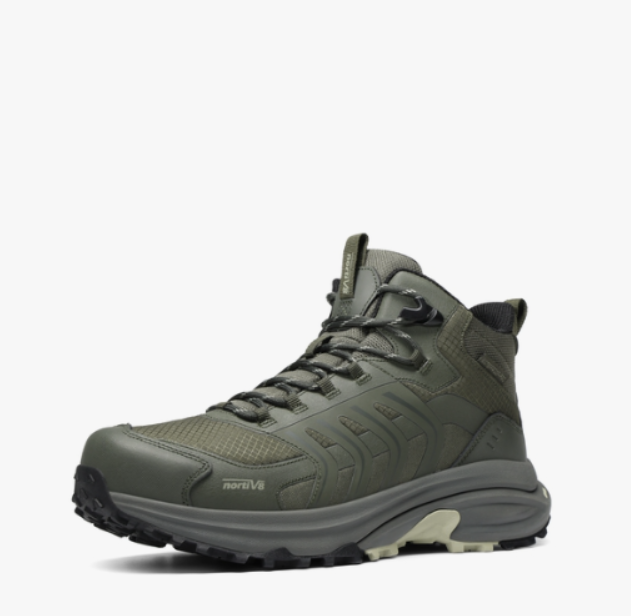
NORTIV 8 Armadillo Men’s FieldLite Boot Army Green $83.99usd/ $114.61 cad

The FieldLite Collection is available now on Amazon and at
NORTIV8.com Men’s sizes range from 7–14 and women’s sizes
from 5.5–11, with retail prices between $70–$80 usd/ $95- 109$ cad.

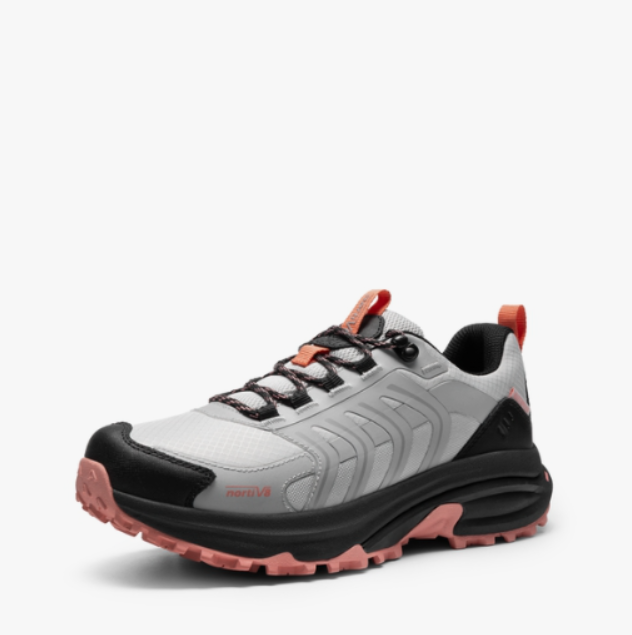
NORTIV 8 DualStride Armadillo FieldLite Sneaker Women’s Grey Pink $69.99usd/ $95.51 cad

NORTIV 8 DualStride Armadillo FieldLite Men’s Sneaker Light Grey $76.99 usd/ $105.06 cad

For the Silo, Jarrod Barker.

ABOUT NORTIV 8

Founded with a commitment to performance, durability, and everyday versatility, NORTIV 8 creates reliable footwear designed to move seamlessly from the outdoors to daily life. Combining advanced weatherproof technology, comfort-driven cushioning, and rugged traction with modern, wearable design, NORTIV 8 delivers high-quality boots and shoes built for adventure, commuting, and everything in between. With a focus on accessibility and innovation, the brand empowers customers to explore confidently no matter the terrain or forecast.

Black Friday Shopping: Fastest Growing Products, and Credit Card Trends

From Black Friday electronics deals and top appliance discounts to the best savings on furniture, sporting goods, and smartphones, North America’s biggest shopping event is fueled by one major factor: the use of credit cards for Black Friday purchases.

To understand how spending patterns have evolved, and how credit cards shape the Black Friday season, researchers from our friends at InvestorsObserver analyzed Black Friday shopping trends over the past three decades.

Though the focus was USA based (looking at trends on state-by-state and national sales data for durable goods, credit card transaction volumes, and shifts in consumer spending across key product categories like electronics, appliances, furniture, sporting goods, and jewelry), some parallels can be drawn between Canada and Mexico shopping habits.

The report reveals what was really driving Black Friday sales from 1997 till 2024. It shows which states and product categories had the biggest surge in spending, how much of that growth was fueled by increased credit card use, and which items have fallen out of favor with today’s shoppers.

Essentially, North Americans are using credit to buy smarter, invest in technology and fitness, and adapt their Black Friday shopping to reflect quickly changing priorities and lifestyles.

Key findings

  • Nationwide, US inflation-adjusted spending on durable goods during the Black Friday season increased by over 90% between 1997 and 2024, with states like Florida and Texas more than doubling their totals. Inflation is also a factor in Canada and Mexico.
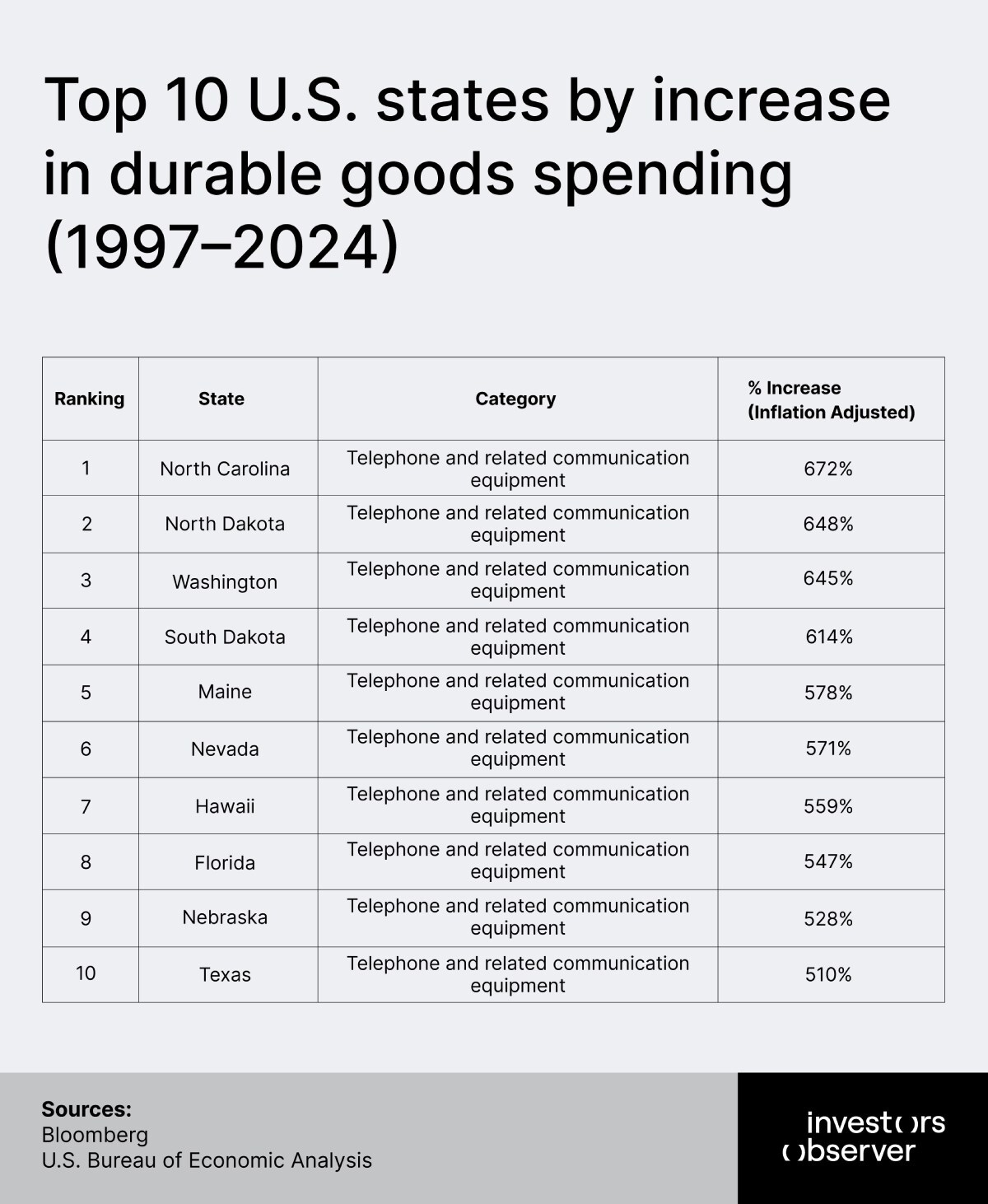
  • Spending on telephone and related communication equipment surged over 600% in the top states.
  • Average credit card balances at major issuers (Amex, Discover, Capital One) have grown at an average monthly rate of 0.5% (approximately 6% per year) since 2020, with bold spikes during the Black Friday season.
  • Spending on traditional Black Friday luxury items, such as jewelry and new vehicles, dropped in several states.
  • Spending on sporting equipment, guns, and related goods soared, making these some of the fastest-growing Black Friday categories nationwide.

The 10 states where Black Friday spending on durable goods has skyrocketed

Over the past 30 years, Black Friday has exploded into a huge shopping event, totally changing how and where North Americans splurge on big-ticket items.

A few states are crushing it, with locals ramping up real spending on durable goods at huge rates during Black Friday season. The top 10 show not just wild shopper hype, but big shifts in what people actually purchase when those deals drop.

These states have seen their Black Friday durable goods spending, especially in technology, surge ahead of the national average. When Black Friday advertising kicks in, shoppers increasingly target the best deals on electronics, particularly smartphones, tablets, and communication devices.

Retailers have responded to it, making Black Friday the primary opportunity to upgrade devices and connect households at a fraction of the regular price.

  • North Carolina and North Dakota lead with over 600% growth, showing how the appetite for electronics has exploded since the late ‘90s, as more homes gained internet connectivity and mobile devices.
  • The Pacific Northwest and Sun Belt, including Washington, Nevada, and Texas, have also surged, which aligns with fast-growing populations and tech-forward consumer culture.
  • Hawaii and Maine’s high growth rates highlight how even small, geographically unique states have embraced Black Friday to shop for technology that bridges distances – both literal and social.

The overwhelming increase in spending on communication technology during the Black Friday season shows how the event has become less about traditional holiday shopping and more about allowing households to seize the latest digital opportunities. For millions of North Americans, Black Friday is now the time to connect and upgrade their devices.

Where Black Friday spending fell: Top 10 states with the biggest drops in durable goods purchases

While most states saw Black Friday spending on durable goods soar over the past 25 years, not every category or region had gains. In fact, several states experienced notable declines, particularly in traditional big-ticket Black Friday items like jewelry, watches, and new cars.

This change reveals new consumer values, the impact of modern technology, and a growing focus on more practical or tech-driven purchases.

Jewelry and watches in retreat

The sharpest drop comes from jewelry and watches. Vermont, Maine, Connecticut, Iowa, and Michigan all had double-digit declines. This suggests that big-ticket jewelry has lost its luster as a Black Friday buy. Americans may be choosing technology upgrades and home improvements over luxury items that were once holiday staples.

New motor vehicles lose their spot

For decades, Black Friday was also the season of auto deals and year-end vehicle promotions. However, states like Illinois, Connecticut, Michigan, and Ohio had a significant real decline (–10 to –15%) in Black Friday spending on new cars. Today’s shoppers may be holding onto cars longer, buying used, or shifting their big December purchases toward electronics and appliances.

The fall of traditional electronics

West Virginia stands out as one of the few states where spending on video, audio, photographic, and information processing equipment has actually declined since 1997, dropping by 16% when adjusted for inflation. West Virginians are moving away from traditional Black Friday electronics, like older TVs, cameras, and stereo systems, and are investing less in these categories than they did a generation ago.

What’s behind these Black Friday drops?

  • Priorities are changing. North Americans are investing in what makes daily life more comfortable and modern, leaving behind items seen as old-fashioned luxuries.
  • The tech has taken over. Gadgets, home entertainment, and fitness equipment now win out over jewelry and autos for Black Friday deals.
  • Economic reality has shifted. The increasing role of credit cards and shifting family budgets means shoppers are looking for purchases that deliver daily utility rather than show status.

In other words, today’s Black Friday is less about “once-in-a-lifetime” traditional purchases and more about value, technology, and practical upgrades. The states with the biggest declines in jewelry and car sales are signals of this broader cultural and economic change.

America’s top 10 states for Black Friday durable goods spending (2024)

Black Friday remains the biggest shopping event of the year, and nowhere is this more apparent than in the nation’s leading states for durable goods purchases. Some states outpace the rest of the U.S. in total spending on high-value items, like appliances, electronics, home furnishings, and more, during the Black Friday season. Their money and excitement drive shopping trends across the country.

Massive market size

California, Texas, and Florida are not just the largest states by population. They’re also the biggest spenders. Together, they account for nearly a quarter of all U.S. durable goods bought during Black Friday. This shows the influence of large, diverse, and economically dynamic populations.

Urban economies and consumer power

States such as New York, Illinois, and Pennsylvania maintain their spots in the top ten thanks to their large metropolitan areas and strong traditions of holiday shopping, where residents spend big on household upgrades and electronics.

Quick growth in the Sun Belt

North Carolina and Georgia have shot up the rankings in recent years. Their booming real estate, ongoing migration trends, and family-driven consumption translate into strong demand for appliances, furniture, and home technology each Black Friday.

Consistent Midwest and Northeast strength

Ohio and New Jersey round out the list, proving that established economies with significant suburban populations continue to drive major Black Friday spending, particularly for goods that make life more comfortable and connected.

In essence, these top 10 states are the engine rooms of North American Black Friday shopping. Their combined impact shapes national retail sales and spotlights where the most dollars flow when the country’s biggest holiday deals are up for grabs.

Top 10 increases in durable goods spending 2020–2024

The years since 2020 have been some of the most dynamic for Black Friday shopping in North American history. Faced with a global pandemic, shifting work habits, and new priorities at home, North Americans unleashed a wave of spending on major purchases, especially during the Black Friday season when deals were too good to pass up.

Some American states stand out for their extraordinary growth in durable goods spending, which reveals where the economic recovery and post-pandemic demand have hit hardest and fastest.

Pandemic-era investment in the home

From 2020 to 2024, North Americans spent more time at home than ever before, fueling a rush on Black Friday for home electronics, appliances, workout gear, and home office upgrades. For example, this is reflected in the double-digit growth seen in states like North Carolina, Nevada, and Texas.

Southern and Mountain West States are leading

The Sun Belt and fast-growing Western states dominate the top of the list. With population inflows, a hot housing market, and greater focus on quality-of-life purchases, places like Florida, Nevada, and Idaho led the way in increased spending.

Credit card power and Black Friday strategy

More consumers used credit cards to access historic Black Friday discounts, and they didn’t hold back. Their willingness to borrow, upgrade, and outfit homes helped power this unprecedented jump in durable goods purchases.

The return of consumer confidence

After the initial shock of the pandemic, these states came roaring back with strong job markets and economic growth. This confidence spilled over into Black Friday shopping, with many households finally making upgrades or purchases they had delayed.

Not just the big states – smaller markets shine

States like Idaho, Utah, and New Hampshire emerged as “growth champions,” showing that the Black Friday boom was not limited to the biggest economies, but spread across America’s most dynamic regions.

In essence, between 2020 and 2024, Black Friday’s power as an engine for big purchases was on full display in these top 10 states. The post-pandemic years became a transformation period for millions of households, with Americans seizing the moment – and Black Friday deals – to upgrade, renovate, and invest in what matters most.

Methodology and sources

The Personal Consumption Expenditure (PCE) data is collected from the U.S. Bureau of Economic Analysis.

The data is provided for every U.S. state.

For each state, we collected data on consumption expenditures in the following categories:

  • Durable goods: New motor vehicles; Furniture and furnishings; Household appliances; Tools and equipment for house and garden; Video, audio, photographic, and information processing equipment and media; Sporting equipment, supplies, guns, and ammunition.
  • Other durable goods: Jewelry and watches; Telephone and related communication equipment.
  • Expenditures are expressed in millions of dollars. The data covers the years 1997 through 2024. Each year’s data is adjusted for inflation using the Consumer Price Index for All Urban Consumers: All Items in the U.S. City Average (CPIAUCSL)

We calculated how expenditures have changed over time (1997–2024). All calculations are inflation-adjusted.

We pulled monthly credit loan issuance data (2018–2025) for American Express, Discover, and Capital One straight from Bloomberg.

For the Silo, Živilė Kasparavičiūtė

Happy Living With Canada’s Urban and Rural Coyotes

Coyotes, like other wild animals, sometimes come into conflict with humans. Since migrating to Ontario and the eastern provinces from western Canada more than 100 years ago, coyotes have adapted well to urban environments and can now be found in both rural and urban settings. Coyotes can be found across Ontario but are most abundant in southern and eastern agricultural Ontario and urban areas.

Changes in land use, agricultural practices, weather, supplemental feeding and natural food shortages may contribute to more coyote sightings in your community.

Homeowners can take steps to make sure coyotes aren’t attracted to their property and to keep their pets safe. To reduce the potential for coyote encounters, the Ministry of Natural Resources has the following tips for the public:

Do not approach or feed coyotes

Coyote sightings reported in Kokomo parks, cemeteries | Local news |  kokomotribune.comCoyotes are usually wary of humans and avoid people whenever possible. However, they are wild animals and should not be approached.

                • People should NOT feed coyotes — either intentionally or unintentionally. It makes them less fearful of humans and makes them accustomed to food provided by humans.
                • Aggressive behavior towards people is unusual for coyotes, but people should always exercise caution around wildlife. Secure garbage, compost and other attractants 
                • Do not provide food to coyotes and other wildlife. Properly store and maintain garbage containers to help prevent coyotes from becoming a problem.
                • In the fall, pick ripe fruit from fruit trees, remove fallen fruit from the ground and keep bird feeders from overflowing as coyotes eat fruit, nuts and seeds.
                • In the summer, protect vegetable gardens with heavy-duty garden fences or place vegetable plants in a greenhouse. Check with your local nursery to see what deterrent products are available.
                • Place trash bins inside an enclosed structure to discourage the presence of small rodents, which are an important food source for coyotes.
                • Put garbage at curb-side the morning of the scheduled pickup, rather than the night before.
                • Use enclosed composting bins rather than exposed piles. Coyotes are attracted to dog and cat waste as well as products containing meat, milk and eggs.
                • Consider eliminating artificial water sources such as koi ponds.
                • Keep pet food indoors.  Use deterrents and fences to keep coyotes away from your home and gardens
                • Use motion-sensitive lighting and/or motion-activated sprinkler systems to make your property less attractive to coyotes and other nocturnal wildlife.
                • Fence your property or yard.  It is recommended the fence be at least six-feet tall with the bottom extending at least six inches below the ground and/or a foot outward, so coyotes cannot dig under the fence.  A roller system can be attached to the top of the fence, preventing animals from gaining the foothold they need to pull themselves up and over the top of a fence.
                • Electric fencing can also help deter coyotes from properties or gardens in some circumstances. Clear away bushes and dense weeds near your home where coyotes may find cover and small animals to feed upon.
            • Install proper fencing.
            • As coyotes are primarily nocturnal, pets should be kept inside at night.
            • Keep all pets on leashes or confined to a yard.
            • Keep cats indoors and do not allow pets to roam from home.
        • Spay or neuter your dogs. Coyotes are attracted to, and can mate with, domestic dogs that have not been spayed or neutered.

If you encounter a coyote:

        • Do not turn your back on or run. Back away while remaining calm.
        • Use whistles and personal alarm devices to frighten an approaching or threatening animal.
        • If a coyote poses an immediate threat or danger to public safety, call 911.
        • Never attempt to tame a coyote. Reduce risk of predation on livestock
        • Barns or sheds can provide effective protection from the threat of coyotes preying on livestock.
        • Guard animals, such as donkeys, llamas and dogs, can be a cost-effective way to protect livestock from coyotes. Guard animals will develop a bond with livestock if they are slowly integrated and will aggressively repel predators.

Managing problem wildlife

  • Landowners are responsible for managing problem wildlife, including coyotes, on their own property.
  • The Ministry of Natural Resources helps landowners and municipalities deal with problem wildlife by providing fact sheets, appropriate agency referrals, and information on steps they can take to address problems with wildlife.

Generation Z Job Advancement Difficulties Continue

Revealing reports are exposing the extent to which Gen Z is grappling with a far tougher job market than ever before, spurring overwhelming financial angst and uncertainty. Below Gen Z authority, attorney and legislative policy pundit Cheyenne Hunt, J.D. — a  TikTok influencer with 93.3K followers and 3.7M likes on the platform — provides front-line perspective on the trending topic. 

“The challenges we Gen Z’ers face in today’s job market are unique and complex as we navigate unprecedented economic shifts and evolving workplace dynamics,” she said. “A better understanding of the systemic hurdles and barriers hindering Gen Z’s professional growth is needed to spark dialogue and help employers, policymakers and career advisors develop strategies to support this highly consequential generation of talent.” 

6 Issues Stifling Gen Z Career Advancement

caucasian-businesswoman-looking-at-road-sign-d.jpgGen Z, of which I am a part, has been dealt a rough hand with regard to this generation’s entrance into the workforce at large. We’ve collectively experienced so many “unprecedented” events throughout our formative years that have caused many to lose their meaning and purpose in their professional and personal life. For executives seeking to understand, and aptly integrate, Gen Z into staff teams, it’s essential to recognize and address the unique challenges and needs of this consequential generation greatly influencing the workforce. While there are a litany of issues undermining Gen Z career prospects, there are a few key set of obstacles that must be overcome to bolster this generation’s advancement opportunities:


1. Economic Inequality
Gen Z enters the job market with significant financial burdens, including high costs of living, especially in urban centers. To attract and retain these young talents, consider implementing comprehensive benefits packages that alleviate these pressures. This could include competitive salaries, housing stipends, or student loan repayment programs. By addressing economic barriers directly, your company can become a more attractive and viable option for Gen Z candidates who are often forced to make career decisions based heavily on financial factors.

2. Job Market Instability
Gen Z values stability as much as flexibility. In response to the economic volatility they’ve witnessed, it’s important to emphasize job security and long-term career prospects within your company. Develop clear career pathways and foster a culture that rewards dedication and innovation. Regularly communicate these pathways and growth opportunities to ensure young employees see a future within your organization.

3. Lack of Internal Opportunities for Upward Mobility
As outside hires for managerial rolls continue to increase in popularity, Gen Z struggles to find a purpose in work that does not present opportunities to be recognized by a promotion in status or salary in conjunction with increased skill and responsibility. In fact, many studies have found that young workers are more likely to achieve career advancement by jumping ship to a new employer every three years or less. 

4. Technological Disruption
Rapid technological advancements lead to job displacement and the need for continuous upskilling, which can be particularly challenging for Gen Z entering the workforce. Automation threatens traditional entry-level roles, requiring Gen Z to adapt and acquire new skills to remain competitive in a job market they may not have even found a place in yet. Consider, leveraging Gen Z’s tech-savviness by involving them in digital transformation initiatives within your company. Offer roles that challenge them and allow them to work with cutting-edge technologies.

5. Lack of Mentorship and Networking Opportunities
Gen Z may lack access to mentors and professional networks that can provide guidance and opportunities for career advancement. Remote work creates fewer opportunities to make advantageous connections intentionally or even in passing. Traditional networking avenues may be inaccessible or less effective for Gen Z, who often rely on digital platforms for networking, which may not offer the same depth of connection.

6. Student Debt Crisis
Student debt is a pervasive concern for Gen Z, shaping their career paths and life choices. As an employer, offering programs such as tuition reimbursement or scholarships for further education can set your company apart. Additionally, support flexible work arrangements that allow for continuing education, enabling employees to pursue degrees or certifications that enhance their career growth while gaining valuable work experience.

Addressing these issues requires systemic changes in education, employment policies and societal attitudes to ensure more equitable opportunities for Gen Z career advancement. Given this generation is poised to soon become the largest sector of the workforce, it’s in everyone’s best interest to better set Gen Z up for success as a matter of public policy, economic stewardship and plain old good business practices. For the Silo, Cheyenne Hunt, J.D.

Cheyenne Hunt, J.D. is a progressive advocate and attorney specializing in progressive activism, legislative advocacy, communications and democracy-focused tech policy.  She currently serves as a Big Tech Accountability Advocate with Public Citizen. Hunt graduated from the University of California Irvine School of Law, has earned Dual Degrees in Political Science and Public Policy from the University of Denver and serves as a board member for The Women of Global Change. 

Manly Raketa Submariner Wear

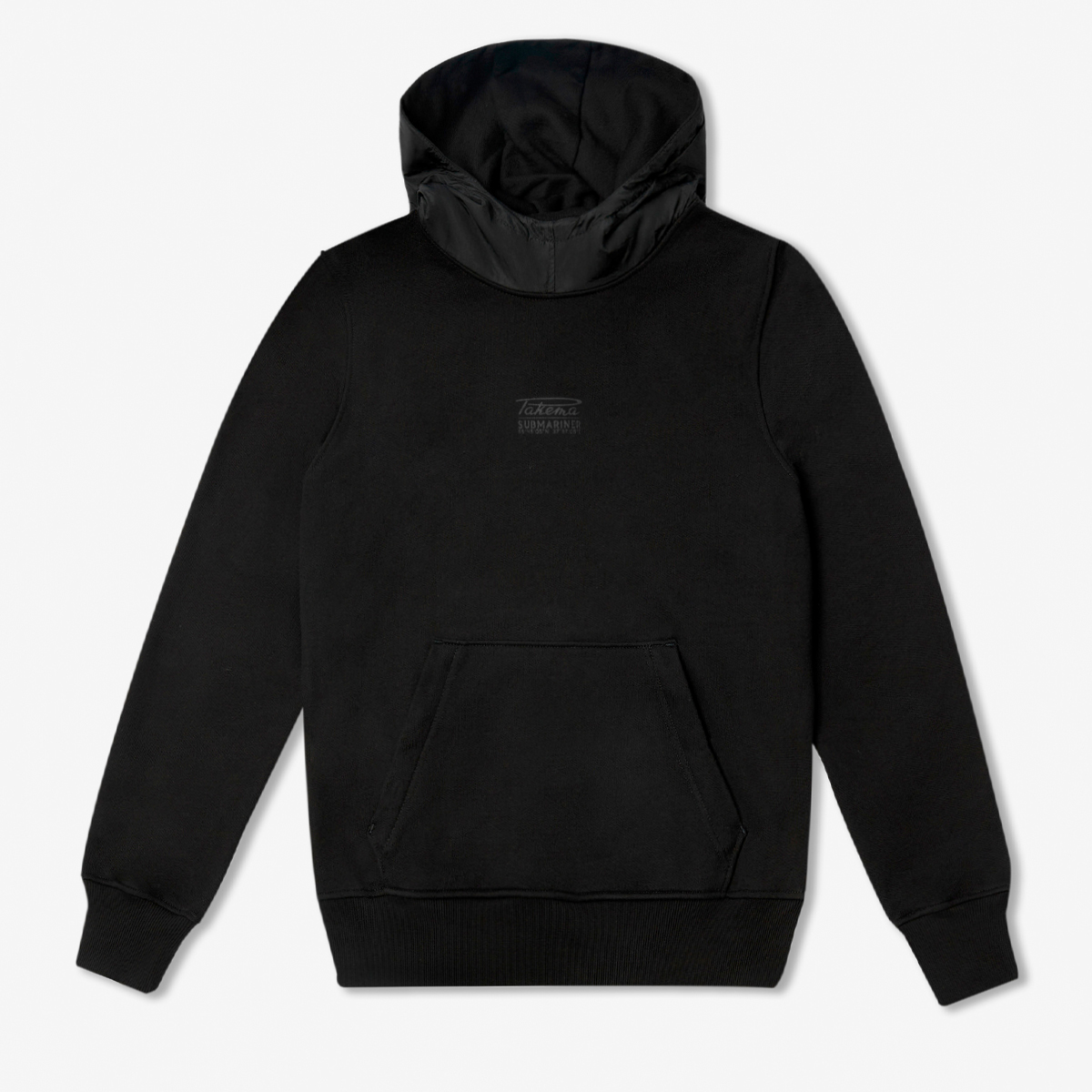
Moscow, Russia. December 2024. “Raketa” and Moscow-based brand “Submariner” have launched a limited collection of clothing inspired by underwater themes.

The release is timed to the launch of Raketa’s new watch for submariners — Raketa “Sonar Kashalot”.

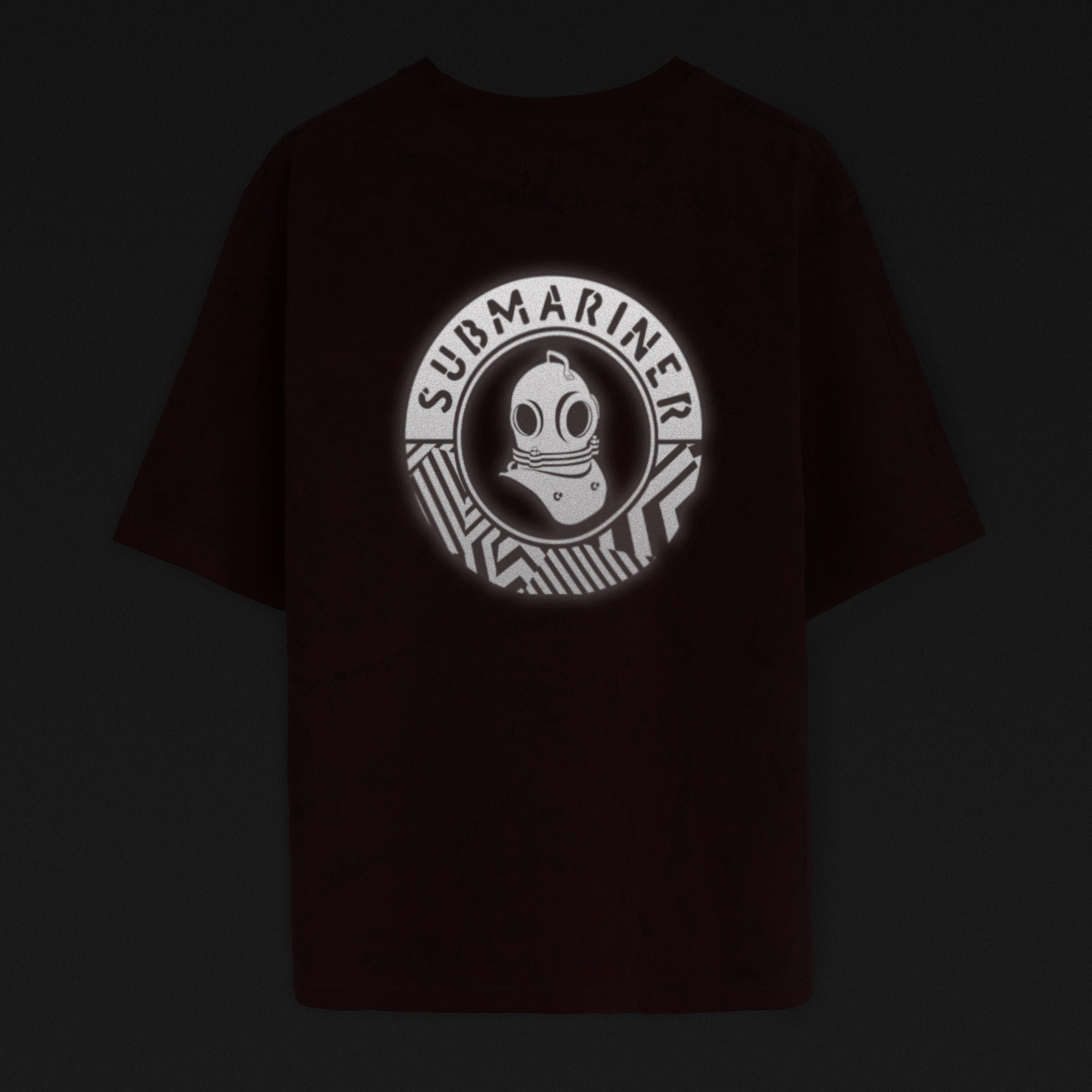
The Raketa x Submariner line includes hats, hoodies and T-shirts in four colours replicating the main shades of Raketa’s watch novelty: black, grey, blue and red.

With its premium quality and unique style based on the transfer of military elements into everyday urban images, “Submariner” has agreed to collaborate with the Raketa watch factory which produces models inspired by polar explorers, cosmonauts, sailors and submariners.

The “Garment Dyed” technology was used to create the collection.

This method of dyeing clothes is appreciated by designers all over the world for the unique pattern and unusual textured appearance of each dyed product. The logo of the Raketa x Submariner collaboration is made using one of the two technologies: “Night Glow”, which provides a soft glow in the dark, or “Reflective”, which reflects light. All care recommendations and a list of technologies used are indicated on the tags.

The Raketa x Submariner clothing collection is available online on raketa.com with a worldwide delivery by DHL directly up to the front door.

Online Exhibition Of 1930s American Art Now Running

Walter Quirt

“This generation of Americans has a rendezvous with destiny.”           President Franklin Delano Roosevelt, June 27, 1936

A Rendezvous with Destiny: 1930s American Art, the new online exhibition from Helicline Fine Arthas started and runs through November 5, 2023. The exhibition features a variety of artistic styles and subject matters from urban, industrial and rural to abstract, people working and scenes of everyday life. For New York City based artists, the City itself was glorified on canvas, paper and bronze. Several of the artists who thrived during that period are still well known today, but most are obscure.


The exhibition, of predominantly 1930s artworks, features that range. The Metropolitan Museum of Art’s new exhibition, “Art for the Millions: American Culture and Politics in the 1930s” celebrates the American spirit during the depression era and serves as the inspiration for Helicline Fine Art’s new exhibition. 

After the stock market crash of 1929, Americans experienced a time of great transition at every level of society. After a terrible slump, the men and women of the country came together to rebuild the economy, their lives and their spirits. For the first time, our government paid artists to create. To this day, many Federal buildings – post offices, court houses, schools, hospitals, administrative buildings – still have the murals of WPA artists emblazoned on the walls and statues standing in courtyards. The work of these artists reflected that renewal. 

The artists of that generation are being rediscovered in 2023 and for generations into the future, thanks to the Met’s new exhibition, and galleries that keep the modernist art flame burning. Helicline’s proprietors, Keith Sherman and Roy Goldberg, recall discovering the WPA period. “We had just moved into our first apartment, constructed in 1929, on the Upper West Side. In attempting to furnish our home we realized we had no sense of style or taste. We spent time in the Strand Book Store to see what homes looked like in the 20s and 30s,” said Goldberg. “We discovered Art Deco, the Machine Age, the WPA and more.

We spent time in museums, art fairs and something that has disappeared from the cultural landscape, antique shows, where we developed our eye. Today we are collectors turned dealers still collecting. The WPA period is in our hearts,” added Sherman. 

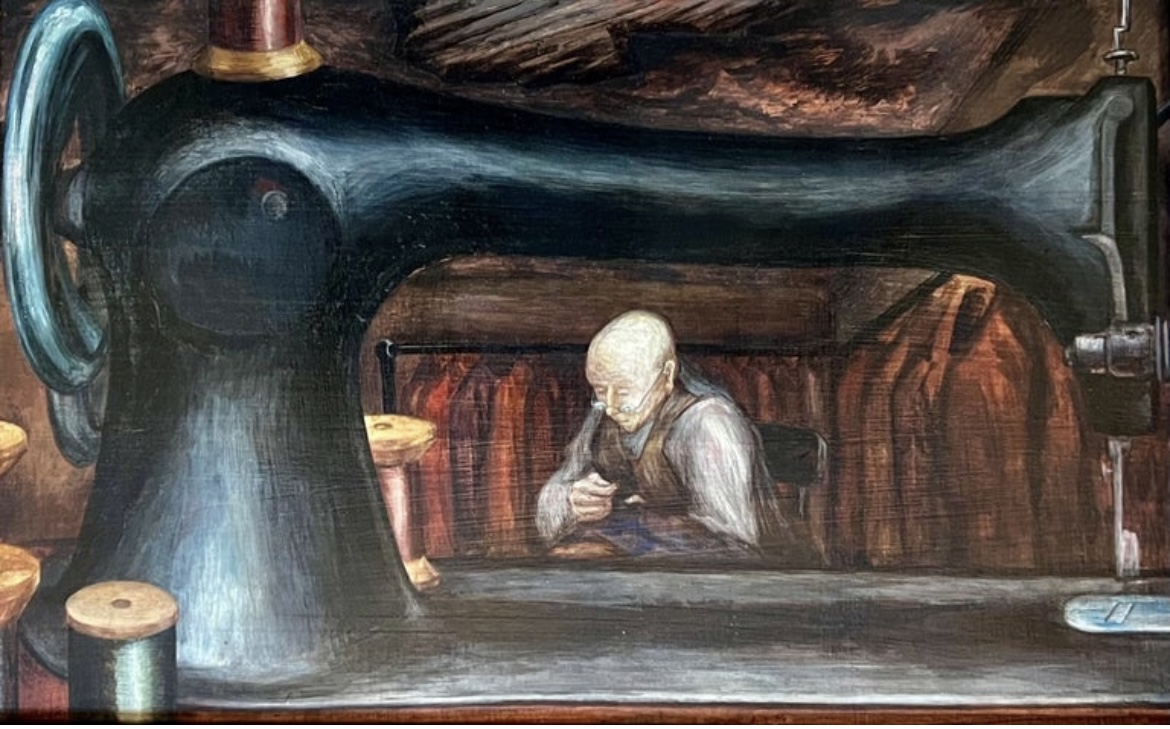
Highlights of A Rendezvous with Destiny: 1930s American Art include a bold Stuart Davis gouache on paper; a “Mercury” bronze by Joseph Freedlander that sat on top of 5th Avenue traffic lights from the 1930s-60s; two works by Daniel Celentano (Thomas Hart Benton’s first and youngest student), many works depicting New York City, including a Cecil Bell of street life under the EL train and a Reginald Marsh depicting the Brooklyn Bridge, mural studies, and a Mervin Jules oil of a tailor with astonishing perspective.
MORE ABOUT HELICLINE FINE ART:MORE ABOUT HELICLINE FINE ART:Helicline Fine Art, founded in 2008 by Roy Goldberg and Keith Sherman, specializes in American and European modernism. The gallery’s core offerings are works from the WPA period. Additionally, Helicline offers American scene, social realism, mural studies, industrial landscapes, regionalism, abstracts, and other artwork. Located in a private space in midtown Manhattan, Helicline is open by appointment. The artworks on the site represent a sampling of available works. Helicline’s offerings are also available on artsy.net and 1stDibs.com.

Featured image- |Reginald Marsh.

Mervin Jules

England’s EV Commercial Truck Earns Grants For Urban Deliveries

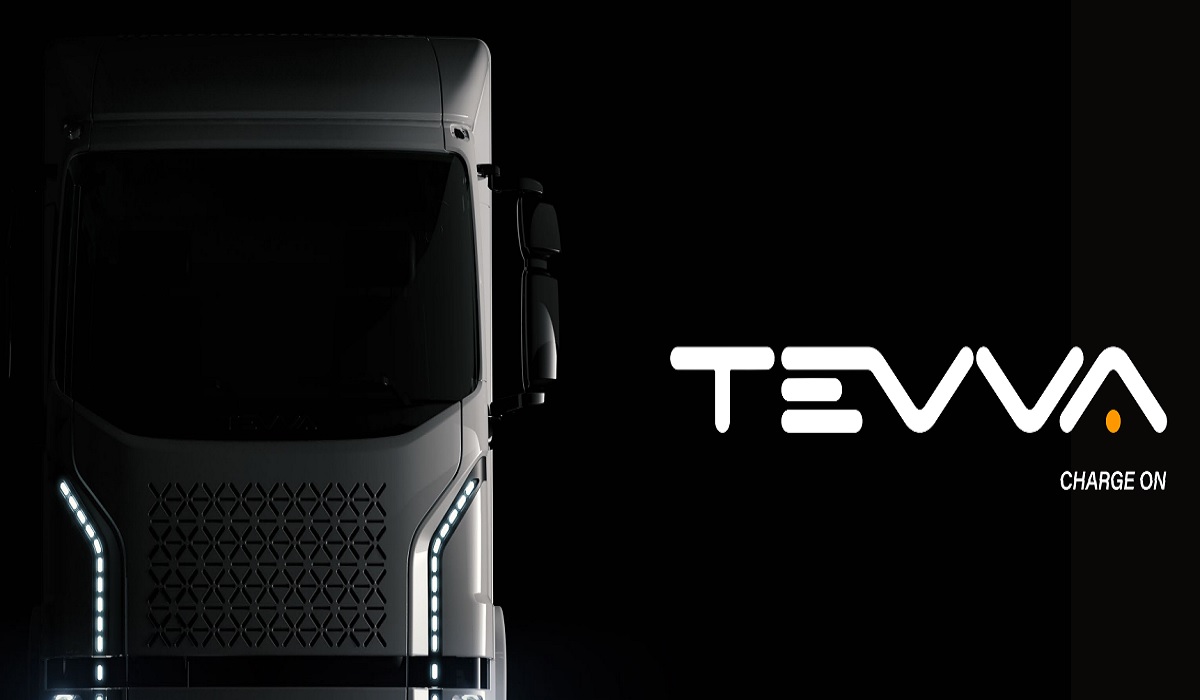
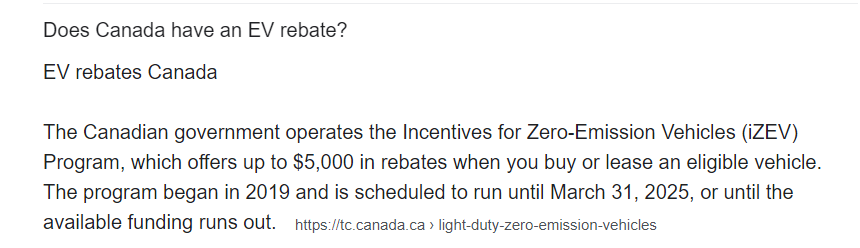
Tilbury, England. March 2023: British electric vehicle manufacturer Tevva has secured government plug-in truck grant (PITrG) eligibility for its 7.5t battery-electric truck. UK organizations looking to decarbonize operations and future-proof their fleets will benefit from a potential £16,000 ($26,260 CAD) discount, removed from the purchase price by Tevva.  The current maximum Canadian EV amount is $5,000CAD.

To be eligible for the grant, N2 vehicles :trucks that weigh between 5-12 tonnes must have a CO2 emissions figure of at least 50 percent less than the conventional equivalent vehicle that can carry the same capacity and can travel at least 60 miles without any tailpipe emissions at all. (In the UK, a ton = 2,200 pounds and in Canada a ton is metric and = 2,000 pounds.) Tevva’s 7.5t battery-electric truck offers up to 140 miles (227 kilometers) from its 105-kWh battery on a single charge, and is ideal for last-mile and urban delivery fleets. 

The Tevva 7.5t battery-electric truck is the only vehicle from a British manufacturer to qualify for the PITrG, and becomes only the third eligible truck to be listed on the government website. The grant pays for 20 percent of the purchase price, up to a maximum of £16,000 ($26,260 CAD) , reducing Tevva 7.5t battery-electric truck total cost of ownership (TCO),

This news follows hot on the heels of another significant company milestone in January, when Tevva secured European Community Whole Vehicle Type Approval (ECWVTA) for its 7.5t battery-electric truck. This meant that Tevva could start producing and selling in volume across the UK and Europe and represented the key regulatory step in the development and commercialization of the Tevva business.

Tevva Founder and CEO Asher Bennett said: “We know first-hand that demand for electric trucks is growing at speed, as we have been inundated with requests for our 7.5t battery-electric truck since going into full production last month. Now we are able to offer UK organisations a noticeable discount, thanks to the government grant, which will surely make zero emission trucking even more appealing to fleets.”

Tevva’s 7.5t battery-electric truck will be followed by a 7.5t hydrogen-electric truck, which benefits from a hydrogen range-extender that enhances vehicle range to up to 354 miles (570 km). The hydrogen-electric truck recently completed a 620-mile ‘border run’ between Tevva’s London HQ and the Scottish border at Berwick-on-Tweed – England’s most northernmost town. The return journey saw the truck cover almost 350 miles alone, without needing a single stop for recharging.

Nashville Population Rise Sparks Demand for Condo Development

Meg Epstein, founder of CA South Development and Condo Queen of Nashville, has funded over $200 million usd in the expansion of condo projects aimed towards bridging the gap of disproportionate construction of properties in Downtown Nashville.

According to the U.S Census Bureau, Nashville, Tennessee has witnessed a steady hike in population within the metro area as it’s averaging approximately 100 new residents per day. Forbes lists the city as the 7th on America’s Fastest Growing City List. The resulting and overwhelming demand for housing in the metro area has lead to an influx of rental properties, leaving a shortage of condos and townhomes despite an increasing demand for them. Another report projects the supply to increase but will still fall short of the overall demand within the city for 2018, consisting of only a two-month supply of condo units. 

Nashville Condo Shortage
GERMANTOWN WATERFRONT CONDOS, NASHVILLE, TN – IN PROGRESS. Boutique new construction development of 35 luxury, waterfront condos nestled between the historic neighborhood of Germantown and Downtown. River Tower offers a relaxed balance between the natural elements of the Cumberland River and the eclectic destinations, venues, restaurants and professional office spaces of downtown Nashville. Features will include spacious balconies that cantilever over the water, superior modern interior architecture and finishes, and Wolf-Subzero appliances.

Per Meg Epstein, founder of CA South Development, Nashville’s disproportionate emphasis on apartment construction is unsustainable. Even with the increased demand to build properties to accommodate the population increase, Epstein points out the issue of banks favoring apartment projects for construction instead of condos or townhomes.

Banks favor apartment projects, since they don’t mind recouping their investment over a period of years,” said Epstein. “However, market trends indicate condos are a far better investment option.”

The Wall Street Journal reports that millennials have “flocked to downtowns to live closer to jobs, transit and urban amenities, and the National Realtors Association reports that millennials now represent 36% of recent homebuyers. The fact that 29% of Nashville’s population falls into the 20 to 39 age group may help to explain the rising demand for urban condos. Epstein anticipates a continued population surge in Nashville and believes residential development will remain a smart bet. PwC ranks Nashville #9 for “Overall Real Estate Prospects” and #5 for “Investment”, and Forbes lists it at #6 in its “Where to Invest in Housing in 2018” analysis.

Today, Epstein is in the process of constructing condo homes to not only correct the supply imbalance in the region but to serve the consumer needs of millennials.

Meg Epstein

In fact, one of Epstein’s projects, River Tower, a 35-unit development, emulates urban centers from all-across the United States with its modern design and proximity to the Cumberland River and Germantown, mirroring real-estate paradigms of Brooklyn, Boston and Tampa. Nashville’s “Condo Queen” is putting her ardent vision for Nashville’s condo market to the test as her decade of construction expertise is being applied to blossoming the city’s residential neighborhoods with the development of a mixed-use, retail and 312-unit condo development in Downtown and two mid-rise condo homes south of the Gulch and in range of 8th Avenue South.  For the Silo, Ashley Richardson. Featured image- mixed use condo living Downtwon. 77-Unit Condo building with retail below. Modern aesthetic appointments & amenities blend seamlessly with sustainable design elements to shine a light on the benefits of a home based in form & function. Delivery Fall 2019.

Dance Healing Immigrant Victims Of War Prejudice And Sexual Exploitation

Study after study has shown that arts education nurtures students’ creativity and problem-solving skills, competencies that are critical for success in a 21st Century world, but how does dance and movement facilitate healing and transform at-risk youth?

14 year old DTC dancing participants Richard Rutherford Danny Guerrero

New York’s Battery Dance launched its Dancing to Connect programs in 2006. Since that time, the program has spread to 6 continents, 50 countries, 100 cities, and 1,000 schools. A powerful new documentary by Wilderness Films follows six dancers from the dance company from India to Eastern Europe to the Korean Peninsula to the Middle East as they support vulnerable youth helping them to express themselves through movement. The film focuses on the struggles, frustrations, resilience and ultimate transformation of the students and their dance teachers.

Producer Cornelia Ravenal says that as a trauma survivor she understood the power of art to “heal and transform.” Ravenal along with husband partner Mikael Södersten collaborated with Battery Dance Founder Jonathan Hollander to create the documentary because she believed this was a story that had to be told. As global populations continue to grow, migration and increasing social and cultural diversity are reshaping classrooms worldwide. Solutions for integrating and uniting peoples from diverse cultural backgrounds are now sought by schools and communities all over the globe. Hollander believes that “no divide has been too great for the art of dance, the primacy of movement, the common humanity, and expression, to span.”

Read the Full Article

Battery Dance performs on the world’s stages, teaches, presents, and advocates for the field of dance. The Company is dedicated to the pursuit of artistic excellence and the availability of the Arts to everyone. Battery Dance has produced over 100 original dance works choreographed by its founder and artistic director Jonathan Hollander, in collaboration with a diverse array of composers and designers, and its cast of outstanding dancers.

CMRubinWorld launched in 2010 to explore what kind of education would prepare students to succeed in a rapidly changing globalized world. Its award-winning series, The Global Search for Education, is a celebrated trailblazer in the renaissance of the 21st century, and occupies a special place in the pulse of key issues facing every nation and the collective future of all children. It connects today’s top thought leaders with a diverse global audience of parents, students and educators. Its highly readable platform allows for discourse concerning our highest ideals and the sustainable solutions we must engineer to achieve them. C. M. Rubin has produced over 700 interviews and articles discussing an expansive array of topics under a singular vision: when it comes to the world of children, there is always more work to be done. For the Silo, David Wine.