Preventing, Minimizing and Repairing Damage from Exposure
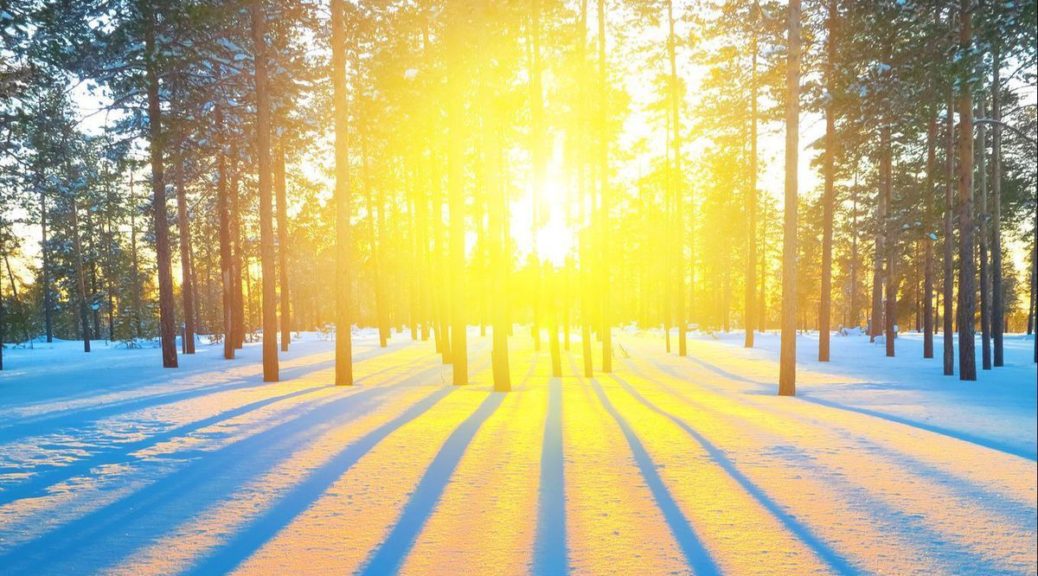
I hope you didn’t pack away the sunblock with your swimsuit and other summer accessories because believe it or not, the winter’s sun is just as dangerous as summer’s, says Adam J. Scheiner, M.D, an eyelid and facial cosmetic surgeon who’s been featured on The Dr. Oz Show, The Howard Stern Show and The Doctors. In fact, in certain wintry conditions the sun is actually more dangerous. Read on….
“The snow reflects the glare of the sun – and the damaging UV rays,” he says. “People who like skiing and snowboarding in the mountains are getting 4 to 5 percent more UV damage for every 1,000 feet they ascend above sea level.”
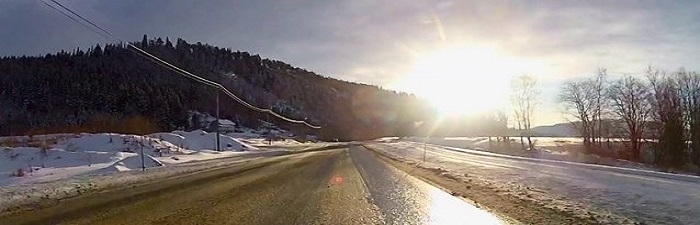
And then there are all those holiday cruises and escapes to warm-weather climates where beaches are packed year-round. “It’s not OK to lie baking in the sun for hours, even if it’s just one week out of the winter, while you’re enjoying your tropical getaway.” Dr. Scheiner says.
No matter how comfortable or cool the temperature feels, don’t be fooled.

“Just a few years ago, in 2020, the United States surgeon general predicted 9,000 people would die from melanoma. Those deaths were all preventable,” Dr. Scheiner says.
“And if skin cancer doesn’t scare you, think with your vanity. Sun exposure is the number one cause of wrinkles, discoloration, age spots and festoons, among other disfiguring problems.”
Dr. Scheiner shares tips for preventing, minimizing and repairing sun damage:
• Prevention: You’re not just exposed when you’re skiing, hiking, or taking a beach vacation.
“Anytime you go outside, you’re exposing yourself to damaging UVB and UVA rays, and the result is cumulative. A little bit here and a little there adds up,” Scheiner says.
Simply driving a car can result in serious sun damage. A study published in the Journal of the American Academy of Dermatology found more skin cancers on the left side of patients’ faces – the side exposed while driving – then the right. Scheiner says he’s seen truckers and others who spend years on the road with severe wrinkling on the left side of the face.
“Always wear sunscreen, which protects against UVA and UVB rays. I recommend a Broad Spectrum Sunscreen with an SPF (sun protection factor) of at least 30, preferably higher,” he says. “You can also protect yourself from UVA rays, which cause deeper damage, by applying UV-protective film to your car windows. Also, wear clothes with a UPF (ultraviolet protection factor) rating of at least 30.”
• Minimizing: Good nutrition and topical products can help minimize signs of damage, such as wrinkles and age spots, Dr. Scheiner says.
Eat foods rich in antioxidants — carrots and other yellow and orange fruits and vegetables; spinach and other green leafy vegetables; tomatoes; blueberries; peas and beans; fatty fish, and nuts. An American Society for Clinical Nutrition study found that women ages 40 to 75 who consumed more vitamin C, an antioxidant, had fewer wrinkles.
Use exfoliate creams to remove dead skin cells. Prescription creams including Avita, Avage, Renova and Retin-A have been shown to reduce wrinkles and age spots caused by sun exposure.
• Repairing: Lasers can resurface facial skin by stripping away the outermost layers. Some “non-ablative” lasers also stimulate collagen formation, which helps smooth wrinkles.
“I use RESET® Laser Skin Resurfacing, which reverses the damage and removes many pre-cancers and even active skin cancers,” Scheiner says. “RESET uses an advanced Dual Pulsed Erbium Laser, and my proprietary healing protocol. “
The RESET® treatment Dr. Scheiner has vaporizes the old skin and causes the collagen in the underlying layers to tighten.
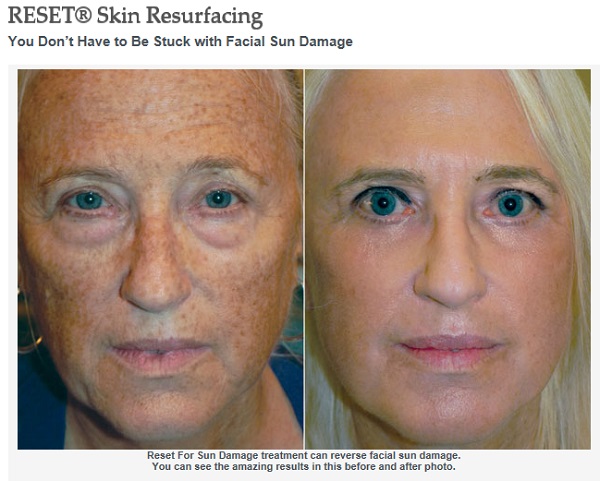
The No. 1 best thing you can do for your skin starting today is to start making application of a broad spectrum, UVB/UVA sunscreen part of your daily routine. Apply it to all areas of the skin that can be directly exposed to the sun, the best scenario is preventing sun damage in the first place. For the Silo, Jarrod Barker.
 Travelers looking for meaningful and inspiring experiences in Utah can find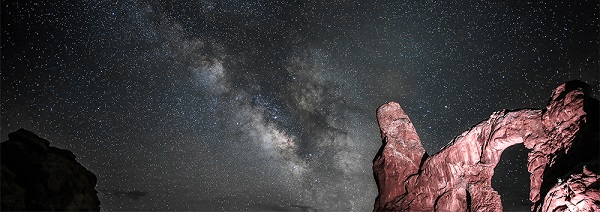
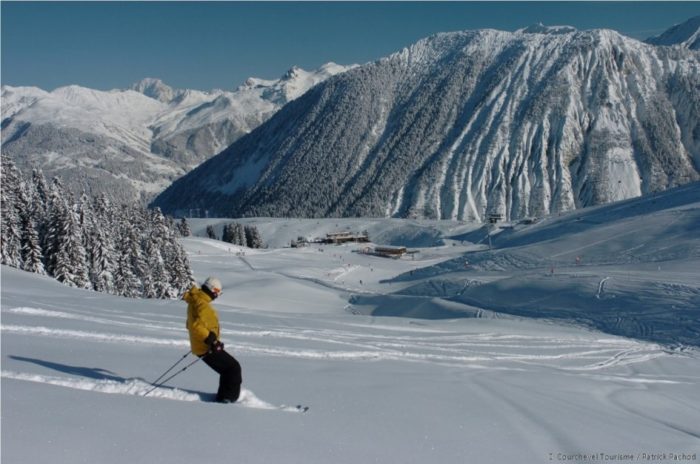
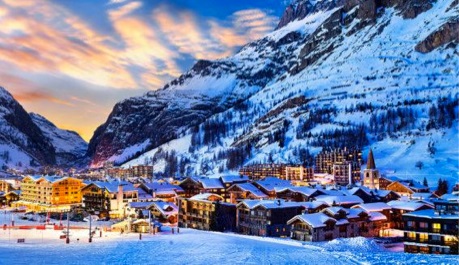 There’s a reason why Val d’Isere, at 1,850 meters, continues to be the top choice of European skiers each winter. It offers the perfect blend of challenging ski terrain for advanced skiers and learner-friendly beginners zones for those new to the snow. The resort center is lined with high-end shops, lively après-ski bars and fantastic restaurants, all housed within beautiful, stone-clad buildings.
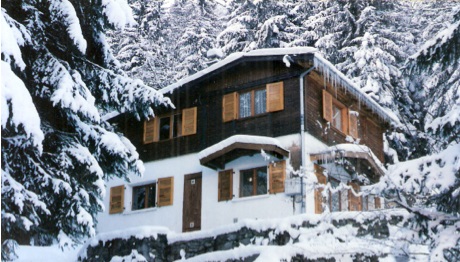 The diversity on offer in Chamonix these days makes it impossible to review the whole resort as one destination. At 950 meters, Les Houches is one of the closest resorts to Geneva Airport and offers kilometer after kilometer of tree-lined skiing, making it the perfect destination for families and beginners. The resort center has a village feel and is an outstanding spot from which to take in the incredible views.
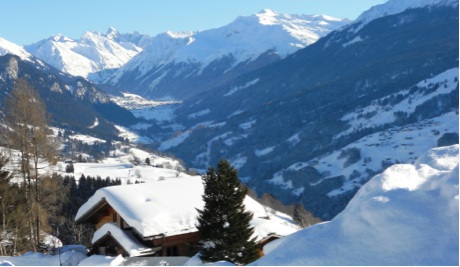 While the ski area between Klosters (at 1,179 meters) and Davos offers lots to explore, Klosters is without doubt the more attractive base for your ski holiday. The village center is charming and affluent, but with a relaxed vibe, while the trails are popular with advanced skiers enjoying an abundance of easily accessible off-piste in the area.
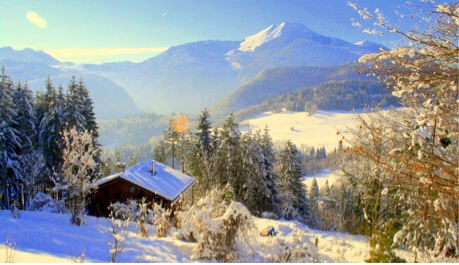 A resort that’s been quietly minding its own business for years, Les Gets, at 1,200 meters, is now developing into a chic, family-orientated resort that offers quick and easy access to the 650-kilometer Portes du Soleil ski area. Several piste-side restaurants offer views of Mont Blanc so it’s easy to find a sunny spot on which to enjoy an après tipple or two.
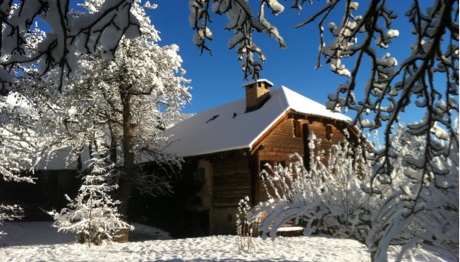 There’s one thing that makes these two interconnected resorts stand out, and it may not be for everyone. Crans, at 1,500 meters, and its neighbour Montana are not villages; although right on the edge of a great ski area, they’re most definitely towns with a very urban feel. This is a very sunny spot in which to base yourself and there’s varied terrain to suit all ability levels.
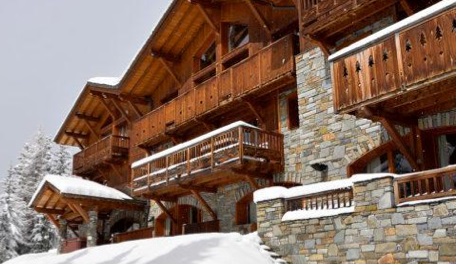 We love La Rosière, at 1,850 meters, not just because of its high elevation and snow certainty. The ski area offers two great experiences for the price of one when you cross over the Petit St Bernard pass into Italy. Wide pistes descend for kilometers into La Thuile over the border and getting back is no hassle at all. The main village is quiet but well stocked, and the views are exceptional.
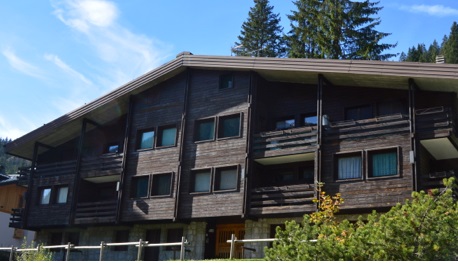 Italian ski resorts are always authentic, traditional and charming, and Campiglio, at 1,550 meters, is no different. The car-free resort huddles on the valley floor and the center is stylish with several chic shops. The ski area spreads over 150 kilometers, and there have been several lift upgrades over recent years, making it quick and easy for you to cover a considerable distance on skis each day.
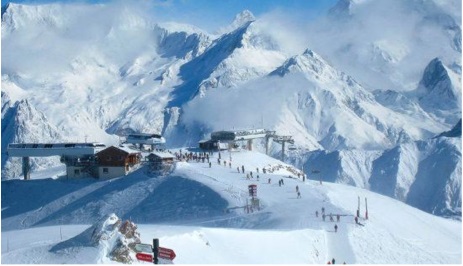 Rebranded back in 2011 to recognise the differences between its more blingy neighbour higher up the valley, Courchevel 1650 is now an attractive, unpretentious resort with a stack of new facilities, including Aquamotion, a huge center for water sports that opened in December 2015. And let’s not forget: On your doorstep you’ll find the largest linked ski area in the world. The 600 kilometers of the 3 Valleys network never disappoint.
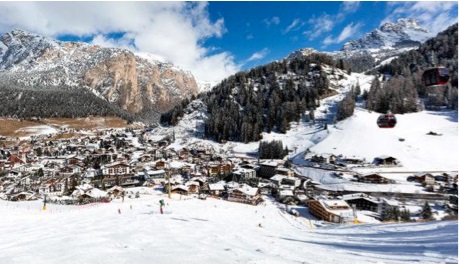 Seasoned skiers, this one’s for you. At 1,563 meters, Selva serves up challenging ski terrain on both sides of a valley, accessed by both gondolas and quick chair lifts. The village center is packed with charm and character and there’s also a collection of well-maintained beginner slopes and progressive tree-lined runs enjoyed by families.
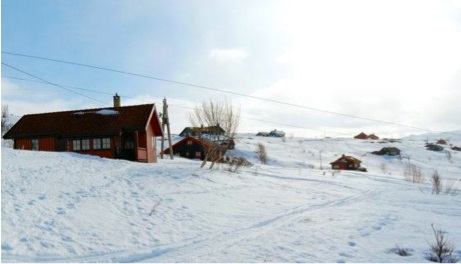 No list of top 10 ski resorts is complete without mentioning Norway and the town of Geilo, at 800 meters. It is one of the country’s most popular resorts. It’s a small, well-equipped town that’s currently investing heavily in new runs, new lifts and new facilities. Between January and April you can also ski until 8pm on flood-lit slopes. Photo Credit: Geilo, Norway