Tag Archives: America

Canada Next? Rise Of Driveway Tiny Houses In America

Accidental Landlords: ADU Owners Disrupt Rental Markets From Driveways

Here in Canada we have been pre-programmed to some extent about the possibility and perhaps inevitability of living in a tiny home- and one that we won’t even own. In some cases, these homes seem to be little more than utility sheds fitted with utilities and small appliances but there are exceptions like this exceptionally designed ADU.

In America, many ADU (Accessory Dwelling Unit) owners didn’t set out to be landlords, but new laws and economic pressures there are turning suburban homeowners into accidental real estate moguls. With situations the same here in Canada and with migrant levels increasing month after month, can we expect to see more and more cities following Ottawa’s lead in tiny home renting? It sure seems like a strong possibility.

Let’s Look At The USA

As state and city-level ADU laws continue to loosen across the U.S., a growing wave of suburban homeowners are becoming first-time landlords, many without ever intending to enter the real estate game. These decentralized landlords are renting out backyard cottages, granny flats and in-law suites, garage conversions and prefab units—quietly changing the economics of their neighborhoods and offering a hyperlocal solution to the housing shortage.


Accidental Landlord Essentials: What to Know Before Renting Out Your ADU

Right after housing family, passive rental income is one of the top reasons people want to build an ADU on their property, and we can definitely see why. Becoming a landlord is a great way to supplement your income and create a healthy nest egg for retirement or savings. But, it’s important to remember that being landlord is still considered a job with responsibilities. There are certain expectations that should be adhered to in order to ensure your tenant(s) are comfortable in your ADU, ensuring prolonged success.

So, what makes the difference between an “okay” landlord and a fantastic landlord with happy tenants? Here are some key things to know before you start renting out your new unit.

What do I need before I rent out my ADU?

Before renting out your ADU, you will need two crucial things: a Certificate of Occupancy and landlord insurance.

Certificate of Occupancy

In the USA, there is an important document called a Certificate of Occupancy, issued by the local building department, confirming that the accessory dwelling unit (ADU) complies with all relevant building codes and regulations and is safe for occupancy. To obtain a Certificate of Occupancy, you will need to schedule an inspection of your ADU to ensure it meets all required standards for habitability, fire safety, and structural integrity.

Once you have obtained the necessary Certificate of Occupancy and ensured compliance with local regulations, you can proceed with renting out your ADU.

Landlord Insurance

It’s also a good idea to consider obtaining landlord insurance to protect your property and assets as a rental property owner. Landlord insurance, also known as rental property insurance, is a type of insurance policy specifically designed to protect property owners who rent out their properties to tenants. Here are some key aspects of landlord insurance:

  1. Property Coverage: This aspect of landlord insurance typically covers the physical structure of the rental property, including the dwelling itself and any structures on the property, such as garages or sheds. It can protect against damage caused by covered perils like fire, vandalism, or natural disasters.
  2. Liability Coverage: Landlord insurance often includes liability coverage, which protects you financially if a tenant or visitor is injured on your rental property and holds you liable. This coverage can help pay for legal fees, medical expenses, and damages if you’re found responsible for an accident or injury.
  3. Loss of Rental Income: If your rental property becomes uninhabitable due to a covered loss, such as fire or storm damage, landlord insurance can provide compensation for the lost rental income during the time it takes to repair or rebuild the property. This coverage can help mitigate the financial impact of a temporary loss of rental income.
  4. Additional Coverages: Depending on the policy and insurer, landlord insurance may offer additional coverages or optional endorsements to address specific risks or circumstances. These could include coverage for landlord liability arising from wrongful eviction or discrimination claims, coverage for theft or vandalism by tenants, or coverage for legal expenses related to evictions.

It’s important to note that in America, landlord insurance is distinct from homeowners insurance, which is intended for owner-occupied properties. Landlord insurance policies are tailored to the unique risks and responsibilities of rental property ownership, providing coverage for situations that may not be addressed by standard homeowners insurance.

Once you have these two things in place, you can move on to establishing the lease terms of your ADU.

What should rental lease terms be for an ADU?

The great thing about owning your own ADU is that you can set any rules you want. All of this should be laid out in a lease so that all parties can have the rules in writing and you can avoid any conflict in the future. Here are just a few things you should think about including in your lease:

  • When is rent due?
  • Is this a long-term lease (1+ years) or month-to-month
  • Do you allow pets? Size, type, and quantity restrictions? Is a deposit and pet rent required?
  • Is smoking allowed?
  • Are utilities included?
  • Is parking included?
  • Will the tenant have access to yard space or other outdoor areas?
  • When do quiet hours begin?

This is just a sample of things you should be thinking about when drafting your lease.

While you do have free reign in placing any rules for your ADU (as long as you don’t violate any laws) you should also think about what will be on people’s checklists in your area. Living close to a college campus for example, will likely attract students looking for short-term housing. Living close to a high population area where parking can be tough, you’ll have tons of rental applications if you offer free parking.

There are plenty of lease agreement templates that you can find online, but make sure you read them carefully and edit as needed to make sure they cover everything you require.

If you’d rather go the easier route, you can always hire a property management company who can draft the lease and collect the signatures for you. We’ll go more into property managers later.

How do you figure out the charge for rent?

There’s no one-size fits all answer to this question. The rent you can charge for your ADU will depend on city, neighborhood, ADU size, amenities, number of bedrooms and more. But, by doing some quick research you can arrive to a baseline number that makes sense for your ADU.

To start, check out similar listings in your area to get a general range of how much rent you can charge for your ADU. Sites like Zillow, Apartments.com, Craigslist, and Trulia are great places to look first. Especially look at going rates in your specific neighborhood. Rental rates can fluctuate heavily from neighborhood to neighborhood within the same city, so you want to make sure you’re not pricing your ADU too high or low for your immediate area.

Next, take your amenities into consideration. A washer and dryer in the unit is a hot commodity that people will be willing to shell out a few extra dollars for.

If you want to add these types of amenities to your unit, make sure you discuss it with your designer so that they can make the space for them in the designs. 

Also, look back at your lease and what you’re offering. Qualities like included utilities, pet friendly, and a month-to-month lease mean you can charge a little bit extra.

Take a look at where your property is located. Units closer to popular locations like a trendy shopping strip or a university call for slightly higher rent whereas ADUs in more suburban or rural areas will benefit from having lower rent.

Once you’ve settled on a final price, consider knocking back a few dollars. Doing this, you’ll attract a larger pool of tenants. The tenant ultimately get approved will feel like they’re getting a great deal and will be more likely to hold on to that rental for longer. It’s a win situation for you too since you won’t have to worry about losing money replacing tenant after tenant that’s searching for a more affordable home.

With your rental rate and lease terms ironed out, you can start advertising your ADU, but it’s critical you adhere to anti-discrimination laws like the Fair Housing Law.

What is the Fair Housing Law?

“The Fair Housing Act protects people from discrimination when they are renting or buying a home, getting a mortgage, seeking housing assistance, or engaging in other housing related activities.” -Hud.gov

This law in America protects individuals from housing discrimination based on the following:

  • Race or ancestry
  • Religion
  • Disability, mental or physical
  • Sex, gender
  • Sexual orientation
  • Gender identity
  • Marital/familial status
  • Source of income (e.g., alimony, child support, Section 8, vouchers, etc)

When Americans are listing their ADU, they should also avoid using terminology like “ideal for a student” or “looking for a couple” as these can be considered discriminatory. Keep listings simple and stick to just mentioning the great features of your ADU.

What’s expected from me as a landlord?

Being a landlord isn’t just kicking back and collecting rent checks. Keep in mind that as a landlord you have a few responsibilities.

You should be the first point of contact for repairs, complaints, upkeep, etc. Accidents are bound to happen. Having a list of reliable professionals that you can contact to fix things around the unit is a smart idea. Here’s just a quick list of professionals you should consider having on your list:

  • Plumber
  • Electrician
  • Gardener
  • Roofer
  • General handyperson
  • Exterminator

If you want to save an extra dollar, you can also teach yourself to do easy beginner level repairs like unclogging drains.

Being easy to reach and quick to act when your tenant needs something fixed is an excellent way to keep your tenant happy and ensure they’ll stick around for the long run.

But, what if you own multiple properties or work full time and can’t be on-call 24/7? That leads us to our next topic.

Do I need to hire a property management company?

If you’re mostly home or have a lot of free time, you can probably handle all of the responsibilities on your own. Otherwise, you’ll want to hire a property manager.

They’ll be in charge of preparing leases and getting them signed, repairs, advertising and finding tenants, collecting and depositing checks, and pretty much everything else.

Property management companies will typically charge 5-10% of your rental revenue for their services, so think carefully before you decide to hire them on. As we mentioned before, if you’re capable of handling the responsibilities on your own, then you’ll probably be able to skip on it.

Can any American rent out their ADU on Airbnb or other short-term rental platforms?

It depends on your local laws. Many cities in America have placed restrictions on short-term rentals (typically stays under 30 days), especially when it comes to ADUs. Some jurisdictions allow it only if the homeowner lives on the property, while others ban it altogether or require a permit. These rules are often different from those that apply to your main home, so it’s important to research carefully. Violating local ordinances could lead to hefty fines.

The main purpose some states have made ADUs so accessible is because the government wants to encourage the development of more long-term housing. So, renting your ADU as a vacation rental defeats the purpose and is often not encouraged.

Defining your goals and what you want to get out of your rental is the first step towards becoming a successful landlord. For the Silo, Paul Dashevsky.

With several decades of experience in the construction and renovation business, Paul Dashevsky is Co-CEO of MaxableSpace.com—the industry-leading ADU property design / build / construction resource website for granny flats, in-law suites, guest houses, casitas and other types of Accessory Dwelling Units. Paul is also Co-CEO of GreatBuildz—a freeservice that matches homeowners with reliable, pre-screened general contractors. He may be reached at www.greatbuildz.com.

Sugar Battery Set To Power Phones, Tablets And Other Devices

Catalyzing Commercialization Sugar could some day be used to power smartphones, tablets, and other electronic devices thanks to a recent breakthrough by Blacksburg, VA-based Cell-Free BioInnovations, Inc. It might seem strange to use an ingredient found in cupcakes and cookies as an energy source, but it’s not, as most living cells break down sugar to produce energy. And, interestingly, the energy density of sugar is significantly higher than that of current lithium-ion batteries.

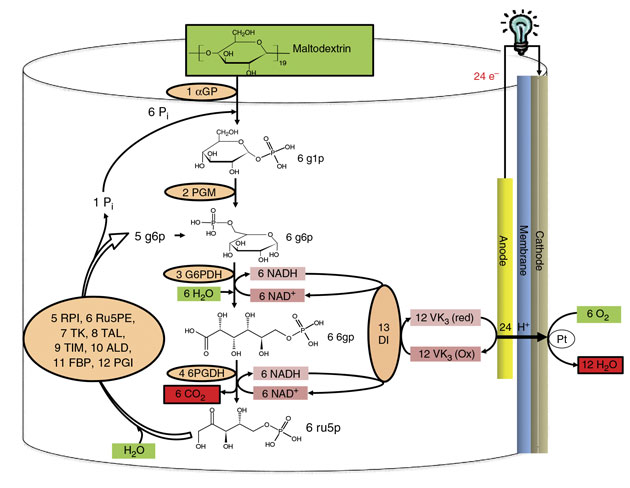
Working under a Small Business Innovation Research (SBIR) grant from the National Science Foundation, a research team led by Y-H Percival Zhang, Chief Science Officer of Cell- Free BioInnovations and an associate professor of biological systems engineering at Virginia Tech, has successfully demonstrated the concept of a sugar biobattery that can completely convert the chemical energy in sugar substrates into electricity.

As reported in the January 2014 issue of Nature Communications, this breakthrough in sugar-powered biobattery can achieve an energy-storage density of about 596 A-h/kg — an order of magnitude higher than the 42 A-h/kg energy density of a typical lithium-ion battery.

A sugar biobattery with such a high energy density could last at least ten times longer than existing lithium-ion batteries of the same weight, drastically reducing how often users need to recharge their electronic devices. This nature-inspired biobattery is a type of enzymatic fuel cell (EFC)— an electrobiochemical device that converts chemical energy from fuels such as starch and glycogen into electricity.

While EFCs operate under the same general principles as traditional fuel cells, they use enzymes instead of noble metal catalysts to oxidize the fuel. Enzymes allow for the use of more-complex fuels (e.g. glucose), and these more-complex fuels are what give EFCs their superior energy density. For example, the complex sugar hexose can release 24 electrons per glucose molecule during oxidation, whereas hydrogen (a fuel used in traditional fuel cells) releases only two electrons. Until now, however, EFCs have been limited by incomplete oxidation, releasing just two to four electrons per glucose molecule.

“We are not the first who proposed using sugar as the fuel in the biobattery,” says Zhiguang Zhu, a senior scientist at Cell-Free BioInnovations. “However, we are the first to demonstrate the complete oxidation of the sugar in the biobattery, enabling our technology to have a near-theoretical energy conversion yield that no one has ever reported.”

Zhang and his team constructed a synthetic catabolic pathway (a series of metabolic reactions that break down complex organic molecules) containing 13 enzymes to completely oxidize the glucose units of maltodextrin, yielding nearly 24 electrons per glucose molecule.

We put specific thermostable enzymes into one vessel to constitute a synthetic enzymatic pathway that can perform a cascade of biological reactions the sugar, converting it into carbon dioxide, Zhang says. Unlike natural catabolic pathways for the oxidation of glucose in cells, the designed synthetic pathway does not require costly and unstable cofactors, such as adenosine triphosphate (ATP), coenzyme A, or a labile cellular membrane. The researchers used two redox enzymes that generate reduced nicotinamide adenine dinucleotide (NADH) from sugar metabolites. NADH, a reducing agent involved in redox reactions, is a natural electron mediator that carries electrons from one molecule to another. They also used ten other enzymes responsible for sustaining metabolic cycles and an additional enzyme that transfers electrons from NADH to the electrode.

This new synthetic pathway enables the biobattery to extract the theoretical number of electrons per glucose unit and thereby use all the chemical energy in the sugar. This, the team reports, represents a significant breakthrough.

In addition to its superior energy density, the sugar biobattery is also less costly than the Li-ion battery, refillable, environmentally friendly, and nonflammable. While researchers  continue to work on extending the lifetime, increasing the power density, and reducing the cost of electrode materials for such a battery, they hope that the rapidly growing appetite for powering portable electronic devices could well be met with this energy dense sugar biobattery in the future. For the Silo, Zhiguang Zhu, chief scientist at”The Sweet Battery Project”.

This technology was funded through the America’s NSF Small Business Innovation Research Program.

New Way Of Experiencing New York Adirondack Mountains

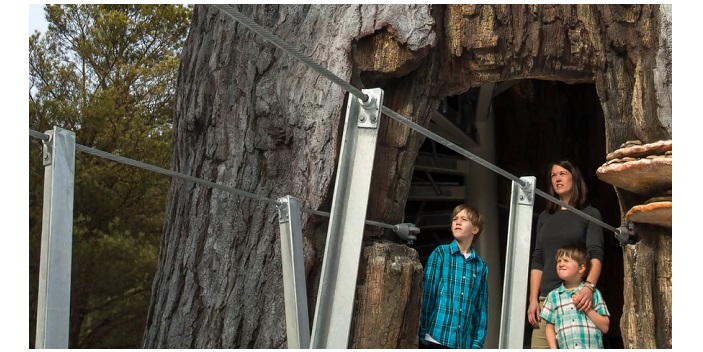
Wild Walk, or the “High Line of the Forest” is changing the way people experience and interact with nature, and is just another reason to travel to the revered Adirondack Mountains this summer.

Adirondack Mountains Hollow Tree Platform

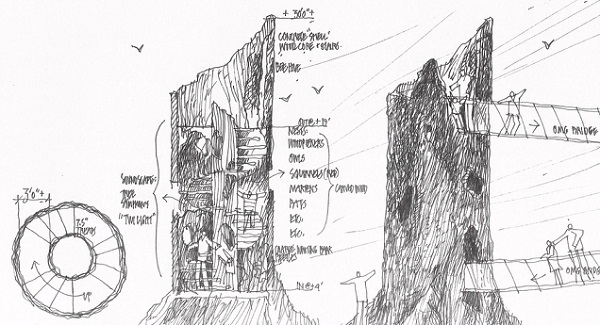
An elevated path that takes visitors up a winding trail of bridges and platforms from ground level to breathtaking treetops, Wild Walk gives visitors a novel and one-of-a-kind perspective on nature from groundbreaking angles such as a four-story twig tree house, swinging bridges, a human-sized spider’s web hovering 24-feet off the ground and a walk through a giant dead tree to see the amazing life thriving within.

Wild Walk Preview Video from The Wild Center on Vimeo.

Demonstrations at vantage points throughout the walk bring everything to life, such as how spiders can 3D print different threads for different uses, that within a dead tree is actually something more like a high rise building filled with life, and more.

Quick Facts:

  • This summer marks the 11th anniversary of The Wild Center, a pioneering “un-museum” that helps people not only explore the Adirondacks but their relationship with nature.  
  • Gas Prices: If gas prices decrease as predicted and with travelers heightened interest in exploring the US – this is the summer for road trips
  • The Power of Awe: Studies show that a sense of awe (often caused by majestic, natural landscapes) can make you happier, less-stressed, and more creative – one more reason to make nature a focus for summer travels this year
  • Adirondacks: The untouched and authentic Upstate New York experience for all ages with additional attractions including camping, glamping, kayaking, local breweries, wineries, farmer’s markets, Lake Placid and more
  • Family Travel: Educational and entertaining trips where kids are safe to run free and explore; the boardwalk is also wheelchair and stroller accessible
  • Accessibility: Wild Walk is accessible to people of all generations and abilities. There will be side paths and options to take, suspension bridges, and stairs down, but the entire main structure, from the trail leading to Feeder Alley all the way to the viewing pod on the final tower platform was built specifically so that it would afford everyone the chance to experience the Walk.

For the Silo, Alexis Chernoff


Canada’s Original Black Friday- ‘Cancelled Arrow’ Was Cutting Edge 1950s Jet Interceptor

The first Arrow RL-201

I began writing this post after an annual viewing pilgrimage of sorts. Each year on the eve of shopping’s busiest day, I crack open the well worn plastic jewel case and fire up the DVD player. It’s a fictional account but based in fact and is very entertaining and I can’t help but wonder what “might have been” after watching CBC’s 1996 mini-series “the Arrow” again. [You can watch this right here at the end of this post CP]

Over the decades fact and fiction have become tangled but the basic truths remain intact. In the late 1950’s a highly advanced jet interceptor designed to seek (and if necessary destroy) Russian nuclear bombers was conceived, designed, built and flown in Canada by a predominantly Canadian team. Here’s where things get fuzzy. The Arrow was developed when the federal Liberal party were in power but was finished and flown when the Conservatives were in power. It represented not only the technological capability of Canada’s aviation industry- but also the econo-political agenda of the mid-twentieth Century. So what happened at that time to help spell the doom of the Arrow?

-The ICBM- intercontinental ballistic missile was viewed as the future of warfare not the nuclear bomber. This meant that a jet interceptor was obsolete because it would be unable to intercept approaching missiles.

-Bad timing: on the day of the rollout of the very first completed Arrow, the Russians launched Sputnik, the world’s first artificial satellite. In the public eye jets seemed unimportant.

-The American Bomarc missile system was designed to intercept incoming nuclear bombers and ballistic nuclear missiles. The Bomarc had a small nuclear warhead which would detonate in the pathway of approaching missiles (or bombers) and create a nuclear ‘shield’. The Bomarc was highly controversial at the time because our Prime Minister did not want nuclear missiles on Canadian territory. However, our Defence Minister did not agree and eventually resigned over the matter. This defence ‘split’ exacerbated the Arrow program and any chance for an Arrow squadron legacy.

-The Canadian designed Iroquois engines were not  readied in time and were not fitted into the Arrow. These engines were innovative and theoretically could have propelled the Arrow to speeds of Mach 2.5 or possibly Mach 3.0- far beyond every fighter of the time with the exception of secret black technology projects like the American Blackbird SR-71. Had the Canadian engines been readied and proven, there seems little doubt that international orders would have offset some of the Arrow’s mounting costs.

Black Friday…….almost 15,000 workers lose their job.

Canadas Black Friday

There is no official record of just who ordered the destruction of the remaining Arrows. Other than a few recovered test models, an incomplete cockpit and a few seconds of in flight film, nothing remains of this wonderful airplane . For the Silo, Jarrod Barker.


The completed Arrows being cut up and readied for a Hamilton,ON scrap dealer.


Supplemental-

University of Saskatchewan The Nuclear Question in Canada http://www.usask.ca/diefenbaker/galleries/virtual_exhibit/nuclear_question_in_canada/

Post Featured Image- http://plunkettgw.deviantart.com/art/AVRO-ARROW-17-139364086

Boeing’s  Bomarc Missile http://www.boeing.com/boeing/history/boeing/bomarc.page

“Good Ole Boys” Network In RV Industry Conspired To Keep Me Out

Dear Silo,

For the next month, North Americans will be celebrating and honoring women and their journey throughout history. But it’s also important to look at what’s in store for the future. Right now, more than 9 million women own a business in the U.S.A. alone. It’s all part of a change in tide as women gain more power in the workplace. But this shift has not come easy.

I should know. While I earned millions in the male-dominated industry of RV sales, my climb to the top has been tough. At my first owner’s meeting, they told me to “go home and bake cookies.” Instead, I pushed forward to outsell and out-service all the competition. I decided to stay at the office and build an empire, while paying someone to bake cookies for me.

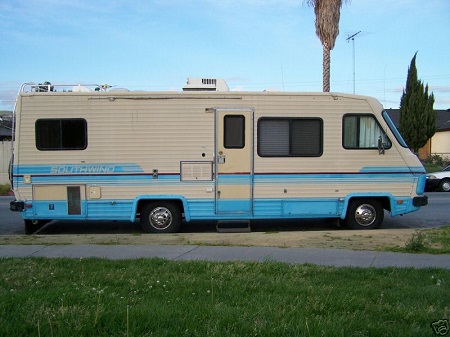
Southwind RVThe “good ole boys” network in the RV industry conspired to keep me out. But I learned to operate in a man’s world, carving out my path to success. Like other women, I have rewritten the rules and redefined the business climate, proving that any woman can succeed in any industry, regardless of gender boundaries.

My life story reads like a bestseller, complete with plot twists and shady characters. I’m a single mother who never completed high school. Early on in my career, a trusted father-figure mentor betrayed me, and on top of that, I was stabbed 21 times and left for dead—a steady dose of stress that should have put me out of commission before my 30th birthday.

While my drive and passion have helped me move forward, there were women in our history that broke down barriers for us all. Look at Lillian Vernon, the CEO of a mail-order empire. Or Debbi Fields, who went home, baked cookies, and made millions.

It was very early on in my life that was met with major hurdles, and many female entrepreneurs in American history will tell you the same. It was “sink or swim, and sinking wasn’t an option. What will keep you going is an inner drive, an inner hunger to prove to yourself and others that anything is possible. Yes, you will encounter many obstacles, but you can always find a way to move around the obstacle. And that’s the key to success.

My advice to any woman out there looking to succeed in business is to maintain your passion. . If you’re just starting out in the workforce, your mentality should be “work to LEARN,” not “work to EARN.” That way, you can get everything you need to be successful in a business of your own.

Remember that failing at one venture can help you become a millionaire, and don’t be afraid to leave your comfort zone. Becoming an unstoppable entrepreneur is all about doing things differently and finding those untapped areas of opportunity. Look at Oprah Winfrey, a media maven who constantly finds new endeavors to strengthen her brand.

Similarly, I have found ways to not only sustain, but also grow my business while my competitors are shutting their doors. Instead of solely relying on RV sales, I started to examine ancillary revenue sources, including an RV rental business, creating an in-house interior design team, and offering customized RVs for every industry, including mobile hair salons and spas, boutiques, and even chiropractor’s offices.

Right now in America, it is an amazing time for women to grow and expand professionally. We must appreciate our new opportunities, and never be afraid to find our entrepreneurial spirit. This Women’s History Month, let’s appreciate the past and charge into the future. For the Silo, Gigi Stetler -author Unstoppable! Surviving is Just the Beginning.