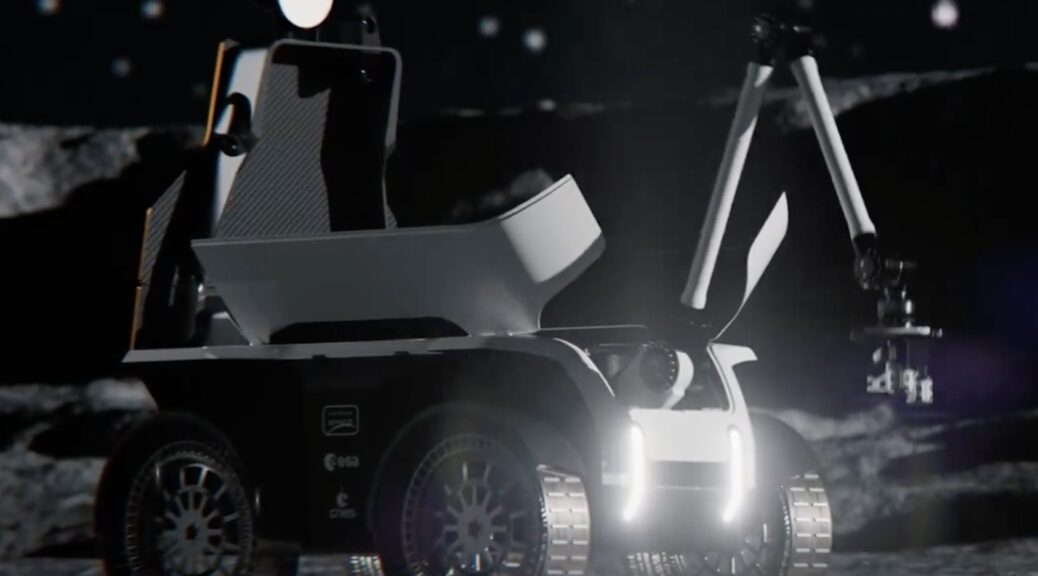
MONA LUNA at Luna · Design: Sacha Lakic ©Venturi Space/Romero
For the Silo, Jarrod Barker.

For the Silo, Jarrod Barker.
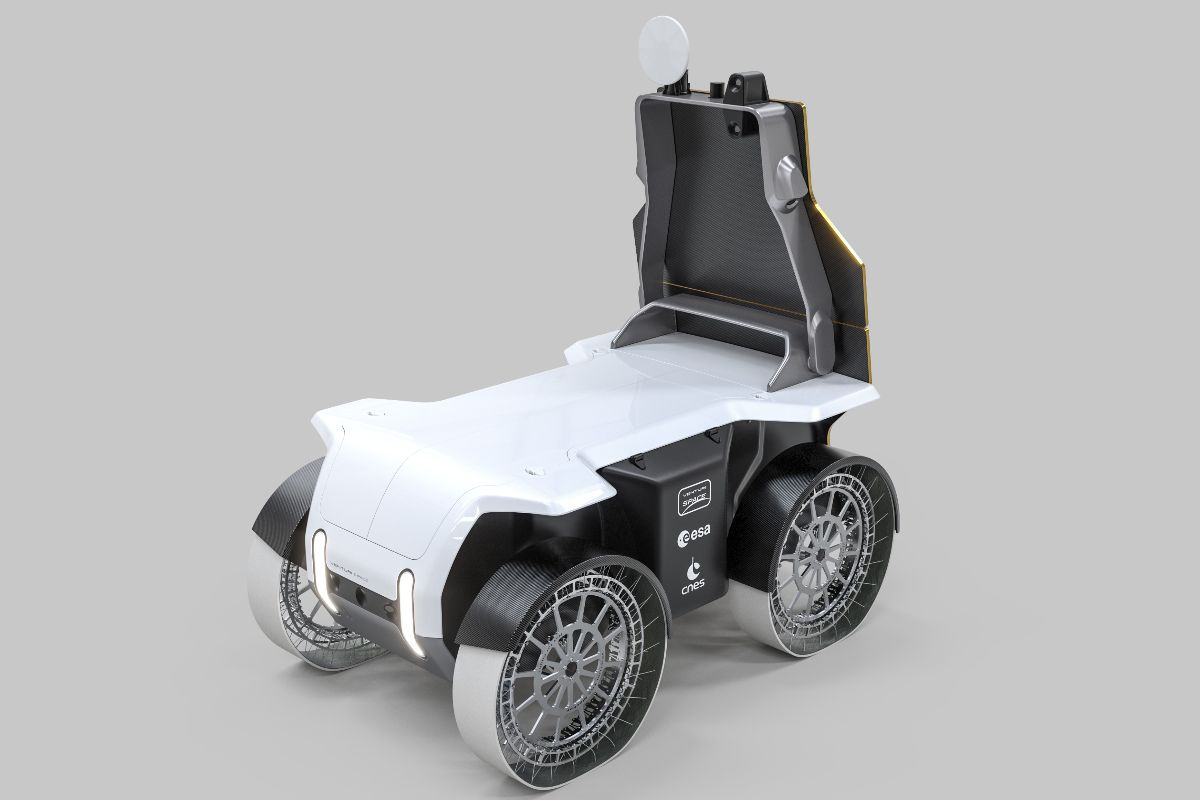
For The Silo, Jarrod Barker.
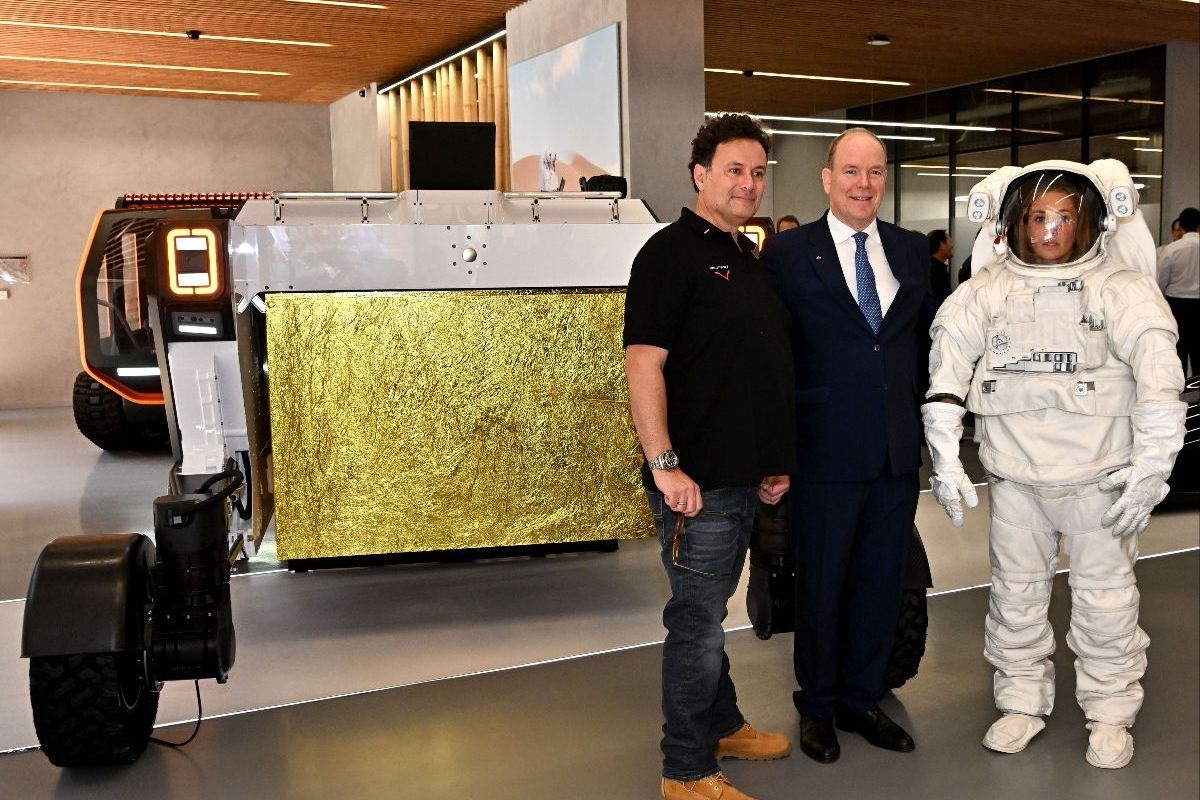
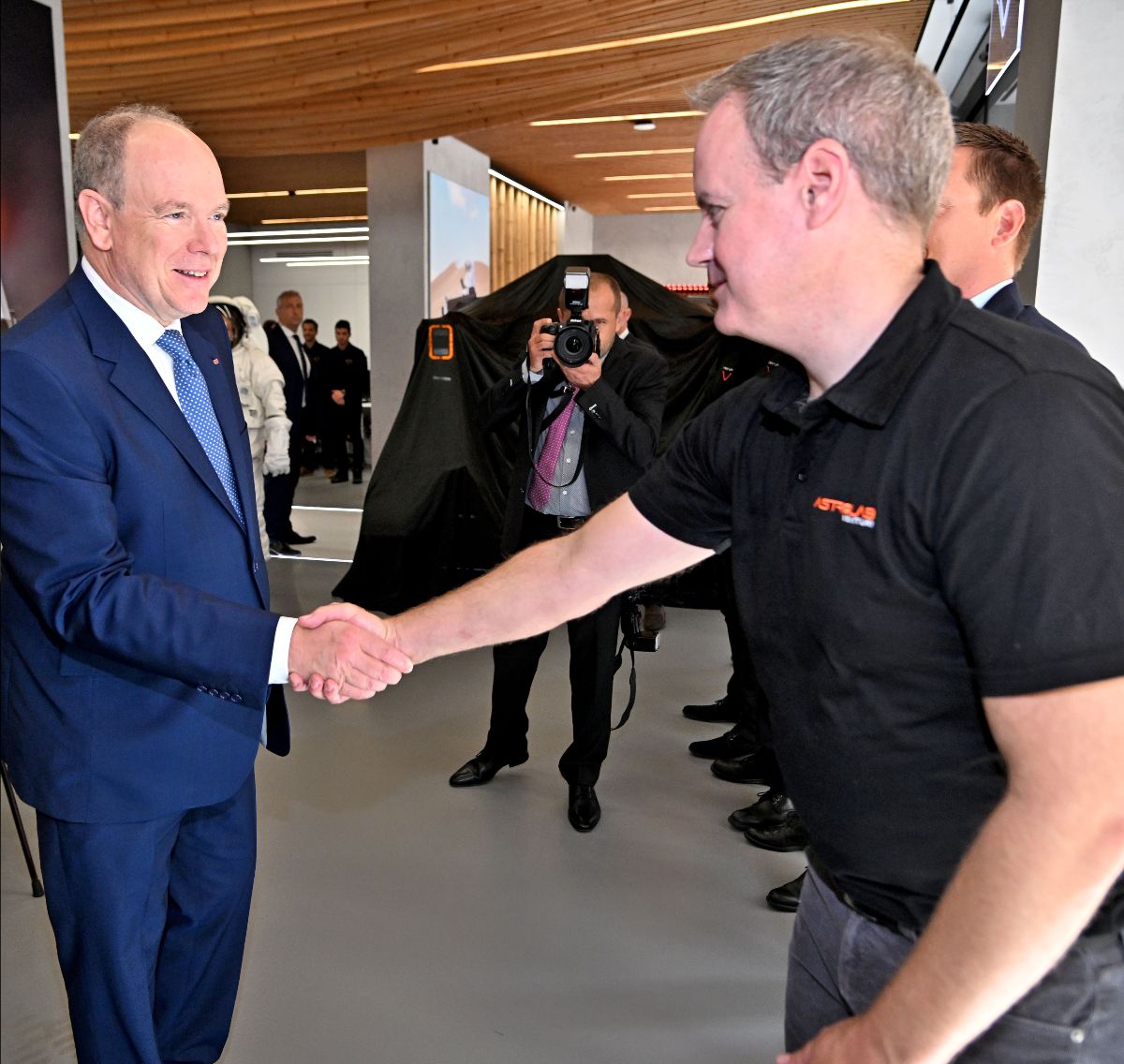
| PRINCE ALBERT II OF MONACO, APOLLO 15 COMMANDER DAVID SCOTT AND ASTRONAUT JEAN-FRANCOIS CLERVOY VISITING VENTURI SPACE |
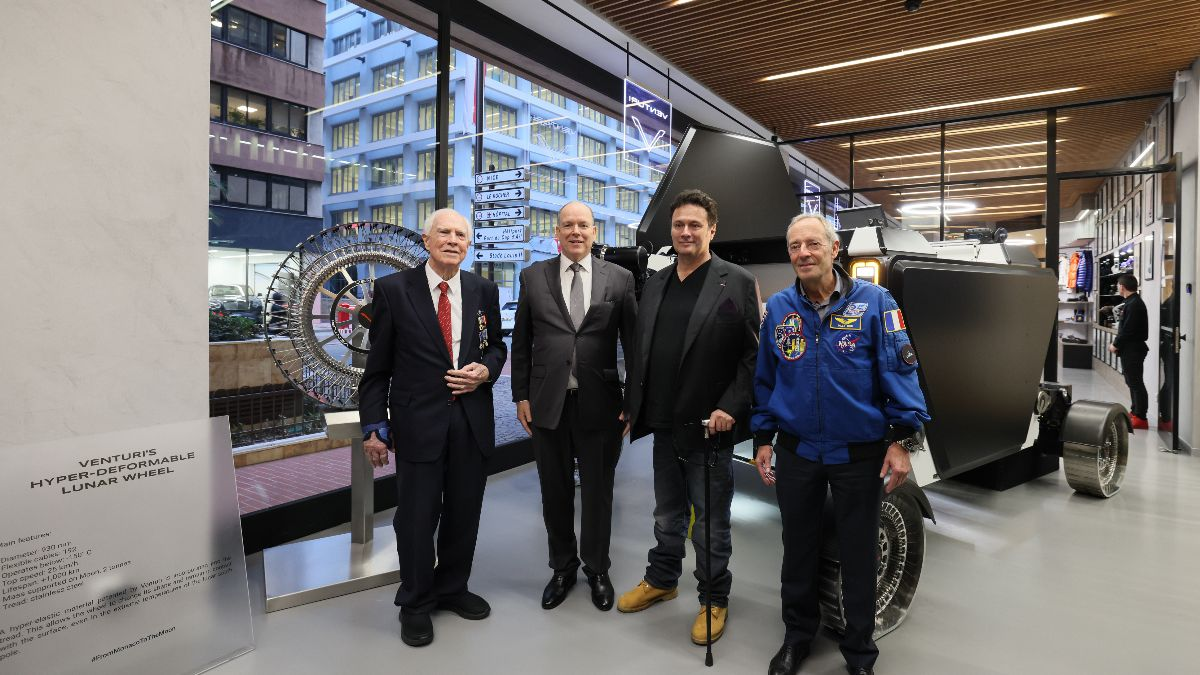
| Monaco, November 2024 – Gildo Pastor, President of the Monegasque company Venturi Space, welcomed HSH Prince Albert II of Monaco, General David Scott – the first person to have driven a rover on the Moon and Commander of the Apollo 15 mission – and astronaut Jean-François Clervoy. As a prelude to the lunar missions in which Venturi Space will participate in 2025 and 2026, its President, Gildo Pastor, invited Prince Albert II of Monaco and former astronauts David Scott and Jean-François Clervoy to learn more about the upcoming programme and the advanced technologies developed by Venturi Space’s European bases (Monaco, Switzerland, and France) as part of their collaboration with the North American strategic partner, Venturi Astrolab, Inc. This US-based entity is developing multi-purpose rovers optimised for the needs of the lunar South Pole: FLIP, which will become operational in 2025, and FLEX, scheduled for launch with SpaceX in 2026 at the earliest. FLEX is also one of three mobility solutions shortlisted by NASA for the Artemis V mission in 2030. |
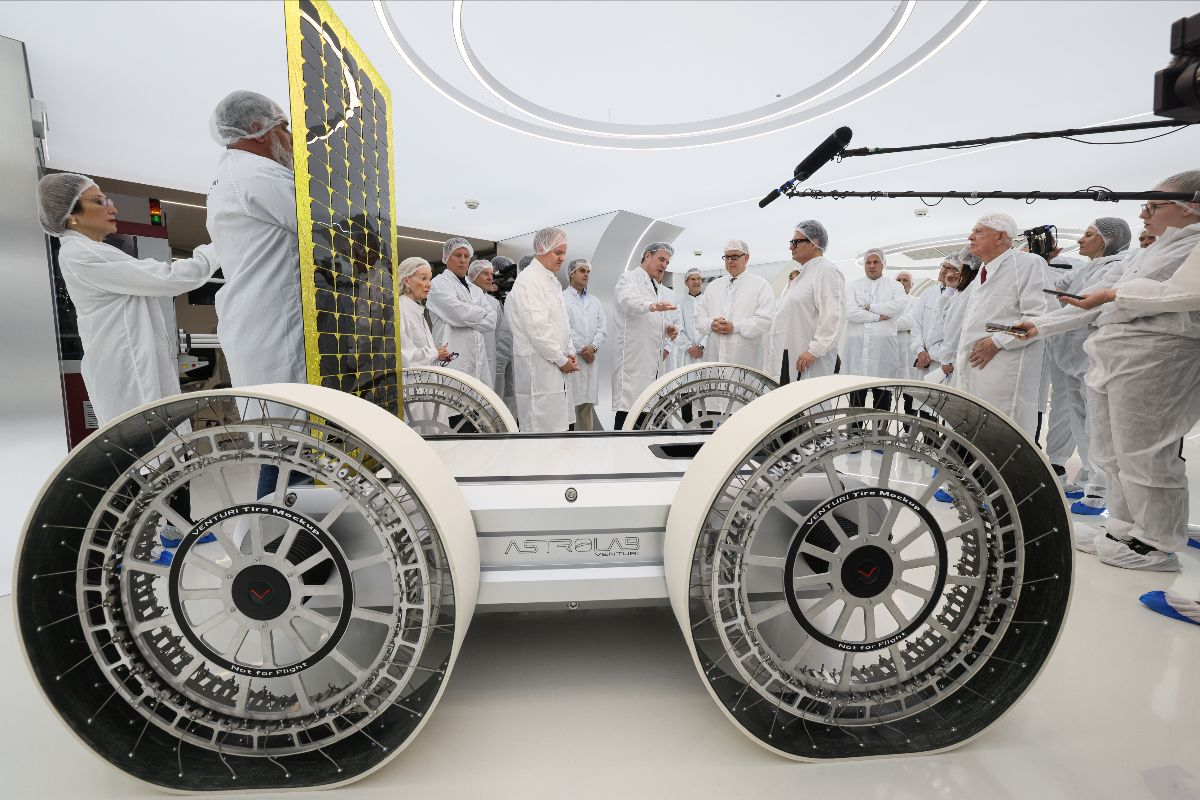
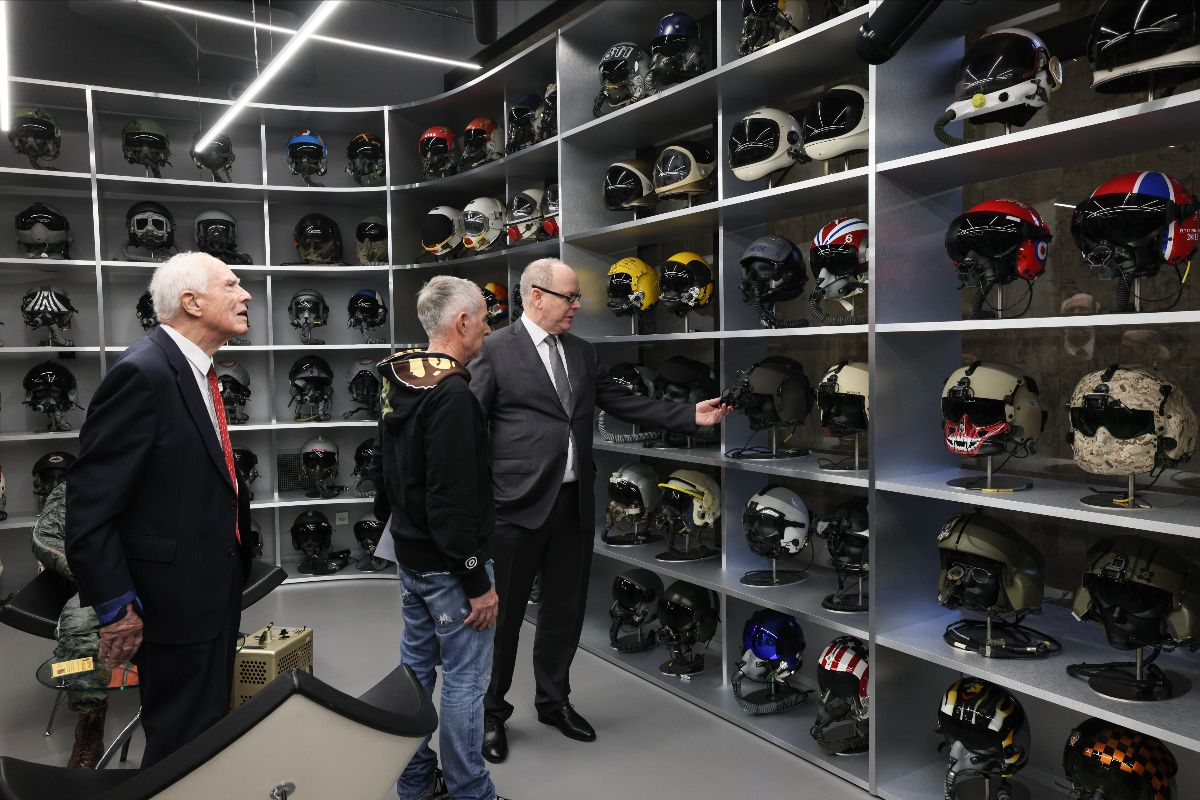
| In the presence of Isabelle Berro-Amadeï, Minister for External Relations and Cooperation; Pierre-André Chiappori, Minister for Finance and the Economy; HE Maguy Maccario-Doyle, Monaco’s Ambassador to the United States of America; and Frédéric Genta, Interministerial Delegate for Attractiveness and Digital Transition, the visit consisted of five main stages: -A presentation of the FLIP and FLEX rovers, -An overview of Venturi Space Monaco’s lunar battery manufacturing technologies and techniques, -A discussion of the upcoming missions of Venturi Astrolab and Venturi Space, featuring insights from David Scott and Jean-François Clervoy, -A presentation of Venturi Space Switzerland’s hyper-deformable lunar wheel technology, -An exhibition by Philippe Tondeur dedicated to the helmets and suits of aerospace history.‘ Venturi Space is taking on a very serious challenge! The FLEX rover is very different from the one I drove, it’s much bigger and will have an enormous operating life. It seems to me that the teams are doing a good job, and I wish them good luck.’ – General David Scott. ‘I’m passionate about space exploration and wheeled vehicles. Welcoming the first person to have driven a rover on the Moon, in the presence of the Sovereign and Jean-François Clervoy, brings me immense pleasure’ – Gildo Pastor, President of Venturi Space. |
| Monaco, April 2024 The American company Venturi Astrolab, Inc. (Astrolab), a strategic partner of the Monegasque Venturi Group, has been awarded a NASA contract to support the development of Artemis campaign’s lunar terrain vehicle. Its rover, known as FLEX, is equipped with batteries and wheels developed by Gildo Pastor’s teams in Monaco and Switzerland. |
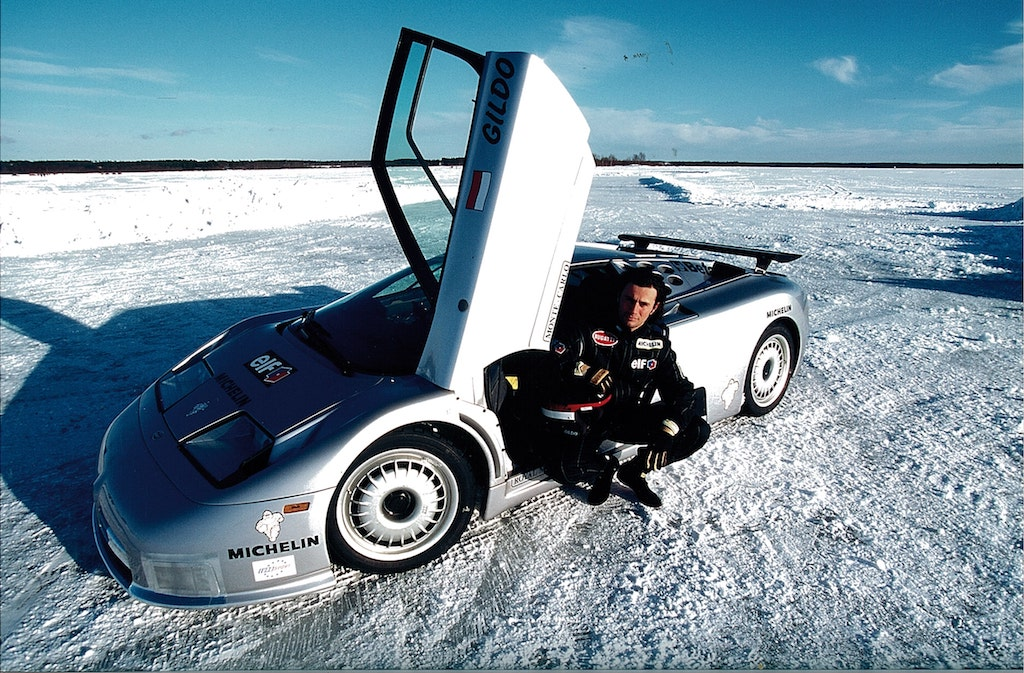
Gildo Pastor is no stranger to specialized high-performance vehicles- here with Bugatti EB110 he drove to win the world record for fastest car on ice in 1995.
| Astrolab is one of three teams to win contract awards. Astrolab’s contract is worth up to $1.9 billion usd / $2.56 billion cad. Collectively the three contract winners may be awarded task orders over the next 13 years with a total potential value of $4.6 billion usd/ $6.2 billion cad over the life of the program. The contracts allow for two additional years for the completion of services. |
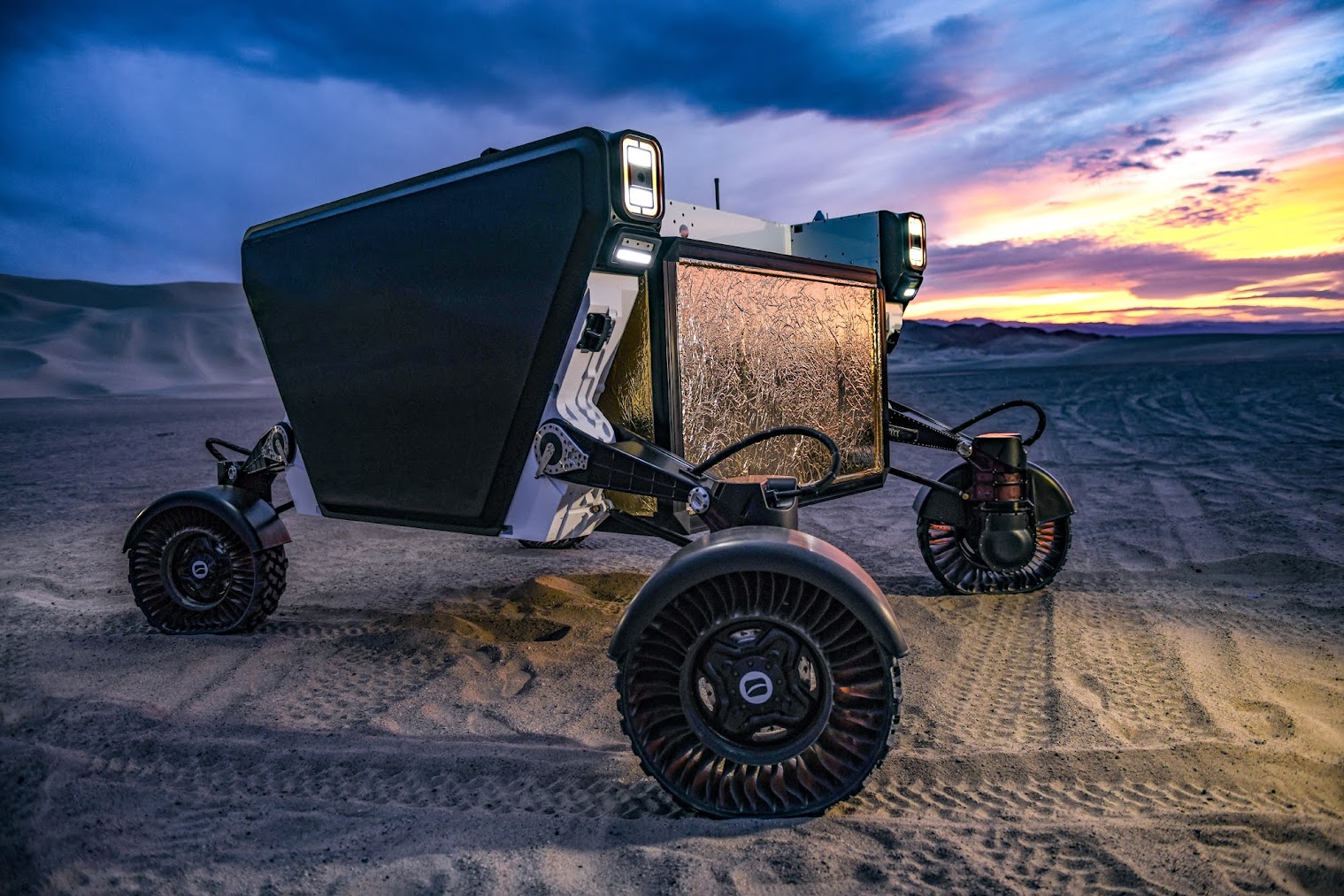
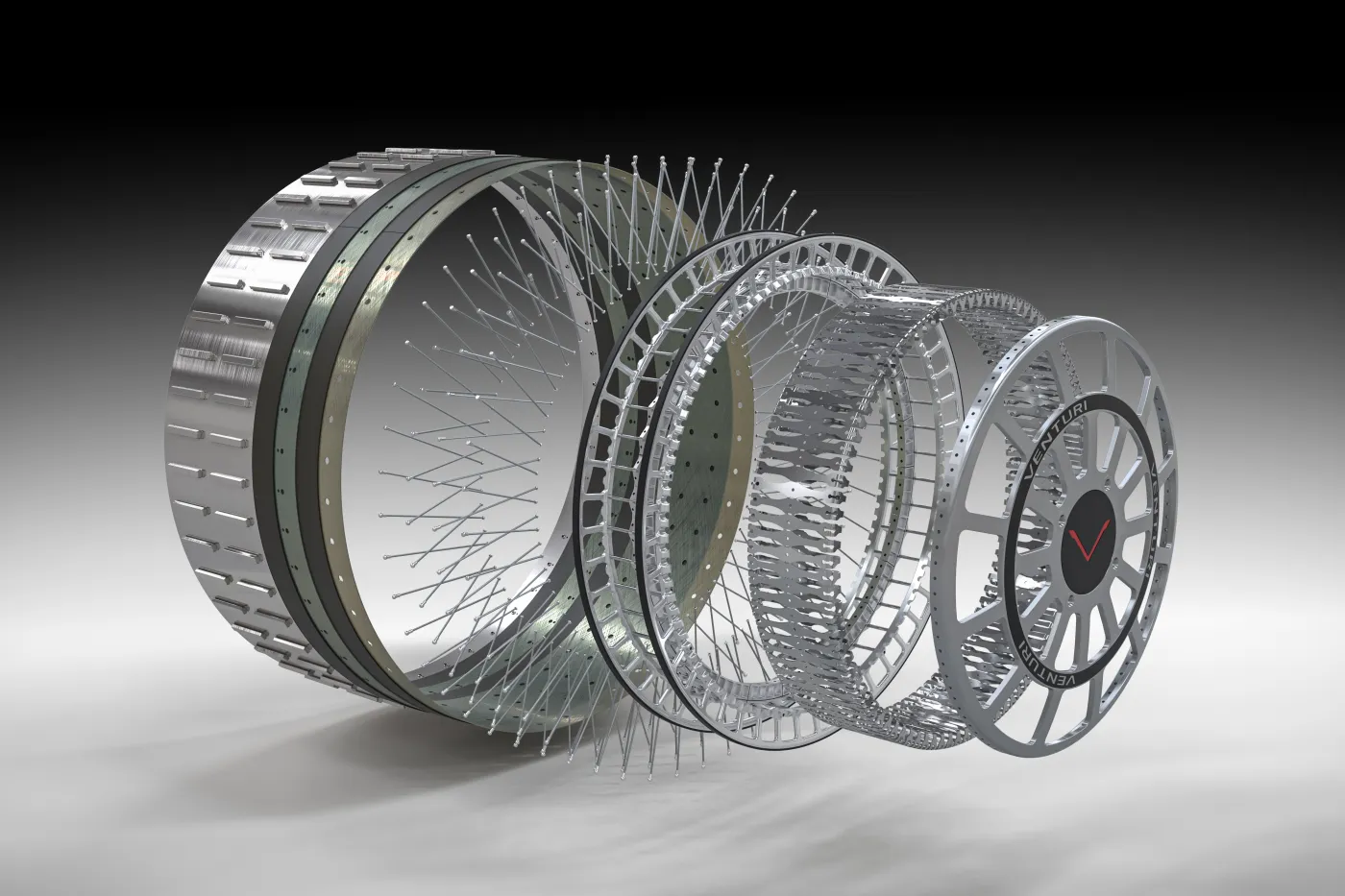
| With this announcement, and after two decades dedicated to high-performance terrestrial electric vehicles, Venturi is taking another major step forward. Indeed, the industrial Group led by its President Gildo Pastor designs and manufactures the lunar vehicle’s wheels and batteries. The hyper-deformable wheels, developed and manufactured by the Venturi’s Swiss entity in collaboration with Astrolab, were presented at the Paris Air Show in June 2023. As for the batteries, these will be manufactured in Monaco in specifically designed facilities at the heart of the Venturi’s historic headquarters. |
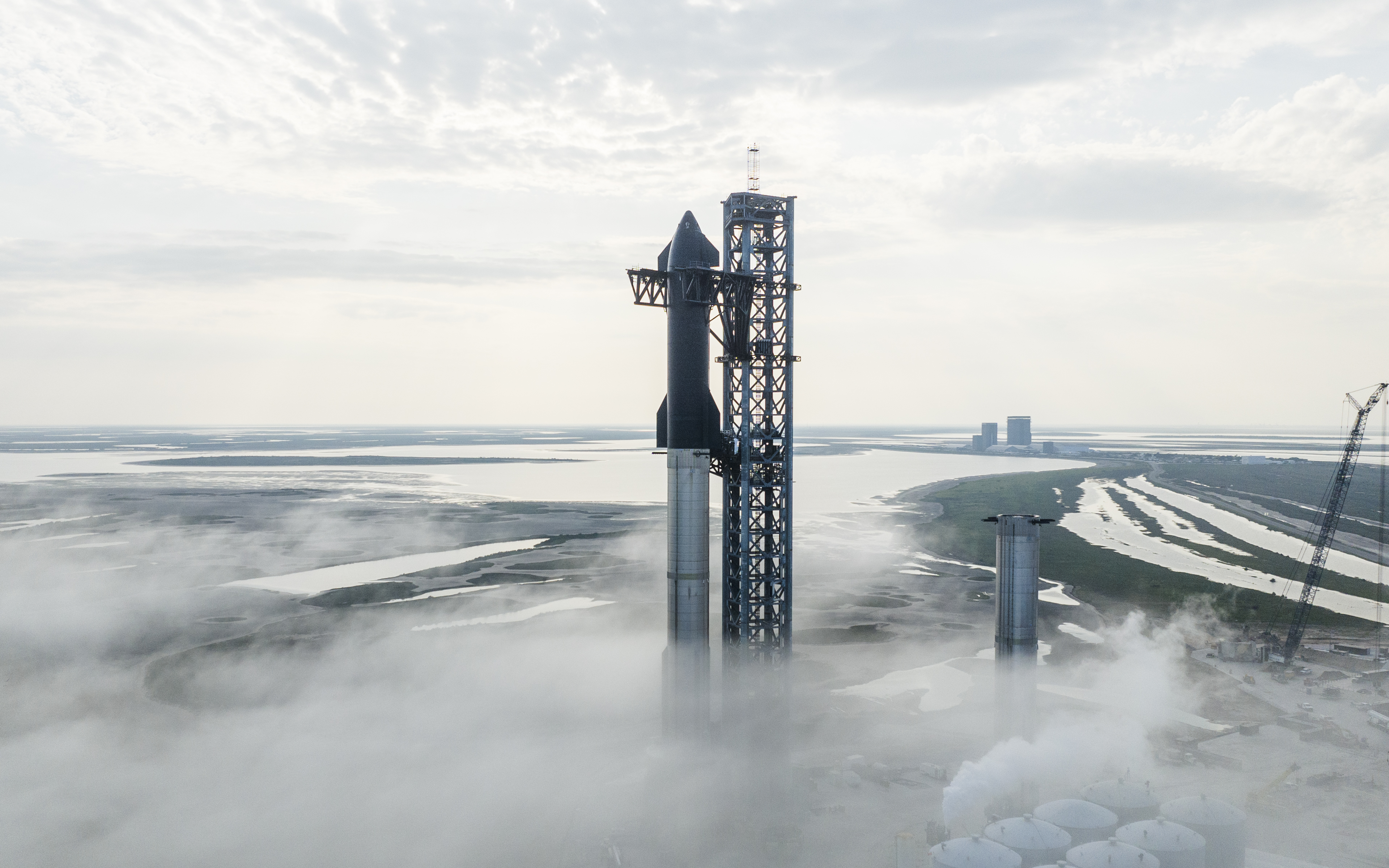
SpaceX’s Starship launch and landing system will deliver FLEX to the lunar surface in mid-2026.
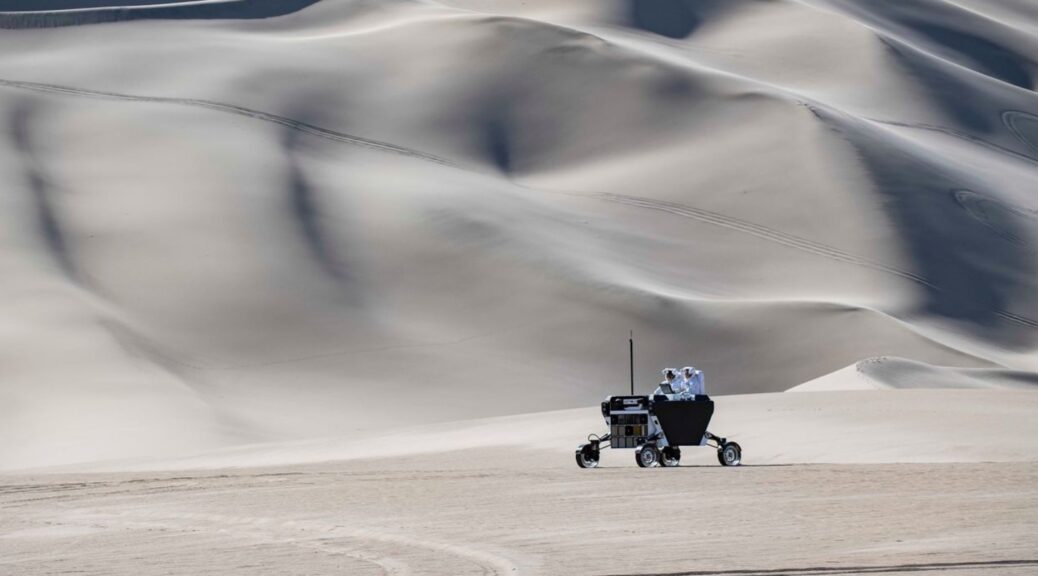
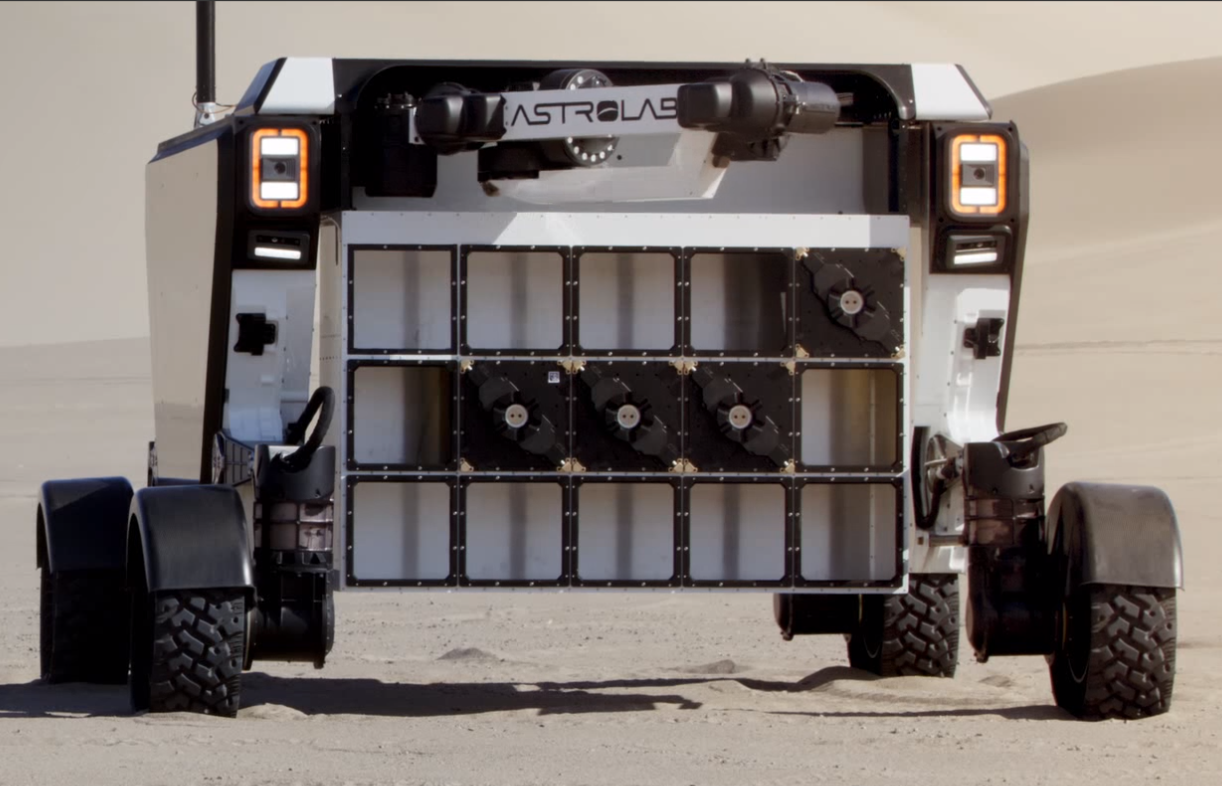
| Astrolab first revealed the full-scale working prototype for its Flexible Logistics and Exploration (FLEX) rover in March of 2022. In the years since, Astrolab, has conducted thousands of hours of laboratory and field testing that has led to numerous design improvements. The improvements to the wheels and batteries came as a result of tests Astrolab conducted together with Venturi’s engineers. As required by NASA, FLEX can carry two suited astronauts, accommodate a robotic arm to support science exploration, perform robotic cargo logistics, and survive the extreme temperatures at the lunar South Pole, which is a technological challenge, particularly for the hyper-deformable wheels and batteries. FLEX can be operated remotely from Earth even when astronauts are not present, or it can be operated by suited astronauts. |
| Once FLEX arrives on the lunar surface, Astrolab expects that FLEX will become the largest and most capable rover to ever travel to the Moon. With a maximum combined rover and cargo mass of more than two tons, the FLEX rover is nearly three times the mass of its largest predecessor. This increased capacity provides significantly more opportunities to conduct scientific experiments and commercial endeavors on the lunar surface. |
| “Through our strategic partnership with Astrolab, I am proud to see the Venturi Group’s know-how validated by NASA. After 20 years of innovation and world speed records in the field of terrestrial electric vehicles, we are now involved in an adventure that will go down in the history books: when Man returns to the Moon! When I see this rover, equipped with our wheels and batteries, operating up there I will have made my greatest dream come true“. – Gildo Pastor, President of the Venturi Group. “Astrolab is honored to have its FLEX rover selected by NASA to participate in the development of creating a Lunar Terrain Vehicle for the Artemis Campaign. Our entire team, together with our business partners, including our strategic partner Venturi Group, are committed to delivering to NASA an LTV that serves as a critical tool in the agency’s efforts to establish a long-term human presence on the Moon.” – Jaret Matthews, founder & CEO, Astrolab. |
photos: Venturi/Bebert
Welcomed by the Group’s President, Gildo Pastor, the Sovereign was invited to take a historic first look at the lunar rover “FLEX”, developed by Venturi Astrolab (USA) in collaboration with Venturi Lab (Switzerland) and Venturi (Monaco).
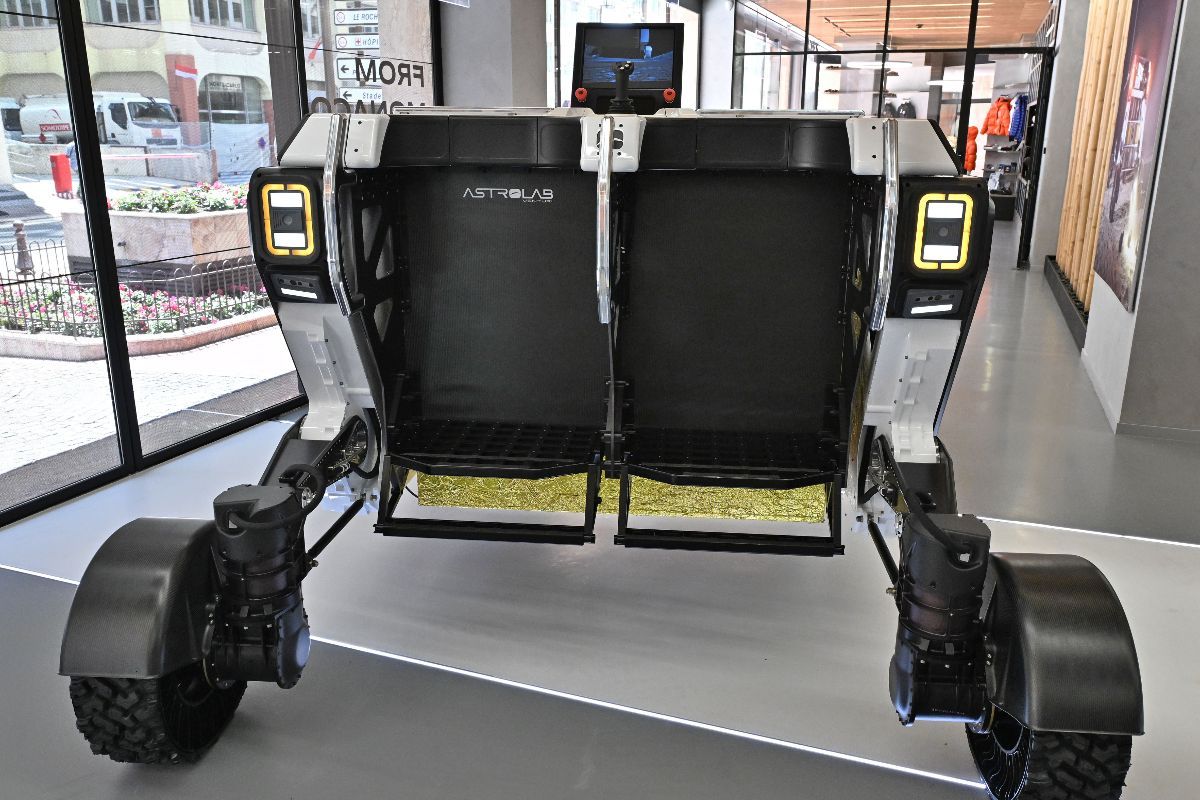
It will be landed on the surface of the Moon by American firm SpaceX in 2026. Fans of Canada’s robotic space arm Canadarm take note: the lunar rover includes its own ‘in house’ designed and built robotic arm.
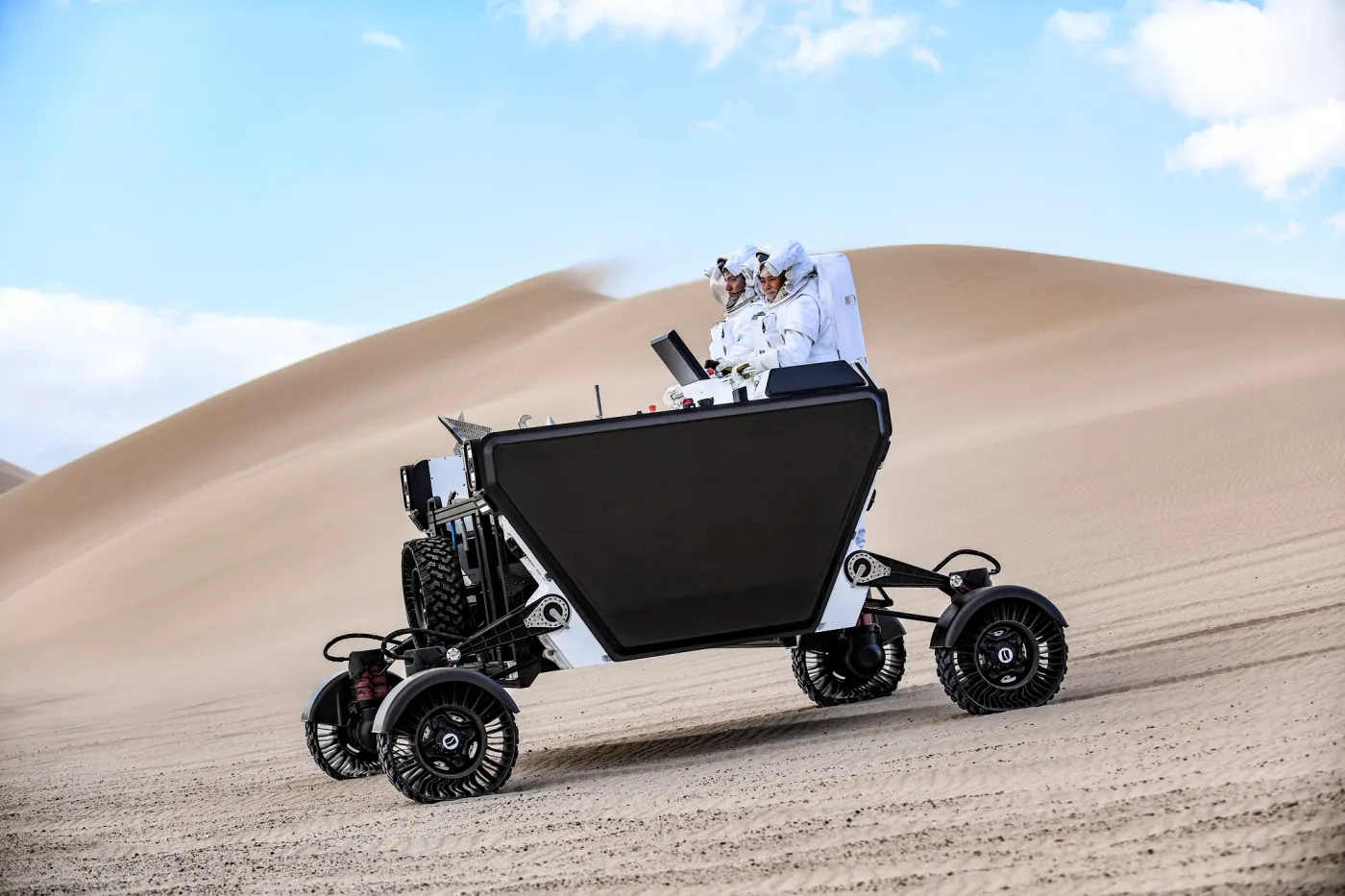
Since 2000, the Venturi Group has specialized in the design and manufacture of high-performance electric vehicles. Whether through world records, expeditions on hostile terrain, the creation of the first electric sports car, the development of innovative vehicles or its involvement in the Formula E World Championship, the Venturi Group embodies and demonstrates all the capabilities of the electric vehicle on 2 or 4 wheels.
Since 2021, Venturi Lab is part of the Venturi Group. The company invents, studies, designs and manufactures mobility solutions capable of handling the extreme environmental conditions found on the Moon and Mars. In 2026, Venturi Astrolab’s FLEX rover – for which the Venturi Group will have designed and manufactured innovative technologies resulting from disruptive innovations – will be in operation on the Moon. For the Silo, Fabrice Brouwers/Venturi.
ABOUT VENTURI ASTROLAB, INC.
Venturi Astrolab, Inc (Astrolab) is on a mission to advance humanity to the next horizon by designing, building and operating a fleet of versatile rovers for all planetary surface needs. Comprised of a highly specialised team of former NASA, SpaceX and JPL engineers, Astrolab is dedicated to providing adaptive mobility solutions essential to life beyond Earth.
The team has leading experience in terrestrial and planetary robotics, electric vehicles, human spaceflight and more. Astrolab’s extensive experience and strategic partnerships with a wide range of world-class institutions, including the electric vehicle pioneer Venturi Group, allow for the most reliable, flexible and cost-effective lunar and Mars mobility offerings. The company’s headquarters are located in Hawthorne, California.