
Life for Relief and Development at the Dubai International Humanitarian Aid & Development Conference:
The Dubai International Humanitarian Aid & Development Conference (DIHAD 2026) concluded its activities at the Dubai World Trade Centre under the theme “Humanity in Transition: Shaping the Future of Humanitarian Work.” The conference brought together numerous humanitarian institutions, relief organizations, government entities, and experts from around the world to discuss the growing challenges facing communities affected by wars, disasters, and escalating humanitarian crises, particularly in the Middle East.
The current edition of the conference was held at a time when the global humanitarian system is undergoing rapid transformations due to the increasing complexity of crises, growing humanitarian needs, and changing operational environments. This requires humanitarian institutions and organizations to rethink traditional response mechanisms and develop models that are more flexible, innovative, and sustainable.
21,000 Participants from 165 Countries
Life for Relief and Development was among the prominent participants. Khalil Meek, Chief Development and Resource Development Officer at the organization, emphasized that the conference focuses on anticipating the future of humanitarian action amid the increasing number of wars, conflicts, climate-related disasters, economic crises, displacement, technological developments, and funding gaps. The conference aims to exchange expertise, build partnerships, and develop practical and sustainable solutions to support the poorest and most vulnerable populations.
He added: “Life was among more than 21,000 participants and visitors from 165 countries, alongside more than 1,000 entities, partners, and organizations working in the humanitarian sector. There were also 320 speakers who participated in more than 260 sessions and workshops, alongside the International Red Cross and Red Crescent Movement, academic and research institutions, the private sector, charitable and donor organizations, financial institutions, development banks, and media outlets.”
The conference represents a platform that brings together decision-makers, experts, implementers, funders, and entities equipped with innovation and technology tools. This enables the development of more integrated responses to humanitarian crises and creates opportunities for humanitarian organizations to communicate, exchange expertise, and explore opportunities for cooperation and partnership.
“Life”: Being at the Heart of the Field and Responding Rapidly
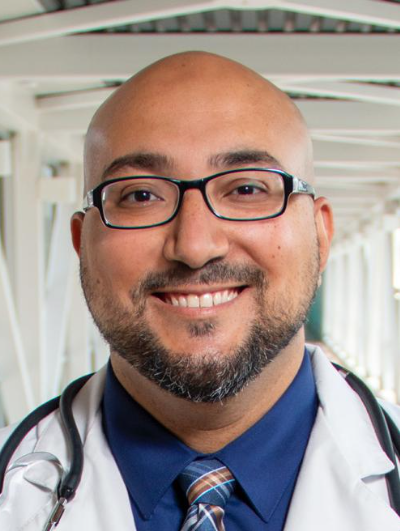
Dr. Abdul Wahab Alawneh, Regional Director for the Middle East at Life, added that the future of humanitarian action, based on Life’s field experience and 33 years of work on the ground, requires continuous development.
He said: “We presented our proposals on the role of leadership, innovation, and partnerships in advancing humanitarian action and making it more adaptable to the rapid changes taking place around the world. We focused on how to turn ideas into practical realities, strengthen implementation and operational efficiency, measure results, and transform the ideas and commitments presented during the conference into practical solutions that create a genuine and sustainable impact on communities in need.”
“At a time when humanitarian organizations are increasingly required to develop tools to anticipate needs, prepare for crises at an early stage, improve resource management, and reach affected populations more quickly and efficiently, this is precisely what has distinguished Life over the past years through its presence at the heart of events from day one—whether in areas affected by earthquakes and floods, as occurred in Libya, Morocco, and Türkiye, or deep inside conflict zones, as in Gaza and Lebanon. Life has been able to reach remote civilian areas under bombardment where humanitarian assistance had not reached.”
The conference also discussed the importance of developing more proactive humanitarian models, so that responses are not limited to action after a disaster occurs, but also include advance preparedness, strengthening community resilience, and reducing future needs. This means moving from response to preparedness, from isolated efforts to partnerships, and from temporary solutions to sustainable impact.
More Effective Partnerships
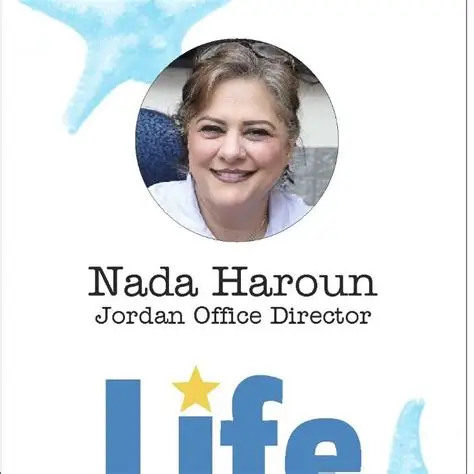
Nada Haroun, Director of Life’s office in Jordan, added:
“Our presence here is not merely attendance; it is a representation of a mission, a team, and work that we believe in and consider important. Advancing humanitarian action is no longer the responsibility of a single organization or country. Rather, it is a collective responsibility that requires continuous international cooperation, more effective partnerships, more sustainable funding, and responses that place people, their dignity, and their ability to build a safer future at the heart of humanitarian action.”
“Last year, Life received the Dubai Humanitarian Award for Most Effective Partnership for its shelter-camp project in the Gaza Strip. Therefore, this year, we established a new partnership with the Emirates Red Crescent, which will help strengthen the delivery of assistance and support to vulnerable and most-needy populations.”
Transparency: A Safe Bridge Between Donors and Those in Need
She continued:
“The conference addressed the issue of donation transparency by strengthening the regulation of charitable work, reinforcing donor trust, and ensuring that donations reach their intended beneficiaries through approved channels. These are also principles that have distinguished Life and contributed to its ranking third globally among leading humanitarian aid organizations and fifth among the best organizations working in Palestine and addressing poverty. This enabled Life to receive a 100% rating from Charity Navigator, in addition to being accredited by the United States Agency for International Development (USAID) and being selected among the top humanitarian organizations in the United States by Impactful Ninja, with expenditures reaching $666 million usd.”
These principles are becoming increasingly important as digital platforms expand their use for collecting donations and launching humanitarian campaigns. Transparency and verification of organizations managing donations have therefore become essential to protecting donors and ensuring that resources are directed to the beneficiaries who need them most.
For the Silo, Tasneem Elridi/LIFEUSA