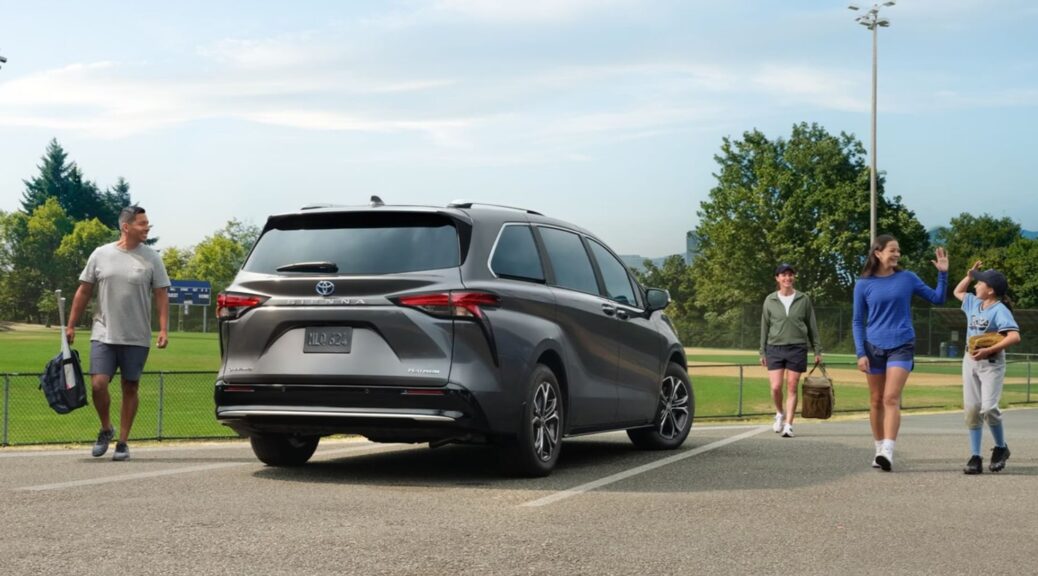
Millennials are abandoning SUVs for the one vehicle they swore they’d never drive: the minivan.
For years, North Americans were told bigger was better. Three-row SUVs became the default family vehicle, and automakers poured billions into the category. Consumers followed in droves. But now a surprising reversal is underway. The same generation that spent decades mocking minivans is increasingly choosing them over SUVs, and experts say the shift reveals something much larger about the state of the North American consumer in 2026.
Faced with persistent affordability pressures, elevated borrowing costs, expensive insurance premiums, and rising household debt, many families are abandoning image-driven vehicle purchases in favor of practicality, value, and long-term cost savings. The result? The minivan is making an unexpected comeback!
Why Minivans Are Growing Again
The growth comes after decades of decline and signals a notable shift in consumer priorities. Industry analysts cite several major factors:
- Better cargo space than most three-row SUVs.
- Easier third-row access.
- Sliding doors favored by parents.
- Better fuel economy versus large SUVs.
- Lower purchase prices compared to similarly equipped SUVs.
- Strong hybrid offerings from Toyota and Kia.
- Rising affordability concerns among younger families.
What makes this trend especially compelling is who is driving it. Millennials, many of whom grew up riding in minivans and spent years rejecting them as uncool, are now among the key buyers fueling the segment’s resurgence. As the oldest members of Generation Alpha enter their school-age years and family transportation needs evolve, functionality is increasingly outweighing perception.
Costly SUVs Are Pricing Out Families
SUV prices have steadily climbed since 2021, with three-row options outpacing overall car price inflation. As once-mainstream options like the Suburban and Expedition become more associated with luxury pricing, families looking to pack into a single vehicle have turned to minivans like the Chrysler Pacifica, Toyota Sienna, and Kia Carnival.
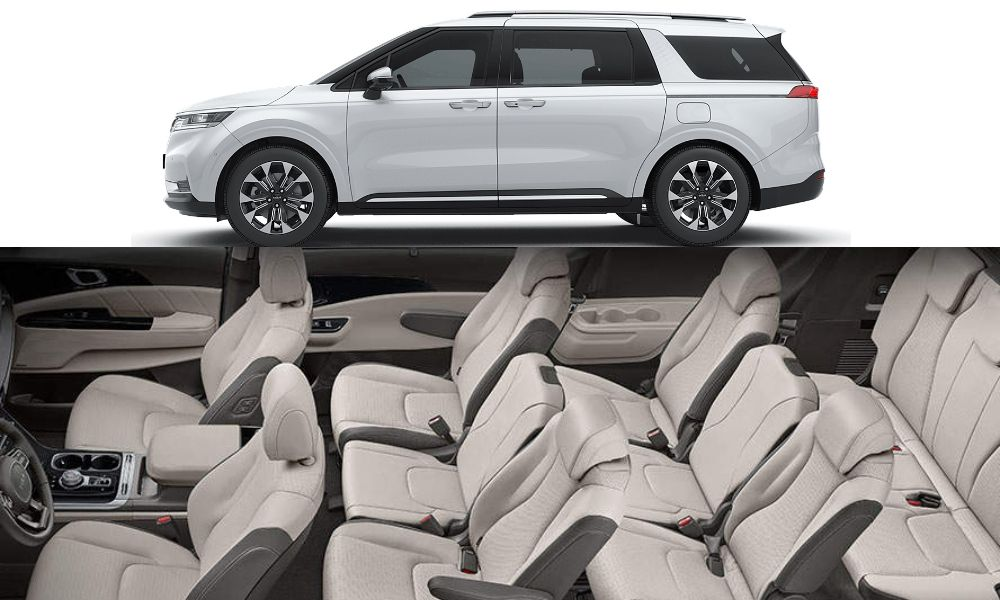
Kia Carnival with impressive seating capacity.
The rise of hybrid minivans has also changed the minivan’s reputation from gas guzzler to economical, Earth-friendly choice. Toyota’s hybrid Sienna is also available with all-wheel drive, a combination northern families would have once only dreamed of. For 2026, the hybrid Toyota Sienna gets up to 36 miles per gallon. Ten years ago, the Sienna was good for just 21 miles per gallon. Times are changing! Anyone want to talk about advanced style and design- look back over 30 years ago to the Previa.
The economics are difficult to ignore. Many popular minivans offer significantly more usable passenger and cargo space than comparably priced SUVs, often while delivering better fuel economy and a lower purchase price. For families already grappling with inflation and high monthly expenses, the savings can add up to thousands of dollars annually.
Automotive retail analysts and consumer advocates Zach and Ray Shefska at http://www.caredge.com/ emphasize the following factors:
- Millennials Are Suddenly Embracing Minivans
- This Trend Reveals About America’s Financial Reality in 2026
- SUVs Are Becoming the New Status Symbol Consumers Can No Longer Afford
- Minivans Deliver the Best Value for Families Today
- Cargo Space, Insurance Costs, and Fuel Economy Matter More Than Ever
- Is This a Temporary Shift or the Beginning of a Long-Term Consumer Reset?
- Rising Household Costs Are Changing Vehicle Buying Decisions
- The Minivan IS the Family Vehicle North Americans Are Reconsidering in Record Numbers
The minivan story is not really about minivans. It is about a generation confronting economic reality and making purchasing decisions based on value instead of image. The comeback of the vehicle many Millennials once swore they would never own may be one of the clearest indicators yet of how dramatically the North American consumer is changing.
For the Silo, Karen Hayhurst.