Tag Archives: housing

Canada Next? Rise Of Driveway Tiny Houses In America

Accidental Landlords: ADU Owners Disrupt Rental Markets From Driveways

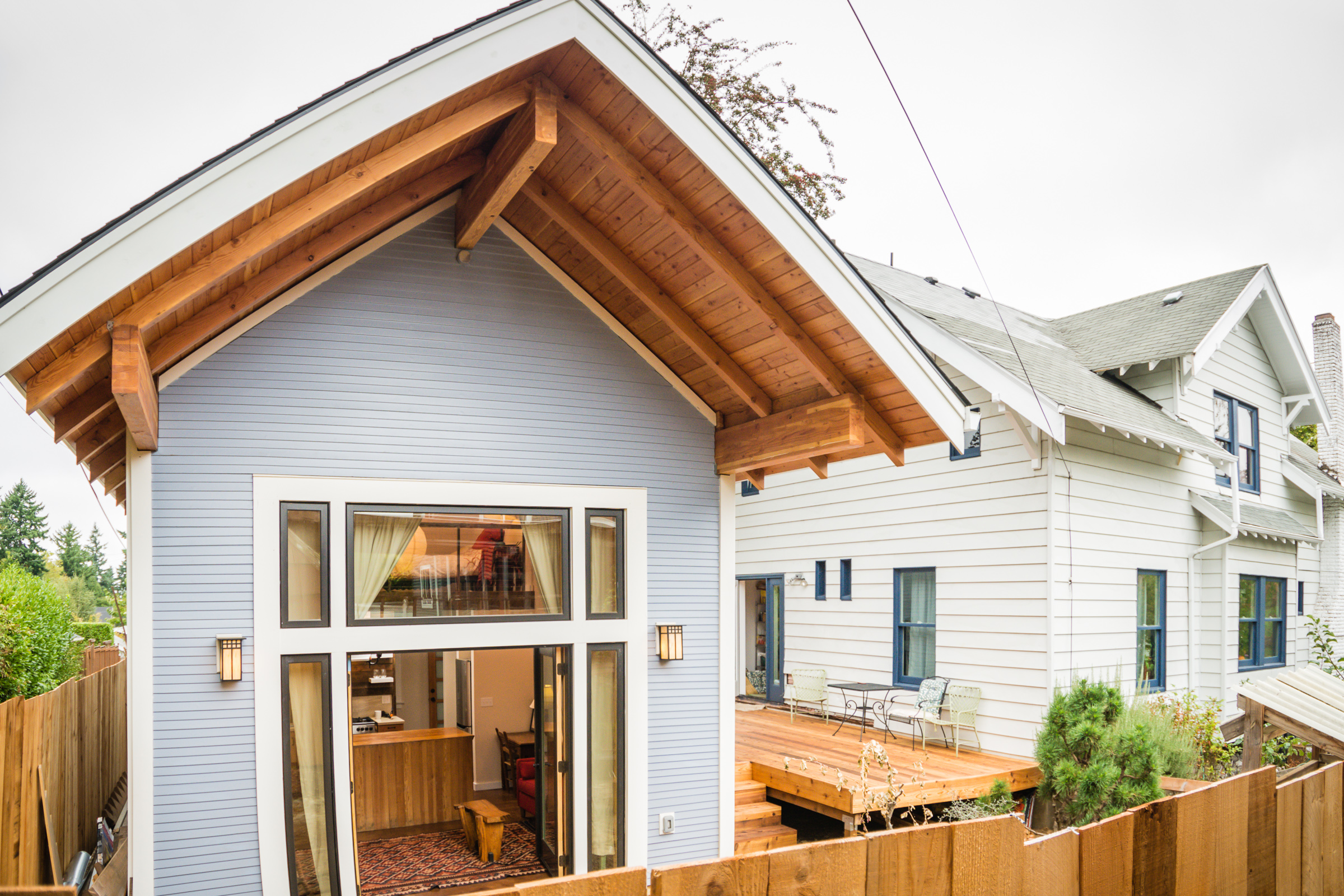
Here in Canada we have been pre-programmed to some extent about the possibility and perhaps inevitability of living in a tiny home- and one that we won’t even own. In some cases, these homes seem to be little more than utility sheds fitted with utilities and small appliances but there are exceptions like this exceptionally designed ADU.

In America, many ADU (Accessory Dwelling Unit) owners didn’t set out to be landlords, but new laws and economic pressures there are turning suburban homeowners into accidental real estate moguls. With situations the same here in Canada and with migrant levels increasing month after month, can we expect to see more and more cities following Ottawa’s lead in tiny home renting? It sure seems like a strong possibility.

Let’s Look At The USA

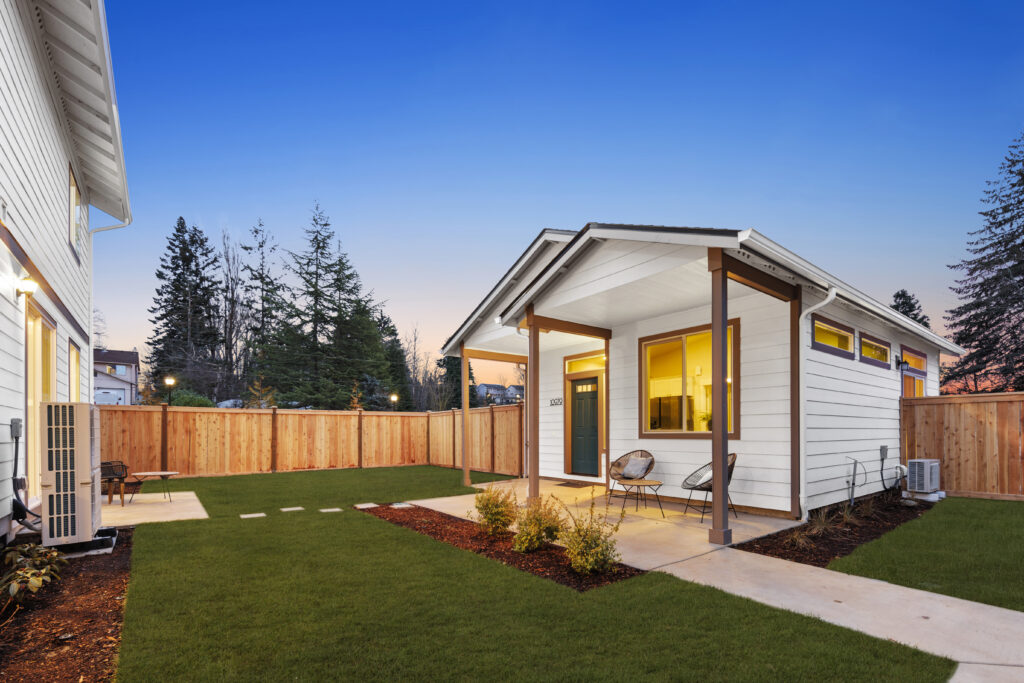
As state and city-level ADU laws continue to loosen across the U.S., a growing wave of suburban homeowners are becoming first-time landlords, many without ever intending to enter the real estate game. These decentralized landlords are renting out backyard cottages, granny flats and in-law suites, garage conversions and prefab units—quietly changing the economics of their neighborhoods and offering a hyperlocal solution to the housing shortage.

Accidental Landlord Essentials: What to Know Before Renting Out Your ADU

Right after housing family, passive rental income is one of the top reasons people want to build an ADU on their property, and we can definitely see why. Becoming a landlord is a great way to supplement your income and create a healthy nest egg for retirement or savings. But, it’s important to remember that being landlord is still considered a job with responsibilities. There are certain expectations that should be adhered to in order to ensure your tenant(s) are comfortable in your ADU, ensuring prolonged success.

So, what makes the difference between an “okay” landlord and a fantastic landlord with happy tenants? Here are some key things to know before you start renting out your new unit.

What do I need before I rent out my ADU?

Before renting out your ADU, you will need two crucial things: a Certificate of Occupancy and landlord insurance.

Certificate of Occupancy

In the USA, there is an important document called a Certificate of Occupancy, issued by the local building department, confirming that the accessory dwelling unit (ADU) complies with all relevant building codes and regulations and is safe for occupancy. To obtain a Certificate of Occupancy, you will need to schedule an inspection of your ADU to ensure it meets all required standards for habitability, fire safety, and structural integrity.

Once you have obtained the necessary Certificate of Occupancy and ensured compliance with local regulations, you can proceed with renting out your ADU.
Landlord Insurance

It’s also a good idea to consider obtaining landlord insurance to protect your property and assets as a rental property owner. Landlord insurance, also known as rental property insurance, is a type of insurance policy specifically designed to protect property owners who rent out their properties to tenants. Here are some key aspects of landlord insurance:

  1. Property Coverage: This aspect of landlord insurance typically covers the physical structure of the rental property, including the dwelling itself and any structures on the property, such as garages or sheds. It can protect against damage caused by covered perils like fire, vandalism, or natural disasters.
  2. Liability Coverage: Landlord insurance often includes liability coverage, which protects you financially if a tenant or visitor is injured on your rental property and holds you liable. This coverage can help pay for legal fees, medical expenses, and damages if you’re found responsible for an accident or injury.
  3. Loss of Rental Income: If your rental property becomes uninhabitable due to a covered loss, such as fire or storm damage, landlord insurance can provide compensation for the lost rental income during the time it takes to repair or rebuild the property. This coverage can help mitigate the financial impact of a temporary loss of rental income.
  4. Additional Coverages: Depending on the policy and insurer, landlord insurance may offer additional coverages or optional endorsements to address specific risks or circumstances. These could include coverage for landlord liability arising from wrongful eviction or discrimination claims, coverage for theft or vandalism by tenants, or coverage for legal expenses related to evictions.

It’s important to note that in America, landlord insurance is distinct from homeowners insurance, which is intended for owner-occupied properties. Landlord insurance policies are tailored to the unique risks and responsibilities of rental property ownership, providing coverage for situations that may not be addressed by standard homeowners insurance.

Once you have these two things in place, you can move on to establishing the lease terms of your ADU.

What should rental lease terms be for an ADU?

The great thing about owning your own ADU is that you can set any rules you want. All of this should be laid out in a lease so that all parties can have the rules in writing and you can avoid any conflict in the future. Here are just a few things you should think about including in your lease:

  • When is rent due?
  • Is this a long-term lease (1+ years) or month-to-month
  • Do you allow pets? Size, type, and quantity restrictions? Is a deposit and pet rent required?
  • Is smoking allowed?
  • Are utilities included?
  • Is parking included?
  • Will the tenant have access to yard space or other outdoor areas?
  • When do quiet hours begin?

This is just a sample of things you should be thinking about when drafting your lease.

While you do have free reign in placing any rules for your ADU (as long as you don’t violate any laws) you should also think about what will be on people’s checklists in your area. Living close to a college campus for example, will likely attract students looking for short-term housing. Living close to a high population area where parking can be tough, you’ll have tons of rental applications if you offer free parking.

There are plenty of lease agreement templates that you can find online, but make sure you read them carefully and edit as needed to make sure they cover everything you require.

If you’d rather go the easier route, you can always hire a property management company who can draft the lease and collect the signatures for you. We’ll go more into property managers later.

How do you figure out the charge for rent?

There’s no one-size fits all answer to this question. The rent you can charge for your ADU will depend on city, neighborhood, ADU size, amenities, number of bedrooms and more. But, by doing some quick research you can arrive to a baseline number that makes sense for your ADU.

To start, check out similar listings in your area to get a general range of how much rent you can charge for your ADU. Sites like Zillow, Apartments.com, Craigslist, and Trulia are great places to look first. Especially look at going rates in your specific neighborhood. Rental rates can fluctuate heavily from neighborhood to neighborhood within the same city, so you want to make sure you’re not pricing your ADU too high or low for your immediate area.

Next, take your amenities into consideration. A washer and dryer in the unit is a hot commodity that people will be willing to shell out a few extra dollars for.

If you want to add these types of amenities to your unit, make sure you discuss it with your designer so that they can make the space for them in the designs. 

Also, look back at your lease and what you’re offering. Qualities like included utilities, pet friendly, and a month-to-month lease mean you can charge a little bit extra.

Take a look at where your property is located. Units closer to popular locations like a trendy shopping strip or a university call for slightly higher rent whereas ADUs in more suburban or rural areas will benefit from having lower rent.

Once you’ve settled on a final price, consider knocking back a few dollars. Doing this, you’ll attract a larger pool of tenants. The tenant ultimately get approved will feel like they’re getting a great deal and will be more likely to hold on to that rental for longer. It’s a win situation for you too since you won’t have to worry about losing money replacing tenant after tenant that’s searching for a more affordable home.

With your rental rate and lease terms ironed out, you can start advertising your ADU, but it’s critical you adhere to anti-discrimination laws like the Fair Housing Law.

What is the Fair Housing Law?

“The Fair Housing Act protects people from discrimination when they are renting or buying a home, getting a mortgage, seeking housing assistance, or engaging in other housing related activities.” -Hud.gov

This law in America protects individuals from housing discrimination based on the following:

  • Race or ancestry
  • Religion
  • Disability, mental or physical
  • Sex, gender
  • Sexual orientation
  • Gender identity
  • Marital/familial status
  • Source of income (e.g., alimony, child support, Section 8, vouchers, etc)

When Americans are listing their ADU, they should also avoid using terminology like “ideal for a student” or “looking for a couple” as these can be considered discriminatory. Keep listings simple and stick to just mentioning the great features of your ADU.

What’s expected from me as a landlord?

Being a landlord isn’t just kicking back and collecting rent checks. Keep in mind that as a landlord you have a few responsibilities.

You should be the first point of contact for repairs, complaints, upkeep, etc. Accidents are bound to happen. Having a list of reliable professionals that you can contact to fix things around the unit is a smart idea. Here’s just a quick list of professionals you should consider having on your list:

  • Plumber
  • Electrician
  • Gardener
  • Roofer
  • General handyperson
  • Exterminator

If you want to save an extra dollar, you can also teach yourself to do easy beginner level repairs like unclogging drains.

Being easy to reach and quick to act when your tenant needs something fixed is an excellent way to keep your tenant happy and ensure they’ll stick around for the long run.

But, what if you own multiple properties or work full time and can’t be on-call 24/7? That leads us to our next topic.

Do I need to hire a property management company?

If you’re mostly home or have a lot of free time, you can probably handle all of the responsibilities on your own. Otherwise, you’ll want to hire a property manager.

They’ll be in charge of preparing leases and getting them signed, repairs, advertising and finding tenants, collecting and depositing checks, and pretty much everything else.

Property management companies will typically charge 5-10% of your rental revenue for their services, so think carefully before you decide to hire them on. As we mentioned before, if you’re capable of handling the responsibilities on your own, then you’ll probably be able to skip on it.

Can any American rent out their ADU on Airbnb or other short-term rental platforms?

It depends on your local laws. Many cities in America have placed restrictions on short-term rentals (typically stays under 30 days), especially when it comes to ADUs. Some jurisdictions allow it only if the homeowner lives on the property, while others ban it altogether or require a permit. These rules are often different from those that apply to your main home, so it’s important to research carefully. Violating local ordinances could lead to hefty fines.

The main purpose some states have made ADUs so accessible is because the government wants to encourage the development of more long-term housing. So, renting your ADU as a vacation rental defeats the purpose and is often not encouraged.

Defining your goals and what you want to get out of your rental is the first step towards becoming a successful landlord. For the Silo, Paul Dashevsky.

With several decades of experience in the construction and renovation business, Paul Dashevsky is Co-CEO of MaxableSpace.com—the industry-leading ADU property design / build / construction resource website for granny flats, in-law suites, guest houses, casitas and other types of Accessory Dwelling Units. Paul is also Co-CEO of GreatBuildz—a freeservice that matches homeowners with reliable, pre-screened general contractors. He may be reached at www.greatbuildz.com.

Nine Percent Of Canada High Incomers Considering Using Foodbanks

Few Canadians are immune to the rising cost of living, according to a new report from Statistics Canada, with 9 percent of those in the highest income quintile considering using a food bank.

Data from spring 2024 shows that while 42 percent of Canadians are concerned over rising food prices, about 9 percent of those in the highest income bracket report they may have to turn to a food bank or similar community organization for help. That number rises to 14 percent for those in the second-highest income bracket, StatCan said.

A cart is filled with bags of food during a Thanksgiving food drive for the Ottawa Food Bank, at a grocery store in Ottawa on Oct. 7, 2023. The Canadian Press/Justin Tang

Nearly half of Canadians report struggling to meet day-to-day expenses, up 12 percentage points from 2022 to 45 percent.

The survey found that the number of Canadians who feel “quite a bit” or “extremely” stressed over financial issues increased slightly since 2022, from 33 percent to 35 percent this year.

Families with children and those living with a disability are struggling the most, StatCan said.

Fifty-five percent of families with children say rising costs have impacted their ability to cover daily expenses, compared to 42 percent of households without children and 37 percent of single Canadians.

Shrinkflation– a sneaky way of charging more by giving less. General Mills shrunk its “family size” boxes from 19.3 ounces to 18.1 ounces. Justin Sullivan/Getty Images

Those with disabilities are also more likely to be facing financial difficulties, with 57 percent saying they are struggling to meet daily costs, compared with 43 percent of those without a disability.

Housing is one of the biggest concerns Canadians cite, with nearly four in 10 saying they are concerned about their ability to afford a home because of rising prices. The number has risen from 30 percent in 2022 to 38 percent this year.

StatCan found that renters are more uneasy about increasing prices than homeowners, with nearly two-thirds of renters “very” concerned over housing affordability compared with about one-third of homeowners.

Food prices are another top concern for those surveyed, with more than one in five Canadians saying they may not be able to afford groceries. The number has risen to 23 percent, up from 20 percent two years ago.

Of those worried about food prices, 8 percent say they are very likely to need help from an organization such as a food bank. Another 15 percent say they are somewhat likely to need community help.

More than one in four families with children say they expect to turn to food banks and similar organizations, compared to one in five for other household types, StatCan said.

About one-third of Canadians with a disability say they expect to get food from a community organization in the next six months, compared to one in five of those without a disability, the agency said. For the Silo, Chandra Philip / The Epoch Times. The data was collected between April 19 and June 3.

Related Stories

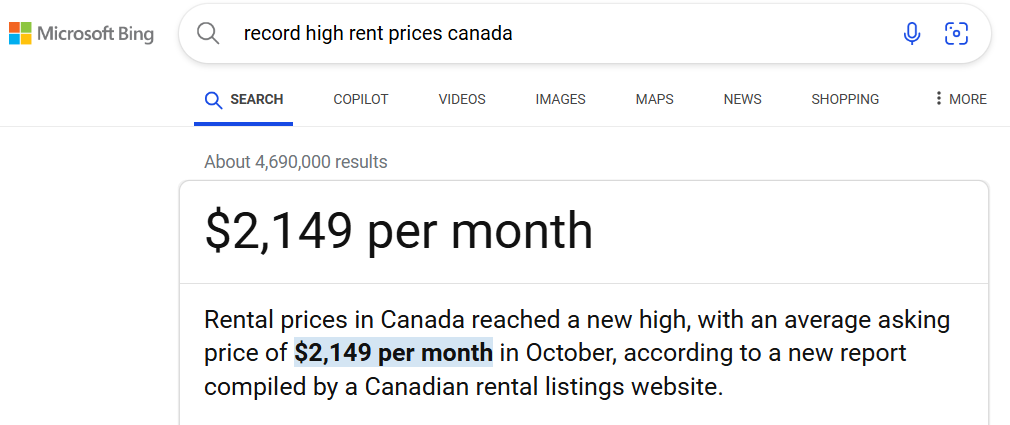
Rent Prices Hit Record High Across Canada, New Report Finds

Rent Prices Hit Record High Across Canada, New Report Finds

Grocery ‘Shrinkflation’: Some Products Reduced Over 20 Percent in Size, Study Finds

Grocery ‘Shrinkflation’: Some Products Reduced Over 20 Percent in Size, Study Finds

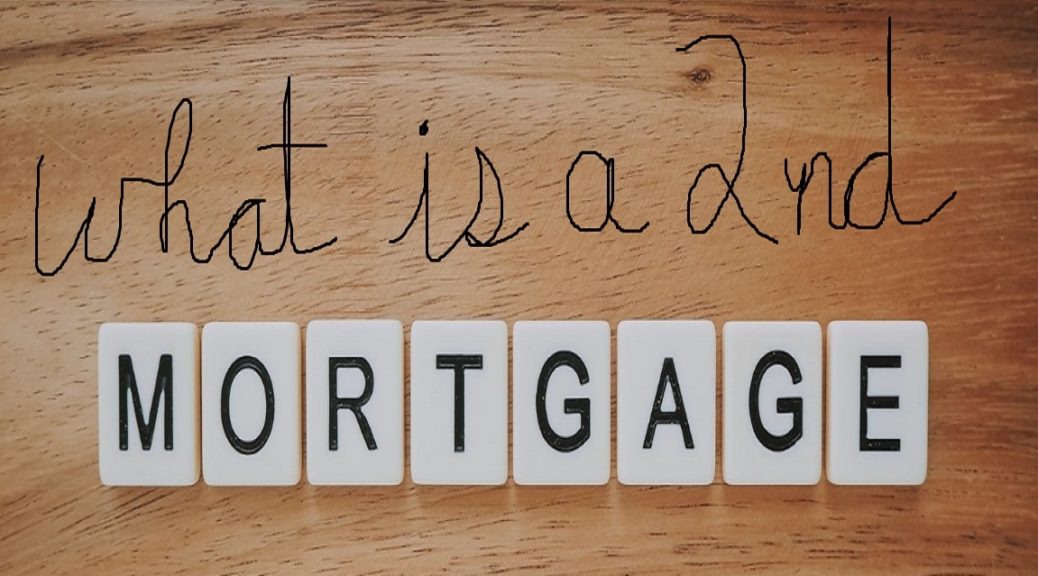
Should You Take Out a Second Mortgage?

With housing prices cooling off a bit but still generally soaring in cities across Canada, many homeowners are asking themselves how they can cash in on the market without actually having to sell their property. For many, a second mortgage will be the ideal way to do so.  

Second mortgages are one of the perfect mortgage solutions for homeowners who want to tap into their home equity to get lump-sum cash payments at low rates of interest. If you want to know if a second mortgage is right for you, here are three questions you should ask yourself. 

1. How Much Home Equity Do I Have? 

Before you start approaching mortgage brokers about a second mortgage, it’s a good idea to do some calculations around home equity, as the amount of money available to you through a second mortgage is determined by how much home equity you have.  

Fortunately, home equity is easy to calculate: simply subtract your existing mortgage from the current market value of your property. The difference is your home equity — the amount of your home value that you own outright.  

If you don’t know how much your home is worth, you can use a free calculator like this one to get a general estimate based on the going rate for properties in your neighbourhood. 

2. Should I Get a Home Equity Loan or Refinance? 

Generally speaking, there are two ways a homeowner can cash out a percentage of their equity: through refinancing or through a second mortgage. Both can be good ways to unlock capital, but which option you go for will depend in part on your financial situation. 

  • Refinancing: When you refinance your home, you replace an existing mortgage loan with a new mortgage loan. This new loan can be negotiated to include a cash payout based on your home equity, and while cashing out will likely extend the time it takes to pay off your mortgage, you will still only be dealing with a single mortgage loan.  
  • Second Mortgage: A second mortgage is an additional mortgage loan taken on against your home equity. Because it is an additional loan, it will usually come at a higher interest rate. 

In Canada, most mortgages are refinanced every five years, but they can also be refinanced more frequently. But if you already have a low interest rate on your existing mortgage and rates are increasing, a second mortgage may be the cheapest way to turn equity into cash. 

3. Will this Loan Save Me Money? 

A second mortgage can be a powerful financial tool, but it isn’t free money: you will still need to pay it back with interest, so you should be careful about how you use it.  

Taking out a second mortgage to consolidate debt, or to build an addition on your house, are smart investments because they put your money to work by reducing your interest payments or enhancing the value of your property. This puts you in a better financial position than you would have been if you didn’t borrow the money.  

Doing a cost/benefit analysis and working out how much money borrowing against home equity will save you is the key to making a strategic decision. 

Given how much real estate values have gone up over the past few years, figuring out how you can use your newfound wealth to improve your financial situation is essential for good money management. If you want to know more about whether a second mortgage is right for you, get in touch with a local mortgage broker to explore interest rates and options.  

Feautured image: Precondo CA Via Unsplash/ Silo Content Production

Why You Should Think About Retiring In Winnipeg

About half-way from East Coast to West Coast, you’ll find Winnipeg, Manitoba.

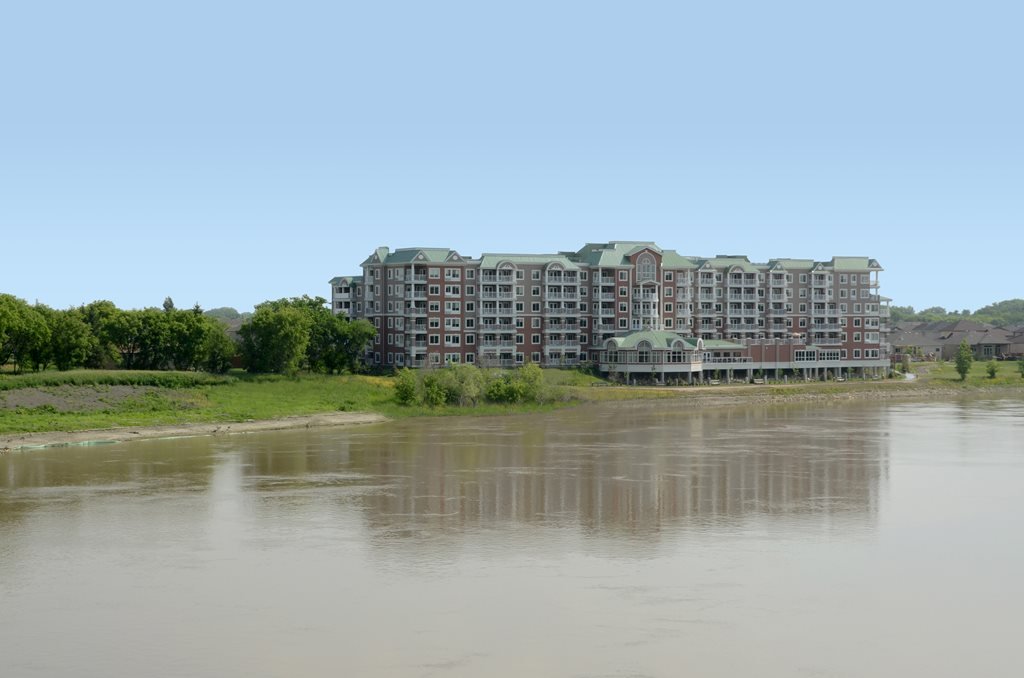
The biggest city and capital of Manitoba, Winnipeg is also one of Canada’s top retirement destinations. Whether you’re looking for great culture, sports, food, recreation, an affordable cost of living, or great senior housing options, Winnipeg is worth checking out. Here are the top reasons you should consider the city on the Red River when you’re thinking about your retirement options.

1 Great Senior Housing Options

As a city with over 800,000 residents, many of them seniors, there are plenty of senior housing options ranging from independent senior living communities to assisted living. As a family, if you’re looking for assisted living options for your loved ones, there are a few things you want to look for:

  • Availability of memory care, including care staff who are trained to work with adults suffering from Alzheimer’s and dementia.
  • Transportation assistance to medical appointments and services.
  • Private suites and a family-friendly environment.
  • Therapeutic group exercises offered at the residence.
  • A safe, warm, and comfortable environment.

Don’t be afraid to take your time and do research. The move into assisted living for seniors is a big one and should be made as a family,

2 Outdoor Activities in All Seasons

If you live here, you already know: Winnipeg is a winter city. That doesn’t just mean winters are long, cold, and snowy. A lot of seniors worry about the severity of the season if they haven’t lived here before. But Winnipeg also happens to be one of the sunniest places in Canada, cold or not. There is plenty to do on a bright winter day, including skating trails complete with warming huts and winter festivals that can rival the best of the city’s summer entertainment.


There are plenty of ways to get involved with sports and recreation in the city, including golf, cross-country skiing, snowshoeing, and more.

On top of all that, the city is home to huge amounts of green space that are great for walking, tai chi, and fitness clubs for seniors that can help you stay active and limber. While Vancouver may get all the credit as a hub for outdoor lovers, with the banks of the Red River and a wealth of natural assets, Winnipeg offers plenty of all-season activities – and a much lower cost of living.

3 A Rich Cultural Life

Winnipeg offers a rich cultural scene with a wealth of museums, concert halls, and theatre. Some of Winnipeg’s top cultural destinations include the Winnipeg Art Gallery, the Centennial Concert Hall, Seven Oaks Museum, the Museum of Human Civilization, the Royal Manitoba Museum, and many, many more. There’s always something to do in Winnipeg.


In addition to the arts, there’s also plenty to eat. The culinary scene punches above its weight, according to food critic Dan Clapson, and experiments with both regional ingredients (like Birch syrup) and lesser-known international ingredients. Markets like The Forks are one-of-a-kind in the country.

Get to know Winnipeg. Learn more about your retirement options in one of Canada’s top retirement destinations.

How Societies Become Consumer Cultures Through Housing

Alfred Marshall’s (Principles of Economics, 1891) view of housing still goes right to the heart of what makes housing and built environment an important anthropological topic. No artifact is so clearly multi-functional, simultaneously a utilitarian object of absolute necessity, and an item of symbolic material culture, a text of almost unending complexity.

In every house the economic, social and symbolic dimensions of behavior come together. This may be why the analysis of housing has had such a wide appeal in disciplines as diverse as social psychology, folklore, economics and engineering. Anthropologists themselves have shown a new willingness to consider the house as a key artifact in understanding the articulation of economic and social change during economic development.

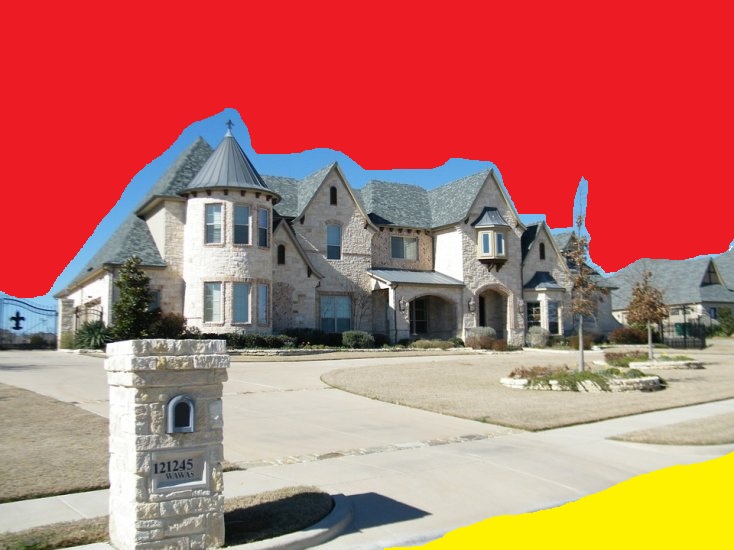
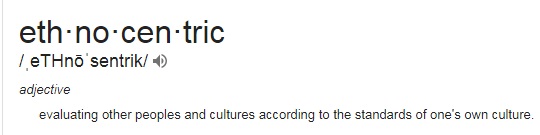
An ethnocentric home.

From the perspective of our own contemporary society, surrounded by houses of all shapes and sizes, where wealth and luxury are synonymous with housing, this seems obvious and commonplace. The 1980’s television show “Lifestyles of the Rich and Famous” and journals like “Architectural Review” are odes to the home as a shrine and symbol of wealth. But just as clearly, there are societies where all the houses look alike, even though all the people are not alike. Perhaps then, the assumption that there is something natural and obvious about spending on the house and home market as a marker of prestige is ethnocentric. Why the house instead of something else?

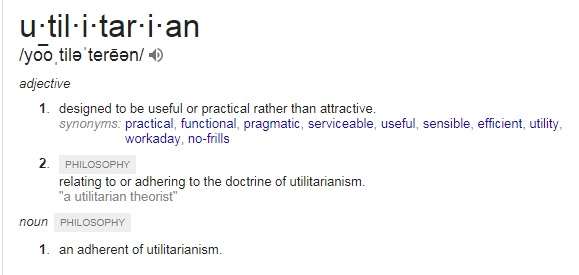
A number of anthropological approaches attempt to place the house in a theoretical context which answer this question by relating housing to social, economic, and psychological variation and change. For example, a utilitarian approach that views the house partially as a workspace links changes in the elaboration of houses to changes in the kinds of work done in the household (Braudel 1973:201). Or if the house is seen as a reflection of how all household activities are organized and divided, then the shape of the house will change as activities are modified, differentiated, or recombined (Kent 1983, 1984).

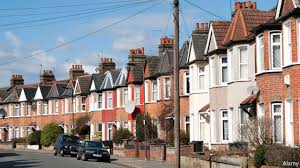
Utilitarian houses.

An even more utilitarian perspective relates the form of the house to climate, technology and the kinds of building materials that are available (Duly 1979).  For the Silo, Richard R. Wilk.

Read on..click here and read the full PDF document on your device.

Supplemental- Complete Text  Principles of Economics (London: Macmillan and Co. 8th ed. 1920).
Author: Alfred Marshall
About This Title: This is the 8th edition of what is regarded to be the first “modern” economics textbook, leading in various editions from the 19th into the 20th century. The final 8th edition was Marshall’s most-used and most-cited.

Nashville Population Rise Sparks Demand for Condo Development

Meg Epstein, founder of CA South Development and Condo Queen of Nashville, has funded over $200 million usd in the expansion of condo projects aimed towards bridging the gap of disproportionate construction of properties in Downtown Nashville.

According to the U.S Census Bureau, Nashville, Tennessee has witnessed a steady hike in population within the metro area as it’s averaging approximately 100 new residents per day. Forbes lists the city as the 7th on America’s Fastest Growing City List. The resulting and overwhelming demand for housing in the metro area has lead to an influx of rental properties, leaving a shortage of condos and townhomes despite an increasing demand for them. Another report projects the supply to increase but will still fall short of the overall demand within the city for 2018, consisting of only a two-month supply of condo units. 

Nashville Condo Shortage
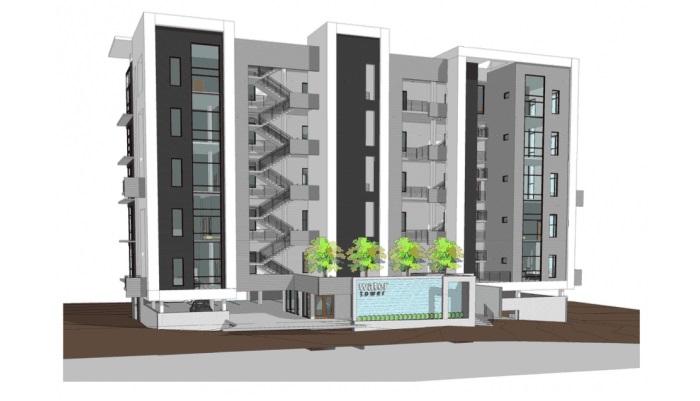
GERMANTOWN WATERFRONT CONDOS, NASHVILLE, TN – IN PROGRESS. Boutique new construction development of 35 luxury, waterfront condos nestled between the historic neighborhood of Germantown and Downtown. River Tower offers a relaxed balance between the natural elements of the Cumberland River and the eclectic destinations, venues, restaurants and professional office spaces of downtown Nashville. Features will include spacious balconies that cantilever over the water, superior modern interior architecture and finishes, and Wolf-Subzero appliances.

Per Meg Epstein, founder of CA South Development, Nashville’s disproportionate emphasis on apartment construction is unsustainable. Even with the increased demand to build properties to accommodate the population increase, Epstein points out the issue of banks favoring apartment projects for construction instead of condos or townhomes.

Banks favor apartment projects, since they don’t mind recouping their investment over a period of years,” said Epstein. “However, market trends indicate condos are a far better investment option.”

The Wall Street Journal reports that millennials have “flocked to downtowns to live closer to jobs, transit and urban amenities, and the National Realtors Association reports that millennials now represent 36% of recent homebuyers. The fact that 29% of Nashville’s population falls into the 20 to 39 age group may help to explain the rising demand for urban condos. Epstein anticipates a continued population surge in Nashville and believes residential development will remain a smart bet. PwC ranks Nashville #9 for “Overall Real Estate Prospects” and #5 for “Investment”, and Forbes lists it at #6 in its “Where to Invest in Housing in 2018” analysis.

Today, Epstein is in the process of constructing condo homes to not only correct the supply imbalance in the region but to serve the consumer needs of millennials.

Meg Epstein

In fact, one of Epstein’s projects, River Tower, a 35-unit development, emulates urban centers from all-across the United States with its modern design and proximity to the Cumberland River and Germantown, mirroring real-estate paradigms of Brooklyn, Boston and Tampa. Nashville’s “Condo Queen” is putting her ardent vision for Nashville’s condo market to the test as her decade of construction expertise is being applied to blossoming the city’s residential neighborhoods with the development of a mixed-use, retail and 312-unit condo development in Downtown and two mid-rise condo homes south of the Gulch and in range of 8th Avenue South.  For the Silo, Ashley Richardson. Featured image- mixed use condo living Downtwon. 77-Unit Condo building with retail below. Modern aesthetic appointments & amenities blend seamlessly with sustainable design elements to shine a light on the benefits of a home based in form & function. Delivery Fall 2019.