Tag Archives: Casio

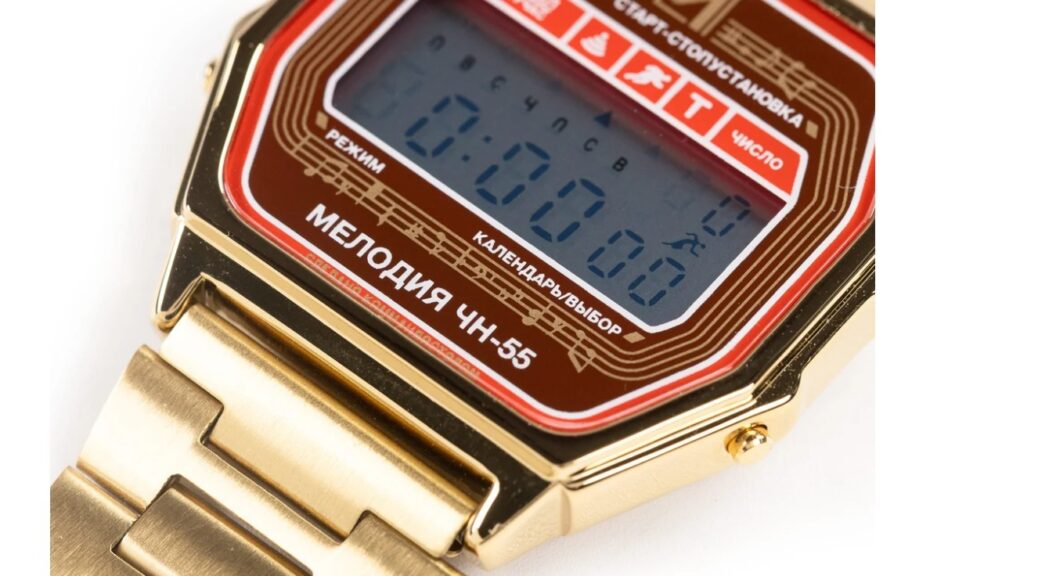
Old School Soviet Digital Watch Is Back

The US and USSR going “Band for Band”

Our friends at kommandostore talk about the Cold War on their site so often, it’s become one of their defining aesthetics…..and that’s a good thing- read on!

Grand armies and weapons are arguably less than half of the story.

Many of the cold war ‘battles’ from the 1950s through the 1990s took place in the minds and on the wrists of millions of people. Some might say they certainly still do…

Rogue media campaigns, protests & activism, black ops — they defined the hottest parts of the Cold War. But what if we told you that the watch you were wearing was just as important? The Soviet Union sure thought so…
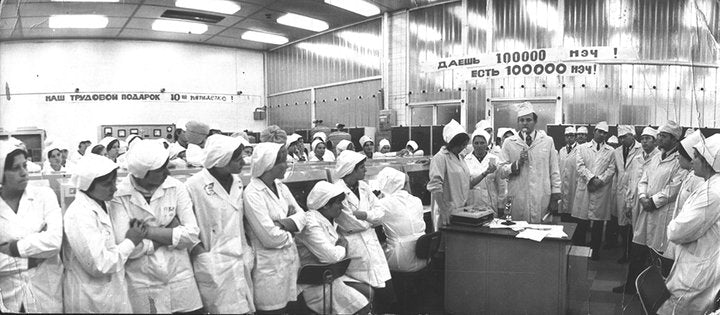
Having gotten sucked into the almost endless lore rabbithole of watches, the first thing that kommandostore sought to bring back from obscurity was the Elektronika 55B — the soviet union’s most popular digital watch that went the way of… well, the Soviet Union… When it collapsed in ’91.

Above all else, there’s one story about this watch that truly stands on its own, a story that will make you realize that there is much more to this little watch that jovially plays chiptune soviet music…

It involves two of the most powerful men in the world, Leonid Brezhnev and Henry Kissinger convening and comparing their new digital watches.
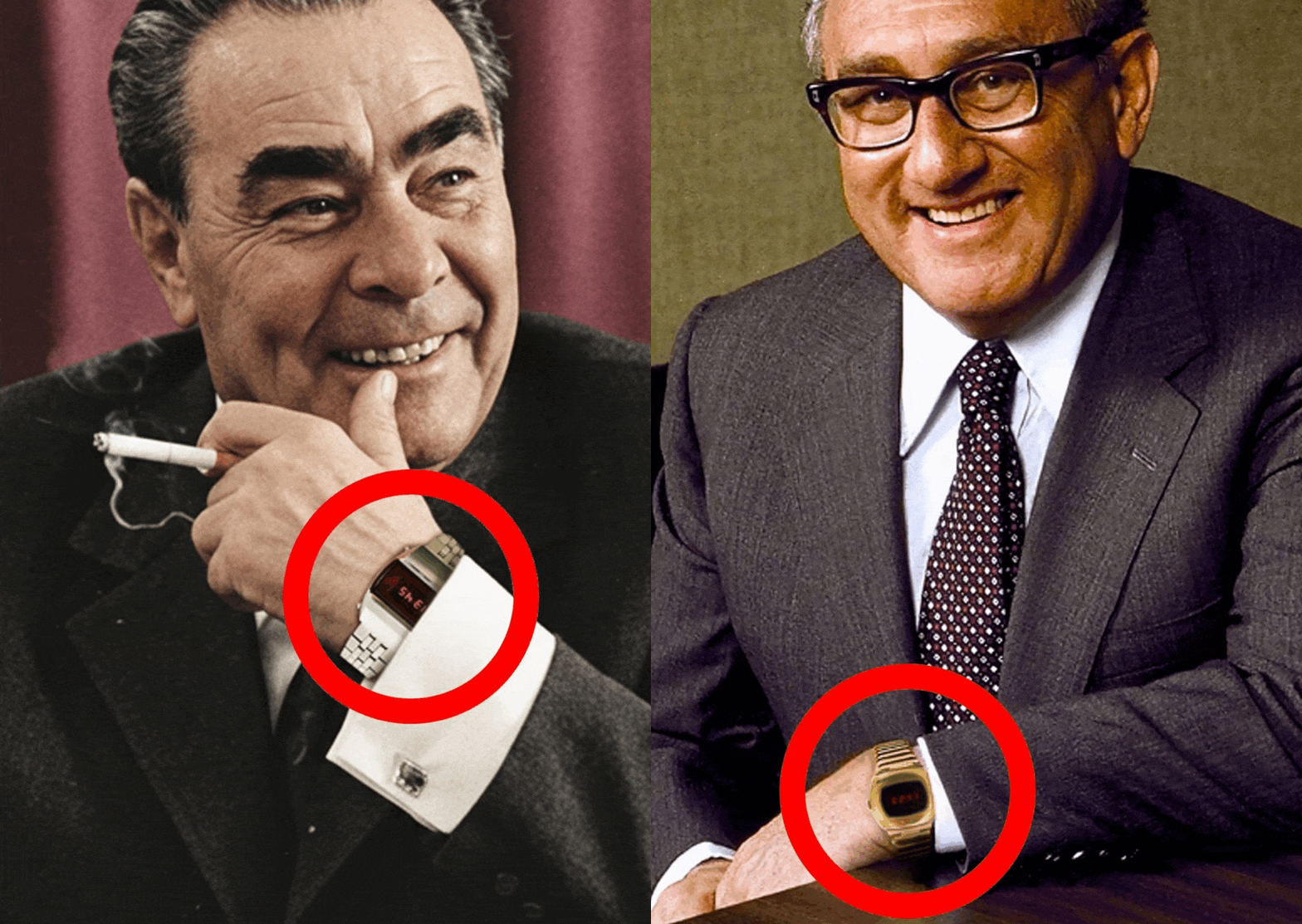
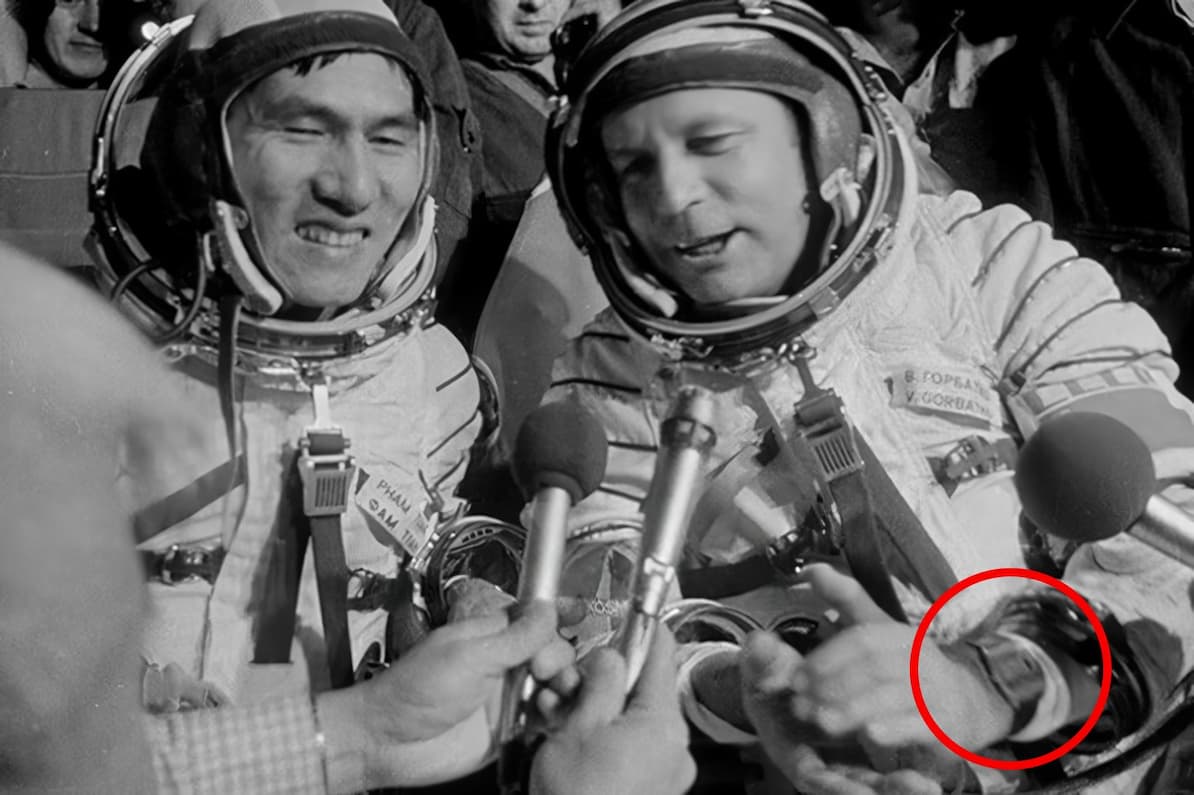
Ok, they weren’t really wearing the watches in that photo, but such an encounter really did happen between the two gentlemen in the early 70s, one that subtly let the United States know that the Soviets were right on the US’s tail for semiconductor technology.

On a somewhat-routine visit to Moscow, US Secretary of State Henry Kissinger wore a Pulsar P2 Watch — one of the very first digital watches. Known for it’s striking red LED display and appearance on the wrist of none other than James bond.

It also carried a hefty price tag, with the 21k gold edition costing enough to buy you a car in today’s money.
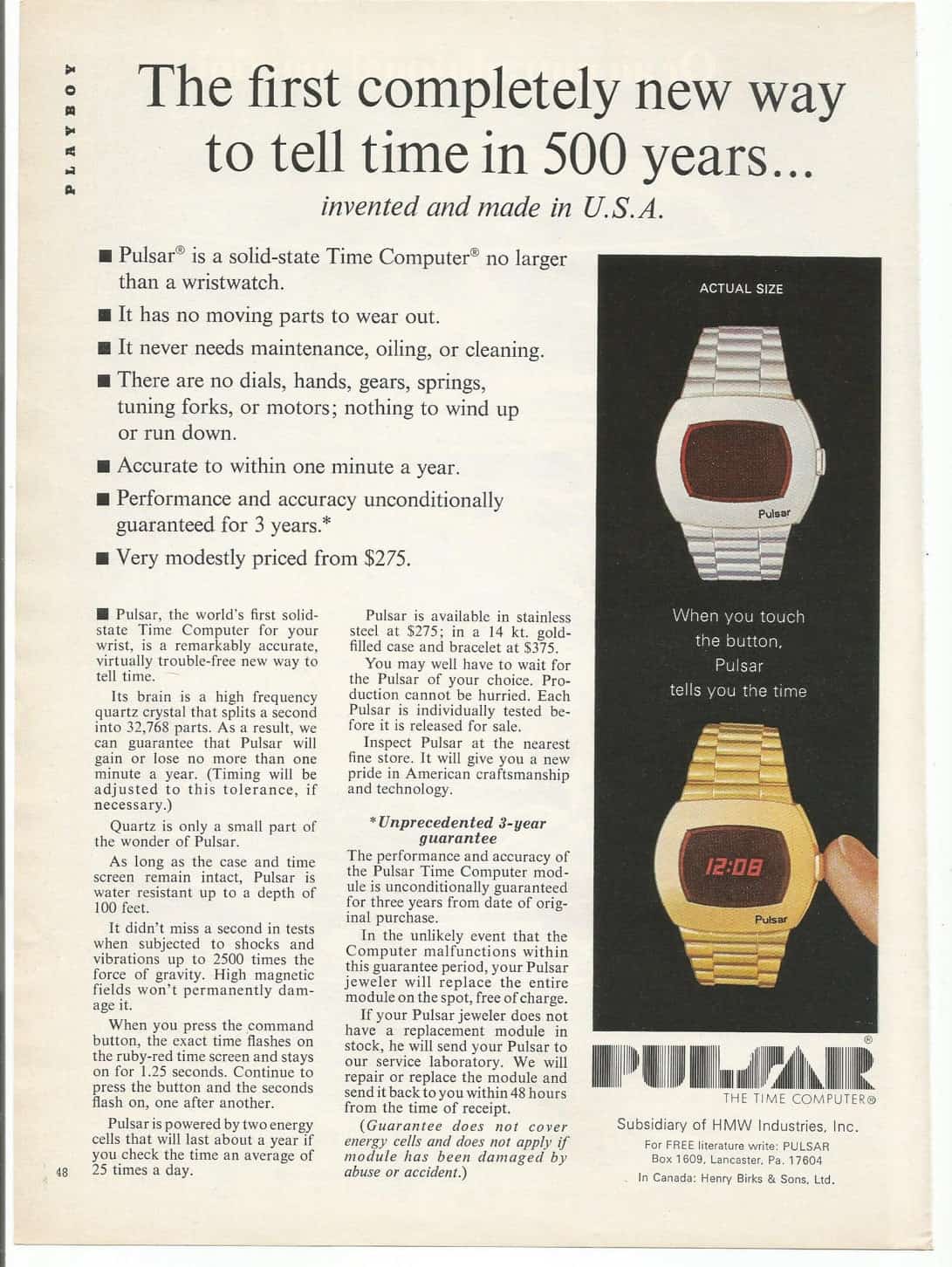
You tell us, is $1800 usd/ $2,526 cad in today’s money worth it for one of the two base models? 

The meeting was with Leonid Brezhnev, General Secretary of the Soviet Union. He remarked that he did indeed like Kissinger’s watch, being a man of taste.

Then he told Kissinger that the USSR had already developed a prototype using the very same technology.
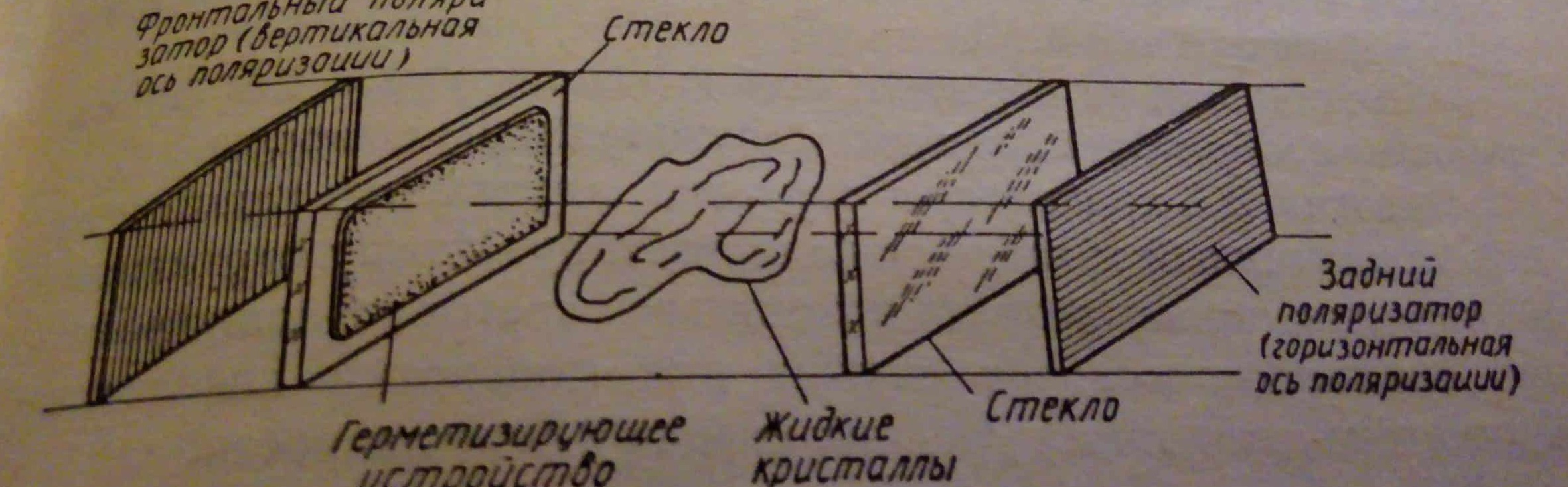
Kissinger was reportedly astonished — and was presented with a functioning Soviet-Made digital wristwatch, the Elektronika B6-02. Featuring CMOS circuits, it was blocky, brutalist, and affordable enough for practically anyone to buy when it officially launched.
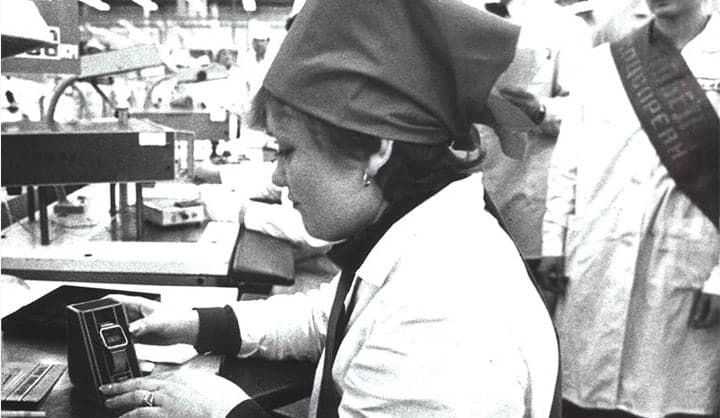
The whole Elektronika series carried this statement — the latest fancy tech of the west is cool, but when it’s done the soviet way, for way cheaper, it’s not a luxury to be worn by only the elites.

It didn’t take a horology enthusiast to buy and wear this watch. It’s Kalashnikov-esque ubiquity meant it was worn by everyone from party members to coal miners. 

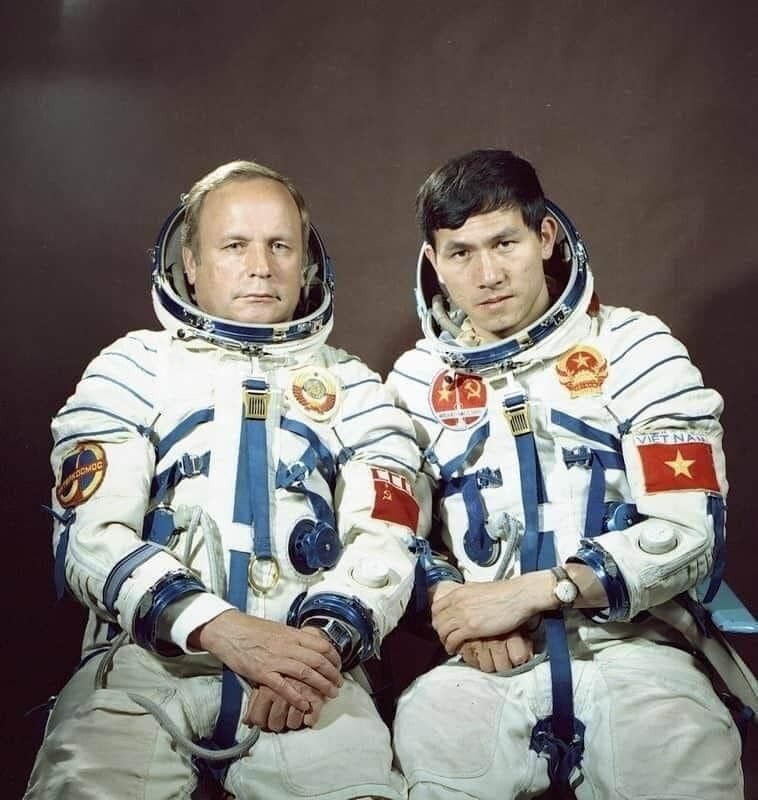
Sure, in 1969 we brought a luxury-watch masterpiece, the Omega Speedmaster, to the Moon before the Soviets were able to. But as a tool of propaganda, the USSR might have had us beat, and the Elektronika 5 appeared in space several more times…
We found it intriguing and somewhat disheartening that Elektronika, what seemed to be the people’s choice, was snuffed out much in the same time period as the Soviet union.

In a world full of Casios & Timexes, who can’t help but succumb to the charm of the plucky Elektronika, so why not give it the wrist time it deserves…because it is now available once again and this time in a near perfect reproduction right down to the packaging.
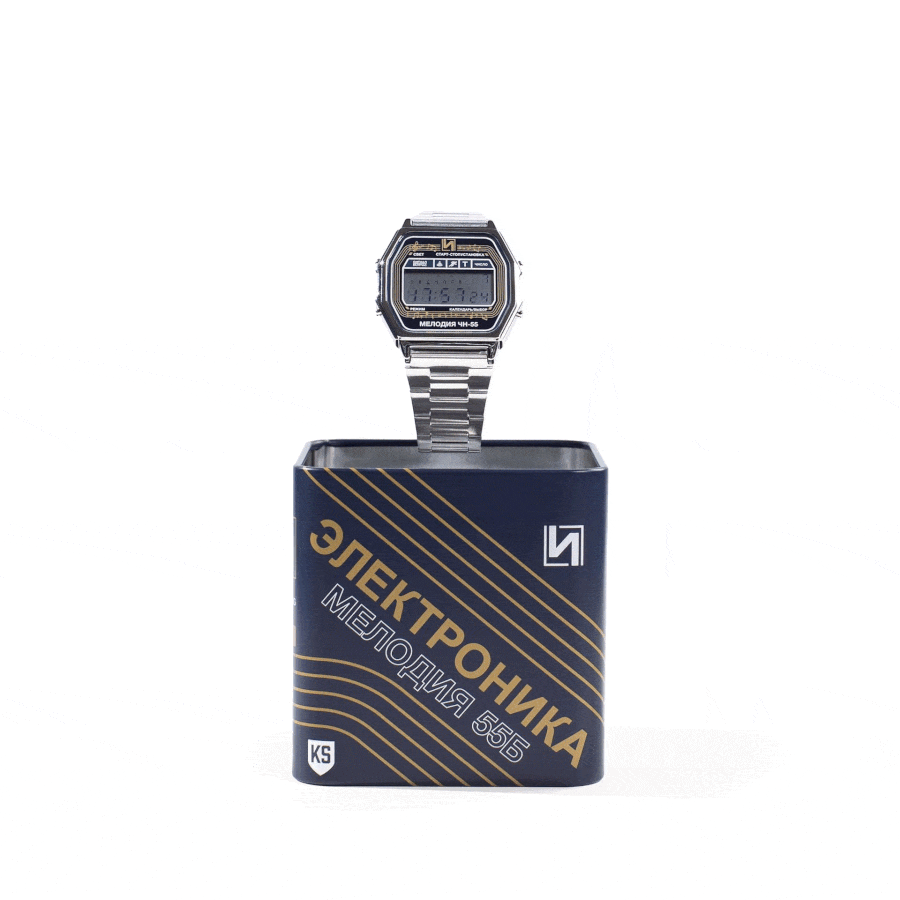
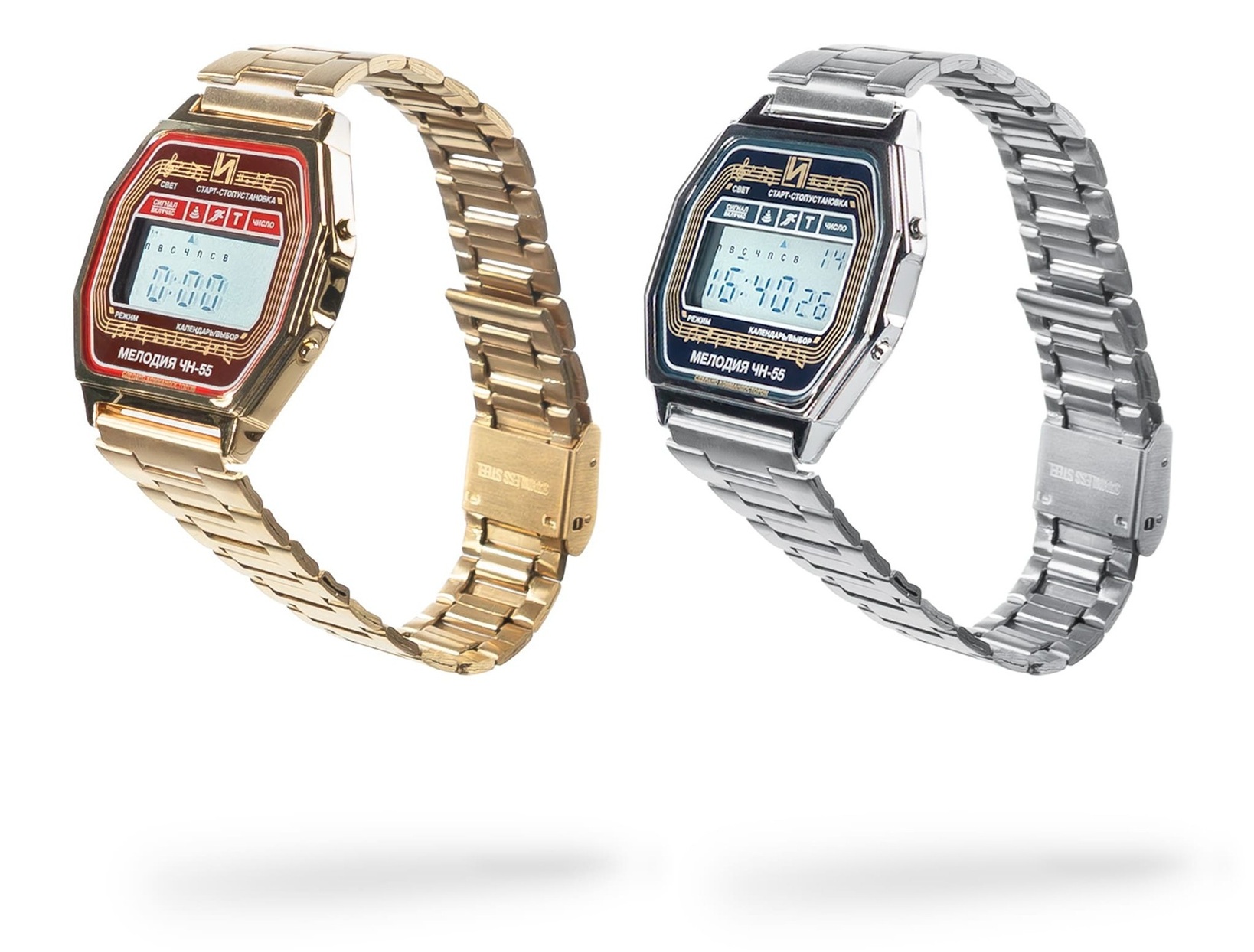
 A 1:1 functional replica of the original Elektronika with 4 new Slav-approved “Melody” alarms. Sanctioned to the second-hand market (pun intended), thankfully kommandostore thought that the watch deserved a proper revival after its unceremonious disappearance following the collapse of the USSR. 
 Just like the original, it’s an affordable and reliable piece with just enough fun to get even the most uptight horologists asking you questions.  But unlike the OGs, the sad truth of capitalism is that we’re slaves to supply and demand. They are running out fast, and even though there are plans to quickly continue production, there may be a slight gap. So, if you’re interested, this is kind of a last call. 

Click the following link to place your order while supplies last.
A Quest To Build My First Synthesizer

I started out creating sound experiments while in high school, circa 1980 with circuit bent hardware and a cheap Casio keyboard.

I then entered the working world and forgot all about making music. Fast forward 30+ years, and the itch to make experimental music overtook me again, but now technology had changed drastically. I no longer needed hardware. I discovered apps on my iPhone, and music platforms like SoundCloud and Bandcamp were all that I needed. I was immediately obsessed.

Within a couple years, I had filled over seven free SoundCloud accounts, and two Bandcamp albums  as well as an artist page  with experimental music, and having a great time doing it. But, I started to grow tired of using the same software.

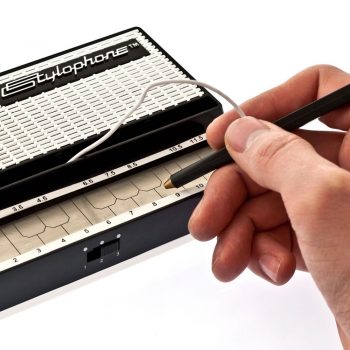
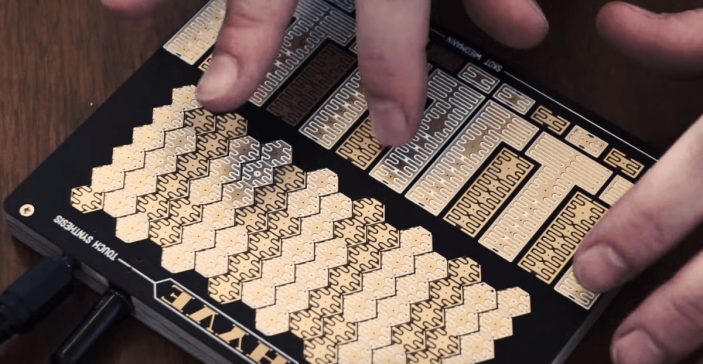
stylophone synthI yearned to use hardware/instruments again, but not being able to play an instrument is a definite hindrance 🙂 I searched for cheap keyboards on the net. I soon discovered the “Stylophone” and ordered one ‘sight unseen’. It was unique, inexpensive and fun, but quite limited in sound variety. I started mixing the Stylophone with app produced sounds/music, as well as other “found sounds”. (I really appreciate the functionality of software based mixing apps, which are almost essential to my creations these days). I then stumbled upon a couple of user videos of the Hyve synthesizer, and knew I had to have it. It was clearly non-musician friendly (and looked so different, cool and fun).
Then came the disappointment …

You can’t buy one! (BUT I HAD TO HAVE ONE!!!) Turns out, the engineer/designer guru behind this awesome device (Skot Wiedmann), had (Hard to believe but it’s been almost a decade since I made this trip!) work shops in the Chicago area, and you can go build your own, ( very inexpensively ). I knew what I had to do. I looked at a map, saw that Chicago was about 8 hours away from me here in Ontario, Canada and realized that I had to go build it. I started to plan the trip. I knew that a fellow SoundCloud musician and Facebook friend (Leslie Rollins) lived in Berrien Springs, Michigan, about 2 hours outside of Chicago.

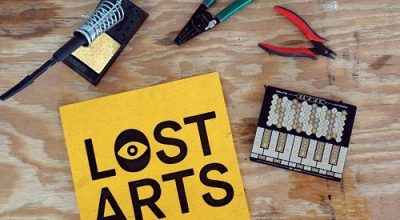
This presented a twofold opportunity. I could hopefully, meet Leslie face to face, and hopefully have a place to spend the night. I contacted Les and everything was A-OK! I purchased a ticket to build my Hyve, and started to plan my road trip. The workshop was going to be from Noon to 3pm, on a Saturday in late September in a cool space called Lost Arts in Chicago.
I had the whole week off from work, because I was overseeing a contractor doing extensive yard work at my house all week, and I was hoping to leave Friday so as to arrive at Leslie’s place in the late afternoon or early evening, spend the night, and leave for the workshop Saturday morning. Alas, plans rarely work as hoped.

The contractor wasn’t finished until Friday afternoon, and Les wasn’t getting home from a business trip until late Friday night.
New plan! Early to bed Friday. Early to rise Saturday (2:30 am), and depart for Leslie’s place in Michigan. It was an easy drive, and I got to Berrien Springs (a beautiful sleepy little university village) around 8:30 am. Met Leslie, and got to trade stories over a great breakfast in a local cafe. Then, I quickly admired Leslie’s impressive modular synth racks at his home studio “Convolution Atelier” and then left for “Lost Arts” in Chicago.

Lost Arts is located in a cool old industrial complex.

The workshop provided everyone with a surface mount board with the touchpad on one side, and components layout on the back. A sheet listing components and placement was also handed out, along with tiny plastic tweezers. Everyone then had their component side “pasted” with a solder paste applied through a pierced template, in a process similar to silk screening. Everyone then started to receive their very tiny components from the parts list. Following the placement locations, the components (chips, capacitors, resistors, etc) were set into their pasted areas with the tweezers (magnification and extra lighting was a must). Once all the components were placed, they were carefully “soldered” into place by simply holding a heat gun over each component until the solder on the board had adhered it. Once this was done, everyone had their 9v battery and line-out jacks hand soldered into place by Skot , and then … the moment of truth, Skot tested each one for proper operation.

It was a fascinating process and great experience.

I met a lot of cool people at the workshop, both builders and staff/helpers! I can’t say enough what a fantastic experience this was, and what an awesome, diverse and versatile device the Hyve is. I doubted my sanity when planning this trip, but it turned out to be very rewarding!

Leslie and I then went back to Michigan, stopped at a local brewery in Berrien Springs (Cultivate) and sampled a few of their excellent brews, and then proceeded to Convolution Atelier to play with Leslie’s modular system. (I’m a newbie to all things modular, and I received a great crash course from Leslie on his very cool array!) Then it was out to dinner with Leslie and his wonderful wife Lisa, and finally back to their house where I stayed for the night, and finally hit the road towards home the next morning. It truly was a great adventure! For the Silo, Mike Fuchs.

The Crappy But Amazing Toy Sampling Keyboard That Influenced Legions

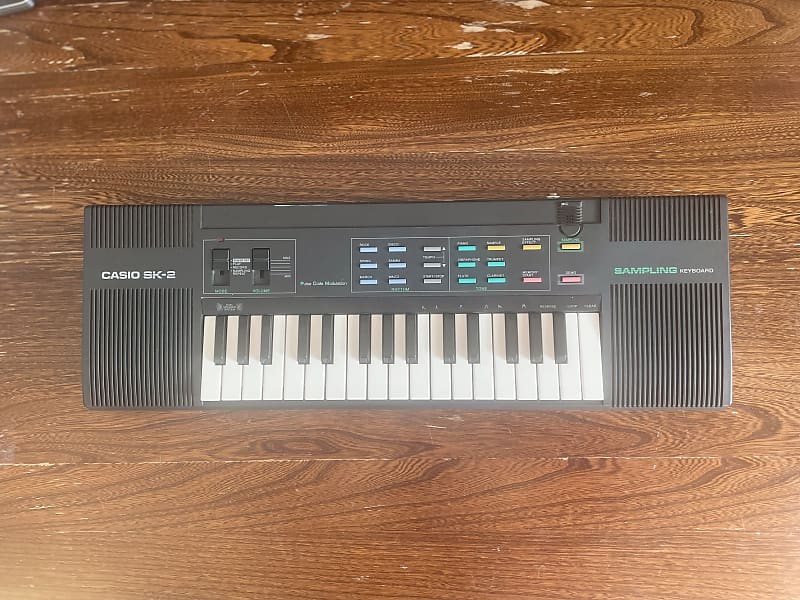
SPOTLIGHT: The Casio SK series keyboards, carries great nostalgia for many of us who grew up in the 80s and 90s.

My friend got one for his birthday, and after spending an entire day at his place sampling burps, coughs and farts, I knew I was destined to become an electronic musician. If this is your story too- let us know below in the comments section.

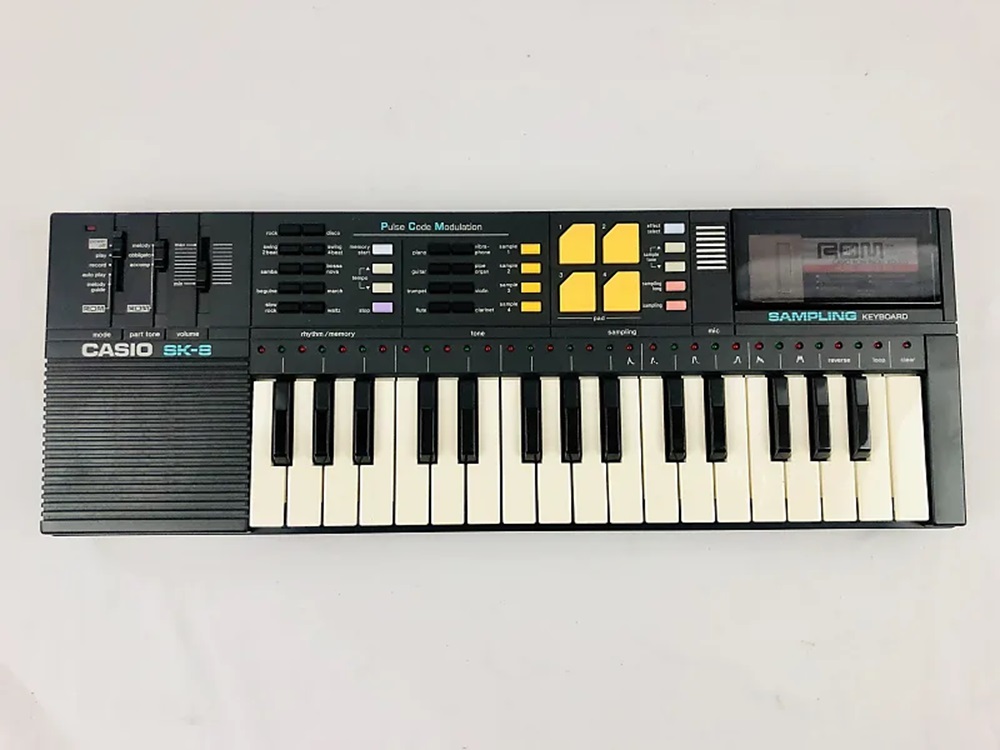
The SK line’s distinctive design and sound evoke memories of early bedroom-made electronic music and hip-hop production, making it a sought-after collector’s item. The SK sound quality is characterized by its lo-fi charm. Everything sampled into it sounds like crap, but in a good way!

There’s a thriving community of musicians and collectors who appreciate the SK-2 , SK-5, SK-8 et al for their historical significance and cultural impact.

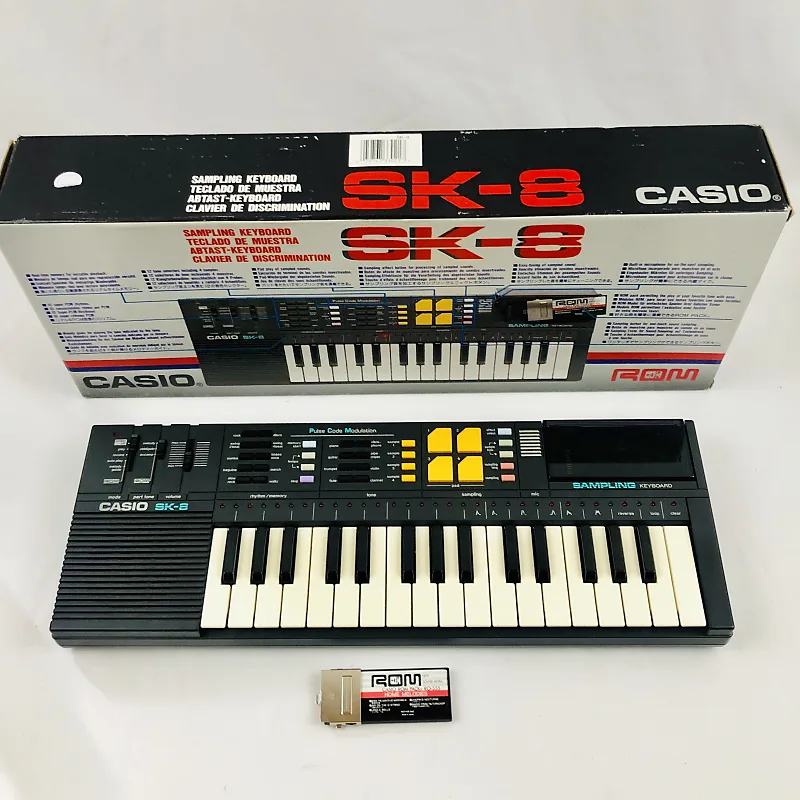
Used prominently on my 2008 release of AUDIOCOSM by Jarrod Barker, the SK-8 was used as a sampling beat box and also one or two of its famous presets were used in a loop to create swirling matrices of sound on a number of tracks. I found this keyboard in a thrift store in 2007 buried in the children’s electronic toys. It was $2.99 CAD and even had the battery cover. This fortuitous discovery was the spark that led to the writing and recording (on a boat no less!) of AUDIOCOSM.

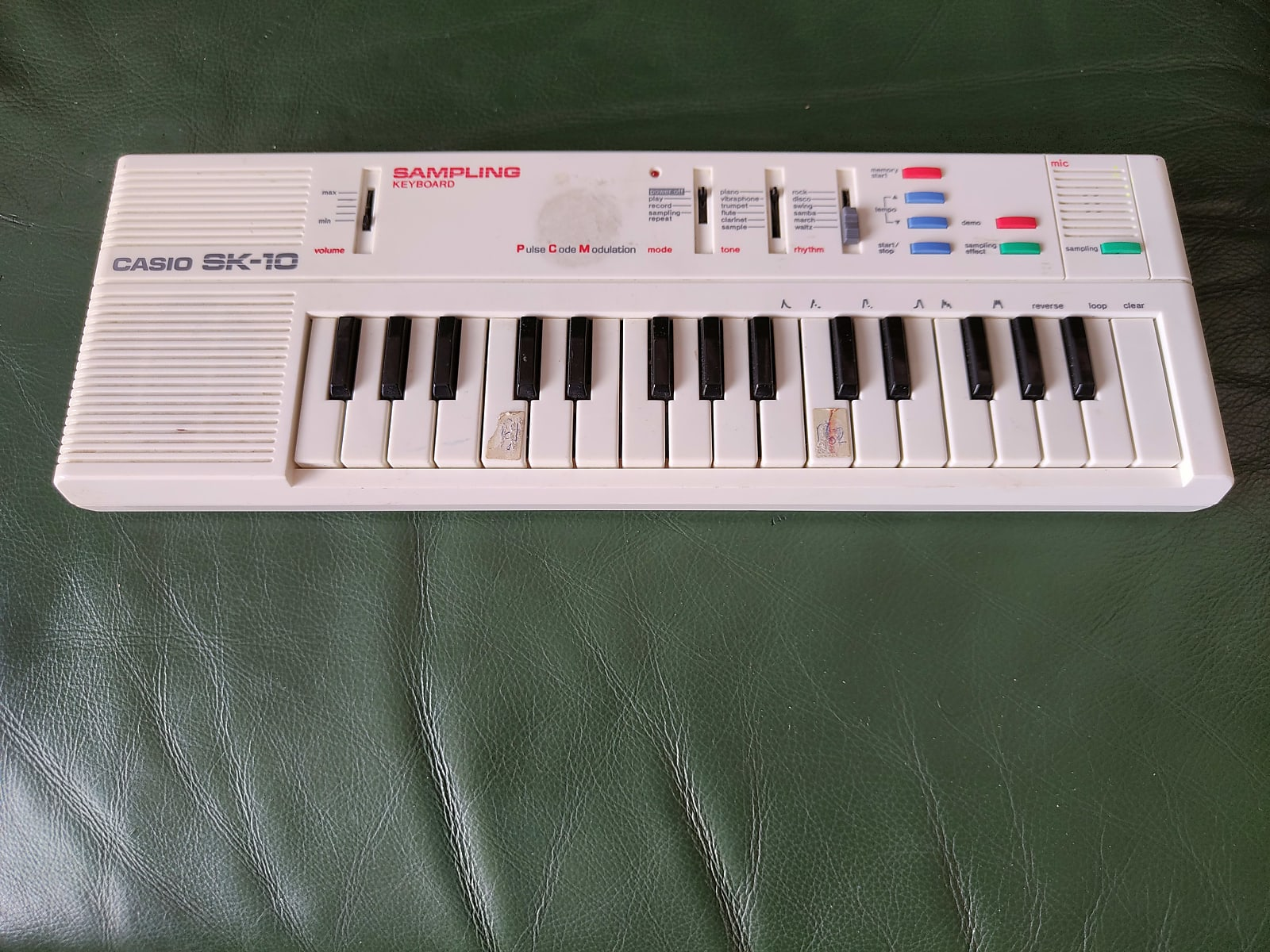
The rare white version of the SK-10.

At their absolute basic, the SK line are fun keyboards and a great introduction tool to lo-fi sampling. But there is much more.

After recording a short audio sample (recorded either via the built in monophonic microphone or by plugging in an audio source using the 1/8″ female jack) you can choose from various envelopes (settings that affect how the sound starts, how long it sounds and how it ends) and also select whether to reverse or loop samples. These toy synthesizers are a treat when connected via guitar effects pedals. A good outboard effect can transform these keyboards into something much more powerful and believable. If that isn’t enough you can explore the factory preset sounds some of which sound more realistic than others but all have usefulness in the correct setting.

Most SK’s have a decent enough piano, vibraphone, flute, trumpet and clarinet sounds. There are also built-in speakers that are loud enough for mobile use such as camping or beach hang outs and of course the SK’s run on batteries. They also have line out feature which bypasses the onboard speakers allowing you to record them into your favorite DAW or standalone recording machine….an analog 4 track is a great bedfellow.

The Mod community and the SK (circuit bending)

Due to it’s relative affordability (used prices have continued to rise in the past 10 years) the SK series of keyboards have been embraced by electronic musician modifiers. Their basic construction and ease of internal access makes modifying them a lot of fun. The creativity of modders seems to be endless- everything from MIDI control to individual audio outputs to real time control of sound chips using dip switches or rotary controls.

Join that thriving community by buying this one from our friend at Tone Tweakers today! For the Silo, Jarrod Barker.