Tag Archives: car collector

Iconic Collector Cars In Upcoming Online Auction

Broad Arrow Lights Up the Collector Car Market
An Exciting Preview Event at the Iconic Roland-Garros Stadium
Roland-Garros Stadium, among the most storied venues in sport, sets the stage for a live preview of iconic collector cars to be offered in the upcoming Global Icons: Europe Online auction 27 – 30 January.

The Headliner

Headlining the event is one of Formula One’s pivotal machines: the 1992 Benetton B192 that Michael Schumacher drove to his first Grand Prix victory at Spa-Francorchamps in 1992.

Presented alongside cars going under the online hammer, a pre-war Bugatti Type 18 known as ‘Black Bess’ will appear courtesy of the Netherlands’ Luwman Museum, a car once owned by French aviation pioneer Roland Garros himself. Guests will also find activations from select global brands and a curated program of experiences throughout the venue.

1957 Mercedes-Benz 300 SL Gullwing Coupe Location: Roland-Garros Stadium
Offered At: €2.250.000
1973 Porsche 911 Carrera RS Lightweight Location: Roland-Garros Stadium and Rétromobile
Offered At: €1.100.000

The preview is open to the public with advance registration required.

Another Headliner

1913 Bugatti Type 18 ‘Black Bess’
On Display Courtesy of “Louwman Museum”

Our friends at Broad Arrow are pleased to announce that all lots are now live and open for bidding in the Global Icons series of online auctions.

With over 80 collector cars offered across Global Icons: Europe Online and Global Icons: UK Online, plus 100 lots of authentic memorabilia in Global Icons: Memorabilia Online , there’s something for every collector. Register to view and/or bid now. Automotive lots close on 30 January, with memorabilia following on 1 February.

Meet Broad Arrow Car Specialist – Yves Boitel

Getting behind the wheel of a Jaguar D-Type is an unforgettable experience, one Yves Boitel describes as a raw, mechanical connection between driver, machine, and road. Every input passes through an engineering masterpiece designed to endure the grueling conditions of a twenty-four-hour race.

Now bringing to market cars like the Jaguar D-Type XKD 551, sold at last year’s inaugural Zürich auction, and currently representing the Benetton B192-05 in which Michael Schumacher claimed his first Formula One victory, Yves’s journey into the collector car world began earlier than most, with his first words as a toddler being car brands.

He immersed himself in the hobby from there, developing an appreciation for the individual stories behind each car and what separates the significant examples from their contemporaries.

After completing his economics degree in Zürich, Yves joined Lamborghini at Sant’Agata Bolognese, then spent nearly eight years with one of Switzerland’s most respected classic car dealers—a foundation in the industry that continues to shape his work today.

Yves’s enthusiasm surfaces most clearly when discussing sports cars from the fifties and sixties, and rally cars from the seventies, an era he has studied extensively. On a more personal level, he has a particular affinity for Lancia and BMW. Two of the latter see regular exercise under his ownership, though his interests reach well beyond those marques to any car that introduced meaningful technology for its era or carries compelling provenance, especially when accompanied by thorough historical documentation.

Based in Switzerland and fluent in German, English, and Italian, Yves travels regularly to meet clients and attend international automotive events. He’ll be at Rétromobile and the live preview at Roland-Garros Stadium, where he welcomes the opportunity to connect.

Turn Your Garage into a Motorsports Hall of Fame


Showcase your passion for motorsports with artifacts from Global Icons: Memorabilia Online

Collecting motorsport memorabilia offers more than decoration. It provides a tangible link to the moments that defined the sport, moments where drivers demonstrated unrelenting courage, pushing technological marvels to their limits for a chance at lasting glory.

Broad Arrow will present a curated selection of authentic motorsport memorabilia at the upcoming Global Icons: Memorabilia Online online auction, featuring race-worn artifacts from hall of fame drivers like John Surtees and Ayrton Senna, alongside pieces from drivers who will inevitably be remembered among the greats.

Select lots will be available for live preview in Paris. We invite you to register to attend the live preview event at Roland-Garros Stadium and to view the lots on display on the Broad Arrow Rétromobile stand. Bidding begins to close on 1 February starting at 19:00 (CET).

Celebrating Record Attendance at InterClassics Maastricht

When 44,323 people show up to a classic car event, you know something special is happening. The 31st edition of InterClassics Maastricht just set a new attendance record, further cementing its place among Europe’s premier classic car events.

Beyond the expected displays of iconic classics and sought-after modern performance machines, the show offered something more: “Legends of the Rising Sun,” a centennial celebration of Japanese automotive innovation. The exhibit gathered landmarks from Toyota, Nissan, Mazda, and others, including the 2000GT, Skyline GT-R R34, and 787B, into one curated space.
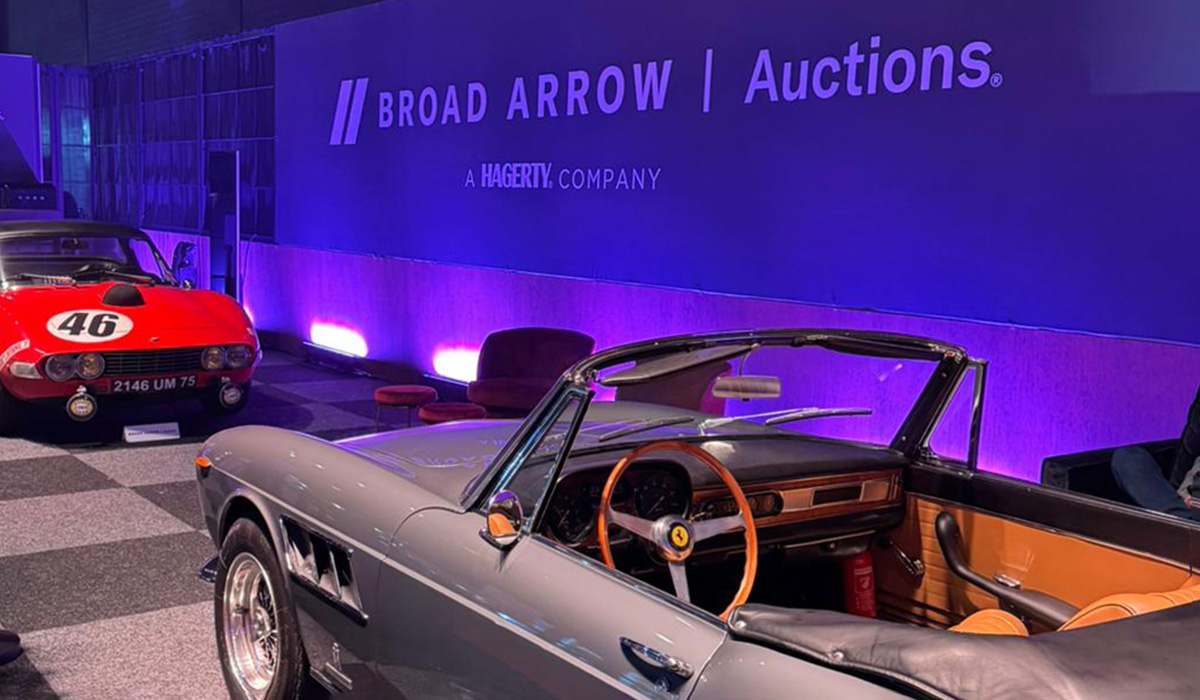
As a partner of InterClassics, Broad Arrow welcomed guests into our VIP lounge, offering a chance to step off the show floor, connect with our team, and absorb the event’s energy surrounded by exceptional automobiles.

Private Sales in Paris
Exceptional Collector Cars Available for Immediate Acquisition
Broad Arrow Private Sales is bringing an exciting lineup to Paris, with cars available for immediate acquisition, no waiting for the gavel to fall.

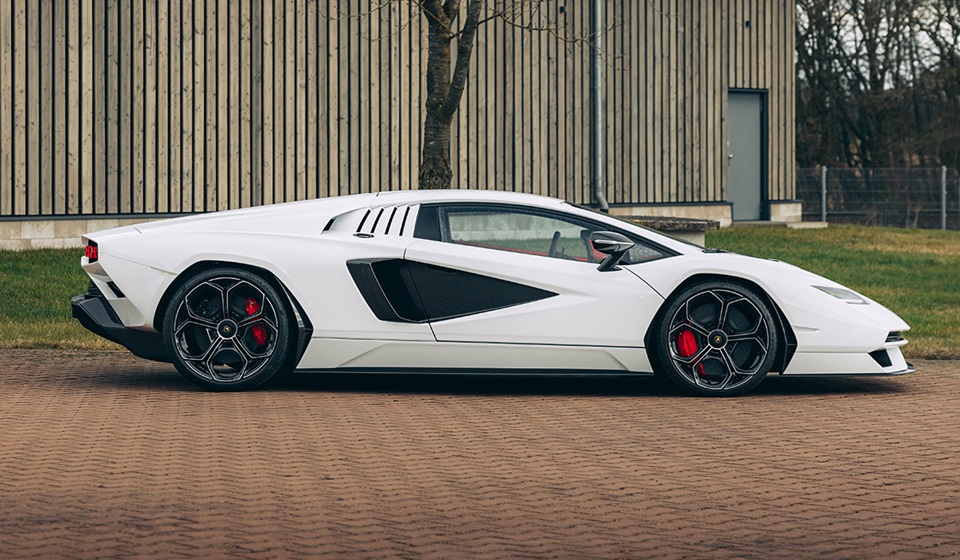
At Roland-Garros Stadium, alongside our curated preview for Global Icons: Europe Online, you’ll find an exceptionally original 1957 Mercedes-Benz 300 SL Gullwing Coupe, an ultra-rare 1973 Porsche 911 Carrera RS Lightweight, and a virtually untouched 2022 Lamborghini Countach LPI 800-4.

Across the city at the landmark Rétromobile event, 1,001 horsepower worth of conversation starter in the form of a recently listed 2008 Bugatti Veyron EB 16.4 Coupe will be among the collector cars on display on the Broad Arrow stand.

For the Silo, Jarrod Barker.

Featured image- 2022 Lamborghini Countach LPI 800-4
Location: Roland-Garros Stadium
Offered At: €2.150.000

Podcast: Ever Owned An Entry Level Porsche?

Our friends at the Porsche Club of America (they have many chapters in Canada btw) sure have and they have a lot of interesting things to share in the following podcast.

Little brothers and ugly cousins

This time, it is Episode 199 where PCA welcome Mike Maurer who sold new Porsches for over 30 years. They are chatting about Porsche’s past entry level cars. How they came to be, and how Porsche enthusiasts accept them (or don’t), what the media at the time thought of those new entry level models when they launched and perhaps most importantly, how entry level Porsches are regarded now.

The original 1997 first gen Porsche Boxster might not be considered entry level by most drivers and automotive reviewers- especially when you consider the cost for a base model at time of launch was $57,000 usd/ $71,400 cad – (adjusted into todays currency for inflation, that works out to $111,100 usd/ $152,500 cad. Big money for an ‘entry level’ car).
When introduced in 1975, the Porsche 924 cost 5,625 British Pounds / $10,400 cad/ $7,560 usd. Accounting for inflation this equals $62,608 cad/ $45,500 usd.

It’s an informative episode that will have you thinking back to a car or two you may have owned. If so, please do leave a comment below…..

For the Silo, Jarrod Barker.

Featured image- Porsche 914.

Collector Car Market’s Big Winners And Losers In 2025

Mecum

Part of what makes this hobby and the markets surrounding it so interesting is how organic and ever-changing they are. Tastes shift, new people start participating in the old car world, and prices adjust to reflect that. That’s why Hagerty updates our price guide four times per year.

Over the past 12 months, words like “cooling,” “softening,” or “more cautious” have dominated conversations about the market as a whole, but that doesn’t mean there weren’t big moves for certain individual vehicles. Below are the ones that moved the most up, and the most down, in 2025.

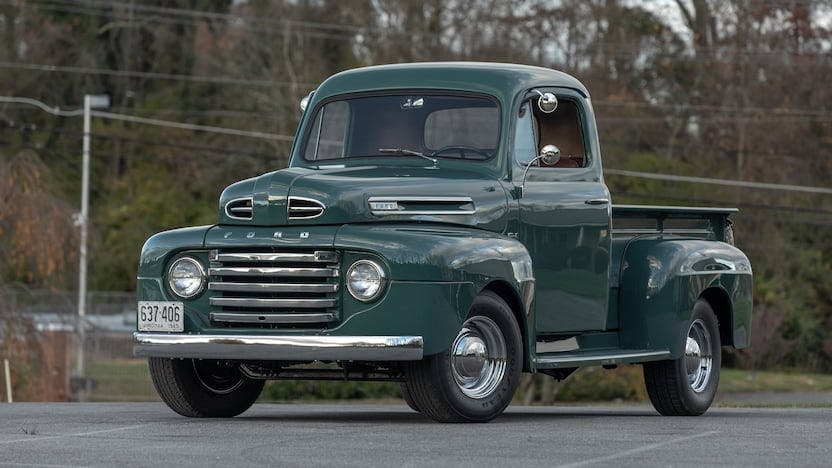
1948-52 Ford F-Series

1949 Ford F1 pickup
Mecum

Median condition #2 change: -32%

These pickups were showroom rivals to GM’s Advanced Design line. They were also Ford’s first all-new postwar vehicles, as well as the very first F-Series, which has since become the most recognized and best-selling line of pickups out there.

The field of classic trucks, however, is a crowded one. Although these first-gen F-Series effectively doubled in value from 2015 to the early 2020s, they’ve been sliding since the beginning of 2024. The current median #2 value is $31,800 usd/ $43,887 cad, which is lower than it was at the beginning of 2019, before even adjusting for inflation.

1966-83 Fiat 1241983-85 Pininfarina Azzurra

Fiat 124 Sport Spider Pininfarina front three-quarter
Flickr/Gilles Péris y Saborit

Median condition #2 change: +45%

Fiat marketed attractive convertible models in the U.S. and Canada starting in the 1950s. They were typically lower-priced but less lively than the alternatives from Alfa Romeo. This trend continued into the 1960s with the 124 Spider, introduced in 1966. The handsome, Pininfarina-styled convertible started with a 1.5-liter twin-cam engine but displacement changed over the years, even if the basic styling and layout of the car didn’t. After Fiat left the U.S. market (for the first time) in ’83, Pininfarina picked up the mantle and sold the same basic car as the “Pininfarina Azzurra” for another few years. For decades, these svelte Fiats and Pininfarinas were one of the cheapest ways into motoring dolce vita, but prices have definitely gone up, especially this year.

This is less a story of big-dollar gains than it is one of percentages. In excellent condition, most Fiat-badged versions can be had in the low-$20K usd/ $27,600 cad range. The Pininfarina versions are rarer, supposedly better built, and have a more premium badge, but they still sit at $33K usd/ $45,540 cad in excellent condition. Few classic Italian drop-tops can be had for so little.

1951-57 Hudson Hornet

Median condition #2 change: -30%

Hornets are neat cars. They rode on Hudson’s unique “step-down” chassis that gave it a lower, sleeker profile and driving position than other American cars of their day, and despite the early models’ six-cylinder engines, Hornets regularly bested more powerful competition in early ’50s NASCAR racing.

But Hudson also became a defunct brand before many car enthusiasts were even born. Even with some star power as “Doc Hudson” in the Pixar movie Cars, the Hornet doesn’t have the staying power and wider cultural relevance as something like a Tri-Five Chevy, ’57 Thunderbird, or ’59 Cadillac. Hornet prices grew a bit during the early 2020s along with just about every other classic car, but have been falling since last year. The current median #2 value of $32,300 usd/ $44,577 cad is roughly the same as it was three years ago in pure dollar terms. Adjusted for inflation, though, the value is about where it was in 2013.

1985-91 Honda CRX

1991 honda crx si teal
Mecum

Median condition #2 change: +50%

Honda’s famous two-seater hatchback, the CRX, brought cheap and cheerful fun to enthusiasts across North America and became an icon of tuner culture. These little cars are definitely still cheerful, but they’re not so cheap anymore, as the supply of clean, unmodified, low-mileage examples has dwindled in front of higher demand.

Indeed, the CRX has made several of these “winner” lists from the Hagerty Price Guide in recent years, and since the beginning of 2020 the median condition #2 value is up by a whopping 168%. The desire for these pocket rockets is so strong that one of the 1988-91 cars in excellent shape is currently worth $45,500 usd/ $62,100 cad. That much money will almost buy you a brand new Civic Type R, which comes with exactly triple the horsepower as well as a warranty, but doesn’t come with the same old-school charm.

1984-91 Jeep Grand Wagoneer

Median condition #2 change: -28%

On the new car market, the love for pricey, premium luxury 4x4s in North America is as strong as ever. The roots of our affection for luxury SUVs go back a lot further, though, and Jeep’s 1984-91 Grand Wagoneer was the weapon of choice in the affluent suburbs and vacation towns of yuppie-era America.

Nostalgia for those woodgrain-clad boxes helped pull prices up in the late 2010s and values exploded during the early 2020s. In the gotta-have-it, pay-whatever-it-costs craziness of 2022, we even asked if a $154K usd/ $212.5 K cad Grand Wagoneer sale was “peak market insanity.” Yep, turns out it was. Sale prices have definitely come back down to earth since. The median #2 value for Grand Wagoneers at the end of 2025 is $45,900 usd/ $63,350 cad . At first glance that looks a lot higher than the $36,600 usd/ $49,680 cadit was at the beginning of 2020, but when you adjust for inflation the two numbers are within a hundred bucks of each other.

1979-1992 Mercedes-Benz G-Class (W460)

Mercedes-Benz

Median condition #2 change: +68%

Like the Grand Wagoneer in the ’80s, the Mercedes G-Wagens mostly serve as bougie-mobiles that don’t see anything rougher than a gravel driveway, but the earliest versions (aka the W460) were rugged and relatively simple off-roaders, sort of like a German Land Rover. Mercedes-Benz didn’t market the W460 in America, as we identified the three-pointed star with luxury and high-performance, whereas this was a spartan runabout with underpowered four-, five-, and six-cylinder gas or diesel engines. W460s are therefore pretty rare here.

Several huge sales over the past 12 months have been impossible to ignore, however, and it appears the W460 is gaining a big following. Current values vary widely depending on body style, engine, and model year. Certain hardtop wagon models can be had for under $40K usd/ $55.2 cad (exchange rate at time of posting) in excellent condition, while certain convertibles are nearly 90 grand. For the Silo, Andrew Newton.

How Japan’s Government Created the World’s Most Sinister Cars

You know the look: A long, low-slung sedan finished in shiny black paint with equally bright chrome rolls through town. Beige, burgundy, and blue cars move out of the way, magnetically repelled by the menacing four-door. 

This threatening style has been idolized by Hollywood since the 1960s, perhaps most famously in the unfortunately short-lived ABC television program The Green Hornet, in which actor Van Williams drove a Chrysler Imperial modified by Dean Jeffries. It was painted black, of course, and the chrome slats that ran horizontally across its huge grille clearly meant business—even on the 19-inch TV screens that took up considerable living room real estate in a 1960s home. 

Black paint, while popular today, was a daring, high-style choice in the 1960s that was not-so-subtly influenced by the largely chauffeur-driven cars that carried around heads of state and other major politicians. For instance, the Soviet Union’s KGB notoriously drove around in black-painted GAZ Chaika sedans that had a distinctly Detroit-inspired appearance. (The irony of which seems to have been lost.) 

An outsider might not expect Japan, where the pavement has been specifically engineered to be quiet, to have a small but mighty homegrown industry producing the world’s most ominous cars.

Nissan

The Japanese Royal Family Needed a Ride of Their Own

Dating back more than 1400 years, Japan’s Imperial Household Agency does just what its name suggests: it manages the royal family’s affairs. This is no easy task for a country so steeped in tradition. In fact, the Imperial Household Agency has more than 1000 civil servants, which stands in marked contrast to the self-funded, non-governmental managers of, say, the British and Swedish royal families. 

The Imperial Household Agency’s wide-ranging list of tasks includes everything from ensuring that the Emperor’s family is comfortable and healthy to organizing and overseeing ceremonies. In the early 1960s, the Imperial Household Agency called automakers together and told them to submit designs for an official state vehicle. The car needed to have four doors, be reasonably spacious, and have a prestigious but not overly ostentatious appearance. 

Nissan

Prior to World War II, the Emperor’s vehicle fleet consisted of large, imported cars from brands like Rolls-Royce and Daimler. The company’s nascent automotive industry focused on small, mostly work-oriented vehicles. By the early 1960s, Japan’s recovery from the war’s devastating effects was well underway, fueled heavily by Western investment. While Japan didn’t give up on its traditions, the bright lights of Tokyo had a strong American influence. So too did the country’s cars, like the Toyota Crown that looked like last season’s Chevy. So when the Imperial Household Agency came calling, it should come as no surprise that the results looked rather Detroit-ish.

The winner was a brand you might not have heard of: Prince Motor Company. Founded in 1947, Prince was Japan’s short-lived flagship automaker in the early 1960s, though it was in the midst of being folded into Nissan.

The Prince Royal that got the royal nod, so to speak, was based on the Prince Gloria, a vehicle already used by the Japanese government in an official capacity. The Prince Royal was extended to provide those in back with stretch-out legroom, and the rear doors were modified to open coach-style for easier and more elegant access. While not a particularly showy car, the Prince Royal has an understated elegance. Its stacked headlights recall the Ford Galaxie and the big W108-generation Mercedes-Benz models. The tall greenhouse, on the other hand, is a nod to practicality rather than style. Inside, in the Japanese luxury tradition, the wool seats make nary a peep as passengers slide across. Leather would be rather squeakier.

Prince Royal gained the Imperial Household car
The Prince Royal gained the Imperial Household Agency’s nod as transport for the Emperor of Japan. These cars served until 2006, when they were replaced by a special version of the Toyota Century.Nissan

Underhood, the Prince Royal utilized a 6.4-liter V-8—not Japan’s first, but only a couple of years after the so-called “Toyota Hemi.” An eight-cylinder design was, admittedly, an odd choice; while inherently fairly smooth, the engine was undoubtedly a costly thing to develop. Fewer than 10 were ever built, one of which lives at the unusual and yet highly appealing Nissan Engine Museum and Guest Hall next to the company’s powertrain factory in Yokohama, Japan.

Just five Prince Royals were built, and they stayed in service for a staggering 40 years, when they were replaced by a limousine version of the Toyota Century. But the Century doesn’t really owe its status to the Prince Royal. It should thank the Nissan President, a model that was developed back when Nissan and Prince were quasi-competitors.

1982 President Type-C
Into the 1980s, the Nissan President retained a classic, but hardly ostentatious, look as seen on this 1982 President Type-CNissan

The President, as its name suggests, was intended from the start as a government vehicle. Unlike Toyota’s Crown, the first Japanese car to use a V-8, the President was developed in direct response to the Imperial Household Agency’s request. At nearly 200 inches long, the President was a very large sedan by Japanese standards. Its styling is contemporary if a bit bland, even in comparison to the Prince Royal. Horizontal headlights embedded in a broad, generic grille give way to fenders that had an almost Ford Falcon modesty to them. There’s a bit more drama at the rear with big NISSAN badging. Copious chrome lines the rocker panels.

While the Prince Royal ended up being chosen to transport the Emperor, Nissan’s President didn’t go home empty-handed. Instead, it was used by the country’s Prime Minister. Government versions were only minimally modified compared to the President models sold through Nissan’s dealership network in Japan, though official-use models were invariably painted black. Those available to consumers came in a slightly wider range of colors. The President was a sign that its owner—and, most likely, the person riding in the back—had arrived. It was the Lincoln Continental of its era. Today, when government spending is closely watched by a hawkish public, there is no U.S.-market comparison.

Nissan wool upholstery
In Japan, fabric upholstery like the wool seen in the 1973 Nissan President remains an indicator of a high-end vehicle because it makes no sound as a human slides across it.Nissan

Nissan didn’t dominate government contracts, but it was a commanding presence into the late 1980s. Then, almost inexplicably, the brand gave up. Its chrome-laden second-generation President, which was based on an early 1970s design, was replaced with a comparatively plebian design that would be sold in the U.S. as the Infiniti Q45. That’s not to say that the Q45 was a dud, but its big plastic bumpers and, in Japanese-market spec, Jaguar-ish grille were not in keeping with tradition. The Imperial Household Agency famously rejected a stretched version of the 1990 President in favor of the Toyota Century.

Toyota’s Century Begins

The original Toyota Century was overshadowed, at least to a degree, by the Nissan President that beat it to the market in Japan and initially secured more government contracts.Toyota

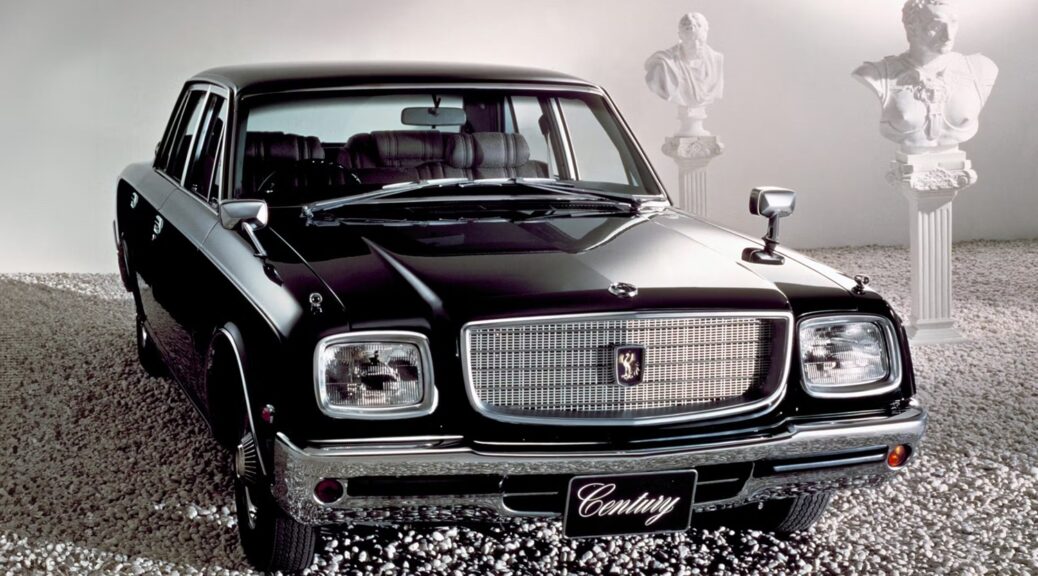
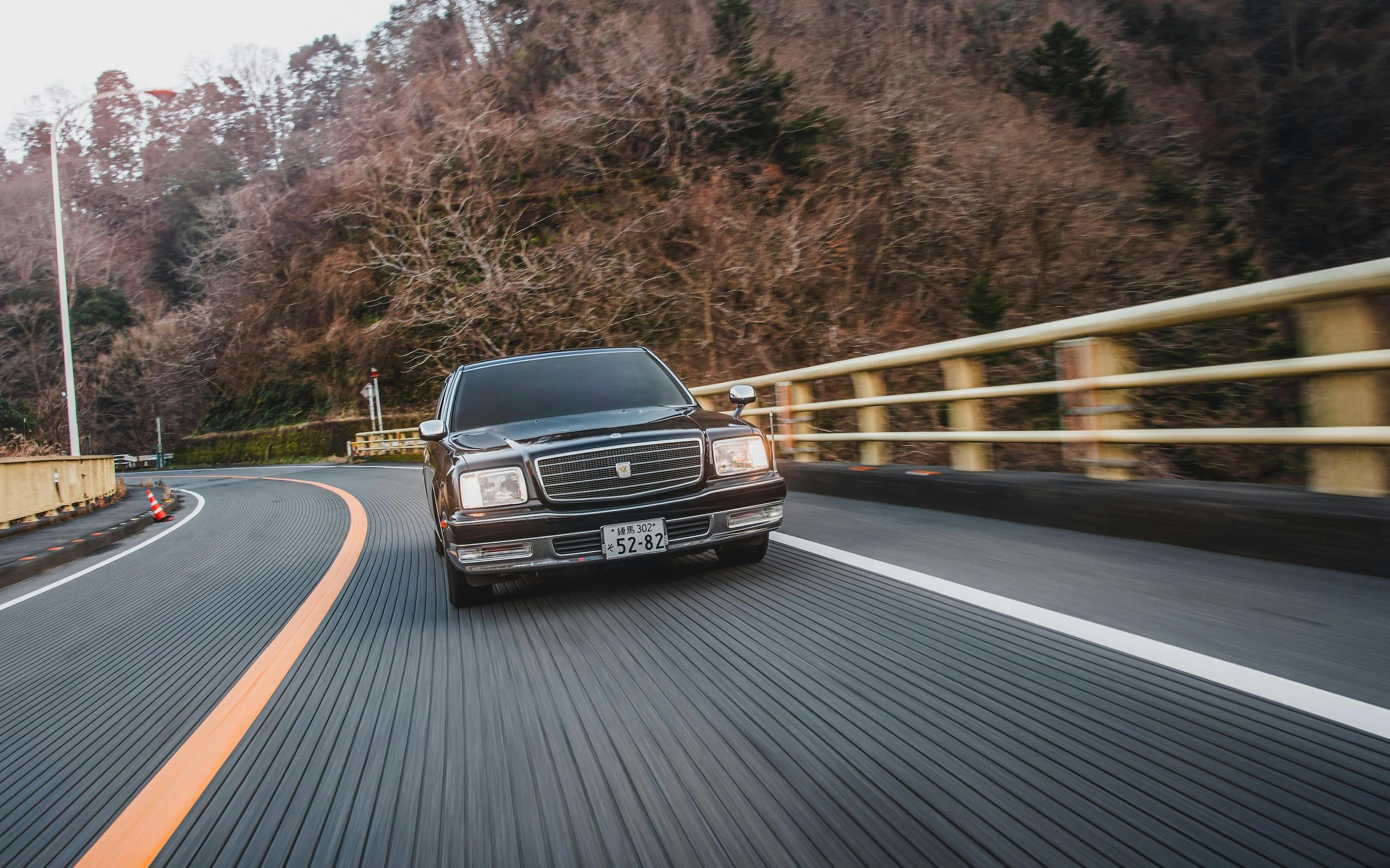
Thanks in part to the floodgates of 25-year-old vehicles from Japan, the Toyota Century has something of a cult status among enthusiasts in the U.S. today. It was not always this way; while the Century was undoubtedly a high-tech vehicle at its 1967 debut, the Imperial Household Agency initially passed it up in favor of the Nissan President. However, the Century’s rise coincided with Toyota’s phenomenal growth in the 1970s and 1980s, when it began to overtake Nissan as the premier Japanese automaker.

The original Century ran for three decades, always with V-8 power. Despite the fact that its specs and power could have appealed to buyers in Europe and, especially, the U.S., it was rarely sold in left-hand-drive markets. (Toyota flirted with the idea in the early 2000s before concluding that the conservative Century would be no match for the comparatively flamboyant Mercedes-Benz S-Class.)

Toyota

Yet it’s the Century that endures in Japan, an icon in its own time. The Emperor of Japan rides around in a stretched one, approved by the Imperial Household Agency, of course. The redesigned model that arrived in 2018 carries on the 1960s original style in marked contrast to the edgy, modern look found in any Toyota or Lexus model. There’s even an SUV version now, though its front-wheel-drive architecture and hybrid V-6 powertrain mean it’s more like a snazzy Toyota Highlander than a bespoke Emperor-hauler.

Toyota

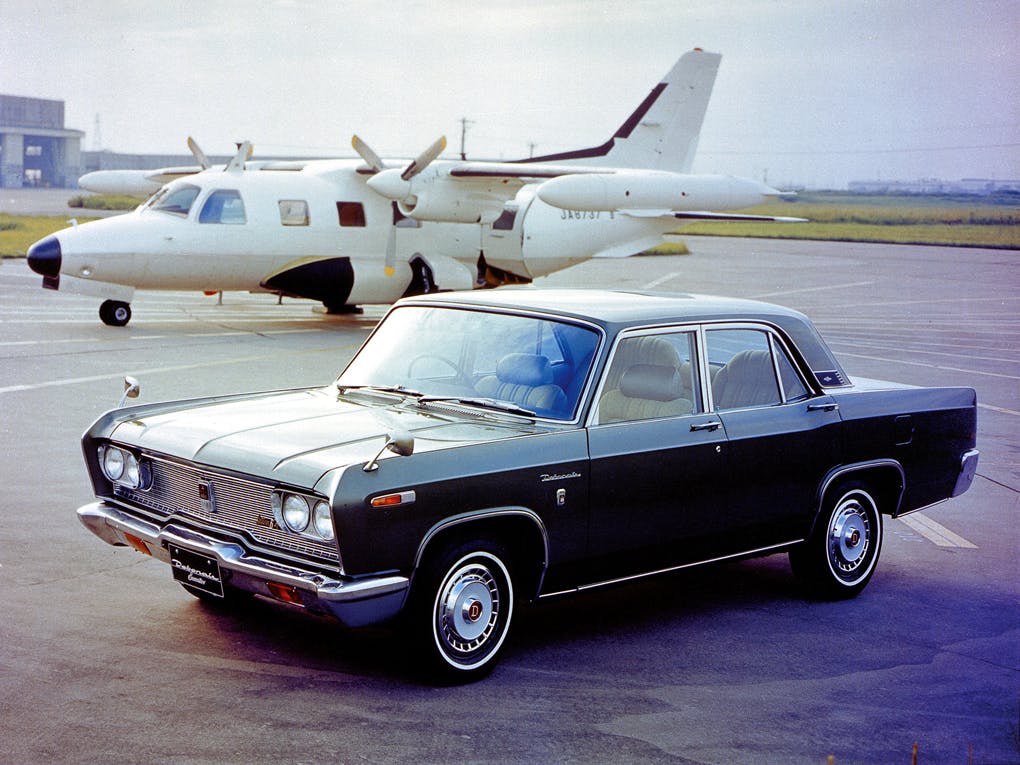
Clearly, the Century has won out, so much so that Toyota recently announced it will position the Century as its own brand as a more conservative sibling to Lexus. It did face some limited competition from Mitsubishi with its mid-1960s Debonair. While the Mitsubishi, with its slab sides and fenders that leap forward past its grille, is basically a rolling villain, the four- or six-cylinder sedan lacked the interior volume and the power to compete with the Century or the President. Its angular 1986 replacement, which looked sort of like a K-Car with fender mirrors, was anything but debonair.

Mitsubishi Debonair front three quarter
Though its effort was comparatively short-lived, the Mitsubishi Debonair boasted a fantastic name and slab-sided Lincoln Continental-inspired looks, if not Conti-style proportions.Mitsubishi

The Yakuza Turns State Cars Into Mafia Cars

Nobody does organized crime like the Japanese—and that is not meant as a compliment. The Yakuza, as the Japanese crime syndicates are broadly known, hit its peak right around the time when the decidedly more upstanding Imperial Household Agency was asking automakers to design a state vehicle.

Those vehicles were soon appropriated by the Yakuza. In retrospect, they have a sinister, angry look. If the bad guy in a period flick drives a car in Tokyo, it’ll be a President, a Century, or perhaps an early Debonair. Set in 1999, HBO’s Tokyo Vice puts the Q45-adjacent Nissan President front and center. While it may not have been the vehicle of choice for the Emperor, that era’s President was the car to have for the heads of organized crime. Perhaps that’s why Nissan steered away from tradition with its final redesign, a swoopy model unsuccessfully sold here as the Infiniti Q70.

1990 Nissan President
The 1990 Nissan President abandoned the 1960s-style chrome bumpers of its predecessors.Nissan

These big, black sedans have an authoritarian presence. Their drivers may think they have impunity. Not only are their cars imposing, but they look official—even if those inside are doing anything but official business. Yakuza members often mounted curtains inside their Presidents and Centurys, a style known as VIP that persists today—albeit in a much broader and harder-to-define look. 

We have no direct equivalent in Canada or the US., at least in terms of how the criminal underground appropriated cars meant for high-ranking government officials. The Crown Victorias once favored by Canadian and American cops lack the luxury and exclusivity of a Century or President. A Chevy Tahoe can’t be all that menacing if you can find dozens of them in the carpool line at your local elementary school. And while our head of state has long had a highly modified Cadillac-ish limousine, which has been described as a tank with a limousine body, it lacks a showroom counterpart. That said, the crested wreath brand made a strong appearance in the late-1990s/early-2000s setting of HBO’s The Sopranos.

It’s a different story in Japan, though. There, a government official arrives in black-and-chrome style—as dictated, if indirectly—by the edicts set forth by the Imperial Household Agency. The automotive equivalent of a tuxedo is, after all, always in style. For the Silo, Andrew Ganz/Hagerty.

Six Pack Of American 1980s Cars For Under 25K

Ugh it’s winter and here in Southern Ontario as I type this we are at the tail end of the Polar Vortex. It’s damn cold out. But there are some things that lend themselves well to “tossing another log on” and staying cozy while enjoying being indoors or perhaps in your heated shop or garage.

In fact, the winter is a great time to take stock and plan for your automotive future. Maybe you’ve packed your summer car away for the season and realized there’s still room for one more, or perhaps you’ve been whiling away the winter daydreaming about the car that got away years ago.

Get Out The Hair Gel

Whatever the case, our friends at Hagerty put together their latest valuation info to find some cool ’80s-vintage North American cars and trucks that we would like to add to our collections, and we think you might agree with at least some of them. Read on brave winter warrior….

The following six vehicles can all be had for less than $25,000 usd/ $35,8300 cad in #3 (Good) condition. That’s a solid starting place for a classic you plan on putting some miles on, and a great place to start if you want a running and driving project that you can cruise to RADwood with. Here then are their excellent picks, in descending order based on value.

1989 Ford Mustang LX 5.0

1987 Ford Mustang coupe side proifle
Ford

#3 Value: $24,900 usd/ $35,680 cad

The LX was a bit of a sleeper as it had the same EFI 5.0-liter V-8 as the GT without the flashy bits. We like the later Fox-body styling, and while the ’89 comes close to the $25,000 usd price cap, 1987 and 1988 models look just as good and tend to be just a bit more affordable. Of course, four-eyed Fox-body Mustangs (which some of the Hagerty team find more stylish) tend to be even less expensive, but they are also less powerful. One of these later LX models would be a great place to start for a mild build to enjoy the fantastic 5.0-liter soundtrack, as few platforms have the kind of aftermarket behind it that the Fox-body still enjoys.

1987 Buick Regal T-Type Turbo

Buick-Regal-T-Type-Turbo-rear-three-quarter
Mecum

#3 Value: $23,800 usd/ $38,400 cad

Speaking of sleepers, the turbocharged Buicks of the ’80s are some of the most infamous. Even when the sinister black Grand National gained a reputation, the less overt turbocharged Buick models still flew under the radar. The later turbo Buicks were fuel injected and Buick kept improving the punchy 3.8-liter V-6, with final models getting upgraded airflow by way of a new charge cooler, an aluminum intake manifold, and an improved turbocharger. The final tweaks gave 1987 turbo Buicks 245 hp and 355lb-ft of torque. While those numbers aren’t particularly impressive when compared to more modern performance cars (keeping in mind that hp isn’t everything when it comes to performance measurements) , or family sedans for that matter, they put Buicks firmly in the fight for the title of quickest new cars on the market. Their interesting development history makes them a worthy collectible, and the less flashy T-Type is a great entry point at about 35 percent less than a comparable Grand National.

1989 Chevrolet Corvette Callaway

1989 Chevrolet Corvette Callaway
Callaway Cars

#3 Value: $23,800 usd/ $34,100 cad

If 245 horsepower was a lot in 1987 (it was), imagine how exotic a 382hp twin-turbo Corvette must have been. The late Reeves Callaway had a long history of building exciting and powerful Corvettes, and even the earliest models were an ambitious project. The first twin-turbo Corvettes his company turned out in 1987 produced 345 hp, the same rating the first C5 Corvettes would receive with their naturally aspirated LS1 V-8s starting in 1997. Ever improving, Callaway soon had the 350-cubic-inch small-block pumping out 382 hp and 525 lb-ft of torque, making it one of the most powerful cars you could buy. It even came with a 12-month warranty. Just 69 Callaway Twin-Turbo Corvettes were built in 1989 and today their #3 value is just less than the $26,000 usd cost of the B2K RPO code that indicated the rare powertrain option. They might be more trouble to maintain than the rugged and simple 350 that came in everyday C4 Corvettes, but the Callaway Twin-Turbo mill was truly special. It’s also one of the best-looking C4 variants ever created, if you ask us.

1988 Stutz Bearcat

1988-Stutz-Bearcat-II
Stutz Motor Car Company

#3 Value: $23,100 usd/ $33,100 cad

The Stutz Bearcat is not well known, and those that do have any knowledge of the low-volume cars probably remember the ’60s iteration, a reemergence of the nameplate, and based on the Pontiac Grand Prix. Few will remember the original: a racy, brass-era runabout, and you can bet that if you arrived at a show in the final version of the Bearcat, based on the third-gen Firebird and sporting a carbon fiber composite body built in Turin, you’d be met with a lot of puzzled looks. Only about a dozen were built on the F-body platform, making them a truly rare sight. While the ubiquitous small-block drivetrain would make them easy to maintain, everything else about the car would be difficult to replace. Still, it’s quite a head-turning piece of American and Italian coachwork.

1980 International Harvester Scout Terra

#3 Value: $22,400 usd/ $32,100 cad

International Harvester gave its Scout lineup a makeover for its final year, featuring a new grille designed by Dick Hatch that used rectangular headlights. We think that the final grille is a great fit for the simple, blocky trucks and SUVs. The one shown above, with orange and yellow graphics, is practically perfect. While the standard wheelbase Scout II and the stretched Scout Traveler SUV are both outside of our $25,000 usd threshold, the stretched wheelbase Terra pickup is a more affordable entry point to Scout and meets the criteria when equipped with either the six-cylinder Nissan turbodiesel or the 196-cube four-cylinder that used the passenger bank of the company’s venerable 392 V-8. We love these rugged rigs and the Terra, with its 118-inch wheelbase and short overhangs, combines a decent-sized bed with maneuverability that’s appreciated off-road. The final year of Scout production would make an excellent addition to a collection where it could pitch in with its rugged utility and look great doing it.

1989 Chevrolet Camaro IROC-Z

Courtesy Throttlestop/Andrew Marvan

#3 Value: $18,800 usd/ $26,900 cad

Chevrolet’s competitor to the lighter, more angular Mustang GT was the IROC-Z, the performance-oriented F-body that finally got the 350-cubic-inch Tuned-Port Injection (TPI) engine from its big brother, Corvette, starting in 1987. The 5.7-liter powerplant was only available with a four-speed auto as the T5 transmission that fits under the Camaro’s floorplan couldn’t handle the larger motor’s torque. The TPI intake, perched like a spider on top of the engine, featured long runners that favored low-speed torque. Unfortunately the intake, and the engine’s meager cylinder heads, weren’t great at maintaining that torque to get the power numbers up, Still, it competed well against the smaller Ford V-8 in the Mustang. Contemporary reviews praised the IROC-Z’s power, road-holding, steering feel, and traction compared to its Mustang counterpart, but the 5.0-liter Mustangs were formidable opponents. Your choice might come down to brand loyalty or whether you prefer the boxy Fox-body or the sleek F-body. If we found one of these in our garage, we’d be tempted to troll eBay and swap meets for vintage ’80s speed parts to build a day-two IROC-Z for canyons and backroads. But that is just us.

Great Tips For Winter Storing Your Classic

The trees are almost bare and the evening arrives sooner each day. We all know what that means: It’s time to tuck away our classics into storage.

Just when you thought you’d heard every suggestion and clever tip for properly storing your classic automobile, along comes another recommendation—or two, or three or twelve 😉

As you can imagine, I’ve heard plenty of ideas and advice about winter storage over the years. Some of those annual recommendations are repeated here. And some have been amended—for example, the fragrance of dryer sheets is way more pleasing to noses than the stench of moth balls, and the fresh smell actually does a superior job of repelling mice.

Wash and wax

ferrari 458 wax
Sabrina Hyde

It may seem fruitless to wash the car when it is about to be put away for months, but it is an easy step that shouldn’t be overlooked. Water stains or bird droppings left on the car can permanently damage the paint. Make sure to clean the wheels and undersides of the fenders to get rid of mud, grease and tar. For added protection, give the car a coat of wax and treat any interior leather with a good conditioner.

Car cover

Viper car cover
Don Rutt

Even if your classic is stored in a garage in semi-stable temperatures and protected from the elements, a car cover will keep any spills or dust off of the paint. It can also protect from scratches while moving objects around the parked car.

Oil change

Checking oil 1960 plymouth fury
Sabrina Hyde

If you will be storing the vehicle for longer than 30 days, consider getting the oil changed. Used engine oil has contaminants that could damage the engine or lead to sludge buildup. (And if your transmission fluid is due for a change, do it now too. When spring rolls around, you’ll be happy you did.)

Fuel tank

camaro red fill up gas
Sabrina Hyde

Before any extended storage period, remember to fill the gas tank to prevent moisture from accumulating inside the fuel tank and to keep the seals from drying out. You should also pour in fuel stabilizer to prevent buildup and protect the engine from gum, varnish, and rust. This is especially critical in modern gasoline blended with ethanol, which gums up more easily. The fuel stabilizer will prevent the gas from deteriorating for up to 12 months.

Radiator

This is another area where fresh fluids will help prevent contaminants from slowly wearing down engine parts. If it’s time to flush the radiator fluid, doing it before winter storage is a good idea. Whether or not you put in new antifreeze, check your freezing point with a hydrometer or test strips to make sure you’re good for the lowest of winter temperatures.

Battery

car battery
Optima

An unattended battery will slowly lose its charge and eventually go bad, resulting in having to purchase a new battery in the spring. The easiest, low-tech solution is to disconnect the battery cables—the negative (ground) first, then the positive. You’ll likely lose any stereo presets, time, and other settings. If you want to keep those settings and ensure that your battery starts the moment you return, purchase a trickle charger. This device hooks up to your car battery on one end, then plugs into a wall outlet on the other and delivers just enough electrical power to keep the battery topped up. Warning: Do not use a trickle charger if you’re storing your car off property. In rare cases they’ve been known to spark a fire.

Parking brake

For general driving use it is a good idea to use the parking brake, but don’t do it when you leave a car in storage long term; if the brake pads make contact with the rotors for an extended period of time, they could fuse together. Instead of risking your emergency brake, purchase a tire chock or two to prevent the car from moving.

Tire care

Ferrari tire care
Sabrina Hyde

If a vehicle is left stationary for too long, the tires could develop flat spots from the weight of the vehicle pressing down on the tires’ treads. This occurs at a faster rate in colder temperatures, especially with high-performance or low-profile tires, and in severe cases a flat spot becomes a permanent part of the tire, causing a need for replacement. If your car will be in storage for more than 30 days, consider taking off the wheels and placing the car on jack stands at all four corners. With that said, some argue that this procedure isn’t good for the suspension, and there’s always this consideration: If there’s a fire, you have no way to save your car.

If you don’t want to go through the hassle of jack stands, overinflate your tires slightly (2–5 pounds) to account for any air loss while it hibernates, and make sure the tires are on plywood, not in direct contact with the floor.

Repel rodents

buick in the barn
Gabe Augustine

A solid garage will keep your car dry and relatively warm, conditions that can also attract unwanted rodents during the cold winter months. There are plenty of places in your car for critters to hide and even more things for them to destroy. Prevent them from entering your car by covering any gaps where a mouse could enter, such as the exhaust pipe or an air intake; steel wool works well for this. Next, spread scented dryer sheets or Irish Spring soap shavings inside the car and moth balls around the perimeter of the vehicle. For a more proactive approach and if you’re the killing type, you can also lay down a few mouse traps (although you’ll need to check them regularly for casualties).

Maintain insurance

In order to save money, you might be tempted to cancel your auto insurance when your vehicle is in storage. Bad idea. If you remove coverage completely, you’ll be on your own if there’s a fire, the weight of snow collapses the roof, or your car is stolen. If you have classic car insurance, the policy covers a full year and takes winter storage into account in your annual premium.

  • “An ex-Ferrari race mechanic (Le Mans three times) recommends adding half a cup of automatic transmission fluid to the fuel tank before topping up, and then running the engine for 10 minutes. This applies ONLY to carburetor cars. The oil coats the fuel tank, lines and carb bowls and helps avoid corrosion. It will easily burn off when you restart the car.”
  • A warning regarding car covers: “The only time I covered was years ago when stored in the shop side of my machine shed. No heat that year and the condensation from the concrete caused rust on my bumpers where the cover was tight. The next year I had it in the dirt floor shed and the mice used the cover ties as rope ladders to get in.”
  • “I use the right amount of Camguard in the oil to protect the engine from rust. It’s good stuff.”
  • Your car’s biggest villain is rust, that’s why I clean the car inside and out, and wax it prior to putting it in storage. For extra protection, I generously wax the bumpers and other chrome surfaces, but I do not buff out the wax. Mildew can form on the interior; to prevent this I treat the vinyl, plastic, and rubber surfaces with a product such as Armor All.
  • “Ideally, your car should be stored in a clean, dry garage. I prepare the floor of the storage area by laying down a layer of plastic drop cloth, followed by cardboard. The plastic drop cloth and cardboard act as a barrier to keep the moisture that is in the ground from seeping through the cement floor and attacking the underside of my car.”
  • “Fog out the engine. I do this once the car is parked where it is to be stored for the winter, and while it is still warm from its trip. Remove the air cleaner and spray engine fogging oil into the carburetor with the engine running at a high idle. Once I see smoke coming out of the exhaust, I shut off the engine and replace the air cleaner. Fogging out the engine coats many of the internal engine surfaces, as well as the inside of the exhaust with a coating of oil designed to prevent rust formation.”

Relax, rest, and be patient

Ford Model a roadster in garage
Gabe Augustine

For those of us who live in cold weather provinces or states, there’s actually a great sense of relief when you finally complete your winter prep and all of your summer toys are safely put to bed before the snow flies. Relax; you’ve properly protected your classic. It won’t be long before the snow is waist-high and you’re longing for summer—and that long wait may be the most difficult part of the entire storage process. Practice patience and find something auto-related to capture your attention and bide your time. You’ll be cruising again before you know it. (Keep telling yourself that, anyway.) For the Silo, Rob Siegel/Hagerty.

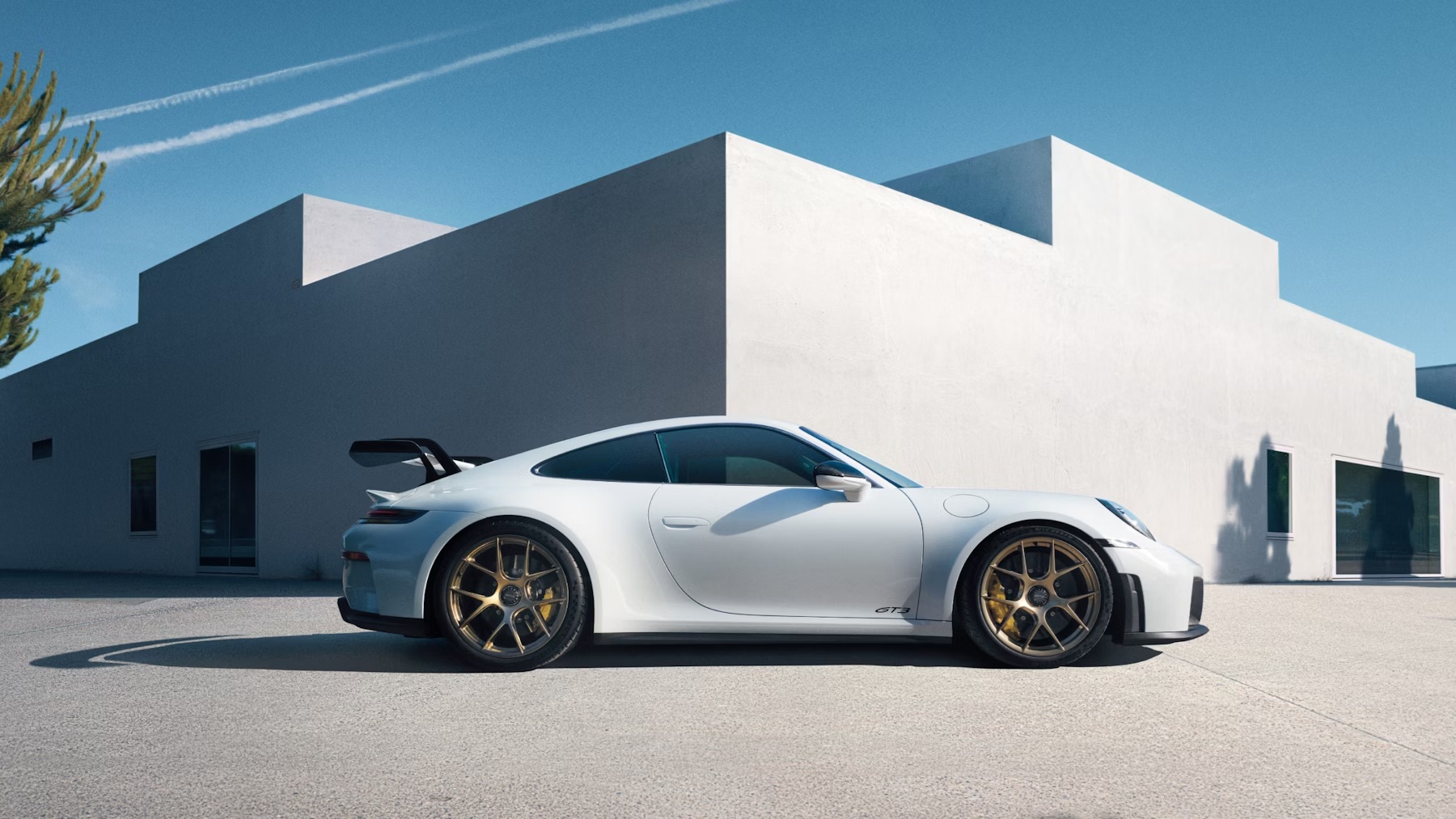
Is New Porsche 911 GT3 Touring All The car You’ll Ever Need?

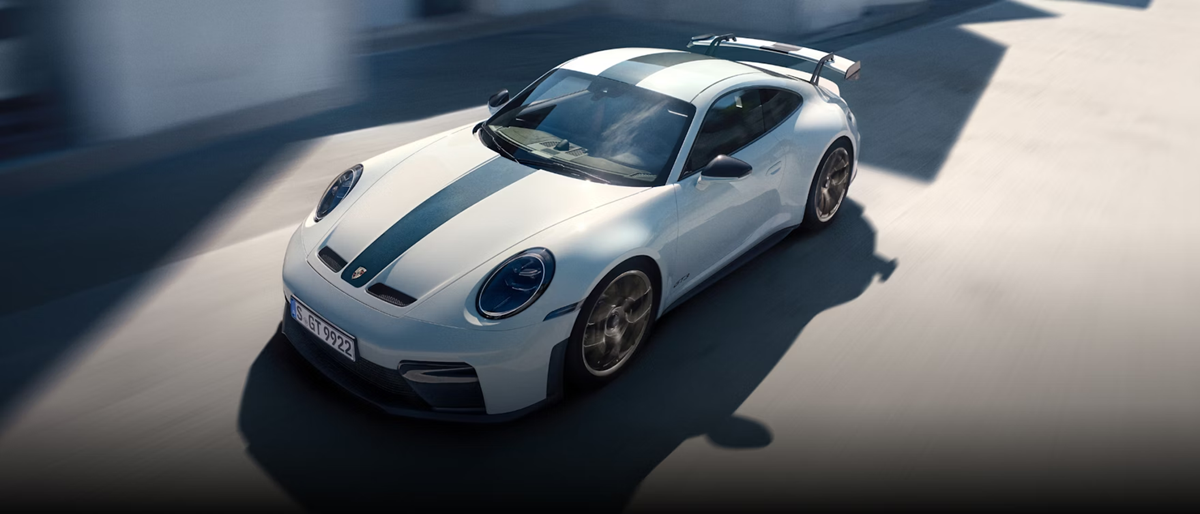
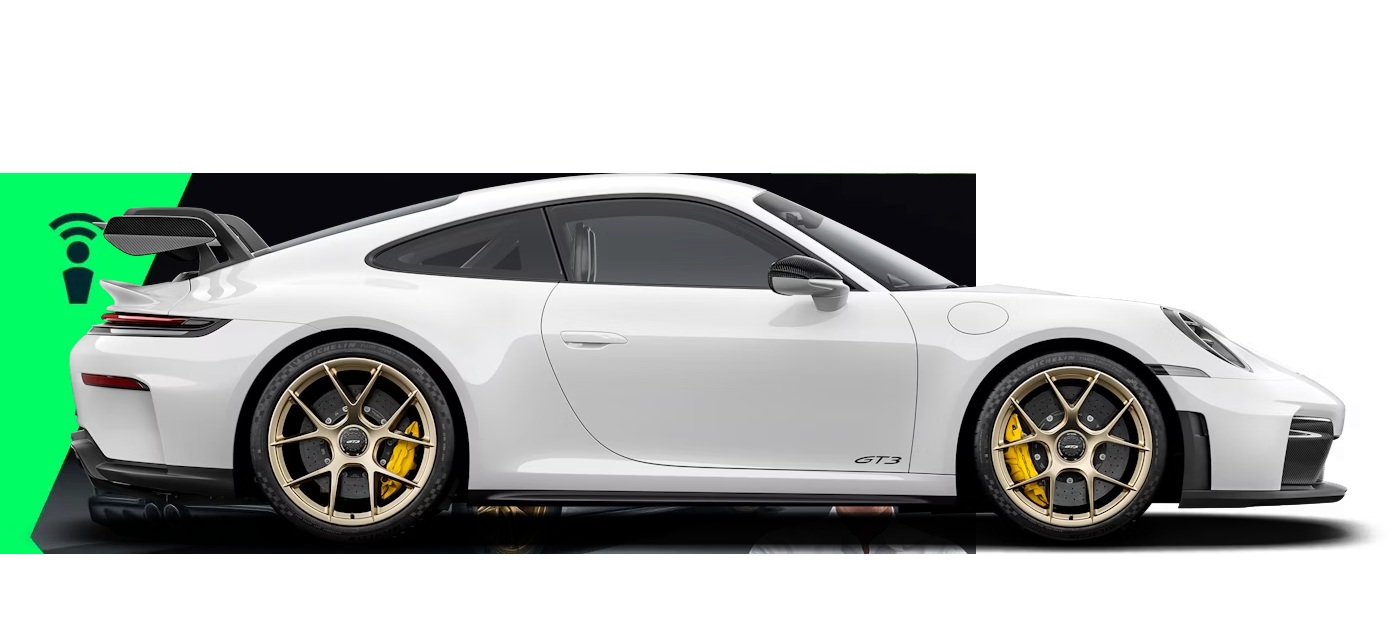
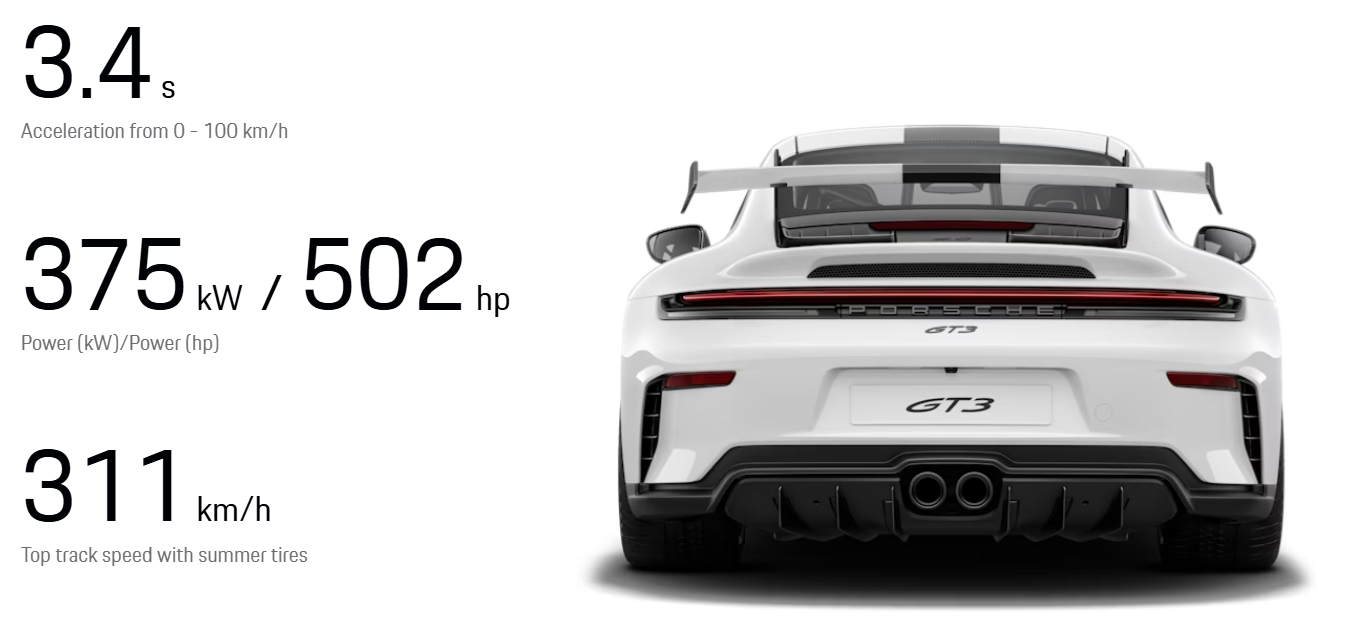
Top Gear UK November 2024- Not one but two new Porsche 911 GT3s are upon us, both a regular be-winged car and the more subtle Touring model. And for once, the headline news isn’t the power, the peak revs or the Nürburgring lap time, but how practical it is.

That’s right, because for the first time in the 25-year history of the GT3, it’s being offered with back seats.

It’s only for the Touring, but that addition alone will be enough to start The Internet chattering about whether this is ‘all the car you’ll ever need’.

However, if kids, or at least taking your kids with you, isn’t your thing, then worry not. The back seats are merely an option, and the non-Touring GT3 can’t be had with them at all. Plus, if you’re the sort of Porsche purest who hates weight, you can double down on that ethos with either a Weissach pack for the GT3 or a Leichtbau (aka Lightweight) pack for the Touring.

As for what else is new (and there are a lot of detailed, GT3 RS-inspired changes), join Top Gear’s Tom Ford for an in-depth walkaround of both new GT3s with Andreas Preuninger, Porsche’s Director of GT Cars…

8 Cars That Deserved Better Engines

What vehicle never got the engine it deserved? That’s the question posed to our friends at Hagerty Auto Insurance. Their love of cars goes back decades, or centuries and they’ve all been wondering how much better certain cars would be if they had a different engine …

… Or a better engine, something that truly spoke to the rest of the car. Let’s see what alternate car realities they would have created.

A Standard V-8 for Every Cadillac

engine cadillac VVT
Lies! All lies! Cadillac

For me, it’s the fact that all Cadillac cars (cars—Escalade excluded) from the last 20 or so years lack a standard V-8 engine. GM has an excellent LS motor, and a baby Caddy with a modest 4.8-liter small-block would give buyers more reason to avoid a thirsty BMW for a slightly more thirsty Caddy.

As the Caddy becomes larger, the V-8 engine follows suit (5.3-liter CTS, 6.2-liter CT-6, etc.) with increased displacement, and forced induction for the V-series examples. The inherent torque and simplicity of a pushrod V-8 complements the minimalist architecture of GM’s new EV powertrains, and exclusively pairing those two in a luxury car brand will make Cadillac more appealing than any of its competition. — Sajeev Mehta

As under-the-radar-good (and as mod-friendly) as the ATS-V’s LF4 V-6 is, I agree. After having spent over ten thousand miles with the smaller of the Alpha-chassis Caddys, the ATS should have gotten the 455-horse LT1 from the Camaro, and the ATS-V should have gotten the LT4. — Eddy Eckart

V-8 Bronco Raptor/ Ford GT

2024 Ford Bronco Raptor climb front three quarter
Ford

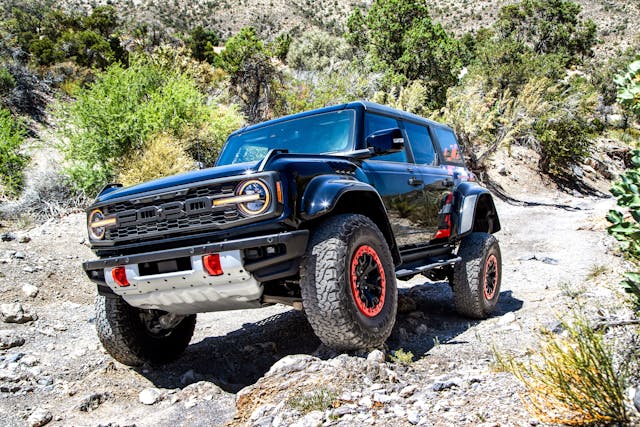
Ford Bronco Raptor. Lack of a V-8 is … yeaaaaah. For the record, I am fully aware that you can’t easily fit that V-8 into Ford’s T-6 frame. Actually, here’s the same opinion again: This also applies to the most recent Ford GT. — Matt Tuccillo

For sure, the Ford GT shoulda had a V-8. — Larry Webster

I think I’ll also jump on the Ford GT bandwagon, as I don’t care for the reasoning of why it got the EcoBoost V-6. That car deserved a V-8 based on heritage alone. – Greg Ingold

That buttress really flies Sajeev Mehta

Yes, please! Kill the flying buttress, make room for a 900+ horsepower Coyote with a twin-screw supercharger. — Sajeev Mehta

V-8 Prowler

1997 Plymouth prowler rear three-quarter
FCA

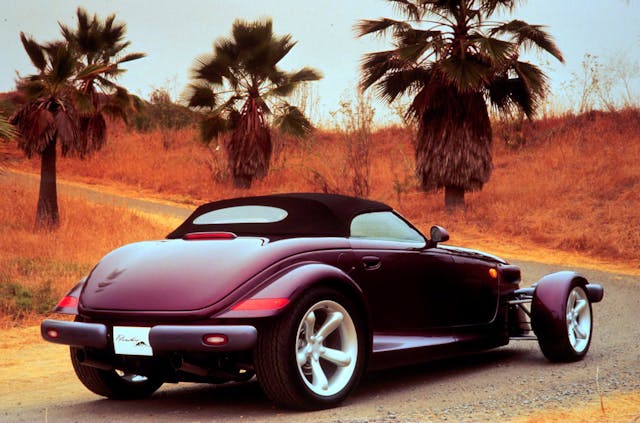
The Plymouth Prowler comes to mind. Chrysler Corporation came up with a car that was a modern nod to the classic hot rod but forgot the one factor that people want from a hot rod: A V-8 engine. You have to actively try to miss that detail. I don’t think anyone would’ve minded seeing a 318 Magnum out of a Ram pickup in the Prowler, as long as it came with eight cylinders. — Greg Ingold

Honda Motors in a Modern Lotus

Lotus Evora GT40 front three quarter
Lotus

Any modern-day Lotus fits in this category. They make do with Toyota engines but the chassis deserves the character of a Honda motor. — Larry Webster

Having a Lotus with a K-Series would be excellent! Totally agree with that take. — Greg Ingold

A Straight-Six SLK

Mercedes-Benz

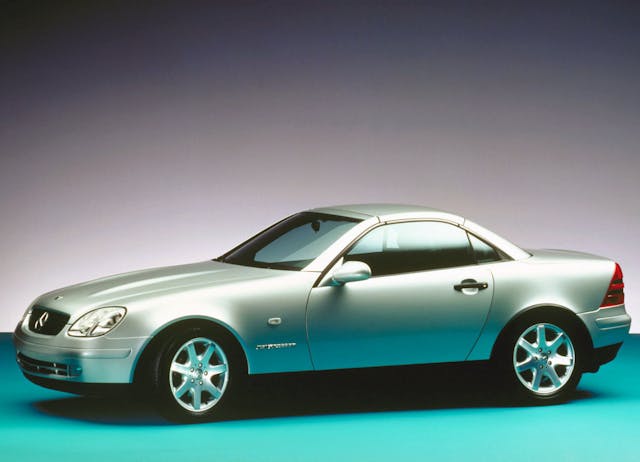
Let’s not overlook the original Mercedes SLK. This folding-roof roadster needed Mercedes’ juicy and punchy 2.8-liter straight six. That supercharged four-cylinder engine was disappointing, and the manual gearbox was even worse. — Larry Webster

SHO-inental, If Only

1989 continental signature series engine
Sajeev Mehta

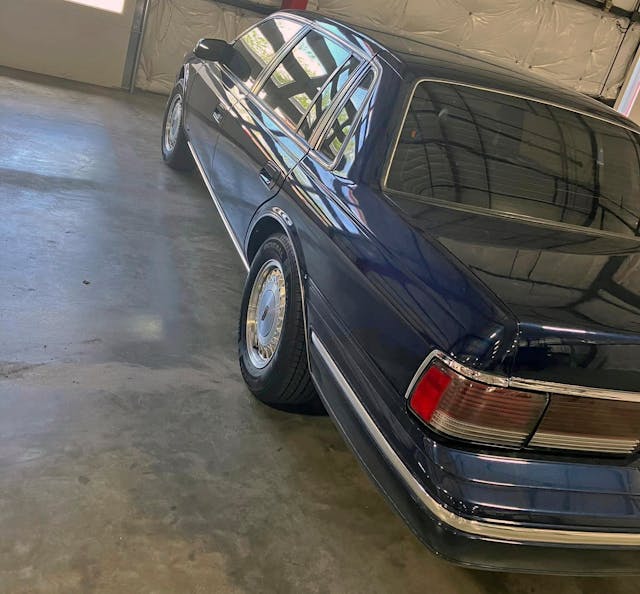
I only thought of this car/engine combo since I yanked my 1989 Continental Signature Series out of storage. Turns out it needed new rubber, and tires from a 1989 Ford Taurus SHO are a smidge wider on the same-sized wheel. Getting a set of those and slapping a set of 1/4-inch spacers on the rear gave it a stance that I can’t stop looking at. And now, curiously, it’s getting a lot more compliments. Even the manager of a local burger joint stopped me from giving my order so he could compliment me on it.

He thought it was a Town Car, but that’s not the point. These moments get this Lincoln-restomodding fool thinking about one thing: Ford needed an automatic transmission ready for the Taurus SHO sooner, and should have slapped it all into the 1989 Continental. Such a tragedy! — Sajeev Mehta

Citroën DS

citroen ds engine
Le nuancier DS

The Citroën DS was so unconventional and interesting that it’s easy to forget there was only ever an old-fashioned, underwhelming OHV four under the hood. The later SM got a Maserati V-6, but the DS was never so lucky. — Andrew Newton

The Sky Shoulda Been the Limit

2007 Saturn Sky Red Line front three-quarter
GM

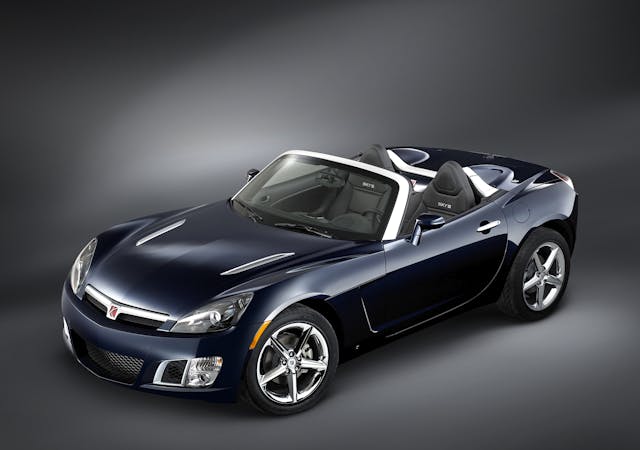
GM flogged its Ecotec four-banger, and I know they made crazy power for drag racing. But I thought the Pontiac Solstice and Saturn Sky deserved a more refined motor. — Larry Webster

They needed an LS, maybe just a small-displacement 4.8-liter, to keep Chevrolet appeased with their Corvette’s dominance. But I am sure that was discussed in some conference room at GM, and it was quickly shot down. — Sajeev Mehta

Featured image- Ford GT with Ecoboost 6 cylinder engine.

Groudbreaking Italian Lamborghini Sportscar Set For Auction

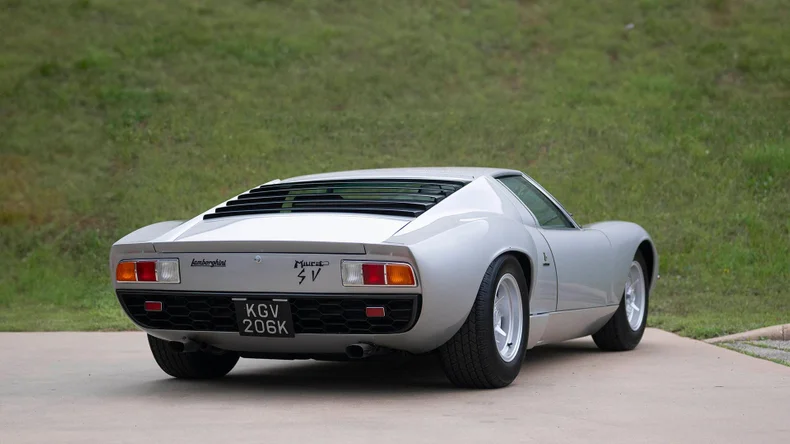
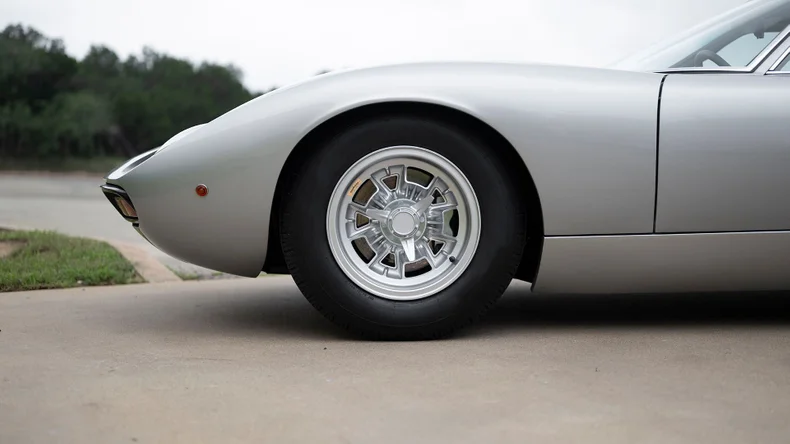
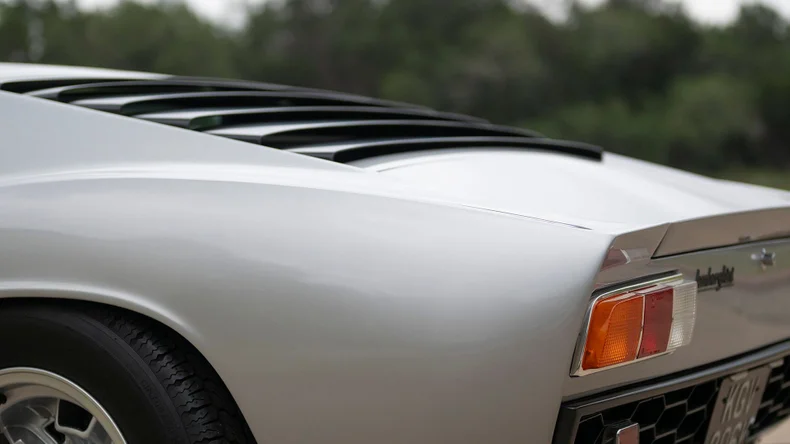
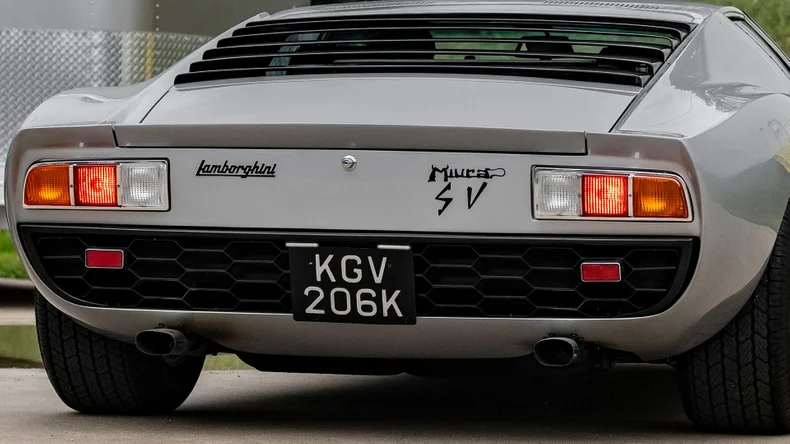
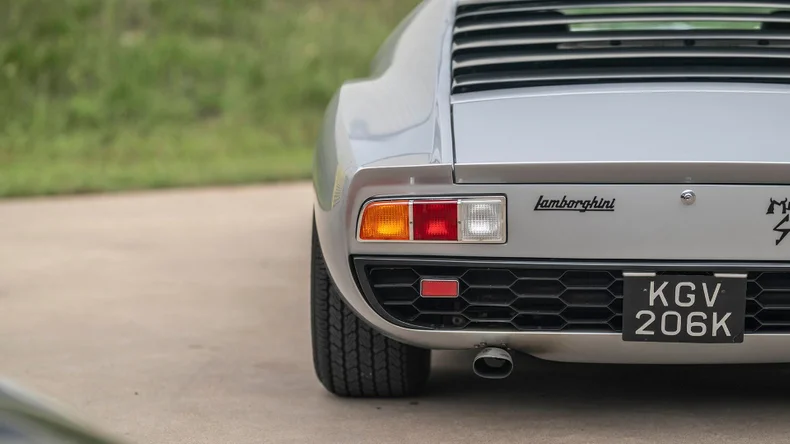
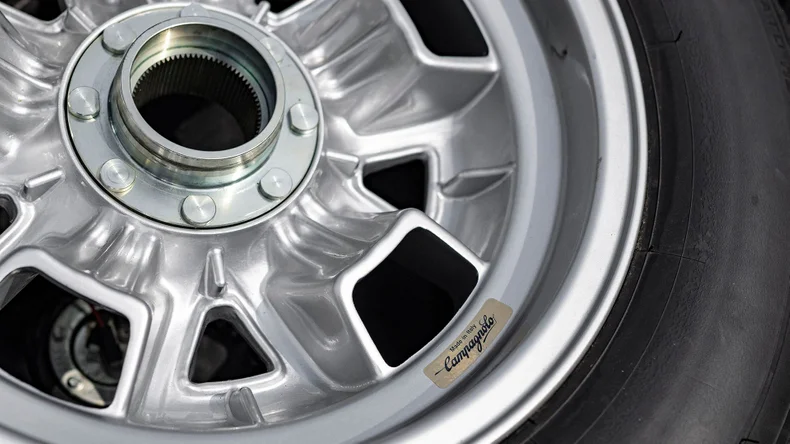
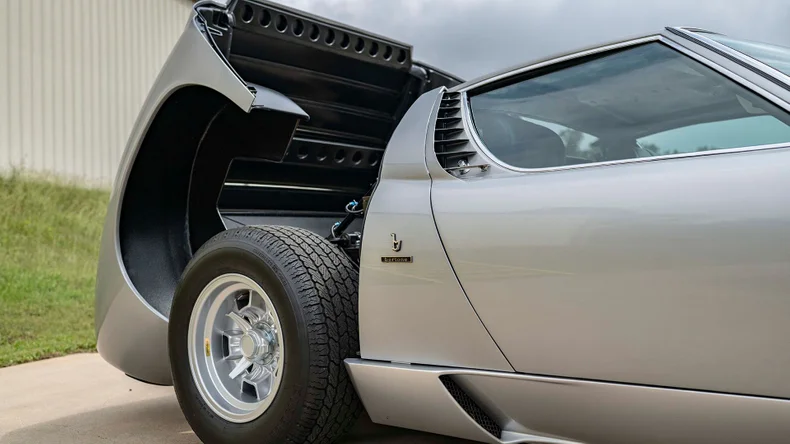
1972 Lamborghini Miura P400 SV

June, 2024. Monterey Jet Center, California, USA

Estimate:$2,800,000 – $3,500,000 USD/ $3,834,000 CAD – $4,792,900 CAD

INQUIRE

Broad Arrow Auctions | 1972 Lamborghini Miura P400 SV

2 / 128

Broad Arrow Auctions | 1972 Lamborghini Miura P400 SV

3 / 128

Broad Arrow Auctions | 1972 Lamborghini Miura P400 SV

4 / 128

Broad Arrow Auctions | 1972 Lamborghini Miura P400 SV

5 / 128

Broad Arrow Auctions | 1972 Lamborghini Miura P400 SV

6 / 128

Broad Arrow Auctions | 1972 Lamborghini Miura P400 SV

7 / 128

Broad Arrow Auctions | 1972 Lamborghini Miura P400 SV

8 / 128

Broad Arrow Auctions | 1972 Lamborghini Miura P400 SV

9 / 128

Broad Arrow Auctions | 1972 Lamborghini Miura P400 SV

10 / 128

Broad Arrow Auctions | 1972 Lamborghini Miura P400 SV

11 / 128

Broad Arrow Auctions | 1972 Lamborghini Miura P400 SV

12 / 128

Broad Arrow Auctions | 1972 Lamborghini Miura P400 SV

13 / 128

Broad Arrow Auctions | 1972 Lamborghini Miura P400 SV

14 / 128

Broad Arrow Auctions | 1972 Lamborghini Miura P400 SV

15 / 128

Broad Arrow Auctions | 1972 Lamborghini Miura P400 SV

16 / 128

Broad Arrow Auctions | 1972 Lamborghini Miura P400 SV

17 / 128

Broad Arrow Auctions | 1972 Lamborghini Miura P400 SV

18 / 128

Broad Arrow Auctions | 1972 Lamborghini Miura P400 SV

19 / 128

Broad Arrow Auctions | 1972 Lamborghini Miura P400 SV

20 / 128

Broad Arrow Auctions | 1972 Lamborghini Miura P400 SV

21 / 128

Broad Arrow Auctions | 1972 Lamborghini Miura P400 SV

22 / 128

Broad Arrow Auctions | 1972 Lamborghini Miura P400 SV

23 / 128

Broad Arrow Auctions | 1972 Lamborghini Miura P400 SV

24 / 128

Broad Arrow Auctions | 1972 Lamborghini Miura P400 SV

25 / 128

Broad Arrow Auctions | 1972 Lamborghini Miura P400 SV

26 / 128

Broad Arrow Auctions | 1972 Lamborghini Miura P400 SV

27 / 128

Broad Arrow Auctions | 1972 Lamborghini Miura P400 SV

28 / 128

Broad Arrow Auctions | 1972 Lamborghini Miura P400 SV

29 / 128

Broad Arrow Auctions | 1972 Lamborghini Miura P400 SV

30 / 128

Broad Arrow Auctions | 1972 Lamborghini Miura P400 SV

31 / 128

Broad Arrow Auctions | 1972 Lamborghini Miura P400 SV

32 / 128

Broad Arrow Auctions | 1972 Lamborghini Miura P400 SV

33 / 128

Broad Arrow Auctions | 1972 Lamborghini Miura P400 SV

34 / 128

Broad Arrow Auctions | 1972 Lamborghini Miura P400 SV

35 / 128

Broad Arrow Auctions | 1972 Lamborghini Miura P400 SV

36 / 128

Broad Arrow Auctions | 1972 Lamborghini Miura P400 SV

37 / 128

Broad Arrow Auctions | 1972 Lamborghini Miura P400 SV

38 / 128

Broad Arrow Auctions | 1972 Lamborghini Miura P400 SV

39 / 128

Broad Arrow Auctions | 1972 Lamborghini Miura P400 SV

40 / 128

Broad Arrow Auctions | 1972 Lamborghini Miura P400 SV

41 / 128

Broad Arrow Auctions | 1972 Lamborghini Miura P400 SV

42 / 128

Broad Arrow Auctions | 1972 Lamborghini Miura P400 SV

43 / 128

Broad Arrow Auctions | 1972 Lamborghini Miura P400 SV

44 / 128

Broad Arrow Auctions | 1972 Lamborghini Miura P400 SV

45 / 128

Broad Arrow Auctions | 1972 Lamborghini Miura P400 SV

46 / 128

Broad Arrow Auctions | 1972 Lamborghini Miura P400 SV

47 / 128

Broad Arrow Auctions | 1972 Lamborghini Miura P400 SV

48 / 128

Broad Arrow Auctions | 1972 Lamborghini Miura P400 SV

49 / 128

Broad Arrow Auctions | 1972 Lamborghini Miura P400 SV

50 / 128

Broad Arrow Auctions | 1972 Lamborghini Miura P400 SV

51 / 128

Broad Arrow Auctions | 1972 Lamborghini Miura P400 SV

52 / 128

Broad Arrow Auctions | 1972 Lamborghini Miura P400 SV

53 / 128

Broad Arrow Auctions | 1972 Lamborghini Miura P400 SV

54 / 128

Broad Arrow Auctions | 1972 Lamborghini Miura P400 SV

55 / 128

Broad Arrow Auctions | 1972 Lamborghini Miura P400 SV

56 / 128

Broad Arrow Auctions | 1972 Lamborghini Miura P400 SV

57 / 128

Broad Arrow Auctions | 1972 Lamborghini Miura P400 SV

58 / 128

Broad Arrow Auctions | 1972 Lamborghini Miura P400 SV

59 / 128

Broad Arrow Auctions | 1972 Lamborghini Miura P400 SV

60 / 128

Broad Arrow Auctions | 1972 Lamborghini Miura P400 SV

61 / 128

Broad Arrow Auctions | 1972 Lamborghini Miura P400 SV

62 / 128

Broad Arrow Auctions | 1972 Lamborghini Miura P400 SV

63 / 128

Broad Arrow Auctions | 1972 Lamborghini Miura P400 SV

64 / 128

Broad Arrow Auctions | 1972 Lamborghini Miura P400 SV

65 / 128

Broad Arrow Auctions | 1972 Lamborghini Miura P400 SV

66 / 128

Broad Arrow Auctions | 1972 Lamborghini Miura P400 SV

67 / 128

Broad Arrow Auctions | 1972 Lamborghini Miura P400 SV

68 / 128

Broad Arrow Auctions | 1972 Lamborghini Miura P400 SV

69 / 128

Broad Arrow Auctions | 1972 Lamborghini Miura P400 SV

70 / 128

Broad Arrow Auctions | 1972 Lamborghini Miura P400 SV

71 / 128

Broad Arrow Auctions | 1972 Lamborghini Miura P400 SV

72 / 128

Broad Arrow Auctions | 1972 Lamborghini Miura P400 SV

73 / 128

Broad Arrow Auctions | 1972 Lamborghini Miura P400 SV

74 / 128

Broad Arrow Auctions | 1972 Lamborghini Miura P400 SV

75 / 128

Broad Arrow Auctions | 1972 Lamborghini Miura P400 SV

76 / 128

Broad Arrow Auctions | 1972 Lamborghini Miura P400 SV

77 / 128

Broad Arrow Auctions | 1972 Lamborghini Miura P400 SV

78 / 128

Broad Arrow Auctions | 1972 Lamborghini Miura P400 SV

79 / 128

Broad Arrow Auctions | 1972 Lamborghini Miura P400 SV

80 / 128

Broad Arrow Auctions | 1972 Lamborghini Miura P400 SV

81 / 128

Broad Arrow Auctions | 1972 Lamborghini Miura P400 SV

82 / 128

Broad Arrow Auctions | 1972 Lamborghini Miura P400 SV

83 / 128

Broad Arrow Auctions | 1972 Lamborghini Miura P400 SV

84 / 128

Broad Arrow Auctions | 1972 Lamborghini Miura P400 SV

85 / 128

Broad Arrow Auctions | 1972 Lamborghini Miura P400 SV

86 / 128

Broad Arrow Auctions | 1972 Lamborghini Miura P400 SV

87 / 128

Broad Arrow Auctions | 1972 Lamborghini Miura P400 SV

88 / 128

Broad Arrow Auctions | 1972 Lamborghini Miura P400 SV

89 / 128

Broad Arrow Auctions | 1972 Lamborghini Miura P400 SV

90 / 128

Broad Arrow Auctions | 1972 Lamborghini Miura P400 SV

91 / 128

Broad Arrow Auctions | 1972 Lamborghini Miura P400 SV

92 / 128

Broad Arrow Auctions | 1972 Lamborghini Miura P400 SV

93 / 128

Broad Arrow Auctions | 1972 Lamborghini Miura P400 SV

94 / 128

Broad Arrow Auctions | 1972 Lamborghini Miura P400 SV

95 / 128

Broad Arrow Auctions | 1972 Lamborghini Miura P400 SV

96 / 128

Broad Arrow Auctions | 1972 Lamborghini Miura P400 SV

97 / 128

Broad Arrow Auctions | 1972 Lamborghini Miura P400 SV

98 / 128

Broad Arrow Auctions | 1972 Lamborghini Miura P400 SV

99 / 128

Broad Arrow Auctions | 1972 Lamborghini Miura P400 SV

100 / 128

Broad Arrow Auctions | 1972 Lamborghini Miura P400 SV

101 / 128

Broad Arrow Auctions | 1972 Lamborghini Miura P400 SV

102 / 128

Broad Arrow Auctions | 1972 Lamborghini Miura P400 SV

103 / 128

Broad Arrow Auctions | 1972 Lamborghini Miura P400 SV

104 / 128

Broad Arrow Auctions | 1972 Lamborghini Miura P400 SV

105 / 128

Broad Arrow Auctions | 1972 Lamborghini Miura P400 SV

106 / 128

Broad Arrow Auctions | 1972 Lamborghini Miura P400 SV

107 / 128

Broad Arrow Auctions | 1972 Lamborghini Miura P400 SV

108 / 128

Broad Arrow Auctions | 1972 Lamborghini Miura P400 SV

109 / 128

Broad Arrow Auctions | 1972 Lamborghini Miura P400 SV

110 / 128

Broad Arrow Auctions | 1972 Lamborghini Miura P400 SV

111 / 128

Broad Arrow Auctions | 1972 Lamborghini Miura P400 SV

112 / 128

Broad Arrow Auctions | 1972 Lamborghini Miura P400 SV

113 / 128

Broad Arrow Auctions | 1972 Lamborghini Miura P400 SV

114 / 128

Broad Arrow Auctions | 1972 Lamborghini Miura P400 SV

115 / 128

Broad Arrow Auctions | 1972 Lamborghini Miura P400 SV

116 / 128

Broad Arrow Auctions | 1972 Lamborghini Miura P400 SV

117 / 128

Broad Arrow Auctions | 1972 Lamborghini Miura P400 SV

118 / 128

Broad Arrow Auctions | 1972 Lamborghini Miura P400 SV

119 / 128

Broad Arrow Auctions | 1972 Lamborghini Miura P400 SV

120 / 128

Broad Arrow Auctions | 1972 Lamborghini Miura P400 SV

121 / 128

Broad Arrow Auctions | 1972 Lamborghini Miura P400 SV

122 / 128

Broad Arrow Auctions | 1972 Lamborghini Miura P400 SV

123 / 128

Broad Arrow Auctions | 1972 Lamborghini Miura P400 SV

124 / 128

Broad Arrow Auctions | 1972 Lamborghini Miura P400 SV

125 / 128

Broad Arrow Auctions | 1972 Lamborghini Miura P400 SV

126 / 128

Broad Arrow Auctions | 1972 Lamborghini Miura P400 SV

127 / 128

Broad Arrow Auctions | 1972 Lamborghini Miura P400 SV

128 / 128

Broad Arrow Auctions | 1972 Lamborghini Miura P400 SV

Broad Arrow Auctions | 1972 Lamborghini Miura P400 SV
  • One of 150 Miura SVs (Sprinto Veloce) built from 1971-1973
  • One of just 96 late-production “split-sump” Miura P400 SVs, and one of a mere 76 examples completed during the final year of production
  • German delivery example originally equipped with rare factory air conditioning
  • Retains its matching-numbers engine benefitting from a rebuild by Top Motors Salvioli of Nonantola Modena, Italy and Team CJ Works of Austin, TX
  • Recipient of a meticulous restoration by ex-Lamborghini factory workers and original Lamborghini parts suppliers, overseen by legendary Lamborghini test driver Valentino Balboni
  • Well documented example of the groundbreaking Miura in its most desirable SV specification

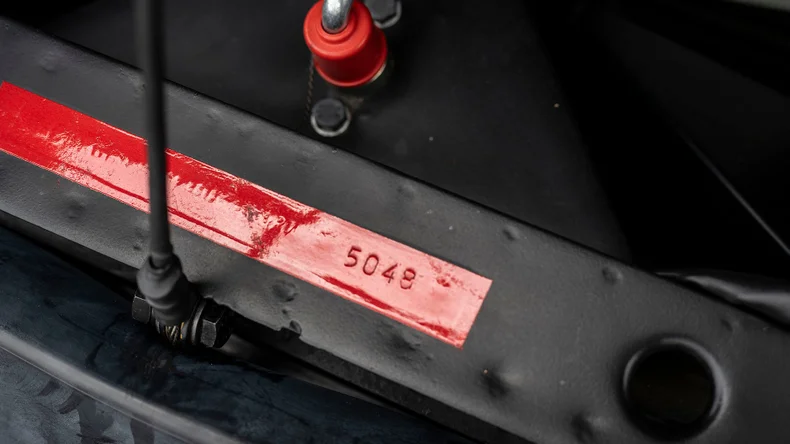
Chassis No. 5048
Engine No. 30735
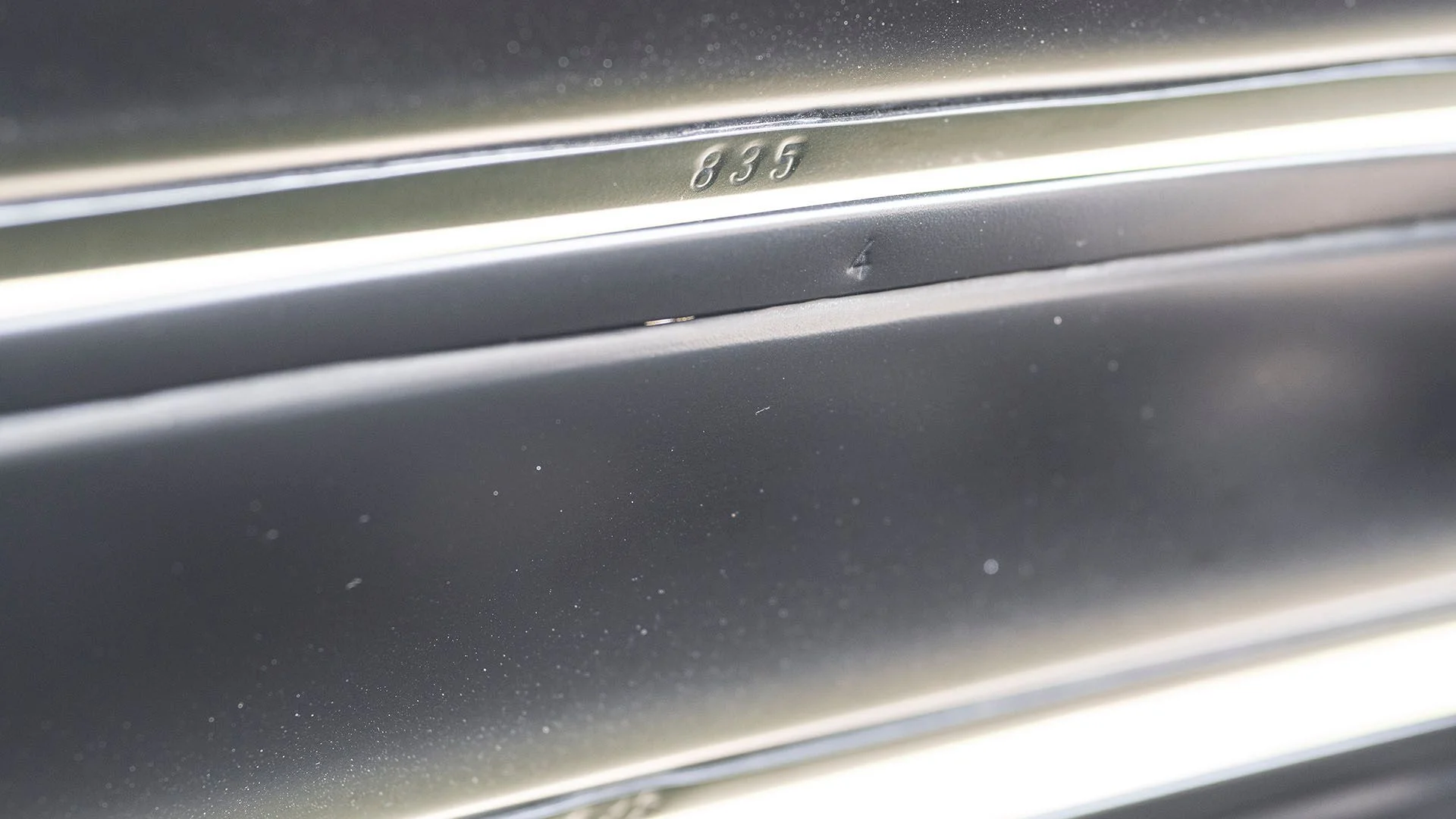
Body No. 835

Few cars deserve to be mentioned in the same breath as the all-conquering Ford GT40, yet the Lamborghini Miura is just such a car.

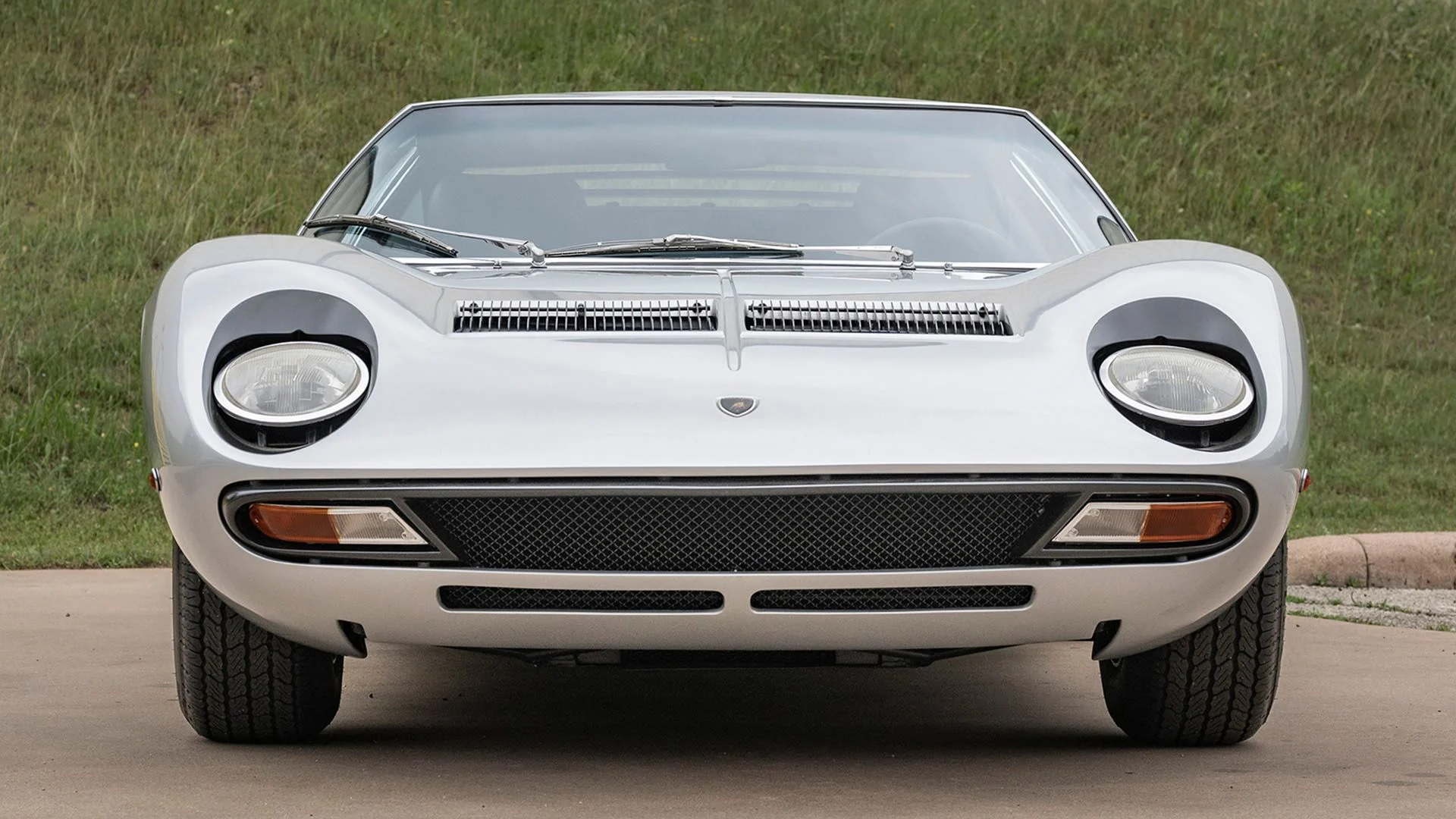
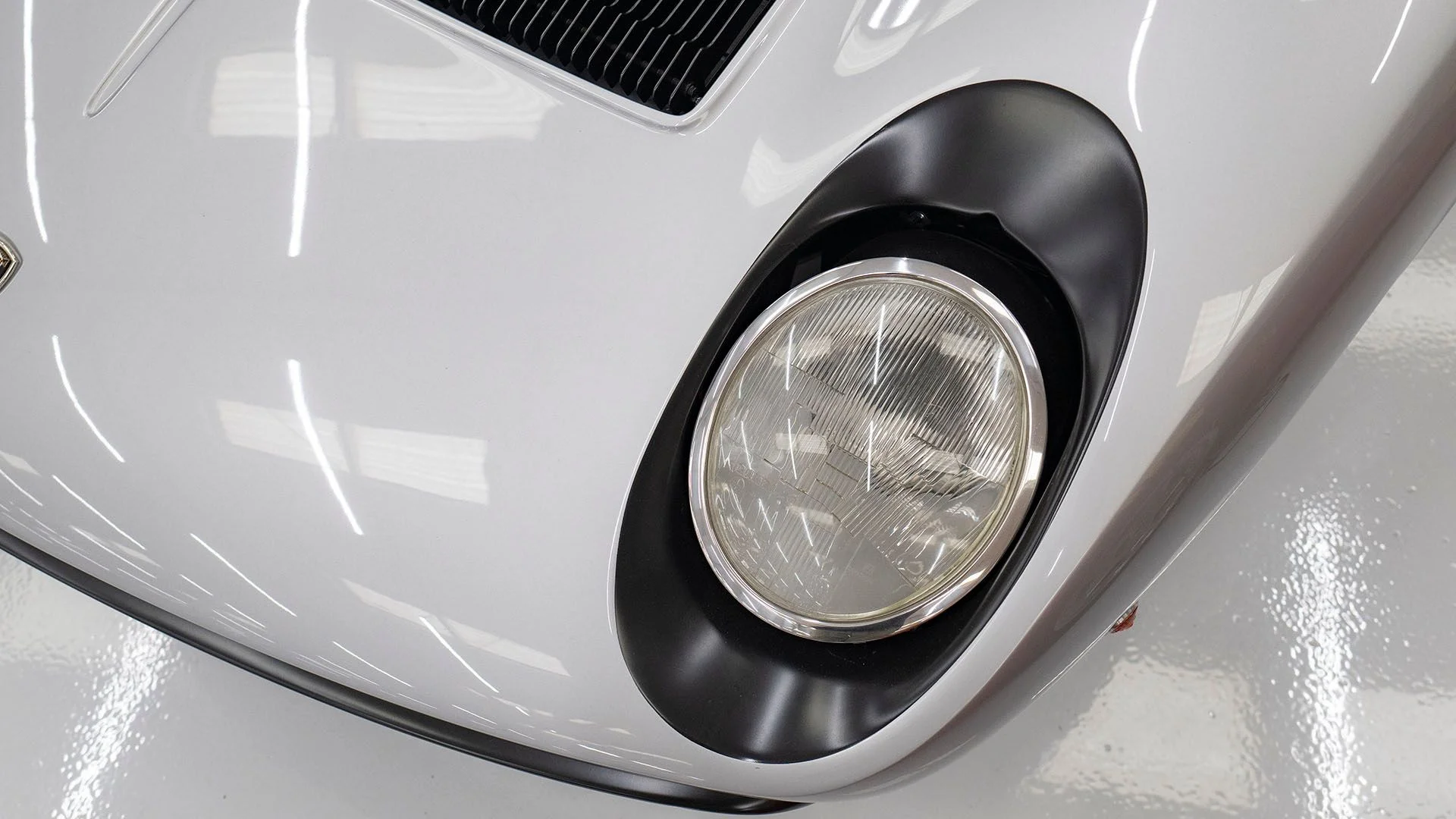
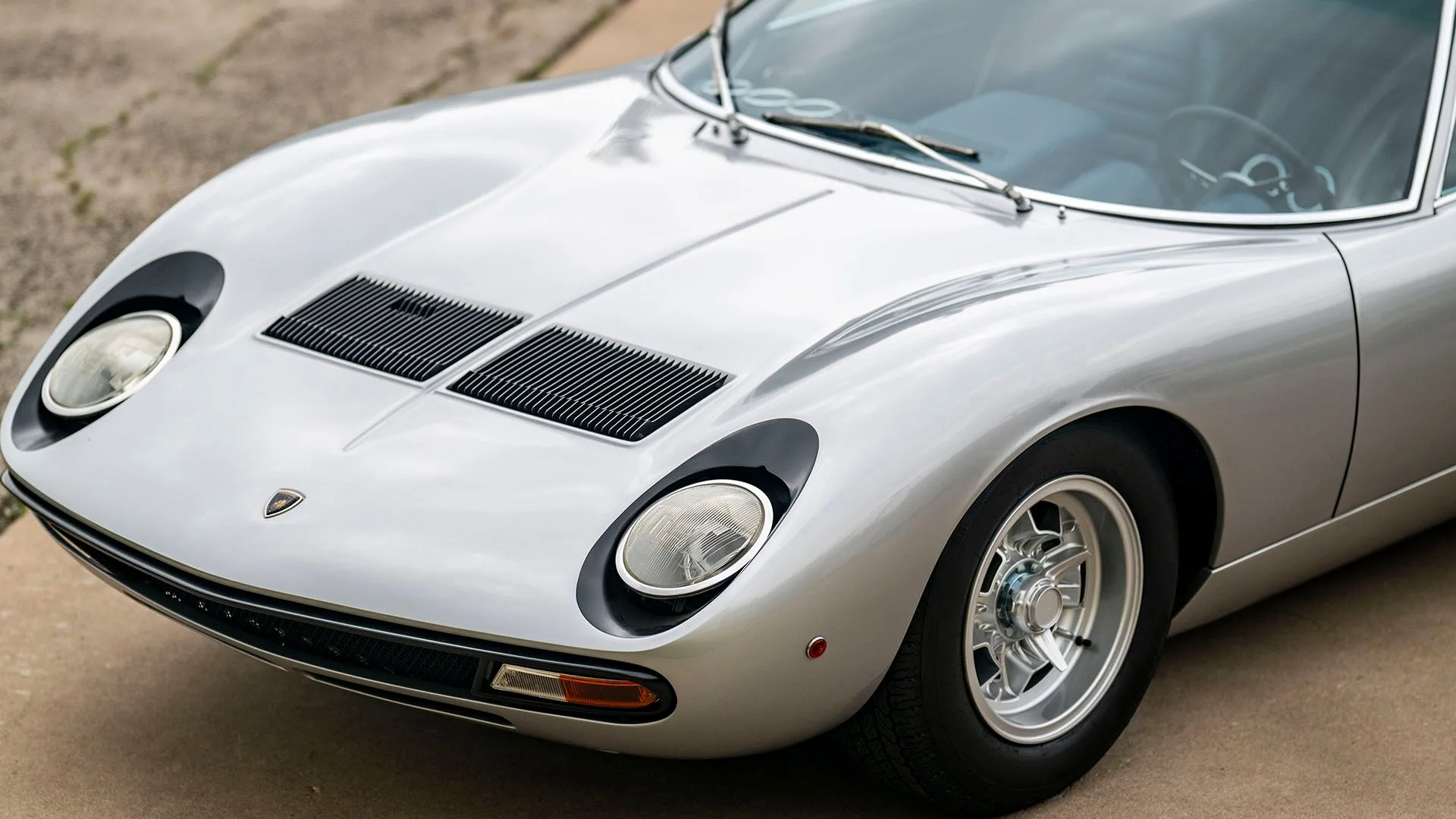
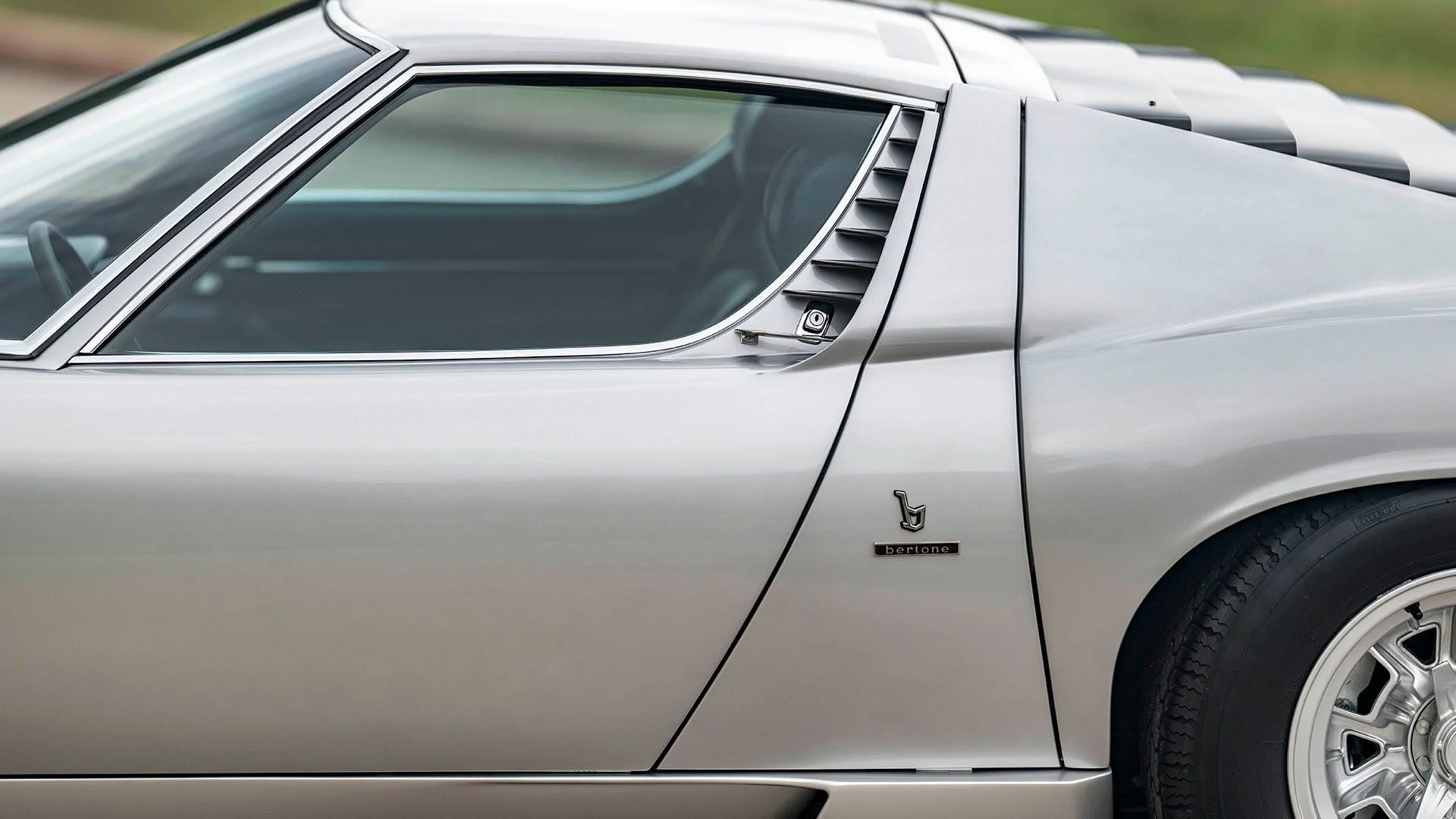
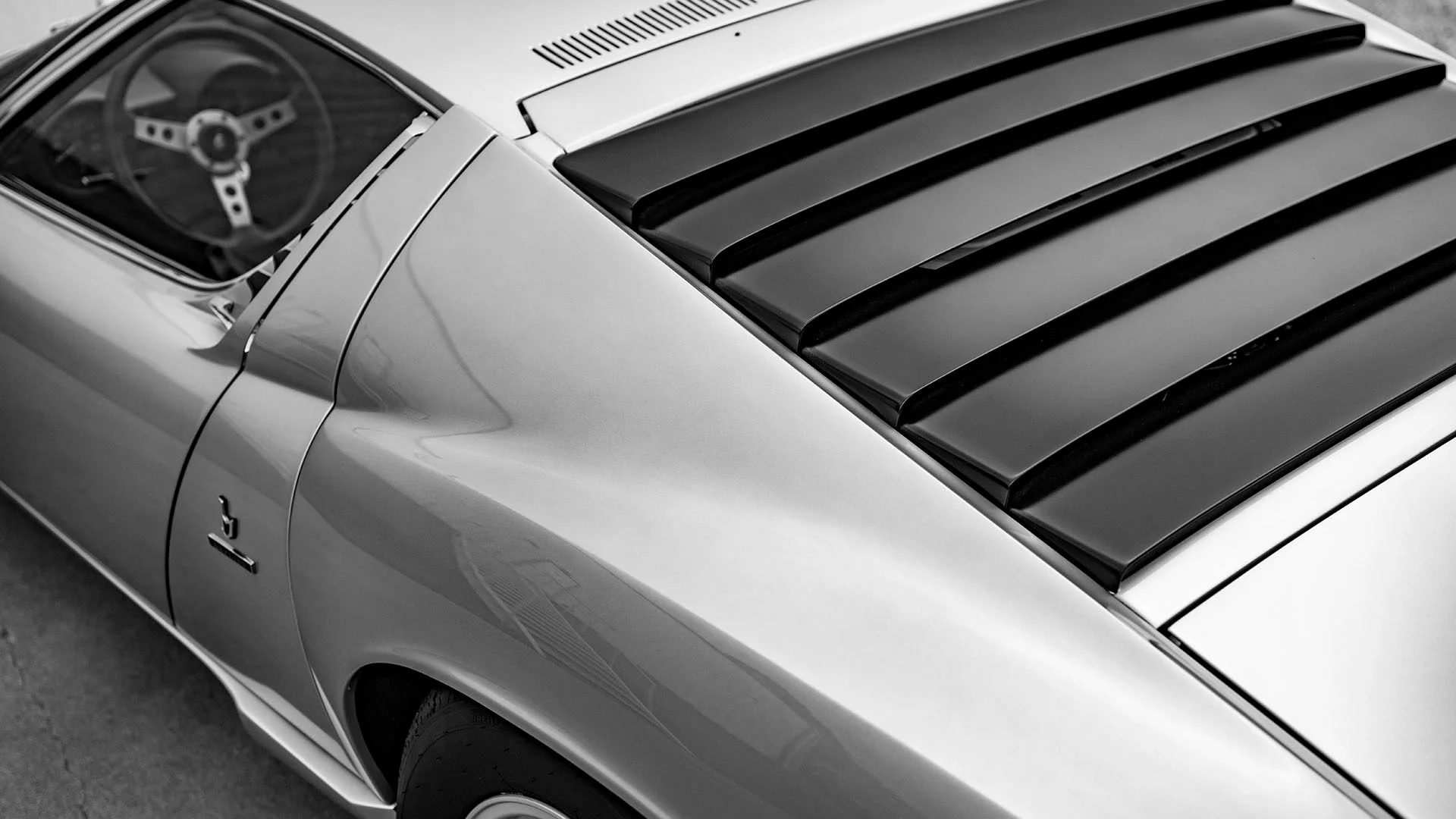
Months before the mid-engined Ford would topple Ferrari at the 1966 24 Hours of Le Mans in one of the most famous 1-2-3 finishes in motorsport history, precocious Lamborghini engineers Giampaolo Dallara and Paolo Stanzani set out to implement the radical mid-engined architecture into a road-going chassis. The unclothed P400 was presented at the 1965 Turin Auto Show with a massive Giotto Bizzarrini-designed V12 mounted transversely in the middle, appearing again just a year later at Geneva with coachwork that, to this day, is viewed by many as Bertone’s crowning achievement. The pen of 25-year-old Marcello Gandini was responsible for the Miura’s dramatic shape, which stunned attendees of the 1966 Geneva Motor Show with its impossibly low stance, voluptuous rear quarters, bulging air intakes, and distinctive “eyelash” headlights. Just as Ford had outclassed Ferrari with the ingenious packaging of the GT40, the Prancing Horse was caught flat-footed yet again when the P400 Miura went on sale in 1967, waiting until 1971 to respond with its own mid-engined 365 GT4 BB.

The disgruntled former Ferrari owner Ferruccio Lamborghini had achieved his quest of building a more outlandish and capable sports car than Enzo Ferrari.

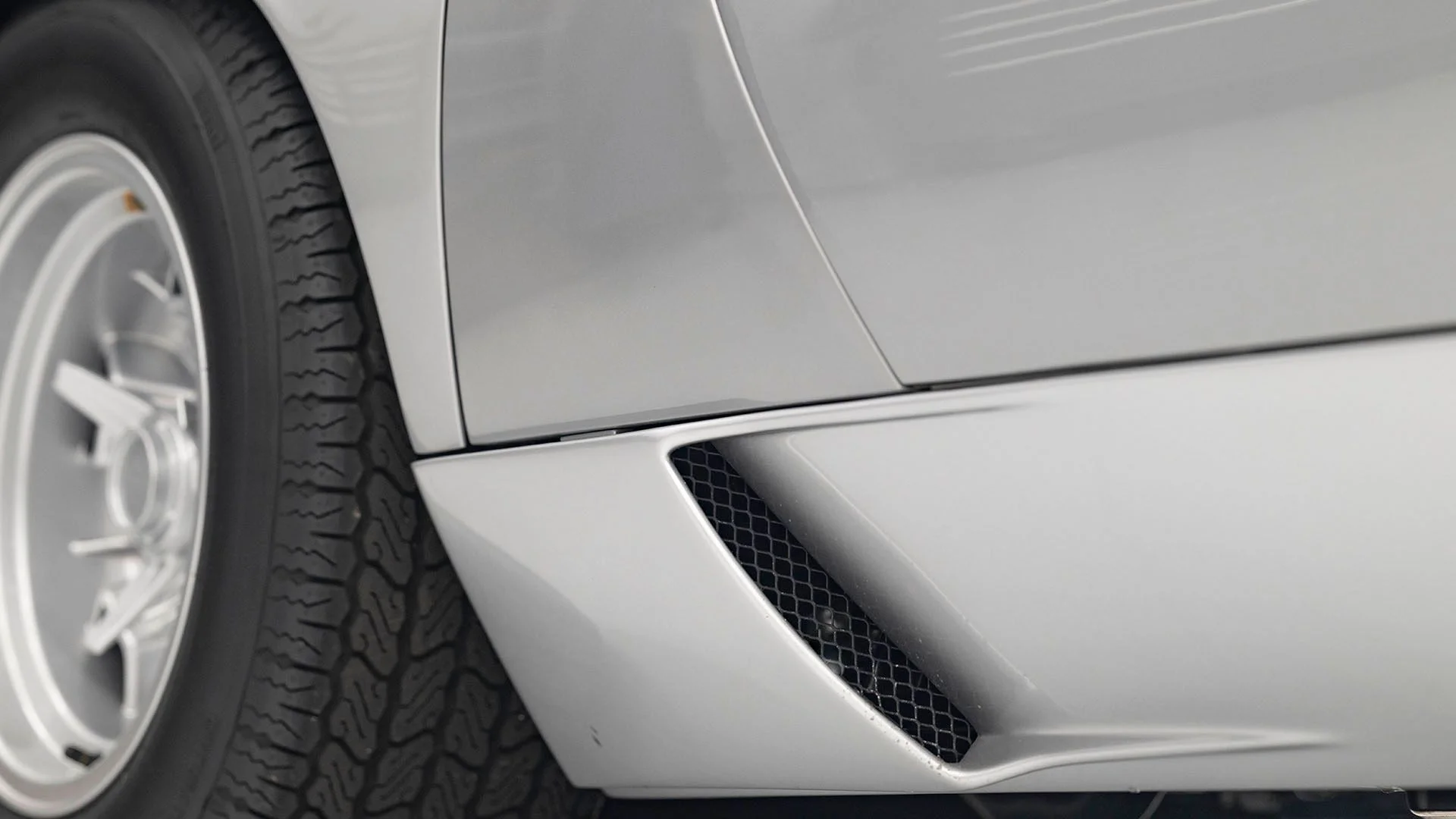
In 1971, the industry-disrupting Miura reached its final and most developed iteration – the Sprinto Veloce, or SV. A mere 150 examples of the much-improved Miura P400 SV were produced between 1971 and 1973, characterized by their lack of headlight lashes and the addition of flared rear wheel arches to accommodate a five-inch-wider rear track. Less immediately apparent were its extensive chassis stiffening measures and its redesigned rear suspension architecture, which consisted of a conventional lower A-arm replacing the inverted A-arm and trailing link arrangement of the P400 and P400 S. Lastly, the SV received an additional 40 horsepower through altered cam timing and the use of four Weber 40 IDL30 triple carburetors, helping it achieve a production car record top speed in excess of 180 miles per hour.

The final and most significant improvement to the Miura during its production run came in the form of a split-sump lubrication system which alleviated oil starvation under hard cornering while also allowing for the use of different types of oil for the engine and transaxle. This particular Miura P400 SV, chassis number 5048, is one of just 96 late-production examples factory equipped with a split-sump system. A left-hand-drive, German delivery example, chassis 5048 was built by Marchesi & C. in Modena and dispatched to Bertone in Turin where it was clothed in body number 835 and finished in Giallo Fly (Fly Yellow). According to Bertone records sourced under previous ownership, this is one of only 19 Miura P400 SVs originally finished in vibrant Giallo Fly, and even fewer specified with a Nero leather interior featuring desirable contrasting beige cloth seat inserts, a Voxson stereo with an eight-track player, and exceedingly rare factory air conditioning. The car was sent from Bertone to Lamborghini in Sant’Agata for completion in May 1972 – making it one of 76 Miuras built during the final year of production – before joining its first German owner, Fischer Schulze, on 10 June 1972.

The Miura is understood to have remained in continental Europe until its recorded history resumes in 1983, when the car was imported to the United States via JFK International Airport by New York-based collector Stan Zagorski.

After a short time in Zagorski’s collection, the Lamborghini was relocated to the West Coast with Len Renwick of Fullerton, California, where it joined his collection of important classics including his Miura P400. While in Renwick’s care, the SV’s original engine was treated to a rebuild and its original Bertone coachwork was refinished in red with gold rocker panels and matching gold wheels. In 1990, chassis 5048 was shipped overseas yet again, this time to Kanagawa, Japan with new owner Tomohiro Utski. The SV remained in the island nation for the next 17 years, seeing only moderate use, until passing in 2007 to SPS Automotive in Hong Kong. Shortly thereafter, the highly original Lamborghini was purchased by an English collector based in Western Australia, who saw fit to conduct a comprehensive cosmetic and mechanical restoration to factory specifications. The monumental undertaking, which is said to have exceeded £130,000/ $225,100 CAD, encompassed a bare metal repaint in its original shade of Giallo Fly, retrimming the interior with correct beige cloth seat inserts, servicing the engine and transaxle, recharging the factory air conditioning system, and overhauling various mechanical systems in need of attention.

Tragically, while newly under the ownership of noted English collector Jon Hunt, chassis 5048 caught fire in the streets of London in 2013 shortly after leaving the shops of H.R. Owen following a recent service. All of the original Bertone body panels save for the passenger’s-side rear quarter, as well as the original engine were deemed salvageable and subsequently shipped to Italy by 2015 for a total restoration. According to a letter on file from legendary Lamborghini test driver and supervisor of the restoration, Valentino Balboni, chassis 5048 was entrusted to many of the same Lamborghini experts and official suppliers who manufactured the Miura at the time of its production in May 1972! This included S.C.N. Carrozzai of Nonantola Modena, an official Lamborghini supplier, responsible for repairing the Bertone coachwork and renewing it in period-correct Argento (Silver). The major mechanicals, including the engine, transaxle, brakes, and suspension, were all salvaged and carefully rebuilt by Top Motors Salvioli of Nonantola Modena, led by ex-Lamborghini Service Department Head Orazio Salvioli. Even the wiring harness – a highly specialized component – was sourced from Christian Gatti, son of William Gatti, Lamborghini’s original wiring supplier. And finally, the interior was trimmed in period-correct blue leather by Bruno Paratelli of Interni Auto Barbieri & Bussolai in Ferrara, the original upholsterer of Lamborghini interiors since 1972.

Rarely is this level of care and attention lavished by ex-Lamborghini factory workers and original parts suppliers on a restoration, never mind being overseen and fine-tuned by the very same test driver who would have driven the car prior to its delivery to its original German owner. Following its completion, the car was briefly in the custody of Joe Macari Classics before joining its current U.S.-based owner, a prominent collector and restorer of significant European sports cars. Under current ownership, there is a further $106,734.10 USD/ $146,162 CAD worth of invoices on file from work performed by Team CJ Works in Austin, TX.

As a matching-numbers, split-sump, factory air conditioning car, this exceptionally rare final-year example of the ultimate Miura variant would be a landmark acquisition for the dedicated collector of groundbreaking Italian sports cars.

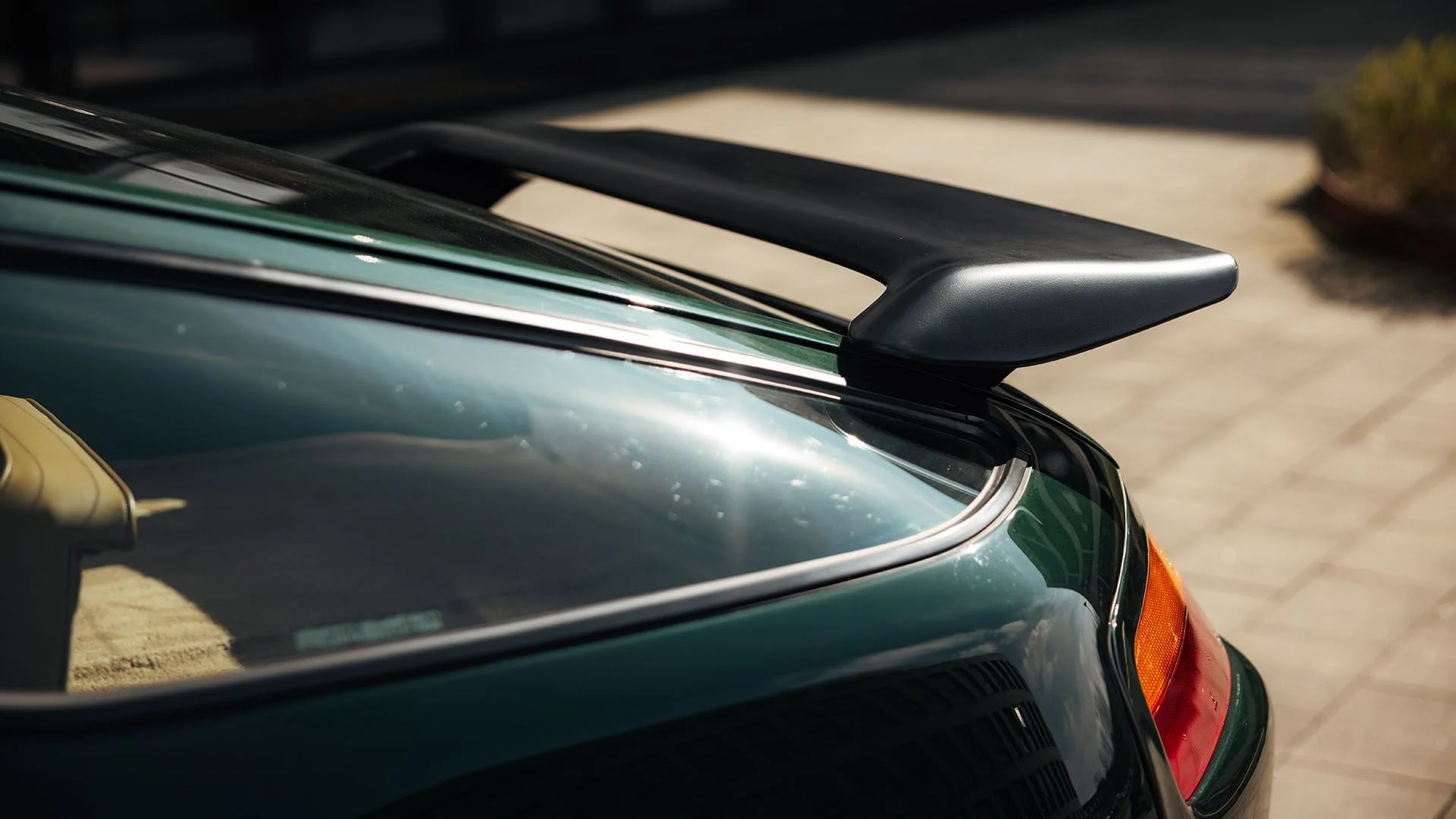
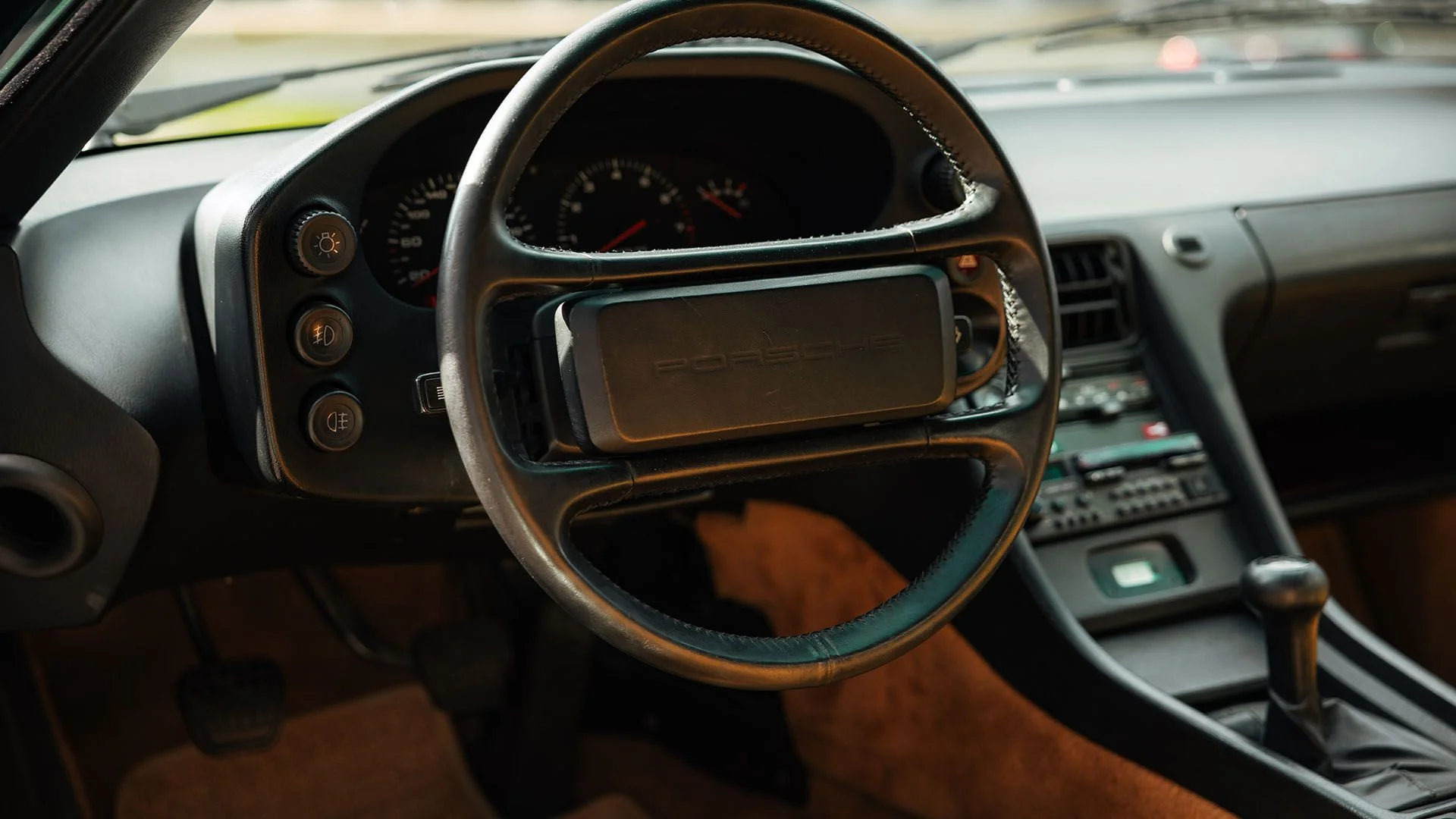
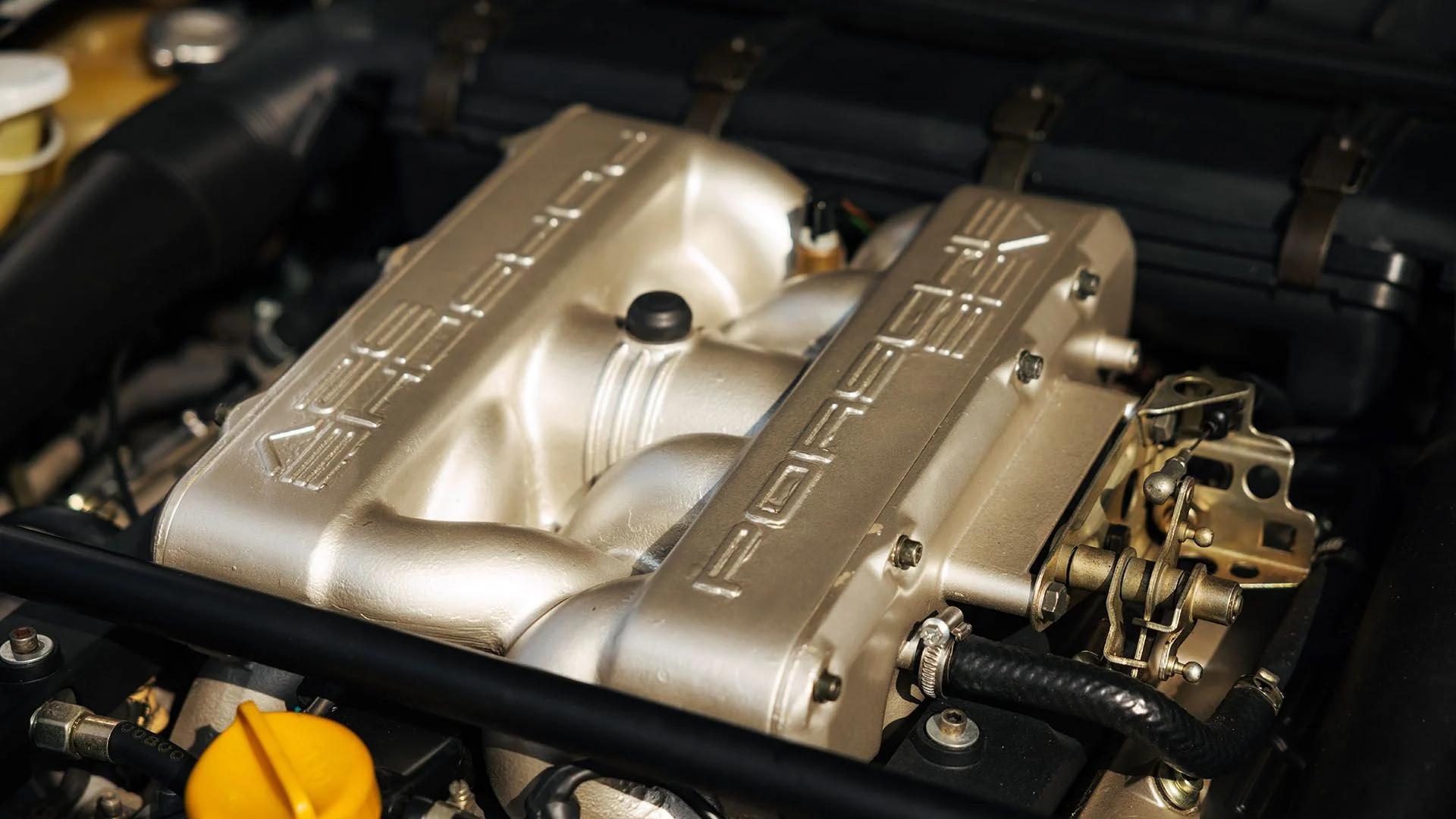
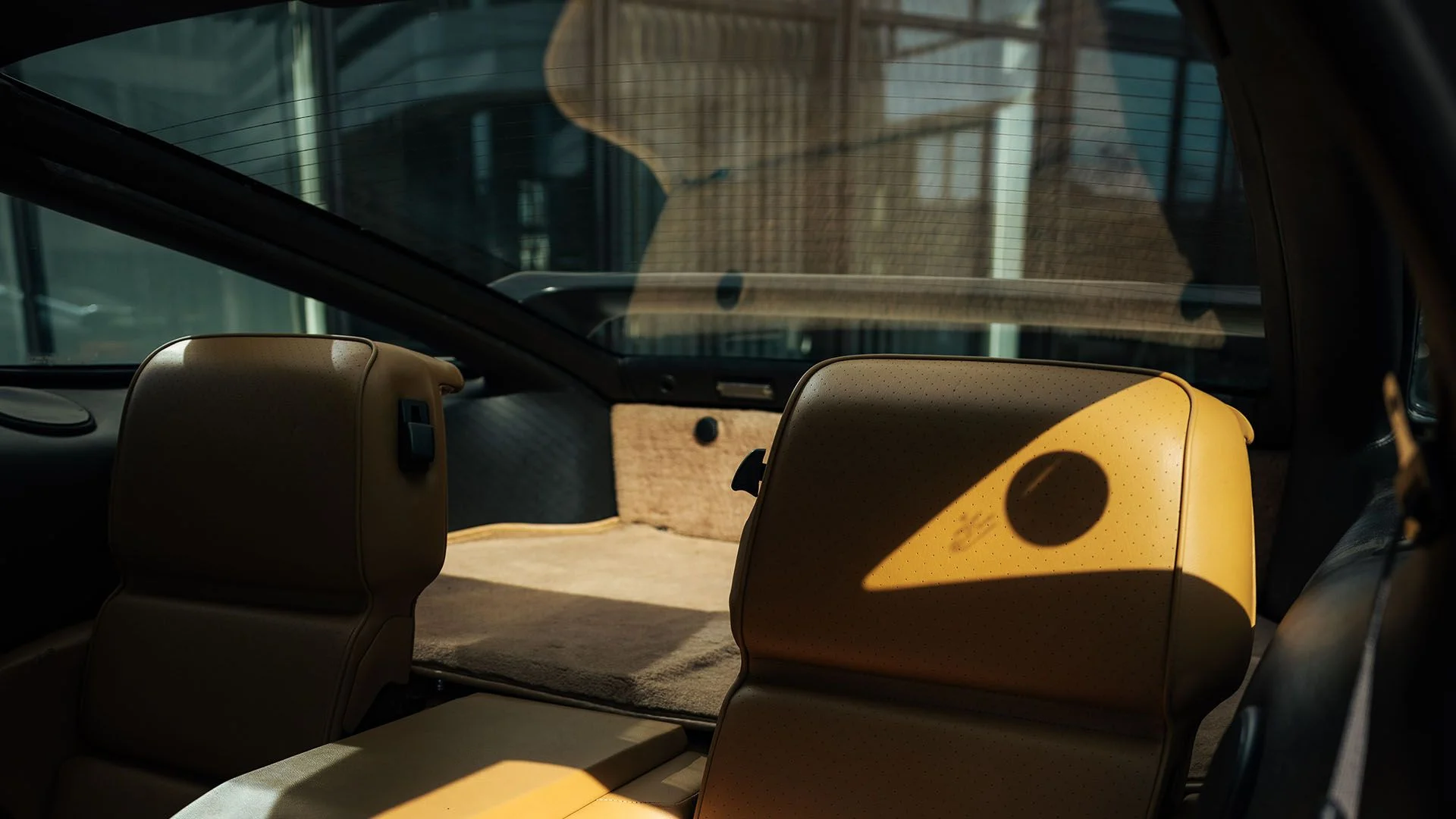
An Ultimate 1980s Porsche: Clubsport 928

Lot 106 | The Porsche Auction in partnership with Air|Water | Auction Estimate: $275,000 usd – $375,000 usd/ $378,000 cad- $516,000 cad

INQUIRE

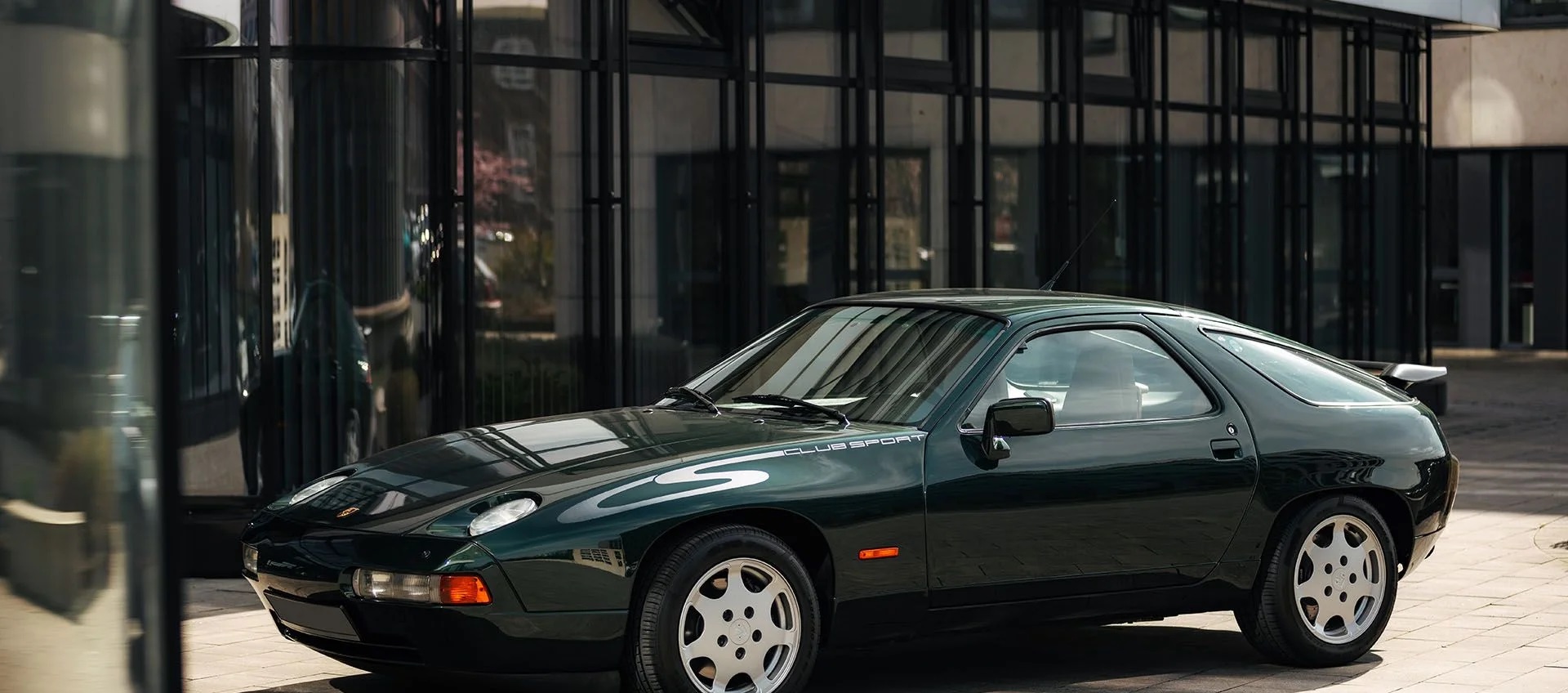
Ahh the 1980s. What a time to have lived through….when the panache of the laid back 1970s transformed into an MTV generation that fueled itself with (briefly) New Coke, parachute pants, Mr. T and Miami Vice. You may already know about “the car”- the one that taught Tom Cruise how to drive a stick and made famous the line “Porsche, there is no substitute”, but as the decade closed and styles began to change so too did the vastly misunderstood yet gorgeous 928.

Enter the 1989 Clubsport

For Sale 1989 Porsche 928 Club Sport

For Sale 1989 Porsche 928 Club Sport

For Sale 1989 Porsche 928 Club Sport

For Sale 1989 Porsche 928 Club Sport

For Sale 1989 Porsche 928 Club Sport

For Sale 1989 Porsche 928 Club Sport

Highlights

  • A matching numbers German-market example initially retained by the Porsche factory per its Porsche Germany build sheet
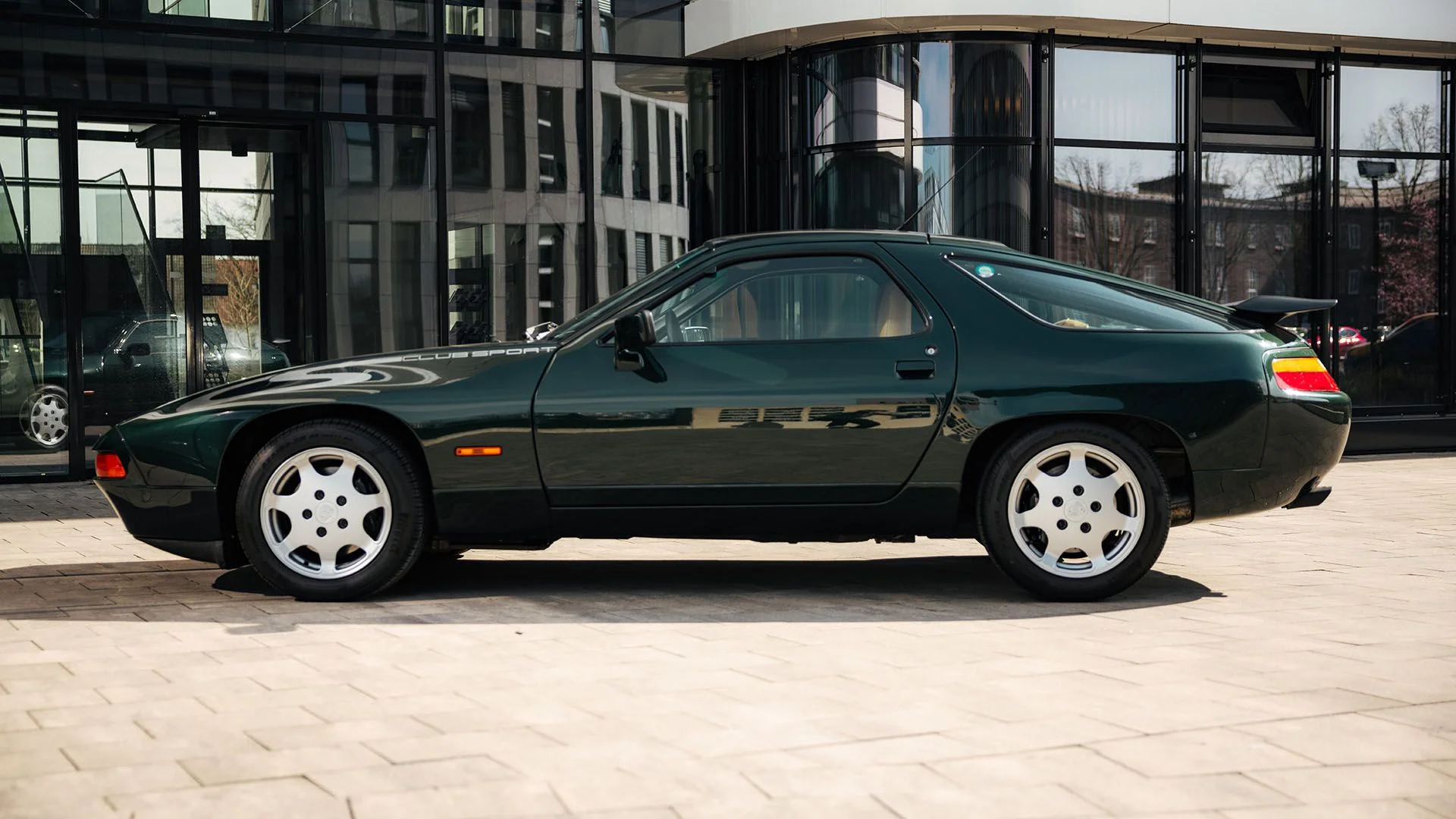
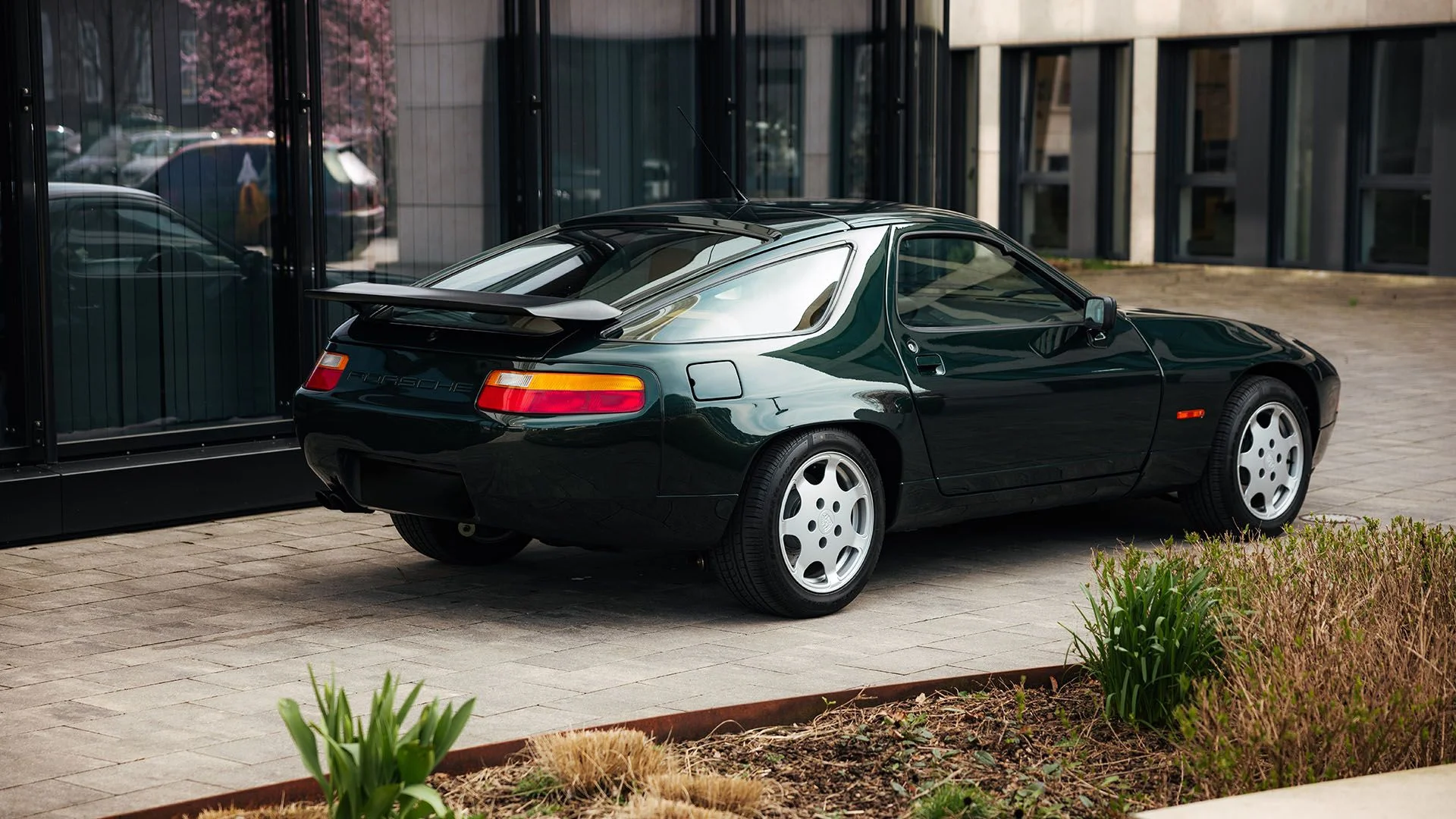
  • One of just seven lightweight 928s optioned with the “M637” Club Sport package built for 1989, one of Porsche’s rarest creations
  • Special lightweight Club Sport package features include the absence of a sunroof, a lighter exhaust, a lack of undercoating, and lighter magnesium-alloy wheels
  • Special sporting Club Sport package features include manual sport seats, short throw shifter, limited-slip differential, lowering by 20 mm, 150 mm wider track, and special badging
  • Fitted from the factory with special “SP” stamped “M28/41” 5.0-liter V8 engine producing a conservatively factory rated 320 PS
  • The only 928 Club Sport finished in Forest Green Metallic (Tannengrün Metallic) over a Cashmere Beige and Black leather interior
  • Over € 65,000 invested between 2019 and 2021

Description

Chassis No. WP0ZZZ92ZKS840540
Engine No. 81K 00246 SP

There are rare Porsches that many know about — the 997-generation 911 Speedster (356 total) and 2010 911 Sport Classic (250 total) come to mind — yet there are those special cars built in low double-digit quantities that are exceedingly uncommon and far less known. Take this lightweight series of 911s, for example. Just 20 1967 911 Rs were produced, only 21 1984 911 SCRS, and just seven years later Porsche produced 22 Carrera 4 Lightweights. The 911 wasn’t the only model in Porsche’s lineup that received the lightweight treatment in small quantities, and it was the 928 on which Porsche engineers interestingly focused their weight saving efforts.

Their initial efforts focused on four prototypes gifted as company cars to each of the four factory 962 sports racing prototype drivers that season: Jochen Mass, Derek Bell, Hans Stuck, and Bob Wollek. All four loved the changes made to their prototypes intended to comfortably transport them across the continent at high rates of speed to the European races. In fact, Derek Bell enjoyed his so much he kept it as his daily driver for 18 years! With such a positive reception, Porsche made these changes available to the public the next year as “M637” Club Sport option. Those 928s optioned with M637 were approximately 120 kilograms lighter than their S4 stablemates due to the removal of comfort features like the rear wiper, a portion of the wiring harness, and PVC undercoating.

Heavier parts were lightened. The exhaust system, a smaller AC compressor, and magnesium wheels special to the Club Sport were added. In addition, the 928 Club Sport featured stronger acceleration due to a modified final drive ratio, short shifter, a limited-slip diff, a transmission without vibration dampening, and sports seats. The Club Sport also featured lowering by 20 millimeters and a 150 millimeter wider track along with special badging. Finally, the Club Sport was fitted from the factory with a special “SP” stamped 5.0-liter V8 engine likely producing more than the conservatively estimated 320 PS, due to special camshafts, a 1 mm increase in valve lift, a modified engine control unit, and a higher rev limit. Following their tried-and-true path, Porsche, along with their racing drivers, developed a 928 with more power, lighter weight, and better handling — a true Porsche Club Sport!

This matching numbers 928 Club Sport on offer is one of just seven production lightweights built for 1989 and is the only example finished in Forest Green Metallic over a Cashmere Beige and Black leather interior. It was originally retained by Porsche AG as a special “Werkswagen” company car for longtime Porsche employee Bernd Kahnau. Kahnau was no mere employee. After his father’s passing – a longtime Porsche employee himself — in 1979, Kahnau was personally recruited to work for Porsche at the request of Ferry Porsche. The former BMW employee quickly became immersed in all manner of important development projects, most notably as a production planner for the 928, 911 Club Sport, 911 Speedster, and 911 models from the 993 to 991.

Beyond being equipped with the highly desirable Club Sport package, this rare 928 was optioned by Kahnau with air conditioning, a tinted windshield, and a Blaupunkt Bremen radio in addition to the sporting items inherent in ordering a Club Sport. It is said that Kahnau was very attached to his Club Sport, as the green on tan livery matched the colors of his English country house! He owned it for approximately two years before it eventually landed with an individual based in Switzerland, where it was located until at least 2019.

Most recently, under current ownership, this matching numbers Club Sport has been the focus of a lavish amount of attention totaling over €65,000 worth of repairs and servicing between 2019 and 2021. Most importantly, following a 33-point Porsche inspection at 120,800 kilometers in 2019, the car visited Landsharks in 2020 for a new water pump, fresh coolant and engine oil, filters, and an oil pan gasket. At the same time the thermostat was replaced, along with the clutch disk and pressure plate, and engine electrical items including the ignition cable, distributor cap and rotor, spark plugs, and two knock sensors.

Underneath, the Club Sport received new brake discs and pads front and rear, a new brake master cylinder, the replacement of the center catalytic converter with lambda probe, and a fresh battery. This work along with other sundry items and parts totaled €22,736.91. Following an accident to the rear of the car, additional invoices from Landsharks that year show the Club Sport was the recipient of cosmetic attention as well with interior saddlery work, a new windshield, new seals, unibody work to repair the rear accident damage, and fresh paint in its original shade of Forest Green Metallic. In 2021, the air conditioning system was refurbished with a new compressor, dryer and a system clean with new liquids and fluids. Today, this rare, well-preserved 928 Club Sport with its matching number engine and transmission is offered with 122,748 kilometers at cataloging with a copy of its Porsche Germany build sheet, recent service paperwork, and manuals.

For the Silo, Bastian Voigt/Hagerty.

This 1961 Impala Was Excellent Moonshine Runner

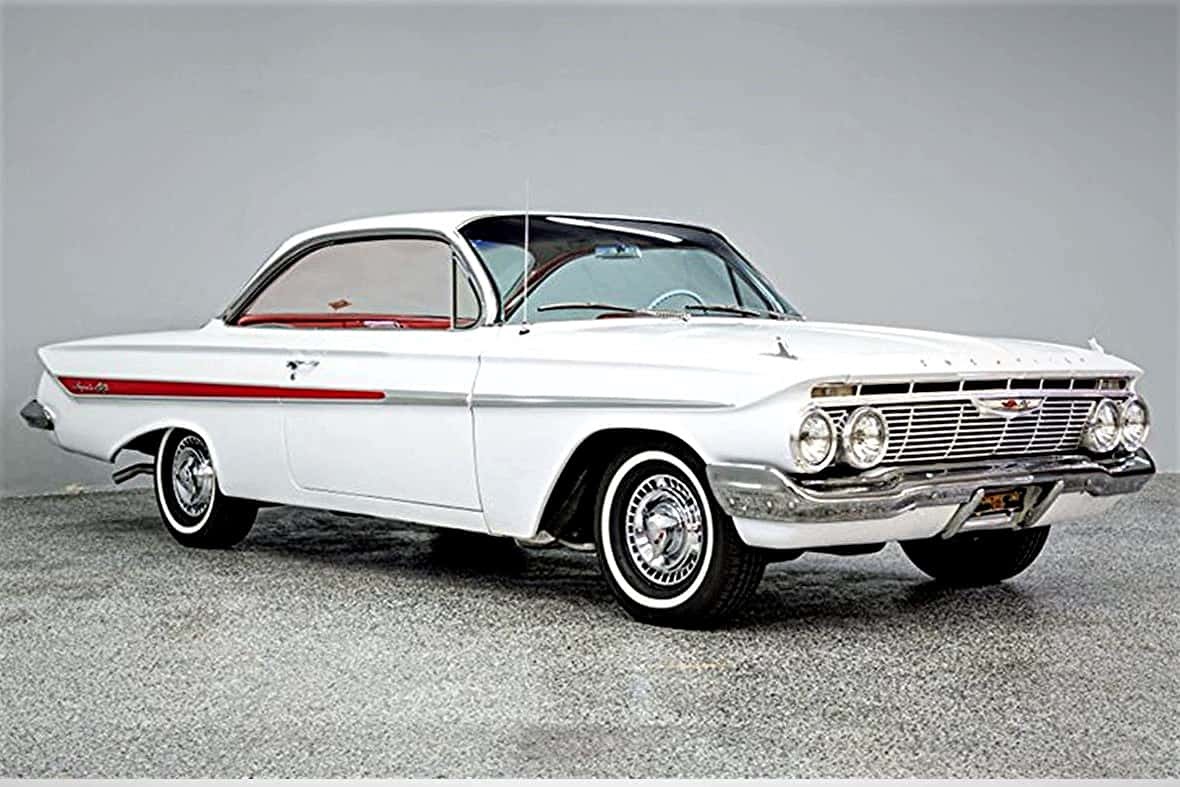
What more is there to say about this car except “Wow”? Jim’s 1961 Tri-Power Chevrolet Impala is yet another pure gem hidden away somewhere in the rural wilds of Ontario, Canada.

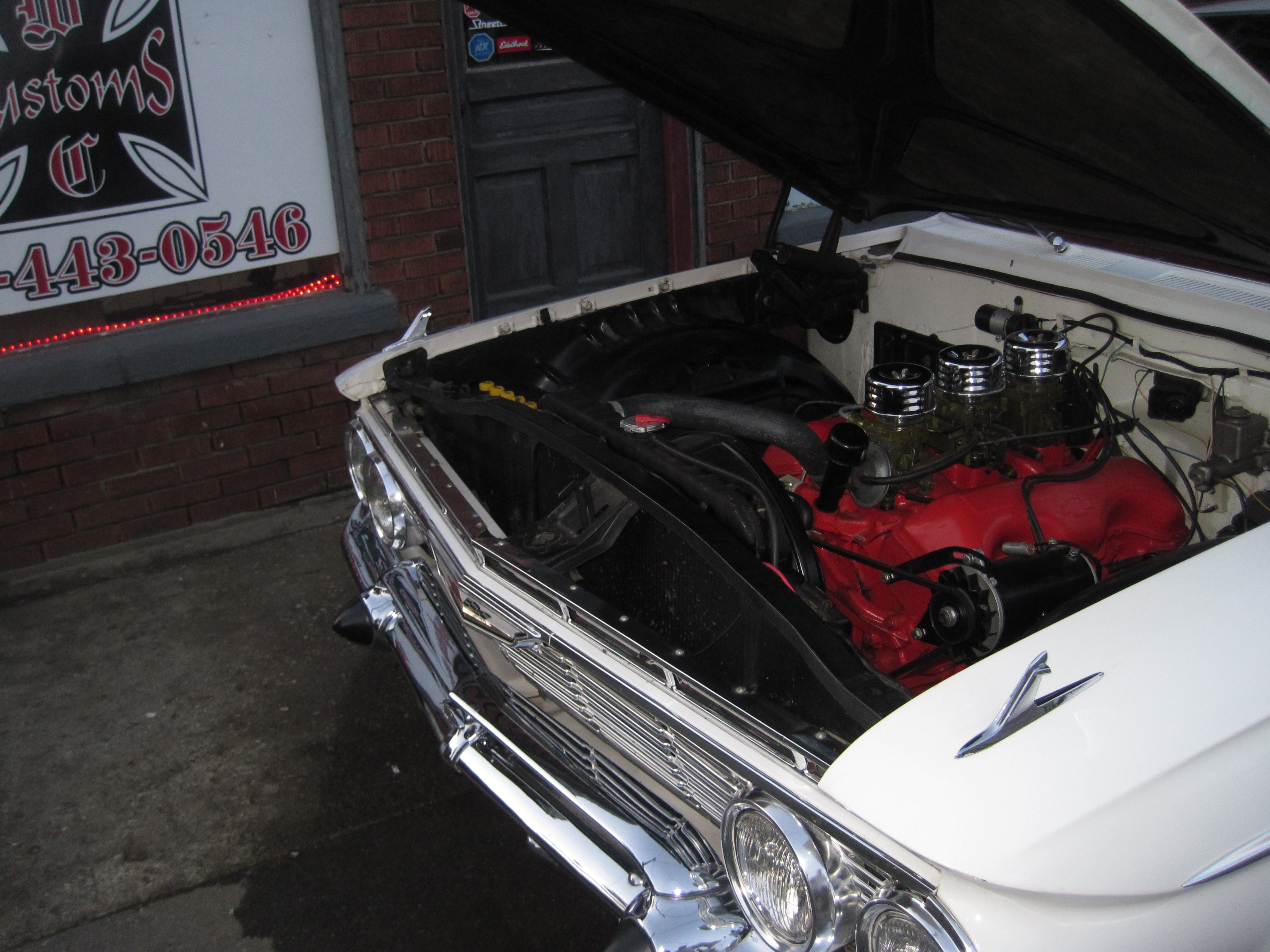
Back in the day, these cars were known in the South as an excellent choice for moonshine runners. It must have been difficult if not impossible for a police car of that era to keep up with this 280 HP, Triple Deuce carbureted, 348 cubic inch big block.

With no power steering or power brakes you sure did get a pretty good feel for those windy, dirt back roads. Yet because of these removed features the car had no loss of available horsepower or throttle response.

With a borg-warner 100 T-10 4 speed transmission and posi 4:11 rear-end, this car puts the power directly to the road.

These traits also made these Impalas widely used in stock car racing and drag racing as well. This pure beauty of a car is painted in a factory Ermin white, with a factory red and ivory interior. Some of the rarer options include: front and rear bumper guards, E-Z eye solar guard glass and wide, white walls.

In a world of ‘rip it down and change it’, this car is still running an old school Delco battery and generator. It is very un-common to still have these options installed.

Owned by Jim, a stunt driver with Legend Filming Network you can bet the only way you’ll see this car in its home area of Delhi, Ontario is when it’s passing you in 3rd gear with all three deuces wide open.

Extra Facts

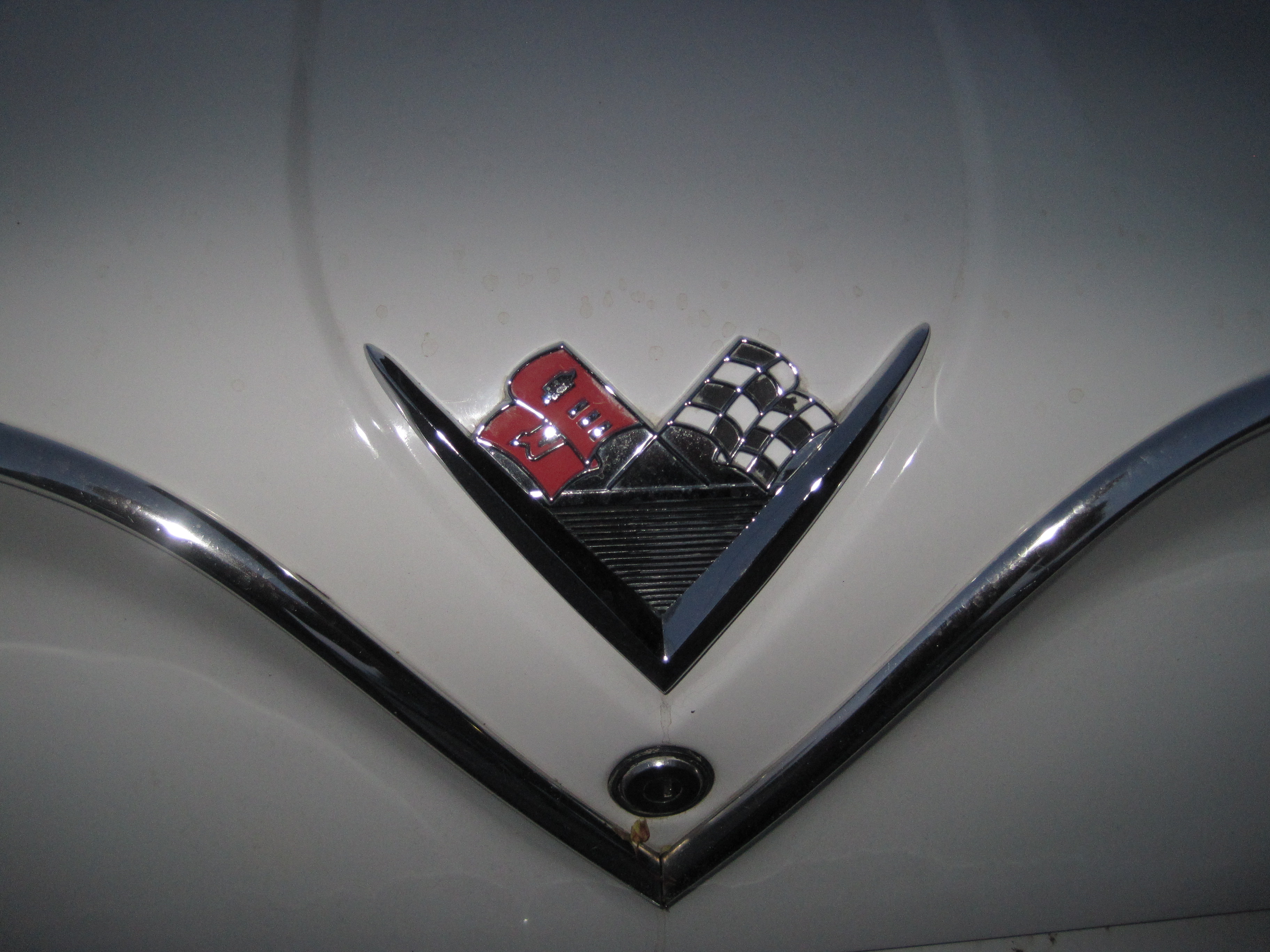
The big flag badging on the grille and trunk lid was specific to only 348 cars, they came in 240 HP, 280 HP and the high horsepower 350 HP models. In late 1961 Chevrolet introduced the 409. That same year, the windshield wipers swept in the same direction. For the Silo, Robb Price.