Worth The Cost- Ultra Premium Champagne To Ring In The New Year

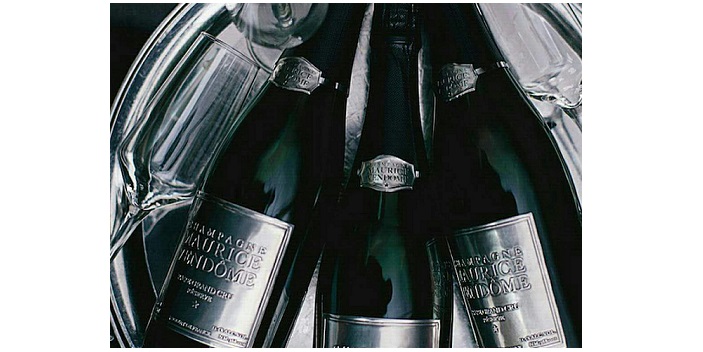
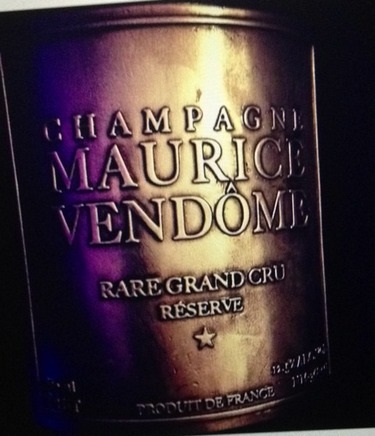
 Luxury Maurice Vendome Champagne Label1Miami, FL,  – Ultra-luxury wine and spirits purveyor Prodiguer Brands, which privately develops and markets many of the world’s finest, award-winning wines and spirits, offers a very special Champagne.  Maurice Vendôme is now exclusively available in the United States (and in select LCBO’s and liquor stores in Ontario and Canada).

This offering furthers the company’s extraordinary and revered portfolio of premium ultra-grade adult beverage brands specifically tailored for the global luxury market to meet evolving consumer desires and tastes. What better way to celebrate New Year’s Eve?

“This rare Grand Cru Réserve Blanc de Blancs champagne represents over 100 years of combined experience, expertise and leadership by our team and the Maurice Vendôme wine grower,” notes Prodiguer Brands’ Managing Partner, Noel Shu—a self-made millionaire, Sommelier and entrepreneur. ” Housed within the beautiful village of Oger in the Côte des Blancs region, Champagne Maurice Vendôme has ancestral ties dating back to the French Revolution. It’s an exquisite champagne that benefits from Oger’s rich soils that provide the perfect setting for luxury winemaking.”
Using 100% rated rare Grand Cru grapes and a limited annual production, Maurice Vendôme offers an exquisite experience of luxurious quality and exclusivity. The caliber and excellence of this rare Grand Cru Réserve Blanc de Blancs champagne is uncompromised, further entrenching Maurice Vendôme as “A Timeless Luxury.”

Champagne Chapuy in Oger

The art of Champagne is created usually with the combination of three different types of grapes – Chardonnay, Pinot Meunier and Pinot Noir. Champagne Maurice Vendôme uses exclusively 100% Chardonnay to create a unique Blanc de Blancs luxury cuvée. Each Chardonnay grape is delicately handpicked  from only the finest vineyards in Champagne country and then pressed to release their first juice, premiér taille.
Tasting Notes:

  • Colour: Straw yellow appearance
  • Nose: Intense white fruits, sweet on the nose, slightly floral
  • Palate: Creamy smooth refreshing palate, full delicate flavor
  • Finish: Charming fresh finish
  • Premiér taille of 100% Grand Cru Chardonnay
  • Hand-picked, sorted and pressed within 24 hours Liqueur de dosage: Chardonnay wine with melted cane sugar at 12 g/liter, this champagne then rests for a further four months after disgorgement, resulting in a luxury aroma, taste, body, and finish
  • Formats: 75cl and Magnum 1.5l – larger sizes by special order

A Prestigious Pedigree: Makers of the World’s Most Expensive Champagne Prodiguer Brands gained much notoriety for developing and facilitating the record-breaking sale of the most expensive single bottle of Champagne in the world—a limited edition bottle of Goût de Diamants, Taste of Diamonds, which sold for a staggering $1.8 million usd / $2.4 million cad.
Made from 100% Grand Cru grapes, all Goût de Diamants Champagne—available as a brut, a rosé, a Blanc de Blancs and a vintage—is produced at the 8-hectare, family-owned, Champagne Chapuy in Oger. Each standard bottle of Goût de Diamants is a chic collector’s item that’s adorned with a brilliant cut Swarovski crystal in the center of a diamond-shaped pewter design resembling the Superman logo.
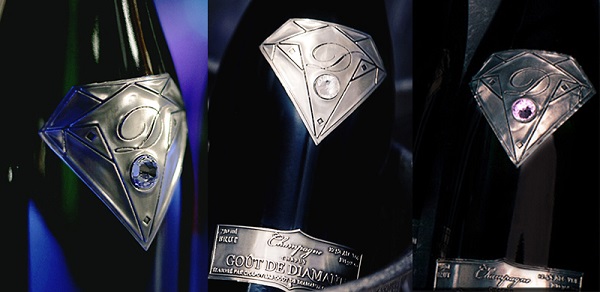
Goût de Diamants bottle

The Swarovski crystals are pink on the rosé bottles and clear on the Blanc de Blancs and the brut, which is aged for a minimum of 40 months before release including four months post disgorgement.  In addition, borrowing design cues from Armand de Brignac, the back of each bottle also boasts a hand-engraved pewter label featuring details of the blend inside. For its part, the bespoke multi-million dollar bottle saw the diamond logo crafted from 18-carat solid white gold while the Swarovski crystal was upgraded to a 19-carat flawless white diamond. The 18-carat white gold front label meanwhile, was engraved with the client’s name.

A Voraciously Vetted Vodka  Also in the Prodiguer Brands’ preeminent portfolio is JULIET Immaculate Vodka, which is the world’s first “Immaculate”-graded vodka—ranking it above other premium, super-premium and even ultra-premium brands. Notably, this “Immaculate” rank was actually incepted by Prodiguer Brands, itself, as was required to aptly classify this caliber of vodka, and is a grade now recognized and accepted by industry professionals worldwide.

Upon its official launch in Monte Carlo, Monaco in 2014 during the prestigious, Formula One Grand Prix weekend at the exclusive Ermanno Palace Penthouse, this luxury vodka subsequently appeared at a multitude of A-list events in key regions around the world, including New York City, Barcelona, Paris, Sweden and London. At that time, the brand released a range of Collector’s Edition bottles featuring artwork from renowned New York City based artist, Sue Tsai, based around the F1 and the Brazil World Cup 2014.

Prodiguer Brands expressly separated JULIET from competitors by creating a vodka using a boutique production process to ensure the highest quality vodka that boasts seven distinct unique selling propositions. For one, the vodka weighs in at 43% alcohol volume (is 86 proof), and is only distilled a single time. As the vodka is handcrafted in small batches and great care is taken to prevent impurities from entering at any point in the process, the result is an impeccably pure vodka that does not need to be distilled multiple times. In addition, the vodka is gluten free as, by using high quality sugar beet that the brand ferments in-house, gluten is avoided entirely. The sweetness of the sugar beet also levels out the strong 43% alcohol volume, leaving pleasant smooth vanilla notes. Moreover, the vodka does not require any additional filtration as it is purified in copper pot stills during the distillation process and, packaging-wise, it uses wood top natural corks and tin foil capsules to exemplify the brand’s approach to using natural, non-toxic and renewable materials. JULIET Immaculate Vodka is 100% British, created at its own dedicated distillery based in the South of England, United Kingdom.
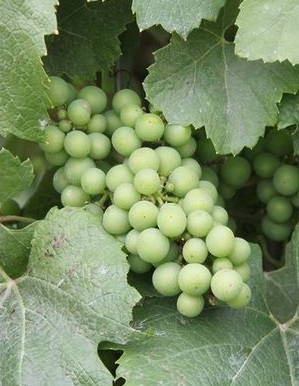
French Champagne Grapes
Expertise Aplenty:
About Noel Shu, Prodiguer Brands’ Managing Partner Internationally-regarded sommelier Noel Shu, Managing Partner for the ultra-luxe, award-winning wine and spirts purveyor Prodiguer Brands, is a self-made millionaire since his early 20s, entrepreneur and author of the upcoming title, “China Through a Glass of Wine.”  With impeccable panache and style, Shu, has already accomplished more than many do in an entire lifetime. Shu has personally designed and sold extraordinary multi-million dollar timepieces and necklaces to China’s elite through his ancillary, highly successful luxury jewelry business.  Always striving for growth and self-improvement and with a reverence for continuing education, despite his busy schedule Shu is currently pursuing an Ivy League Master’s degree at Columbia University. As a globally-minded business practitioner, Shu understands commerce on both sides of the Pacific and brings that expertise to bear with his various ventures, including the highly anticipated upcoming release of “Regale”—an exclusive wine brand expressly developed for the Chinese marketplace, which will be exported to the region in early 2016.  Shu may be reached at www.prodiguerbrands.com.
About Prodiguer Brands Prodiguer Brands privately creates and owns some of the world’s finest wines and spirits.  With a growing portfolio, Prodiguer Brands prides themselves in creating luxury brands for the global luxury market that meet new consumer desires and tastes.  In 2016 the company will be releasing one of the world’s finest red wine offerings in the U.S. market: the highly anticipated SIA Cabernet Sauvignon. Led by Shammi Shinh, the company is predicated on strong dedication, wise investment, and offering the best consumption experiences.

Shinh has been commissioned by the likes of Hugo Boss and Christian Louboutin to ideate and help create engagement opportunities in the luxury marketplace.

Learn more about Prodiguer Brands online at www.prodiguerbrands.com.
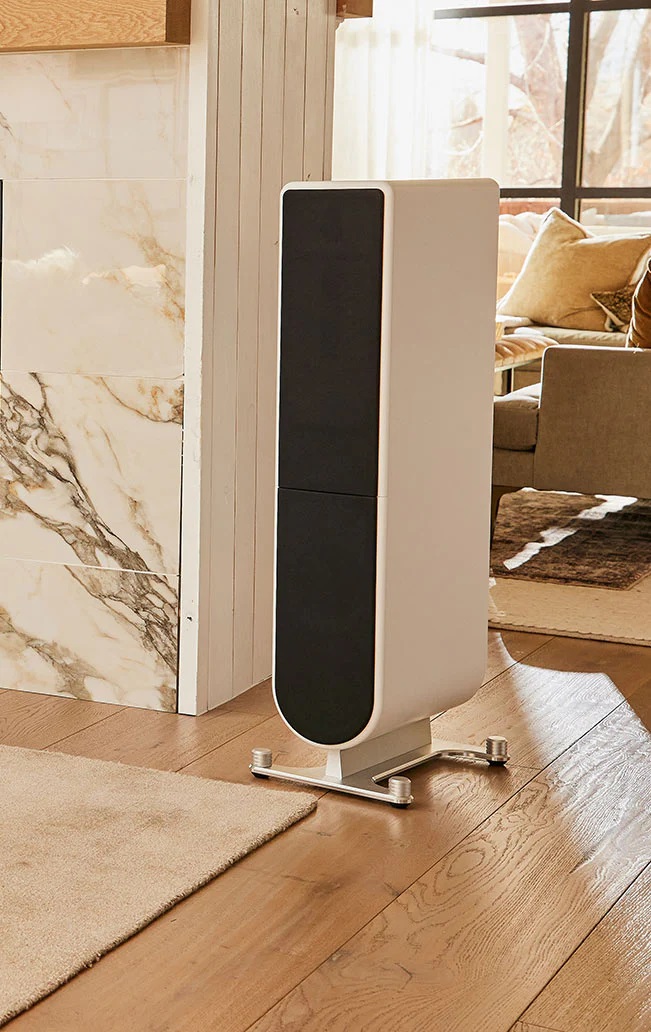
Technology Pushing 10,000$ Loudspeaker

Just in time for audiophile Christmas~
PS Audio Introduces Its aspen FR10 Loudspeaker, Ideal for a Wide Variety of Listening Rooms and Systems — New FR10 floorstanding speaker delivers the sonic magic of the aspen series in a smaller, more affordable form factor —
Boulder, Colorado, December, 2023 – PS Audio today announced the introduction of its aspen FR10 loudspeaker, an elegant, slim 3-way floorstanding tower that brings the extraordinary sound quality and innovative driver design of the aspen series to a wider range of listening environments, systems, and budgets.

The new FR10 (SRP: $9,999 usd / $13,300 cad per pair, available now) features PS Audio’s acclaimed push-pull planar magnetic midrange and high-frequency driver technologies, complemented by ultra-low-distortion, linear-magnet woofers, high-excursion passive radiators, and a host of additional refinements. Like all the models in the aspen series, the FR10 has a sleek, refined appearance.

Paul McGowan, PS Audio CEO noted, “The aspen FR10 embodies more than 50 years of experience in audio in learning what works in a loudspeaker, and what it takes for a speaker to ‘disappear’ in a listening room and deliver a magical musical experience. Our goal with the aspen FR10 was to offer no-compromise full-range loudspeaker performance in a smaller, more affordable form factor that fits easily into smaller and medium-sized rooms.”

All the drivers in the FR10 are custom-designed from the ground up. The 8-inch planar ribbon midrange and 2.5-inch planar ribbon tweeter employ a push-pull design with an identical symmetrical motor structure on either side of their driver diaphragms. This inherently linear configuration provides lower distortion than conventional single-sided magnet structures, along with higher efficiency.

The midrange and high-frequency drivers employ high-strength magnets and diaphragms made from Teonex® film, a thin, highly stable material that provides exceptional transient response and resolution, with a fast, clean decay. The drivers are housed in a sealed sub-enclosure to ensure maximum clarity and freedom from internal cabinet colorations.

The PS Audio aspen FR10 utilizes dual 6.5-inch cast-frame woofers with a non-woven carbon fiber PMI foam sandwich cone, for an articulate response that complements the speed and transparency of the planar-magnetic midrange and high-frequency drivers. The woofers utilize a split magnetic gap with dual copper shorting rings, and have a large 3/4-inch peak-to-peak linear excursion for low distortion and a dynamically responsive bass output. The woofers are augmented by three flat-piston carbon fiber passive radiators. The FR10 offers wide range frequency response from 32 Hz – 20 kHz (- 6 dB, half-space; 25 Hz – 6 dB in-room).

The FR10’s slim enclosure measures 41.5 inches high by 8 inches wide (11.75 inches wide with its stand) by 16.25 inches deep. It’s available in a striking new matte finish in either black or white, and comes with magnetically detachable grilles. The aspen FR10’s room-friendly design makes it easy to set up and enjoy, and the FR10 comes with a handy setup booklet and CD to get the most out of the speaker. The FR10 has a visually distinctive “floating” appearance, with a curved bottom and an anodized aluminum base that is supplied with mounting feet that can be used with either removable stainless-steel spikes, or a soft rubber foot underneath.

The aspen FR10 delivers remarkable loudspeaker performance in every respect, with authoritative bass, an inviting midrange, smooth, extended highs, wide dynamic range, and palpable imaging on a wide and deep soundstage. It’s sure to thrill even the most demanding audiophiles and music aficionados.aspen FR10 Features at a Glance:
Enclosure type: sealed upper midrange/tweeter module and lower cabinet for the woofers and passive radiatorsHigh-frequency transducer: 2.5-inch planar magnetic ribbon tweeter with Teonex diaphragm Mid-frequency transducer: 8-inch planar magnetic ribbon midrange with Teonex diaphragm Passive radiator: three 6 by nine inch flat-piston carbon fiber Woofer: dual 6.5-inch cast-frame, non-woven carbon fiber PMI foam sandwich cone Thermoset resin fiberglass-composite woofer baffle Magnetically-attached grille Computer-optimized custom crossover with premium film capacitors and air-core inductors Polished stainless-steel spikes with soft rubber feet enable a variety of mounting options Frequency Response: 32 Hz – 20 kHz (- 6 dB, half-space; 25 Hz – 6 dB in-room)Crossover Frequency: 550 Hz, 1,750 Hz Sensitivity: 86.5 dB Nominal Impedance: 4 ohms (3.3 ohms minimum)Recommended Amplifier Power: 50 – 125 watts Dimensions: 41.5 x 11.75 x 16.25 inches with base Weight: 75 lbs. (34.1 kg)Teonex is a registered trademark of DuPont Teijin Films.

Manly Raketa Submariner Wear

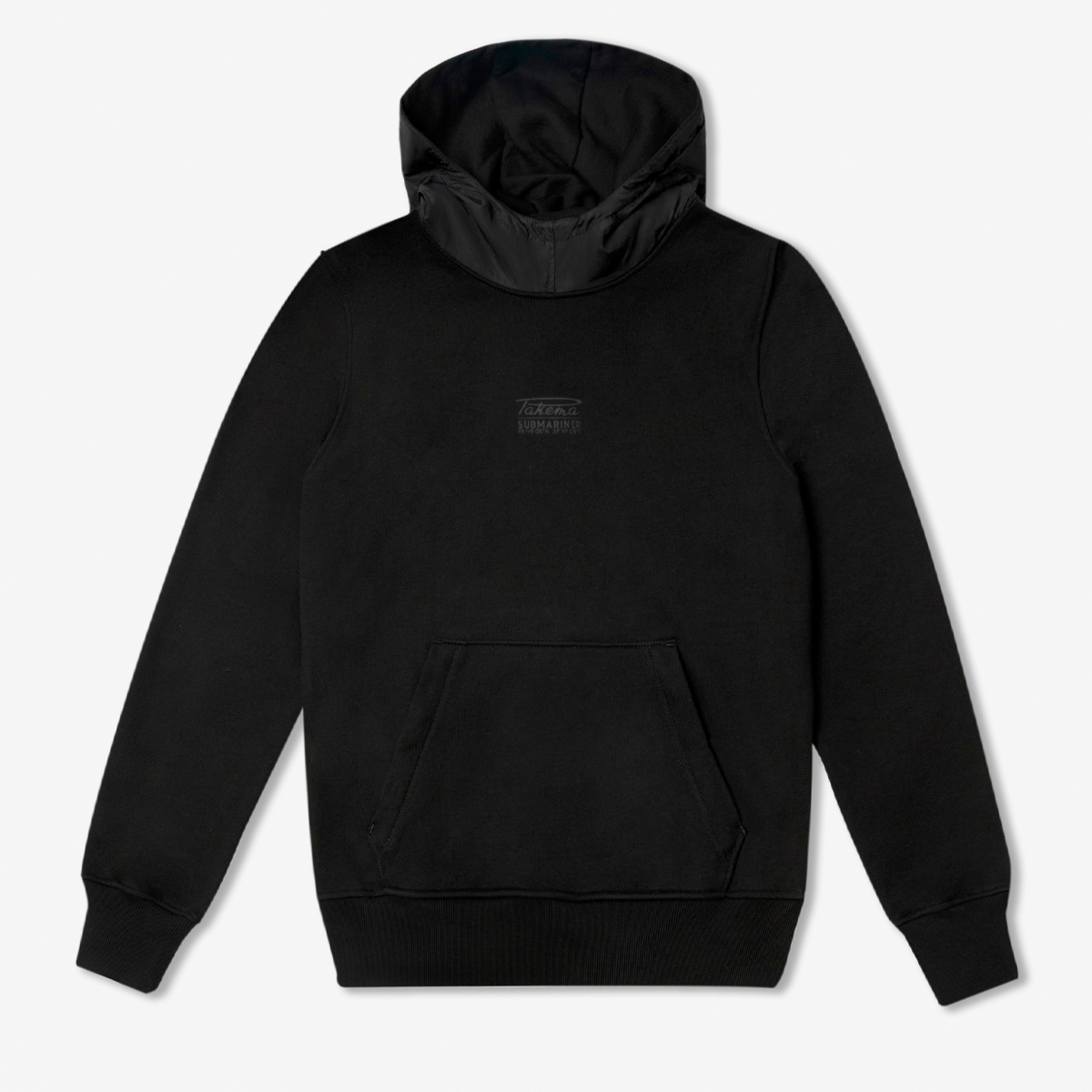
Moscow, Russia. December 2024. “Raketa” and Moscow-based brand “Submariner” have launched a limited collection of clothing inspired by underwater themes.

The release is timed to the launch of Raketa’s new watch for submariners — Raketa “Sonar Kashalot”.

The Raketa x Submariner line includes hats, hoodies and T-shirts in four colours replicating the main shades of Raketa’s watch novelty: black, grey, blue and red.

With its premium quality and unique style based on the transfer of military elements into everyday urban images, “Submariner” has agreed to collaborate with the Raketa watch factory which produces models inspired by polar explorers, cosmonauts, sailors and submariners.

The “Garment Dyed” technology was used to create the collection.

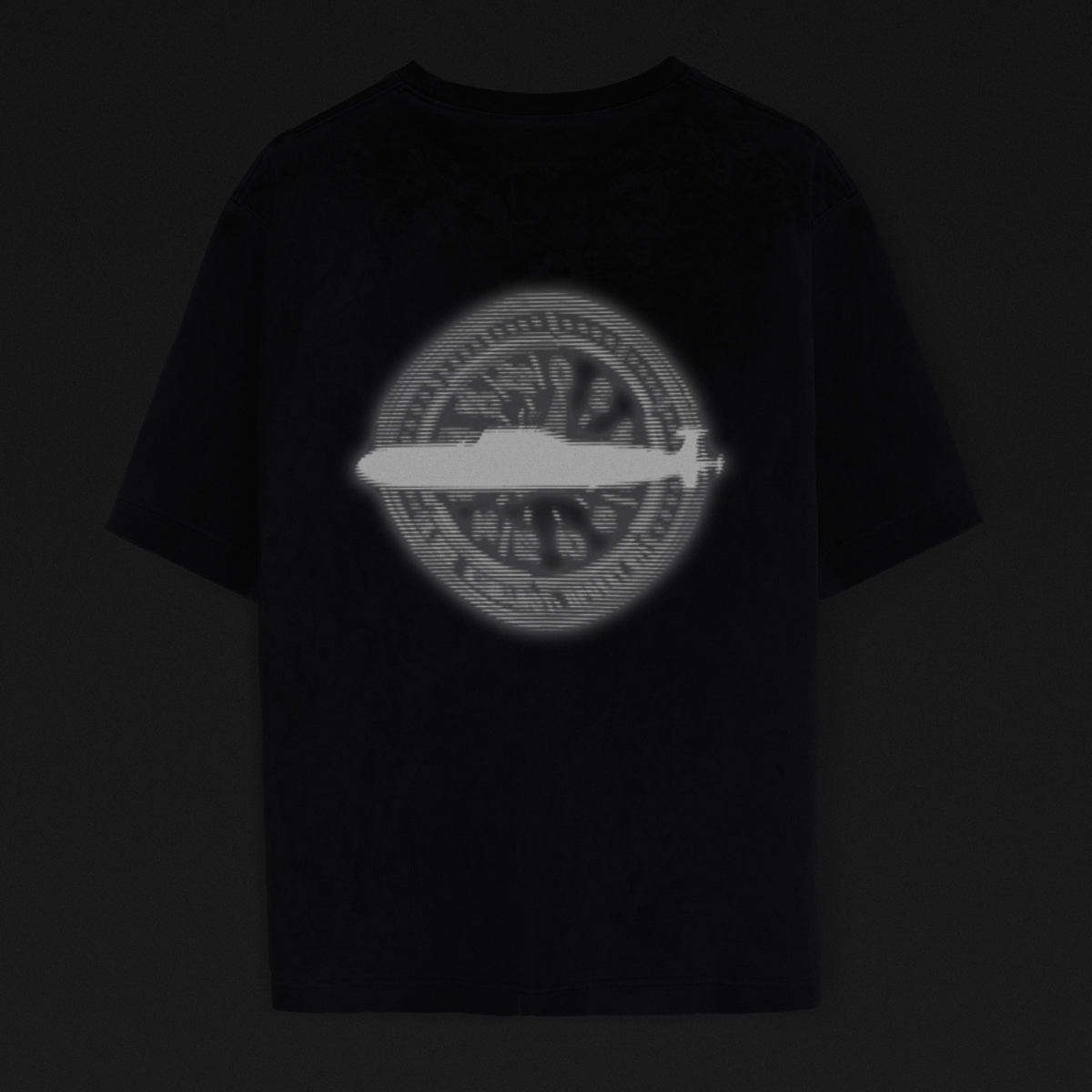
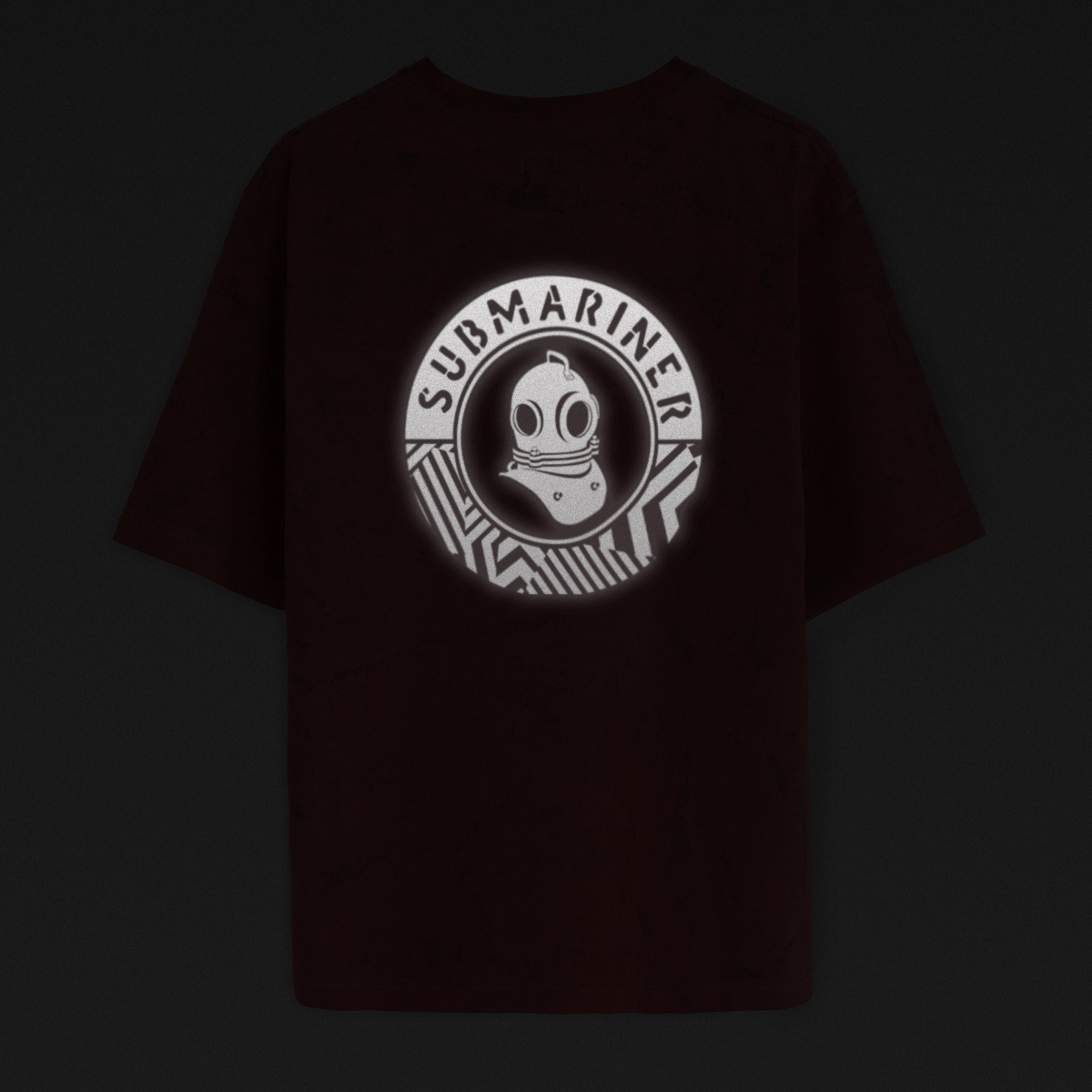
This method of dyeing clothes is appreciated by designers all over the world for the unique pattern and unusual textured appearance of each dyed product. The logo of the Raketa x Submariner collaboration is made using one of the two technologies: “Night Glow”, which provides a soft glow in the dark, or “Reflective”, which reflects light. All care recommendations and a list of technologies used are indicated on the tags.

The Raketa x Submariner clothing collection is available online on raketa.com with a worldwide delivery by DHL directly up to the front door.

Why Open Science Is Feeling Like Closed Science

How open is open science?
While open science practices are being adopted worldwide, new UNESCO findings reveal a tale of uneven growth. According to the newly released UNESCO Open Science Outlook 1: Status and trends around the world, access and sharing of its benefits remain unequal across regions and disciplines.

Why is open science so crucial?

In the face of challenges such as climate disruption, pandemics, and biodiversity loss, recent years have shown that we need science more than ever. But to address these global risks in a truly effective way, we require not just any science but an open, collaborative, and inclusive form of it.
Open science revolutionizes the scientific endeavor by breaking down barriers and ensuring that scientific results, tools, processes, and methods are accessible to all. By also bringing scientists together, regardless of their cultural, political, and religious backgrounds, open science democratizes the scientific realm, turning science into a shared heritage rather than a privileged commodity.Open science can serve as a powerful tool to bridge existing gaps in science, technology, and innovation, contributing to both the greater good for science and society and the achievement of the Sustainable Development Goals (SDGs). The COVID-19 pandemic serves as an example, with 85% of COVID-19 articles being open access by mid-2021, leading to unprecedented scientific breakthroughs in record time.

What is the global landscape of open science?

While a growing number of countries are embracing open science, the lack of equity in access to funding, skills, and tools has hindered its widespread implementation across the globe. Yet, since the adoption of the 2021 UNESCO Recommendation on Open Science, 11 countries have already introduced national open science policies, strategies, and legislative frameworks.
Yet this new Open Science Outlook unveils disparities within open science that demand our immediate attention. For instance, many researchers are sharing their findings on open-access repositories, but nearly 85% of such open publication and data repositories are in Western Europe and North America. Africa and the Arab region account for less than 2% and 3%, respectively.

What step must we take for the future of open science?

For a full transition to open science, a cultural shift in science is imperative. This shift necessitates increased collaboration and coordination among scientists and society, as well as across regions, to accelerate the move toward a genuinely global and equitable open science. As declared by the UNESCO Director-General, “Open science must be more than an exception; it should be the standard”. To achieve this objective, UNESCO continues to showcase the positive changes open science can bring about, including advancements in sustainable development, the reduction of regional inequalities, and the progression of scientific knowledge.

Why read the UNESCO Open Science Outlook?

This new report offers a global overview of the state of open science and updates on the implementation of the 2021 UNESCO Recommendation on Open Science. It evaluates its impact, identifies challenges, and sets the stage for future progress by sharing insights into open science practices. Importantly, it aligns with Article 27 of the Universal Declaration of Human Rights, which states that “Everyone has the right (…) to share in scientific advancement and its benefits.”UNESCO looks forward to your joining us in shaping a future where open science is not an aspiration but a reality! Join the conversation

Online Remote Doctoring In Canada Effective This Flu Season

How to keep your kids healthy this winter

Kids never seem to get sick when it’s convenient. It always seems to hit in the middle of the night or the morning of a big test, and it’s not always obvious if they need to see a doctor or not. If your little one’s sick, your teen needs a doctor’s note for school, or you have health questions, Maple has you covered.

Maple is a virtual care provider that connects you with Canadian-licensed doctors and specialists, 24/7.

Even if your child isn’t currently sick, getting virus after virus may feel unavoidable. However, there are ways you can help to protect your kids from the worst of cold and flu season. Here’s how to keep your kids healthy this winter and what to do if they come down with something despite your best efforts.

How to keep your kids from getting sick

Cold weather doesn’t have to mark the start of fever and runny nose season. Here’s how to help protect your kids from getting sick.

1 Stay up to date with vaccinations

Getting your child to roll up their sleeve for a vaccine isn’t always easy. Despite that, the flu shot is a great option for protecting your family against the virus.
The flu vaccine changes every year based on which strains of flu are circulating. While it can’t completely guarantee your child won’t get the flu, it does prime their immune system to recognize the virus more quickly. This helps protect against more severe illness and any accompanying complications.

2 Prioritize healthy eating

No one food can completely protect your child from getting sick. However, vegetables, fruits, protein, and healthy fats provide necessary micronutrients to support their immune system function. Kids don’t always want to eat what’s best for them though. Even if they’re not a picky eater, devouring a rainbow of vegetables might not be your child’s thing. If you’re worried they’re not getting enough nutrients, speaking to a dietitian can help you understand if your child’s diet is lacking anything. Even better, they can suggest healthy meals your kids will actually eat.

3 Supplement their diet with vitamin D

Vitamin D is one of the building blocks of healthy immune functioning. But it’s difficult to get enough from sunlight and diet alone, leaving many Canadian kids deficient. Incorporating a vitamin D supplement is a great way to make sure they’re meeting their requirements.

4 Promote proper hand hygiene

The influenza virus can live on some surfaces for up to 7 days, just waiting for a chance to go from your child’s hand to their mouth, nose, or eyes. Support your child to wash their hands properly to help curb this.

5 Consider masking in public indoor settings

They may not be everyone’s preference, but masks are a great tool to prevent your child from breathing in cold and flu viruses. As an added bonus, they also help safeguard against COVID-19 when worn in public indoor places.

6 Ask them to give their friends space

Flu and cold viruses pass easily through close contact. Remind your child not to share utensils, food, or drinks with their friends.

7 Create good sleep habits

Lack of sleep can negatively affect the immune system, putting your child more at risk of getting sick. Keep a consistent wakeup and lights out schedule and avoid screens for at least an hour before bedtime to encourage a full night’s rest.

How to help your child recover comfortably

Viruses spread easily, and even the most conscientious kids can get sick. No matter what they’re sick with, however, encouraging your child to rest is one of the best things you can do to promote recovery. You can also make them more comfortable by:

  • Prioritizing hydration. Give your child frequent small sips of water to keep the mucus flowing and help reduce congestion.
  • Running a cool mist humidifier to ease nasal congestion and breathing. Don’t forget to use purified water and disinfect regularly to avoid dispersing bacteria or mold into the air.
  • Investing in a good quality nasal aspirator for babies and children who can’t blow their own nose.
  • Using a purified saline solution to clear nasal passages. You can combine this with a nasal aspirator tool.

What medications should I give my child for cold or flu?

Provided they don’t have any allergies to the medicines and you dose by weight, you can safely give your child fever-reducers like acetaminophen (Tylenol or Tempra) or ibuprofen (Advil or Motrin). These also address other symptoms like sore throat and headache.

However, giving children under 18 Aspirin for headaches or other symptoms is a definite no as it can cause Reye’s Syndrome, a serious illness. And, since antibiotics only treat bacterial infections, they won’t work against the viruses that cause colds and flu.

If giving your child medication is feeling tricky, talking to a doctor online can help to answer any questions you have. They may also be able to provide prescription medication like antiviral drugs to shorten the severity and length of your child’s flu. This is especially helpful for children at higher risk of flu complications, like the immunocompromised or kids under five.

If you go this route, timing is everything since antivirals are most effective within 48 hours of symptom onset. With Maple, you can connect to a doctor within minutes. And, if they do prescribe an antiviral, it can be faxed to the pharmacy of your choice, or delivered free to your door.

Without antivirals, how long does the flu last in kids? Recovery should take about a week although coughing and low energy can linger for a week or two after. In contrast, colds take about 7-10 days to run their course.

Quote: "No matter what they're sick with, however, encouraging your child to rest is one of the best things you can do to promote recovery."

Should I let my child’s fever run its course?

Fever isn’t just distressing, it can also be confusing — is 37.5°C a fever in a child? Is 38°C? And how do you know when a fever is too high for a child?

While it can be upsetting to watch your child wrestle with a fever, there are clear guidelines for treating them.

For starters, an underarm or oral measurement above 37.5°C is considered a fever. For ear and rectal temperature, 37.9°C is top of the normal range. But, while you can treat a temperature above these, you don’t have to. If your child’s comfortable, focus on keeping them hydrated and well rested.

When to have your child see a doctor for a cold or the flu

You know your child best. If you think something’s wrong, it’s never a bad idea to speak to a doctor. Beyond that, you should also reach out to a healthcare provider if:

  • Your child goes from getting better to suddenly getting worse.
  • Your child has a barking cough and raspy-sounding breathing — this may indicate croup.
  • A persistently high fever in a child with no other symptoms lingers beyond 48 hours. It may indicate an underlying medical issue or infection.

It’s time to take your toddler or child to the hospital when they:

  • Have a fever and are experiencing confusion, lethargy, severe drowsiness, or a stiff neck
  • Are having difficulty breathing — this can look like working hard to breathe or having difficulty catching their breath just sitting or talking
  • Are showing signs of dehydration

No matter how old they are, seeing your child sick can be stressful. With Maple, get the convenience of 24/7 virtual care anytime, anywhere and connect with a Canadian-licensed healthcare provider to help ease your concerns and get the treatment you need. If you’re looking to get an online prescription or see a healthcare provider quickly, Maple has you covered whether it’s the middle of the day or the middle of the night. Sign up today to help your child feel better, faster.

See a doctor now

Get started

The Met Acquires Monumental Tiffany Window

(New York, December, 2023)—The Metropolitan Museum of Art has announced the acquisition of a monumental Tiffany three-part window, Garden Landscape. The window—over ten feet wide and nearly seven feet tall—was designed by Agnes Northrop in the studios of Louis Comfort Tiffany, the attribution of which is based on a signed design drawing for the center panel that resides in The Met collection.

As part of the Museum’s American Wing 100th anniversary, the window will be installed in the Charles Engelhard Court in November 2024. The window will be dramatically framed by the columns from Laurelton Hall, Tiffany’s Long Island country estate.

The acquisition is made possible by Alan Gerry Gift; 2023 Benefit Fund; Louis V. Bell, Harris Brisbane Dick, Fletcher, and Rogers Funds and Joseph Pulitzer Bequest; funds and gifts from various donors, by exchange; Ronald S. Kane Bequest, in memory of Berry B. Tracy; Lila Acheson Wallace, several members of The Chairman’s Council, The Erving and Joyce Wolf Foundation, Martha J. Fleischman, Elizabeth J. and Paul De Rosa, Women and the Critical Eye, Mr. and Mrs. Richard Lockwood Chilton Jr., Cheryl and Blair Effron, The Felicia Fund, Julie and James Alexandre, Elizabeth and Richard Miller, Anonymous, John and Margaret Ruttenberg, and The Gerald H. Ruttenberg Foundation Gifts.

Max Hollein, The Met’s Marina Kellen French Director and CEO, said: “This stunning work of art is an extraordinary example of the transformational creativity of Agnes Northrop and Tiffany Studios. Magnificent in concept and execution and more than grand in size, it deepens the American Wing’s Tiffany holdings and will enhance the already stunning Engelhard Court with a powerful, immersive viewing experience.”

Sylvia Yount, Lawrence A. Fleischman Curator in Charge of the American Wing at The Met, said: “Northrop’s remarkable environmental work further strengthens our representation of women artists in the American Wing and allows us to share broader stories of early-20th-century culture with our visitors.”

The window was originally commissioned by Sarah Cochran, Pittsburgh businesswoman and philanthropist, for Linden Hall, the grand Tudor-Revival estate she had built in 1912 in Dawson, Pennsylvania. She personally requested the subject of the window, which represents a lush landscape and garden suggestive of her own at the estate. Placed on the stair landing of the house, the window enticed the viewer up marble steps and offered a long vista through tall, majestic pines flanking a central fountain amidst profuse flowers—pink and blue hydrangeas, poppies, and nasturtiums. The two side panels depict, on the left, foxglove and peonies, and on the right, hollyhocks, exquisitely rendered in glass. These were subjects favored by Northrop and American Impressionist painters.

Northrop was one of the most important designers in Tiffany’s employ and his preeminent woman designer. In a field dominated by men, Northrop established herself as one of the leading designers of windows, and was recognized for her work by winning a prestigious award at the Exposition Universelle in Paris in 1900. She helps shed light on the critical and often unrecognized role played by women in the art of Louis Comfort Tiffany. Northrop and Tiffany pioneered new landscape and garden subject matter for stained glass, and the window reveals Northrop’s careful observations of nature and her gift for translating it into glass.

Alice Cooney Frelinghuysen, Anthony W. and Lulu C. Wang Curator of American Decorative Arts, said: “This extraordinary evocation of a garden landscape is Northrop’s masterpiece. Made during the height of Louis Tiffany’s career, it was conceived, commissioned, and crafted by women. Featuring flowers in bloom from spring through summer, seen in the enigmatic light of approaching twilight, the window presents a luxuriant garden perennially in bloom.”

Tiffany’s opalescent glass shares a zeitgeist with American Impressionism, merging imagery with chromatic light. Northrop exploited the varied textures, lush colors, and light effects that were only possible with Tiffany’s special Favrile glass made at his furnaces in Corona, Queens, utilizing especially innovative and unusual techniques, some unique in a stained-glass window. The ingenious selection of the glass as well as the cutting of the glass into often thousands of pieces of almost impossible shapes was done by Tiffany’s skilled artisans, who were also largely women. Tiffany deemed the Linden Hall window of such note that he put it on public view in his New York showroom before shipping it to Cochran’s Pennsylvania home.
Featured image: Image: Three-part Garden Landscape window for Linden Hall, Designed by Agnes F. Northrop (1857–1953), Tiffany Studios (1902–32), New York, 1912. Leaded Favrile glass. 124 × 82 inches; 88 3/4 × 81 5/8 inches; 88 3/4 × 81 5/8 inches; center panel: 124 × 82 in. (315 × 208.3 cm); side panels: 88 3/4 × 81 5/8 in. (225.4 × 207.3 cm)

Philippines Strengthens Coastal Ecosystems- What Canada Can Learn

  • Following Indonesia, the Philippines joins the World Economic Forum’s Blue Carbon Action Partnership to safeguard crucial coastline ecosystems in South-East Asia.
  • Mangroves and other littoral biospheres provide a critical buffer against climate change globally, but environmental degradation is putting them under threat.
  • Momentum builds at COP28 for the conservation and restoration of these critical blue carbon ecosystems, for the benefit of people, nature and the climate.
  • Learn more about the World Economic Forum’s work at COP28 here.

Dubai, United Arab Emirates, December 2023 – The Government of the Philippines’ Department of Environment and Natural Resources announced yesterday at COP28 that it is joining the World Economic Forum’s Blue Carbon Action Partnership to accelerate the restoration and conservation of coastal ecosystems.

South-East Asia is home to almost one-third of mangroves globally, with nearly 20% of the world’s mangroves in Indonesia alone.

Blue carbon ecosystems such as mangroves, seagrasses and salt marshes store up to five times more carbon per acre than tropical rainforests and have been receiving greater attention in recent years. Yet, these ecosystems are under threat of destruction. These important carbon sinks also provide support for livelihoods, food security, shoreline protection and habitat for numerous.

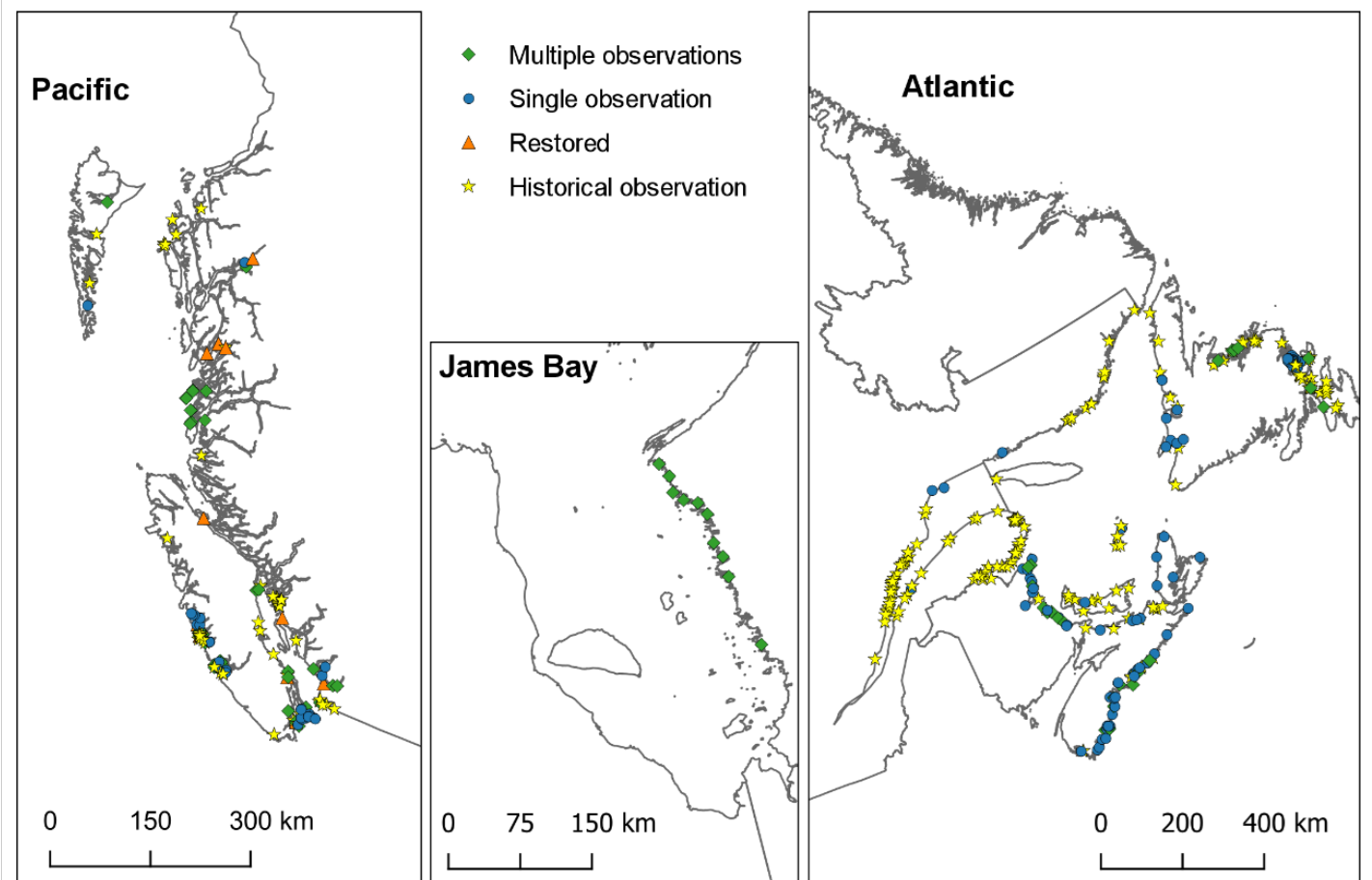
Eelgrass (seagrass) distribution on Canada’s sea coastlines are under threat.

Source: Environment and Climate Change Canada (2020).

The importance of eelgrass to ecosystems was shown after a widespread wasting disease outbreak along the Atlantic coast of North America in the 1930s resulted in a 90% loss of eelgrass. It is estimated that populations of migratory Brant geese along the Atlantic coast, which rely heavily on eelgrass outside the breeding season, declined by as much as 90%. Declines of clams, lobsters, crabs, scallops, cod and flounder were also reported following the loss of eelgrass.

Eelgrass beds are highly productive and several studies have indicated that eelgrass beds contribute to the sequestration of “blue carbon” in marine sediments, providing a valuable ecosystem service in coastal areas.

“Coastal ecosystems such as mangroves are critical to life in the ocean and to those who live alongside it. Increasingly, we are also recognizing their vital role to buffer us against the worst effects of the climate crisis,” said Alfredo Giron, Acting Head of the Ocean Action Agenda and Friends of Ocean Action at the World Economic Forum. “When blue carbon benefits are recognized and valued by governments and businesses, who commit and invest in the restoration of mangrove, seagrass and salt marsh ecosystems around the world, everybody wins – people, nature, climate and ultimately, the planet.”

The newly launched National Blue Carbon Action Partnership in the Philippines will convene, coordinate and support implementation to scale high-quality blue carbon action, representing nearly 700 billion metric tons of carbon sequestered in mangroves and seagrasses in the country.

“The Philippines, endowed with rich biodiversity and extensive coastlines, is home to vast blue carbon ecosystems. We look forward to working with the Blue Carbon Action Partnership to facilitate the inclusive, whole-of-society approach to developing a shared ambition for blue carbon, community resilience, inclusive development and unlocking the Philippines’ potential to provide nature-based climate solutions for the rest of the world whilst supporting our programs for protected areas and preparing the country for participating in the new blue economy,” said Antonia Loyzaga, Secretary of the Department of Environment and Natural Resources of the Philippines.

The Philippines partnership is the second to be launched after an agreement last year with the Government of Indonesia, which has also strengthened its partnership agreement with the World Economic Forum at COP28 and is preparing to launch its National Blue Carbon Action Partnership secretariat. Combined, the Philippines and Indonesia house 4 trillion tons of carbon in their blue carbon ecosystems, which is the carbon equivalent of over 11 trillion of barrels of oil consumed.

There is increasing demand for blue carbon ecosystem restoration and conservation to attain the multifaceted benefits these ecosystems provide, including food security, support for livelihoods, coastal protection and carbon storage. Working with its government partners, the Blue Carbon Action Partnership can support connecting finance with countries that have established policies to receive blue carbon ecosystem investment.

“The ocean is our largest buffer in tackling the climate crisis and it plays an essential role in climate change mitigation, resilience and adaptation as well as regulating the global weather system. It is encouraging to see the ocean gaining increasing prominence as a natural resource for accelerated climate action,” said Giron.