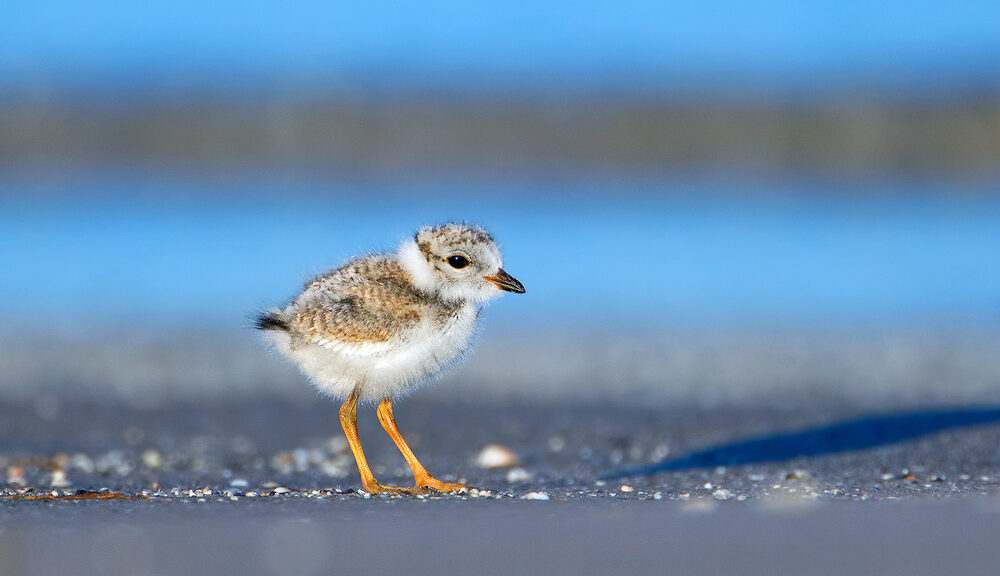
Did you know that the majority of Ontario Wasaga beaches are no longer protected, including critical piping plover habitat? That’s because the Ontario government recently removed Wasaga’s beaches from the Provincial Park and are giving them to the municipality despite fierce opposition from Ontarians, including many of you.
Wasaga’s beaches are the birthplace of 70 percent of all Ontario-fledged piping plovers that have survived to adulthood since the species returned to Ontario in 2007. This irreplaceable habitat is now at immediate risk from destructive mechanical beach and sand dune raking planned by the Town Council for as soon as this spring.
Emergency Order
Although Wasaga’s beaches are no longer in a Provincial Park, there is still a way to protect the piping plover. The Federal government can and should issue an Emergency Order under the Species at Risk Act to protect this endangered shorebird from the destruction of the places where it eats and raises its young.
While this solution seems obvious, ensuring the Federal government does the right thing is not guaranteed. That’s why we urgently need your help. We want to launch a comprehensive public awareness campaign to mobilize Ontarians to push the federal government to fulfill its responsibility and protect Wasaga’s critical piping plover habitat. Will you help us?
Mechanical Raking Of Beaches
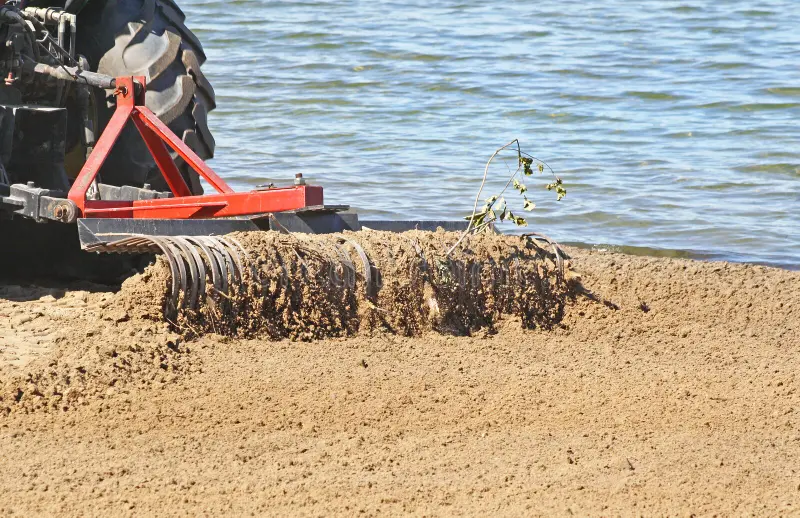
Time is running out. The Town of Wasaga Beach has already purchased mechanical raking equipment and announced a development plan that would bring beach clearing and raking to known piping plover nesting and feeding sites.
Mechanical beach raking destroys the natural debris piping plovers need to nest, forage, and hide from predators. Evidence from other Ontario beaches shows that once raking occurs, plovers often fail to return. With only three other active breeding sites left in Ontario, the loss of Wasaga would be catastrophic.
Environmental Defence has successfully fought and saved the homes of this bird before. After years of advocacy, we stopped the illegal bulldozing of piping plover habitat at Saugeen Beach (formerly known as Sauble Beach), and we will use our experience to fight the habitat destruction now threatening Wasaga. We know that only the immediate action of the federal government stands between the loss and the survival of the endangered piping plover on Wasaga’s beaches. The time for action is now.
Tourism Balance Can Be Established
The Town of Wasaga Beach is, and can continue to be, both a thriving home for endangered piping plovers and a world-class tourism destination. Together, we must demand that the federal government issue an Emergency Act under the Species at Risk Act and prevent the irreversible loss of Wasaga’s piping plover habitat. We hope we can count on your support by clicking here.
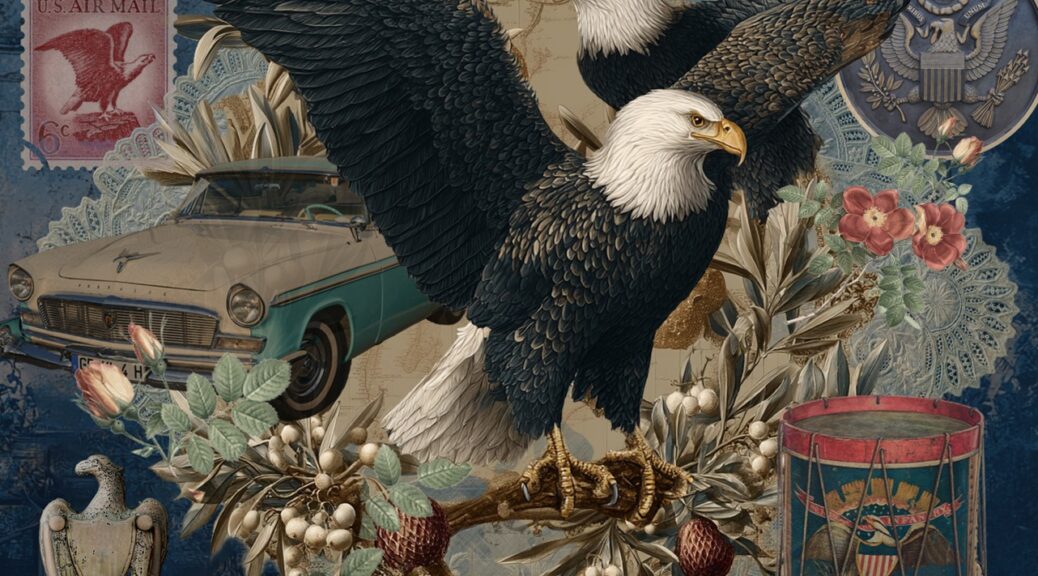
When designing the Great Seal of the United States, the Founding Fathers wanted a symbol to convey the strength and independence of the new nation. So they chose the bald eagle.
On the seal — used to authenticate treaties and other official documents — the white-crowned eagle clutches an olive branch (representing peace) in one talon and arrows (representing war) in the other. The eagle faces the olive branch, symbolizing America’s preference for peace.
After the adoption of the seal on June 20, 1782, the bald eagle quickly spread through American culture as a symbol of freedom, patriotism and power , says Preston Cook, a collector of eagle memorabilia and author of American Eagle: A Visual History of Our National Emblem.
The majestic bird, with a wingspan of 1.8 to 2.3 meters (6 feet to 7.5 feet), can spot prey 5 kilometers (3 miles) away, making it a match for a country of natural grandeur and vast, wild landscapes.
The bald eagle has become a decorative motif for everything from furniture and textiles to metalwork. U.S. gold coins have been known as eagles since 1795. Eagle-inspired hood ornaments adorned classic American cars of the 1930s through the 1950s. Philadelphia, which served as the first U.S. capital, has adopted the eagle as its professional football team’s mascot.
Eagles have symbolized power since ancient times, when Roman legions decorated their battle flags with images of the raptors. The Founding Fathers chose the bald eagle to represent their nation because the bird is indigenous to North America, according to Jack E. Davis, author of The Bald Eagle: The Improbable Journey of America’s Bird. But by the 20th century, bald eagles’ numbers in the wild had declined from habitat loss, illegal hunting and the pesticide DDT.
Conservation measures, including the U.S. government’s 1972 DDT ban, increased bald eagle populations. The species was removed from the endangered species list in 2007 and now lives in every U.S. state except Hawaii and in many areas of Canada as well.
The National Eagle Center , located in Wabasha, Minnesota, showcases bald eagles and highlights their connection to American values of freedom and courage. Visitors can meet live birds and, in the summer, take river cruises to spot bald eagles in their natural habitat.
Cook, the collector, donated some 40,000 eagle-related items to the National Eagle Center, including a drum from the U.S. Civil War painted with a bald eagle.
Eagle art on a Civil War drum (Courtesy of National Eagle Center)
After years of researching the bald eagle’s ties to American culture, Cook was surprised to learn the bird had never been officially recognized as a national symbol.
Members of the U.S. Congress from his home state of Minnesota offered legislation he drafted to make the bald eagle the U.S. national bird. In December 2024, Congress unanimously passed the bill and it was signed into law.
Cook continues working with the National Eagle Center and with curator Alex Lien on bald eagle exhibits. The center is planning a new educational exhibit for the United States’ 250th anniversary in 2026.
Eagles, especially bald eagles, “are in every aspect of American culture throughout the past 250 years,” Lien
For the Silo, Lauren Monsen/ShareAmerica. Featured image via State Dept./S. Gemeny Wilkinson.
— San Francisco Zoo Faces Renewed Scrutiny Amid “Silverback Soirée” Fundraiser
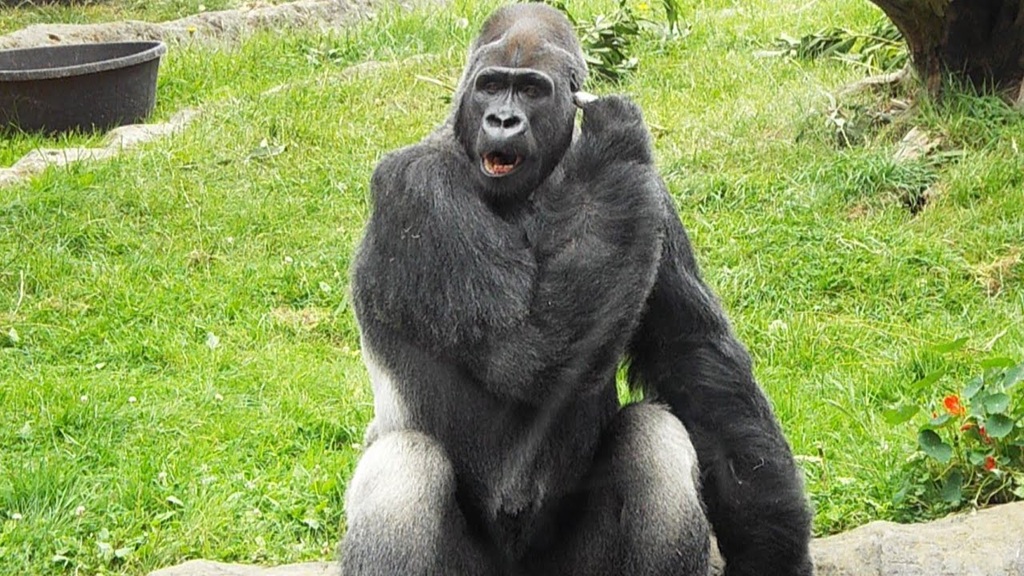
SAN FRANCISCO (October, 2025) — Newly revealed details confirm that Oscar Jonesy — the San Francisco Zoo’s longtime resident silverback gorilla — had heart disease and was anesthetized against zoo-industry recommendations before his death in February.
At the August Joint Zoo Committee meeting, Ingrid Russell, the Zoo’s Vice President of Compliance and Animal Welfare, disclosed for the first time, and as noted in a recent zoo press release, that Oscar had been diagnosed with heart disease. That revelation came six months too late.
Oscar, who had lived at the San Francisco Zoo since 1981, died after being anesthetized for what officials described as a “routine medical procedure.” He never woke up.
According to the Great Ape Heart Project (GAHP) — the global authority on ape cardiac care — gorillas with known or suspected heart disease should never be placed under general anesthesia unless absolutely life-saving. The risks are too high, and modern zoos are urged to use non-invasive monitoring and awake medical training instead.
The San Francisco Zoo did not follow that guidance.
“Oscar’s death wasn’t a freak accident,” said Justin Barker, founder of SFZoo.Watch, a community watchdog group focused on transparency and animal welfare. “It was a preventable outcome that raises serious questions about veterinary oversight, leadership accountability, and whether the zoo is capable of protecting the animals in its care.”
Oscar’s death adds to a troubling history of preventable tragedies at the San Francisco Zoo.
In 2014, Oscar’s daughter Kabibe was crushed to death by a hydraulic door.
In 2020, another gorilla, Zura, died under questionable circumstances.
Former employees have also described unsafe working conditions, outdated infrastructure, and inadequate training that compromise both animal welfare and staff safety.
Despite the zoo’s announcement of “new leadership” earlier this year, its upcoming ZooFest 2025 fundraiser — branded the Silverback Soirée — suggests little has changed.
According to the zoo’s press release, the October gala will celebrate the arrival of 27-year-old silverback Cecil from the Louisville Zoo. Guests will enjoy an “elegant evening” featuring signature cocktails — the Gorilla’s Kiss and Cecil Spritz — and a VIP reception at the Jones Family Gorilla Preserve, where Oscar lived and died.
“While the zoo hosts cocktail parties and press events, its failures remain unaddressed,” Barker added. “Cecil’s transfer is not progress — it’s another example of animals being moved, managed, and marketed as assets.”
For more than two decades, Cecil lived with familiar companions in Louisville. Now he has been uprooted, separated from his family, and flown across the country to a facility that lost its last silverback under preventable circumstances — all to produce offspring.
“This isn’t conservation,” Barker said. “It’s captivity management dressed up as mission work.”
Behind the marketing veneer, critics argue, lies a culture where control masquerades as care and transparency is treated as risk. The instinct, even after a tragedy, is not to pause but to pivot — to the next press release, the next headline, the next “new chapter.”
If the San Francisco Zoo truly wants to honor Oscar Jonesy, advocates say it should:
* Release his full necropsy and anesthesia records
* Adopt non-invasive health monitoring for all great apes
* Allow independent oversight of veterinary decisions
* Acknowledge — and change — the culture that enables preventable losses
Instead, the zoo has chosen cocktails and celebration.
“Oscar’s death should mark the end of an era,” Barker said. “It’s time for a new model — one that stops treating sentient beings as inventory and starts building a future rooted in care, transparency, and respect.”
“Raising one’s glass to toast lives being kept in cages is the height of insensitivity, and no amount of champagne at a gala can make it glamorous,” said Michael Angelo Torres, Bay Area Campaigns Coordinator for In Defense of Animals. “Cecil lived with his gorilla family for over 21 years before being abruptly moved to the San Francisco Zoo, with little apparent regard for how this disruption could affect him. Gorillas are intelligent, self-aware beings who form complex social bonds and suffer greatly in captivity, no matter how well their enclosures are designed. We urge the San Francisco Zoo and its supporters to redirect their compassion and resources toward genuine conservation and the rehabilitation of native wildlife who truly need our help here at home.”
For the Silo, Fleur Dawes.
Over 27,000 members of the public have contacted city officials to cancel plans to house pandas at San Francisco Zoo: https://www.idausa.org/sfpanda and nearly 12,000 have called on Mayor Lurie to turn the zoo into a native animal rescue and ecopark: https://www.idausa.org/rethinksfzoo
Ontario Government Strips 106 Species at Risk of all Provincial Recognition
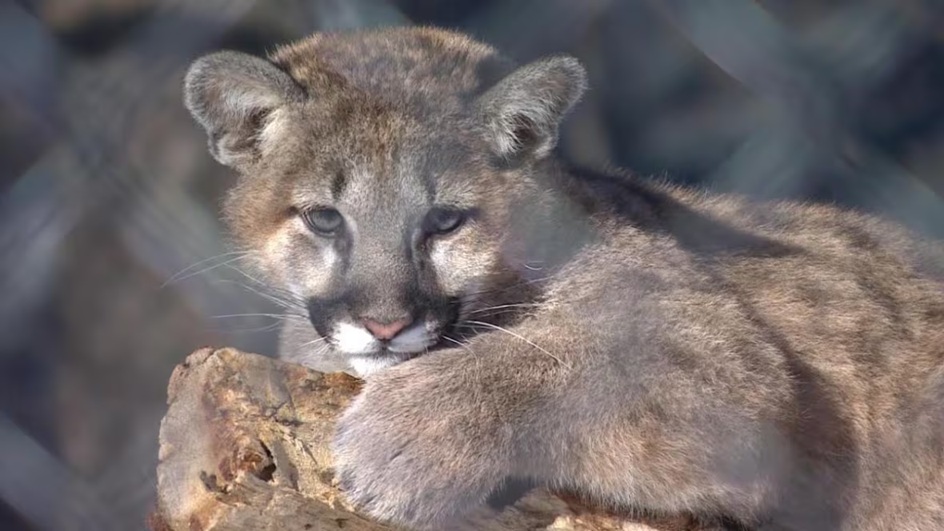
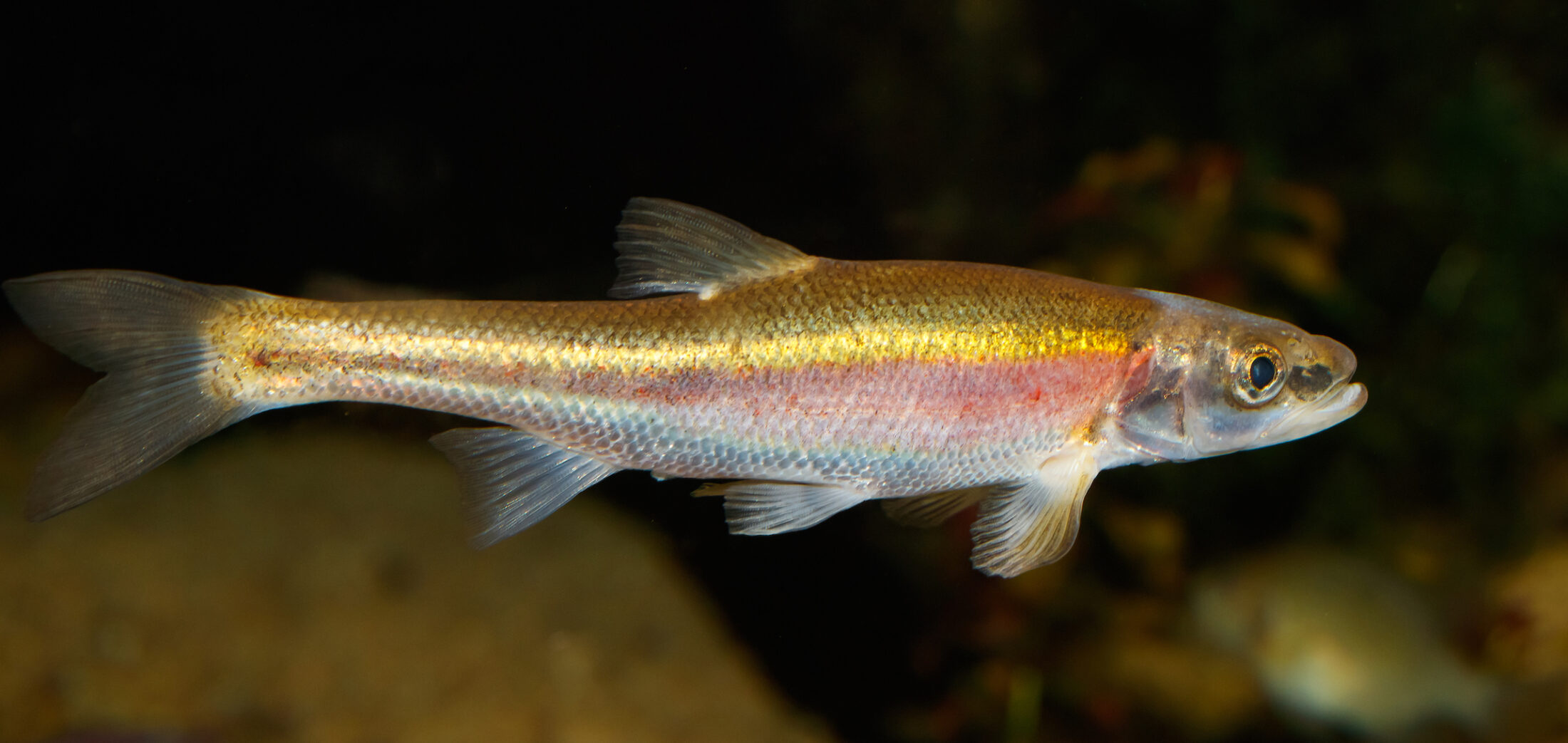
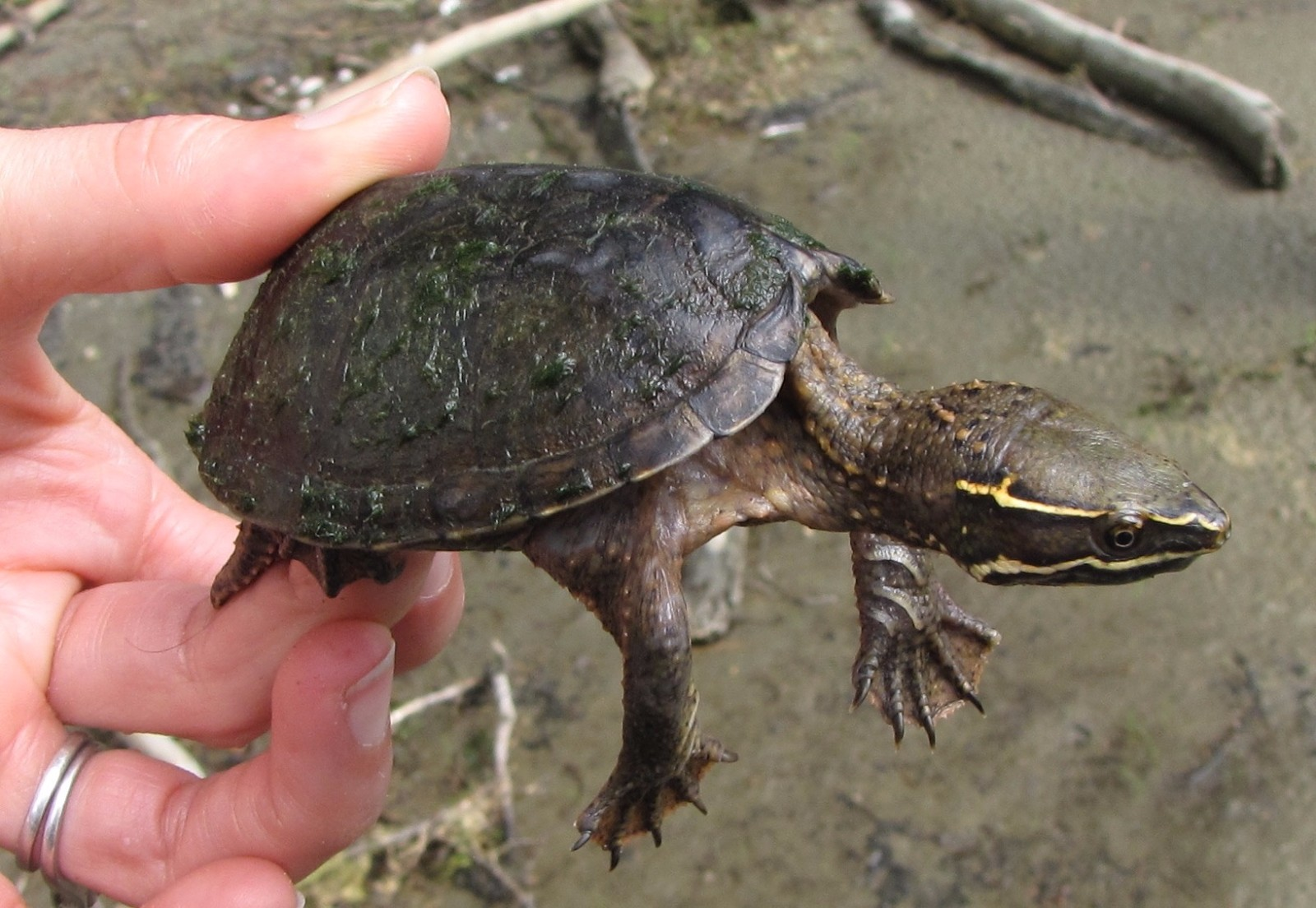
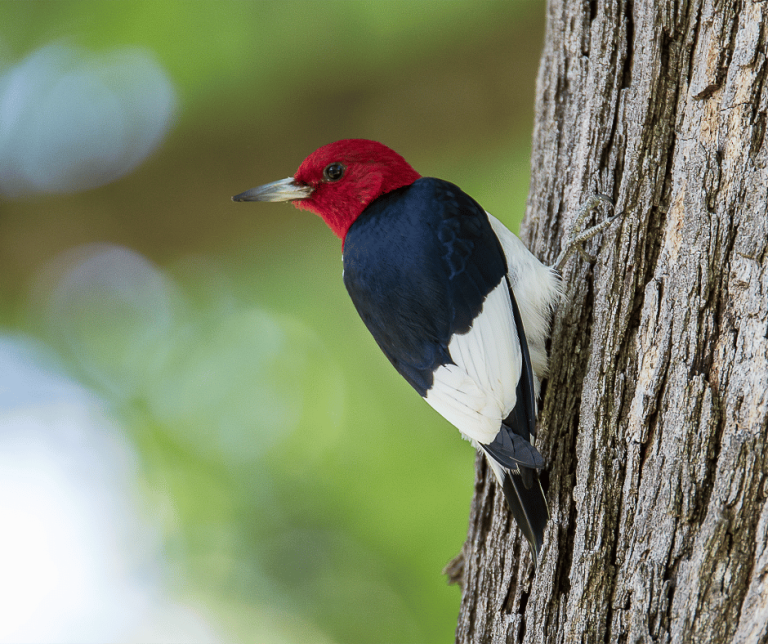
Late last week, it was announced that the Ontario government will cease to recognize more than 106 different species at risk, ranging from the Eastern Mole, Eastern Musk Turtle and Cougars, to the endangered Red Side Dace and Red-Headed Woodpecker. This is directly related to the passing of Bill 5 six months ago.
Do you disagree with this decision?
There’s still time to make comments on the amendments to the Species Conservation Act, 2025 on the Environmental Registry of Ontario. The commenting period is open until November 16.
Statement from Phil Pothen, Counsel and Ontario Environment Program Manager, and Rebecca Kolarich, Water Program Manager
Toronto | Traditional territories of the Mississaugas of the Credit, the Anishinaabeg, the Haudenosaunee, and the Wendat – Nearly 4 months after Progressive Conservative MPPs forced approval of a law that will repeal Ontario’s Endangered Species Act, the Ontario government is confirming experts’ gravest warnings about what it will mean for at-risk plants and wildlife. The Ontario government has announced that once the law comes into force, it will cease even to recognize more than 106 different species at risk, ranging from the Eastern Mole, Eastern Musk Turtle and Cougars, to the endangered Redside Dace, and Red-headed Woodpecker.
This decision should light a fire under the federal government to strictly enforce the existing federal Species at Risk Act and existing habitat protection orders in Ontario, but also to expand and broaden federal protections and monitoring. Federal protections will now be the only real protection for many habitats. In particular, because the Ontario government will remove all provincial recognition of endangered and threatened birds and fish, the government of Canada should issue emergency protection orders that extend to all species and habitats previously protected provincial habitat regulations and the Ontario Species at Risk list.
The Ontario government also intends to remove all recognition of species that are currently recognized as being of “special concern” and monitored due to their susceptibility to identified threats. This means that federal agencies will step up their monitoring of these species’ federal jurisdiction.
Premier Ford has shown a pattern of constantly prioritizing his developer friends and unnecessary projects over wildlife and nature. The federal government must not do the same. Now more than ever, it is crucial that the federal government uphold and enforce the appropriate federal laws and deny the approval of permits that would allow harmful development projects to destroy critical habitat. For the Silo, Tim Gray/Environmental Defence.
ABOUT ENVIRONMENTAL DEFENCE (environmentaldefence.ca): Environmental Defence is a leading Canadian environmental advocacy organization that works with government, industry and individuals to defend clean water, a safe climate and healthy communities.
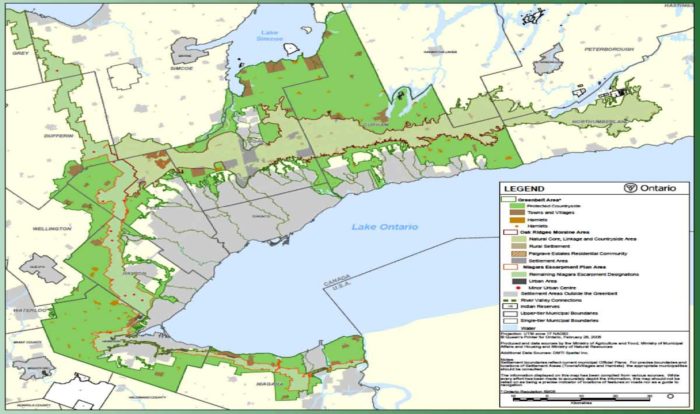
Dear Silo, I share with you and your readers both good news and not so good news. The Province has launched a consultation process on expanding the Greenbelt to protect critical water resources. Several hydrologically significant areas are included in the proposal, but vulnerable areas are missing.
We need to get this right. Ask the Ontario governmentto expand their proposal and protect a “Bluebelt” of 1.5 million acres to ensure clean water supplies for future generations.
Over 1.25 million people in the region rely on groundwater for their drinking needs. And, our lakes and wetlands are home to numerous at-risk species of fish and wildlife. We urgently need features like moraines, wetlands and headwaters that filter and store water protected from development.
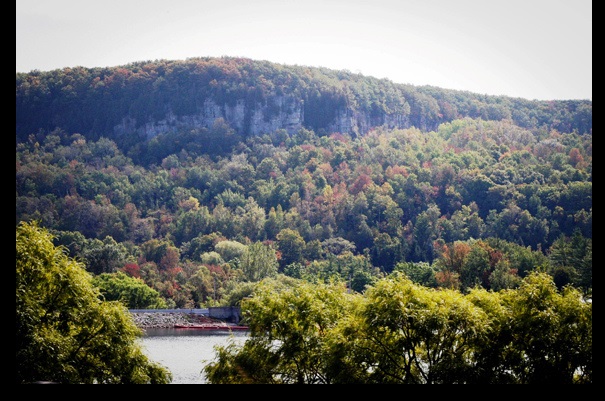
Oak Ridges Moraine Ontario, Canada
Photo credit: Shezamm
9 in 10 Ontarians support the Greenbelt’s protection of water, farmland and nature. You can be one of them.
Together we can grow the Greenbelt to protect our precious resources.