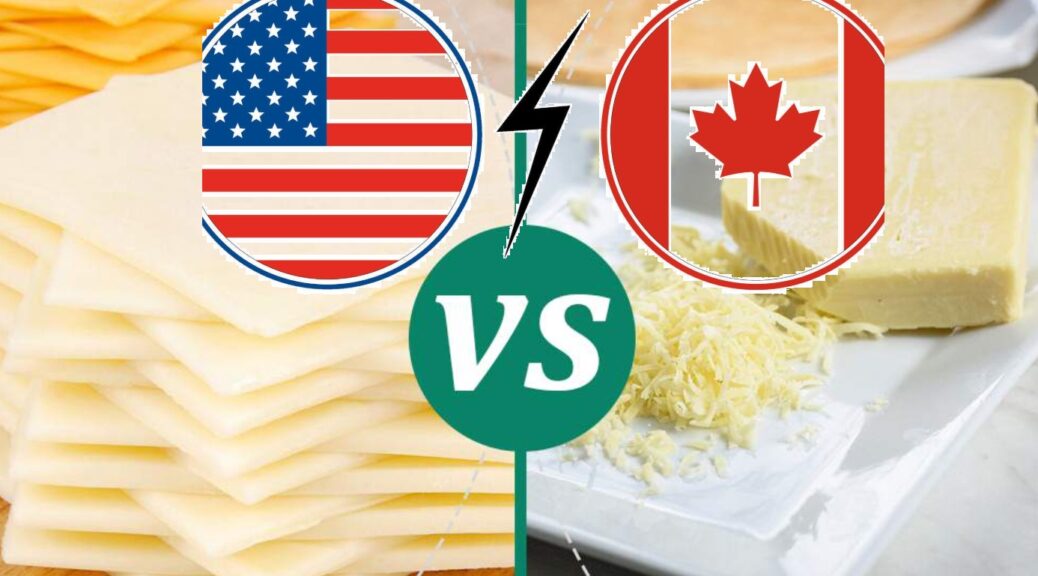
Cheese has once again become a hot topic in the Canada-U.S. trade dispute.
While officials work to lower sectoral tariffs on Canadian steel and aluminum, the U.S. wants Canada to change its strict rules on importing cheese, which a Canadian agricultural economist warns heavily against.
“It’s not in the Canadian interest,” explains Al Mussell, a prominent Canadian agricultural economist and policy analyst.
Last month, U.S. President Donald Trump signed an executive order threatening a 50 per cent tariff on Canada’s dairy sector, which is now in a three day suspension period as negotiations continue.
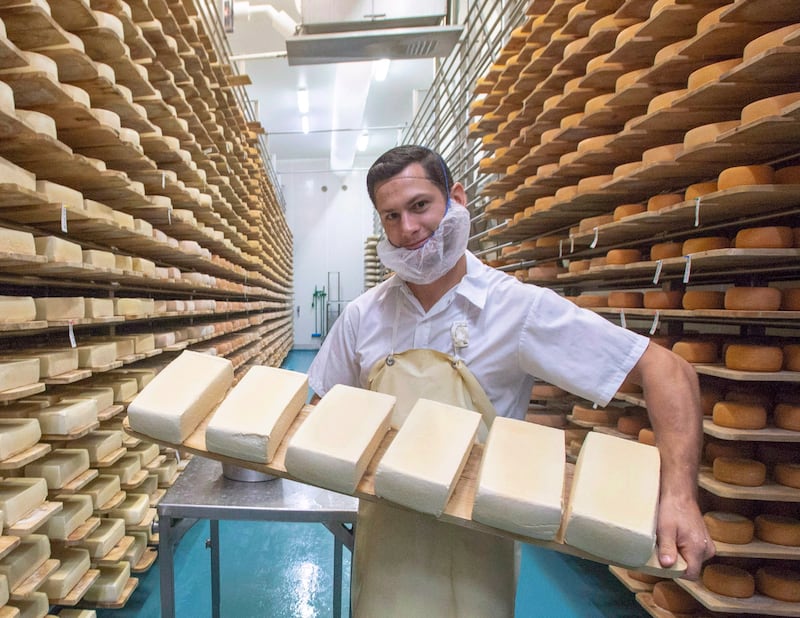
Mussell explains that the U.S. wants more control over who can access Canadian retailers directly, so they can export some of their premium products to Canada.
“Of course, that’s not how our system works,” he says, adding that allowing it would threaten Canadian processors and complicate the domestic raw milk allocation system.
Canada currently gives dairy import quota access mainly to processors, while retailers are excluded under CUSMA. The U.S. argues that this restriction creates an unfair playing field because retailers are granted access under Canada’s trade agreement with the European Union.
The U.S. administration says “Canada is discriminating against the commerce of the United States through Canada’s tariff-rate quota allocation measures imposed on U.S. cheeses of all types.”
Canada and the U.S. have fought over this before
The dispute over who gets access to Canada’s dairy quotas is not new.
The U.S. first launched a formal dispute under CUSMA, arguing that Canada’s dairy import system shut out U.S. producers because it gave almost all its import permits to domestic dairy factories.
After a trade panel ruled that this was unfair, Canada changed the rules to let other dairy businesses, like distributors, get the permits too. However, retailers remain excluded.
When the U.S. challenged Canada again, arguing retailers should also be allowed direct access, the panel sided with Canada, saying it was in compliance with CUSMA.
Mussell says the U.S. continuing to press the issue despite that ruling is not a good sign.
“I think it goes far beyond cheese or dairy products,” he says.
“When the President can come in and make threats that contravene a decision that the dispute panel under the CUSMA agreement rendered… that’s really troubling.”
What happens if retailers get more access?
Mussell says giving grocery retailers direct access would not increase the total amount of U.S. cheese entering Canada, since the quota is already essentially filled, but it could shift sales away from Canadian manufacturers.
He says it could also complicate Canada’s supply management system because raw milk is allocated to processing plants on a regulated basis.
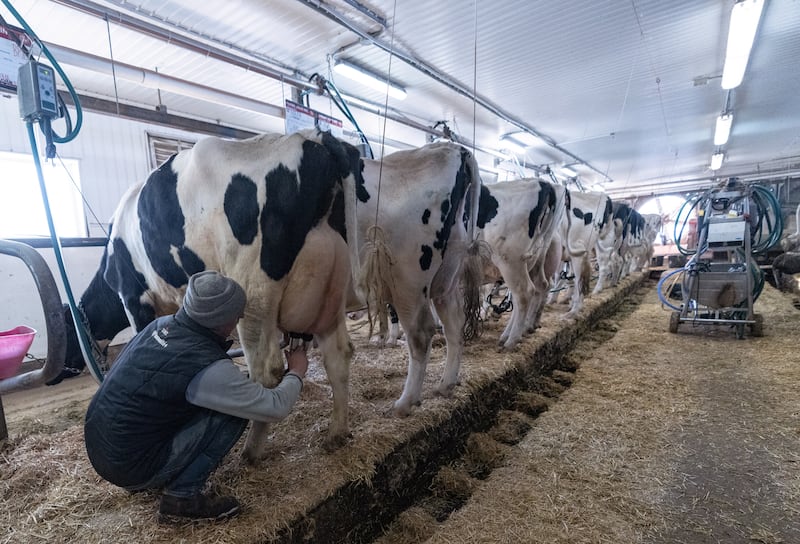
“That could be costly to the Canadian dairy industry,” he says.
Mussell also warns that giving grocery retailers more direct access to imports could strengthen their negotiating position with Canadian dairy suppliers.
“Your’re kind of arming them in terms of the sorts of relations that they can have with their dairy suppliers,” he says.
‘Our national food sovereignty is not up for negotiation’
In response to the tariff threat, a joint letter by the Dairy Farmers of Canada and the Dairy Processors Association of Canada last week expressed disappointment that the dairy sector was dragged into a trade dispute once again.
“Our national food sovereignty is not up for negotiation,” said David Wiens, president of DFC.
“It is also clear that Canadians believe in the importance of having control over our food supply and ensuring that Canada’s strong domestic dairy sector is not compromised.”
The trade relationship in dairy already “massively favours the U.S.” said Mathieu Frigon, president of the DPAC.
“U.S. dairy exports to Canada far exceed Canadian dairy exports to the U.S. by more than $600 million annually and have increased by more than 150% since CUSMA came into effect,” said Frigon.
What about the quality of U.S. dairy?
Mussell says even if more U.S. milk entered Canada, there is a major difference between Canadian and U.S. dairy quality standards.
“You could have milk that shipped under the U.S. Grade A that would not be saleable in any province in Canada,” he says.
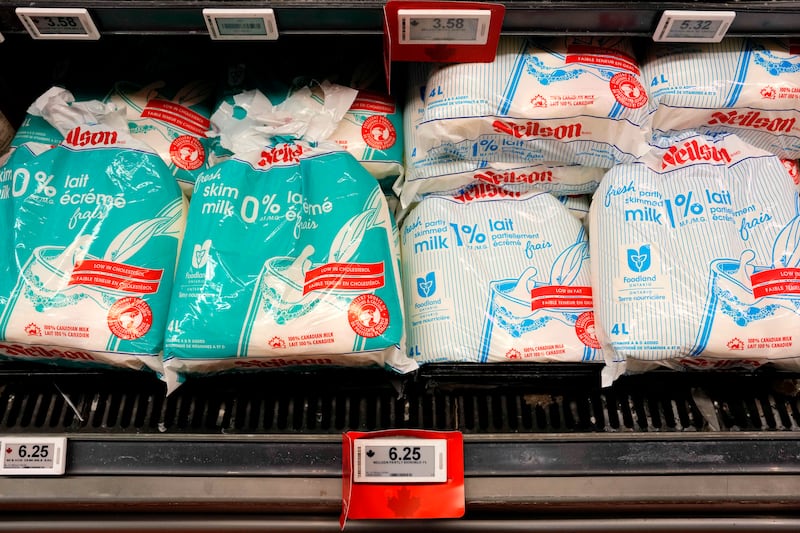
Moreover, he says a significant amount of American milk doesn’t even meet its own Grade A standard.
“Is that product being exported to Canada, made from that milk? We don’t know. They don’t label. We have no way of knowing that,” says Mussell.
He says federal funding for labs that monitor the U.S. milk testing system stopped last year.
“What’s the nature of the safety and quality of product that we’re getting from the United States? I don’t know that we have an answer for that, and it’s concerning,” says Mussell.