Tag Archives: collecting cars

5 ‘Bad Cars’ I Still Want Anyway And Why

Isuzu

There’s an old joke, later made into an internet meme, that goes something like this: “Have you seen my dog? He has brown fur, he’s missing his right ear, blind in one eye and has three legs. He answers to the name of ‘Lucky’.” An underdog if ever there was one. And it’s in that spirit that I share the next installment of a sadly, almost endless list of cars with not-so-good reputations. They’re cars that for reasons neither I, my parents, my children, my wife, my close friends, nor even mere acquaintances can explain—I still want.

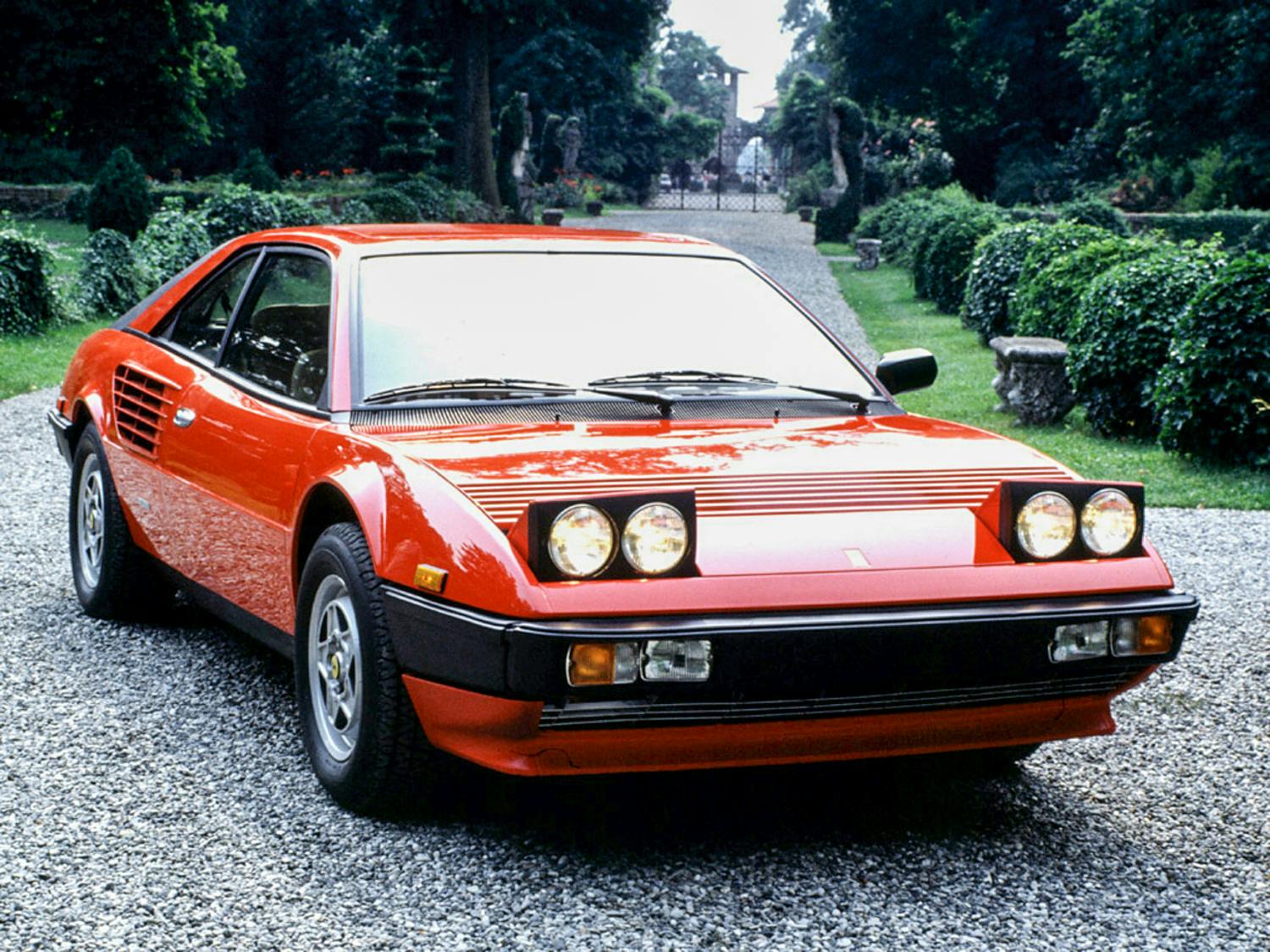
1980–82 Ferrari Mondial 8
Ferrari Mondial
Ferrari

What it is: The Mondial was the replacement for the Bertone-designed Ferrari (Dino) 308 GT4, a rather underrated, wedge-shaped mid-engine 2+2. The Mondial incorporated some of the design language of the Berlinetta Boxer and the Testarossa along with a pair of semi-usable rear seats. A cabriolet was added later.

What makes it bad: Road & Track asked if this was Ferrari’s Oldsmobile. Ouch. The two-valve, fuel-injected 3.0-liter V-8 was a bit of a dog. With a little over 210-horsepower, the Mondial 8 took an excruciating 9 seconds to reach 60 miles per hour. Mondial 8s were rust-prone and had fuse boxes reminiscent of the junior electrical engineer educational toy that brother bought my kid for his birthday a few years ago. Some people also found them unattractive. I find that assessment harsh, but truth be told, its predecessor, the 308 GT4 has aged better.

Why I want one: Ten years ago, I had a 308 GTS. It was great. Reliable (once I replaced the fuse box with a modern one), and a lot of fun to drive. Was it fast? Not really, but it sounded great, smelled great, and was wonderful to look at. Sadly, today I’d have to settle for a project car for what I paid for my perfect 21,000-mile 308 back then, so a Mondial is kind of it Ferrari-wise, unless I want to launch a raid on my kids’ college funds. I think the key here is to buy a coupe (the only way the two-valve 8 came). In black, they’re actually quite attractive, and there’s nothing like the sound of the little flat-plane crank V-8 and the tactility of a real gated shifter.

1985–89 Merkur XR4Ti

Merkur xr4ti front three quarter snow
Ford

What it is: Ford had one success to its name in importing and selling one of its European sporty cars—the Capri was a sort of mini-Mustang that was hugely popular until exchange rate fluctuations made it less profitable to sell here. By the early 1980s, the exchange rate again favored the U.S. dollar and then-V.P. of Ford Bob Lutz thought it might be a good idea to import an Americanized version of the Ford Sierra, under the banner of “Merkur,” which is German for “Mercury.” Get it? The 2.3-liter turbo four, also found in the Thunderbird Turbo Coupe and SVO Mustang made the XR4Ti a credible E30 BMW competitor, but like every car on this list, there were issues.

What makes it bad: Apparently European Ford quality in the ’80s wasn’t at the top of the priority list and the XR4Ti suffered from electrical problems, overheating, and turbochargers with a short life. Mercury dealers despised them, and with Ford’s then-new 48-month/50,000-mile warranty, they saw tons of them. After 1989, the Merkur signs came down and Ford was done with the XR4Ti and its larger brother the Scorpio. Immediately after warranties expired, Merkurs began the not-so-slow slog into the automotive fossil record.

Why I want one: I love the Merkur’s many quirks like the goofy biplane rear spoiler, and XR4Tis are rare even at RADwood or LeMons events, which is precisely why I want one. Honestly, you could do worse that to put together a collection of Bob Lutz-inspired cars—Everything from a BMW Bavaria, to a Viper and a Pontiac G8. An XR4Ti would fit nicely in the middle, and a perfectly nice one would barely cost five figures.

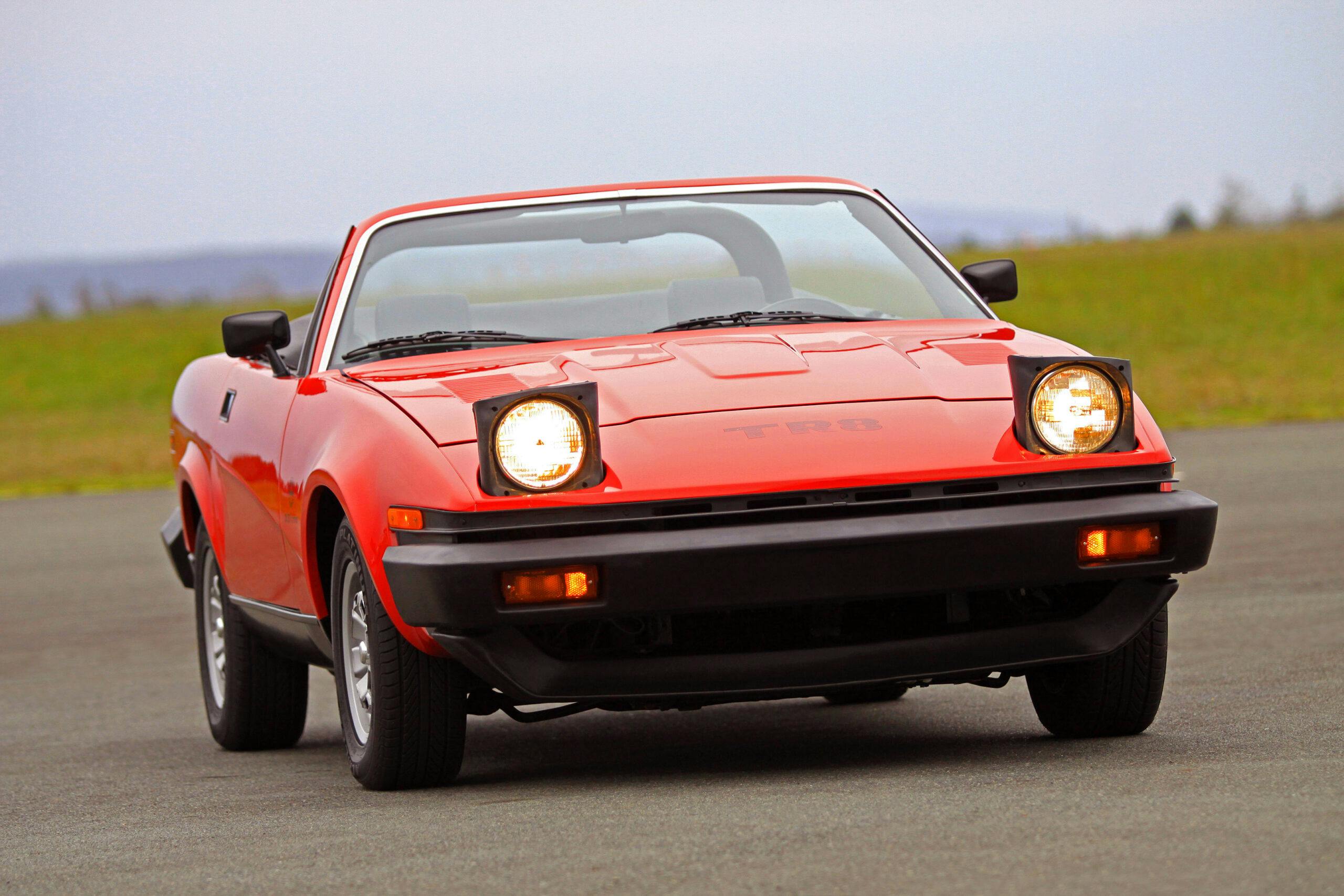
1980–81 Triumph TR8
Triumph TR8 convertible front three quarter
Triumph

What it is:  The Triumph TR7 was supposed to be the car that brought the British sports car out of the paleolithic era of pushrod tractor engines and separate bodies and chassis. And while the story that Harris Mann designed it on the back of a cocktail napkin (after a lot of cocktails) might be apocryphal, it’s totally plausible. The idea behind the TR8 was to make buyers forget about the four-cylinder TR7’s odd looks by offering V-8 noise and performance. The ex-Olds/Buick/Pontiac aluminum 3.5-liter V-8 by Rover just about did the trick.

What makes it bad: The same thing that made every British car of the era bad—lousy workmanship, poor quality components from suppliers that still included the infamous Lucas, and low R&D budgets. While the TR8 was predominantly produced in what was arguably one of Jaguar/Rover/Triumph’s better plants (the Rover factory in Solihull which is still cranking out Land Rovers to this day), the TR7’s reputation soiled the TR8.

Why I want one: What can I say? I’m a glutton for punishment, and I happen to love a V-8 stuffed into a small British sports car. Of the three most famous—Shelby CobraSunbeam Tiger and Triumph TR8—only the latter remains affordable. Nice ones can be had in the high-teens to low-20s.

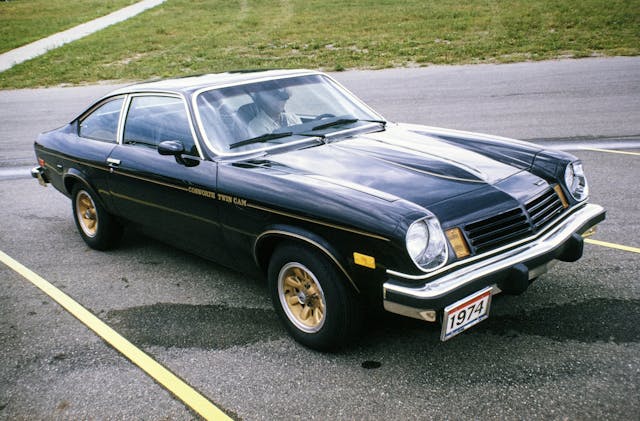
1975–76 Chevrolet Cosworth Vega
1975 Chevrolet Cosworth Vega
Chevrolet

What it is: The Cosworth Vega was supposed to be a high-performance version of the compact Vega that had debuted for 1971. Cosworth in the U.K. developed an alloy DOHC cylinder head for the Vega’s four-cylinder, which was mated with Bendix electronic fuel injection. It was very modern, very European.

What makes it bad:  While the Vega finally had a smooth, powerful engine, it still made 110 horsepower instead of the anticipated 140. Then there was the fact that it still wore the maligned Vega badge, and while good handling and balance were always part of the package, indifferent assembly quality and rustproofing were in the Vega’s DNA as well. Oh, and it was also barely cheaper than a Corvette.

Why I want one:  The magazines of the day touted Cosworth Vegas as instant collectibles, and many of the cars were stored, or intentionally kept with very low miles. The idea of owning a genuine Malaise Era time-capsule is more than intriguing. Plus, I’ve always liked the way Vegas look, a bit like miniature Camaros.

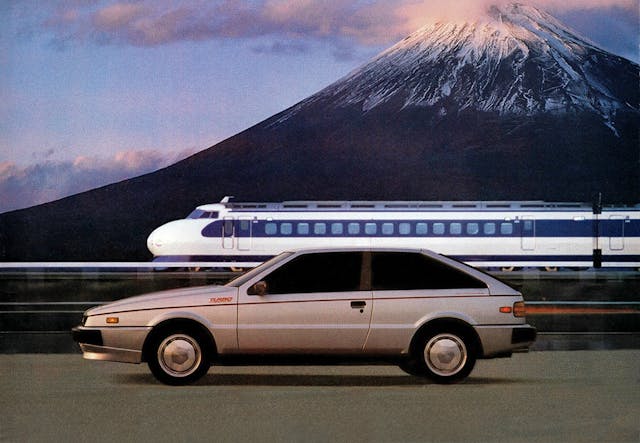
1983–89 Isuzu Impulse
Isuzu Impulse front three quarter
Isuzu

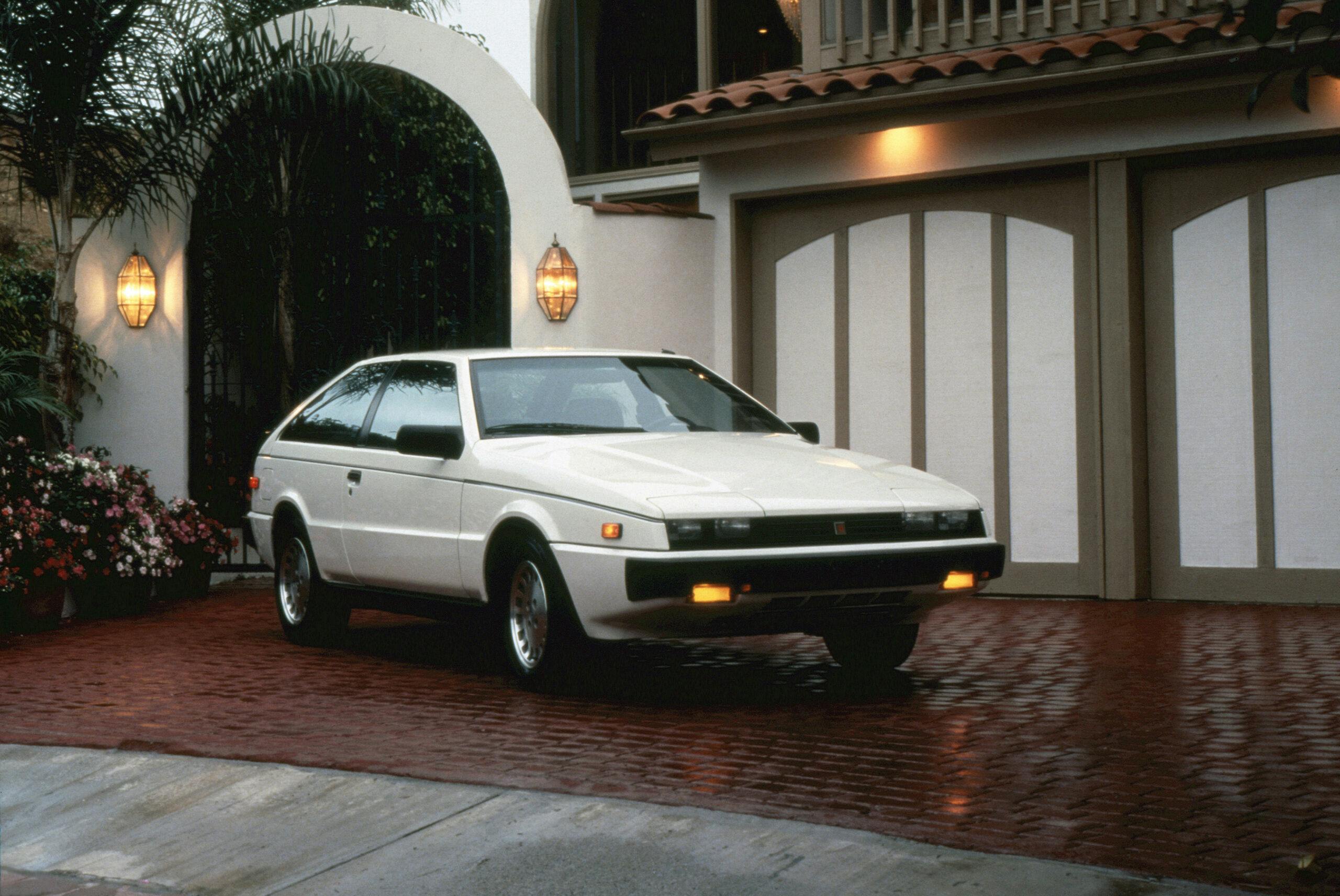
What it is:  Isuzu had a surprisingly fruitful relationship with the great Giorgetto Giugiaro of Italdesign, and it stretched back to the 1960s, when Giugiaro styled the lovely Isuzu 117 coupe. That car lasted all the way up until 1981, so because of its longevity and popularity, its successor had to be something special. The car was teased as a nearly production-ready Isuzu “Ace of Clubs” concept car. It went on sale the next year as the Piazza outside of North America, and as the Impulse in the U.S. and Canada.

What made it bad:  Seemingly, the entire budget for the car went to Italdesign. Brakes, chassis and engine were bargain-basement stuff, as under its pretty Italian skin, the Piazza/Impulse was based on the General Motors T-car platform. That’s right, it wouldn’t be much of a stretch to call the Impulse a Chevette in an Italian suit. Things did get a bit better later in the car’s run with turbocharging and chassis refinements by Lotus, but few were sold and almost none survive.

Why I want one:  The low survivorship factor makes these cars exceedingly rare, and it’s one of the few opportunities that anyone has to own something that looks like an ’80s concept car. It’s also an opportunity to be king for a day at RADwood, and when Impulses do turn up, they’re almost always cheap.

For the Silo, Rob Sass.
Own One Of These Exotic Cars While On A Budget

Earlier this month our friends at Hagerty reported on the some of the absolute cheapest ways to get into the old-car hobby. These included cars like the 1975–81 Triumph TR7, the 1986–91 Cadillac Seville, and the 1973–77 Olds Vista Cruiser. The “ew gross” reaction these cars elicited in some of the comments wasn’t too surprising; no one, it seems, wants to shop for fun cars at a suburban Goodwill.

But what about the fun cars you might find at, say, the Goodwill in Beverly Hills? 

That’s right, we’re talking about bargain-basement exotics—not exactly a tagline that inspires confidence when shopping for often-temperamental imports, but they are out there. Just know that service history and records are important to consider here. And just because a car is cheap, or keenly priced, if you prefer, doesn’t mean it’s not worth owning, especially if it provides entry into a marque you’ve always coveted. So give some consideration to these five once-distinguished Euro-mobiles, the cheapest models from their makers and all rated in #3 (good) condition. Let us know if you think we have missed any other contenders.

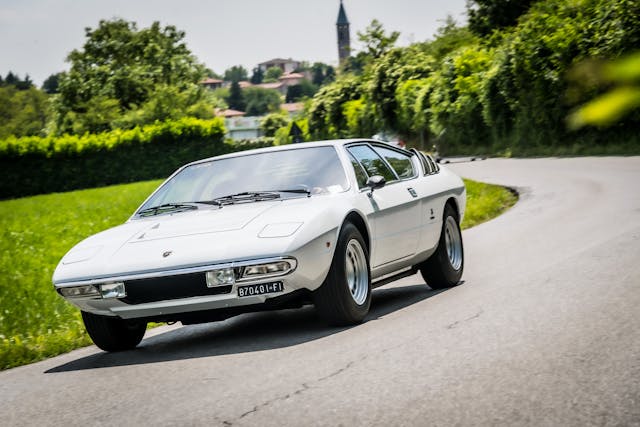
1973–77 Lamborghini Urraco

lamborghini Urraco front three-quarter action
Lamborghini/Massimiliano Serra

Lamborghini announced the Urraco in 1970 as a Marcello Gandini–styled 2+2 coupe with a transverse V-8 mounted amidships. As a sharper-edged follow-up to the swoopy Miura, it foreshadowed the shape of Lambos to come. When it finally arrived for 1973, it made a fine competitor to the Ferrari Dino 308 GT4 and was available in 220-hp 2.5-liter P250 form, while the 265-hp 3.0-liter P300 launched in 1975. When that car arrived in the U.S. a year later, however, power was severely choked by emissions equipment, down to around 180 horses. Not many were built—just 522 of the P250s and 205 P300s—but today a #3 example ranges from $49,000 usd/ $68,350 cad for a P250 to $59,000 usd/ $82,290 cad for the P300. Given the ascendancy of Miura, Countach, Diablo, and Murcielago prices in recent years, that the Urraco is still so cheap is a bit surprising.

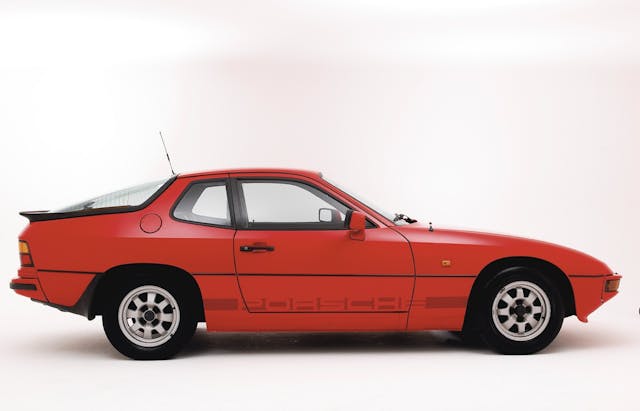
1977–82 Porsche 924

1983 Porsche 924 side
Getty Images

From the start, it seemed like Porsche vs. the world when it came to the 924. Whether because it was front-engined, or water-cooled, or simply a discount sports car meant to be a Volkswagen, plenty of people discounted it from the get-go. Until they drove it and realized, hey, this thing’s great. And it was great. Still is. With just enough power (110 hp from ’77 on) from a VW/Audi-sourced 2.0-liter four to complement its finely poised chassis, the 924 remains an excellent, easily approachable driver’s car, with good club support. Rust has killed many of them, and although Porsche built around 150,000 examples, parts are available but spendy, especially interior bits. A good #3 example should set you back about $8500 usd/ $11,856 cad. For comparison, an early 944 in the same shape is around $10,500 usd/ $14,645 cad.

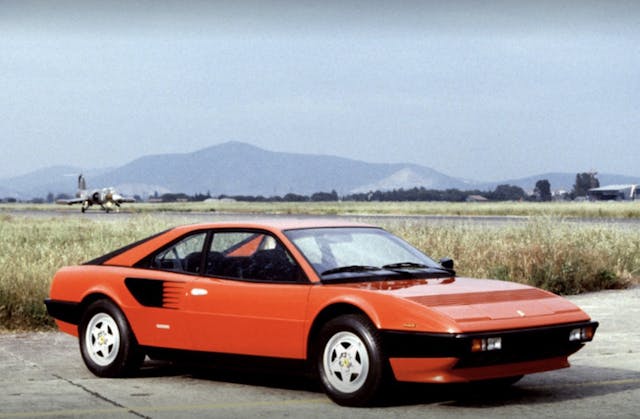
1980–87 Ferrari Mondial 8 / Mondial 3.2 Coupe

Ferrari Mondial 8
Ferrari

When it came time to replace the Bertone-designed Dino 308 GT4, Ferrari tapped Pininfarina, and the resulting Mondial debuted in 1980 as a 2+2 coupe, with a convertible joining the lineup four years later. The GT4’s 2927-cc transversely mounted V-8 carried over, with Bosch fuel injection replacing Weber carbs, and in the Mondial it made 214 hp. They were sharp handlers, with more interior space than their predecessor, but no one ever accused them of being fast. Other Mondial variants arrived throughout the ’80s to address that, however, including the Quattrovalvole (QV) in 1984, the 260-hp 3.2 of 1986, and the radically different t of 1989, but it is the early coupes, along with the 3.2 coupes, that are most affordable. Today, a #3 Mondial 8 or 3.2 coupe costs about $22,000 usd/ $30,686 cad.

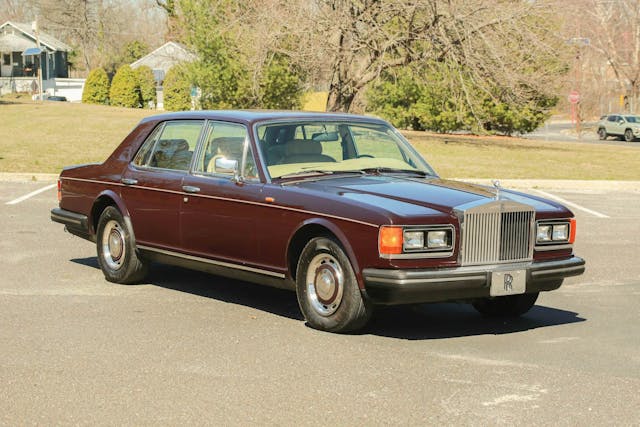
1981–87 Rolls-Royce Silver Spirit

1982 Rolls-Royce Silver Spirit front 3/4
Hagerty Marketplace/William_Cooper

If you’re an enthusiast of affordable opulence and Dijon mustard, then then look no further than the Silver Spirit. Successor to the upright Silver Shadow, the Spirit utilized a 220-hp 6.75-liter V-8 mated to a three-speed automatic. Inside, of course, you got all the trimmings, with Connolly leather seating, Wilton wool carpeting, and burl walnut inlays, as well as A/C and power everything. Giving the Spirit its silky-smooth road manners was a Citroën-sourced self-leveling hydropneumatic suspension. Rolls-Royces from this era have never been cheap to maintain, and deferred maintenance issues claimed many of them, so records are key with any Silver Spirit you might have your sights on. The right one, in #3 condition, won’t cost you much, at around $8400 usd/ $11,716 cad, but it will likely have needs, which could cost a lot.  

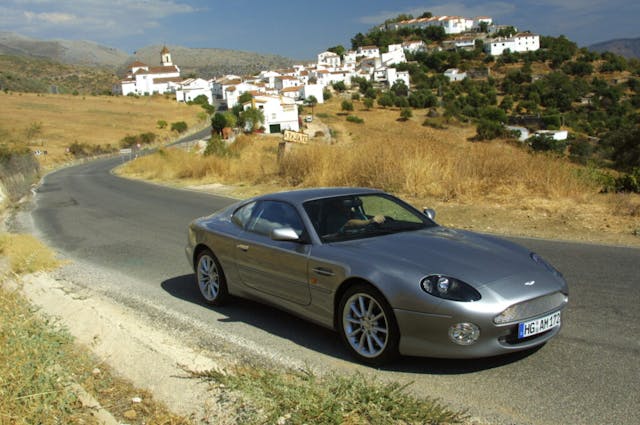
1997–99 Aston Martin DB7

Aston Martin DB7 Vantage
Aston Martin

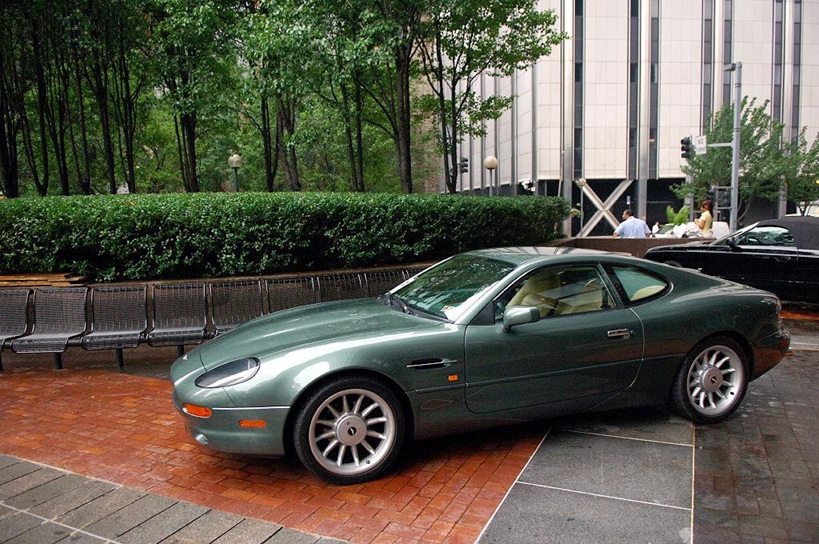
Even 30 years on, the 335-hp Aston DB7 still looks gorgeous from every angle, and upon its arrival, it was instantly an Aston worthy of the famous DB badge. If you can overlook its relative lack of exclusivity, with more than 7000 produced in both coupe and convertible form, what you get is a proper English grand tourer with excellent performance and luxurious interior appointments. Subtle differences set it apart from the contemporary Jaguar XK8 (which costs less, it should be noted), and the higher costs associated with maintenance and repair are likely to set it apart as well. But right around $21,000 usd/ $29,291 cad should get you a good coupe, with the convertibles slightly cheaper. 

For the Silo, Stefan Lombard, Author at Hagerty Media.

Hagerty protects all kinds of collector cars, trucks, and modified vehicles. Let’s talk about your special ride.

Get an insurance quote

The Ultimate Modern Collector Car

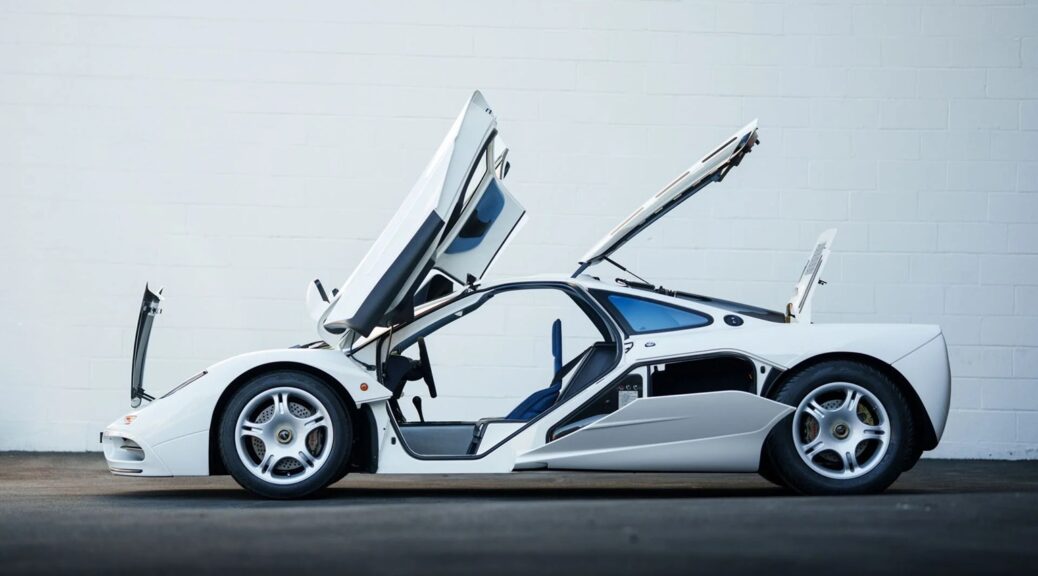
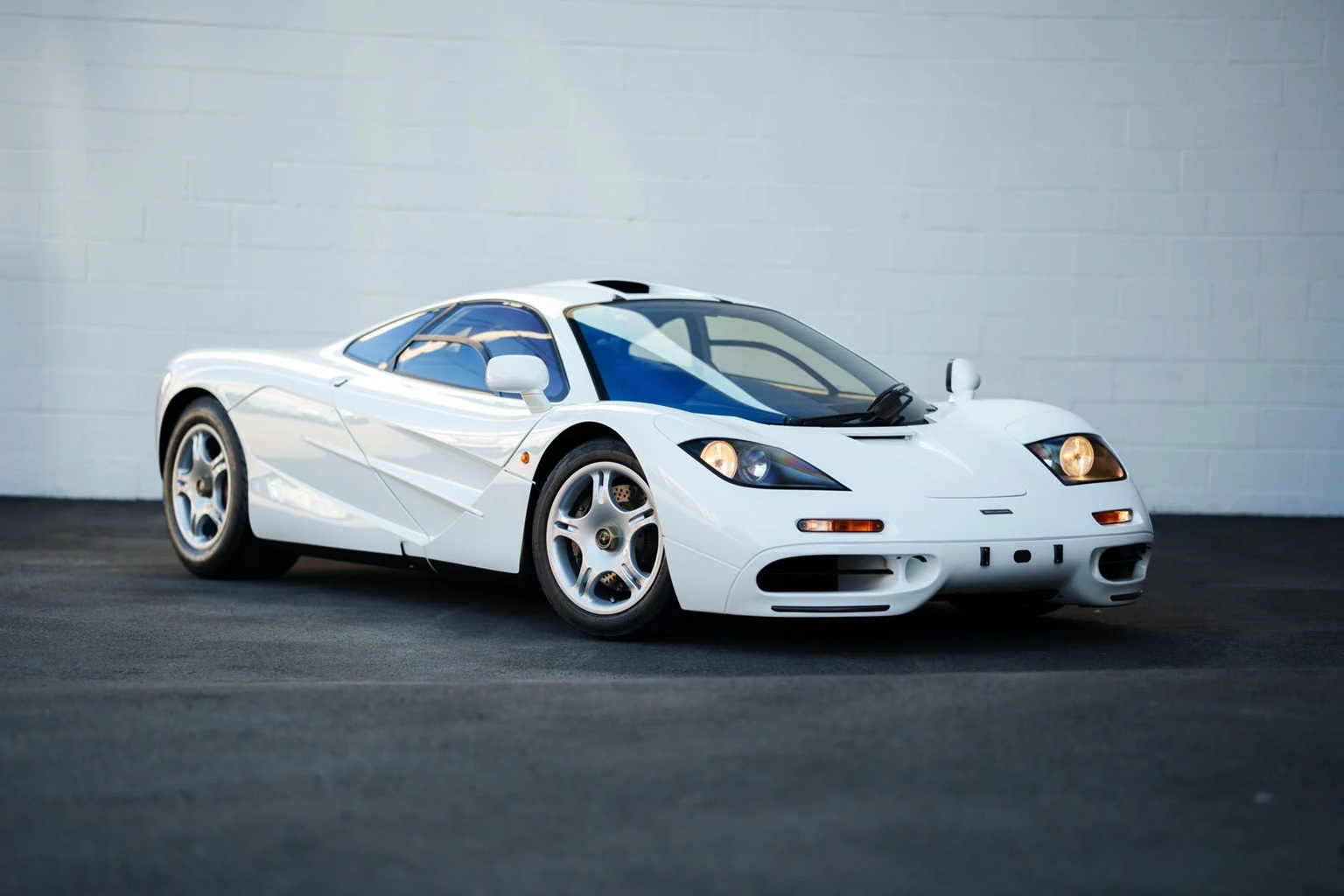
  • One of only two McLaren F1 road cars finished in the striking Marlboro White exterior
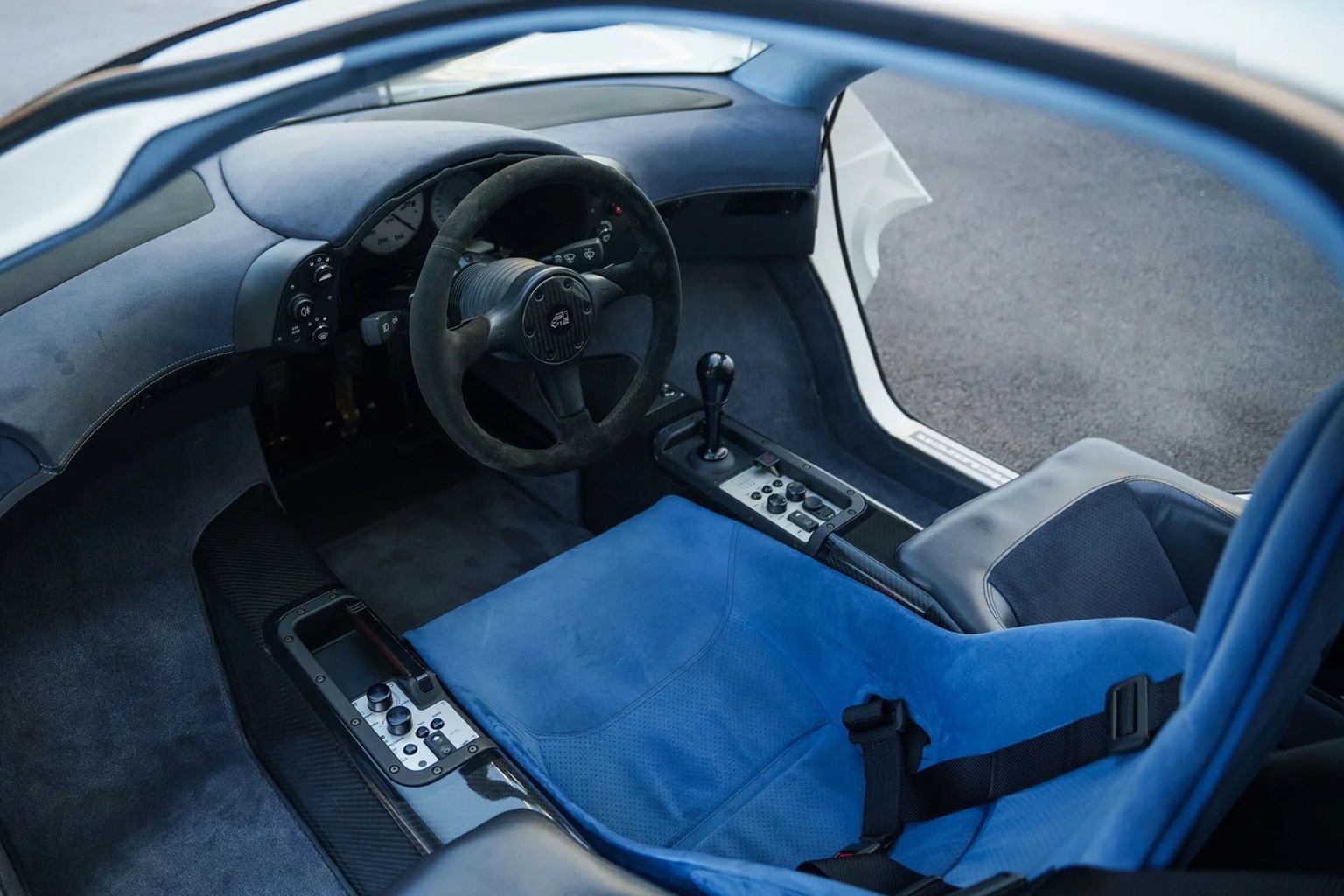
  • Attractive interior configuration with light blue Alcantara driver’s seat and dark blue/grey leather and Alcantara passenger seats
  • Incredibly low mileage with just 1,291 kilometers (802 miles) from new
  • Unaltered and maintained exclusively by McLaren Special Operations in Woking throughout its life
  • Received a fuel cell replacement in 2021, followed by comprehensive recent maintenance in November 2024
  • Documented ownership history from new, beginning with Japanese racing team owner Kazumichi Goh
  • Complete with original owner’s manuals, fitted luggage set, tool roll, and Facom toolchest

Chassis No. SA9AB5AC6S1048053

The McLaren F1 emerged from what might be the most consequential airport delay in automotive history. In 1988, following the Italian Grand Prix, TAG-McLaren Group executives Ron Dennis and Mansour Ojjeh found themselves stranded at Linate Airport alongside McLaren’s Technical Director Gordon Murray and head of marketing Creighton Brown. Their conversation turned to creating the ultimate road car—not just another supercar, but in Dennis’s words, “…the finest sports car the world had ever seen.”

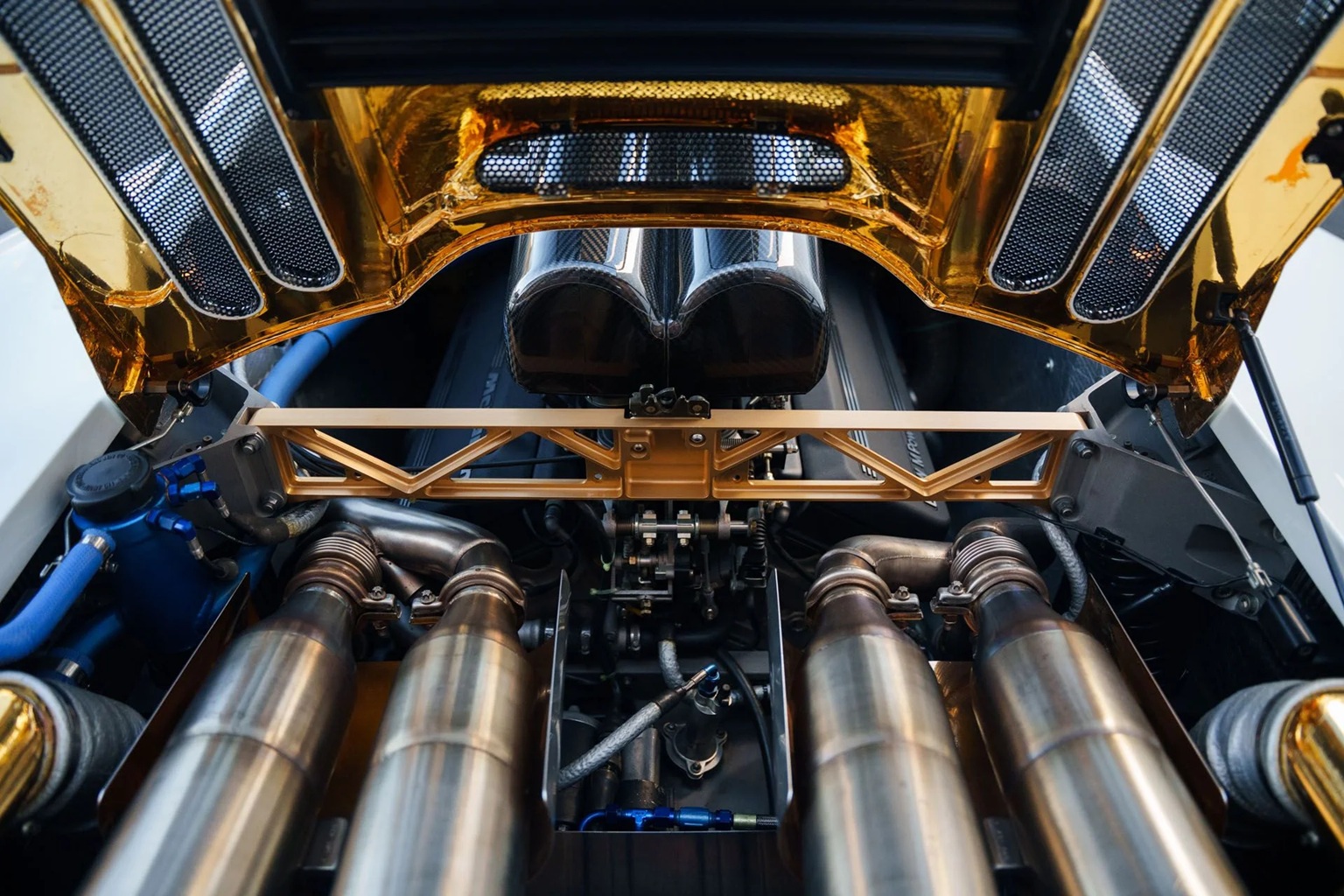
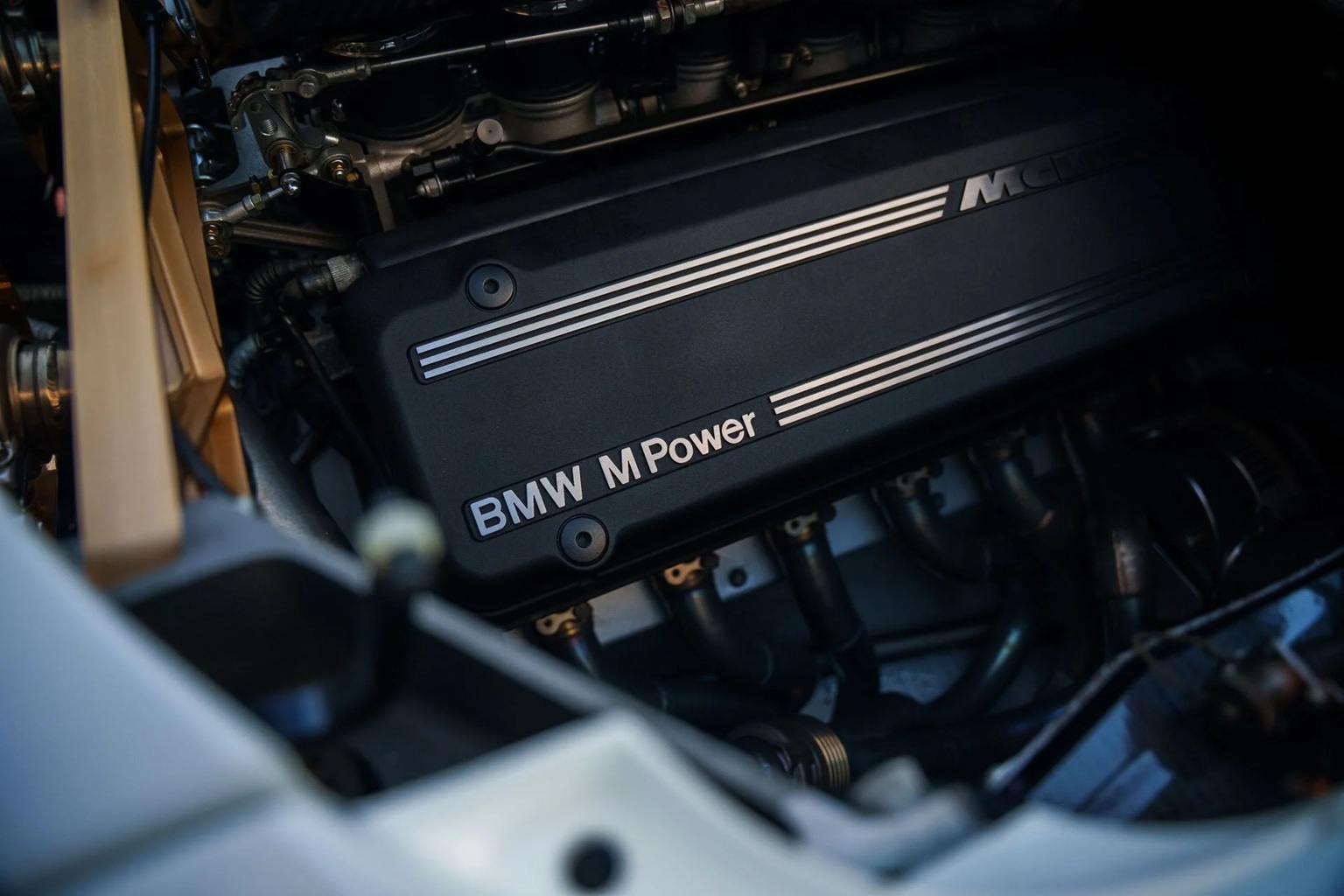
In May 1992 at Le Sporting Club Monaco, the McLaren F1 redefined the supercar genre upon its unveiling. Built around a carbon fiber monocoque—a world first for a production road car—and powered by a bespoke 6.1-liter BMW Motorsport V12 engine, the F1 delivered 627 horsepower and a power-to-weight ratio of 550 horsepower per ton. Its unique central driving position, gold-lined engine bay, and no-compromise approach to performance and driver engagement set new standards that remain unmatched to this day. Limited to just 106 examples across all variants, only 64 were built as standard road cars, making them the most revered and sought after supercar of the modern era.

This superlative example of the F1, chassis number 053, was ordered on 31 March 1995, and assigned production sequence 044. Assembly began on 28 July 1995, with the car being officially delivered “ex-works” on 27 November 1995, showing just 193 kilometers on the odometer. The original purchaser was Kazumichi Goh, the Japanese businessman behind Team Goh, which would go on to win the All Japan Grand Touring Car Championship (JGTC) in 1996 with a pair of McLaren F1 GTRs sponsored by Philip Morris cigarette brand Lark.

Chassis 053 featured a highly distinctive specification highlighted by its Marlboro White exterior finish—one of only two F1 road cars to wear this color. The cabin was finished with a unique blue-themed interior featuring dark blue/grey leather with pierced blue/grey Alcantara cloth central panels for the passenger seats, while the central driver’s seat was entirely covered in light blue Alcantara. This bespoke specification was completed with blue Wilton carpet, light blue Alcantara headlining, and an optional black suede steering wheel. The car was also delivered with a matching bespoke luggage set in dark grey leather with a blue Alcantara strip carrying the embossed chassis number. Factory driver settings were configured with the steering wheel at height position A (highest), pedals at position C (long), reach at position A (near), clutch foot rest at position D (extra long), and standard seat with extra long rails.

In 2004, chassis 053 was purchased by another Japanese collector. By late 2006, the car showed just 432 kilometers when it was sold by WHA Corporation of Nagoya, Japan, to dealer SPS Automotive Ltd. (Hong Kong) on 28 November. The car subsequently came to Europe in 2007 when it was acquired by dealer Lukas Huni AG in Switzerland on behalf of a European client with a recorded mileage of 482 kilometers. On 14 March 2014, chassis 053 was sold via Morris & Welford to collector in the United States. During this ownership, the car spent time in both the U.S. and U.K., and the mileage had increased to 1,108 kilometers. On 16 November 2016, the car was acquired by its next long-term European owner via McLaren Special Operations in Woking and subsequently registered in the U.K. with the appropriate license plate “53 MCL.”

Throughout its life, chassis 053 has been meticulously maintained by McLaren Special Operations. The service book records regular maintenance with all work completed at McLaren’s Woking headquarters on December 12, 2006 (481 kilometers), 14 June 2010 (998 kilometers), 25 October 2016 (1,185 kilometers), 24 April 2018 (1,238 kilometers), and most recently on 12 November 2024 (1,290 kilometers). In July 2021, the car received a comprehensive fuel cell service at McLaren Special Operations totaling £52,061.55 (excluding VAT), which included £31,624.50 in labor charges and £15,472.74 for the fuel cell unit itself. A covering letter from McLaren Heritage Manager Thomas Reinhold noted the return of a “favourite F1” to MSO, an F1 that also “drives extremely well.”

Further work was carried out in November 2021, including replacement of various pipes, fittings, suspension rose-joints and bushes, plus a new water pump at a cost of £23,992.05 (excluding VAT). Most recently, the car returned to MSO in late 2024 for a “3 Year Life Items” service, during which the steering wheel battery, instrument binnacle battery, key fob battery, air conditioning receiver dryer, engine oil and filters, gearbox oil, and coolant were all replaced. The car also underwent a full suspension set-up and headlamp alignment at a cost of £4,861.10 (excluding VAT). Heritage Manager Michael Wrigley’s covering email following this most recent service summed up the car’s exceptional condition: “It’s a truly lovely example so there is very little of note to comment on!”

With just 1,291 kilometers recorded from new, chassis 053 represents one of the lowest mileage and most original McLaren F1 road cars in existence. Its unique color combination, low mileage, comprehensive documentation, complete set of factory tools, owner’s manuals, and fitted luggage make it an unparalleled example of Gordon Murray’s masterpiece. Maintained throughout its life without regard to cost and exclusively serviced by McLaren Special Operations, this McLaren F1 offers its next custodian the opportunity to acquire the ultimate modern collector car in truly museum-quality condition.

For the Silo, Barney Ruprecht.

4 Canadian-Built Classic Cars That Are Unusual and Attainable

A charming read about quirky and rare Canadian built cars from our friends at Hagerty

Less than a week ago, we all celebrated Canada Day, aka Fête du Canada, the anniversary of Canadian Confederation that occurred on July 1, 1867. It’s a day to “reflect on what it means to be Canadian, to share what makes us proud,” and it “highlights the richness of our land, our diversity, our culture, our contributions, but above all, our people,” according to our government’s official website. It’s a glorious day for Canada, and though we are a little tardy on the dateline, we’re looking at some of the popular classic vehicles to come from the Great White North, and how much they’re worth in today’s market.

Starting in the early twentieth century, the big Detroit automakers south of the border built factories in Canada to sell to Canadians, rather than ship U.S.-built vehicles north.

This was because of tariffs between the two countries, and while many Canadian-built Ford, GM and Chrysler products were similar to the ones driven by Americans, others were rather uniquely Canadian. There were Meteors (Ford), McLaughlin Buicks, Fargo (Dodge) trucks, and Plymouths trimmed out as Dodges, and Acadians and Beaumonts (both GM). After the Canada-United States Automotive Products Agreement in 1965, though, cross-border trade loosened up. The specifically Canadian models and marques gradually disappeared, although promising independents like the Bricklin SV-1 or Manic GT continued to pop up. Today they’re all interesting, somewhat obscure classics. Below are the Canadian vehicles we most often see on the market.

1960 Frontenac

Canadian Frontenac Car ad
Flickr/Michael

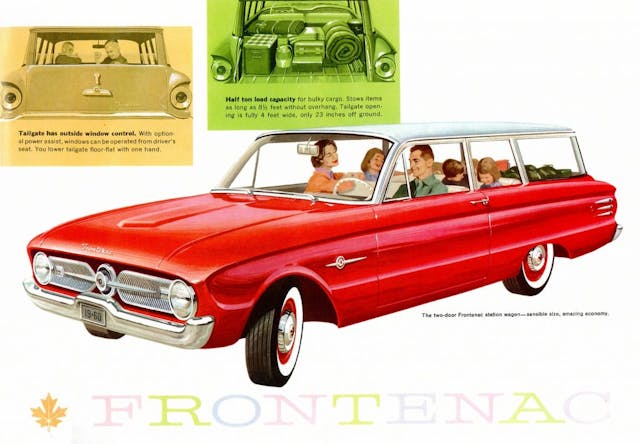
When Ford introduced its compact Falcon in 1960, Ford Canada brought out an all-new marque to bring the compact party up north. They called it the Frontenac, short for a 17th-century Governor General of New France (I guess Louis de Buade, Comte de Frontenac et de Palluau was too long to fit on a badge) and built it in Oakville, Ontario. Frontenacs were essentially a mildly restyled Falcon, and were available in two- and four-door sedan body styles as well as two- and four-door wagons. All were powered by the 144-cubic inch Thriftpower straight-six. Ford Canada sold over 9500 Frontenacs for 1960 but discontinued the brand after only one year, replacing it with the Comet for 1961.

Frontenac prices differ by body style, ranging from $13,100 (CAD 17,900) for a four-door wagon at the bottom to $23,000 (CAD 31,400) for a two-door wagon at the top.

1948–52 Mercury M-Series Pickups

1951 Mercury Pickup front
Mecum

To American eyes, pickup trucks with a Mercury badge seem a little Twilight Zone, like a budget city car sporting a Rolls-Royce grille or Kia making a mid-engine exotic. But from the postwar years up until the late 1960s, Mercury M-Series pickups were a very real thing for Canadian buyers.

At the time, many parts of the country didn’t have a Lincoln/Mercury dealership and a Ford dealership, so the Mercury M-Series gave truck-buying customers an option even if there was no Ford store around. The first-generation 1948-52 M-Series followed the same format as the first-generation Ford F-Series. Mercury M-Series trucks came in most of the configurations available on the Ford versions down south, but with fewer engine options. Currently, we only have the 1/2-ton, 239-cid eight-cylinder M-Series in the Hagerty Price Guide, and their #2 values range from $44,600 (CAD 60,900) for the earlier 1948-50 M-47 to $40,800 (CAD 55,700) for the 1951-52 M-1 model. Condition #3 values currently sit in the mid-$20K (CAD 27,300) range.

1968–69 Beaumont

1969 Beaumont front
Mecum

Of all the special Canadian market versions of Big Three vehicles, General Motors’ Acadian and Beaumont lines were arguably the most distinctive.

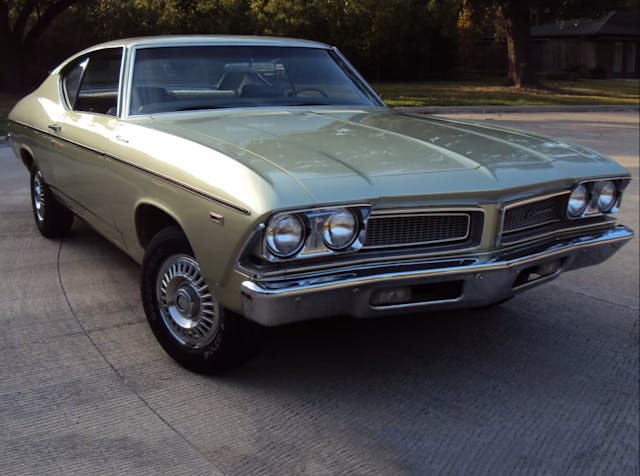
In 1962 GM launched Acadian, referring to the 17th- and 18th-century French settlers of eastern Canada, as its own brand. Its first model was based on the Chevy II/Nova compact but with different grille and trim, and different models included the mid-tier Acadian Invader and the range-topping Acadian Beaumont. In 1964 when the mid-size Chevelle came out, then Acadian added a Chevelle-based model to the lineup, recycling the Beaumont name. Then, in 1966, Beaumont became its own brand. When the second-generation Chevelle arrived for 1968, Beaumont followed suit. This was short-lived, however, as GM Canada axed the Beaumont brand after 1969 in favor of the Americanized Chevelle and Pontiac LeMans.

Built in Ontario and sold at Pontiac/Buick dealers, the 1968-69 Beaumont looks like a Chevelle with a few scoops of Pontiac mixed in, and generally followed the Chevelle in terms of trim and powertrains, which included 283, 307, 327, 350 and 396 cid engines as well as three- and four-speed manuals or Powerglide and Turbo Hydramatic automatics. Equivalent to Chevrolet’s Super Sport (SS) trim on the Chevelle was Beaumont’s Sport Deluxe (SD).

The average condition #2 value for a 1968-69 Beaumont is $24,200 (CAD 33,000) but, like their Chevrolet-badged cross-border cousins, prices vary widely depending on drivetrain and body style. The cheapest V-8 model in the Hagerty Price Guide is the 1968 307/200 hp sedan with a #2 value of $9600, while the most expensive is the extremely rare 396/350 hp L34-powered convertible with a #2 value of $81,800 (CAD 111,700).

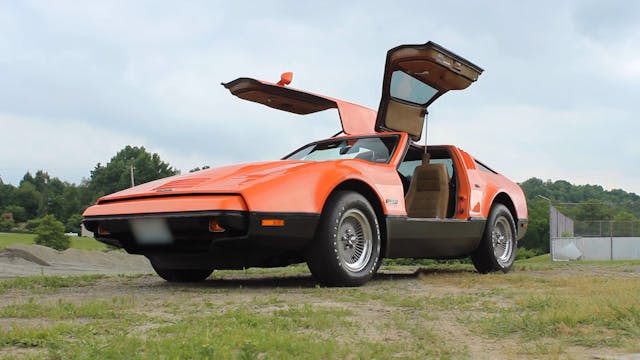
1974–75 Bricklin SV-1

bricklin front three-quarter doors raised
Joe Ligo

Seven years before John DeLorean came out with his own ambitious but under-powered, ill-fated gullwing sports car, Malcolm Bricklin built one in New Brunswick, Canada. Bricklin, the serial automotive entrepreneur who brought Subaru to North America, imported Fiat sports cars under the Bertone and Pininfarina brands and was the man behind the Yugo, envisioned a small and reasonably priced sports car with gullwing doors when planning his next business venture in the early 1970s. As the concept developed, Bricklin snagged a few million dollars in funding from the government of New Brunswick and set up two facilities in Saint John and Minto. The company officially unveiled the production version of the Bricklin SV-1 at the Four Seasons in New York in 1974.

By its looks, one might think that SV-1 stands for “Sports Velocity-1” or something wild like that, but it actually stands for “Safety Vehicle”.

The frame of the Bricklin includes an integrated roll cage, and each bumper is designed to absorb 5-mph impacts, both forward-thinking steps at the time. The bodywork is color-impregnated (five shades available) acrylic resin bonded to fiberglass, and the famous doors raise via hydraulic cylinders in about 12 seconds.

When Bricklin went looking for a parts bin to raid, it settled on AMC, so the SV-1 borrows its suspension from the Hornet, and early SV-1s have AMC’s 360-cubic inch four-barrel V-8. Later ones got Ford’s two-barrel 351 Windsor. Most SV-1s got a three-speed automatic, but a few buyers selected a Borg-Warner four-speed manual. In the end, Bricklin suffered the same fate as a lot of upstart carmakers, including the later DeLorean, minus the sting operation and tired Back to the Future redemption arc. There were quality control problems and supplier hold-ups, while a ballooning price and Malaise Era V-8 performance in a nearly 3500-pound car made the SV-1 difficult to sell. Only about 3000 were built.

1974-75 Bricklin SV-1, condition #2 (“excellent”) values

Canada’s sports car has never been particularly expensive, but some strong sales for clean cars have seen prices surge surprisingly to a current median condition #2 value of $38,000 (CAD 51,900).

The current #3 value sits at $23,000 (CAD 31,400) and the #4 value at $9,000 (CAD 12,300). The later Ford-powered cars would theoretically be easier to service, but the 351 was rated with lower grunt than the AMC 360 (175 hp vs. 220), so the two carry similar values. Add a few grand for the four-speed.

Hagerty maintains a Canadian version of our popular online valuation tool, complete with prices shown in Canadian dollars. It can be accessed here.

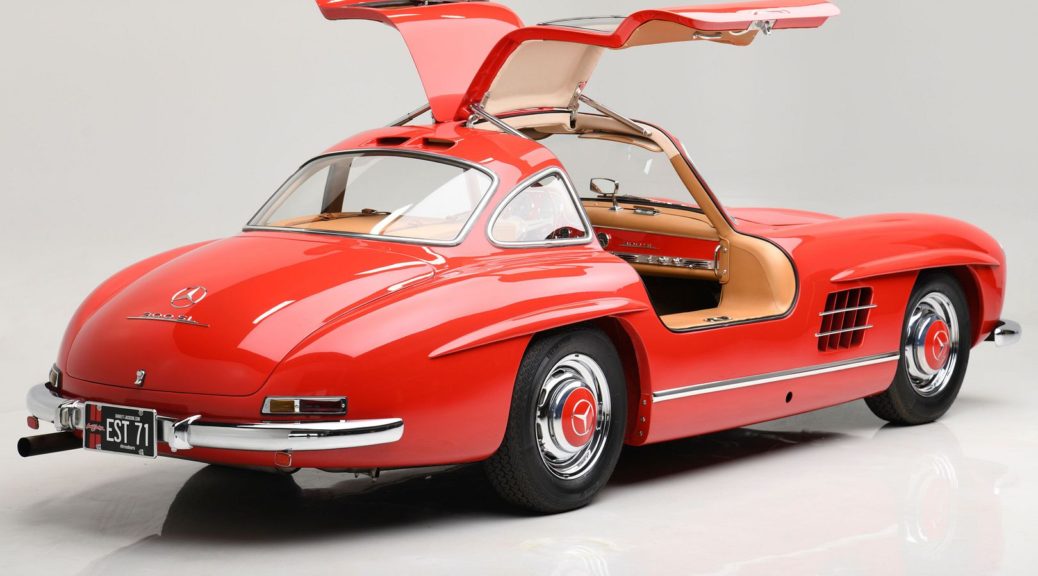
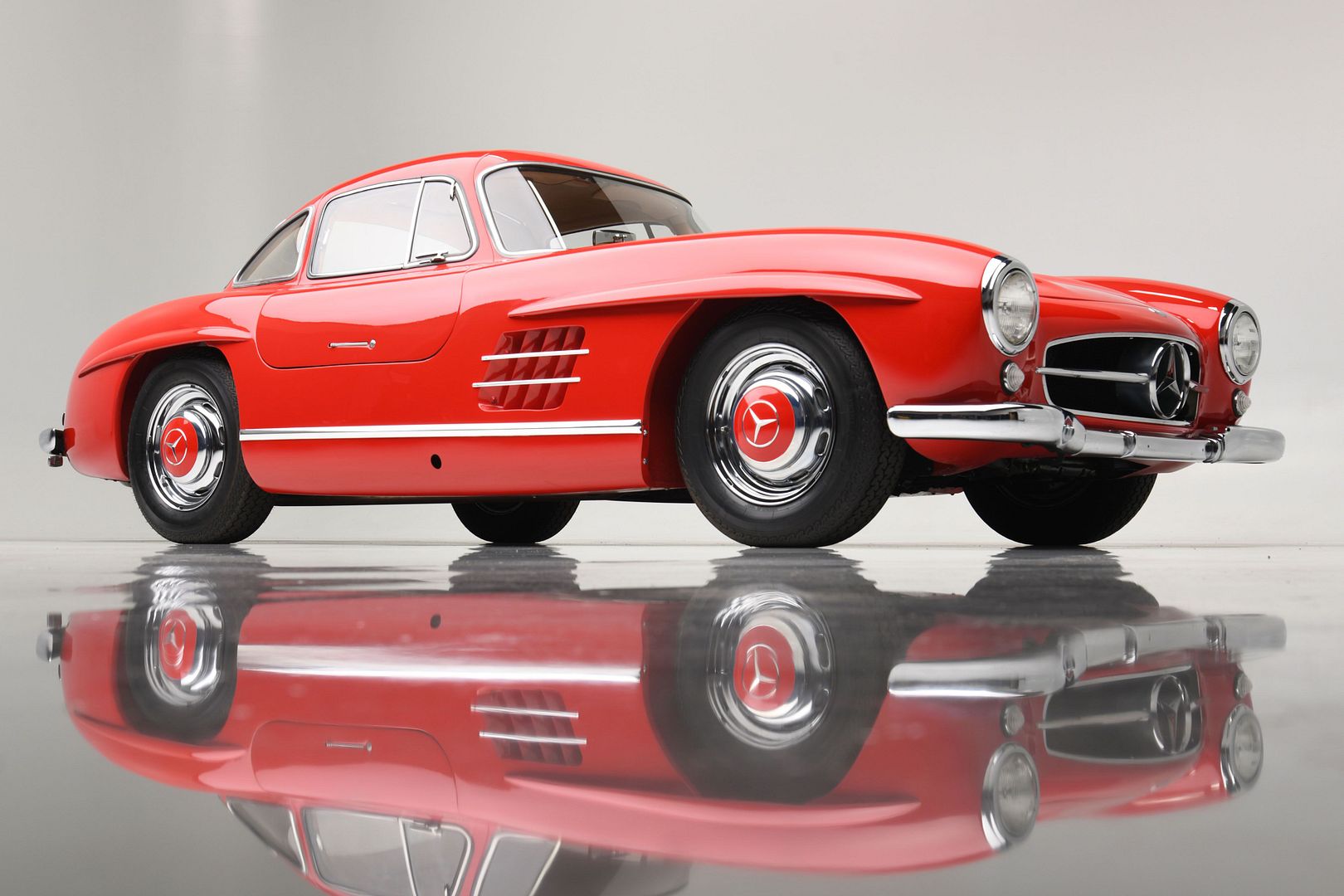
1955 Mercedes-Benz 300SL Gullwing Coupe at Auction

SCOTTSDALE, Ariz. ‒ December , 2021 – Barrett-Jackson will celebrate 50 years of The World’s Greatest Collector Car Auctions with an extraordinary docket filled with uniquely collectible vehicles, all selling at No Reserve, including a restored 1955 300SL Gullwing Coupe (Lot #1415) during the annual Scottsdale Auction at WestWorld of Scottsdale, January 22-30, 2022. One of only 855 made in 1955, the Gullwing was initially delivered to Havana, Cuba, and subsequently rallied by professional race car driver Santiago “Chaquito” Gonzales.

“Some of the star collectible vehicles crossing the block at No Reserve in Scottsdale come with significant provenance,” said Craig Jackson, chairman and CEO of Barrett-Jackson. “The 1955 300SL Gullwing Coupe is one of those vehicles that we’re truly excited to offer at No Reserve. Not only is this Gullwing one of just 1,400 of a total production run, but its pedigree also includes a first-place win at the 1957 Havana Gran Premio National Race. This is an incredible chance to not just own a significant vehicle but help write the next chapter in its evolving legacy.”

Special ordered from the factory with Strawberry Red Metallic paint, the 1955 300SL Gullwing Coupe (Lot #1415) was delivered to the initial owner, the Ministry of Police in Havana Cuba, on June 16, 1955. After being rallied during the first part of its life, it was purchased in 1961 and imported to the United States. Optional features included factory beige leather, VDO gauges, wood steering wheel and custom aftermarket luggage. It is powered by the original matching-numbers M198 engine paired with a 4-speed manual transmission. This 300SL was restored by the third owner in the 1990s followed by a full engine rebuild by the fourth owner in 2003, and currently has only 59,265 miles.

The 1969 Chevrolet Camaro RS/SS “Cutaway” Coupe (Lot #1369) is one of only two known “cutaway” promotional display cars used in 1968. Referred to as the “Double Header Car,” it was used by Chevrolet in 1968 to promote the new 1969 Camaro model. The Camaro’s body is a “first day of production body” and much of it is still in its original condition from the time it was modified for display. It features one of the original GM straight-6 cutaway engines and has been kept privately and out of the public eye for 52 years.

“Our bidders will not only have the chance to take home an incredible vehicle from Scottsdale, but also a true piece of automotive history,” said Steve Davis, president of Barrett-Jackson. “A rich heritage combined with exceptional collectability, many of these vehicles will be the centerpiece of any collection.”

The 1961 Chevrolet Biscayne Fleetmaster 409 (Lot #1291) is reportedly the world’s only 2-door version built and powered by the 409ci engine. It is the only documented 409 Biscayne Fleetmaster known and was ordered new by drag racer Allen May at Capitol Chevrolet in Salem, Oregon. 

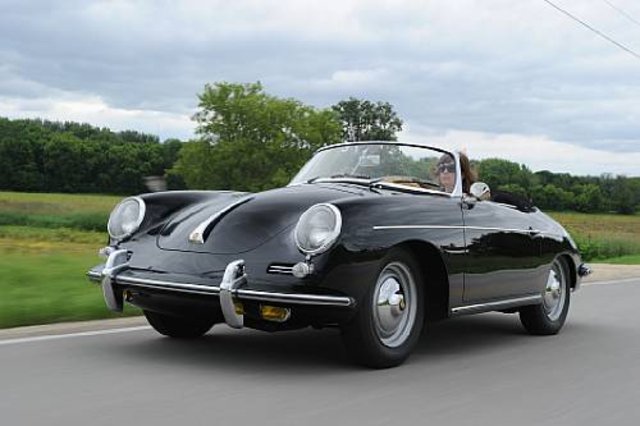
1962 Porsche 356 - 1600 B T6 Roadster Coachwork by D'Ieteren | Classic  Driver Market

Lot #1312 is one of only 248 1962 Porsche 356B Roadsters that received coachwork by D’Leteren Freres. Finished in black over a tan interior, it is powered by a matching-numbers flat 4-cylinder engine with 4-speed manual transmission. For more information contact [email protected]

ONLINE ONLY CAR AUCTION RECORD BROKEN

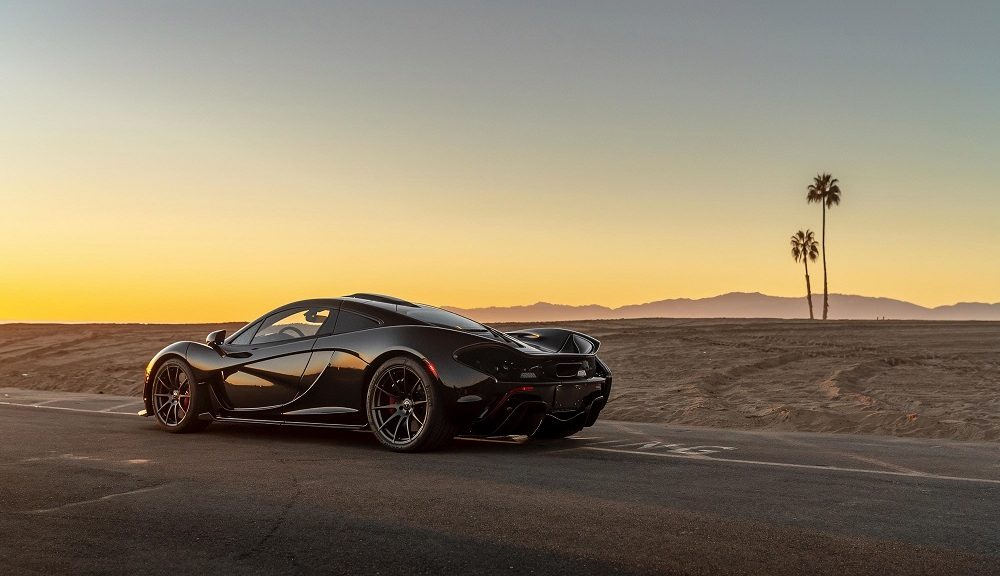
A global online marketplace founded by a British car dealer has just broken the online-only world record for a car auction, selling a McLaren P1 for an incredible $1,600,888 usd or $2,010,851 cad .

No other online-only platform for collectible cars has ever achieved a higher sales price.

Unlike traditional auctions, where cars are transported to a central location and bidders attend in person, Collecting Cars has disrupted the industry with an online-only format that has already notched up multiple world records. Cars stay with their owners, and more than 90% of sales happen without a physical viewing. This is made possible by the technology and knowledge behind the platform, which gives bidders a ‘virtual viewing’ of the car in question; supported by more than 150 photos and comprehensive detail on its features and maintenance history.

Bids entered during the online-only auction are legally binding, and Collecting Cars levies a low buyer’s premium of just 5% (+ VAT for UK buyers), which is substantially lower than traditional auction houses that typically charge 12% or more. Furthermore, the buyer’s premium is capped at £5,000 / $5,000 (+ VAT if applicable). On hammer prices above £1m, this means that the buyer’s premium is 0.6% or less.

The world-record car in question was a McLaren P1, one of just 375 examples built, and with only 433 miles from new. Motortrend.com: “The twin-turbocharged hybrid V-8 engine develops 903 horsepower and will launch to 62 mph in under 3 seconds. It’s made of exotic materials like carbon fiber and titanium.”

An original US-market vehicle; it was collected from the McLaren factory in the UK by its first and only owner. The car had also covered less than 100 miles since its most recent maintenance, which also included full checks of all electrical and battery equipment, at a total cost of more than $7,000 usd.

The Founder and CEO of Collecting Cars, Edward Lovett, said: “For around 60 years, car auctions have traditionally charged substantial commissions and premiums, often taking more than 15% out of the total value of the deal. We knew there was a better approach, and we have developed a world-class online marketplace for sellers and buyers without the unnecessary overheads, which is breaking records.

“This result shows the game-changing power Collecting Cars now wields in the global market, with online-only auctions that are cost-free and hassle-free for the seller, and which represent outstanding value for the buyer. In this case, the buyer’s premium for the winning bidder was just 0.3%.”

The company, which has sold over 4,700 lots since launch, was founded by British car dealer Edward Lovett in 2019.

Lovett was born into the family car business, and in more recent years has provided a private brokerage service, finding homes for some of the most sought-after collector cars in the world. Drawing on his significant experience, he saw the opportunity to develop a dedicated online-only platform for iconic, collectible and sporting cars.

Tokyo Lawyer Commutes in a Freaking McLaren P1
This P1 is a daily driver for renowned Tokyo Lawyer Hiramatsu.

As well as its very low premium for buyers, Collecting Cars offers significantly better value for sellers. The detailed photographic presentation and professional descriptions mean their car is showcased in the best possible way, and it is marketed to a huge captive audience of passionate enthusiasts. Furthermore, there is no listing fee, and they receive 100% of the hammer price. For the Silo, Jules Tipler.

About Collecting Cars:

Collecting Cars is an online auction platform that curates consignments from around the world and markets them to a global audience. The streamlined and transparent process makes buying and selling cars, motorbikes, and automobilia via its online auctions one of the most effective and hassle-free ways of transacting.

To date, the Collecting Cars platform has sold more than 4,700 lots, and total sales value generated for sellers exceeds £170 million or $2,864,53718 cad . It also has more than 50,000 registered users around the world. The multi-national auction company has headquarters in London, and offices in Munich, Sydney, and Los Angeles.

More than 90% of sales since launch have happened without a physical viewing, underscoring the significant trust that Collecting Cars has earned among its customers.

Barrett-Jackson Revs Up for Auto Event of 2022

SCOTTSDALE, Ariz. – Barrett-Jackson is revving up for the automotive event of 2022 when it returns to WestWorld of Scottsdale, January 22-30, to celebrate 50 years of The World’s Greatest Collector Car Auctions.

The annual Scottsdale Auction has hosted some of the most electrifying moments in collector car history over the last five decades.

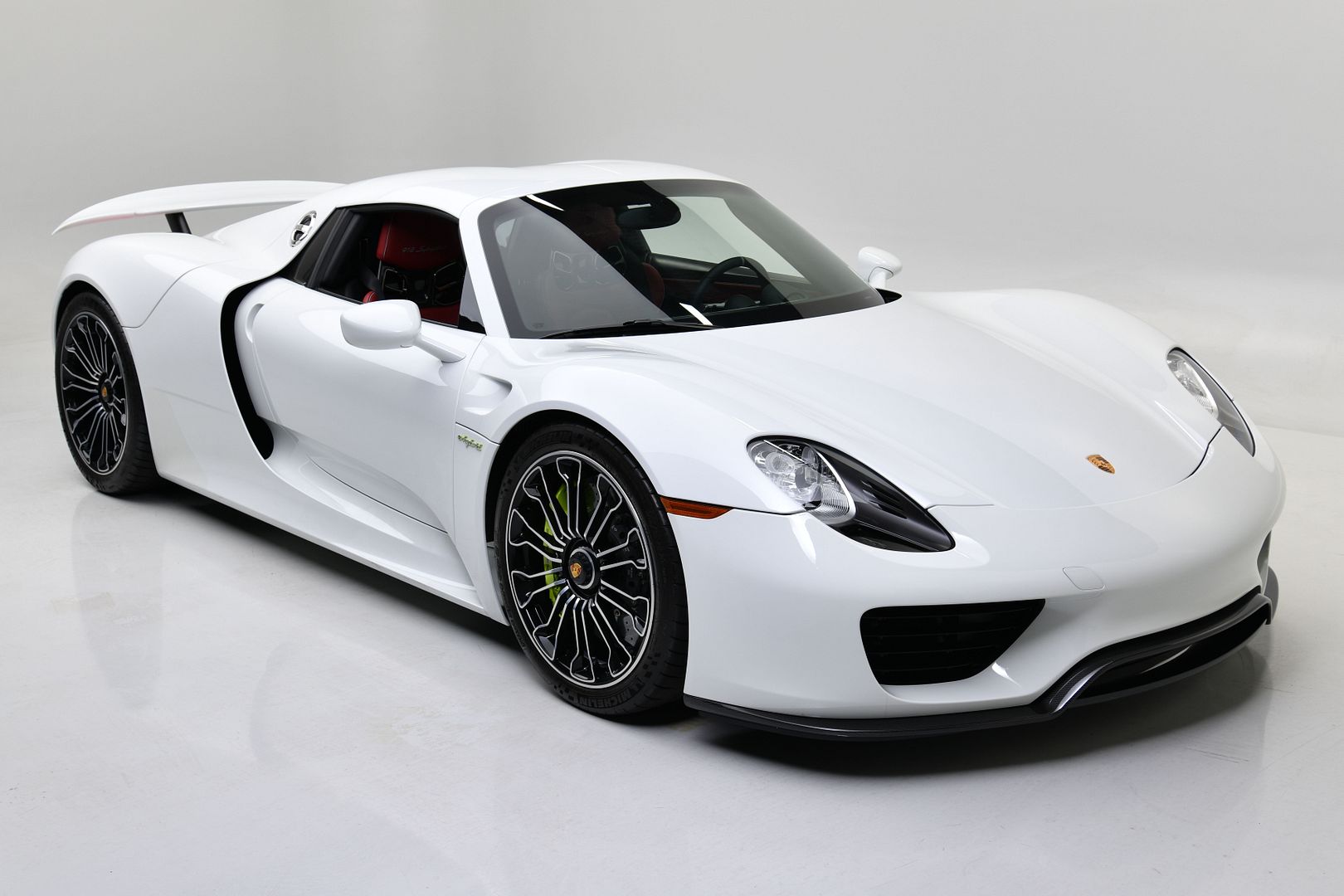
January’s Scottsdale Auction will both celebrate those milestones and deliver an action-packed automotive lifestyle event filled with an incredible collector car docket, the latest vehicles from top automakers, symposiums on a variety of automotive-related topics, and hundreds of exhibits and displays. Among the collector cars set to cross the block with No Reserve is an extremely rare 2015 Porsche 918 Spyder, one of only 918 of the hybrid hypercars produced worldwide.

“We’re preparing to host the world’s most exciting automotive lifestyle event in January to celebrate 50 years of ‘The World’s Greatest Collector Car Auctions,'” said Craig Jackson, chairman and CEO of Barrett-Jackson. “When my father Russ and his business partner, Tom Barrett, set out to raise money for the Scottsdale library with a local car show, they had no idea the impact they would have on the collector hobby over the next five decades. We’re proud of our heritage and the role we’ve played in the collector car hobby over the last half-century, and we can’t wait to continue this legacy in 2022, beginning with our flagship Scottsdale Auction.”

The 2015 Porsche 918 Spyder set to cross the block in January is considered to be among the “Holy Trinity” of hypercars and is one of the final 918s delivered that year.

Painted in white with a red leather interior, it’s powered by a naturally aspirated 4.6-liter V8 engine paired to Porsche’s 7-speed PDK dual-clutch transmission. Capable of 0-60 in 2.2 seconds, the 918 produces 887 horsepower with 282 horsepower coming from two electric motors. It has a carbon-fiber monocoque chassis, rides on Magnesium wheels and has just over 300 actual miles.

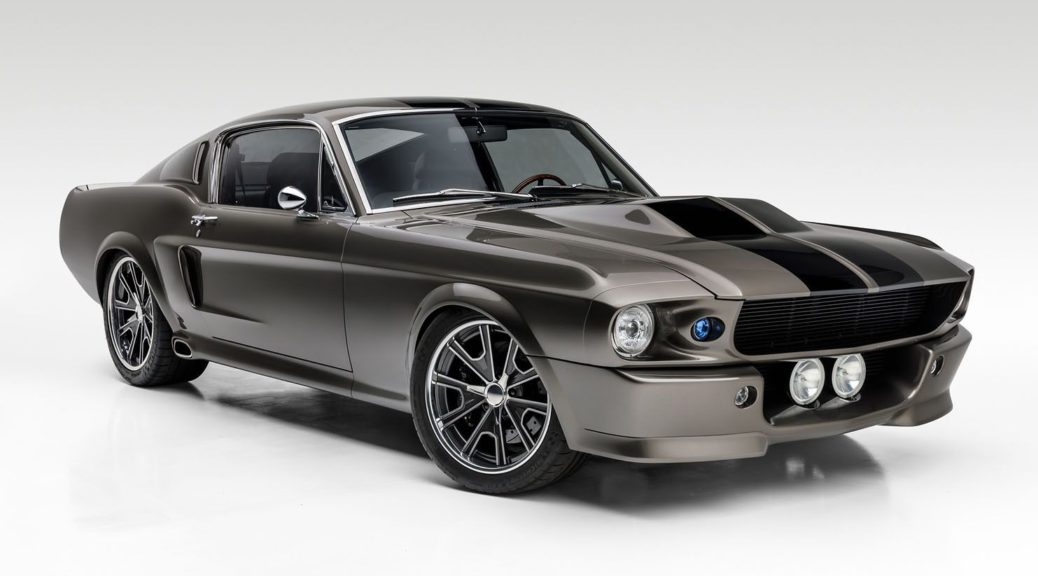
Another highly anticipated vehicle is the ultimate Pro-Touring muscle car: a 1967 Ford Mustang Eleanor Tribute Edition owned by seven-time Major League Baseball All Star and three-time World Series champion Buster Posey. Capable of producing 828 horsepower routed to the rear wheels through a 4-speed automatic Bowler Performance Transmission, this Mustang features custom parts, modern technology and design throughout. Selling with No Reserve, this vehicle comes with several items adding to its provenance, including an Eleanor Tribute Edition Certificate of Authenticity, a box full of memorabilia and the build appraisal book with receipts and images.

“We’re going to kick off 2022 with one of our greatest events to date filled with prized collectible vehicles that are destined to be remembered,” said Steve Davis, president of Barrett-Jackson.

“Over the years we’ve built a collector car family that is truly the heart of this hobby. I can’t think of a better way to speed into our next 50 years than with an amazing celebration this January.”

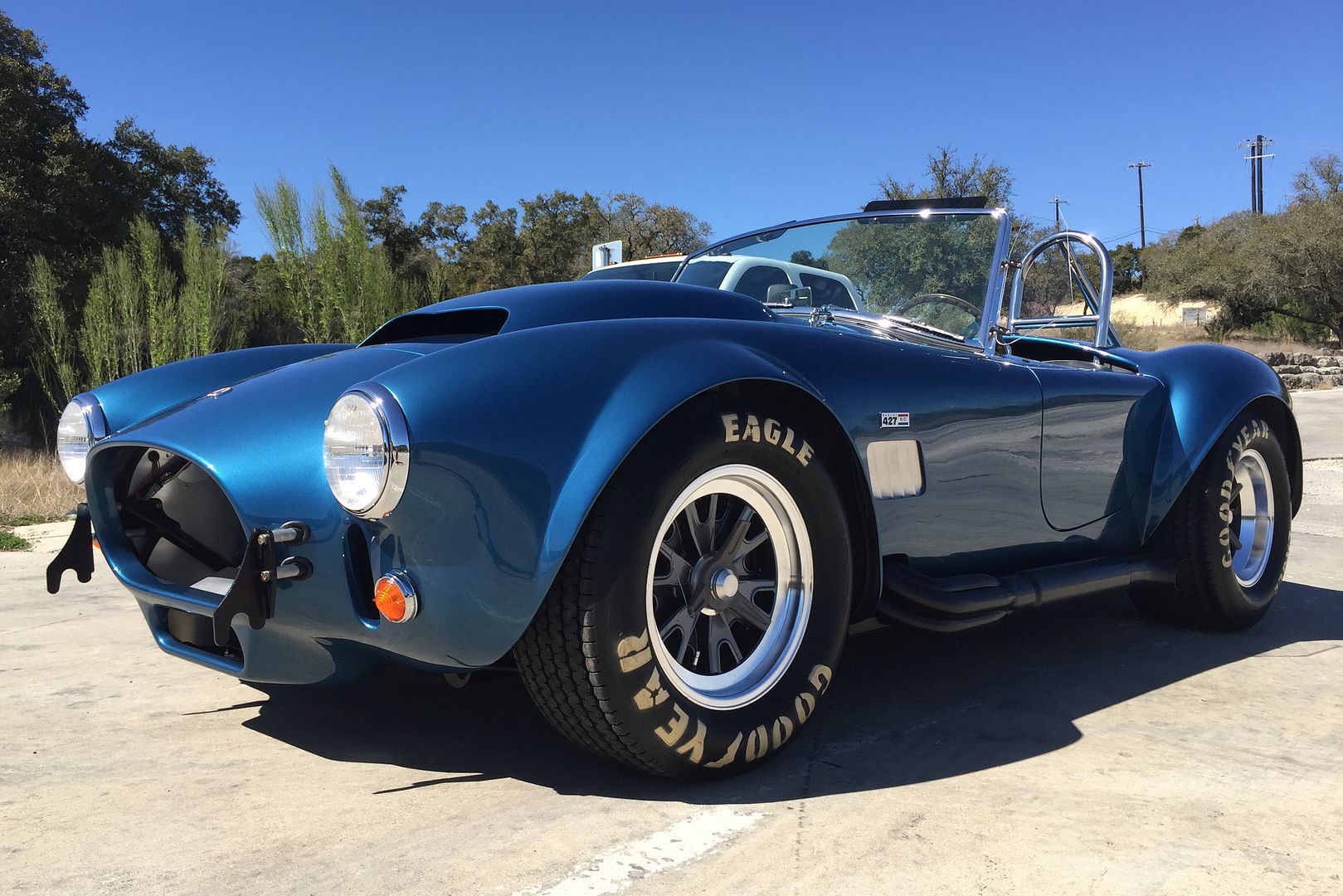
In addition to rare hypercars and customs, Barrett-Jackson’s diverse Scottsdale docket will include a 1965 Shelby Cobra 427 Super Snake that is one of only three continuation Super Snakes authorized by Shelby. Also selling with No Reserve, this one-owner car, CSX4404, is powered by a 427ci V8 engine with twin Paxton superchargers mated to a 4-speed manual transmission. This Cobra comes complete with its Build Sheet and the original Shelby Automobiles, Inc., MSO signed by Carroll himself, as well as his signature on the dashboard.

About The Barrett-Jackson Auction Company

Established in 1971 and headquartered in Scottsdale, Arizona, Barrett-Jackson, The World’s Greatest Collector Car Auctions, is the leader in collector car auctions and automotive lifestyle events, which include authentic automobilia auctions and the sale of private collections. Welcoming over 500,000 attendees per year, Barrett-Jackson produces live collector car auctions in Scottsdale, Arizona; Palm Beach, Florida; Las Vegas, Nevada and Houston, Texas where thousands of the most sought-after, unique and valuable automobiles cross the block in front of a global audience. With broadcast partner A+E Networks, Barrett-Jackson features live television coverage of their events on FYI and The HISTORY Channel, as well as all the cars, all the time via their produced livestream on Barrett-Jackson.com. Barrett-Jackson also endorses a one-of-a-kind collector car insurance for collector vehicles and other valued belongings.