TORONTO: Green Party of Ontario (GPO) leader Mike Schreiner is calling on MPPs to vote against Tim Hudak’s bill to nuke the province’s long-term, green energy strategy.
“Mr. Hudak’s willingness to sacrifice homegrown green jobs in a politically expedient attempt to exploit fears over rising energy prices is just bad economics,” says Schreiner. “I want him to look farmers and small business owners in the eye and explain how he wants to kill their businesses and their chance to earn income producing pollution-free electricity.”
Mr. Hudak’s Bill 42 [this Bill was defeated on second readinghttp://www.ontla.on.ca/web/bills/bills_detail.do?locale=en&Intranet&BillID=2587 CP ] , being considered in the legislature today [ March 22nd CP ] , would abolish the Feed-In Tariff (FIT) program. The FIT program provides stable fixed-rate, long-term contracts to green energy producers.
“Let’s not kill the FIT program, but fix it so that it better benefits communities,” says Schreiner. “The GPO will continue to push for a community-based green energy program with local ownership, decision-making and benefits.”
Although Conservatives claim that green energy is causing prices to rise, the reality is this — most cost increases are due to infrastructure upgrades and nuclear cost overruns. The Liberal and Conservative support for new nuclear will drive up costs far more than FIT contracts for green energy.
“The establishment parties are completely out of touch with the true causes of rising electricity prices,” says Schreiner. “Energy efficiency, combined heat and power, hydro imports from Quebec, and a diverse mix of other renewables provide our most flexible, low cost options.”
The Ontario Lottery and Gaming Corporation (OLG) developed a powerful analytic tool to provide instant access to billions of lottery transactions dating back to 1999. Dubbed the Data Analytic and Retrieval Technology (DART), OLG developed the solution in six months for about CAN$1.1 million (U.S.$1.15 million) with Microsoft and HP supporting technologies—a sharp contrast to the three-to-five years and more than $10 million needed with other BI solutions evaluated by OLG. Searches that used to take weeks can now be done in seconds. With the DART tool, OLG can identify play patterns to confirm legitimate winners and identify potentially fraudulent behavior and claims. DART builds on other OLG antifraud and player protection initiatives, delivering on the organization's pledge to better inform and protect those who play its games and lotteries.
OLG to Modernize Gaming- New Strategic Direction Will Create Jobs, Support Schools and Hospitals The Ontario government has received a report from the Ontario Lottery and Gaming Corporation (OLG) that proposes modernization of the system, an increase in its revenues by more than $1 billion a year, and the creation of 2,300 net new jobs in the gaming industry and nearly 4,000 additional jobs in the hospitality and retail sectors by 2017-18.
With internet-based gaming growing, a higher Canadian dollar and U.S. border communities building their own gaming sites, our gaming system has to change. These reforms will modernize gaming in Ontario by allowing safe, responsible access to gaming opportunities.
The government has directed the OLG to implement a number of the proposals:
Reconfigure the number of gaming sites and tailor the types of gaming activities made available at each site
Launch multi-lane sales of lottery tickets at major retail outlets, including grocery stores
Increase operational efficiencies by expanding the role of the private sector
Stop annual payments to the horse racing industry by ending the Slots at Racetracks program on March 31, 2013, and allowing slot facilities to be located more strategically
Implement a new fee model for municipalities hosting gaming sites; and
Allow one new casino in the GTA, subject to an OLG business case and municipal approval.
These initiatives will allow OLG to meet the demands of a changing gaming marketplace.
QUOTES
“We are focused, more than ever, on balancing the budget while continuing to provide the best education and health care in the world. Modernizing OLG’s operations and business model is an example of how we are ensuring our assets are delivering the greatest value to taxpayers.”
– Dwight Duncan, Minister of Finance
QUICK FACTS
OLG is the biggest non-tax revenue generating Crown agency in Ontario, and the largest gaming organization – and jurisdiction – in North America, with 27 gaming sites and 10,000 lottery points of sale.
In July 2010, the government directed OLG to undertake a review of its land-based gaming operations and lottery distribution network, to see how revenue from these could be optimized. The government’s plan to transform how OLG does business is a result of this review.
Eight million people in Ontario play lotteries at least once every year, and 2.7 million Ontarians went to an OLG gaming site at least once last year.
OLG generated $2 billion in net revenue for the province in 2010-11.
Since 1975, OLG lotteries, and OLG Slots and Casinos have generated more than $28 billion for Ontario.
Since 1998, OLG has provided nearly $3.7 billion to horseracing in Ontario through the Slots-at-Racetracks program. This year’s payment is estimated to be $345 million. That’s more than is spent on road safety or water safety. It’s also enough money to pay for more than two million house calls from doctors, nine million hours of home care or 27,800 hip or knee replacement surgeries.
Provincial proceeds from gaming activities help support key government services, including health care and education.
Ontario spends nearly $50 million annually on problem gambling treatment, prevention and research – more than any other jurisdiction in North America.
SUPPLEMENTAL- retail lottery fraud-the ‘switching of lottery tickets’ was a problem in the past and the OLG has developed new innovations to combat fraud-
Incredibly rare “Owl type” Silver Drachm (opposite face with Jerusalem lily) image:courtesy Heritage Auctions
The first silver shekel struck in Jerusalem by Jewish forces rebelling against Roman oppression in the first century CE, one of only two specimens known, brought a world record price of $1,105,375 at Heritage Auctions on March 8 as part of the auction of The Shoshana Collection of Ancient Coins of Judea. The coin sold to an anonymous overseas collector. Overall, this auction realized over $7.6 million, with the whole of the collection, consisting of more than 2200 coins in total, expected to realize more than $10 million in multiple auctions this year.
“This Year 1 silver shekel, struck shortly after the Jewish War began in May of 66 CE, is an incredible piece of history,” said Cris Bierrenbach, Executive Vice President of Heritage Auctions. “This is literally one of the very first coins the Jewish rebels struck after the ousted the Romans from Jerusalem, sending shockwaves through the empire. That history, as evidenced by the spirited bidding and the superb price realized, obviously continues to resonate today, more than 2,000 years later.”
The Shoshana Collection, assembled over the course of four decades by an American collector, is the greatest assembly of ancient coins related to the foundation of ancient Israel ever offered, spanning more than 11 centuries.
Other highlights from the collection include an incredibly rare gold aureus as Caesar (69-79 CE), struck at an Eastern mint in 69 CE, likely Tyre, anticipating the subjugation of Judaea, which the Romans achieved with the fall of Jerusalem in 70 CE, which brought $956,000, while one of only two known surviving silver quarter-shekels of Year 1 (May 66-March 67 CE) in existence brought $896,250.
A few of the additional highlights included:
Jewish War (66 – 70 AD). AR half shekel. Year 4. Hendin 1365. TJC 209. AJC 262,25. Samuels 980 (this coin). Extremely Fine. One of six recorded specimens. Realized: $358,500.
Vespasian (69 – 79 AD). AE sestertius. AD 71 Rome. Hendin 1500b. RIC 71,161. BMC 543. Impressive Good Extremely Fine. Realized: $262,900.
Jewish War (66 – 70 AD). AR shekel. Year 5. Hendin 1370. TJC 215. AJC 263,31. Samuels 94 (this coin). Very Fine. Ex: Nelson Bunker Hunt. Realized: $262,900.
Jewish War (66 – 70 AD). Year 5. Hendin 1370. TJC 215. AJC II 263,31. Brand 3. Bromberg II, 309 Good Very Fine. Realized: $179,250.
Divus Vespasian (69 – 79 AD). AV aureus. Struck by Titus, AD 80-81, Rome. Hendin 1581. RIC 230,363. Cohen 143. BN 89. Superb. Realized: $131,450.
Aelia Capitolina (Jerusalem, renamed by Hadrian) Collection, 164 coins. Realized: $107,550.
Titus as Caesar (79 – 81 AD). AV aureus. AD 72-73 Rome. Hendin 1469. RIC 84, 370. BMC 520. BN 73. About Extremely Fine. Realized: $101,575.
Vespasian (69 – 79 AD). AE sestertius. AD 71 Rome. Hendin 1500b. RIC 71,161. BMC 543. Samuels 146 (this coin). Extremely Fine. Realized: $95,600.
Bar Kokhba Revolt (132 – 135 AD). AR sela. First year (132/133 AD). Mildenberg 125,4.1 (this coin). Hendin 1373. TJC 218c (this coin). AJC 264,1c (this coin). Samuels 98 (this coin). Superb. Realized: $89,625.
Bar Kokhba Revolt (132 – 135 AD). AR sela. First year (132/133 AD). Mildenberg 124,3.5 (this coin). Hendin 1373. TJC 218 (these dies). AJC 264,1 (these dies). Samuels 97 (this coin). Superb. Realized: $89,625.
Auction of US coins continues on New York and over the Internet at www.HA.com/Coins through Sunday, March 11.
Seldom Seen Selections: One of the finest known 1795 Eagles
The famous 1795 American gold ‘eagle’ coin
The ten dollar gold pieces, given the name “eagle,” were the largest gold coins produced by the first U.S. Mint from 1795 through 1804. Like all early gold coins (and many early silver coins), these pieces did not carry an actual denomination as part of the design.
The 1795 BD1 is considered the first variety coined for the year, therefore it is the first eagle minted by the United States! There are more of them surviving today than all other 1795 varieties combined, and it is actually one of the five most common die varieties of the entire series from 1795 to 1804, a fact that would probably surprise most collectors. Quite a few examples survive in Mint State grades, giving collectors a reasonable chance of obtaining a high-quality example of the Small Eagle reverse design.
Many of the Mint State pieces have prooflike fields, including the coin we are featuring in our upcoming 2012 April 18-22 US Coins & Platinum Night CSNS Signature Auction. Although the fields are not deeply mirrored, they are clearly reflective. The surfaces are exceptional with only a few scattered abrasions. Faint adjustment marks are evident at the center obverse and on some of the obverse dentils. All design elements on both sides are sharply struck, suggesting to some the possibility that this may have been some type of presentation piece. This example is a relatively early die state of the variety, with faint obverse die cracks but no evidence of reverse cracks. Despite the existence of several Mint State pieces, this example is one of the most attractive we have handled.
A curious situation exists for both early half eagles and early eagles. For both denominations there were multiple varieties dated 1795 and only a single variety dated 1796, despite mintages that suggest this is illogical. During the course of 1795, just 2,795 eagles were minted from September 22 through November 27. In 1796, the Mint produced 6,934 eagles from January 9 through December 22. If we take these annual production totals at face value, an average of 560 coins per die marriage were struck in 1795 while a single die marriage produced all 6,934 coins in 1796. Clearly there is something wrong, unless many of the coins produced in 1796 were from dies dated 1795, and we can be certain that this was the case. According to the Guide Book, the 1795 mintage totaled 5,583 coins and the 1796 mintage totaled 4,146 coins, but even those figures are suspect, suggesting a survival rate of 10% for 1795 eagles and only 4% for 1796 eagles. This discussion illustrates the challenge that numismatists have today when attempting to reconstruct the events of the earliest years at the Philadelphia Mint. There were no records of mintages for individual die varieties, and any attempt to make such estimates today is plagued with problems.
In Early U.S. Gold Coin Varieties, John Dannreuther provides estimated mintages for every variety and for the number of survivors for each variety. The only thing we know for sure is the number of die marriages known from 1795 through 1804 (32) and the total mintage for that period (132,714 coins including 122 pieces reserved for assay). By using the midpoint of Dannreuther’s survival estimates, we can also establish an approximate survival rate for the series of 2.5%. Is this enough information to establish original “mintage figures” for each variety or even for each coinage date?
Mark Van Winkle has spent considerable effort over several years attempting to correlate mintage figures with individual varieties, and now feels that it is impossible. There are at least two variables that cannot accurately be determined. First, the exact emission sequence needs to be determined (including both die marriages and remarriages). In a series like the early eagles, the emission sequence alone is enough to give a numismatist nightmares. Once the emission order is known, an accurate estimate of the survivors must be established for each variety and remarriage, and this is nearly an impossibility. Finally, differing survival rates from one coinage date to the next must be pinpointed, a seemingly impossible task. CP for Heritage Auctions Dallas, Texas www.ha.com
Supplemental– The Numismatic Network of Canada for those interested in studying and collecting Canadian coins, tokens, paper money and related numismatic materials http://www.nunet.ca/
When I took my boyfriend to see a new Muppet movie, he had never seen anything by the Muppets before, and being a dedicated fan since early childhood, I felt it my right and honorable duty to share the mahna-mahna’s with him. Needless to say, it was a fantastic and heart-felt show that we both laughed the whole way through. A few weeks later, we were out shopping and found this “one-of-a-kind” Kermit shirt, and couldn’t resist buying it. Like Miss Piggy, I suddenly noticed myself more attracted to everything green.
photo:H. Richards
I realized being “green” is not impossible even though we are living in such a technologically consumed world. Yet, it is technology that has provided us so many outlets to become more ecologically responsible. Bills, schedules, licence plate renewals, the yellow pages, and even airline tickets are available paperless. Due to the impact of the Internet, television programs, and advertising we are more connected, and more globally aware of products available to help protect the environment.
In the home, especially if you are privy to daytime television, like City Line, the Mariyln Denis Show or the Nate Berkus Show, I guarantee that at least one segment a week focuses on how and where you can buy, reuse or create products with a green-scheme in mind. They prove that you can choose a range of products that will help sustain the environment, while still providing beautiful, sleek and modern finishes. The Home Depot has a link on their website to a section called “Eco Options,” where it is easy to locate the product type you are looking for, from flooring to appliances to décor, there is a product to help manage your carbon footprint.
Major grocery stores have become more eco-friendly as well. By providing large reusable bags/bins, made out of recycled materials and typically at a cost of $1, consumers are given a convenient eco-option. Even if you forget your reusable bags at home and buy a plastic bag for 5 cents, the plastic bag has become noticeably larger in order to try and reduce the volume of plastic bags and encourage the purchase of reusable ones. As well, food itself has taken on the green trend; I was always taught to “eat the green stuff, it’s delicious,” and now, eating green, organic food like avocado, broccoli, spinach, and kale is trendy too.
The trend in the fashion world has also become environmentally friendly. For example, H&M has created the “Conscious Collection.” It is H&M’s “action for a more sustainable fashion future.” This collection uses greener materials such as organic cotton and recycled polyester. Originally when the campaign came out in April 2011, and the colour scheme was mainly different shades of white and muted earth tones. However, one year later, they are still producing the collection but have amped up the colour pallet. Walking into the store this season, you will be bombarded—you guessed it—with green. Emerging mainly in pastel and mint, but with occasional pops of emerald, green is popping up all over the fashion world and the colour is going to be very popular this spring.
So maybe it was the resurgence of Kermit the Frog, or maybe it is because being eco-conscious has spanned to every aspect of our lives, but I am happy to say that it’s never been so easy being green. For the Silo, Hannah Richards.
The Ontario Green's feel that merging all provincial school systems is a long-term solution to tackling the deficit by reducing redundancies.
Toronto, ON – “Putting the public interest before vested interests is the most equitable and efficient way to eliminate Ontario’s record deficit,” says Green Party of Ontario leader Mike Schreiner. Eliminating the deficit requires tackling vested interests in the province’s biggest budget categories: education, energy and health care, as well as bringing our tax system into the 21st century. The Green Party is putting forward long-term solutions to tackle the deficit:
ONE SCHOOL SYSTEM
Ontario must merge the Catholic and public school systems into a single French and English public system to build a high quality, financially responsible, and equitable education system. Two school systems is an obvious source of duplication in the Ontario budget. Ontario also has a financial and social obligation to end the discrimination that results from funding only one religious school system. [ http://www.oneschoolsystem.org/ CP ] STOP BORROWING BILLIONS TO SUBSIDIZE THE WASTEFUL USE OF ENERGY
Ontario cannot afford to borrow 1 billion dollars each year to reduce electricity bills by a few dollars each month. The province should not play a shell game with our money for a program that benefits the wealthiest the most. The misleadingly named Clean Energy Benefit should be scrapped and replaced with a targeted rebate program for low income families and seniors who need the help the most. Such a rebate would be more effective at a much lower cost. We all save money with programs that help people save energy. IT’S HEALTHY OUTCOMES THAT MATTER
Ontario must move from a sick care system focused on hospitals to a home and community care system focused on illness prevention. Funding priorities should focus on healthy outcomes and providing people the continuum of care they need to maintain health and treat illness at the lowest cost to the public purse.
Ontario’s current orientation to treating sickness is costly and unsustainable. We can do better by keeping people out of hospital in the first place. This starts with a funding formula that pays doctors for promoting health, not the quantity of services they provide. We need to empower all health professionals to operate at their full scope of practice. BRING OUR TAXES INTO THE 21ST CENTURY
The Green party believes the government made a serious mistake in establishing a commission that only addresses government expenditures. We also need a modern tax system that provides sufficient revenues to deliver public services. We need an equitable and efficient tax system that enriches quality of life and encourages job creation without damaging our natural capital. The government should cancel corporate tax cuts that we can’t afford. The Green Party calls on the McGuinty government to form a public commission on the reform and modernization of Ontario’s tax system.
CONCLUSION
“It’s time for politicians to stop punting problems to our kids,” says Schreiner. “The Green Party commends the Drummond Commission for tackling some tough issues. Now the government needs to engage the public in implementing solutions.”
Media Contact: Becky Smit Cell: 647-830-6486 Office: 416-977-7476 beckysmit@gpo.ca
Sent from Green Party of Ontario PO Box 1132 Toronto, ON M4Y 2T8 Canada
Ontario will end tax payers subsidy of horseracing and sell the LCBO headquarters in its efforts to combat the provinces deficit
Ontario’s newest actions to eliminate the deficit are critical to job creation and economic growth, says Minister of Finance Dwight Duncan. The Ontario government is moving forward with a responsible plan to eliminate the deficit so that more jobs are created and the economy continues to grow.
Since the introduction of the 2011 Budget, growth in the global economy has slowed. This means additional steps must be taken to slow down the rate of growth of government spending in order to keep the plan to eliminate the deficit on track.
Ontario Finance Minister Dwight Duncan outlined today the next steps in the government’s plan to eliminate the deficit. These steps will give Ontarians better value for money and lead to improved public services.
The LCBO headquarters, currently located on some of the most valuable, under-developed real estate in Canada, will be sold and redeveloped. A retail store will remain in the vicinity while the headquarters will be moved. The LCBO will realize ongoing savings and after the land is sold and a new, modern facility is built, it is expected to generate well over $200 million for taxpayers.
The government will move to greater involvement of the private sector in ServiceOntario through a strengthened public-private partnership. This will deliver better value for money and improve customer service for families.
Since 1998, Ontario taxpayers have been supporting horseracing with a subsidy of up to $345 million a year. The province will evaluate that subsidy given the need to continue to invest in health care and education.
Minister Duncan reiterated that the government is on track to meet its deficit target this year, and said these new measures will help ensure the government stays on track to eliminate the deficit by 2017–2018.
QUOTES
“Eliminating the deficit is essential to continued economic growth and job creation. A strong economy supports the schools and hospitals families rely on. Our plan will eliminate the deficit by 2017–2018.”
— Dwight Duncan, Minister of Finance
QUICK FACTS
The LCBO property currently includes head office space and a large warehouse dating from 1954. It also contains a flagship store, which will be redeveloped nearby.
About two-thirds of ServiceOntario’s in-person service locations are already operated by private sector partners.
With 17 locations, Ontario has more racetracks and provides more public funding than any other place in North America. The cost of the current horseracing subsidy would pay for over 27,800 hip or knee replacement surgeries or provide over 9 million hours of home care.
LEARN MORE
Read about the revitalization of Ontario Place. Read http://www.ontario.ca/en/initiatives/progressreport2011/index.htm
FOR MEDIA INQUIRIES ONLY:
Aly Vitunski, Minister’s Office, 416-325-9819
Scott Blodgett, Ministry of Finance, 416-325-0324 www.ontario.ca/finance-news
*Disponible en français
AYR, Ontario — In 2011 when AyrSpace held Canada’s only one hundred-woman art show for the
100th anniversary of International Women’s Day https://www.thesilo.ca/international-women-join-forces-through-art/ , the men took note. The idea of the painting exhibition “Men in Business 2012” was born.
“The idea came to me to encourage the hidden talents among us,” said John Redfern, a Customs
Brokerage executive at The Farrow Group just north of Ayr. Redfern helped realize last year’s effort.
“Jill said to me in an email -15 men would be a perfect number for an exhibition,” referring to Jill Yuzwa, Gallerist at AyrSpace, gallery of visual and functional art. And in similar style to the year prior, a call for collaborators went out through social networks. Men from all economic sectors were encouraged to respond – whether their works be an extension of their day to day or their alter-artistic ego.
Cosmonaut painting (far left) by Jarrod Barker.
And they did respond: a Vancouver architect, a celebrated Canadian documentary film maker, a custom furniture craftsman, educators and leaders of education, independent businessmen, lawyers and a specialized medical technician. The artworks are as varied as the gentlemen themselves. And coincidentally there are 15 collaborators. North Dumfries Mayor Rob Deutschmann will be on hand to welcome the collaborators and open the event on Friday February 3, 2012. “Men in Business 2012” will run through Sunday February 26, 2012.
The exhibition is dedicated to Ayr resident Stephen Gross who is currently undergoing cancer treatment. Mr. Gross is perhaps best known in the Region of Waterloo for his excellent work at the Kitchener Downtown Community Health Centre.
The 15 collaborators of Men in Business 2012 invite the community and collectors to this exhibition and have initiated that partial proceeds of their artworks be allocated to NewmanBoysTrustFund.ca in fond memory of Katherine (Bunny) Newman the Gallerist’s cousin. AyrSpace, gallery of visual and functional art, is located at 44 Stanley Street in downtown Ayr. The gallery opened in October 2008 as a socially innovative collaborative and now represents a range of Canadian artists. www.ayrspace.ca For the Silo, Jill Yuzwa.
Media contact:
Jill Yuzwa
AyrSpace
519.632.9030
art@ayrspace.ca
According to Greek mythology: Telemachus (R) the mentor- son of Alcimus. In his old age, Telemachus was a friend of Odysseus and was placed in charge of his Son Telemachus (L)
BRANTFORD (Jan 25, 2012) — The Mentoring Skilled Newcomers program is marking Mentor Appreciation Day on Thursday by thanking individuals and organizations who have encouraged, guided and provided a positive impact on the lives and careers of newcomers in our community.
“Thank you to all the mentors who have enlisted or participated in the Newcomers program,” said Vinesh Bhagat, program coordinator.
Silo Direct Link Workforce Planning Site
The program is a project of the Workforce Planning Board of Grand Erie that connects foreign-trained professionals with mentors. Mentoring provides newcomers an opportunity to learn about the Canadian workplace culture from an experienced mentor and broaden their professional network in a new community. Mentors, meanwhile, have benefitted from improved communication and leadership skills, as well as broadening their knowledge of diverse global cultures.
Silo Direct Link WorkforcePlanning Web
“I am happy to be a part of this process and feel honoured to have the experience of working with my mentee…This is such a wonderful program,” said Jennifer Woodley, a mentor from the Grand Erie District School Board. Funded by Citizenship and Immigration Canada-Multiculturalism Program, the Mentoring Skilled Newcomers program has received 50 referrals from Employment Ontario and settlement agencies since the program began in September 2010.
To date, 20 mentoring partnerships have been created with mentors in professions such as teaching, social work, banking, finance, hotel and tourism, statistical research, accounting, geology and engineering. Mentors in the following fields are currently needed: horticulture, geology, hospital management, electrical engineering, mental health, ultrasound technology and corporate training.
To learn more about the Newcomers program or become a mentor, contact the Workforce Planning Board at 519-756-1116 or admin@workforceplanningboard.org For more information, contact:
Vinesh Bhagat, Program Coordinator, GEIEC, 519-756-1116, x223
vinesh@workforceplanningboard.org
Jill Halyk, executive director, Workforce Planning Board, 519-756-1116, x227 jhalyk@workforceplanningboard.org
Farmers Fly into RCAF Museum Last Fall, on Saturday, November 19th, 30 members and 2 guests of the Ontario Flying Farmers (OFF) paid a return visit to the No. 6 RCAF Dunnville Museum at the Dunnville Airport. Four planes flew in from the Goderich, Kincardine and the Elora area. Poor weather prevented more from flying in, but members drove in from as far as Peterborough. Adrian and Hortense Verburg were the conveners of the event. Adrian was one of the first members of the No. 6 RCAF Dunnville Museum.
Among other objectives, the Ontario Flying Farmers (O.F.F.) promote the practical use of airplanes in agriculture*, and encourage landing strips close to towns and cities. The O.F.F. promote safe flying through continued education and upgrading; help develop the public acceptance of light aircrafts; speak on behalf of farm familites at a national level and cooperate with aviation organizations to promote general aviation through legislation.
A Hangar1 (which is home to the RCAF Museum) display of a World War 2 trainer
The No. 6 RCAF Dunnville Museum, which they visited, preserves the memory and artifacts of the No. 6 Service Flying Training School. Part of the British Commonwealth Air Training Plan, the No. 6 was one of 41 such facilities built in Canada during WW II. The Museum, housed in half of Hangar 1, has 4 WW II trainers that still fly as well as extensive displays of course records, photographs, uniforms, training materials, flight log books and other RCAF-related artifacts from WW II.
The Flying Farmers is an international organization that was established in 1945, members are families or individuals interested in flying and or agriculture.
The OFF are celebrating their 50th year in 2011.More information is available by sending email to gc.paisley@hotmail.com Please mention that y0u found this article at The Silo.
Ian Durand is the Vice-President of the No. 6 RCAF Dunnville Museum. The museum is located at the Dunnville Airport at 536 Port Maitland Rd. in Dunnville. Contact information is available at Silo Direct Link to Dunnville Airport
It’s worth saying again: One of the prettiest villages in Ontario is Elora. It’s so nice very time I visit this village of 5, 500 I want to move here. A lot of people have done just that. Elora is a place that grows on you from the minute you arrive. Over dinner at a local favourite eatery, The Shepherd’s PubI struck up a conversation with Nadine McEwen and Stan Winegard who told me they moved here about two and a half years ago from Timmons. Stan said, “It’s a real pretty place and a very welcoming community with an active artistic community. Since Nadine is a sculptor, it fits perfectly into our life style”. Even the owners of this authentic British pub had moved to Elora from Guelph just a few months ago. Throughout the weekend I bumped into others who made the move. Well now, let me think more about this moving thing.
Known for its unique limestone architecture, Elora was founded in 1832 by Captain William Gilkison, a British officer recently returned from India.
Shopping
Elora is an artists’ community specializing in handcrafted and one-of-kind items. The two main streets to stroll are Mills and Metcalfe.
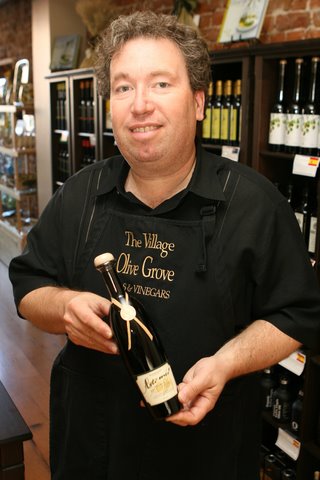
One stand out worth finding on Mill Street, near The Shepherd’s Pub, is The Village Olive Grove (it was the free olive oil tastings sign outside the store that first caught my eye). I met one of the owners, David Medeiros (He’s from Toronto). Medeiros believes their shop is the only one in Canada selling exceptional olive oils and vinegars from around the world. A few other shops that caught my eye were; Sante’s it’s a natural grocery store with organic and fair-trade foods and gifts. A Weed Bit Natural features hemp products and organic clothing. Jammed Lovely is filled with unique one of a kind gift items. Sweet Trash has clothing and accessories from the 1920’s and onwards. At Grand Gourmet KitchenwareI had to have some of the items explained to me as to what they were. You can tell how much time I spend in the kitchen.
The Village Olive Grove occassionally has free olive oil tastings.
Culinary Walking Tour
If you arrive on a Saturday sign up at the Village Olive Grove for the $10.00 walking tour between 1 and 3 pm. During the tour, you’ll sample specially created dishes from eight restaurants while learning about the history and architecture of the area.
One of the prettiest villages in Ontario-
Holiday Happenings
-Santa Claus Parade, Saturday, November 26 and Parade of Lights begin at 6pm.There’s another parade in nearby Fergus on December 3rd at 1:30 pm.
-Starlight Shopping November 24-25 until 9pm.
-Elora Centre for the Arts Show and Sale, December 8-22.
-The annual Elora Festivals Singers’ Christmas Concert series in December is an annual rite of winter.
The Elora Gorge
Here’s the gorge part. Elora is located on the Grand River where the Elora Gorge begins. The gorge has a waterfall that forms behind the Elora Innand continues for 4 kilometres. The Elora Inn is currently closed for renovations. In the middle of the falls is the, “Tooth of Time”. This is a huge rock that has become the symbol of the village of Elora.
The Elora gorge on the Grand River has a waterfall that forms behind the Elora Inn and continues for 4kms.
Where to Stay
I picked the Tynavon Bed and Breakfast (Tynavon means House by-the-River in Scots Gaelic) to be home for the weekend. This quaint circa 1856 home at 84 Mill Street is a short walk from downtown. It has a gracious verandah overlooking the Grand River. Expect to pay around $125.00 a night for one of the best sleeps you’ll ever have and a scrumptious breakfast. (Silo Direct Link to Tynavon Bed and Breakfastor 1-866-334-3305).
Welcoming gate post- the Tynavon B and B
Here’s the goat part.
When you force yourself to leave Elora take a 10 minute trip on Highway 6 north to Arthur, Ontario. That’s where you’ll find River’s Edge Goat Dairy.(Silo Direct Link to Goat Milk Products Website or 1-800-209-7330) at 8102 Wellington Road 109, Arthur. If you have children with you they’ll love it. Chances are you’ll find owners Katie Kormet or Will Makxam tending to their herd of 120 mature does. The farm produces, with hard work, milk as well as cheese, yogurt and even soap.
Will told me- “We are a small goat dairy, and we process all of our own milk but we also raise the male goats for meat. In general, we tell our frequent customers, if our chain is down, come on in we are open. However, if our chain is up, we are unavailable but not necessarily closed or away. Not only are we artisan cheese makers, we are farmstead cheese makers. Not many farmers who do it all. We feed and milk our animals and make cheese on the farm. We are a provincially licensed dairy plant, like all other commercial dairy plants in the province. Our advantage: we use the freshest milk and process it into milk yogurt or cheese sooner than our competitors.
Visitors are welcome to visit the farm (no charge) and you might see the goats being milked. River’s Edge Goat Dairy hours of operation vary. Katie said, “Call us ahead of time to see if we’ll be home”.
“Love is a big and wonderful idea, but life is made up of small things. As a kid, you have nothing to do with the way the world is run; you just have to hurry to catch up with it.”
Heather O’Neill’s first novel, Lullabies for Little Criminals, is a firsthand heartbreaking account of growing up. Told through the eyes of a young girl as she matures, the novel navigates through the perils of maturing in a harsh, and at most times, unforgiving world.
The author of Lullabies for Little Criminals: Heather O’Neil photo courtesy of quillandquire.com
The story revolves around a young girl named Baby. Baby lives a nomadic life with her father, Jules, in urban and rural Quebec. Motherless and often neglected by her drug addicted, yet loving, father, Baby is left to her own devices.
As the story evolves, Baby ages and rapidly enters into young adulthood. Going from carrying around her dolls around in a vinyl suitcase from apartment to apartment to blossoming into an attractive young woman, Baby struggles to understand her place in her small world. Tempted by a dominant male figure when her father begins to distance himself from her, Baby begins to quickly get lost in an adult world she is not ready for.
An alternate cover.
Perhaps one of the most striking elements of this story is O’Neil’s ability to capture and depict the young mind at work. We have all been there—young and confused. Baby epitomizes this perfectly. O’Neil’s writing is full of heartbreaking realizations that, at one time of another, we have all come face to face with.
“From the way people have always talked about your heart being broken, it sort of seemed to be a one-time thing. Mine seemed to break all the time.”
A captivating read that will absorb its reader from the very start, Heather O’Neil’s Lullabies for Little Criminals, is one that will capture your imagination and stir your senses. For the Silo, Sarah Purdy.
The importance of Toronto for the world movie industry is becoming more and more substantial. It has already gained the nickname “Hollywood North“ and now the major Indian film studios are tightening their co-operation with the city of Toronto. More and more Bollywood movies are being shot in Toronto, a huge number of Torontonian cinemas screen Bollywood movies, and even this year’s International Indian Film Academy Award celebration Silo Direct Link to Intern’l Indian Film Academy Award Video took place in Toronto. It won’t be a surprise if Toronto becomes “Bollywood West” in a few years.
The Front Page from the Sun- Bollywood North. The GTA has embraced the Indian film industry
Cinemas Showing Bollywood Movies in Toronto and the GTA Golden Eye Media Cinemas Silo Direct Link to Golden Eye Cinemas
Golden Eye Media Cinemas include three very similar cinemas located in different parts of Toronto and the GTA. Albion Cinemas are located right in the centre of Etobicoke at the Albion Centre (1530 Albion Road Etobicoke). Woodside Cinemas can be found in east Toronto in the Woodside Square Shopping Centre (1571 Sandhurst Circle Scarborough). Bayfield Cinemas are located in Bayfield Mall (320 Bayfield Street) in Barrie.
Ticket prices in all three cinemas are very reasonable, and parking is free. If you want to see the latest and most popular Bollywood movies with your family, Golden Eye Cinemas are just what you’re looking for. It’s very easy to find them, and there are many different restaurants near each one where you can find something to eat after the show.
Cineplex cinemas have been playing Bollywood movies since the ‘90s and are very popular among Torontonian Bollywood movie lovers. Chief executive officer of Cineplex Theatres Ellis Jacob expressed his ambition to continue to screen Bollywood movies in a recent interview for The Globe and Mail, “We’ve been committed to it as a company for the longest time… There’s a great desire for us to continue to grow that business.” There were no doubts that Cineplex would be the main cinema partner of the 2011 IIFA film festival.
If you want to enjoy Bollywood movies with great sound and screen quality, visit one of these theatres: Sheppard Grande Toronto (4861 Yonge Street, Toronto, (416) 590-9974), SilverCity Brampton (50 Great Lakes Drive, Brampton, (905) 789-6797), Coliseum Scarborough (Scarborough Town Centre, 300 Borough Drive, Scarborough, (416) 290-5217), or Cineplex Odeon Eglinton Town Centre (22 Lebovic Avenue, Toronto, (416) 752-4494).
This huge cinema chain has been regularly showing Bollywood movies for the past several years. Watching Bollywood dancing and singing on a gigantic screen in an AMC cinema is a great experience, and you’ll definitely love it unless you prefer smaller independent cinemas. If you’re ready for a huge dose of Bollywood, visit one of these AMC theatres: AMC Courtney Park Mississauga (110 Courtney Park Drive E, Mississauga), AMC Kennedy Common Scarborough (33 William Kitchen Road, Scarborough), AMC Winston Churchill Oakville (2081 Winston Park Drive,
Oakville), or AMC Yonge and Dundas Toronto (10 Dundas Street East, Toronto).
The Queen and Dalton McGuinty at the Bollywood North celebration 2011
Bollywood Movies Shot in Toronto
We’ve already mentioned that Toronto is a famous location for Bollywood movie producers. Let’s see in which parts of Toronto the most famous Bollywood movies were shot. The centre of the city (e.g. Yonge Street) is the most common place where movies are shot in Toronto, thanks to low production costs and Toronto’s resemblance to any other bigger city. This is also the case of Bollywood/Hollywood (2002) and Kal Ho Naa Ho (2003). Another very popular Bollywood movie, Thank You (2011), was shot at Toronto’s Flatiron Building, the Air Canada Centre, and Niagara Falls. There are many other spots in Toronto where parts of Bollywood movies were shot; the most common are St. Jamestown, University of Toronto, and the Old and New City Halls.
Bollywood Movie Rentals
One can easily recognize that there’s a strong community of approximately 550,000 Indian people living in Toronto and the GTA, thanks to the abundance of Indian restaurants, bistros, shops, dance schools, etc. However, it’s quite a surprise that it’s so easy to find a Bollywood movie rental in almost every neighbourhood in Toronto. They’re usually small, hidden shops with an astonishing collection of Bollywood flicks. If you want to have a Bollywood movie night in your home, try one of these rental shops: Bollywood ‘N Varieties (25 Overlea Boulevard), Bollywood 4 U (683 Markham Street), R K’s Bollywood Entertainment (1395 Queen Street W), Bollywood DvD Center (31 Street Dennis Drive, North York), Fieldgate Video (2465 Cawthra Rd.,Unit 127, Mississauga), or Golden Groceries Silo Direct Link to Golden Groceries(2975 Drew Rd. Mississauga; 5995 14th Ave. Unit A-1, Bldg. A, Markham; 305 Charolais Blvd. Brampton; 4525 Ebeneyer Rd., Brampton, Cottrelle Blvd. Brampton).
LACK OF FOCUS ON ENERGY CONSERVATION AND EFFICIENCY COSTING ONTARIO MONEY Toronto, Ontario -The Ontario government has wasted taxpayer money by not prioritizing energy conservation. Neglecting energy conservation costs the province money, increases utility bills and misses out on creating thousands of new jobs.
“The Liberal government is burning our money by failing to deliver efficient solutions that reduce energy demand,” says Green Party of Ontario Leader Mike Schreiner. “The cheapest kilowatt is the one that is never created. We can tackle rising energy prices by helping people save money by using saving energy.”
Today, the Environmental Commissioner of Ontario confirmed that the government has failed to make energy conservation and efficiency a priority. Ontario has a huge opportunity to eliminate waste and reduce demand. New York state has similar geography and climate to Ontario, yet our energy consumption per person is 50% higher.
Instead of focusing on energy efficiency, all of the parties at Queen’s Park want to swipe the provincial credit card to offer short term subsidies that mostly benefit the biggest energy users. It’s irresponsible to mortgage our children’s future for a band-aid solution that drives up provincial debt, doesn’t create jobs and won’t provide long term relief.
“Instead of spending billions on cancelling gas plant contracts, the money could be spent on helping Ontarians conserve energy,” said Schreiner. “The Liberal government has shown a lack of leadership by failing to instruct Ontario’s energy bureaucracy to approve all cost-effective energy efficiency and conservation programs that are proposed by municipal electric utilities and local distribution companies.”
Earlier this year Queen’s Park politicians quietly allowed a popular and successful program that helped people save money by using less energy expire. The Home Energy Savings Program created good, local jobs in Ontario and permanently lowered energy bills.
The Green Party is calling for a Green Building Program to help tenants, home owners, and businesses save money by using less energy. This program will:
* Save rate-payers money on their utility bills permanently
* Save the province money by reducing the need for costly new generation
* Create good local jobs and make our businesses more competitive
* Provide rebates for those who need help the most: low income, seniors on fixed income and residents of remote communities
* Reduce pollution and preserve our environment
Media Contact:
Becky Smit Cell: 647-830-6486 Office: 416-977-7476 beckysmit@gpo.ca
Sent from Green Party of Ontario
PO Box 1132
Toronto, ON M4Y 2T8
Canada
Lack of COMSOC oversight means more wasted tax dollars… …and less for program spending – MPP Barrett QUEEN’S PARK – Ministry of Community and Social Services Critic Toby Barrett is concerned with the Auditor General’s finding that the Ministry continues to allow supportive services agencies to operate without adequate oversight.
“Many of the concerns…of this program 15 years ago have still not been satisfactorily addressed,” Barrett quoted from the Auditor General report during debate in the Legislature. “This has obviously been going on for 15 years, in particular over the last eight years. And as the auditor reports, it will take several years before many of the issues we identify in this report can be effectively addressed. This report from the Auditor General is not good.”
* In half the cases reviewed in the audit, agencies didn’t have supporting documentation to adequately show a person’s eligibility or needs. As a result, the agencies couldn’t demonstrate, and the Ministry couldn’t assess, whether the person was receiving the appropriate level of service.
* The Ministry has not established acceptable standards of service, or the necessary processes to properly monitor the quality of services provided.
* Annual funding of agencies is based primarily on what they got in the past rather than what they currently need, something that worsens any funding inequities that may previously have existed. As well, some hourly service costs appeared excessive, and the cost per hour for similar services that agencies were paying varied widely across the province.
* The Ministry does not know how many people are on waiting lists for agency-based supportive services and so cannot reliably assess unmet service needs.
“Without proper oversight, there is a very real possibility that we are sending taxpayers’ money down the drain,” noted Barrett. “During the tough economic times we are enduring it is incumbent on government to ensure that we are getting value for the fewer dollars we have to distribute – more wasted tax dollars means less for the essential programming that Ontario residents have paid for, and less for the services our less fortunate depend upon.”
For more information, please contact MPP Toby Barrett at: (416) 325-8404,
(519) 428-0446 or 1-800-903-8629
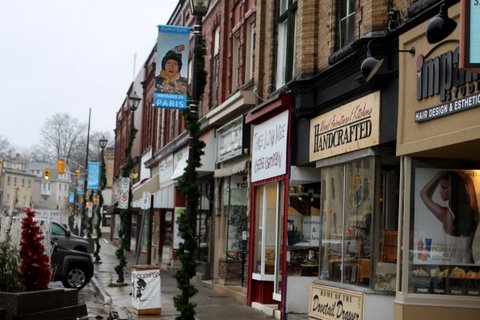
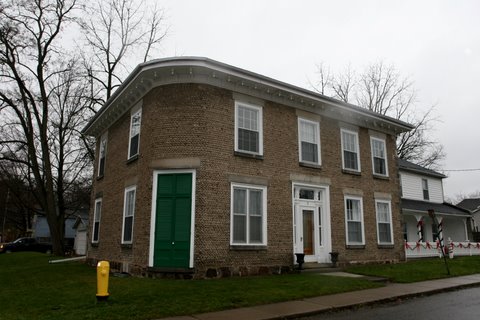
That’s Paris, Ontario. This lovely town of about 12,000 is an easy hour and a half hour drive from Niagara. It was amalgamated in 1999 to the County of Brant but the locals don’t like to admit to it. It’s named for the nearby deposits of gypsum used to make plaster of Paris. It is referred to as, “the cobblestone capital of Canada” because of the towns large number of aged cobblestone homes.
An example of one of the historical cobblestone homes found in Paris.
When I arrived a few weeks ago to do Christmas shopping, I found a vibrant downtown tucked away in a wide valley. It was sheltered from big-box retailing and I soon learned chronic 21st century hurry-up ism wasn’t here either. The place reminded me of earlier times when I would walk the downtown of my own hometown. The pace was slow. It reinforced in my mind, how nice the world can be.
Parking is free along Grand River Street, the Main Street, and there’s lots of interesting stores to explore.
Always looking for a “sweet deal” I stumbled upon Chocolate Sensations Silo Direct Link to Chocoloate Sensations Website Like so many other shops in town, this delightful aromatic place is family owned by John and Sarah Chalmers. John said, “This business began as a humble home-based hobby in a family kitchen over 20 years ago. Today we do a thriving on site business and a large volume of catalogue sales”. Once inside chocolate enthusiasts will think they have died and went to chocolate heaven. I recommend before you leave take home some Christmas, Candy Cane Bark. Come on, you can afford to take out the belt a notch, after all it’s Christmas.
Sarah and John Chalmers inside their Chocolate Sensations shop.
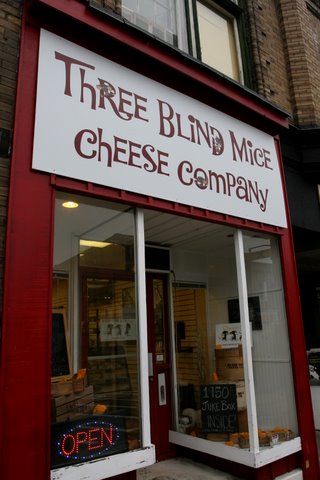
Next door is a “cheesy place”. The Three Blind Mice Cheese Company Silo Direct Link to Three Blind Mice Cheese Company WebsiteOkay, I promise no more cheesy stuff. The owner, Lindsay Dawdy with an ear to ear smile said, “We only opened in June of this year and so far it’s been a runaway success. So much so, we’ve opened another store in Elora”. Believe it or not, this is a fun place. Step inside and see what I mean. Ask Lindsay to push the reset button on her 1951 Juke Box and you can hear one of your golden-oldies. Sticky Toffee and Wensleydale with Cranberry are the featured cheeses for the holidays.
Lindsay Dawdy, owner of Three Blind Mice Cheese Factory shows us one of her unusual cheesesThe Three Blind Mice Cheese Company storefront
Down the road is the John N Hall House of Quality Linens. This is an old-fashioned dry goods store. Their heavy front doors are the same ones customer’s have been pushing since the 1860’s. If you’re looking for a ladies embroided white cotton nightgown or fleece or flannelette blankets you’ve arrived.
For starters, everything is made from scratch and from what I observed servers worked at spoiling their customers. They roast their own coffee and they specialize in nostalgic hard to find sandwiches like the classic Monte Cristo. The Apple Waldorf Salad platter is a crowd pleaser. I loved their Deep Dish Corn Meal Crust Quiche and hand crafted Hot Apple Fritters. The apples were prepared in front of me using an 1800’s hand operated peeler. I washed the meal down with chocolate milk delivered to my table in an old-fashioned dairy bottle. In the warmer months you can eat on the second floor outdoor patio that overlooks the Grand River that flows through town.
I stopped in 'at the dog' for a meal washed down with chocolate milk delivered in a retro glass bottle
Before you leave Paris walk to the end of the town to the Williams Street Bridge and take a photograph of the back of these historic buildings that house these shops. It will be a keeper.
As I headed home I came across a group of people who were unloading Balsam Firs to be sold at their annual Christmas tree sale for St. James Anglican Church. It was a scene from a Norman Rockwell painting. One of the parishioners Steve Howes, who had lived in the town for 45 years told me, “This is a small town with a lot of heart. People still treat each other with respect. I wouldn’t want to live anywhere else”. That sums this town up nicely.
Christmas tree sale in support of St. James Anglican Church
How to get There
From Niagara take the QEW to Highway 403 towards Brantford. Cut off onto Highway 2 to Paris. GPS users can punch in 89 Grand River Street. North, Paris.
Since 1850 Ontario Parisians have been warmly welcoming visitors
Written and Photographed by George Bailey. George is a writer who has a unique way of finding ‘hidden gems’ and sharing his experience in words and pictures.
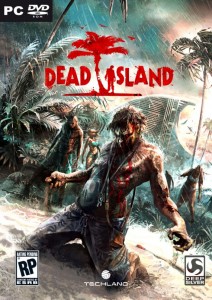
It all began with an amazing trailer, one which captivated gamers and zombie fanatics alike. To some, it was projected to be the most epic zombie game ever created! Well…almost. I can recall after watching the 30-odd, brief second commercial I said in an ironically zombie-like tone “gotta get that game”. The problem however, just may have been the hype. Read me out. The game Dead Island (never mind the trailer for a moment) is by far one of the coolest, addictive zombie games I’ve played in a good while.
You begin your zombie mashing quest on the fictional island of Banoi. You awake to find out that you’ve been bit by a zombie yet miraculously you, and only you, are immune to the zombie “infection” that has infiltrated the island. You are then sent out to complete various missions while also trying to find a way off the island. Of course, this is the game in a very tight nut shell, but you get the idea.
Played in first person, Dead Island is a zombie game that strays from the pack. Unlike other zombie games (Call of Duty: Black Ops) there’s a point to all the bloodshed! Rather than barricading yourself in an old, blown to bits, refuge waiting to die, you are continuously following quests and searching for either a cure or a way off the island. Furthermore, you are completing missions while hacking zombies to bits! (Of course this is all done for the protection of the other survivors and not for the sheer enjoyment). Dead Island also offers a great deal of discovery and has the detailed graphics to go along with the experience.
The bulk of your gameplay is going to rely on questing and exploration but it’s a gorgeous island to explore. Another point of interest is the open concept within the game. You are on an island! You are not surrounded by cement walls or debris covered roads but rather lush trees and a sparkling ocean which I think adds to the creepy factor. I mean, think about it…taking a vacation to a sandy beach resort is nothing out of the ordinary. Now imagine if that was your vacation ruined by zombies!
In terms of characters, there is enough character choice to satisfy and not overwhelm. Four characters, each of whom have their own background stories and their own weapon of expertise. For example, I played as Sam B who is skilled in the use of brass knuckles. Ha ha yeah, I thought it was pretty gritty too. I would change one thing though in regards to the characters; I would have preferred the ability to create your own character and the choice to choose your own expertise. I figure by creating your own character this allows you to better connect the game to the player.
One of the filthy Zombies from Dead Island BRAINSSSSS
Now for the zombies themselves, it’s nice to finally see some variety! You have your traditional “walkers” who can only be described as resembling something stumbling out of a bar at 2 in the morning, and you also have your “infected” who can occasionally sprint at you from any direction while releasing an ear piercing scream. Hell, there are even ones that go boom! The variety in zombie types requires you to be a quick thinker and an even quicker player. When you’re being attacked by a gang of eight zombies, ranging from useless to deadly, you need to utilize your weapons effectively and efficiently or else it’s game over.
Finally, let’s talk weapons. Of course you can use anything that’s lying around: a paddle or broken stick, but you can also improvise, upgrade and modify your weapons. For example, you can begin with your ordinary baseball bat, find some nails or barbed wire and you have one mean heavy hitter. This really gives you a chance to test your creativity and get the big points. All the random objects you find around the island are good for something, especially weapon modification so even the exploration has a purpose. Find yourself a stick, rags, nails and gasoline and you have a torch as well as a weapon! There are guns to be found or traded on the island but I actually preferred not using them. I mean let’s just pretend for a moment that zombies really did break out on my tropical island vacation, the chances of me finding a gun on the island….slim. So I played with what I had and what I could create. This method actually tests your abilities more than you’d think.
Overall, Dead Island is what I’d like to call a pallet cleansing game. It’s a break away from the shoot em’ up zombie games and provides a fresh new take on the idea of “infection”. However, I should mention that if serious amounts of blood and gore ain’t your thing, then perhaps Dead Island should stay on the shelf otherwise, it’s money well spent! Have fun gamers and remember to double tap! For the Silo, Holly LaRue.
Ontario Green Party wants the province to reign in deficit spending
ONTARIO SET TO LOSE ON NDP – CONSERVATIVE HST ALLIANCE Toronto – The NDP-Conservative HST alliance to borrow $350 million is an opportunistic ploy that will reward big energy users – often the wealthiest – and drive up provincial debt.
“Ontario needs to provide help for seniors, low-income families and remote communities. *orig. release date 11/23/11*
The NDP-Conservative alliance does the opposite,” said Mike Schreiner, Leader of the Green Party of Ontario. “Instead of a regressive tax cut, a better plan would use refundable tax credits or energy rebates to provide targeted relief for folks who need it most.”
Ontario must reign in its deficit spending. The NDP-Conservative proposal will force Ontario to borrow an additional $350 million per year to subsidize home heating bills, on top of the Liberals borrowing $1.2 billion per year to subsidize electricity prices. These subsidies add to Ontario’s $18,000 per-person debt, do not create jobs and do not result in long term energy affordability.
“Ontarians deserve to be rewarded for their efforts to conserve, not be forced to pay big energy users,” said Schreiner. “We need programs that help people save money by saving energy.”
Earlier this year Queen’s Park politicians quietly allowed a popular and successful program that helped people save money by using less energy expire. The Home Energy Savings Program created good, local jobs in Ontario and permanently lowered
energy bills.
The Green Party is calling for a Green Building Program to help tenants, home owners, and businesses save money by using less energy. This program will:
* Save rate-payers money on their utility bills permanently
* Save the province money by reducing the need for costly new generation
* Create good local jobs
* Reduce pollution and preserve our environment
Media Contact:
Becky Smit Cell: 647-830-6486 Office: 416-977-7476
beckysmit@gpo.ca
Sent from Green Party of Ontario
PO Box 1132
Toronto, ON M4Y 2T8
Canada
What’s that Big red capital ‘C’ circling? Santa’s glass of holiday wine punch!
With dinner or dessert, as a gift or enjoyed over conversation, the versatility of wine is rarely more apparent than over the holiday season. With a little bit of foresight and planning, you can make this Christmas and New Year’s extra special with a drink that not only brings people together, but also enhances the flavours of your Christmas feast.
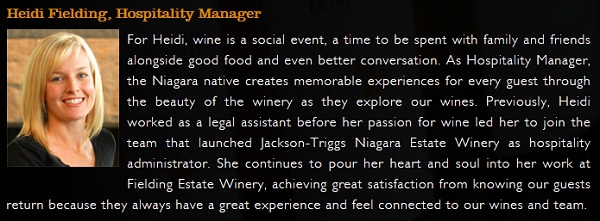
“Wine makes the perfect gift, whether it is for a co-worker or your spouse, and it really is the finishing touch to a great party, ” says Heidi Fielding, the Hospitality Manager at Beamsville’s http://www.fieldingwines.com Fielding Estate Winery. “Knowing which wines best complement which foods and flavours adds a layer of sophistication to your party, and knowing the perfect wine to serve at every step of the party adds an element of organization and flow.”
Thinking roast duck or ham for Christmas dinner? The Fielding ‘traminer is a fantastic match. CP
Here are some of the many ways Heidi suggests you can incorporate wine into your holidays:
Gifts for coworkers. Buying gifts for coworkers is always a difficult task, but a bottle of wine is a gift that works for just about anybody. There is a full slate of Ontario VQA wines available for less than $20, many of which have a universal appeal and stand well on their own or matched with food. Consider a medium-bodied and versatile wine that goes well with everything from appetizers to red meats.
Gifts for loved ones. Just as wines make a good gift for friends or coworkers, higher end wines are ideal for those who are special to you. A
fine wine is a shared experience and fodder for fond memories.
The House Party. Serving wine to your Christmas party guests is a classy and simple gesture that makes a good party great. It’s not a given that all of your guests will be serious wine drinkers, so serving a light white wine is a great idea that will generally please most.
Cocktail Hour/Appetizers. Wine isn’t just for the main course. Picking the right wine to go with your appetizers, or a good wine that can stand on its own, is a definite crowd pleaser.
Christmas Dinner. Not sure which wine to serve with turkey? Definitely a Chardonnay or http://www.fieldingwines.com/store/prod/50 Pinot Noir are perfect with turkey and all the traditional Christmas dishes. These wines are rich enough without overpowering the flavours and spices. A dry Rose is also a great choice and looks very festive at the dinner table.
Hostess Gift. When someone goes through the time and effort of planning a Christmas party, it is a good idea to extend your gratitude with a small gift of appreciation. Take the time to visit an Ontario winery to find a truly special bottle of wine that may not be found in the LCBO.
About Fielding Estate Winery
Fielding Estate Winery is a unique, award-winning winery with an inviting atmosphere located on Niagara’s Beamsville Bench. Fielding’s Muskoka-inspired wine lodge nestled at the foot of the Niagara Escarpment offers stunning views across the winery’s vineyard to Lake Ontario and Toronto’s skyline. This vista is the dominating feature as you sample of some of Ontario’s finest VQA wines, made from grape varieties that perform best in Niagara’s unique microclimate vineyards — Riesling, Pinot Gris and Chardonnay for whites, and Pinot Noir and Merlot for reds. With three gold medals, Fielding was the most decorated winery at the 24th annual Cuvée Awards in March 2012 and General Manager Curtis Fielding was named 2012 Grape King recognizing viticulture excellence. CP
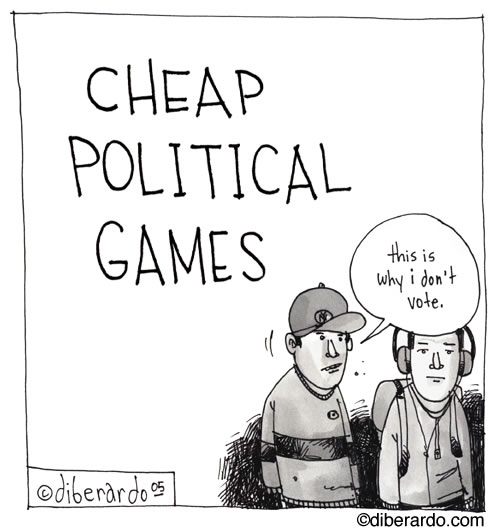
Comic courtesy of www.diberardo.com **The Silo encourages everyone to exercise their right to vote
Toronto , ON – The Liberals, NDP and Conservatives are playing shell games with taxpayer money, increasing Ontario’s debt and killing jobs. Green party leader Mike Schreiner has a simple reminder for the political insiders at Queen’s Park: the best solutions for Ontario’s economy are sustainable, low-cost programs that create jobs, eliminate waste and preserve our natural heritage. The Green party recommends three courses of action for the short fall session.
1. STOP REWARDING WASTE: START HELPING PEOPLE SAVE MONEY BY SAVING ENERGY
The NDP and Conservatives propose to borrow $350 million to remove the provincial portion of the HST from home heating bills. At a time when many are calling for more equity, the NDP and Conservatives propose to do the opposite: reward big energy users – the wealthiest 1% – the most. This approach will increase Ontario’s debt – already at $18,000 per person – and is a job creation strategy for Alberta natural gas producers, not for Ontario. With the Liberals already borrowing $1.2 billion per year to subsidize electricity prices, the Green Party is pushing for a responsible program to address the challenge of rising energy prices. A financially sound plan will provide refundable tax credits or energy rebates for low-income families and remote communities. This targets financial relief for those who most need it, and delivers these benefits at a lower cost without encouraging waste. The Green Party is also calling for the restoration of the Home Energy Savings Program to help people save money by using less energy. Providing tax credits or rebates for energy efficient renovations and products will create good, local jobs in Ontario now and permanently lower energy bills.
2. REVISE THE FIT REVIEW PROCESS TO PROTECT LOCAL JOBS
The Liberal’s FIT Program Review is killing jobs and bankrupting local businesses. Though the review was planned, no notice was given that contracts would be frozen for the duration of the FIT review. In fact, the freeze was back-dated to all applications submitted after August 31st – two months before the review was announced. Local entrepeneurs are now facing at least four months of uncertainty, cash-flow issues
and lay-offs. The Green Party is calling on the government to be fair and process submissions before October 31st, and pre-approve new submissions for microFIT and community power projects during the review process at the new lower prices. These simple actions will prevent unnecessary bankruptcies and job losses while moving forward with lower FIT pricing. Our local businesses benefit from a consistent and predictable policy process. The structure of the current review has created unpredictability that is costing Ontario jobs. The Green Party supports a responsible FIT program review and will continue to push the government to lower FIT prices as technology advances.
3. KEEP GOVERNMENT PROMISES TO PROTECT OUR COMMUNITIES, CLEAN WATER AND FARMLAND
Under threat of an election, the Liberals promised to conduct an Environmental Assessment for the Melancthon mega-quarry, and to review the _Aggregate Resources Act_ (_ARA_). The Green Party is committed to standing with local communities to hold the government accountable on these promises, and is demanding that the government proceed with the most rigorous terms of reference for a full Environmental Assessment for the Melancthon mega-quarry. The Green Party is calling on the government to plug the loopholes that allow projects like the mega-quarry to threaten our water and farmland. This requires an immediate revision of the _ARA_ to mandate a full Environmental Assessment for aggregate applications that meet the Ministry of Natural Resource’s definition of a mega quarry. The government must also proceed now with a comprehensive review of the _ARA_. Government has a responsibility to ensure safe communities and to protect our air, water and food sources. Vigilance is required to ensure the government fulfils their promises and responsibilities on the Melancthon mega-quarry.
To set up interviews-media inquiries, please contact Jaymini Bhikha at:
(c) 416-275-8573 (o) 416-977-7476
(e) jbhikha@gpo.ca Sent from Green Party of Ontario
Definition of art is very difficult to pin down. As an oil painter I look at art one way. An actor would think of it another way. But really the definition doesn’t matter all that much. Art surrounds us wherever we are, if only we choose to see it. Sometimes though, we need to be reminded of that.
When I entered the concentration camp at Terezin in the Czech Republic that November day, the last thing I thought I would see was art. I didn’t know that the children who lived there drew pictures, coloured them, and even wrote poems. But there they were. The paintings and words hung up on the museum wall. The wall was at least 50 feet high. They had miraculously survived Terezin, even when the children themselves had not. I stood in front of that wall for a long time, hesitant to leave. Afraid that maybe I would need reminding again once I was back home.
Fast forward a year and Terezin has touched my life again. Hana’s Suitcase, which is set in Terezin, is being presented by Theatre Norfolk and COMPASS Theatre Productions, in partnership with W. Ross MacDonald School for the Blind, and I had the opportunity to meet the cast and talk about my experiences at Terezin. I also had the opportunity to watch renowned actor and director Lee MacDougall guide the cast of talented local and emerging actors through the paces of this emotional, heart wrenching play which took me right back to that wall.
Silo Behind the Scenes: Rehearsal of Hanna's Suitcase
In this play child actors play some of the main characters. Hana was sent to Terezin when she was 11. This play is being performed for over 1200 students in Grades 4-12; Children teaching children and because this play is for everyone; children teaching adults. It speaks to hatred and intolerance. It also speaks to hope and beauty. It’s amazing how children are able to see both at the same time. I wonder when we, as adults, forget how to do that.
I hope that you will take the time to see Hana’s Suitcase and be reminded of all the things that you should never forget while watching art at its finest.
Hana’s Suitcase, adapted by Emil Sher based on the book by Karen Levine, is being presented at W. Ross MacDonald Auditorium Dec. 2nd, 3rd & 4th. Tickets are on
sale at Scotia Bank, Lynden Road, and at the Lighthouse Festival Theatre. For more info and to purchase tickets visit Silo Direct Link to Theatre Norfolk Website
Any veteran professional athlete who has performed at a high level for many, many years knows that a career threatening setback can occur at almost anytime. Given a long and reliable service to his team, he can reasonably be assured that if something grave happens, he’ll be allowed a chance to reclaim his position once back to good health.
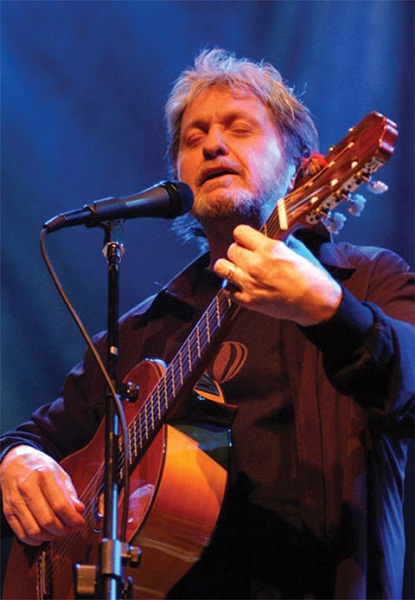
Not so for lead singer Jon Anderson of classic 70’s progressive rock band Yes. Anderson was struck down in 2008 with an acute respiratory failure that left him without his voice and close to death. His band mates, eager to cash in on a reunion tour, cast him aside and scoured Youtube for a replacement. They captured Benoit David, a Canadian and singer for Yes tribute band Close to the Edge, and they went on their merry way. Fans cried foul and Anderson was left miffed and alone to face his illness.
That unfortunate story made Anderson’s August solo show and return to health at Festival of Friends in Hamilton all the more triumphant. Armed with only his magical voice, an acoustic guitar and his supportive wife side-stage, at age 66 Anderson showed us all that he can still deliver the powerfully high alto vocals that personified the original Yes sound. He ran through a 15 song set that included Yours is No Disgrace, Owner of a Lonely Heart, I’ve Seen All Good People and the mega-hit Roundabout among many others.
Stripped of the power of his supporting players, Anderson re-invented the songs- exposing the soul of each one at its very core. It was a magical show and although Anderson’s tenuous situation with Yes is quite well documented, he took nothing but the high road when interacting with the audience between songs. He only expressed gratitude for getting his health and voice back, and more thanks for all the support afforded him by those that truly loved him at time when he was deathly ill.
Anderson earned enormous applause from an appreciative audience throughout the entire set. It was a wonderful sight to witness at the end of the night- a waving Anderson beaming from ear to ear- a man betrayed leaving the stage with the most important thing of all- his integrity intact. I’ve Seen All Good People by Silo contributor and songwriter/performer John McIntosh.
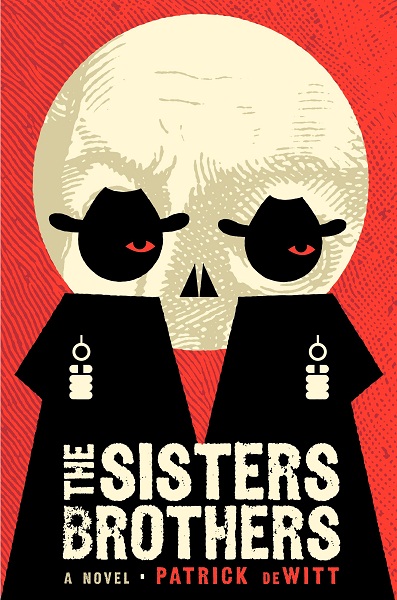
Patrick DeWitt’s The Sisters Brothers is everything a good western should be. Set during the Gold Rush of the 1850s and littered with gun fights, loose women, saloons and robbery, this novel would easily appeal to any western enthusiast or history buff. However, just buried beneath this classic western narrative, is a story about the power of relationships, family, redemption and self-awareness.
They story is narrated by one of the Sisters brothers, Eli Sister. From the very beginning the reader can tell Eli is more brains than brawn—the introverted, overweight polar opposite of his brother, the notorious and lethal hit man, Charlie. As a duo, they are given the job to kill a man named Hermann Kermit Warm. Their orders are given to them by a man who is only known as Commodore and who only meets with Charlie. Everything the reader knows about the job is second-hand information given by Eli. The lack of information engulfs their mission in a cloak of secrecy and mystery. The reader, along with Eli, is not quite sure why there is a hit on this man, only that there is and the brothers are the ones to execute it. From this point on the brothers travel from Oregon City to San Francisco meeting a variety of noteworthy characters from all backgrounds along the way.
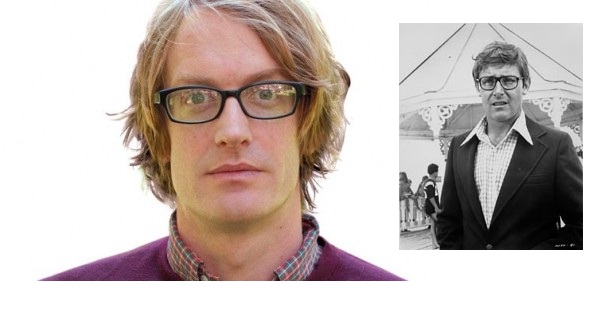
Patrick Dewitt (L) and author Peter Benchley (R) more than a passing resemblance?
The most engaging aspect of this novel is DeWitt’s ability to engage the reader through fast dialogue and deep inner thoughts. Eli serves as a vehicle for the reader to see and understand what is going on in the novel. Although Eli lives a disgusting life full of violence, lust and indignity, his words and thoughts produce a character that is truly human and surprisingly relatable. Eli suffers with feelings of inadequacy when it comes to his relationship with his brother and the line of work they pursue. This inadequacy is subtly mirrored by his relationship with his horse, named Tub, who seems like more of a burden to Eli and the mission than anything else.
Perhaps the most striking theme in this novel is the theme of relationship and family. Eli forms and fosters many relationships throughout the novel—most notably his relationship with Charlie, his brother. Eli’s venerability is exposed through this relationship. At one point, when asked about his relationship with his brother, Eli states, “Our blood is the same, we just use it differently.” A very thought provoking statement gets to the very heart of human nature and relationships. Throughout the novel, Eli’s relationship with Charlie is tested through action and dialogue. As the novel comes to a close, relationships change due to circumstance and the roles they both play in each other’s lives will not be reversed, but destroyed in an unlikely way.
A book wholly deserving of its Scotia Bank Giller Prize Short List nod, Patrick DeWitt’s The Brothers Sisters is a surprising hard edged exploration of what makes us all human at our very core. Book review by Silo contributor Sarah Purdy. Read more from Sarah by searching her name from our homepage. Silo Direct Link to Patrick DeWitt Website CP
Question: what do William Shakespeare and DJ Hero have in common? Well, in the famous words of Will himself, “If music be the food of love, play on”. That’s right, the soundtrack is the star in this new video game! We’ll get to the gameplay in a moment but first let’s jive to the beats.
Saturday morning, I’m sitting in my living room, morning coffee in hand staring at a turn table. I think to myself, so that’s it? A box with some buttons and a spinny thing? How bad could this be? I mean really, how is this game going to be any different than guitar hero (minus the obvious difference in “controllers”)? As a newbie to the turn table scene I was confused but anxious to give what little skills I had a try. Now, with bloodshot eyes, cramped fingers and a twitch from drinking copious amounts of coffee, I am here to tell all. Far beyond what I had initially set out to review this game for, the music in DJ Hero is by far the most creative and energetic. It’s new, original and truly defines what the game is all about. All the tracks are original mash-ups created by such talent as DJ Jazzy Jeff and Grandmaster Flash. If you are looking for funk, hip hop, techno or maybe all three spun together, you’ve got it! Even if you’re a soul man, look no further. Unlike Guitar Hero and Rock Band, DJ Hero is comprised of never before heard tunes that are incredibly well matched. My favorite – the Vanilla Ice and MC Hammer mash-up. Yeah, it’s a way back playback but I loved it! I’m going to say, with great certainty, that it is nearly impossible to play this game without a single toe tap or head bob. Simply put, the music featured on DJ Hero well surpasses my expectations. 10/10.
In terms of gameplay, DJ Hero is actually quite intense. Although the game does a walk-through of all the controls and allows you to play on either easy, beginner, medium, hard or expert levels the tricky part is somehow managing them all at once. Unlike Guitar Hero for example, you are doing more than just pressing buttons and strumming – you are pressing buttons, controlling the effects dial, sliding the cross fader, scratching either up or down or all around (depending on the directions), oh yeah and remembering to blink and breathe. I love games that really test my abilities including my use of hand-eye coordination and this video game certainly put those abilities to the test. DJ Hero requires each hand to work separately and perform its own task. You earn stars based on your performance and it is through this that you are able to unlock new mixes, characters and costumes. DJ Hero is incredibly challenging but always leaves room for improvement which is part of the reason why this game is so awesome.
Speaking of improvements, this game could use one or two. More specifically, the multiplayer function in DJ Hero is slacking. I will give Guitar Hero and Rock Band the points on this one simply because they offer more variety. For example, Rock Band allows for several different instruments to all play together and help “create the music”. DJ Hero’s multiplayer function allows for another turntable to be added to the mix but you are still playing the same song, the same notes and not contributing to the overall sound. DJ Hero also allows for a guitar to join in however, the songs to be played on guitar are limited and don’t come together as smoothly as you might think.
Despite my two “needs improvement” comments, overall DJ Hero is a definite must have! It challenges your mental and physical abilities and successfully frustrates you to your core. I can recall shouting several profanities at my television screen therefore, I caution you to refrain from playing this game in the presence of small children (if you’re anything like me that is). As I mentioned in the beginning of this review, the music/soundtrack is truly the star of this game and works well even as the background music at your next shin-dig! I now have a new appreciation for the guy running the beats up in the little booth at the clubs. Next time you’re out, shakin’ it like a polaroid picture, buy the guy in the booth a drink would ya?
Reviewed & Written By: Holly LaRue
The first thing I noticed was the pebbles. There had to be a hundred. Maybe more.
All perched lovingly atop the unmarked grave. I took a deep breath and went closer.
Each step taken with respect. To those underneath the pebbles, their families, their communities, their lives.
Time stopped.
I knelt.
My hand reached out. Hovered over the pebbles asking permission to enter their world for just a few hours.
I was humbled. I was ready.
I will never forget.
So began my journey to Terezin in the Czech Republic that November day. I knew it would change me. I knew what I would see.
I knew nothing. Absolutely nothing.
How could I know? I had not yet seen. I had not yet felt. I had not yet heard the door slam behind me.
I didn’t know about the children. I didn’t know they drew pictures. Pictures of flowers and trees, family and dogs. Pictures like all kids draw. Only they weren’t all kids. They lived at Terezin.
I was ready.
I had watched the movies.
I had watched the documentaries
in my comfortable chair in my warm living room.
Now I’ve stood where they stood.
Sat where they sat.
Cried where they cried.
I know it’s not enough.
But I will never forget.
Will always speak up.
Will always remember the pebbles.
A metallic silver bullet, 300+ km/h roaring blur on the Autobahn. 6th gear, 355+ HP, 3.8L-6cylinder, variable timing at full advance, breathing in through a K&N filter system and exhaling out of a Fabspeed Max-Flo exhaust. Automatically adjusting shock absorbers stiffening as you pass and corner. Porsche’s PSM stability control system controlling the power to the wheels, keeping you on the road as you throttle and shift. Signature auto adjusting spoiler in the up position. If you need to stop in a hurry, having full confidence in Porsche’s best-in-the-biz 4 channel ABS and huge cross drilled rotors.
These are the type of thoughts I get just looking at this beefy, wide stanced, Carrera S (911). As sleek as it is fast, these cars actually keep a “Low Emissions Vehicle” status, and family car class fuel economy. (This is a pretty cool way to be green if you ask me!)
These cars really pay homage to the saying, “If it ain’t broke, don’t fix it!” in the sense that they (Porsche) have used a lot of the same body lines, and same rear-engine design, in the 911’s over 40 years of production. Being of rear-engine design though, makes these cars hard to master driving, truly making the driver conform to it.
By constantly improving on something that has worked since day one, Porsche has kept the focus where it really counts, on the suspension and drive-line.
Marshall Thompson, owner of Thompson Chiropractic (Simcoe and Waterford) and this sweet car, says that he was really drawn to this particular model for a few reasons:
1) He really wanted the signature Porsche model, the 911.
2) He really liked that in 2006 they went back to the traditional 911, oval headlight shape (Porsche had gone away from this for a few years, using a headlight similar to their Boxster model)
3) The wide body style of the ’06 Carrera S and the impressive much improved interior. This car touting a very stylish and ergonomic, leather interior, navi-system, uber sporty gauge package, and Bose 13 speaker sound system. Unheard of in older 911’s as they were more like a streetable race car than a luxury car.
Don’t be fooled by its good looks though. This 911 is just as wicked as its predecessors. This one apparently easily breaking the 250km/h in 5th gear with a full 6th gear still at the ready.
You might catch this car in the Simcoe or Waterford areas but only on sunny days. Good luck actually catching up to this one. Robb Price is a regular automotive writer for The Silo and owns and operates WC Kustoms in Windham Centre.
[Much like the 911, the seminal electronic band Kraftwerk innovated and pushed the boundaries of form and function. Recommended listening for Porsche owners when you’re ripping through gears CP] Update- Silo Direct Link 2012 911 Porsche makes North American Debut
Today Minister of Economic Development and Innovation Brad Duguid announced that Ontario is partnering with companies for projects that will help create 550 new jobs and protect 1,056 existing jobs for families. The province is supporting company investments which will create new jobs for families, help spur growth and strengthen local economies. These new jobs build upon the 97,700 net new jobs that have already been created in Ontario so far this year alone.
Ontario Helps Create Jobs
McGuinty Government Partners With Companies To Strengthen The Economy
NEWS October 27, 2011
Ontario is partnering with companies for projects that will help create 550 new jobs and protect 1,056 existing jobs for families. The province is supporting company investments which will create new jobs for families, help spur growth and strengthen local economies. These new jobs build upon the 97,700 net new jobs that have already been created in Ontario so far this year alone.
In the face of global economic uncertainty, Ontario continues to provide strong and stable business conditions which are helping companies create jobs with new
investments across the province. Partnering with local businesses and supporting business is part of the McGuinty government’s plan Silo Direct Link to Ontario Government Budgets Website in moving forward to create and support new and existing jobs across the province.
QUOTES
“The foundation of Ontario’s economy is our skilled workers and innovative companies. Our government will continue its proactive approach to partner with business and industry. We will invest strategically to help companies grow, create jobs and help Ontario progress in this period of economic uncertainty.”
– Brad Duguid, Minister of Economic Development and Innovation
QUICK FACTS
* Since October 2003, Ontario has created 524,100 new jobs.
* In 2010, Ontario was named a top destination for foreign direct investment in North America, second only to California. The province attracted a total of 127 Foreign Direct Investment projects, which created more than 11,200 jobs.
* In June of this year, Ontario created more jobs than the rest of Canada and the United States combined.
* KPMG calculates that Ontario has an 11.3 per cent cost advantage for research and development relative to the United States.
* As a result of the tax changes implemented in Ontario, taxes on business investment were cut in half, making Ontario more competitive and encouraging business growth.
LEARN MORE
Read Ontario’s Progress Report 2011
Silo Direct Link to Ontario Governments Progress Report Website Check out government-funded programs and services.
Disponible en français
NOUVELLES
Ministère du Développement économique et de l’Innovation
L’Ontario contribue à la création d’emplois
Le gouvernement McGuinty fait équipe avec des entreprises pour renforcer l’économie
NOUVELLES Le 27 octobre 2011
L’Ontario fait équipe avec des entreprises en vue de réaliser des projets qui permettront de créer 550 nouveaux emplois et de protéger 1 056 emplois existants
pour les familles. La province aide les entreprises à faire des investissements qui créeront de nouveaux emplois pour les familles, stimuleront la croissance et renforceront les économies locales. Ces nouveaux emplois s’ajoutent aux quelque 97 700 nouveaux emplois nets qui ont déjà été créés en Ontario depuis le début de l’année.
Alors que la situation économique mondiale est incertaine, l’Ontario continue d’offrir aux entreprises un environnement solide et stable qui les aide à créer des
emplois en faisant de nouveaux investissements dans toute la province. Faire équipe avec des entreprises locales et donner du soutien aux entreprises sont
deux éléments du plan du gouvernement McGuinty de créer de nouveaux emplois et de maintenir les emplois existants dans la province. www.fin.gov.on.ca/en/budget/ontariobudgets/2011/index.html
CITATION
« Les travailleurs spécialisés et les entreprises innovantes constituent le fondement de l’économie ontarienne. Notre gouvernement maintiendra sa démarche
proactive en faisant équipe avec les entreprises et l’industrie. Nous ferons des investissements stratégiques pour aider les entreprises à prendre de l’expansion, à
créer des emplois et à contribuer à la croissance de l’Ontario en cette période d’incertitude économique. »
– Brad Duguid, ministre du Développement économique et de l’Innovation
FAITS EN BREF
* Depuis octobre 2003, l’Ontario a créé 524 100 nouveaux emplois.
* En 2010, la province de l’Ontario figurait au deuxième rang des principales destinations pour les investissements directs étrangers en Amérique
du Nord, après la Californie. La province a attiré au total 127 projets d’investissement direct étranger qui ont créé plus de 11 200 emplois.
* En juin, l’Ontario a créé plus d’emplois que le reste du Canada et les États-Unis combinés.
* D’après KPMG, l’Ontario dispose d’un avantage de 11,3 % au niveau des coûts par rapport aux États-Unis en matière de recherche-développement.
* Par suite des modifications fiscales apportées en Ontario, les impôts sur les investissements des entreprises ont été réduits de moitié, ce qui rend la province plus compétitive et favorise la croissance des entreprises.
POUR EN SAVOIR DAVANTAGE
Consultez le Rapport d’étape 2011
http://www.ontario.ca/fr/initiatives/ProgressReport2011/ONT05_039201.html de l’Ontario.
Renseignez-vous sur les programmes et services financés par le gouvernement http://www.ontario.ca/fr/business_program/index.htm destinés aux entreprises
ontariennes.
Visitez le site Web du ministère du Développement économique et de l’Innovation http://www.ontariocanada.com/ontcan/1medt/fr/home_fr.jsp pour obtenir des
nouvelles détaillées sur l’économie et le commerce, ainsi qu’une trousse destinée
aux entreprises.
Andrew Block, bureau du ministre Duguid, 416 276-0511
Neil Trotter, Direction des communications, 416 325-6716 www.ontario.ca/economie-nouvelles
Silo/HNARP- Can you tell our readers a bit about the history of the bridge, for example the year in which it was first built and its age?
The Grand River Cayuga Bridge is a 5-span through-truss bridge. Construction began in 1923 and was completed in 1924.
Silo/HNARP- So why is the bridge being redesigned and rebuilt?
To ensure our provincial bridges remain safe, Ontario is the only province in Canada to legislate that owners must inspect their bridges every two years by, or under the direction of a professional engineer. Taking it one-step further, MTO also conducts routine maintenance inspections of all 2,720 of our provincially owned bridges every year.
As part of our assessment, the Grand River Bridge, while currently still in safe condition, was identified as requiring future replacement, due to its age and declining condition. In 2005, the ministry initiated a Preliminary Design and Class Environmental Assessment (EA) Study to determine the long-term strategy for the bridge. Completed in 2008, the Study recommended the bridge be replaced with a 5-span, steel girder bridge. The Study received Environmental Clearance in November 2008.
Silo/HNARP- Can you explain to us the importance of archaeology to the MTO in Ontario and its support of the Heritage Act?
It is a requirement of the Ontario Heritage Act to address the impacts of any project on both archaeological resources and the built heritage environment, MTO achieves this as part of the Environmental Assessment we conduct for every MTO undertaking.
Silo/HNARP- Is the archaeology holding back the bridge’s development or is the project on schedule?
The ministry’s preliminary design and Class EA identified prehistoric and historic archaeological sites along the west side of the existing bridge, so it was acknowledged that some special measures and precautions would be necessary. The archaeological salvage work has been scheduled into the timeline of the project, and is on track.
Silo/HNARP- Did the MTO know in advance that extensive archaeological work was necessary?
The archeological assessment completed during the EA Study identified that prehistoric and historic archaeological sites are located along the west side of the existing bridge. Based on the results of a Stage 3 archaeological assessment (test trenches) completed during Preliminary Design, it was determined that a Stage 4 Archaeological Salvage had to occur to ensure existing artifacts are recovered before any areas are disturbed as a result of construction. In 2009, the ministry started the detail design study and retained a consultant (McCormick Rankin Corporation) and their sub-consultant, New Directions Archaeology Ltd., who are responsible for completing Stage 4 Salvage under an archaeological license issued by the Ministry of Tourism and Culture (MTC).
Silo/HNARP- The general public has noticed the excavation taking place one layer at a time. Why has this been important?
This is a very significant archaeological site made up of a series of cultural layers representing different historic and pre-contact occupations at this location. Based on previous studies, the artifacts range in age from the Archaic period, circa 8000 – 1000 B.C. through to the historic period circa 1700+ A.D. The west bank of the Grand River around Cayuga is a flood plain. Because the periodic flooding of the Grand River deposited silt over this flood plain, this site is made up of numerous levels of cultural material, each dating to a specific time frame, sandwiched between sterile layers of flood deposits. The goal of the excavation is to map and record these cultural layers before they are impacted by construction. To do this, the excavation is being completed in one metre by one metre squares, recording the original location of each artifact within the one metre square, including the depth at which it was recovered. The artifacts from each one metre square will be kept together, with individual levels kept separate in clearly identified bags. This will ensure that each artefact will be related to a specific cultural level and time period, to interpret the history of the site.
The excavation of each one metre square will continue downward until no further artifacts are recovered. Based on previous test excavation on the site, this will be at a depth of about 160 cm. The excavation will continue below this depth to ensure that all artifacts have been recovered, generally to a depth of approximately 180 cm (1.8 m).
Silo/HNARP- What unique discoveries have resulted at the site such as historic, pre-contact, archaic items?
The site is yielding an array of artifacts, including ceramics (pottery), tools (scrapers, spear points, arrow heads), stone flakes from tool making and even a shell bead, thought to be an early trading item.
Silo/HNARP- Why has the Six Nations been involved with this project?
First Nation involvement is an important aspect of this project because of the significant archaeological resources at this site. MTO and our consultants have regular and ongoing consultation with interested First Nations regarding this project. People from Six Nations have been hired for the archaeological field investigations and monitoring of the salvage operations, as well as the follow-up lab work.
Silo/HNARP- What will the MTO do with the artifacts once the project is finished. Will there be any public education about what was found?
Once the excavation of each one metre square is complete, the artifacts will be removed from the site and taken to a lab where they will be washed and organized. The artifacts will be analyzed and discussed in a final report including conclusions about the prehistoric activities at this site. Given the scope of this excavation, the analysis and reporting of this site will take years to complete. Once the report is finished, the artifacts will be kept for posterity, available for other archaeologists who are interested in the site and the time periods represented. Discussions are currently underway with a few Ontario university repositories to house the artifacts.
Silo/HNARP- How and where can the community learn more about what was recovered and learned from the excavation when the project is finished? Is there for example, an online PDF document, field report or analysis report of artifacts?
A report will be prepared after the artifacts are analyzed. The report may take a few years to complete, due to the size of the excavation. It will be filed with MTC and also provided to the First Nations having an interest in the site. Due to local interest, we also expect to provide copies to local repositories, such as the Haldimand Museum.
Silo/HNARP- Will this be the last season of field work before the bridge reconstruction gets started or is another field season anticipated in 2012.
It is anticipated that the salvage work at the current site will be completed in the fall of 2011. Additional areas of archaeological salvage may occur in 2012, if it is determined that construction activities will cause disturbance to additional areas on the west side of the river not yet salvaged.
Silo/HNARP- Who can be contacted to learn more about this archaeological site and its history?
The salvage work and report preparation are being conducted by New Directions Archaeology Ltd., under the direction of Mr. Phil Woodley. Questions about the site should be directed to the Communications Coordinator for MTO West Region (519-873-4186), who will consult with Mr. Woodley for detailed information as required.
Silo/HNARP- When is work expected to begin on the bridge replacement?
Construction is anticipated to begin in 2012 and is expected to take two construction seasons to complete.
 TORONTO: Green Party of Ontario (GPO) leader Mike Schreiner is calling on MPPs to vote against Tim Hudak’s bill to nuke the province’s long-term, green energy strategy.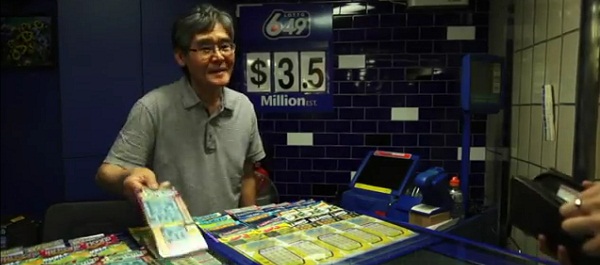
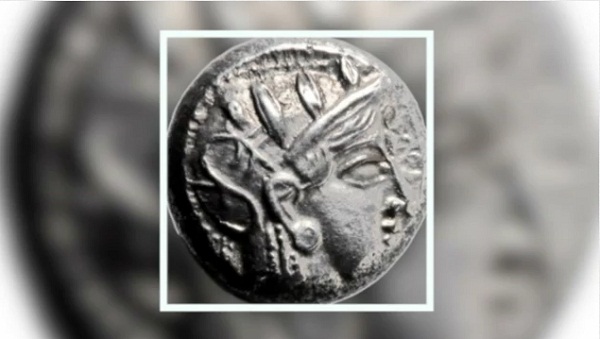






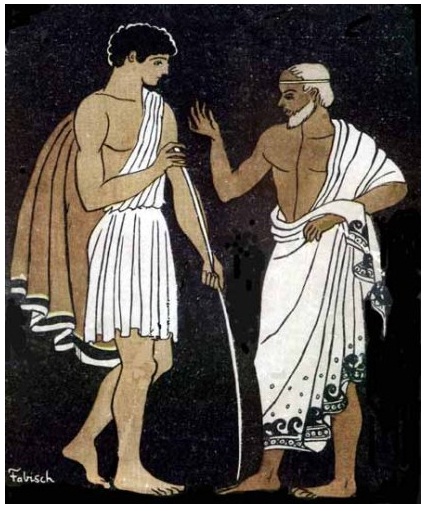
 Silo Direct Link Workforce Planning Site