Opinion: Young Jamaican’s Invention Could Help End Spread Of Viruses Like COVID-19

Email_Header_Opinion.png
Five years ago more than 40 babies born in Jamaican hospitals became infected with lethal bacteria – half of them died. The bacteria Klebsiella, like the coronavirus, is spread from person-to-person or via contaminated surfaces. It can be killed by hand-washing with warm soapy water.The situation caught the attention of technology student Rayvon Stewart based in Jamaica who set about finding a way to curb the spread of harmful germs. “I made a determined decision that I was going to find a solution to limit the transfer of pathogens to multiple surfaces, thereby saving lives,” says Rayvon.
20190731_Secretary-General_op-ed_photo_landscape.jpg
Patricia Scotland
Young innovators in health
I met Rayvon at the Commonwealth Health Ministers Meeting (CHMM) in Geneva last year. He was among the finalists shortlisted for last year’s Commonwealth Health Innovation Awards. He took part in an exhibition on the theme ‘Universal Health Coverage: Reaching the unreached, ensuring that no-one is left behind’ which highlighted how young people are tackling age-old challenges with modern technology and disruptive thinking.

The event underlined Commonwealth commitment to empowering young people as outlined in our charter and also our contribution to achieving the Sustainable Development Goals. I spoke to five extraordinary innovators who made it as finalists of the Commonwealth Health Innovation Awards which recognize outstanding young people whose groundbreaking projects have made a real impact in helping their countries achieve Sustainable Development Goal 3, which is to ‘ensure healthy lives and promote well-being for all at all ages’.

William Wasswa was working on a digital pathology platform for automated diagnosis and classification of cervical cancer from pap-smear images. Then there was Midia Hassan using 3D printing technology to provide prosthetics to amputees living in refugee camps and poverty zones. Another timely invention is that of Nitash Jangir who was one of 15 finalists at our SDG innovation awards. Nitash invented a neonatal breathing support device for low resource settings, with multiple powering options. It maintains respiration and oxygenation in premature neonates with Respiratory Distress Syndrome by providing constant airflow and pressure to keep the lungs open during transport to a tertiary care setting.

I was struck by the ability of young minds to find solutions to real problems in their communities, and their persistence in finding support to scale-up their projects.In Rayvon’s case, he focused on the most common places where bacteria and viruses could easily be left by one person and picked up directly by another. He came up with what he calls ‘Xermosol’- a simple-to-install device that automatically disinfects door knobs and handles after each use.

The innovation uses ultraviolet light to target and specifically kill harmful microorganisms, while being harmless to human beings.

The potential to save lives
The potential impact of Rayvon’s invention could now be even more important than when he first conceived it, as the world battles the frightening COVID-19 pandemic. The coronavirus lives up to two or three days on stainless steel and metal, and several hours on fabric depending on factors such as temperature and humidity. Field and laboratory testing has validated Xermosol’s efficiency in killing more than 99.9% of deadly pathogens. In addition to health facilities, Rayvon hopes it could help reduce transmission of germs in other public spaces such as schools and businesses.

Tests carried out in conjunction with University of Technology, Jamaica and University of the West Indies show Xermosol destroys organisms such as MRSA and E-coli and destroys viral cells such as influenza virus H1N1.This is a huge step in the fight against microorganisms and offers new ways of thinking around combatting viral cells such as Coronavirus.

Supporting young people to innovate
Rayvon says the recognition he received from the Commonwealth Health Innovation Awards was a key moment in Xermosol’s progress, generating immense interest in the project. But now the production of Xermosol faces a number of considerable challenges – from development funding to finding a manufacturer to mass produce. Financing options are mostly focused on large-scale innovation, but the Commonwealth is exploring and proposing that all 54 member-countries go into partnership with the Global Innovation Fund to help young innovators like Rayvon.

Over the past two years, the Commonwealth Youth Health Network has worked closely with the Commonwealth Secretariat and member states to leverage the unique capabilities of young people and drive forward progress toward SDG3 (which includes a bold commitment to end the epidemics of AIDS, tuberculosis, malaria and other communicable diseases) and health-related development goals. Citizens aged under 30 comprise 60 per cent of the Commonwealth’s population – a proportion that is 10 per cent higher than the global average.

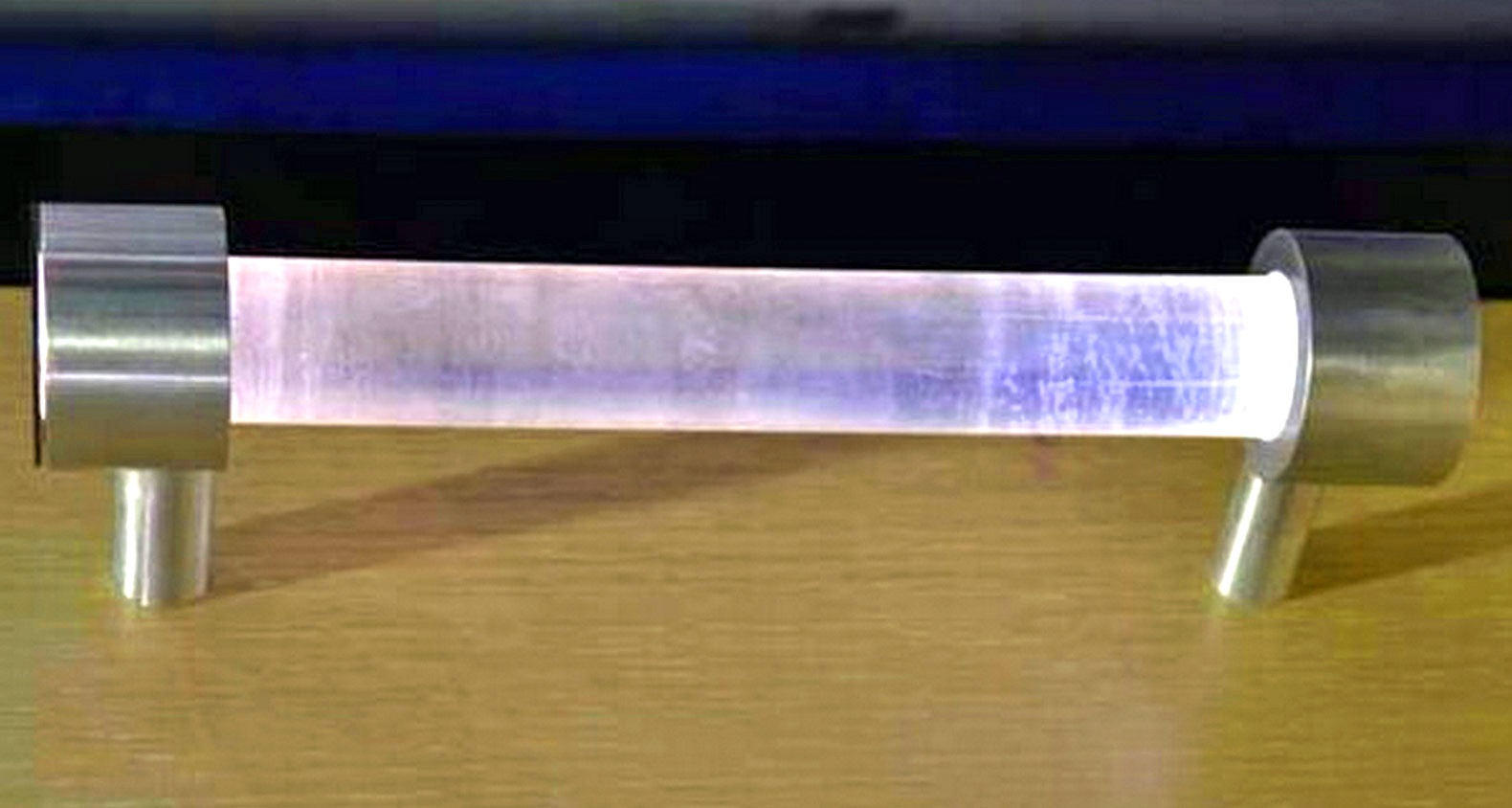
In the course of my interaction in and with our member countries I am continually impressed by the drive of these 1.4 billion young people. They have the ideas, energy and talent to make a huge difference in their communities – and they are doing so. For the Silo, Patricia Scotland, Commonwealth Secretary-General. Featured image: mock up of one type of door handle with integrated UV light.

Supplemental

The History of UV light disinfection.

Why UVGI? - UV Systems Stop Kennel Cough, Parvo, Influenza & More!

FlyKly Wheel Transforms Any Bicycle Into 21st Century Smart Bike

The FlyKly Wheel turns ordinary bicycles into 21st century smart bikes that offer the benefits of both electric and pedal power to make bicycle commuting a viable option for everyone.

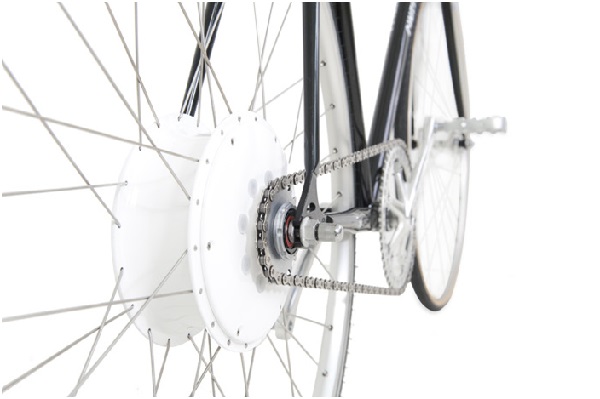
Cycling anywhere just got easier with the release of the FlyKly Smart Wheel, that lets urban cyclists climb hills and travel longer distances faster without breaking a sweat. Featuring an all-in-one design that puts a motor, battery and sensors together in a compact hub on the wheel, and weighing only 3 kg, the FlyKly Smart Wheel replaces the rear wheel on nearly any ordinary bike to transform it into a pedal-assisted electric bicycle. The FlyKly Smart Wheel has already earned three international patents and is the first all-in-one pedal assist for bicycles to hit the market.

Fly Kly 1

“With bike to work movement all over the world, we strongly believe that the moment is now to accelerate this trend and fundamentally transform urban transportation by making riding a bike effortless, smooth and smart — basically, by finally making it a truly attractive alternative to driving a car. This is the promise of FlyKly Smart Wheel” said Niko Klansek, founder and CEO of FlyKly. FlyKly launched its prototype wheel a  few years ago in a successful crowdfunding campaign on Kickstarter. To take the wheel to the next level, the FlyKly team ventured to Italy—a country well known for producing beautiful, high performance bikes—to partner with a team of designers, engineers and software developers from the prestigious Polytechnic University of Milan.

Fly Kly 2

Today, the Italian-designed FlyKly Smart Wheel is significantly smaller and lighter than the original design and offers a smoother ride while enabling cyclists to travel up to 100 km on a single charge depending upon how much of a boost they need or want from the motor. After production in Italy, the wheel is assembled in Slovenia. The FlyKly wheel and riding experience are controlled and customizable through the FlyKly App (iOS and Android), which works on smartphones and other devices using Bluetooth 2.3.

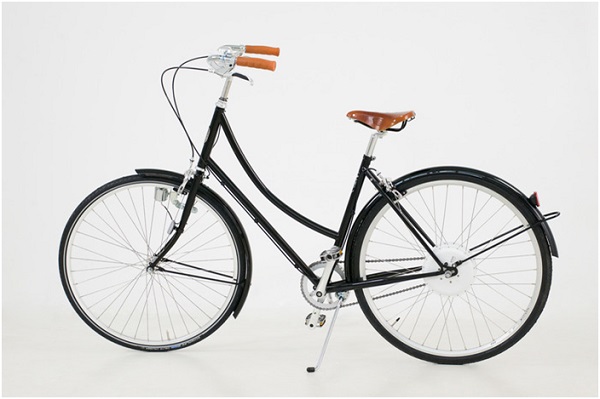
Design The FlyKly Smart Wheel comes in three rim sizes — 20,” 26” and 28” — to fit practically any bike and enable cyclists to easily transform their own bikes into pedal-assisted electric bikes. It takes fewer than five minutes to mount the fully assembled wheel. The sturdy, weatherproof casing for the all-in-one motor at the wheel’s hub comes in two colors—either pure white or silver gray—and is less than 18 cm in diameter. Bikes with the FlyKly Wheel do not look at all like traditional electric bikes, which are generally larger and heavier.

Fly Kly 4

How it works The expression “it’s as easy as riding a bike” still applies when riding a bicycle enhanced with the FlyKly Smart Wheel. After initially pairing the wheel with the FlyKly App, the rider can customize and change their riding experience whenever they wish, setting things such as how much of a boost they want from the motor — ranging from 0 % to 100% — or what maximum assisted speed they want, up to 25 km per hour. After that, the rider simply hops on the bike and starts pedaling per usual. In response to the rider’s settings, sensors in the wheel tell the motor when and how much to kick in to give the rider the boost they want. The 250W motor shuts off when the rider stops pedaling, and Smart Wheel’s regenerative braking system then kicks in to slow the bike and recharge the battery at the same time, making it possible to go even further on a single charge. With a 100%-assist from the motor, a rider can go up to 40 km on a single charge, and much farther if they require less assistance or can add to the charge while going downhill. It takes 2-3 hours to fully charge FlyKly Wheel’s 30 Volt lithium battery using an electric wall charger, which comes with the wheel.

Fly Kly 5

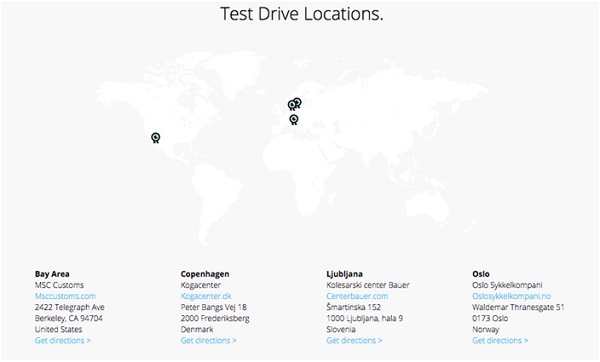
Test locations So far, riders can test FlyKly Smart Wheel in Europe (Copenhagen, Oslo, Ljubljana) and in US (New York). Exact test locations can be found here.

Fly Kly 6

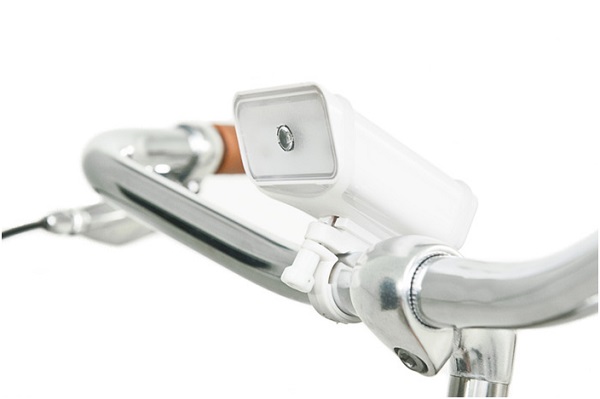
Smart Light Smart Light is bike light, phone holder and phone charger at the same time. It comes with USB and DC power connectors, silicon elastic phone straps that holds your phone firmly and dynamo, which generates power to the light while you ride the bike. It comes in white color and compliments Smart Wheel nicely.

Fly Kly 7

Smart App In addition to being able to customize their riding experience through the FlyKly App, riders can use the Smart App to track their riding speed, distance traveled and trip duration. In the future, the app will be able to make route recommendations based upon the rider’s stated preferences and actual riding style. Riders will also be able can share any of this information with other riders, and offer it to city officials to help with plans to make their cities more bike- and environmentally friendly.

Pricing and availability The FlyKly Smart Wheel is available now in rim sizes 20”, 26” or 28” and may be purchased for 970 EUR and the FlyKly Smart Light can be purchased for 89 EUR on the company’s website at FlyKly online store. The companion FlyKly App is available for free in the iTunes App Store (iOS) and in the Google Play Store (Android).

About FlyKly Inc. FlyKly, Inc. designs and manufactures smart tools for smart urban transportation. Its flagship product is the FlyKly Smart Wheel, which turns ordinary bicycles into pedal-assisted electric bikes. The Italian-designed and Slovenian-assembled FlyKly Smart Wheel, which has earned three international patents, was released in January 2015 and is the first all-in-one pedal assist for bikes to hit the market. The company was founded in 2010 by Niko Klansek and is headquartered in Brooklyn, New York. More information is available at www.flykly.com or contact marketingdirector@thesilo.ca

Chloroquine For Covid-19 Treatment

Misinformation is a dangerous byproduct of our digitally driven information age- never more so when it relates to human health issues. Earlier this week, the Globe and Mail ran a skewed article that was more interested in bashing Trump than helping patients.

Fact Check

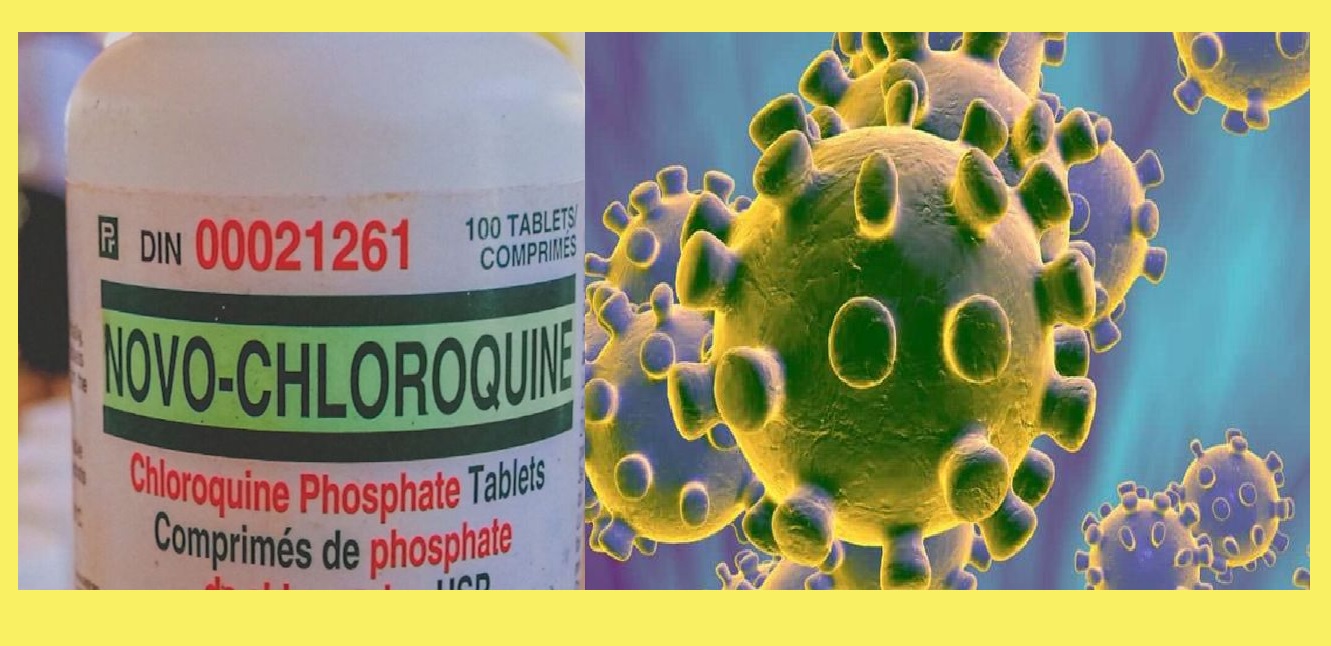
Any drug when taken in massive amounts is not without risk and perhaps this should have been the focus of the Globe and Mail article. Chloroquine is readily available in most of Africa and was misused since it was taken in dangerous quantities and in deed, the Chloroquine poisoning reported in the article was a result of misuse. “Dr. Oreoluwa Finnih, a senior assistant to the Lagos State governor on health issues, said hospitals across the state have started receiving patients suffering from choloroquine poisoning. In a tweet she urged Nigerians to refrain from massive consumption of the drug.”

The Choloquine paper found at the end of this article may help in setting the record straight. Writer/chemist/researcher Donald H. MacAdam: “Covid-19 is a new virus so there is no “herd immunity” and spread can be rapid. In the coming weeks testing of healthy people will probably show a large number have had the virus all along without knowing it. It remains a serious threat to elderly people not in good health (especially where there is easy passage between individuals as in long term facilities) but then so do many other viral infections. There are also instances where, like most viruses and populations, and in the case of the Manhattan lawyer and returning Italian tourist, particularly virulent strains are widely spread by particularly contagious individuals. When that happens, once the concentration of infected rises above a threshold, the disease spreads widely and quickly.”

Ontario Enacts Declaration Of Emergency To Protect Public

Significantly enhanced measures will help contain spread of COVID-19

SIMCOE – The Government of Ontario has announced that it is taking decisive action by making an order declaring an emergency under s 7.0.1 (1) the Emergency Management and Civil Protection Act. In doing so, Ontario is using every power possible to continue to protect the health and safety of all individuals and families.

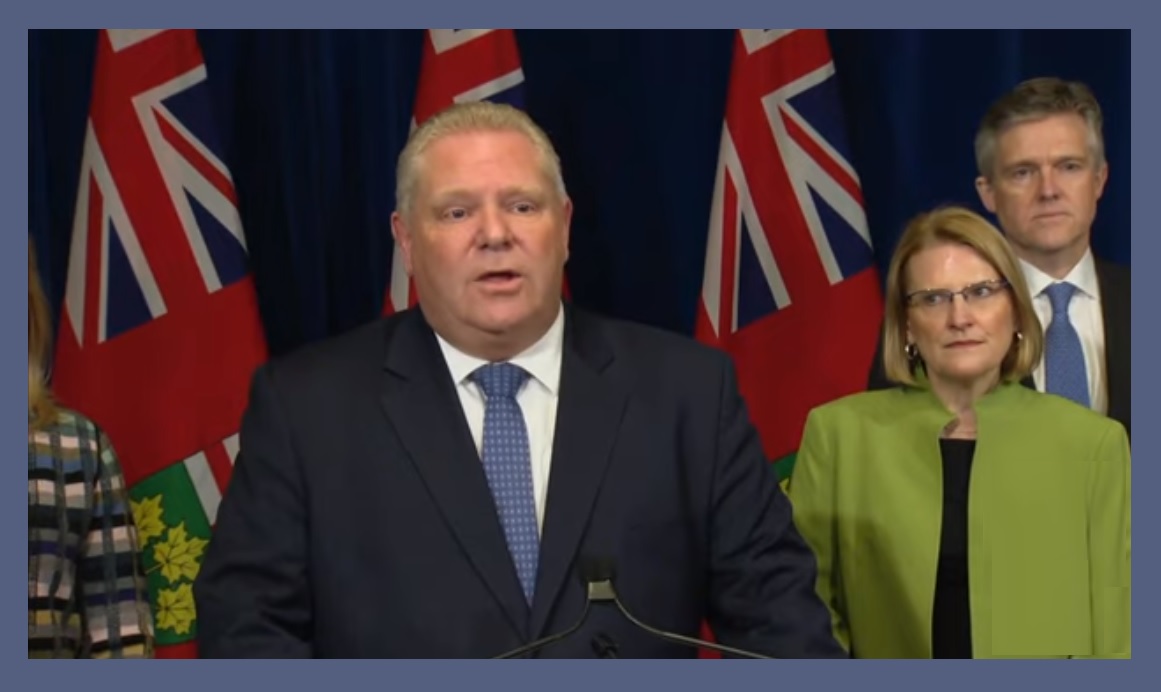
“We are facing an unprecedented time in our history,” said Premier Ford.

“This is a decision that was not made lightly. COVID-19 constitutes a danger of major proportions. We are taking this extraordinary measure because we must offer our full support and every power possible to help our health care sector fight the spread of COVID-19. The health and wellbeing of every Ontarian must be our number one priority.”

As a result of this declaration and its associated orders, the following establishments are legally required to close immediately: * All facilities providing indoor recreational programs; * All public libraries; * All private schools as defined in the Education Act; * All licensed child care centres; * All bars and restaurants, except to the extent that such facilities provide takeout food and delivery; * All theatres including those offering live performances of music, dance, and other art forms, as well as cinemas that show movies; and * Concert venues.

Further, all organized public events of over fifty people are also prohibited, including parades and events and communal services within places of worship. These orders were approved by the Lieutenant Governor in Council and will remain in place until March 31, 2020, at which point they will be reassessed and considered for extension, unless this order is terminated earlier.

“We are acting on the best advice of our Chief Medical Officer of Health and other leading public health officials across the province,” said Christine Elliott, Deputy Premier and Minister of Health. “We know these measures will affect people’s every day lives, but they are necessary to ensure that we can slow the spread of COVID-19 and protect our people. We’re working with all partners across the system, from public health to hospitals and community care, to do everything we can to contain this virus and ensure that the system is prepared to respond to any scenario.”

“Our government is taking an important step to protect Ontarians by declaring a provincial emergency through the Emergency Management and Civil Protection Act, establishing Ontario’s ability to quickly implement and enforce orders in the public interest,” said Solicitor General Jones. “Our government will continue to respond to this outbreak by limiting the exposure of individuals to COVID-19 and ensure the health and well-being of all Ontarians.”

Ontario is also investing up to $304 million to enhance the province’s response to COVID-19 by providing the following: * $100 million for increased capacity in hospitals to assist with the effective treatment of COVID-19 patients both in critical care and medicine beds. * $50 million for more testing and screening through public health, including additional funding to support extraordinary costs incurred to monitor, detect and contain COVID-19 in the province. This includes contact tracing, increased laboratory testing capacity and home testing. * $50 million to further protect frontline workers, first responders and patients by increasing the supply of personal protective equipment and other critical supplies and equipment to protect them. * $25 million to support frontline workers working in COVID-19 assessment centres, including the creation of a new fund to provide respite care, child care services and other supports as they are needed. * $50 million for long-term care homes to support 24/7 screening, additional staffing to support infection control and additional supplies. * $20 million for residential facilities in developmental services, gender-based services and protective care for children and youth to support additional staffing, respite for caregivers impacted by school closures, personal protective equipment and supplies and transportation costs to minimize client exposure and to support social distancing, as well as additional cleaning costs. * $5 million to protect seniors in retirement homes through increased infection control and active screening procedures. * $4 million for Indigenous communities to support transportation costs for health care professionals and the distribution of critical supplies.

QUICK FACTS

* The increased funding includes investments from Ontario’s previously-announced COVID-19 Contingency Fund, as well as funding provided by the federal government. * Coronaviruses are a large family of viruses that can cause illnesses ranging from the common cold to more serious respiratory infections like bronchitis, pneumonia or severe acute respiratory syndrome (SARS). * There is no vaccine available to protect against the 2019 novel coronavirus, but there are everyday actions that can help prevent the spread of germs that cause respiratory illnesses. To find out more visit Ontario’s website.

LEARN MORE

* Visit Ontario’s Coronavirus website > to learn more about how the province continues to protect Ontarians from COVID-19. * Learn about travel advisories > related to the 2019 novel coronavirus. * If you are a health care professional, learn how to protect yourself and your patients by reading our guidance documents >. * For public inquiries call ServiceOntario, INFOline at 1-866-532-3161 (Toll-free in Ontario only) * For more information, contact MPP Toby Barrett at 519-428-0446 or toby.barrett@pc.ola.org Please mention The Silo when contacting.

FEDERAL ALERTS

Get the latest info from Health Canada about COVID-19.

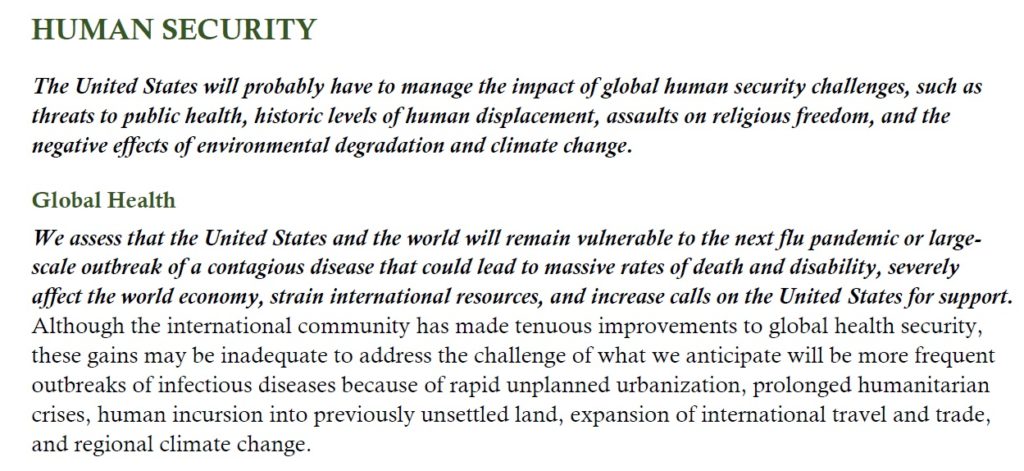
2019 Worldwide Threat Assessment Via US Intelligence: “World Vulnerable To Pandemic”

Prepared by the United States Intelligence Community and Director of National Intelligence Daniel R. Coats and presented as a 2019 assessment of threats to US National Security. Presented to Chairman Burr, Vice Chairman Warner and Members of the Senate Committee. Click on 6048 link below to read the full PDF.

Fear & Illness: In Wake Of COVID-19, Faith And Support Matter

As the U.S. prepares do deal with the feared Corona Virus, this potential crisis presents a great opportunity to be a source of strength and support for one another. Patti Garibay, Cofounder of American Heritage Girls, is available to discuss her wonderful organization and how they could help deal with fear and anxiety caused by COVID-19, as well as ways their members can serve others in this time of crisis.

Patti Garibay, Founder & Executive Director of American Heritage Girls (AHG)

Q&A:

Amidst the rapid-spreading Coronavirus, and the anxiety that it is causing so many, how does the American Heritage Girls Program (AHG) help girls overcome feelings of fear and anxiety?

The American Heritage Girls Program enables a girl to grow in her FAITH – in every sense of the word – instead of increasing in panic, fear, and anxiety. The AHG Program helps girls fortify and strengthen their faith as it pertains to believing and serving Christ, and being confident and assured that God cares and protects them. During this time of the COVID-19 pandemic, AHG is equipping girls to act from a place of both faith and preparation, by adhering to the safety precautions and suggestions for disease prevention laid out by the CDC. 

Girls today are experiencing heightened rates of diagnosed anxiety and depression disorders. How do you think information about the Coronavirus plays into their fears and disorders?

Information about the Coronavirus is accessible everywhere. It’s nearly impossible to step into your car without hearing the Coronavirus as the topic of the hour on every radio station or scroll through your social media newsfeed without seeing countless posts about it. Coronavirus conversations are in classrooms, the workplace, the grocery store. There is no escaping Coronavirus information. Because of the nature of how we consume information in today’s world, it’s easy to be overwhelmed and even bogged down with the information which can quickly lead to fear and terror. I believe the speed of information sharing about the Coronavirus is significantly contributing to the rise of anxiety we are seeing all around us.

How does AHG equip its adult volunteers to engage in informed and faith-filled conversations with Girl Members and families about safety precautions to protect against the Coronavirus?

AHG has an incredible team of staff members who work to support all of our ministry’s members. We are consistently monitoring how the Coronavirus could affect the everyday operations of Troops, and we have communicated to Troop leaders how to take the necessary preventative measures to stay safe while giving their Troops messages of faith and encouragement amidst this time of uncertainty. AHG leaders are calmly and carefully explaining any changes or adjustments to meetings and activities to girls and families. We are encouraging our leaders with scripture and diligently praying for them.

AHG’s mission is Building women of integrity through service to God, family, community, and country. With the rapid-spreading Coronavirus, what are the ways AHG Members reach out to help and serve others?

Prayer is the first and foremost way we are serving others during this time. AHG Members are praying for those currently ill with the disease and praying that others continue to be protected. Troops are also encouraged to think of ways to help support community efforts. In the coming weeks, I know we will be receiving stories of how girls and Troops have stepped up to be a beacon of light during this time.

What is the number one message you want girls and families to know in light of having faith and letting go of fear surrounding the Coronavirus?

I want families to know and believe in 2 Timothy 1:7, NKJV, that “God has not given us a spirit of fear, but of power and of love and of a sound mind.” Connect with your family by being fully present, limiting your media consumption, and maintaining as much routine as safely possible. We, as a community, will get through this in time. Join us in prayer for wisdom and the healing of all affected by COVID-19.

About Patti Garibay, Founder & Executive Director of American Heritage Girls (AHG)

Patti Garibay with her husband are co-founders of American Heritage Girls, a wholesome scouting alternative for girls. Patti is a featured speaker nationally on the topic raising Godly girls (RGG). Along with her blog posts, Patti is a popular guest on talk shows on relevant girl-centric topics ranging from body image to bullying.

In her upcoming autobiography, Patti gives readers a glimpse into her journey from the humble beginnings of American Heritage Girls around her kitchen table in Cincinnati, to where it is today, a formidable national organization offering a positive environment in a largely Godless culture.

Patti Garibay is a living tribute to traditional values of old, offering an alternative to a lonesome online world. In Patti’s word of American Heritage Girls, she delights in her mission to help raise Godly girls, helping girls make real friends, who really chat, who also happen to enjoy camping and other outdoor adventures in a real world.

CONTACT: Rachel Ford or Jerry McGlothlin. Visit our website to view a wide variety of interview guests and topics in the news at: https://SpecialGuests.com/guests-topics/

Coronavirus Could Convert All Of Us Into Becoming Family Caregivers

One of the largest sectors in North American culture is Family Caregivers. There are currently an estimated 65 Million Americans are Currently Family Caregivers. 

But that number is undoubtedly ready to soar because at the Rate the Coronavirus is Spreading, virtually 100% of us may become Caregivers sometime this year.

Joining us is Peter Rosenberger, the leading authority on family caregiving in the United States and author of the book 7 Caregiver Landmines and How to Avoid Them.  

Q&A:

1) Did I have the current number right? There are 65 MILLION family caregivers? Perhaps it’s 6.5 million, right?

Answer: No. You had it right the first time. There are an estimated 65 million family caregivers in America today. 

2) At the rate the Coronavirus is spreading, is it possible that virtually 100% of Americans will soon be Caregivers?

Answer: Yes, so it’s better to learn something about caregiving while you’re healthy rather than wait until it becomes ‘the sick leading the sick.’ 

3) What is the best outcome for us if hospitals announce they are full and start turning patients away?

Answer: Every home has some similarity to hospitals. We need to adopt many of the same healthy procedures in our homes. 

4) Who’s at Risk for Coronavirus?

Answer: Coronavirus targets elderly, overweight, diabetic, and other otherwise at-risk individuals.

5) What are some things that caregivers struggle with? 

Answer: Excessive Weight Gain is significant issue for many caregivers. Caregivers often fail to see to their medical needs …while struggling to care for another. Caregivers consistently deal with high stress circumstances which comprise our abilities to stay healthy.

6) What has your experience been with hospital stays caregivers and those they care for?

Answer: Staying out of the hospital is imperative …they can be a brick and mortar petri dish.  

6) Tell us about your own caregiving experience of your wife

7) Give us some general tips on caregiving:

Answers: 

Reducing FALL RISKS

More than 9 Million ER Visits each year due to falls

Over 65 group represent 69% of hospitalization caused by falls

Caregivers can reduce fall risks for themselves and their loved ones by:

Keep well-lit rooms

Remove fall hazards such as throw rugs

Install grab bars in bathrooms

If you have a pedestal sink in bathroom, replace with a cabinet or ensure it’s secured properly (People use it to lean on)

Wear comfortable shoes and avoid heels.

Make multiple trips to the car …instead of trying to carry too much into the house. Caregivers are often in a hurry …and that’s when accidents happen

Keep bathrooms and kitchen areas clean

Watch for mold/mildew buildup

Hydrate

Make sure to thoroughly clean CPAP and other breathing assisted devices (for both caregivers and patients)

More healthcare treatment goes on in the home with caregivers than in the doctor’s office.  Rest UP! 

Tech:

Consider an app/telemedicine service to avoid getting loved ones out for routine physician visits …particularly on damp days.

When it comes to fighting this virus, all hands need to be on deck—but the caregiver’s hands are often overlooked.  

Roll up those sleeves, wash those hands (singing “Happy Birthday” twice while washing ensures the proper amount of time), and keep yourself healthy.  For the Silo, Peter Rosenberger/specialguests.com

“Healthy Caregivers Make Better Caregivers!”

ABOUT PETER ROSENBERGER
Peter Rosenberger is the host of the national radio program, HOPE FOR THE CAREGIVER and the author of several books including 7 Caregiver Landmines And How You Can Avoid Them. He’s cared for his wife, Gracie, for more than 30 years through her 80+ operations and multiple amputations. www.hopeforthecaregiver.com @hope4caregiver

Landmark Deep Sea Mission To Boost Ocean Action & Science

A deep-sea scientific mission to uncharted depths in the Maldives and Seychelles will gather valuable data to support the Commonwealth Blue Charter on ocean action and train local scientists.

The newest Commonwealth member country, Maldives, has joined Seychelles to launch a major joint scientific expedition to investigate unexplored depths of the Indian Ocean.

The ground-breaking multidisciplinary research mission, known as ‘First Descent: Midnight Zone’, was officially launched at the Commonwealth headquarters at Marlborough House. 

Led by the UK research institute Nekton, the goal is to boost the sustainable governance of Seychelles and Maldivian waters, including the protection of 629,000 km2 of ocean. 

It supports the Commonwealth Blue Charter – a shared commitment by member countries to protect the ocean from the effects of climate change, pollution and overfishing.
 

FD mission2.jpg

Minister for Fisheries, Marine Resources and Agriculture of the Maldives, Zaha Waheed, said: “It is vital to comprehensively understand what lies beneath our waters in order for us to be informed enough to take necessary actions towards a healthy and prosperous ocean.

“This mission will, for the first time, show a glimpse of what the deep sea features and the biodiversity it holds. It will also contribute to the wider goal of marine spatial planning and ocean governance.”

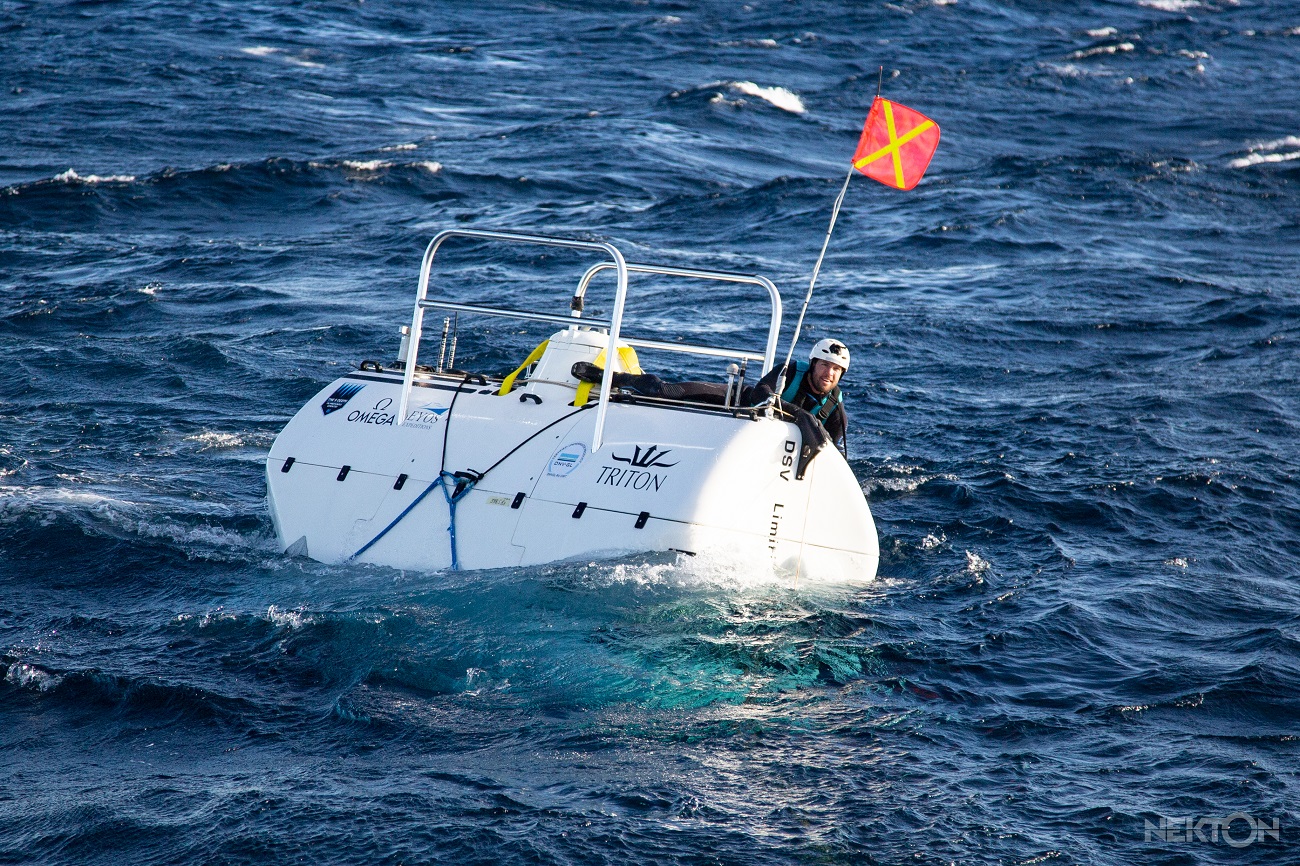
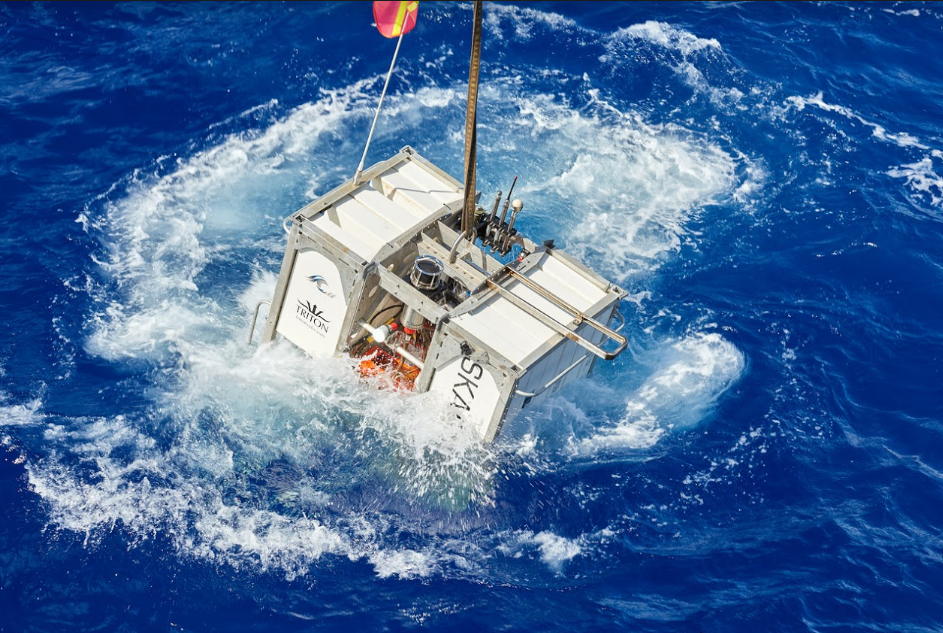
A 50-person crew will set sail on 16 March, using the world’s most advanced deep diving submersible, equipped with a suite of research tools including sensor and mapping technology.

The data they collect will help countries define conservation and management priorities and map out marine protected areas. It will also help measure the impact of climate change and human activity in the area. 

Commonwealth Secretary-General Patricia Scotland said: “We cannot protect what we don’t know and we cannot govern what we don’t understand. With 95 per cent of the ocean still unexplored by humans, we are only just beginning to grasp its profound influence on life, including its effect on global climate and ecosystems. 

“It is pleasing to see the commitments of our Commonwealth Blue Charter leading to such far-reaching and innovative science-backed ocean action in, with and for our member countries.”

The expedition will focus on undersea mountains or ‘seamounts’ in the Midnight Zone – depths from 1,000 to 4,000 metres, where biodiversity peaks. This zone holds critical indicators to measure the impact of the climate crisis, fisheries management, heat absorption, acidification, ocean carbon cycle, and plastic, agricultural and industrial pollution. 

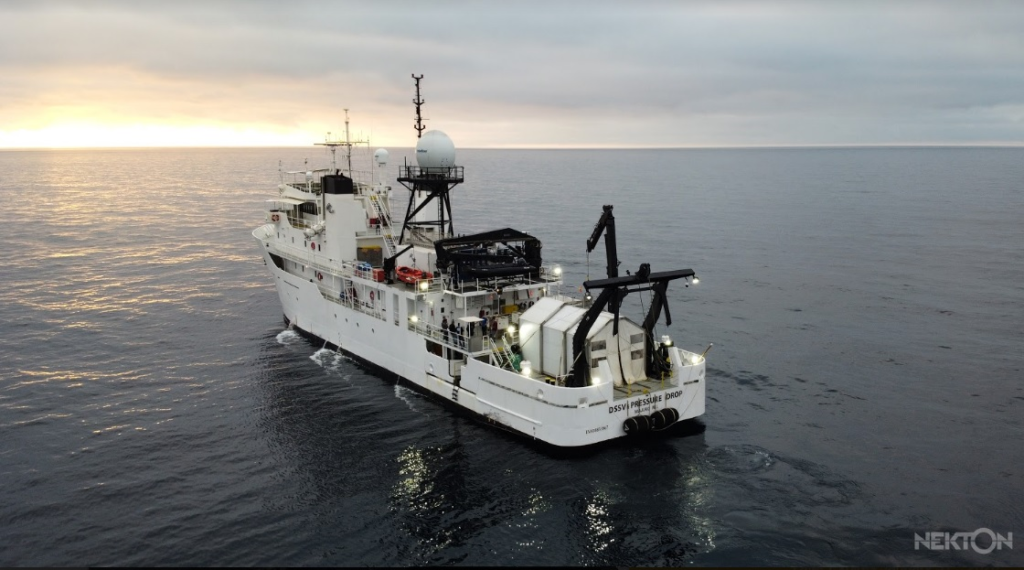
DSSV Pressure Drop at sea. Photo: Nexton

The damage or overexploitation of seamounts can have widespread consequences on ocean health, food security, and other benefits the ocean provides, such as the discovery of new medicines.

Principal Secretary at the Ministry of Environment, Energy and Climate Change of Seychelles, Alain Decormamond said: “Seamounts form some of the most fascinating and richest locations in our waters and beyond in the wider Indian Ocean. We are therefore looking forward to exploring even deeper depths of our ocean to have a better understanding of natural characteristics and richness of these locations.” 

The mission’s principal scientist Lucy Woodall from the University of Oxford added: “We find the greatest biomass in the upper few hundred metres of the ocean, but the peak of biodiversity is in the greater depths, in the Midnight Zone, from 1,000 to 4,000 metres. That said, less than 300 of 170,000 known major seamounts found in this zone have been researched to date, and they remain one of the least researched parts of the ocean.”

Nekton is also working with Commonwealth countries to develop the tools, skills, knowledge and networks to sustainably manage the ocean. Seychellois and Maldivian scientists will join the expedition to conduct pioneering research into their national waters. This is supported by training programmes, research grants and fellowships with the University of Oxford.

Seychelles champions the Commonwealth Blue Charter action group on marine protected areas. To date, 13 countries have stepped forward to lead on 10 topics they identified as priorities.

For updates on the expedition, visit nektonmission.org 

For more information about the Commonwealth Blue Charter, visit bluecharter.thecommonwealth.org

The Commonwealth Blue Charter

The Commonwealth covers a third of the world’s coastal oceans, 45% of coral reefs and the majority of the world’s big ocean states and territories. Forty-seven out of our 54 countries have a coastline, and three of the remaining landlocked states border great lakes. The Commonwealth Blue Charter is a landmark agreement that engages all 54 Commonwealth countries to commit to actively co-operating to solve ocean-related problems and meet commitments for sustainable ocean development. Visit our website to learn how to join action groups.

Seychelles

The Seychelles Blue Economy Strategic Roadmap and Plan has been developed and implemented by the Government of Seychelles in partnership with the Commonwealth Secretariat. A key component of this, the Seychelles’ Marine Spatial Plan, is being undertaken in partnership with The Nature Conservancy. By March 2020 this will result in the sustainable management of all the Exclusive Economic Zone including 30% within the newly formed Marine Protected Areas (445,000 km2 of 1,336,559 km2). The implementing partner for the expedition is the Ministry for Environment, Energy and Climate Change. Seychelles champions the Commonwealth Blue Charter Action Group on Marine Protected Areas.

Maldives

Maldives Blue Prosperity Programme is being undertaken by the Government of the Maldives in partnership with the Blue Prosperity Coalition and the Waitt Institute.  The Programme begins in 2020 with a goal of the sustainable management of the Maldivian Exclusive Economic Zone including a spatial target of at least 20% within newly formed Marine Protected Areas (184,000km2 of 923,000km2). The implementation partner for the expedition is the Ministries of Fisheries, Marine Resources and Agriculture. First Descent: Midnight Zone is the third of four expeditions being undertaken in Maldives in support of Maldives Blue Prosperity.  #KanduFalhuDhiraasaa and #NooRaajje

First Descent: Midnight Zone 

First Descent is a series of missions undertaken by Nekton in partnership with Governments in the Indian Ocean region. Beginning in Seychelles in 2019, the Mission concludes with a State of the Indian Ocean Summit in October 2022 to deliver scientific consensus on the state of the Indian Ocean and to galvanise 30% protection by 2030. Each mission combines national commitments to ocean protection, marine spatial planning, applied research to inform ocean policy, inspirational communications to strengthen the public support for political action and investments in capacity development to create a legacy of long-term sustainable ocean governance. #MidnightZone #FirstDescent

Seamounts 

Seamounts are undersea mountains formed by volcanic activity. Scientists estimate there are at least 100,000 seamounts higher than 1,000 meters around the world. Recent estimates suggest that, taken together, seamounts encompass about 28.8 million square kilometres – a surface area larger than deserts, tundra, or any other single land-based global habitat on the planet. Seamounts attract an abundance of marine life, many of which are endemic to individual locations. Seamounts are productive fishing grounds for more than 80 commercial species worldwide. 

Nekton 

Nekton is an independent not-for-profit research institute working in collaboration with the University of Oxford and is a UK registered charity. Nekton’s purpose is to explore and protect the ocean. Nekton’s missions are supported by a unique alliance of 40 business, government, academia and civil society partners uniting behind a common purpose to explore and conserve the ocean. They include: 

  • Mission Partners (2): Omega, Kensington Tours 
  • Strategic Partners (8): The Commonwealth; Teledyne Marine, Sonardyne (Official Subsea 
  • Technology Partners), Caladan Oceanic (Expedition Partner), Associated Press (Official News Agency Partner), Inmarsat (Official Satellite Communications Partner), Blue Prosperity Coalition, Waitt Institute (Maldives Blue Prosperity). 
  • Collaborating Partners (17): CEFAS (Subsea Research Equipment); Deep Sea Power and Light, Paralenz, Bowtech (Subsea Camera & Light Partners); Triton (Submersible Partners); Priavo Security (Maritime Security); Technicolor, AXA-XL & Encounter EDU (Education); University of Oxford; Institute of Marine Engineering, Science & Technology – IMarEST; EYOS Expeditions (Logistics); Great Campaign (UK Government, Foreign & Commonwealth Office); Ocean Unite, Helly Hansen (Apparel), IUCN, Project Zero, Sky Plc. 
  • Founding Partners of Nekton (3): AXA-XL, Garfield Weston Foundation, Kensington Tours.

Blue Prosperity Coalition

The Blue Prosperity Coalition is a global coalition of NGO’s, academic institutions, and foundations working together to promote growth and prosperity while empowering sustainable management of marine resources and ecosystems. The coalition assists committed governments in developing and implementing sustainable marine spatial plans to protect the environment and improve the economy at the same time. Primary members in the Maldives partnership include Waitt Institute, National Geographic Pristine Seas, Scripps Institution of Oceanography, and Nekton. #BlueProsperity 

Waitt Institute

Established by Gateway, Inc. co-founder Ted Waitt in 1993, the Waitt Institute, partners with committed governments to develop and implement comprehensive, science-based ocean management plans that benefit both the economy and the environment with the ultimate goal of sustainable, resilient, and thriving seas that benefit all.

The Benefits Of CBD Oil On Anxiety And Depression

Life certainly has its challenges. Stress can arise from work, friends, and relationships — daily life can feel overwhelming at times. When you suffer from anxiety or depression (or both), living a happy, stress-free life can sometimes feel nearly impossible.

Perhaps you’re looking for a natural way to take the edge off. There are pharmaceutical anti-anxiety and anti-depression medications out there, but long-term use can be negative on the body and many benzodiazepines contain addictive qualities that you might want to avoid.

Instead of pills, consider using an alternative and natural method. Recreational cannabidioil, better known as CBD oil, is one of over 100 chemical compounds known cannabinoids found in the cannabis or marijuana plant.

CBD does not contain Tetrahydrocannabinol (THC), which is the psychoactive component found in the plant (so it doesn’t make you high), and research has found that it can be calming and alleviate symptoms of stress and anxiety.

The socially conscious cannabis brand Blissed is a company that believes in offering the authentic cannabis experience to individuals who need a break. It’s based entirely on the power of wellness and community, and they’re committed to giving 10% of all profits to organizations and causes that make a positive impact on society.

The company products using cannabis, including those made from CBD oil, as well as 1:1 oils for those looking to ease into using THC.

Take a look at how using CBD oil recreationally can help reduce your anxiety symptoms.

What Exactly Is CBD Oil?

CBD is the second most prevalent of the active ingredients in the cannabis plant. It’s an essential component of medical marijuana, however, it’s derived directly from the hemp plant, which is a cousin of the actual marijuana plant. While CBD is a component of marijuana, it doesn’t produce a “high” feeling on its own.

According to a recent study conducted by the World Health Organization, humans don’t show signs of negative effects or dependence when using CBD oil. To date, there has been no evidence of public health-related issues associated with the use of pure CBD.

Relief from Anxiety and Depression

Anxiety and depression are common mental health disorders that can feel debilitating. We all have various stressors in our lives, and we all handle things differently. Sometimes we just want a little reprieve — a pause where we can sit down at the end of a long day, chill out, and show ourselves some love and compassion.

Of course, there are pharmaceutical drugs to take but these are often not a sustainable long-term method. There can be harmful side effects such as drowsiness, insomnia, sexual dysfunction, addiction, and more.

CBD oil has shown strong promise as a treatment for both depression and anxiety, leading many who live with these afflictions to become interested in this natural approach to coping with anxiety and depression.

It amps up dopamine and serotonin levels naturally, so you can enjoy feeling good without having to worry about the comedown as you would from other types of chemical drugs or alcohol.

A study from 2010 concluded that CBD oil could reduce the symptoms of social anxiety disorders (SADs). Brain scans of participants revealed changes in blood flow to the area of the brain that are linked to feelings of anxiety.

In this particular study, CBD oil made participants feel significantly better and it also changed the way their brands responded to anxiety.

At the end of a long day, what could be better than putting your feet up, opening up Netflix, and unwinding with a little CBD oil?

Treat yourself to a blissful, relaxing evening and look into how CBD oil could benefit your life today.