Tag Archives: used car

Car Shopping. Should You Buy New Or Used? Let Us Help You Decide.

The car shopping market is presenting drivers with the same classic dilemma: should you buy new or used? But, there are modern-day considerations as several factors and current events shape this debate, including depreciation trends, interest rates and price shifts in both new and used car markets. Making the right choice requires a close look at your financial situation and ownership goals.

Our friends Zach & Ray Shefska, Co-Founders of CarEdge, offer an easy-to-understand breakdown to help consumers make this all-important decision that will impact them for years to come.
When to Buy New:

  • You plan to keep the car for 5+ years and want the latest features.
  • You qualify for low APR financing and want predictable monthly payments.
  • Manufacturer incentives significantly reduce the cost.
  • To avoid depreciation altogether, consider leasing a new car.

When to Buy Used:

  • You want to avoid rapid depreciation and pay less upfront.
  • You’re willing to shop for 3-5 year-old vehicles in good condition.
  • You don’t mind driving a car with fewer bells and whistles.
  • You’re prepared to negotiate a great used car deal.

Here are details on some of the key considerations to help you determine whether buying new, buying used, or leasing makes the most sense for you.
Financing Deals Versus Depreciation Risks

New cars are known for their steep depreciation. A new car can lose 20-30% of its value within the first two to three years of ownership. However, buying new has its advantages, too. Manufacturer incentives are sweetening the deal for buyers with attractive lease offers, low APR financing, and cash incentives that simply aren’t available for used car buyers.

Why Buy New?

  • Incentives Galore: Automakers are offering competitive promotions to attract buyers, including 0% APR financing and cash-back deals.
  • Peace of Mind: New cars come with full warranties, the latest safety features, and no concerns about wear and tear from previous owners.
  • Custom Orders: Buying new allows you to select the exact trim, color, and features you want. However, custom orders can come at an even higher price.

Drawbacks of Buying New:

  • Higher Initial Cost: Even with incentives, new cars come with higher upfront prices compared to used options.
  • Depreciation Risk: If you plan to sell your car in less than five years, you’ll likely face a significant financial loss due to depreciation.
  • If you’re considering a new car but worry about depreciation, leasing may be a better option for you. It allows you to enjoy the benefits of driving new without the financial impact of resale value losses.

Interest Rates Matter – New Cars Have Lower Rates

Interest rates are a defining factor in the new versus used car debate. While borrowing costs remain high, automakers make it easier to finance new cars by offering low APR financing. Used car loans, on the other hand, often come with higher interest rates from banks and credit unions.

Why New Cars Win on Interest Rates:

  • Lower APR Offers: Many manufacturers are advertising rates as low as 0% APR for new car buyers, helping you save thousands over the life of the loan.
  • Better Loan Terms: Lenders tend to offer more favorable terms for new cars compared to used, including longer loan periods and lower down payment requirements.

Used car loans typically come with interest rates about 5% higher than those for new vehicles. Over a five-year loan term, this can significantly increase the total cost of financing a used car. If monthly payments are a concern, financing a new car with low APR may actually make more financial sense.

However, NEVER negotiate monthly payments – always negotiate the Out-the-Door Price to avoid add-ons and ripoffs.

New Tools Make Negotiating Easier Than Ever

The days of guessing what to pay for a new car are over. Today, buyers have access to tools that provide insight into dealer pricing, invoice costs, and manufacturer incentives.

How to Save Big When Buying New:

  • Use Dealer Invoice Pricing: This allows you to see what the dealer pays for the car and giving you leverage in negotiations.
  • Keep Up With Local Market Trends: Today, any car buyer in America can see the ins and outs of their local car market for each make and model..
  • Compare Offers Across Dealers: With free online tools, you can easily master the art of negotiating. A big part of this is learning how to effectively cross-shop between dealerships. Always compare prices and incentives from multiple dealerships to ensure you’re getting the best deal.
  • Leverage Manufacturer Incentives: Research available incentives to maximize your savings before heading to the dealership. We gather the best incentives in one spot for you.

These tools make it easier than ever to negotiate confidently and secure the best deal on a new car. That said, deals can still be hard to come by without the right negotiating tools.

Why Consider Buying Used?

  • Lower Upfront Costs: Used cars are more affordable than their new counterparts, making them a better choice for budget-conscious buyers. Saving $100 or more on monthly payments over five to six years really adds up!
  • Avoid Steep Depreciation: Buying a 3-5 year-old used car allows you to avoid the steepest depreciation period, saving you thousands. If you decide to sell in a few years, you won’t feel the heavy depreciation that a new car buyer in a similar situation would experience.
  • Used Cars Are Negotiable: As competitive new car incentives remain, fewer car shoppers are heading to the used car lots. A slump in demand is good news for those willing to negotiate used car prices.

Challenges of Buying Used:

  • Higher Interest Rates: As mentioned earlier, used car loans often come with higher APRs, which can offset some of the savings. The average used car loan rate in North America is nearly 14% APR.
  • Limited Incentives: Unlike new cars, used vehicles don’t come with manufacturer promotions or warranties. However, you can get a fair deal on an extended warranty.
  • Condition Concerns: Always get a pre-purchase inspection to avoid surprises with hidden issues.
  • Despite these challenges, buying used is still the go-to option for many drivers who prioritize affordability and don’t mind sacrificing the latest features.

For many car buyers, a 3-5 year-old used car strikes the perfect balance between affordability, reliability, and long-term value. This “sweet spot” in the used car market offers significant benefits that make it a smart choice for budget-conscious drivers who don’t want to sacrifice quality or performance.

Here’s why a 3-5 year-old used car could be the ideal option for you:

  • Avoid Steep Depreciation – New cars typically lose 30-40% of their value within the first three years, making depreciation one of the biggest hidden costs of buying new. 
  • Lower Upfront Costs – Compared to buying new, 3-5 year-old used cars are significantly more affordable.
  • Modern Features Without the Premium – A car that’s 3-5 years old still comes equipped with many of the features found in today’s new models, such as advanced safety systems and driver assistance.
  • Remaining Warranty Coverage (Depending on Mileage) – A 3-5 year-old car is typically well within its prime and often covered by a portion of the manufacturer’s original powertrain warranty. If coverage is about to run out, get an Extended Warranty quote for peace of mind.
  • Better Financing Options Compared to Older Cars – While interest rates for used car loans are higher than those for new cars, lenders generally offer better rates for late-model used cars compared to older vehicles. This makes financing a 3-5 year-old car more manageable and less risky.

How to get the best of ‘both worlds’

By choosing a 3-5 year-old used car, you get the best of both worlds: modern features at a lower price, and the ability to avoid the financial pitfalls of buying new. It’s a smart compromise for car buyers looking for value and reliability. To ensure you’re making a wise investment, always research market trends, request vehicle history reports, and schedule a pre-purchase inspection before buying any used car.

Founded in 2019 by father-and-son team Ray and Zach Shefska, CarEdge is a leading platform dedicated to empowering car shoppers with free expert advice, in-depth market insights, and tools to navigate every step of the car-buying journey.


Auto Retail Finally Being Disrupted By AI

With AI reshaping everything from finance to fast food, the $1.5T auto retail industry is finally facing its overdue disruption. The typical car-buying experience—riddled with hidden fees, lead bloat, pricing games and low trust—has remained stubbornly analog. But now, with 90% of dealerships in America (and growing % in Canada and Mexico) experimenting with AI tools and 1 in 4 buyers already using AI to shop, the tide is turning. Agentic AI  technology is fundamentally reshaping one of the most significant purchases in a person’s life.

Zach Shefska, Co-Founder and CEO of CarEdge, asserts that agentic AI is the key to rebuilding trust, removing friction and leveling the playing field for both buyers and sellers. From AI-powered shopping assistants that negotiate on your behalf, to data tools that reveal deceptive dealership practices, Shefska is a pioneer in “agentic AI” — a new form of artificial intelligence bringing much-needed transparency to the industry.

  • The Broken Status Quo: Car buying is frustrating and inefficient for both consumers and dealerships—highlighting key stats like 72% sales staff turnover and 2% lead conversion from third-party platforms.
  • Lead Generation Platforms Are Failing: Legacy systems flood dealers with unqualified leads, drain resources, and deliver minimal value to consumers.
  • The Rise of Agentic AI in Auto Retail: Consumers are turning to tools like ChatGPT and CarEdge’s AI agent to navigate purchases with more confidence, speed, and clarity—25% are already doing it.
  • From Friction to Fluidity: Agentic AI replaces quantity with quality—streamlining the buyer’s journey, reducing information overload, and improving dealer efficiency.
  • The End of Pricing Games: AI tools now collect and publish out-the-door pricing from thousands of dealerships, exposing hidden fees and rewarding transparent sellers.
  • The Future of Negotiation: AI agents can negotiate on behalf of both buyers and sellers—minimizing stress, cutting transaction times from days to hours, and removing the adversarial edge.
  • Real-World Impact Stories:  One buyer saved $1,280 and hours of back-and-forth using CarEdge’s agentic AI—illustrating AI’s practical value in real-life scenarios.
  • AI Helps Honest Dealers Win: In a trust-starved industry, AI gives reputable dealers a new way to stand out by offering full transparency and faster deals.
  • What’s Next for AI in Auto Retail: The emerging frontier: AI agents dynamically collecting and updating real-time pricing and inventory data across markets to offer true market intelligence.

For the Silo, Zach Shefska. Zach is CEO of CarEdge, a leading platform—founded by father-and-son team Ray and Zach Shefska—dedicated to empowering car shoppers with free expert advice, in-depth market insights and tools to navigate every step of the car-buying journey. From researching vehicles to negotiating deals, CarEdge helps consumers save money, time and hassle. Alsop with trusted resources like the CarEdge Research Center, Vehicle Rankings and Reviews, and hundreds of guides on YouTube, CarEdge is redefining transparency and fairness in the automotive industry. Connect with Shefska at www.CarEdge.com or on social media on YouTubeTikTokX,  Facebook, and Instagram.
Car Buying Tips For Beginners

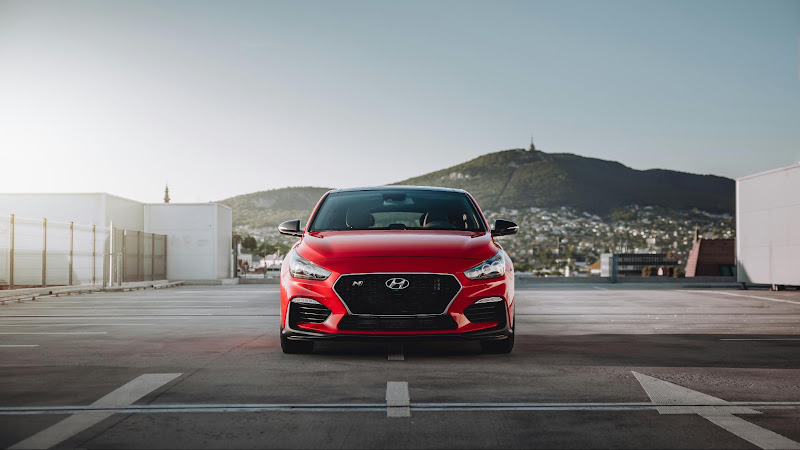
a red car parked in a parking lot

Buying a car is an exciting journey, filled with possibilities but also peppered with potential pitfalls, especially for first-time buyers. The process can seem daunting, given the vast array of options, financial considerations, and the long-term commitment to the chosen vehicle. This guide is designed to simplify the car-buying journey, offering practical tips to navigate the market, make informed decisions, and ultimately find the perfect car that meets your needs and budget. These strategies will help ensure a smoother, more enjoyable car-buying experience.

Know Your Budget

Before diving into the sea of car options, it’s crucial to have a clear understanding of your budget. This includes not only the purchase price but also the ongoing costs of ownership such as insurance, maintenance, and fuel. A realistic budget will narrow down your options and keep your financial health in check. For instance, opting for a used Hyundai Sonata in Saskatchewan might offer the balance of affordability, reliability, and features you’re looking for, without stretching your budget too thin.

When considering your budget, also think about financing options. If you plan to take out a loan, get pre-approved to understand how much you can afford and to streamline the buying process. This can also give you leverage during negotiations, as you’ll be seen as a serious buyer with financing already in hand.

Research Thoroughly

img

The importance of research cannot be overstated. Start by listing what you need in a car: size, performance, features, safety ratings, fuel efficiency, and reliability. Use online resources, consumer reports, and forums to gather information on models that fit your criteria. This is also the time to read up on common issues or recalls associated with models you’re interested in, which can save you from future headaches.

Next, explore ownership costs for your shortlisted models. Some cars may have a lower purchase price but higher maintenance costs or less favorable fuel efficiency. Websites and tools that calculate the total cost of ownership over time can provide valuable insights here, helping you make a more informed decision.

Test Drive and Inspect

Once you’ve narrowed down your options, it’s time to get behind the wheel. Test driving is not just about seeing if you like the car; it’s about ensuring everything works as it should. Pay attention to how the car handles, brakes, accelerates, and how comfortable and intuitive the interior is. For those considering a used vehicle, such as a used Hyundai Sonata, it’s advisable to bring along a trusted mechanic for a thorough inspection. This can uncover potential issues that aren’t visible to the untrained eye.

Don’t rush this step. Spending ample time test-driving the car and inspecting can prevent buyer’s remorse and ensure you’re truly happy with your choice. It’s also a good opportunity to check if the car’s space and features meet your practical needs.

Negotiate the Best Deal

img

Negotiation is part and parcel of the car-buying process. Armed with your research, you’ll be in a stronger position to discuss prices. Know the market value of the car you’re interested in and don’t be afraid to negotiate based on that knowledge. For new cars, this might mean working on the price down from the Manufacturer’s Suggested Retail Price (MSRP). For used cars understanding their market value can help you negotiate a fair price.

Remember, negotiation isn’t just about the sticker price. It can also involve terms of the warranty, interest rates on financing, and additional perks like free maintenance or accessories. Be clear about what you want, be prepared to walk away if your terms aren’t met, and always keep the conversation respectful and professional.

Finalizing Your Purchase

After negotiating a deal you’re happy with, it’s time to finalize the purchase. This involves reviewing and signing paperwork, including the bill of sale, warranty documents, and financing agreements. Make sure you understand all the terms and conditions before signing anything. It’s also a good opportunity to review any additional offers for extended warranties or service packages, weighing their costs against the potential benefits.

Before driving off the lot, ensure you have all necessary documents, such as the vehicle registration and proof of insurance. This is also the time to ask any last-minute questions about the vehicle’s features or maintenance requirements. Taking these final steps seriously will help ensure a smooth transition to becoming a happy car owner.

Smart Buying Leads to Happy Driving

Embarking on your car-buying journey with these tips in mind will set you up for a successful purchase. From understanding your budget to negotiating the best deal, each step is crucial in finding a car that fits your life. Whether you’re eyeing a brand-new model or a used car, the goal is to make an informed decision that you’ll be satisfied with for years to come. Remember, a little patience and a lot of research can lead to many happy miles on the road.