Tag Archives: Tropical

Art Of Camouflage- Rhodesian Brushstroke

There are an insane variety of camouflage patterns. From subtle and understated but effective (solid polar white for snowy battlefields) to ostentatious and loud but surprisingly battle proven (the Belgian jigsaw pattern anyone?).
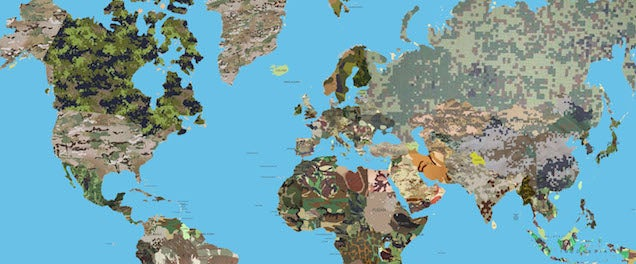
Main camo patterns of the world.

A Few Interesting Examples. Be Sure To Click On The B/W Images To View In Color.

You get the idea. But what is the best camouflage pattern?

That is an objective question and no doubt everyone has a personal favorite. Our friends at the kommandostore.com make a pretty solid case for the Rhodesian brushstroke pattern. Let’s take a closer look at the history of the Rhodesian Army and the buildup towards the Bush War where said pattern was dutifully employed.

Rhodesia Leading Up To The Bush War: An Overview

What we now know as Zimbabwe was Southern Rhodesia was one of three states merged in 1953 to form the British-administered Federation of Rhodesia and Nyasaland (also known as the Central African Federation). This union was largely a marriage of convenience, as the British protectorates of Northern Rhodesia and Nyasaland were significantly less developed than self-governing Southern Rhodesia.

However, the Federation balkanized and dissolved in 1963 amid ethnic tensions, political instability, and deep cultural divides. Simultaneously, changing political winds in London favored a policy of rapid decolonization and majority rule. The collapse of the Central African Federation was viewed as proof positive that failing to quickly implement majority rule would result in the collapse of European-lead African governments.
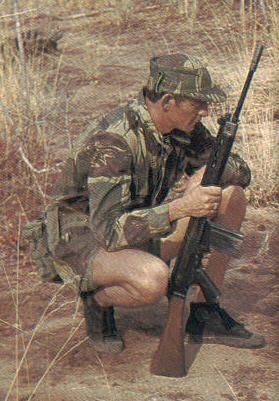
An early type brushstroke pattern.

The reality was more complex.

Western-style democratic republics require a certain level of social infrastructure in order to function as intended. While the white population of the Central African Federation carried western traditions with them from Europe, the myriads of African ethnic groups had long traditions of tribal organization along ethnic lines, with their own rivalries and blood feuds.

To address this, Southern Rhodesia had created the best educational system in Africa, spending enormous sums on literacy programs, primary and secondary schools, vocational education, technical colleges, and universities. On a GDP adjusted basis, Southern Rhodesia’s expenditures on education were not just the best in Africa, they were world leading. By 1959 this approach yielded incredible results with roughly 85% native children enrolled in school, a trend that would only accelerate through the 60s. Similar initiatives had developed road and rail networks, the best healthcare system in Africa, modern water purification, and cheap, plentiful electricity.

The British governed protectorates of Northern Rhodesia and Nyasaland enjoyed little of this economic or social development. In these areas western ideas held no hope for the future and only served to destabilize traditional power structures. These communities, dominated by subsistence farming and rural poverty, contrasted sharply with the economic miracle happening just across the border.

Fresh from the bloody partition of India, English politicians failed to appreciate the likelihood of a similarly violent outcome in the push for immediate majority rule in their African colonies.

Amid intense pressure to solve Britain’s problems at home, the UK’s rush to divest its colonies created a power vacuum that China and the USSR were more than happy to exploit by funding, training, and arming the Marxist-nationalist ZANU and ZAPU groups in Northern Rhodesia and Nyasaland.

Southern Rhodesia unilaterally declared independence (known as “UDI”), from Britain, forming the state of Rhodesia in 1965. And almost in unison, the Bush War began.

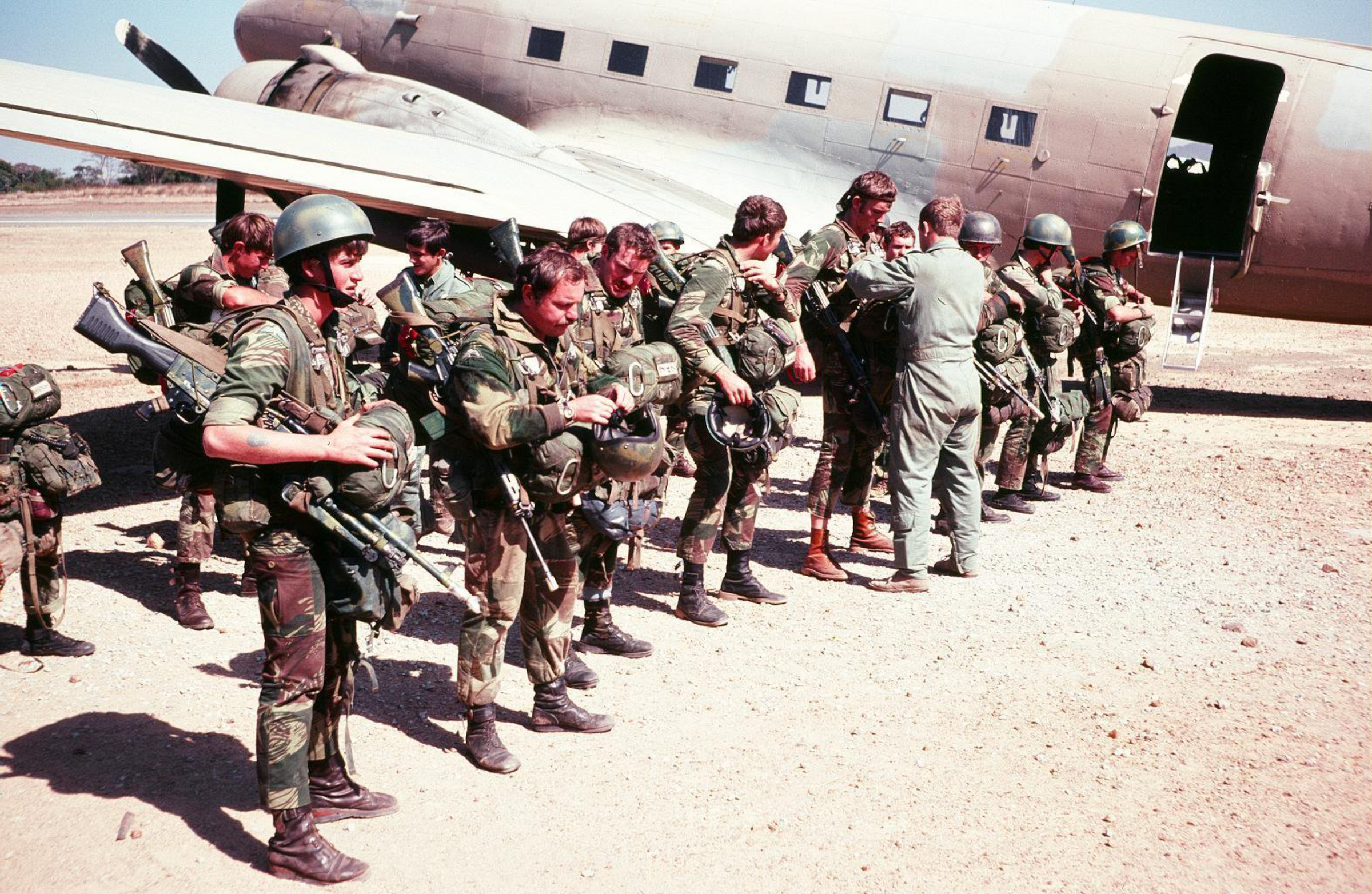
Formed around a small cadre of 10,000 highly experienced WWII combat soldiers and airmen, the Rhodesian military benefited from extensive counter-insurgency experience serving alongside British forces in the Malayan Emergency of the 1950s. Due to the stability, security, and prosperity in Rhodesia, the military had no problem recruiting a racially-integrated and majority native fighting force. The 60s and 70s would also see an influx of adventure seeking British and American expats, including many Vietnam veterans…

Cool Camouflage. Where Can I Get Some?

I thought you’d never ask. Made in South Africa, this legendary camo has been brought back to life by kommandostore and it is epic.

A Blank Canvas

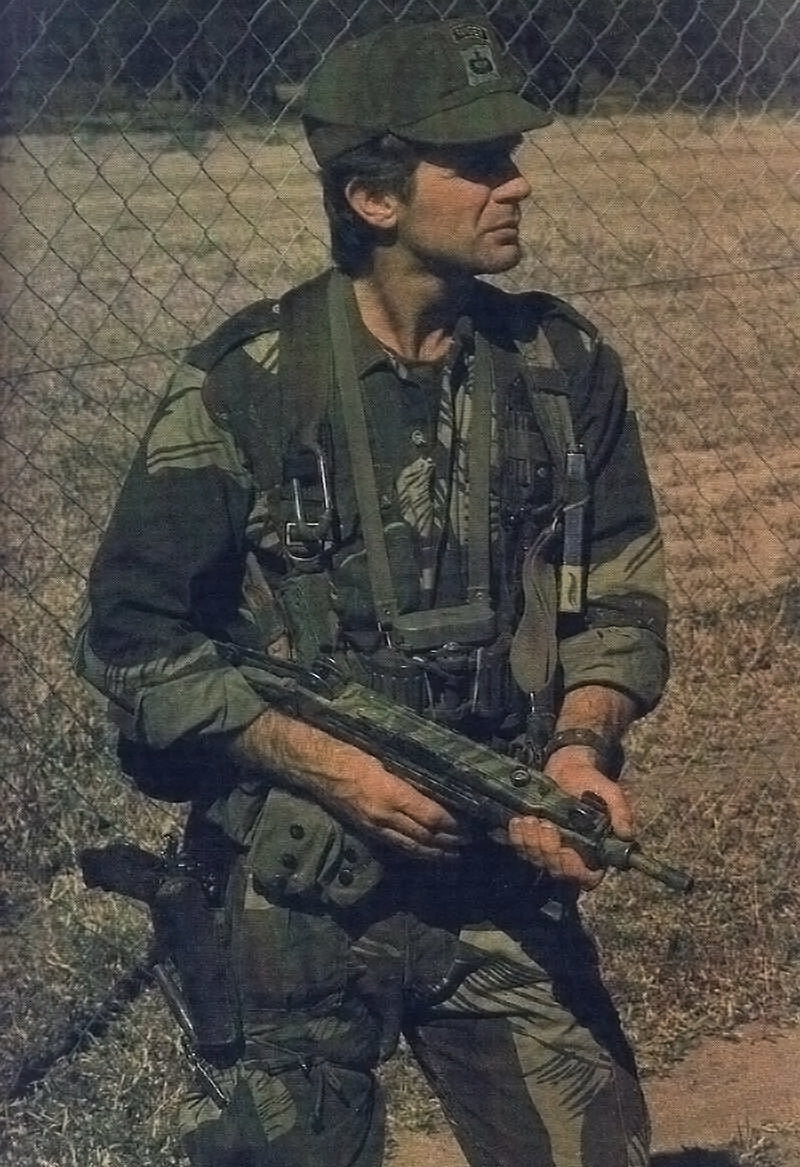
Rhodesian camouflage, often referred to as “Rhodesian Brushstroke” or simply “Rhodie camo” is a distinct and highly effective pattern created during the height of the Cold War. Its development was driven by the unique circumstances of the Rhodesian Bush War (1964-1979), a conflict characterized by high tempo counterinsurgency operations and great power proxy warfare.

Prior to the widespread adoption of Rhodesian Brushstroke, the Rhodesian military primarily used camouflage patterns from allied British and Belgian forces. Specifically, the British WWII Denison, Belgian Moon and Ball, and Belgian Brushstroke patterns. Looking at these camouflages it’s easy to see how they influenced the development of Rhodesia’s indigenous camouflage.
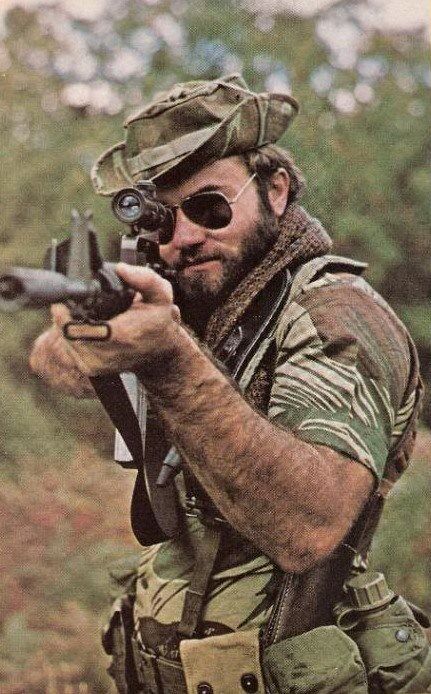
Cut Off

Sanctions after ‘UDI’ aimed to isolate Rhodesia economically and politically, but paradoxically spurred swift industrial and economic development in Rhodesia, including production lines for vital military equipment. Without these sanctions, Rhodesian manufacturer David Whitehead Textiles Ltd, would not have been contracted to develop and manufacture a uniform for the nascent Rhodesian military.
2nd Time’s the Charm

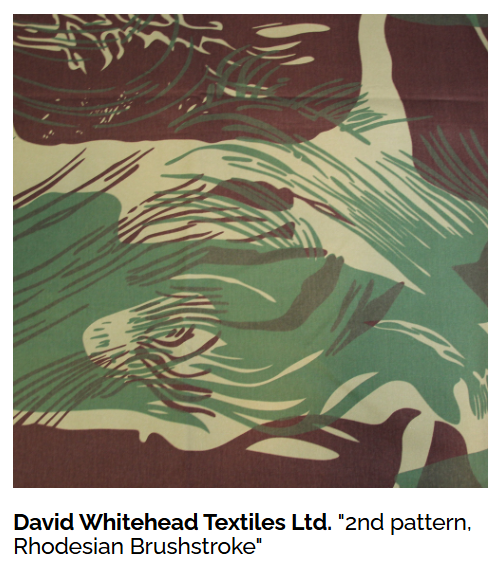
The print itself was Designed by Dianana ‘Di’ Cameron, an young print designer at David Whitehead in Salisbury. Di hand painted different patterns and presented her canvases directly to senior military officials. This rapid iteration allowed Rhodesian camo to be put into production quickly, and changes continued to be made over several years.

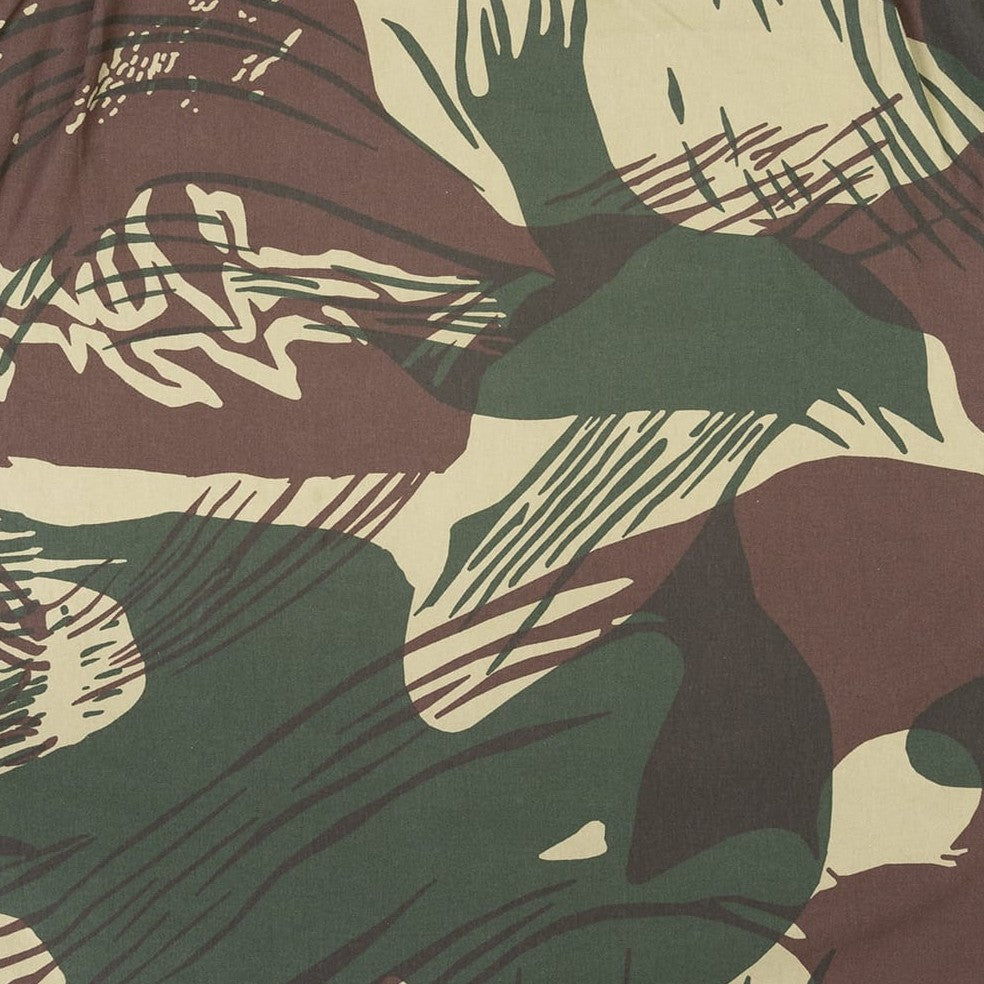
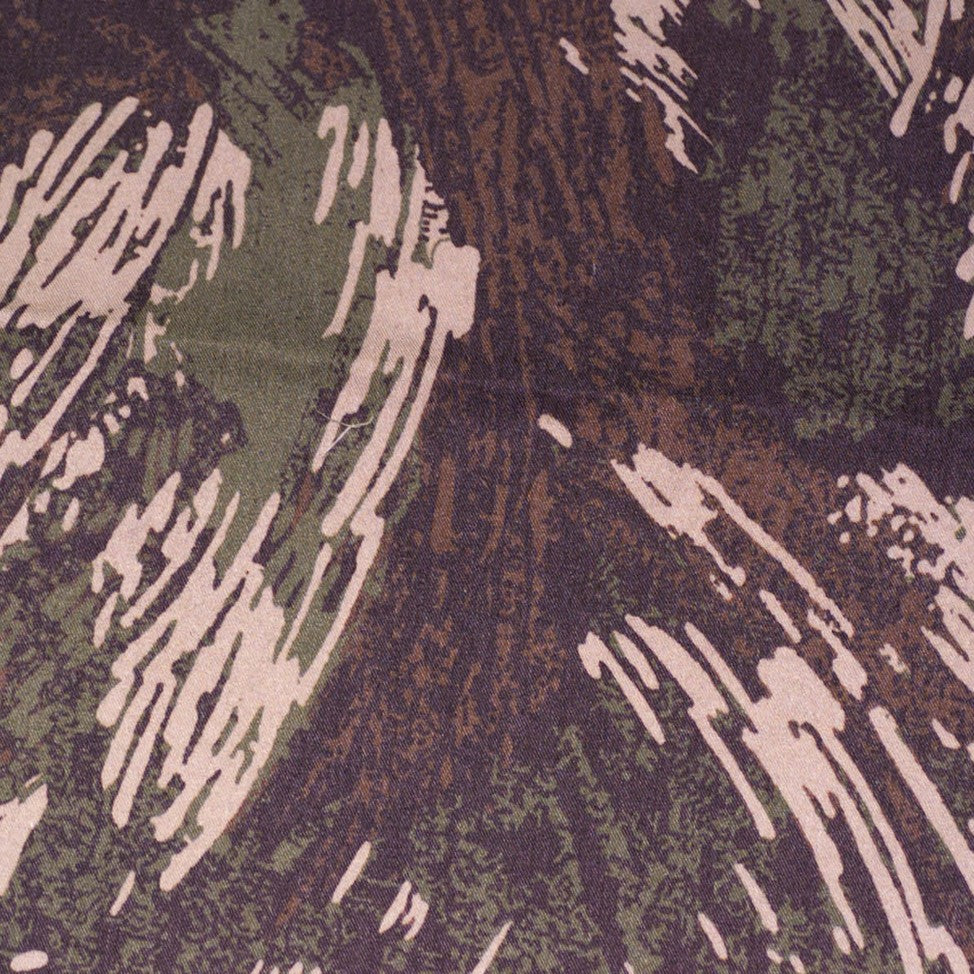
Di’s ultimate ‘2nd pattern’ design was distinctly organic, with large, high-contrast of light and dark. Together these elements create a layered three-dimensional effect which was more effective than previous British and Belgian designs. Sadly, Di passed away in South Africa due to a stroke around 1995.

Pictured: Our remix of 2nd pattern brushstroke with a few minor differences.
Design Details
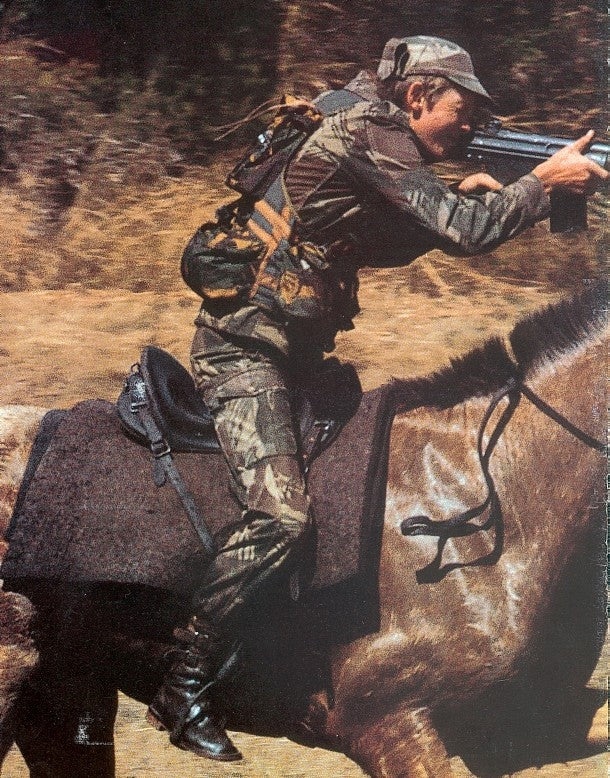
The fabric used in original Rhodesian uniforms was a 100% cotton twill available in two weights: a heavy denim-like fabric for use in hats, smocks, and some pants, and a lighter twill for shirts, trousers, shorts, and the like.

Throughout the Bush war, a half dozen local producers manufactured ‘official’ uniforms in these two David Whitehead fabrics. However, due to the ad-hoc nature of military procurement in Rhodesia, a handful of smaller companies and cottage producers also made their own copies and derivatives in various forms. The quality of these original uniforms varied widely; for example, early ‘1st pattern’ Rhodesian camo was infamous for totally washing out in the sun, and throughout the war fabric quality varied significantly.
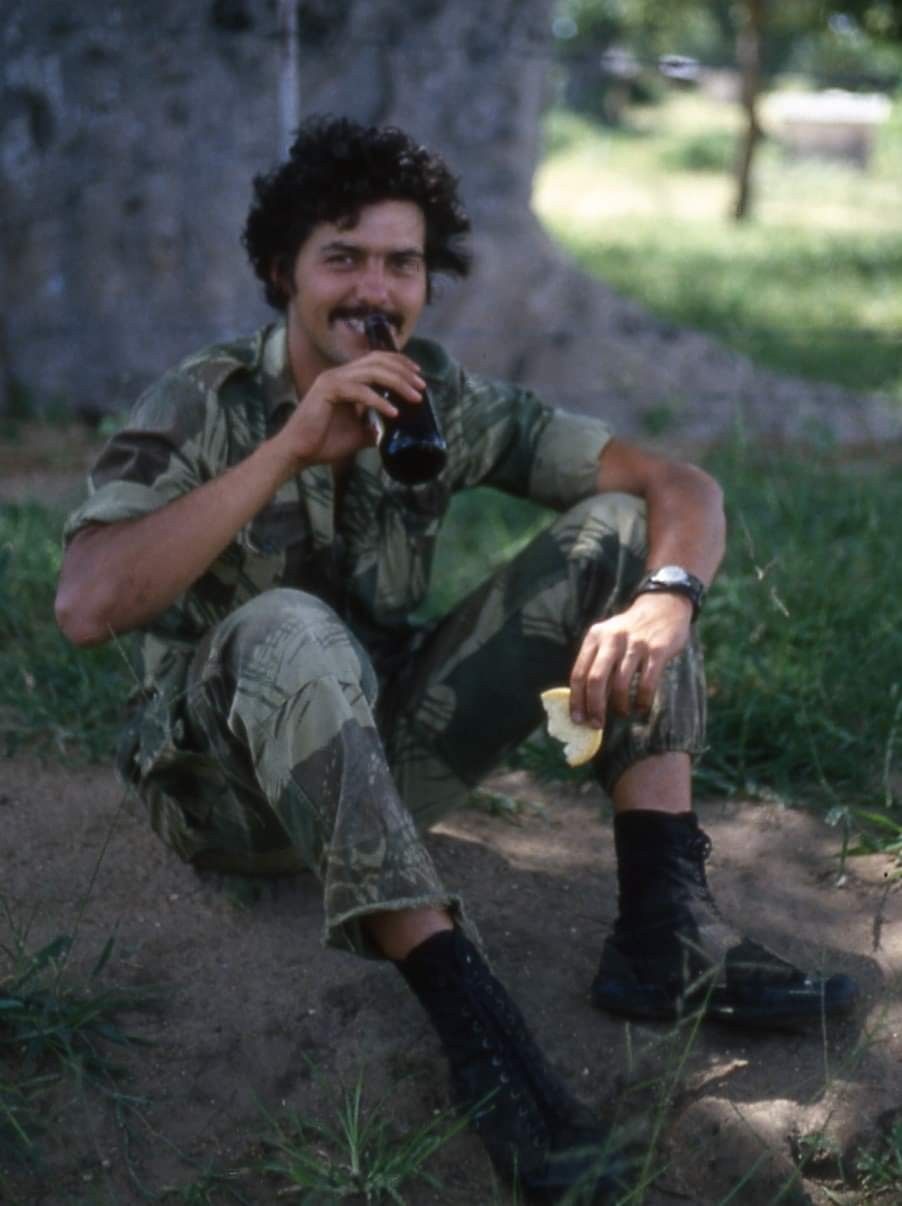
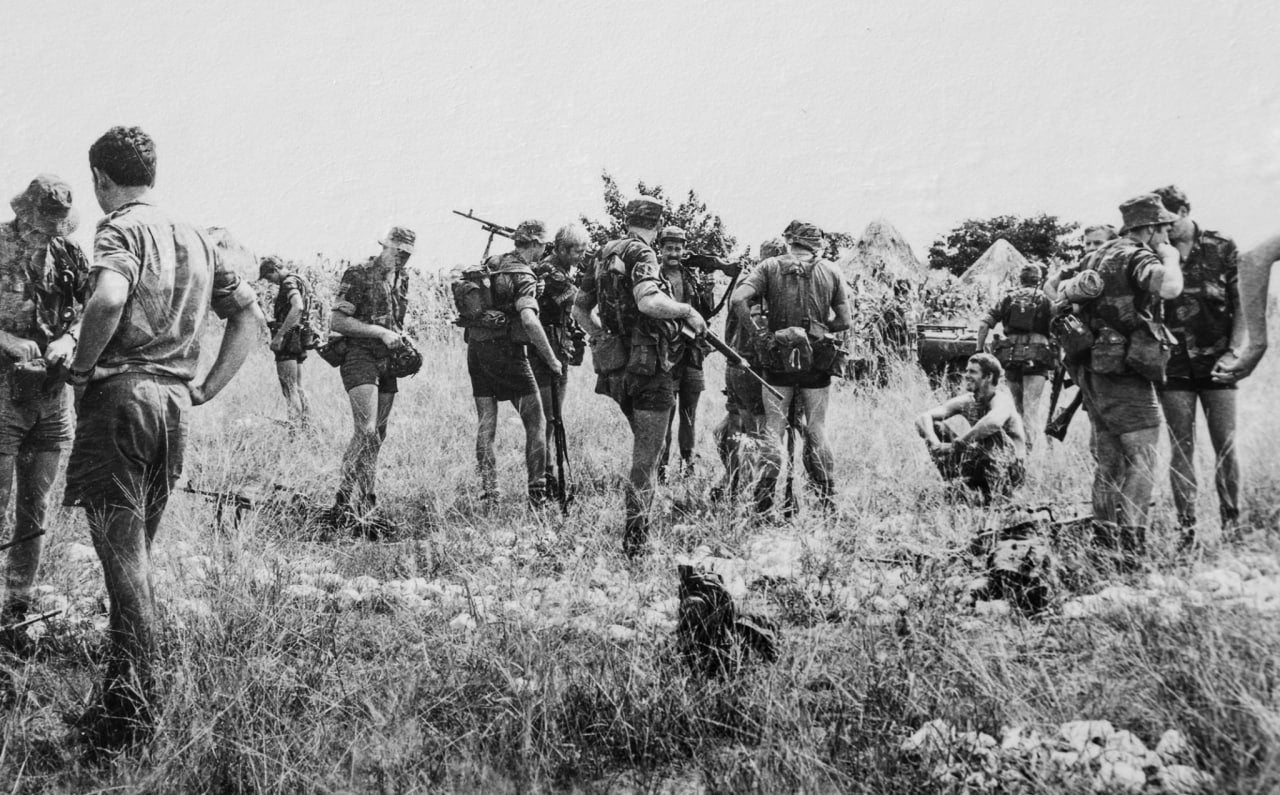
Rhodesian uniforms were constructed in a variety of styles with different finishing, and trims. However most garments shared the same generous cut which prioritized range of motion, user comfort, and airflow in the hot African climate. Although some ‘arid’ versions of the Rhodesian uniforms were prototyped and trialed, the vast majority of Rhodesian forces simply used fresh uniforms with vibrant colors in the rainy season, and switched to their ‘salty’ sun-faded uniforms during the dry season.
A Stroke Of Genius?

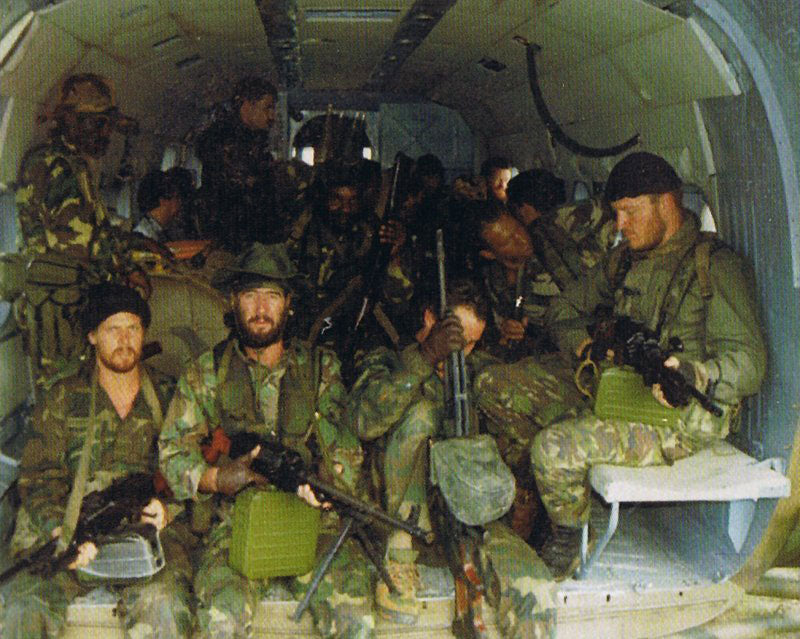
Over the course of the Bush war, Rhodesian Security Forces became known for their military prowess. So much so that their distinctive camouflage acquired a certain prestige in Southern Africa. This association was so strong that the pattern was retained by Robert Mugabe after his successful conquest of the country. While attempts to field other camouflages were made, a variant of Rhodesian Brushstroke remains the current standard uniform to this day, presumably to lend credibility to the Zimbabwe Defense Forces.

Outside of Rhodesia, elite South African units adopted the print for clandestine cross border raids during Border War years. Due to its popularity, commercial manufacture of the print continued in South Africa after the fall of Rhodesia.

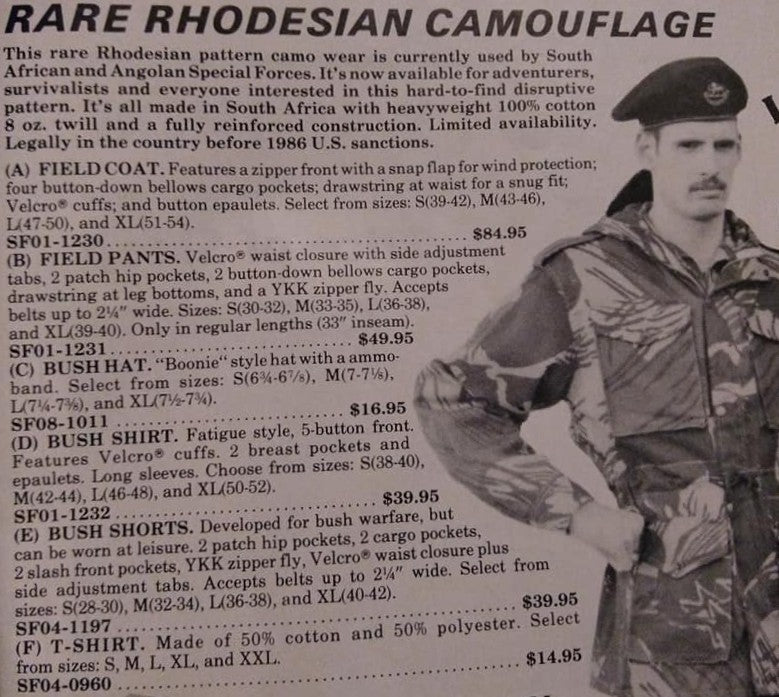
Among the most famous post-war manufacturers was Adder (aka. Adro), a company founded by Johan Niemoller in 1981 after he finished service as a SADF Recce. Known for his legendary contributions to innovative SADF webbing systems, Niemoller became an established military outfitter in the 1980s, supplying both the SADF and ‘other interested parties’ like Executive Outcomes. Niemoller’s businesses also enjoyed substantial commercial sales, with Adder Brushstroke appearing in stores and on the pages of Soldier of Fortune in the late 80s and early 90s.
All-Over-The-Globe

Outside of Africa, Rhodesian Brushstroke also made a notable appearance in the year 2000 during the USMC camouflage trials (which would culminate in the development of the MARPAT family of patterns.) Brushstroke was deemed one of the world’s most effective patterns and was evaluated alongside CADPAT and a modified US Tiger Stripe print.

In the US, Brushstroke can also be credited with inspiring the ‘All-Over Brush’ pattern featured in the US Army’s universal camouflage trials which took place between 2002 and 2004.
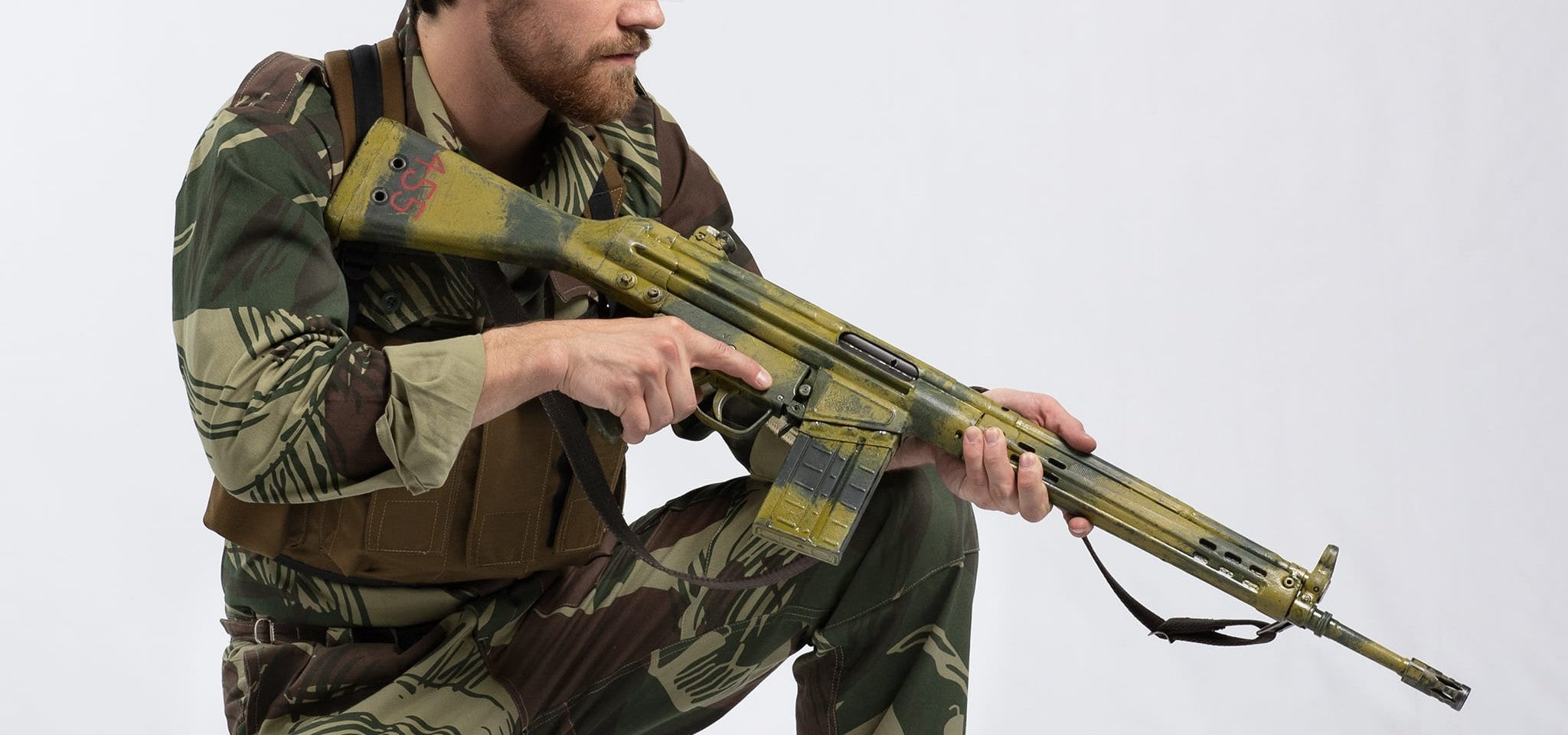
North Equipment

The dawn of the ANC government in 1994 shuttered most of South Africa’s defense industrial base, including Niemoller’s textile businesses. At this time all of Niemoller’s manufacturing equipment was moved to his property for storage.

Years later Niemoller’s neighbor, a former SADF Parabat with a keen interest in sewing, approached him with a proposal to restart textile manufacturing work in South Africa for the commercial and private security industry. In short order, all of Niemoller’s equipment was moved just across the road.
Our History With Brushstroke

‘Brushstroke’ camo has been in high demand with survivalists, outdoorsmen, and even militaries worldwide since it’s inception — we even had some of our own made in the early days of our business.

Nowadays, an average Google search brings up a minefield of low-quality, Chinese, drop-shipped casualwear — a minefield for anyone who hasn’t properly done their homework.

On the contrast, we can appreciate the passion that goes into actual high-quality reproduction equipment on the market, but it’s certainly scarce.

Our main aim was to do something a little different than everyone else. When it was finally our turn to try our hand at making ‘Brushstroke’, we wanted to make it in Africa, just like it was in its heyday.

Giving It Our Best Shot.

With the aid of local contacts in South Africa, we stumbled across this local business in 2021 while sourcing manufacturers for South African webbing and clothing.

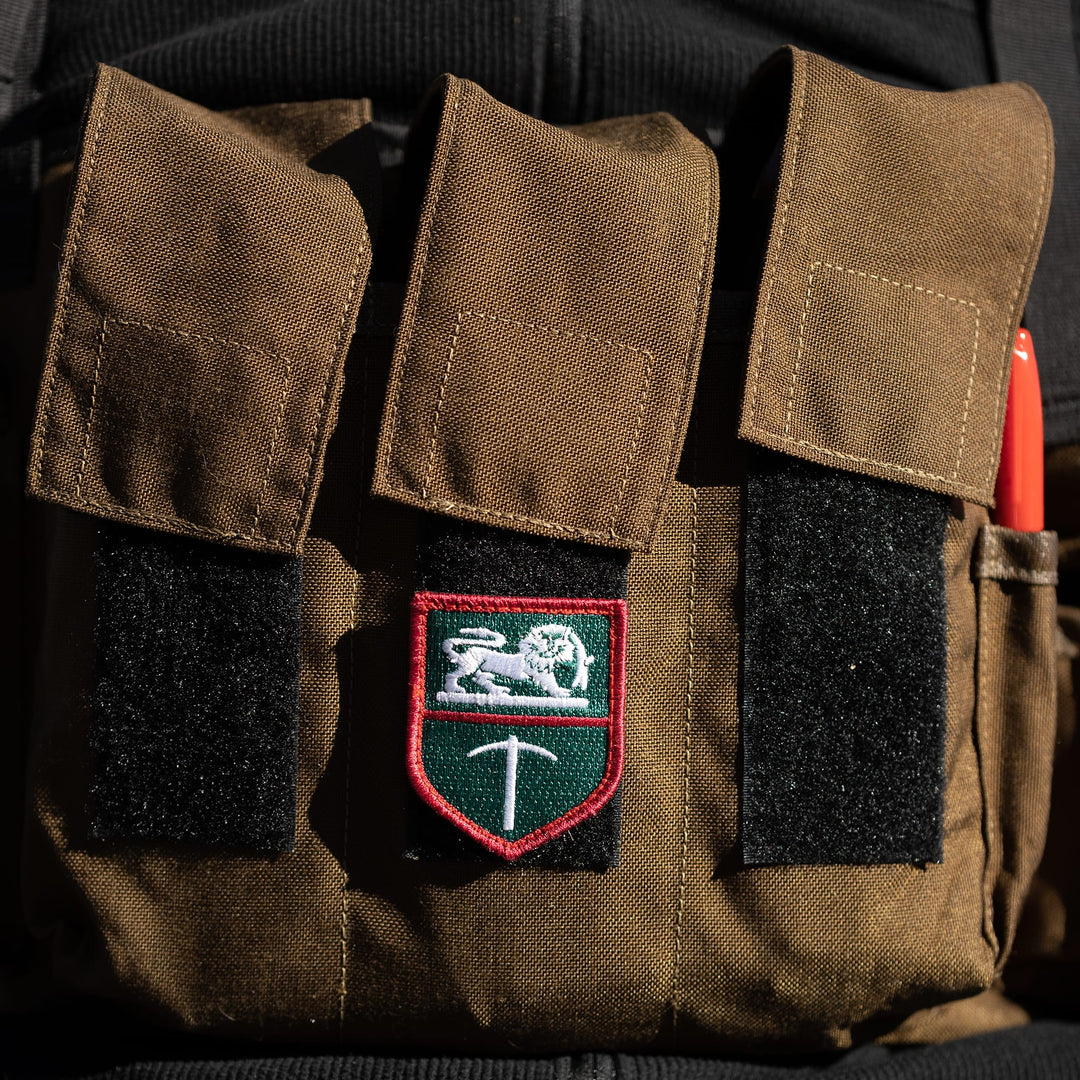
It would take several years, but this working relationship would eventually evolve into the North Equipment brand and our exclusive, locally made 2nd-pattern-inspired Rhodesian Brushstroke using much of the same equipment and staff used by Adder in the 1980s.

Order Your Brushstroke Camo Here.

Exploring the Timeless National Hotel Miami Beach

A Silo Travel spotlight. The Art of Escape: Inside the Enduring Miami Beach Property Where Vintage Glamour Meets Contemporary Luxury

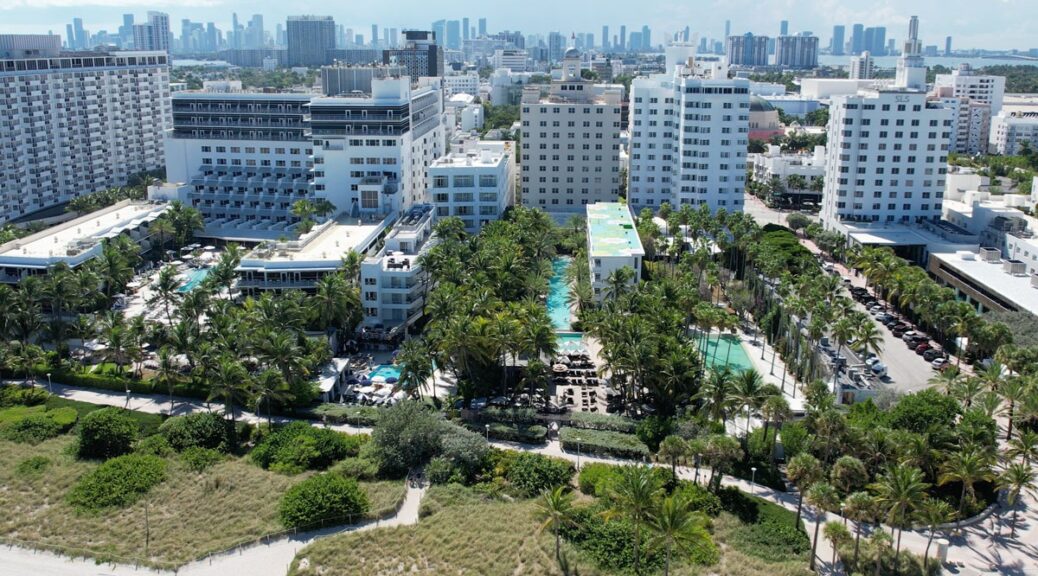
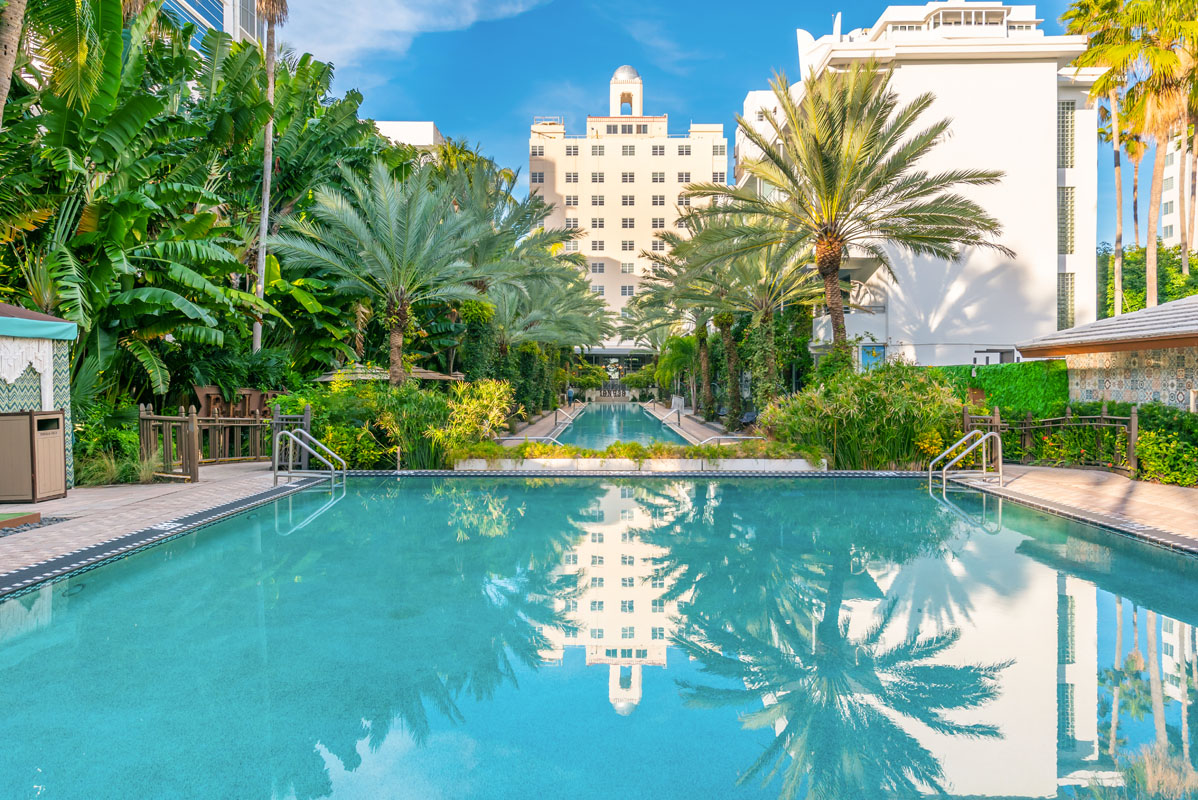
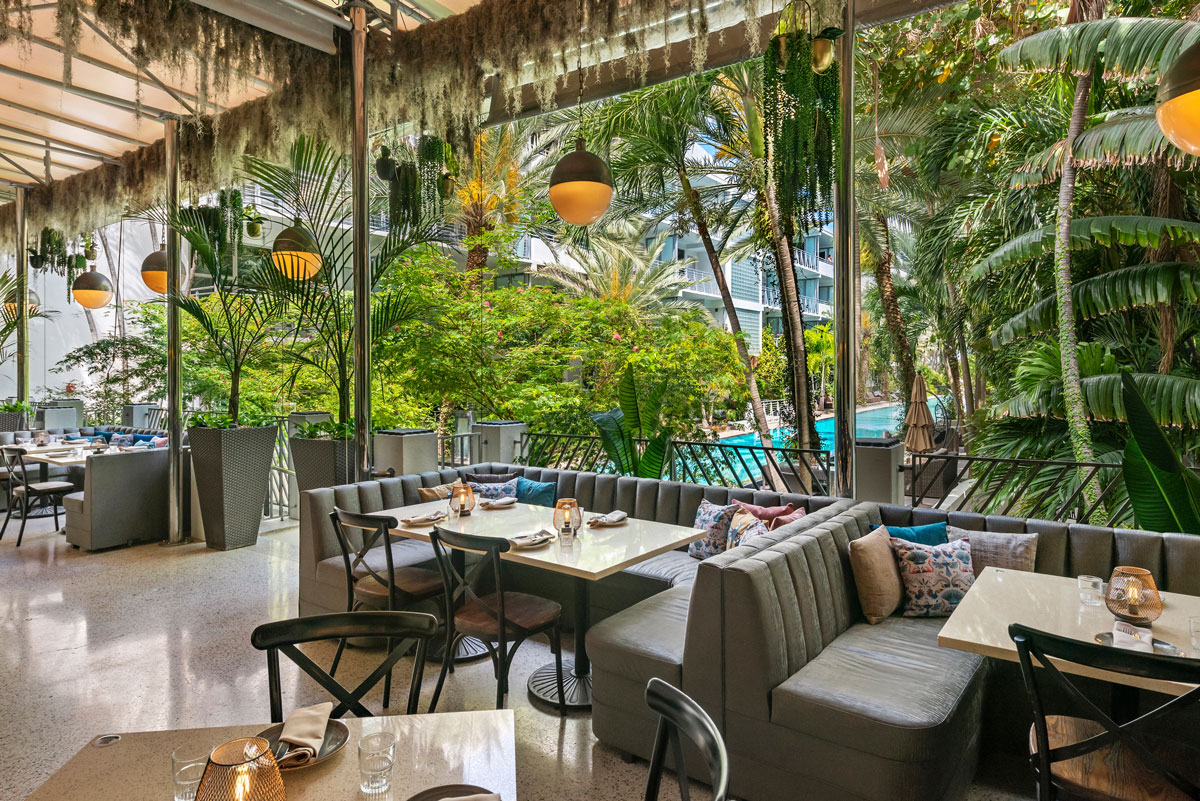
Those looking for a SoFlo escape exuding art, culture and timeless sophistication need look no further than the National Hotel Miami Beach, where the city’s vintage glamour meets contemporary coastal luxury. Perfectly situated in South Beach’s iconic Art Deco district, this adults-only, pet-friendly, oceanfront retreat offers a distinctly cinematic experience—from its sweeping palm-lined pathways to Miami Beach’s longest infinity-edge pool.


Whether unwinding in a newly redesigned ocean view suite or indulging in craft martinis and natural wines at the hotel’s Spanish tapas restaurant, Mareva1939, guests are immersed in a sensory celebration of both past and present. It’s the quintessential backdrop for a Miami Beach escape—and the perfect setting for a candid, deep-dive conversation with Stephane Mercier, Managing Director at The National Hotel Miami Beach, who shares insight into what makes the National Hotel such a standout destination.

MK: The National Hotel is known for its strong commitment to art. Can you describe the philosophy behind incorporating artwork into the guest experience—both in the copious common spaces and guestrooms and suites?

SM:
The National’s philosophy behind incorporating artwork into the guest experience is deeply rooted in its iconic Miami Beach Art Deco hotel identity. We want guests to feel immersed in a unique, sophisticated revival of a golden age of Miami Beach, while enjoying contemporary hospitality. Designed by renowned architect Roy France, credited with creating the Miami Beach skyline with his string of Art Deco and streamlined towers, the hotel remains a testament to his visionary work.

Though renovated to offer the modern, yet sophisticated, classic look and feel experienced by guests today, the hotel continues to stay true to France’s philosophy and artful design. Signature architectural elements, including corner windows, original terrazzo floors, chrome wall sconces and era-inspired details, preserve the National Hotel’s timeless elegance, seamlessly blending classic style with contemporary luxury.


MK: What about the property gives it overarching appeal in the luxury travel sector?

SM:
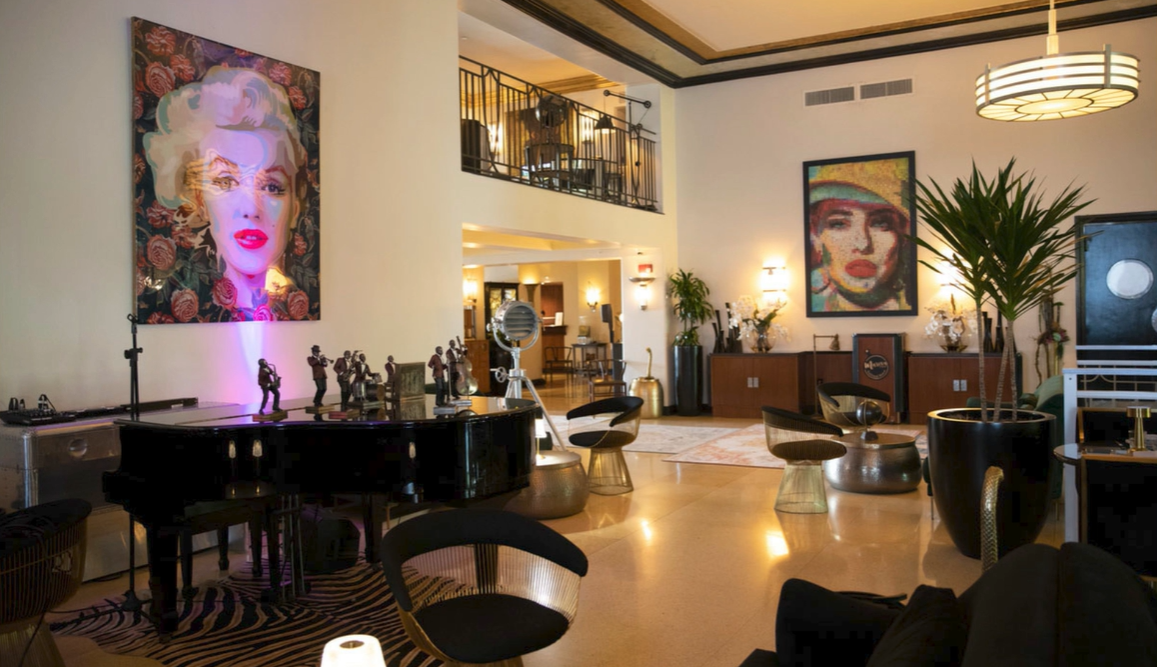
The National Hotel is one of the few South Beach properties that remains true to the iconic Art Deco era, preserving its timeless elegance and charm, and is the only beachfront, adults-only hotel in the destination, promising an elevated experience for a discerning set of travelers. Guests can be assured that the amenities and atmosphere onsite cater to adults that value culture, history and curated experiences. Since its opening in the 1940s, Bar 1939 has embodied the hotel’s rich history, capturing the glamour and sophistication of the period. This luxurious open space features suede lounge chairs, copper cobras emerging from side tables, flooring embedded with hundreds of shiny coins and a grand piano. Guests and locals alike can enjoy our vibrant cultural happenings onsite, including live music on Saturdays, seasonal highlights—including holiday celebrations and New Year’s—and musical collaborations like the Musimelange chamber music series, occurring now through May 19. Solidifying the vintage feel of the Art Deco era is the show-stopping bar, a monumental slab of ornately carved hardwood flanked by elaborate stools.

While design throughout the hotel pays homage to the property’s history, the exclusive Artist Collection Suite embodies the uniqueness found at the National Hotel Miami Beach. Designed by world-renowned artist Elizabeth Fatone, the accommodation features one-of-a-kind, hand-painted murals and Art Deco-inspired furnishings, celebrating the artistic spirit and distinctive character that define the unique experience at the hotel.

MK: How do the art pieces showcased at the hotel enhance the overall ambiance and storytelling of the property?

SM: The hotel’s carefully curated pieces do more than enhance décor, they immerse guests in the timeless elegance of the Art Deco era. From the grand Bar 1939, with its carved hardwood bar and vintage-inspired furnishings, to the Artist Collection Suites featuring the aforementioned Elizabeth Fatone and Renoma Suite, every detail tells a story. Upon arrival, guests can find a sculpture by Carole Feuerman at the property’s entrance, colorful murals by the pool and revolving art present across the hotel throughout the year. Each artistic touch reinforces the hotel’s rich history, ensuring a seamless blend of past and present.

MK: How does the property’s distinctive style, both in architecture and décor, influence the guest experience?

SM: The National Hotel’s Art Deco architecture and décor offer a modernized tribute to the classic Miami Beach style. Miami Beach holds the appeal of having an artful combination of heritage and modernity. Art Deco hotels sprung forth from this intrigue and the National Hotel Miami Beach has solidified its place in the region’s history by achieving, and long maintaining, a sense of artful timelessness with modern appeal. On a year-round rotating basis, local and famed artist showcases or classics can be found in the hotel’s lobby, restaurants and additional common spaces. The hotel also works with local art and design communities to support and be included in Art Deco history tours. This seamless fusion of history, artistry and elegance not only enhances the ambiance, but also invites guests to become part of the hotel’s timeless legacy.

MK: Are there any architectural elements or décor pieces that are original to the hotel?

SM: The hotel has maintained its traditional foundation including corner windows, original terrazzo floors, chrome wall sconces and preserved the original check-in desk that is now on display for guests to enjoy during their stay. In front of the long pool, guests can see the mosaic Girl With The White Glove and the Compass, two pieces exclusive to the property.

MK: The National Hotel has a fascinating and storied history. Can you share some of the most intriguing or lesser-known anecdotes about its past?

SM: Since its inception, the hotel has drawn sun-loving socialites and celebrities, from the glamorous 1950s crowd, to the South Beach revivalists of the 1970s, to modern-day travelers looking for a boutique, sophisticated stay along the beach. Designed by Roy France, the National Hotel’s timeless Art Deco style and its striking 14-story tower are a testament to his influence in shaping the Miami Beach skyline. A Midwest native, France relocated to Miami Beach after a trip to Florida with his wife in 1931. The hotel remains true to France’s vision, maintaining its Art Deco charm while seamlessly integrating modern style and elevated amenities, services and culinary highlights.

MK: Can you describe the unique features and amenities of the ocean-view and other premium-level suites at the National Hotel?

SM: Ranging from the city vie rooms to our penthouse suite, guests can find roomy accommodations and relaxed luxe amenities with stunning views of the blue ocean and our infinity pool. Favorite features in our upper room categories include radios, slippers and a robe beginning in our cabana rooms and suites; balconies in our Cabana rooms; bold, fun murals in our Artist Collection Suites designed by Elizabeth Fatone; and the tri-level space of our Penthouse Suite.

MK: The property’s Mareva1939 on-site restaurant has become a standout feature of the National Hotel. What inspired its culinary concept and name?

SM: Mareva1939, the National Hotel’s signature, award-winning Spanish tapas-style restaurant, was inspired by the year the hotel began welcoming guests. The restaurant’s culinary concept was designed to take guests through a gastronomic journey to Spain, offering a curated menu that blends traditional dishes with a modern, locally driven Miami Beach twist. The family-style menu encourages a convivial atmosphere, keeping the Spanish culture alive by inviting guests to connect around the table. To elevate the meal, the restaurant offers an extensive selection of organic, natural wines and handcrafted cocktails, thoughtfully paired to enhance the flavors of each dish. The creative culinary team ensures that dining remains exciting year-round with seasonal menus for holidays, local events and the hotel’s participation in Miami’s celebrated Miami Spice program. As an extension of Mareva1939, the Martini Bar takes guests back to the hotel’s opening era with original 1939 design elements, a specialty cocktail menu and live music over the weekends, offering an intimate and elevated space for unwinding.

MK: How does the menu reflect—or complement—the hotel’s overall brand and history?

SM: The culinary experience at Mareva1939 takes inspiration from the hotel’s artistic history in the plating and ingredients from the coastal setting, infusing Spanish traditions and tropical influences.


MK: The property features bars reminiscent of a speakeasy that are a draw for guests and even city locals. To what do you attribute the appeal?

SM: Their nostalgic charm and intimate ambiance, which transport guests and locals into this Art Deco era. The rich, vintage design elements paired with expertly crafted cocktails create a sophisticated setting that encourages relaxation and socialization. The hotel’s Bar 1939 and Martini Bar offer classic 1930s-era cocktails alongside modern drink options in a refined setting, with live music on Saturdays. The intimate nature of these bars, combined with their elevated atmosphere, makes them not just a place to enjoy a drink, but an immersive experience that draws both guests and locals looking for a unique, upscale night out.

MK: What are some of the other standout amenities that set the National Hotel apart from other luxury properties in Miami Beach?

SM: The National is adults-only, creating an intimate escape for couples, groups, friends and diners seeking a quieter, more sophisticated experience. The hotel is also pet-friendly and offers amenities for furry friends, so travelers can enjoy their Miami Beach getaway together with their pups.

MK: The expansive pool is a defining feature of the hotel. Can you share more about its design and guest appeal?

SM: The National Hotel’s expansive infinity pool is a standout feature that perfectly complements the hotel’s sophisticated, adults-only atmosphere. Stretching 205 feet, the longest infinity pool in the area offers guests a space to relax and take in breathtaking views, with a design that complements the hotel’s chic Art Deco style, creating a luxurious and serene environment to soak up the year-round sunny weather. Guests can unwind in the comfort of a poolside cabana or lounger, taking full advantage of the idyllic coastal setting. The Aqua Bar & Grill enhances the experience by offering delicious poolside bites and drinks, allowing guests to stay refreshed without leaving the water’s edge. Just steps away, guests can access a prime bit of Miami Beach shoreline.

MK: How does the property balance its legacy as a historic landmark with vintage charm with the needs of modern travelers, and what technology helps facilitate the guest experience?

SM: The hotel incorporates convenient technology solutions to deliver an elevated guest experience, such as providing QR codes on the beach to order food & beverages, Smart TVs in all the rooms, an elevated new fitness center and Apple Pay at all outlets.

MK: As the National Hotel continues to evolve, what future plans or updates can guests look forward to?

SM: The National continues to evolve and adapt its offerings while hosting anticipated annual events among some of Miami Beach’s most vibrant happenings, like South Beach Wine & Food Festival, Miami Swim Week and Art Basel. Guests can continue to spend these exciting occasions at The National, while looking forward to continuous and more experiential events and activations that speak to the history of the hotel and the story of The National.

MK: How do you see the hotel’s role in the Miami Beach hospitality scene developing in the coming years?

SM: As an original Art Deco hotel and mainstay of the city’s cultural landscape, The National will continue to embody the classic Miami Beach experience merged with an independent approach, adults-only atmosphere and arts-focused cultural calendar. Guests know to expect an intimate hospitality experience marked by authentic, historic features not found in newer developments.

MK: Are there any famous guests or notable events in the hotel’s history that stand out as particularly memorable?

SM: Mariah Carey performed at The National during the 2005 MTV Video Music Awards. Another legendary artist, Whitney Houston, filmed her ‘Heartbreak Hotel’ music video onsite. The hotel has also played host to international artists during Art Basel each year.

As Mercier reminds us, the magic of the National Hotel Miami Beach lies in its ability to blend nostalgia and novelty, creating a stay that’s both storied and stylish. Whether it’s lounging by the shimmering infinity pool, savoring curated culinary experiences, or exploring the pulse of South Beach just steps away, every element is designed to transport guests to a timeless version of Miami. For travelers seeking both serenity and sophistication in the heart of the city’s most iconic neighborhood, the National remains an unforgettable destination—elegantly redefined.

For the Silo, Merilee Kern. More from Merilee- https://www.thesilo.ca/?s=merilee+kern

Merilee Kern, MBA is an internationally-regarded brand strategist and analyst who reports on cultural shifts and trends as well as noteworthy industry change makers, movers, shakers and innovators across all categories, both B2C and B2B. This includes field experts and thought leaders, brands, products, services, destinations and events. As Founder, Executive Editor and Producer of “The Luxe List,”
Merilee is a prolific business, lifestyle, travel, dining and leisure industry voice of authority and tastemaker. She keeps her finger on the pulse of the marketplace in search of new and innovative must-haves and exemplary experiences at all price points, from the affordable to the extreme. Her work reaches multi-millions worldwide via broadcast TV (her own shows and copious others on which she appears) as well as a myriad of print and online publications. Connect with her at www.TheLuxeList.com / Instagram www.Instagram.com/MerileeKern / Twitter www.Twitter.com/MerileeKern / Facebook www.Facebook.com/MerileeKernOfficial / LinkedIN www.LinkedIn.com/in/MerileeKern.

***Some or all of the accommodations(s), experience(s), item(s) and/or service(s) detailed above may have been provided or arranged at no cost to accommodate if this is review editorial, but all opinions expressed are entirely those of Merilee Kern and have not been influenced in any way.***

Bieber’s Hawaii Vacation Hangout Going To Auction

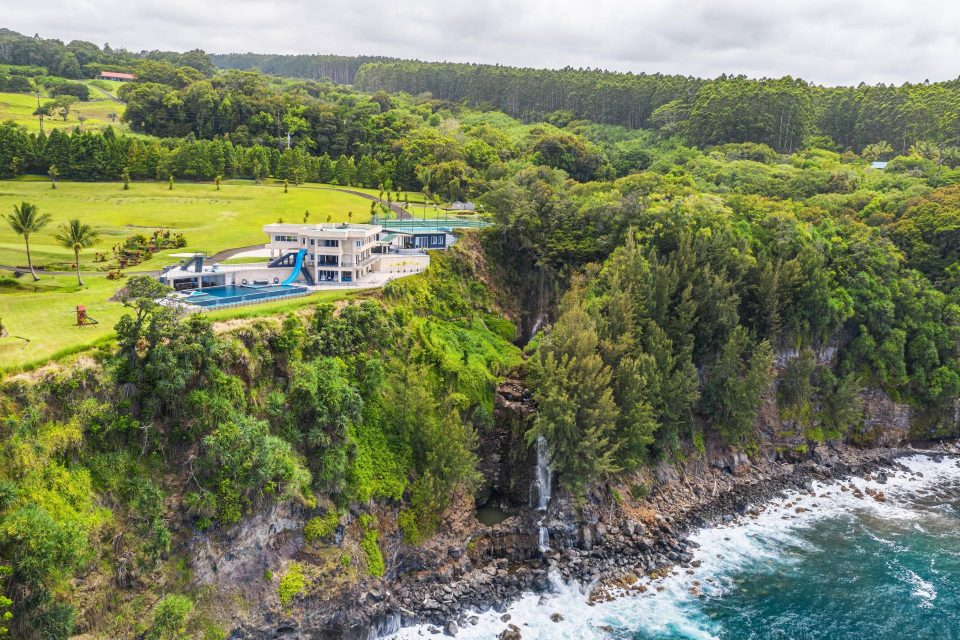
One of Hawaii’s most photographed and celebrity-popular homes with postcard views of a 240-foot natural waterfall, a sports stadium with seating for 450 people, a nine-tee golf course, an aquatic center, a two-story water slide, and some of Hawaii’s best ocean views is going to auction. Read more about this stunning slice of Hawaii. Shout out to our friends at TopTenRealestateDeals.com for this feature.

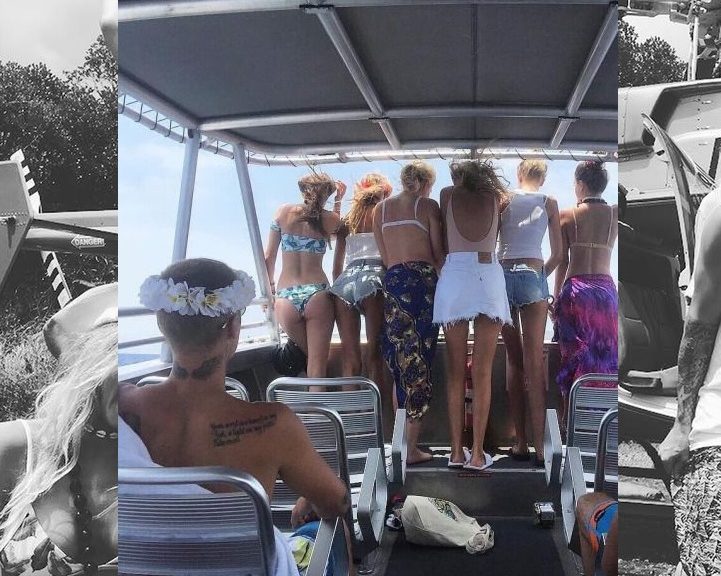
With a secluded location on the Big Island’s northeastern shore, Waterfalling Estate made gossip-mag headlines in 2016 when Canada’s own- Justin Bieber rented the home for two weeks at $10,000 USD / $12,875 CAD per night for his entourage, which included six skimpy-bikini-wearing models.

Located a few miles north of Hilo on eight acres overlooking where the jungle meets the ocean and the Hamakua coastline, the home has five bedrooms, ten bathrooms and two third-floor master suites with lanai. The main living area, including chef’s kitchen and dining has spectacular waterfall and ocean views. On the aquatic level are two guest suites, a game room, media area, two whirlpools, sauna, shower, outdoor kitchen and dining area. There is a one-bedroom guest house, four-car garage, helipad, plus an outdoor bar.

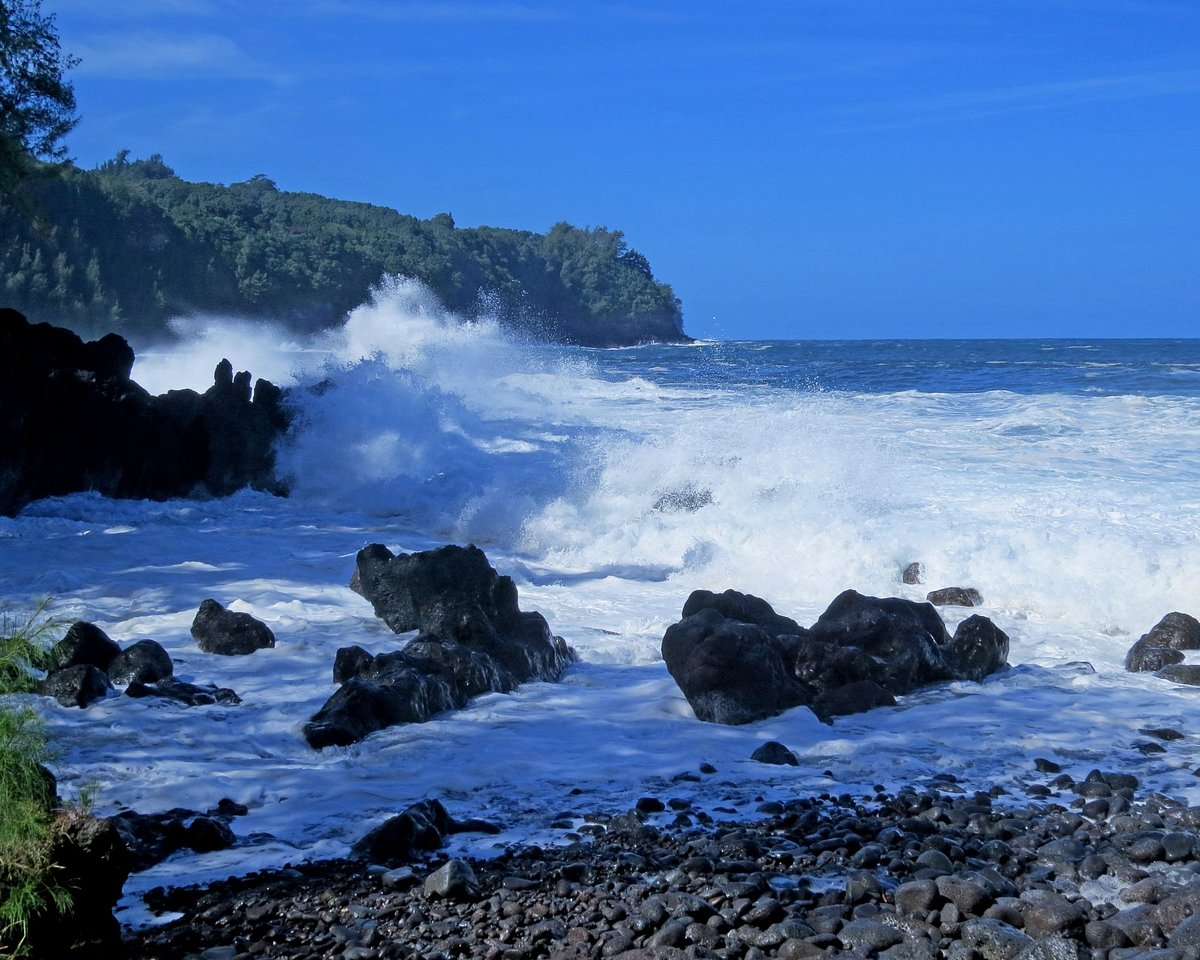
The Big Island offers a big number of activities and entertainment from stunning beaches such as Laupāhoehoe, Waikiki, and Waipi’o, hiking in the Hilo Forest Preserves or Akaka Falls State Park, zip lining over KoleKole Falls, Volcano National Park, whale watching, jungle jaunts, farmer’s markets, world-class fishing, and unforgettable sunsets.

Laupāhoehoe Beach

Even more adventure is just a 50-minute plane trip away to Honolulu for less than $100 USD/ $129 CAD.

Taking the plane from Honolulu to Waterfalling Estate.

Currently listed for $9.95 million USD / $12.82 million CAD, the property will be going to auction August 15th with a $5.99 million USD/ $7.6 million CAD reserve.

Mild Temperatures in NYC means Tropical Designs from PAOM

Here in the NYC, temperatures have been in the 60s all week, making this a tropical start to a typically snowy winter.
Josh McKenna’s palm frond adorned pieces from our ‘Concrete Junglist’ collaboration are perfect to keep the tropics on your mind no matter what temperature you’re living in. Check out more of our favorite warm climate inspired designs below, or design your own!
Barbican Sweatshirt by Josh McKenna, $68.00USD

Alexandra Pant by Josh McKenna, $74.00USD

Blue Floral Tank by Megamart, $36.00USD

Flora Bomber Jacket by YMT, $120.00USD

Smiley Sun Comic by jackpoint23, $145.00

Tropical Garden Jumpsuit by Spice, $180.00

Mint Green Sweatshirt by La Toma, $68.00

Stefany T-Shirt by kastorandpollux, $68.00

 HOLIDAY GIVEAWAYS 

CLOTHH

Enter for the chance to win a $200.00 gift card to use towards the collaboration, a free pair of lace up or slip on shoes, and a framed print!


SWORDS-SMITH x Calico

Enter here for a chance to win a custom-framed Calico print and another lucky winner will receive a $200.00 gift card to the collaboration, available only at Swords-Smith.