Tag Archives: solar panel

These Award Winning Tiny Homes Draw Attention As Sector Gains

The tiny home sector is big on innovation as exemplified by a new crop of amazing Accessory Dwelling Unit (ADU) designs across the U.S. and Canada showcasing state-of-the-art architectural and interior features, thoughtful layouts and stunning aesthetics that redefine what’s possible in small-space living. Maxable—North America’s leading  provider of resources for building guest houses, casitas, in-law suites, granny flats, pool houses and other ADUs—has officially named the the #1 best ADU of 2025 and other of the ’10 Best’ for the year based on a mix of criteria: visual appeal, use of space, creativity and functionality. Multiple photos for each are showcased online demonstrating the extreme ingenuity of each build.

Every year, Maxable’s ‘Best ADU of the Year’ competition celebrates the most innovative and impressive tiny home projects from across North America. Accessory dwelling units (ADUs) that don’t just look great, but solve real challenges of space, budget, and lifestyle. And the Top 10 have just been named! “If there’s one thing we’ve learned this year, it’s that accessory dwelling units ADUs aren’t going anywhere,” says Maxable CEO Paul Dashevsky. “In fact, they’re chugging along at full force as new regulations make their mark, homeowners are letting their creativity bloom, and designers are pushing the limits of what’s possible in small-space living.”

Here is the #1 winner and other of the top 10 best ADUs that have earned their keys in 2025.
______________________________________________________


#1 Best ADU of 2025:

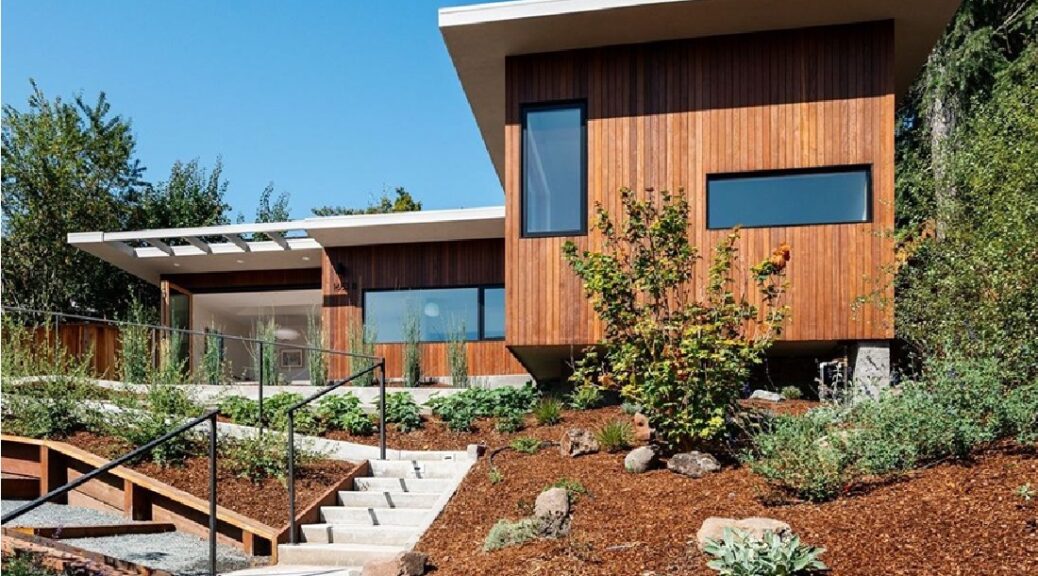
Ashby ADU, Piedmont, CA

Designer: Tuan Le Design

Builder: Atelier19AD6

Size: 800 sq ft, 2 bed, 1 bath

Built on a steep slope, the project faced challenges with utility coordination, subcontractors, supply chain delays, and neighbor considerations, yet the team navigated every obstacle to deliver a standout result. The unit is fully electric, with a heat pump, water heater, and solar panels, making it efficient and environmentally conscious. Skylights and floor-to-ceiling four-panel sliding glass doors fill the interior with natural light, creating a bright, airy atmosphere. The modern design continues on the exterior with sleek wood paneling that complements the contemporary interior. The result is a stylish, functional ADU that maximizes both the views and the livable space

 
Other Top 10 Best ADUs of 2025


Chamomile Cottage, Arlington, MA

1-adu.jpg

Modular Design and Build: Backyard ADUs

Size: 567 sq ft, 1 bed, 1 bath

If a cozy cup of tea was an ADU, we think it’d look like this! Designed to bring an aging father closer to his family and young grandchildren, this modular build balances warmth, accessibility, and beautiful design. As one of the first detached ADUs completed under Massachusetts’ new ADU law, it also marks a milestone for backyard living in the state. Built with collaboration between Backyard ADUs and a homeowner with impeccable design taste, the result is both functional and heartfelt. Chevron wood flooring, warm olive walls, and a charming fireplace make the space feel like home from the moment you step inside. Skylights fill the rooms with natural light, while the ADA-compliant bathroom ensures comfort and safety for years to come.

Alora ADU, San Diego, CA

2-adu.jpg

Designer: Ruland Design Group

Builder: Glann Fick, Coastline Construction

Size: 1,000 sq ft, 2 bed, 2 bath duplex

This project is a beautiful example of how ADUs can bring generations together while adding long-term value to a property. The homeowners created not one, but two attached backyard homes. One was designed for an aging mother, and the other for rental income to support the family. Together, the units make space for four generations to stay close while still maintaining privacy and independence. Both ADUs were designed with light, openness, and connection to the outdoors in mind. High ceilings and clerestory windows fill the interiors with natural light, while large sliding glass doors open to private patios for easy indoor-outdoor living. Each space feels modern and welcoming, complete with well-appointed kitchens and roomy islands perfect for family meals or morning coffee. It’s a true example of multigenerational living done right.

Copperline ADU, San Diego, CA

3-adu.jpg

Designer and Builder: SnapADU

Size: 980 sq ft, 2 bed, 2 bath

This Spanish-style ADU in Rancho Santa Fe was designed to blend seamlessly with the community’s strict architectural standards. The homeowner, a roofing contractor, personally installed the boosted tile roof to match the main home, turning HOA requirements into an opportunity to create a timeless retreat. Today, the ADU serves as a private space for family and guests. Every element, from hand-textured stucco to arched porch openings and copper gutters, was carefully chosen to mirror the primary residence. Inside, faux wood ceiling beams add warmth to the great room, while custom shelving and professional-grade appliances enhance the kitchen. Each bedroom features an ensuite bath and walk-in closet, with a back entrance leading to a mudroom and laundry area.

Brick House ADU, Denver, CO

4-adu.jpg

Designer and Builder: ADU4U

Size: 938 sq ft, 1 bed, 1.5 bath

This ADU project breathes new life into an old, historic building, while preserving its authentic character and respecting its roots. Building a modern structure within an 138 year old structure was an innovative solution to achieve this. In historic Curtis Park, Denver’s oldest neighborhood, an 1886 brick carriage house stands as a testament to the passage of time. The building sits inside the boundaries of Denver’s historic Curtis Park, so all exterior design and material selections had to be approved through the city’s Landmark Commission.

ADU4U turned this once-unlivable structure into a cozy, modern home while preserving its historic charm. To bring it up to today’s safety standards, the team strengthened the old brick with a new steel frame and carefully reused original materials throughout the interior. The hayloft door became the powder room door, and the old floor joists were turned into a beautiful kitchen peninsula. Now, this light-filled ADU perfectly balances historic character with modern comfort. It’s truly a shining example of how old buildings can be reimagined for today’s living.

Longview ADU, Washington D.C.

5-adu.jpg

Designer: Ileana Schinder

Builder: J Cabido Designs

This project is a creative transformation of an abandoned garage and storage space into a bright and efficient one-bedroom ADU. By keeping the original structure’s footprint, the design team minimized both construction costs and the visual impact on the surrounding property. Every detail was planned with sustainability in mind. From upgraded insulation to energy-efficient mini splits and an energy recovery ventilator, the ADU meets Washington DC’s strict environmental standards while maintaining year-round comfort. Restoring the building’s existing openings allowed natural light to flood the interior, creating a warm and inviting space that feels much larger than its footprint. The result is a thoughtful blend of preservation, sustainability, and smart design, breathing new life into what was once an overlooked structure.

Sagebrush ADU, Menlo Park, CA

6-adu.jpg

Designer: Inspired ADUs

Builder: Integrum Construction

This ADU is a masterclass in craftsmanship and timeless design. Every detail, from the cedar shake siding to the copper flashings, was carefully chosen to mirror the main home and create a seamless, cohesive look. Instead of competing with the original architecture, it enhances it, feeling like it has always been part of the property. Natural materials play a starring role here. The cedar and copper will continue to age beautifully, adding warmth and character over time. Inside, handmade tile, custom cabinetry, and a cozy loft make the space feel elevated yet inviting. Every inch was designed with intention, balancing function, beauty, and authenticity. This ADU proves that small-scale construction can be both refined and enduring.

Brushstroke ADU, Newcastle, CA

8-adu.jpg

Designer and Builder: A+ Construction ADU Builders

Size: 1,198 sq ft + 800 sq ft deck, 3 bed, 2 baths

The client didn’t want to separate three generations of their family, so they built a second home in their backyard. This ADU allows their parents to live independently with their own routines and art studio, while staying just steps from family dinners, grandkid hugs, and everyday life together. At 1,200 sq. ft., the ADU includes three bedrooms, two bathrooms, and a large open living area. The layout prioritizes comfort, easy movement, and aging-in-place, with wide circulation paths, direct deck access from the primary bedroom, and plenty of natural light. A dedicated art studio with custom cabinetry and large windows supports the grandmother’s creative routine. The best feature? An 800 sq. ft. covered deck and carefully chosen exterior finishes. All of these details make the ADU feel integrated with the main home, creating a thoughtful, functional, and long-term living space for the whole family.

Alcove ADU, Los Angeles, CA

9-adu.jpg

Designer: Homeowner

Builder: Doobek Brothers

Size: 593 sq ft, 1 bed, 1 bath

What started as a retrofit for a carport turned into a fully functional ADU, making smart use of limited space while navigating strict city codes. Because the property sits on a hillside, any addition beyond the existing roofline would have required expensive drainage to the street, so the design works entirely within the original footprint. The interior feels calm and spacious thanks to thoughtful layout, finishes, and furniture. A double wall between the kitchen and bathroom cleverly hides appliances while providing storage for cleaning supplies, making the space feel open and uncluttered. Temperature and sound insulation reduce energy costs for both units, making it highly efficient. Windows were sized to align with the upstairs unit, creating visual harmony. With parking right outside and a potential deck planned for the upper unit, this ADU demonstrates how careful design can turn code restrictions into a livable home.

Elevare ADU, San Diego, CA

10-adu.jpg

Designer: Sergio Perlata

Builder: HM Construction

Size: 479 sq ft, 1 bed, 1 bath

This daring ADU was built on top of the homeowner’s existing house to preserve the garage while creating a luxurious, functional space. What started as a bold idea and labor of love resulted in a retreat that balances comfort, style, and modern California living. The design maximizes natural light, features high-end finishes, and offers seamless indoor-outdoor flow. Privacy for the main house was carefully considered, and practical choices like spa-like micro-cement in the bathroom create a durable, low-maintenance, and rental-friendly space. More than just a guest house, this ADU is a thoughtfully crafted space that inspires relaxation and connection.

For the Silo, Jarrod Barker.

Supplemental- ANC Brantford, Ontario, Canada
New Moon Rover Readies For 2030 Launch

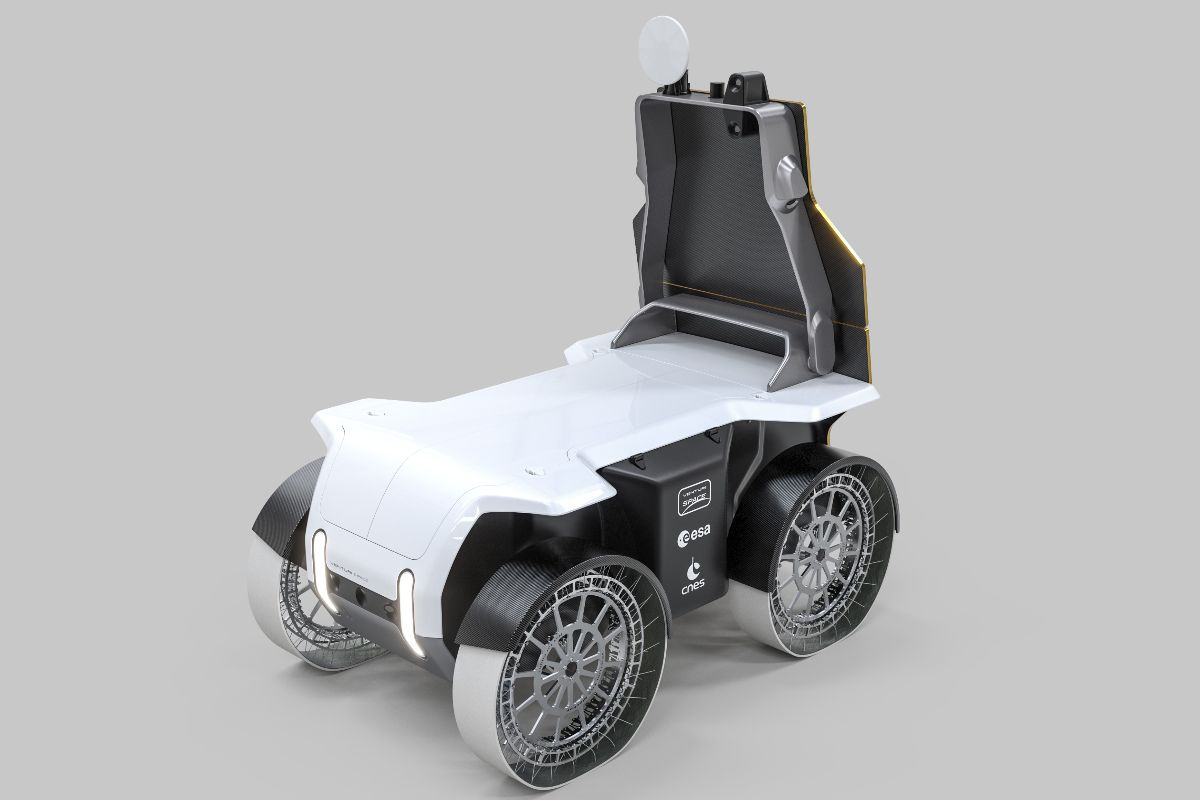
VENTURI SPACE PRESENTS MONA LUNA, 
THE EUROPEAN LUNAR ROVER
MONA LUNA, designed by Sacha Lakic

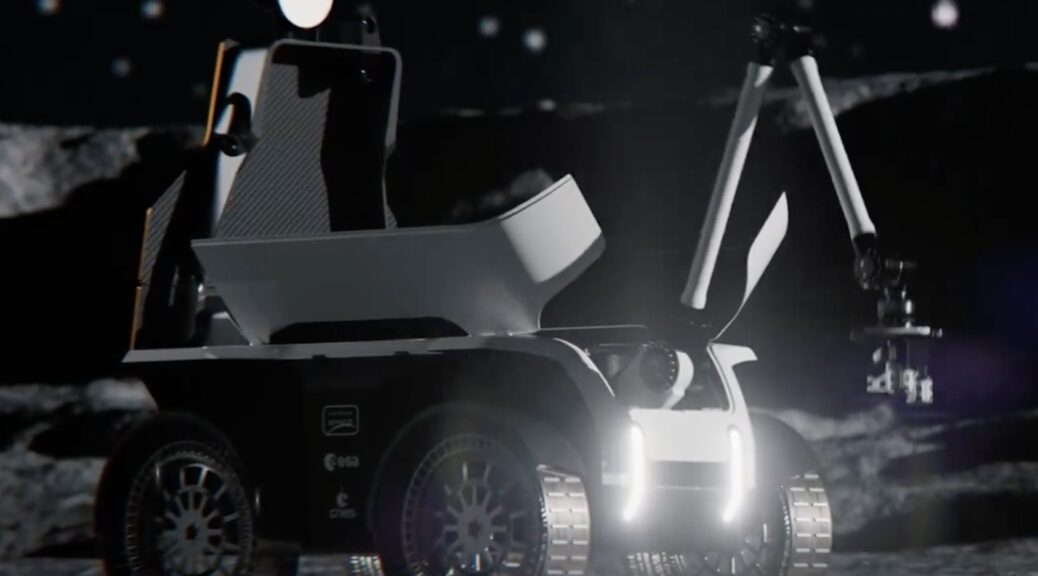
Paris Air Show, Le Bourget, June 2025 – Venturi Space unveils MONA LUNA, its 100% European-built lunar rover. Designed to support the ambitions of the European Space Agency and the French CNES, the vehicle will be built at Venturi Space France’s facility in Toulouse. The ultimate aim is to provide Europe with a lunar-capable rover by 2030.

European autonomy in lunar mobility is a major strategic challenge. Venturi Space is helping to make that a reality with MONA LUNA, its upcoming lunar rover designed to meet the needs of ESA and national European space agencies. The vehicle will further Europe’s efforts to achieve technological independence in the field of lunar mobility, enabling it to get ahead of the industrial curve and achieve its space ambitions.

A project led by Venturi Space France 
Venturi Space France will oversee MONA LUNA’s development and space qualification from its base in Toulouse, coordinating every aspect of the process: onboard electronics, avionics, space-to-ground links, energy management systems, assembly, final integration, and acceptance testing in readiness for space flight. All with one clear objective: to deploy MONA LUNA at the Moon’s South Pole by 2030.

Backed by the ESA and CNES
The European Space Agency is supporting Venturi Space’s efforts to design and develop the critical technologies required for a large lunar rover, capable of surviving multiple lunar nights. ESA’s support validates Venturi Space’s approach and highlights its expertise. The project will draw on the experience acquired from the programmes to develop the FLIP and FLEX rovers under a strategic partnership with US-based company Venturi Astrolab, Inc. Venturi Space is currently designing and building the hyper-deformable wheels that will be fitted to those vehicles, along with the associated electrical systems (in Switzerland) and high-performance batteries (in Monaco).

Using technology made in Europe
MONA LUNA is designed to be carried into space by the Ariane 6.4 launch system and landed on the Moon’s surface by the European Argonaut lunar lander, while the rover itself will be equipped with a robotic arm to handle scientific instruments and payloads. It will be:
– electrically powered, recharging via solar panels,
– designed to move autonomously,
– equipped with three high-performance batteries,
– capable of carrying a wide range of payloads,
– designed to survive multiple lunar nights,
– capable of a top speed of 20 km/h,
– designed to weigh a total of 750 kg.

The rover could also be used in an emergency to carry an astronaut in difficulty, as envisaged by the ESA and CNES in their feasibility studies.
A clear commercial purpose
MONA LUNA’s maiden mission will focus on purely scientific applications, but future deployments could be organized to meet demand from the European private sector for a variety of purposes, including carrying payloads to the South Pole, exploiting lunar resources (such as helium-3) in situ, or even public outreach campaigns. This approach will help establish a sustainable long-term economic model for the rover, in much the same way as the early development of terrestrial mobility.


Gildo Pastor, President of Venturi Space:
“I’m still an explorer, first and foremost. Space is a new frontier, and MONA LUNA is how we are actually going to broach it. Alongside Europe, we aim to build an autonomous lunar exploration capability to meet the scientific, economic, and strategic challenges of tomorrow.”

Dr. Antonio Delfino, Director of Space Affairs at Venturi Space:
“Our primary focus is to make ourselves fully available to the ESA and European national space agencies. With MONA LUNA, we aim to deliver major technological breakthroughs that will pave the way for extended lunar mobility.”

For The Silo, Jarrod Barker.

Rethinking Canada Tariffs On China EVs

Via friends at C.D. Howe Institute. A version of this memo first appeared in the Financial Post.

To: Canadian trade watchers 
From: Ari Van Assche 
Date:  August, 2024
Re: Canada’s Electric Vehicle De-Risking Trilemma 

With the recent wrap-up of Ottawa’s month-long public consultation on levying tariffs on electrical vehicles (EVs) made in China, let’s paraphrase a story Nobel Prize-winner Paul Krugman once used to explain the often under-appreciated benefits of free trade:

Consider a Canadian entrepreneur who starts a new business that uses secret technology to transform Canadian lumber and canola into affordable EVs. She is lauded as a champion of industry for her innovative spirit and commitment to Net Zero. But a suspicious reporter discovers that what she is really doing is exporting Canadian-made lumber and canola and using the proceeds to purchase Chinese-made EVs. Sentiment turns sharply against her. On social media, she is widely denounced as a fraud who is destroying Canadian jobs and threatening national security. Parliament passes a unanimous resolution condemning her.

Going the other direction: China is Canada’s third largest destination for agricultural products.

This story underscores a critical dilemma that should have been central in the public consultations.

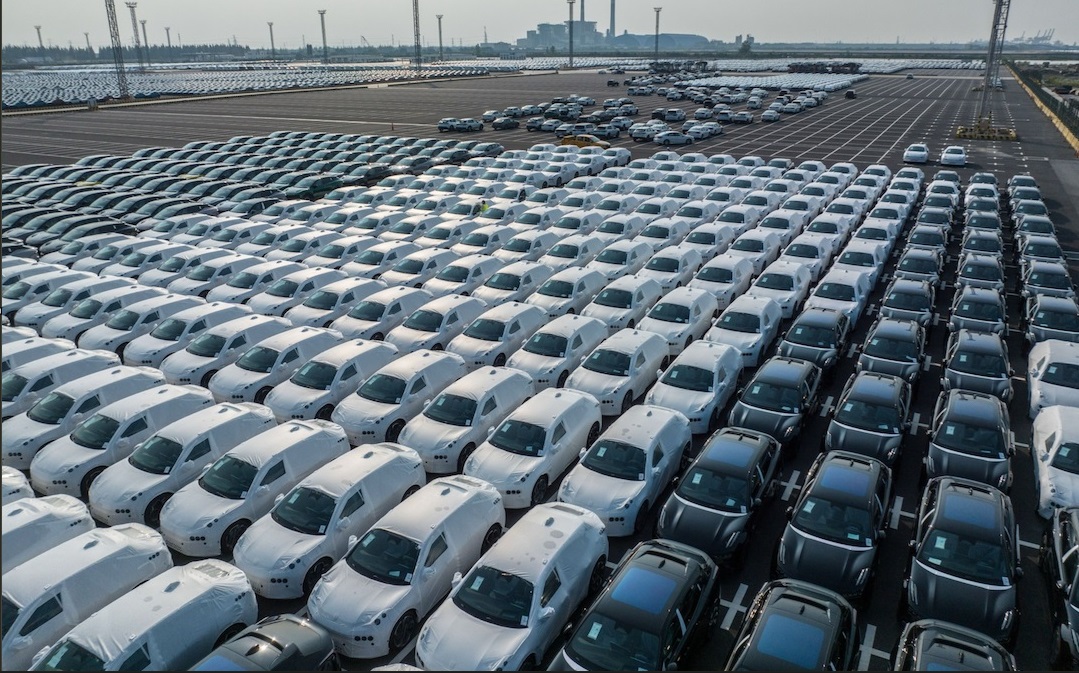
Those opposing tariffs argue that trade is a potent yet undervalued tool in our fight against climate change: It provides Canada access to low-emissions technologies at increasingly affordable prices, which is essential for transitioning society away from carbon-intensive energy sources. In contrast, those in favour are concerned about supply security, fearing excessive reliance on our biggest geopolitical rival for low-emissions technologies. They warn against swapping the West’s age-old energy insecurity in oil for insecurity in the supply of critical minerals and EV batteries.

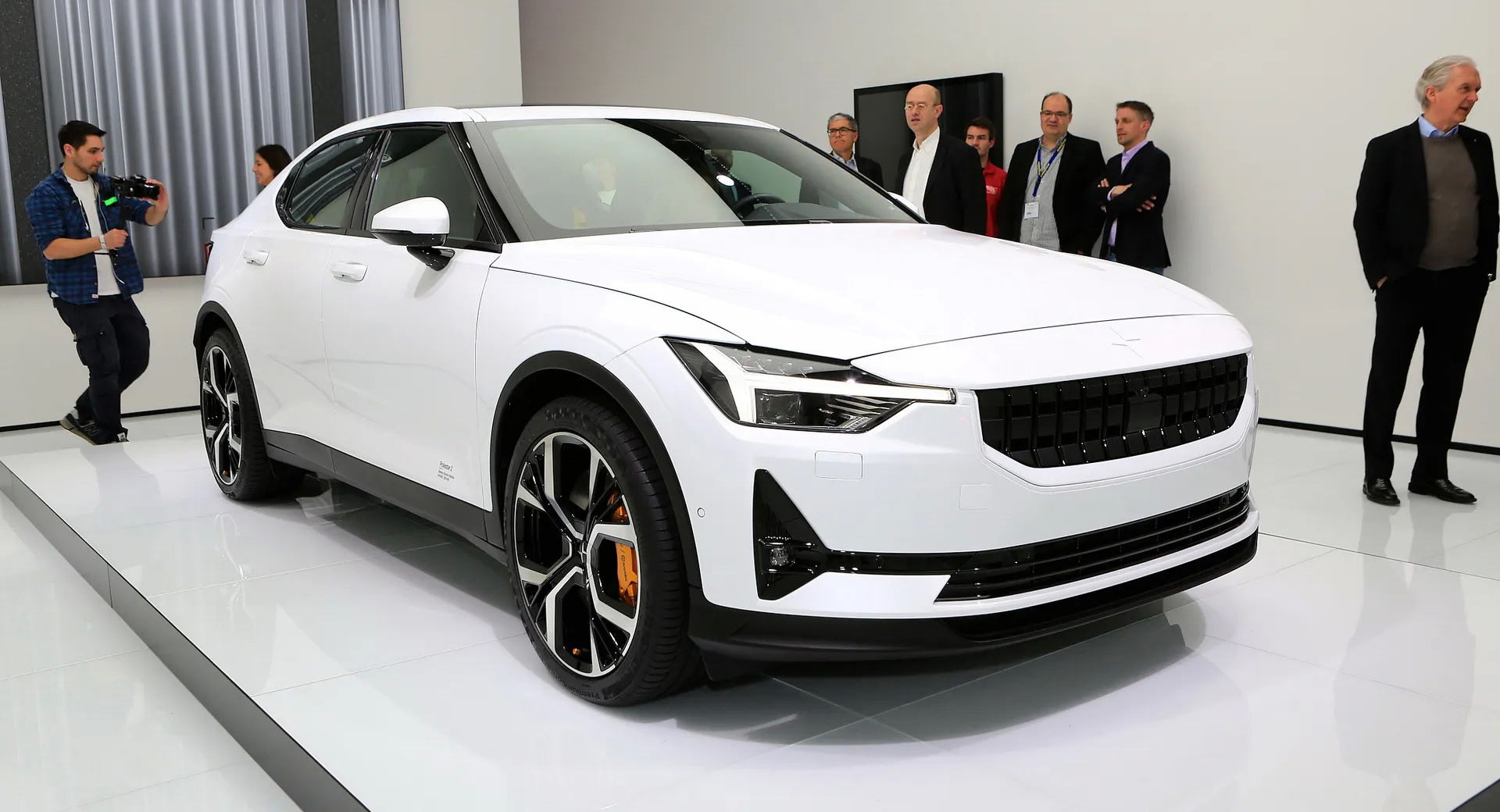
The $70,000 cad Polestar 2 EV produced by Volvo. In 2010, Geely Holding Group a Chinese automotive group bought Volvo.

Copilot AI

“As of now, the Chinese electric vehicle (EV) market is making strides globally, but in Canada, the landscape is still evolving: Tesla Model Y and Polestar 2: While not exclusively Chinese, the Tesla Model Y (which is produced in China) and the Polestar 2 (a subsidiary of Volvo, which has Chinese ownership) are currently the most prominent Chinese-made EVs available in Canada. These models have gained attention due to their performance, range, and brand reputation1.”

I examined some of the national security issues that have surfaced in the discussion surrounding supply chains for low-emissions energy technologies like EV batteries in my recent C.D. Howe Institute report.

After examining the various de-risking policies governments have implemented, including their downsides and unintended consequences, I conclude Ottawa probably should develop de-risking policies.

But it needs to apply them judiciously, prudently and rarely. And it needs to justify them with credible, detailed evidence regarding concerns about supply security and whether domestic industry really would be able to compete if market conditions were fairer. This will be important in upholding Canada’s reputation as a leading proponent of the rules-based multilateral system.

China’s role in the supply chains of low-emissions energy technologies does raise real security concerns. China has established near monopolies in several critical minerals and other components of EV batteries, solar panels and wind turbines. No ready alternatives are produced in other countries. For example, 79 percent of global production capacity of polysilicon, which is key for solar cell production, is in China. The next biggest producers, Germany and the United States, have difficulty competing with China’s high-quality, ultra-cheap polysilicon.

China’s monopolies create chokepoints that could enable its government to manipulate production to pursue its own geopolitical ambitions.

Precedents exist: China blocked rare-earth exports to Japan in 2010 and banned exports of rare-earth processing technology in 2023.

Several countries have started adopting de-risking policies to reduce their reliance on these Chinese chokepoints, usually either onshoring or friendshoring. Canada’s recent Critical Minerals Strategy is typical. It was designed in part to reduce this country’s dependence on foreign-mined and processed critical raw materials by, among other things, allocating $1.5 billion to support Canadian critical minerals projects related to advanced manufacturing, processing and recycling.

But these de-risking policies come at a cost.

Ottawa needs to carefully navigate a “policy trilemma” as it strives to formulate a policy agenda that simultaneously targets three goals: Advancing security, promoting low-emissions energy adoption, and capturing the benefits of trade for consumers and businesses.

Proposed steep tariffs on Chinese EV imports provide a good example of the trilemma.

They may well safeguard security by protecting a domestic production base. But they could discourage the uptake of EVs, which are already experiencing a slowdown in sales. Moreover, such unilateral action against China could escalate geopolitical tensions, thereby generating new risks, including Chinese retaliation. The path to effective de-risking is clearly fraught with trade-offs and requires careful navigation.

There is scant evidence that China is on its way to becoming a near-monopoly in global EV production itself, but it may seek to benefit from its near-monopoly in key inputs. The ultimate question that the government should answer is, therefore, whether the security concerns regarding these chokepoints, and more generally China’s willingness to compete fairly under these conditions, justify the costs and risks of higher tariffs. The burden on Ottawa is to provide concrete evidence to that effect before imposing an inherently costly tariff on Canadians.

Ari Van Assche is a professor of international business at HEC Montréal and Fellow-in-Residence at the C.D. Howe Institute.

Disruptive Drone Franchise Opportunity

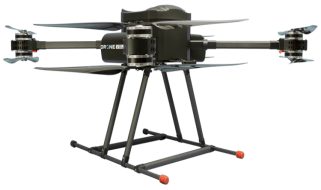
Aquiline Drones (AD) has now combined the fast-paced drone industry with the demand for external property care services and developed a revolutionary drone franchise business model.  Specifically, the Hartford, Connecticut based drone manufacturer offers budding entrepreneurs and those with existing property maintenance companies the power of drone technology to fulfill various exterior cleaning and improvement services safely, quickly and cost-effectively. 

https://youtu.be/4jF9GvBCUys

“Franchising has contributed greatly to the overall North American economy since 1731 and has proven to be a lucrative avenue for those who seek both work freedom and financial stability,” said Barry Alexander, Founder and CEO of Aquiline Drones. “There are thousands of franchises across hundreds of industries, but none like ours in the drone sector, so it’s perfect timing for those wanting to grow their business from the ground floor up.” 

Image
Image

Franchises offer the independence of small business ownership supported by the benefits of extensive business networks. 

In fact, according to Dr. Franchise’s website, there are more than 792,000 franchising companies in the United States with a projected $826.6 billion usd/ $1.07 trillion cad in revenues for 2022. 

In Canada, a report from franchise101.net indicates that there are about 1,250 franchise companies operating 76,000 franchises.

According to a recent survey by Franchise Business Review, the average annual income of an American franchise owner is approximately $80,000 usd/ $104,000 cad ( According to glassdoor.ca the average income of a Canadian franchise owner is approximately $40,480 cad) ; however, this number varies based on the motivation of the owner, and the particular business industry.  “Clearly, the sky is the limit and with a drone franchise given the rapidly evolving and lucrative drone services market, a new franchisee can literally dominate an entire region in a very short period,” adds Alexander.  “In fact, we are already seeing substantial interest since we announced this unique and creative franchise model with customers already purchasing our equipment.”

Besides its high earning potential, other advantages of AD’s drone franchise include: direct training, easy-to-secure financing, lower investment costs, piggybacking off an established corporate brand, proven management and work practices, and ongoing support – all creating a higher rate of success than other start-up companies in the same business category. 

Similarly, AD’s drone services franchise will offer the prospective franchisee in-depth training through its well-established Flight to the Future (F2F) commercial drone pilot training program. 

The franchisee receives in-person flight training for many commercial applications, including total exterior property care, through the program. 

In addition, AD’s proprietary Drone-On-Demand (DoD) mobile app, downloadable on Google Play Store (Apple iOS in July), will match customer service requests nationwide with drone service providers within proximity to the requested jobs. 

Flexible financing and insurance options are currently being organized through AD and its subsidiary, Aquiline Drones Indemnity Corporation for new franchisees and established businesses alike. 

Individuals can purchase various commercial, American-made drone models through AD’s manufacturing department depending on their desired business scale and goals.

“There is a distinct fascination with drone technology supporting ordinary and dangerous business operations,” adds Alexander. 

“We founded our company on the underlying mission that drones should enhance, preserve and save human lives, and certainly many of those in the outdoor property care industry put themselves at risk every day.”

Specific exterior maintenance services supported by AD’s unique franchise model include:

  • Roof washing and gutter cleaning
  • Solar panel washing
  • Roof and home inspections
  • Ice melting and removal with steam
  • Window washing for both residential and commercial structures
  • Spraying and fumigating pesticides for ticks, mosquitoes, wasp nests, etc.
  • Seeding and fertilizing lawns, farms and golf courses
  • Sterilization of stadiums, streets, and other outdoor facilities

Alexander also highlights that specific drone use cases can create direct cost-savings for the consumer. 

For example, solar energy has been taking the world by storm and homeowners have been using it to save money on their electricity bills, add value to their property, and sometimes make a little money from the utility company. According to Sunbadger.com, 16.4 million American homes currently use solar panels as their primary electricity source and regular cleaning ensures that they are working more efficiently, hence allowing for maximum tax credits, rebates and other federal and state incentives. 

According to the Canadian Renewable Energy Association, Canada has more than 43,000 solar (PV) energy installations on residential, commercial and industrial rooftops, providing power directly to those homes and businesses.

“Cleaning solar panels with a drone is much safer than traditional methods and could viably save a homeowner money by increasing its efficiency by 15-25%, a welcomed bonus with today’s economic inflation,” said Alexander.

AD is offering its innovative franchise system as a 3-tiered business opportunity:

  1. All-inclusive package – drone pilot training, business registration as an LLC, drone and associated hardware (hoses and pumps for low and high-pressure spray washing), ratio-ed territory exclusivity, job leads through the AD DoD, marketing, branding and support services.
  2. Standard Package – for those already managing exterior maintenance or spray washing companies – drone pilot training, drone hardware, specs for equipment and pumps, access to the AD DoD job or mission requests, support services.
  3. F2F Graduates – for those already certified through AD’s Flight to the Future program , some discounting will apply.  Other items include hoses and pumps for low and high-pressure spraying, ratio-ed territory exclusivity, job leads through the AD DoD, company marketing, branding and support services.

Other benefits of the AD franchise model as compared to a traditional franchise company include, a modest start-up cost without needing an expensive, fixed building lease since all drone missions take place outdoors, single proprietor ownership vs. needing multiple employees up front, affordable drone insurance offered by AD’s insurance subsidiary instead of requiring pricy market liability insurance, flexible and accessible AD lines of credit for the initial investment vs. having to incur market loans.

“Whether one is seeking a career change in a burgeoning industry or a company looking to expand its book of business, the AD drone franchise represents a viable revenue stream and scalable fee structure for both new entrants and experienced business owners alike.” For the Silo, Alisa Picerno.