Accidental Landlords: ADU Owners Disrupt Rental Markets From Driveways
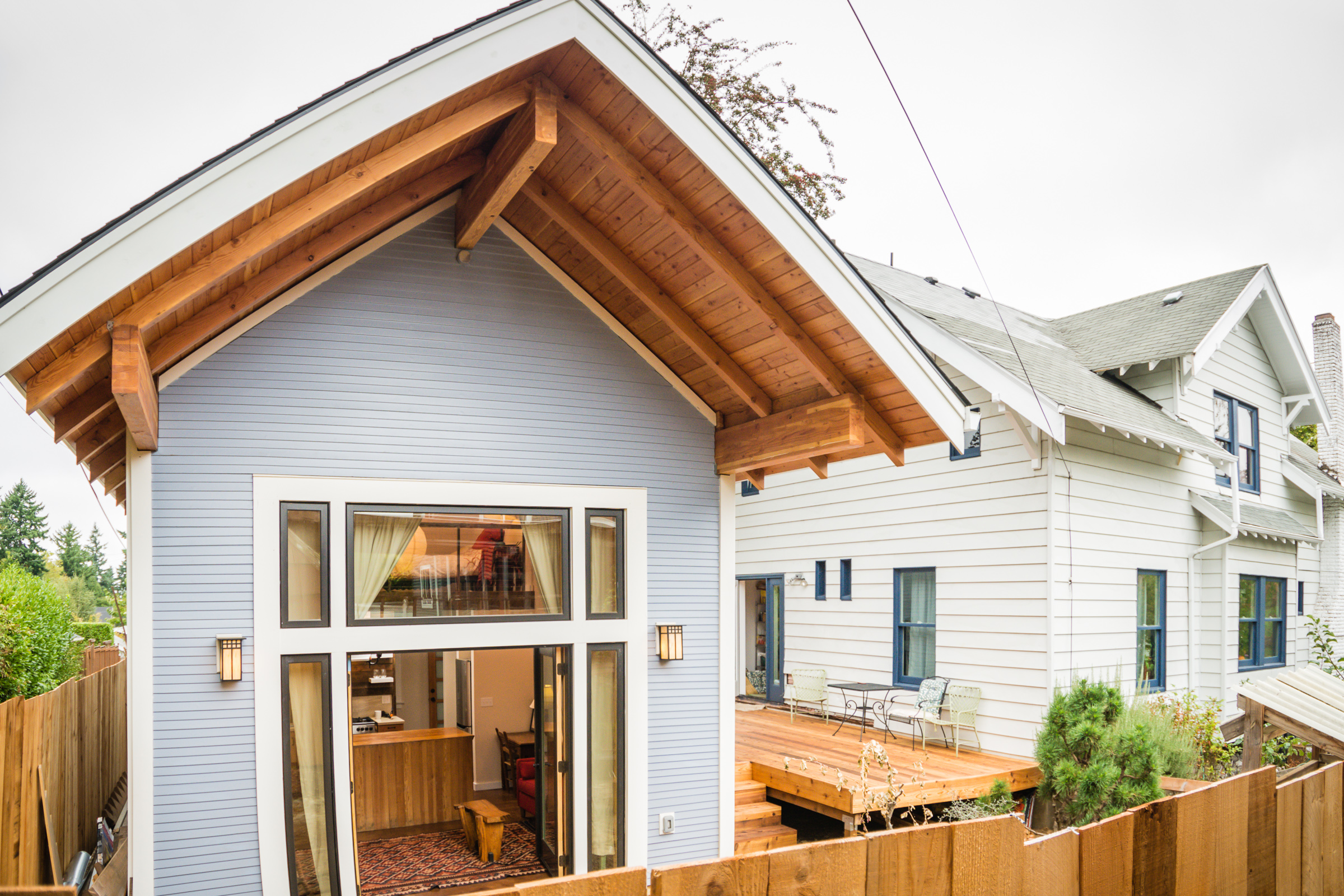
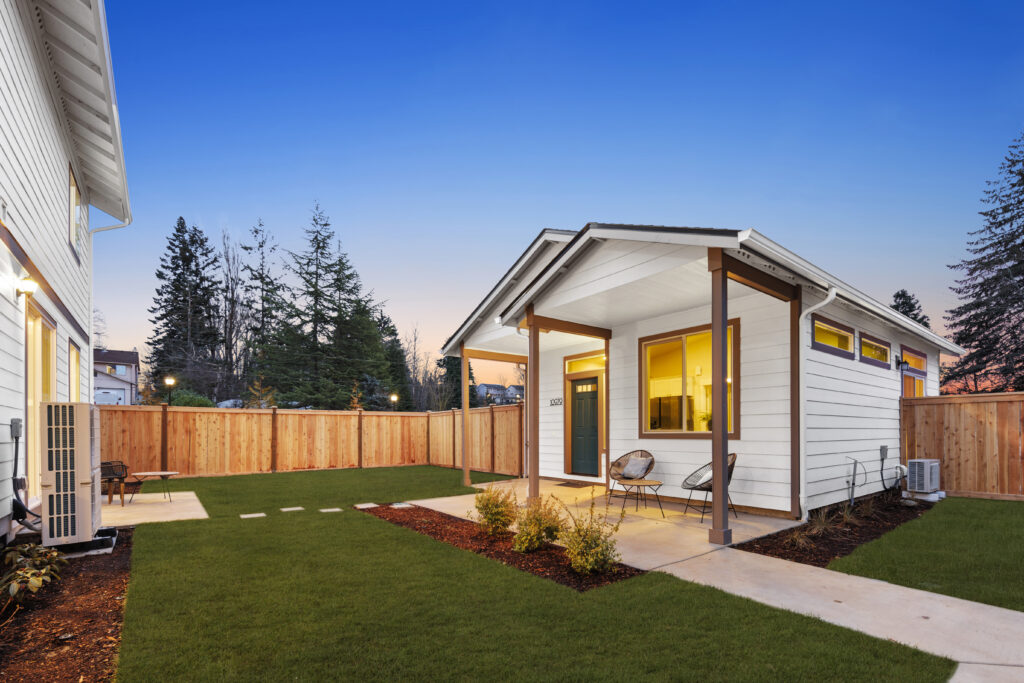
Here in Canada we have been pre-programmed to some extent about the possibility and perhaps inevitability of living in a tiny home- and one that we won’t even own. In some cases, these homes seem to be little more than utility sheds fitted with utilities and small appliances but there are exceptions like this exceptionally designed ADU.
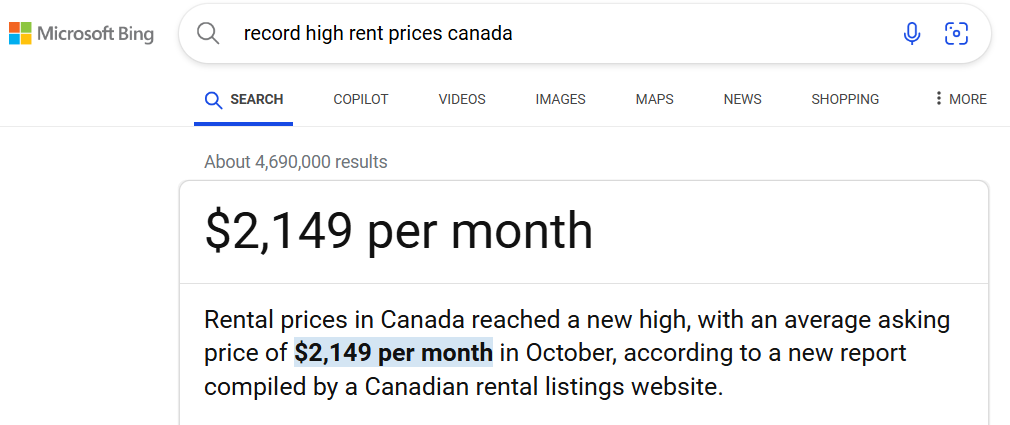
In America, many ADU (Accessory Dwelling Unit) owners didn’t set out to be landlords, but new laws and economic pressures there are turning suburban homeowners into accidental real estate moguls. With situations the same here in Canada and with migrant levels increasing month after month, can we expect to see more and more cities following Ottawa’s lead in tiny home renting? It sure seems like a strong possibility.
Let’s Look At The USA
As state and city-level ADU laws continue to loosen across the U.S., a growing wave of suburban homeowners are becoming first-time landlords, many without ever intending to enter the real estate game. These decentralized landlords are renting out backyard cottages, granny flats and in-law suites, garage conversions and prefab units—quietly changing the economics of their neighborhoods and offering a hyperlocal solution to the housing shortage.
Accidental Landlord Essentials: What to Know Before Renting Out Your ADU
Right after housing family, passive rental income is one of the top reasons people want to build an ADU on their property, and we can definitely see why. Becoming a landlord is a great way to supplement your income and create a healthy nest egg for retirement or savings. But, it’s important to remember that being landlord is still considered a job with responsibilities. There are certain expectations that should be adhered to in order to ensure your tenant(s) are comfortable in your ADU, ensuring prolonged success.
So, what makes the difference between an “okay” landlord and a fantastic landlord with happy tenants? Here are some key things to know before you start renting out your new unit.
What do I need before I rent out my ADU?
Before renting out your ADU, you will need two crucial things: a Certificate of Occupancy and landlord insurance.
Certificate of Occupancy
In the USA, there is an important document called a Certificate of Occupancy, issued by the local building department, confirming that the accessory dwelling unit (ADU) complies with all relevant building codes and regulations and is safe for occupancy. To obtain a Certificate of Occupancy, you will need to schedule an inspection of your ADU to ensure it meets all required standards for habitability, fire safety, and structural integrity.
Once you have obtained the necessary Certificate of Occupancy and ensured compliance with local regulations, you can proceed with renting out your ADU.
Landlord Insurance
It’s also a good idea to consider obtaining landlord insurance to protect your property and assets as a rental property owner. Landlord insurance, also known as rental property insurance, is a type of insurance policy specifically designed to protect property owners who rent out their properties to tenants. Here are some key aspects of landlord insurance:
- Property Coverage: This aspect of landlord insurance typically covers the physical structure of the rental property, including the dwelling itself and any structures on the property, such as garages or sheds. It can protect against damage caused by covered perils like fire, vandalism, or natural disasters.
- Liability Coverage: Landlord insurance often includes liability coverage, which protects you financially if a tenant or visitor is injured on your rental property and holds you liable. This coverage can help pay for legal fees, medical expenses, and damages if you’re found responsible for an accident or injury.
- Loss of Rental Income: If your rental property becomes uninhabitable due to a covered loss, such as fire or storm damage, landlord insurance can provide compensation for the lost rental income during the time it takes to repair or rebuild the property. This coverage can help mitigate the financial impact of a temporary loss of rental income.
- Additional Coverages: Depending on the policy and insurer, landlord insurance may offer additional coverages or optional endorsements to address specific risks or circumstances. These could include coverage for landlord liability arising from wrongful eviction or discrimination claims, coverage for theft or vandalism by tenants, or coverage for legal expenses related to evictions.
It’s important to note that in America, landlord insurance is distinct from homeowners insurance, which is intended for owner-occupied properties. Landlord insurance policies are tailored to the unique risks and responsibilities of rental property ownership, providing coverage for situations that may not be addressed by standard homeowners insurance.
Once you have these two things in place, you can move on to establishing the lease terms of your ADU.
What should rental lease terms be for an ADU?
The great thing about owning your own ADU is that you can set any rules you want. All of this should be laid out in a lease so that all parties can have the rules in writing and you can avoid any conflict in the future. Here are just a few things you should think about including in your lease:
- When is rent due?
- Is this a long-term lease (1+ years) or month-to-month
- Do you allow pets? Size, type, and quantity restrictions? Is a deposit and pet rent required?
- Is smoking allowed?
- Are utilities included?
- Is parking included?
- Will the tenant have access to yard space or other outdoor areas?
- When do quiet hours begin?
This is just a sample of things you should be thinking about when drafting your lease.
While you do have free reign in placing any rules for your ADU (as long as you don’t violate any laws) you should also think about what will be on people’s checklists in your area. Living close to a college campus for example, will likely attract students looking for short-term housing. Living close to a high population area where parking can be tough, you’ll have tons of rental applications if you offer free parking.
There are plenty of lease agreement templates that you can find online, but make sure you read them carefully and edit as needed to make sure they cover everything you require.
If you’d rather go the easier route, you can always hire a property management company who can draft the lease and collect the signatures for you. We’ll go more into property managers later.
How do you figure out the charge for rent?
There’s no one-size fits all answer to this question. The rent you can charge for your ADU will depend on city, neighborhood, ADU size, amenities, number of bedrooms and more. But, by doing some quick research you can arrive to a baseline number that makes sense for your ADU.
To start, check out similar listings in your area to get a general range of how much rent you can charge for your ADU. Sites like Zillow, Apartments.com, Craigslist, and Trulia are great places to look first. Especially look at going rates in your specific neighborhood. Rental rates can fluctuate heavily from neighborhood to neighborhood within the same city, so you want to make sure you’re not pricing your ADU too high or low for your immediate area.
Next, take your amenities into consideration. A washer and dryer in the unit is a hot commodity that people will be willing to shell out a few extra dollars for.
If you want to add these types of amenities to your unit, make sure you discuss it with your designer so that they can make the space for them in the designs.
Also, look back at your lease and what you’re offering. Qualities like included utilities, pet friendly, and a month-to-month lease mean you can charge a little bit extra.
Take a look at where your property is located. Units closer to popular locations like a trendy shopping strip or a university call for slightly higher rent whereas ADUs in more suburban or rural areas will benefit from having lower rent.
Once you’ve settled on a final price, consider knocking back a few dollars. Doing this, you’ll attract a larger pool of tenants. The tenant ultimately get approved will feel like they’re getting a great deal and will be more likely to hold on to that rental for longer. It’s a win situation for you too since you won’t have to worry about losing money replacing tenant after tenant that’s searching for a more affordable home.
With your rental rate and lease terms ironed out, you can start advertising your ADU, but it’s critical you adhere to anti-discrimination laws like the Fair Housing Law.
What is the Fair Housing Law?
“The Fair Housing Act protects people from discrimination when they are renting or buying a home, getting a mortgage, seeking housing assistance, or engaging in other housing related activities.” -Hud.gov
This law in America protects individuals from housing discrimination based on the following:
- Race or ancestry
- Religion
- Disability, mental or physical
- Sex, gender
- Sexual orientation
- Gender identity
- Marital/familial status
- Source of income (e.g., alimony, child support, Section 8, vouchers, etc)
When Americans are listing their ADU, they should also avoid using terminology like “ideal for a student” or “looking for a couple” as these can be considered discriminatory. Keep listings simple and stick to just mentioning the great features of your ADU.
What’s expected from me as a landlord?
Being a landlord isn’t just kicking back and collecting rent checks. Keep in mind that as a landlord you have a few responsibilities.
You should be the first point of contact for repairs, complaints, upkeep, etc. Accidents are bound to happen. Having a list of reliable professionals that you can contact to fix things around the unit is a smart idea. Here’s just a quick list of professionals you should consider having on your list:
- Plumber
- Electrician
- Gardener
- Roofer
- General handyperson
- Exterminator
If you want to save an extra dollar, you can also teach yourself to do easy beginner level repairs like unclogging drains.
Being easy to reach and quick to act when your tenant needs something fixed is an excellent way to keep your tenant happy and ensure they’ll stick around for the long run.
But, what if you own multiple properties or work full time and can’t be on-call 24/7? That leads us to our next topic.
Do I need to hire a property management company?
If you’re mostly home or have a lot of free time, you can probably handle all of the responsibilities on your own. Otherwise, you’ll want to hire a property manager.
They’ll be in charge of preparing leases and getting them signed, repairs, advertising and finding tenants, collecting and depositing checks, and pretty much everything else.
Property management companies will typically charge 5-10% of your rental revenue for their services, so think carefully before you decide to hire them on. As we mentioned before, if you’re capable of handling the responsibilities on your own, then you’ll probably be able to skip on it.
Can any American rent out their ADU on Airbnb or other short-term rental platforms?
It depends on your local laws. Many cities in America have placed restrictions on short-term rentals (typically stays under 30 days), especially when it comes to ADUs. Some jurisdictions allow it only if the homeowner lives on the property, while others ban it altogether or require a permit. These rules are often different from those that apply to your main home, so it’s important to research carefully. Violating local ordinances could lead to hefty fines.
The main purpose some states have made ADUs so accessible is because the government wants to encourage the development of more long-term housing. So, renting your ADU as a vacation rental defeats the purpose and is often not encouraged.
Defining your goals and what you want to get out of your rental is the first step towards becoming a successful landlord. For the Silo, Paul Dashevsky.
With several decades of experience in the construction and renovation business, Paul Dashevsky is Co-CEO of MaxableSpace.com—the industry-leading ADU property design / build / construction resource website for granny flats, in-law suites, guest houses, casitas and other types of Accessory Dwelling Units. Paul is also Co-CEO of GreatBuildz—a freeservice that matches homeowners with reliable, pre-screened general contractors. He may be reached at www.greatbuildz.com.