Tag Archives: property value

Residential Reinvention In North America

Maximizing Property Potential Via Popular Home Expansions 

maxadd1.png

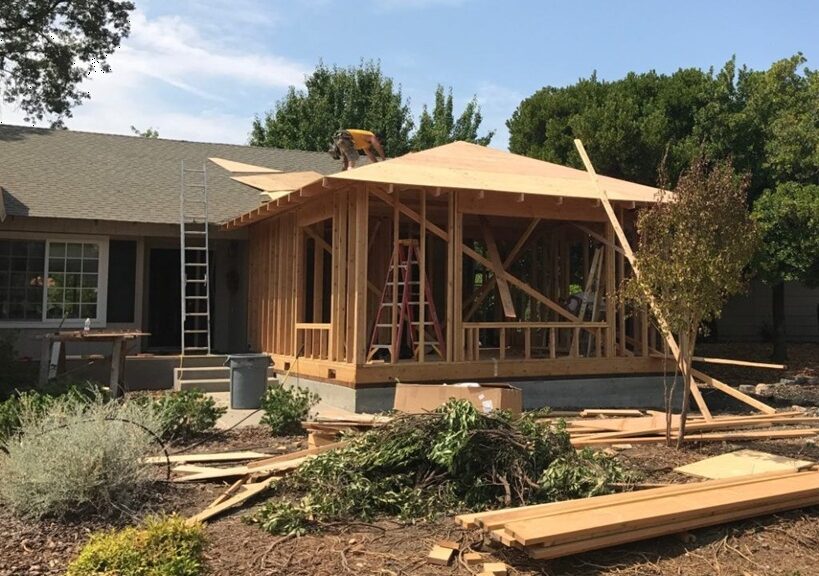
For many homeowners, the need for more space arrives long before the desire to move. Growing families, remote work, multigenerational living, and changing lifestyles are pushing homeowners to rethink how their existing homes can evolve. Home additions have become one of the most practical ways to gain space, improve comfort, and increase property value without starting over in a new location. Yet deciding which type of addition makes sense requires a clear understanding of costs, construction complexity, and long term return on investment.

Across the United States as in Canada, home addition costs vary widely depending on region, labor availability, building codes, and design choices. In America, the average cost of a home addition often exceeds the commonly cited figure of $51,000 usd/ $70,000 cad, especially for projects involving plumbing, structural changes, or second story construction. Per square foot costs typically range from roughly $100 usd/ $137 cad to $500 usd/ $684 cad, depending on the type of addition and level of finish. Understanding these ranges helps homeowners plan realistically and avoid budget shock midway through construction.

A dry addition or a wet addition?  

One of the most important distinctions in home additions is whether a project is considered a dry addition or a wet addition. Dry additions include spaces such as bedrooms, living rooms, offices, or sunrooms that do not require plumbing. These additions are generally less expensive because they avoid water lines, drains, and complex waterproofing requirements. Wet additions include kitchens, bathrooms, and laundry rooms, which add cost due to plumbing work, additional permits, and stricter building code requirements. Knowing which category your project falls into is one of the most reliable ways to estimate overall expense early in the planning process.
maxadd2.png

Room additions, often called bump outs, are among the most approachable projects for homeowners looking to add space without a full-scale renovation. These additions typically extend an existing room by a few feet to create more usable square footage. Nationally, bump outs often cost between $250 usd/ $342 cad and $500 usd/ $685 cad per square foot, depending on size and finish. While smaller in scope, they can dramatically improve daily living by relieving cramped layouts and improving functionality.

Adding a second story

Second story additions represent one of the most transformative but also most expensive home addition options. By building upward rather than outward, homeowners can double their living space without sacrificing yard area. These projects often range from $300 usd/ $410 cad to $500 usd/ $685 cad per square foot and require extensive structural reinforcement. Foundations, load bearing walls, and framing may need upgrades to support the added weight. Plumbing, electrical systems, and roofing are also typically impacted. While the upfront cost is significant, second story additions can deliver substantial long term value, particularly for homeowners committed to staying in place for many years.

Sunrooms offer a different kind of expansion, focusing on light, comfort, and connection to the outdoors. These spaces are often used as family rooms, dining areas, or quiet retreats. Costs typically fall between $200 usd/ $274 cad and $400 usd/ $547 cad per square foot, with total project budgets ranging from $40,000 usd/ $55,000 cad to $90,000 usd/ $123,000 cad or more. Three season sunrooms tend to be less expensive, while fully insulated, climate controlled spaces cost more but offer year round usability. Energy efficiency requirements and insulation quality play a major role in pricing.

maxadd3.png

The most cost effective way to add livable space

Garage conversions are one of the most cost-effective ways to add livable space because they utilize an existing structure. Nationally, these projects often range from $120 to $200 per square foot, with total costs commonly between $20,000 usd/ $27,300 cad and $50,000 usd/ $68,400 cad. Conversions typically involve insulation, drywall, flooring, electrical upgrades, and heating or cooling systems. Adding a bathroom increases both cost and value, but requires plumbing work and additional permits. For homeowners seeking flexibility without major exterior changes, garage conversions often deliver strong value.

Over the garage additions combine vertical expansion with efficient land use. These projects create new living space above an existing garage and commonly cost between $250 usd/ $340 cad and $400 usd/ $550 cad per square foot. Structural reinforcement is often required, and design integration with the main house is critical. When executed well, over the garage additions add bedrooms, guest suites, or home offices without reducing yard space, making them appealing in many suburban and urban settings.

ADU- aka the accessory dwelling unit
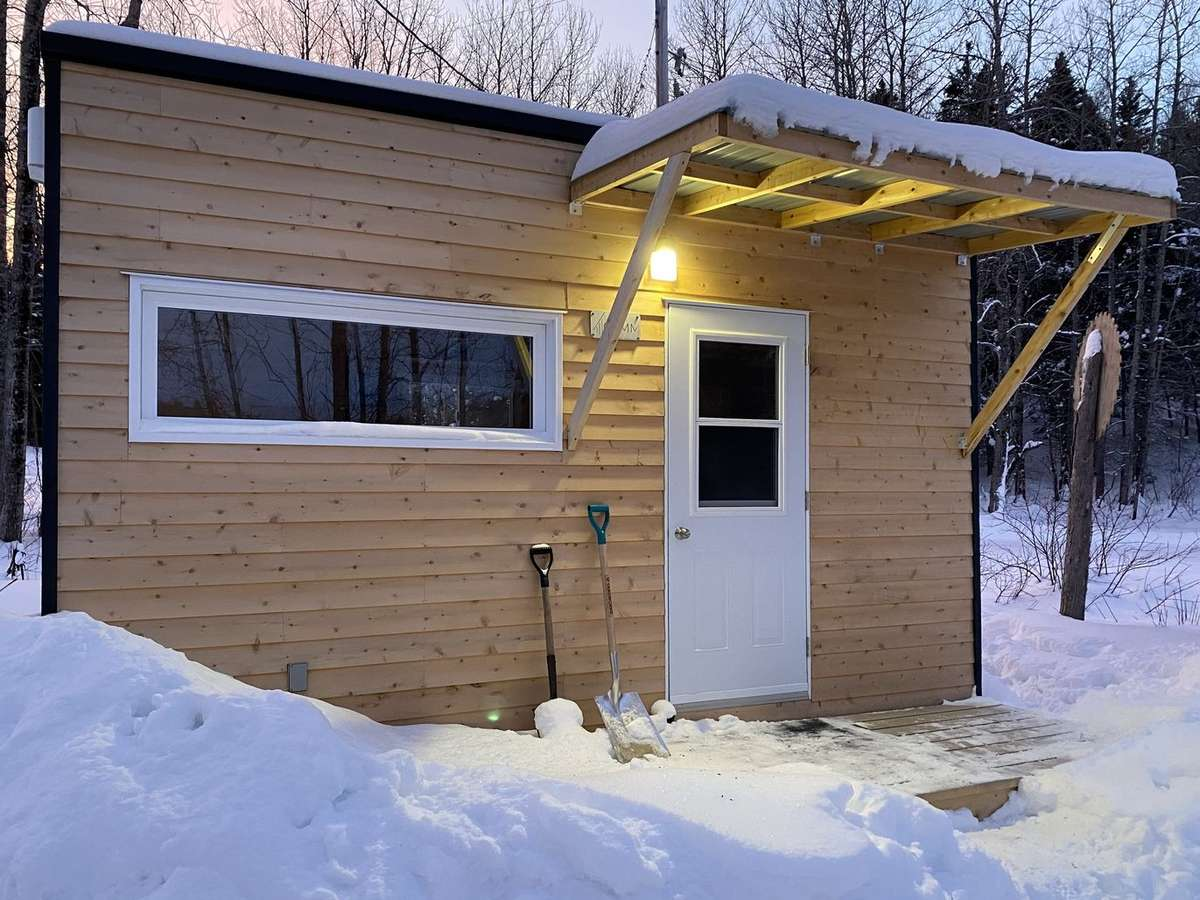
Accessory dwelling units have become increasingly popular as homeowners look for rental income opportunities or space for extended family. ADU costs vary widely but often fall between $100,000 usd/ $137,000 cad and $300,000 usd/ $410,400 cad depending on size, design, and site conditions. Well planned ADUs can generate significant returns through rental income while increasing overall property value. In many markets, returns between 50 and 80 percent are possible when long term income and appreciation are considered together.

The most complex home improvement

maxadd4.png

Kitchen expansions and additions are among the most complex home improvement projects. Building a new kitchen or expanding an existing one typically ranges from $50,000 usd/ $68,400 cad to $150,000 usd/ $205,200 cad or more. These projects involve plumbing, gas lines, electrical systems, ventilation, and often structural changes. High quality finishes, appliances, and cabinetry can significantly increase costs, but kitchens consistently rank among the highest value improvements for resale.

Expensive to be sure

Bathroom additions and expansions also carry meaningful costs but deliver strong returns. Adding a new bathroom often ranges from $30,000 usd/ $41,000 cad to $75,000 usd / $102,600 caddepending on size and plumbing complexity. Expanding an existing bathroom typically costs less but still requires careful planning around waterproofing, ventilation, and fixture selection. Bathrooms add both daily convenience and resale appeal, particularly in homes with limited existing bath space.

What type of addition should you choose?

Choosing the right type of home addition requires balancing personal lifestyle needs with financial considerations. Homeowners should assess how they use their space today, how that use may change in the future, and which additions offer the greatest functional improvement. Equally important is considering how future buyers might perceive the added space. Additions that align with common buyer preferences tend to deliver stronger returns.

maxadd5.png

Successful home additions are built on careful planning. Hidden costs such as permit fees, utility upgrades, and structural repairs can emerge once construction begins. Understanding local building requirements, maintaining detailed budgets, and setting aside contingency funds are critical steps. Consulting experienced professionals early in the process helps homeowners avoid delays, unexpected expenses, and design mistakes that can be costly to correct later.

It’s not just about square footage

Ultimately, home additions are not just about adding square footage. They are about adapting a home to better serve the people who live there. When thoughtfully planned, an addition can improve daily life, increase long term property value, and allow homeowners to remain in communities they love. With clear expectations, realistic budgets, and informed decision making, home additions can be one of the most rewarding investments a homeowner makes. For the Silo, Jon Grishpul/ Greatbuildz.com.
Should You Take Out a Second Mortgage?

With housing prices cooling off a bit but still generally soaring in cities across Canada, many homeowners are asking themselves how they can cash in on the market without actually having to sell their property. For many, a second mortgage will be the ideal way to do so.  

Second mortgages are one of the perfect mortgage solutions for homeowners who want to tap into their home equity to get lump-sum cash payments at low rates of interest. If you want to know if a second mortgage is right for you, here are three questions you should ask yourself. 

1. How Much Home Equity Do I Have? 

Before you start approaching mortgage brokers about a second mortgage, it’s a good idea to do some calculations around home equity, as the amount of money available to you through a second mortgage is determined by how much home equity you have.  

Fortunately, home equity is easy to calculate: simply subtract your existing mortgage from the current market value of your property. The difference is your home equity — the amount of your home value that you own outright.  

If you don’t know how much your home is worth, you can use a free calculator like this one to get a general estimate based on the going rate for properties in your neighbourhood. 

2. Should I Get a Home Equity Loan or Refinance? 

Generally speaking, there are two ways a homeowner can cash out a percentage of their equity: through refinancing or through a second mortgage. Both can be good ways to unlock capital, but which option you go for will depend in part on your financial situation. 

  • Refinancing: When you refinance your home, you replace an existing mortgage loan with a new mortgage loan. This new loan can be negotiated to include a cash payout based on your home equity, and while cashing out will likely extend the time it takes to pay off your mortgage, you will still only be dealing with a single mortgage loan.  
  • Second Mortgage: A second mortgage is an additional mortgage loan taken on against your home equity. Because it is an additional loan, it will usually come at a higher interest rate. 

In Canada, most mortgages are refinanced every five years, but they can also be refinanced more frequently. But if you already have a low interest rate on your existing mortgage and rates are increasing, a second mortgage may be the cheapest way to turn equity into cash. 

3. Will this Loan Save Me Money? 

A second mortgage can be a powerful financial tool, but it isn’t free money: you will still need to pay it back with interest, so you should be careful about how you use it.  

Taking out a second mortgage to consolidate debt, or to build an addition on your house, are smart investments because they put your money to work by reducing your interest payments or enhancing the value of your property. This puts you in a better financial position than you would have been if you didn’t borrow the money.  

Doing a cost/benefit analysis and working out how much money borrowing against home equity will save you is the key to making a strategic decision. 

Given how much real estate values have gone up over the past few years, figuring out how you can use your newfound wealth to improve your financial situation is essential for good money management. If you want to know more about whether a second mortgage is right for you, get in touch with a local mortgage broker to explore interest rates and options.  

Feautured image: Precondo CA Via Unsplash/ Silo Content Production

Can You Replace Your Windows And Doors During Winter In Kitchener?

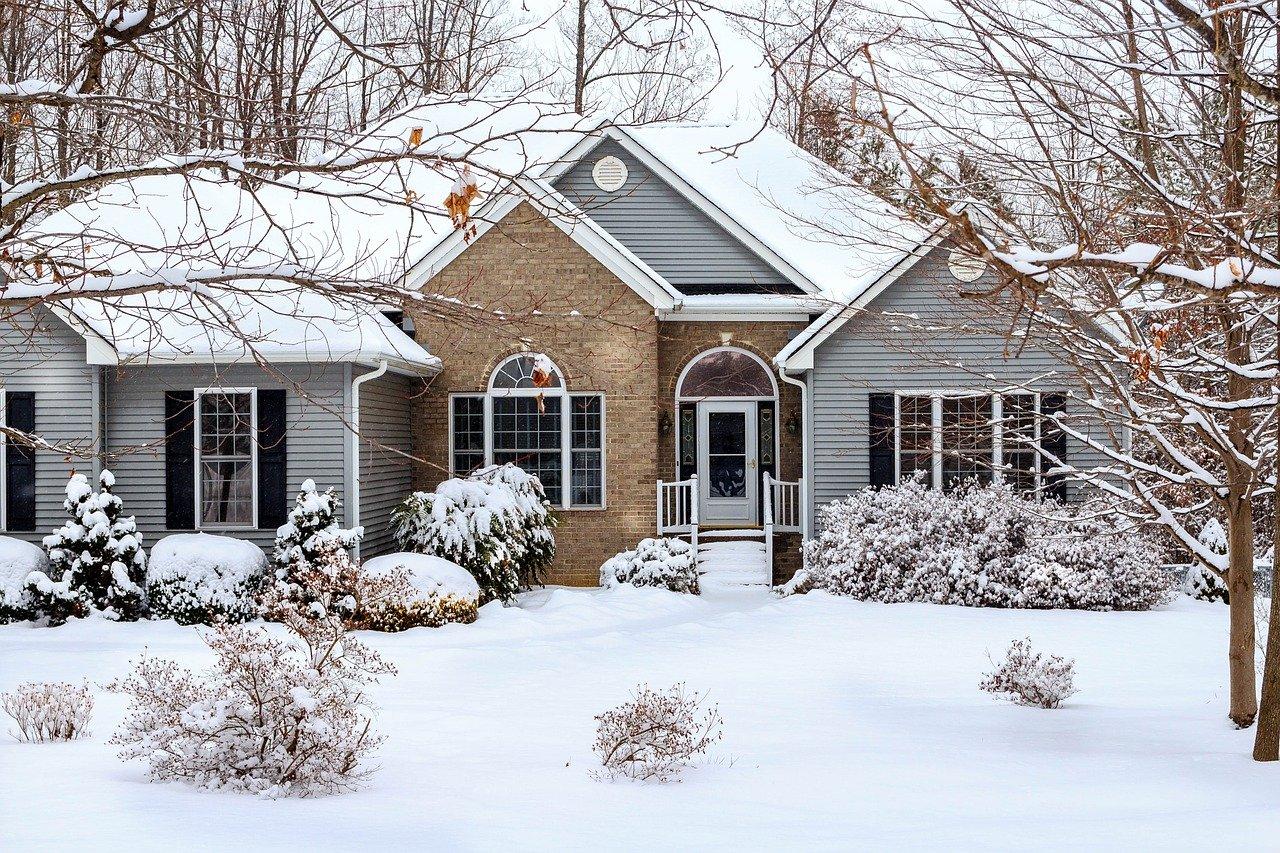
C:\Users\Renae\Downloads\winter-670314_1280.jpg

There are a number of reasons why you might want to replace your windows and doors in the winter. Either you’ve just moved in and want to upgrade them because they are old, or maybe you feel like they aren’t performing well, or perhaps even you may just feel like they are out-dated and that your home needs a new look. 

Windows and doors are an essential part of any home. They allow us to enter and exit our home, to let air and light in, but they are also designed to protect us from the elements and intruders when necessary. When they aren’t performing optimally, windows and doors can be the cause of heat loss in a home which can in turn make your furnace overwork – meaning you will be paying more on your energy bills.

When considering window replacement, it’s important that you find a window and door company in Kitchener that manufactures their products according to the highest energy standards. Look for a company that can offer you ENERGY STAR® certified windows that can help you lower your household energy bills by an average of 12 percent. Bonus: by lowering your energy consumption you are also helping to reduce greenhouse gas emissions.

Best Time to Replace Windows and Doors

You might be thinking that the middle of winter isn’t the most ideal time to contact your local window installer. Not only may it seem like it would be difficult for them to work in bad weather, but you’re probably also worried about the snow and cold getting into your home while they work.

Despite your worries, professional, certified window installers are typically able to install your units in one day. They also take precautions to ensure that your home is protected while they work, like by putting up plastic sheeting to keep the elements out and your things protected.

You can trust a window company that takes the time to assess your home and give you a quote before beginning work. The best ones will even do the measurements and check the work being done twice before starting – this ensures that everything is exactly to your specifications.

Once a day has been selected, your window and/or door installation team will likely ask you to move items at least two feet away from the areas being worked on. They’ll also ask if there is anything outdoors that they need to be careful of – like a favourite bush or flower bed.

By providing them with the information they need upfront, they’ll be able to prepare properly to make sure that nothing gets damaged in the process. If it’s just a straight replacement, things generally go smoothly and quickly, and as already noted can typically be finished in a day.

With the right windows and doors, you can protect your home from heat loss this winter, lower your energy bills, and also beautify the inside and outside of your home.

Selling An American Comedy Icon’s UFO House

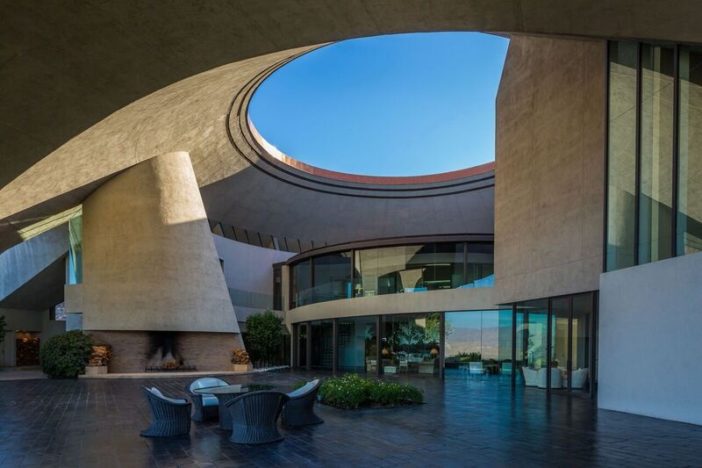
It took awhile, but eventually, Bob Hope’s UFO house sold for $13 million USD, after first being listed in early 2013 with a price tag of $50 million USD.  Having gone through a couple of price cuts over the years, the most recent cut lowered the ask to $25 million USD.  But with no comparable homes available, how does one actually price a concrete space ship?  Seems that when $25 million was thrown at the wall, $13 million stuck.

 bob hope ufo house banner2

The Palm Springs spaceship/volcano house, designed for Bob and Dolores Hope by John Lautner in 1973, needed a buyer with deep pockets who would appreciate its futuristic leanings, had appreciation for architects who think outside the box and are young at heart enough to enjoy a bit of whimsy.  The buyer, California billionaire Ron Burkle, co-founder and managing partner of a private equity and venture capital firm, is well known in the Los Angeles area for his connections with the Clintons.  Sporting as interesting a persona as the house, Burkle is a prominent Democratic activist and fundraiser.  

 bob hope ufo house interior2

At 23,000 square feet under the dramatic high undulating roof, the unique house has open spaces in the walls and ceiling which allow daylight or stars to shine through casting shapely shadows into the interior. These curved openings also allow for stunning views across the landscape and mountains while appearing to be nestled comfortably into its well-designed desert landscaping and outdoor living areas. The house also has a spa with greenhouse wall, 6 bedrooms, 13 bathrooms, indoor and outdoor pools, a pond, putting greens and a tennis court.


Burkle collects other historic architecture and purchased the Frank Lloyd Wright Ennis House in 2011 and also owns Greenacres that was originally built for silent comedy film actor Harold Lloyd.  Patrick Jordan and Stewart Smith of Bennion and Deville Homes were the listing agents and Ron de Salvo of Coldwell Banker Residential Brokerage represented Mr. Burkle.  Even at the greatly reduced closing price of $13 million, the sale has set a record for the highest sale price in Palm Springs beating Lautner’s Elrod House that sold for $7.7 million two months earlier. For the Silo, Terry Walsh.