Tag Archives: Porsche 911

10 Coolest Porsche Headlights- Don’t You Agree?

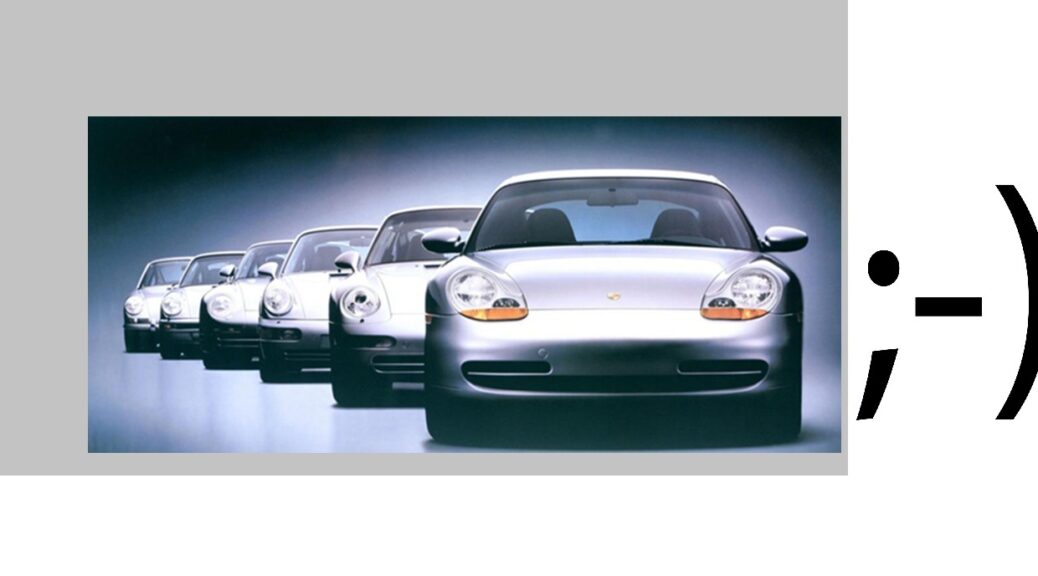
10. Porsche 911 (996, 1998–2004) — The Controversial “Fried Egg” Design
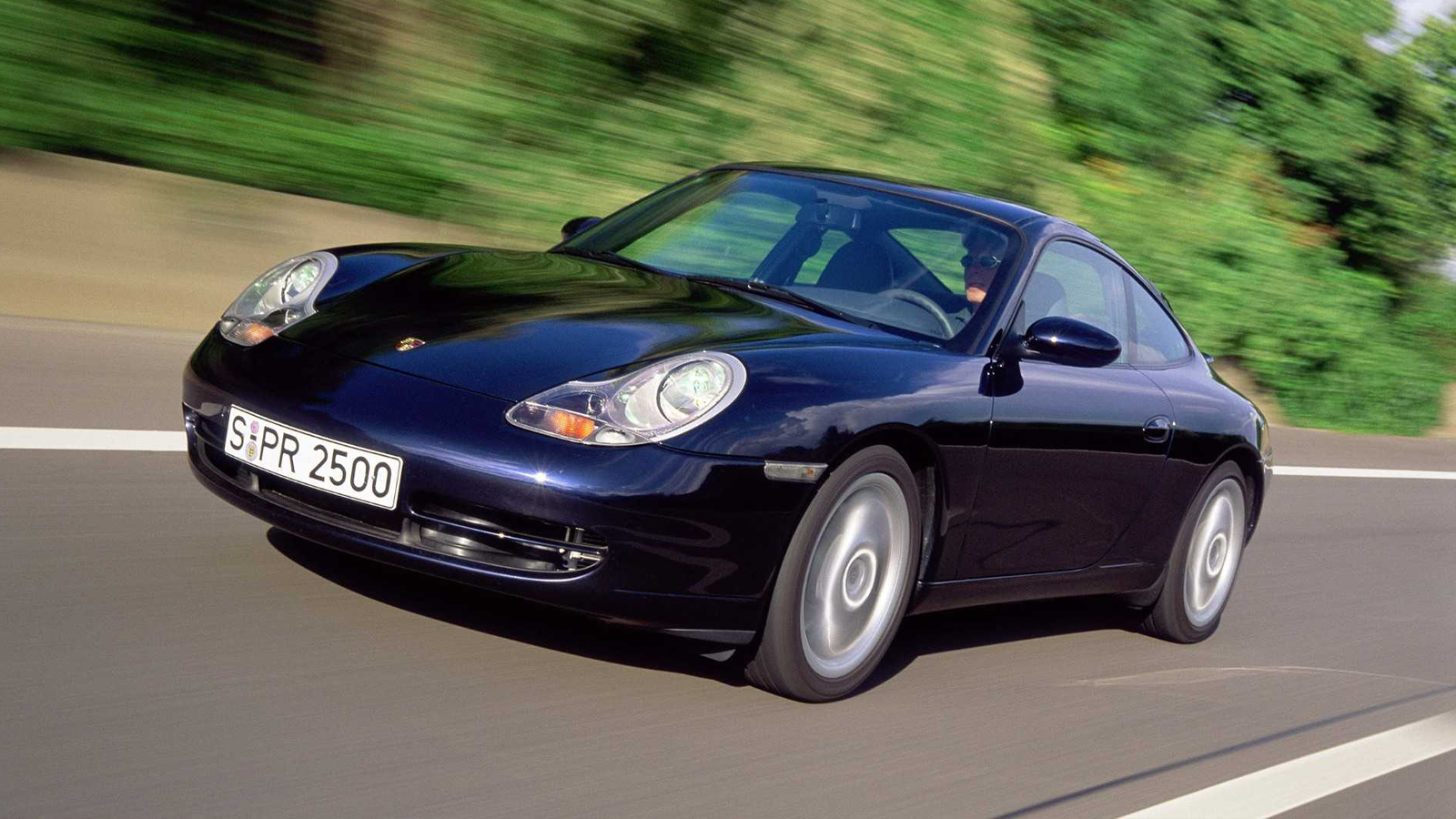
Initially divisive, the 996’s integrated headlamp clusters (combining main, high, and indicator lights under one cover) represented Porsche’s first major step into modern production efficiency. The “Fried Egg headlight” design was so controversial that when introduced, many car purchasers (especially those owning the first generation Porsche Boxster 986) modified the headlights with window tint to “hide the yolk”!
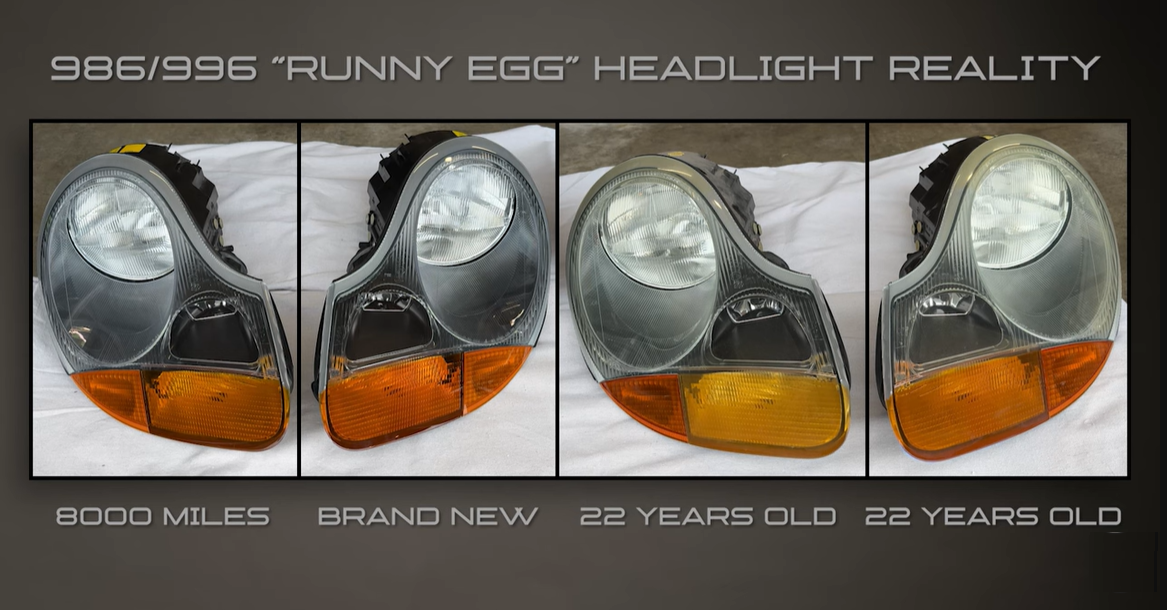
Regardless of how acceptance was split, the design was sensible and borrowed from the 911 GT1 race car, this setup improved aerodynamics and manufacturing simplicity. Over time, enthusiasts have come to appreciate its boldness, and we’re going as far as naming it in our top 10 list of the coolest Porsche headlights ever!

9. Porsche 911 RSR (2017–Present) — The Perfect Fusion of Heritage and Function
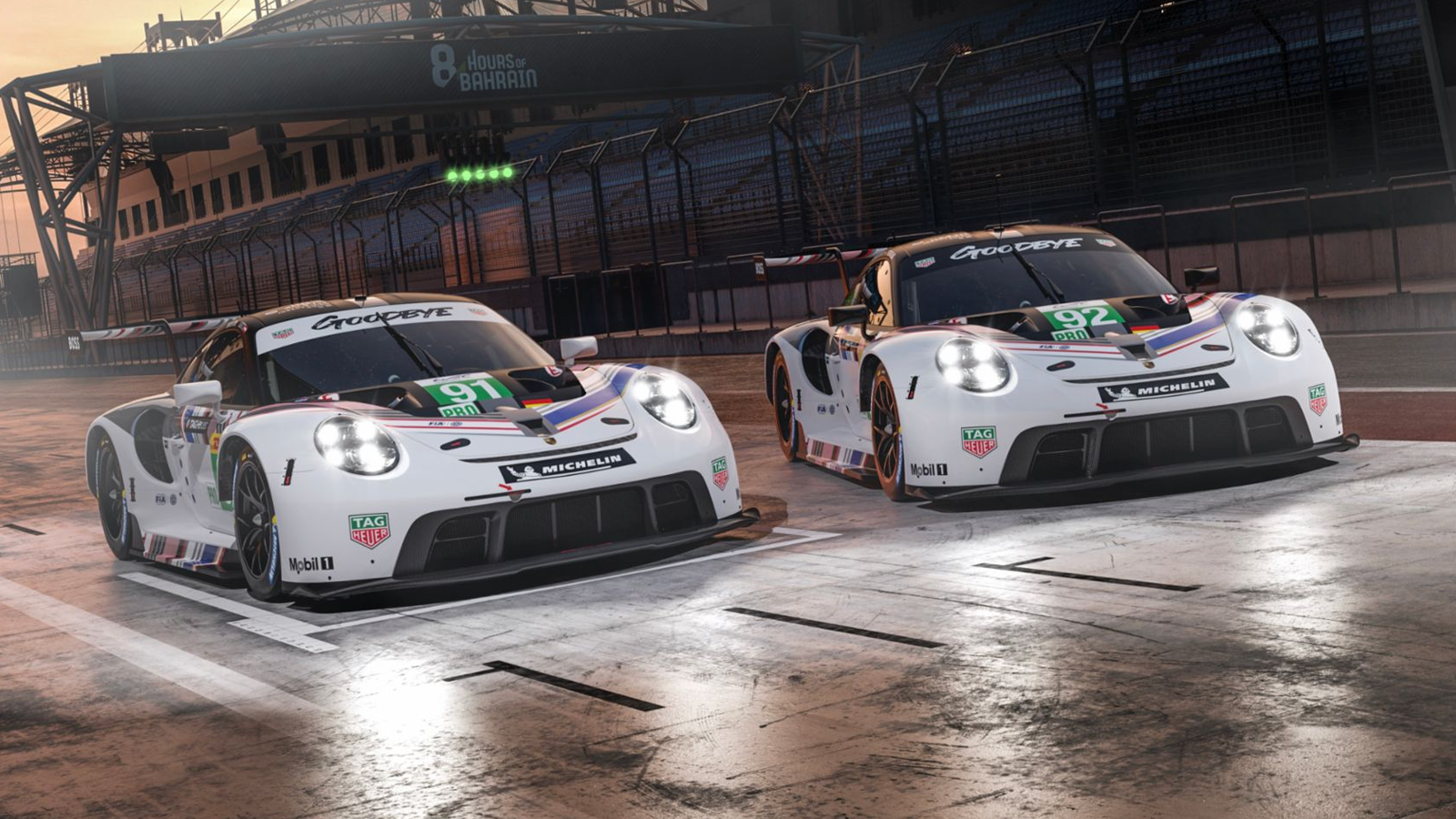
The 911 RSR’s headlights combine classic round symmetry with cutting-edge LED tech and aerodynamic sculpting. The signature four-point LEDs maintain Porsche’s unmistakable night-time identity. In endurance racing, where function dominates, the RSR’s lights prove that beauty and performance can coexist perfectly.

8. Porsche 917K (1970) — Racing Eyes Built for Le Mans
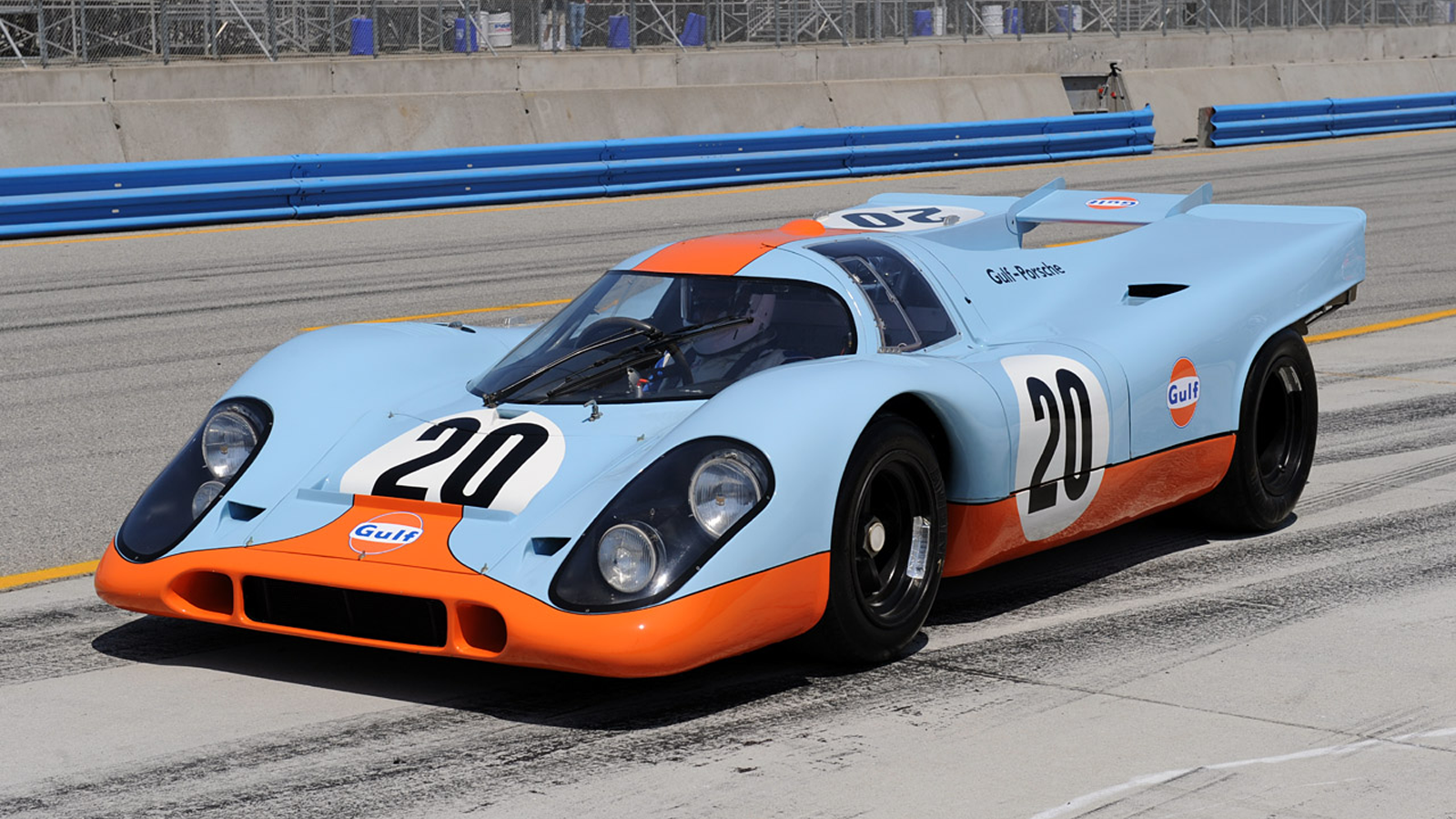
The 917K’s headlights weren’t just for show; they were shaped by necessity. With their low, wide fairings and Plexiglas covers, the lights became a critical aerodynamic component at speeds exceeding 220 mph. Their integrated look and teardrop housing gave the car a menacing, purposeful face that influenced Porsche’s endurance racers for decades.

7. Porsche 918 Spyder (2013–2015) — Laser Precision and Modern Drama
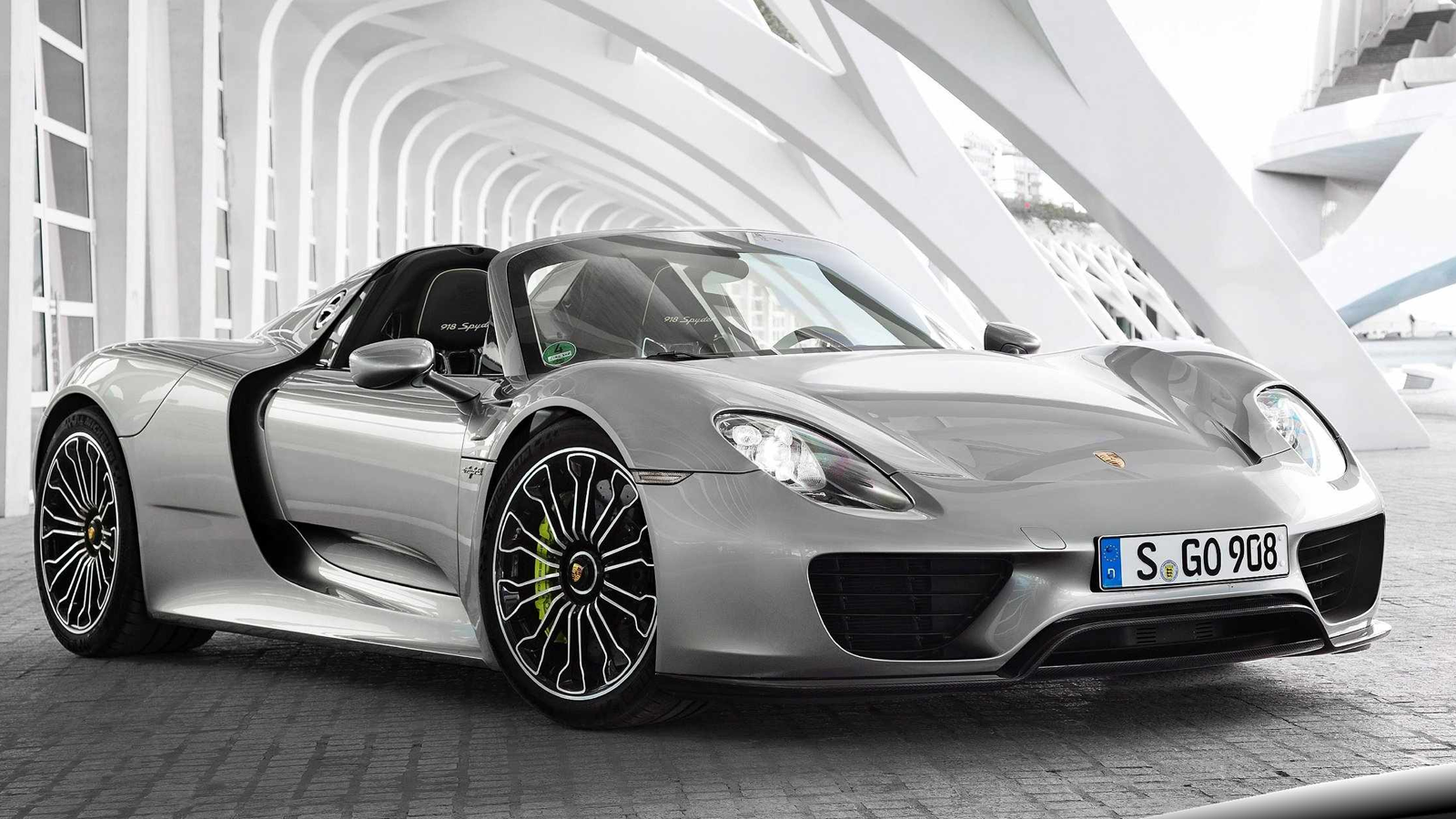
A leap into the hybrid era, the 918 Spyder’s four-point LED headlights introduced a motif that defined Porsche design for the next decade. Their sharp-edged housings and distinctive daytime running light pattern made them unmistakable, even in the dark. They also pioneered Porsche’s adaptive light technology, blending form, function, and digital precision.

6. Porsche 993 (1993–1998) — The Last of the Classic Round Lamps
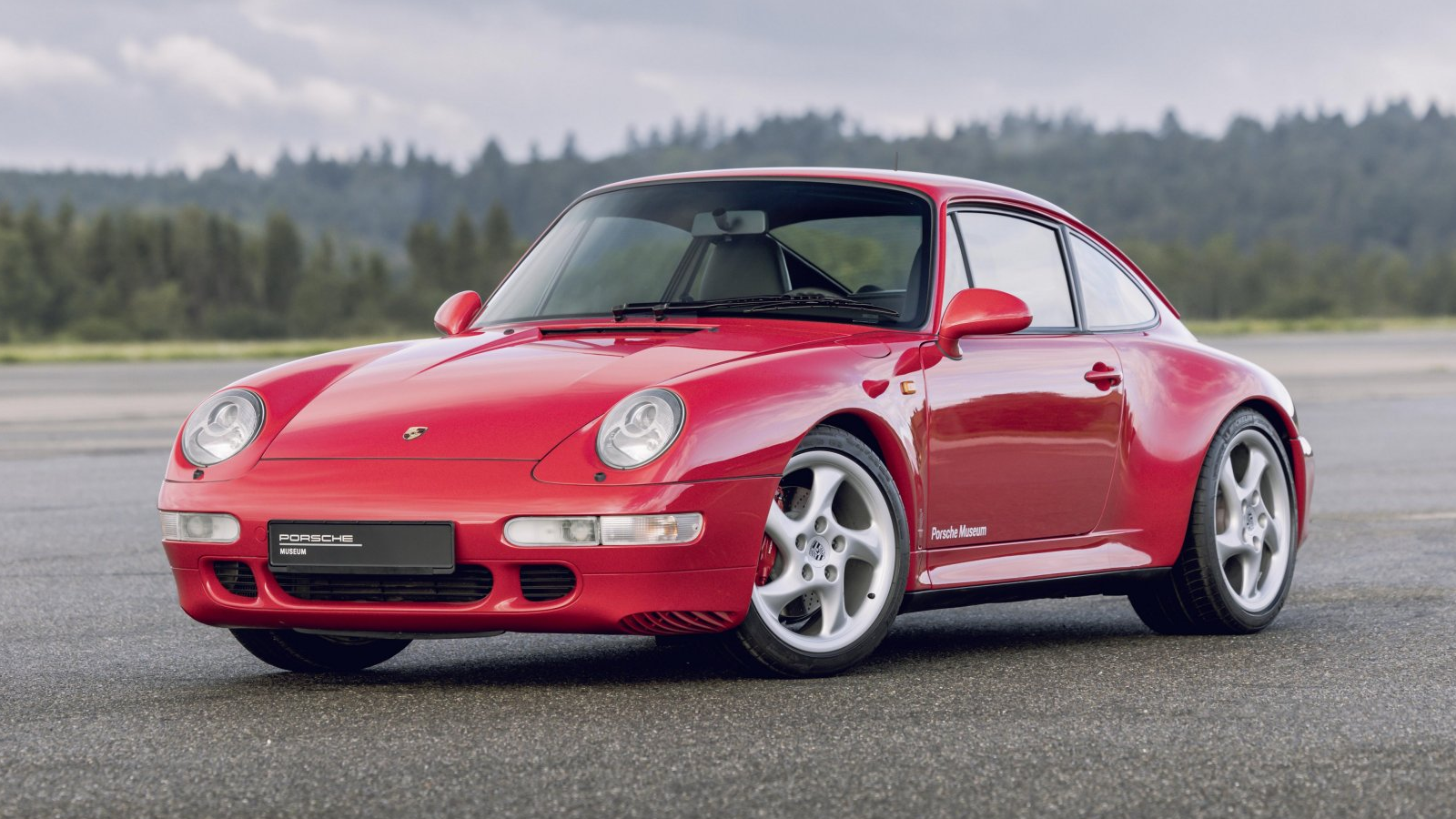
The 993 introduced a new, sloped front end with headlights that followed the hood line, a significant break from tradition. The design, though controversial at launch, ultimately modernized the 911’s appearance and improved aerodynamics. Its flush, oval lenses became icons of the 1990s Porsche aesthetic and marked the final air-cooled era’s visual identity.

5. Porsche 911 (964) — Classic Form Meets Modern Function
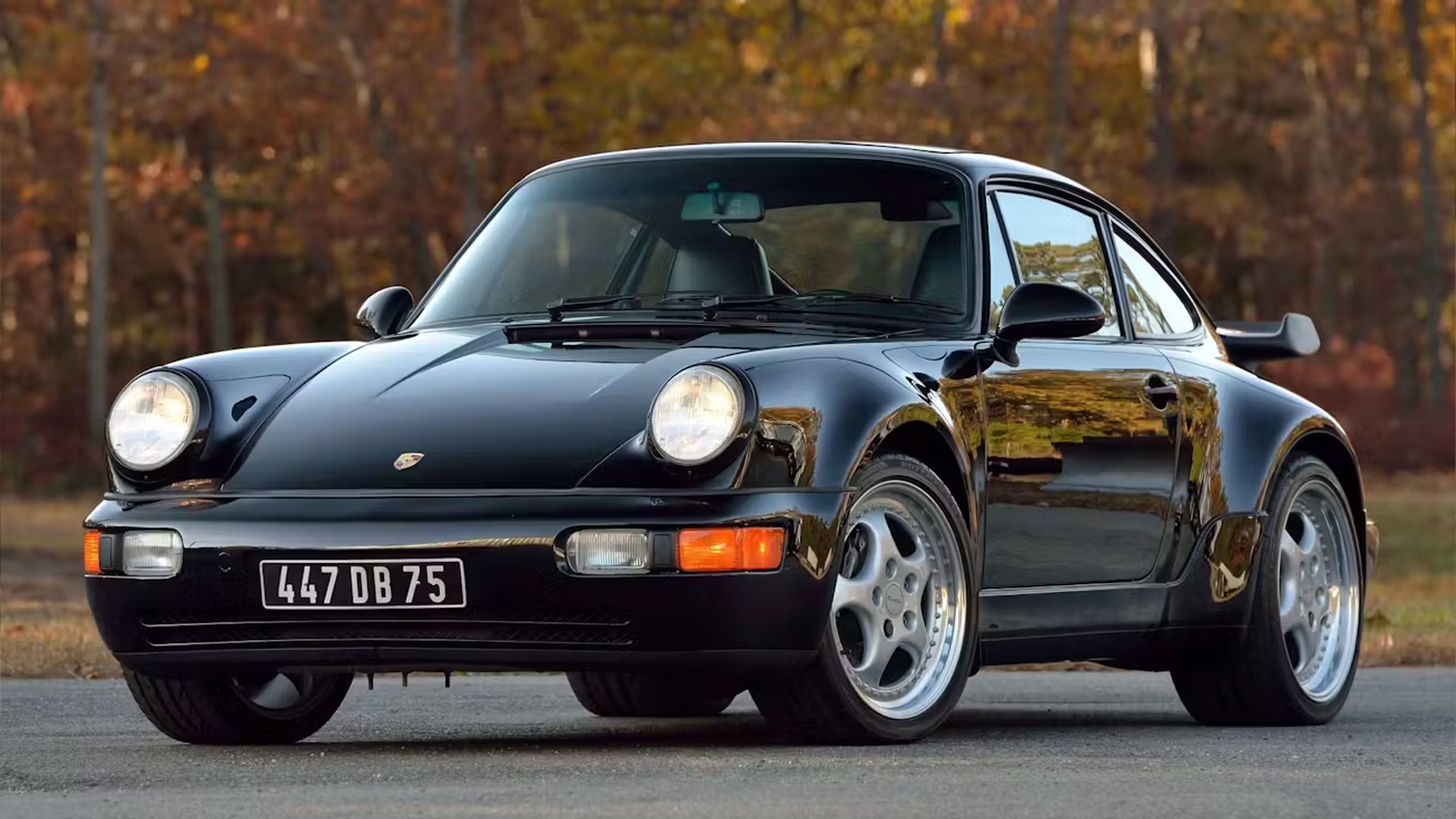
The 964 retained the round 911 lights but subtly reshaped them to fit new, smoother bodywork. They were slightly more upright and used improved reflectors and halogen elements for better illumination. This generation is often overlooked, but its headlights mark the bridge between old-school air-cooled charm and modern Porsche precision.

4. Porsche 356 (1948–1965) — The Blueprint for Porsche’s “Eyes”
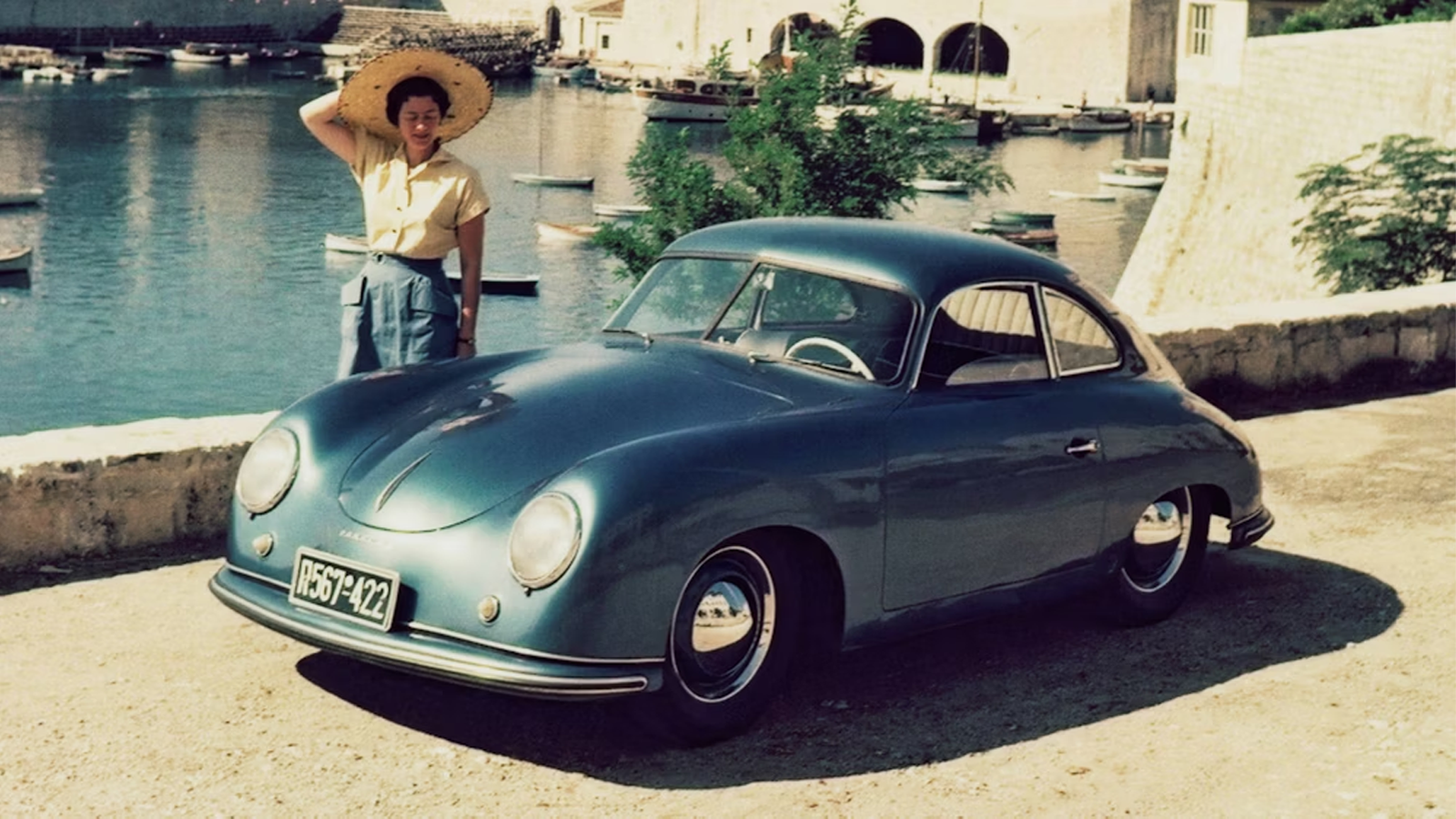
The 356 established the signature oval headlight shape that became Porsche’s visual identity for decades. Mounted high and slightly reclined, the chrome-rimmed lenses gave the car a friendly yet purposeful look. Though rooted in postwar simplicity, their integrated design flowed seamlessly with the rounded fenders, a foundational cue that carried into every 911 thereafter.

3. Porsche 959 (1986–1988) — Aerodynamic Function in a Supercar Form
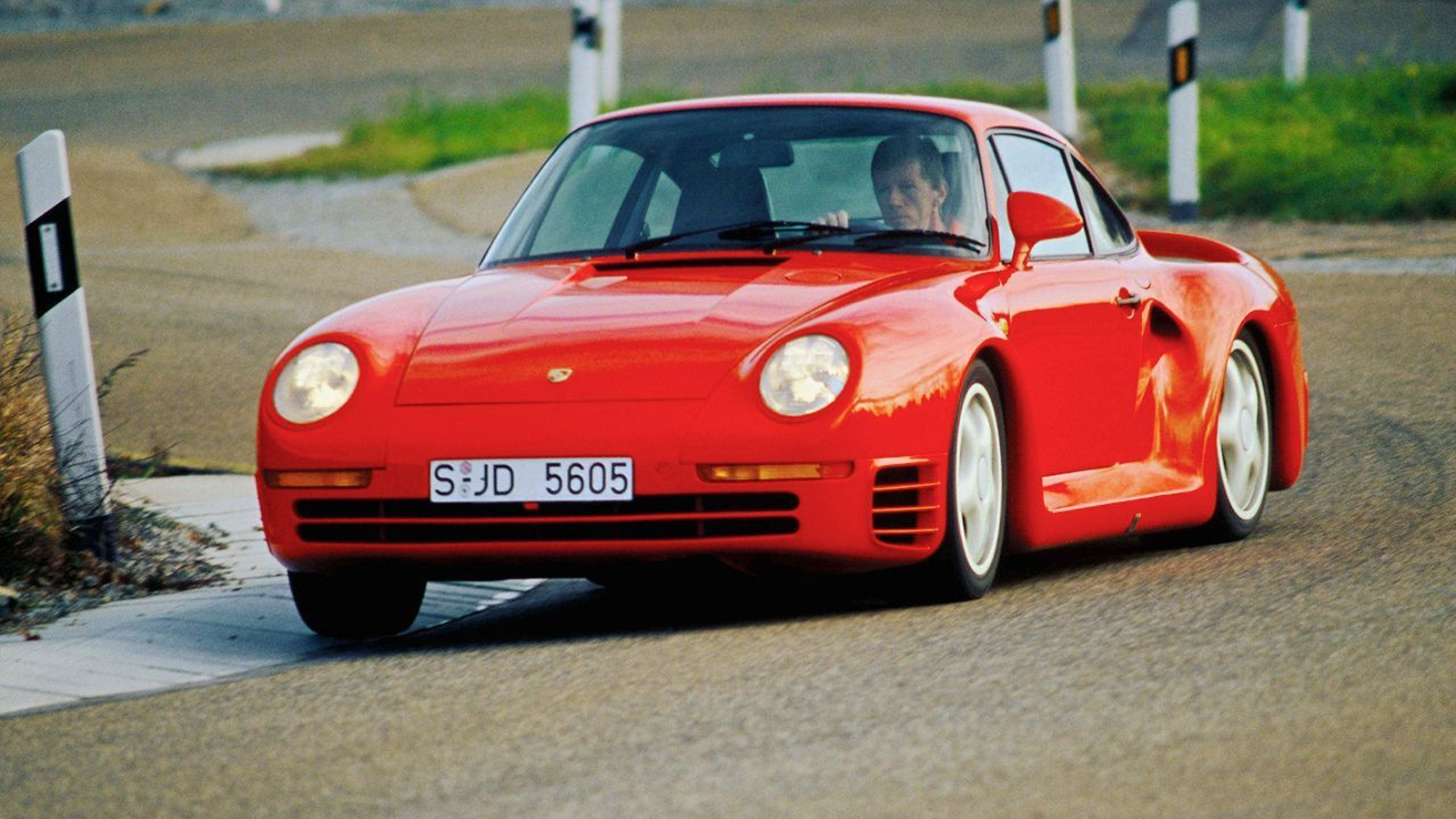
The 959’s headlights were a turning point for Porsche’s design language. They maintained the classic round outline but were deeply recessed into the front fenders for aerodynamic efficiency. Flush glass covers gave the car a sleek, cohesive face that previewed Porsche’s shift toward modern integration and minimal drag. Beneath the surface, their lighting performance outclassed most of the era’s supercars.

2. Porsche Mission R Concept (2021) — The Future in Plain Sight
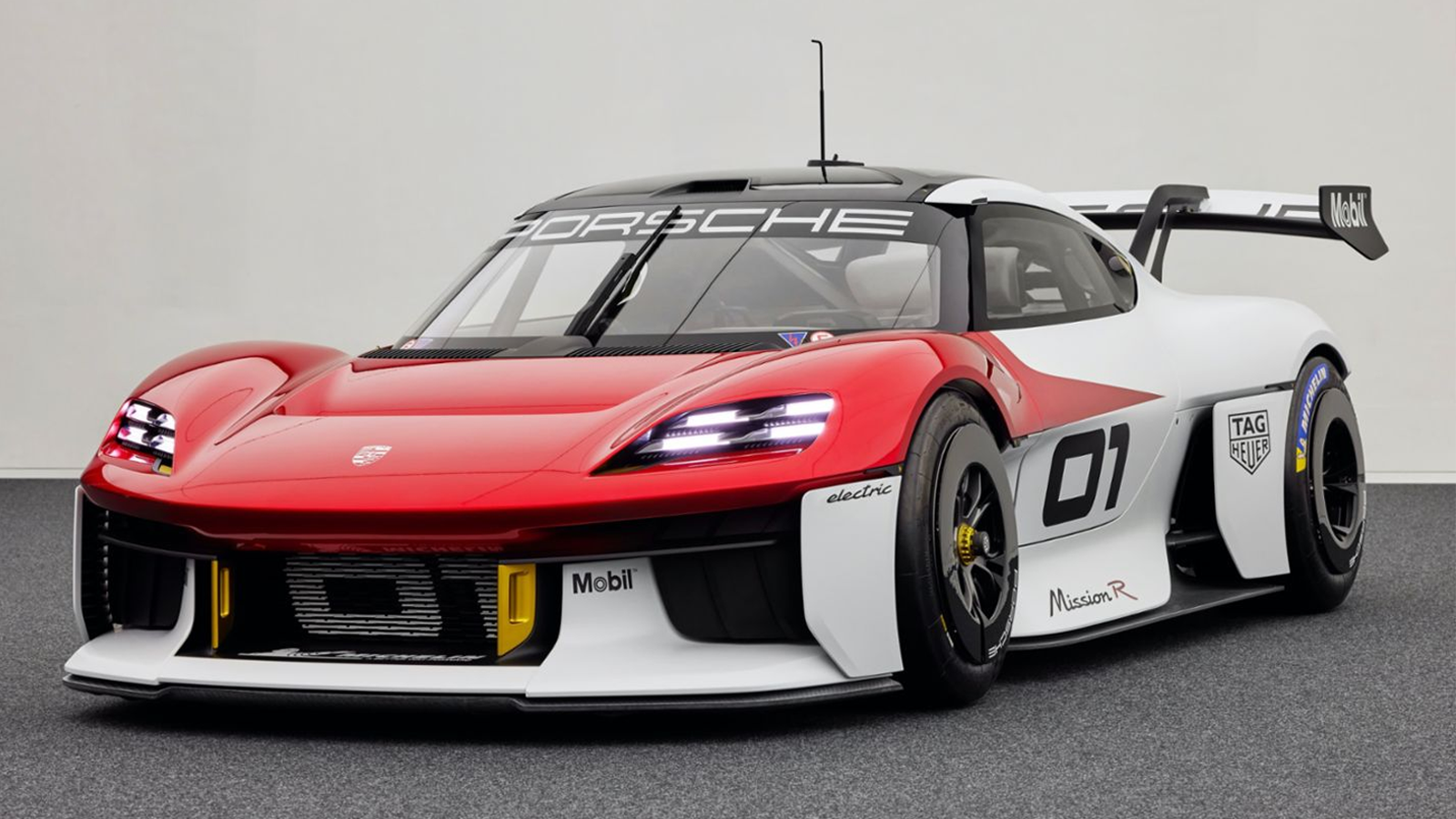
With its slim, vertically stacked LED units framed by a minimalist housing, the Mission R’s headlights reimagined Porsche’s “four-point” look for the electric age. They were both expressive and efficient, incorporating cooling ducts and DRL elements into a single sculptural assembly. The design hints at the next generation of motorsport and production cars from Porsche.

1. Porsche Carrera GT (2003–2007) — Pure Function, Clean Form
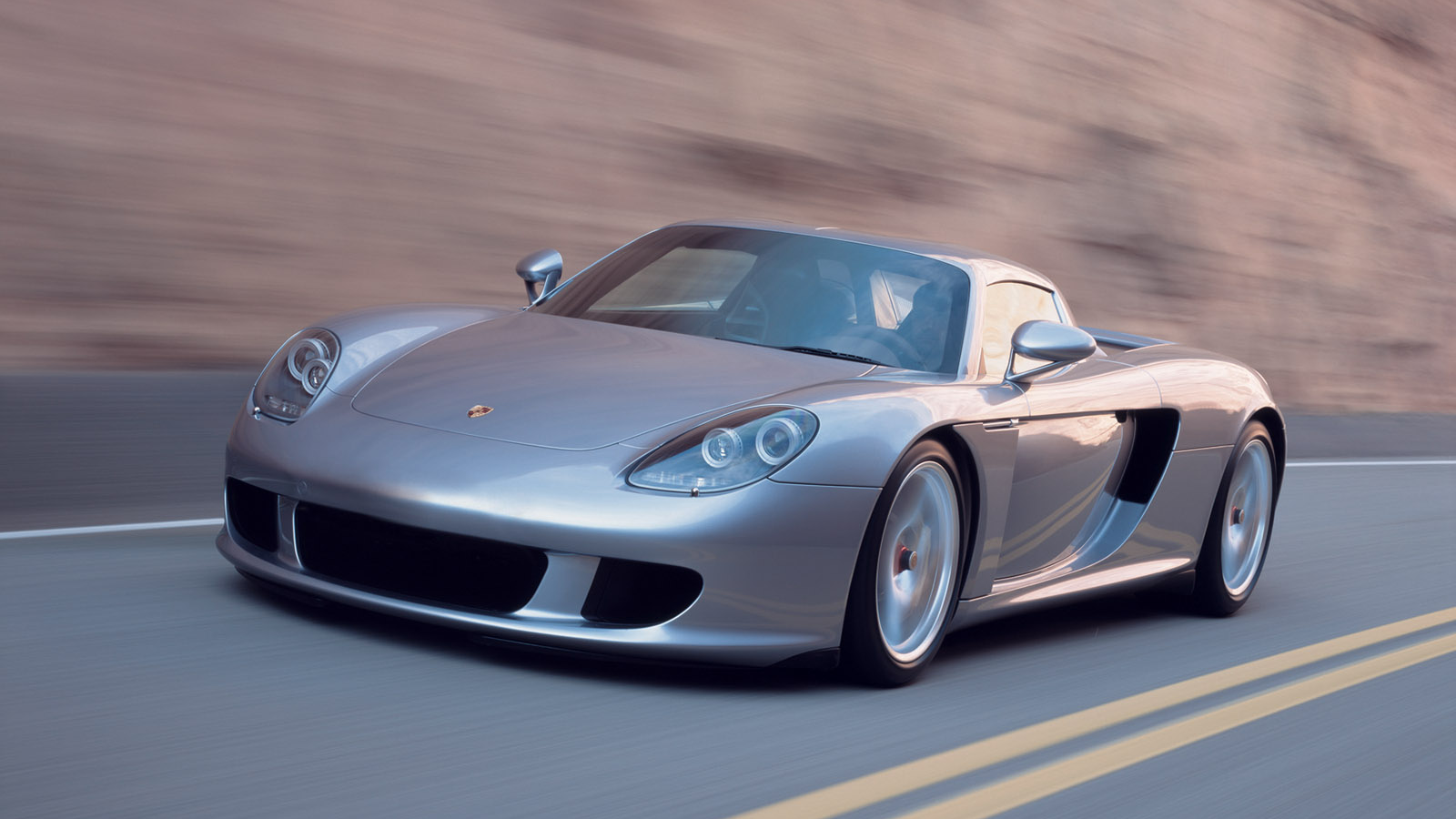
The Carrera GT’s headlights embodied Porsche’s design minimalism at its finest. With visible projector lenses under a clear polycarbonate cover, they echoed the look of endurance racers while maintaining a sculptural, lightweight appearance. The compact design allowed for large air channels around them, aiding cooling and aerodynamics, beauty born from engineering.

For The Silo, Verdad Gallardo/Rennlist.com

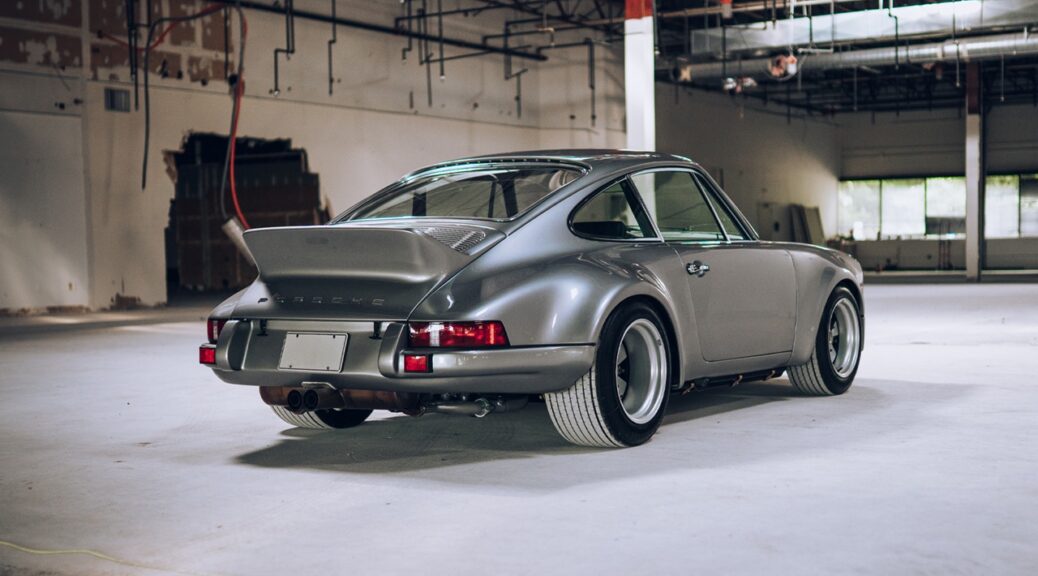
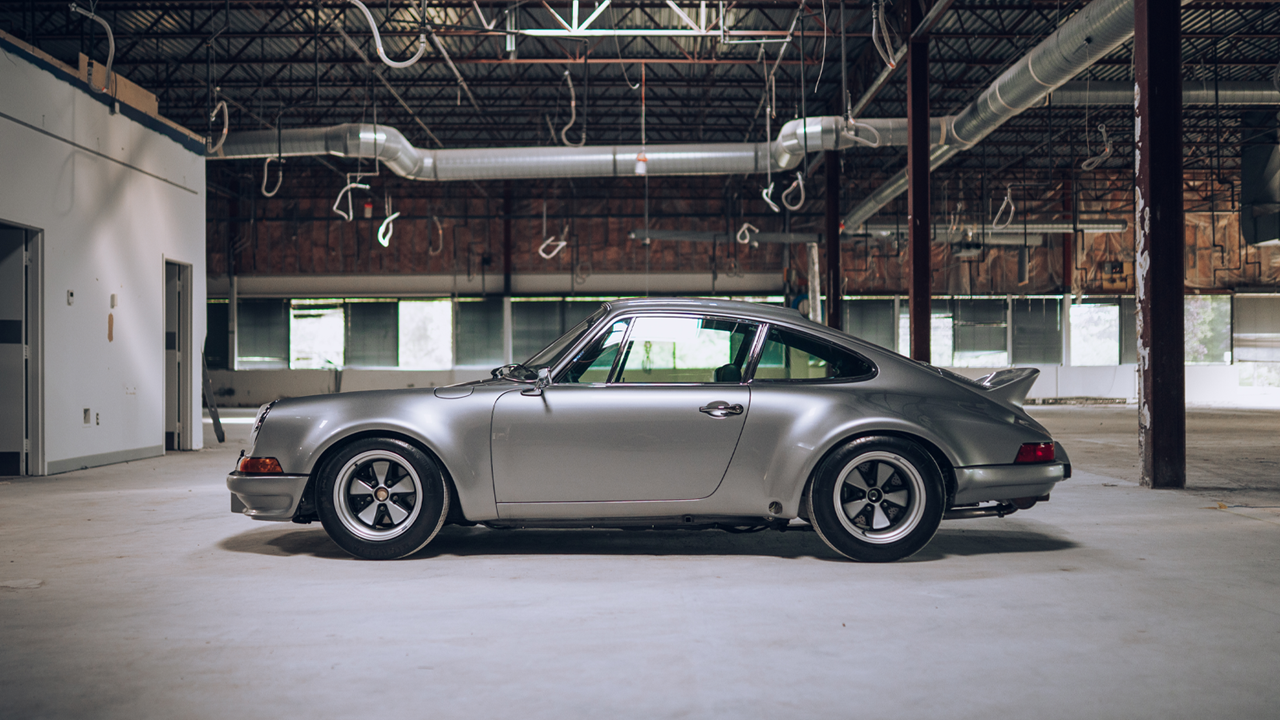
Joe Rogan’s RSR Revamped Porsche 911

A Collector Expands His Fleet

Joe Rogan’s car collection already includes a SharkWerks 997 GT3 RS, a 964 RS America, and a 993 Gunther Werks 911. Now, the comedian and podcast host has taken delivery of a custom-built Porsche 911 RSR tribute from The RSR Project. Nicknamed Silver 2, the car is designed to echo Porsche’s early motorsport roots while offering upgraded performance for modern driving.

The Build Process

The project began with a galvanized 1985 Carrera tub, which was stripped down and reworked with steel flares and fiberglass panels to achieve the classic long-hood RSR profile. The body was finished in a glossy silver paint that recalls bare metal and paired with period touches such as a ducktail spoiler, fiberglass bumpers, and 15-inch Braid Fuchs wheels wrapped in Michelin TB15 vintage tires

Power and Engineering

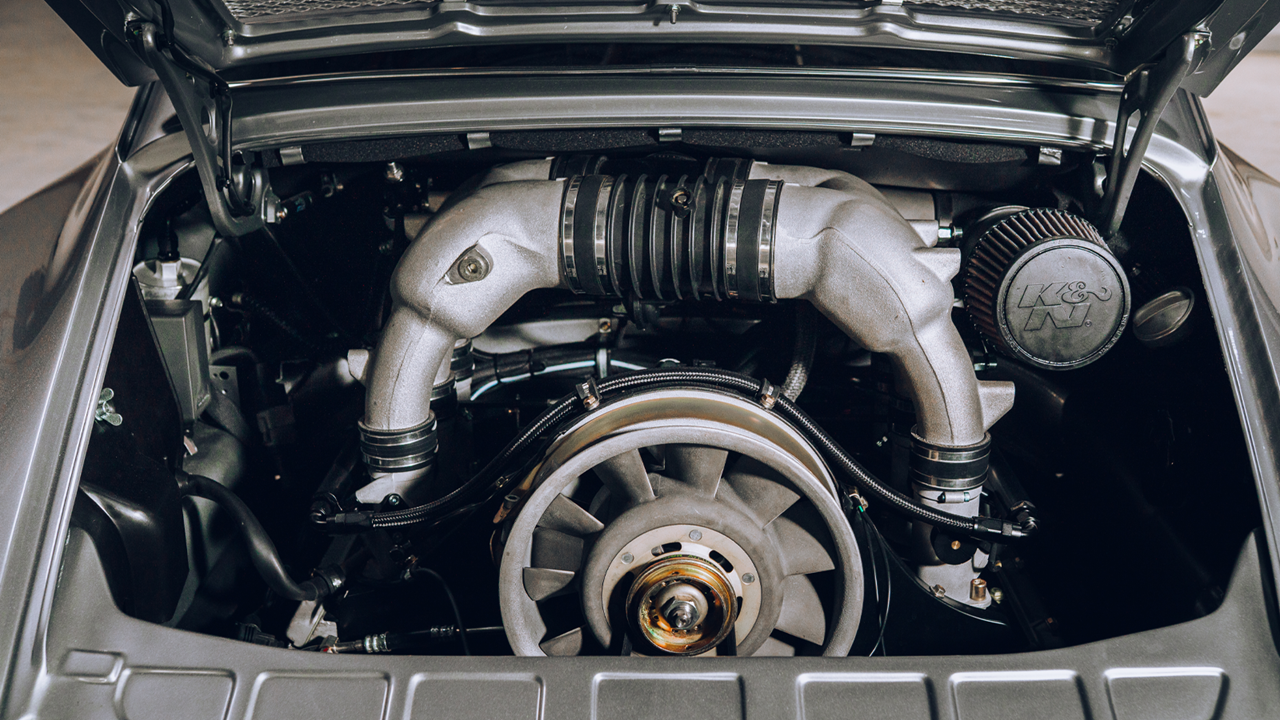
Founder Richard Schickman led the build, which included a complete mechanical overhaul. Rogan’s car is powered by a 3.5-liter flat-six producing 310 horsepower, equipped with twin-plug heads, GT3 intake plenum, Clewett Engineering throttle bodies, Elgin cams, Lucas injectors, and Bosch ignition components. The motor is controlled by an Emtron SL ECU and paired with a fully rebuilt transmission. Suspension and braking systems were also refreshed to meet both performance and reliability standards.

“Our goal with every build is to honor Porsche’s motorsport heritage while elevating performance to meet modern expectations,” Schickman explained.

Precision Rebuild Standards

Every RSR Project car undergoes a full teardown. Engines are disassembled, magnafluxed, and sonic cleaned, while rotating components are balanced to within a gram. Cylinder heads are resurfaced, valve guides replaced, and transmissions rebuilt with new synchros and seals. The result, according to the company, is a drivetrain that looks factory-new but performs with modern precision and durability.

Interior Details

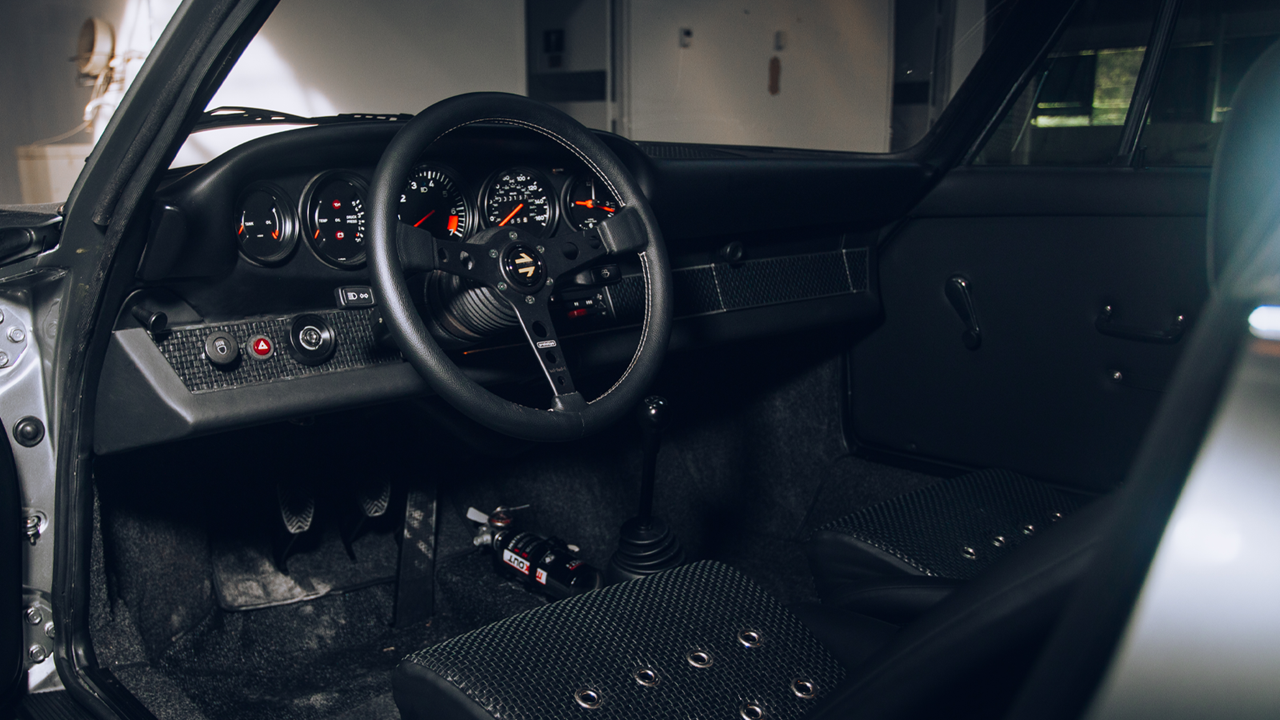
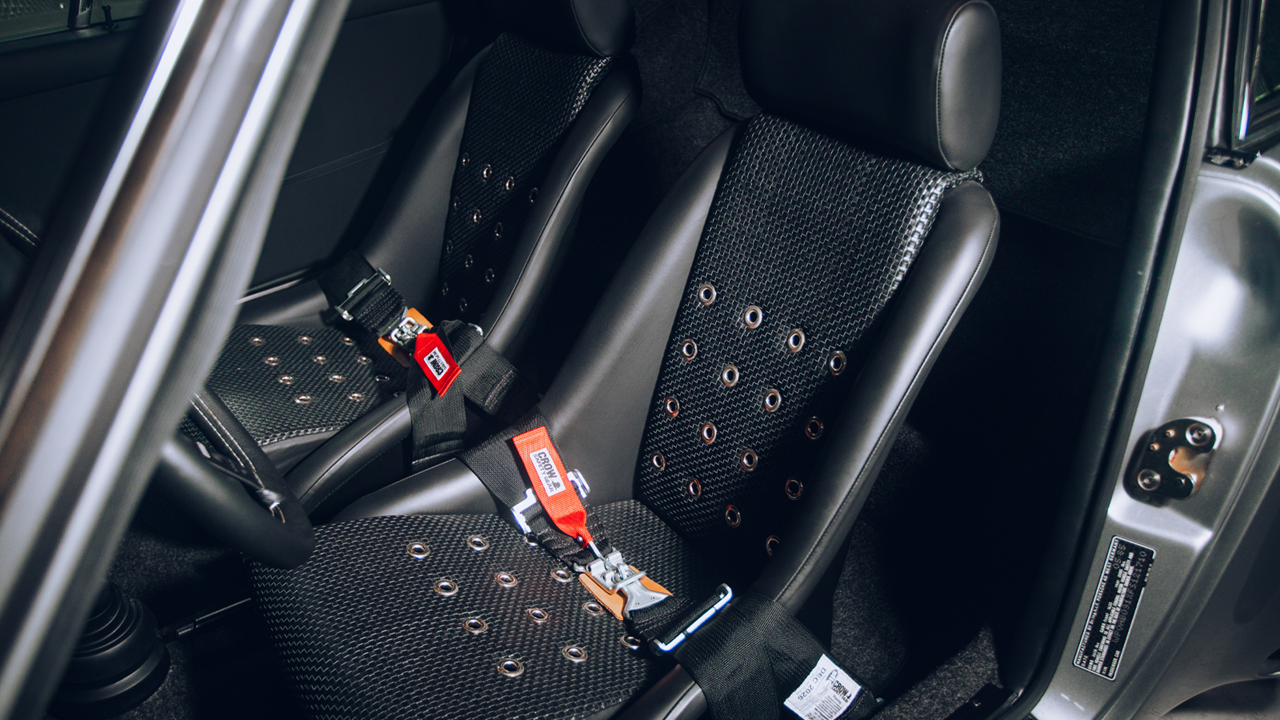
The interior follows the same philosophy of heritage blended with bespoke craftsmanship. Rogan’s build features black fixed-shell bucket seats trimmed in woven leather with nickel grommets, a nod to 1960s GT40s. The dashboard was replaced with a Porsche Classic unit, paired with RS-style door panels, lightweight Perlon carpeting, and a Momo Prototipo steering wheel. The minimalist approach is reinforced by details like pull straps, a radio block-off plate, and a Wevo short shifter.

Rogan declined extras like a sound system, opting instead for a stripped-down cabin that celebrates Porsche’s racing DNA. The only modern concession is an electric air conditioning system.

Road-Proven Performance

The RSR Project emphasizes that its cars are built for driving, not static display. Rogan’s Porsche underwent more than 700 miles of testing before delivery to ensure reliability and fine-tuned performance. As Schickman noted, “Every RSR we create is built to be driven and enjoyed thoroughly.”

Time and Cost of an RSR Build

Building a Porsche to this level is a significant undertaking. Each project typically requires 12 to 18 months to complete, with prices starting at $375,000 usd/ $516,750 cad (at time of posting). Clients can select additional options such as upgraded engines, modernized braking systems, and electric air conditioning. Earlier in the year, the company also unveiled RSR Project No. 21, a Signal Orange homage to the 1973 Rennsport Rennwagen.

This article via our friends at rennlist.com

Porsche Commit Long Term To Gasoline Engines

Change of Plans

There was a time, not terribly long ago, when it seemed like the automotive industry was on the fast track to total electrification.

Ahead of Their Time

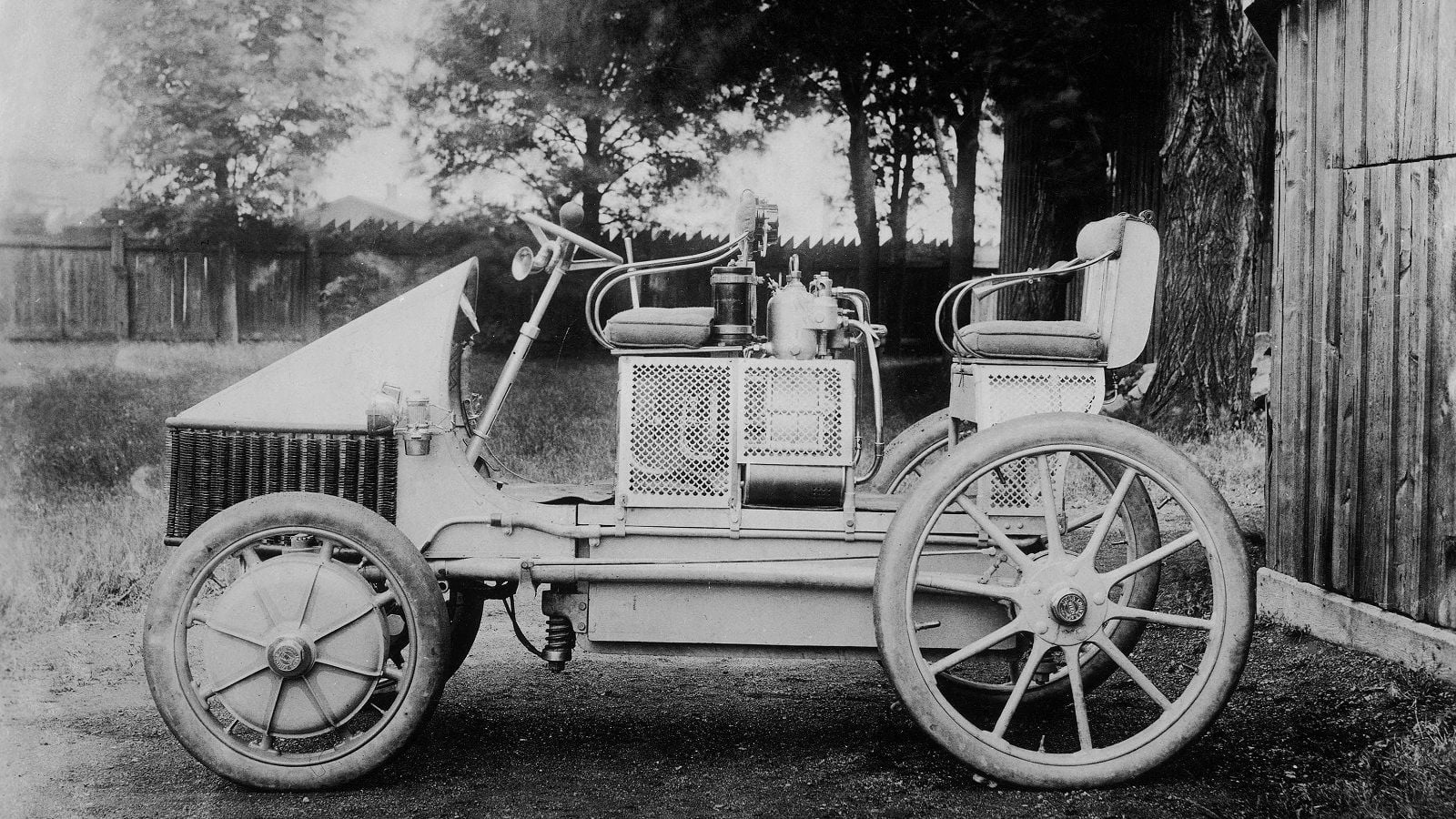
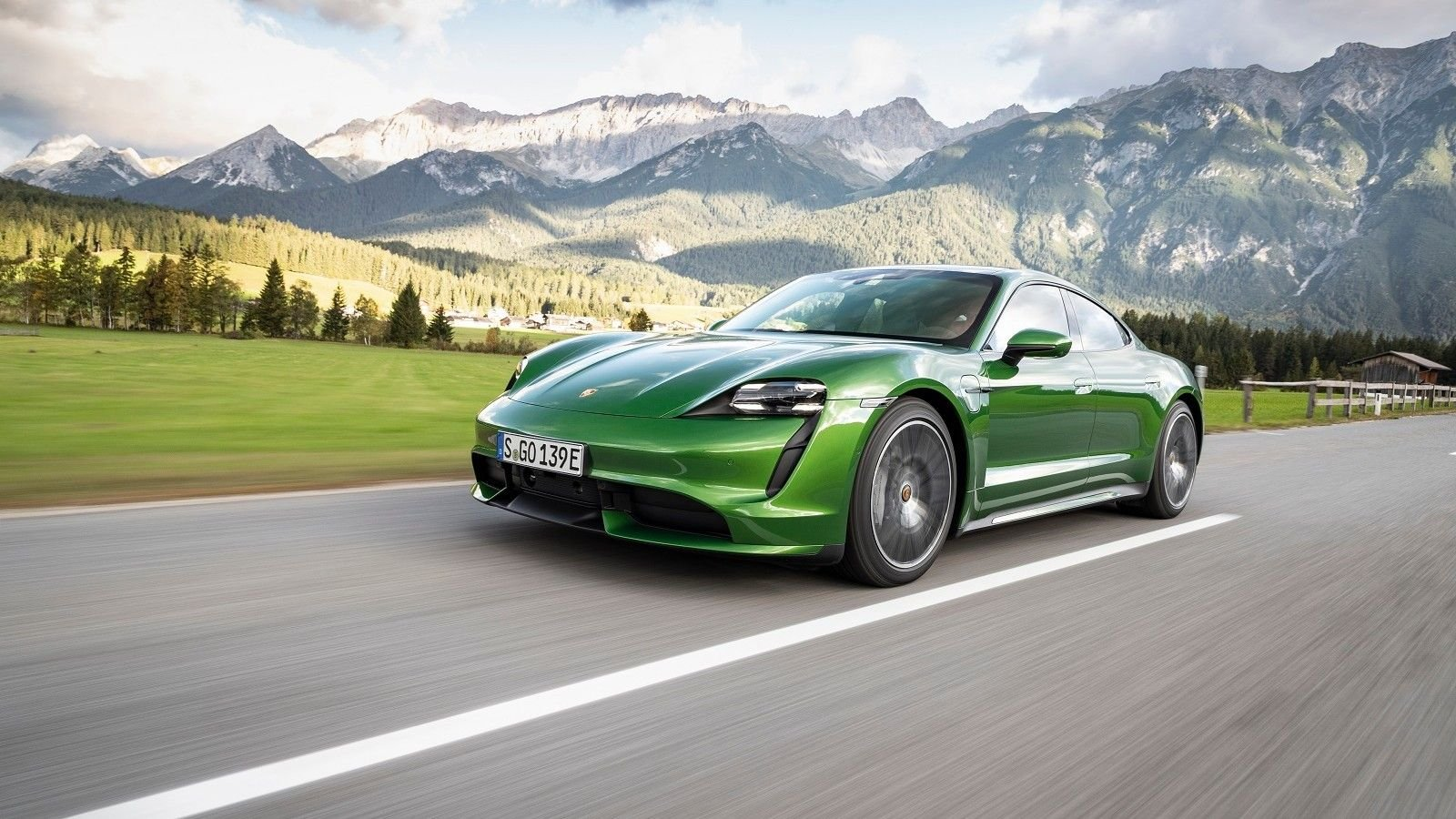
Many of us think of hybrid or all-electric power as a relatively new technology. After all, Porsche just introduced its very first production EV, the Taycan. But in reality, electricity has been around in the automotive world for over a century. And Ferdinand Porsche was one of very first pioneers to embrace this technology. When Porsche was a teenager back in 1893, he installed an electric lighting system in his parents’ house. Even the very first vehicles he designed had electric drives. After toying around with a few different ideas, Porsche designed the world’s first functional hybrid car, the Semper Vivus (Latin for “always alive”), in 1900. But due to its modest power output, heavyweight, and lack of infrastructure, the idea was relegated to the back burner for many years. 

Amid concerns over global warming, governments around the globe began floating regulations that sought to ban ICE vehicles outright – but in recent months, with demand falling behind expected levels of growth, a lot has changed, and now, those same plans are being scaled back.

Up To and Beyond

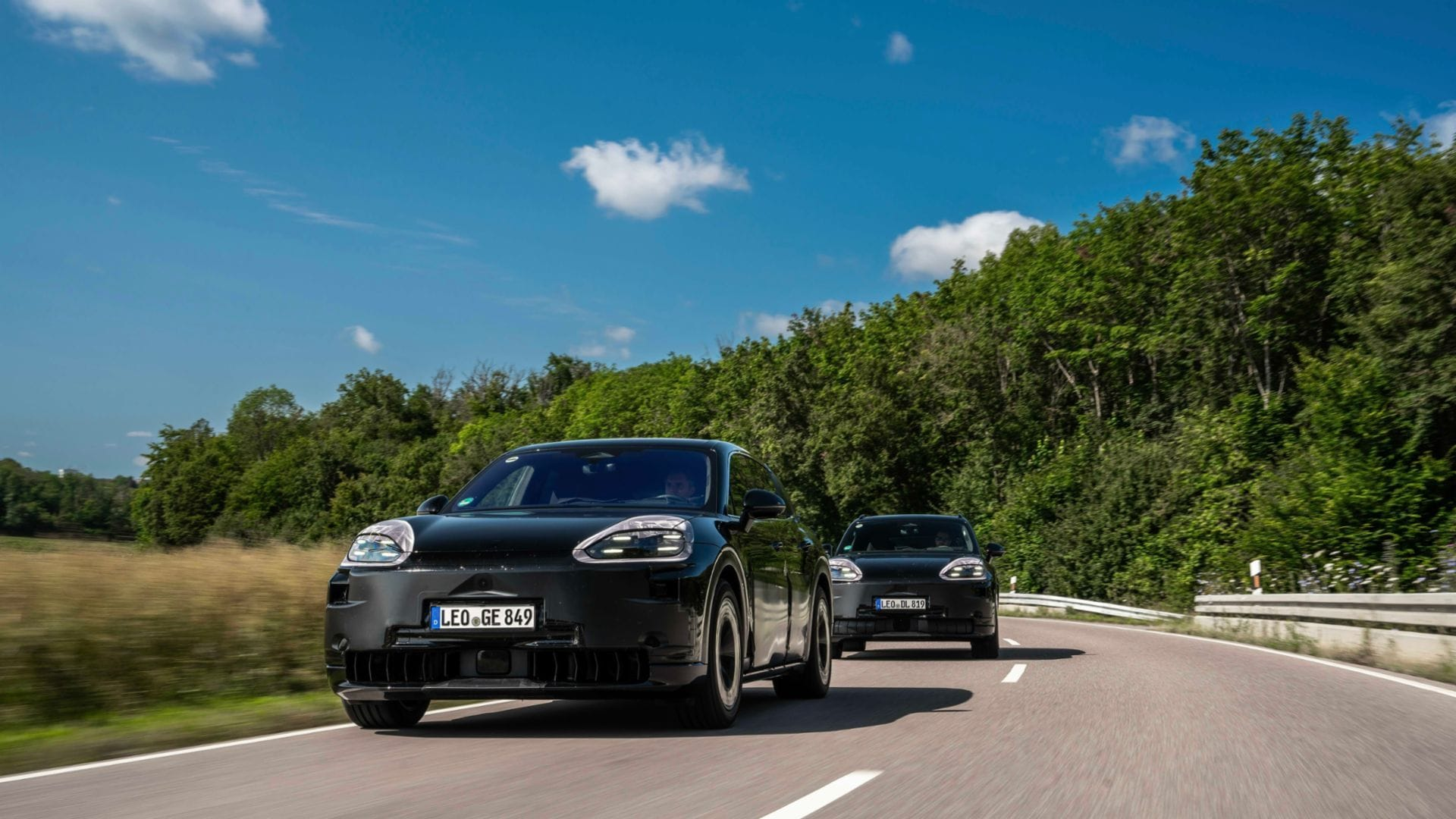
While Porsche recently revealed that it continues to develop the all-electric version of its Cayenne crossover, it also plans to continue to offer hybrid and combustion engine-powered examples of that same model – “up to and beyond 2030,” in fact.

Keeping the V8

Interestingly, Porsche also noted that the currently, third generation of the Cayenne will be upgraded and will continue to be offered alongside the fourth, all-electric generation model. Engineers will focus on the Cayenne’s ICE powertrains, however, including its twin-turbocharged V8, which it will need to tweak to ensure that it meets increasingly stringent emissions standards.

Still Focused

This is obviously great news for fans of ICE powertrains and the V8 in general, but also note that Porsche remains focused on an electrified future, regardless. “Our product strategy could enable us to deliver more than 80 percent of our new cars fully electrified in 2030 – depending on the demand of our customers and the development of electromobility in the regions of the world.” Oliver Blume CEO Porsche AG.

As such, Porsche plans to continue making gas engines for some time, it seems. 

An Ultimate 1980s Porsche: Clubsport 928

Lot 106 | The Porsche Auction in partnership with Air|Water | Auction Estimate: $275,000 usd – $375,000 usd/ $378,000 cad- $516,000 cad

INQUIRE

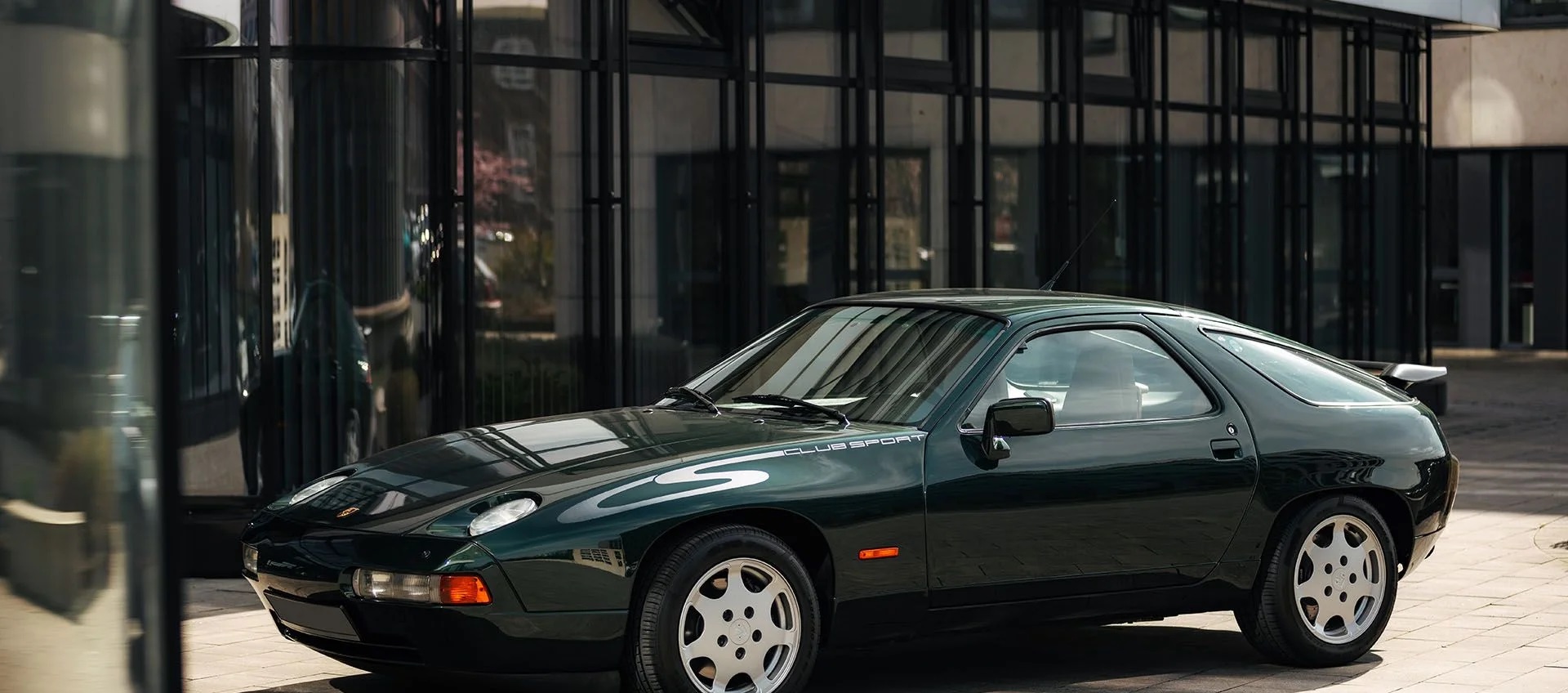
Ahh the 1980s. What a time to have lived through….when the panache of the laid back 1970s transformed into an MTV generation that fueled itself with (briefly) New Coke, parachute pants, Mr. T and Miami Vice. You may already know about “the car”- the one that taught Tom Cruise how to drive a stick and made famous the line “Porsche, there is no substitute”, but as the decade closed and styles began to change so too did the vastly misunderstood yet gorgeous 928.

Enter the 1989 Clubsport

For Sale 1989 Porsche 928 Club Sport

For Sale 1989 Porsche 928 Club Sport

For Sale 1989 Porsche 928 Club Sport

For Sale 1989 Porsche 928 Club Sport

For Sale 1989 Porsche 928 Club Sport

For Sale 1989 Porsche 928 Club Sport

Highlights

  • A matching numbers German-market example initially retained by the Porsche factory per its Porsche Germany build sheet
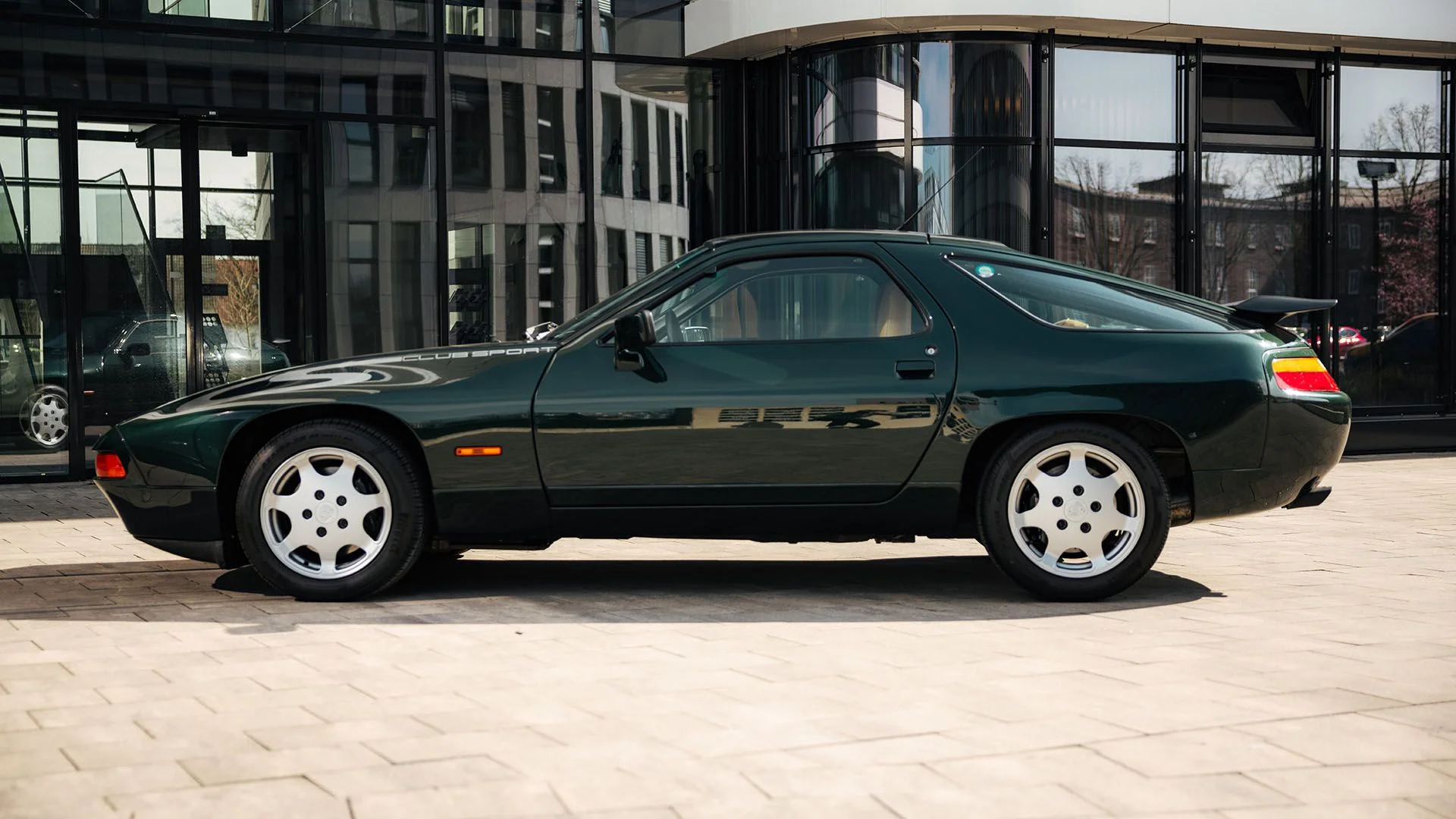
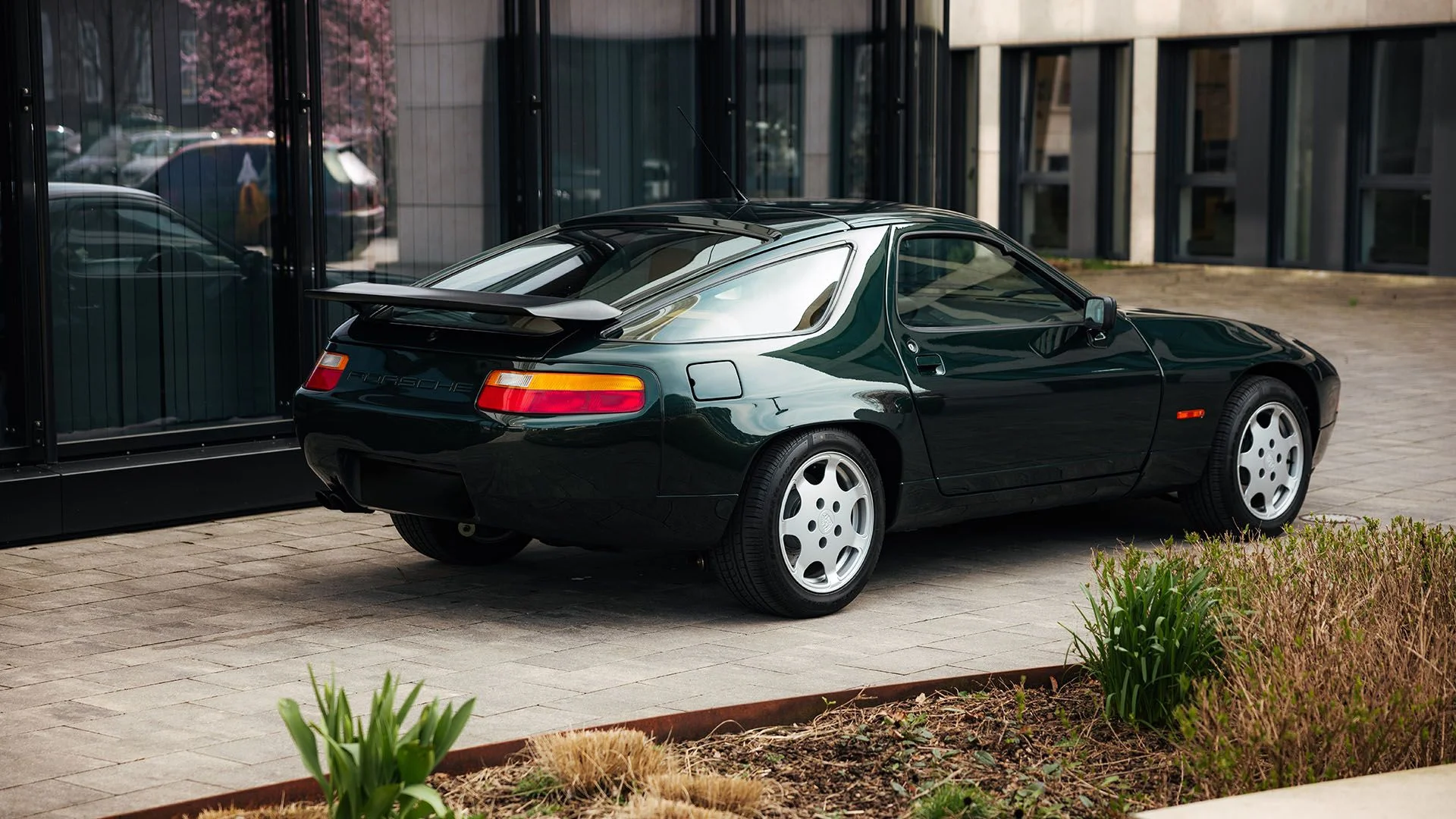
  • One of just seven lightweight 928s optioned with the “M637” Club Sport package built for 1989, one of Porsche’s rarest creations
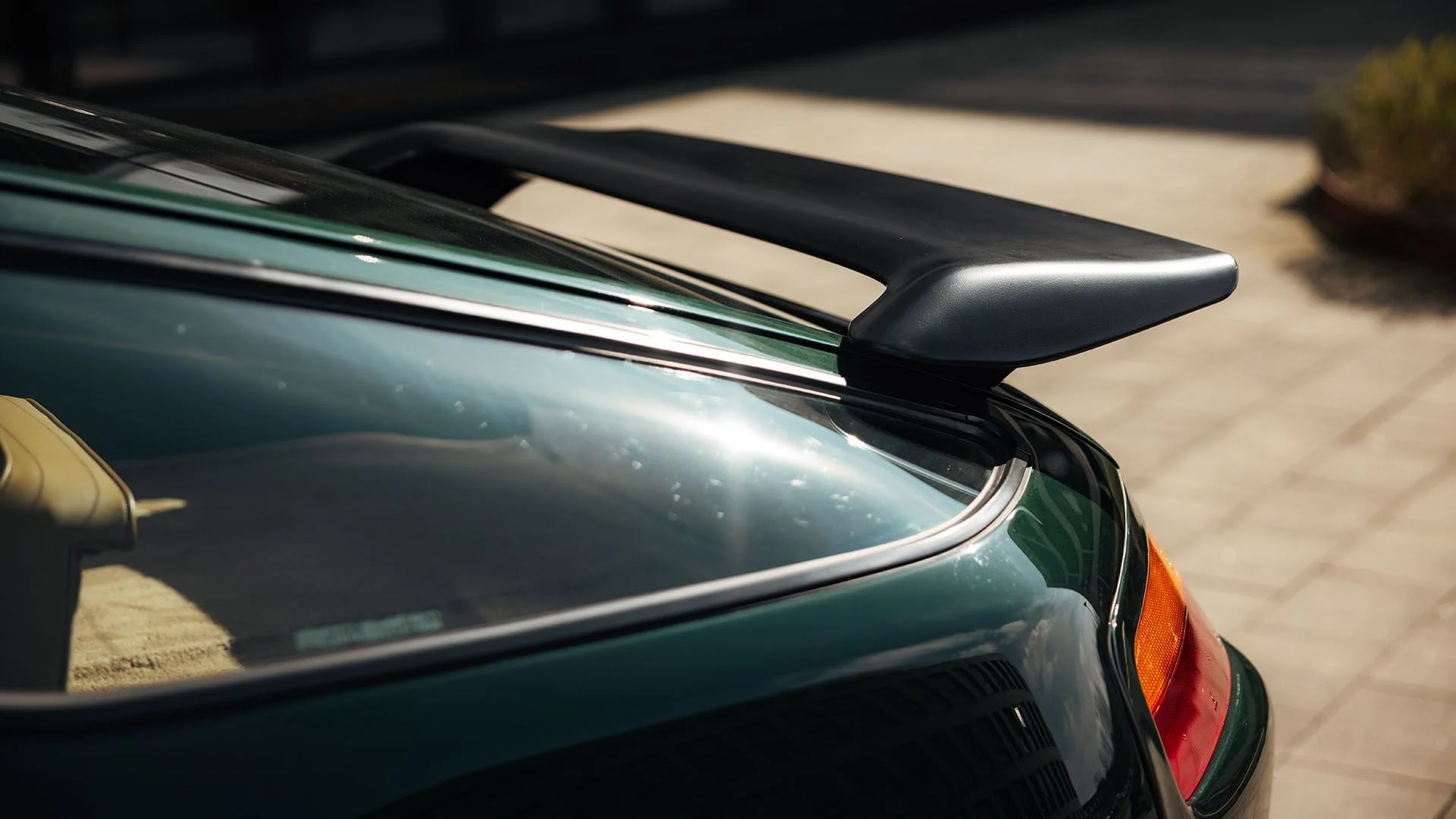
  • Special lightweight Club Sport package features include the absence of a sunroof, a lighter exhaust, a lack of undercoating, and lighter magnesium-alloy wheels
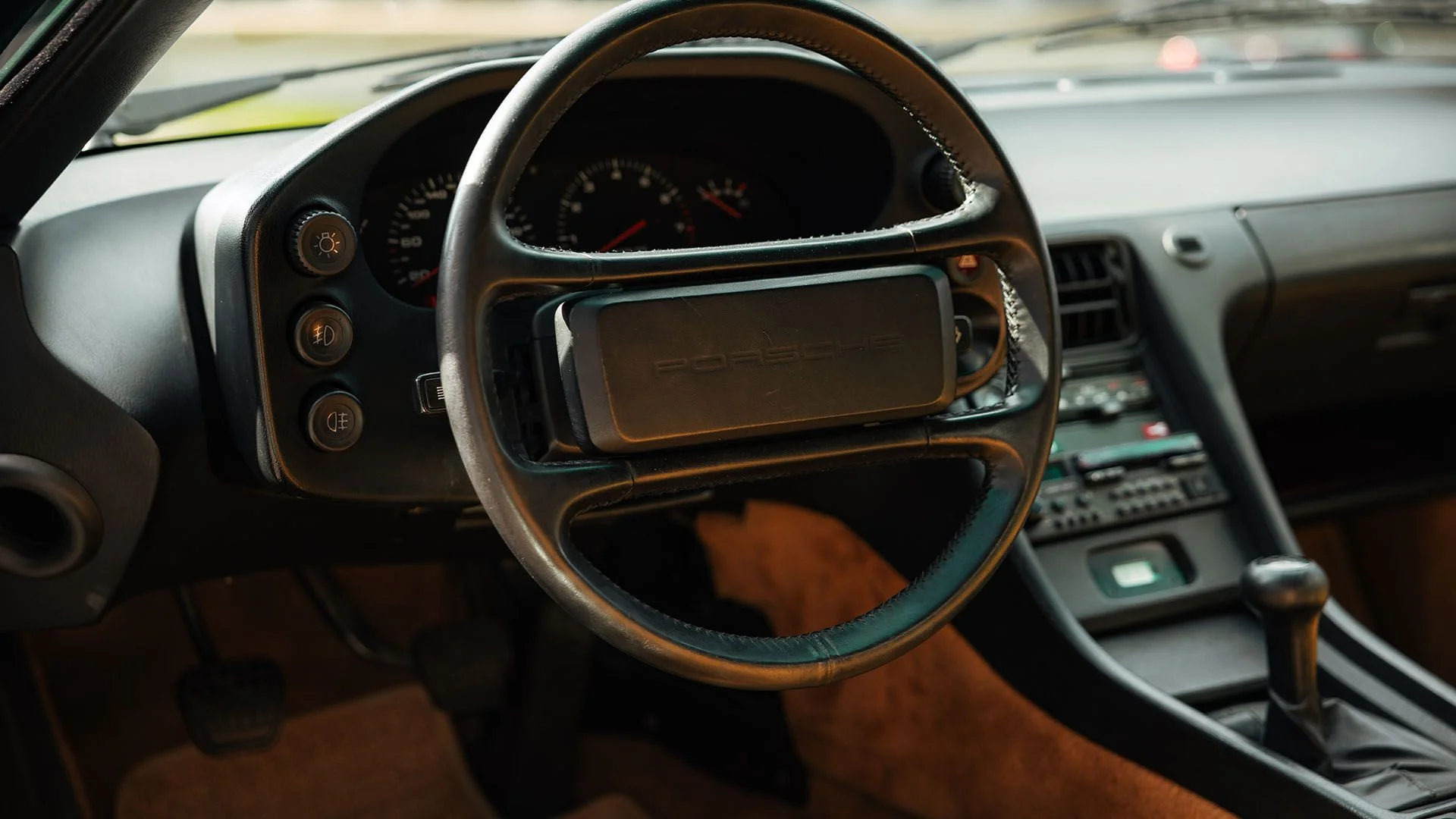
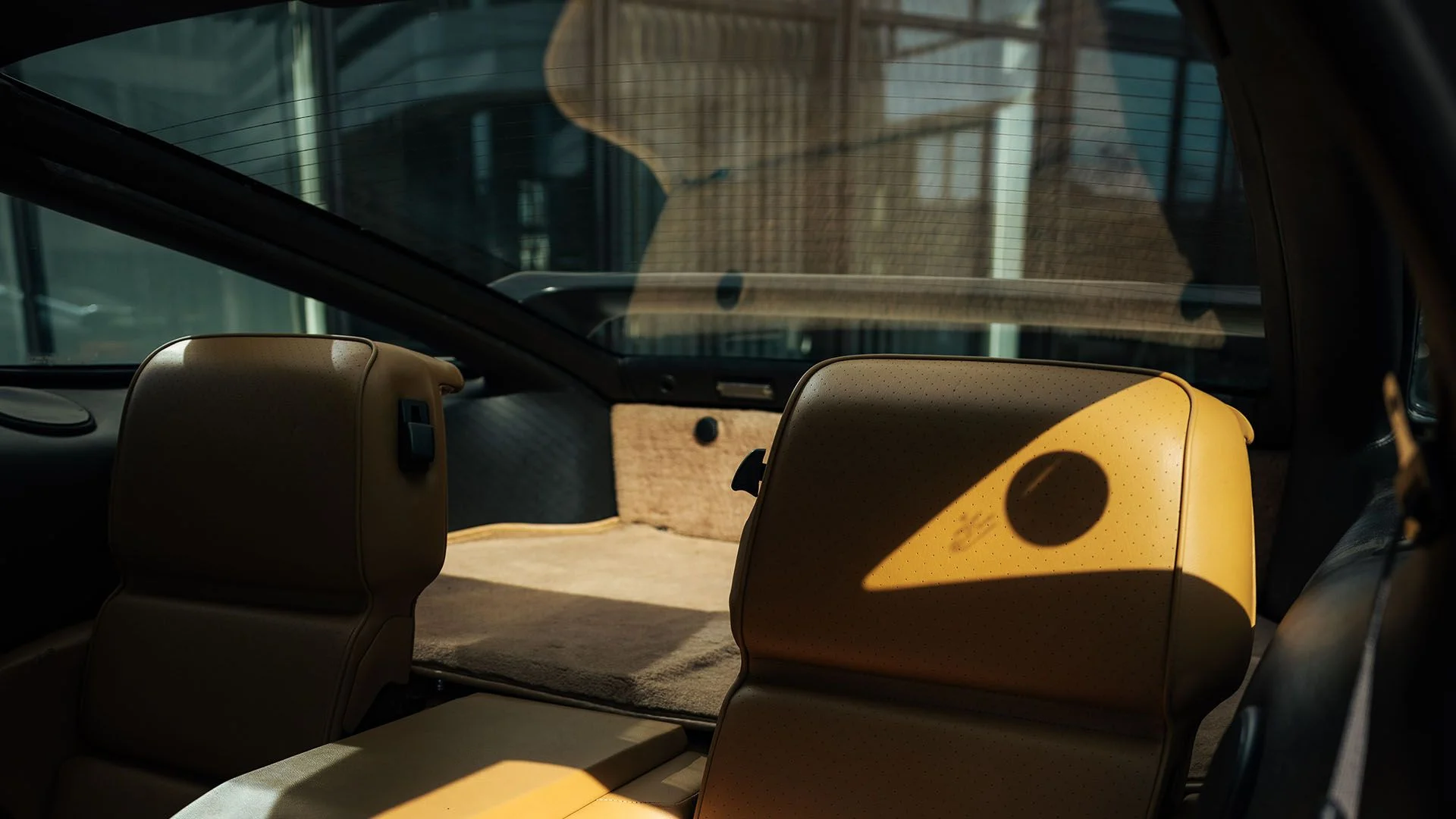
  • Special sporting Club Sport package features include manual sport seats, short throw shifter, limited-slip differential, lowering by 20 mm, 150 mm wider track, and special badging
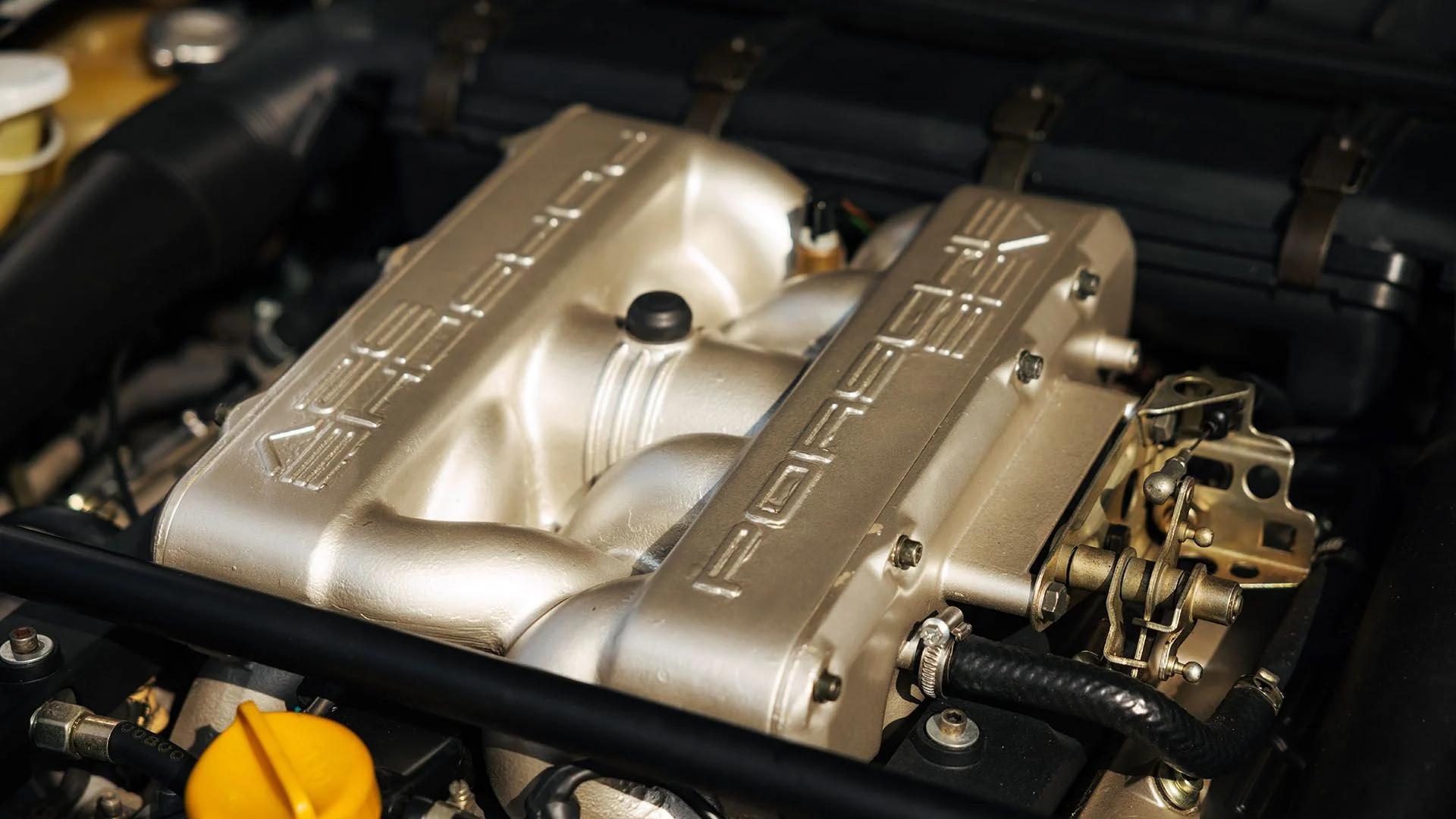
  • Fitted from the factory with special “SP” stamped “M28/41” 5.0-liter V8 engine producing a conservatively factory rated 320 PS
  • The only 928 Club Sport finished in Forest Green Metallic (Tannengrün Metallic) over a Cashmere Beige and Black leather interior
  • Over € 65,000 invested between 2019 and 2021

Description

Chassis No. WP0ZZZ92ZKS840540
Engine No. 81K 00246 SP

There are rare Porsches that many know about — the 997-generation 911 Speedster (356 total) and 2010 911 Sport Classic (250 total) come to mind — yet there are those special cars built in low double-digit quantities that are exceedingly uncommon and far less known. Take this lightweight series of 911s, for example. Just 20 1967 911 Rs were produced, only 21 1984 911 SCRS, and just seven years later Porsche produced 22 Carrera 4 Lightweights. The 911 wasn’t the only model in Porsche’s lineup that received the lightweight treatment in small quantities, and it was the 928 on which Porsche engineers interestingly focused their weight saving efforts.

Their initial efforts focused on four prototypes gifted as company cars to each of the four factory 962 sports racing prototype drivers that season: Jochen Mass, Derek Bell, Hans Stuck, and Bob Wollek. All four loved the changes made to their prototypes intended to comfortably transport them across the continent at high rates of speed to the European races. In fact, Derek Bell enjoyed his so much he kept it as his daily driver for 18 years! With such a positive reception, Porsche made these changes available to the public the next year as “M637” Club Sport option. Those 928s optioned with M637 were approximately 120 kilograms lighter than their S4 stablemates due to the removal of comfort features like the rear wiper, a portion of the wiring harness, and PVC undercoating.

Heavier parts were lightened. The exhaust system, a smaller AC compressor, and magnesium wheels special to the Club Sport were added. In addition, the 928 Club Sport featured stronger acceleration due to a modified final drive ratio, short shifter, a limited-slip diff, a transmission without vibration dampening, and sports seats. The Club Sport also featured lowering by 20 millimeters and a 150 millimeter wider track along with special badging. Finally, the Club Sport was fitted from the factory with a special “SP” stamped 5.0-liter V8 engine likely producing more than the conservatively estimated 320 PS, due to special camshafts, a 1 mm increase in valve lift, a modified engine control unit, and a higher rev limit. Following their tried-and-true path, Porsche, along with their racing drivers, developed a 928 with more power, lighter weight, and better handling — a true Porsche Club Sport!

This matching numbers 928 Club Sport on offer is one of just seven production lightweights built for 1989 and is the only example finished in Forest Green Metallic over a Cashmere Beige and Black leather interior. It was originally retained by Porsche AG as a special “Werkswagen” company car for longtime Porsche employee Bernd Kahnau. Kahnau was no mere employee. After his father’s passing – a longtime Porsche employee himself — in 1979, Kahnau was personally recruited to work for Porsche at the request of Ferry Porsche. The former BMW employee quickly became immersed in all manner of important development projects, most notably as a production planner for the 928, 911 Club Sport, 911 Speedster, and 911 models from the 993 to 991.

Beyond being equipped with the highly desirable Club Sport package, this rare 928 was optioned by Kahnau with air conditioning, a tinted windshield, and a Blaupunkt Bremen radio in addition to the sporting items inherent in ordering a Club Sport. It is said that Kahnau was very attached to his Club Sport, as the green on tan livery matched the colors of his English country house! He owned it for approximately two years before it eventually landed with an individual based in Switzerland, where it was located until at least 2019.

Most recently, under current ownership, this matching numbers Club Sport has been the focus of a lavish amount of attention totaling over €65,000 worth of repairs and servicing between 2019 and 2021. Most importantly, following a 33-point Porsche inspection at 120,800 kilometers in 2019, the car visited Landsharks in 2020 for a new water pump, fresh coolant and engine oil, filters, and an oil pan gasket. At the same time the thermostat was replaced, along with the clutch disk and pressure plate, and engine electrical items including the ignition cable, distributor cap and rotor, spark plugs, and two knock sensors.

Underneath, the Club Sport received new brake discs and pads front and rear, a new brake master cylinder, the replacement of the center catalytic converter with lambda probe, and a fresh battery. This work along with other sundry items and parts totaled €22,736.91. Following an accident to the rear of the car, additional invoices from Landsharks that year show the Club Sport was the recipient of cosmetic attention as well with interior saddlery work, a new windshield, new seals, unibody work to repair the rear accident damage, and fresh paint in its original shade of Forest Green Metallic. In 2021, the air conditioning system was refurbished with a new compressor, dryer and a system clean with new liquids and fluids. Today, this rare, well-preserved 928 Club Sport with its matching number engine and transmission is offered with 122,748 kilometers at cataloging with a copy of its Porsche Germany build sheet, recent service paperwork, and manuals.

For the Silo, Bastian Voigt/Hagerty.

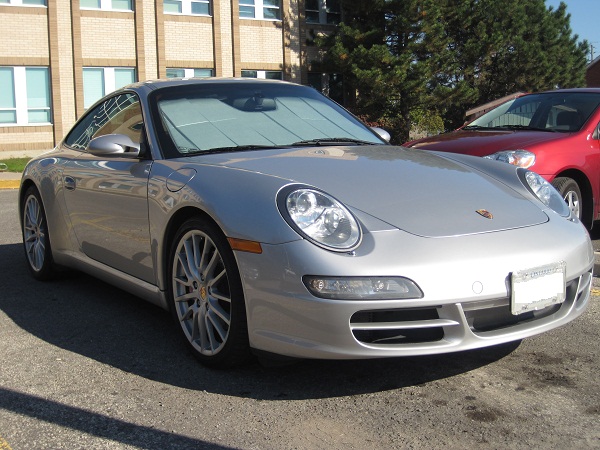
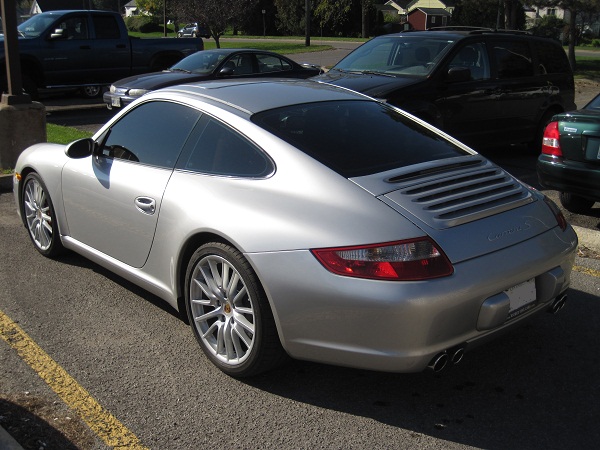
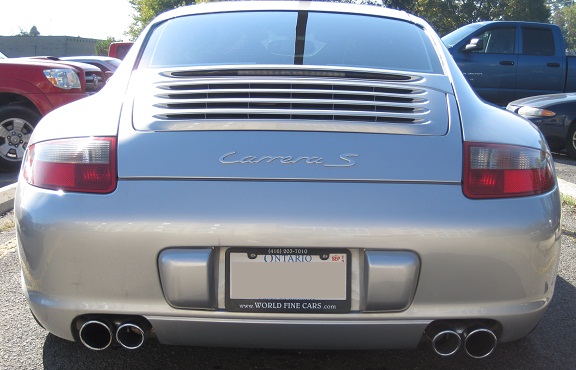
Loving The Carrera S 911 Porsche

all photos- Robb Price

A metallic silver bullet, 300+ km/h roaring blur on the Autobahn. 6th gear, 355+ HP, 3.8L-6cylinder, variable timing at full advance, breathing in through a K&N filter system and exhaling out of a Fabspeed Max-Flo exhaust. Automatically adjusting shock absorbers stiffening as you pass and corner. Porsche’s PSM stability control system controlling the power to the wheels, keeping you on the road as you throttle and shift. Signature auto adjusting spoiler in the up position. If you need to stop in a hurry, having full confidence in Porsche’s best-in-the-biz 4 channel ABS and huge cross drilled rotors.
These are the type of thoughts I get just looking at this beefy, wide stanced, Carrera S (911). As sleek as it is fast, these cars actually keep a “Low Emissions Vehicle” status, and family car class fuel economy. (This is a pretty cool way to be green if you ask me!)
These cars really pay homage to the saying, “If it ain’t broke, don’t fix it!” in the sense that they (Porsche) have used a lot of the same body lines, and same rear-engine design, in the 911’s over 40 years of production. Being of rear-engine design though, makes these cars hard to master driving, truly making the driver conform to it.
By constantly improving on something that has worked since day one, Porsche has kept the focus where it really counts, on the suspension and drive-line.


Marshall Thompson, owner of Thompson Chiropractic (Simcoe and Waterford) and this sweet car, says that he was really drawn to this particular model for a few reasons:
1) He really wanted the signature Porsche model, the 911.
2) He really liked that in 2006 they went back to the traditional 911, oval headlight shape (Porsche had gone away from this for a few years, using a headlight similar to their Boxster model)
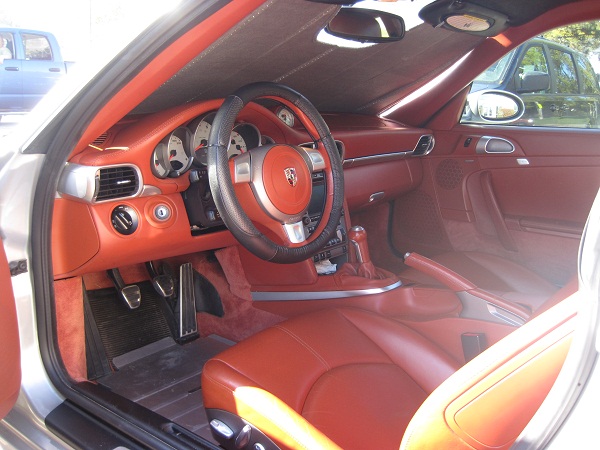
3) The wide body style of the ’06 Carrera S and the impressive much improved interior. This car touting a very stylish and ergonomic, leather interior, navi-system, uber sporty gauge package, and Bose 13 speaker sound system. Unheard of in older 911’s as they were more like a streetable race car than a luxury car.
Don’t be fooled by its good looks though. This 911 is just as wicked as its predecessors. This one apparently easily breaking the 250km/h in 5th gear with a full 6th gear still at the ready.


You might catch this car in the Simcoe or Waterford areas but only on sunny days. Good luck actually catching up to this one. Robb Price is a regular automotive writer for The Silo and owns and operates WC Kustoms in Windham Centre.

[Much like the 911, the seminal electronic band Kraftwerk innovated and pushed the boundaries of form and function. Recommended listening for Porsche owners when you’re ripping through gears CP] Update- Silo Direct Link 2012 911 Porsche makes North American Debut