Tag Archives: Porsche 356 Speedster

Hallmark Of All Porsche Sportscars For Sale

  • Extensive restoration within the last decade
  • Restored in its originally delivered livery of Speedster White over Red leatherette
  • Considerable history dating back to the late-1970s, documenting long-term preservation into the late 2010s
  • Original U.S.-specification 1600 Speedster delivered to Hoffman Motors
  • Fitted with a period-correct 1956 1,600-cc engine with twin Solex carburetors paired with its numbers-matching transmission
  • Furnished with a copy of its factory Kardex warranty card, Porsche CoA, owner’s manual, and toolkit

Chassis No. 82181

Engine No. 63249
Transmission No. 8775

USD 485,000$/ CAD 678,130$ (exchange rate at time of posting)

Dispatched to Hoffman Motors in New York City in the spring of 1956, this 1956 Porsche 356 A 1600 Speedster was among those U.S.-market examples delivered via the legendary American-market distributor and tastemaker. It left the factory wearing Weiss (White) paint over Red leatherette, the same striking livery it wears today. Additional options noted on the Kardex include a speedometer in miles and sealed beam headlights.

The earliest history of the car dates to the late 1970s when it was sold via Weldon Scrogham’s G&W Motorwerkes to R.A. Hendricks of Waynesboro, Virginia. Service invoices show that by at least 1983 the car was in the hands of long-term owner Carter Elliott based in nearby Charlottesville. Elliott would take fastidious care of the car while under his ownership, a span that would last over three decades.

Invoices on file reveal more

Invoices remain on file showing parts purchases and work completed by the best suppliers throughout the 1980s and 1990s, including Stoddard, Performance Products, and H.G. Bieker. In 2018 the story of Speedster chassis number 82181 simultaneously began anew and circled back to familiar hands when noted 356 Porsche expert and restorer Cole Scrogham (son of Weldon) was tasked with a thorough refresh. Directed by its then-owner to keep as much of the original car intact as possible, Scrogham is said to have been able to retain the majority of its original, Reutter-built sheet metal with an eye on preservation while the car was refinished to “show quality” in its original shade of Speedster White.

A period-correct 1,600-cc flat-four (serial number 63249) from a 1956 356 A powers the wheels through its numbers-matching transmission. In the nicely detailed engine compartment, you’ll find proper FRAM and Bosch decals, correct finishes and components, as well as a pair of Solex carburetors topped by silver Knecht air cleaners.

Today, this Speedster appears just as Max Hoffman and the Porsche factory intended: in elegant White over Red, with such details as accessory chrome guards protecting the sealed-beam headlights, period-style Michelin XZX 165 tires, and gold-tone badging serving as clear indicators as the quality of its restoration. A matching red vinyl boot (trunk) covers the occasional soft top when it’s folded. Inside, the red vinyl bucket seats made famous by the Speedster wear contrasting ivory edge piping. A correct ivory two-spoke steering wheel with a horn ring frames a body color dashboard covered with a red upholstered top. VDO instruments feature with correct green lettering — including a miles-per-hour speedometer, as specified in the original Kardex. In a smart nod to modernity, the car is equipped with a pair of vintage style lap belts. Otherwise, Speedster chassis number 82181 presents very much as it did when delivered new in 1956 — down to its exquisite color selection.

In addition to extensive documentation dating back more than four decades, this iconic 356 A Speedster is furnished with a toolkit, a spiral-bound driver’s manual, a Porsche Certificate of Authenticity, a copy of its Kardex warranty card, and side curtains with their protective case.

For the Silo, Alexander Weaver/ Hagerty.
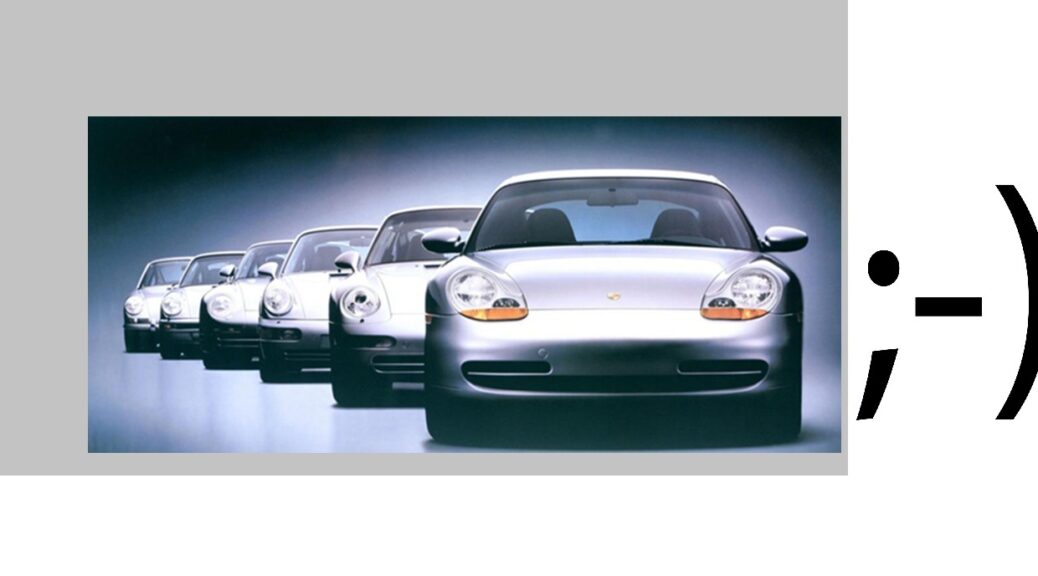
10 Coolest Porsche Headlights- Don’t You Agree?

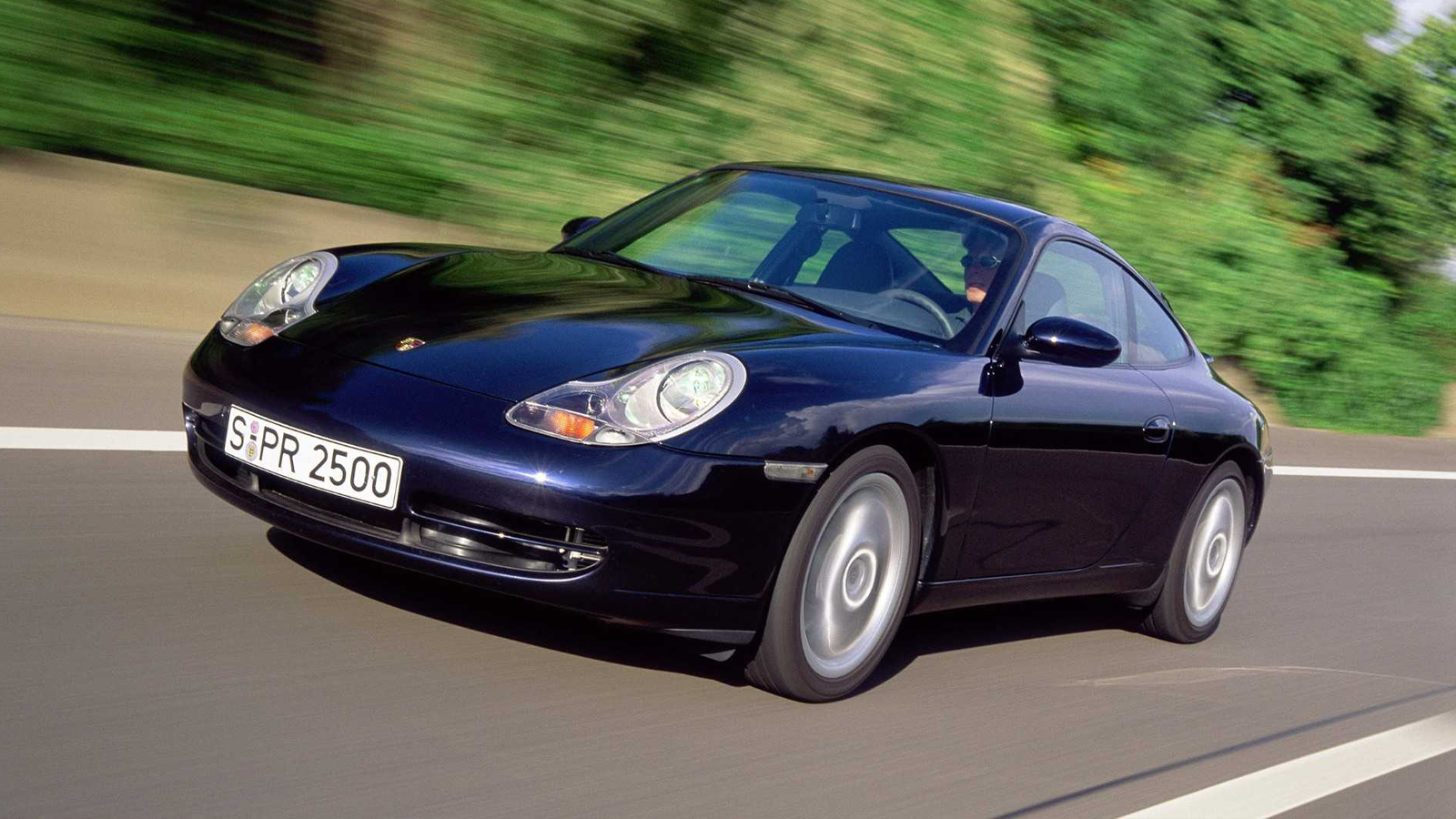
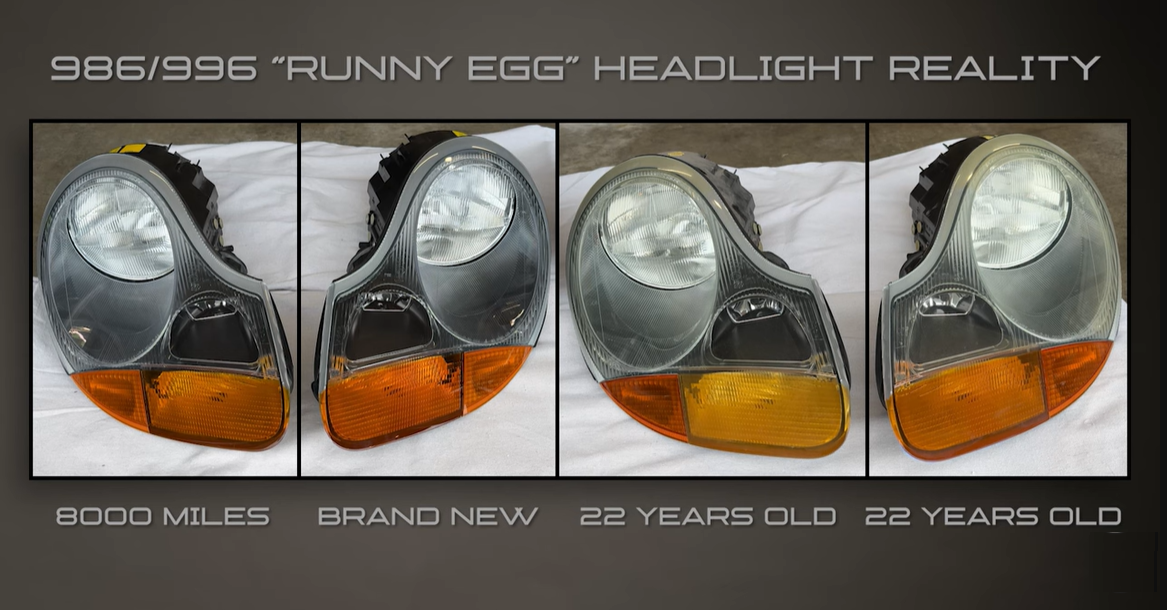
10. Porsche 911 (996, 1998–2004) — The Controversial “Fried Egg” Design

Initially divisive, the 996’s integrated headlamp clusters (combining main, high, and indicator lights under one cover) represented Porsche’s first major step into modern production efficiency. The “Fried Egg headlight” design was so controversial that when introduced, many car purchasers (especially those owning the first generation Porsche Boxster 986) modified the headlights with window tint to “hide the yolk”!

Regardless of how acceptance was split, the design was sensible and borrowed from the 911 GT1 race car, this setup improved aerodynamics and manufacturing simplicity. Over time, enthusiasts have come to appreciate its boldness, and we’re going as far as naming it in our top 10 list of the coolest Porsche headlights ever!

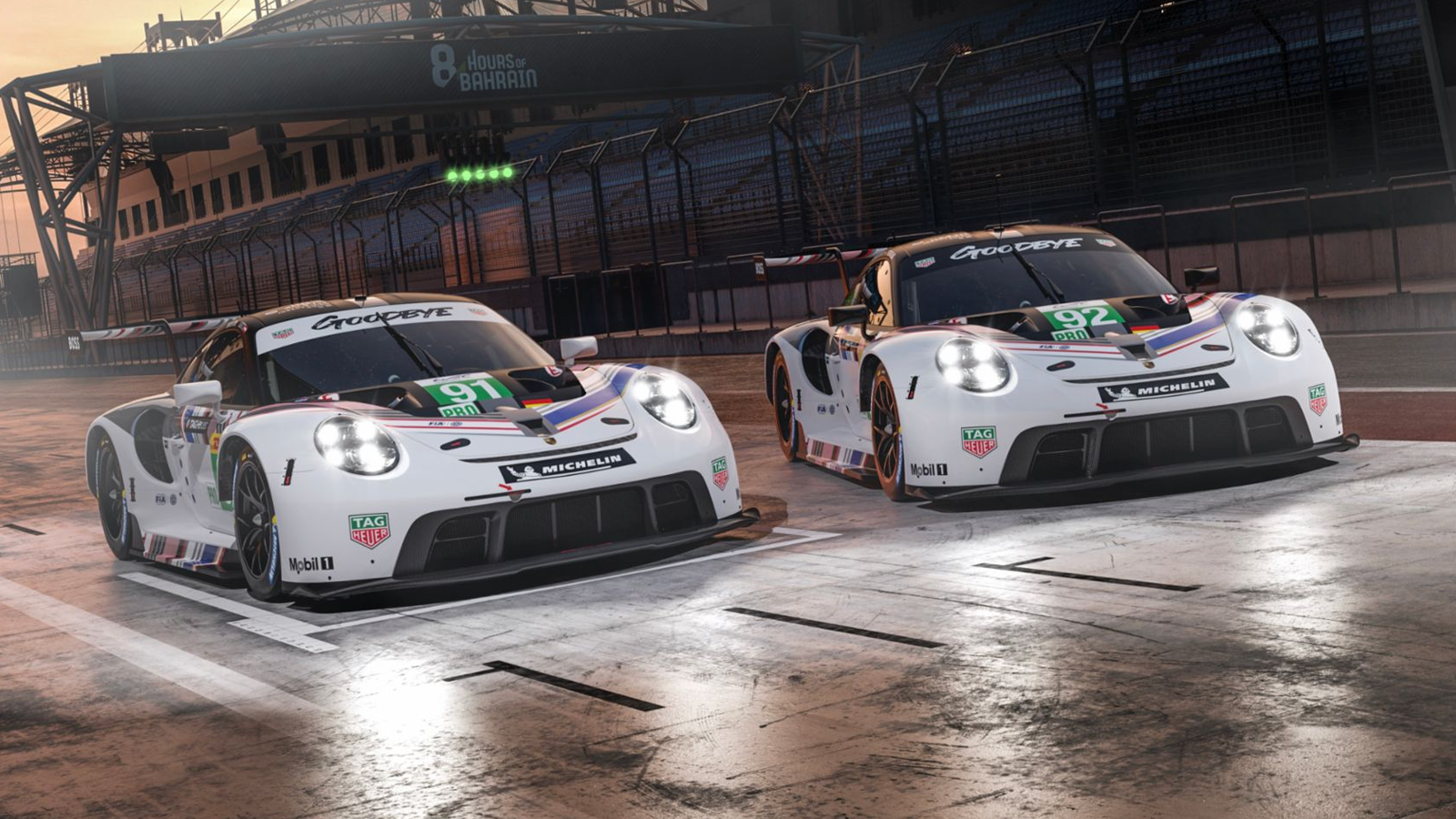
9. Porsche 911 RSR (2017–Present) — The Perfect Fusion of Heritage and Function

The 911 RSR’s headlights combine classic round symmetry with cutting-edge LED tech and aerodynamic sculpting. The signature four-point LEDs maintain Porsche’s unmistakable night-time identity. In endurance racing, where function dominates, the RSR’s lights prove that beauty and performance can coexist perfectly.

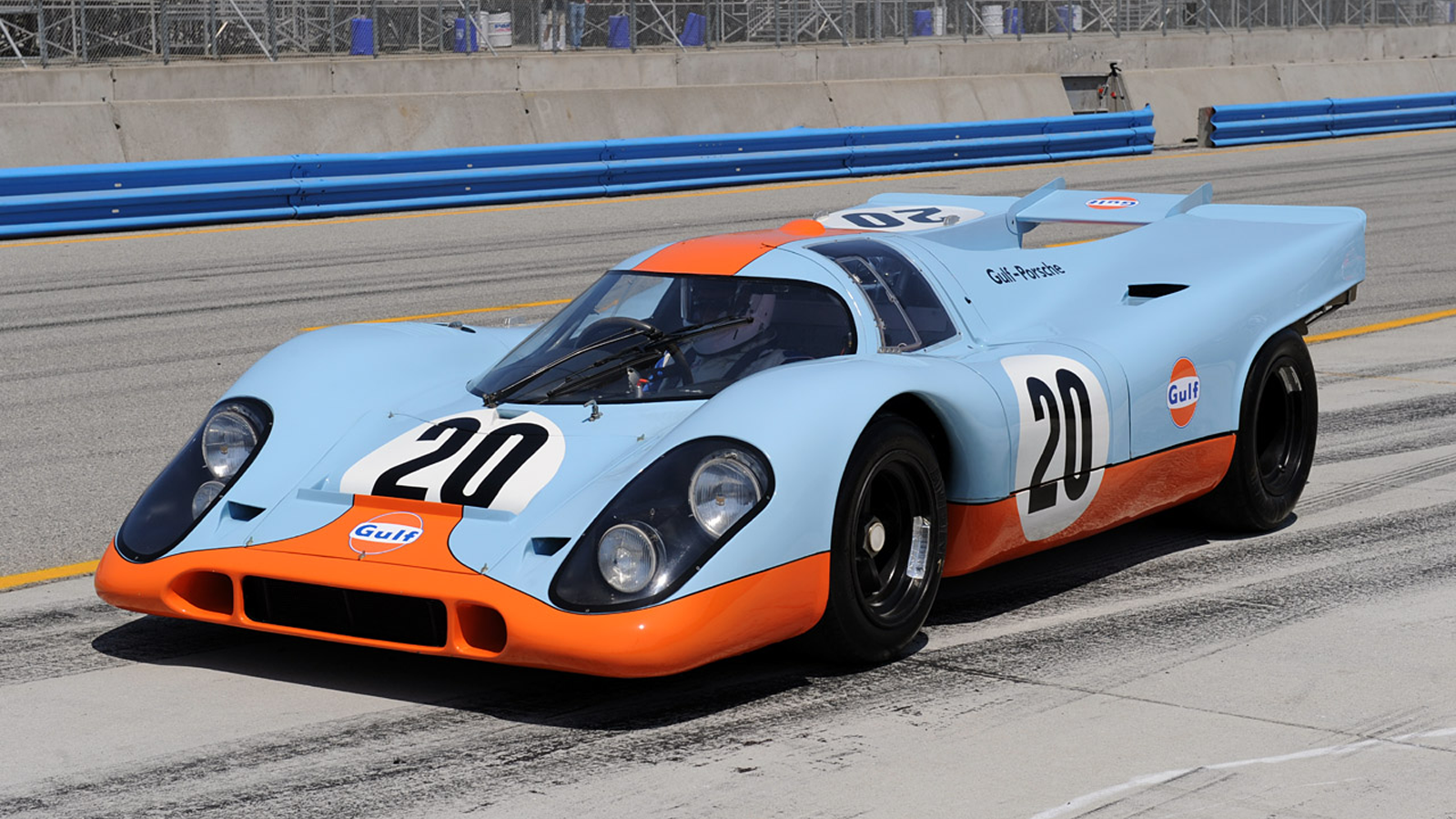
8. Porsche 917K (1970) — Racing Eyes Built for Le Mans

The 917K’s headlights weren’t just for show; they were shaped by necessity. With their low, wide fairings and Plexiglas covers, the lights became a critical aerodynamic component at speeds exceeding 220 mph. Their integrated look and teardrop housing gave the car a menacing, purposeful face that influenced Porsche’s endurance racers for decades.

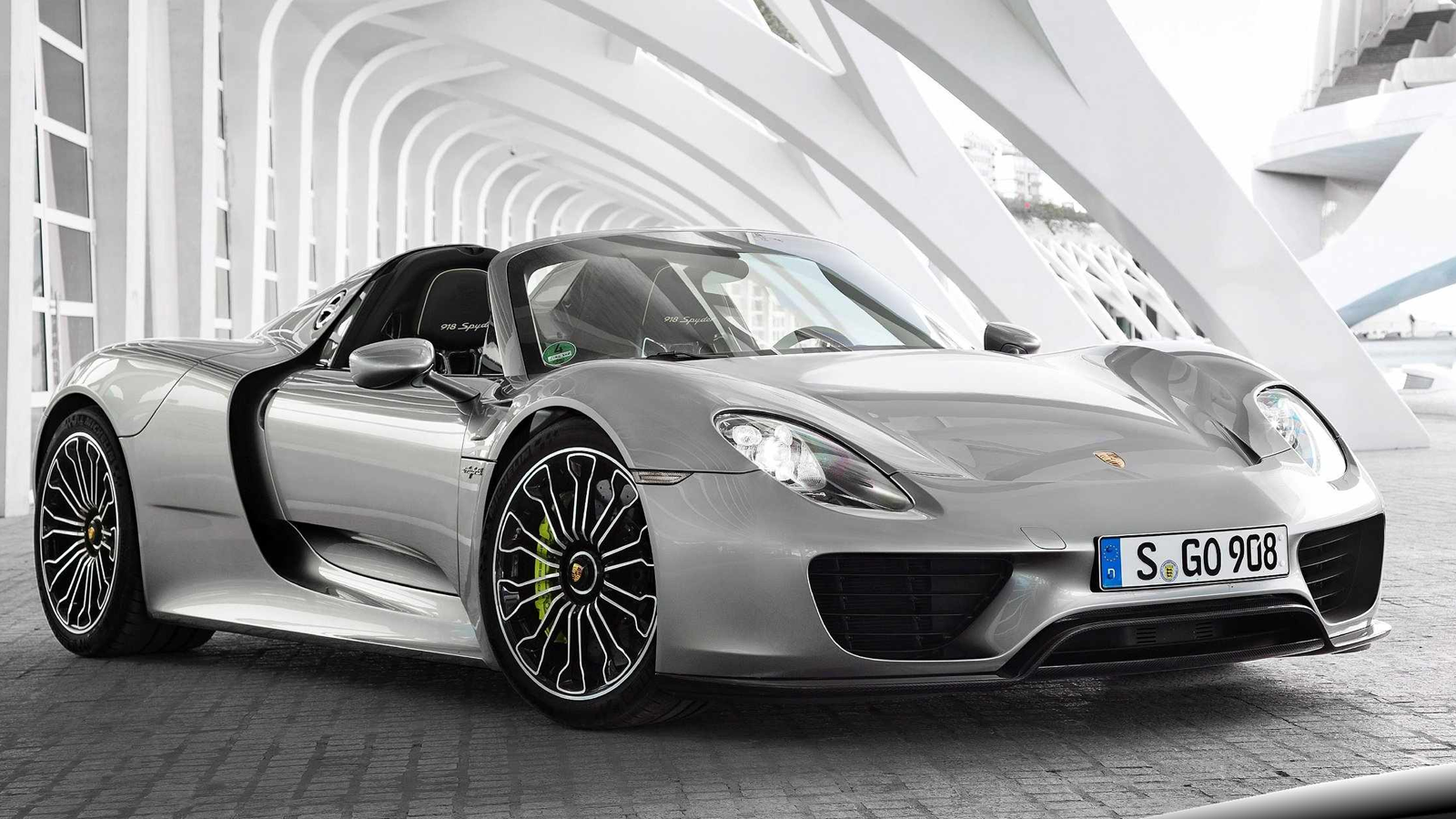
7. Porsche 918 Spyder (2013–2015) — Laser Precision and Modern Drama

A leap into the hybrid era, the 918 Spyder’s four-point LED headlights introduced a motif that defined Porsche design for the next decade. Their sharp-edged housings and distinctive daytime running light pattern made them unmistakable, even in the dark. They also pioneered Porsche’s adaptive light technology, blending form, function, and digital precision.

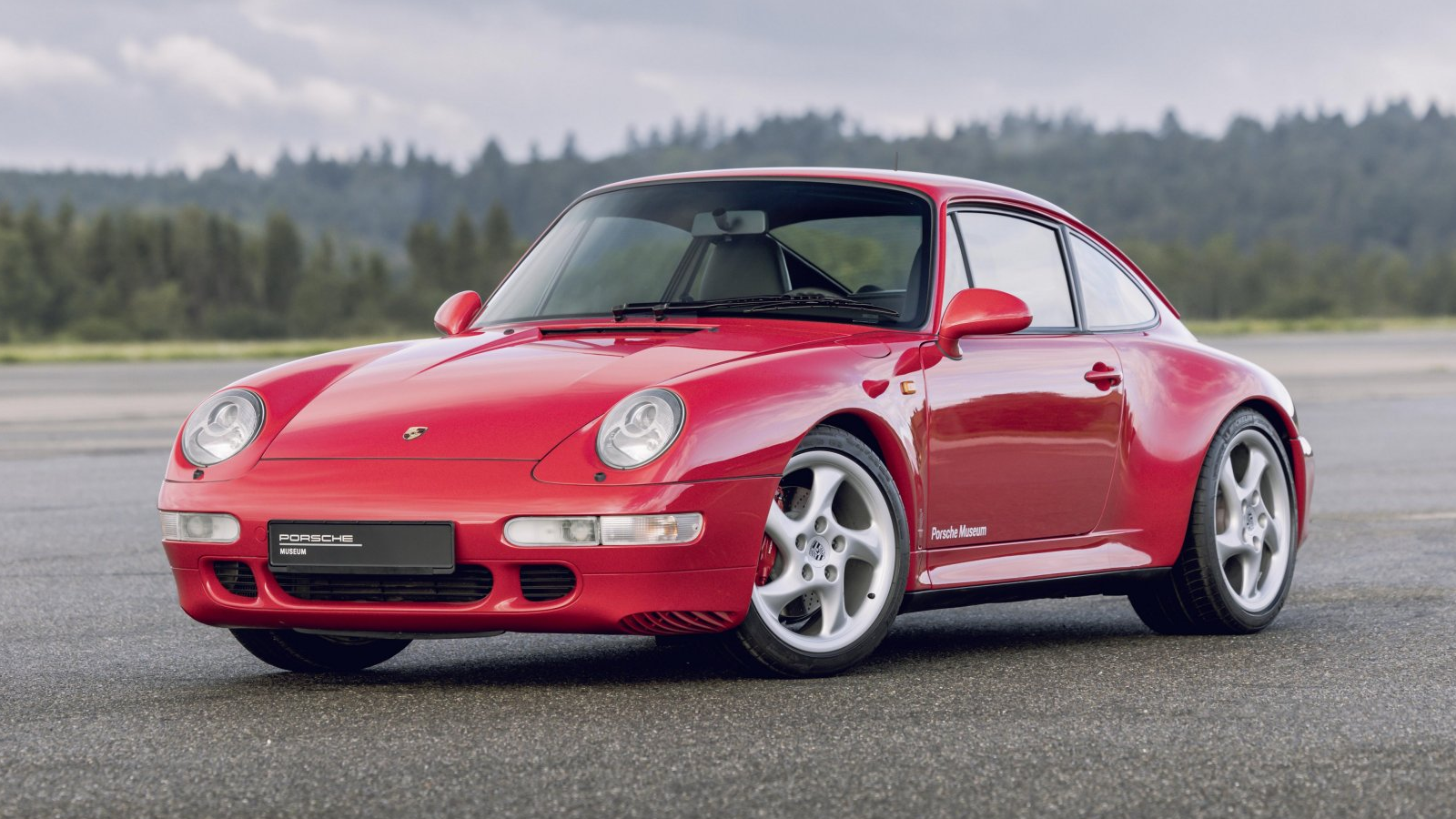
6. Porsche 993 (1993–1998) — The Last of the Classic Round Lamps

The 993 introduced a new, sloped front end with headlights that followed the hood line, a significant break from tradition. The design, though controversial at launch, ultimately modernized the 911’s appearance and improved aerodynamics. Its flush, oval lenses became icons of the 1990s Porsche aesthetic and marked the final air-cooled era’s visual identity.

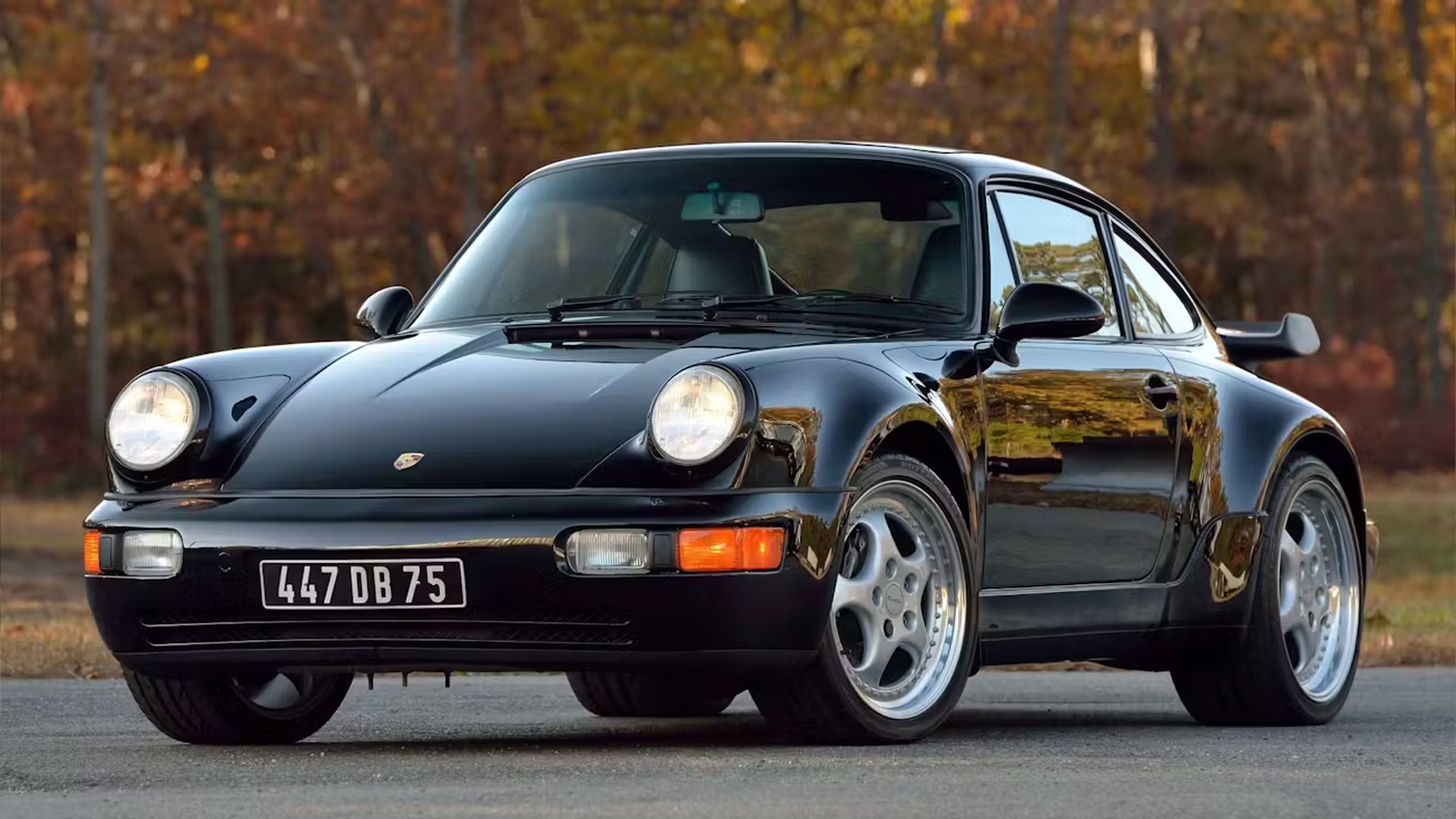
5. Porsche 911 (964) — Classic Form Meets Modern Function

The 964 retained the round 911 lights but subtly reshaped them to fit new, smoother bodywork. They were slightly more upright and used improved reflectors and halogen elements for better illumination. This generation is often overlooked, but its headlights mark the bridge between old-school air-cooled charm and modern Porsche precision.

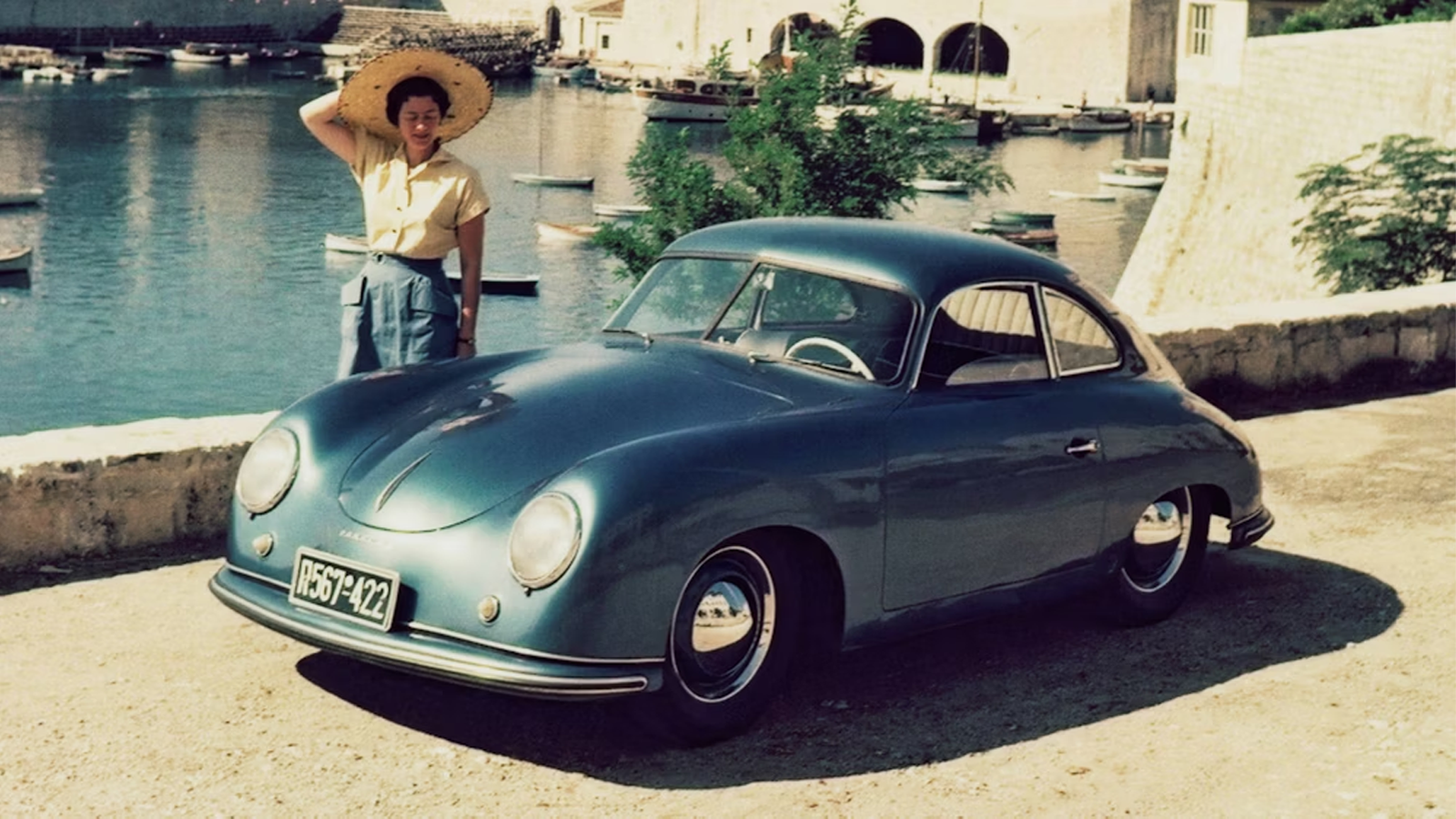
4. Porsche 356 (1948–1965) — The Blueprint for Porsche’s “Eyes”

The 356 established the signature oval headlight shape that became Porsche’s visual identity for decades. Mounted high and slightly reclined, the chrome-rimmed lenses gave the car a friendly yet purposeful look. Though rooted in postwar simplicity, their integrated design flowed seamlessly with the rounded fenders, a foundational cue that carried into every 911 thereafter.

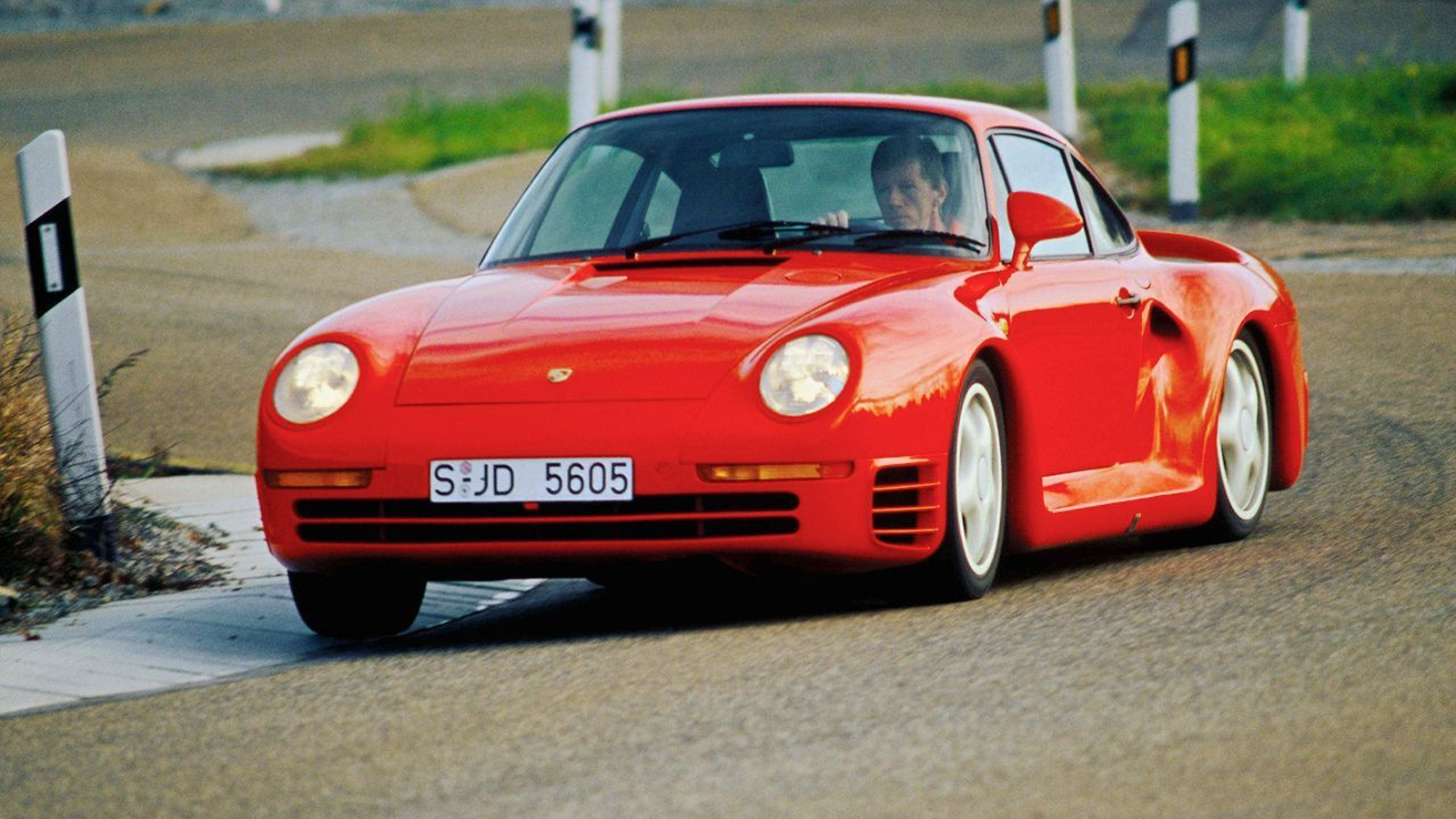
3. Porsche 959 (1986–1988) — Aerodynamic Function in a Supercar Form

The 959’s headlights were a turning point for Porsche’s design language. They maintained the classic round outline but were deeply recessed into the front fenders for aerodynamic efficiency. Flush glass covers gave the car a sleek, cohesive face that previewed Porsche’s shift toward modern integration and minimal drag. Beneath the surface, their lighting performance outclassed most of the era’s supercars.

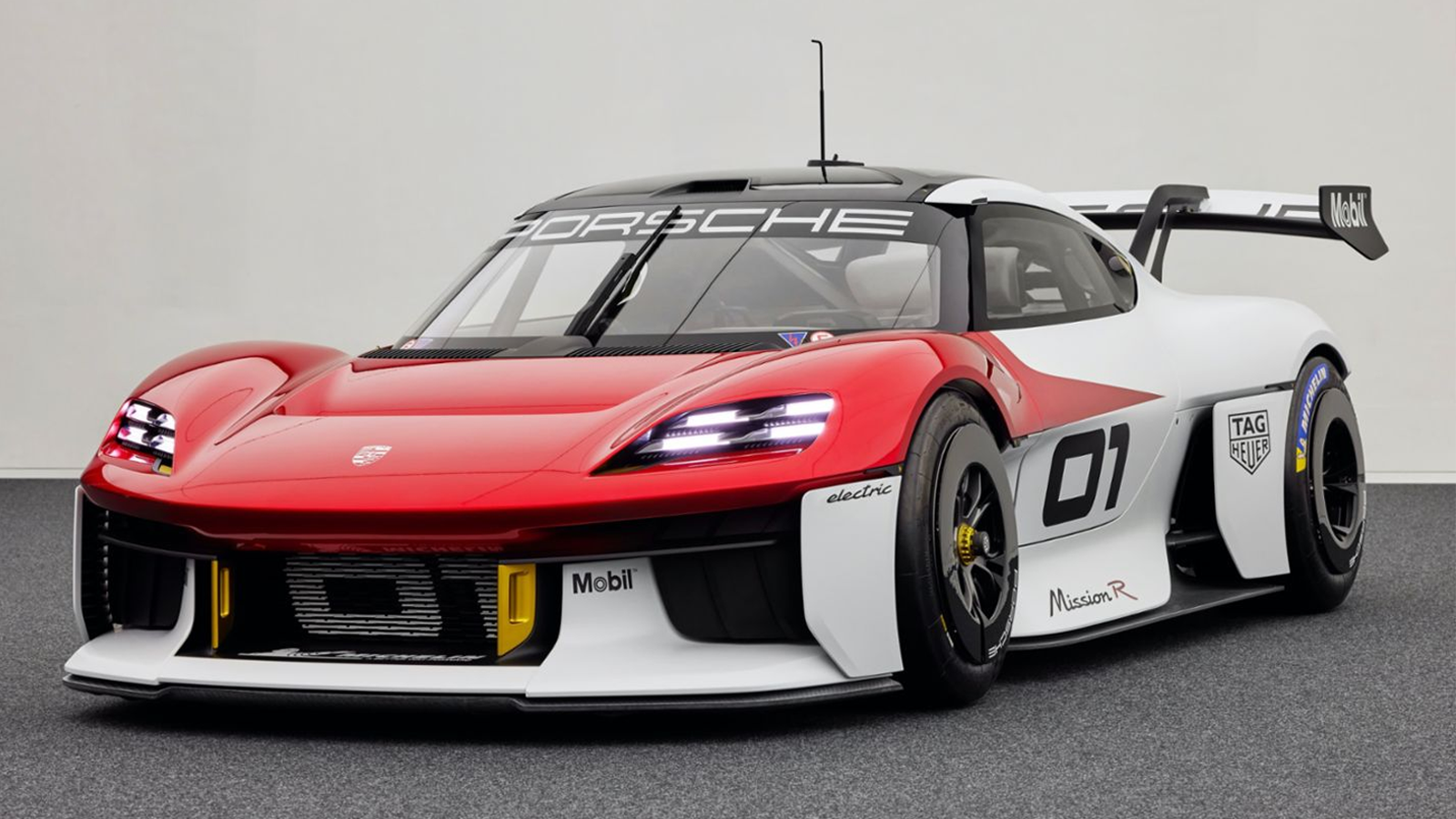
2. Porsche Mission R Concept (2021) — The Future in Plain Sight

With its slim, vertically stacked LED units framed by a minimalist housing, the Mission R’s headlights reimagined Porsche’s “four-point” look for the electric age. They were both expressive and efficient, incorporating cooling ducts and DRL elements into a single sculptural assembly. The design hints at the next generation of motorsport and production cars from Porsche.

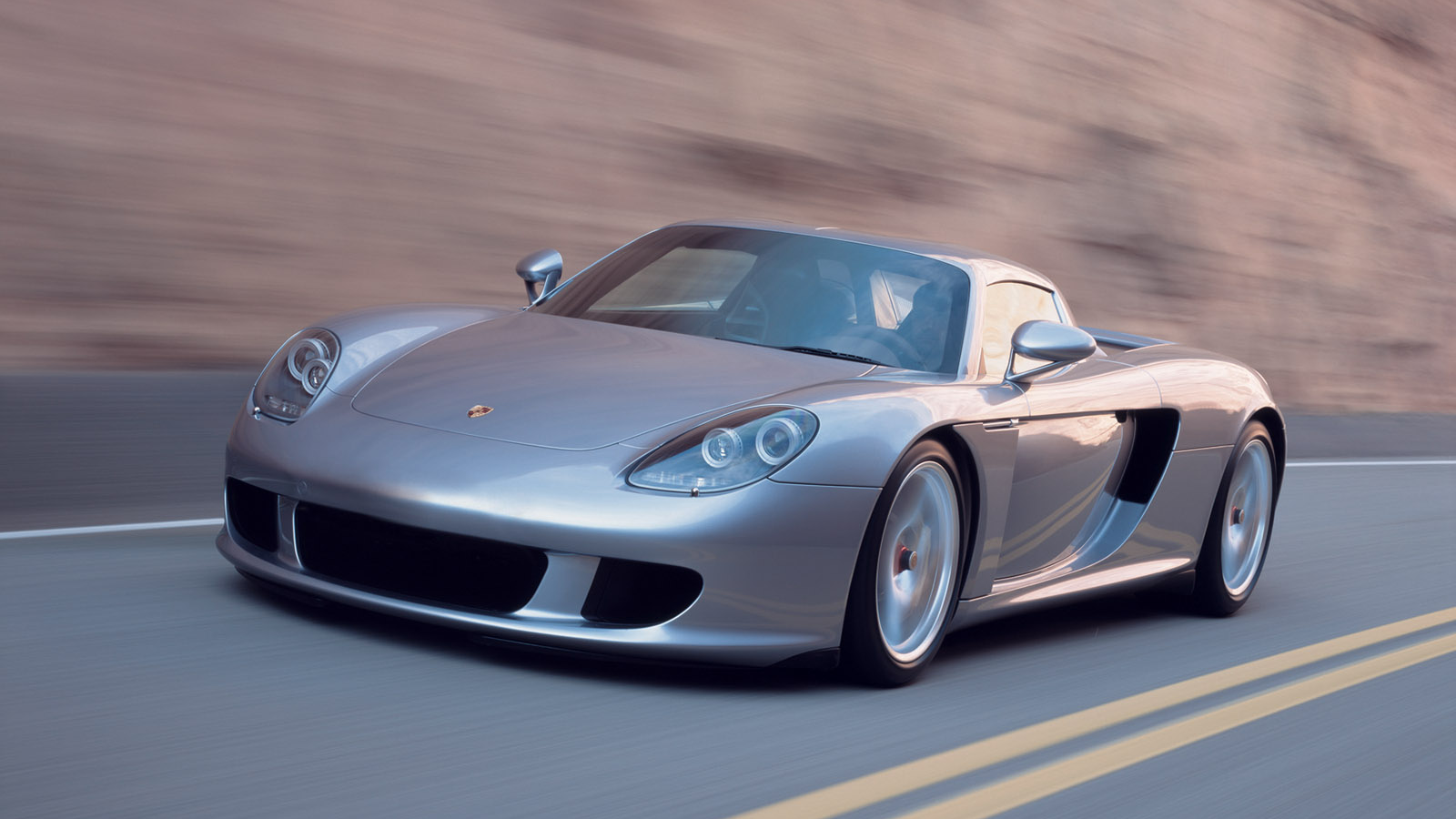
1. Porsche Carrera GT (2003–2007) — Pure Function, Clean Form

The Carrera GT’s headlights embodied Porsche’s design minimalism at its finest. With visible projector lenses under a clear polycarbonate cover, they echoed the look of endurance racers while maintaining a sculptural, lightweight appearance. The compact design allowed for large air channels around them, aiding cooling and aerodynamics, beauty born from engineering.

For The Silo, Verdad Gallardo/Rennlist.com

Did You Know These 5 Famous Cars in Movies & TV Are Fake?

The recent Netflix series, Senna, got our friends at Hagerty thinking about movie cars that—often for practical reasons—aren’t exactly what they seemThis story originally ran on their site in 2013, and we’ve freshened it up a bit to provide some helpful and entertaining context for today’s movie-car choices.

Hollywood loves to incorporate hot classic cars into movies and television shows. Producers and insurers are also notoriously risk-averse, preferring to use replicas rather than the hyper-valuable real deal whenever possible. Here are some of our favorite big- and small-screen fakes.

Nash Bridges

1971 Plymouth Hemi ‘Cuda: The ’90s San Francisco cop show revived Don Johnson’s career, pairing him with Cheech Marin (half of the stoner comedy team of Cheech and Chong). The yellow car that appeared to be an ultra-rare Hemi ‘Cuda convertible was actually what is known as a “clone,” or a car that started out as a lesser model but was restored to appear as a top shelf ‘Cuda. The difference in price is staggering—around $180,000 usd/ $259,000 cad for a convertible with the 383, more than $3M usd/ $4.25M cad for the real deal (both prices reflect #2 condition).

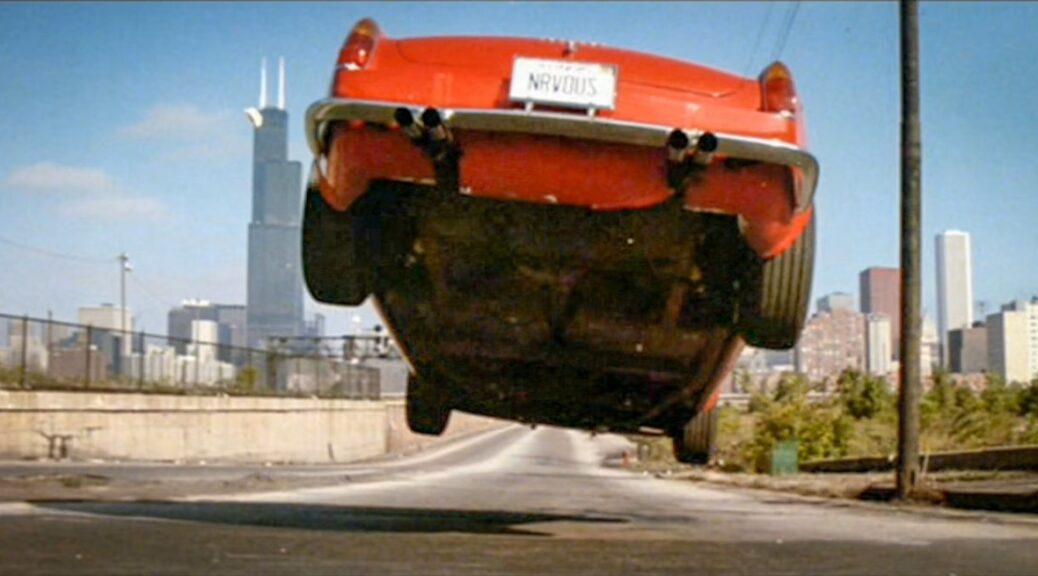
Ferris Bueller’s Day Off (1985)

1960 Ferrari 250 GT California Spyder: The Ferris Bueller Ferrari is probably the best-known big screen fake and that’s why we choose it for this article’s feature image. From a distance, it appears reasonably accurate, but Ferrari aficionados can spot the differences in their sleep, from the Triumph-sourced gauges to the MGB taillights. And don’t get them talking about the bogus Italian Borrani wire wheels. A real California Spyder in #2, or Excellent, condition is nearly $20 million usd/ $28.3 million cad today.

Miami Vice (1984)

1972 Ferrari 365 GTS/4 Daytona: Don Johnson appears to be a bit of a magnet for fake cars. His black Daytona Spyder was actually a fake built on a Corvette chassis, and few Ferrari fans shed tears when the car was blown up in sight of Johnson’s character, Sonny Crockett, and his pet alligator, Elvis. Afterward, Crockett took to driving a white Ferrari Testarossa—a real one, this time.

Top Gun (1986)

1958 Porsche Speedster: Kelly McGillis’ character drove this one around San Diego in the classic ’80s movie. Porsche Speedsters are among the most replicated cars ever—most are convincing fiberglass bodies slapped on top of a VW Beetle platform.

The replica featured in Top Gun appears to have been one of the good ones, built by longtime Speedster replica-maker Intermeccanica. They’re still in business in British Columbia, Canada, turning out extremely high-quality vintage Porsche replicas.

Indiana Jones and the Temple of Doom (1984)

1935 Auburn 851 Boattail Speedster: Indy’s sidekick Short Round still holds the record for the best automotive chase involving a pre-teen driver. With blocks tied to the pedals, Short Round takes Jones and a lounge singer Willie Scott on a wild ride through prewar Shanghai. The car was, of course, a complete fake, and not a particularly convincing one at that. For the Silo, Rob Sass/Hagerty.

Did we miss any? Let us know in the comments below.