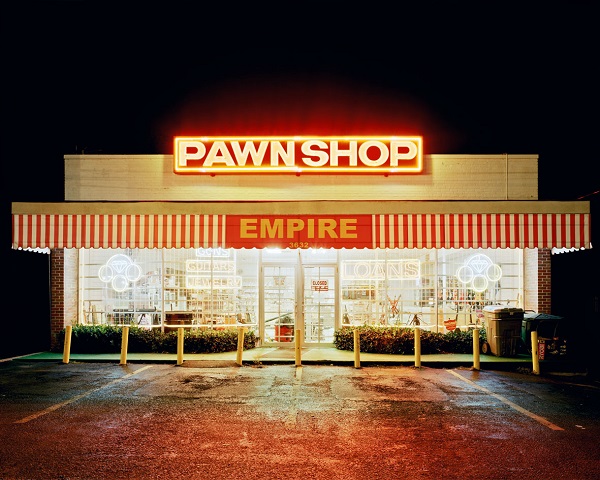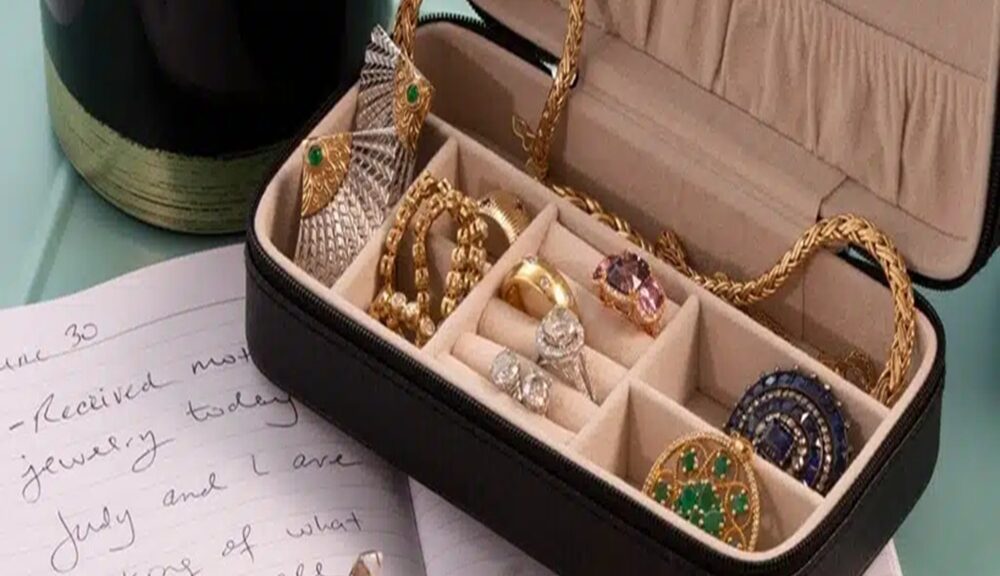
Following weaker-than-expected U.S. and Canada jobs data while gold rebounds to its highest level in weeks, more North Americans are looking around their homes for fast sources of cash … and family jewelry is increasingly becoming the first asset they choose to sell. But, consumer advocates warn that many sellers rush into pawn shops, mail-in buyers, or hotel gold-buying events without ever learning what their jewelry is actually worth, potentially leaving hundreds or even thousands of dollars behind. With gold prices climbing again and household budgets still under pressure, knowing how to value jewelry before selling has become more important than ever.
Why more North Americans are cashing in family jewelry, the biggest resale mistakes consumers make, and how AI is helping sellers avoid pawn shop pricing traps

As inflation, rising household costs, and economic uncertainty continue squeezing family budgets, many Americans are looking around their homes for quick sources of cash. One asset is suddenly attracting renewed attention: old gold and silver jewelry. With precious metal prices near record highs, consumers are increasingly selling inherited jewelry, broken chains, forgotten rings, and unused pieces to generate extra income. But experts warn that the rush to sell is also creating opportunities for lowball offers, misleading valuations, and resale scams that can cost consumers hundreds or even thousands of dollars.
Nidhi Singhvi, Co-Founder and CEO of AI-powered jewelry valuation platform Unvault, has talked extensively about how today’s jewelry resale market works, why so many consumers unknowingly accept offers far below market value, and the simple steps sellers should take before walking into a pawn shop or mailing away valuable pieces. Using AI-powered image analysis, live precious metals pricing, and transparent valuation models, Unvault helps consumers understand what their jewelry may actually be worth before deciding whether to sell. The platform was built specifically to replace the opaque appraisal process that has traditionally dominated the resale market while giving consumers more control over their financial decisions.
According to Unvault, Americans alone may be sitting on an estimated $750 billion usd to $1 trillion usd worth of gold jewelry that is largely untracked and often significantly undervalued by its owners. Add in jewelry collections from Mexican and Canadian families and the numbers get staggering.
As gold prices have climbed, consumer interest has surged, with Unvault reporting rapid growth in jewelry assets being tracked as more people seek transparent valuations before selling.
Keep the following key points in mind when considering selling
- Why are soaring gold prices prompting more North Americans to sell jewelry to cover everyday expenses?
- What are the biggest red flags that suggest a buyer may be dramatically undervaluing your jewelry?
- Why do pawn shop offers and resale quotes vary so widely?
- How do you determine whether jewelry should be sold, insured, or held as a long-term asset?
- What are the common misconceptions people have about inherited, broken, or outdated jewelry?
- How can AI provide a market-based jewelry valuation in under a minute using only photos?
- Why should consumers know their jewelry’s value before entering any resale negotiation?
- Which types of gold and silver jewelry typically retain the strongest resale value?
- What are the safest ways to sell valuable jewelry while protecting against fraud and pricing manipulation?
- Research which practical advice is there for maximizing resale value without falling victim to common industry pricing tactics.