Tag Archives: Horsepower

Our Horse Powered Past Drove Today’s Auto Tech

Where did auto tech start?

A horse and buggy. Excellent horse-power huh? People got tired of the nurturing it took to take care of a work horse. People wanted more and as with anything the need for something better fuels the spark for innovation. How about something to do work, but doesn’t need rest? Doesn’t need medication? Doesn’t need someone to shovel up its crap? Take this formula and you get the steam engine, not a crazy engine, but an engine none-the-less. Suddenly the glowing aura of potential is perceivable, right on the horizon. Now we can have multiple horse-power without the care. Still needed someone to shovel though.
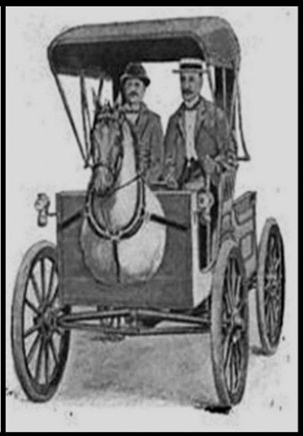
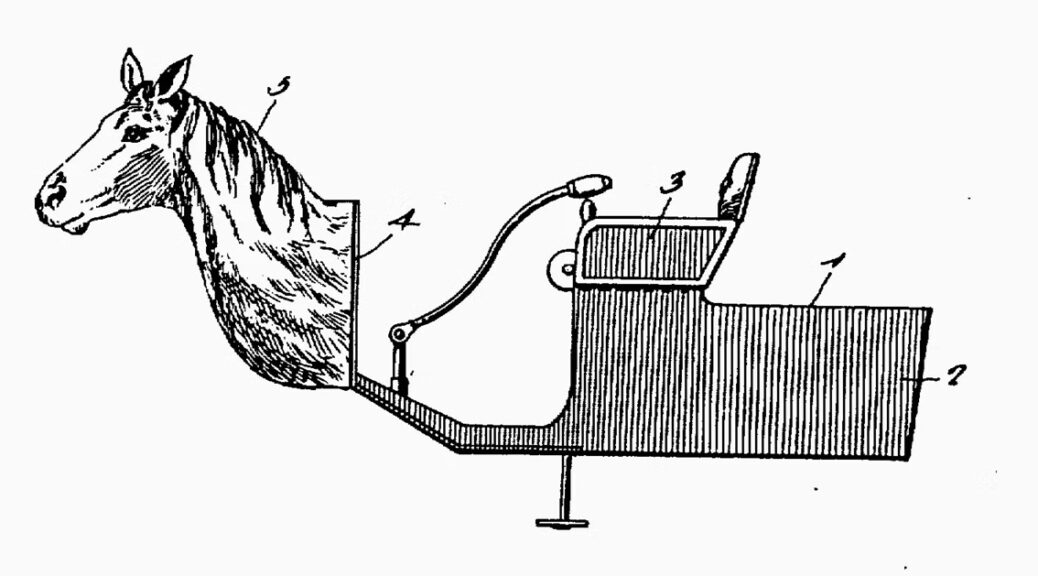
The Horsey Horseless. Designed to prevent horses being frightened by a car.

Enter, the mother of current automotive technology today, the oil industry.

Instead of burning coal, why not find some ways to refine oil to be used as fuel sources to run things on? Who knows, we could have been running advanced versions of steam engines today? They actually can be made to be fairly efficient and clean using current technology and were quite practical cars back in 1918.

Then the internal combustion engine enters the scene the oil companies love this, and a mass marketed engine that is completely dependent on oil is born. Just think, this is awesome for business, these engines need oil for fuel and lubrication. Then all the different designs start flowing. (Off the top of my head and in no chronological order) The single cylinder, then 2, then 4, then 6, then the flathead V8. Now this is where we start to see major horse-power and design improvements. The trusty ole’ inline 6’s, the small block eating slant 6’s,The overhead valve V engine, big blocks, small blocks, Hemi’s. There are pancake engines, W engines, rotary engines, v-tecs, boxster engines and many, many more. (Not to mention all of the different fuel delivery systems!)
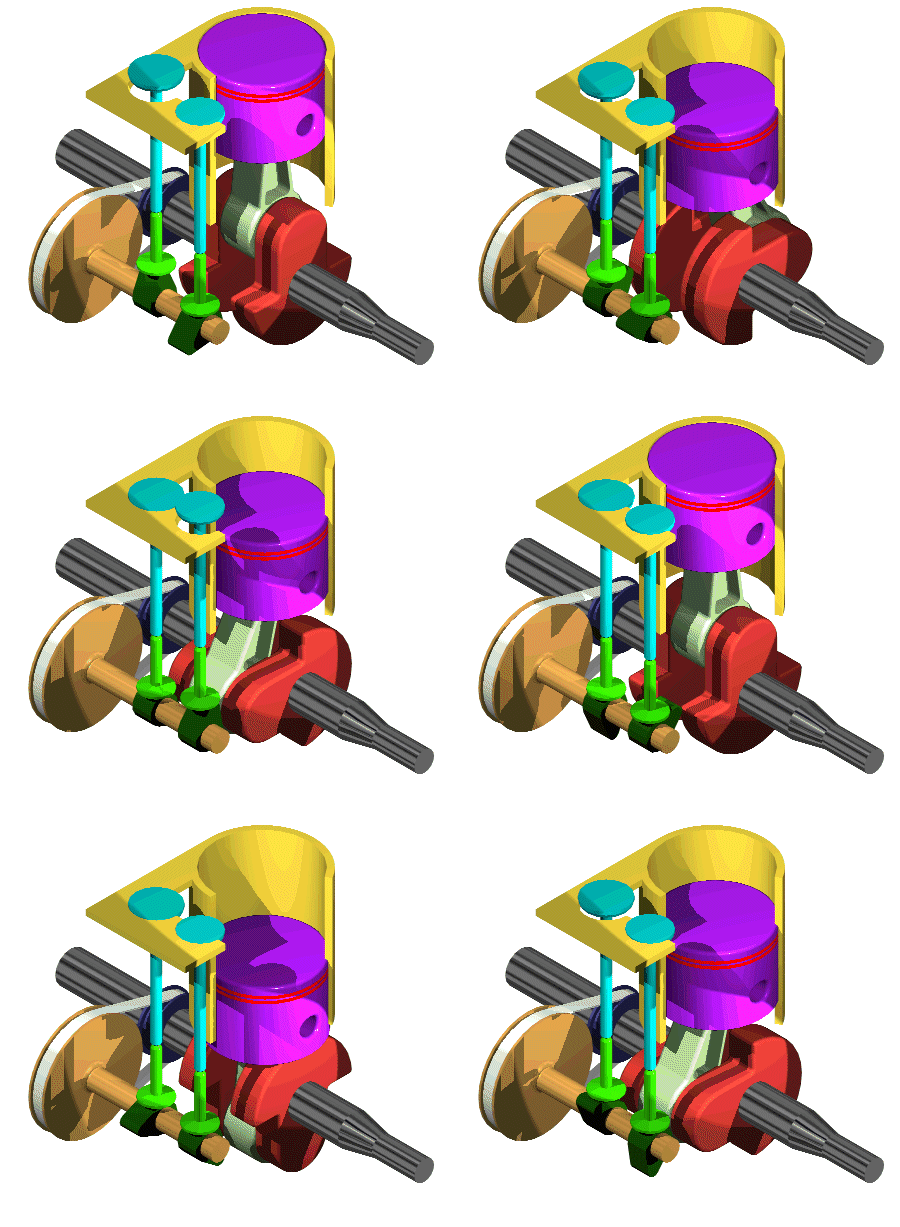
The cylinder and valves and crankshaft of the Internal Combustion Engine

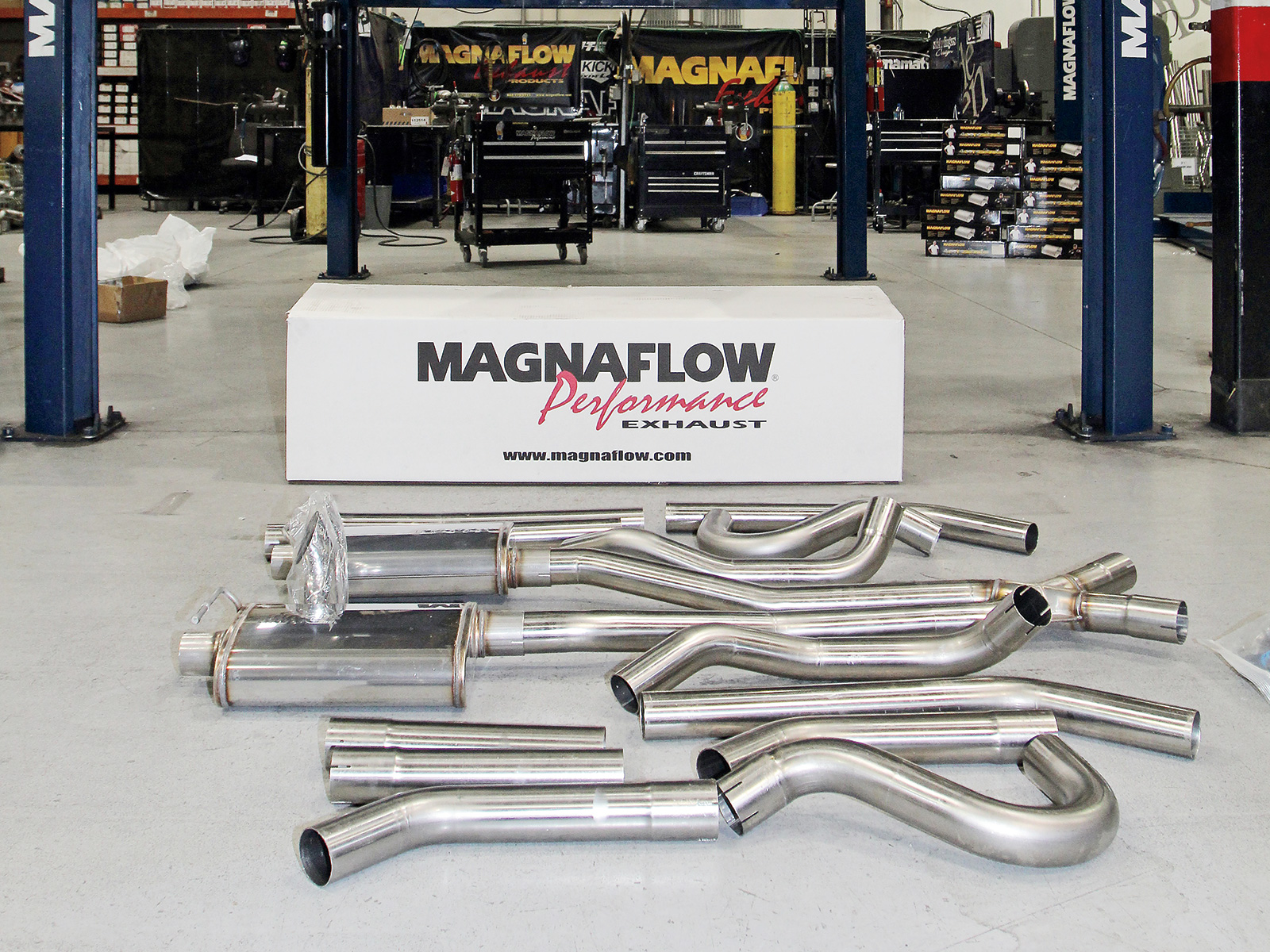
The one thing that really makes me scratch my head is the fact that it took so long getting hybrids, smart-cars, electric cars, and hydrogen cars that are actually worth looking at and driving. I mean, why is it that I can take a full size 2008 Chevrolet Silverado with a 5.3 L vortec engine, put: a cold air intake, a magnaflow exhaust system, and a good edge products programmer, and I can get an average of over 36miles per gallon, with the same horse-power? Why is it that I (not being an automotive engineer) can do this, but you can’t just buy one with those numbers from the manufacturer?

Not to mention brown-gas converters that have been tested on most common engine types that can take, mineral water, and a reaction from current between two electrified plates (similar to a car battery) and create a safe amount of hydrogen gas as a by-product which can make your car run the same on half the amount of fuel. The thing that boggles me is that most people have never even heard of these. You can buy the plans off the internet (not as complicated as it sounds) or I can even get ready to install ones from my performance part supplier. I just find it strange that automotive technology and fuel sources have taken this long to start to veer just slightly away from oil (or as ‘ol Jed calls it “Texas tea”).

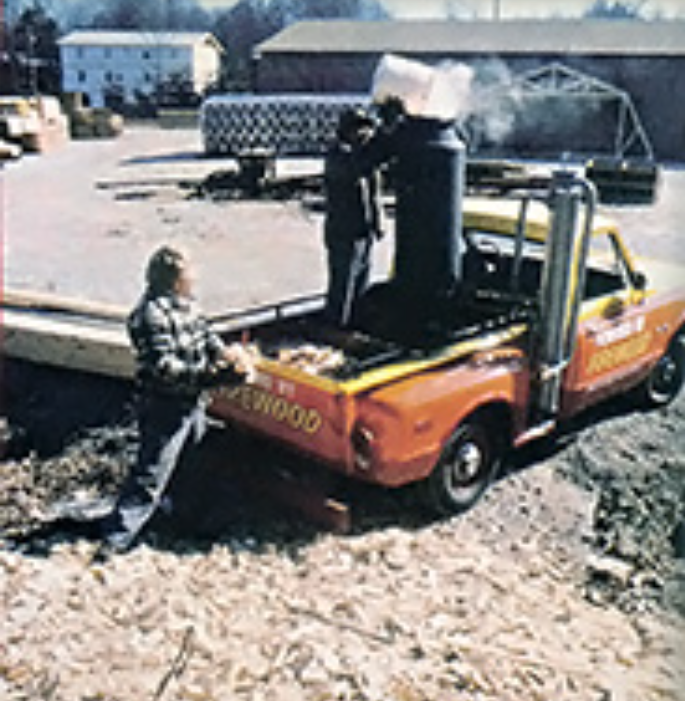
At one point we bridged the gap from a horse and buggy to a steam engine, and then to internal combustion. With the technology we have now, we should have much higher mpg’s and horse-power or an extremely viable alternative. It really makes me wonder where we might be now if this technology was steered in a different direction from the start. It’s been over 100 years now of improving the same technology using more or less the same fuel source. There are guys in the States who run their own garage refined deep fryer grease to power their small pickups and VW buses. There are guys who run pickups off wood-fire smoke. Just something to think about. 
For the Silo, Robb Price.
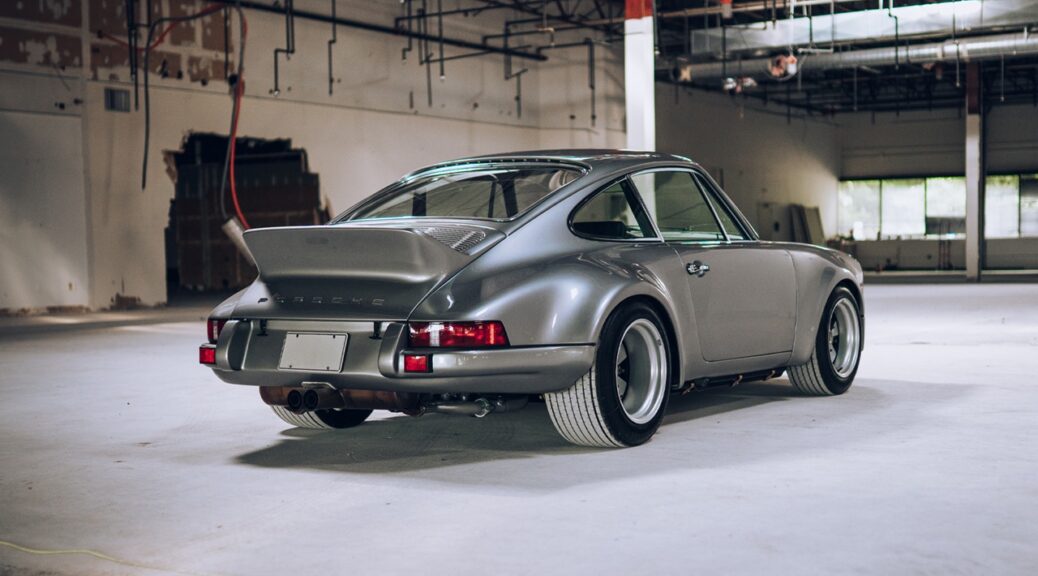
Joe Rogan’s RSR Revamped Porsche 911

A Collector Expands His Fleet

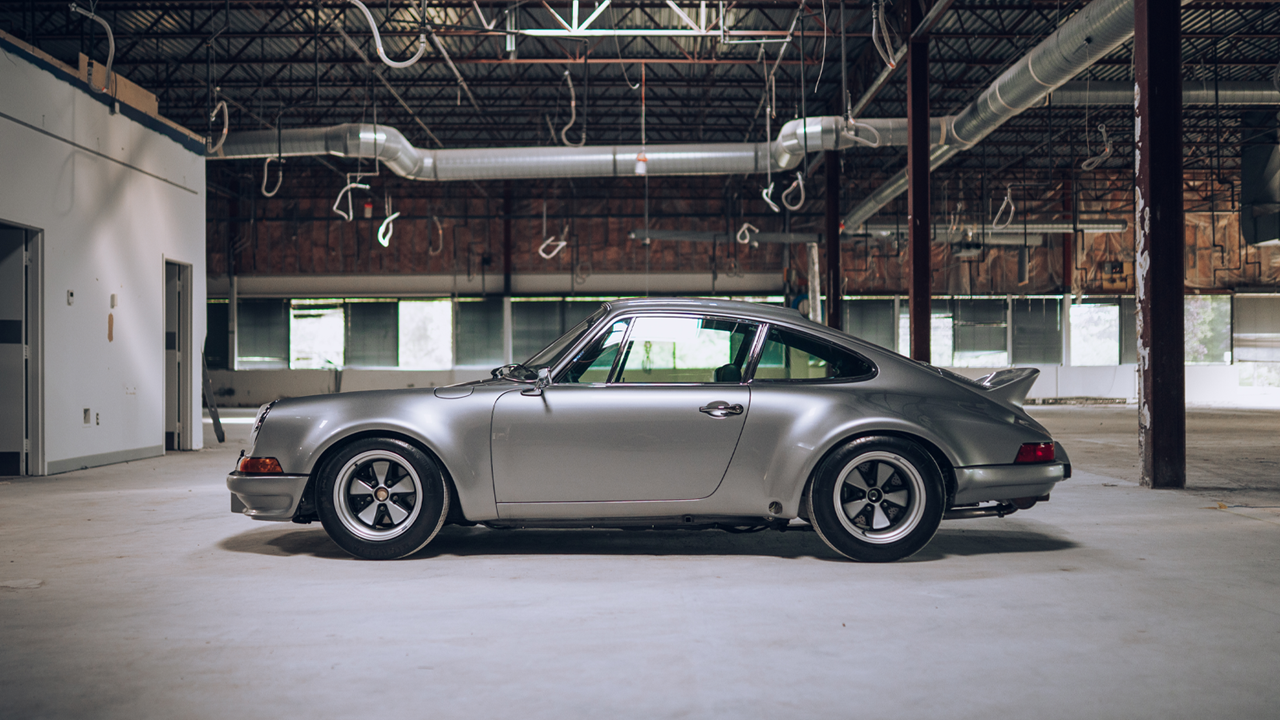
Joe Rogan’s car collection already includes a SharkWerks 997 GT3 RS, a 964 RS America, and a 993 Gunther Werks 911. Now, the comedian and podcast host has taken delivery of a custom-built Porsche 911 RSR tribute from The RSR Project. Nicknamed Silver 2, the car is designed to echo Porsche’s early motorsport roots while offering upgraded performance for modern driving.

The Build Process

The project began with a galvanized 1985 Carrera tub, which was stripped down and reworked with steel flares and fiberglass panels to achieve the classic long-hood RSR profile. The body was finished in a glossy silver paint that recalls bare metal and paired with period touches such as a ducktail spoiler, fiberglass bumpers, and 15-inch Braid Fuchs wheels wrapped in Michelin TB15 vintage tires

Power and Engineering

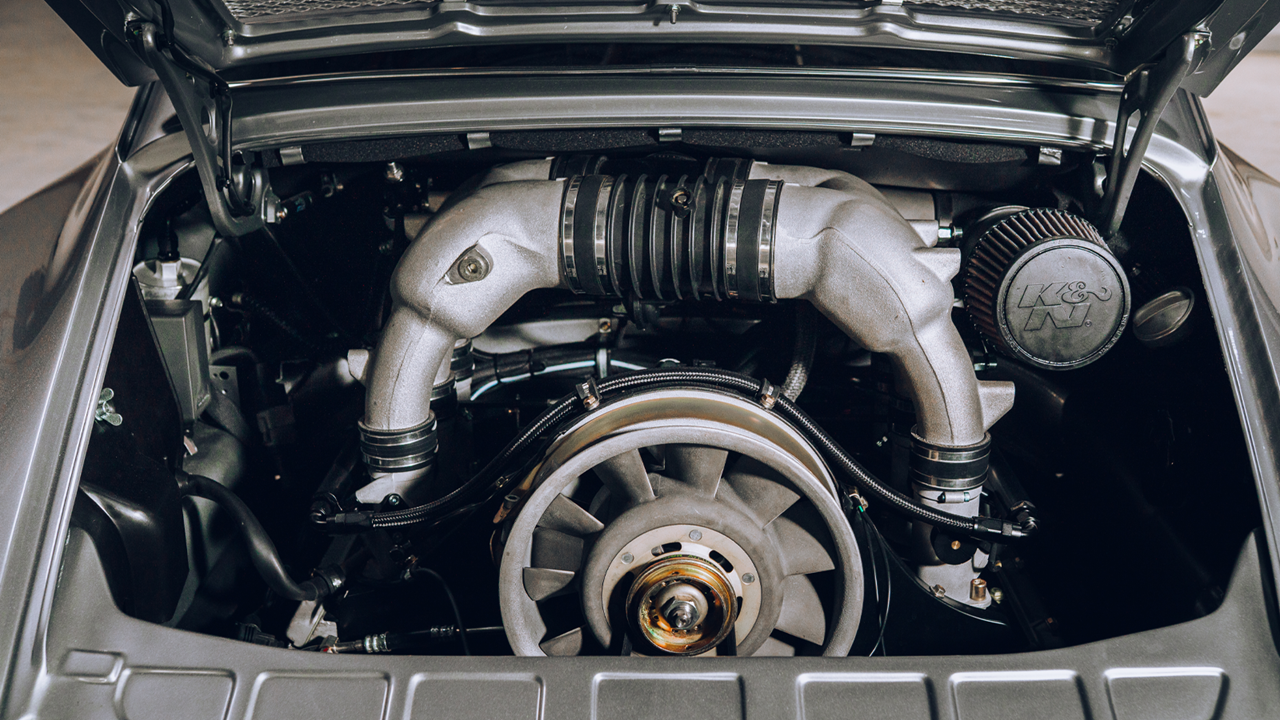
Founder Richard Schickman led the build, which included a complete mechanical overhaul. Rogan’s car is powered by a 3.5-liter flat-six producing 310 horsepower, equipped with twin-plug heads, GT3 intake plenum, Clewett Engineering throttle bodies, Elgin cams, Lucas injectors, and Bosch ignition components. The motor is controlled by an Emtron SL ECU and paired with a fully rebuilt transmission. Suspension and braking systems were also refreshed to meet both performance and reliability standards.

“Our goal with every build is to honor Porsche’s motorsport heritage while elevating performance to meet modern expectations,” Schickman explained.

Precision Rebuild Standards

Every RSR Project car undergoes a full teardown. Engines are disassembled, magnafluxed, and sonic cleaned, while rotating components are balanced to within a gram. Cylinder heads are resurfaced, valve guides replaced, and transmissions rebuilt with new synchros and seals. The result, according to the company, is a drivetrain that looks factory-new but performs with modern precision and durability.

Interior Details

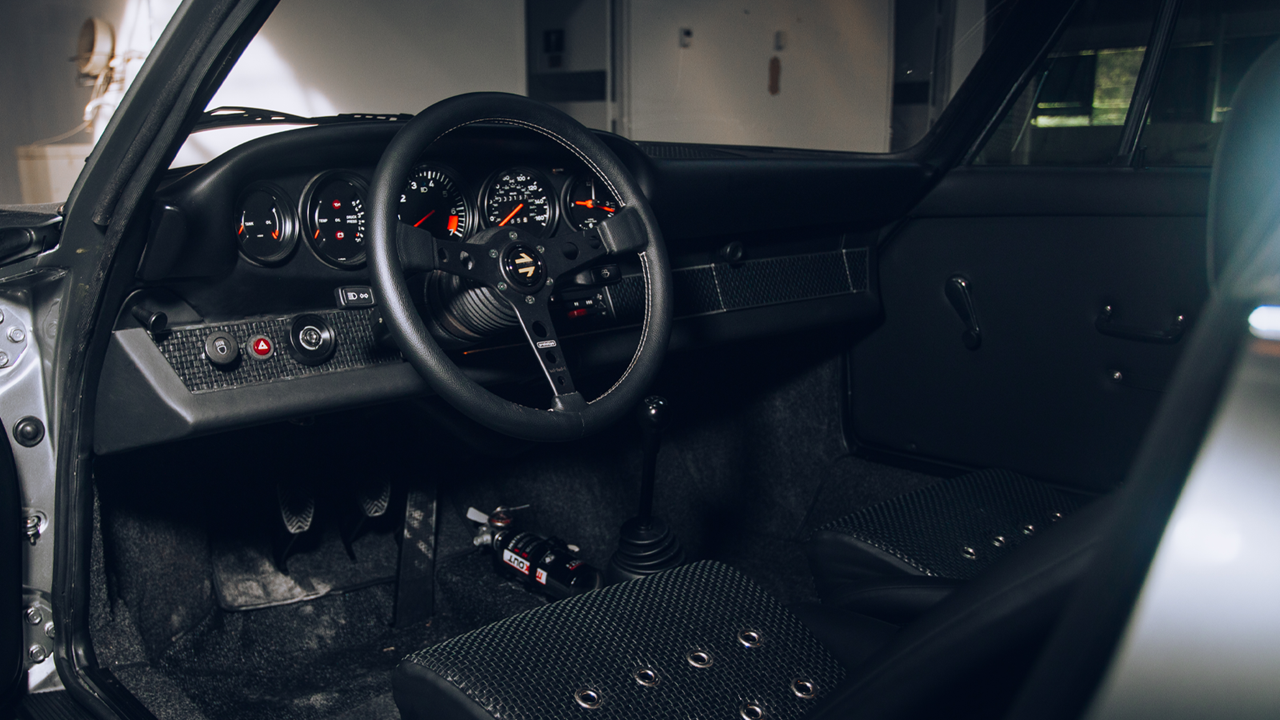
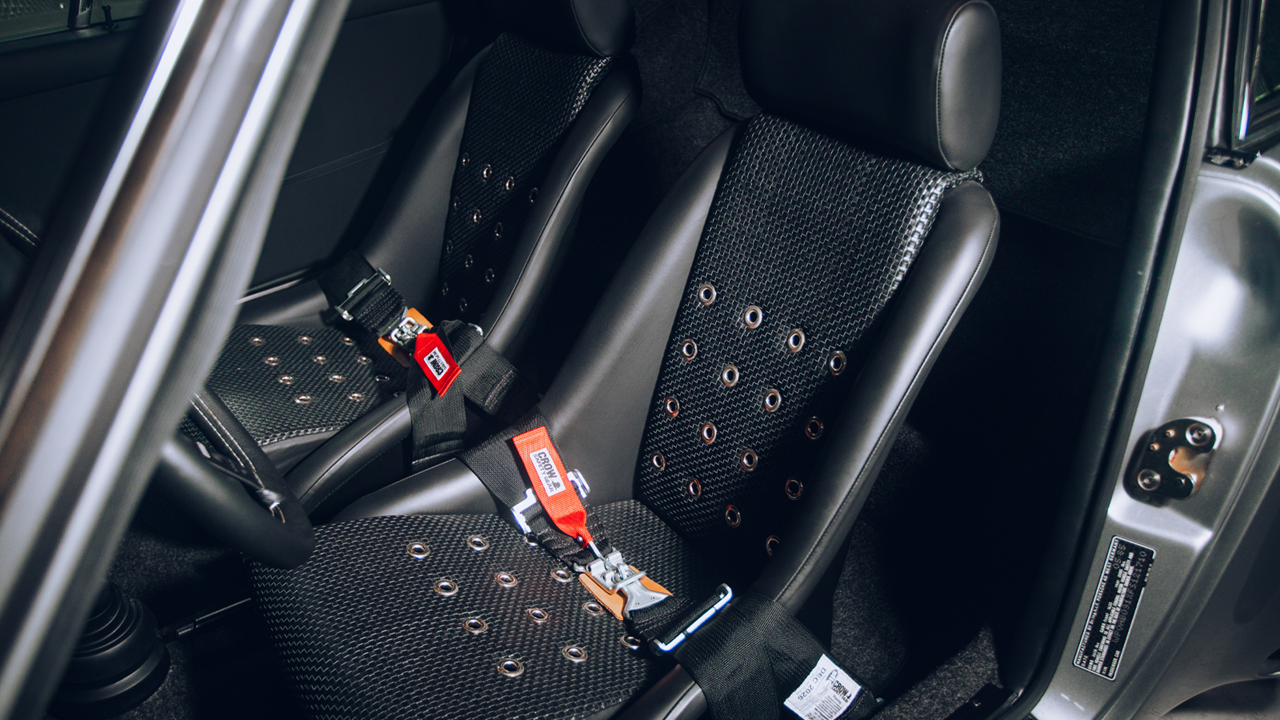
The interior follows the same philosophy of heritage blended with bespoke craftsmanship. Rogan’s build features black fixed-shell bucket seats trimmed in woven leather with nickel grommets, a nod to 1960s GT40s. The dashboard was replaced with a Porsche Classic unit, paired with RS-style door panels, lightweight Perlon carpeting, and a Momo Prototipo steering wheel. The minimalist approach is reinforced by details like pull straps, a radio block-off plate, and a Wevo short shifter.

Rogan declined extras like a sound system, opting instead for a stripped-down cabin that celebrates Porsche’s racing DNA. The only modern concession is an electric air conditioning system.

Road-Proven Performance

The RSR Project emphasizes that its cars are built for driving, not static display. Rogan’s Porsche underwent more than 700 miles of testing before delivery to ensure reliability and fine-tuned performance. As Schickman noted, “Every RSR we create is built to be driven and enjoyed thoroughly.”

Time and Cost of an RSR Build

Building a Porsche to this level is a significant undertaking. Each project typically requires 12 to 18 months to complete, with prices starting at $375,000 usd/ $516,750 cad (at time of posting). Clients can select additional options such as upgraded engines, modernized braking systems, and electric air conditioning. Earlier in the year, the company also unveiled RSR Project No. 21, a Signal Orange homage to the 1973 Rennsport Rennwagen.

This article via our friends at rennlist.com

The Inimitable Mezger Engine

Take it from our friends at rennlist, Porsche has built some truly remarkable engines over the years. The air-cooled 911/83 engine that powered the 1973 911 2.7L Carrera RS is just one example. But if you were asked to go on and list the ten all-time greatest Porsche engines there is a good chance the list would be dominated by various Mezger engines.

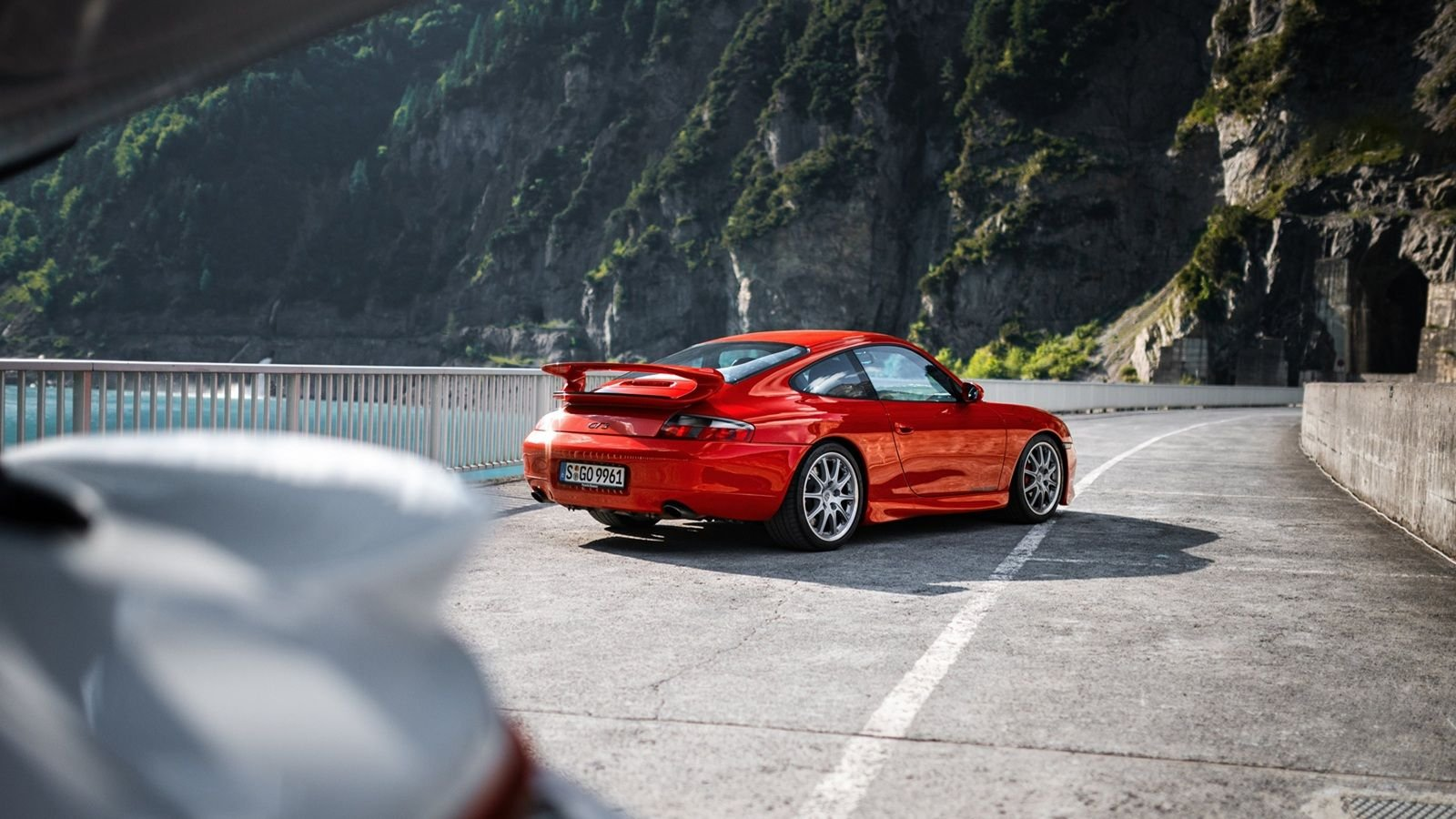
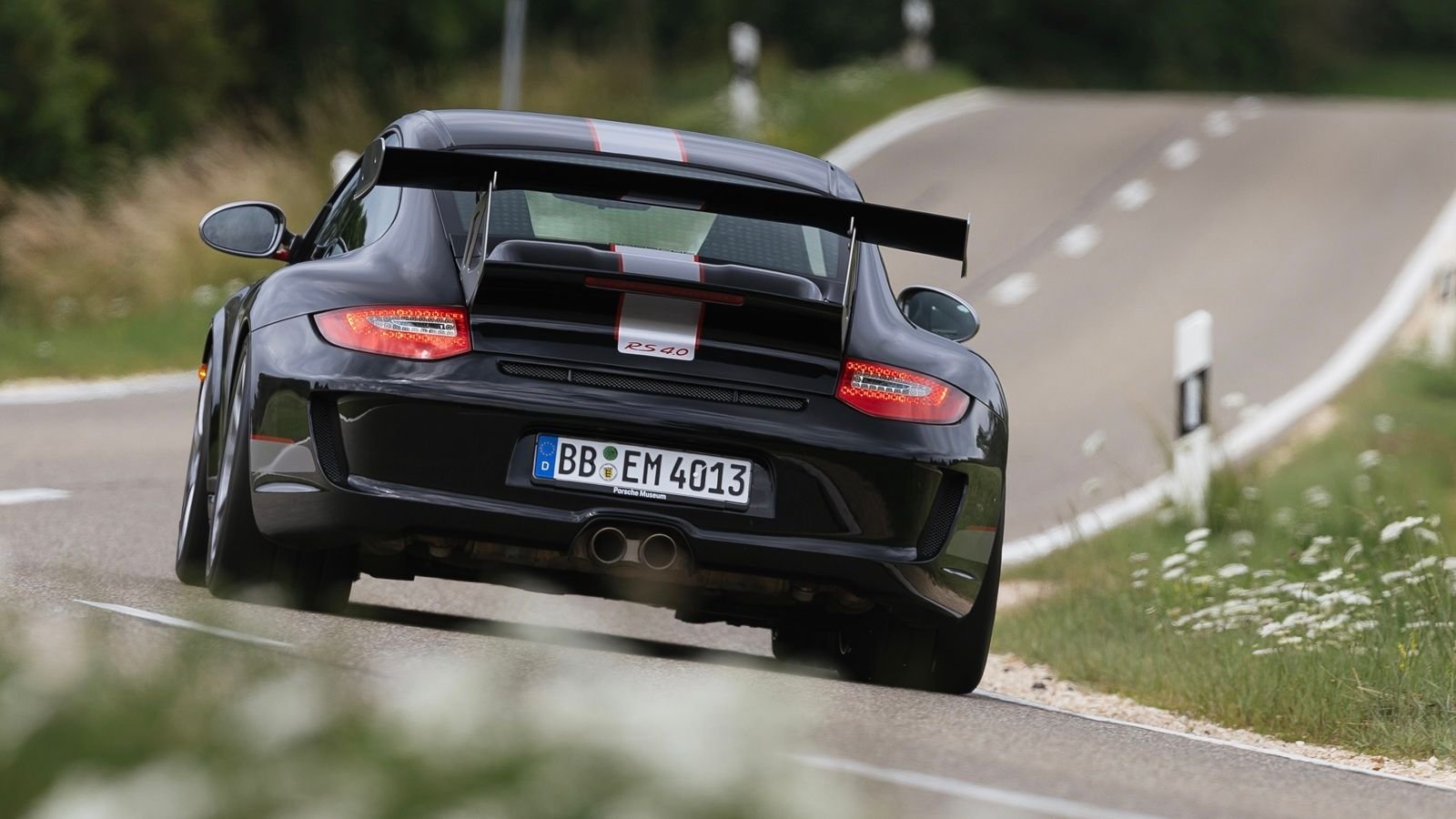
The 12-cylinder found in the Le Mans-winning Porsche 917? That’s a Mezger. The 3.6L flat six in the 996 GT3? That’s a Mezger. The 4.0L in the 997 GT3 RS 4.0? That’s a Mezger.

How about going all the way back to the original 901/911 engine? Yup, that’s a Mezger.

But what is a Mezger engine, and why are they so special? That is what we are going to discuss here today. We have come up with 9 reasons why the Mezger engine is so special. And there is no other place to begin the discussion than the legendary man behind these engines, Hans Mezger.

1. Hans Mezger

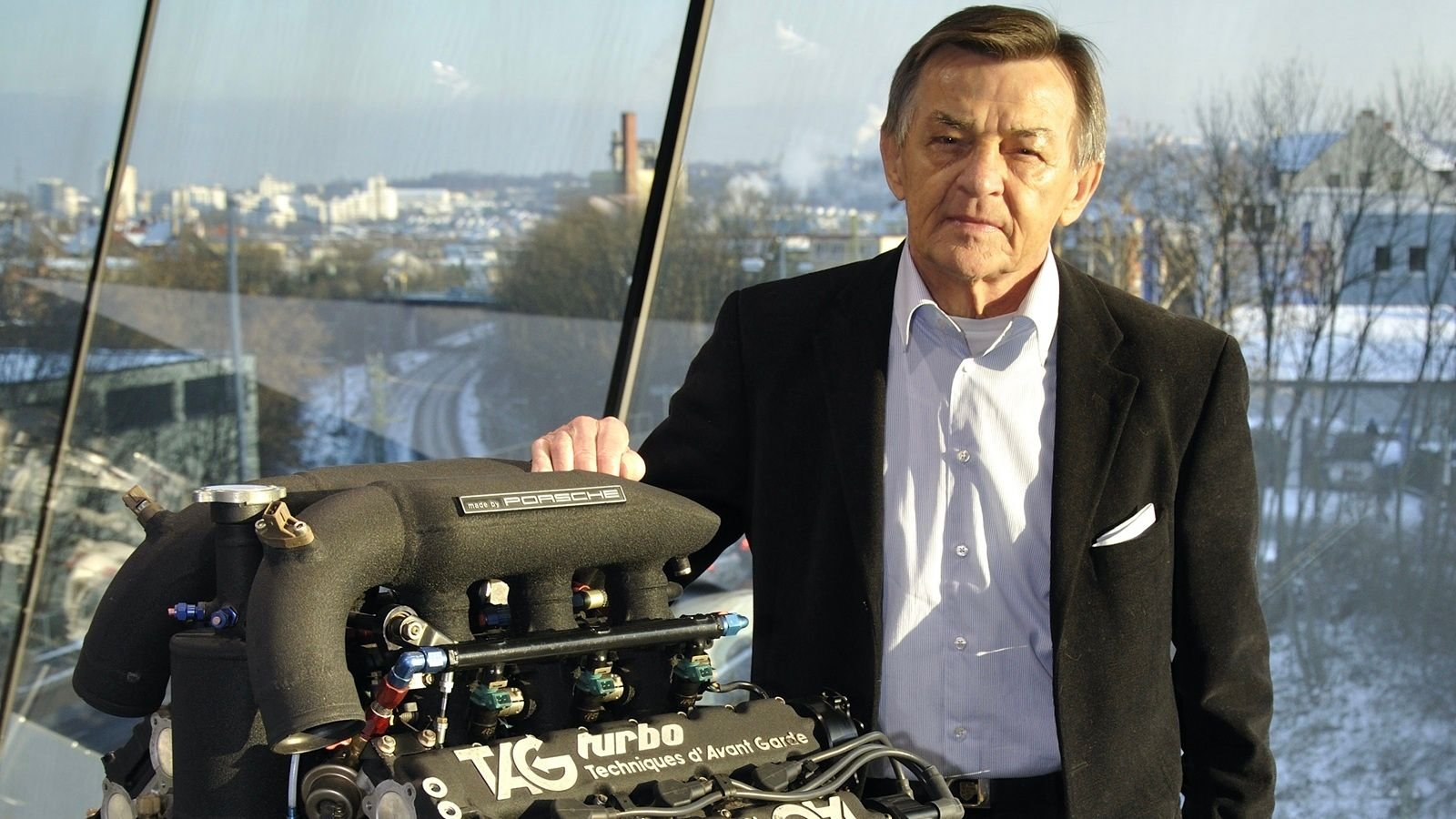
A single slide can in no way capture all that the legendary Hans Mezger accomplished. He joined Porsche back in October of 1956. He loved Porsche sports cars, but his first job was working on diesel engine development. In 1960, he began to work on the type 753 flat-eight engine for Porsche’s first Formula 1 car. Soon after he designed the 6-cylinder boxer engine for the 901/911. He was then promoted to the head of race car design. He was responsible for the 917 and the 12-cylinder engine that powered it to Porsche’s first Le Mans victory in 1970. He then was responsible for the turbocharged 917/10 and 917/30 cars that dominated Can Am. He designed and developed the six-cylinder turbo engines for the Type 935 and 936 race cars.

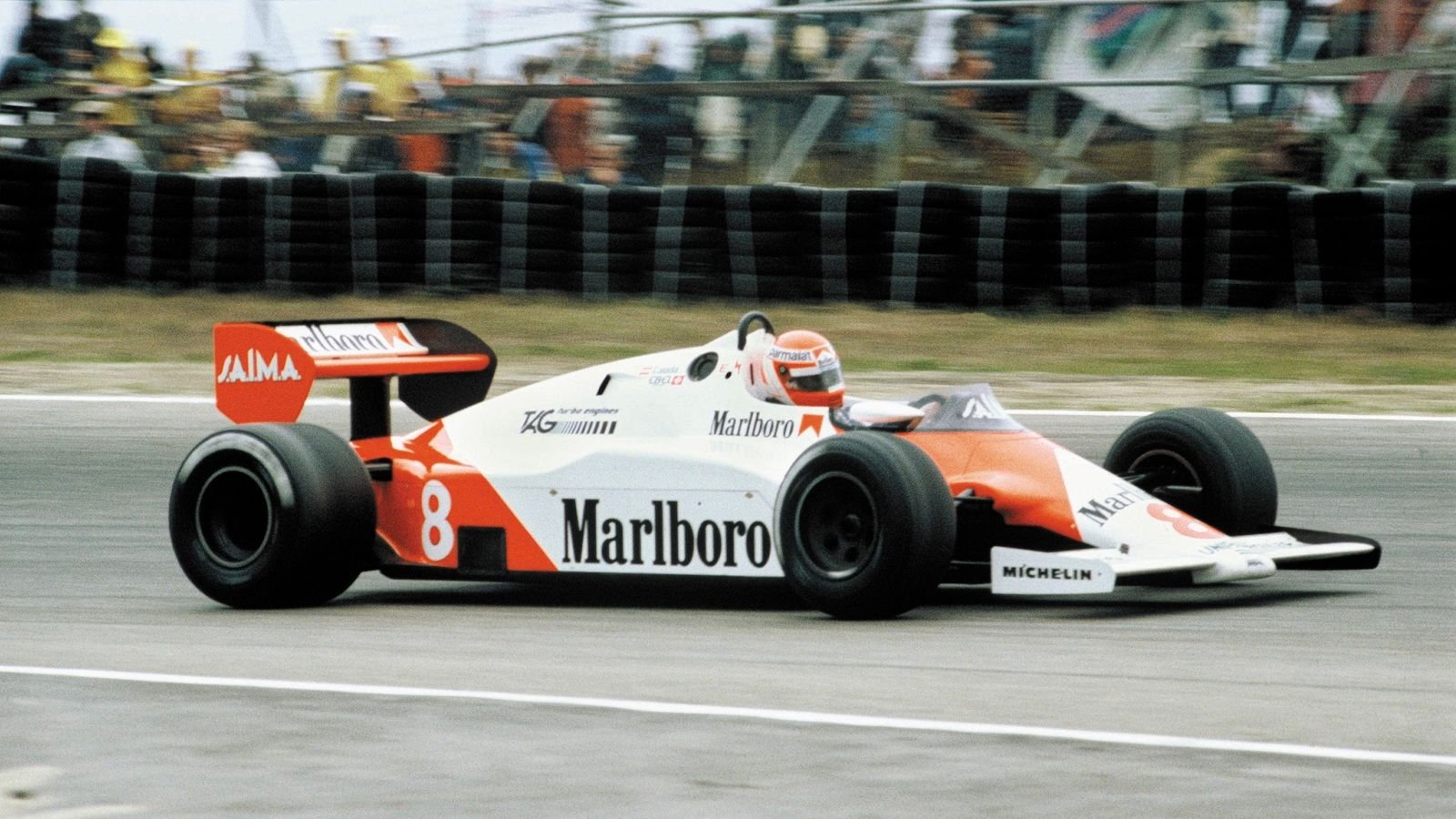
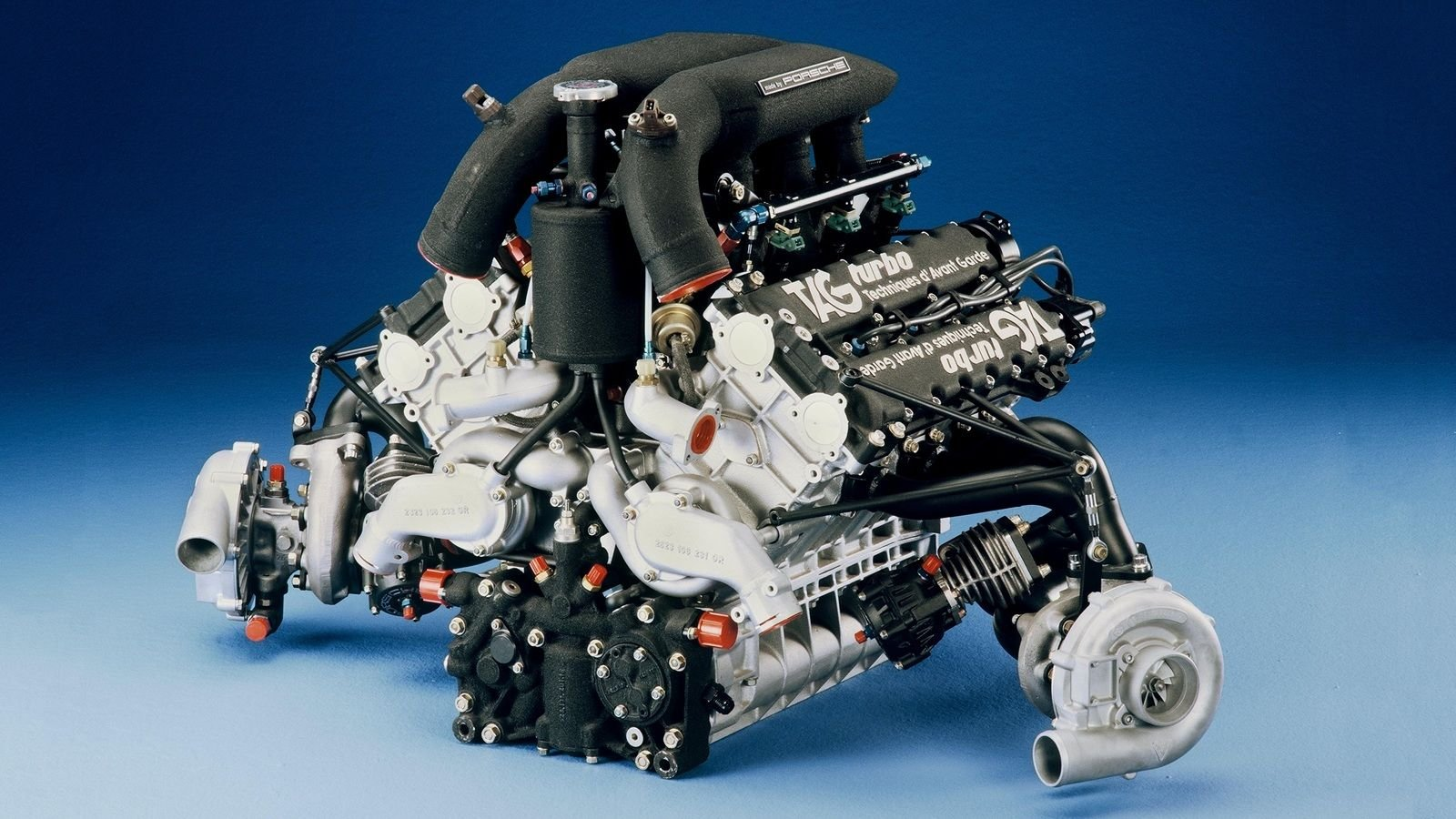
Mezger designed the 1.5L V6 engine known as the TAG Turbo that powered the McLaren Formula 1 cars to championships in 1984, 1985 and 1986. His engines would eventually be found in the most performance-oriented Porsche road cars such as the 996 GT3, GT2 and Turbo. Mezger remained closely connected with the Porsche brand until he passed away on June 10, 2020, at the age of 90.

2. Motorsport Pedigree

Mezger built engines for the most demanding races in the world. His engines that were put into Porsche road cars have the same engineering approach. These engines are designed for long-term high performance. They are essentially overbuilt for road use. These engines were not designed to meet a certain price point. They were designed to provide the best performance. There were no corners cut with any Mezger engine.

3. Birth of the GT3

Many people view the 911 GT3 models as the pinnacle of the 911 range. One of the main reasons why is because of the track-focused, high-revving flat-six engine out back. It all started with the M96.79 engine found in the 996 GT3. The European market got the GT3 a few years before us and had the M96.76 engine, but the point is the same. The GT3 legend began in large part because of the incredible engine that powered it. This dry sump engine could rev to 8,200 rpm all day long. The engine was derived from the Porsche 911 GT1-9,8 which happened to win a little race called the 24 Hours of Le Mans. The street version of this engine is nearly bulletproof,f and the GT3 legend was born.

4. Turbocharged Versions

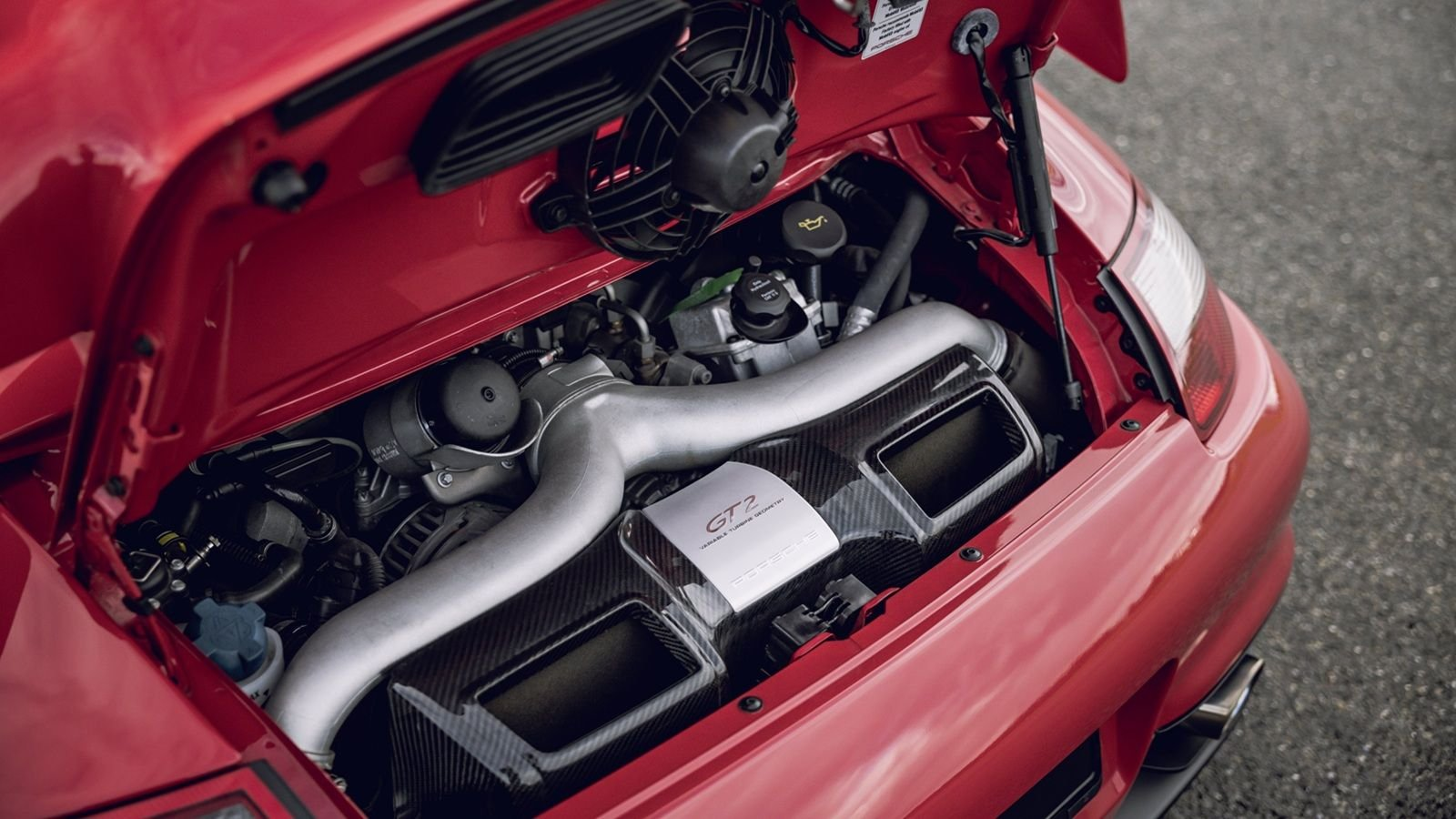
If the GT3 was just not powerful enough for you, Porsche had a solution. The GT2 and Turbo also used Mezger engines, but with a pair of turbochargers. They are not as high-revving as the normally aspirated units, but they offer more power and a lot more torque. And these engines are just as reliable.

5. Reliability

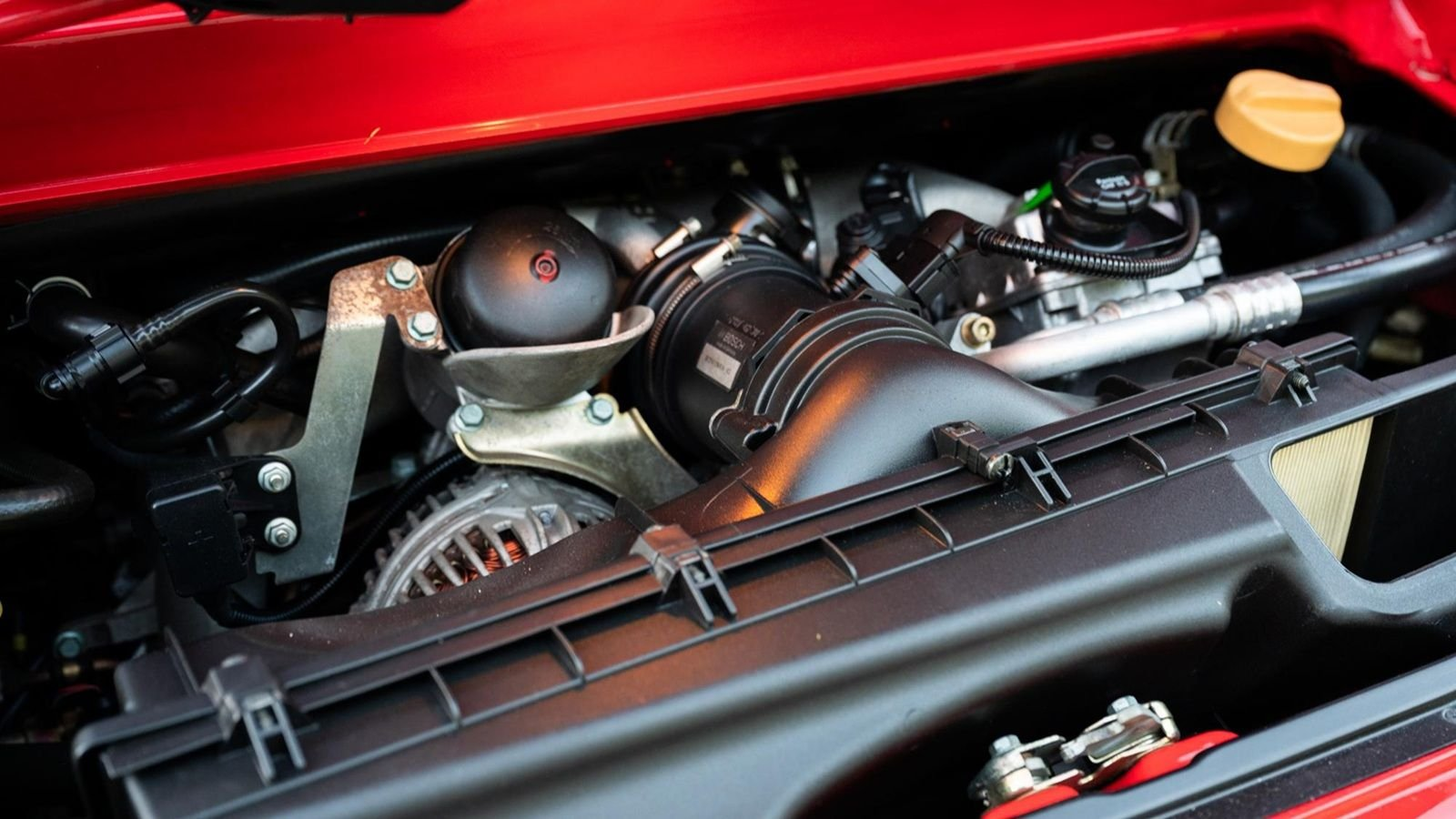
The Mezger engines are not just more powerful but also more reliable. The knock on the M96 and M97 engine series has long been the IMS bearing. But the Mezger versions don’t have the same design. Instead, they use plain bearings that are pressure-fed engine oil for lubrication. These bearings don’t fail. That alone makes the Mezger significantly more reliable.

6. Sound

Even if these engines were not more durable and powerful, people would buy them for their sound alone. It is not just their high-revving nature in naturally aspirated form. But the design of the engine itself, with features such as dual timing chains that give these engines a more characterful sound. They are more gravely and “motorsporty” sounding than the non-Mezger engines.

7. Power Upgrades

These engines were overbuilt and as such, are typically able to comfortably handle more power if you want to modify them. The turbo versions can easily be tuned to reliably make more power. Of course, every engine has its limitations, but the Mezger engine is robust enough to make more power without hurting reliability.

8. The 997 GT3 RS 4.0

Many people consider the 997 GT3 RS 4.0 to be the best Porsche 911 road car of all time. It just so happens to be equipped with the last Mezger engine. A 4.0L jewel making nearly 500 naturally aspirated horsepower. The engine revs to 8,500 rpm and has more character in it than an entire truckload of new 992.2 Carreras. The 4.0L marked the end of an era. It is the last and possibly the best road-going Mezger engine ever produced.

9. Rarity and Desirability

Not every Porsche got a Mezger engine. Technically, all the air-cooled 911s have a Mezger-designed engine, but they have been out of production for over a quarter of a century now. Only a small percentage of water-cooled Porsche engines were a Mezger design. And Porsche is not building any more of them. So, what is out there today is all that will ever be out there. These engines are found in the most desirable Porsche models, and these cars are collectible today and will continue to be collectible for the foreseeable future. If you buy a Porsche with a Mezger engine today, the chances are good that it will be worth the same or even more tomorrow. For the Silo, Joe Kucinski.

Images: Porsche

>>Join the conversation about the Mezgar engine right here via our friends at Rennlist.com.

Six Pack Of American 1980s Cars For Under 25K

Ugh it’s winter and here in Southern Ontario as I type this we are at the tail end of the Polar Vortex. It’s damn cold out. But there are some things that lend themselves well to “tossing another log on” and staying cozy while enjoying being indoors or perhaps in your heated shop or garage.

In fact, the winter is a great time to take stock and plan for your automotive future. Maybe you’ve packed your summer car away for the season and realized there’s still room for one more, or perhaps you’ve been whiling away the winter daydreaming about the car that got away years ago.

Get Out The Hair Gel

Whatever the case, our friends at Hagerty put together their latest valuation info to find some cool ’80s-vintage North American cars and trucks that we would like to add to our collections, and we think you might agree with at least some of them. Read on brave winter warrior….

The following six vehicles can all be had for less than $25,000 usd/ $35,8300 cad in #3 (Good) condition. That’s a solid starting place for a classic you plan on putting some miles on, and a great place to start if you want a running and driving project that you can cruise to RADwood with. Here then are their excellent picks, in descending order based on value.

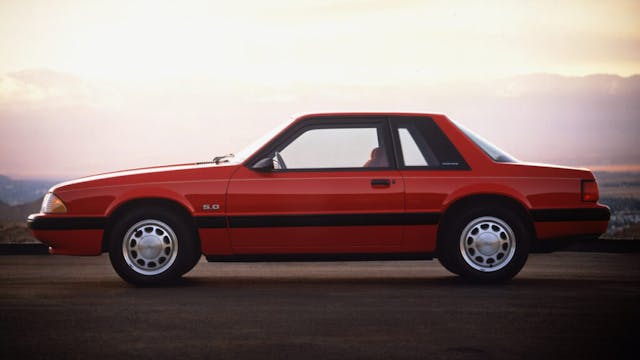
1989 Ford Mustang LX 5.0

1987 Ford Mustang coupe side proifle
Ford

#3 Value: $24,900 usd/ $35,680 cad

The LX was a bit of a sleeper as it had the same EFI 5.0-liter V-8 as the GT without the flashy bits. We like the later Fox-body styling, and while the ’89 comes close to the $25,000 usd price cap, 1987 and 1988 models look just as good and tend to be just a bit more affordable. Of course, four-eyed Fox-body Mustangs (which some of the Hagerty team find more stylish) tend to be even less expensive, but they are also less powerful. One of these later LX models would be a great place to start for a mild build to enjoy the fantastic 5.0-liter soundtrack, as few platforms have the kind of aftermarket behind it that the Fox-body still enjoys.

1987 Buick Regal T-Type Turbo

Buick-Regal-T-Type-Turbo-rear-three-quarter
Mecum

#3 Value: $23,800 usd/ $38,400 cad

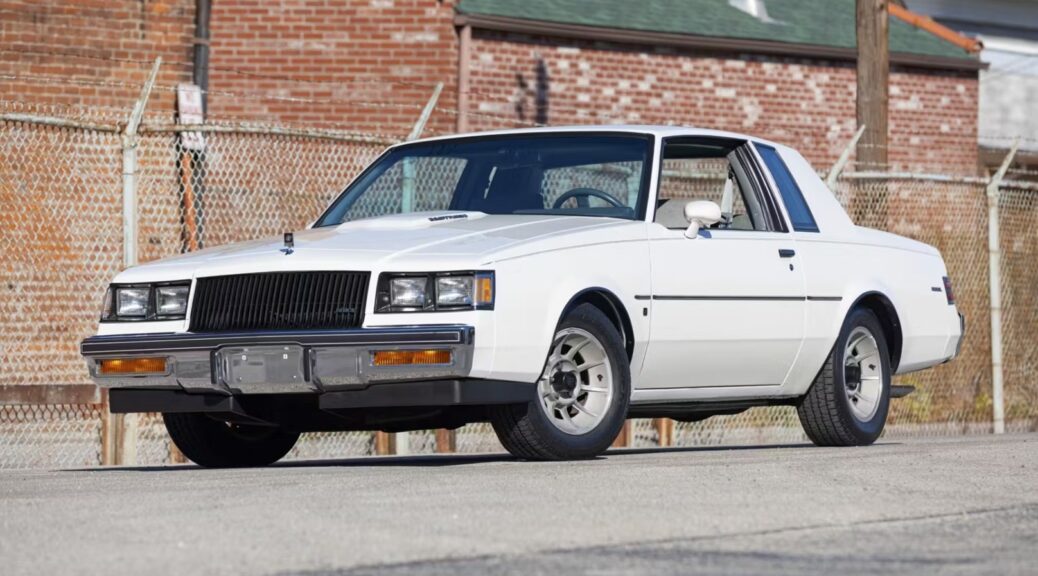
Speaking of sleepers, the turbocharged Buicks of the ’80s are some of the most infamous. Even when the sinister black Grand National gained a reputation, the less overt turbocharged Buick models still flew under the radar. The later turbo Buicks were fuel injected and Buick kept improving the punchy 3.8-liter V-6, with final models getting upgraded airflow by way of a new charge cooler, an aluminum intake manifold, and an improved turbocharger. The final tweaks gave 1987 turbo Buicks 245 hp and 355lb-ft of torque. While those numbers aren’t particularly impressive when compared to more modern performance cars (keeping in mind that hp isn’t everything when it comes to performance measurements) , or family sedans for that matter, they put Buicks firmly in the fight for the title of quickest new cars on the market. Their interesting development history makes them a worthy collectible, and the less flashy T-Type is a great entry point at about 35 percent less than a comparable Grand National.

1989 Chevrolet Corvette Callaway

1989 Chevrolet Corvette Callaway
Callaway Cars

#3 Value: $23,800 usd/ $34,100 cad

If 245 horsepower was a lot in 1987 (it was), imagine how exotic a 382hp twin-turbo Corvette must have been. The late Reeves Callaway had a long history of building exciting and powerful Corvettes, and even the earliest models were an ambitious project. The first twin-turbo Corvettes his company turned out in 1987 produced 345 hp, the same rating the first C5 Corvettes would receive with their naturally aspirated LS1 V-8s starting in 1997. Ever improving, Callaway soon had the 350-cubic-inch small-block pumping out 382 hp and 525 lb-ft of torque, making it one of the most powerful cars you could buy. It even came with a 12-month warranty. Just 69 Callaway Twin-Turbo Corvettes were built in 1989 and today their #3 value is just less than the $26,000 usd cost of the B2K RPO code that indicated the rare powertrain option. They might be more trouble to maintain than the rugged and simple 350 that came in everyday C4 Corvettes, but the Callaway Twin-Turbo mill was truly special. It’s also one of the best-looking C4 variants ever created, if you ask us.

1988 Stutz Bearcat

1988-Stutz-Bearcat-II
Stutz Motor Car Company

#3 Value: $23,100 usd/ $33,100 cad

The Stutz Bearcat is not well known, and those that do have any knowledge of the low-volume cars probably remember the ’60s iteration, a reemergence of the nameplate, and based on the Pontiac Grand Prix. Few will remember the original: a racy, brass-era runabout, and you can bet that if you arrived at a show in the final version of the Bearcat, based on the third-gen Firebird and sporting a carbon fiber composite body built in Turin, you’d be met with a lot of puzzled looks. Only about a dozen were built on the F-body platform, making them a truly rare sight. While the ubiquitous small-block drivetrain would make them easy to maintain, everything else about the car would be difficult to replace. Still, it’s quite a head-turning piece of American and Italian coachwork.

1980 International Harvester Scout Terra

#3 Value: $22,400 usd/ $32,100 cad

International Harvester gave its Scout lineup a makeover for its final year, featuring a new grille designed by Dick Hatch that used rectangular headlights. We think that the final grille is a great fit for the simple, blocky trucks and SUVs. The one shown above, with orange and yellow graphics, is practically perfect. While the standard wheelbase Scout II and the stretched Scout Traveler SUV are both outside of our $25,000 usd threshold, the stretched wheelbase Terra pickup is a more affordable entry point to Scout and meets the criteria when equipped with either the six-cylinder Nissan turbodiesel or the 196-cube four-cylinder that used the passenger bank of the company’s venerable 392 V-8. We love these rugged rigs and the Terra, with its 118-inch wheelbase and short overhangs, combines a decent-sized bed with maneuverability that’s appreciated off-road. The final year of Scout production would make an excellent addition to a collection where it could pitch in with its rugged utility and look great doing it.

1989 Chevrolet Camaro IROC-Z

Courtesy Throttlestop/Andrew Marvan

#3 Value: $18,800 usd/ $26,900 cad

Chevrolet’s competitor to the lighter, more angular Mustang GT was the IROC-Z, the performance-oriented F-body that finally got the 350-cubic-inch Tuned-Port Injection (TPI) engine from its big brother, Corvette, starting in 1987. The 5.7-liter powerplant was only available with a four-speed auto as the T5 transmission that fits under the Camaro’s floorplan couldn’t handle the larger motor’s torque. The TPI intake, perched like a spider on top of the engine, featured long runners that favored low-speed torque. Unfortunately the intake, and the engine’s meager cylinder heads, weren’t great at maintaining that torque to get the power numbers up, Still, it competed well against the smaller Ford V-8 in the Mustang. Contemporary reviews praised the IROC-Z’s power, road-holding, steering feel, and traction compared to its Mustang counterpart, but the 5.0-liter Mustangs were formidable opponents. Your choice might come down to brand loyalty or whether you prefer the boxy Fox-body or the sleek F-body. If we found one of these in our garage, we’d be tempted to troll eBay and swap meets for vintage ’80s speed parts to build a day-two IROC-Z for canyons and backroads. But that is just us.

Founders Of Hot Rodding Include Canada Born Hilborn

These 5 Hot-Rodders Forged the Legacy of the Flathead

The impact of Ford’s flathead V-8 on the hot rod scene is undeniable. But the individuals that immortalized this engine—and, along the way, laid the foundation for the hot-rod scene—are the real heroes.

photo- Brandan Gillogly

n the early 1900s, horsepower was almost exclusively for the Gatsbys of the world. Ford’s flathead V-8, introduced in the depths of the depths of the Great Depression, changed all that. But it needed some help from car obsessives, who went on to invent what we now know as hot-rodding. Learn about them below, then check out Preston Lerner’s deep dive on the Flathead and its impact here.—Ed.

While it’s not without its flaws, the Ford flathead V-8 marked a significant milestone in the history of American performance. Ford’s mass production of the flathead opened up racing to a whole new audience and helped an industry flourish. Ford wasn’t alone, however, as the factory-built flathead was just a building block. Several individuals, through their own innovation and business acumen, were able to build flathead V-8s to horsepower levels that pushed boundaries of speed, developed a massive segment of our hobby, and forged long-lasting businesses, many of which are still with us today. Here are five pioneers of the aftermarket that used the flathead V-8 to cement themselves and their companies in American culture.

Ed Winfield

Ed Winfield
Magnifico

1901-1982

Known as “The Father of Hot-Rodding,” Winfield got his first job in a blacksmith shop when he was just eight. By the time he was 11, he was stripping down the neighbor’s Model T to shed weight and make it faster. Two years later, he was working on carburetors in Harry A. Miller’s Los Angeles shop where Barney Oldfield’s groundbreaking Golden Submarine race car was being built. With a knack for machinery and an intimate knowledge of engines, Winfield started his own carburetor company in 1919 and began grinding cams the following year. His carburetors were used on eight of the ten Indy 500 winners from 1933-1946, the only exception was Wilbur Shaw, who had won with a Winfield-fed Shaw/Offenhauser engine in 1937 and switched to Maserati power for his wins in 1939 and 1940.

Winfield did it all, from serving as a riding mechanic and racing at Ascot Speedway to working with major automakers in developing engines. Winfield also helped a young Ed Iskendarian with cylinder head work. He was inducted into the Indianapolis Motor Speedway Hall of Fame in 1983 and the Motorsports Hall of Fame in 2011.

Vic Edelbrock Sr.

Vic Edelbrock Senior
Magnifico

1913-1962

Already an established mechanic, Vic Edelbrock Sr. designed the Slingshot intake manifold for flathead Ford V-8s in 1938 and tested it on his own 1932 Ford roadster on Southern California’s dry lakes. After WWII, Vic moved into a new shop in Holywood and designed his first cast aluminum cylinder head for flathead V-8s. Also in 1946, Edelbrock created its first catalog of speed parts, and soon its products were found on cars competing in virtually every form of racing, whether it was on the 1/4-mile, on circle tracks, or America’s dry lakes. His son, Vic Jr., took over the business after his passing and expanded the business to include fuel injection and superchargers. Vic Jr. passed away in 2017, but the company continues to make performance parts. To this day, the company makes Victor and Victor Jr. cylinder heads and intake manifolds that keep their legacy alive.

Stu Hilborn

Stu Hilborn
Magnifico

1917-2013

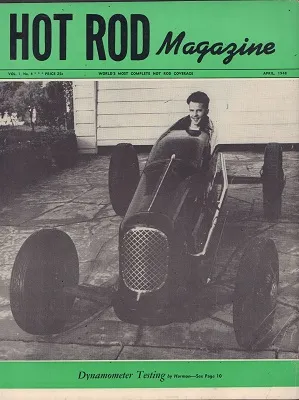
Born in Canada, Hilborn came to southern California in time to graduate high school and attend junior college in Los Angeles before enlisting in the Army Air Corps (you’re going to notice a trend here). While working on aircraft, Hilborn began scheming up a new way to feed fuel to engines, and once he was back in Southern California, he built a dry lakes racer that would prove his constant-flow fuel injection could compete and win against carburetors. The sleek racer was the first to eclipse 150 mph on the dry lakes and graced the fourth cover of Hot Rod magazine in April, 1948.

Hilborn continued to modify and improve his fuel injection design, and in 1952 Bill Vukovich drove the Fuel Injection Special in the Indy 500, where he led 150 laps and was just nine laps from the finish when a steering issue sidelined the car. That was tough luck for Vukovich, but 22-year-old Troy Ruttman passed him and took the win. Rutman, like Vukovich, was running Hilborn fuel injection, as were the remaining drivers on the podium. You can think of Hilborn’s mechanical fuel injection taking over for Winfield’s carburetors, as the individual throttle body system became the induction of choice for America’s top racers, dominating the Indy 500 for decades, claiming 34 victories along the way. Hilborn stacks appeared on road racers of all kinds, and the company’s two-port units could be found atop supercharged drag cars as well, but it all started with the dry lakes flathead.

Alex Xydias

Alex Xyadias
Magnifico

1922-2024

Alex Xydias passed away earlier this year at the age of 102, leaving behind an impressive legacy of business achievement and generosity. His name is synonymous with the So-Cal Speed Shop, the Burbank speed equipment emporium he founded after leaving the Army Air Corps in 1946. The most famous product of that enterprise is the iconic belly tank lakester that graced the January 1949 cover of Hot Rod magazine after it ran using Ford V-8-60 power. The So-Cal Speed Shop followed on the success of the lakester with a sleek streamliner that would go on to be powered by a Mercury flathead that would push the car to 210.8962mph, the fastest time of Speed Week 1950, earning Xydias back-to-back spots on the coveted Hot Rod trophy, and the first in excess of 200mph.

So-Cally Belly Tank Lakester front three quarter
Brandan Gillogly

Xydias forged relationships with speed parts manufacturers and helped get race-winning parts into the hands of southern California hot-rodders through his shop, but So-Cal Speed Shop also sold parts across the country through its mail-order catalog, using the fame of his racing success to get more enthusiasts involved by proving what the flathead was capable of.

Ed Iskenderian

Ed Isky Eskidarian
Magnifico

1921-

Ever a hot-rodder, Ed Iskenderian’s T roadster was and continues to be an influential build, but there’s a reason he’s known as the Camfather. Shortly after returning from United States Army Air Corps service during WWII, Iskendarian was eager to return to building engines, particularly flatheads, but the booming demand vastly exceeded supply. He didn’t waste time waiting for other cam grinders to catch up. Instead, Isky, already experienced with tool and die work, purchased a machine and converted it to grind cams. Not only were his camshafts effective, but Isky was a talented marketer, coining the term “5-Cycle Cam” to describe his camshafts that used valve overlap and the escaping exhaust gases to scavenge the incoming intake charge. In addition to his many pioneering valvetrain advancements, Isky is also credited with selling logo t-shirts before anyone else.

Iskendarian cams are still used by some of the quickest and fastest racers today.

Featured image via –Historic Vehicle Association For the Silo, Fabian Hoberg / Hagerty.

Groudbreaking Italian Lamborghini Sportscar Set For Auction

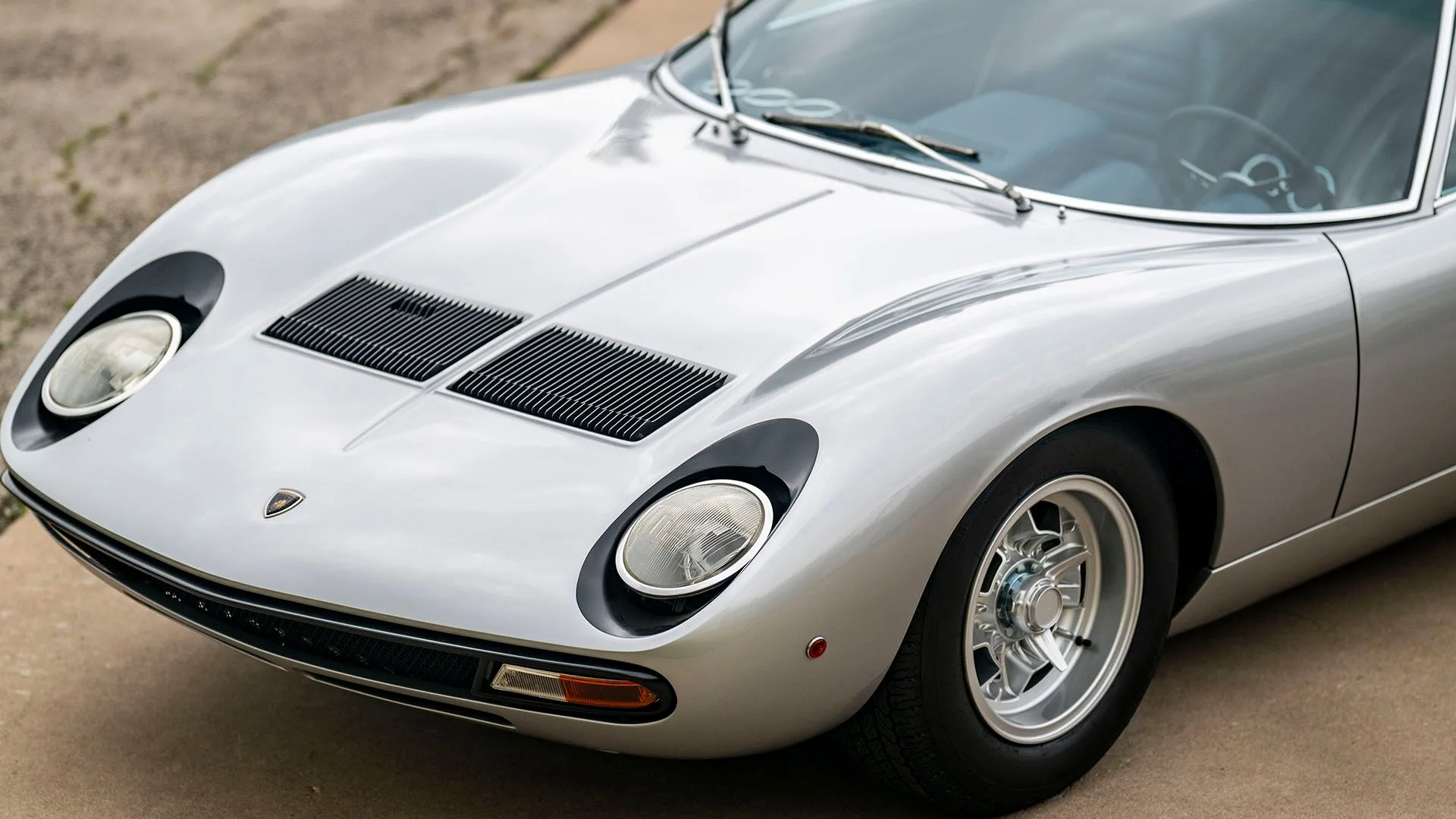
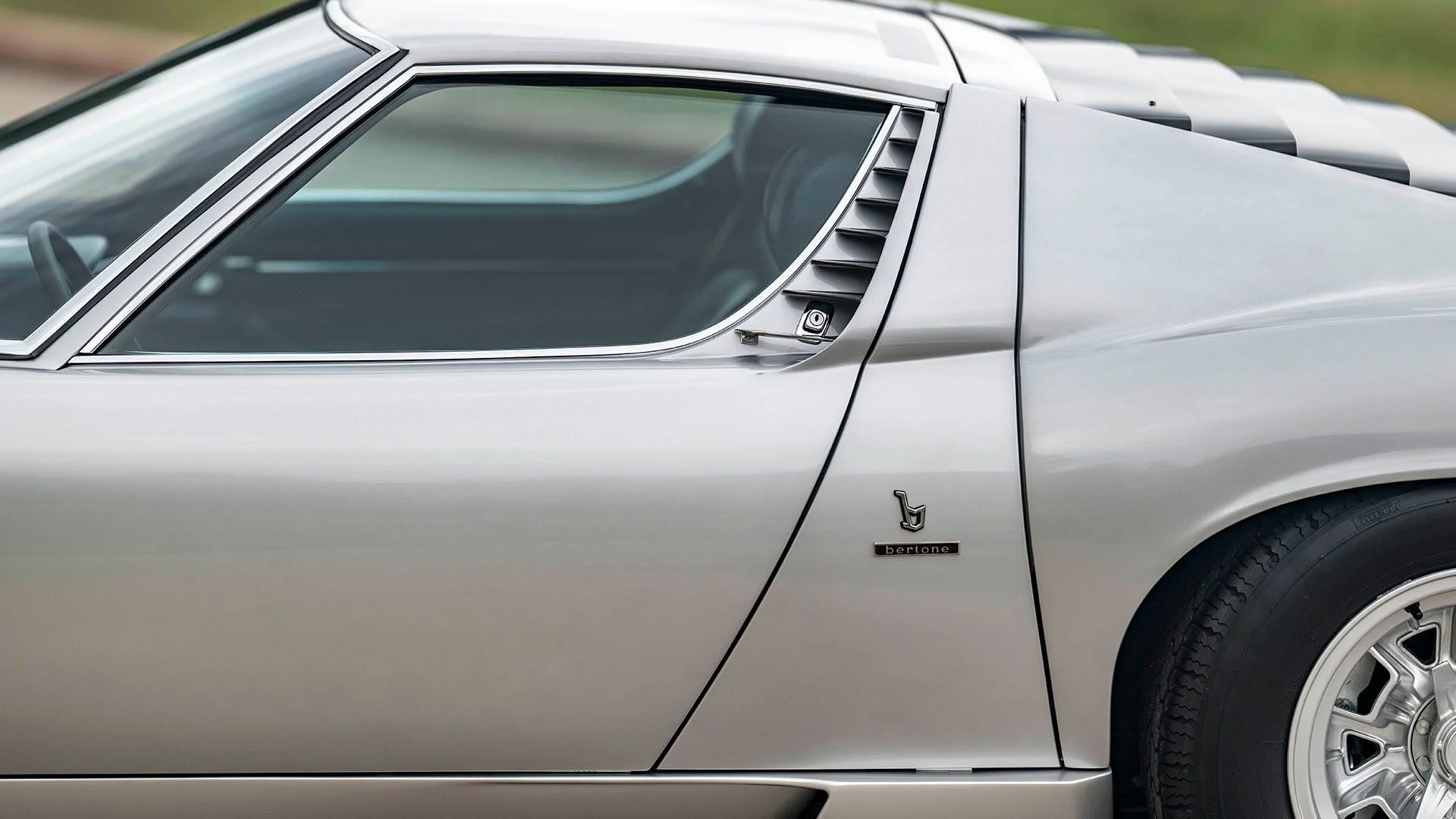
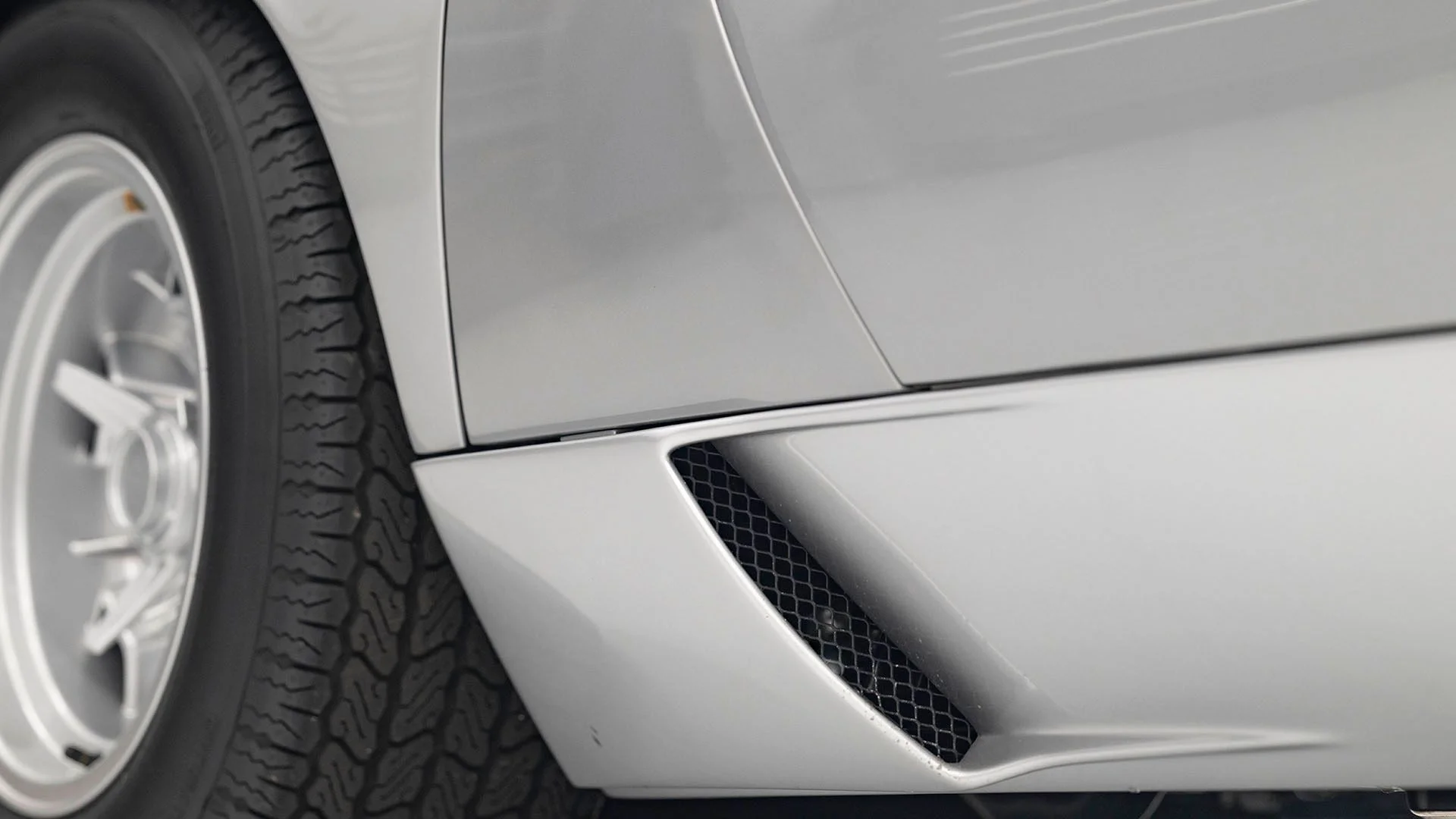
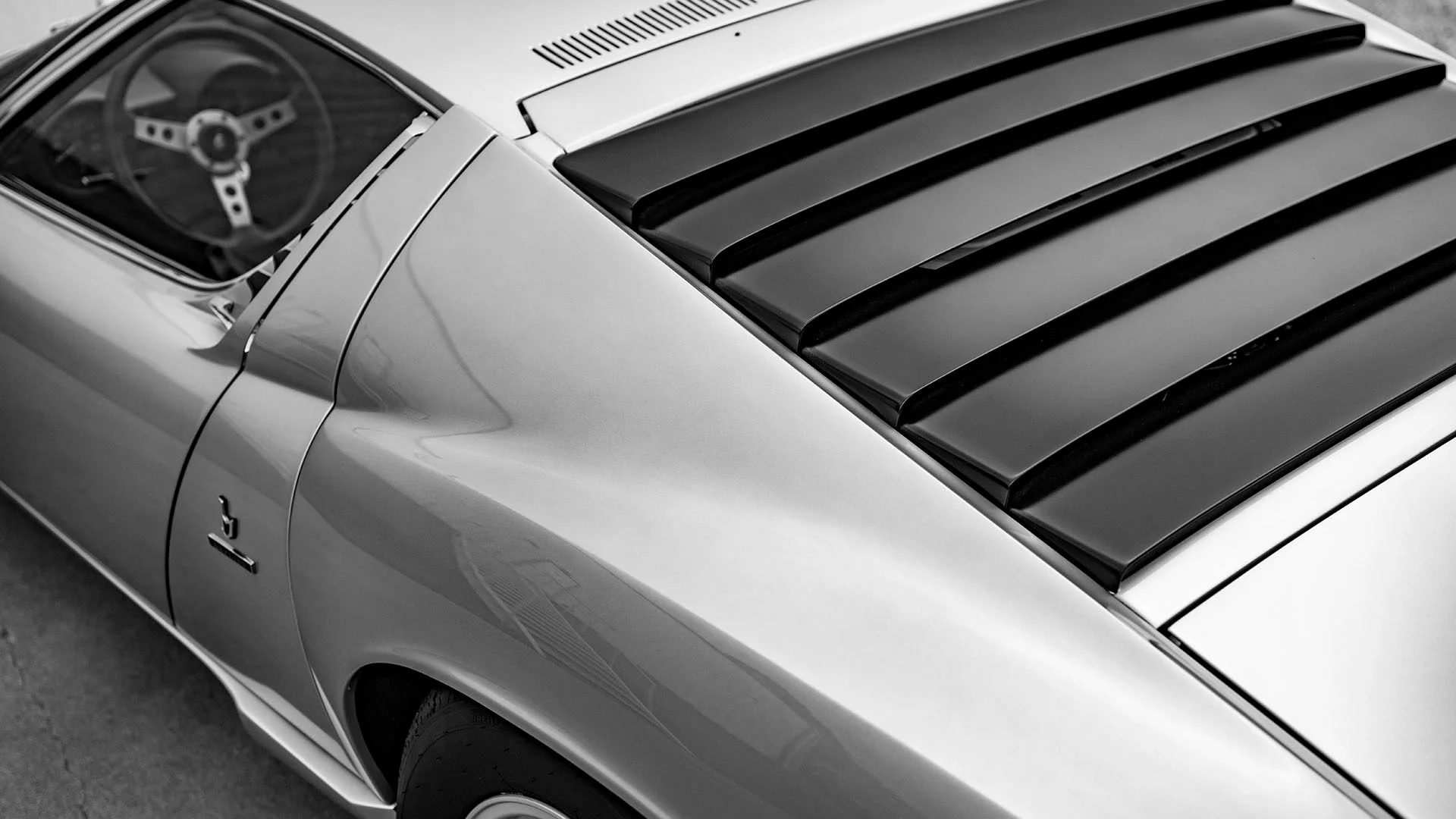
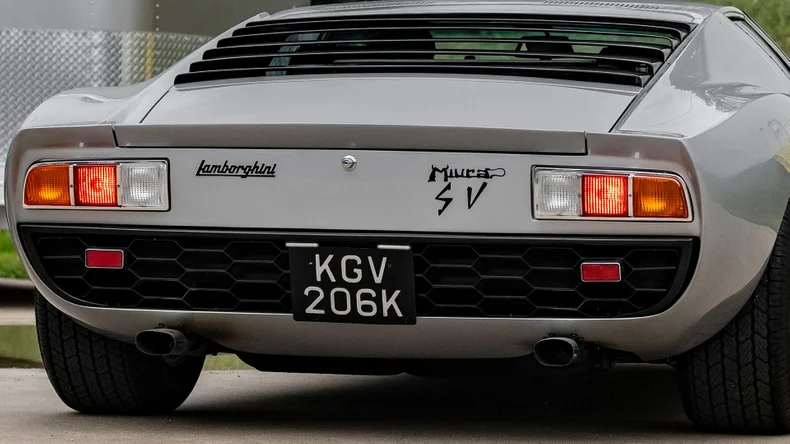
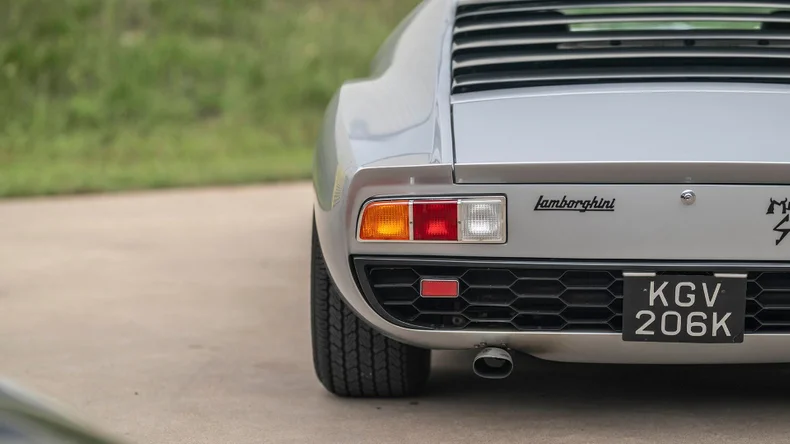
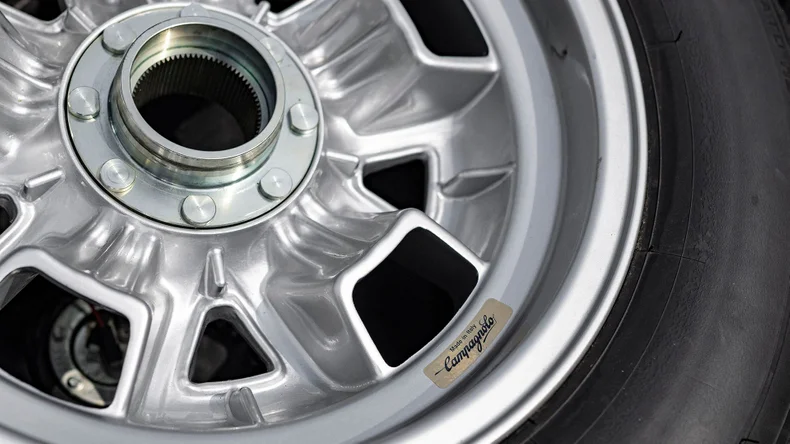
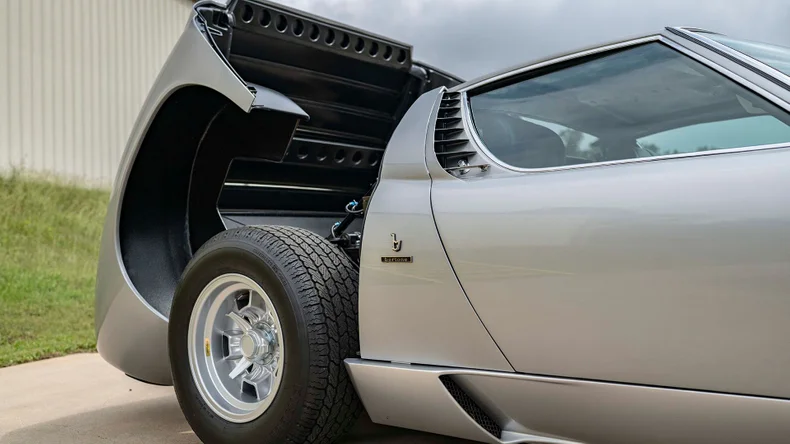
1972 Lamborghini Miura P400 SV

June, 2024. Monterey Jet Center, California, USA

Estimate:$2,800,000 – $3,500,000 USD/ $3,834,000 CAD – $4,792,900 CAD

INQUIRE

Broad Arrow Auctions | 1972 Lamborghini Miura P400 SV

2 / 128

Broad Arrow Auctions | 1972 Lamborghini Miura P400 SV

3 / 128

Broad Arrow Auctions | 1972 Lamborghini Miura P400 SV

4 / 128

Broad Arrow Auctions | 1972 Lamborghini Miura P400 SV

5 / 128

Broad Arrow Auctions | 1972 Lamborghini Miura P400 SV

6 / 128

Broad Arrow Auctions | 1972 Lamborghini Miura P400 SV

7 / 128

Broad Arrow Auctions | 1972 Lamborghini Miura P400 SV

8 / 128

Broad Arrow Auctions | 1972 Lamborghini Miura P400 SV

9 / 128

Broad Arrow Auctions | 1972 Lamborghini Miura P400 SV

10 / 128

Broad Arrow Auctions | 1972 Lamborghini Miura P400 SV

11 / 128

Broad Arrow Auctions | 1972 Lamborghini Miura P400 SV

12 / 128

Broad Arrow Auctions | 1972 Lamborghini Miura P400 SV

13 / 128

Broad Arrow Auctions | 1972 Lamborghini Miura P400 SV

14 / 128

Broad Arrow Auctions | 1972 Lamborghini Miura P400 SV

15 / 128

Broad Arrow Auctions | 1972 Lamborghini Miura P400 SV

16 / 128

Broad Arrow Auctions | 1972 Lamborghini Miura P400 SV

17 / 128

Broad Arrow Auctions | 1972 Lamborghini Miura P400 SV

18 / 128

Broad Arrow Auctions | 1972 Lamborghini Miura P400 SV

19 / 128

Broad Arrow Auctions | 1972 Lamborghini Miura P400 SV

20 / 128

Broad Arrow Auctions | 1972 Lamborghini Miura P400 SV

21 / 128

Broad Arrow Auctions | 1972 Lamborghini Miura P400 SV

22 / 128

Broad Arrow Auctions | 1972 Lamborghini Miura P400 SV

23 / 128

Broad Arrow Auctions | 1972 Lamborghini Miura P400 SV

24 / 128

Broad Arrow Auctions | 1972 Lamborghini Miura P400 SV

25 / 128

Broad Arrow Auctions | 1972 Lamborghini Miura P400 SV

26 / 128

Broad Arrow Auctions | 1972 Lamborghini Miura P400 SV

27 / 128

Broad Arrow Auctions | 1972 Lamborghini Miura P400 SV

28 / 128

Broad Arrow Auctions | 1972 Lamborghini Miura P400 SV

29 / 128

Broad Arrow Auctions | 1972 Lamborghini Miura P400 SV

30 / 128

Broad Arrow Auctions | 1972 Lamborghini Miura P400 SV

31 / 128

Broad Arrow Auctions | 1972 Lamborghini Miura P400 SV

32 / 128

Broad Arrow Auctions | 1972 Lamborghini Miura P400 SV

33 / 128

Broad Arrow Auctions | 1972 Lamborghini Miura P400 SV

34 / 128

Broad Arrow Auctions | 1972 Lamborghini Miura P400 SV

35 / 128

Broad Arrow Auctions | 1972 Lamborghini Miura P400 SV

36 / 128

Broad Arrow Auctions | 1972 Lamborghini Miura P400 SV

37 / 128

Broad Arrow Auctions | 1972 Lamborghini Miura P400 SV

38 / 128

Broad Arrow Auctions | 1972 Lamborghini Miura P400 SV

39 / 128

Broad Arrow Auctions | 1972 Lamborghini Miura P400 SV

40 / 128

Broad Arrow Auctions | 1972 Lamborghini Miura P400 SV

41 / 128

Broad Arrow Auctions | 1972 Lamborghini Miura P400 SV

42 / 128

Broad Arrow Auctions | 1972 Lamborghini Miura P400 SV

43 / 128

Broad Arrow Auctions | 1972 Lamborghini Miura P400 SV

44 / 128

Broad Arrow Auctions | 1972 Lamborghini Miura P400 SV

45 / 128

Broad Arrow Auctions | 1972 Lamborghini Miura P400 SV

46 / 128

Broad Arrow Auctions | 1972 Lamborghini Miura P400 SV

47 / 128

Broad Arrow Auctions | 1972 Lamborghini Miura P400 SV

48 / 128

Broad Arrow Auctions | 1972 Lamborghini Miura P400 SV

49 / 128

Broad Arrow Auctions | 1972 Lamborghini Miura P400 SV

50 / 128

Broad Arrow Auctions | 1972 Lamborghini Miura P400 SV

51 / 128

Broad Arrow Auctions | 1972 Lamborghini Miura P400 SV

52 / 128

Broad Arrow Auctions | 1972 Lamborghini Miura P400 SV

53 / 128

Broad Arrow Auctions | 1972 Lamborghini Miura P400 SV

54 / 128

Broad Arrow Auctions | 1972 Lamborghini Miura P400 SV

55 / 128

Broad Arrow Auctions | 1972 Lamborghini Miura P400 SV

56 / 128

Broad Arrow Auctions | 1972 Lamborghini Miura P400 SV

57 / 128

Broad Arrow Auctions | 1972 Lamborghini Miura P400 SV

58 / 128

Broad Arrow Auctions | 1972 Lamborghini Miura P400 SV

59 / 128

Broad Arrow Auctions | 1972 Lamborghini Miura P400 SV

60 / 128

Broad Arrow Auctions | 1972 Lamborghini Miura P400 SV

61 / 128

Broad Arrow Auctions | 1972 Lamborghini Miura P400 SV

62 / 128

Broad Arrow Auctions | 1972 Lamborghini Miura P400 SV

63 / 128

Broad Arrow Auctions | 1972 Lamborghini Miura P400 SV

64 / 128

Broad Arrow Auctions | 1972 Lamborghini Miura P400 SV

65 / 128

Broad Arrow Auctions | 1972 Lamborghini Miura P400 SV

66 / 128

Broad Arrow Auctions | 1972 Lamborghini Miura P400 SV

67 / 128

Broad Arrow Auctions | 1972 Lamborghini Miura P400 SV

68 / 128

Broad Arrow Auctions | 1972 Lamborghini Miura P400 SV

69 / 128

Broad Arrow Auctions | 1972 Lamborghini Miura P400 SV

70 / 128

Broad Arrow Auctions | 1972 Lamborghini Miura P400 SV

71 / 128

Broad Arrow Auctions | 1972 Lamborghini Miura P400 SV

72 / 128

Broad Arrow Auctions | 1972 Lamborghini Miura P400 SV

73 / 128

Broad Arrow Auctions | 1972 Lamborghini Miura P400 SV

74 / 128

Broad Arrow Auctions | 1972 Lamborghini Miura P400 SV

75 / 128

Broad Arrow Auctions | 1972 Lamborghini Miura P400 SV

76 / 128

Broad Arrow Auctions | 1972 Lamborghini Miura P400 SV

77 / 128

Broad Arrow Auctions | 1972 Lamborghini Miura P400 SV

78 / 128

Broad Arrow Auctions | 1972 Lamborghini Miura P400 SV

79 / 128

Broad Arrow Auctions | 1972 Lamborghini Miura P400 SV

80 / 128

Broad Arrow Auctions | 1972 Lamborghini Miura P400 SV

81 / 128

Broad Arrow Auctions | 1972 Lamborghini Miura P400 SV

82 / 128

Broad Arrow Auctions | 1972 Lamborghini Miura P400 SV

83 / 128

Broad Arrow Auctions | 1972 Lamborghini Miura P400 SV

84 / 128

Broad Arrow Auctions | 1972 Lamborghini Miura P400 SV

85 / 128

Broad Arrow Auctions | 1972 Lamborghini Miura P400 SV

86 / 128

Broad Arrow Auctions | 1972 Lamborghini Miura P400 SV

87 / 128

Broad Arrow Auctions | 1972 Lamborghini Miura P400 SV

88 / 128

Broad Arrow Auctions | 1972 Lamborghini Miura P400 SV

89 / 128

Broad Arrow Auctions | 1972 Lamborghini Miura P400 SV

90 / 128

Broad Arrow Auctions | 1972 Lamborghini Miura P400 SV

91 / 128

Broad Arrow Auctions | 1972 Lamborghini Miura P400 SV

92 / 128

Broad Arrow Auctions | 1972 Lamborghini Miura P400 SV

93 / 128

Broad Arrow Auctions | 1972 Lamborghini Miura P400 SV

94 / 128

Broad Arrow Auctions | 1972 Lamborghini Miura P400 SV

95 / 128

Broad Arrow Auctions | 1972 Lamborghini Miura P400 SV

96 / 128

Broad Arrow Auctions | 1972 Lamborghini Miura P400 SV

97 / 128

Broad Arrow Auctions | 1972 Lamborghini Miura P400 SV

98 / 128

Broad Arrow Auctions | 1972 Lamborghini Miura P400 SV

99 / 128

Broad Arrow Auctions | 1972 Lamborghini Miura P400 SV

100 / 128

Broad Arrow Auctions | 1972 Lamborghini Miura P400 SV

101 / 128

Broad Arrow Auctions | 1972 Lamborghini Miura P400 SV

102 / 128

Broad Arrow Auctions | 1972 Lamborghini Miura P400 SV

103 / 128

Broad Arrow Auctions | 1972 Lamborghini Miura P400 SV

104 / 128

Broad Arrow Auctions | 1972 Lamborghini Miura P400 SV

105 / 128

Broad Arrow Auctions | 1972 Lamborghini Miura P400 SV

106 / 128

Broad Arrow Auctions | 1972 Lamborghini Miura P400 SV

107 / 128

Broad Arrow Auctions | 1972 Lamborghini Miura P400 SV

108 / 128

Broad Arrow Auctions | 1972 Lamborghini Miura P400 SV

109 / 128

Broad Arrow Auctions | 1972 Lamborghini Miura P400 SV

110 / 128

Broad Arrow Auctions | 1972 Lamborghini Miura P400 SV

111 / 128

Broad Arrow Auctions | 1972 Lamborghini Miura P400 SV

112 / 128

Broad Arrow Auctions | 1972 Lamborghini Miura P400 SV

113 / 128

Broad Arrow Auctions | 1972 Lamborghini Miura P400 SV

114 / 128

Broad Arrow Auctions | 1972 Lamborghini Miura P400 SV

115 / 128

Broad Arrow Auctions | 1972 Lamborghini Miura P400 SV

116 / 128

Broad Arrow Auctions | 1972 Lamborghini Miura P400 SV

117 / 128

Broad Arrow Auctions | 1972 Lamborghini Miura P400 SV

118 / 128

Broad Arrow Auctions | 1972 Lamborghini Miura P400 SV

119 / 128

Broad Arrow Auctions | 1972 Lamborghini Miura P400 SV

120 / 128

Broad Arrow Auctions | 1972 Lamborghini Miura P400 SV

121 / 128

Broad Arrow Auctions | 1972 Lamborghini Miura P400 SV

122 / 128

Broad Arrow Auctions | 1972 Lamborghini Miura P400 SV

123 / 128

Broad Arrow Auctions | 1972 Lamborghini Miura P400 SV

124 / 128

Broad Arrow Auctions | 1972 Lamborghini Miura P400 SV

125 / 128

Broad Arrow Auctions | 1972 Lamborghini Miura P400 SV

126 / 128

Broad Arrow Auctions | 1972 Lamborghini Miura P400 SV

127 / 128

Broad Arrow Auctions | 1972 Lamborghini Miura P400 SV

128 / 128

Broad Arrow Auctions | 1972 Lamborghini Miura P400 SV

Broad Arrow Auctions | 1972 Lamborghini Miura P400 SV
  • One of 150 Miura SVs (Sprinto Veloce) built from 1971-1973
  • One of just 96 late-production “split-sump” Miura P400 SVs, and one of a mere 76 examples completed during the final year of production
  • German delivery example originally equipped with rare factory air conditioning
  • Retains its matching-numbers engine benefitting from a rebuild by Top Motors Salvioli of Nonantola Modena, Italy and Team CJ Works of Austin, TX
  • Recipient of a meticulous restoration by ex-Lamborghini factory workers and original Lamborghini parts suppliers, overseen by legendary Lamborghini test driver Valentino Balboni
  • Well documented example of the groundbreaking Miura in its most desirable SV specification

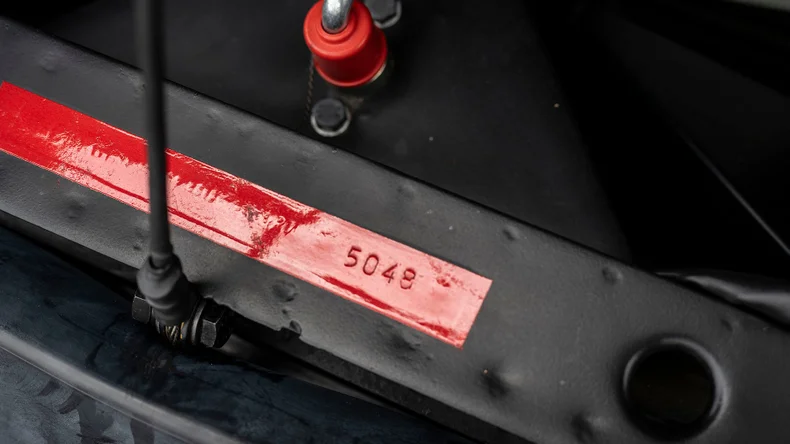
Chassis No. 5048
Engine No. 30735
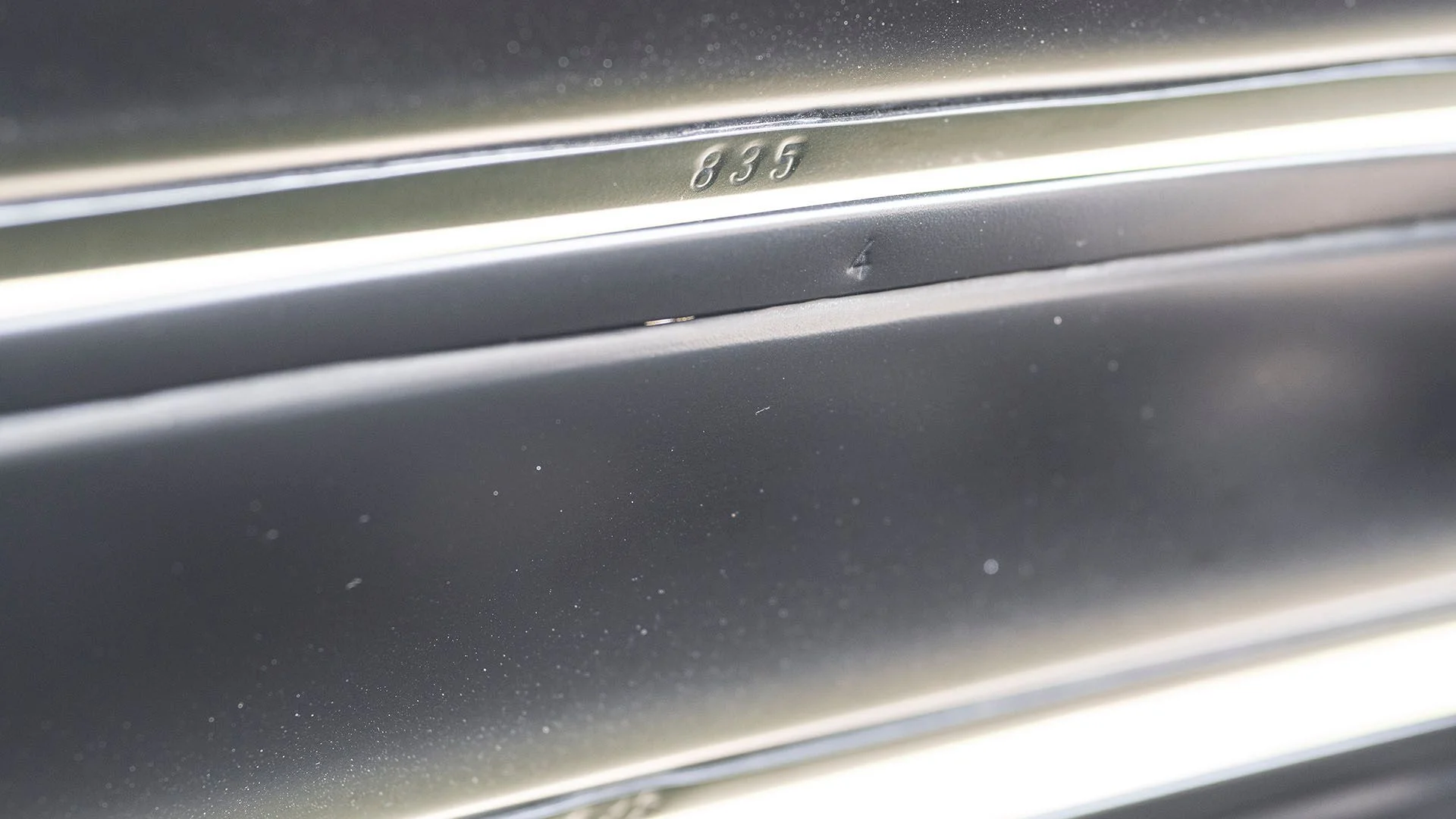
Body No. 835

Few cars deserve to be mentioned in the same breath as the all-conquering Ford GT40, yet the Lamborghini Miura is just such a car.

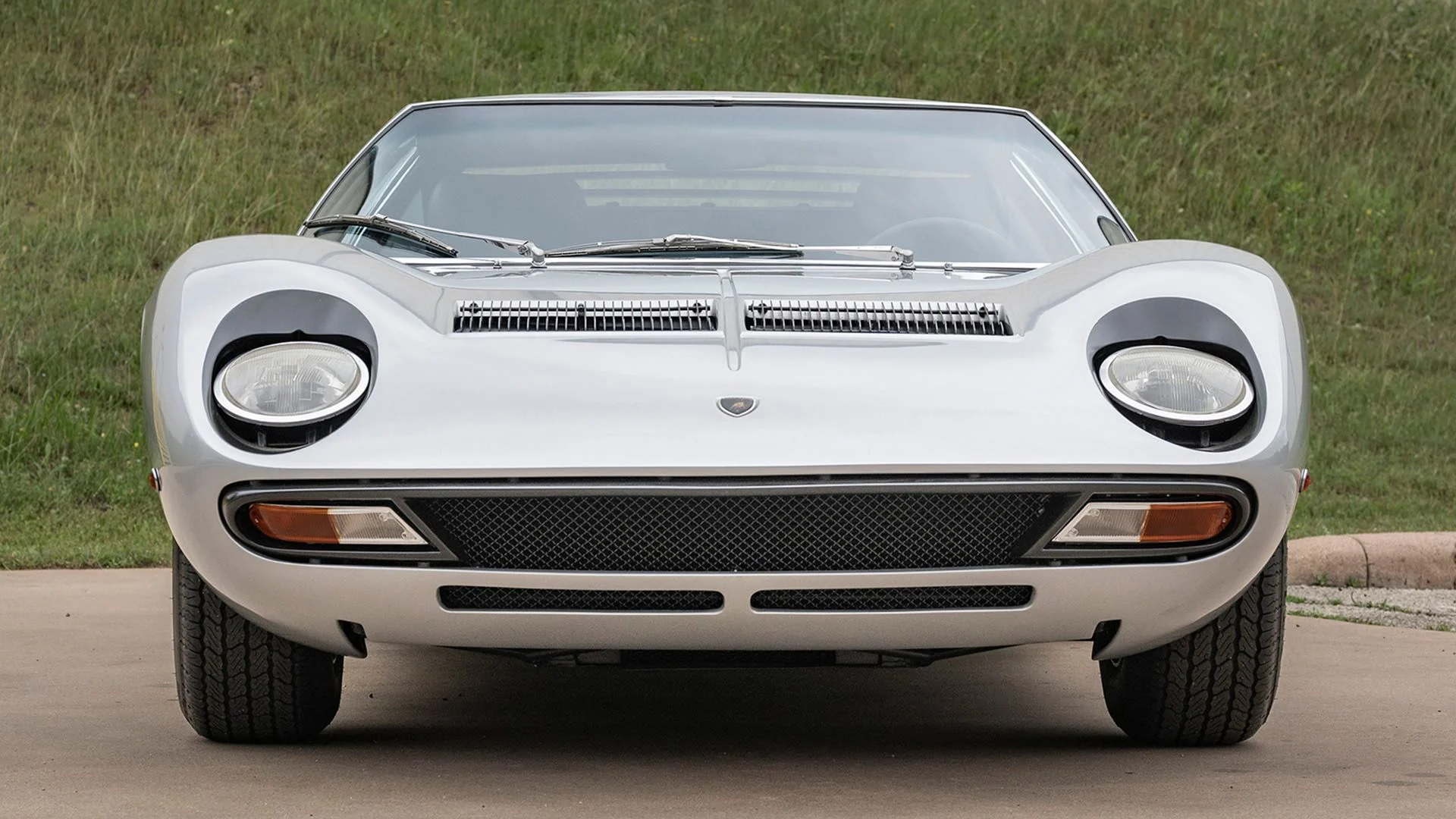
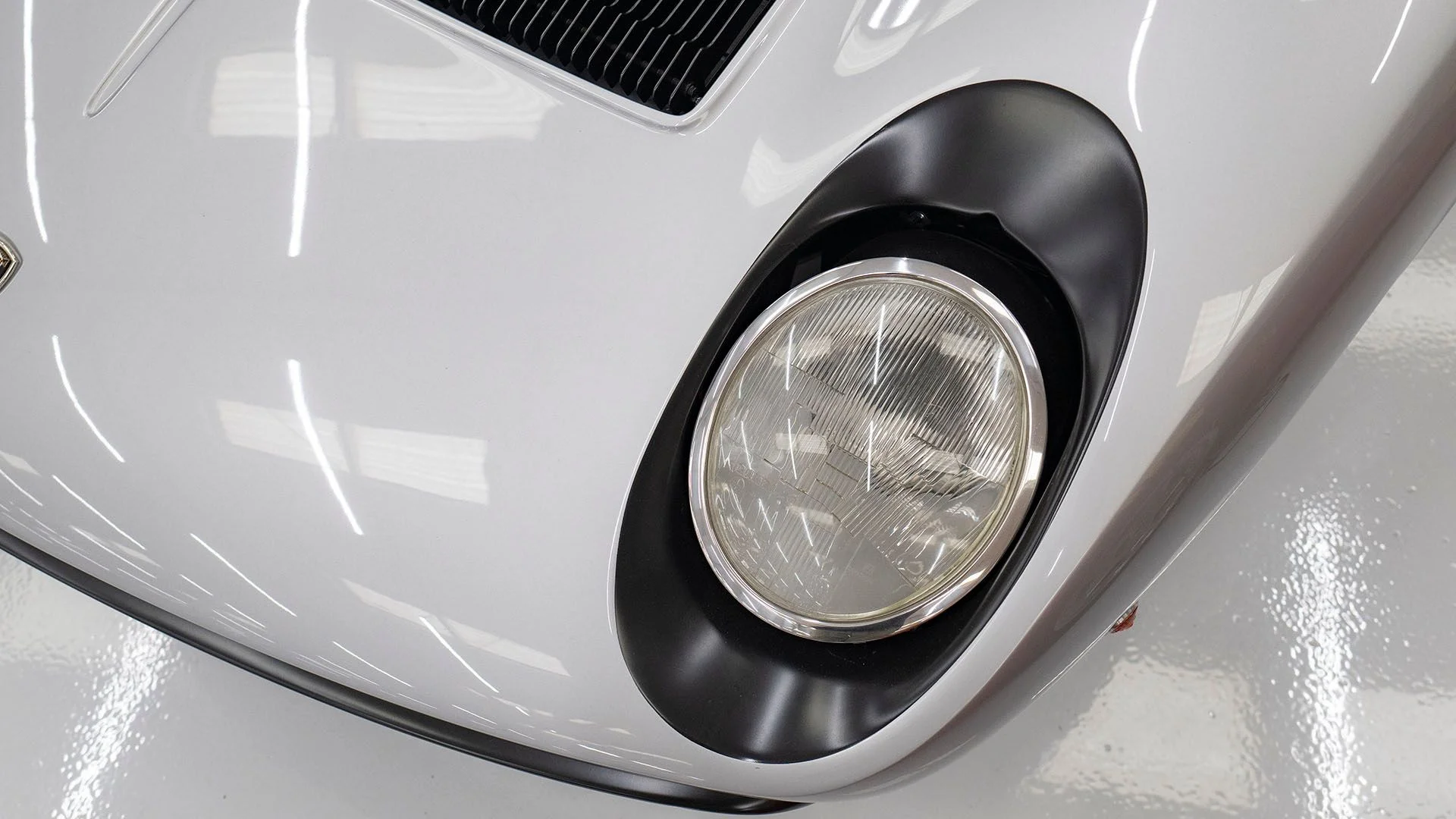
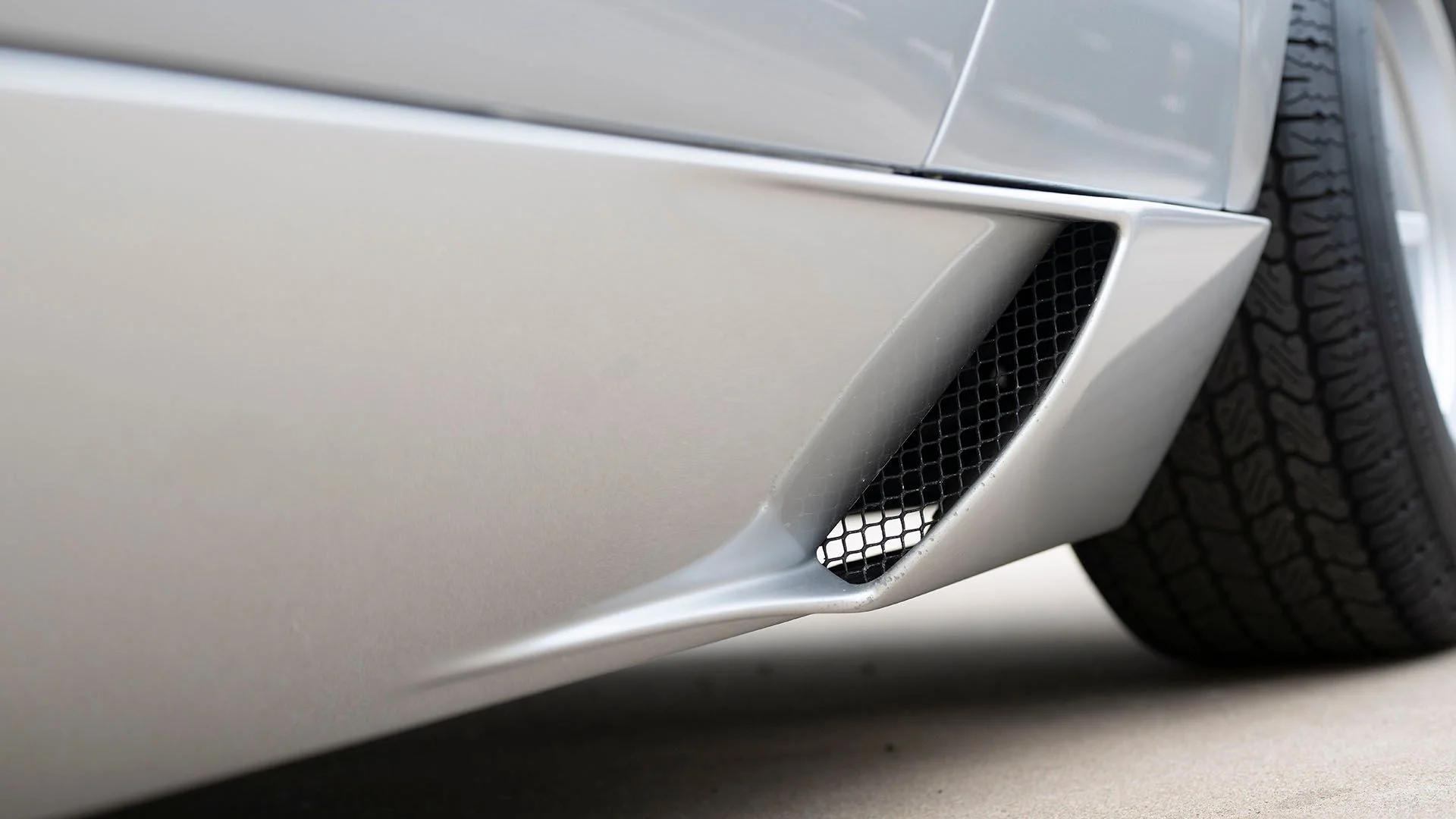
Months before the mid-engined Ford would topple Ferrari at the 1966 24 Hours of Le Mans in one of the most famous 1-2-3 finishes in motorsport history, precocious Lamborghini engineers Giampaolo Dallara and Paolo Stanzani set out to implement the radical mid-engined architecture into a road-going chassis. The unclothed P400 was presented at the 1965 Turin Auto Show with a massive Giotto Bizzarrini-designed V12 mounted transversely in the middle, appearing again just a year later at Geneva with coachwork that, to this day, is viewed by many as Bertone’s crowning achievement. The pen of 25-year-old Marcello Gandini was responsible for the Miura’s dramatic shape, which stunned attendees of the 1966 Geneva Motor Show with its impossibly low stance, voluptuous rear quarters, bulging air intakes, and distinctive “eyelash” headlights. Just as Ford had outclassed Ferrari with the ingenious packaging of the GT40, the Prancing Horse was caught flat-footed yet again when the P400 Miura went on sale in 1967, waiting until 1971 to respond with its own mid-engined 365 GT4 BB.

The disgruntled former Ferrari owner Ferruccio Lamborghini had achieved his quest of building a more outlandish and capable sports car than Enzo Ferrari.

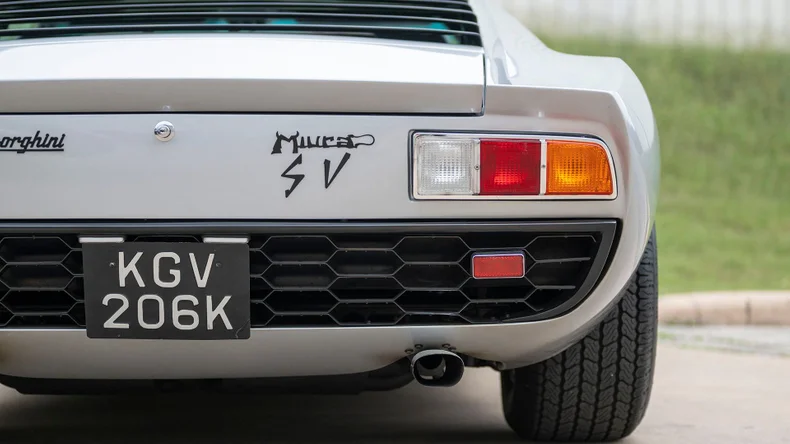
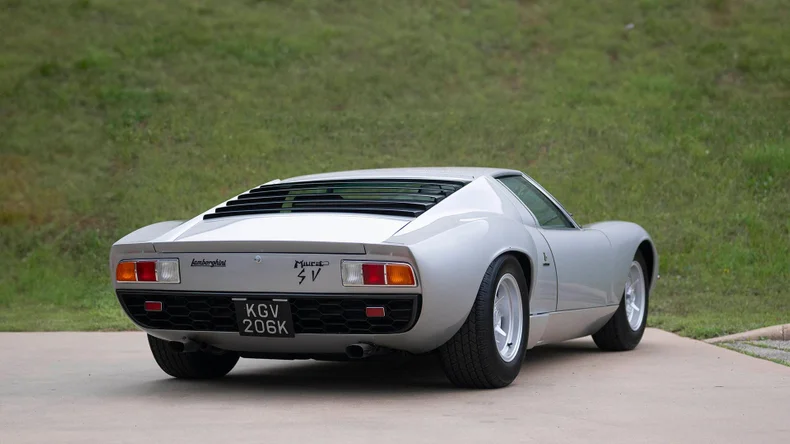
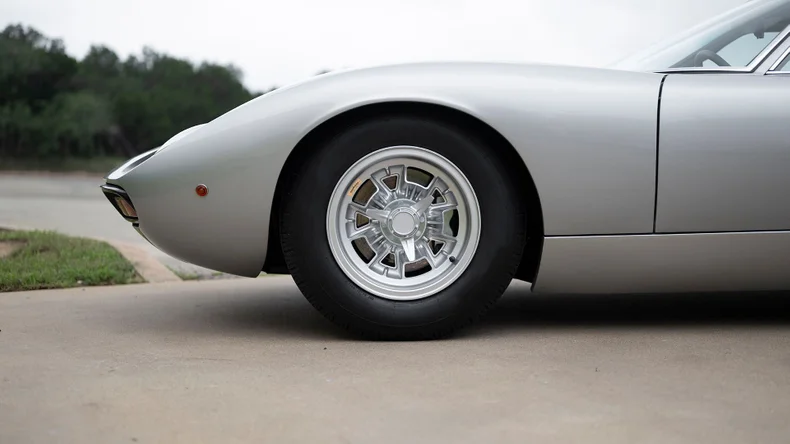
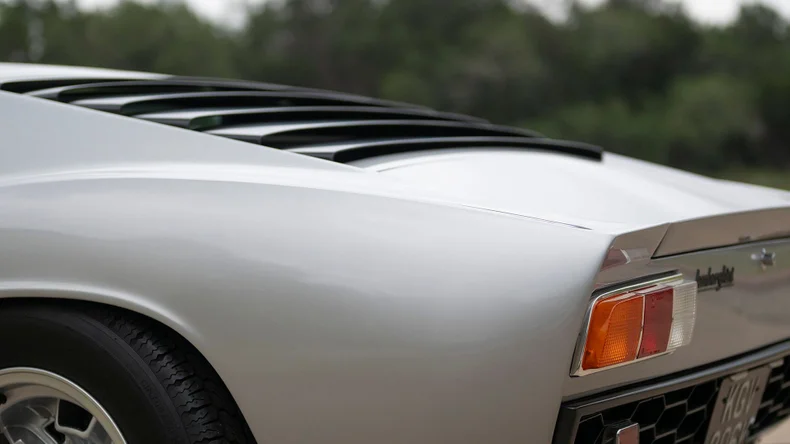
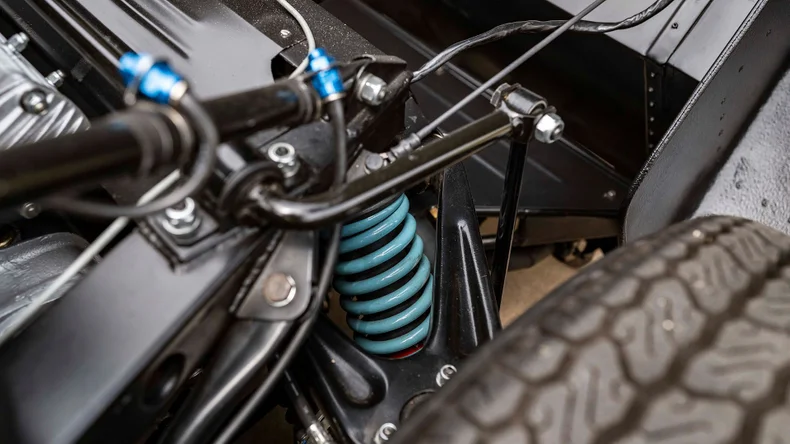
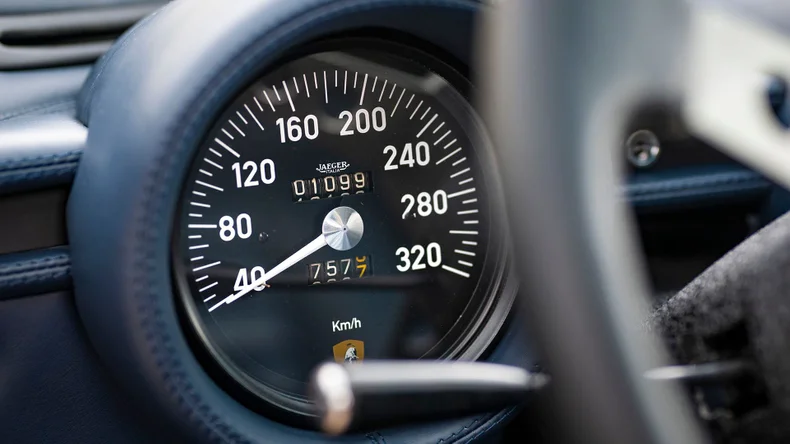
In 1971, the industry-disrupting Miura reached its final and most developed iteration – the Sprinto Veloce, or SV. A mere 150 examples of the much-improved Miura P400 SV were produced between 1971 and 1973, characterized by their lack of headlight lashes and the addition of flared rear wheel arches to accommodate a five-inch-wider rear track. Less immediately apparent were its extensive chassis stiffening measures and its redesigned rear suspension architecture, which consisted of a conventional lower A-arm replacing the inverted A-arm and trailing link arrangement of the P400 and P400 S. Lastly, the SV received an additional 40 horsepower through altered cam timing and the use of four Weber 40 IDL30 triple carburetors, helping it achieve a production car record top speed in excess of 180 miles per hour.

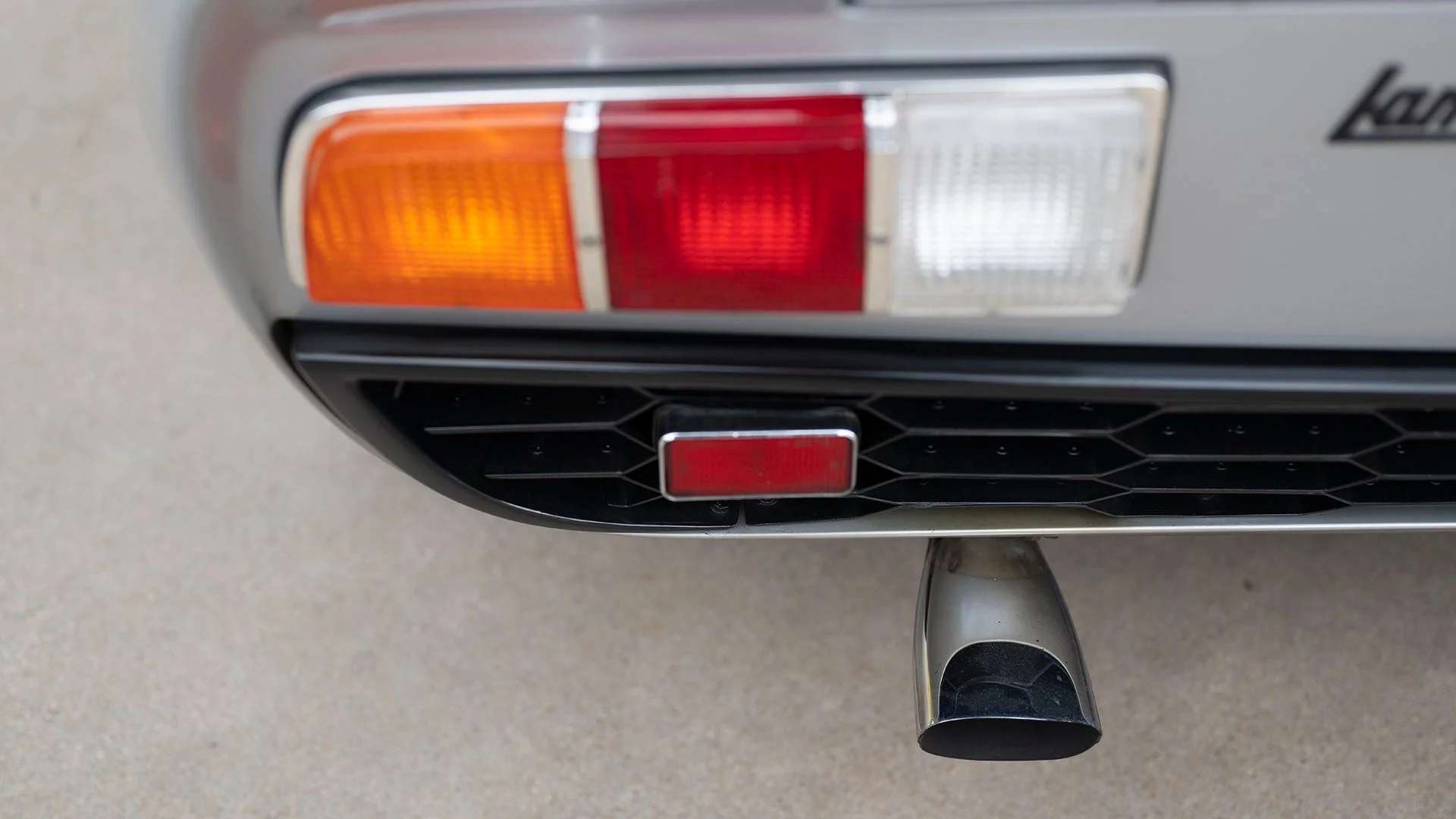
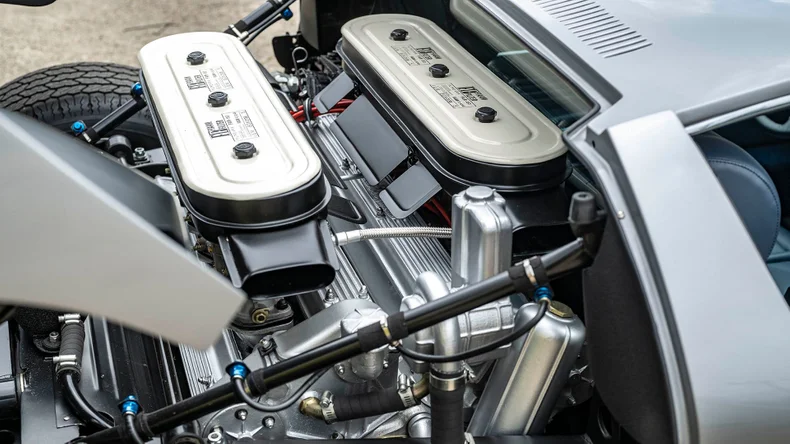
The final and most significant improvement to the Miura during its production run came in the form of a split-sump lubrication system which alleviated oil starvation under hard cornering while also allowing for the use of different types of oil for the engine and transaxle. This particular Miura P400 SV, chassis number 5048, is one of just 96 late-production examples factory equipped with a split-sump system. A left-hand-drive, German delivery example, chassis 5048 was built by Marchesi & C. in Modena and dispatched to Bertone in Turin where it was clothed in body number 835 and finished in Giallo Fly (Fly Yellow). According to Bertone records sourced under previous ownership, this is one of only 19 Miura P400 SVs originally finished in vibrant Giallo Fly, and even fewer specified with a Nero leather interior featuring desirable contrasting beige cloth seat inserts, a Voxson stereo with an eight-track player, and exceedingly rare factory air conditioning. The car was sent from Bertone to Lamborghini in Sant’Agata for completion in May 1972 – making it one of 76 Miuras built during the final year of production – before joining its first German owner, Fischer Schulze, on 10 June 1972.

The Miura is understood to have remained in continental Europe until its recorded history resumes in 1983, when the car was imported to the United States via JFK International Airport by New York-based collector Stan Zagorski.

After a short time in Zagorski’s collection, the Lamborghini was relocated to the West Coast with Len Renwick of Fullerton, California, where it joined his collection of important classics including his Miura P400. While in Renwick’s care, the SV’s original engine was treated to a rebuild and its original Bertone coachwork was refinished in red with gold rocker panels and matching gold wheels. In 1990, chassis 5048 was shipped overseas yet again, this time to Kanagawa, Japan with new owner Tomohiro Utski. The SV remained in the island nation for the next 17 years, seeing only moderate use, until passing in 2007 to SPS Automotive in Hong Kong. Shortly thereafter, the highly original Lamborghini was purchased by an English collector based in Western Australia, who saw fit to conduct a comprehensive cosmetic and mechanical restoration to factory specifications. The monumental undertaking, which is said to have exceeded £130,000/ $225,100 CAD, encompassed a bare metal repaint in its original shade of Giallo Fly, retrimming the interior with correct beige cloth seat inserts, servicing the engine and transaxle, recharging the factory air conditioning system, and overhauling various mechanical systems in need of attention.

Tragically, while newly under the ownership of noted English collector Jon Hunt, chassis 5048 caught fire in the streets of London in 2013 shortly after leaving the shops of H.R. Owen following a recent service. All of the original Bertone body panels save for the passenger’s-side rear quarter, as well as the original engine were deemed salvageable and subsequently shipped to Italy by 2015 for a total restoration. According to a letter on file from legendary Lamborghini test driver and supervisor of the restoration, Valentino Balboni, chassis 5048 was entrusted to many of the same Lamborghini experts and official suppliers who manufactured the Miura at the time of its production in May 1972! This included S.C.N. Carrozzai of Nonantola Modena, an official Lamborghini supplier, responsible for repairing the Bertone coachwork and renewing it in period-correct Argento (Silver). The major mechanicals, including the engine, transaxle, brakes, and suspension, were all salvaged and carefully rebuilt by Top Motors Salvioli of Nonantola Modena, led by ex-Lamborghini Service Department Head Orazio Salvioli. Even the wiring harness – a highly specialized component – was sourced from Christian Gatti, son of William Gatti, Lamborghini’s original wiring supplier. And finally, the interior was trimmed in period-correct blue leather by Bruno Paratelli of Interni Auto Barbieri & Bussolai in Ferrara, the original upholsterer of Lamborghini interiors since 1972.

Rarely is this level of care and attention lavished by ex-Lamborghini factory workers and original parts suppliers on a restoration, never mind being overseen and fine-tuned by the very same test driver who would have driven the car prior to its delivery to its original German owner. Following its completion, the car was briefly in the custody of Joe Macari Classics before joining its current U.S.-based owner, a prominent collector and restorer of significant European sports cars. Under current ownership, there is a further $106,734.10 USD/ $146,162 CAD worth of invoices on file from work performed by Team CJ Works in Austin, TX.

As a matching-numbers, split-sump, factory air conditioning car, this exceptionally rare final-year example of the ultimate Miura variant would be a landmark acquisition for the dedicated collector of groundbreaking Italian sports cars.

ONLINE ONLY CAR AUCTION RECORD BROKEN

A global online marketplace founded by a British car dealer has just broken the online-only world record for a car auction, selling a McLaren P1 for an incredible $1,600,888 usd or $2,010,851 cad .

No other online-only platform for collectible cars has ever achieved a higher sales price.

Unlike traditional auctions, where cars are transported to a central location and bidders attend in person, Collecting Cars has disrupted the industry with an online-only format that has already notched up multiple world records. Cars stay with their owners, and more than 90% of sales happen without a physical viewing. This is made possible by the technology and knowledge behind the platform, which gives bidders a ‘virtual viewing’ of the car in question; supported by more than 150 photos and comprehensive detail on its features and maintenance history.

Bids entered during the online-only auction are legally binding, and Collecting Cars levies a low buyer’s premium of just 5% (+ VAT for UK buyers), which is substantially lower than traditional auction houses that typically charge 12% or more. Furthermore, the buyer’s premium is capped at £5,000 / $5,000 (+ VAT if applicable). On hammer prices above £1m, this means that the buyer’s premium is 0.6% or less.

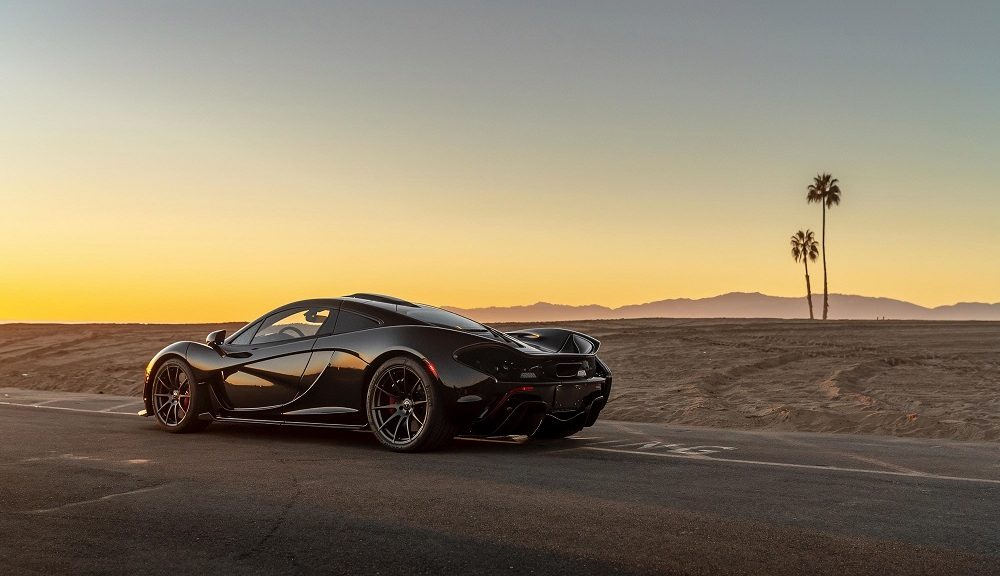
The world-record car in question was a McLaren P1, one of just 375 examples built, and with only 433 miles from new. Motortrend.com: “The twin-turbocharged hybrid V-8 engine develops 903 horsepower and will launch to 62 mph in under 3 seconds. It’s made of exotic materials like carbon fiber and titanium.”

An original US-market vehicle; it was collected from the McLaren factory in the UK by its first and only owner. The car had also covered less than 100 miles since its most recent maintenance, which also included full checks of all electrical and battery equipment, at a total cost of more than $7,000 usd.

The Founder and CEO of Collecting Cars, Edward Lovett, said: “For around 60 years, car auctions have traditionally charged substantial commissions and premiums, often taking more than 15% out of the total value of the deal. We knew there was a better approach, and we have developed a world-class online marketplace for sellers and buyers without the unnecessary overheads, which is breaking records.

“This result shows the game-changing power Collecting Cars now wields in the global market, with online-only auctions that are cost-free and hassle-free for the seller, and which represent outstanding value for the buyer. In this case, the buyer’s premium for the winning bidder was just 0.3%.”

The company, which has sold over 4,700 lots since launch, was founded by British car dealer Edward Lovett in 2019.

Lovett was born into the family car business, and in more recent years has provided a private brokerage service, finding homes for some of the most sought-after collector cars in the world. Drawing on his significant experience, he saw the opportunity to develop a dedicated online-only platform for iconic, collectible and sporting cars.

Tokyo Lawyer Commutes in a Freaking McLaren P1
This P1 is a daily driver for renowned Tokyo Lawyer Hiramatsu.

As well as its very low premium for buyers, Collecting Cars offers significantly better value for sellers. The detailed photographic presentation and professional descriptions mean their car is showcased in the best possible way, and it is marketed to a huge captive audience of passionate enthusiasts. Furthermore, there is no listing fee, and they receive 100% of the hammer price. For the Silo, Jules Tipler.

About Collecting Cars:

Collecting Cars is an online auction platform that curates consignments from around the world and markets them to a global audience. The streamlined and transparent process makes buying and selling cars, motorbikes, and automobilia via its online auctions one of the most effective and hassle-free ways of transacting.

To date, the Collecting Cars platform has sold more than 4,700 lots, and total sales value generated for sellers exceeds £170 million or $2,864,53718 cad . It also has more than 50,000 registered users around the world. The multi-national auction company has headquarters in London, and offices in Munich, Sydney, and Los Angeles.

More than 90% of sales since launch have happened without a physical viewing, underscoring the significant trust that Collecting Cars has earned among its customers.

How Great Are Today’s Vehicles? Look At Lincoln’s Luxurious Aviator

C:\Users\user001\Desktop\SEO pics\Colony Lincoln\How Great are Todays Vehicles Look at Lincolns Luxurious Aviator - image.jpg

Lincoln is one of America’s all-time classic luxury automakers, but the manufacturer has also been praised for making vehicles which respond to the needs of today. So it’s natural, then, that anybody who wants a glimpse into the best cars on today’s markets takes a look at Lincoln. 

Let’s see what’s going on with the 2020 Lincoln Aviator, a mid-size luxury SUV that shuttles everybody around in safety and unmatched style.

Under the Hood

The Lincoln Aviator lets you choose from different powertrain options, so it’s easy to get all the power you need or want. The standard Twin-Turbocharged 3.0L V6 engine generates 400 horsepower and is good for 415 lb.-ft of torque. This should be more than enough, but in case it isn’t, the Grand Touring Aviator utilizes a battery-powered electric motor paired with the Twin-Turbocharged engine for a total of 494 horsepower and a killer 630 lb.-ft. of torque.

If you drive into Colony Lincoln today and find the Aviator you need, you’ll drive out with a much more powerful vehicle!

Sumptuously Appointed

One look at the Lincoln Aviator is enough to know you’re not looking at a normal SUV. This luxury mid-size SUV has even more trimmings than other comparable vehicles — this is a three-row SUV designed to indulge everyone inside the car, both drivers and passengers.

Rich features like Savannah leather, premium suede cloth and special woods communicate to everybody that this is a very special vehicle. The level of detail combined with an attitude that never cuts corners on luxury will genuinely thrill everybody who comes across it.

Technology For Comfort, Safety And Entertainment

Whether you’re carpooling all the kids or you’d like to keep yourself comfortable, connected and entertained on a solo drive, the Aviator has everything you need. The available Perfect Position Seat with Active Motion conforms to your back, and takes comfort to another level.

Advanced safety features are bundled together in the available Co-Pilot360™ Plus package, which includes Evasive Steering Assist, Reverse Brake Assist, Active Park Assist Plus and Adaptive Cruise Control with Traffic Jam Assist, and too many more to name.

The Heads-Up Display puts essential information the driver needs right on the windshield, so you don’t need to take your eyes off the road. There are even features to take all the stress and worry out of parking.

Lincoln and the sound engineers at Revel Audio teamed up to create a 28-speaker system that will make your favourite music sound better than ever. The car itself is a 4G LGE Wi-Fi hotspot, which makes it possible for you and all your passengers to keep connected to friends and family, as well as remain occupied during long drives.

If you’re looking for some of the highest accomplishments in luxury vehicle manufacturing, check out the latest Lincoln Aviator. For a beautiful ride that keeps you, your passengers and everybody on the road safer, comfortable, and even entertained, the Lincoln Aviator is representative of the best vehicles made today.