Tag Archives: Formula 1

The Inimitable Mezger Engine

Take it from our friends at rennlist, Porsche has built some truly remarkable engines over the years. The air-cooled 911/83 engine that powered the 1973 911 2.7L Carrera RS is just one example. But if you were asked to go on and list the ten all-time greatest Porsche engines there is a good chance the list would be dominated by various Mezger engines.

The 12-cylinder found in the Le Mans-winning Porsche 917? That’s a Mezger. The 3.6L flat six in the 996 GT3? That’s a Mezger. The 4.0L in the 997 GT3 RS 4.0? That’s a Mezger.

How about going all the way back to the original 901/911 engine? Yup, that’s a Mezger.

But what is a Mezger engine, and why are they so special? That is what we are going to discuss here today. We have come up with 9 reasons why the Mezger engine is so special. And there is no other place to begin the discussion than the legendary man behind these engines, Hans Mezger.
1. Hans Mezger

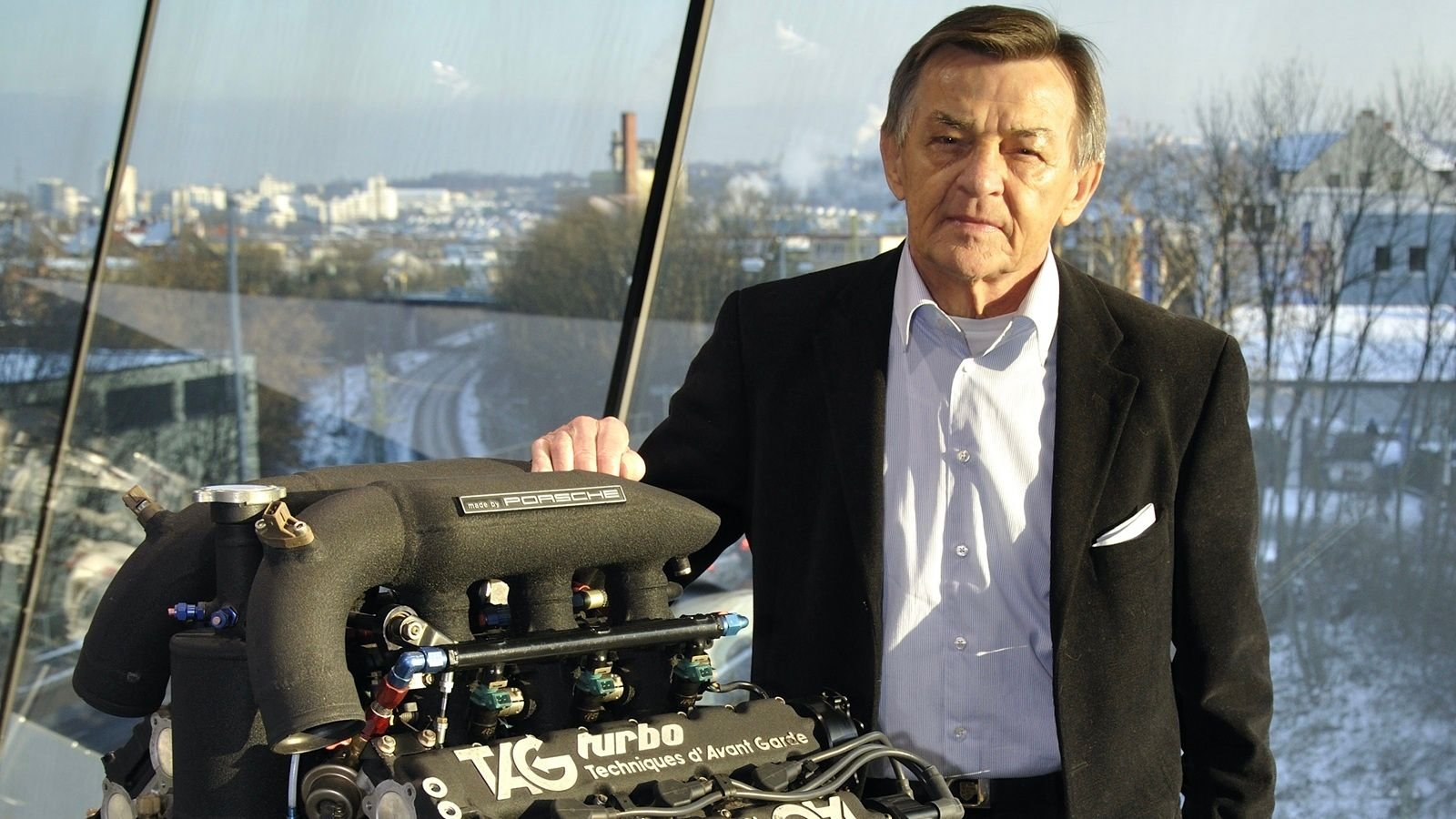
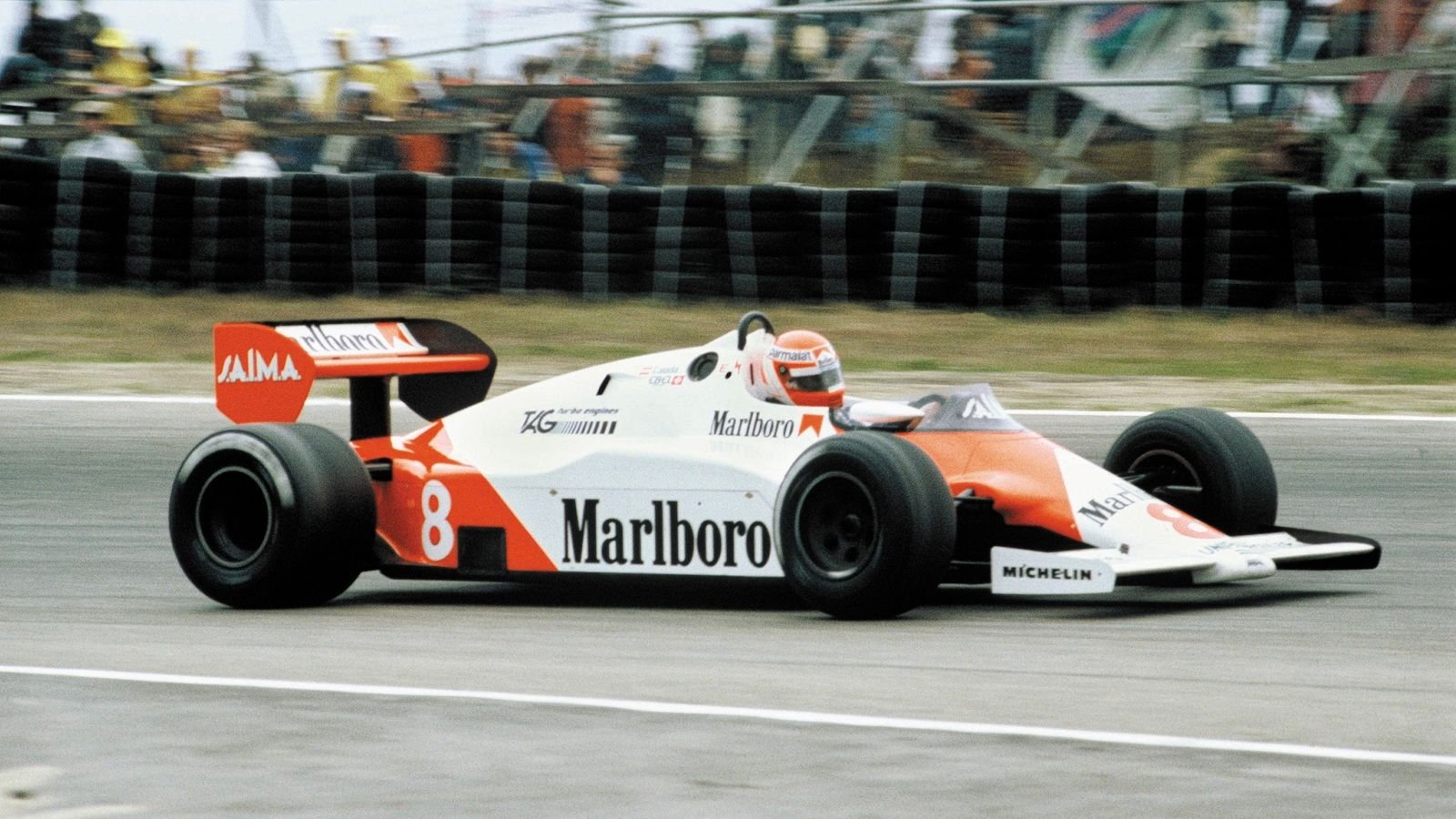
A single slide can in no way capture all that the legendary Hans Mezger accomplished. He joined Porsche back in October of 1956. He loved Porsche sports cars, but his first job was working on diesel engine development. In 1960, he began to work on the type 753 flat-eight engine for Porsche’s first Formula 1 car. Soon after he designed the 6-cylinder boxer engine for the 901/911. He was then promoted to the head of race car design. He was responsible for the 917 and the 12-cylinder engine that powered it to Porsche’s first Le Mans victory in 1970. He then was responsible for the turbocharged 917/10 and 917/30 cars that dominated Can Am. He designed and developed the six-cylinder turbo engines for the Type 935 and 936 race cars.

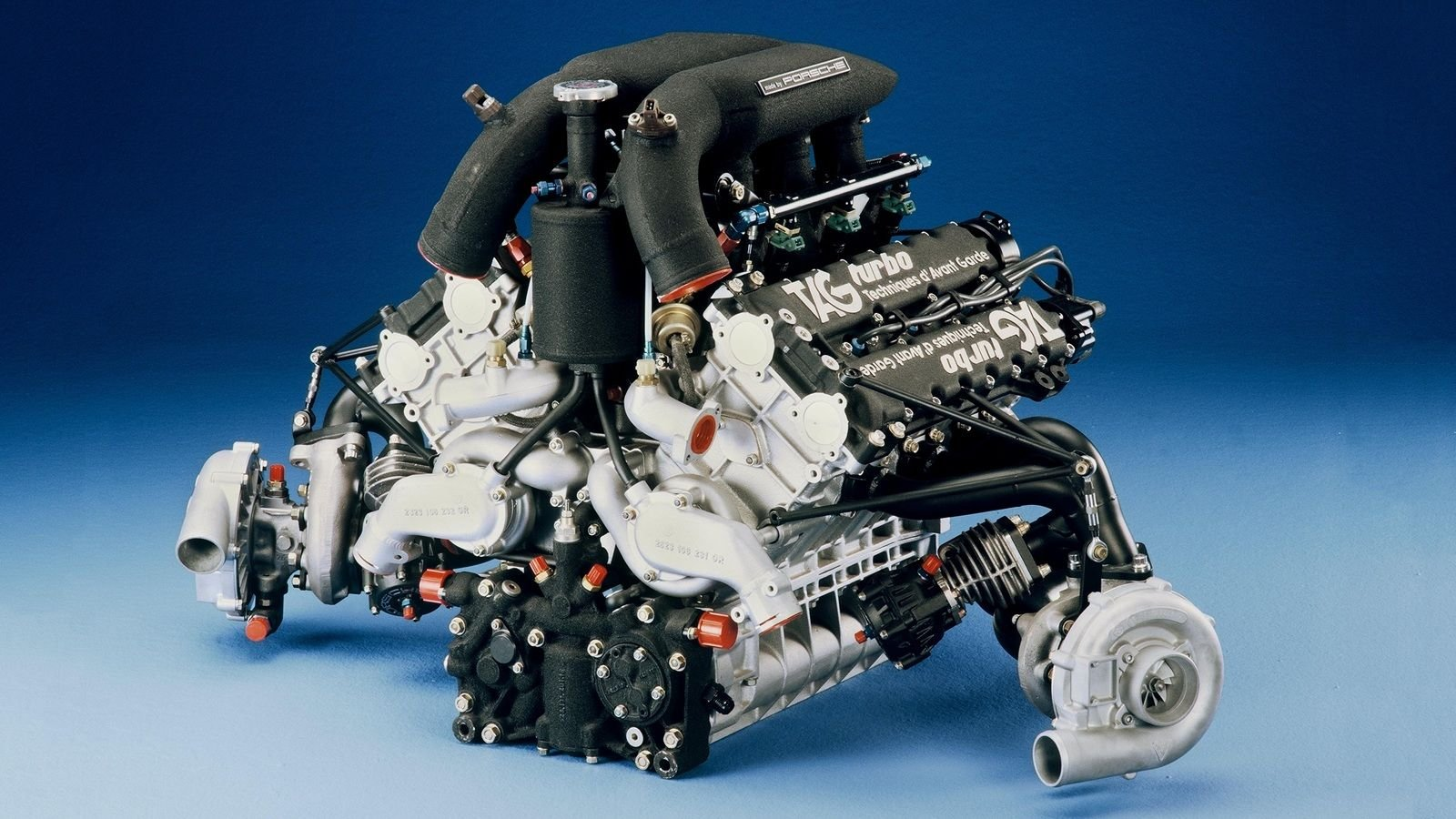
Mezger designed the 1.5L V6 engine known as the TAG Turbo that powered the McLaren Formula 1 cars to championships in 1984, 1985 and 1986. His engines would eventually be found in the most performance-oriented Porsche road cars such as the 996 GT3, GT2 and Turbo. Mezger remained closely connected with the Porsche brand until he passed away on June 10, 2020, at the age of 90.
2. Motorsport Pedigree

Mezger built engines for the most demanding races in the world. His engines that were put into Porsche road cars have the same engineering approach. These engines are designed for long-term high performance. They are essentially overbuilt for road use. These engines were not designed to meet a certain price point. They were designed to provide the best performance. There were no corners cut with any Mezger engine.
3. Birth of the GT3

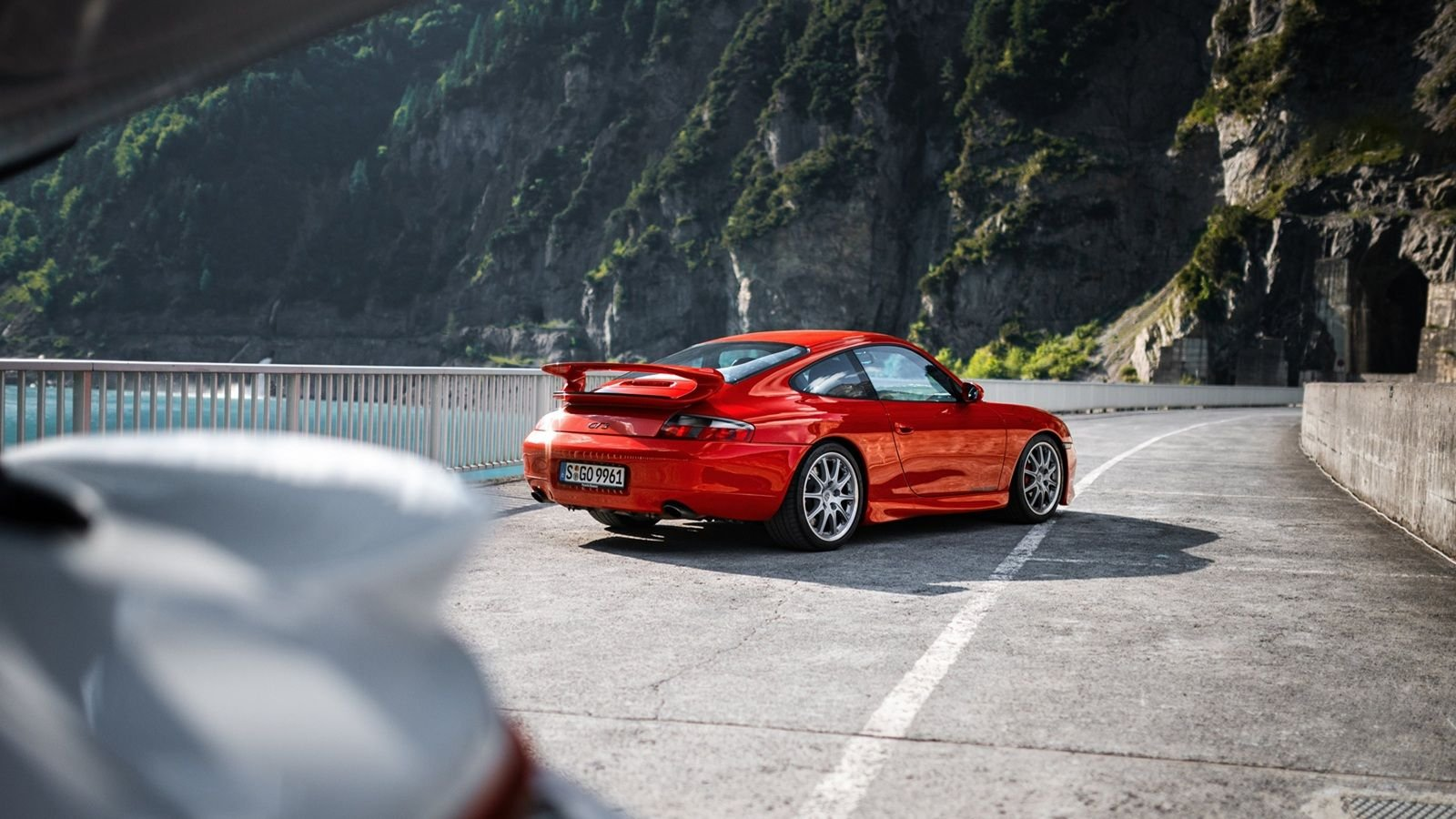
Many people view the 911 GT3 models as the pinnacle of the 911 range. One of the main reasons why is because of the track-focused, high-revving flat-six engine out back. It all started with the M96.79 engine found in the 996 GT3. The European market got the GT3 a few years before us and had the M96.76 engine, but the point is the same. The GT3 legend began in large part because of the incredible engine that powered it. This dry sump engine could rev to 8,200 rpm all day long. The engine was derived from the Porsche 911 GT1-9,8 which happened to win a little race called the 24 Hours of Le Mans. The street version of this engine is nearly bulletproof,f and the GT3 legend was born.
4. Turbocharged Versions

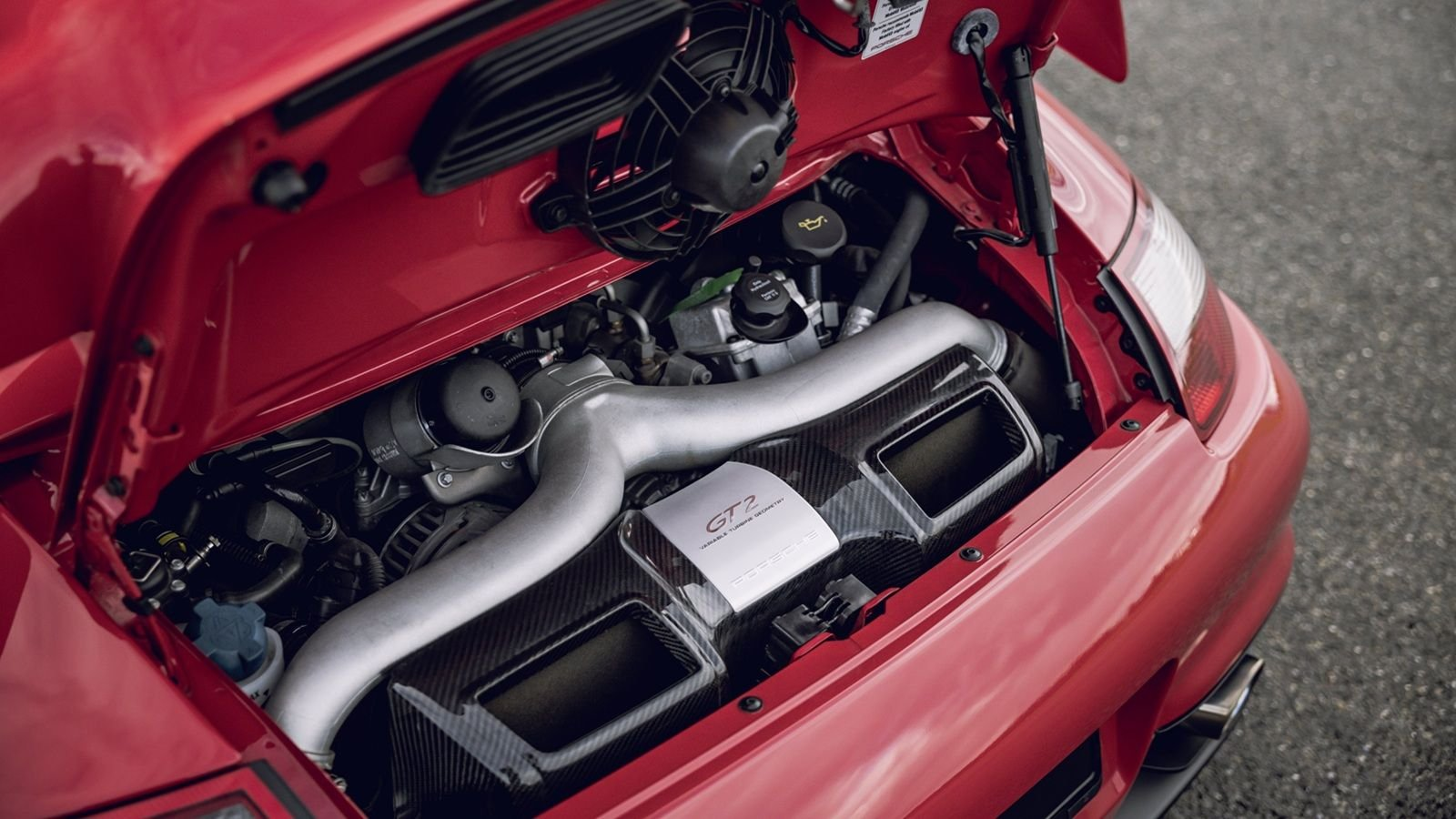
If the GT3 was just not powerful enough for you, Porsche had a solution. The GT2 and Turbo also used Mezger engines, but with a pair of turbochargers. They are not as high-revving as the normally aspirated units, but they offer more power and a lot more torque. And these engines are just as reliable.
5. Reliability

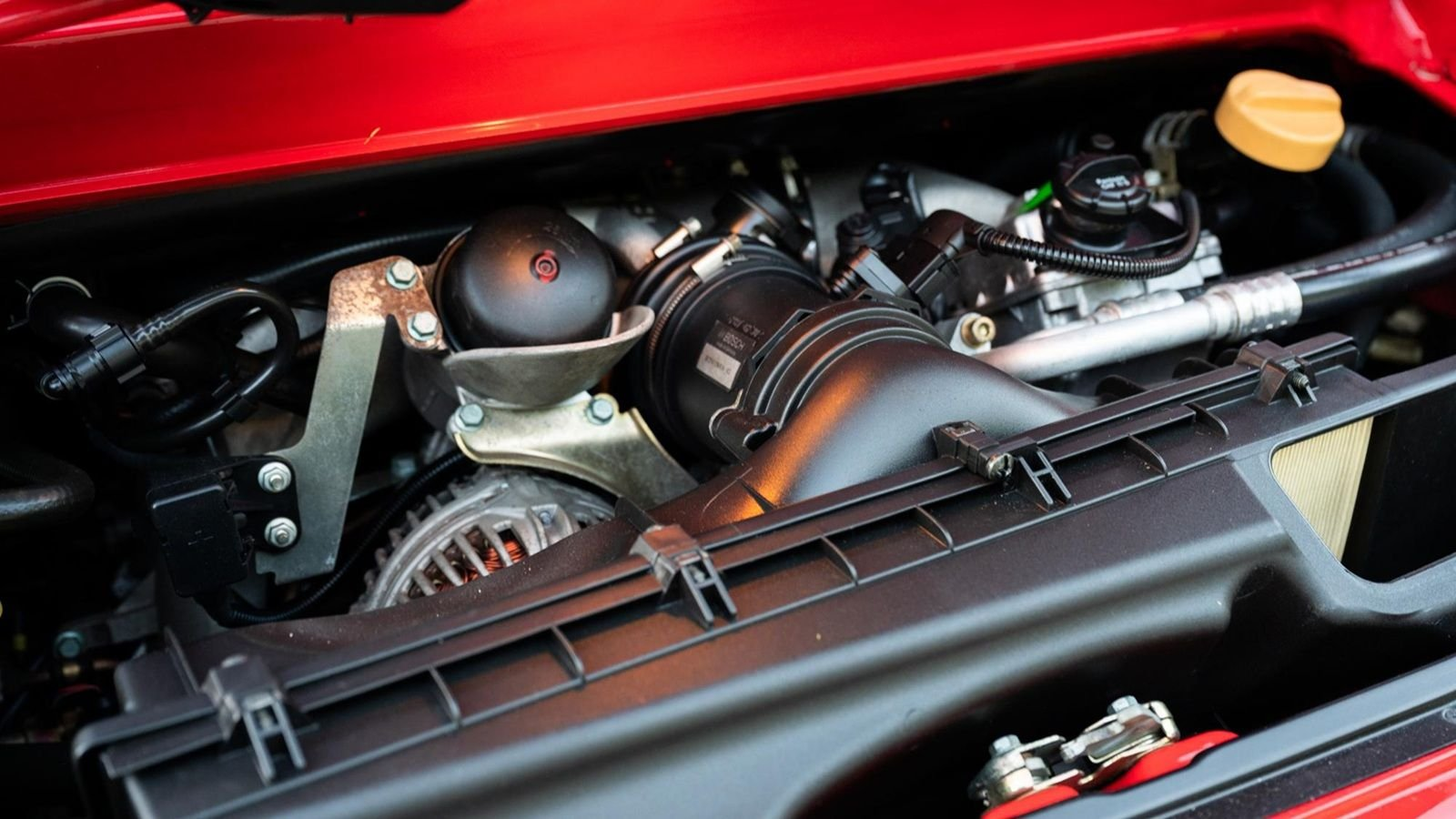
The Mezger engines are not just more powerful but also more reliable. The knock on the M96 and M97 engine series has long been the IMS bearing. But the Mezger versions don’t have the same design. Instead, they use plain bearings that are pressure-fed engine oil for lubrication. These bearings don’t fail. That alone makes the Mezger significantly more reliable.

6. Sound

Even if these engines were not more durable and powerful, people would buy them for their sound alone. It is not just their high-revving nature in naturally aspirated form. But the design of the engine itself, with features such as dual timing chains that give these engines a more characterful sound. They are more gravely and “motorsporty” sounding than the non-Mezger engines.
7. Power Upgrades

These engines were overbuilt and as such, are typically able to comfortably handle more power if you want to modify them. The turbo versions can easily be tuned to reliably make more power. Of course, every engine has its limitations, but the Mezger engine is robust enough to make more power without hurting reliability.
8. The 997 GT3 RS 4.0

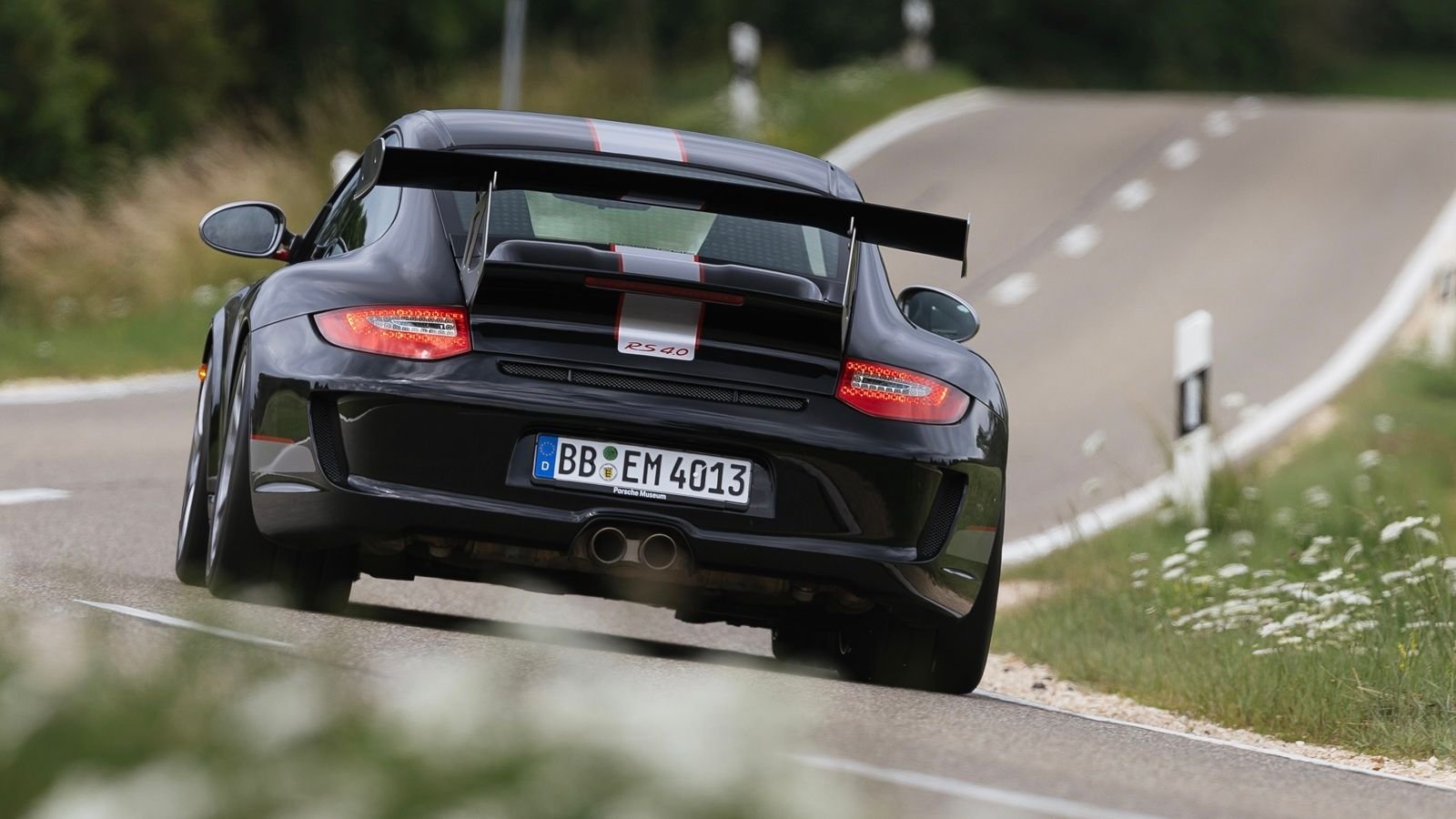
Many people consider the 997 GT3 RS 4.0 to be the best Porsche 911 road car of all time. It just so happens to be equipped with the last Mezger engine. A 4.0L jewel making nearly 500 naturally aspirated horsepower. The engine revs to 8,500 rpm and has more character in it than an entire truckload of new 992.2 Carreras. The 4.0L marked the end of an era. It is the last and possibly the best road-going Mezger engine ever produced.

9. Rarity and Desirability

Not every Porsche got a Mezger engine. Technically, all the air-cooled 911s have a Mezger-designed engine, but they have been out of production for over a quarter of a century now. Only a small percentage of water-cooled Porsche engines were a Mezger design. And Porsche is not building any more of them. So, what is out there today is all that will ever be out there. These engines are found in the most desirable Porsche models, and these cars are collectible today and will continue to be collectible for the foreseeable future. If you buy a Porsche with a Mezger engine today, the chances are good that it will be worth the same or even more tomorrow. For the Silo, Joe Kucinski.

Images: Porsche

>>Join the conversation about the Mezgar engine right here via our friends at Rennlist.com.
7 Of The Best Sounding Car Exhausts

We asked our friends at Hagerty what defines a great sounding automotive engine. Here’s what they had to say.

When executed just right, a proper exhaust is the cherry on top of the perfect automotive sundae—it stands out in its own right, but it also completes the package. And it’s not just the sound, glorious though it may be. The visual—and sometimes the artistry—that a good set of pipes can add sometimes does more to define a car than any bit of thoughtfully penned bodywork.

We got to thinking about the sights and sounds that captivate us most, and this list was the result. We could have gone on for days, though, and we bet you have some favorites, too, so give our submissions a read, then tell us your favorite exhaust—for whatever reasons you choose—in the comments!

Ford GT40

I’m going to go with the Ford GT40’s “bundle of snakes” exhaust. When you stop to consider the precision with which such a system had to be fabricated, your mind kind of melts a bit. If you’ve never YouTubed one of these things at full honk, do yourself a favor and click play below. — Nate Petroelje

https://youtube.com/watch?v=iMocr95cYfU%3Fsi%3DSRXSg-GEQNSI5Tcf%26enablejsapi%3D1

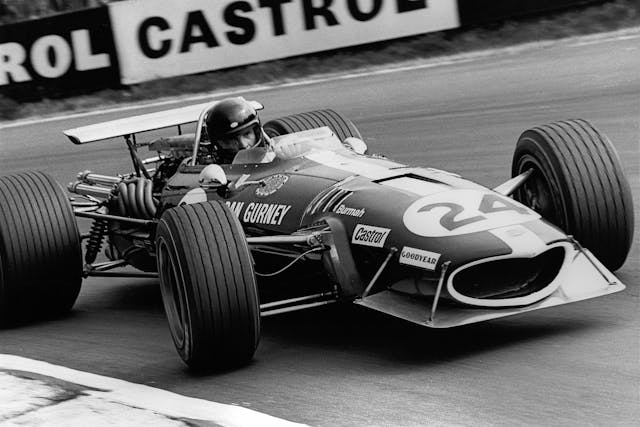
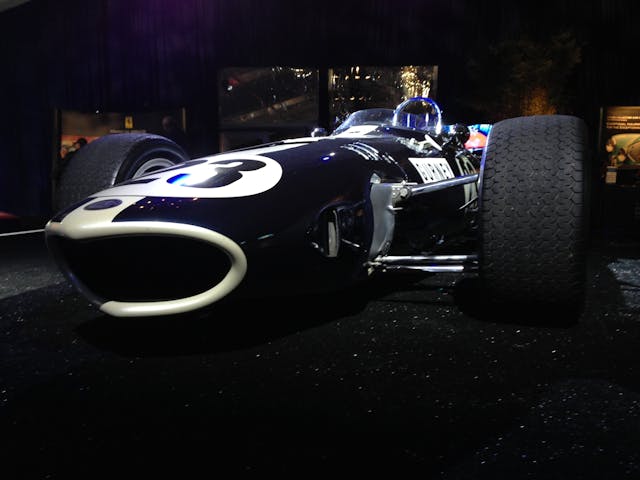
Gurney Eagle

Dan Gurney Eagle-Weslake T1G Grand Prix Of Great Britain 1968
Dan Gurney, Eagle-Weslake T1G, Grand Prix of Great Britain, Silverstone, 20 July 1968.Bernard Cahier/Getty Images

The first time I ever saw a Gurney Eagle was at Gooding’s Pebble Beach auction in 2013.

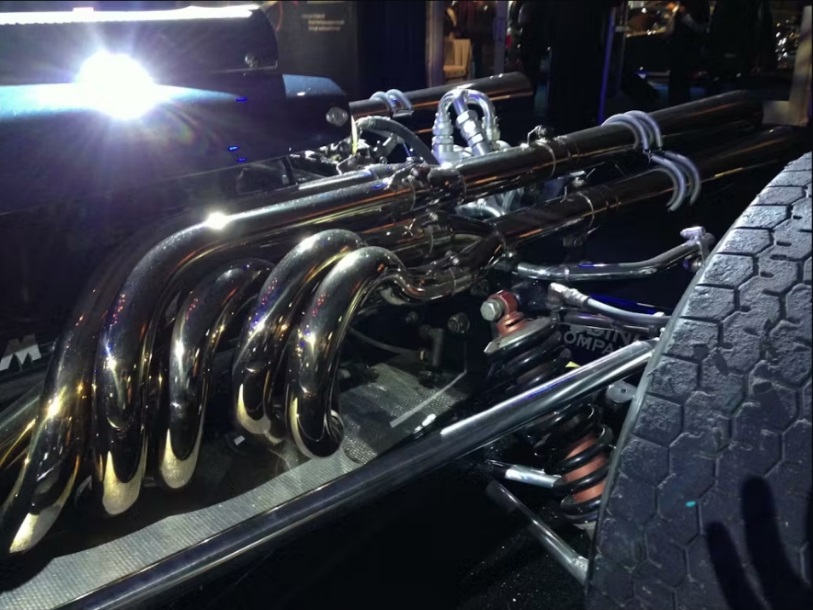
The car was on display in the lobby area of the tent, and I remember being flabbergasted at the intricacies of the exhaust pipes coming out of that Gurney-Weslake V-12. I’d never seen anything like it, and all I could think of was spaghetti twirled up on a fork. — Stefan Lombard

1966 AAR Gurney Eagle Mk I-1
Stefan Lombard

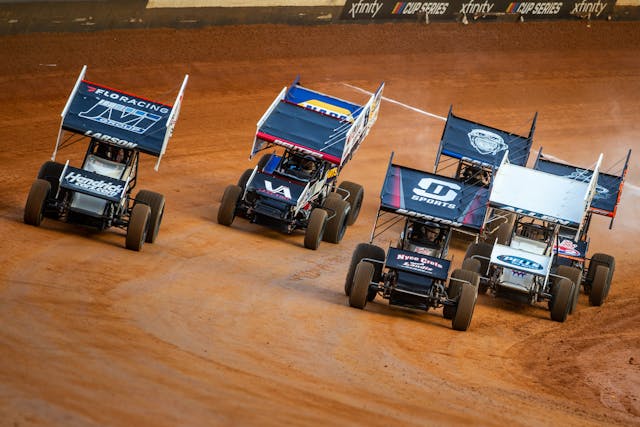
Outlaw Dirt Sprint Car

Outlaw Dirt Track Sprint Cars race action
Cameron Neveu

No question, there are some lovely-to-look-at exhausts here, but I’m more moved by the sound an engine makes through that exhaust, and that’s a tough call. On several occasions I’ve been lucky enough to be at a racetrack when vintage Ferrari Formula 1 cars were making an exhibition run, and the Ferrari 412 T2’s fabric-tearing sound from its 3.0-liter V-12 is just otherworldly. But I’m picking something far less sophisticated: An exhaust note made by simple unmuffled headers fed by a 410-cubic-inch V-8 engine in an outlaw dirt sprint car. One car is loud; 24 sprint cars, representing about 21,600 horsepower, is thunder. The biggest sanctioning body for sprint cars is the World of Outlaws, which runs about 90 races a year, in a season that, in 2024, starts on February 7 and ends on November 9.

Due to local zoning laws, the WoO requires mufflers for 22 of the races. Since my hearing is shot already (Kids! Don’t do drugs, but DO wear earplugs!), I’ll take the unmuffled races, and the unmistakable smell of methanol in the evening. — Steven Cole Smith

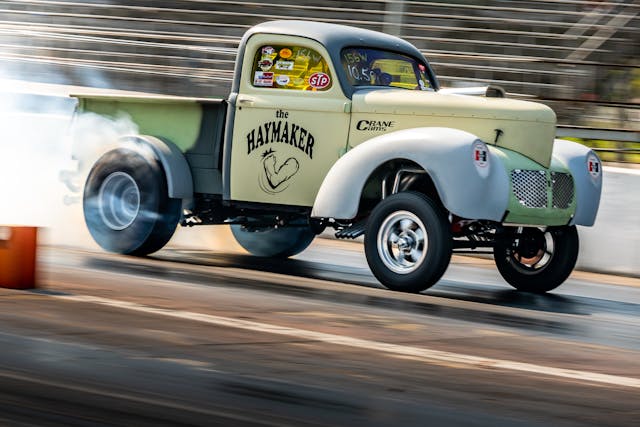
Drag Headers

2021 Dream Cruise woodward ave action hot rod
Cameron Neveu

The best exhaust systems are the ones that end after the headers.

I couldn’t have said it much better than SCS. A 410 engine belching out of unmuffled Schoenfeld headers is tops.

But a close second are drag headers. Zoomies or fenderwell are my favorite on old drag cars. That cackle. That’s the noise I’d like to hear out of the trumpets as I approach heaven’s gate. Oh, and the visual appearance of four pipes directing exhaust up and over fat slicks, or peaking around the lip of a fender. Get outta here! — Cameron Neveu

Milan Nostalgia Drags Willys Truck Gasser
“The Haymaker” Willys gasser.Cameron Neveu

Mercedes SLR McLaren and 1987–93 Mustang LX

Mercedes-Benz SLR McLaren exhaust
Mercedes Benz

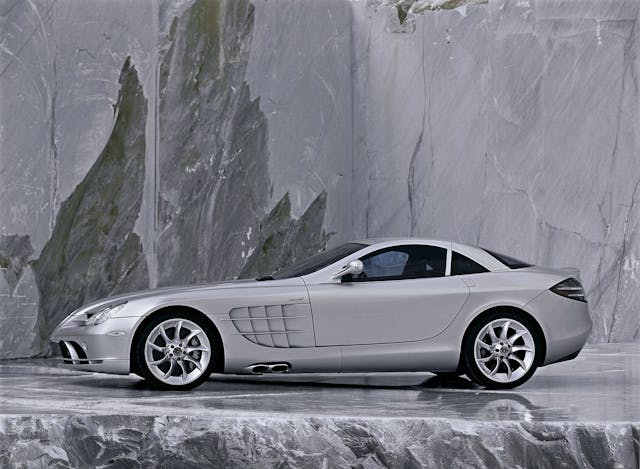
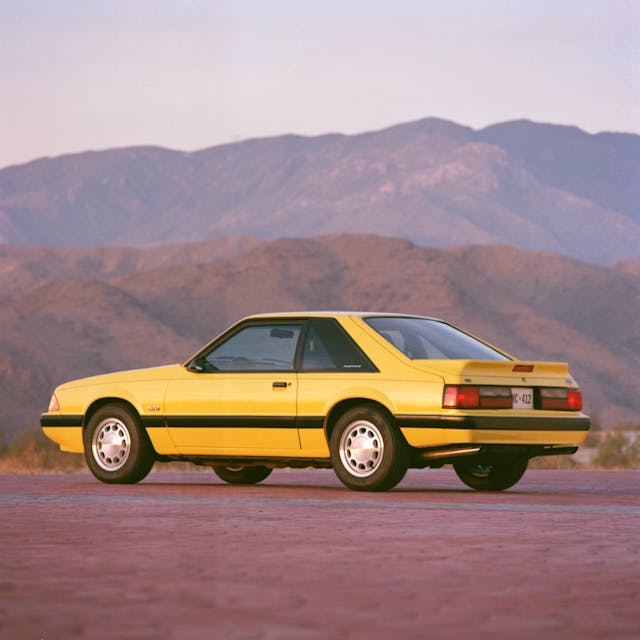
My favorite exhaust in terms of looks is the side exit exhaust of the 2003–10 Mercedes SLR McLaren, because of that insane amount of space between the front wheel and the cowl and the subtle little twin pipes peeking under that area. The flat belly pan likely made this a mandatory location, but that only adds to the appeal. But when it comes to looks and sounds, for me there’s nothing like a 1987-93 Mustang LX with its signature chrome double-barreled shotgun tailpipes, and that small block Ford rumble. I could look and listen to that exhaust all day. — Sajeev Mehta

1990 ford mustang LX exhaust
Ford

Shelby Mustang GT350

1966 Ford Mustang Shelby GT 350
Ford

I grew up on V-8s in a GM family.

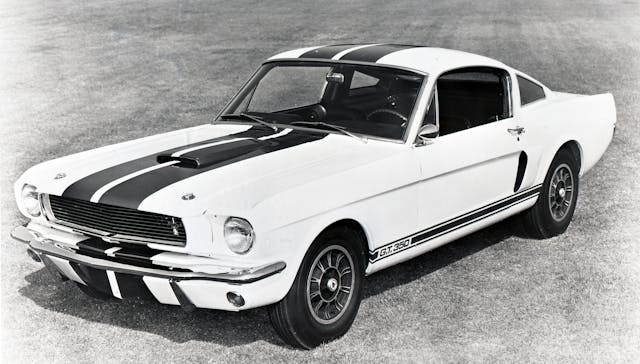
That said, the first time I heard the idle and subsequent roar of a 289 in an early Shelby GT350, I knew Ford had done something right.

It wasn’t till I was older that I learned all about how firing order, crank design, and exhaust setup influenced the amazing sounds that come from our favorite engines. That 289 was what I remember as my earliest favorite so that’s what I picked for this response, but like Steven Cole Smith said, there are so many great sounds out there that it’s a really tough call. Eddy Eckart

Why McLaren Formula 1 Teamed Up With Dropbox

Every second counts when a racing team’s intellectual property is their competitive edge.

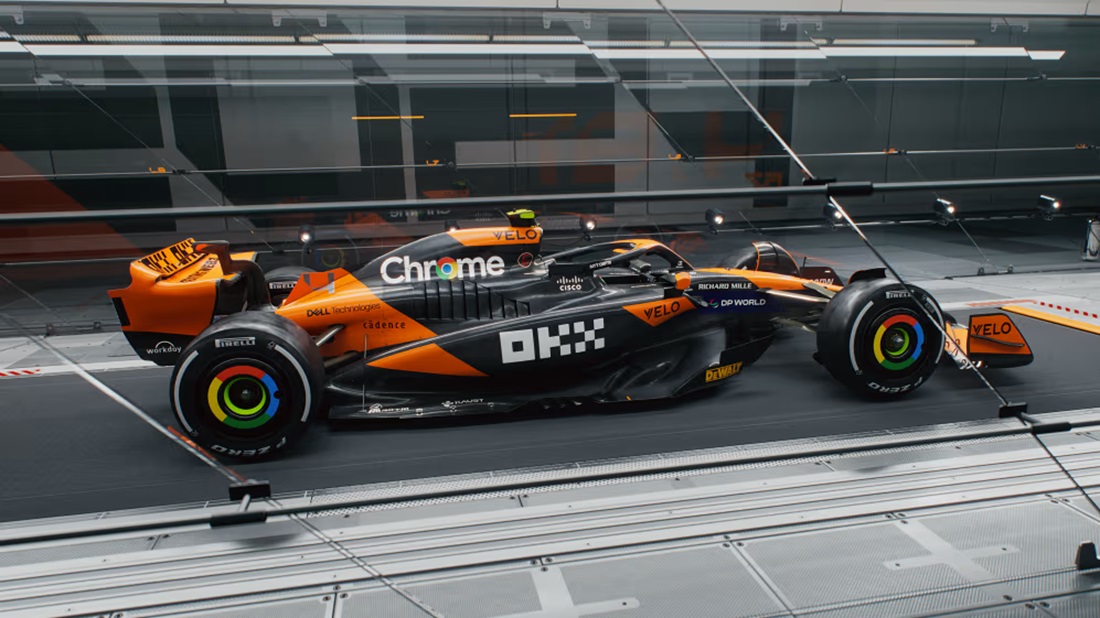
Dropbox has partnered up with McLaren Racing as an Official Technology Partner of the McLaren Formula 1 Team.

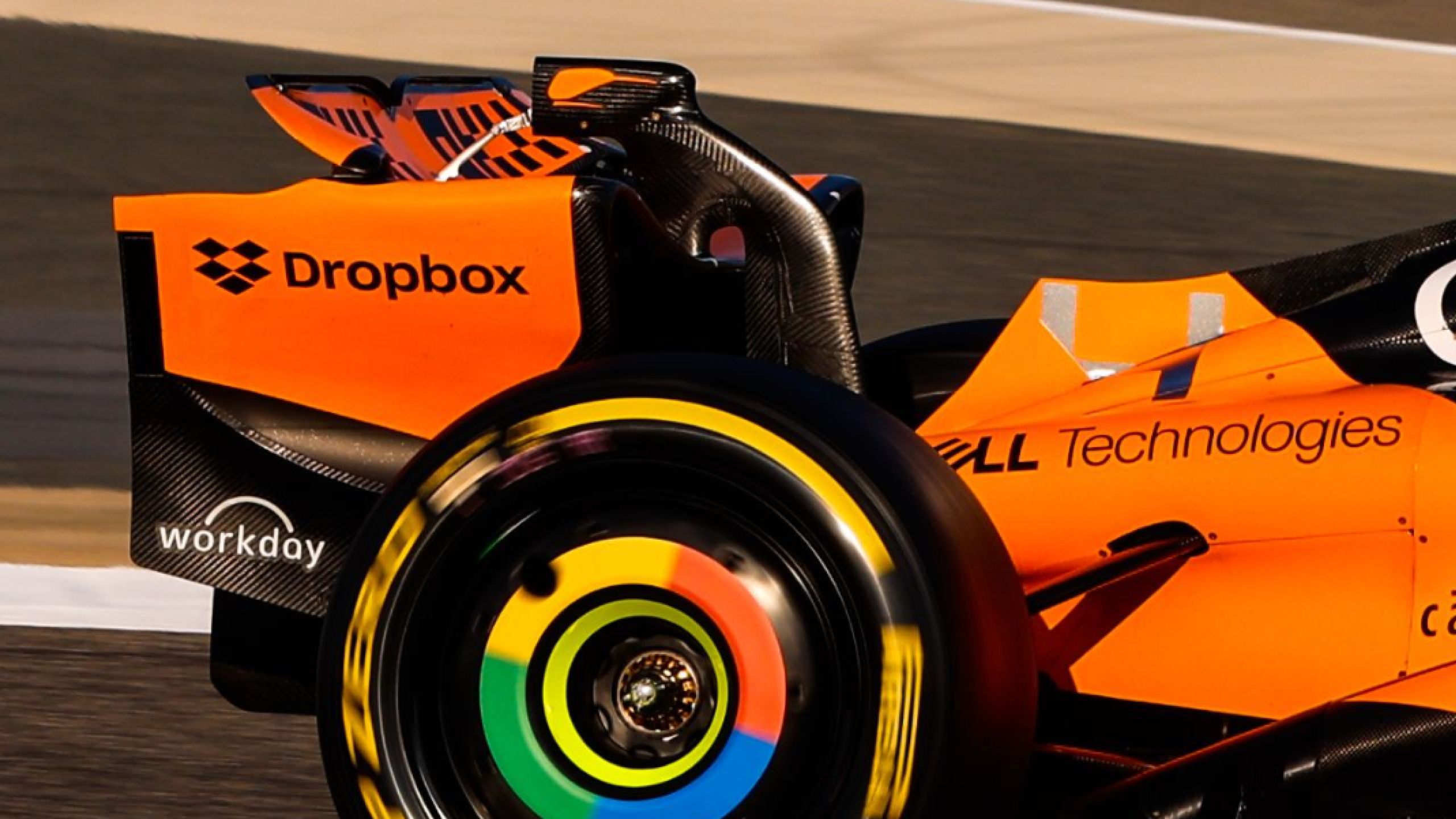
McLaren car with Dropbox logo on the back.

From Mission Control to Track, Formula 1 is a team effort.

The best teams, like cars, are more than the sum of their parts. They’re built for performance and continually pushing for more. Dropbox gives McLaren the tools they need to unlock an extra gear. Now they can share info instantly and collaborate on files in real time, wherever they’re racing around the world. All while being confident their IP is safe and secure.

Our track record of fast, efficient, and easy-to-use products makes Dropbox a perfect partner for the McLaren Formula 1 Team. And our newest products push beyond storage, to support teams the way they work today. We help teams get the best results across the finish line. Dropbox is the one tool they rely on to stay organized and share info while safeguarding their business-critical content.

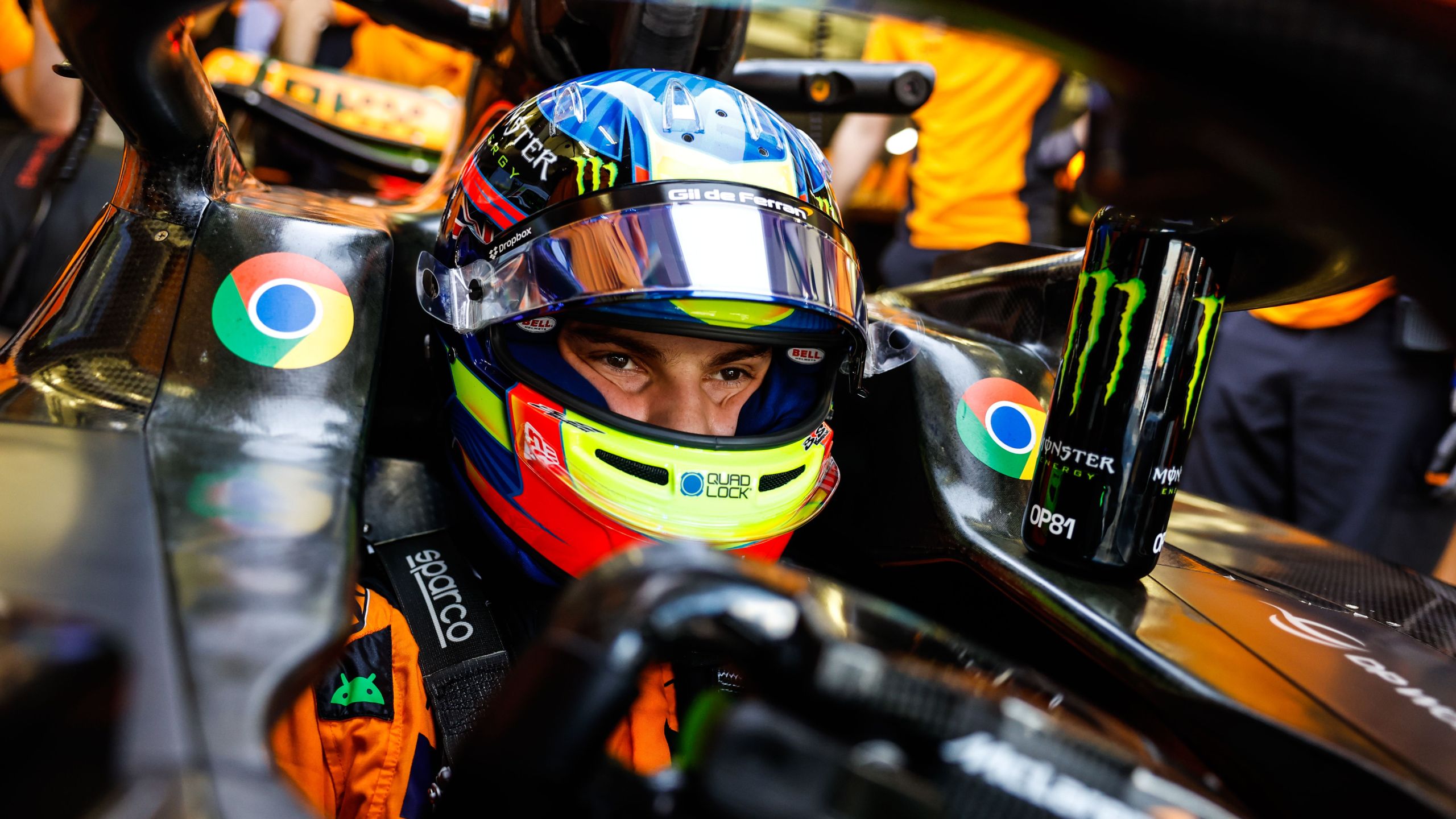
McLaren driver sitting in car.
A team’s intellectual property is their competitive edge. The McLaren Formula 1 Team trusts Dropbox to keep their most important content protected. With features like advanced sharing permissions and access management, we help keep McLaren’s confidential information private and secure, so they can focus on pushing for more podiums. Stay secure 
In a race against time, McLaren counts on Dropbox.
Organization is key to unlocking optimal performance. With shared workspaces and folders, Dropbox makes it easy for the McLaren Formula 1 Team to stay in sync, and spend more time on the work that matters. Staying organized helps teams move faster, and that’s a huge advantage when every second counts. Get organized 

The record time to change four tires is 1.8 seconds.
The McLaren Formula 1 Team set that record last year. Their success depends on everyone working together in perfect sync. And Dropbox enables easy, efficient collaboration across the team. Now they can: Quickly and safely share large, high-res files with internal or external stakeholders. Track sent files to see who’s opened them and what they’ve viewed. Review creative assets or race footage in real-time, even when the team is all around the world

The Evolution of F1 Racing Video Games

According to our friends ‘over the pond’ at Select Car Leasing UK, (big time racing fans- go figure!) the history of F1 Racing Video Games began with 1982’s ZX Spectrum home computer.  Cue up the time machine and take a look at this nifty info-graphic to discover the rest.

Evolution Of F1 Racing VideoGames Infographic2