Tag Archives: contractor

Residential Reinvention In North America

Maximizing Property Potential Via Popular Home Expansions 

maxadd1.png

For many homeowners, the need for more space arrives long before the desire to move. Growing families, remote work, multigenerational living, and changing lifestyles are pushing homeowners to rethink how their existing homes can evolve. Home additions have become one of the most practical ways to gain space, improve comfort, and increase property value without starting over in a new location. Yet deciding which type of addition makes sense requires a clear understanding of costs, construction complexity, and long term return on investment.

Across the United States as in Canada, home addition costs vary widely depending on region, labor availability, building codes, and design choices. In America, the average cost of a home addition often exceeds the commonly cited figure of $51,000 usd/ $70,000 cad, especially for projects involving plumbing, structural changes, or second story construction. Per square foot costs typically range from roughly $100 usd/ $137 cad to $500 usd/ $684 cad, depending on the type of addition and level of finish. Understanding these ranges helps homeowners plan realistically and avoid budget shock midway through construction.

A dry addition or a wet addition?  

One of the most important distinctions in home additions is whether a project is considered a dry addition or a wet addition. Dry additions include spaces such as bedrooms, living rooms, offices, or sunrooms that do not require plumbing. These additions are generally less expensive because they avoid water lines, drains, and complex waterproofing requirements. Wet additions include kitchens, bathrooms, and laundry rooms, which add cost due to plumbing work, additional permits, and stricter building code requirements. Knowing which category your project falls into is one of the most reliable ways to estimate overall expense early in the planning process.
maxadd2.png

Room additions, often called bump outs, are among the most approachable projects for homeowners looking to add space without a full-scale renovation. These additions typically extend an existing room by a few feet to create more usable square footage. Nationally, bump outs often cost between $250 usd/ $342 cad and $500 usd/ $685 cad per square foot, depending on size and finish. While smaller in scope, they can dramatically improve daily living by relieving cramped layouts and improving functionality.

Adding a second story

Second story additions represent one of the most transformative but also most expensive home addition options. By building upward rather than outward, homeowners can double their living space without sacrificing yard area. These projects often range from $300 usd/ $410 cad to $500 usd/ $685 cad per square foot and require extensive structural reinforcement. Foundations, load bearing walls, and framing may need upgrades to support the added weight. Plumbing, electrical systems, and roofing are also typically impacted. While the upfront cost is significant, second story additions can deliver substantial long term value, particularly for homeowners committed to staying in place for many years.

Sunrooms offer a different kind of expansion, focusing on light, comfort, and connection to the outdoors. These spaces are often used as family rooms, dining areas, or quiet retreats. Costs typically fall between $200 usd/ $274 cad and $400 usd/ $547 cad per square foot, with total project budgets ranging from $40,000 usd/ $55,000 cad to $90,000 usd/ $123,000 cad or more. Three season sunrooms tend to be less expensive, while fully insulated, climate controlled spaces cost more but offer year round usability. Energy efficiency requirements and insulation quality play a major role in pricing.

maxadd3.png

The most cost effective way to add livable space

Garage conversions are one of the most cost-effective ways to add livable space because they utilize an existing structure. Nationally, these projects often range from $120 to $200 per square foot, with total costs commonly between $20,000 usd/ $27,300 cad and $50,000 usd/ $68,400 cad. Conversions typically involve insulation, drywall, flooring, electrical upgrades, and heating or cooling systems. Adding a bathroom increases both cost and value, but requires plumbing work and additional permits. For homeowners seeking flexibility without major exterior changes, garage conversions often deliver strong value.

Over the garage additions combine vertical expansion with efficient land use. These projects create new living space above an existing garage and commonly cost between $250 usd/ $340 cad and $400 usd/ $550 cad per square foot. Structural reinforcement is often required, and design integration with the main house is critical. When executed well, over the garage additions add bedrooms, guest suites, or home offices without reducing yard space, making them appealing in many suburban and urban settings.

ADU- aka the accessory dwelling unit
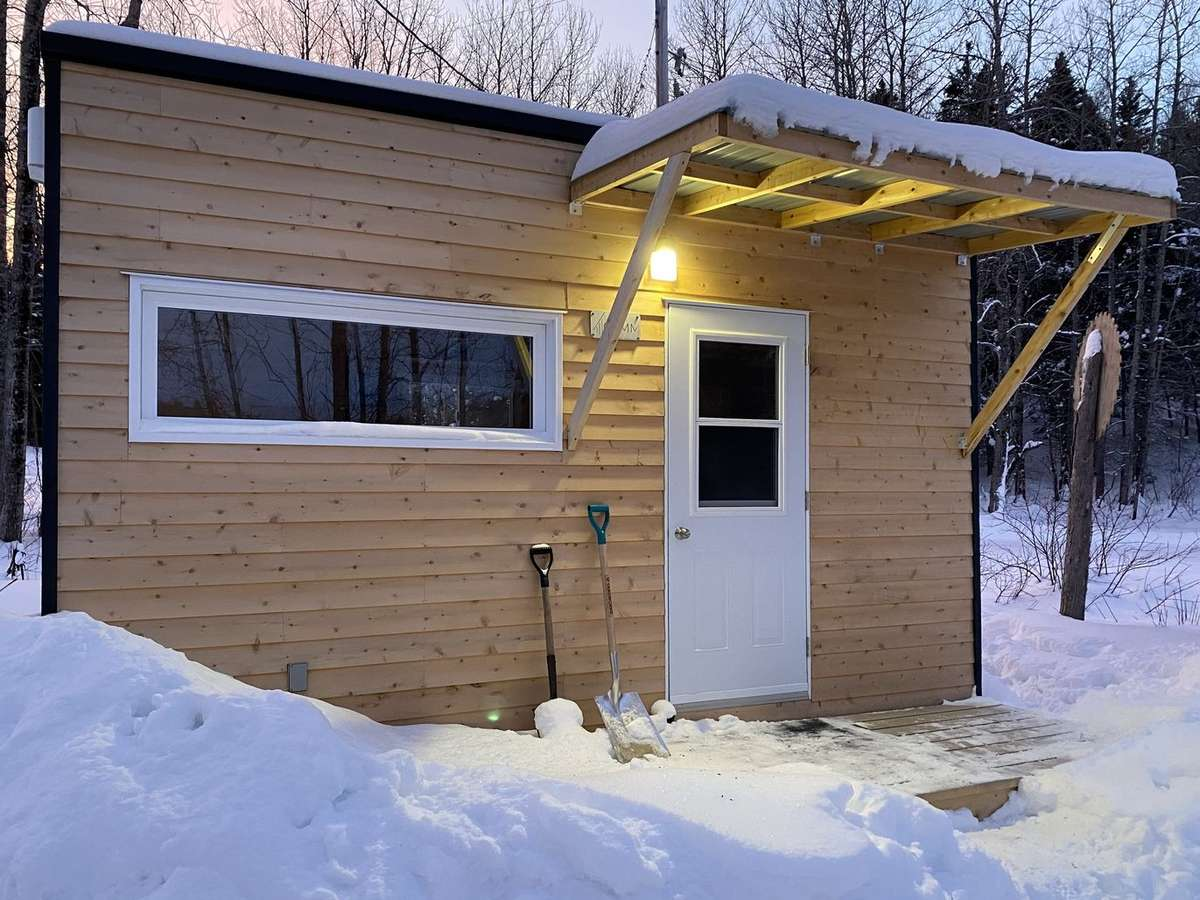
Accessory dwelling units have become increasingly popular as homeowners look for rental income opportunities or space for extended family. ADU costs vary widely but often fall between $100,000 usd/ $137,000 cad and $300,000 usd/ $410,400 cad depending on size, design, and site conditions. Well planned ADUs can generate significant returns through rental income while increasing overall property value. In many markets, returns between 50 and 80 percent are possible when long term income and appreciation are considered together.

The most complex home improvement

maxadd4.png

Kitchen expansions and additions are among the most complex home improvement projects. Building a new kitchen or expanding an existing one typically ranges from $50,000 usd/ $68,400 cad to $150,000 usd/ $205,200 cad or more. These projects involve plumbing, gas lines, electrical systems, ventilation, and often structural changes. High quality finishes, appliances, and cabinetry can significantly increase costs, but kitchens consistently rank among the highest value improvements for resale.

Expensive to be sure

Bathroom additions and expansions also carry meaningful costs but deliver strong returns. Adding a new bathroom often ranges from $30,000 usd/ $41,000 cad to $75,000 usd / $102,600 caddepending on size and plumbing complexity. Expanding an existing bathroom typically costs less but still requires careful planning around waterproofing, ventilation, and fixture selection. Bathrooms add both daily convenience and resale appeal, particularly in homes with limited existing bath space.

What type of addition should you choose?

Choosing the right type of home addition requires balancing personal lifestyle needs with financial considerations. Homeowners should assess how they use their space today, how that use may change in the future, and which additions offer the greatest functional improvement. Equally important is considering how future buyers might perceive the added space. Additions that align with common buyer preferences tend to deliver stronger returns.

maxadd5.png

Successful home additions are built on careful planning. Hidden costs such as permit fees, utility upgrades, and structural repairs can emerge once construction begins. Understanding local building requirements, maintaining detailed budgets, and setting aside contingency funds are critical steps. Consulting experienced professionals early in the process helps homeowners avoid delays, unexpected expenses, and design mistakes that can be costly to correct later.

It’s not just about square footage

Ultimately, home additions are not just about adding square footage. They are about adapting a home to better serve the people who live there. When thoughtfully planned, an addition can improve daily life, increase long term property value, and allow homeowners to remain in communities they love. With clear expectations, realistic budgets, and informed decision making, home additions can be one of the most rewarding investments a homeowner makes. For the Silo, Jon Grishpul/ Greatbuildz.com.
These Award Winning Tiny Homes Draw Attention As Sector Gains

The tiny home sector is big on innovation as exemplified by a new crop of amazing Accessory Dwelling Unit (ADU) designs across the U.S. and Canada showcasing state-of-the-art architectural and interior features, thoughtful layouts and stunning aesthetics that redefine what’s possible in small-space living. Maxable—North America’s leading  provider of resources for building guest houses, casitas, in-law suites, granny flats, pool houses and other ADUs—has officially named the the #1 best ADU of 2025 and other of the ’10 Best’ for the year based on a mix of criteria: visual appeal, use of space, creativity and functionality. Multiple photos for each are showcased online demonstrating the extreme ingenuity of each build.

Every year, Maxable’s ‘Best ADU of the Year’ competition celebrates the most innovative and impressive tiny home projects from across North America. Accessory dwelling units (ADUs) that don’t just look great, but solve real challenges of space, budget, and lifestyle. And the Top 10 have just been named! “If there’s one thing we’ve learned this year, it’s that accessory dwelling units ADUs aren’t going anywhere,” says Maxable CEO Paul Dashevsky. “In fact, they’re chugging along at full force as new regulations make their mark, homeowners are letting their creativity bloom, and designers are pushing the limits of what’s possible in small-space living.”

Here is the #1 winner and other of the top 10 best ADUs that have earned their keys in 2025.
______________________________________________________


#1 Best ADU of 2025:

Ashby ADU, Piedmont, CA

Designer: Tuan Le Design

Builder: Atelier19AD6

Size: 800 sq ft, 2 bed, 1 bath

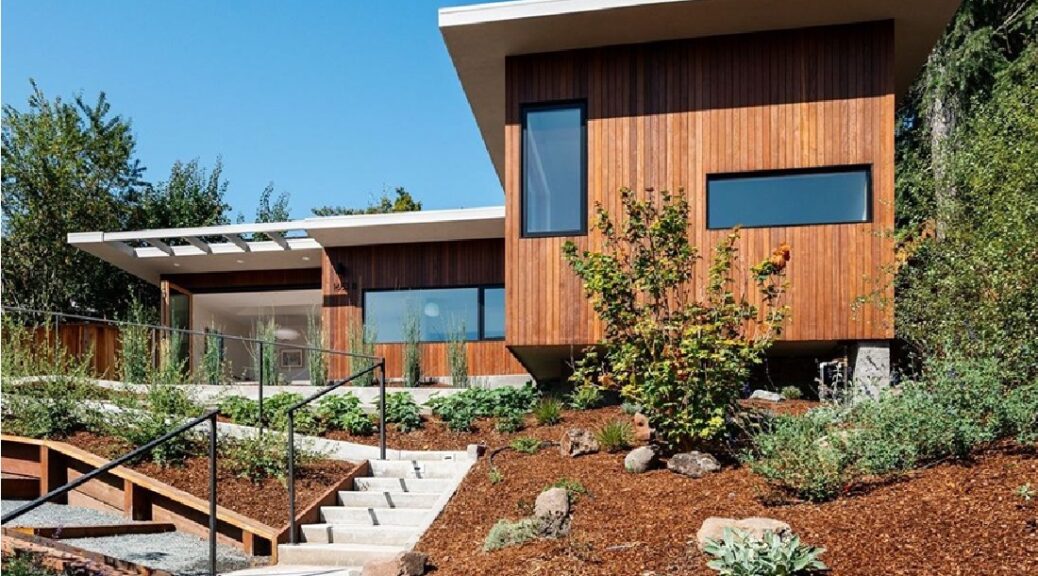
Built on a steep slope, the project faced challenges with utility coordination, subcontractors, supply chain delays, and neighbor considerations, yet the team navigated every obstacle to deliver a standout result. The unit is fully electric, with a heat pump, water heater, and solar panels, making it efficient and environmentally conscious. Skylights and floor-to-ceiling four-panel sliding glass doors fill the interior with natural light, creating a bright, airy atmosphere. The modern design continues on the exterior with sleek wood paneling that complements the contemporary interior. The result is a stylish, functional ADU that maximizes both the views and the livable space

 
Other Top 10 Best ADUs of 2025


Chamomile Cottage, Arlington, MA

1-adu.jpg

Modular Design and Build: Backyard ADUs

Size: 567 sq ft, 1 bed, 1 bath

If a cozy cup of tea was an ADU, we think it’d look like this! Designed to bring an aging father closer to his family and young grandchildren, this modular build balances warmth, accessibility, and beautiful design. As one of the first detached ADUs completed under Massachusetts’ new ADU law, it also marks a milestone for backyard living in the state. Built with collaboration between Backyard ADUs and a homeowner with impeccable design taste, the result is both functional and heartfelt. Chevron wood flooring, warm olive walls, and a charming fireplace make the space feel like home from the moment you step inside. Skylights fill the rooms with natural light, while the ADA-compliant bathroom ensures comfort and safety for years to come.

Alora ADU, San Diego, CA

2-adu.jpg

Designer: Ruland Design Group

Builder: Glann Fick, Coastline Construction

Size: 1,000 sq ft, 2 bed, 2 bath duplex

This project is a beautiful example of how ADUs can bring generations together while adding long-term value to a property. The homeowners created not one, but two attached backyard homes. One was designed for an aging mother, and the other for rental income to support the family. Together, the units make space for four generations to stay close while still maintaining privacy and independence. Both ADUs were designed with light, openness, and connection to the outdoors in mind. High ceilings and clerestory windows fill the interiors with natural light, while large sliding glass doors open to private patios for easy indoor-outdoor living. Each space feels modern and welcoming, complete with well-appointed kitchens and roomy islands perfect for family meals or morning coffee. It’s a true example of multigenerational living done right.

Copperline ADU, San Diego, CA

3-adu.jpg

Designer and Builder: SnapADU

Size: 980 sq ft, 2 bed, 2 bath

This Spanish-style ADU in Rancho Santa Fe was designed to blend seamlessly with the community’s strict architectural standards. The homeowner, a roofing contractor, personally installed the boosted tile roof to match the main home, turning HOA requirements into an opportunity to create a timeless retreat. Today, the ADU serves as a private space for family and guests. Every element, from hand-textured stucco to arched porch openings and copper gutters, was carefully chosen to mirror the primary residence. Inside, faux wood ceiling beams add warmth to the great room, while custom shelving and professional-grade appliances enhance the kitchen. Each bedroom features an ensuite bath and walk-in closet, with a back entrance leading to a mudroom and laundry area.

Brick House ADU, Denver, CO

4-adu.jpg

Designer and Builder: ADU4U

Size: 938 sq ft, 1 bed, 1.5 bath

This ADU project breathes new life into an old, historic building, while preserving its authentic character and respecting its roots. Building a modern structure within an 138 year old structure was an innovative solution to achieve this. In historic Curtis Park, Denver’s oldest neighborhood, an 1886 brick carriage house stands as a testament to the passage of time. The building sits inside the boundaries of Denver’s historic Curtis Park, so all exterior design and material selections had to be approved through the city’s Landmark Commission.

ADU4U turned this once-unlivable structure into a cozy, modern home while preserving its historic charm. To bring it up to today’s safety standards, the team strengthened the old brick with a new steel frame and carefully reused original materials throughout the interior. The hayloft door became the powder room door, and the old floor joists were turned into a beautiful kitchen peninsula. Now, this light-filled ADU perfectly balances historic character with modern comfort. It’s truly a shining example of how old buildings can be reimagined for today’s living.

Longview ADU, Washington D.C.

5-adu.jpg

Designer: Ileana Schinder

Builder: J Cabido Designs

This project is a creative transformation of an abandoned garage and storage space into a bright and efficient one-bedroom ADU. By keeping the original structure’s footprint, the design team minimized both construction costs and the visual impact on the surrounding property. Every detail was planned with sustainability in mind. From upgraded insulation to energy-efficient mini splits and an energy recovery ventilator, the ADU meets Washington DC’s strict environmental standards while maintaining year-round comfort. Restoring the building’s existing openings allowed natural light to flood the interior, creating a warm and inviting space that feels much larger than its footprint. The result is a thoughtful blend of preservation, sustainability, and smart design, breathing new life into what was once an overlooked structure.

Sagebrush ADU, Menlo Park, CA

6-adu.jpg

Designer: Inspired ADUs

Builder: Integrum Construction

This ADU is a masterclass in craftsmanship and timeless design. Every detail, from the cedar shake siding to the copper flashings, was carefully chosen to mirror the main home and create a seamless, cohesive look. Instead of competing with the original architecture, it enhances it, feeling like it has always been part of the property. Natural materials play a starring role here. The cedar and copper will continue to age beautifully, adding warmth and character over time. Inside, handmade tile, custom cabinetry, and a cozy loft make the space feel elevated yet inviting. Every inch was designed with intention, balancing function, beauty, and authenticity. This ADU proves that small-scale construction can be both refined and enduring.

Brushstroke ADU, Newcastle, CA

8-adu.jpg

Designer and Builder: A+ Construction ADU Builders

Size: 1,198 sq ft + 800 sq ft deck, 3 bed, 2 baths

The client didn’t want to separate three generations of their family, so they built a second home in their backyard. This ADU allows their parents to live independently with their own routines and art studio, while staying just steps from family dinners, grandkid hugs, and everyday life together. At 1,200 sq. ft., the ADU includes three bedrooms, two bathrooms, and a large open living area. The layout prioritizes comfort, easy movement, and aging-in-place, with wide circulation paths, direct deck access from the primary bedroom, and plenty of natural light. A dedicated art studio with custom cabinetry and large windows supports the grandmother’s creative routine. The best feature? An 800 sq. ft. covered deck and carefully chosen exterior finishes. All of these details make the ADU feel integrated with the main home, creating a thoughtful, functional, and long-term living space for the whole family.

Alcove ADU, Los Angeles, CA

9-adu.jpg

Designer: Homeowner

Builder: Doobek Brothers

Size: 593 sq ft, 1 bed, 1 bath

What started as a retrofit for a carport turned into a fully functional ADU, making smart use of limited space while navigating strict city codes. Because the property sits on a hillside, any addition beyond the existing roofline would have required expensive drainage to the street, so the design works entirely within the original footprint. The interior feels calm and spacious thanks to thoughtful layout, finishes, and furniture. A double wall between the kitchen and bathroom cleverly hides appliances while providing storage for cleaning supplies, making the space feel open and uncluttered. Temperature and sound insulation reduce energy costs for both units, making it highly efficient. Windows were sized to align with the upstairs unit, creating visual harmony. With parking right outside and a potential deck planned for the upper unit, this ADU demonstrates how careful design can turn code restrictions into a livable home.

Elevare ADU, San Diego, CA

10-adu.jpg

Designer: Sergio Perlata

Builder: HM Construction

Size: 479 sq ft, 1 bed, 1 bath

This daring ADU was built on top of the homeowner’s existing house to preserve the garage while creating a luxurious, functional space. What started as a bold idea and labor of love resulted in a retreat that balances comfort, style, and modern California living. The design maximizes natural light, features high-end finishes, and offers seamless indoor-outdoor flow. Privacy for the main house was carefully considered, and practical choices like spa-like micro-cement in the bathroom create a durable, low-maintenance, and rental-friendly space. More than just a guest house, this ADU is a thoughtfully crafted space that inspires relaxation and connection.

For the Silo, Jarrod Barker.

Supplemental- ANC Brantford, Ontario, Canada

AI Shows 10 Home Reno Bid Red Flags

Did you know that, every year, home renovation projects are derailed by hidden costs, vague language, and inconsistent contractor bids—pushing 78% of jobs over budget and forcing two-thirds of homeowners into debt? It’s not just homeowners who feel the pain: contractors, property managers, real estate agents, investors, and flippers all struggle to assess and compare bids quickly and accurately.

The problem is that contractor quotes are rarely “apples to apples,” often missing critical details or disguising inflated charges—making it hard to identify true scope, cost, and risk. Now, the free-to-use and industry first BidCompareAI  tool analyzes and compares multiple contractor bids, instantly identifying missing scope items, unrealistic allowances and other red flags before any work begins … often with tens of thousands of dollars on the line. In minutes, the AI generates a clear, line-by-line report that standardizes bids into transparent, actionable insights—helping homeowners avoid costly overruns, while enabling industry pros to quote with confidence, negotiate smarter, close deals faster, and protect ROI. Interest in this innovation raising industry transparency standards?

AI Reveals These Top 10 Home Renovation Bid Red Flags


First-of-its-kind free AI tool turns confusing, inconsistent contractor bids into clear, side-by-side insights—helping homeowners avoid costly overruns and enabling industry pros to quote, negotiate and close with confidence 

female-hands-counting-money-over-blueprints-at.jpg

Renovations are one of the most expensive and stressful decisions a homeowner makes. Yet 78% of projects blow their budgets, and 2 in 3 homeowners go into debt just to pay for them. Why? Because contractor bids are often riddled with hidden costs, vague language, and missing work that leave you paying more than you bargained for. Thankfully, new AI technology is now making these red flags impossible to ignore—saving homeowners thousands before a hammer is even swung. BidCompareAI is the first-ever AI tool that lets homeowners upload multiple bids and get a fast, detailed report comparing scope, pricing, and red flags—no construction expertise needed and no signup or payment required.

“Homeowners have been forced to make major financial decisions based on unclear or incomplete bids,” says GreatBuildz Co-CEO Jon Grishpul. “BidCompareAI adds instant transparency and clarity—saving people from costly mistakes before a project even starts. For contractors, property managers, and real estate professionals, it’s a credibility and efficiency tool that streamlines communication, builds trust and helps win more business.”

BidCompareAI Tight.png

Here are the top 10 red flags often hiding in contractor bids, and how the BidCompareAI tool reveals them instantly:

1. Missing Scope Items — “Surprise” Costs Waiting to Blow Your Budget

Your contractor’s quote doesn’t include demolition, cleanup, or critical tasks? That’s a ticking time bomb. Now, homeowners can catch these omissions so you never get hit with surprise charges.

2. Vague Allowances — The Fine Print That Drains Your Wallet

Ambiguous line items like “fixtures” or “materials” can mean anything. The AI tool flags vague terms so you can demand specifics upfront.

3. Unrealistically Low Bids — Too Good to Be True? Usually Are

Low-ball bids often mean corners will be cut or costs will balloon later. This AI exposes these dangerously low estimates before you get stuck with change orders.

4. Pricing Inconsistencies — Comparing Apples to Oranges?

Quotes come in all formats with wildly different terminology. This advanced technology standardizes and compares them side-by-side, so you’re not left guessing.

5. Hidden Fees — The Black Box of Renovation Budgets

Permits, procurement, and labor fees sometimes get lumped in mysteriously. The AI reveals these “hidden” charges clearly in its summary report.

6. Overlapping or Duplicate Charges — Paying Twice Without Knowing It

Some bids unknowingly charge for the same work twice. The AI delivers a line-by-line analysis that spots these costly errors fast.

7. Unclear Project Timelines — When Delays Lead to Extra Costs

Vague or missing timelines can spiral into costly delays. While timelines aren’t priced, spotting missing info helps you demand accountability.

8. Missing Cleanup and Disposal — Don’t Get Stuck with the Mess

Quotes that don’t include cleanup leave you responsible for hauling debris and disposing of waste. This AI highlights these crucial omissions.

9. Discrepancies in Material Quality — Low-Quality Where You Expected Premium

One bid may specify high-end fixtures while another hides “allowances” that could mean anything. The AI tool flags these differences so you know exactly what you’re paying for.

10. Inconsistent Labor Charges — Watch for Inflated or Unexplained Fees

Labor costs vary widely, and some bids overcharge or include unnecessary markups. This user-friendly technology points out these red flags clearly.

“This is about more than just tech,” added Paul Dashevsky, Co-CEO of GreatBuildz. “It’s about empowering homeowners to feel confident and in control of their renovation projects—and helping contractors better serve their clients.”

Renovations don’t have to be a financial nightmare. As consumer-facing AI tools proliferate across industries, the BidCompareAI innovation demonstrates how artificial intelligence can bring real-world value by making complex, high-stakes decisions—like selecting the right contractor—faster, clearer and far less stressful. For the Silo, Marsha Zorn.

Signs That You Need A Drywall Repair

If you notice anything on your drywall that doesn’t seem right, then it may be time to contact a professional who can help you identify the problem and ensure everything is repaired properly. 

Here are signs that you need a drywall repair

Cracks and indentations in walls and ceilings

If you notice cracks and indentations in your home’s walls, ceilings, and floors, it could be a sign of bigger problems. Cracks are often caused by settling or shifting. When this happens over time (and it can happen very quickly), there’s usually nothing you can do but patch up the crack as best as possible before continuing with other repairs on your home.

The same goes for indentations—if they’re too deep or wide-spread to fix easily with paint or filler material like spackle (which is designed to fill holes), then they may indicate that something more serious has happened, like water damage from pipes breaking under pressure inside them; this would require professional help from professionals such as an inspector who inspects homes after major storms pass through an area, so he knows what kind of work needs doing before further progress takes place on any given project!

Sticking doors or windows

  • Check for loose hinges or screws: If your door is sticking, you might notice that the door has been sticking for a while. This could be because of loose hinges or screws on either side of the door.
  • Look for cracks in the frame: If there are cracks in your frame, they could cause your doors to stick. Look at them close up with a magnifying glass (if necessary). If they look damaged, consider having them fixed by a wall repair professional so that they don’t cause any more trouble later down the road!

Water stains on ceilings or walls

If you notice water stains on your ceiling or walls, it’s a sign of a leak in your home. Leaks can be caused by many different sources, including plumbing and roofing. If you have leaks on both sides of the wall, two leaks are likely happening at once—and both need to be fixed!

If you find that one side of an area has been affected by rainwater and condensation (from heating or cooling), contact an expert to help determine what needs fixing before further damage occurs.

Paint chips easily off drywall

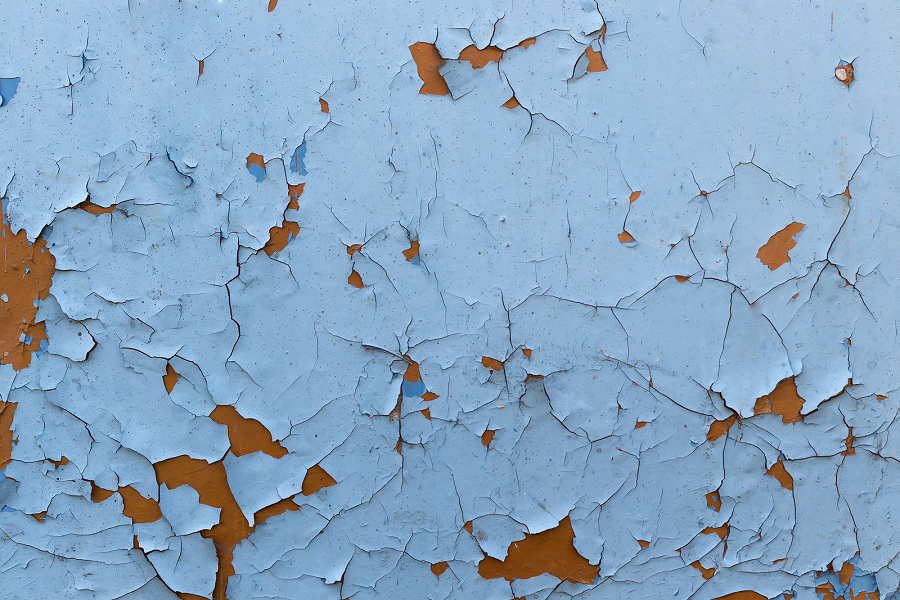
Chipping paint is a sign of drywall damage. If you notice that your paint chip easily, it’s time to call a professional. You don’t want to spend money on repairs when there are signs that could have been caught before the problem occurred.

If you have chipped walls or ceilings and wonder what caused them (and how long ago), pay attention! If the damage was caused by water seeping through cracks in the foundation or other parts of your house, then this is most likely the cause of your chipping paint problems—especially since ceiling panels tend to crack more than wall surfaces do due to their thicker construction material and weight distribution issues with hanging objects like lights fixtures and fans above them.”

Mold growth

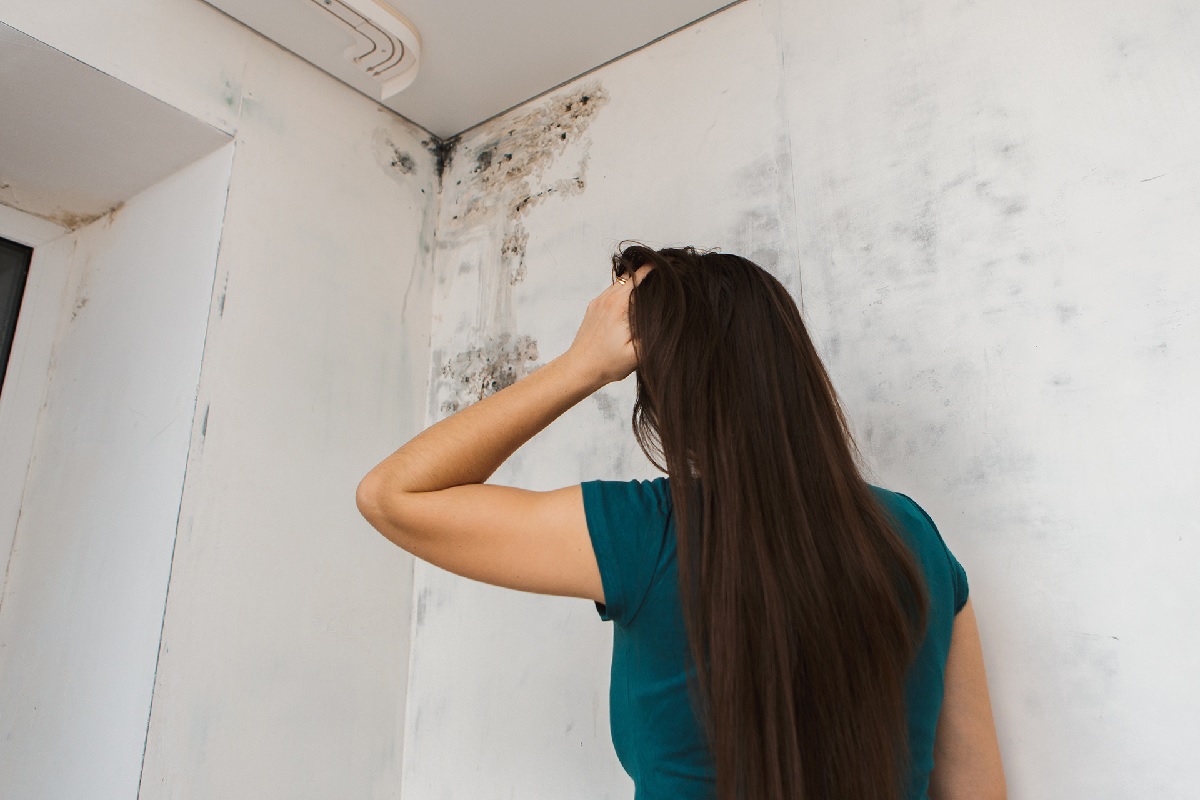
Mold growth is a sign of water damage. Water can seep in through the smallest crack and cause mold to grow. If you notice that your walls are covered in black or white spots, it could indicate that your drywall has been affected by mold.

Mold can spread easily because:

  • It grows very fast; within 24 hours, it may be two feet thick!
  • It’s resistant to many cleaning products and chemicals (soaps, detergents) that are designed for other purposes, such as cleaning up spills on kitchen countertops or floors where kids have been playing soccer all day long without any protection whatsoever; these products don’t work well against molds because they leave behind residues which support continued growth once again.

Drywall repairs are more complex than you may be tempted to think, and that’s why you need an experienced repair company to do the work. For the Silo, Anna Kendrick.

Automation Key To Future Of Work Under Great Reset

LOS ANGELES—Automation is no longer an option, automation is the key to surviving the Great Reset.

In 2021, more than 47 million American workers resigned, an annual record. In Canada numbers are harder to determine since accurate resignation numbers are not readily available. However, Statistics Canada has published the results of a survey pitched towards Canadian workers.

With no sense of the number of people surveyed and the accuracy of the data gathering the results should perhaps be best taken at face value: “In January, respondents were asked whether they were planning to leave their current job, and whether quality of employment considerations were among the reasons for doing so. Fewer than 1 in 10 Canadian workers aged 15 to 69 (7.3%) were planning to leave their current job within the next 12 months, compared with 16.1% in 2016, when respondents to the General Social Survey were asked the same question (not seasonally adjusted). When January 2022 LFS respondents were asked to report their main reason for planning to leave their job, preliminary results show that at least 1 in 5 of those planning to leave (22.2%) reported reasons related to quality of employment, including low pay (15.7%), heavy workload (4.3%) and inability to do their current job from home (2.2%). The trend is continuing. Surveys and data show that 6 in 10 young professionals have changed jobs or plan to and that 4.5 million workers quit their jobs in March.”

Businesses face continuously evolving markets and societal pressures that are transforming the way employees and employers put in exchange with each other to provide value to consumers and clients.

Staffing agencies especially have been under pressure during the pandemic and navigating the Great Reset.

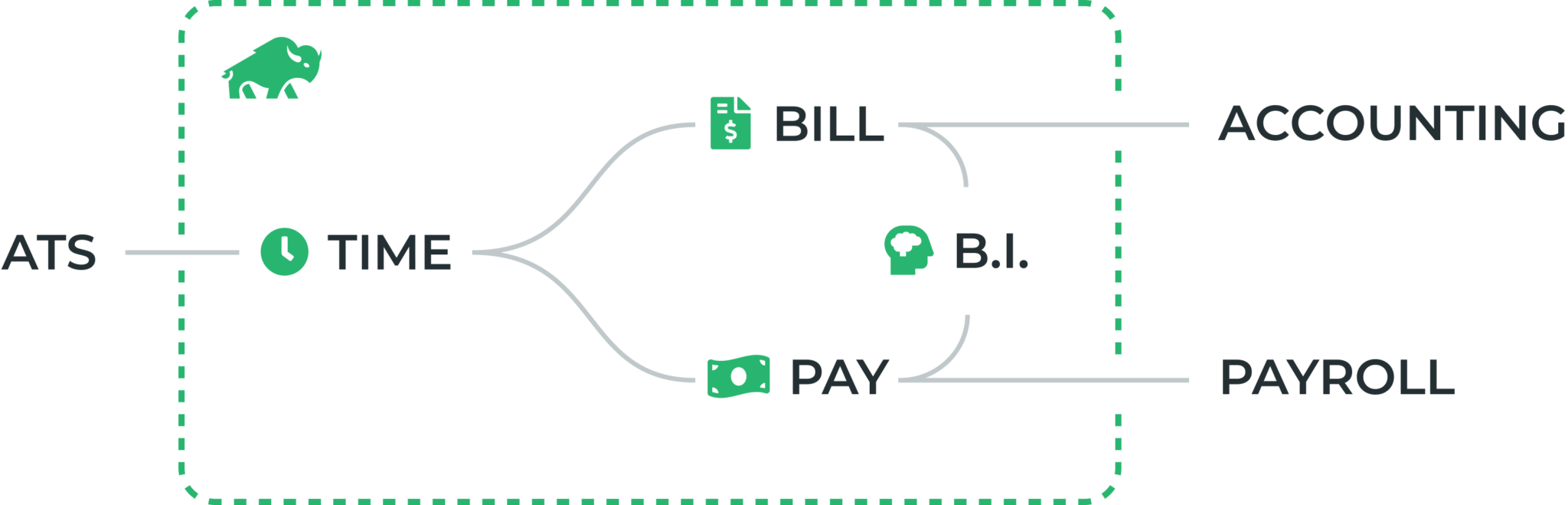
Bilflo automates back-office tasks and helps staffing manage hundreds of contractors and direct hires on a single, simple platform. This allows organizations to conserve time and labor while expanding business operations and profits. The ability to pull in live performance metrics makes it easy for businesses and teams to track their progress on goals. 

“The pandemic was a catalyst for development and expansion, springing from a strong foundation. We spent the past decade developing Bilflo to provide value to clients, especially during a turbulent time,” said Bilflo CEO Barrett Kuethen. “Bilflo was built by staffing industry experts to specifically serve the industry and address the unique operational pains to bridge process gaps.”

As of 2022, Bilflo has an extensive integration roadmap that has started with ATS platforms: Bullhorn and Jobadder along with accounting systems like Quickbooks. The company is expanding with key offerings such as Importing External Time, which will support staffing companies by eliminating redundancy and manual errors from VMS tools and other client time portals. Bilfo’s developers and leadership update the platform responsively to customers to provide optimized results. 

Bilflo is outcome-driven and their case studies with leading companies bring to life their platform and services. Amtec, a 60-year-old staffing company which employs over 1,000 contractors every year, provides talent to industries like health care, IT, aerospace and more. After adopting Bilflo the company reduced back-office labor by 75 percent, doubled capacity and achieved 49 percent annual cost savings. Extension, a 20-year-old full recruitment and staffing company handles up to hundreds of employees per week, and similarly achieved success through Bilflo, saving more than $20,000 usd a year and eliminating 16 hours a week in manual workload.

Bilflo founders held a webinar, in association with Staffing Industry Analysts (SIA), to discuss why and how to automate staffing companies’ back-office processes. Bilflo has already seen success after emerging in the market early this year and has received 3rd party validation from industry leaders like G2.com. Bilflo received recognition as a high performer for 2022 including generally, and for small business, mid-market, “easiest to use,” “easiest to do business with” and for “best support.” G2 features Bilflo reviews and case studies here on back office management, and tech stacks.

Bilflo’s APIs (application program interface) communicate with organizations’ ATS to retrieve information. This eliminates the need for someone to spend hours manually entering data.

Bilflo makes it so that companies can store contract job information such as rates, burdens, timecard types, overtime rules, job site addresses, workers’ comp codes and rates, and more.

In the era of remote work and asynchronous collaboration, companies need systems in place to handle timecard and expense management.

Compliance is more difficult to manage than ever. Bilflo solves these problems by calculating overtime in all states and provinces. Payroll integration and automated invoicing rapidly handle complex payment terms, billing addresses, line item information, and real-time reports.