Last week, Canada’s Prime Minister Mark Carney visited Brussels, kicking off negotiations that could eventually lead to Canada becoming the European Union’s first associate member. Carney’s mission is of course the result of the ongoing trade war between Canada and the United States. Faced with ever-changing US tariffs and growing uncertainty over the reliability of his country’s most important trading partner, the Prime Minister had to look elsewhere to sell Canadian products.
A Warm Welcome Afforded To Canada
Brussels welcomed him with open arms and much greater warmth than is on offer in Washington these days. This latest development says much about a volatile world order where nothing seems to be where it was a few years ago. But at a time when moving fast and breaking things seems du jour, it also tells us much about the enduring appeal of the European Union – still the world’s largest trading bloc with 452 million people, a combined GDP of more than £16 trillion, and responsible for roughly 16% of global trade in goods and services.
The EU Is Very Much Alive
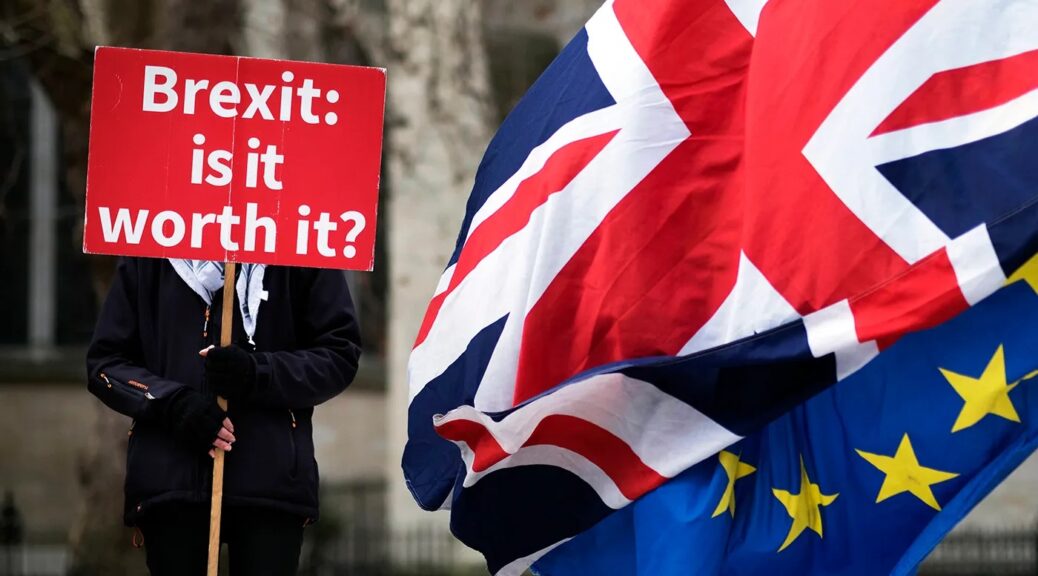
Despite being assaulted, criticised, and vilified from afar and from within, the EU is alive and kicking. The UK should take note. Ten years ago, in June 2016, British voters decided it was time for the UK to end its EU membership, walking away from a community Britain had helped shape for the better part of the previous 40 years. The EU referendum, marred by disinformation campaigns and foreign meddling not fully appreciated at the time, prompted what is arguably the most consequential political process in modern British history.
Less charitable observers have characterised it as an unprecedented act of economic and political self-harm. I agree: Brexit has been an unmitigated disaster, costing the UK up to 8% of its GDP, with significant losses in trade, productivity, and employment. It’s a hole the UK cannot dig itself out of. Certainly not on its own.
| This article originally appeared on LinkedIn via Founder at Virgin Group |
 Richard Branson Richard Branson |