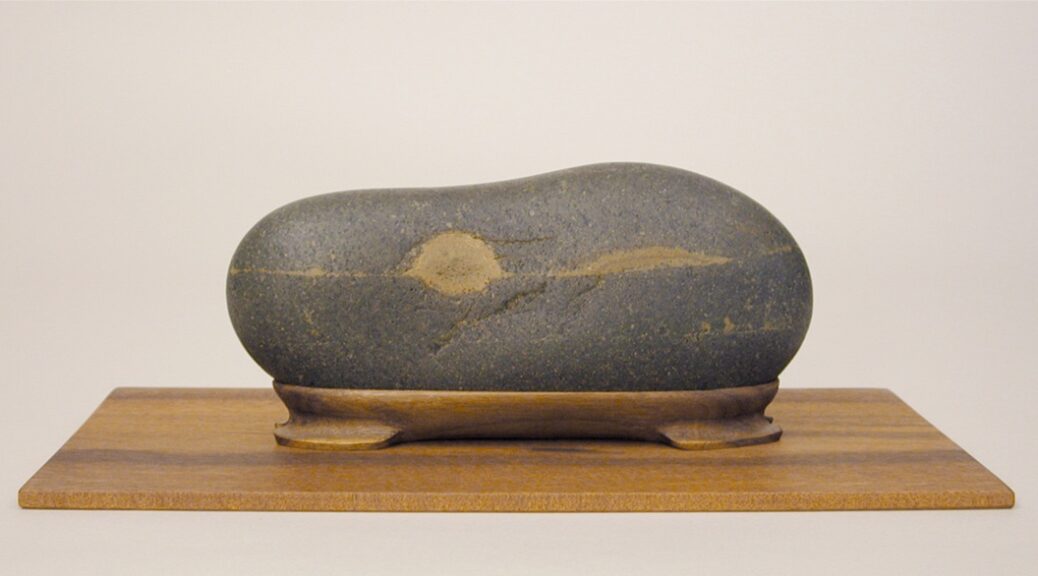
At first glance, Suiseki may seem deceptively simple: a single stone, uncarved and unpolished, presented for contemplation. Yet within Japan’s centuries‑old tradition of stone appreciation lies a surprisingly rich aesthetic philosophy—one that blends nature, imagination, and quiet reflection. Suiseki invites viewers to slow down, observe deeply, and discover entire landscapes within the smallest of objects.
What Is Suiseki?
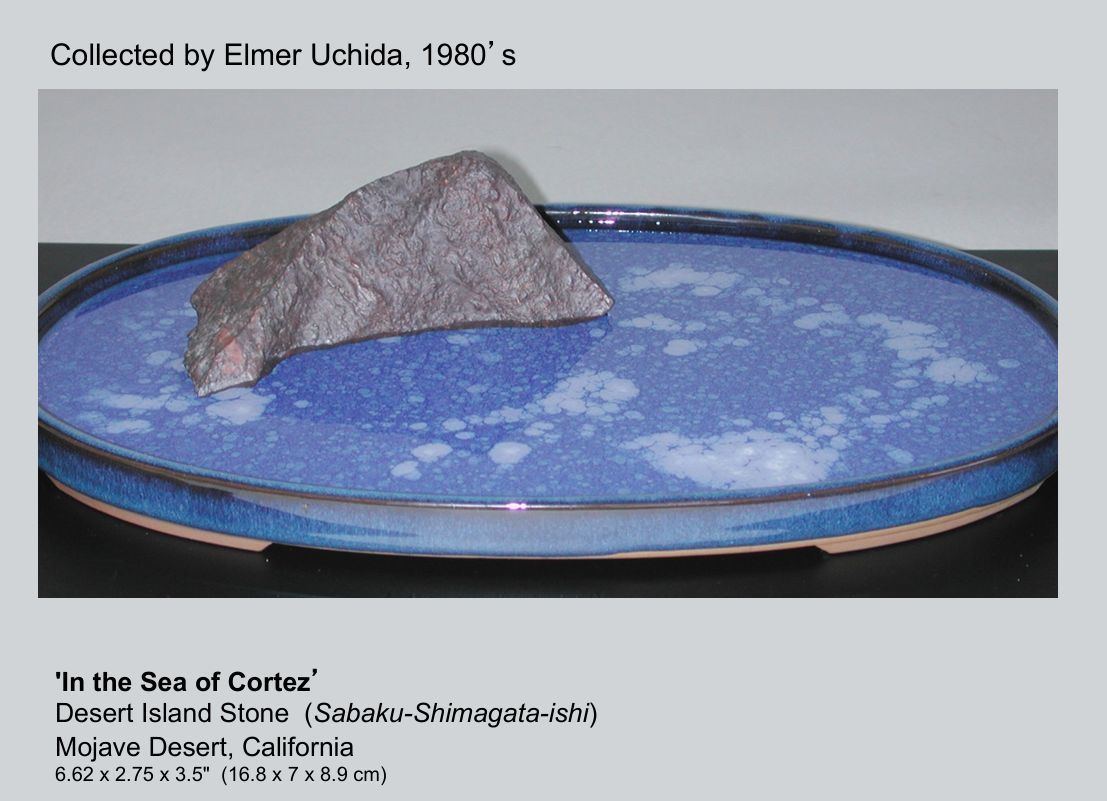
Suiseki (水石), literally “water stone,” refers to naturally formed stones admired for their beauty, shape, and ability to evoke scenes from nature. Unlike sculpture or carving, Suiseki is defined by non‑intervention. The stone must remain in its natural state—no cutting, sanding, or reshaping. Only minimal cleaning is allowed.
A Suiseki stone is typically displayed in one of two ways:
- Daiza (台座): a hand‑carved wooden base made specifically for the stone
- Suiban (水盤): a shallow tray filled with sand or water
These presentation methods elevate the stone, helping viewers perceive it as a miniature world.

A Brief History
Suiseki’s roots trace back to China’s scholar stones (Gongshi), which were collected by poets and intellectuals during the Tang dynasty. Japan adopted and refined the practice during the Kamakura period (1185–1333), when Zen Buddhism was flourishing. Samurai and monks embraced Suiseki as a meditative art form—one that encouraged stillness, introspection, and harmony with nature.
Over time, Suiseki became closely associated with bonsai culture. Many bonsai exhibitions include Suiseki displays, and the two arts share similar values: reverence for natural form, subtle beauty, and the passage of time.
What Makes a Stone a Suiseki?
Not every stone qualifies. A true Suiseki must possess several key qualities:
- Suggestiveness: The stone should evoke something recognizable—mountains, islands, waterfalls, animals, or abstract emotional impressions.
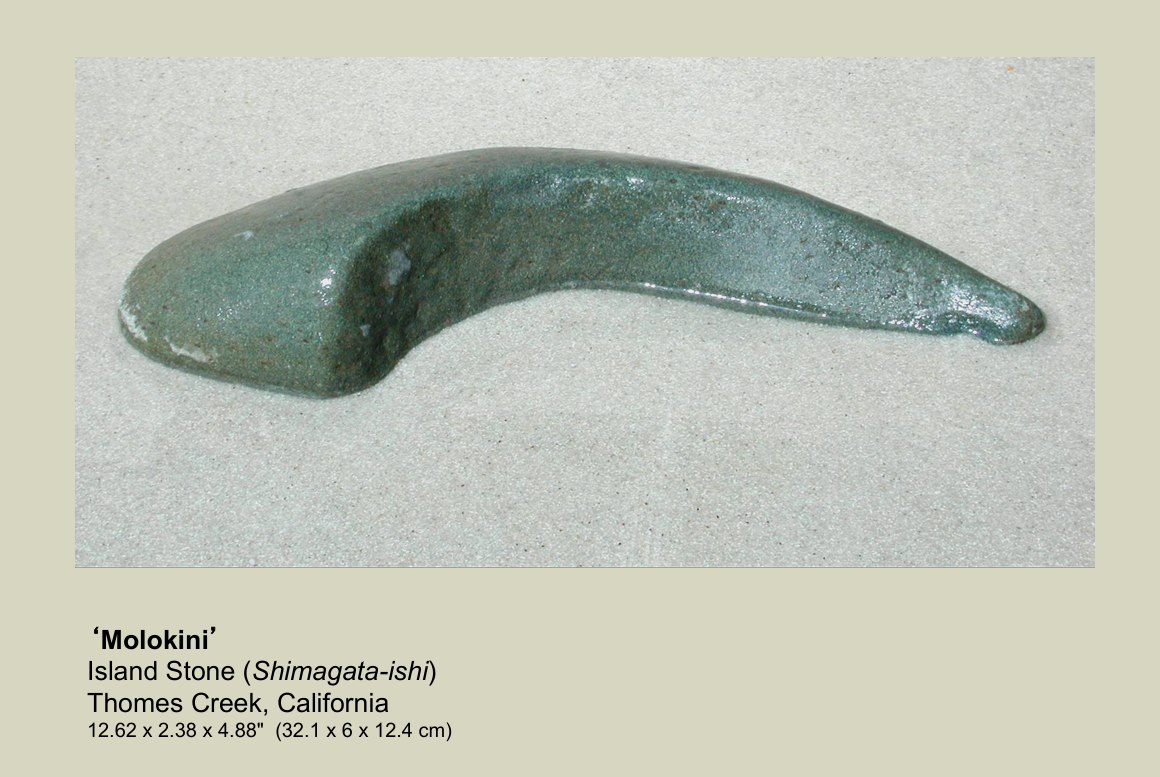
- Age and Patina: Weathering, mineral deposits, and surface texture contribute to the stone’s character.
- Balance and Form: The stone should sit naturally and harmoniously in its daiza or suiban.
- Color: Traditional Suiseki favors subdued, earthy tones—black, brown, grey, and muted greens.
The most prized stones come from riverbeds, mountainsides, and coastal areas where centuries of erosion have shaped them.
Types of Suiseki
Collectors often categorize stones by what they evoke:
- Landscape Stones (Kei-seki): mountains, cliffs, plateaus, or distant horizons
- Waterfall Stones (Taki-ishi): stones with vertical striations resembling falling water
- Shoreline Stones (Iso-seki): stones that suggest beaches or rocky coasts
- Object Stones (Sugata-ishi): stones that resemble animals, figures, or symbolic shapes
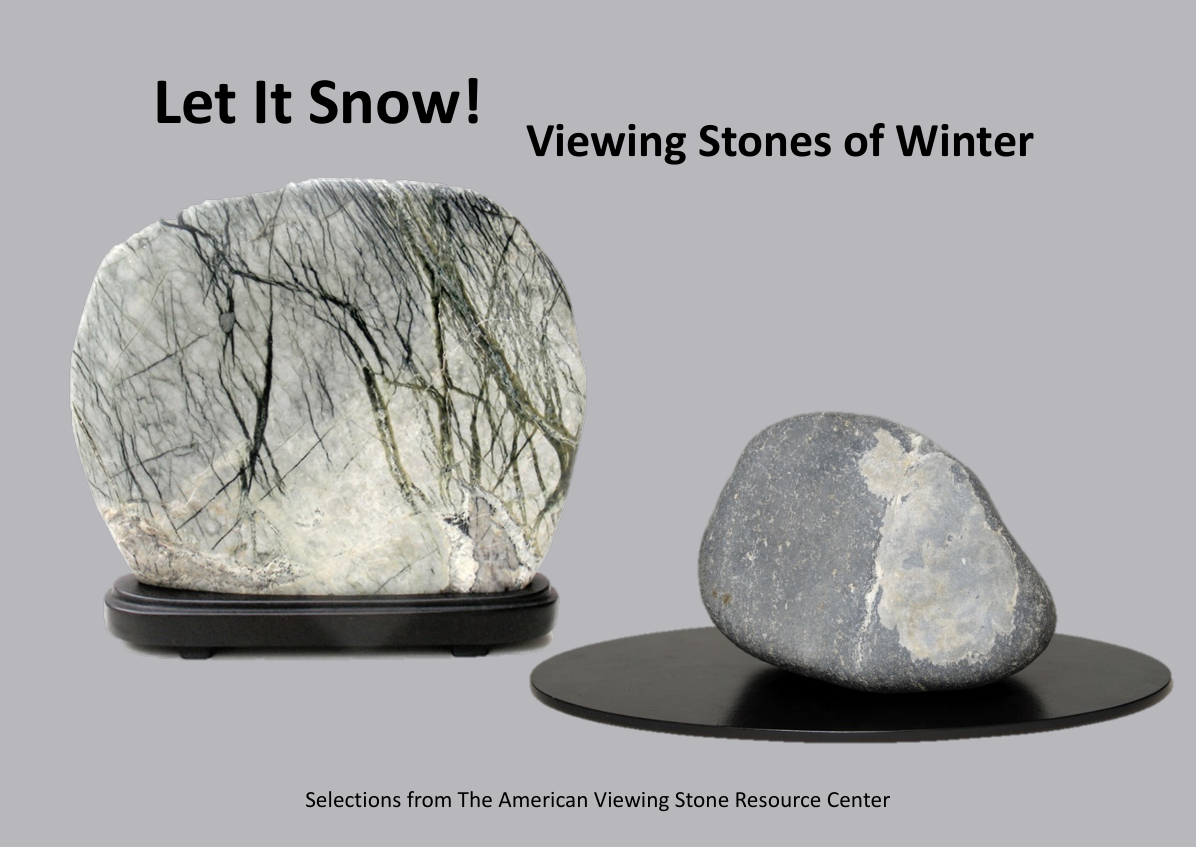
- Pattern Stones (Mon-seki): stones with striking natural patterns or mineral lines
Each category reflects a different way of seeing the world within the stone.
Why Suiseki Matters Today
In an era of constant digital stimulation, Suiseki offers a counterbalance. It’s an art form rooted in patience, quiet observation, and the appreciation of natural imperfection. A single stone can become a focal point for meditation, a conversation piece, or a reminder of the landscapes that shaped it.
Collectors often describe Suiseki as a lifelong practice. Stones are not merely objects—they’re companions that reveal new details over time. Their meaning evolves with the viewer’s own experiences.
How to Begin Your Own Suiseki Journey
You don’t need specialized tools or training to start. Many enthusiasts begin by exploring local rivers, beaches, or hiking trails. The key is to look for stones that feel evocative—those that spark imagination.
Once you find a stone:
- Clean it gently with water and a soft brush.
- Study its natural orientation—the way it “wants” to sit.
- Consider a daiza or suiban if you want a formal display.
- Place it somewhere you’ll see it often and let the relationship develop.
Suiseki is less about collecting and more about noticing.
These galleries show the range of forms Suiseki can take—from towering mountain stones to delicate shoreline pieces.
The Quiet Power of Stones
Suiseki reminds us that beauty doesn’t need to be loud or elaborate. A stone shaped by wind, water, and time can hold more poetry than any human-made sculpture. It invites us to slow down, breathe, and rediscover the landscapes hidden in everyday materials.
In a world that often celebrates speed and novelty, Suiseki offers something different: a return to stillness, simplicity, and the quiet imagination of nature.
Featured image-“Sunrise Off Jindo” Sun-pattern stone (Higata-ishi) Oceanside, California via https://www.aisekikai.com/gallery