- Since its creation in 1987, the Office of the Superintendent of Financial Institutions (OSFI) has served as Canada’s federal micro-prudential regulator, operating under a single-head governance model that was suitable at the time but has not undergone a major review in nearly three decades.
- Particularly following the 2008 financial crisis, OSFI’s activities have expanded in response to a more complex and rapidly evolving environment in which Canadian financial institutions operate. Meanwhile, governance practices across the financial sector have modernized, leaving OSFI’s structure increasingly out of step with its domestic and international peers.
- To modernize OSFI’s governance, policymakers should mandate regular parliamentary oversight and introduce a multi-member model, such as a board of directors supported by advisory committees. These changes would strengthen transparency, accountability, and diversity of perspectives, ensuring that OSFI remains a credible and responsive regulator.
- OSFI would also benefit from a periodic review of its governance framework. A formal review cycle, at least once every decade, would help keep its governance model current, effective, and aligned with its expanding responsibilities.
Introduction
Canada’s financial system faces a brave new world of risks, from geopolitical fragmentation and cyber threats to climate-related shocks, that place new demands on its regulators. But the governance structure of the Office of the Superintendent of Financial Institutions (OSFI), the country’s federal prudential regulator, has remained largely unchanged for decades.
OSFI was established in 1987 to ensure the safety and soundness of the Canadian financial system, based on recommendations from the Estey Commission. It was formed by consolidating the Department of Insurance and the Office of the Inspector General of Banks.
A Superintendent, supported by deputies and staff, holds sole responsibility for prudential regulation and supervision. While OSFI is an independent agency, it is accountable to Parliament through the minister of finance. Its internal governance includes a Departmental Audit Committee (DAC), which advises on risk management, control, and governance frameworks, and an internal audit team that reports to the Superintendent.
This structure differs meaningfully from those of comparable domestic and international regulators. And there are reasons to ask whether its governance structure remains appropriate for today’s environment.
We start with the premise that, since 1987, governance practices, financial services, the risk environment, and OSFI’s mandate and activities have all evolved significantly. Yet the model underpinning OSFI’s structure (see Box 1) has not undergone a major review since the MacKay Task Force in 1998, nearly 30 years ago.
Historically, Canada’s financial system included five main groups: chartered banks, trust and loan companies, the co-operative credit movement, life insurance companies, and securities dealers. These pillars began to dissolve shortly after the formation of OSFI with the 1987 and 1992 revisions to the Bank Act, as large banks acquired trust and loan companies and securities dealers. Recently, some credit unions have become federally regulated.
Today, Canada’s financial sector faces a convergence of risks that challenge traditional prudential supervision and place new demands on regulatory governance. Beyond post-financial crisis concerns about capital adequacy and credit risk, the current landscape includes geopolitical tensions that could disrupt cross-border resolution and capital flows (Zelmer 2025), increasingly sophisticated cyber threats (including state-linked attacks [OSFI 2025]), and escalating physical and transition risks from climate change (IMF 2025a). While OSFI has strengthened its supervisory frameworks in areas such as cyber resilience and climate risk, these pressures highlight the importance of a governance structure capable of navigating complex trade-offs between stability, competitiveness, resilience, and public confidence.
OSFI’s responsibilities have also expanded. Since 2012, it has overseen the insurance activities of the Canada Mortgage and Housing Corporation (CMHC). In 2016, it introduced a mortgage stress test, increasing its direct impact on individual Canadians. More recently, the passage of Bill C-47 in 2023 requires OSFI to examine whether federally regulated financial institutions have adequate policies and procedures related to integrity and security.
Compared with its peers, OSFI’s governance model is unusual. Many comparable regulators operate with boards (OECD 2010). The OECD (2014) identifies several advantages of multi-member governing bodies: they are less susceptible to regulatory capture than a single decision-maker; they better balance judgment in complex, principles-based regulatory environments; and they provide collective support for strategic oversight. All three apply to OSFI. While its track record reflects strong leadership, distributing authority would reduce institutional vulnerability by design, rather than relying on any one individual. A multi-member body would also provide a structured forum for debating complex trade-offs and challenging internal decision-making as OSFI confronts emerging risks such as AI and cyber threats.
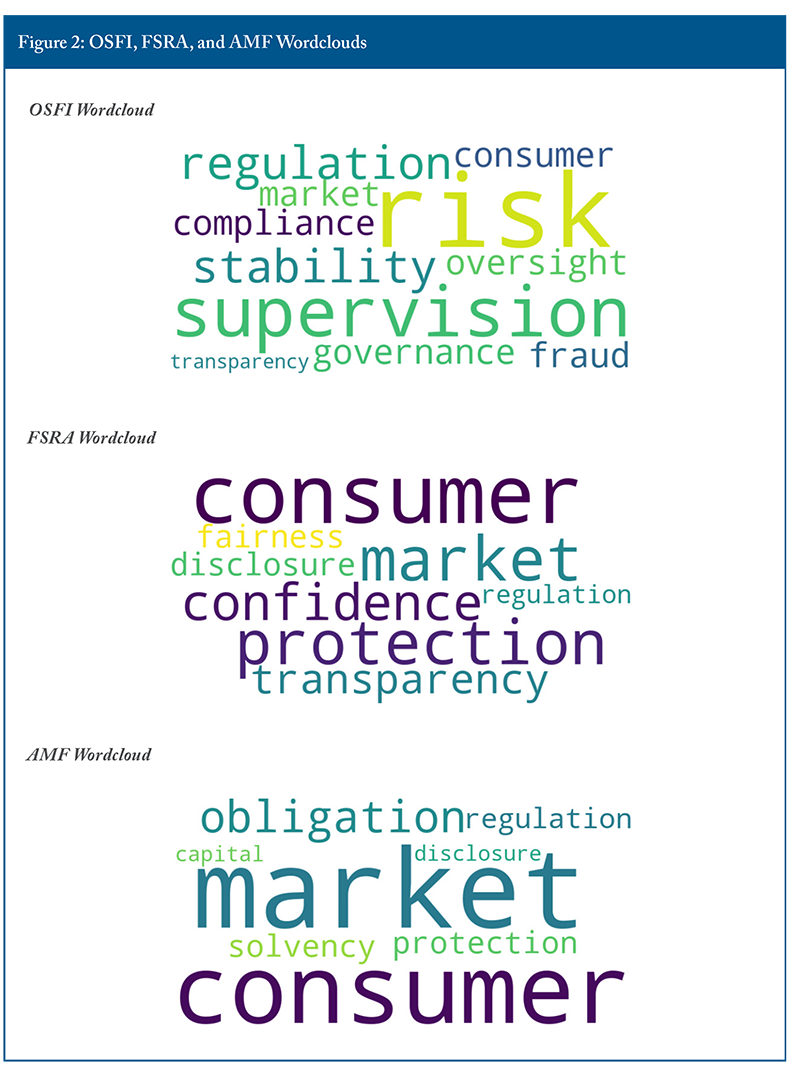
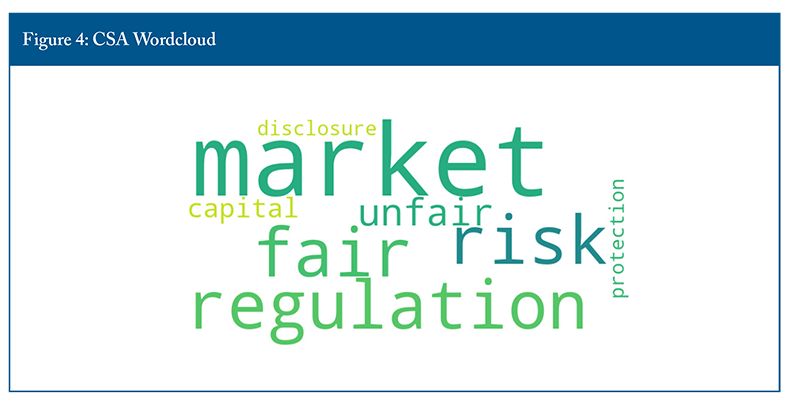
International counterparts following such practices include the UK’s Prudential Regulation Authority and Australia’s Prudential Regulation Authority. Domestically, newer regulators such as the Financial Services Regulatory Authority of Ontario (FSRA), along with securities regulators like the Ontario Securities Commission (OSC), have adopted board governance structures.
Given the evolving financial landscape, a shift from a single-head model to a multi-member structure is warranted. Regulating the financial system requires a balancing act that collective decision-making provides by offering a diversity of opinions, expertise, and perceptions. As OSFI’s activities expand into areas such as cybersecurity and financial institution governance, it also requires new subject-matter expertise to develop compliance and enforcement capabilities in new areas.
We therefore recommend that OSFI transition to a multi-member governance structure, including a board of directors and advisory councils. This would strengthen independence, enhance transparency and accountability, and align OSFI with best practices in regulatory governance.
OSFI’s governance model should also undergo periodic review – something that has not occurred since the MacKay Task Force nearly three decades ago (see Box 2). This absence has left the framework misaligned with international best practices. Conducting a formal review at least once every 10 years would ensure that the model remains current and fit for purpose in fulfilling OSFI’s mandate and Canadians’ expectations.
OSFI Expanded Responsibilities and Activities
Since the 2007-08 global financial crisis, OSFI’s mandate and responsibilities (Figure 2) have broadened significantly in response to rising systemic risks and a more complex financial landscape. As noted, OSFI oversees CMHC, particularly its commercial activities in the mortgage insurance sector – an area critical to housing market dynamics and, by extension, to household debt and consumption patterns.
OSFI has also taken a more proactive role in setting regulatory expectations. Since 2016, it has accelerated the issuance of guidelines on governance, capital adequacy, and insurance practices of federally regulated financial institutions (FRFIs). In some cases, these guidelines go beyond traditional supervisory functions and increasingly influence Canadians’ everyday financial experiences.
One prominent example is the Minimum Qualifying Rate (MQR) or “mortgage stress test” introduced by OSFI in 2018. It requires lenders to verify income and apply a minimum qualifying rate to uninsured mortgages. The stress test is designed to evaluate the solvency of mortgage holders under adverse interest rate conditions, reduce systemic risk in the housing market, and support sound financial management of financial institutions. While it strengthens system resilience, this approach may limit household credit availability and affect Canadians’ capacity to purchase homes.1
More recently, the passage of Bill C-47 by the federal government in 2023 further expanded OSFI’s authority. It allows OSFI to assess whether FRFIs have adequate integrity and security policies and procedures. This change reflects the shift toward a broader conception of financial stability. As a result, the Superintendent’s responsibilities have grown in both complexity and impact.
Although OSFI has developed the in-house expertise2 to manage its expanded functions, its evolving role would benefit from greater external input.3 Incorporating diverse perspectives would strengthen its ability to challenge prevailing internal perspectives and ensure that its regulatory approach remains well-informed, while anchored in its prudential mandate.
The Pros and Cons
Before making the case for transitioning OSFI to a multi-member model, it’s useful to set out the advantages and limits of each governance model. Regulators generally use three models. The first is a multi-member body that sets strategic direction and operational policy, while delegating regulatory decisions to a chief executive officer. The second is a commission model, also multi-member, in which a collective makes most substantive decisions. The third is a single-head model, where one individual holds primary decision-making authority.
The Organisation for Economic Co-operation and Development (OECD 2014) provides the established international framework for evaluating regulatory governance, including the choice between single-member and multi-member governance structures for independent regulators. It identifies when a multi-member governance model adds value, outlines the design considerations, and offers a framework for applying these factors to a specific regulator. Table 1 summarizes the main advantages and disadvantages of a multi-member body.
When a multi-member body adds value
The OECD (2014) identifies five factors in determining whether a multi-member governing body adds value.
- Potential consequences of regulatory decisions: A collective is less susceptible to regulatory capture4 than an individual and benefits from a wider range of perspectives.
- Need for diverse judgment: In complex or principles-based regulation, collective decision-making better balances judgment factors and minimizes the risks of varying judgments.
- Degree of strategic guidance and oversight required: This is especially important when developing new regulations and deploying resources because a multi-member model provides the necessary collective support for strategic considerations.
- Maintaining regulatory consistency over time: A group can better maintain consistency by providing “corporate memory” in decisions that rely heavily on judgment.
- Decision-making independence: Boards are generally less susceptible to political or industry influence than a single decision-maker.5
What the single-head model offers that a multi-member model risks losing
By identifying when multi-member governance adds value, the OECD framework implicitly identifies the conditions under which a single-head model is better suited.
One of the clearest advantages of the single-head model is that responsibility is unambiguous. At OSFI, the Superintendent is directly accountable to the minister of finance, Parliament, and the public. Having a board does not automatically improve accountability. It can, if poorly designed, diffuse it.
The single-head model also enables faster, more decisive action. It avoids the delays of consensus-building and supports rapid responses to emerging risks or mandate changes. It can also minimize the risk of policy conflict that may arise when multiple board members hold divergent views.
These are not trivial considerations. As a microprudential regulator, OSFI must often respond rapidly to emerging risks and take swift decisions on a case-by-case basis. The ability to act without delay is valuable. A poorly designed multi-member body could slow responsiveness and introduce the kind of internal disagreement that undermines regulatory certainty. The OECD (2014) acknowledges this risk, noting that where a regulator has a high volume of time-sensitive decisions, the full governing body may need to delegate extensively.
The tension between models is genuine.
The OECD framework does not prescribe a single model but asks whether, on an honest assessment of the five criteria, the case for collective governance has been met. As the following sections argue, OSFI’s expanded mandate, the more complex risk environment, and the breadth of judgement now required shift that balance toward a multi-member model, provided the design risks are carefully managed.
The Evolving Risk Environment: A Case for Enhanced Governance
As this section demonstrates, Canada’s financial sector faces an unprecedented convergence of risks – geopolitical instability, cyber threats, climate change, and complex capital regulation trade-offs – that has expanded well beyond post-financial crisis concerns and fundamentally challenges traditional regulatory approaches. This shift raises the question of whether OSFI needs a new governance approach.
The answer is yes. As these risks grow in scope and complexity, OSFI’s governance structure should evolve accordingly. While the current model concentrates decision-making authority in a single Superintendent, a board could bring together experts in geopolitics, cybersecurity, climate science, international finance, and domestic economic policy to inform OSFI’s strategic direction. It would provide a forum for debating complex trade-offs, such as balancing financial stability with economic growth or weighing international regulatory coordination against domestic competitive concerns, in a more transparent and accountable manner. Most importantly, it would enhance OSFI’s legitimacy and public confidence in its decision-making during periods of intense scrutiny.
Geopolitical Risk and Cross-Border Vulnerabilities
Rising geopolitical tensions present fundamental challenges to Canada’s internationally active financial institutions. As Zelmer (2025) notes, weakening cross-border cooperation, particularly involving the United States, could make it harder to manage the recovery or orderly resolution of internationally active Canadian financial institutions during periods of distress. Foreign regulators may ring-fence assets within their jurisdictions, limiting Canadian authorities’ access to the capital and liquidity needed to protect domestic depositors and creditors. This risk is especially significant because Canada’s six major banks have substantial operations and exposures in the United States and other foreign markets.
These emerging and potentially politicized risks highlight the value of a board in providing independent, collective support for OSFI’s strategic direction.
Cyber Risk and Technological Threats
Cyber threats targeting financial institutions have increased in frequency and sophistication. In 2023, 26 percent of finance and insurance firms experienced cybersecurity incidents, compared with 16 percent across the private sector.6 Furthermore, the threat of cyberattacks remains high in Canada (IMF 2025b), and money laundering and fraud attempts from criminals and state-linked actors are becoming more advanced and difficult to detect (OSFI 2025). These activities will likely intensify with advances in AI and digitalization.
OSFI has acknowledged that foreign actors may target Canadian institutions for financial gains and geopolitical purposes (OSFI 2025). Repeated incidents in the financial sector could erode confidence and threaten its stability, causing spillovers to the rest of the economy.7
A 2025 IMF Financial Sector Assessment Program review of Canada found that while OSFI’s cyber risk supervisory framework is strong, gaps remained in coordination with federal and provincial authorities, and that OSFI’s integrated mandate enables it to detect advanced cyber threats beyond conventional risks (IMF 2025b). Given the complexity of these risks, a well-designed board with the right expertise could offer appropriate support in developing a strategic plan to mitigate these risks.
Climate Risks
Climate change presents both transition and physical risks to Canada’s financial system, with broader macroeconomic effects. It can reduce GDP (Dahlhaus 2025), increase inflation volatility (Duprey and Fernandes 2025), and negatively affect employment (Duprey et al. 2024). The 2016 Fort McMurray wildfire alone caused an estimated $9.9 billion in damages and reduced quarterly GDP by 0.4 percent (Statistics Canada 2024). These risks are expected to intensify, with projections indicating more frequent and severe weather conditions and longer wildfire seasons across much of Canada (IMF 2025a).
OSFI’s Guideline B-15 sets out expectations for FRFIs’ management of climate-related risks.8 However, the IMF’s recent assessment of climate risk in Canada’s financial sector recommends that OSFI strengthen its climate risk supervision through better data, coordination, and stress testing (IMF 2025a). A board with relevant expertise could help guide OSFI’s strategic response, while an advisory committee could support technical policy development in this area.
Domestic Regulatory Complexity: Basel III and Capital Requirements
Implementing Basel III reforms has created significant domestic challenges. In 2024-2025, OSFI faced intense public scrutiny over its approach to implementing the Basel III standardized capital floor (Zelmer 2024), with Superintendent Peter Routledge noting that the intensity of attention was new to OSFI and provided an opportunity to communicate more clearly to Canadians (OSFI 2024). The Superintendent noted that some observers argued that OSFI’s decision would have “a consequential and negative impact on economic growth, arguing that dramatically rising capital requirements
would slow lending and then economic growth” (OSFI 2024).
OSFI’s decision to indefinitely defer increases to the Basel III standardized capital floor level reflected concerns about competitive balance in the international banking system, as uncertainty remained about when other jurisdictions would fully implement Basel III.9 These are precisely the kinds of complex, multi-dimensional trade-offs that a board, equipped with expertise in international finance, economics, and competition policy, could be designed to support and challenge. A structured deliberative process within a governing board could provide a forum to assess these issues transparently and reduce perceptions of reactive or politically influenced decision-making.
The General Case for Multi-Member Governance at OSFI
The previous sections have shown that, across multiple dimensions of OSFI’s expanded mandate and activities, a multi-member governance structure could create net benefits over the current single-head model. This section shows how OSFI’s governance structure is out of step with comparable regulators domestically and internationally and draws lessons for reform.
International Comparison of the Governance Structures of Financial Institutions’ Regulatory Supervisors
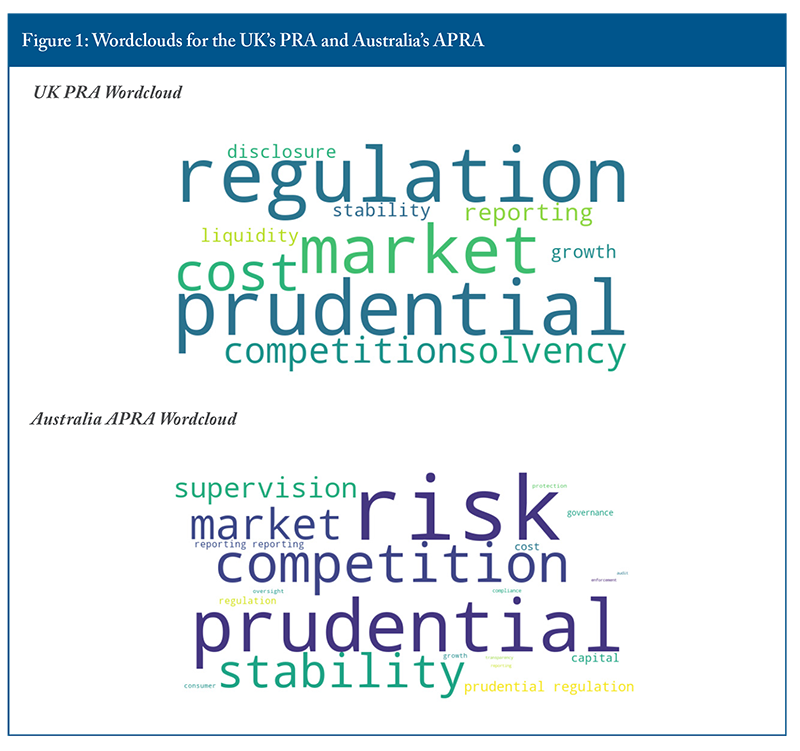
We compare OSFI’s governance structure with the Australian Prudential Regulatory Authority (APRA), the UK’s Prudential Regulatory Authority (PRA), and Switzerland’s Financial Market Supervisory Authority (FINMA). All have similar mandates: they regulate financial institutions but are not responsible for promoting consumer protection.10
APRA uses a commission model that supports collective decision-making and incorporates a range of perspectives, thereby reducing dependence on any single leader. Its executive board of three to five government-appointed members, including the CEO as chair, manages operations and sets strategy. However, the responsibility for balancing immediate operational demands with long-term strategic priorities ultimately remains concentrated in a single authority. A clearer separation of these roles might yield a more effective balance. Consequently, this governance approach remains vulnerable to some of the same challenges faced by the single-head model. Furthermore, a lack of external views may hinder strategic decisions, given that the members are all employees and thus not independent of APRA.
Switzerland’s FINMA represents a cleaner governance board model and is widely seen as best practice (OECD 2014). An independent board of seven to nine expert members from academia and industry sets the strategic oversight and long-term planning, and oversees an executive team led by a CEO. No FINMA employees or ministry of finance officials sit on the board, ensuring independence. Its architecture creates a clear distinction between strategic and operational management. The board enhances the executive team’s accountability, and its composition strikes the right balance of multidisciplinary expertise between market practitioners and academics. Bringing expertise from law, finance, economics, and insurance helps align long-term strategy with evolving risks. However, safeguards are needed to prevent decision-making delays and mitigate potential biases.11
The PRA in the UK functions uniquely as part of the country’s central bank, and the Bank of England (BoE) employs the PRA staff. As a microprudential regulator, the PRA focuses on ensuring individual financial institutions are well capitalized and avoid excessive risk-taking, but through the lens of the effects those firms can have on system stability.12
Its structure is similar to the APRA’s in that it’s also governed by a commission, the Prudential Regulation Committee (PRC). At least six external expert members appointed by the government sit on the PRC, which makes it more independent.13 External members bring both market experience and academic insight, balancing practical relevance with historical and policy context. However, the presence of the BoE Governor on the board of both institutions, though a deliberate institutional choice given the PRA’s mandate orientation toward the systemic effects of firm-level risk, may raise questions about accountability and the separation of firm-level and system-level considerations in a crisis.
While OSFI’s single-head governance model offers advantages, experience across comparable jurisdictions reinforces the view that a multi-member governance structure is the most adequate for financial sector regulators. Diverse expertise and collective judgment improve decision-making and help regulators meet increasingly complex mandates. Given OSFI’s similar responsibilities, industry context, and evolving risk environment, these international experiences offer practical lessons for transitioning to a multi-member structure.
The Evolution of Provincial Financial Regulators
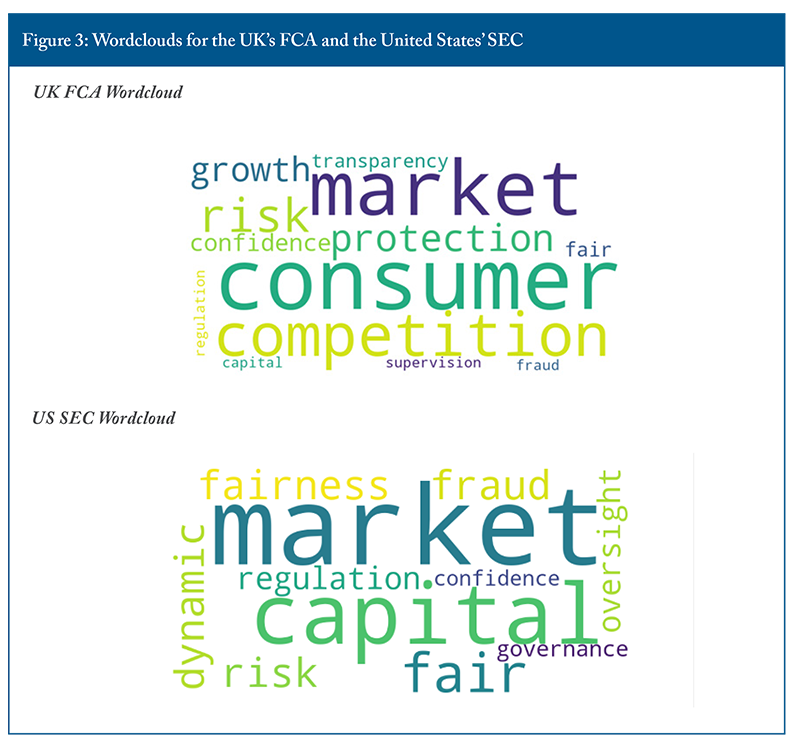
Recent Canadian reforms also support this shift. In 2022, the Ontario government revised the governance structure of the OSC (see Figure 3)14 to embrace evolving governance best practices as recommended by the Ontario Capital Markets Modernization Taskforce. The Taskforce determined that the OSC’s previous single-headed leadership structure hindered strategic oversight and operational execution, thereby limiting the organization’s overall effectiveness. It separated the Chair and CEO roles and established a board of directors (Capital Markets Modernization Taskforce 2021). Under this new model, the CEO oversees day-to-day regulatory operations, while the board sets strategic direction and governance.
Prior to that, Ontario adopted modern governance standards when it created FSRA in 2019, replacing FSCO and DICO with an agency led by an independent board and a separate CEO responsible for day-to-day management (FSRA 2025). The board sets strategic direction, oversees governance, and monitors the regulator’s performance against its mandate. The Chair of the Board serves as the primary liaison with the responsible ministry. The board has 12 members (up to 11 independent permitted plus the CEO), all with financial sector experience.15
The Canada Deposit Insurance Corporation as Institutional Comparator
The case for external board governance at OSFI is not limited to international and provincial precedents. The Canada Deposit Insurance Corporation (CDIC), which is part of Canada’s federal financial safety net, has a similar institutional structure.
CDIC operates with a board of directors, handles institution-specific supervisory data of comparable sensitivity to OSFI’s, and carries a mandate – deposit insurance, financial system stability, and resolution authority – that is functionally interdependent with OSFI’s prudential supervision role.
CDIC’s board comprises 12 members: six ex officio public sector directors drawn from the Department of Finance, the Bank of Canada, OSFI, and FCAC; and six private sector directors appointed by the Governor in Council for terms of up to four years. The CDIC Act16 bars current federal public servants, members of Parliament, and anyone affiliated with a federal or provincial financial institution from sitting on the board as private sector director. This exclusion addresses conflicts of interest while preserving access to relevant expertise. This demonstrates that statutory design can resolve the tension between independence and sectoral knowledge without foreclosing either.
The board’s mandate extends beyond administrative oversight to include strategic direction and decision-making authority over interventions in member institutions. These decisions are sensitive and time-critical, and often cited as incompatible with OSFI’s operating environment. CDIC’s experience suggests otherwise: a board can exercise strategic authority without displacing management.
Confidentiality concerns are also manageable. CDIC’s board routinely handles granular information on member institutions, subject to the conflict-of-interest rules and confidentiality obligations set out in the CDIC Act and the FAA. The practical management of confidential supervisory information within a board governance structure can be an established operating condition. There is no clear reason why similar arrangements could not function at OSFI, which is subject to comparable statutory confidentiality provisions and operates within the same inter-agency information-sharing framework.
The Office of the Auditor General of Canada has validated this model,17 finding CDIC’s governance sound and its board effective. This is further evidence that board governance of a federal financial body operating in a confidential supervisory environment is institutionally sustainable and withstands rigorous independent scrutiny over time.
In addition, the OSFI Superintendent already sits on CDIC’s board as an ex officio member, participating in board governance. The Superintendent is therefore already a participant in board-level governance of a federal financial institution operating under the same confidentiality constraints.
Taken together, the CDIC model helps in making the case for an OSFI board and shows that confidentiality constraints don’t render external governance impractical and need not compromise operational independence. The relevant question for reform is not feasibility, but how to define the boundary between board oversight and the Superintendent’s authority to preserve supervisory independence. We turn to that question next.
OSFI’s Next Review
The preceding sections have shown that board governance can coexist with operational independence across a range of international and domestic institutional comparators. The next question relates to design – how to structure such a board and allocate authority among the board, the Superintendent, and the minister.
OSFI’s mandate and governance structure have not been reviewed since 1998. This lack of periodic reviews is itself a structural gap. Comparable financial regulators in Canada and abroad undergo regular assessments of their mandate, governance, and accountability. OSFI has not. A review is warranted not because of weak performance, but because its governance framework has not been evaluated against current institutional standards, peers, or international norms in nearly 30 years.
A review focused on board governance should address, at minimum:
- What public policy outcomes should OSFI deliver?
- What operational, legislative, or regulatory changes would improve its effectiveness in the face of changing market realities?
- Would a new governance model strengthen or weaken political oversight needed to keep legislation and enforcement up to date?
- How would alternative governance structures affect the risk of stakeholder regulatory capture?
- How can governance design account for Canada’s unique federal/provincial division of financial sector regulatory responsibilities and ensure desired regulatory outcomes can be effectively achieved?
- How should statute define the boundary between board strategic oversight and the Superintendent’s authority?
- What appointment criteria and processes would ensure board independence without limiting access to relevant financial sector expertise?
- How should the board be accountable to Parliament, and how would this differ from the Superintendent’s reporting obligations?
- What, if any, role should the board play in the use of macroprudential tools such as the Domestic Stability Buffer?
- How should the accountability relationship between the Superintendent and the minister of finance be preserved or clarified in the context of a multi-member governance structure?
The next section addresses some of these questions and sets out a proposed governance architecture that draws on the institutional comparators examined and the design lessons from the MacKay Taskforce.
A Roadmap to Improve OSFI’s Governance
We now turn to how OSFI can improve its governance structure by incorporating diverse perspectives and enhancing its credibility with stakeholders. Effective governance frameworks for government agencies must safeguard against undue political or industry influence.
While OSFI maintains a professional relationship with regulated institutions, there is no evidence of regulatory capture within the Canadian financial system (IMF 2014). Nonetheless, a board structure could further strengthen OSFI’s independence by reducing vulnerability to such influence. Collective governance bodies are less susceptible to capture than individual decision-makers and can enhance institutional credibility (OECD 2014; Jabotinsky and Siems 2017). This is not to suggest that any Superintendent has been susceptible to such influence. Rather, distributed authority and diverse membership provide a durable safeguard that does not depend on any one individual.
Given OSFI’s expanding mandate and activities, the board could provide strategic oversight and support, while reinforcing institutional memory and consistency. It would allow the Superintendent to focus more on day-to-day operations while contributing to long-term strategy.
To achieve this, we recommend two changes: an independent board of directors to provide strategic oversight and expertise; and advisory councils to supplement OSFI’s knowledge in emerging risk domains such as cybersecurity and artificial intelligence.
1. Board of Directors
The board would:
- Approve strategic direction, policies, culture, and risk appetite, and provide independent advice to the Superintendent.
- Be accountable to Parliament and subject to its oversight and scrutiny.
- Periodically review OSFI’s policy effectiveness (e.g., the MQR stress test or the Domestic Stability Buffer).
- Approve the budget, review OSFI’s Annual Risk Outlook, and provide a challenge function.
- The board would not:
- Review institution-specific supervisory decisions, preserving confidentiality.18
- Manage OSFI’s operations.
- Execute decisions on prudential tools such as the MQR or the Domestic Stability Buffer.
Structure of the Board
To provide OSFI with diversity of expertise and perspective, the board of directors should:
- Exclude members from FISC and regulated industries to maintain independence.19
- Draw members from academia, former regulators (including those from other jurisdictions), risk specialists, and former industry practitioners.20
- Include an independent chair and five to nine members with multidisciplinary expertise. The Superintendent should serve as a member, and a government representative (e.g., deputy minister of finance) could serve ex officio.21
- Use three-year renewable terms with staggered appointments to ensure continuity.22
This structure differs fundamentally from the existing DAC. The DAC is an advisory body within OSFI that provides independent advice and recommendations to the Superintendent on risk management, internal controls, and governance frameworks. The DAC is composed of a majority of external members drawn from outside the federal public administration, with relevant experience in private and public sector financial reporting. Members are selected by the Superintendent and approved by the Treasury Board. At least one member must hold a professional accounting designation. The Superintendent sits as an ex officio member.
The proposed board of directors differs from the DAC in many respects (Table 2). Where the DAC looks backward to verify that established processes were followed, the board looks forward to challenge whether OSFI is pursuing the right strategic priorities. Where the DAC reports to the Superintendent, the board exercises independent oversight over the Superintendent. And where the DAC has no parliamentary accountability function, the board would serve as a formal mechanism linking OSFI’s governance to parliamentary scrutiny, which is a function that currently does not exist.
The distinction is substantive, not incremental: the DAC strengthens process integrity, while the board would strengthen the legitimacy of OSFI’s direction. Both are necessary, but one cannot substitute for the other.
2. Advisory Committees
Financial regulators commonly use advisory committees to access industry expertise and incorporate market perspectives into policymaking. For example, the OSC is supported by seven distinct third-party advisory committees to provide input on new policies, assess regulatory impacts, and communicate stakeholder concerns.23 These committees focus on specific technical or sectoral topics and provide advice to staff, drawing on both market participants and regulators.
Internationally, the UK’s PRA uses the Practitioner Panel to represent the interests of industry practitioners to fulfill a statutory duty. This independent panel provides expert input on the PRA’s policies and constructive challenge and advice to ensure that practitioner perspectives are reflected in regulatory decision-making. It meets about six times a year with PRA leadership and has contributed feedback on a range of policy issues, including the implementation of Basel 3.1.
While it is true that financial services regulators already incorporate the views of market participants and stakeholders into their regulatory rules through public consultations, they control these processes by setting the agenda and framing the questions. This approach is episodic and tied to specific rule-making initiatives.
Advisory committees would:
- Provide OSFI with a diversity of expertise and perspectives on risk-related issues, particularly in emerging areas where in-house capacity may be limited (e.g., cybersecurity).24
- Challenge OSFI’s policy responses on issues such as technology, security, and integrity risks.
Transparency around such bodies would contribute to the credibility of OSFI’s policy responses. Publishing the membership of each group and any recommendations that the body may provide to OSFI would further enhance credibility.
Advisory committees would not:
- Engage in federally regulated financial institution work, preserving confidentiality.25
- Manage OSFI’s operations, including staffing, budgeting, and internal structure.
- Review OSFI decisions and actions for specific institutions.
- Participate in OSFI-specific decisions regarding systemic prudential tools such as the MQR or the Domestic Stability Buffer.
Structure of the Advisory Committees
Advisory committees should:
- Be independent.
- Include members from academia, regulatory bodies (including other jurisdictions), risk specialists, and selected industry practitioners.26
- Have an independent chair and at least five expert members with multidisciplinary backgrounds.
- Be reviewed periodically to ensure expertise remains aligned with emerging risks, informed by sources such as OSFI’s Annual Risk Outlook and the IMF’s Global Financial Stability Report.
- Be time-limited where appropriate (e.g., three-year terms or until a specific policy issue is addressed), reflecting their specific topic of focus.27
While an independent board and advisory committees will minimize the risk of industry influence through normal course operations, it would not, on its own, address the issue of accountability.
Since OSFI derives its authority from Parliament, we recommend that Parliament play an active role in overseeing OSFI. One option would be to legally require OSFI to regularly appear before the House of Commons Standing Committee on Finance (FINA) and the Senate Standing Committee on Banking, Commerce, and the Economy (BANC). To our knowledge, the Superintendent last appeared before BANC in October 2025 and before FINA in 2024.
Regular appearances have proven effective for other institutions, such as the Bank of Canada, by strengthening transparency without compromising independence or responsiveness to emerging risks. Although not legally required to do so, the Bank of Canada appears before Parliament at least twice a year (Binette and Tchebotarev 2019). In 2024, the Standing Senate Committee on Banking, Commerce, and the Economy released a report on the conduct of monetary policy in Canada, in which it recommended formalizing this practice to strengthen accountability and transparency (Senate 2024).
In addition to stronger governance and parliamentary oversight, OSFI would benefit from a structured periodic review of its governance framework, similar to the IMF’s Financial Sector Assessment Program but focused on the regulator itself. In its nearly four decades of existence, the MacKay Task Force has been the only review of OSFI’s governance, and that was nearly 30 years ago. Establishing a formal review cycle, at least once every decade, would ensure that OSFI’s governance remains current, aligned with international best practices, and capable of supporting an increasingly complex financial sector.
Conclusion
The OSFI Act states that its purpose “…is to ensure that financial institutions and pension plans are regulated by an office of the Government of Canada so as to contribute to public confidence in the Canadian financial system.” Since its creation in 1987, OSFI has played an important role in upholding that confidence. Yet the environment in which Canadian financial institutions operate has changed dramatically and continues to evolve due to forces such as digitalization, artificial intelligence, climate-related risks, and geopolitical uncertainty.
Modernizing OSFI’s governance is both timely and necessary. We recommend moving from a single-head model to a multi-member structure, including a board of directors and advisory councils, to broaden the perspectives informing policy decisions. Further, enhancing transparency and accountability through regular appearances before Parliament would reinforce OSFI’s contribution to public confidence in the financial system.
OSFI should also adopt a formal review cycle (at least once every 10 years) to ensure its governance remains aligned with best practices and responsive to emerging risks. Publishing regular updates, conducting consultations, and providing plain-language summaries of board decisions and advisory committee recommendations would further enhance transparency.
Together, these reforms will help OSFI remain a credible and adaptive regulator.
The authors extend gratitude to Hande Bilhan, Glen Hodgson, Phil Howell, Jeremy Kronick, Victoria Mainprize, Peter MacKenzie, Parisa Mahboubi, and several anonymous referees for valuable comments and suggestions.
Jamey Hubbs currently serves on the board of Laurentian Bank. The authors retain responsibility for any errors, and the views expressed in this paper do not reflect those of their past or current affiliations.
For the Silo, Mawakina Bafale and Jamey Hubbs/C.D. Howe Institute.
REFERENCES
Binette, André, and Dmitri Tchebotarev. 2019. “Canada’s Monetary Policy Report: If Text Could Speak, What Would It Say?” Staff Analytical Note/Note analytique du personnel 2019-5. Bank of Canada.
Bourque, Paul C., and Gherardo Gennaro Caracciolo. 2024. The Good, the Bad and the Unnecessary: A Scorecard for Financial Regulations in Canada. Commentary 664. Toronto: C.D. Howe Institute. July. https://cdhowe.org/publication/good-bad-and-unnecessary-scorecard-financial-regulations-canada/.
Capital Markets Modernization Taskforce. 2021. Capital Markets Modernization Taskforce Final Report. https://files.ontario.ca/books/mof-capital-markets-modernization-taskforce-final-report-en-2021-01-22-v2.pdf.
Caracciolo, Gherardo Gennaro. 2025. Pruning the Rulebook: Canada’s Financial Regulatory Scorecard, Year Two. Commentary 694. Toronto. C.D. Howe Institute. October. https://cdhowe.org/publication/pruning-the-rulebook-canadas-financial-regulatory-scorecard-year-two/.
Dahlhaus, T., T. Duprey, and C. Johnston. 2025. “Estimating the impacts on GDP of natural disasters in Canada.” Staff Analytical Note 2025-5. Bank of Canada.
Duprey, T. and V. Fernandes. 2025. “Natural disasters and inflation in Canada.” Staff Analytical Note 2025-8. Bank of Canada.
Duprey, T., S. Jo, and G. Vallée. 2024. “Let’s get physical: Impacts of climate change physical risks on provincial employment.” Staff Working Paper 2024-32. Bank of Canada.
Edwards, Gary. 2025. Regulatory Reset: A Policy Roadmap for Expanding Financial Advice to Middle- and Lower-Income Canadians. Commentary 693. Toronto: C.D. Howe Institute. https://cdhowe.org/publication/regulatory-reset-a-policy-roadmap-for-expanding-financial-advice-to-middle-and-lower-income-canadians/.
Financial Services Regulatory Authority of Ontario. N.d. “Memorandum of Understanding.” https://www.fsrao.ca/about-fsra/governance#:~:text=The%20Memorandum%20of%20Understanding%20(MOU,Directors%20(BOD)%20and%20Chair.
Hartley, Jonathan, and Paixão Nuno. 2024. “Mortgage stress tests and household financial resilience under monetary policy tightening.” Staff Analytical Note 2024-25. Bank of Canada. November.
House of Commons. 1998. The Future Starts Now. A study of the Financial Services Sector in Canada. Committee Report No. 12, 36th Parliament, 1st Session. https://www.ourcommons.ca/DocumentViewer/en/36-1/FINA/report-12/.
International Monetary Fund. 2025a. “Canada: Financial Sector Assessment Program—Technical Note on Climate Risks Analysis.” IMF Staff Country Reports 2025/234. https://doi.org/10.5089/9798229021920.002.
______________. 2025b. “Canada: Financial Sector Assessment Program—Technical Note on Cyber Resilience of the Financial Sector.” IMF Staff Country Reports 2025/231. https://doi.org/10.5089/9798229021586.002.
______________. 2022. “United Kingdom: Financial Sector Assessment Program — Technical Note on Banking Supervision and Issues in Financial Stability.” IMF Country Reports 2022/105. https://www.imf.org/-/media/files/publications/cr/2022/english/1gbrea2022006.pdf.
______________. 2019. “Australia: Financial System Stability Assessment.” IMF Country Reports 2019/054. https://www.imf.org/en/publications/cr/issues/2019/02/13/australia-financial-system-stability-assessment-46611
Jabotinsky, Hadar Yoana, and Mathias Siems. 2017. “How to Regulate the Regulators: Applying Principles of Good Corporate Governance to Financial Regulatory Institutions.” European Corporate Governance Institute (ECGI) Law Working Paper No. 354/2017. http://dx.doi.org/10.2139/ssrn.2978112.
Office of the Superintendent of Financial Institutions. 2024. “OSFI, Basel III, and Capital Floors.” October 2. https://www.osfi-bsif.gc.ca/en/news/osfi-basel-iii-capital-floors.
______________. 2024. “The OSFI Story.” https://www.osfi-bsif.gc.ca/en/about-osfi/osfi-story.
______________. 2025. OSFI’s Annual Risk Outlook – Fiscal Year 2025-2026. https://www.osfi-bsif.gc.ca/en/print/pdf/node/2625.
Ontario Securities Commission. 2022. “New governance structure takes effect at OSC.” https://www.osc.ca/en/news-events/news/new-governance-structure-takes-effect-osc.
______________. N.d. “Advisory Committees.” https://www.osc.ca/en/about-us/role-osc/advisory-committees.
Organisation for Economic Co-operation and Development. 2010. Making Reform Happen: Lessons from OECD Countries. Paris: OECD Publishing. https://www.oecd.org/en/publications/making-reform-happen_9789264086296-en.html.
______________. 2014. The Governance of Regulators. Paris: OECD Publishing. https://doi.org/10.1787/9789264209015-en.
Privy Council Office. 1999. Guide Book for Heads of Agencies: Operations, Structures and Responsibilities in the Federal Government. Ottawa: Government of Canada. https://www.canada.ca/content/dam/pco-bcp/documents/pdfs/guide-1999-eng.pdf.
Rogers, Carolyn. 2025. “Prosperity through Productivity.” Speech. Bank of Canada. October 9. https://www.bankofcanada.ca/2025/10/prosperity-through-productivity/.
Senate of Canada, Standing Senate Committee on Banking, Commerce and the Economy. 2024. Study on Canada’s Monetary Policy Framework – Interim Findings. Interim report. December. https://sencanada.ca/content/sen/committee/441/BANC/reports/BANC_SS-2_InterimReport_Final_e.pdf
Statistics Canada. 2017. “Fort McMurray 2016 Wildfire: Economic Impact.” Catalogue no. 11-627-M2017007. https://www150.statcan.gc.ca/n1/en/pub/11-627-m/11-627-m2017007-eng.pdf?st=TnD0z4KR.
Task Force on the Future of the Canadian Financial Services Sector. 1998. Change, Challenge, Opportunity: Report of the Task Force on the Future of the Canadian Financial Services Sector. Department of Finance Canada. https://publications.gc.ca/collections/collection_2021/fin/BT22-61-1998-eng.pdf.
Treasury Board of Canada. 2019. Directors of Crown corporations: an introductory guide to their roles and responsibilities. Government of Canada. https://www.canada.ca/en/treasury-board-secretariat/services/guidance-crown-corporations/directors-crown-corporations-introductory-guide-roles-responsibilities.html
Zelmer, Mark. 2024. “Let’s Not Rush New Bank Rules on Capital and Lending.” Intelligence Memos. Toronto: C.D. Howe Institute. https://cdhowe.org/publication/mark-zelmer-lets-not-rush-new-bank-rules-capital-and-lending/.
______________. 2025. Home Advantage: Helping Financial Institutions Prepare for Financial Distress Amidst Rising Geopolitical Tensions. Commentary 692. Toronto: C.D. Howe Institute. https://cdhowe.org/publication/home-advantage-helping-financial-institutions-prepare-for-financial-distress-amidst-rising-geopolitical-tensions/.